

Botswana

Botswana
A symphony of water
About Botswana
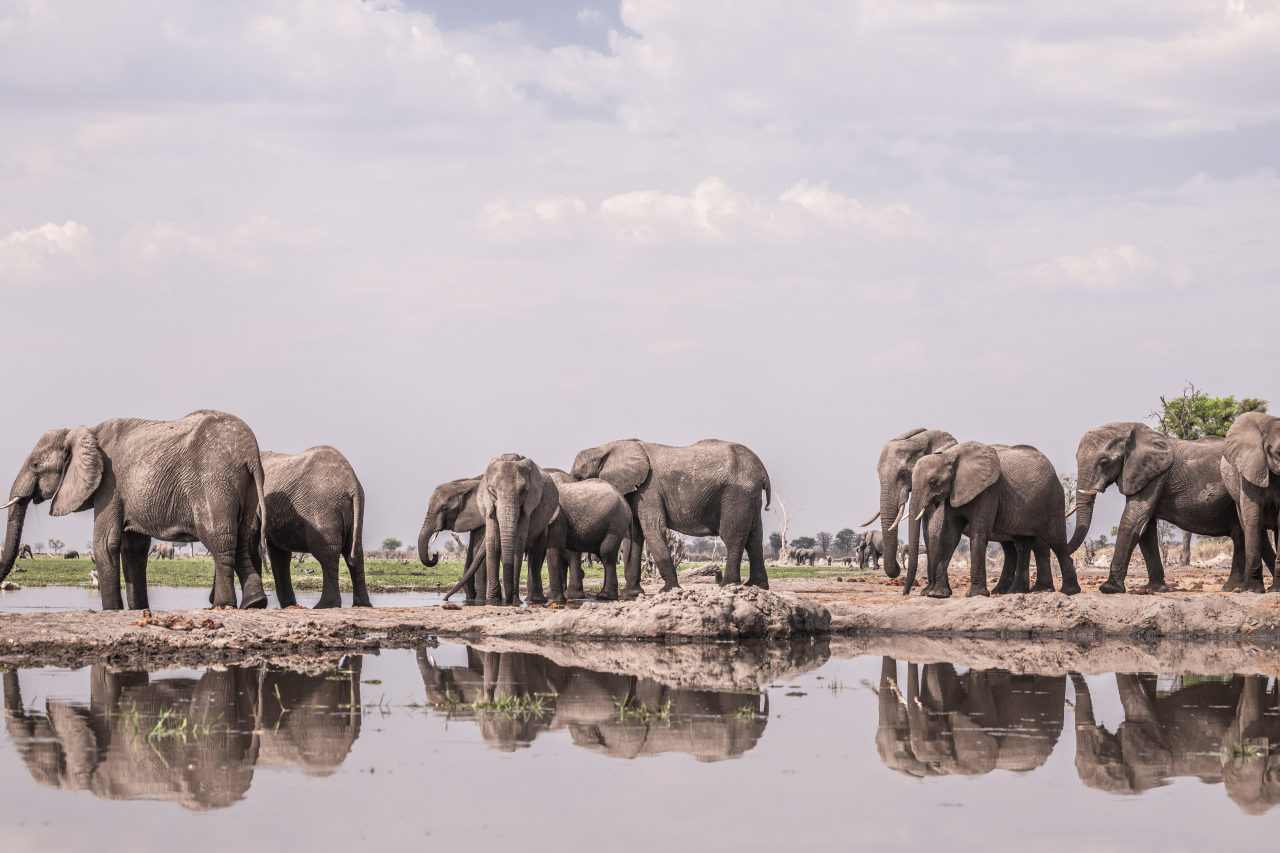
Image courtesy of Wilderness
In Botswana, water is everything. The country’s currency is the pula, the Setswana word for rain (and which is also used as a cheer). On its flag, the blue stripe represents water.
It’s little wonder: water, either the bounty or the lack of it, defines this country. A land of contrasts, Botswana – a semi-arid country the size of France, but with a tiny population of around 2.5-million – has as its crown jewel the Okavango Delta, a life-giving wetland that fans out into the sands of the Kalahari Desert, creating a unique inland oasis that teems with life.
To the south, the vast, shimmering salt pans of the Makgadikgadi stretch to an endless horizon, the silence so profound you can hear your own heartbeat. The salt pans are barren in the dry months – but come the rainy season, they explode into life.
One of Africa’s most stable and prosperous democracies, Botswana made a profound choice decades ago: to protect its natural heritage through a model of low-volume, high-value tourism.
This means you don’t encounter crowds here; instead, you’ll find pristine, unfenced wilderness and some of the most exclusive and intimate wildlife encounters on the planet. This is not just a holiday; it’s an immersion into one of the last great, truly wild places on Earth.
Top travel tips for Botswana

Did you know
Botswana is home to the largest elephant population in the world, with estimates of over 130 000 individuals
Fly-in safaris are key: Botswana is vast, with challenging terrain. The best way to experience the remote camps of the Okavango Delta and Chobe, to the north, is via small charter flights, which offer spectacular aerial views and save you days of difficult driving
Pack for all temperatures: Botswana is a land of extremes. Pack lightweight, neutral-coloured clothing for warm days on safari, but be sure to include a warm fleece or jacket, as early-morning game drives and desert nights can be surprisingly cold, even in summer
Consult a travel doctor: the prime safari destinations in the north, including the Okavango Delta and Chobe, are malaria areas. It is essential to consult your doctor about appropriate anti-malarial medication before your trip
Bring US dollars for ease: dollars are widely accepted at all major lodges and camps for tips and extra payments. Bringing a supply of smaller bills for tipping staff is highly recommended
Choose your season: the dry winter season (May to October) is peak for game viewing, as animals congregate around water sources. The wet summer season (November to April) is a paradise for birdwatchers and sees the birth of many young animals
I am just a tiny person in Africa, but there is a place for me, and for everybody, to sit down on this earth and touch it and call it their own. ”
