

Kenya
Kenya
Birthplace of the safari
About Kenya
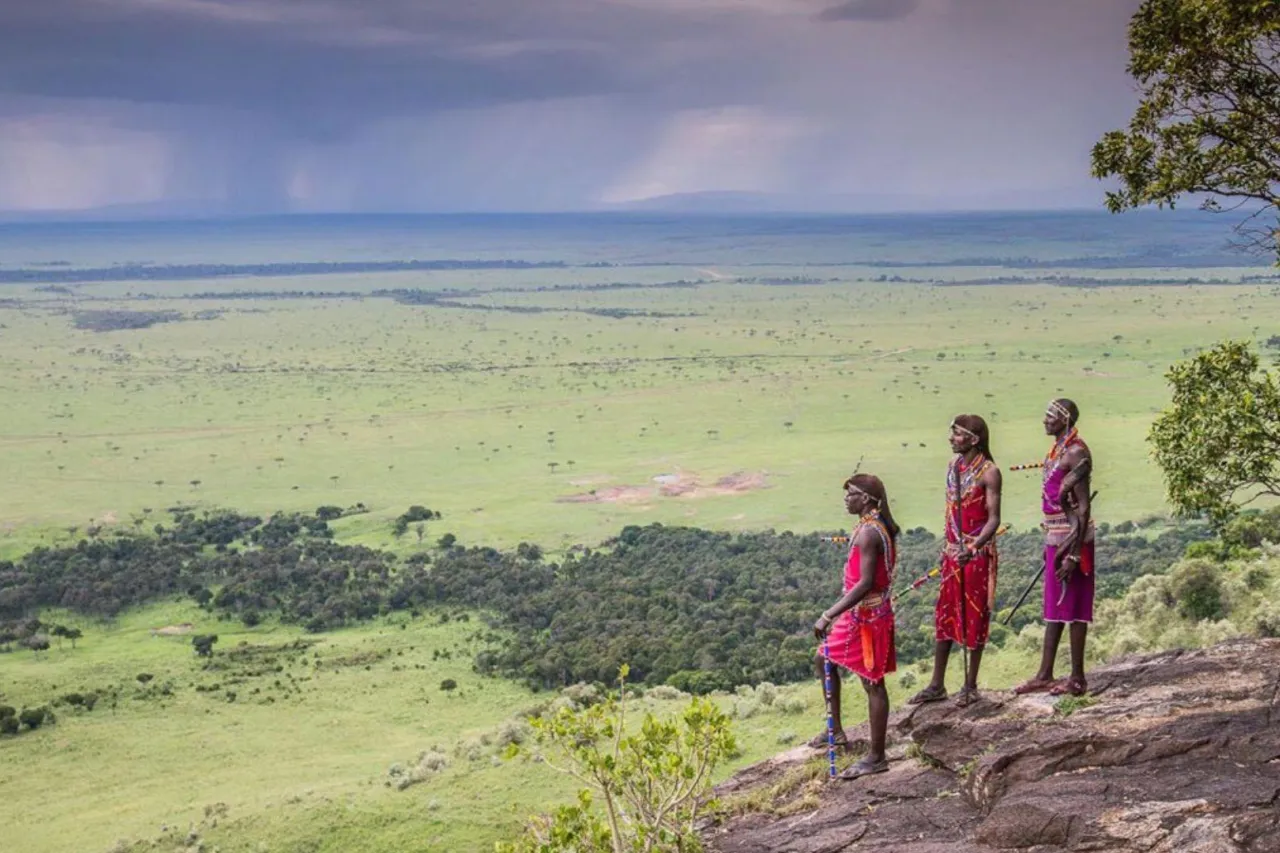
Image courtesy of Angama Mara.
The very word we use for an epic wildlife experience – safari – was born in Kenya, the Swahili for “journey”.
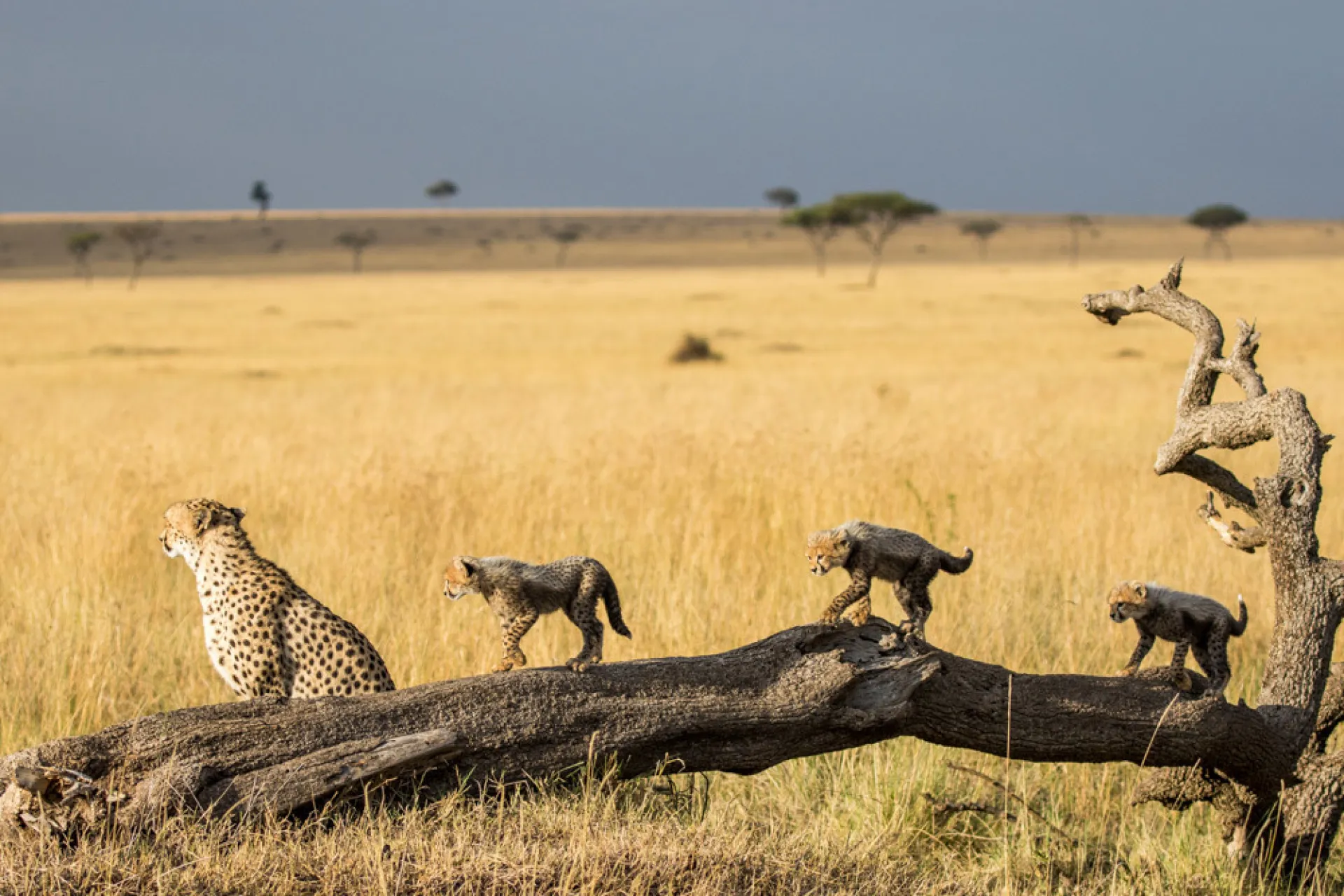
This is no accident: Kenya is the original home of the safari, a land of classic, sweeping savannahs that have defined Africa in the global imagination.
It is a country on a truly grand scale, where the theatre of nature unfolds every day. The undisputed highlight is the Great Migration, an annual spectacle where millions of wildebeest and zebra thunder across the plains of the Masai Mara in a primal cycle of life and death.
But Kenya’s landscape is so much more than just savannah. There is the sheer drama of the Great Rift Valley, slicing north to south, crowned by the snow-covered peak of Mount Kenya on the equator, and fringed by the palm-lined, turquoise waters of the Indian Ocean.
From the iconic image of elephants wandering Amboseli National Park beneath the gaze of Mount Kilimanjaro, just across the border in Tanzania, to the rich Swahili history to be found in the streets of Lamu Island, a World Heritage Site noted for its cultural preservation, Kenya is not merely a destination: it is the soul of African adventure.
Top travel tips for Kenya

Did you know
Some of the earliest evidence of human ancestry, including fossilised hominid remains dating back millions of years, has been discovered in Kenya’s Great Rift Valley
Plan around the Great Migration (if that’s your priority): the Great Migration typically crosses into the Masai Mara from Tanzania between July and October. If seeing this is your main goal, book accommodation and safaris well in advance as this is peak season
Use a mix of transport: while road travel between some national parks is possible, distances can be long and roads bumpy. Consider using Kenya’s excellent network of small safari aircraft (“safari-link” flights) to hop between reserves, saving time and getting incredible aerial views
Respect local culture: always ask for permission before taking a photograph of people, particularly the Maasai or Samburu. A friendly greeting of “Jambo!” goes a long way
Pack layers and neutral colours: early-morning game drives on the savannah can be chilly, while midday can be hot. Pack layers you can add or remove. Neutral colours such as khaki, green and brown are best for wildlife viewing, as bright colours can startle the animals
Take health precautions: key safari destinations and the coastal region are malaria areas. You must consult a travel doctor for advice on appropriate anti-malarial medication and other recommended vaccinations before your journey
You know you are truly alive when you’re living among lions.”
