

Mozambique
Mozambique
A land of living history and wild coasts
About Mozambique
Image courtesy of Anantara.
Stretching nearly 2 500km (1 550mi) along the Indian Ocean, Mozambique’s coastline is almost twice as long as California’s. Water is a definitive part of the country’s history.
Centuries-old maritime trade routes exist here, the distinctive triangular dhow sail is still visible everywhere, and some of the world’s most pristine coral reefs lie just offshore.
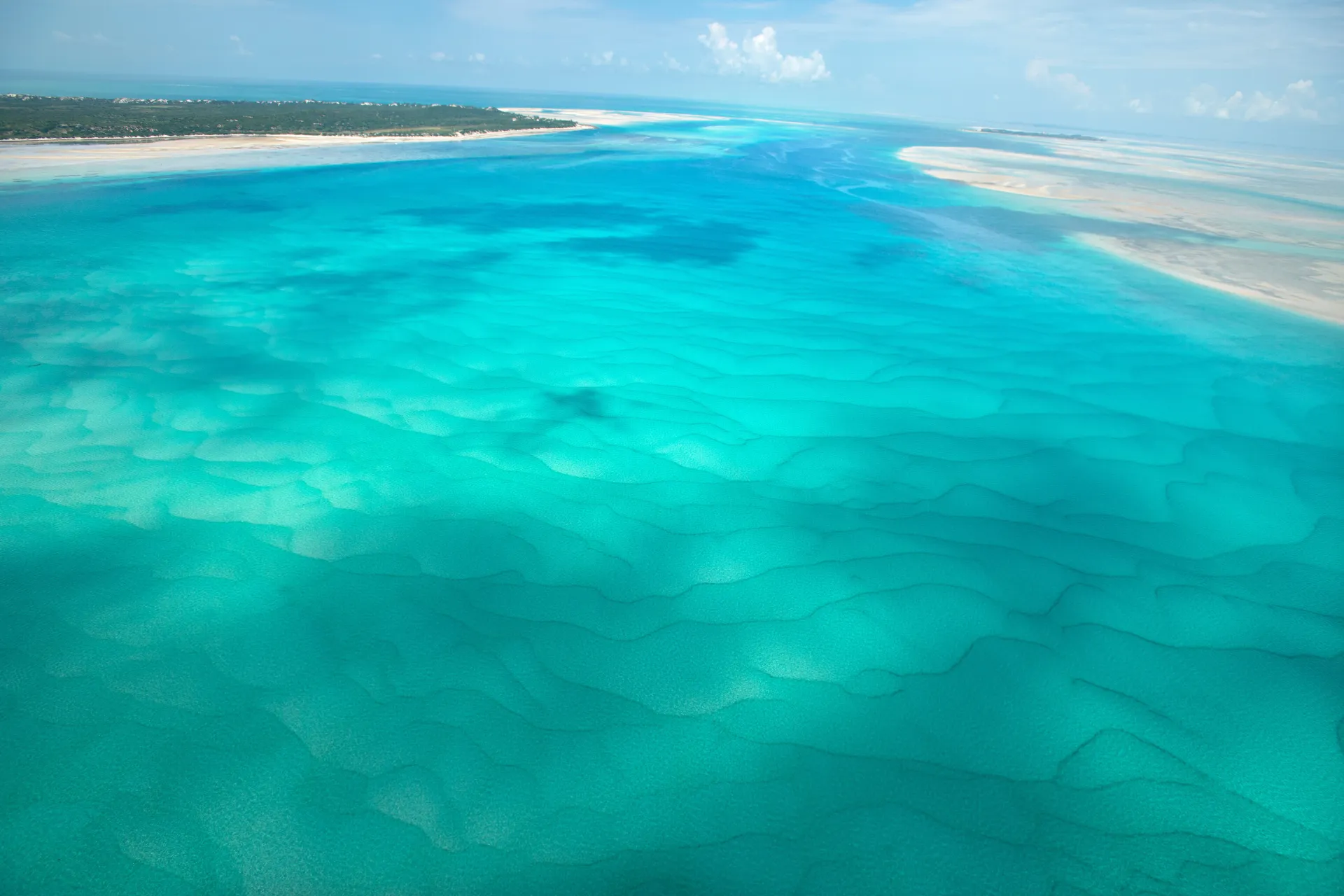
The country’s treasures are its archipelagos. In the south, the Bazaruto Archipelago is a protected marine sanctuary, a paradise of towering sand dunes and turquoise waters that shelters the last viable population of dugongs in the Western Indian Ocean.
To the north, the remote Quirimbas Archipelago offers a string of jungled, coral-ringed islands, including the UNESCO-listed Ilha de Moçambique, a former colonial capital so rich in history that its stone buildings seem to whisper stories of explorer Vasco da Gama and bygone eras.
But Mozambique’s story of resilience is most powerfully told on the mainland. In the heart of the country, Gorongosa National Park has risen from the ashes of civil war to become what many call Africa’s greatest conservation success story, a vibrant wilderness teeming with life once more.
Mozambique is not a simple fly-in beach or safari destination; it is a deep, rewarding experience for the curious traveller, a journey into a soulful, off-the-beaten-path Africa with a singular Afro-Portuguese heartbeat.
Top travel tips for Mozambique

Did you know
Maputo’s beautiful, functional train station was designed by the team of Gustave Eiffel, the creator of Paris’s famous tower
Check your visa requirements carefully: visa regulations for Mozambique can change. Your Travel Architect will check the latest requirements for your specific nationality well in advance of your travel date, to avoid any issues upon arrival
Bring cash, especially US dollars: while the metical is the official currency, US dollars are widely accepted in tourist areas for hotels, activities and tips. In remote lodges and islands, card facilities can be unreliable, so carrying sufficient cash is crucial
Take malaria precautions seriously: the entire country, including the coastline and all national parks, is a high-risk malaria zone. It is non-negotiable to consult your doctor or a travel clinic for appropriate anti-malarial medication before your trip
Plan for internal flights: Mozambique is a vast country with great distances between its main attractions. The most practical way to travel between destinations like Gorongosa, the Quirimbas and the Bazaruto Archipelago is via internal flights on small aircraft
Learn a few words of Portuguese: Portuguese is the official language. While English is spoken in tourist hubs, learning a few basic phrases such as “bom dia” (good morning), “por favor” (please) and “obrigado” (thank you) will be warmly received and will enrich your interactions
Gorongosa Park is loved by all Mozambicans. It is a national symbol that stands above politics. It unites the country.”
