

Zanzibar
Zanzibar
The spice island
About Zanzibar

Image courtesy of &Beyond.
A semi-autonomous Tanzanian archipelago that boasts an intoxicating blend of African, Arab, Indian and European cultures, for centuries this was a powerful epicentre of the spice trade and a formidable Omani sultanate, a place of wealth and historical events.
Its rich, complex past is the soul of the island. You feel it in the labyrinthine alleys of Stone Town, a UNESCO World Heritage Site where Zanzibar’s famous, intricately carved wooden doors whisper tales of their original owners. You can smell it in the air – the faint, sweet scent of cloves that once made this archipelago a prize for empires. This deep cultural heritage provides a counterpoint to the island’s idyllic other face: the palm-fringed, powder-white beaches and turquoise Indian Ocean.
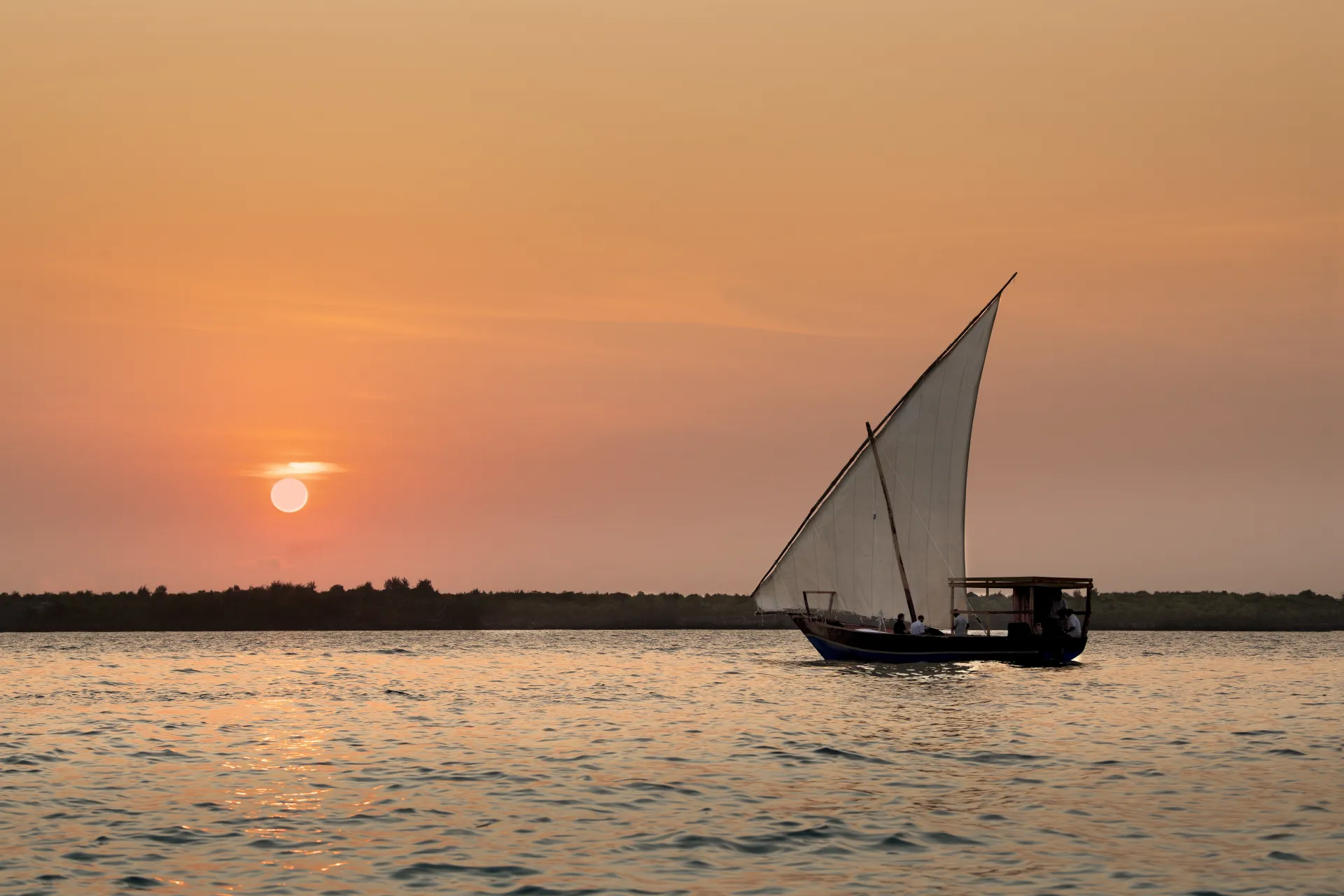
From the sensory delight of a spice farm tour to the solemn history of the former slave market, and from the playful antics of the endemic red colobus monkeys to the silhouette of a dhow sailing into a fiery sunset, Zanzibar offers a journey that is as nourishing for the mind as it is beautiful for the eye.
It is a destination that engages all the senses, a true crossroads of culture and nature.
Top travel tips for Zanzibar

Did you know
The Anglo-Zanzibar War of 1896 is considered the shortest war in recorded history, lasting between 38 and 45 minutes
Dress respectfully in Stone Town: Stone Town is a historic and culturally conservative area with a large Muslim population. To show respect, both men and women should dress modestly, covering their shoulders and knees when walking through the town
Tap water is a no-no: drink only bottled or filtered water, especially in Stone Town, and take care about ice in drinks and foods washed with tap water. Brush your teeth using bottled water. But tap water is OK for washing your hands.
Take malaria precautions: the entire Zanzibar archipelago is a malaria-risk zone. It is essential to consult your doctor or a travel clinic for advice on appropriate anti-malarial medication and to use insect repellent, especially at dawn and dusk
Carry cash for local purchases: while the Tanzanian shilling is the official currency, US dollars are widely accepted for major tourist expenses such as hotels and tours. However, for local markets, small shops and tips, carrying shillings is recommended
Negotiate taxi fares up front: there are no ride-sharing apps like Uber in Zanzibar. Taxis are the most common way to get around. Always agree on a fare with the driver before you begin your journey, to avoid any misunderstandings
Zanzibar is a marvel for the senses. Every sight and smell is provocative, inspiring a sense of the old and new.”
