Bush meets beach
Bush meets beach
12-day/11-night Mozambique safari and beach adventure.
A sensuous story of conservation and history
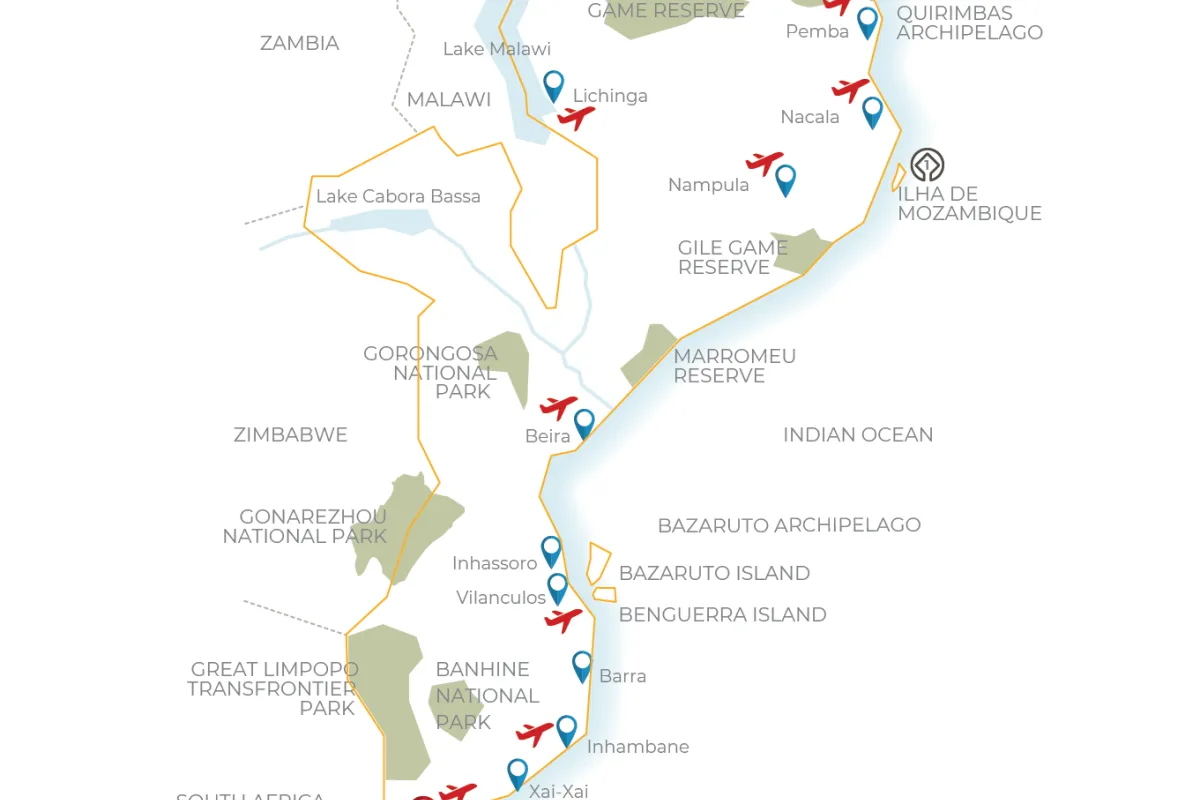
Some countries offer bush safaris, others tropical beach getaways. Stunning Mozambique offers both, coupled with diverse heritage, excellent hospitality and a national comeback story that will blow you away.
Perhaps more than anywhere else in Africa, Mozambique’s is a remarkable story of recovery and renewal. Years of civil war ravaged its society and also its environment, but it’s bounced back admirably in the past few decades.
When you visit Mozambique, you’ll encounter a country that has not only transcended its turbulent colonial and post-colonial past, it has moved substantially forward. Its capital, Maputo, is a vibrant, modern city that embraces its heritage, and once again its exceptional national parks are flourishing.
 At a Glance
 Highlights
 Luxury
Bush and beach
Diverse wildlife
African and fusion cuisine
Arts
Markets
Nightlife and music
Diving and angling
Birdwatching
Turtle nesting
Whale watching
Luxury
Bush and beach
Diverse wildlife
African and fusion cuisine
Arts
Markets
Nightlife and music
Diving and angling
Birdwatching
Turtle nesting
Whale watching Location
12-day/11-night Mozambique safari and beach adventure
Create your African story, your way
Does this itinerary inspire you to create your own unforgettable African story? Speak to your Travel Architect about curating your perfect African journey.Tell us the Africa you imagine. We’ll take you there!
Book a time to chat

Gorongosa National Park
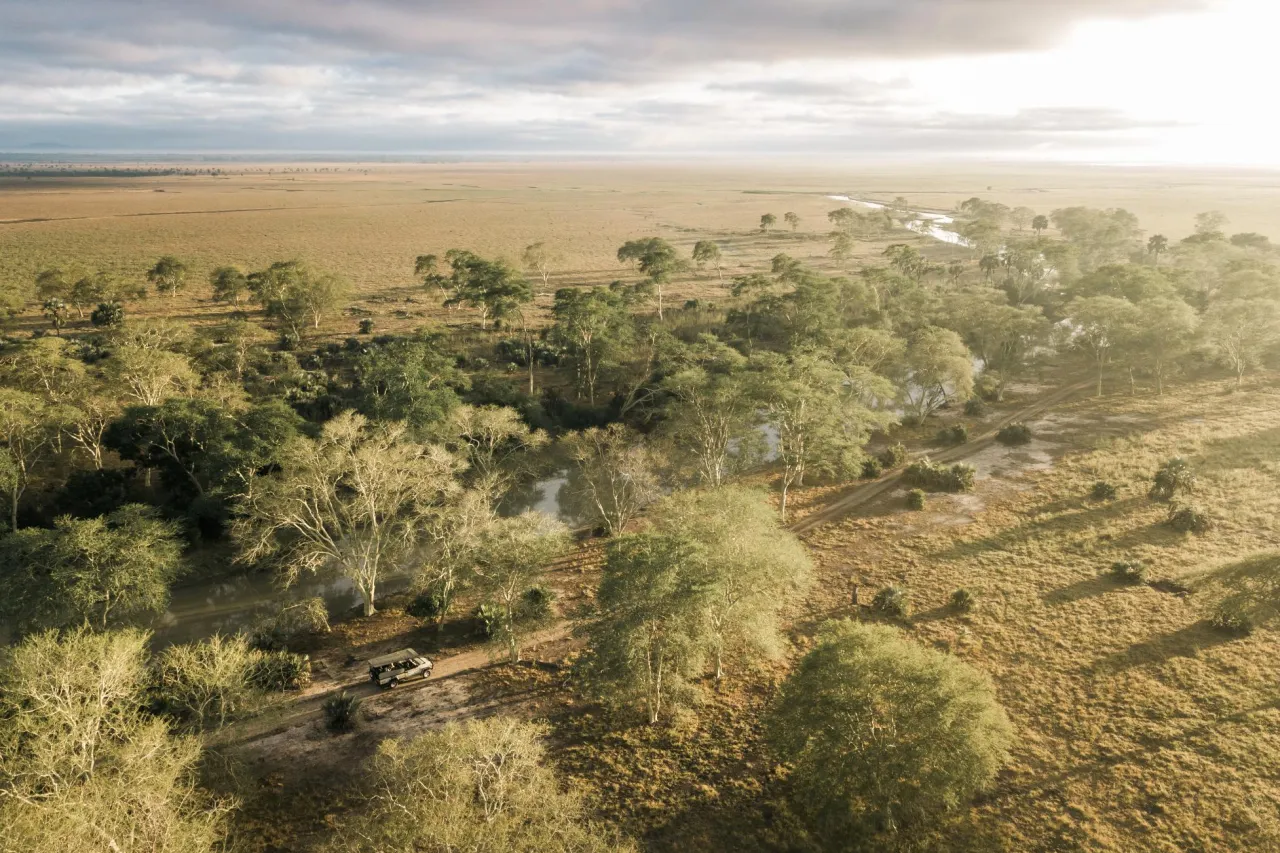
Gorongosa National Park, found in the middle of Mozambique at the southern end of the Great African Rift Valley, covers an area of 4 000km² (1 544sq mi). It is surrounded by a buffer zone, increasing the protected area to a vast 9419km² (3 637sq mi). Once known as “Africa’s Eden” and considered to be one of the best game parks on the continent, Gorongosa is returning to its former glory after years of civil war and mass poaching.
It is a thriving, biodiversity-rich area with forests and savannahs. Lake Urema and its surrounding wetlands and rivers attract scores of waterbirds. The multitiered Murombodzi Falls spills over jagged rocks on the slopes of Mount Gorongosa. Limestone gorges and bat-filled caves define the Cheringoma Plateau.
The restoration of the Gorongosa is phenomenal and, perhaps, the greatest conservation success story in Africa, if not the world. In 2004, philanthropist Greg Carr partnered with the Mozambican government to rebuild Gorongosa as a haven for biodiversity and sustainable development. The Carr Foundation, a US-based non-profit organisation, set up funding for the Gorongosa Restoration Project (GRP) and has worked with the government for the past 20 years.
With a multitude of ongoing research projects, the GRP is focused on the continuous development of the park, the relocation of many species of wildlife, and re-establishing tourism with several facilities already redeveloped. Community development is an important part of the GRP and offers support to all communities on the park’s boundary.
The EO Wilson Biodiversity Laboratory is a modern scientific facility in the heart of the national park – one of the first of its kind in Africa. It offers long-term research and training opportunities in biodiversity documentation, ecology and conservation biology to Mozambicans, visiting researchers and students. The lab’s work helps guide restoration efforts in Gorongosa National Park and other protected areas of Mozambique.
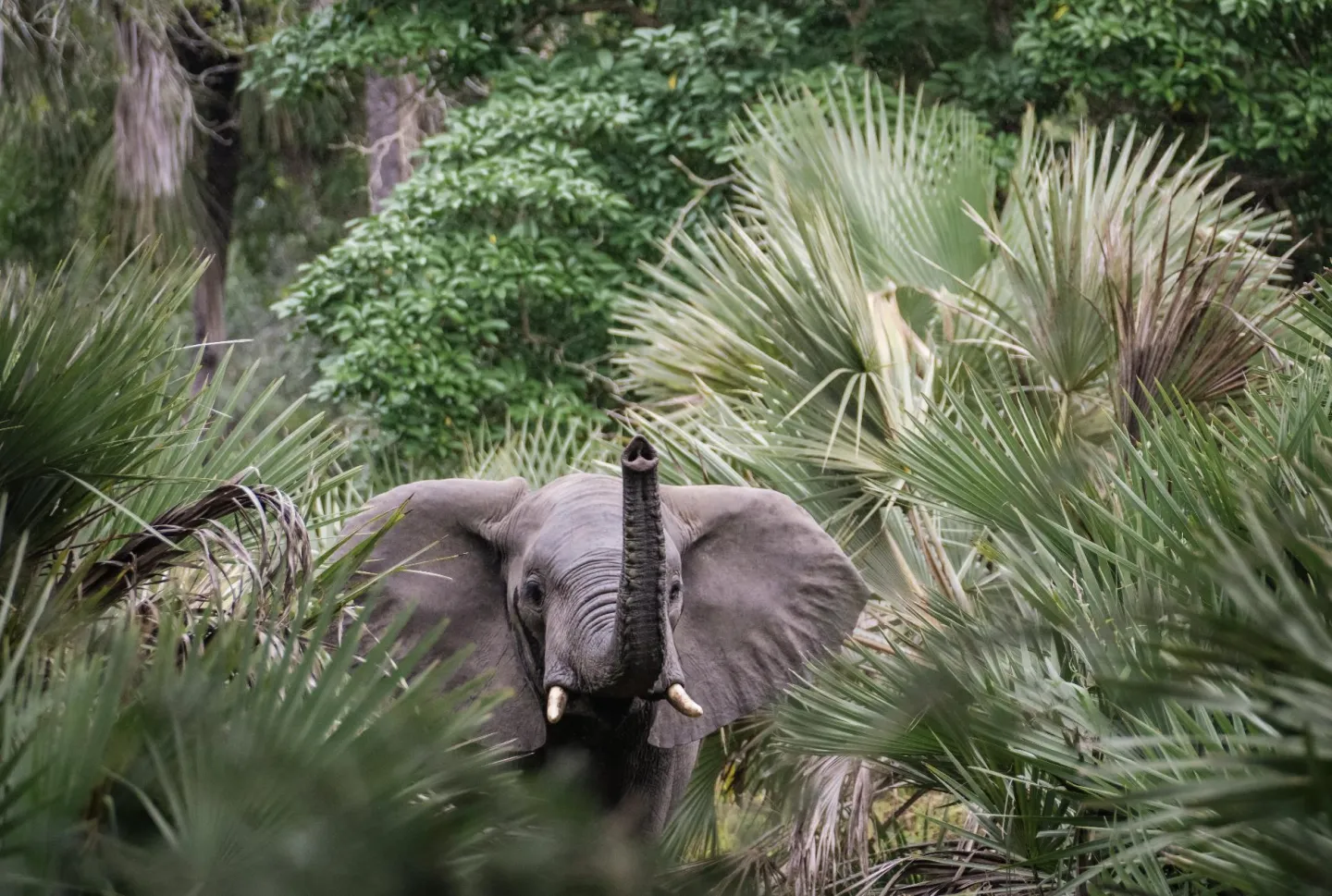
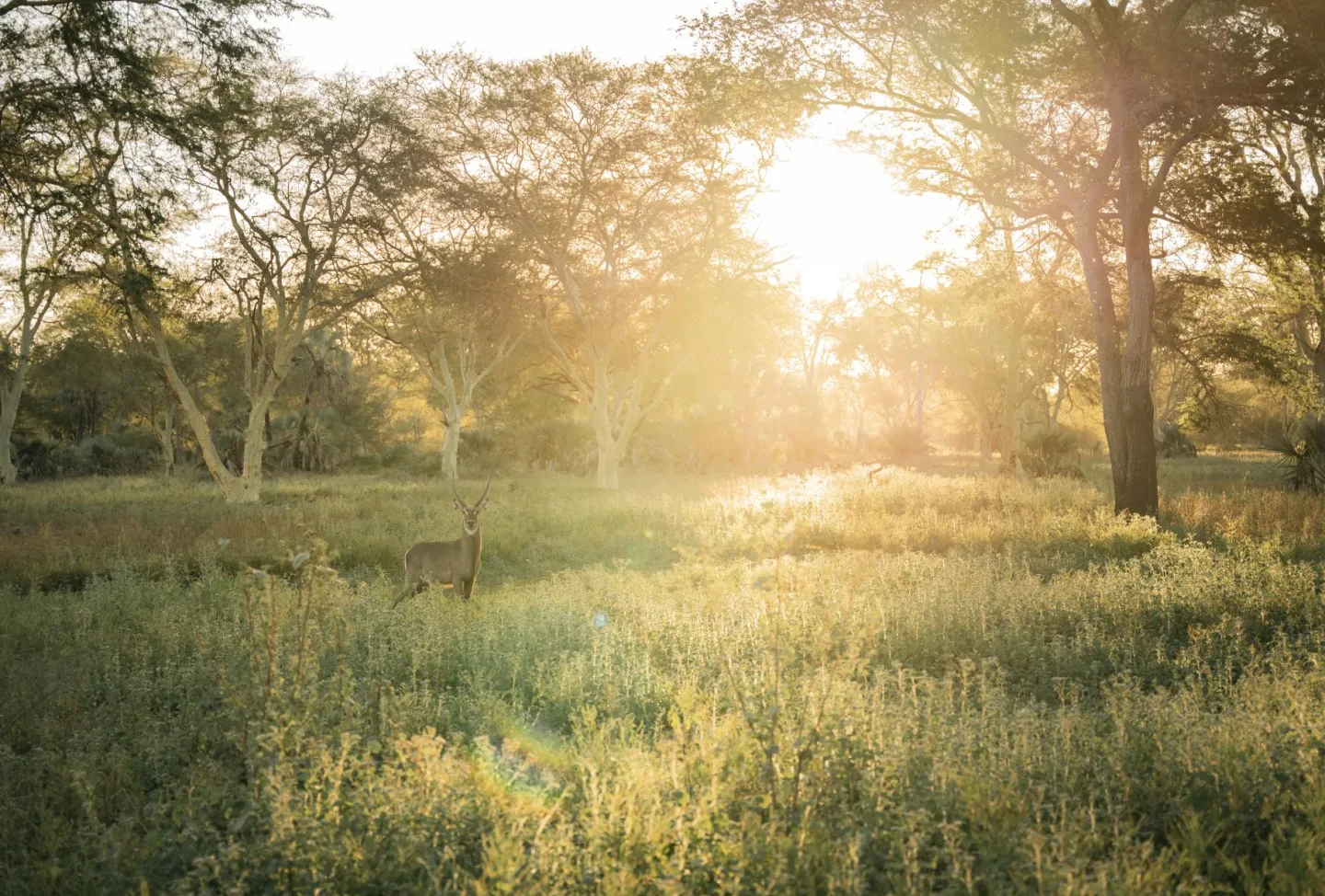
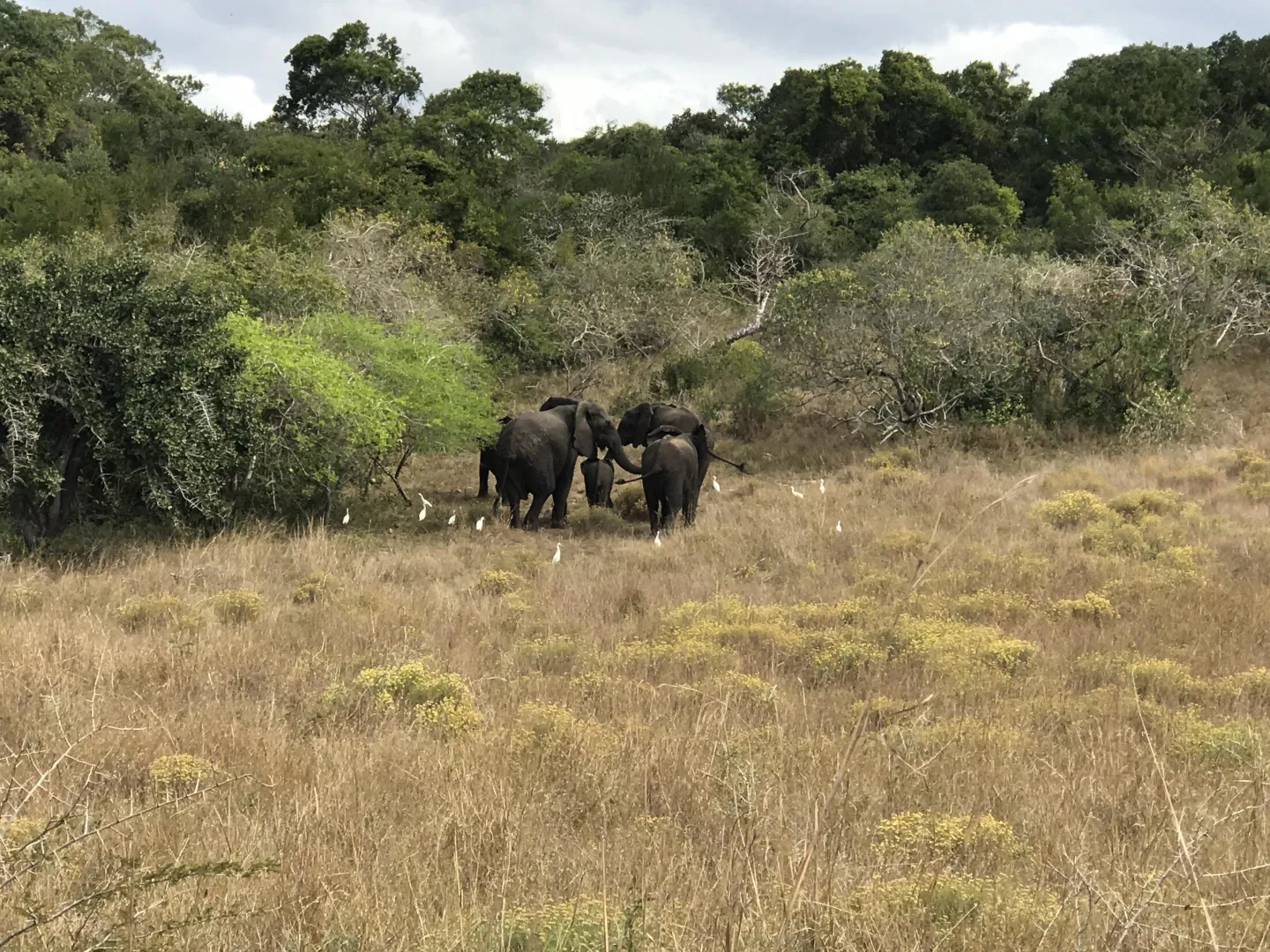
Recognised as one of the most biodiverse parks on earth, Gorongosa National Park is a haven for wildlife. Rewilding efforts have revived Gorongosa’s ecosystem, now home to over 100 000 animals. It is not a Big Five destination (it has no rhino), but wildlife is abundant with regular sightings of elephants, buffalo, lions, African wild dogs, hippos and numerous antelope species. Species such as leopards, spotted hyena and aardvark are also encountered.
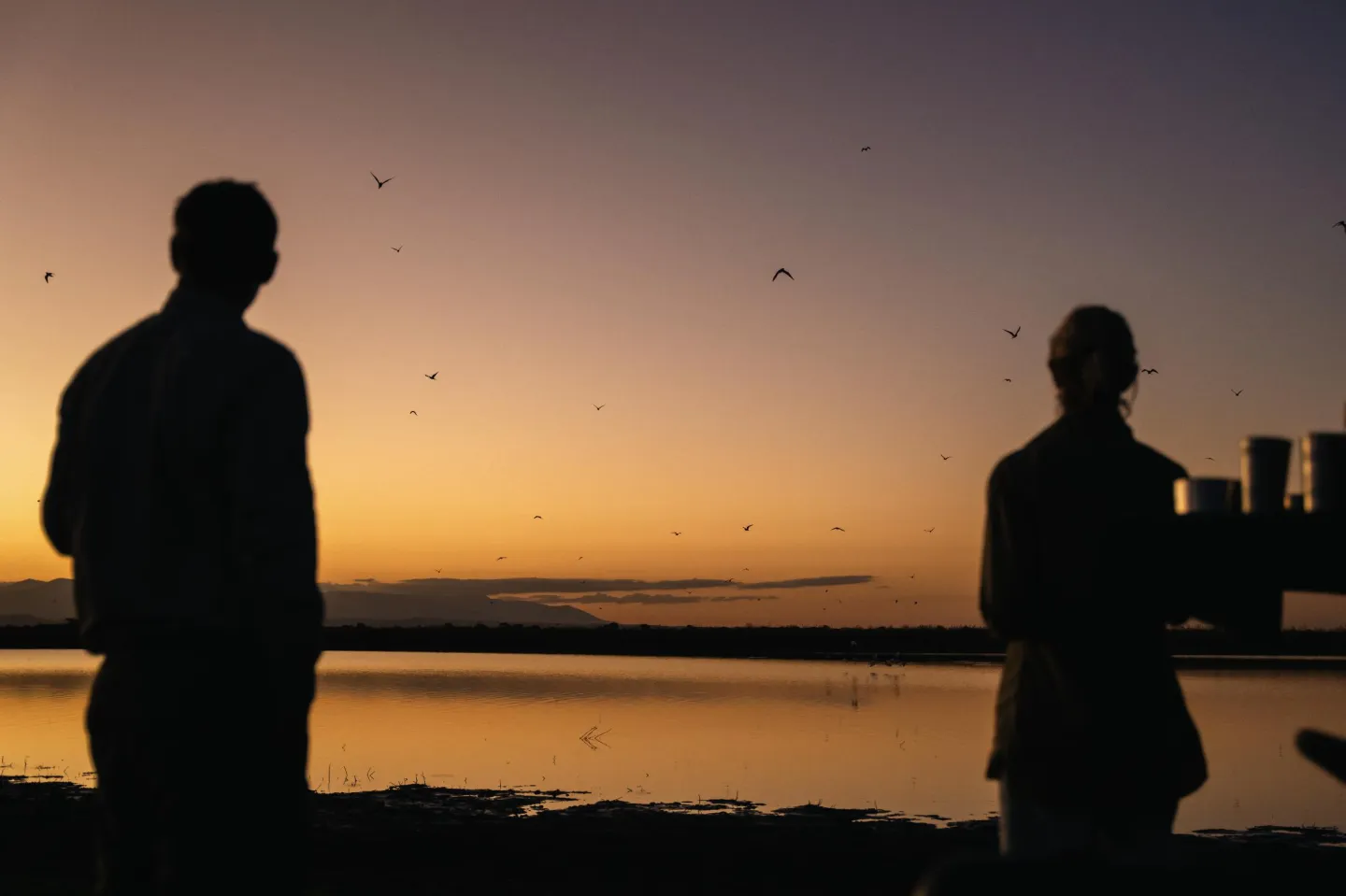
The diverse habitats are home to over 500 recorded bird species, including the endemic Green-headed oriole found at Mount Gorongosa, and it is a crucial stronghold for species such as the critically endangered White-headed vulture.
Muzimu Lodge
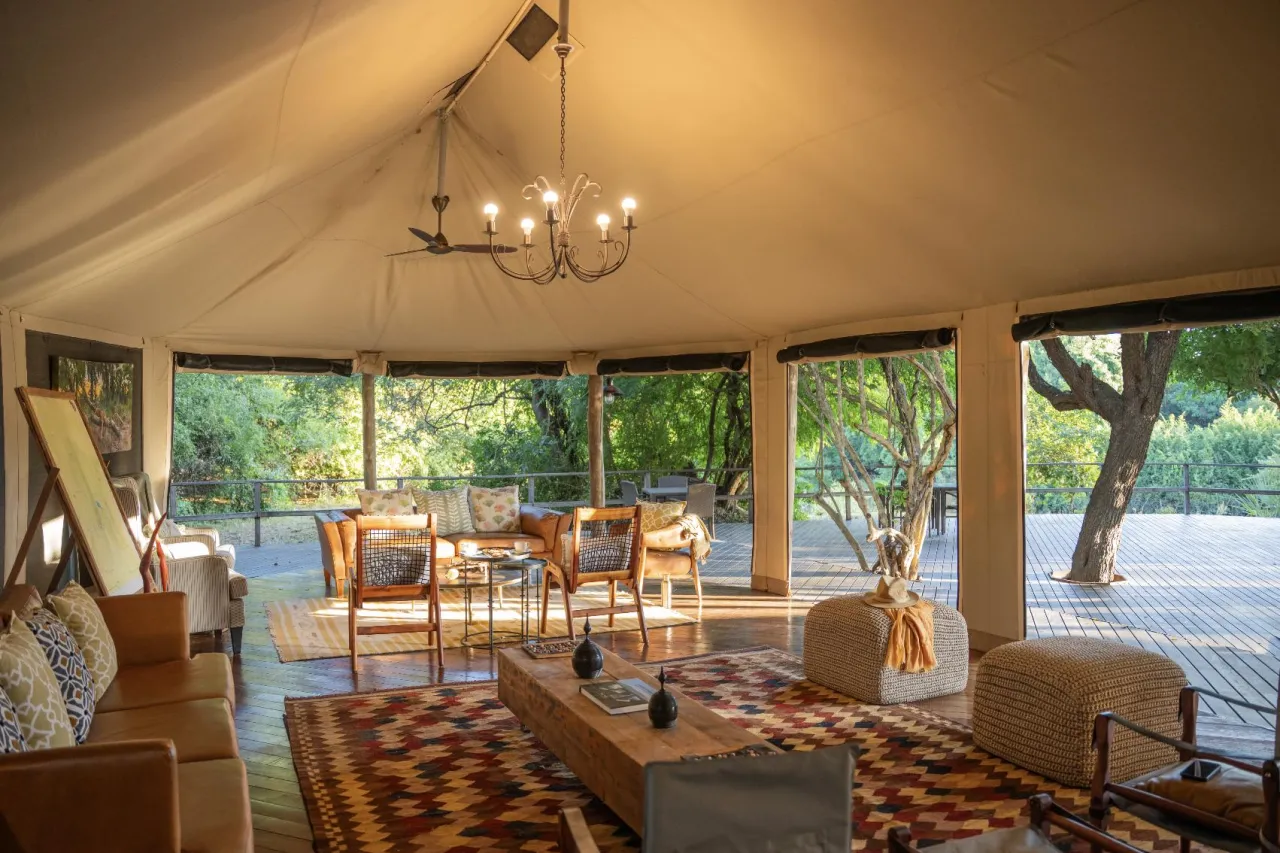
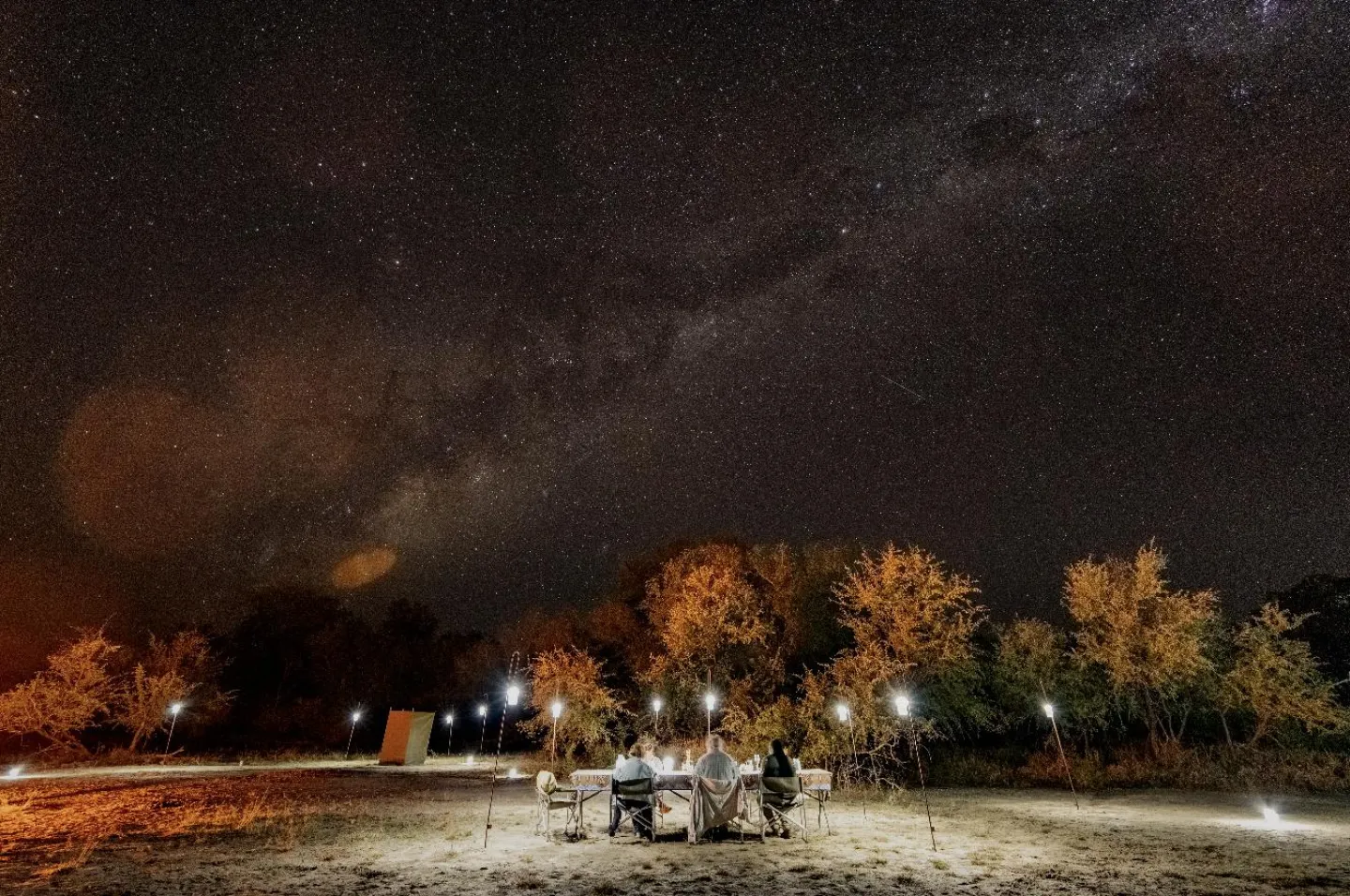
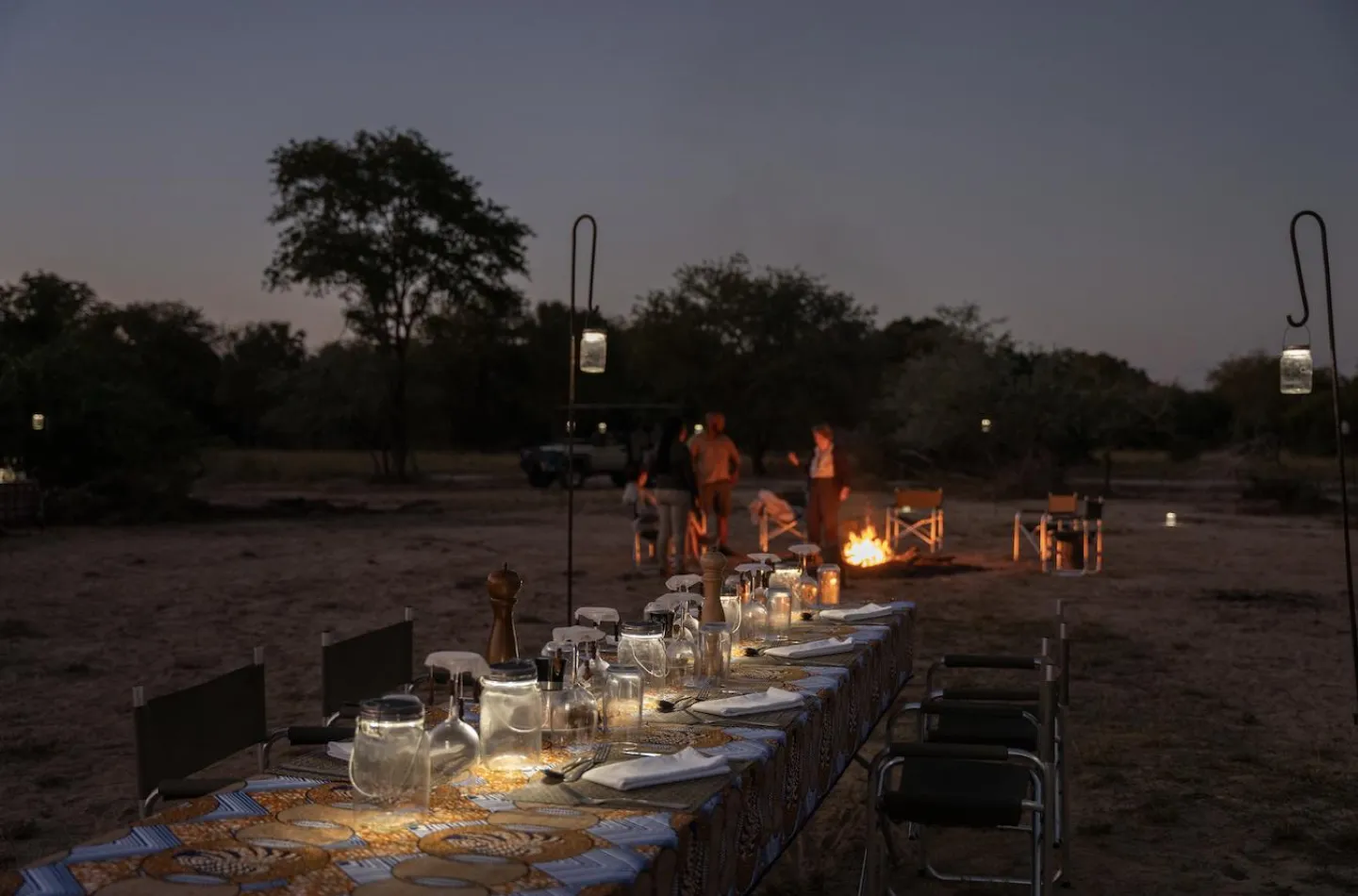
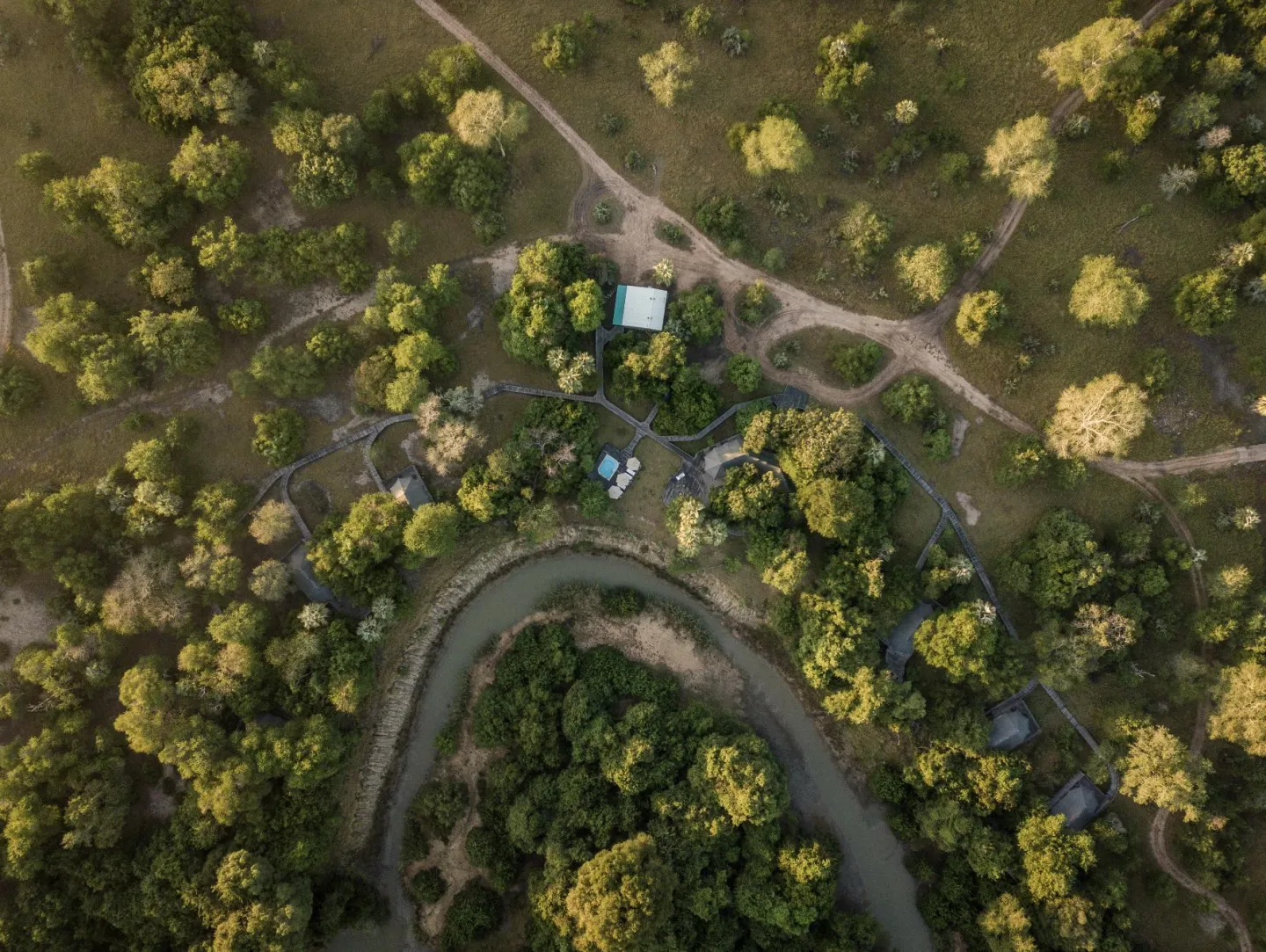
Muzimu Lodge (named after the Guardian Spirit) and one of only two camps in this vast protected area, is found on the banks of the Mussicadzi River, surrounded by floodplains and riverine forest. It is the gateway to one of the most remote and remarkable wilderness areas in Africa. Muzimu is the central hub of many of the GRP’s pioneering conservation and community initiatives, and offers a safari experience that is personal and purposeful.
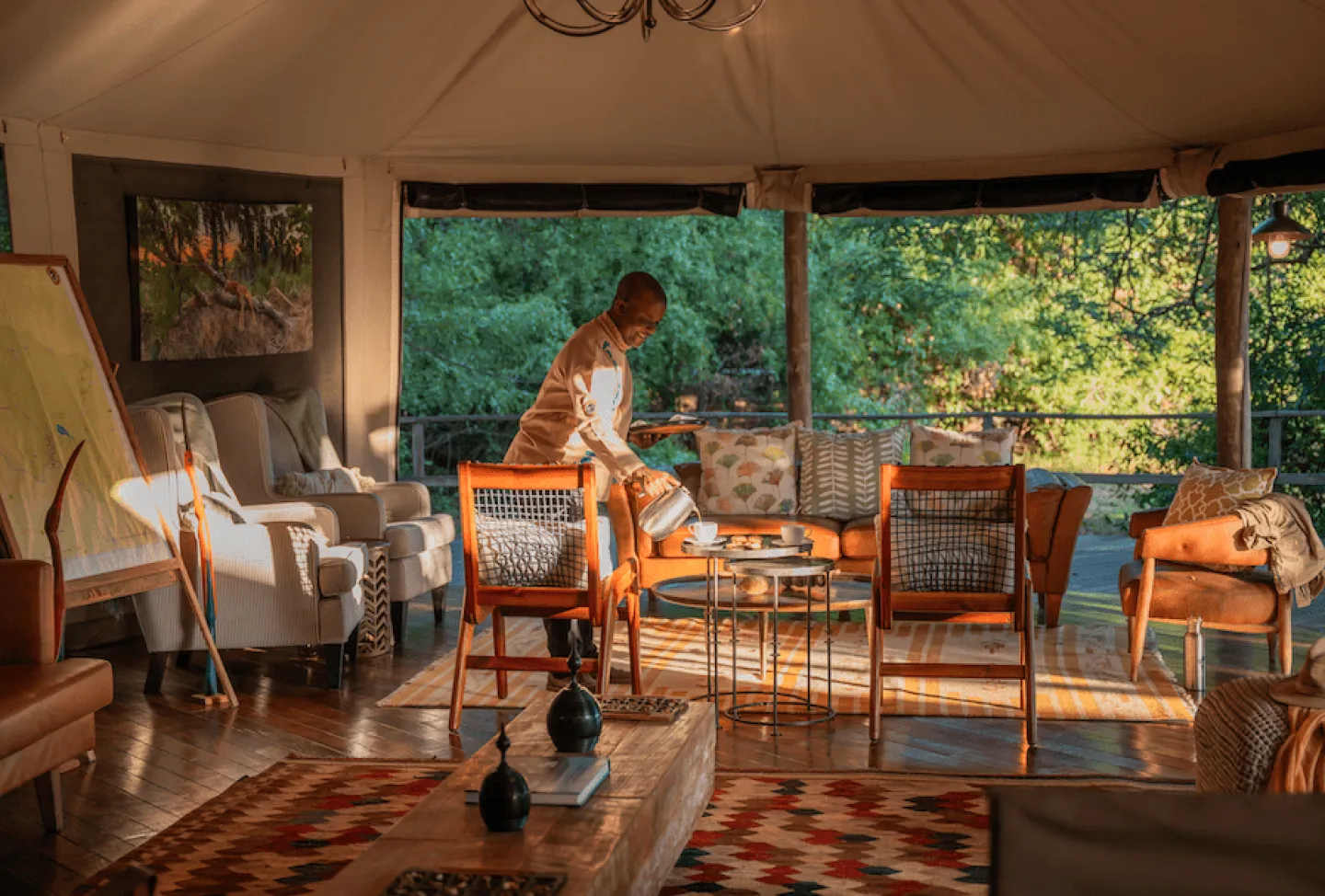
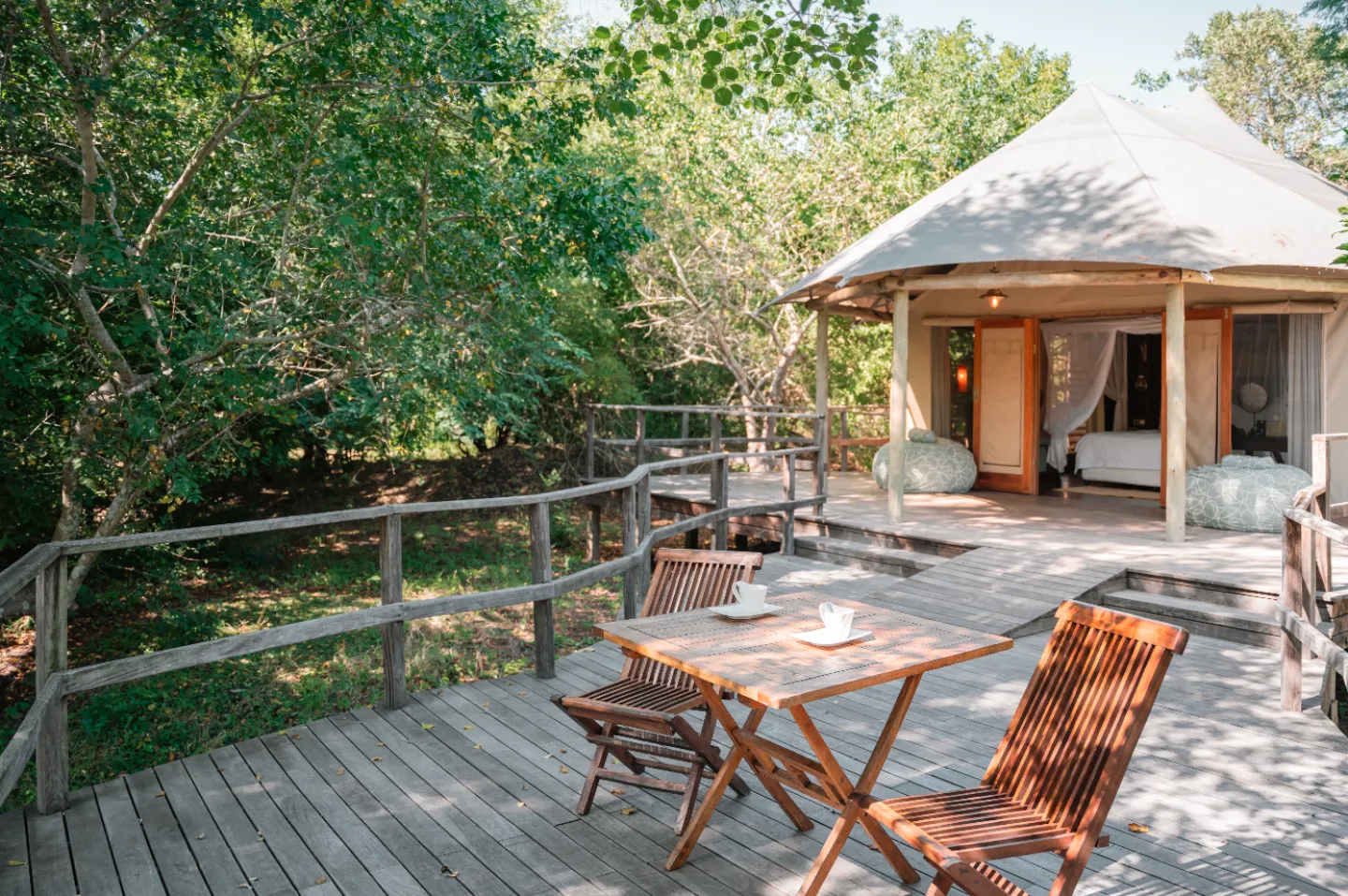
The lodge is thoughtfully designed to sit lightly on the land and blend seamlessly with the surrounding wilderness. Well-appointed classic East African-style tented suites, all built on hardwood decks, are connected with wooden walkways.
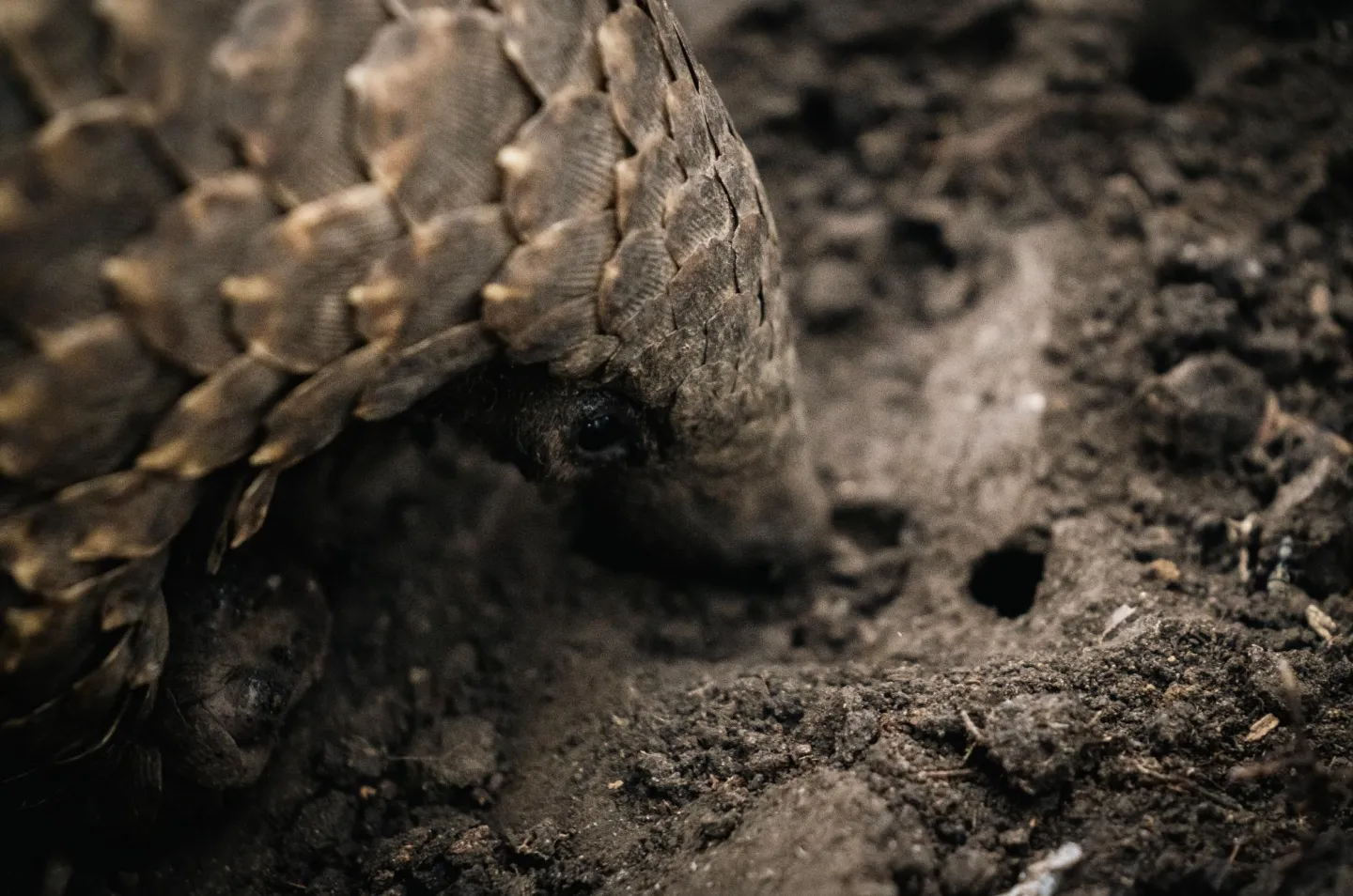
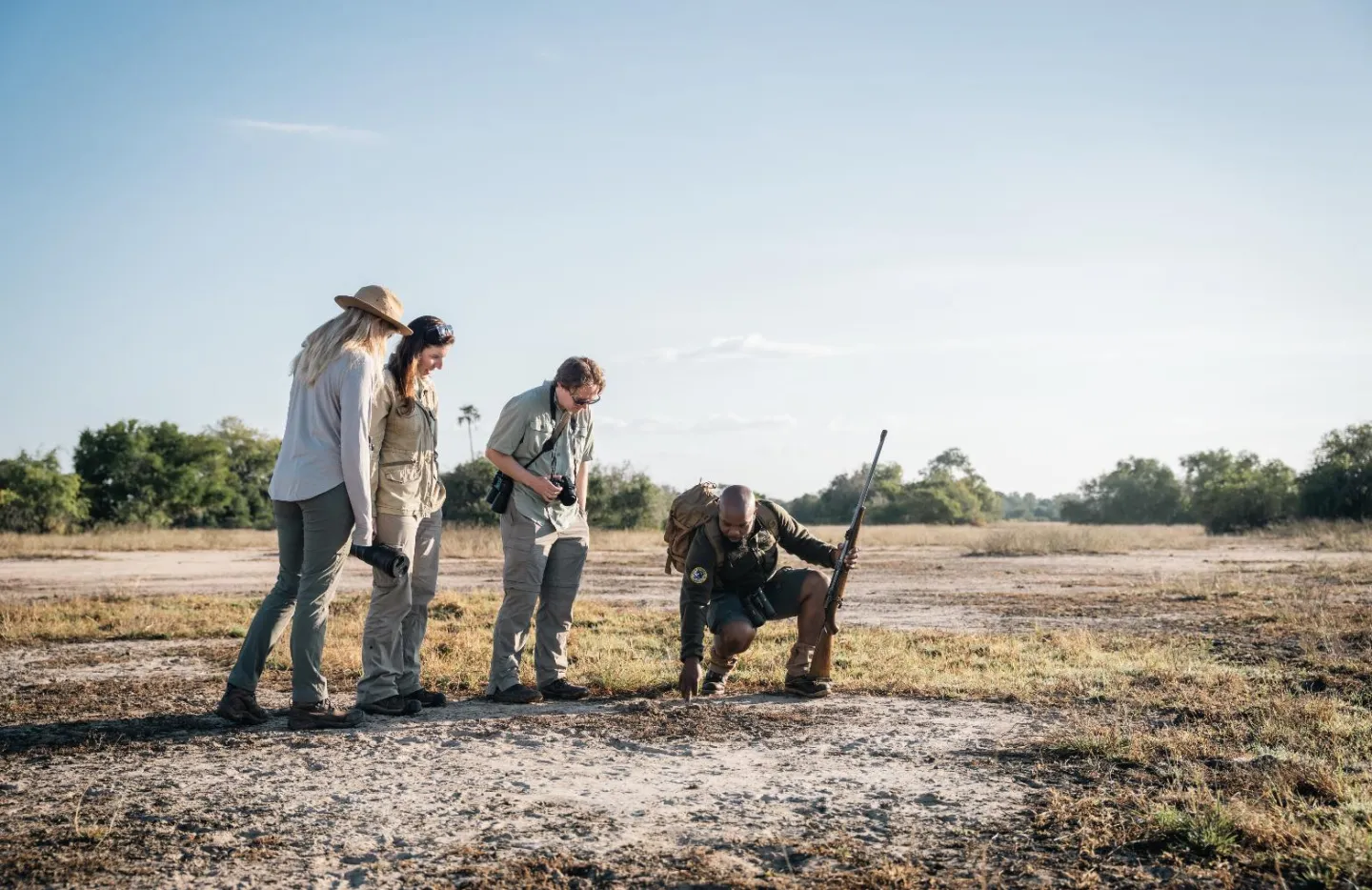
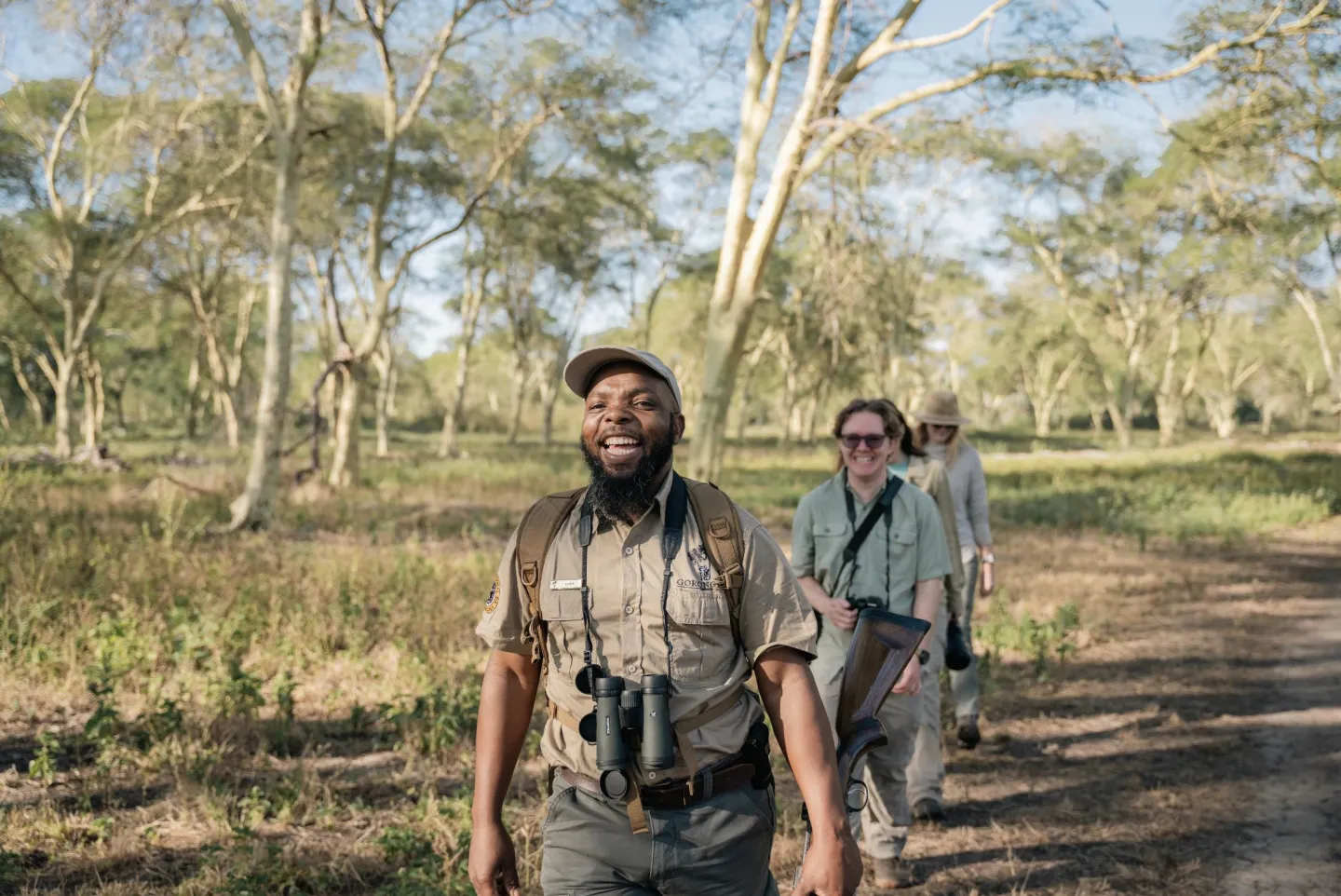
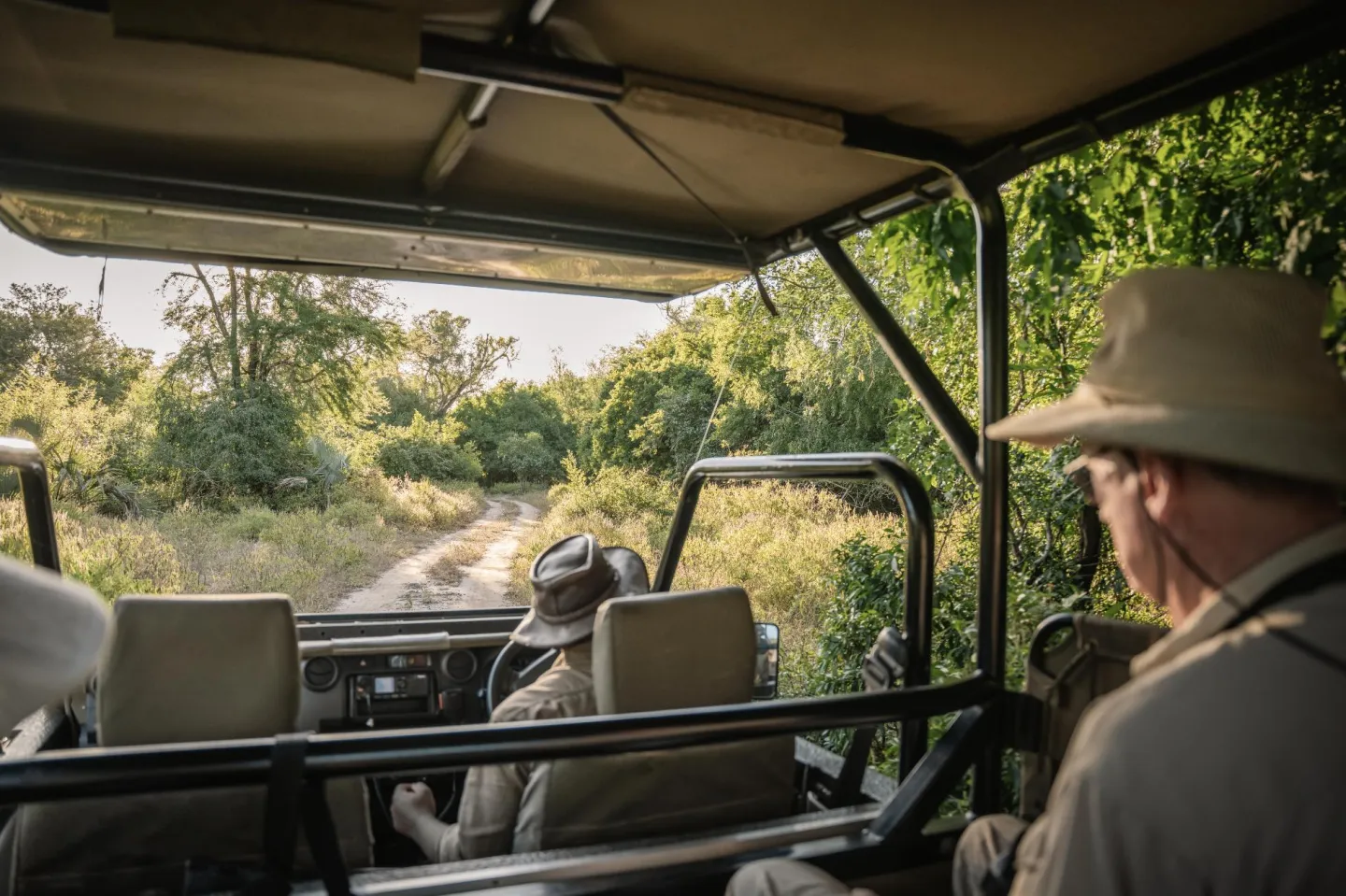
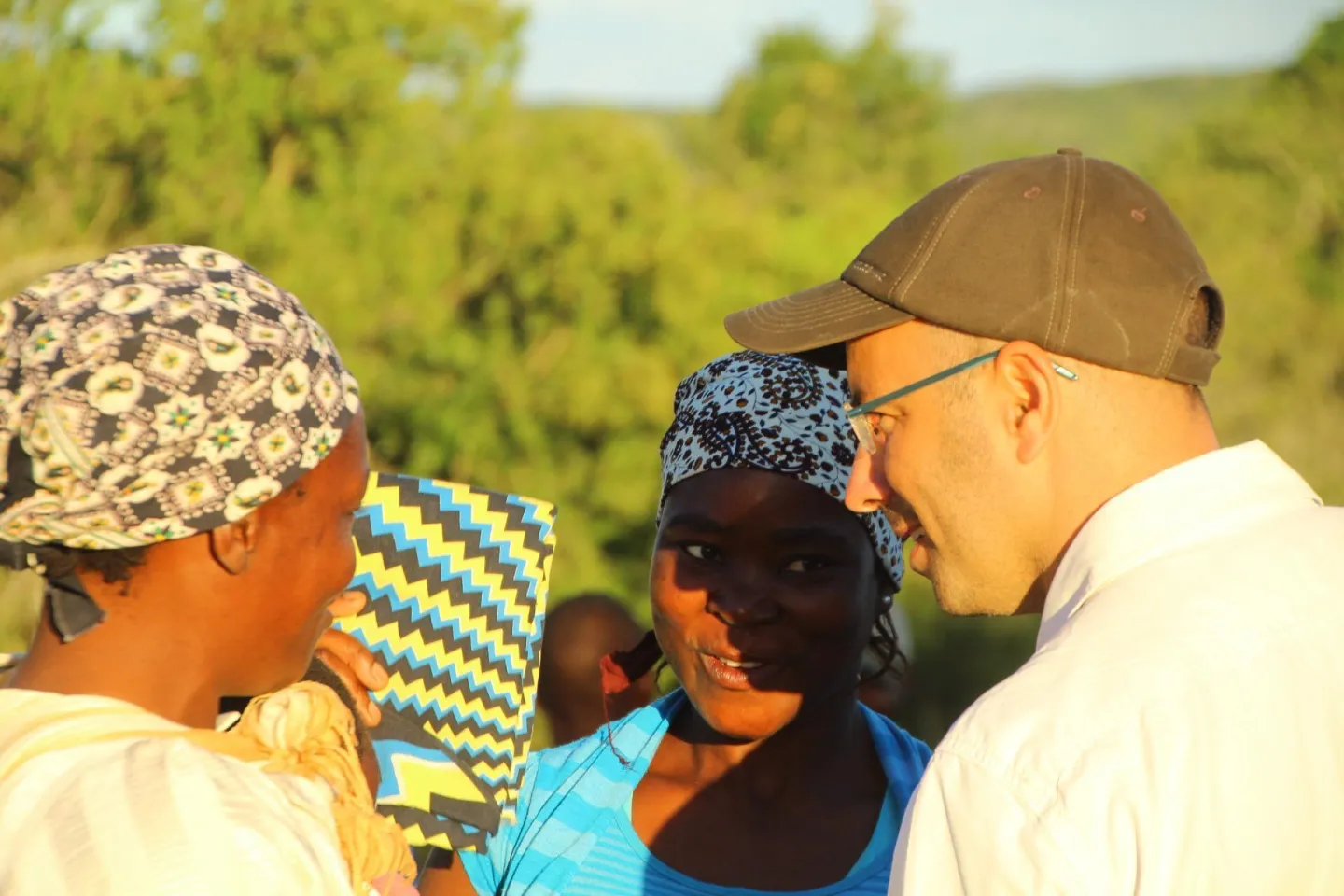
You will enjoy daily game drives, guided walking safaris, boating on Lake Urema and canoeing along the scenic Pungué River. Visit local communities on bicycles and enjoy a day trip to Mount Gorongosa. You will also have an opportunity to visit the EO Wilson Biodiversity Laboratory and the Pangolin Rescue Centre.
Maputo
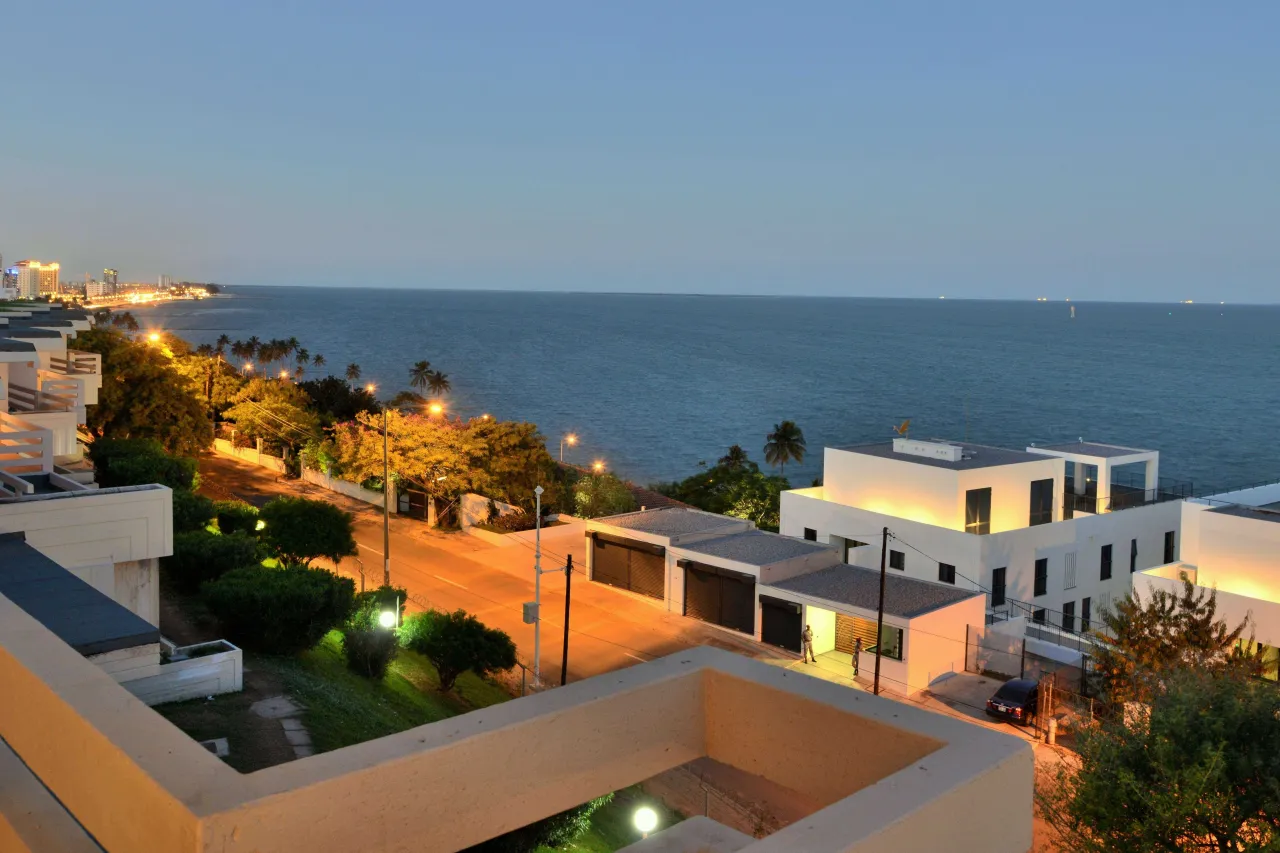
Maputo, originally a small fishing village on the bay nearly 500 years ago, was founded in the late 18th century and originally named after the Portuguese trader, Lourenço Marques, who first reached the area around 1544.
It replaced Ilha de Moçambique (Island of Mozambique) as the capital of Portuguese East Africa in 1907 after a railroad linked it to Pretoria, and the city started to benefit from the South African gold rush era. The city was renamed in 1975, when it became the national capital after Mozambique gained independence.
It is a fascinating, vibrant and colourful African city where the roads are lined with makeshift stalls, old colonial Portuguese buildings and modern office blocks. The rich history is deeply rooted in the lives of the people. It has a lively art scene with markets, art galleries and music is an important part of daily life in the city. The nightlife is bustling, and it is fast becoming a culinary hub, fusing local and African cuisine from various countries with international influences.
Known as the City of Acacias (acacia trees are commonly found along its avenues), the city is the gateway to superb beach destinations, as well as wildlife experiences and national parks within Mozambique and neighbouring South Africa.
Visitors to the city have a long list of experiences to enjoy, depending on their personal interests. Visit the FEIMA and Maputo Central Markets. The city is home to several museums, such as the Museum of the Revolution, Natural History Museum, Art Museum, Money Museum and the Geology Museum.
Architectural tours visit the Central Railway Station building, the House of Iron, the Yellow House, the Cathedral on Independence Square, the Fortress, the Mosque and the Council Chambers. Food tours explore the culinary tapestry of this beautiful city.
Polana Serena Hotel
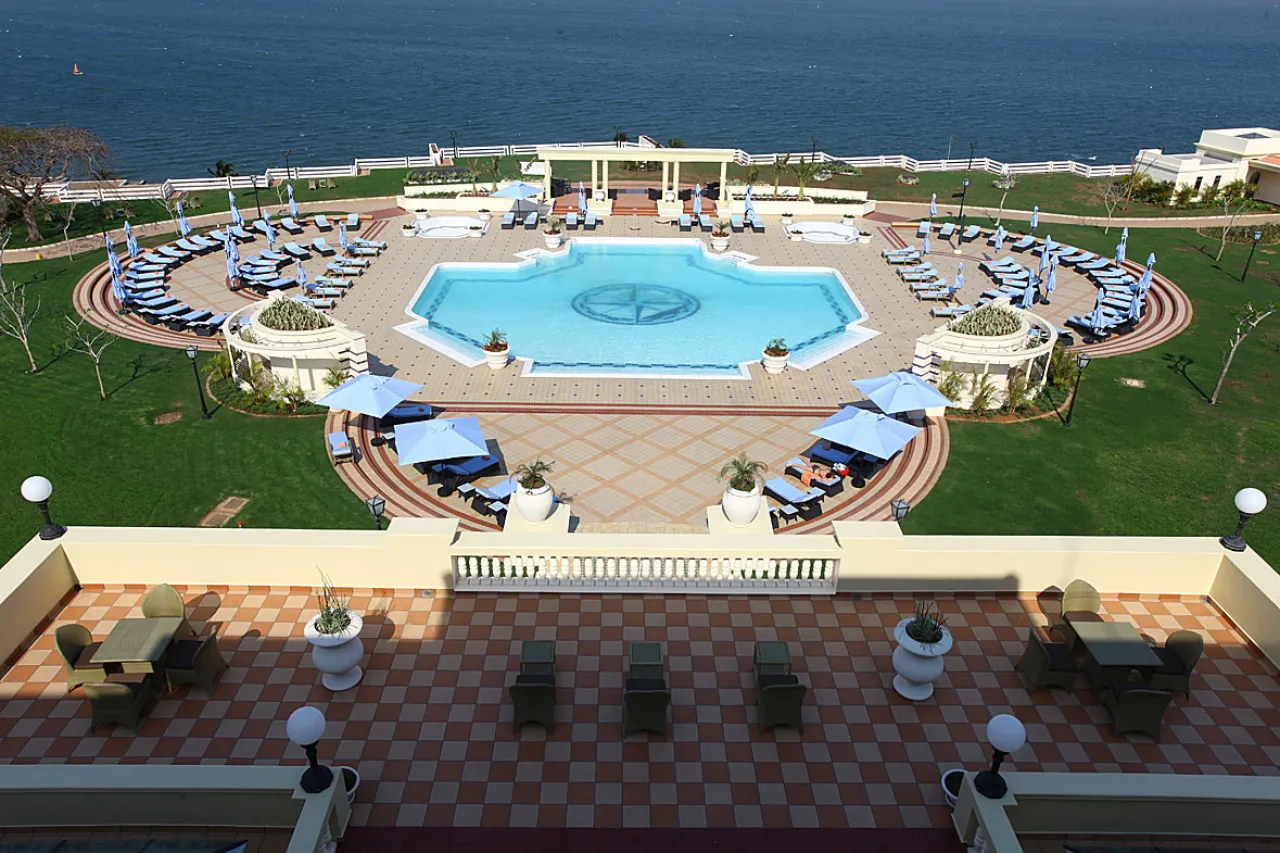
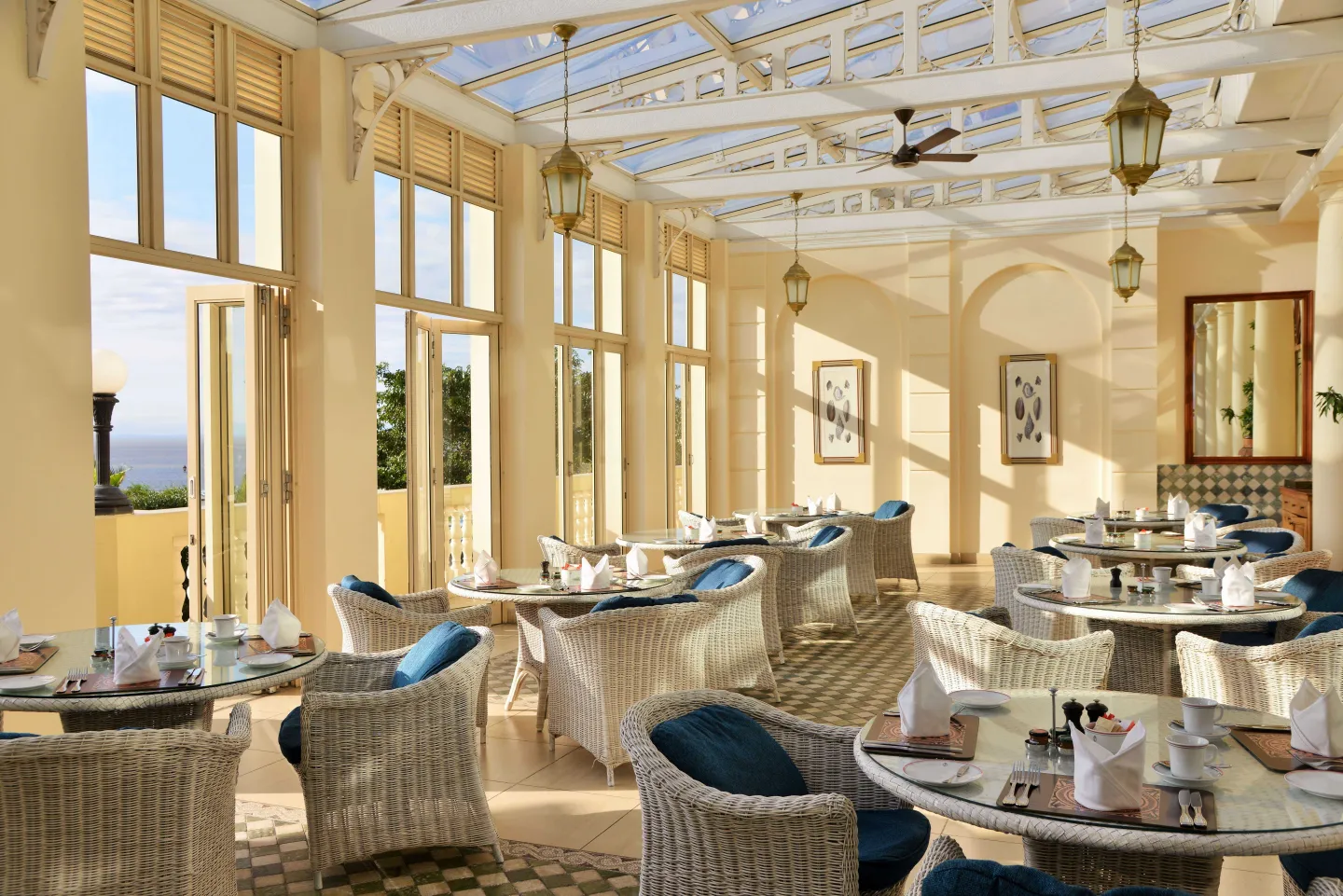
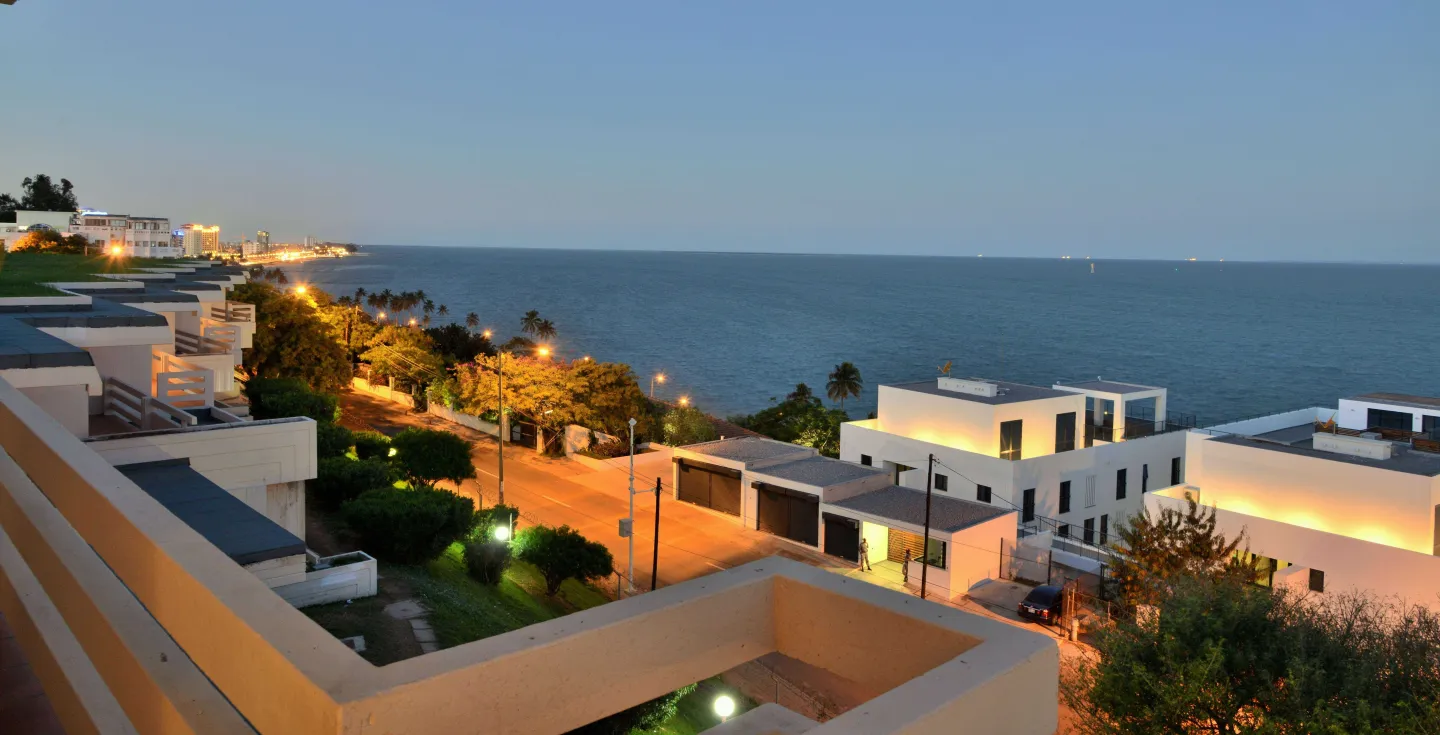
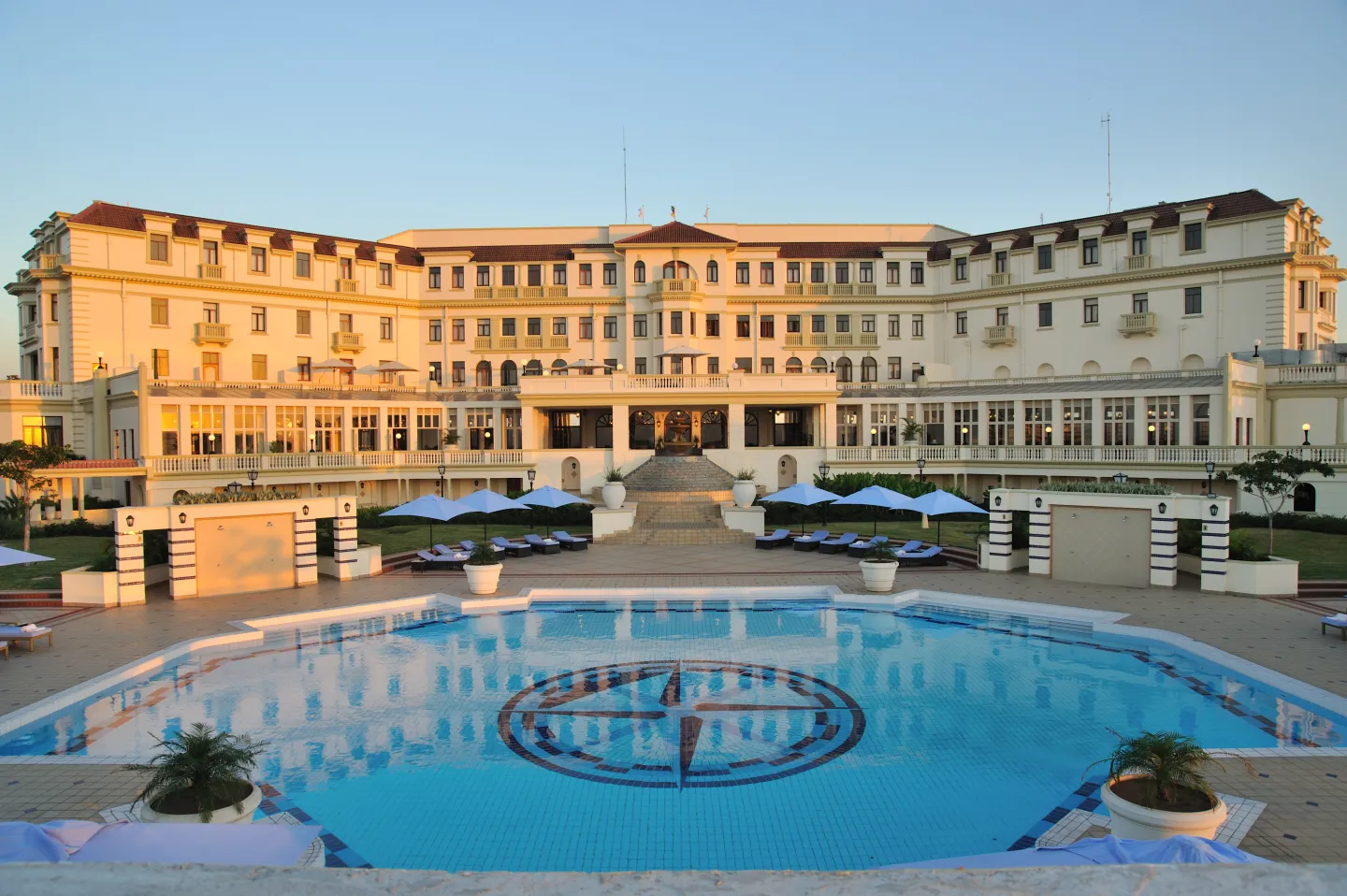
The Polana, the Grande Dame of Maputo, is a magnificent, colonial building steeped in history, dating to 1922. It is the gateway between Mozambique’s storied past and cosmopolitan present. Surrounded by beautifully manicured tropical gardens, the Polana is located in the heart of the city, overlooking the magnificent blue waters of the Bay of Maputo.
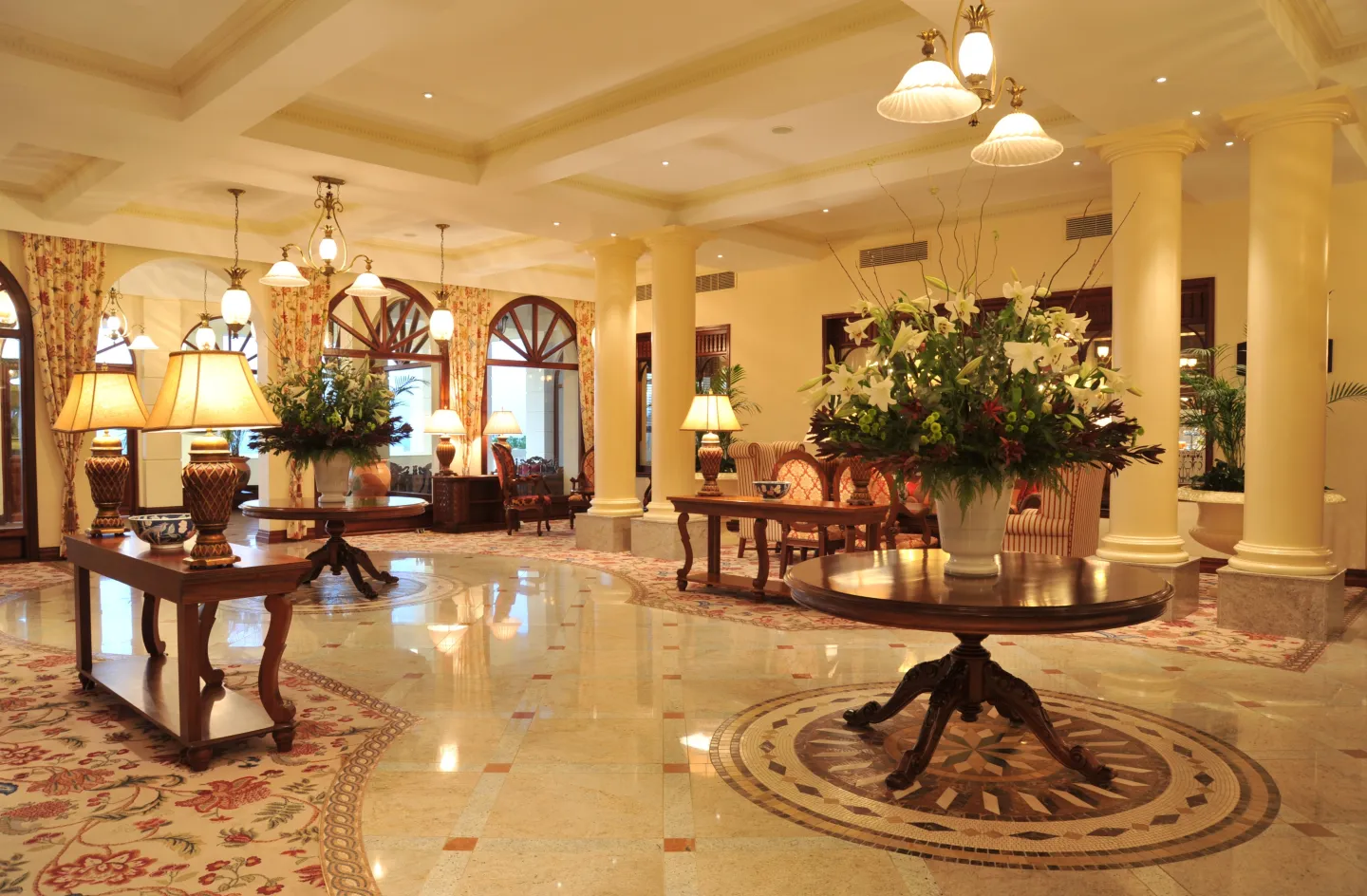
Guests may choose between beautifully appointed rooms in the Polana Mar Wing or elegant suites in the historic main building, where sweeping views of the Indian Ocean set the scene. Each space blends contemporary conveniences with the timeless luxury and colonial elegance of a bygone era. The Serena philosophy of integrating local arts and culture into the design of its hotels is clear throughout the hotel.
Maputo Special Reserve
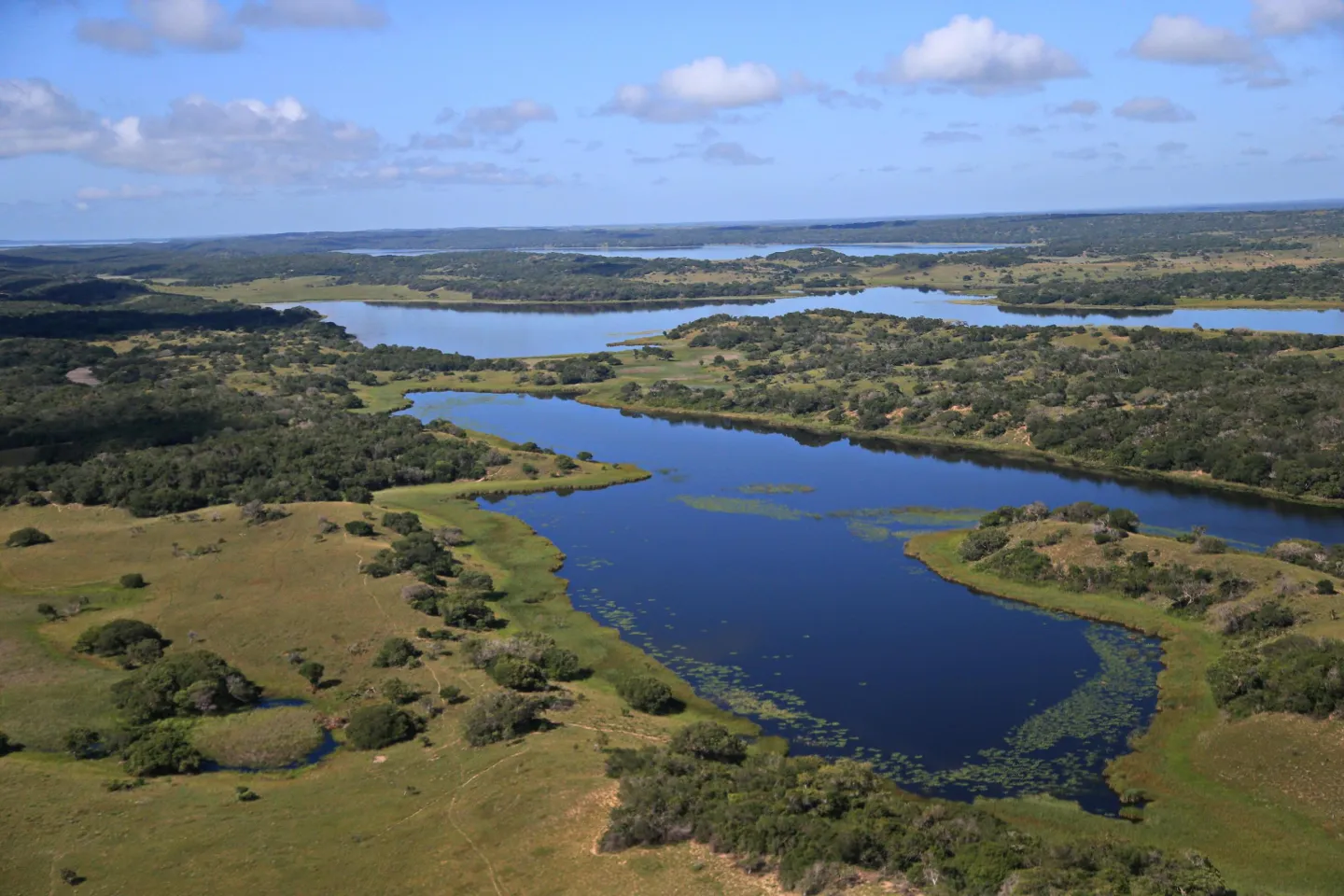
The Maputo Special Reserve (previously known as the Maputo Elephant Reserve) was originally established in the 1930s to protect the elephant population, now the last remaining coastal elephants in Southern Africa – an estimated 400 individuals that are endemic to Mozambique. This spectacular 1 040km² (402sq mi) reserve, protecting the exceptional biodiversity of a coastal zone, comprises lakes, wetlands, sand forests, grasslands and mangrove forests, flanked by a pristine coastline.
The Maputo National Park, a 1 700km² (656sq mi) area, was created in 2021 with the merger of the spectacular terrestrial and marine ecosystems of Maputo Special Reserve and Ponta do Ouro Partial Marine Reserve into one conservation area. The park falls within the Maputaland-Pondoland-Albany Biodiversity Hotspot, one of 36 hotspots that are regarded as being among the most biologically diverse and endangered ecoregions on earth.
A rewilding programme in the Maputo Special Reserve reintroduced 11 species that had become locally extinct. The coastal elephant population is endemic to Mozambique. Most recently, apex predators were returned, with the release of cheetahs there. Total wildlife numbers have now grown to an estimated 16 000 animals, signifying the success of intensified ecological management and protection of wildlife and their varied habitats.
Species such as elephant, buffalo, giraffe, wildebeest, zebra, hippo, leopard, oribi, suni and various other antelope species are found in the park. The beaches are some of Mozambique’s most important nesting sites for endangered leatherback and loggerhead turtles, while the ocean provides fertile breeding grounds for a dazzling array of other marine wildlife, including whales, dugongs, various shark species and the largest aggregation of giant trevally in the world.
With diverse habitats throughout the greater Maputo National Park, it is a birder’s paradise with over 350 recorded species. Birders may encounter unique coastal species and several of the country’s endemic birds, such as the Lemon-breasted canary, Rudd’s apalis, Pink-throated twinspot and Neergaard’s sunbird.
Anvil Bay
This morning, you will be escorted to the helipad for a short scenic flight approximately 30 minutes) across Maputo Bay to the Maputo Special Reserve.
Check in at Anvil Bay for five nights.
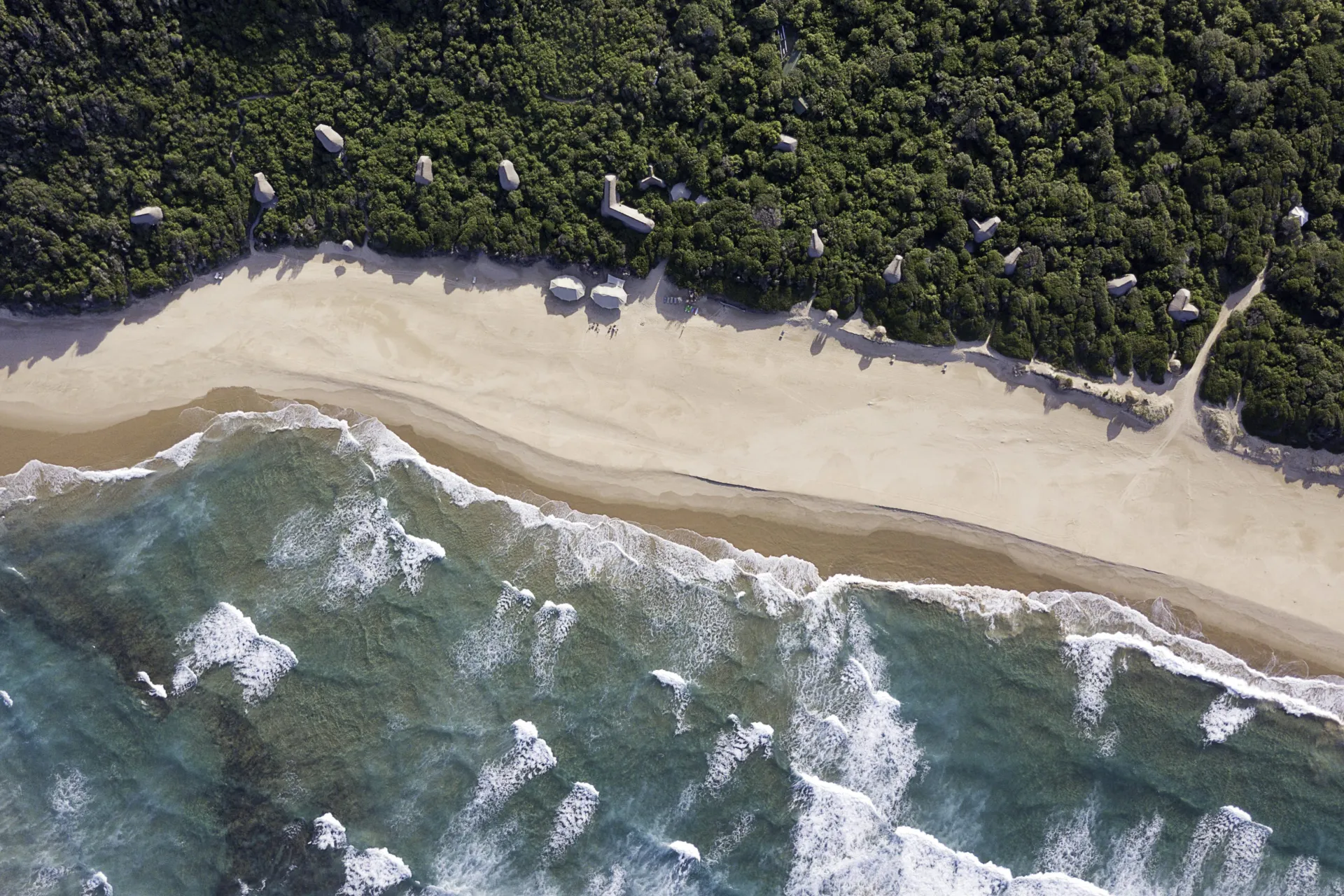
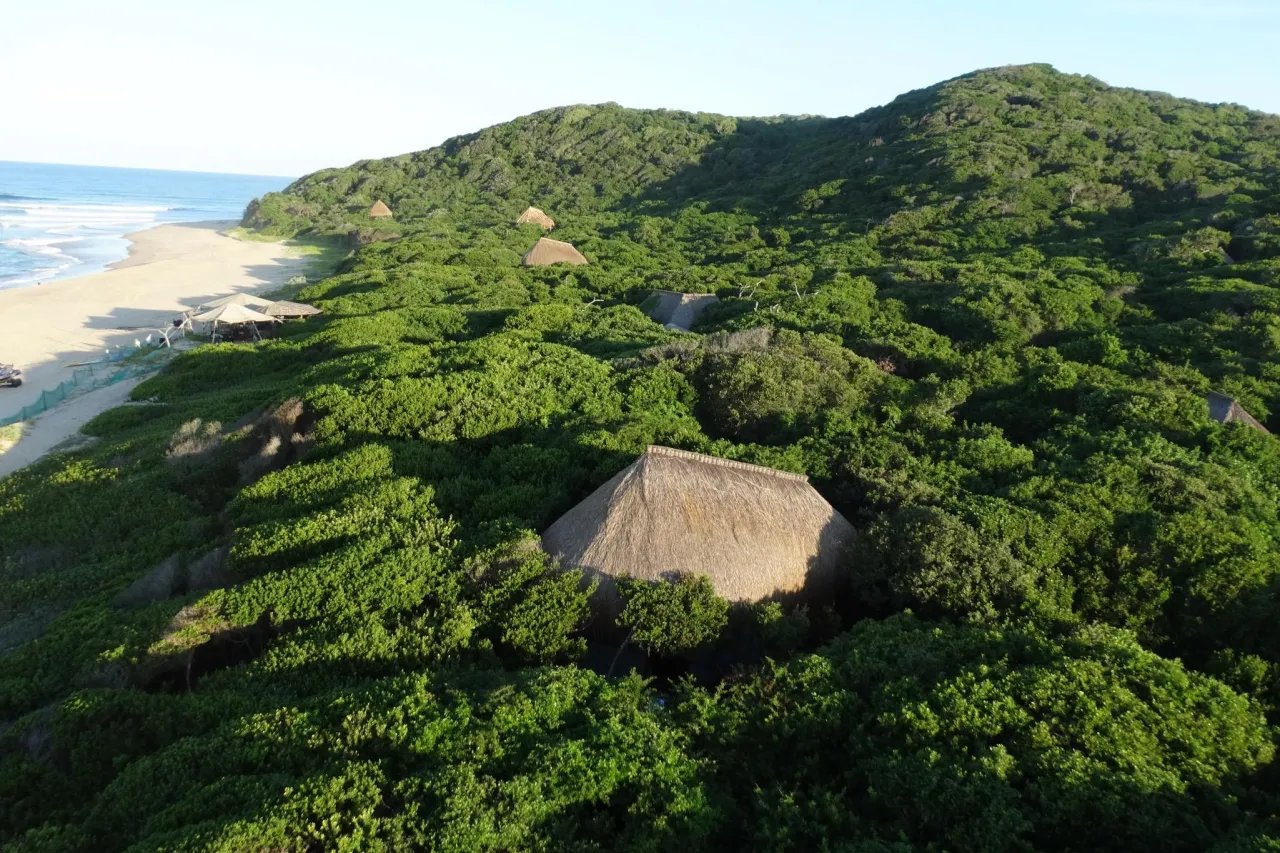
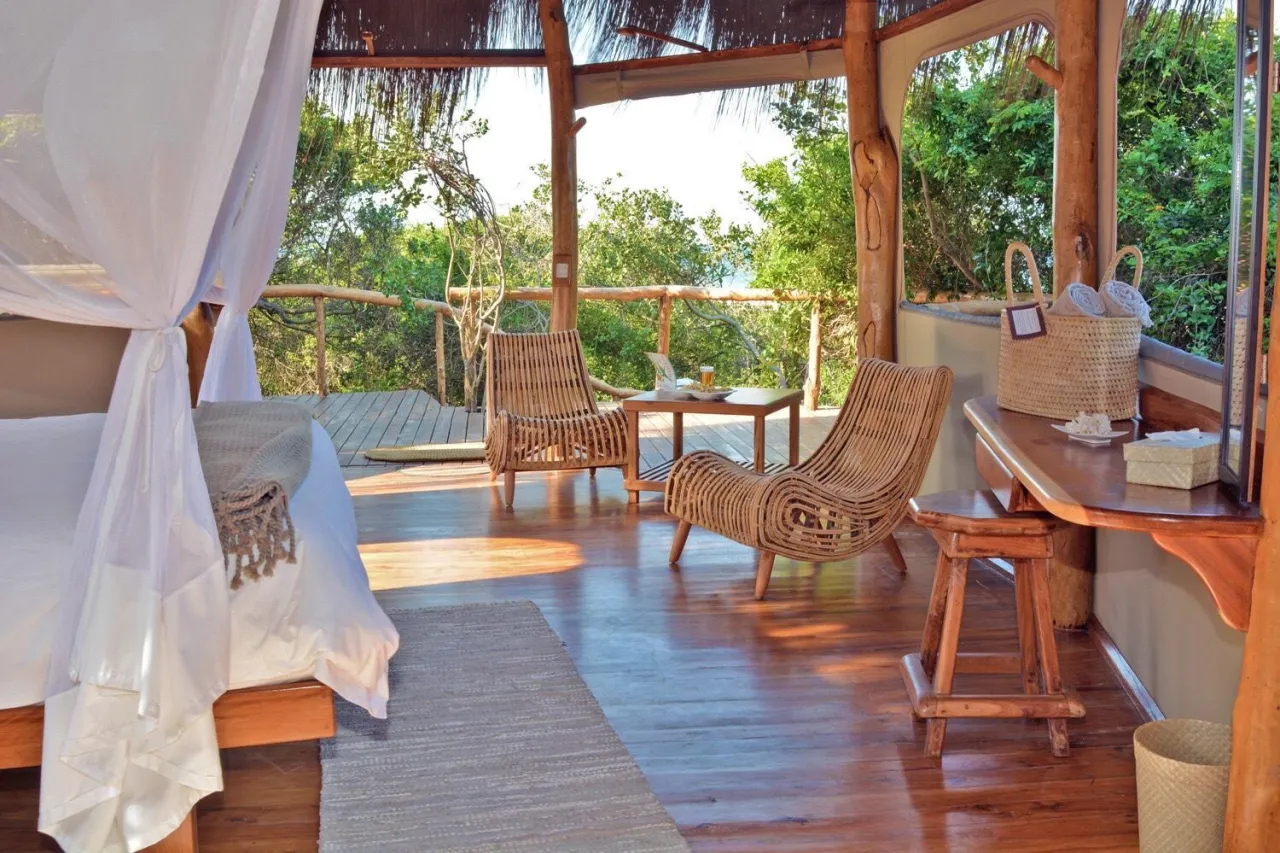
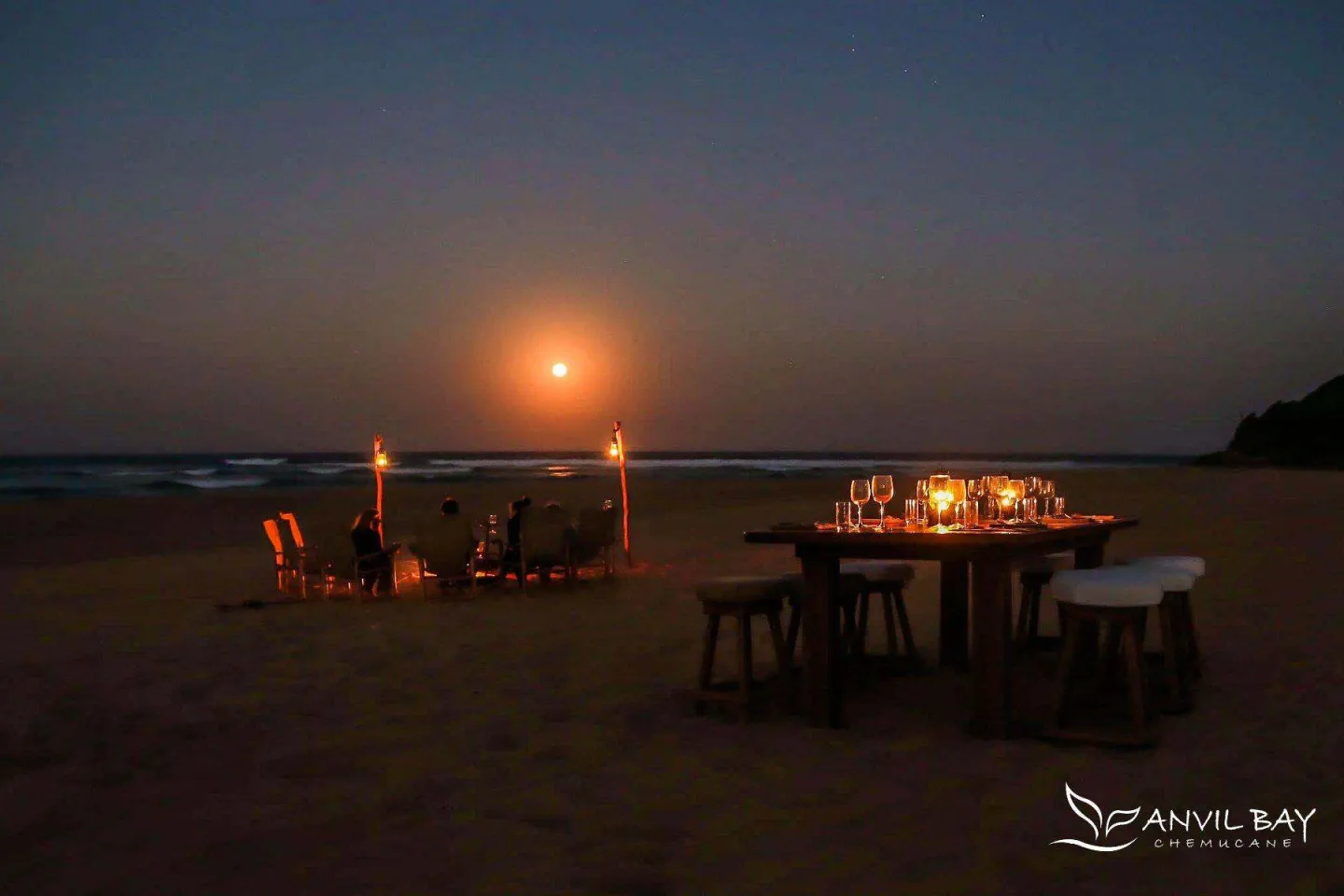
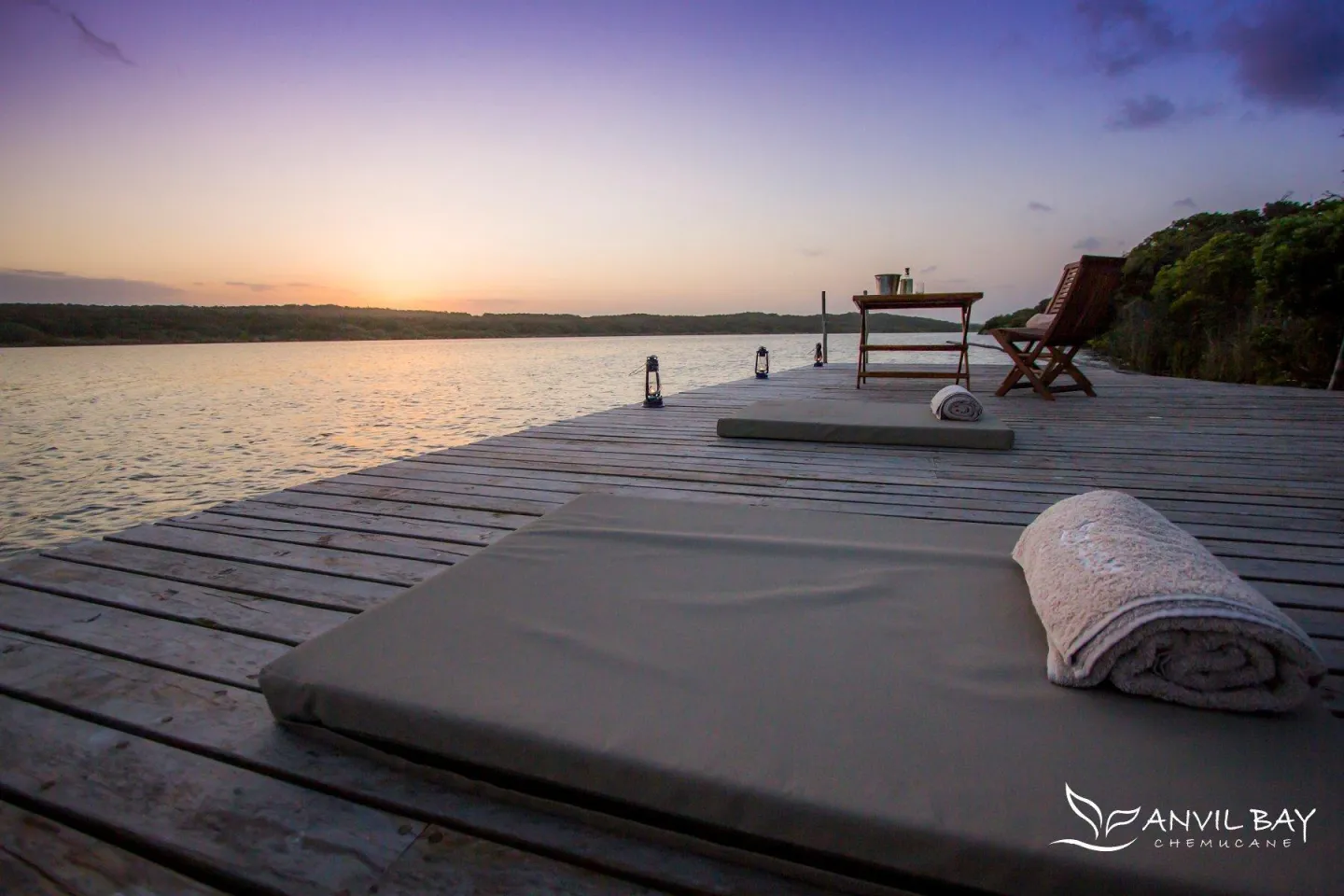
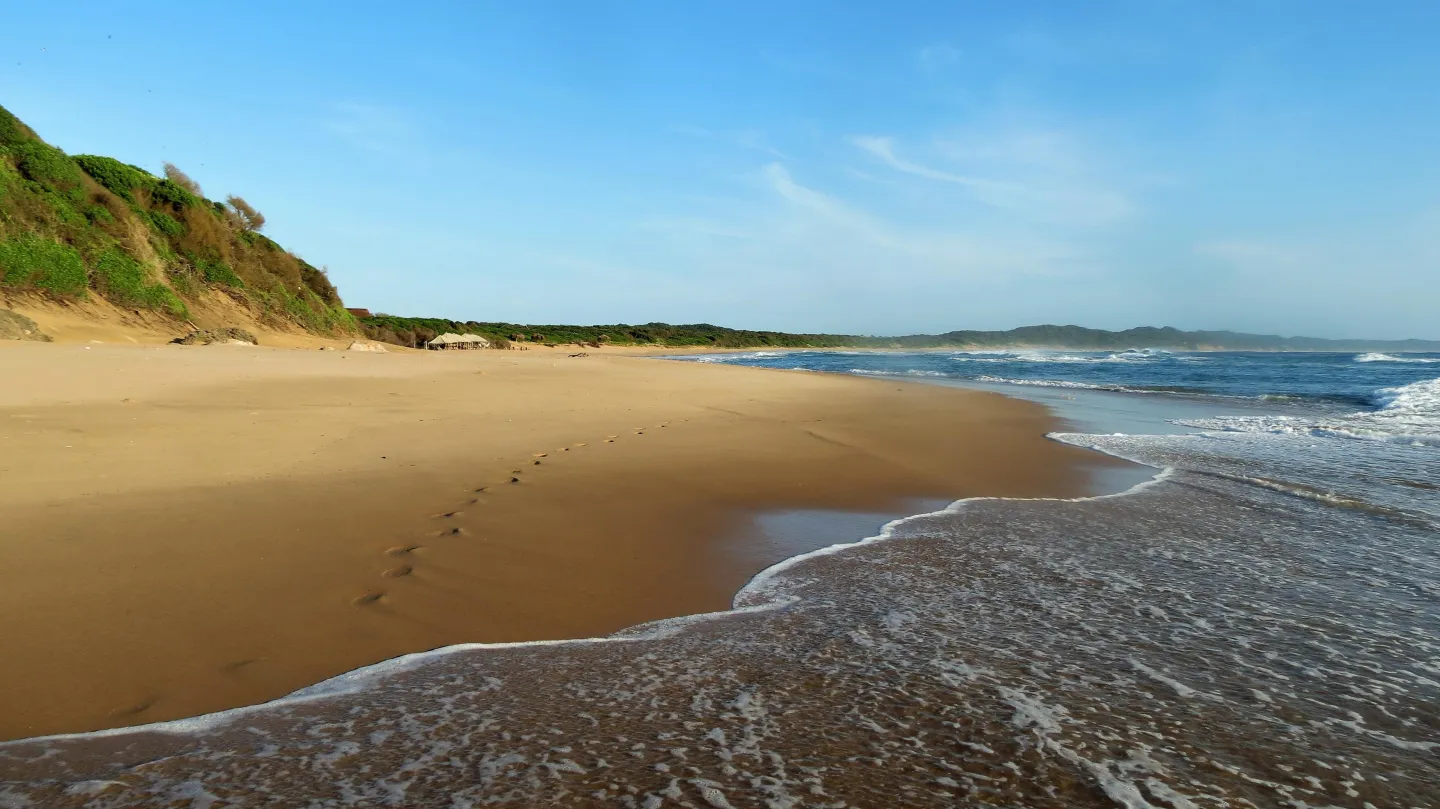
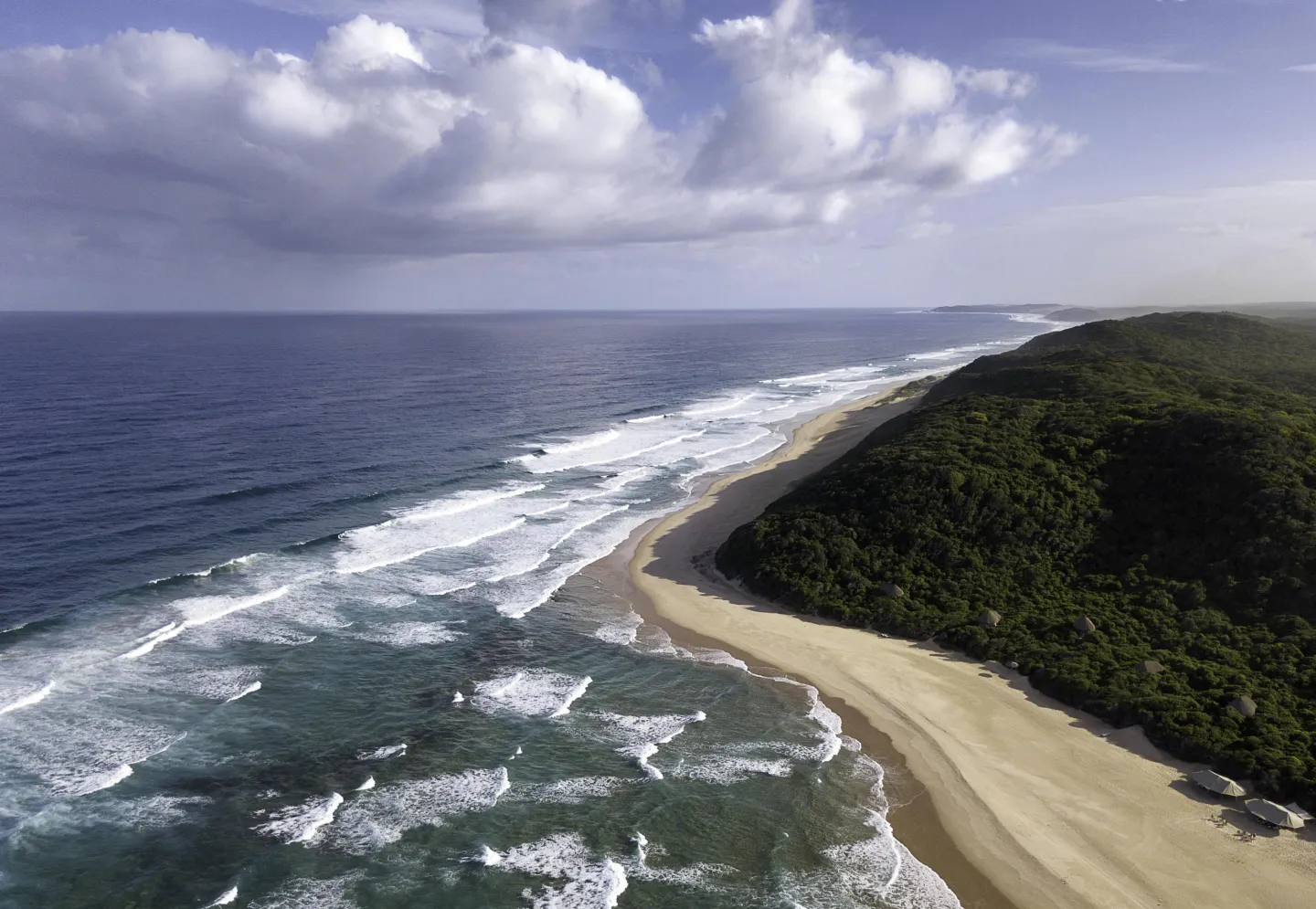
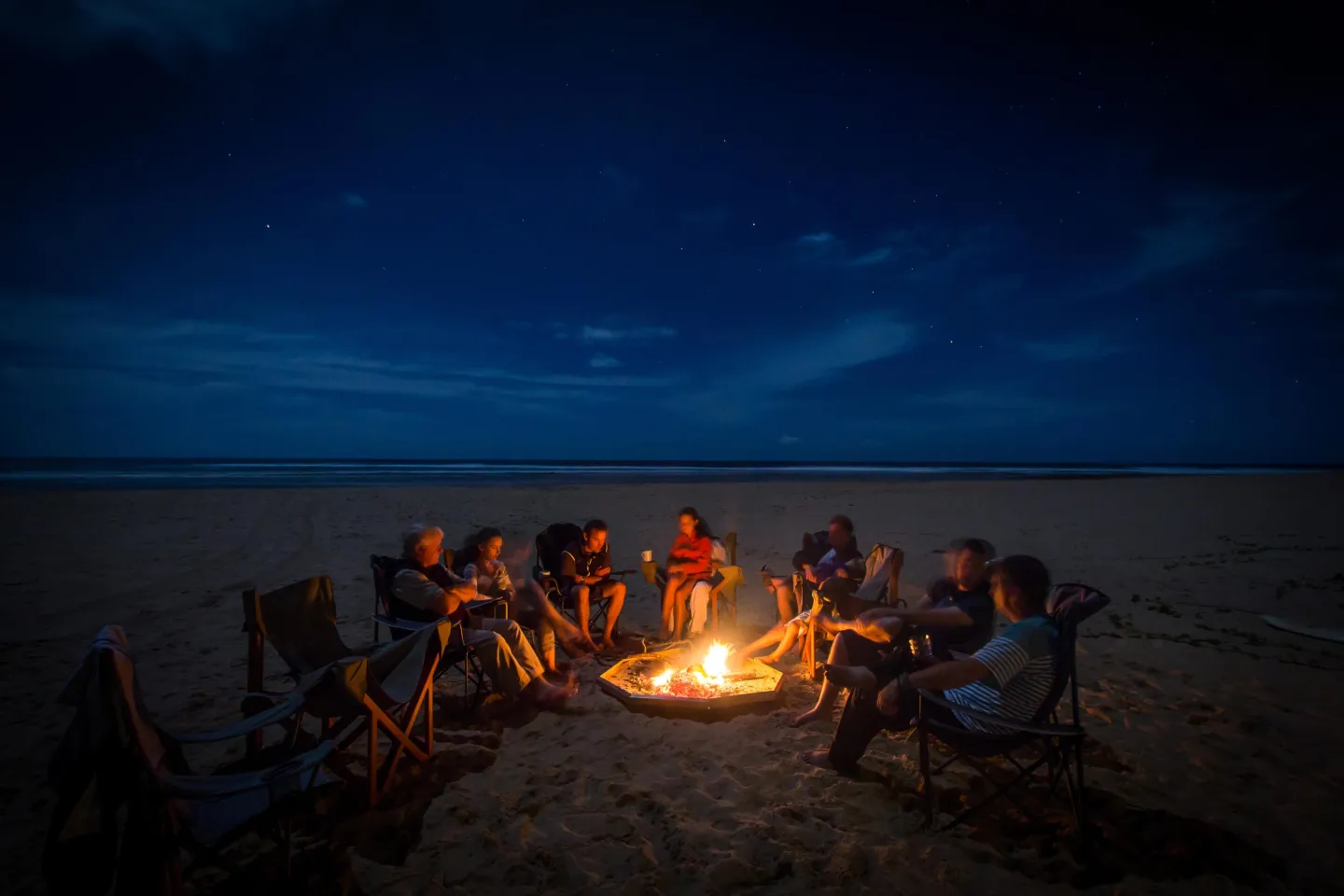
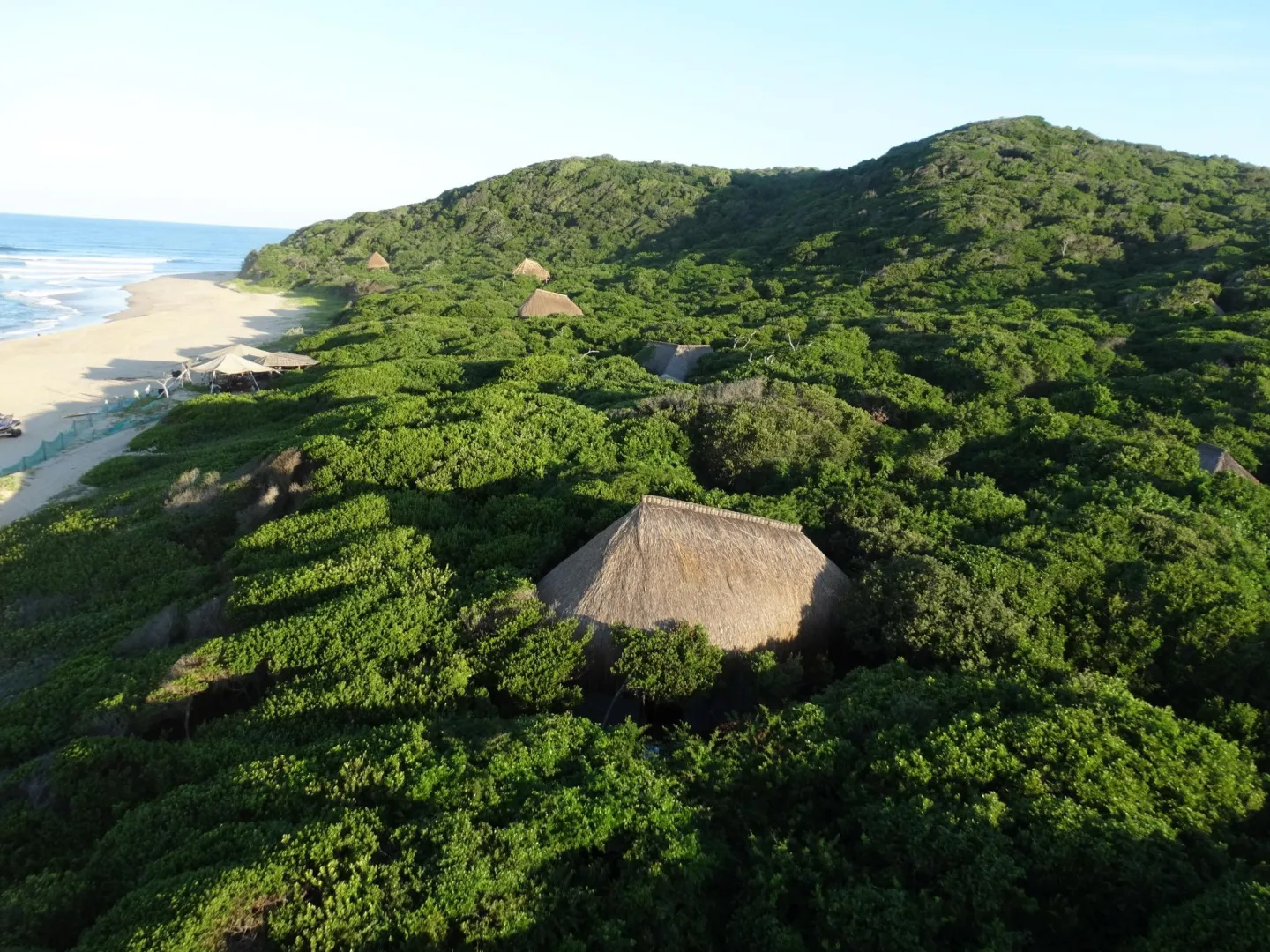
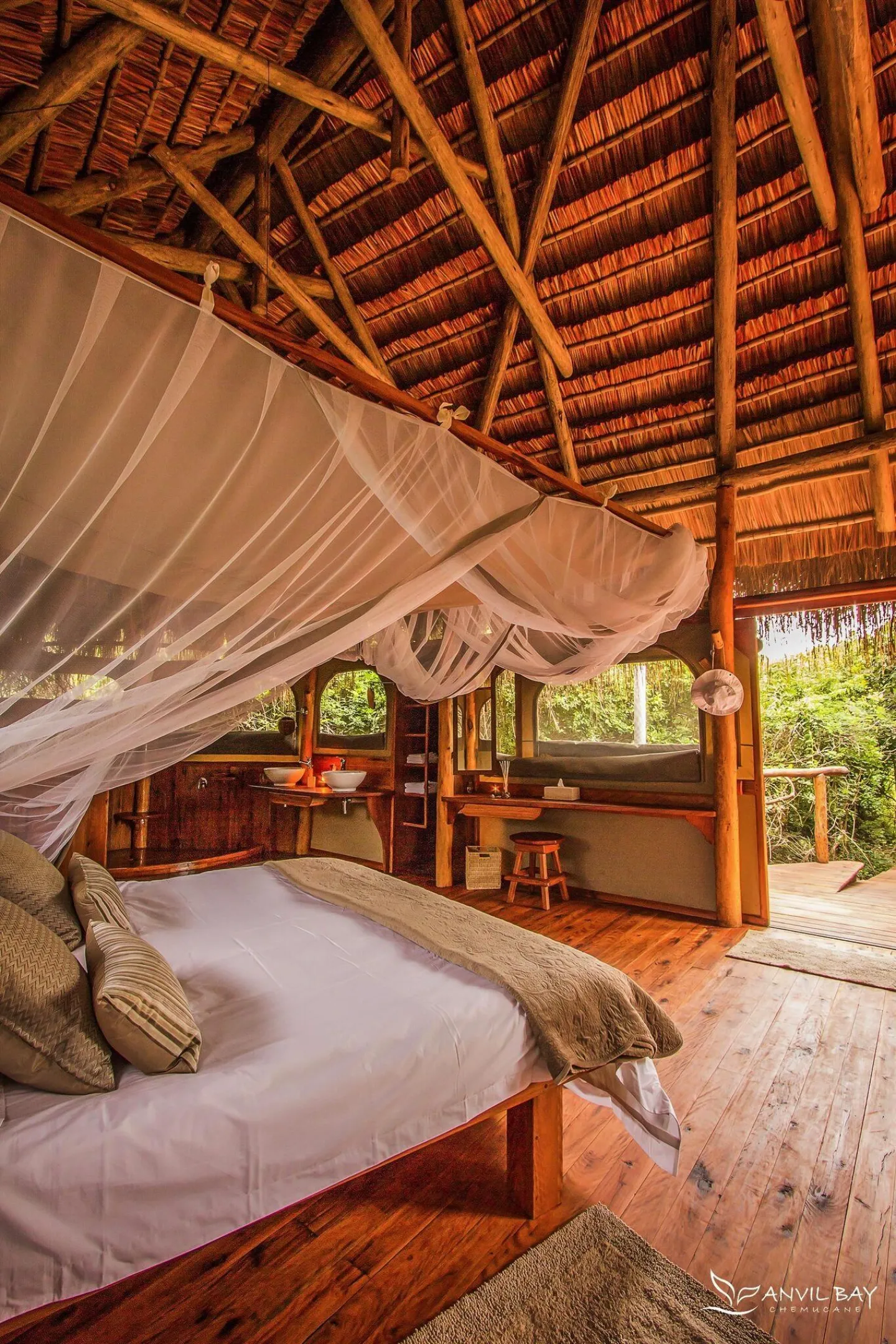
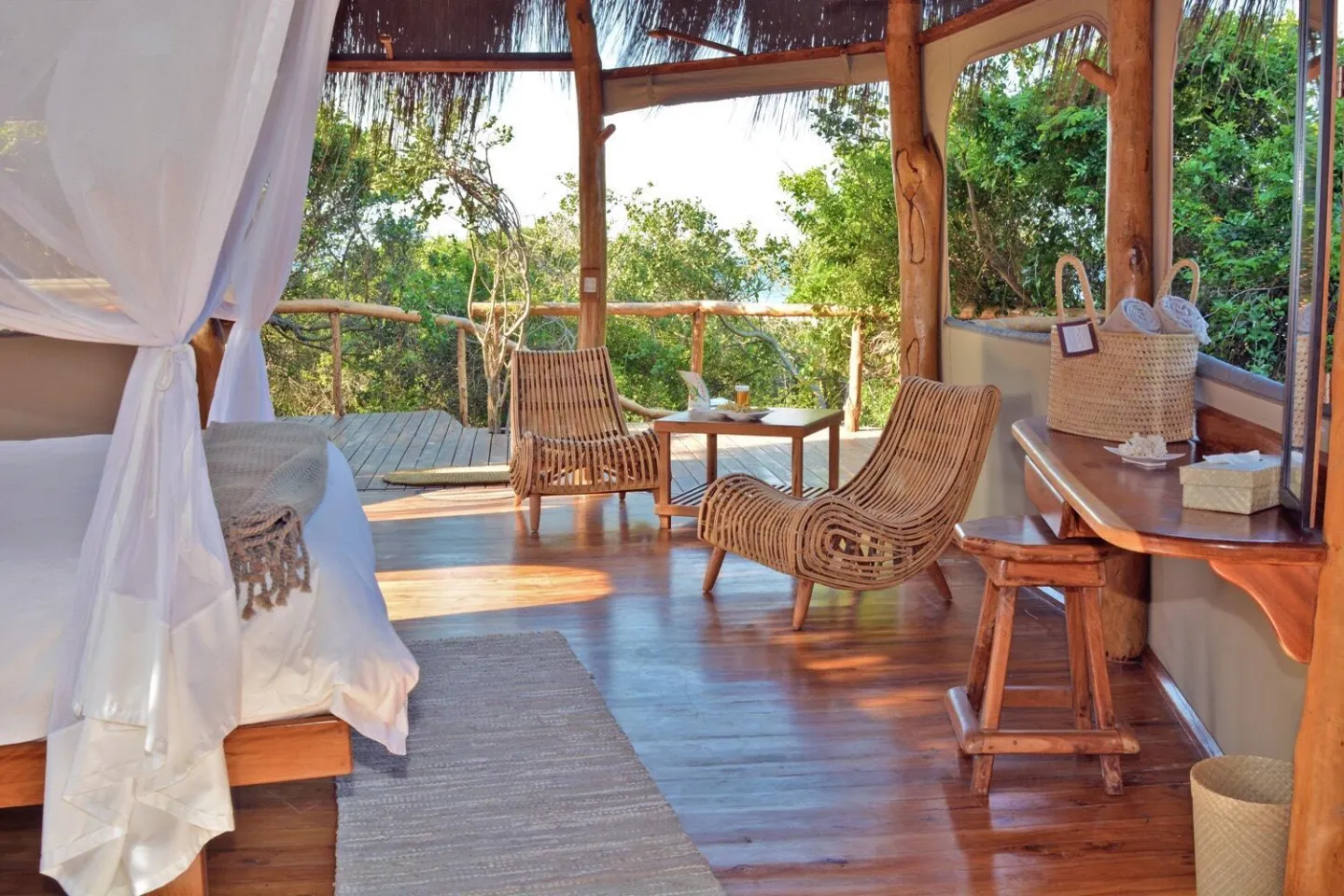
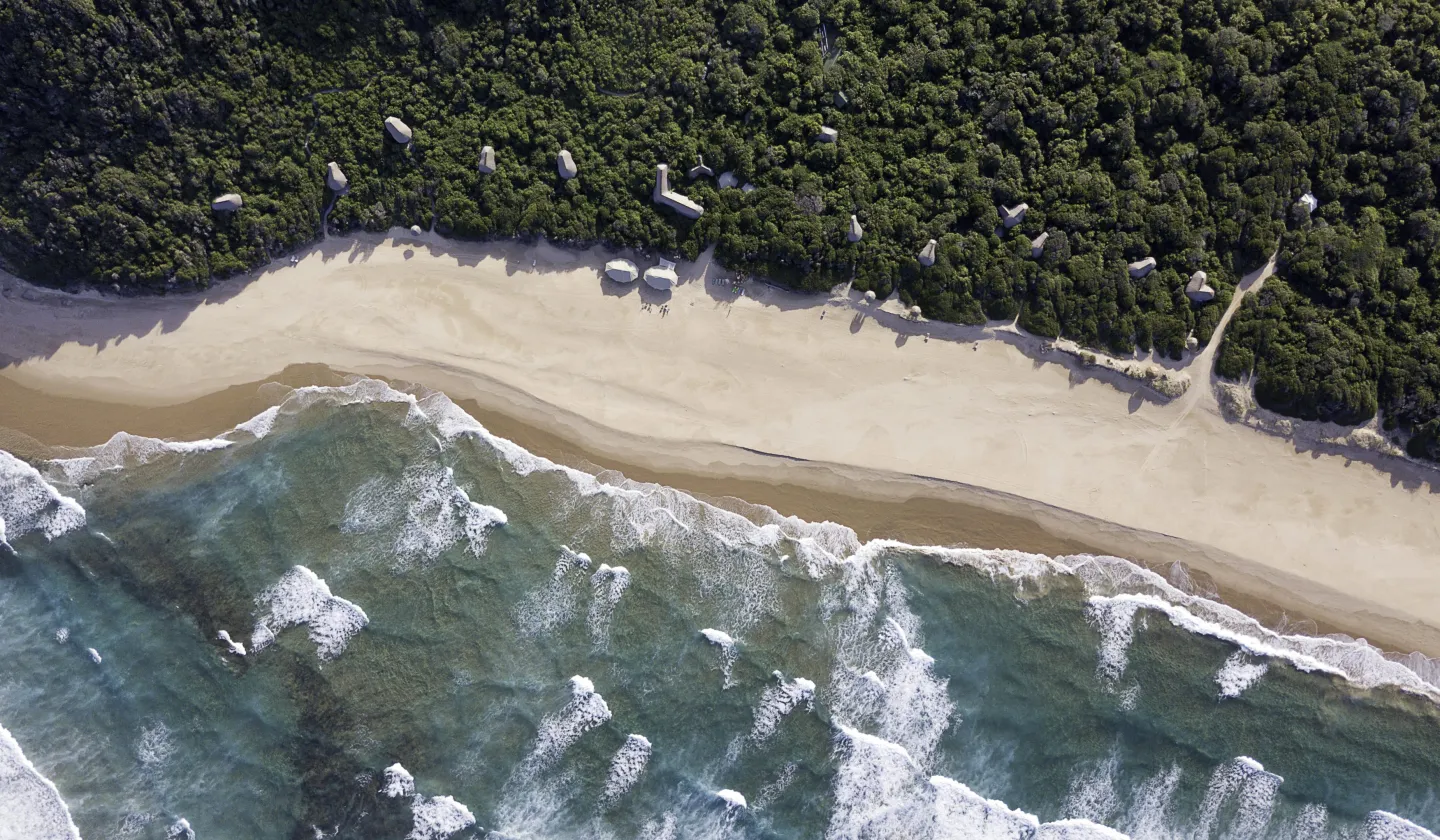
Anvil Bay is a hidden gem found in the picturesque Maputo Special Reserve, Mozambique’s wildest bush and beach destination. It is an exclusive, barefoot-luxury, safari-style camp tucked away under the canopy of a coastal forest. This community-owned eco-lodge was built with the smallest possible footprint to preserve the wilderness and the special sense of place. Stylish canvas-and-thatch casinhas on stilted wooden decks are steps away from the secluded, pristine white beach – a rare, untouched coastal wilderness.
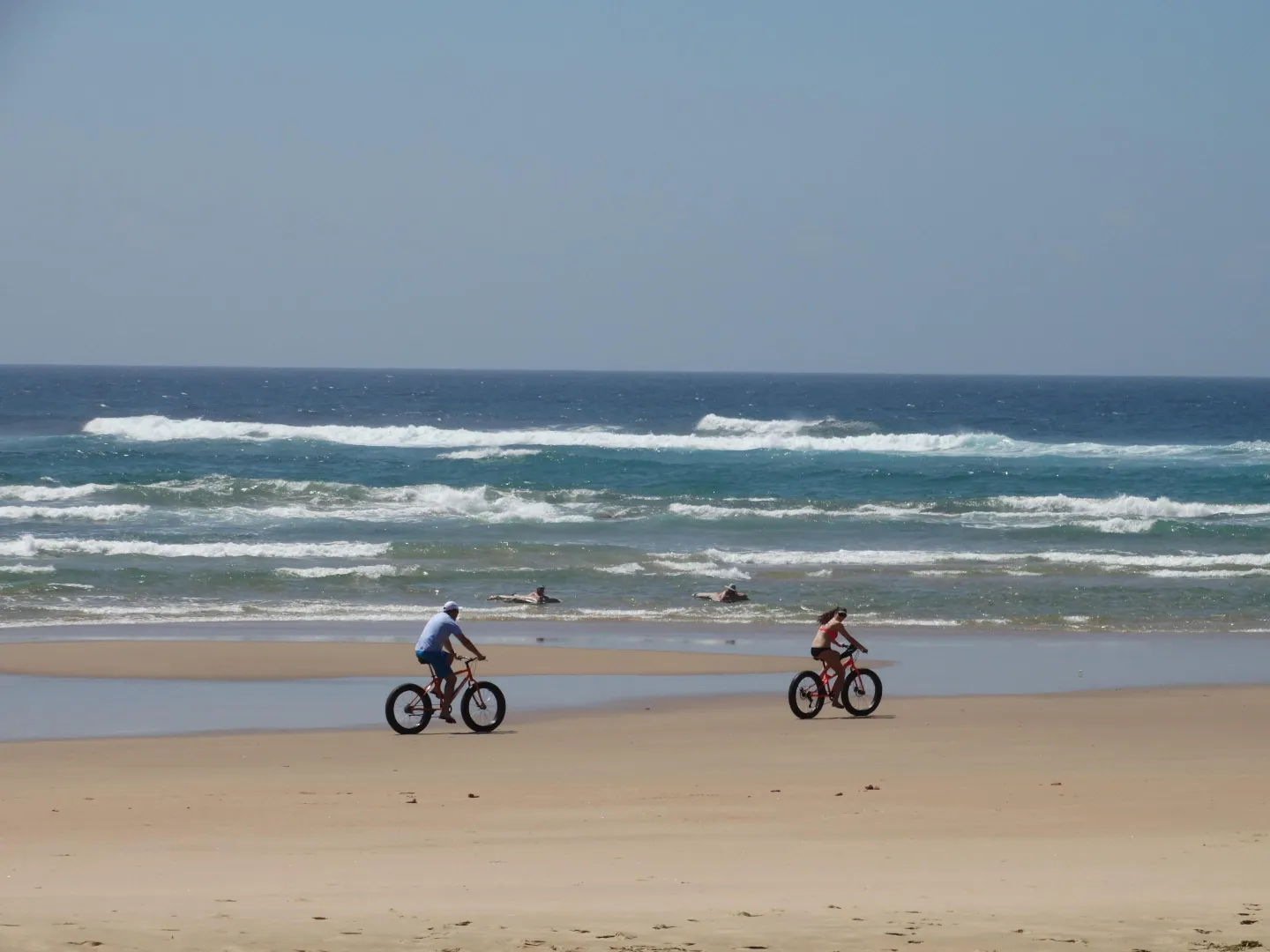
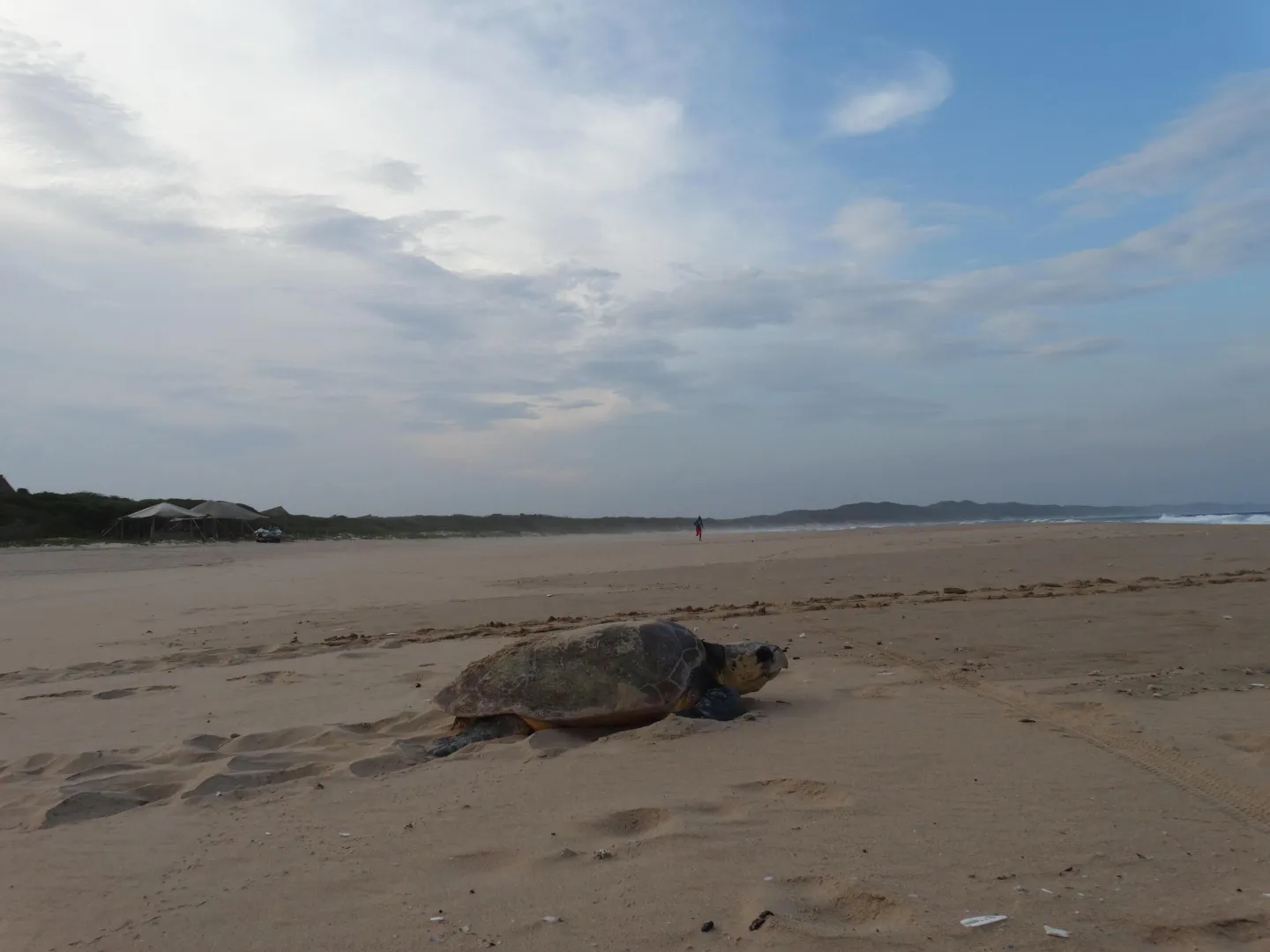
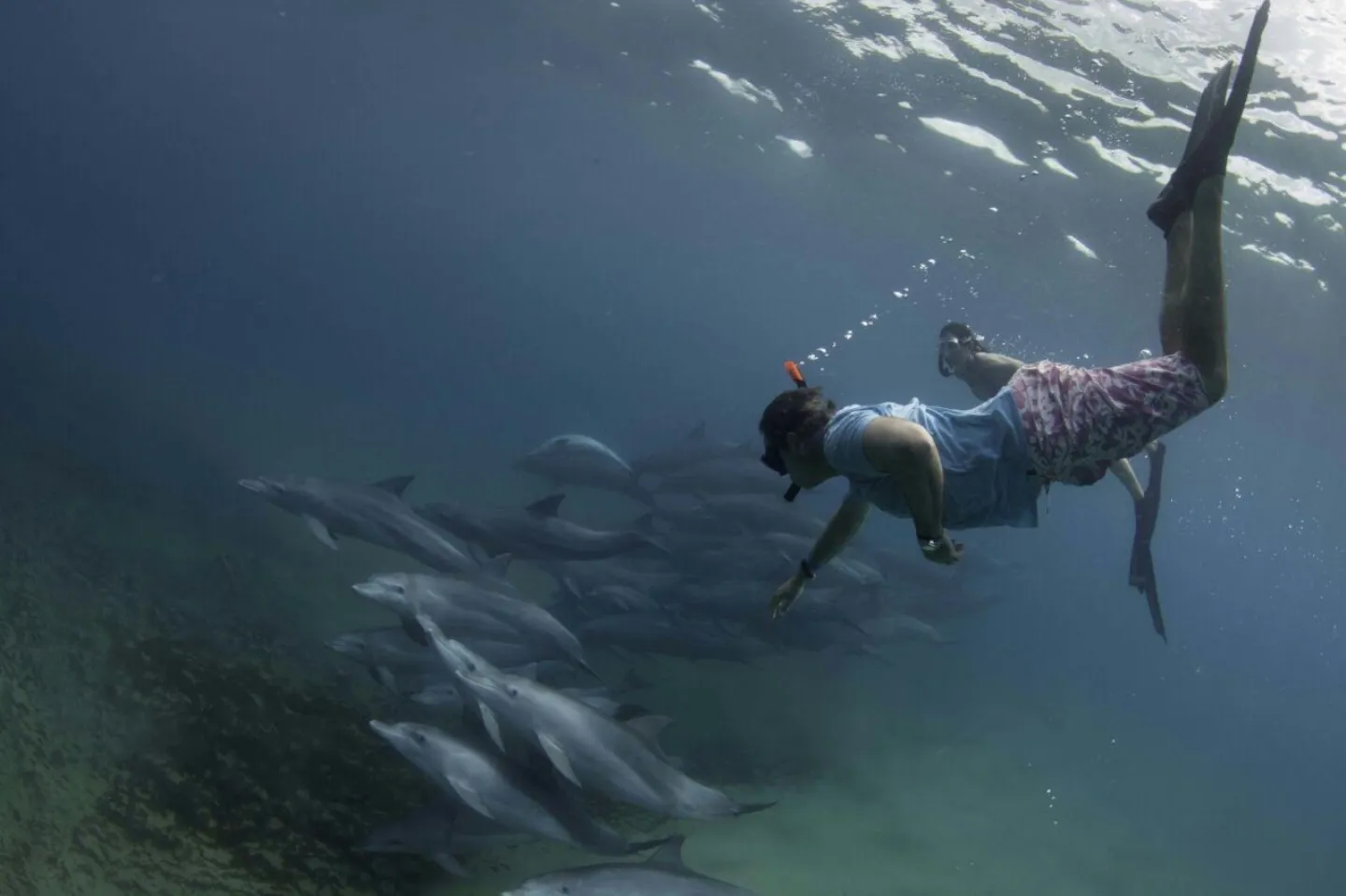
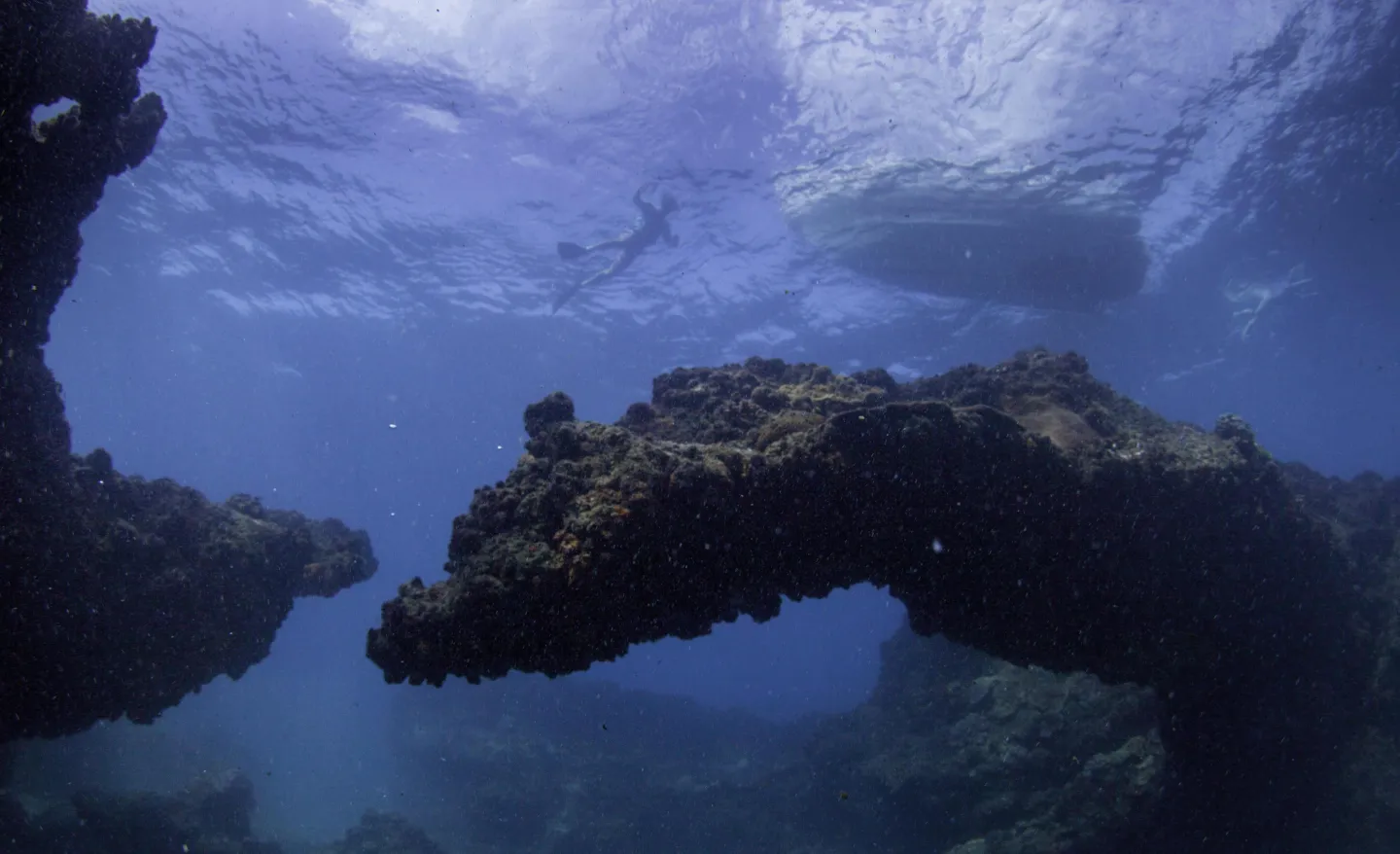
An endless list of experiences awaits you, from kayaking, paddleboarding and shore fishing to rock-pool explorations and dune forest walks. Game drives include stopovers at game viewing hides. Learn about community outreach during village tours to Mabaluco or Santa Maria. Enjoy turtle nesting encounters (October to March), whale watching (July to November), ocean safaris, scuba diving, reef snorkelling and deep-sea fishing.
Departure
Beautiful Mozambique, with its luxurious hospitality, abundant wildlife, excellent cuisine, architecture and vibrant music, has been a feast for all your senses; saying goodbye will be sweet sorrow. You’ll board a helicopter bound for Maputo and your onward travel arrangements, but the memories you’ve made will always pull your heart back here.
Speak to your Travel Architect
Create your African story, your way
Does this itinerary inspire you to create your own unforgettable African story? Speak to your Travel Architect about curating your perfect African journey.
Tell us the Africa you imagine. We’ll take you there!
Why travel with Your Africa?
It starts with you
No two journeys are the same. We design each itinerary around who you are and how you want to experience Africa.
Seamless planning
Your dedicated Travel Architect handles everything. All you need to do is guide us on what your ideal African journey looks like.
Travel, your way
You decide how you want to explore Africa. This is your Africa, your story, your way.
Bush meets beach gallery
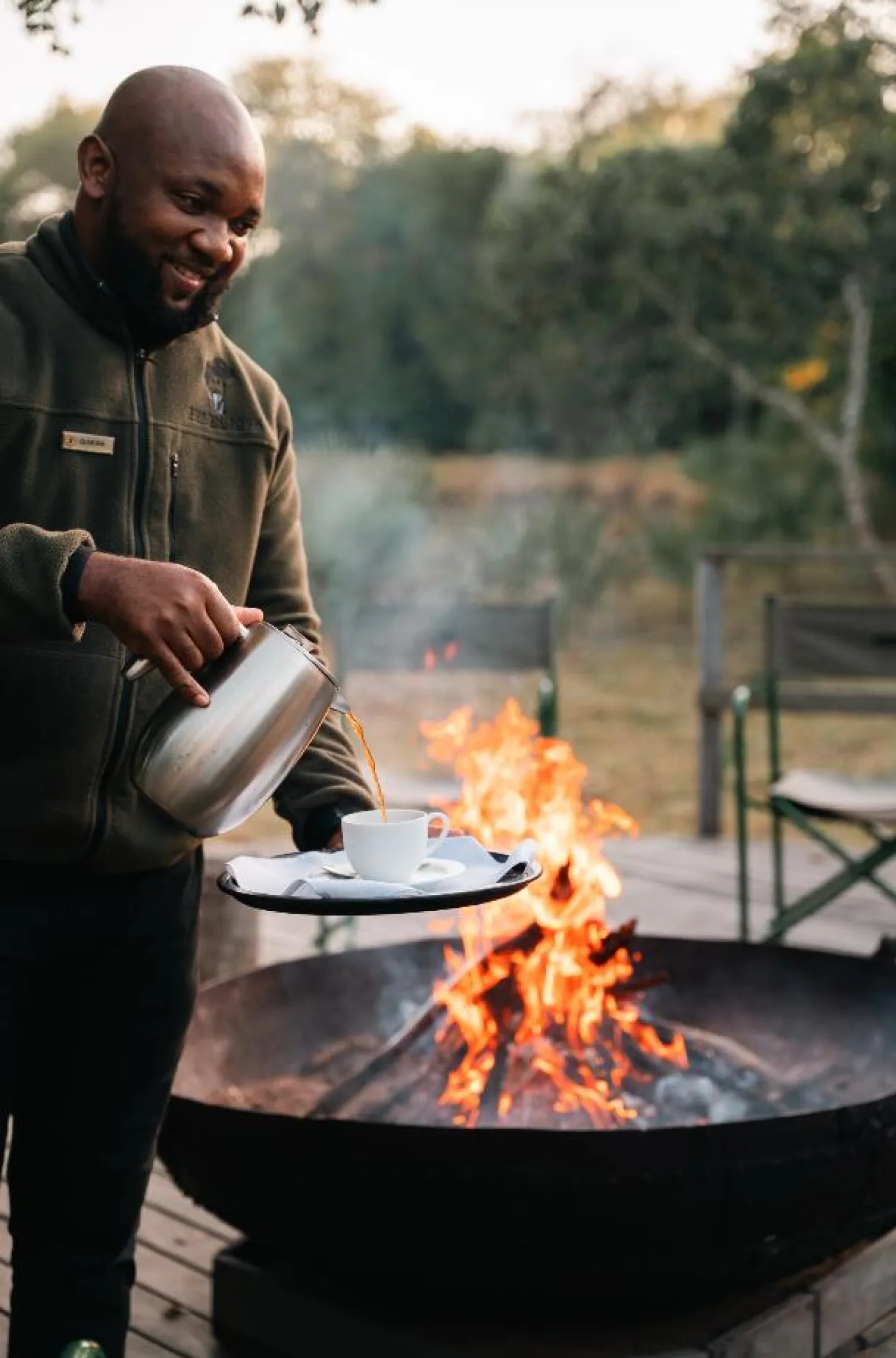
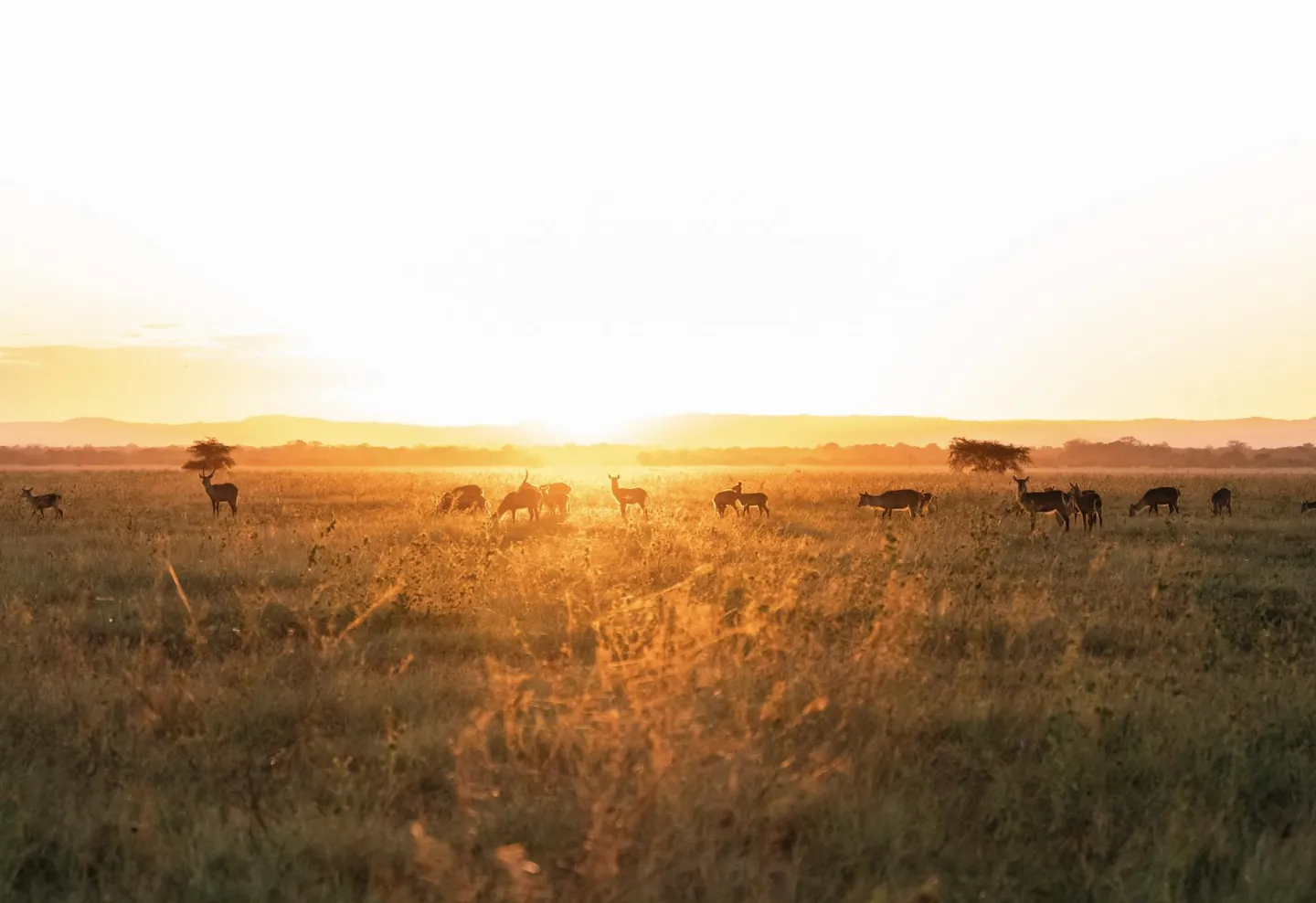
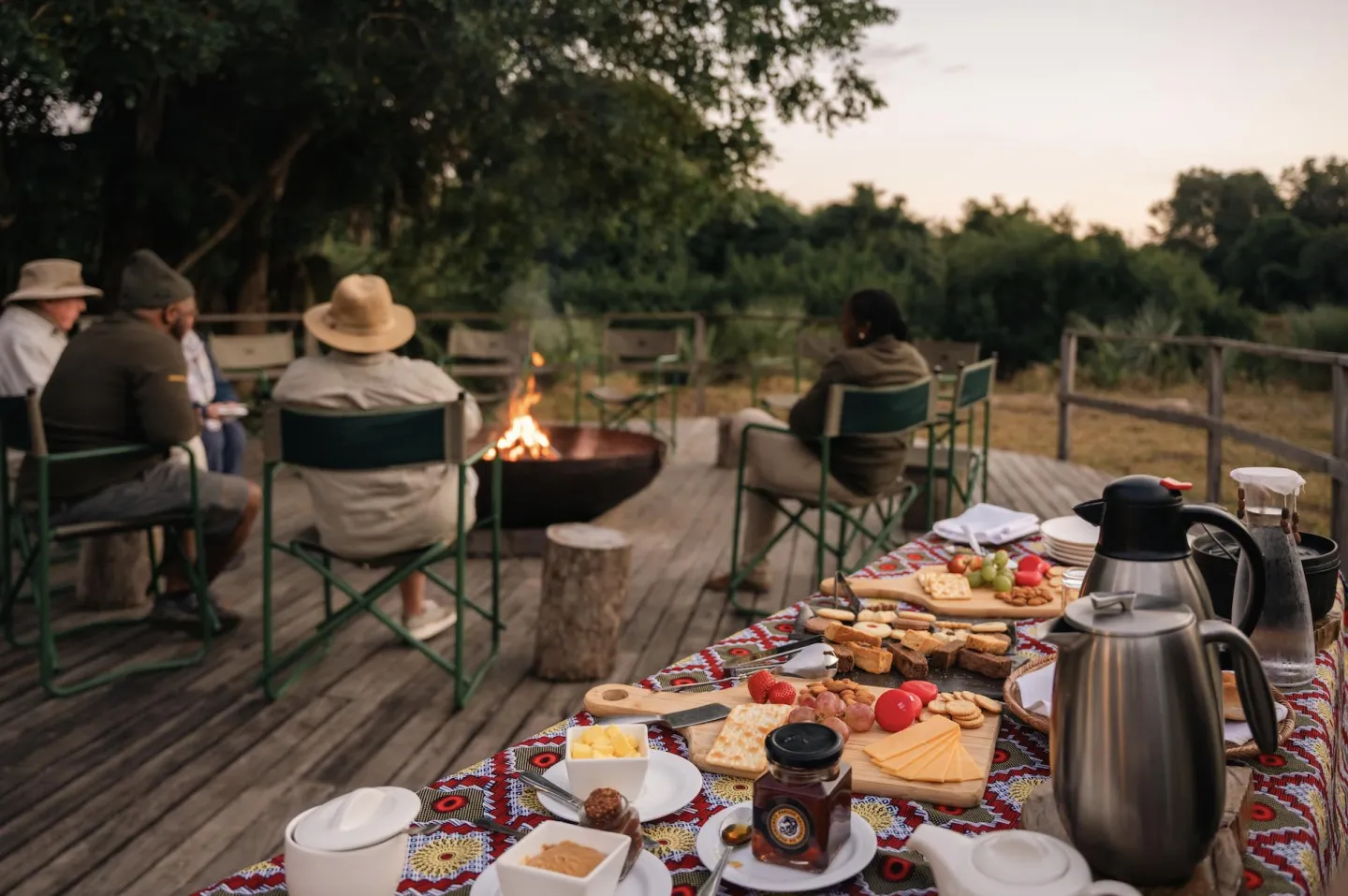
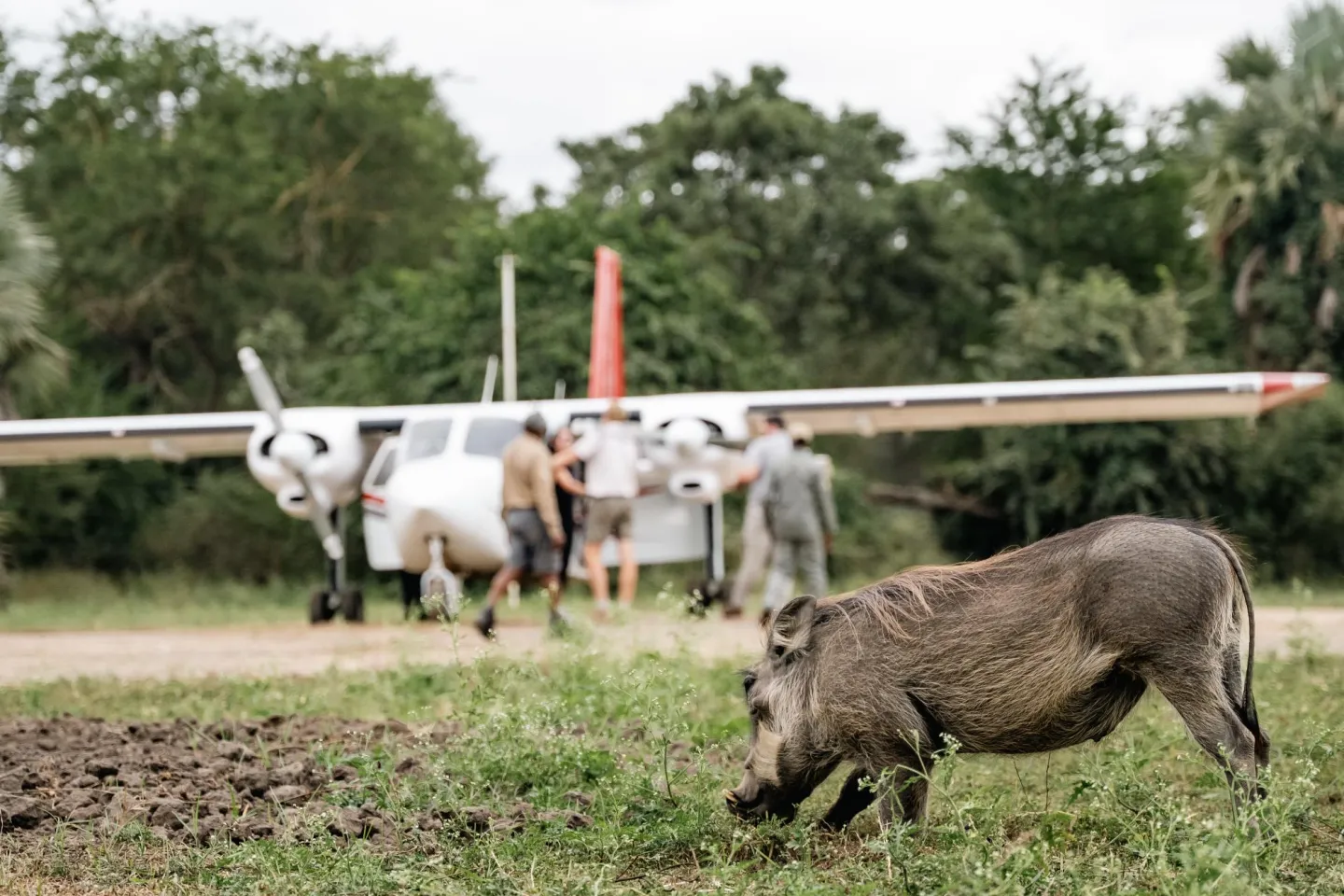
Bush meets beach FAQs
This itinerary is perfect for a discerning and curious traveller who has likely been on safari before and is seeking a more profound, off-the-beaten-path experience. It is for someone who is not just interested in seeing wildlife, but is fascinated by the story of conservation, the resilience of nature, and the rich cultural and historical tapestry of a country. It’s an intellectual and soulful journey as much as it is a visual one.
Yes, this is a safe itinerary within a well-managed tourism framework. You will be travelling via private charters and transfers and staying in high-end, secure properties. Health-wise, it is critical to note that all destinations on this itinerary – Gorongosa, Maputo and the Maputo Special Reserve – are located in a malaria-risk zone. You must consult your doctor or a travel clinic well in advance to arrange for appropriate anti-malarial medication.
The travel is designed to be a scenic part of the luxury experience:
- To Gorongosa: you’ll take a private air charter from Beira directly to the park
- Gorongosa to Maputo: another private air charter will fly you directly to the capital city
- Maputo to Anvil Bay: this is a highlight – a spectacular scenic helicopter flight across Maputo Bay to your beachfront lodge
These transfers eliminate long, difficult road journeys and offer incredible aerial perspectives of Mozambique’s diverse landscapes.
Yes, the game viewing is excellent and improving every year. While it is not a traditional Big Five destination (there are no rhinos), the restoration has been a phenomenal success. You can expect abundant sightings of elephants, buffalo, hippos, lions and numerous antelope species. It is also a stronghold for the endangered African wild dog. The story here is one of vibrant rebirth and flourishing biodiversity.
This is a unique opportunity that sets this itinerary apart. The visit is not just a tour; it’s a behind-the-scenes look into the cutting-edge science that is driving Gorongosa’s restoration. You will have the chance to meet researchers, learn about the ongoing biodiversity studies, and understand how this scientific work directly informs the park’s conservation strategies. It’s a fascinating insight into the how and why of this incredible success story.
The stay in Maputo is a vital cultural interlude that provides context and a wonderful contrast to the wildness of the bush and beach. It allows you to immerse yourself in Mozambique’s rich history, from its Portuguese colonial past to its vibrant, modern identity. The Polana Serena Hotel is a landmark in itself, and two nights give you time to explore the city’s unique architecture, lively markets, art scene and burgeoning culinary landscape, giving you a much deeper appreciation for the country as a whole.
It means you get the best of both worlds in one location. From Anvil Bay, you can:
- Go on classic game drives into the interior of the Maputo Special Reserve to see elephants, giraffes, zebras and other plains game
- Enjoy ocean safaris to look for dolphins, whales (in season) and turtles
- Explore the coastline with activities such as kayaking, snorkelling, and deep-sea fishing.
This rare combination of terrestrial and marine ecosystems in a single, pristine protected area is what makes the destination so special.
- Turtles: very likely. The beaches here are crucial nesting sites for loggerhead and leatherback turtles, especially between October and March, when you can participate in turtle nesting encounters.
- Dugongs: this is a rare and special sighting. The Bazaruto Archipelago (further north) is the last stronghold, but the wider marine park aims to protect them. While a sighting is possible, it is not guaranteed and should be considered an exceptional privilege. Your chances of seeing dolphins and humpback whales (July-November) are much higher
The itinerary notes that it operates seasonally, from 1 April to 30 November. The best time within this window would be during the cooler, drier months from May to October. This period offers the most pleasant weather for all activities, lower humidity, and it coincides with the whale watching season (from July)
You will need three distinct types of clothing:
- For Gorongosa: lightweight, neutral-coloured safari clothing (khaki, green, beige). A warm fleece or jacket is essential for cool mornings and evenings
- For Maputo: smart-casual city wear. Think linen trousers, stylish tops, comfortable walking shoes for exploring, and a slightly more elegant outfit for dinner at the Polana
- For Anvil Bay: “barefoot luxury” beachwear. Pack swimwear, cover-ups, sandals, a wide-brimmed hat and plenty of reef-safe sunscreen. A light sweater is useful for evenings
- Visa: You will almost certainly need a visa for Mozambique. Your Travel Architect will assist in making these arrangements with you
- Currency: the local currency is the Mozambican metical (MZN) but for a luxury itinerary like this, the US dollar is the preferred currency. It is best to bring sufficient cash in clean, newer bills for tips and any incidental purchases.