Great Migration, flamingos and tree-climbing lions
Great Migration, flamingos and tree-climbing lions
13-day/12-night Kenya and Tanzania combination safari
Witness Africa’s true natural splendour
If Africa had a heartbeat, Kenya’s Masai Mara and Tanzania’s Serengeti is where you would find it. Life in this part of the world has a vital, pulsing rhythm, one that you experience every moment that you are here.
This journey takes you to private conservancies and lodges, models of conservation and sustainability that are less crowded, more serene and altogether more exclusive than you would otherwise experience.
From your luxurious lodgings in these pristine environments, you will have plentiful opportunities to observe the most spectacular wildlife offerings that either Kenya or Tanzania can provide, from millions of pink flamingos to rare tree-climbing lions, and of course the greatest natural show on Earth itself: the Great Migration.
 At a Glance
 Highlights
 Great Migration
Tree-climbing lions
Flamingoes
Horse riding
Camel safari
Mountain biking
Rooftop star beds
Spa treatments
Photographic equipment: Chyulu Hills and Masai Mara
Photographic tuition: Chyulu Hills and Masai Mara
Specially modified photographic vehicles: Chyulu Hills, Masai Mara and Serengeti
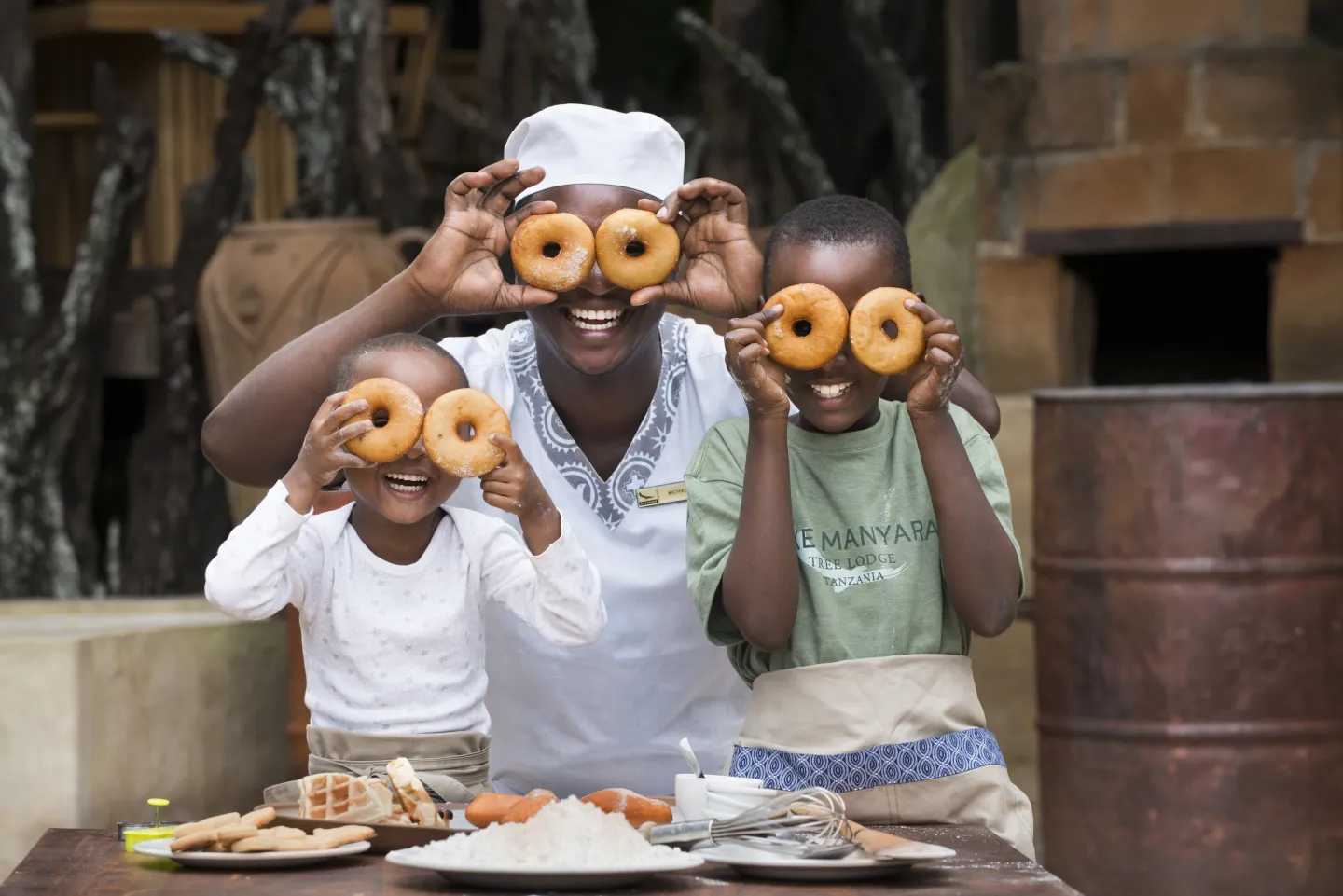
Children’s programmes for families
Great Migration
Tree-climbing lions
Flamingoes
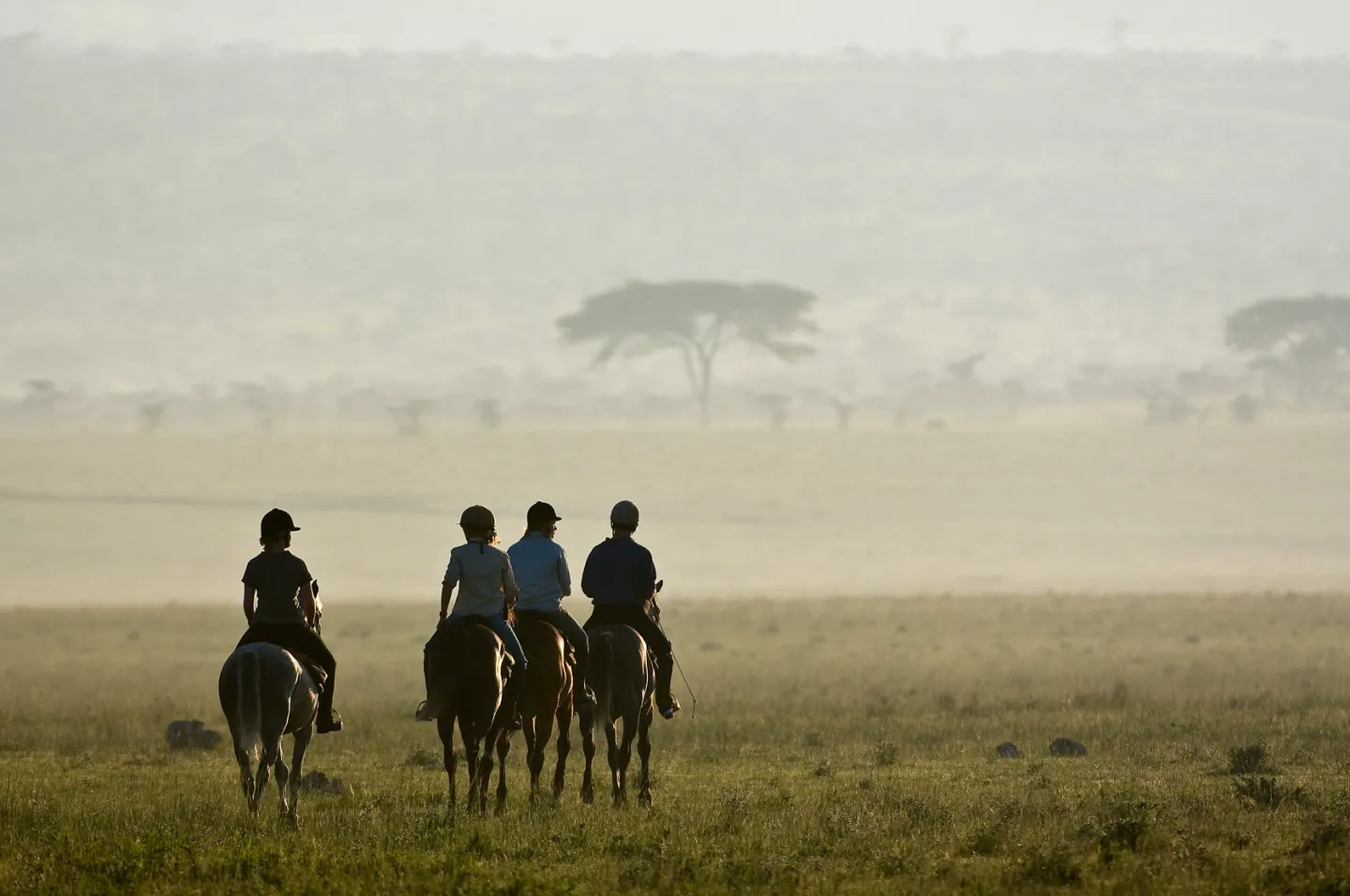
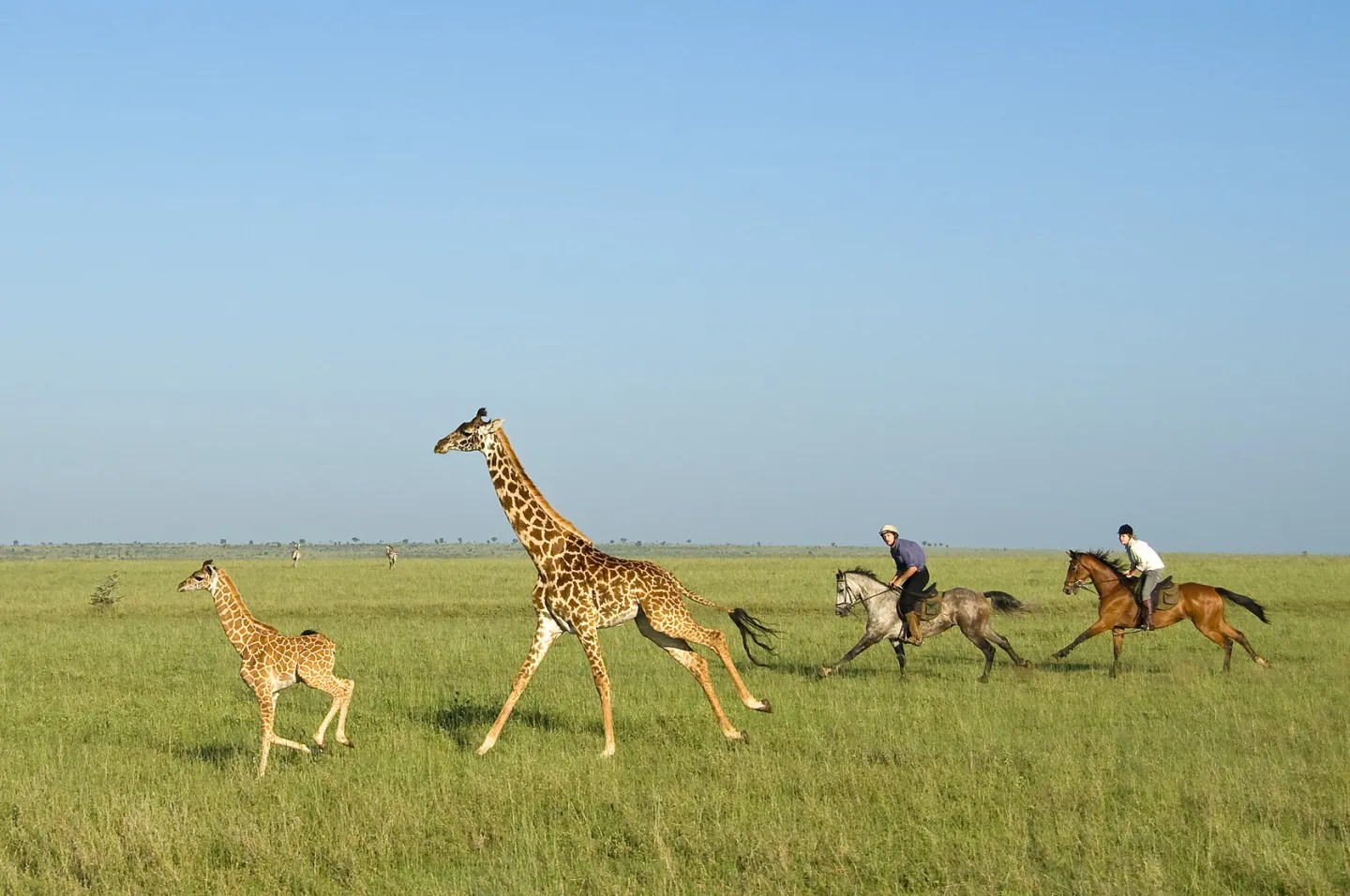
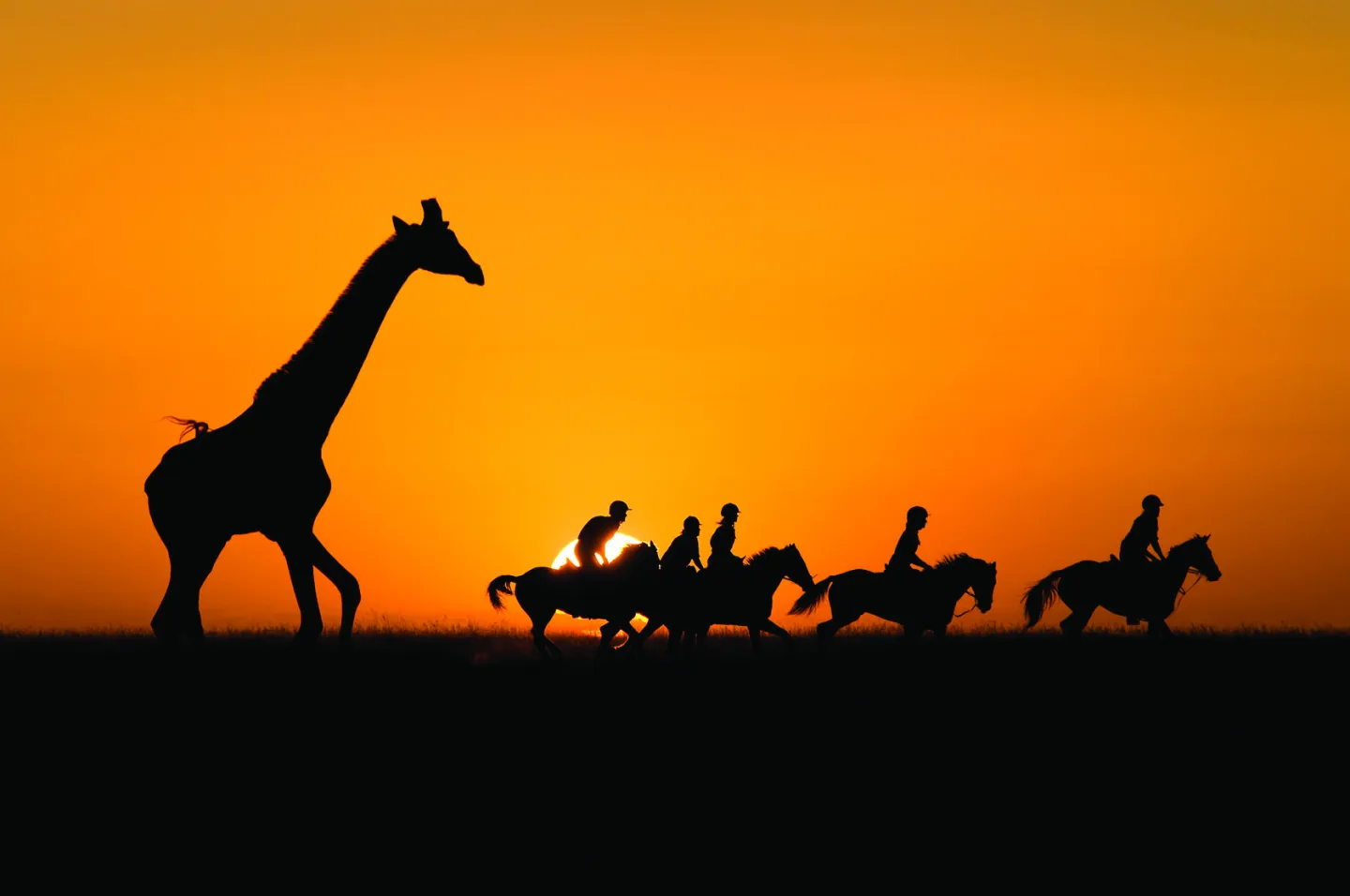
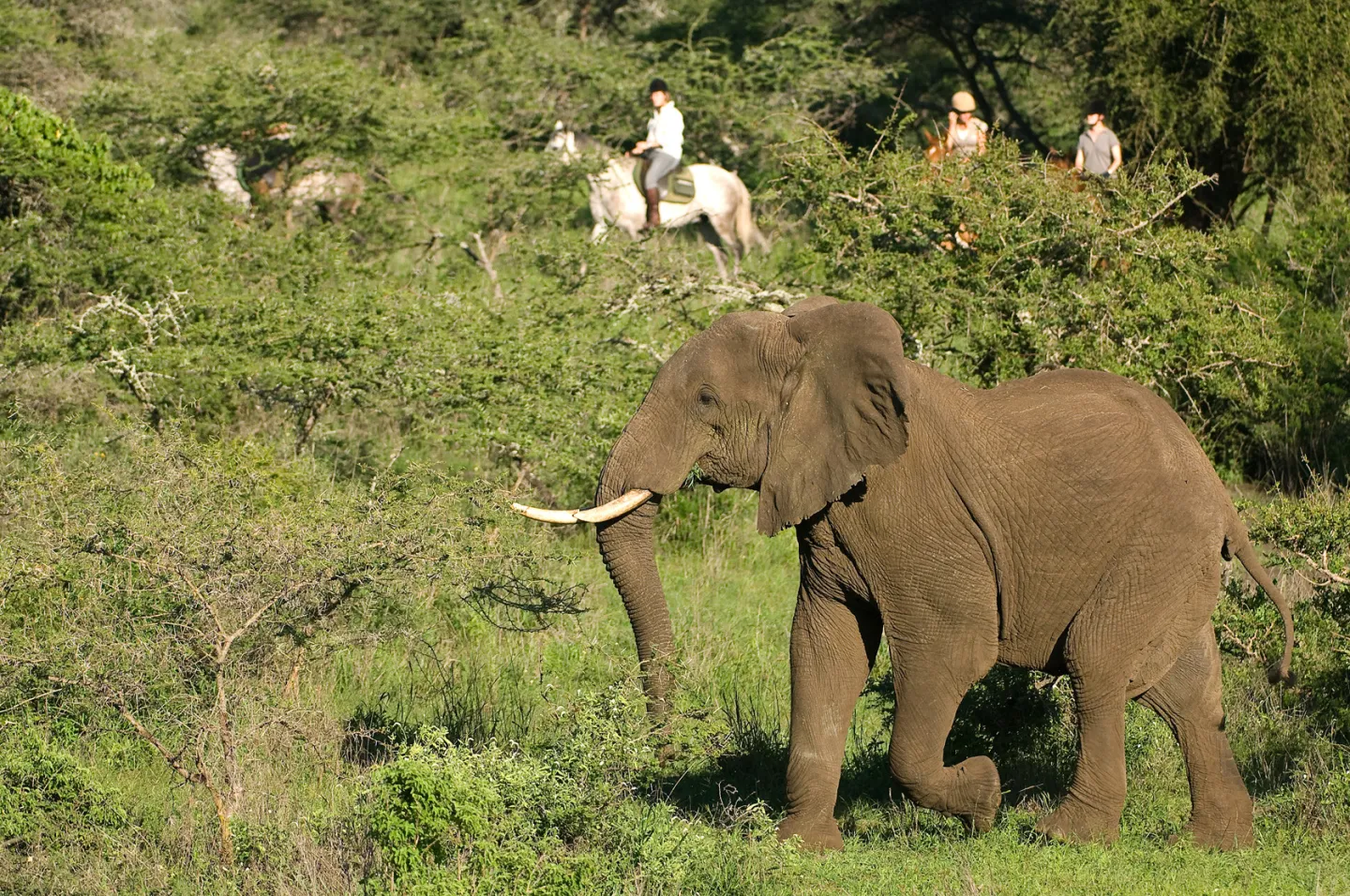
Horse riding
Camel safari
Mountain biking
Rooftop star beds
Spa treatments
Photographic equipment: Chyulu Hills and Masai Mara
Photographic tuition: Chyulu Hills and Masai Mara
Specially modified photographic vehicles: Chyulu Hills, Masai Mara and Serengeti
Children’s programmes for families Location
13-day/12-night Kenya and Tanzania combination safari
Meet Your Travel Architect
Our South Africa specialists have explored every corner of the Delta. Let us craft a journey uniquely tailored to you.
Book a time to chat

Chyulu Hills National Park
There are places in Africa that don’t just appear before you, they unfold. The Chyulu Hills is one of them: a place where volcanoes sleep beneath green slopes, where ancient lava fields glow dark against rolling grasslands, and where the air carries a kind of stillness that feels almost otherworldly. Ernest Hemingway once called them the “Green Hills of Africa” and standing here, you will understand why.
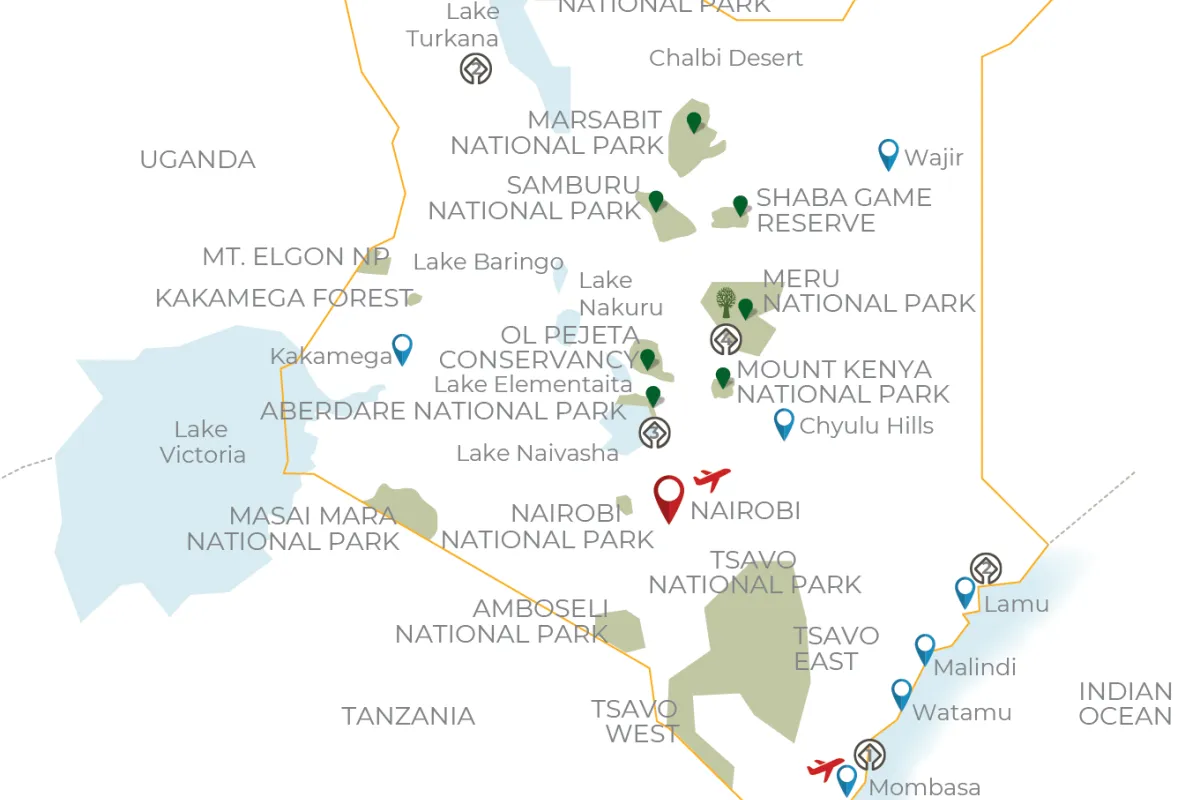
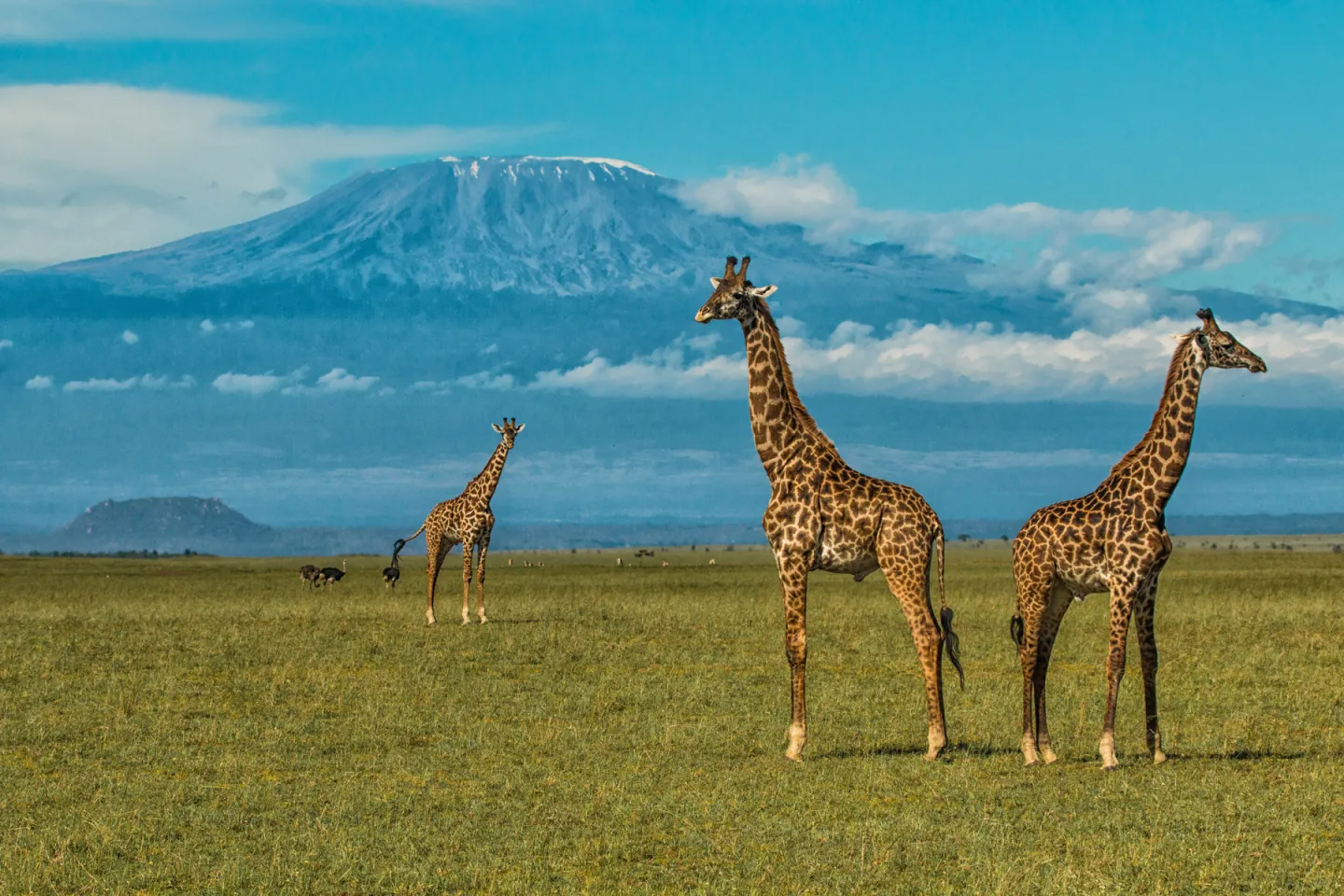
Set between Tsavo West and Amboseli, the Chyulu Hills are a 100km (62mi) spine of volcanic history, a field born 1.4-million years ago and shaped by eruptions as recent as 1856. The hills shelter one of the world’s longest lava tubes, the Leviathan Cave, and offer some of the most spectacular views of Mount Kilimanjaro. This is also Maasai country, land tended for generations where culture and wilderness breathe as one.
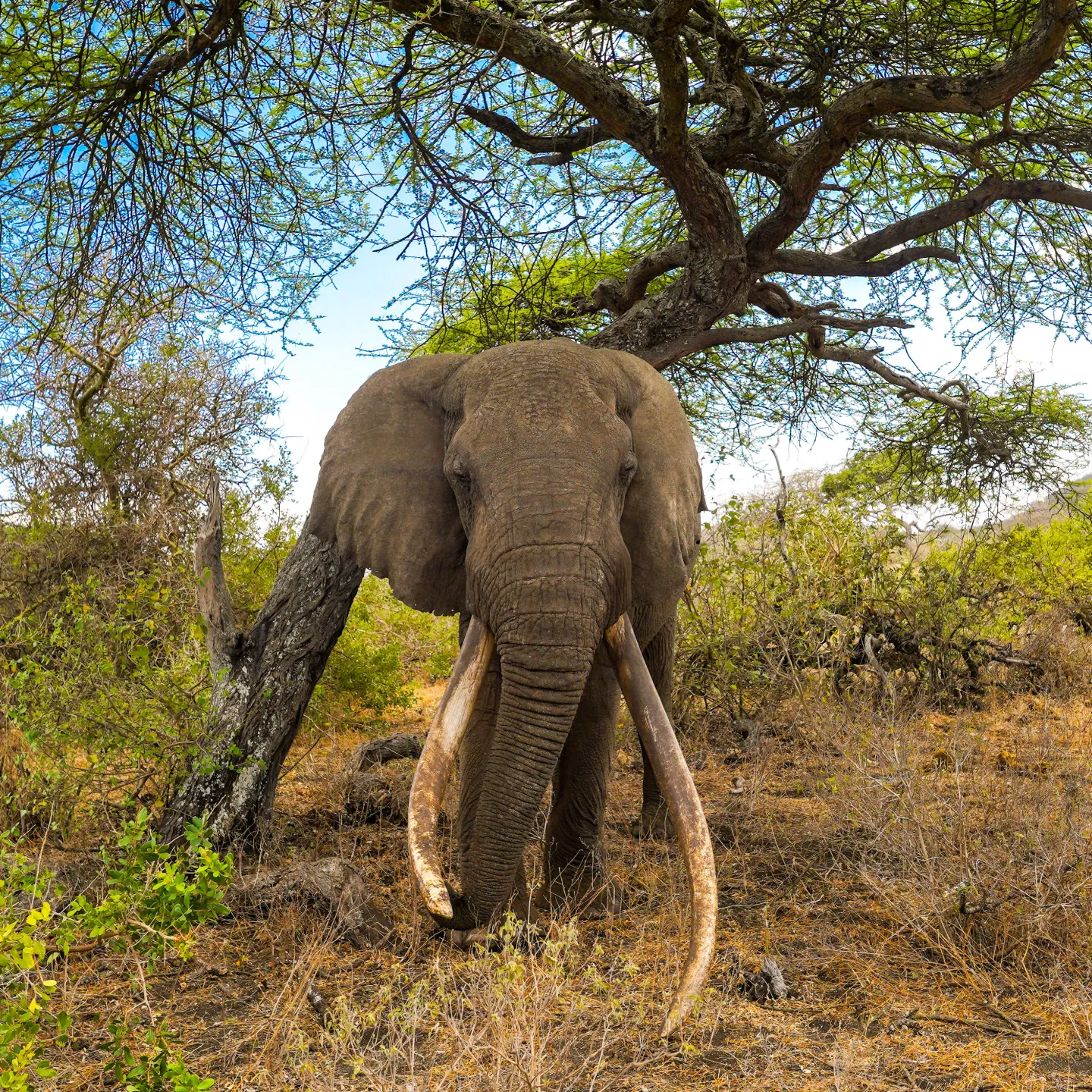
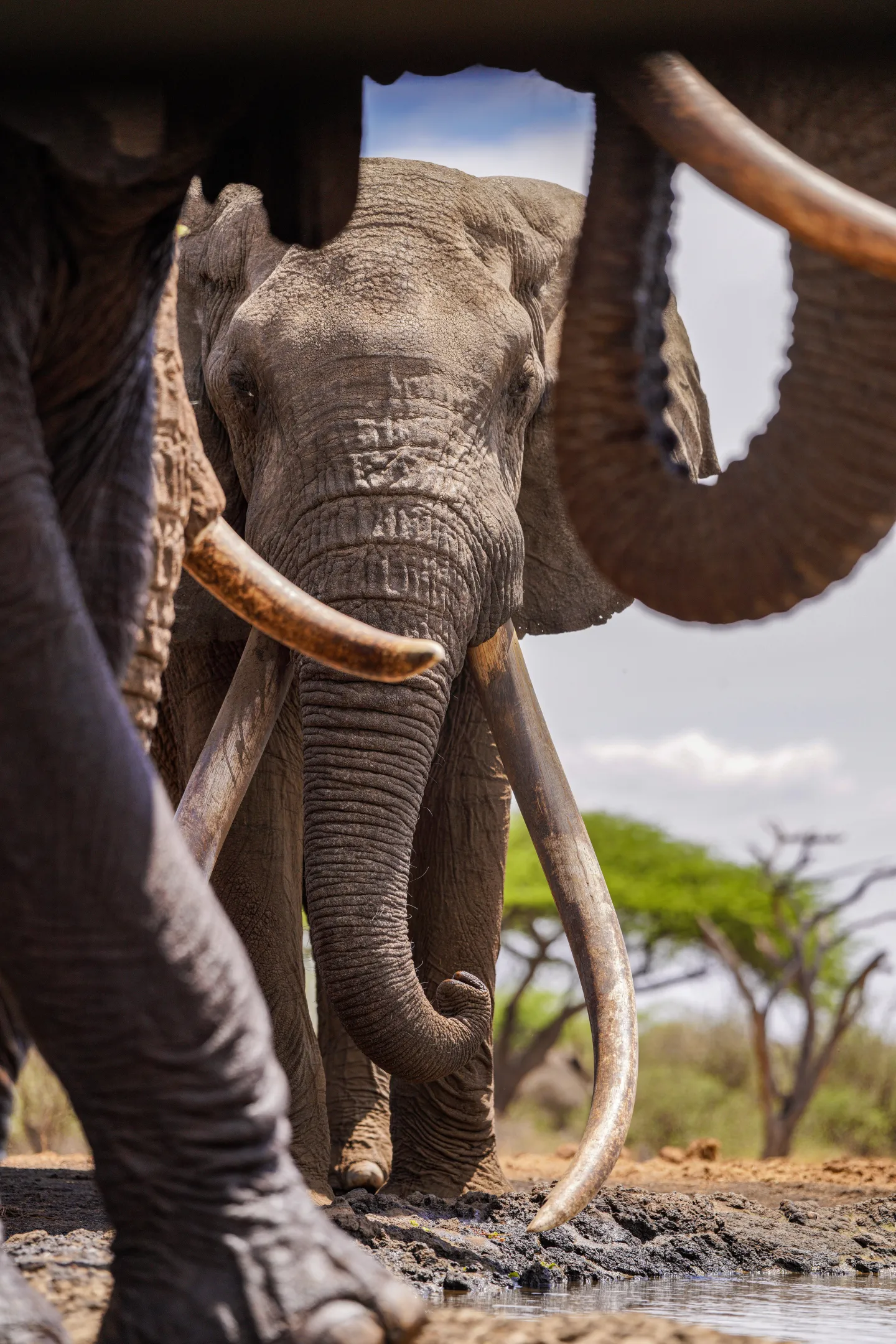
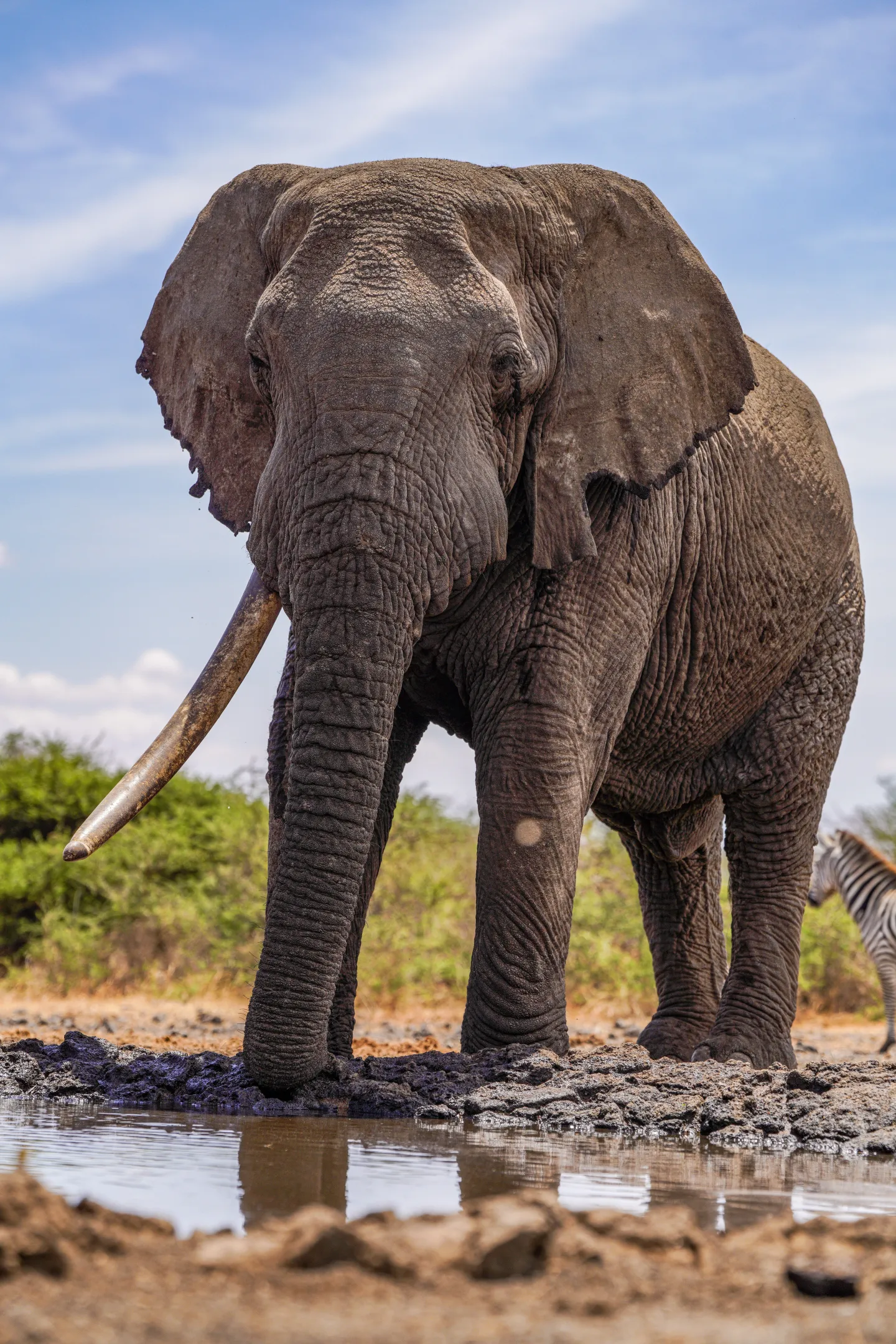
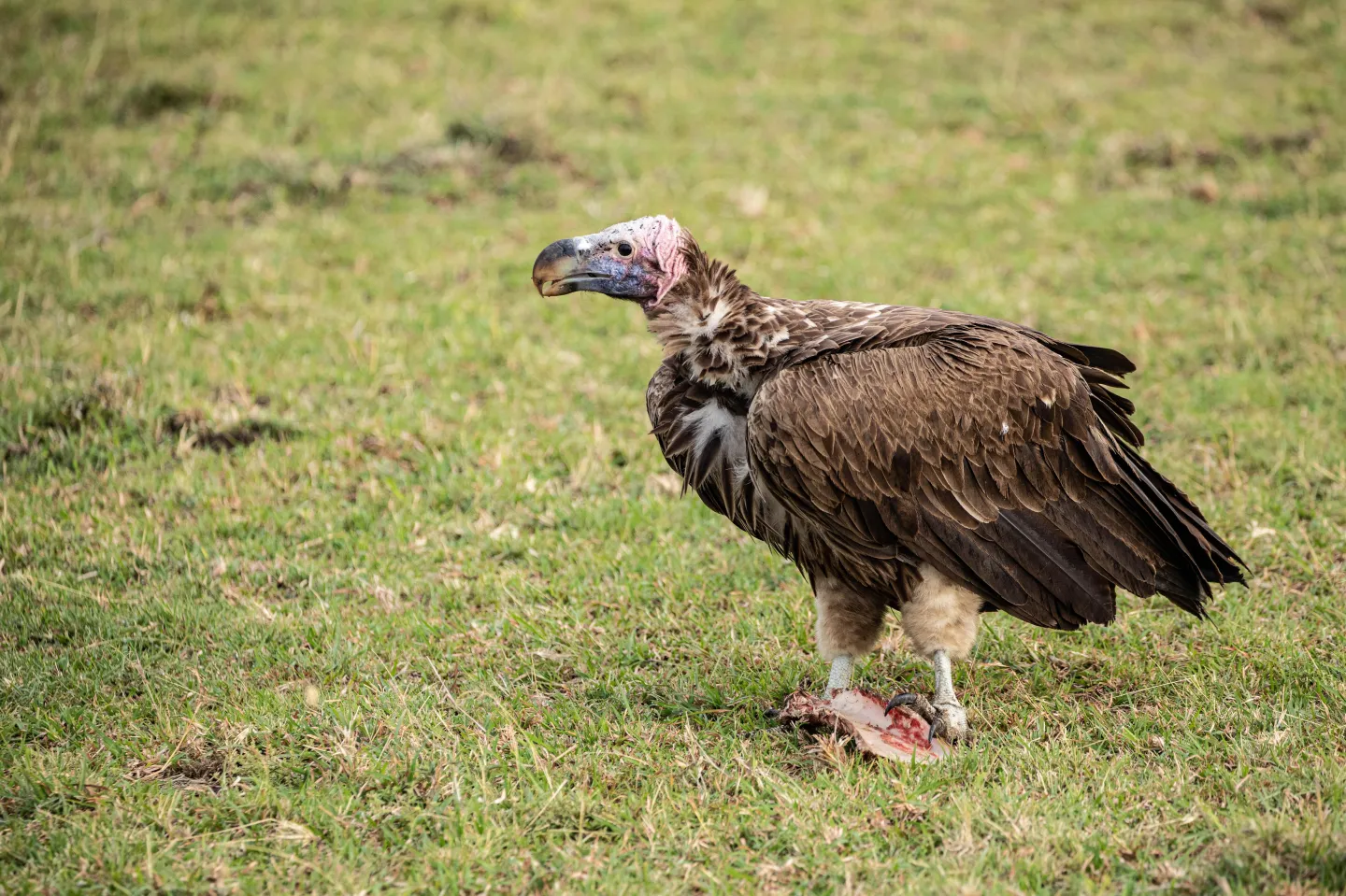
During the dry season wildlife gathers along these foothills: super tusker elephants moving between the parks, big cats, plains game, and more than 300 species of birds, from the vulnerable Southern ground-hornbill to the critically endangered White-backed vulture.
Here, the land tells stories. And as you travel through it, you begin to feel something rare: a connection not only to the landscape, but to Africa itself, ancient, alive, and calling.
ol Donyo Lodge
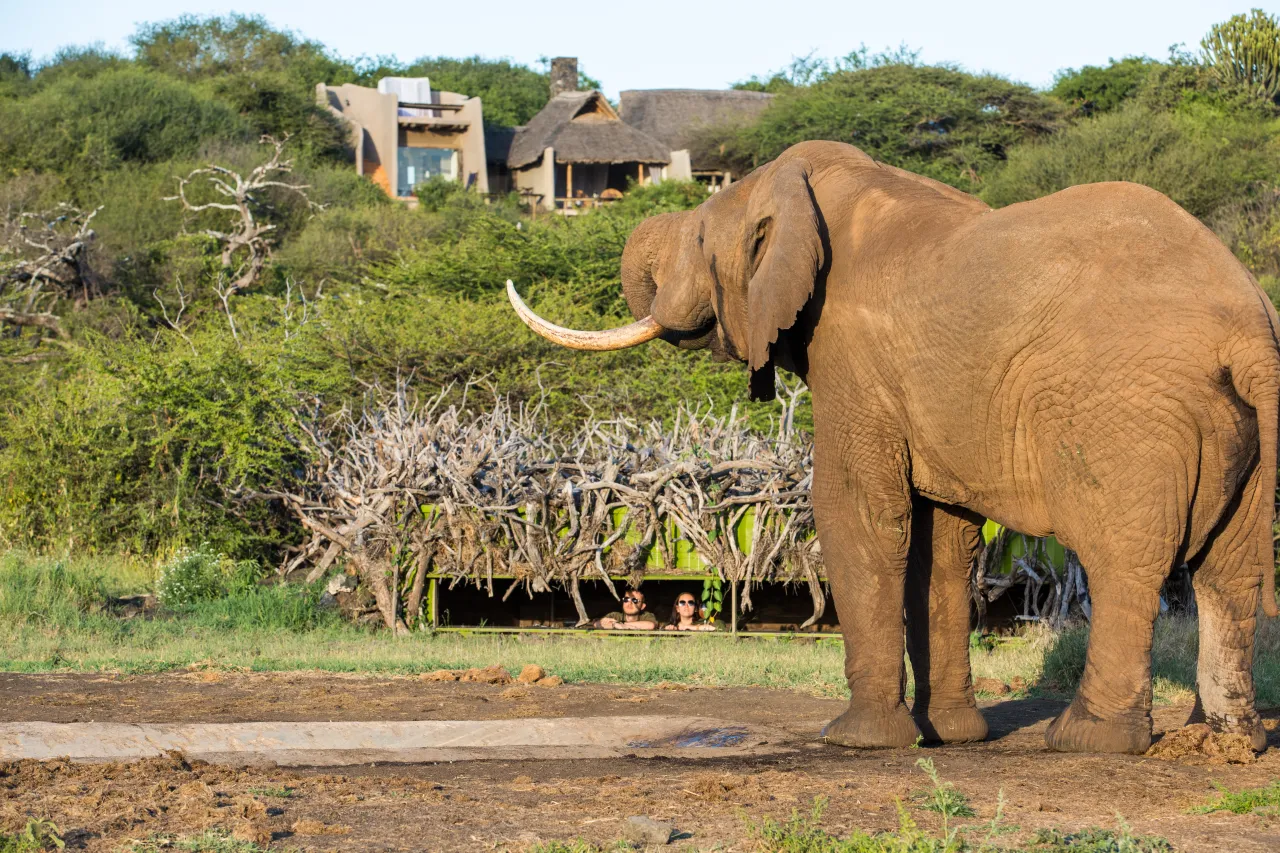
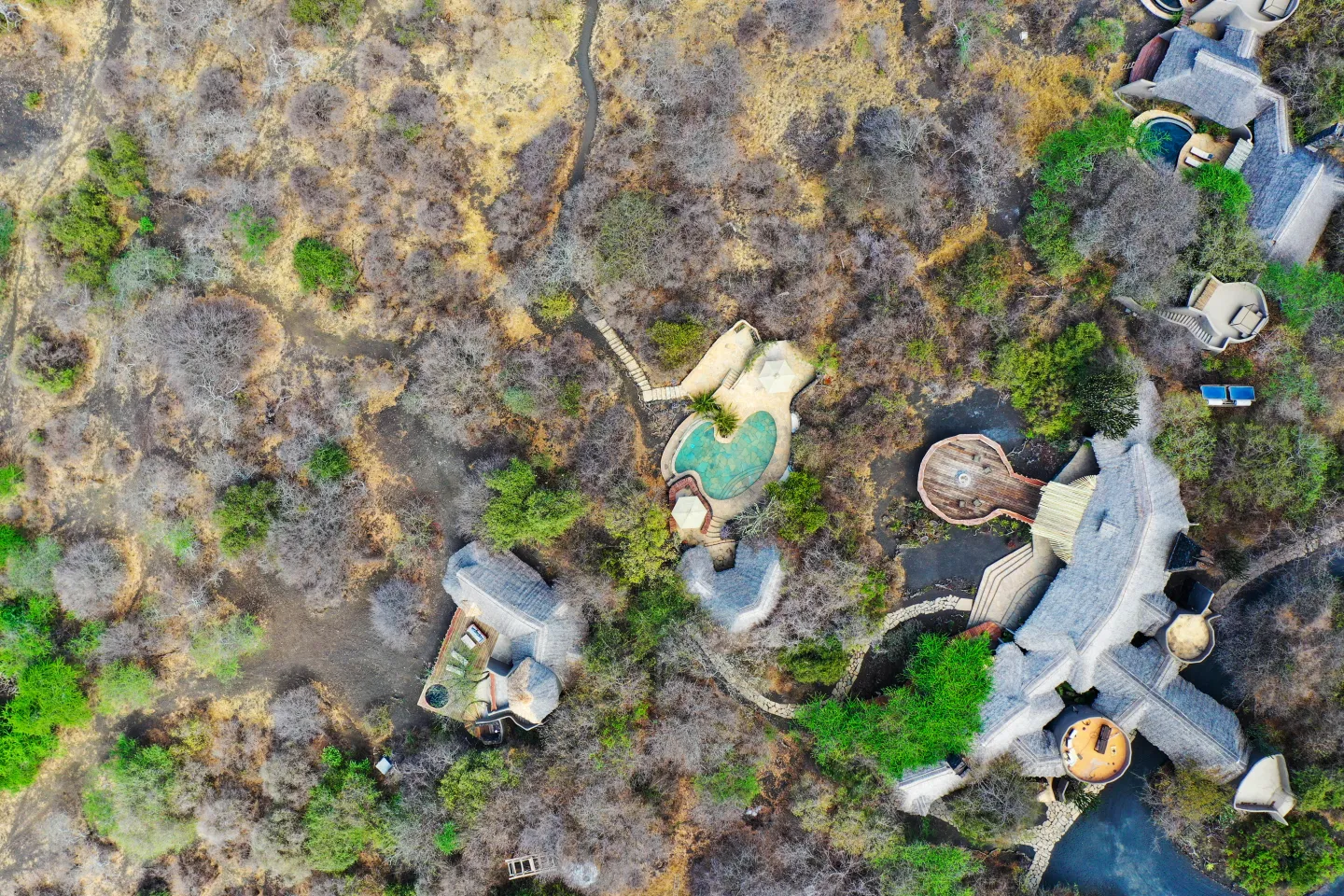
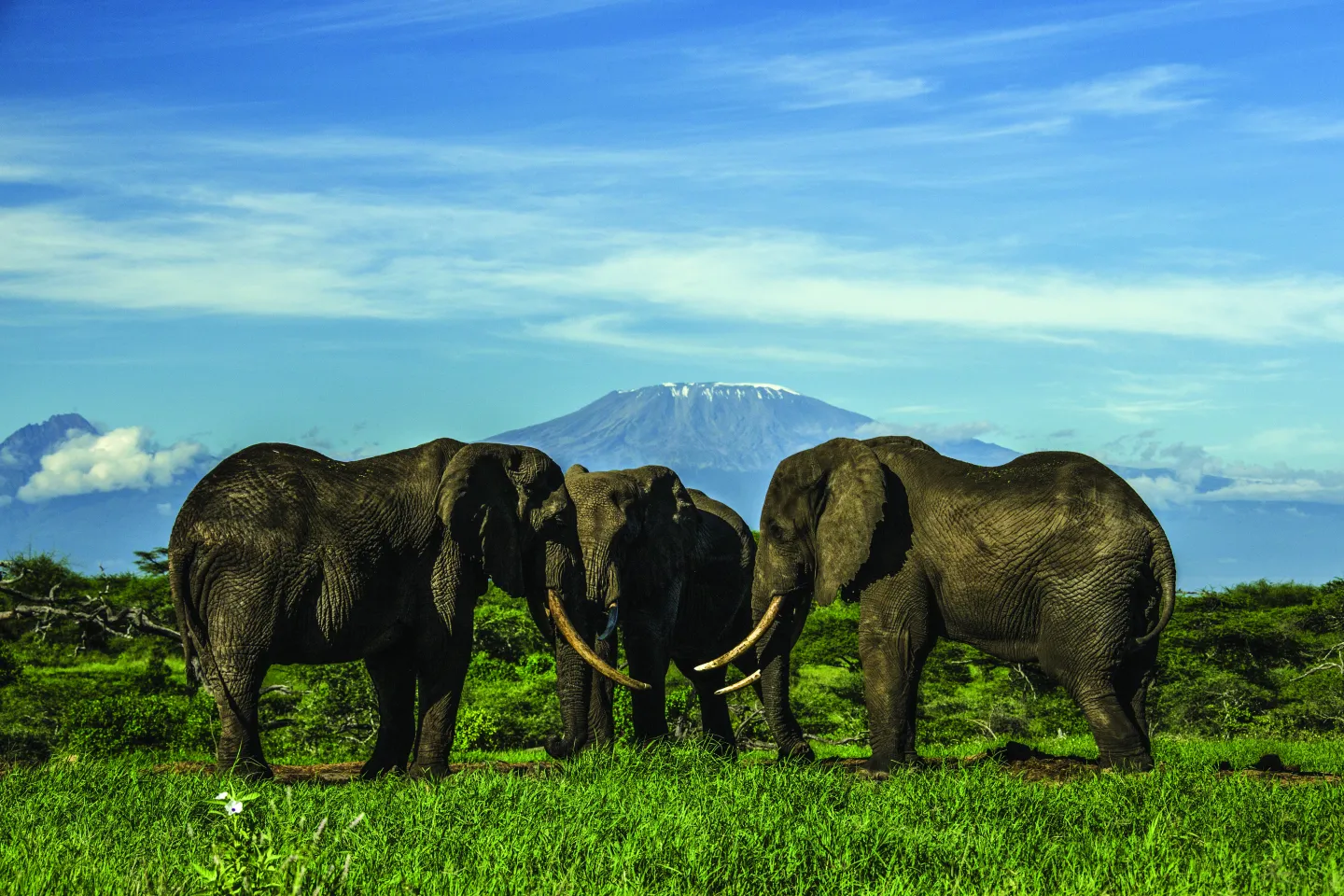
Perched on the gentle foothills of the Chyulu range, ol Donyo Lodge rests on 111 289ha (275 000 acres) of private, Maasai-owned wilderness, a land where culture, conservation and pure East African beauty merge seamlessly. From this vantage point, the world opens before you: sweeping savannahs stretch into the horizon, and on a clear day, the snow-capped crown of Mount Kilimanjaro rises like a quiet blessing in the distance.
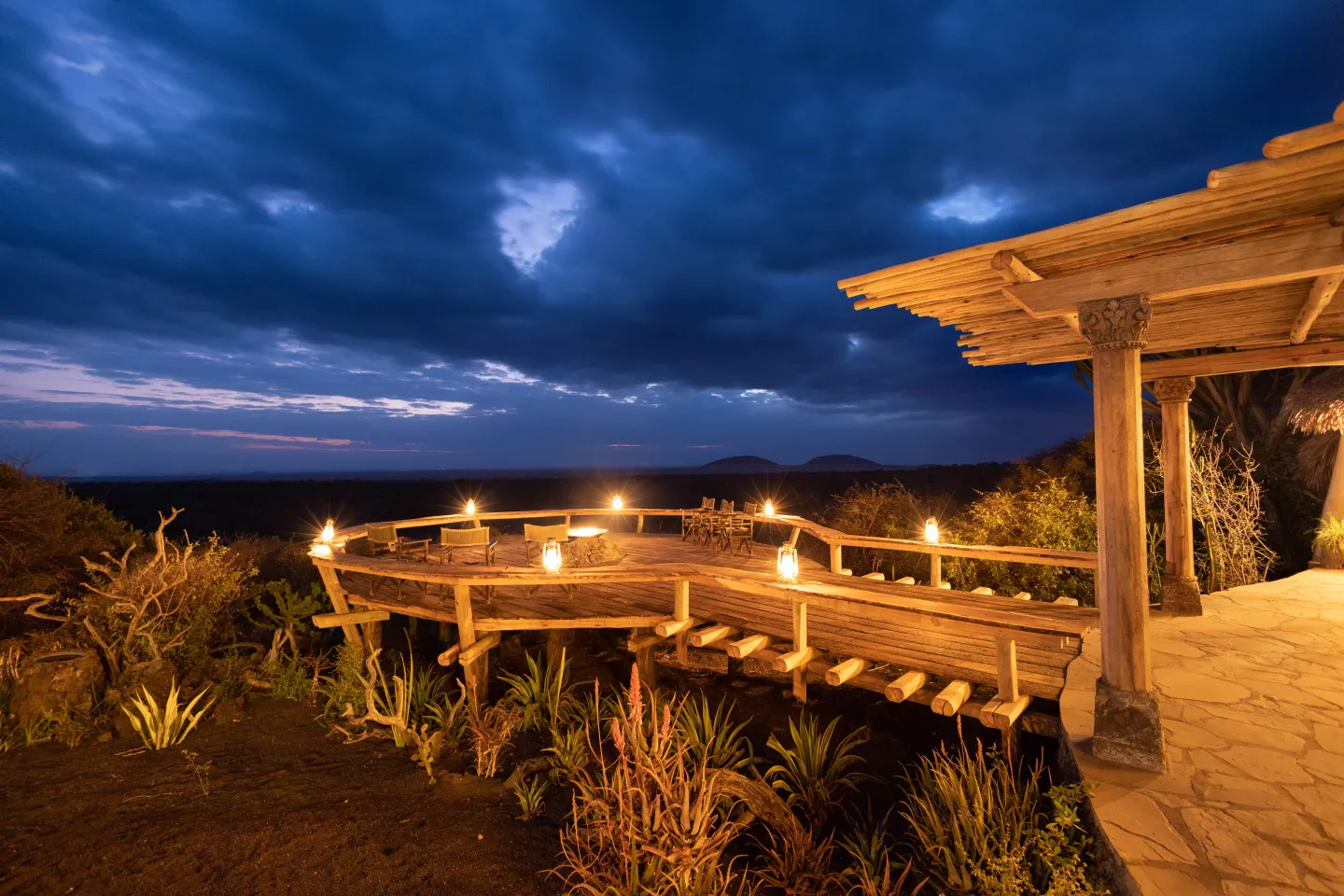
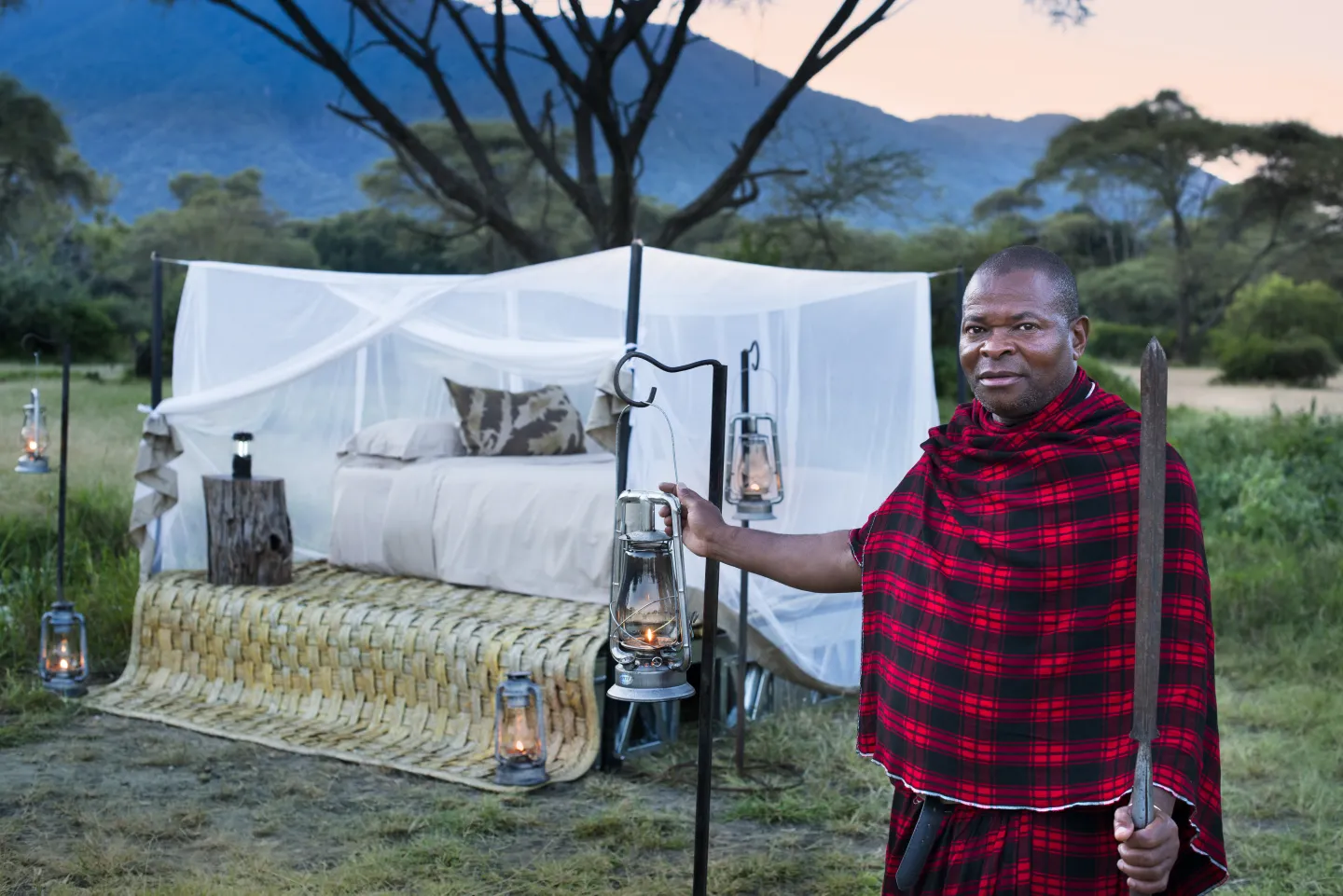
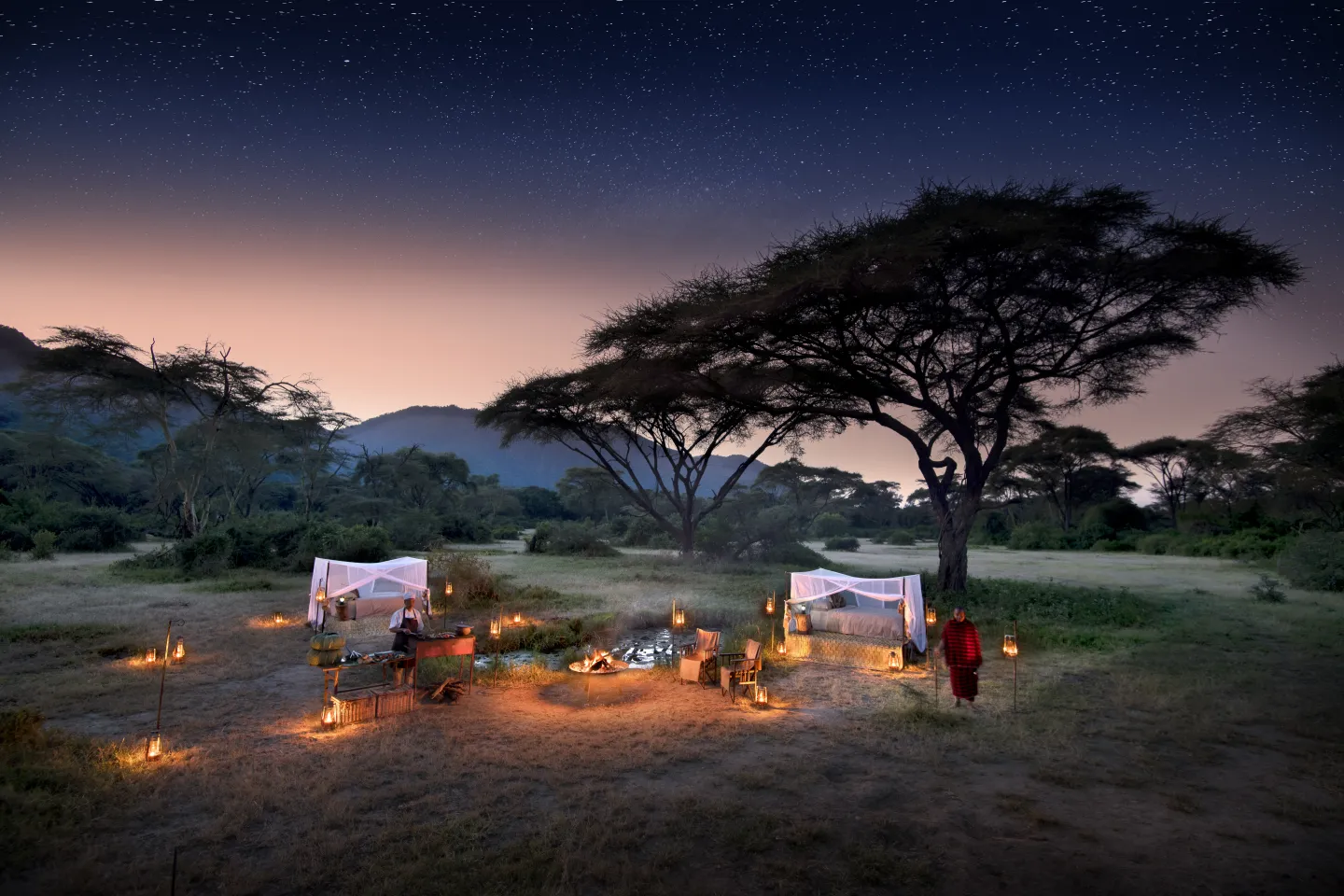
Contemporary design meets timeless Maasai heritage, creating an atmosphere that is both grounding and elevated, the perfect backdrop for a truly exclusive Kenyan safari. Suites are elegant sanctuaries, each with its own private plunge pool and romantic rooftop star bed, inviting you to sleep under Africa’s infinite skies. Dining, shaped by Relais & Châteaux standards, is a celebration of flavour, craft and farm-fresh ingredients served in unforgettable locations, whether at a candlelit table in the lodge or deep in the bush.
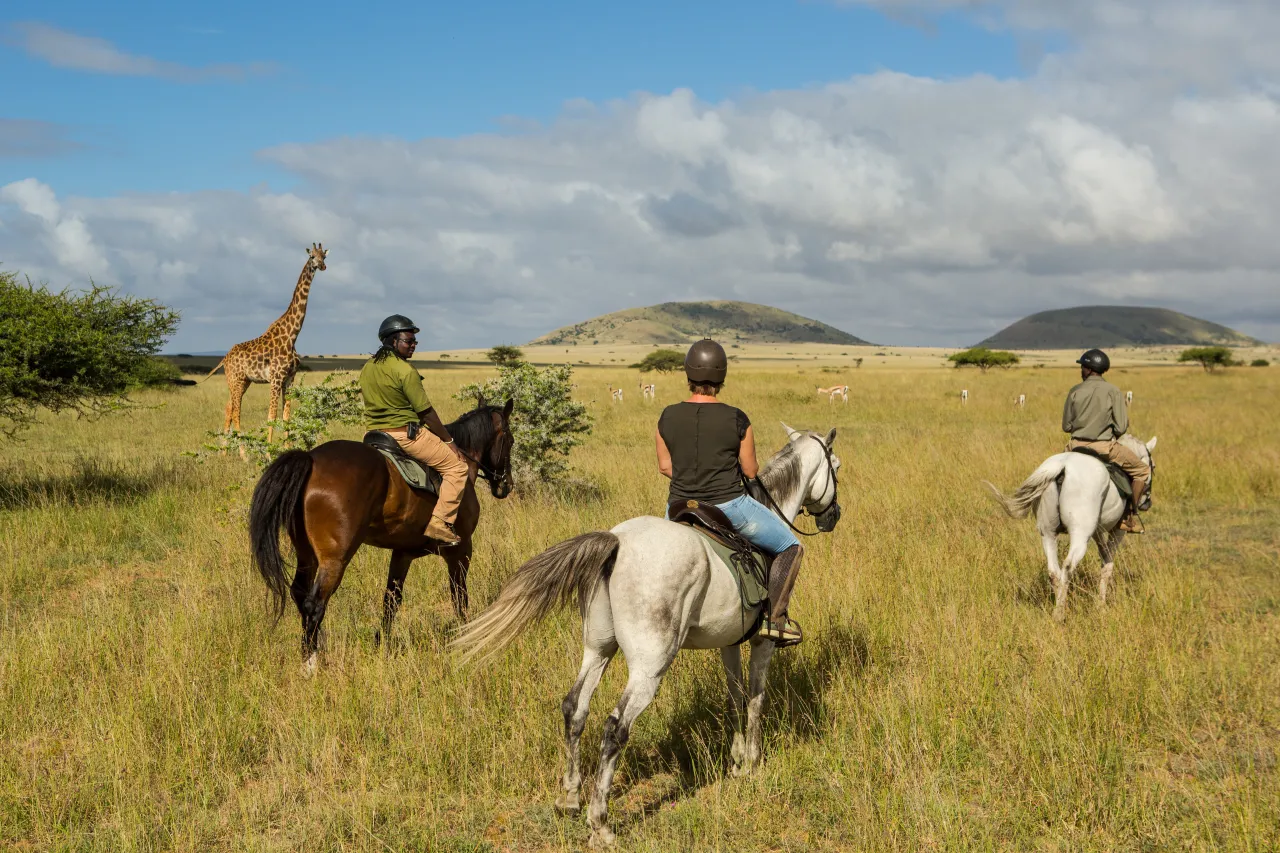
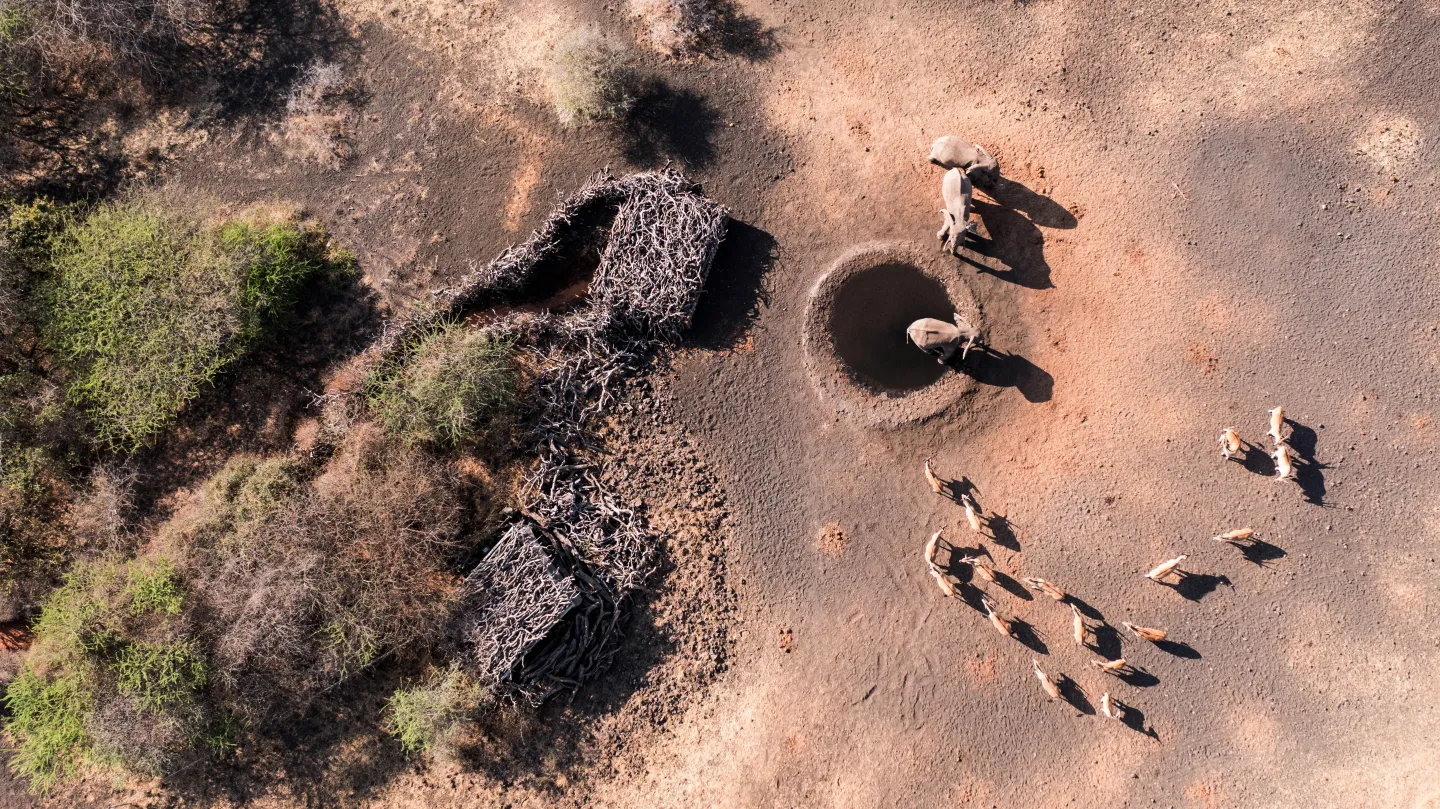
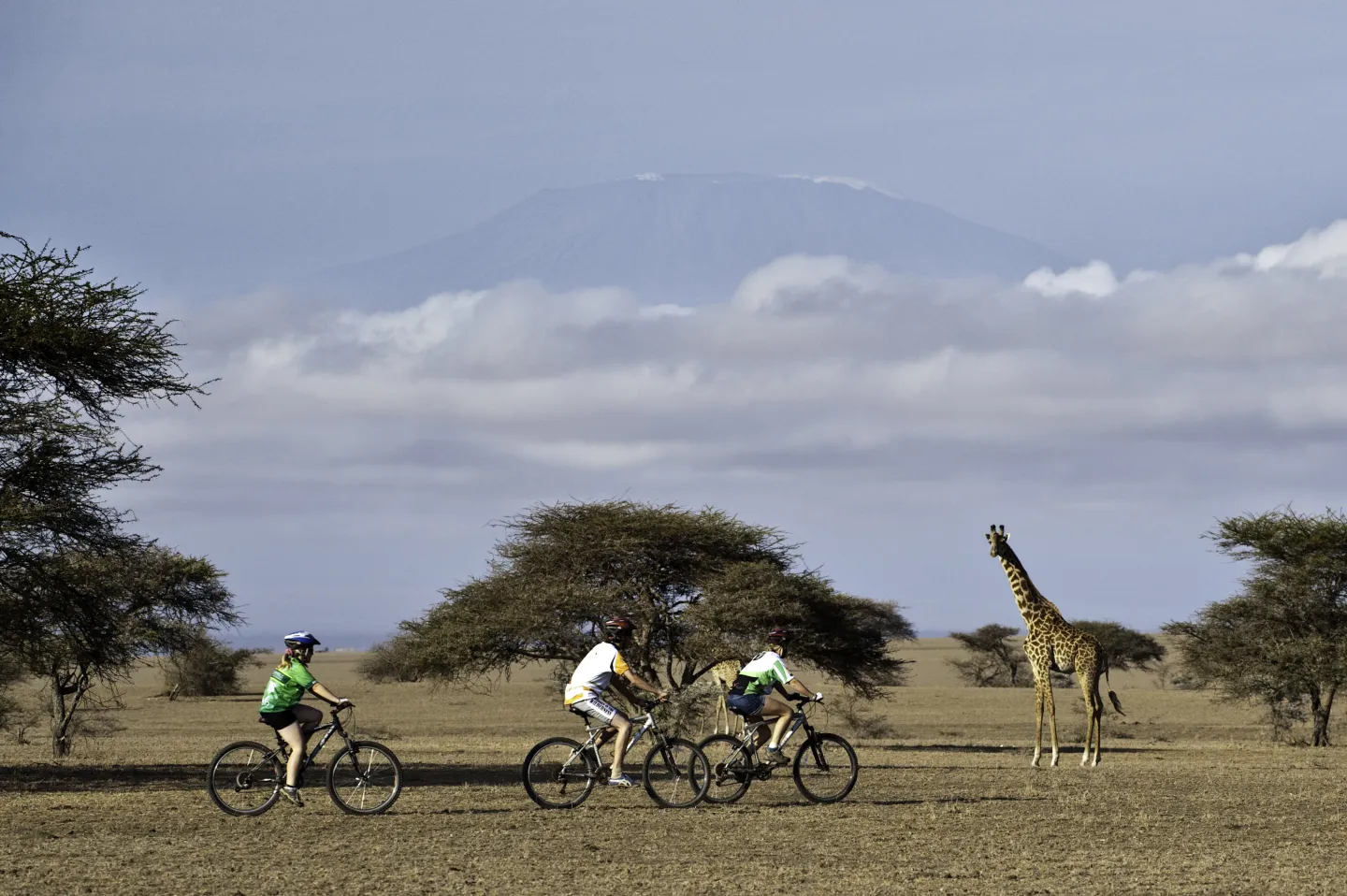
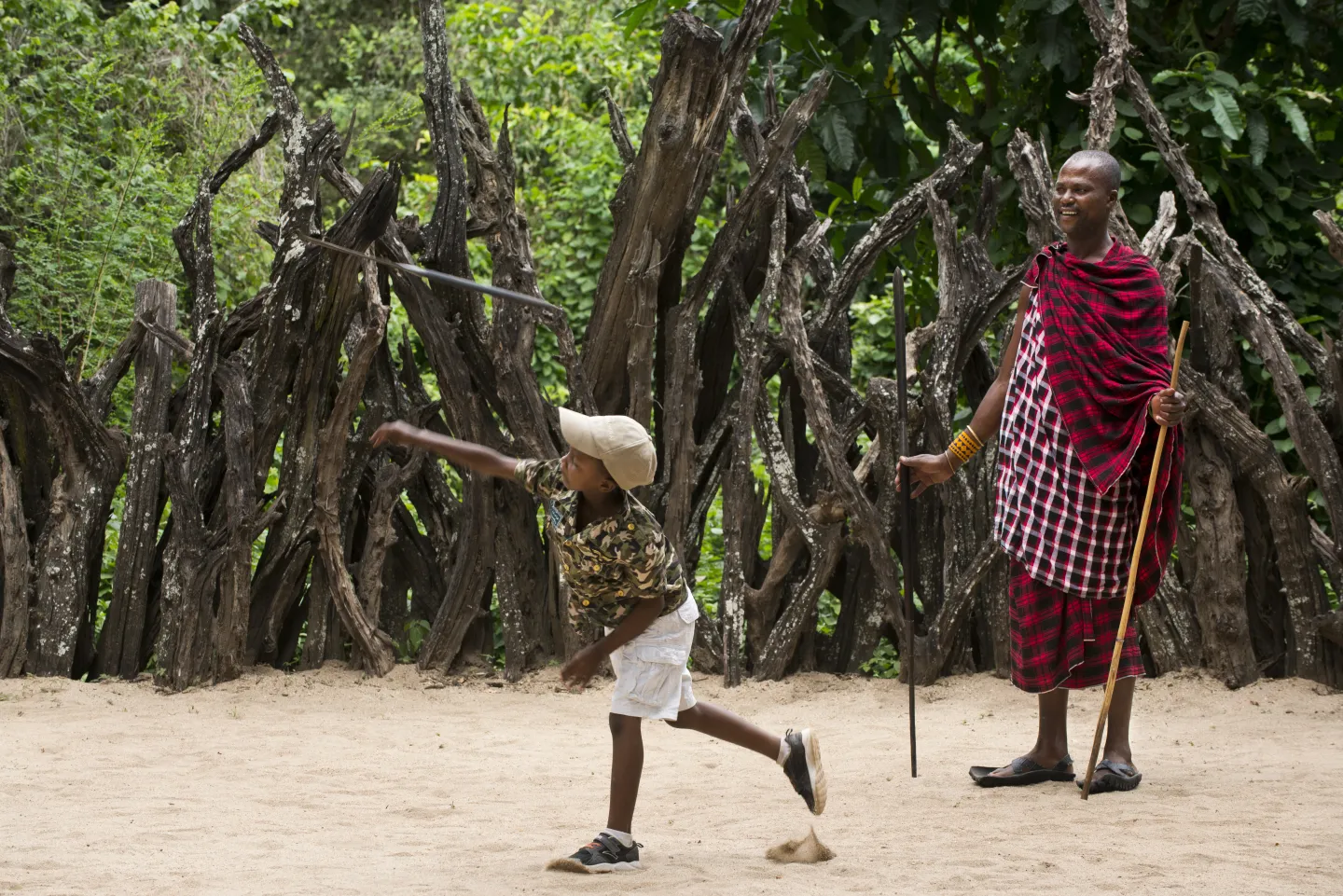
Your days unfold in whatever rhythm you desire: day and night game drives, guided nature walks, watching animals drink from sunken hides, riding the plains on horseback or mountain bike, visiting Maasai communities, or exercising in the gym or enjoying an outdoor massage.
Photography is not just welcomed here, it is celebrated. Each suite comes equipped with a professional Canon camera and lenses, complemented by binoculars. At the journey’s end, your images are curated and gifted to you as a keepsake. Every safari vehicle is customised for photographers, with open sides, raised roofs, stabilised platforms and in-vehicle charging.
Lewa Wildlife Conservancy
Set across the Laikipia Plateau at over 1 500m (4 921ft) above sea level and just north of Mount Kenya’s iconic silhouette, Lewa is a mosaic of montane forests, golden grasslands and ancient semi-arid plains. It is a land that has shaped generations, and a land forever shaped by the people who fought to protect it.
Lewa’s story began in the early 1980s, at the height of the rhino-poaching crisis. With numbers collapsing and extinction looming, the Craig family and conservationist Anna Merz created the Ngare Sergoi Rhino Sanctuary, a safe haven for the endangered eastern black rhino. What started as a desperate act of protection soon expanded and became one of Africa’s most celebrated conservation success stories; by 1995, Lewa Wildlife Conservancy was officially born.
Lewa’s impact reaches far beyond its boundaries. Recognising that conservation is inseparable from community, Lewa helped pioneer Kenya’s model of community-owned conservancies, a revolutionary approach that tied wildlife protection to local well-being. This philosophy inspired the creation of the Northern Rangelands Trust, now supporting more than 30 conservancies across northern Kenya and influencing conservation approaches across the continent. In 2013, UNESCO extended the Mount Kenya World Heritage Site to include Lewa, affirming its profound ecological value.
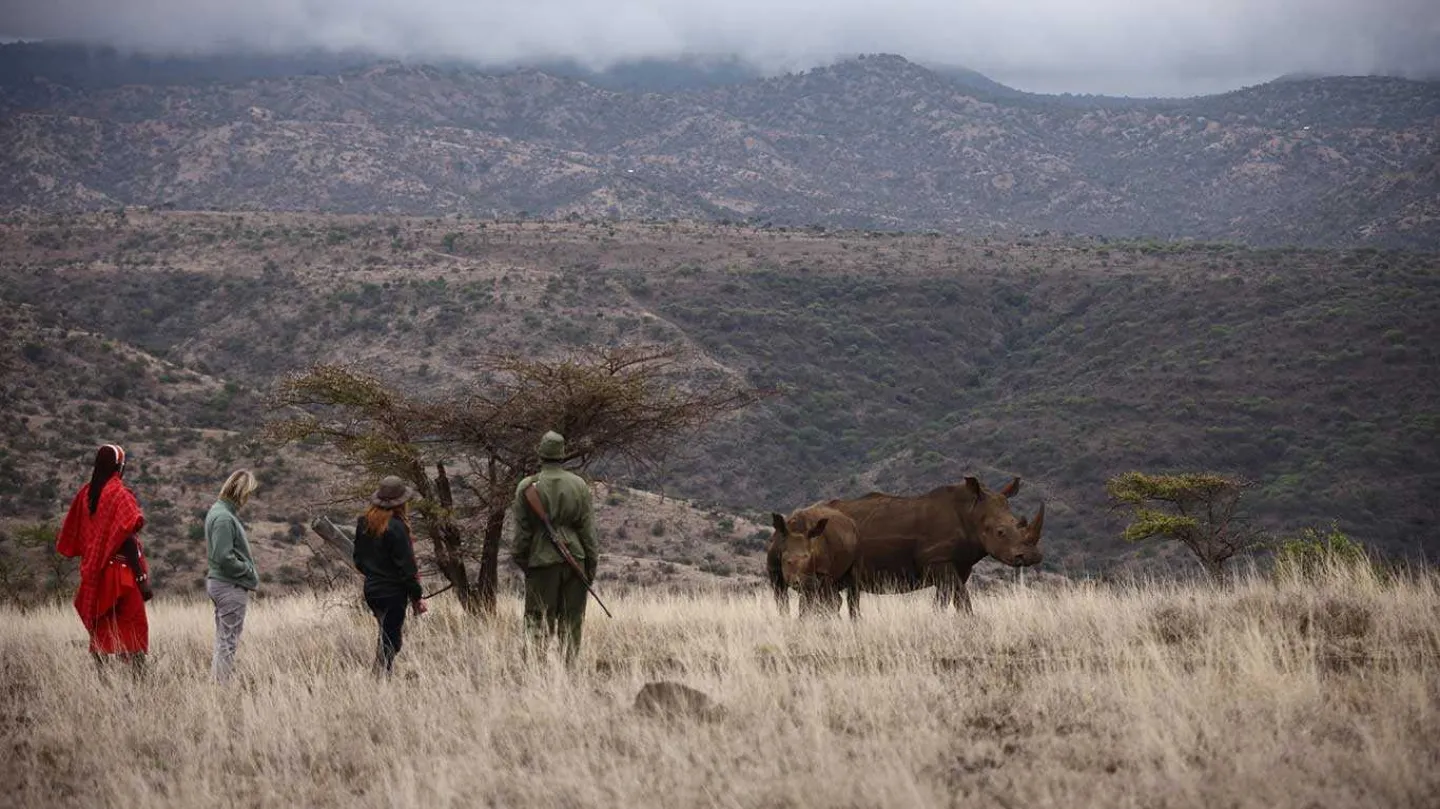
While Lewa is fenced, intentional wildlife corridors remain open, allowing animals to move freely between Laikipia, Samburu and neighbouring landscapes. In 2014, the fence between Lewa and Borana Conservancy was lowered, creating a unified 37 636ha (93 000 acre) conservation area and one of the continent’s greatest success stories for rhino recovery. Today the Lewa-Borana landscape protects over 200 black and white rhinos, 14% of Kenya’s total population, and holds the world’s largest single population of endangered Grevy’s zebra.
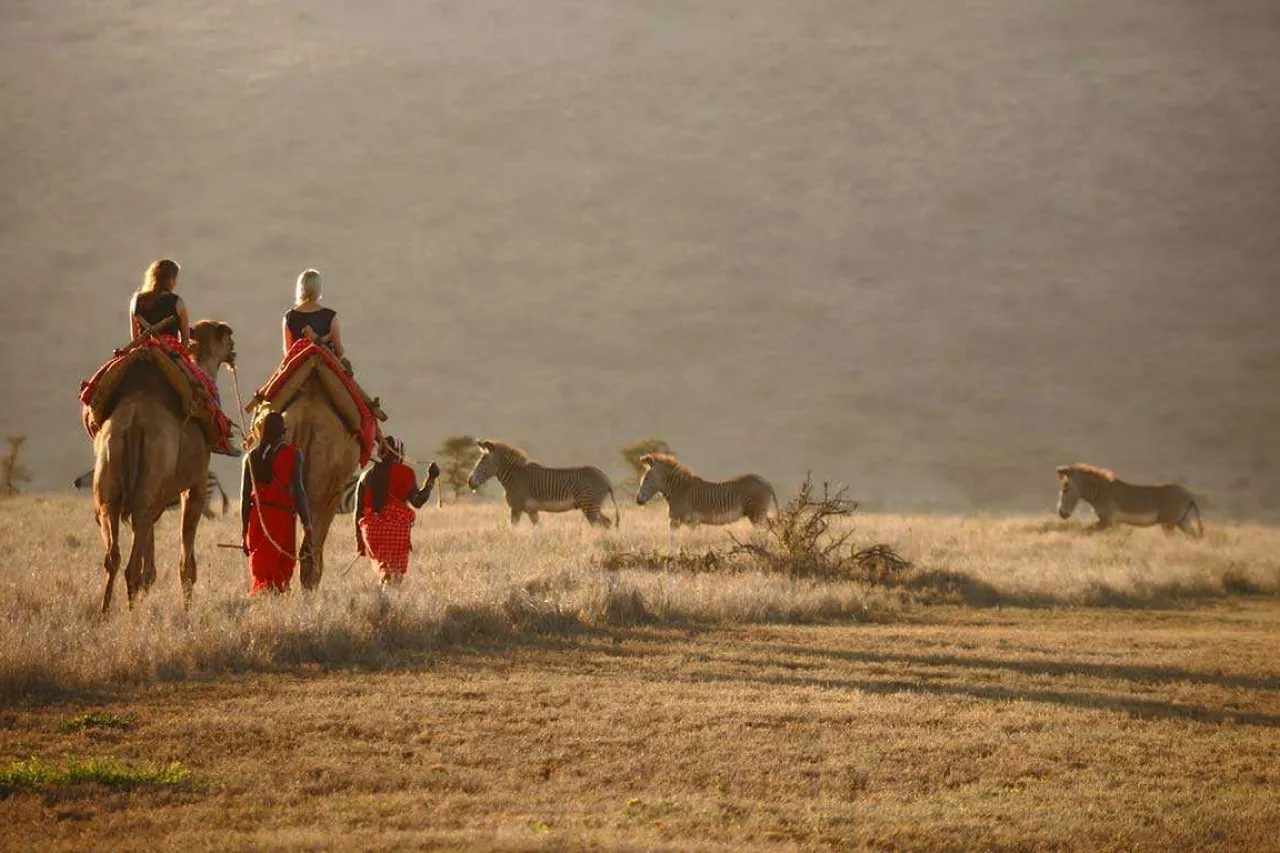
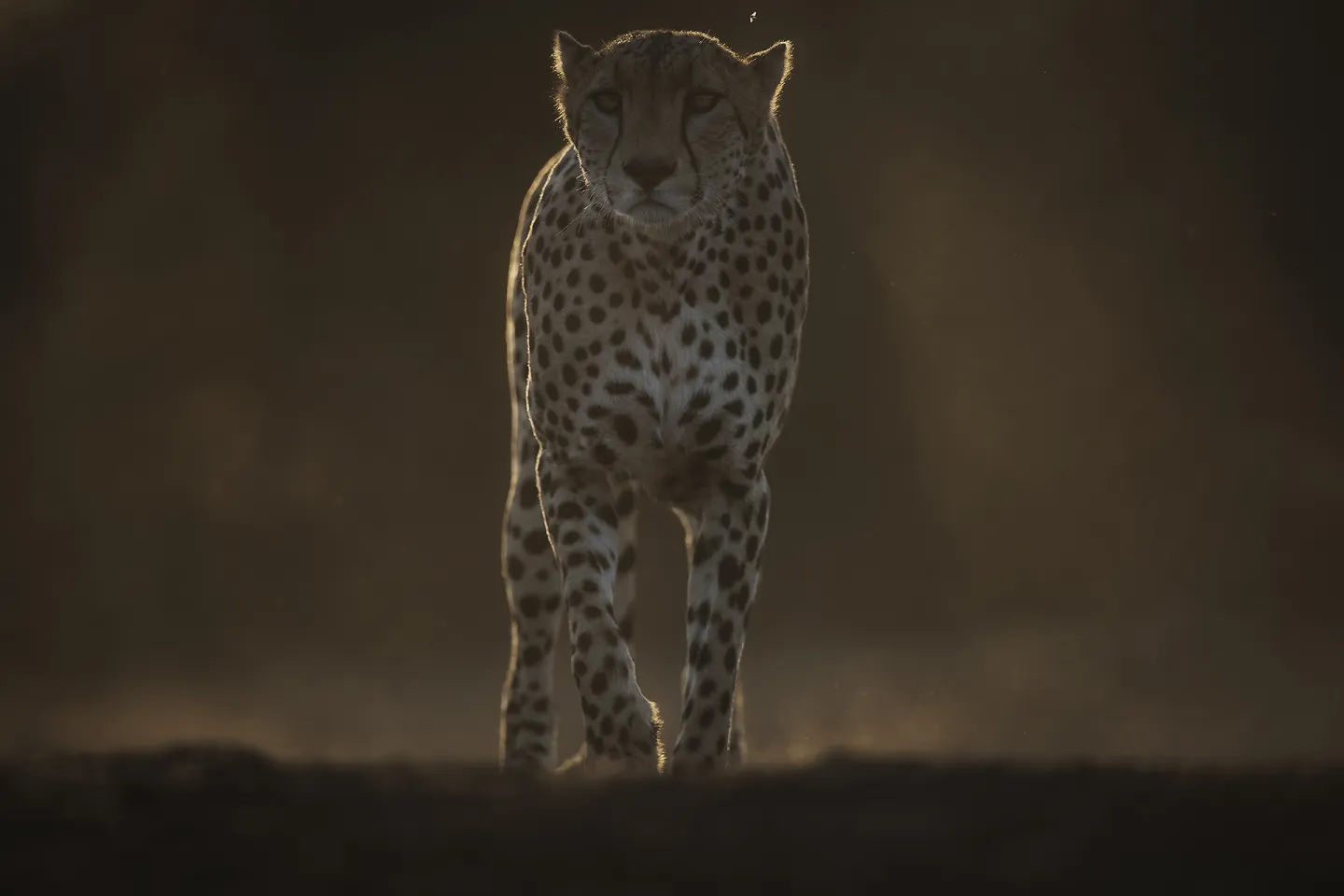
Wildlife here is abundant and diverse: cheetah, lion, wild dog, reticulated giraffe, Beisa oryx, gerenuk, Somali ostrich and more than 70 mammal species call Lewa home. The skies above are alive with more than 490 bird species, including iconic northern birds such as Vulturine guinea fowl and Golden-breasted starling.
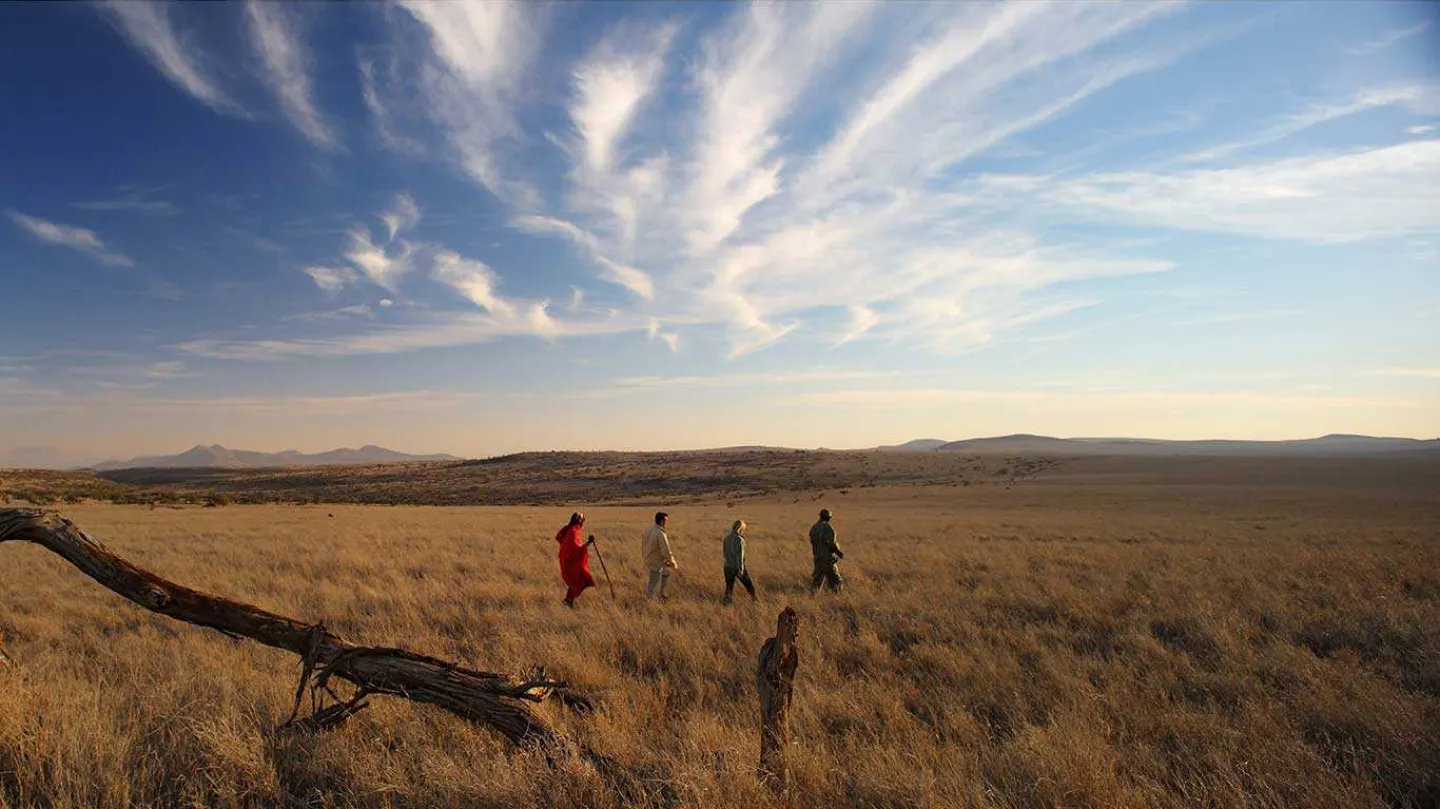
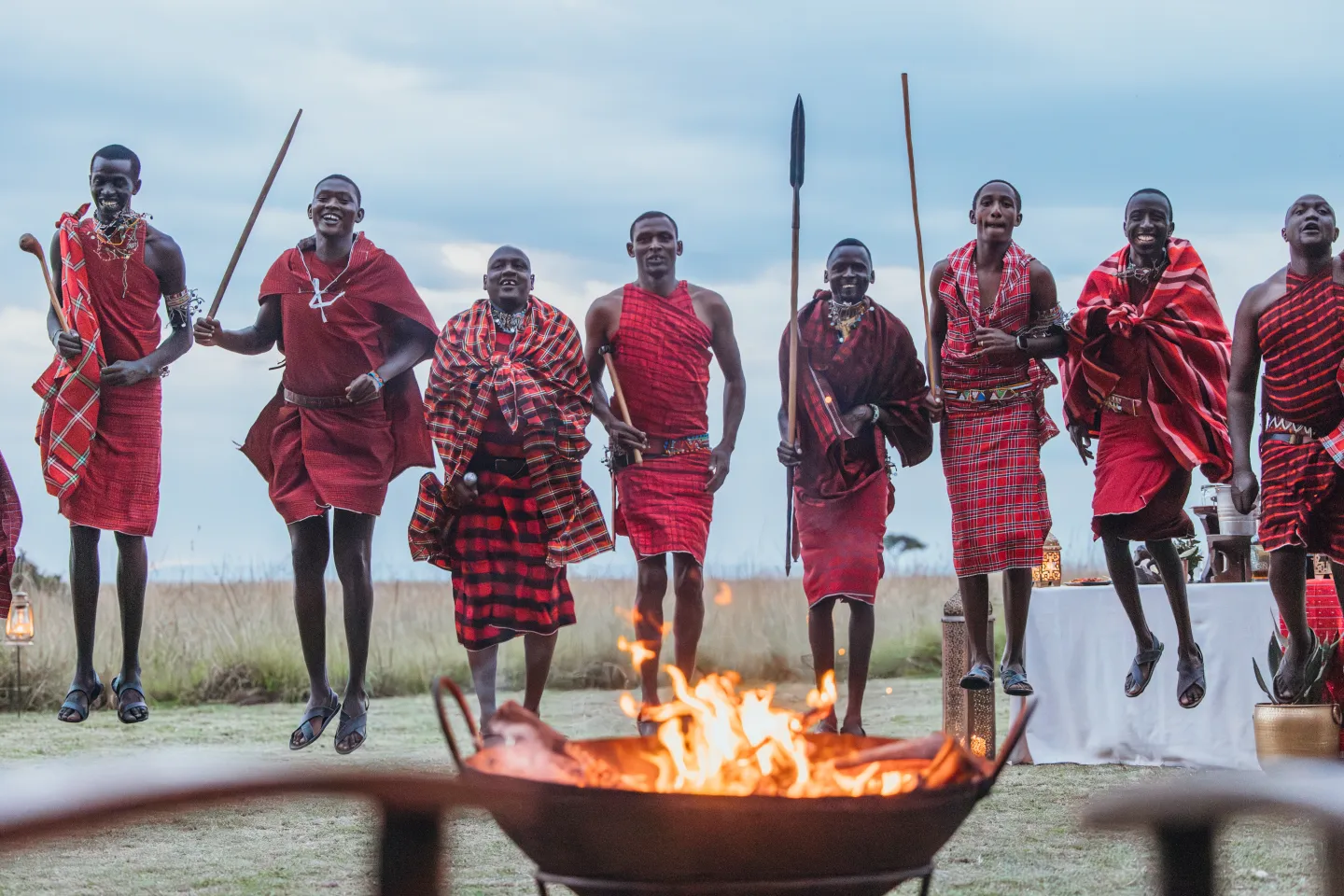
Safari drives and guided walks reveal the rhythm of the landscape. Visits to archaeological sites and community projects offer rare cultural insight. Evenings bring Maasai performances under star-filled skies, connecting you with the region’s living traditions.
Elewana Lewa Safari Camp
Set within the heart of Lewa Wildlife Conservancy, this camp is the conservancy’s only tourist lodge, placing you at the threshold of one of Kenya’s most iconic wildlife sanctuaries.
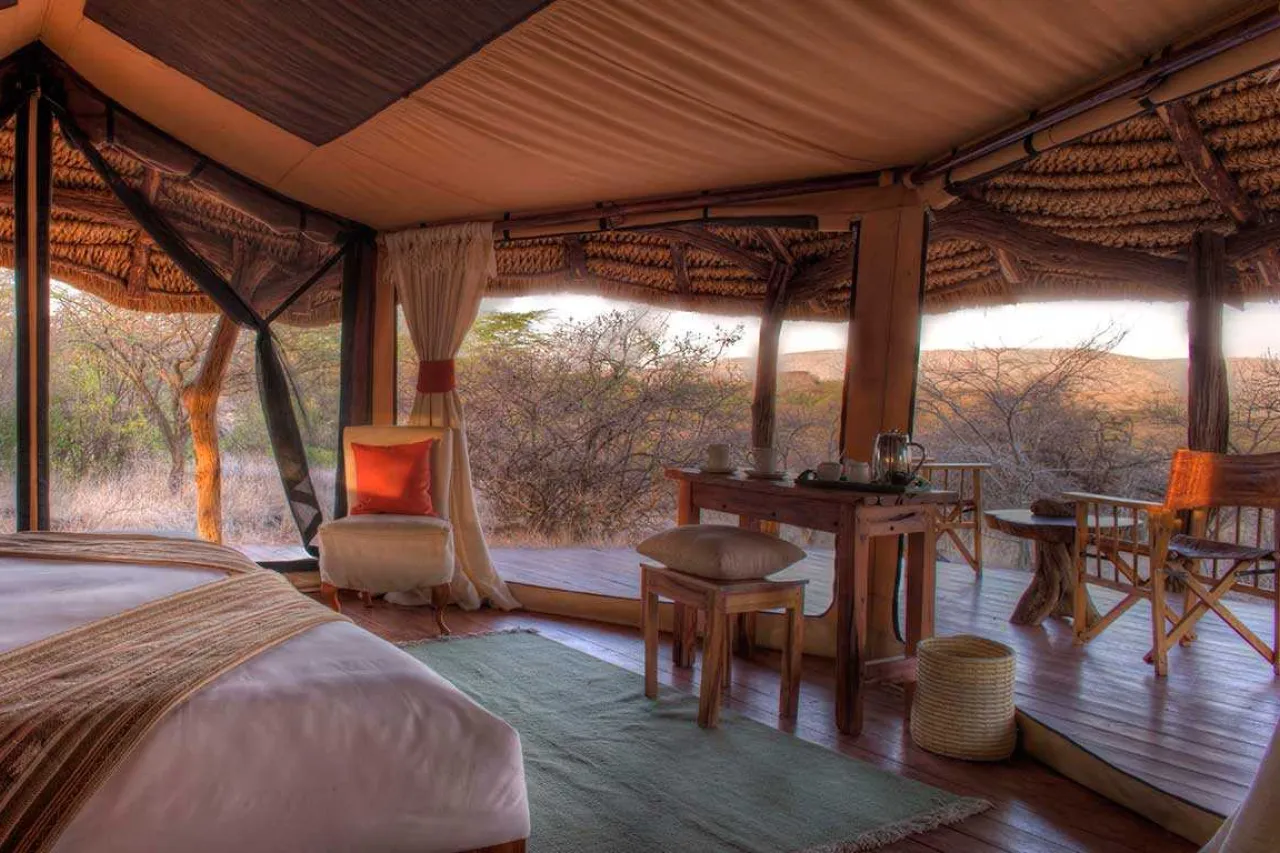
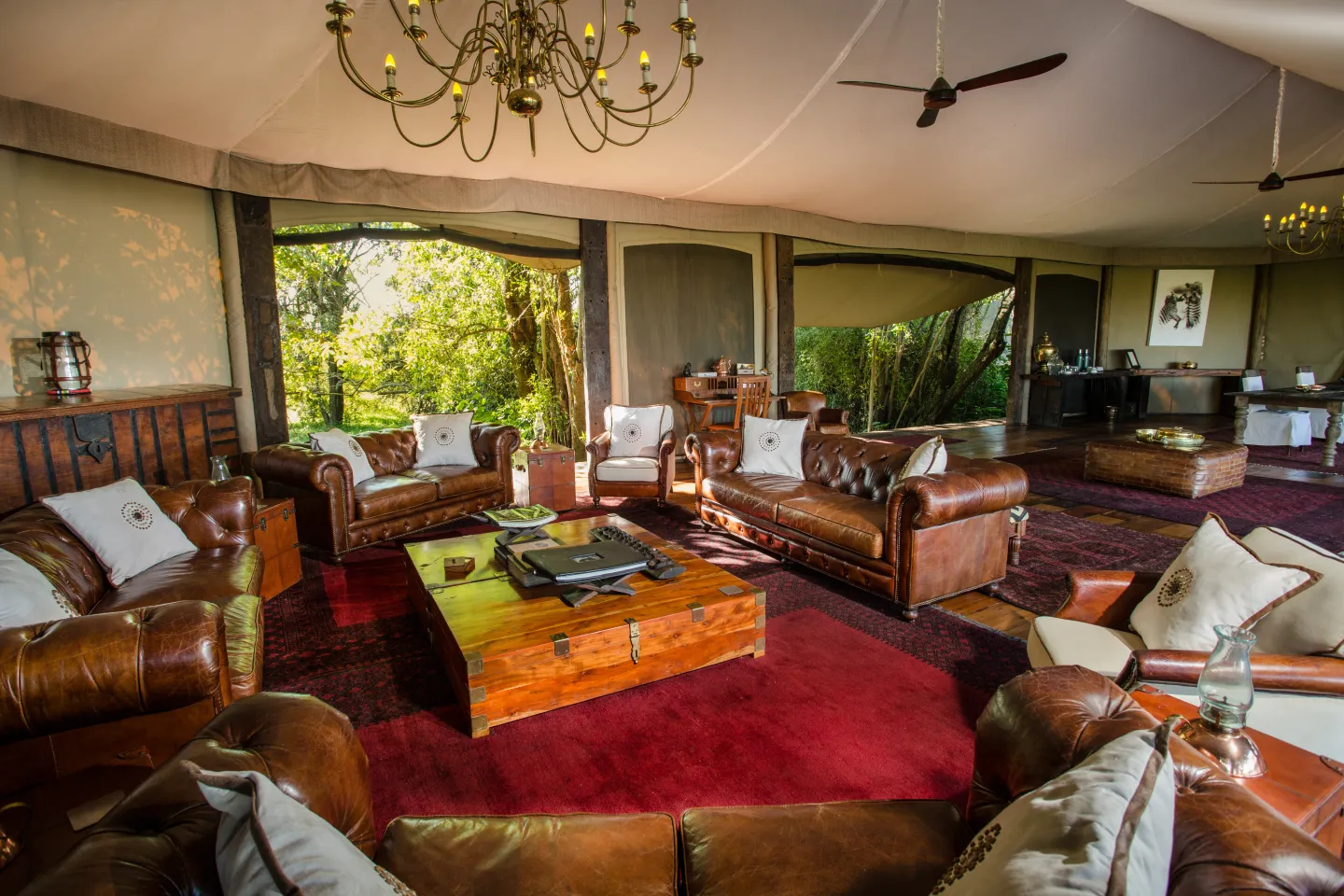
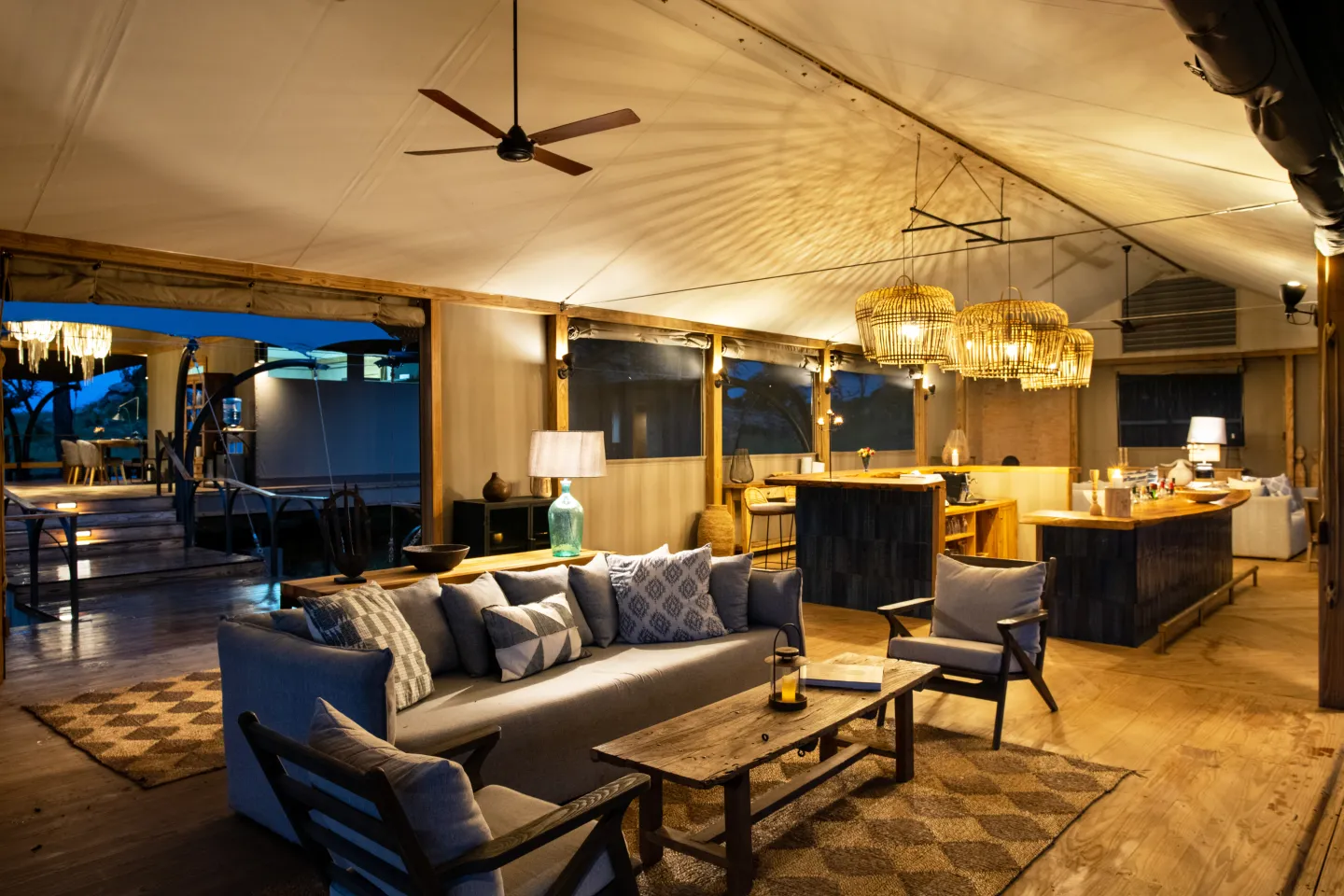
The camp itself is a luxurious retreat shaped by warmth and authenticity. Its main area evokes the charm of a traditional colonial farmhouse: wooden floors, open hearths, deep sofas and a sense of easy comfort that invites you to linger. The thatched safari tents are spacious and beautifully appointed, offering a blend of simplicity and refinement: the kind of understated luxury that makes the African bush feel like home.
A visit to the conservancy headquarters offers a rare opportunity to step behind the scenes, to understand the decades of research, protection and community collaboration that make Lewa one of Africa’s greatest conservation success stories. Here, every moment feels considered, every view intentional, and every experience deeply connected to this remarkable landscape.
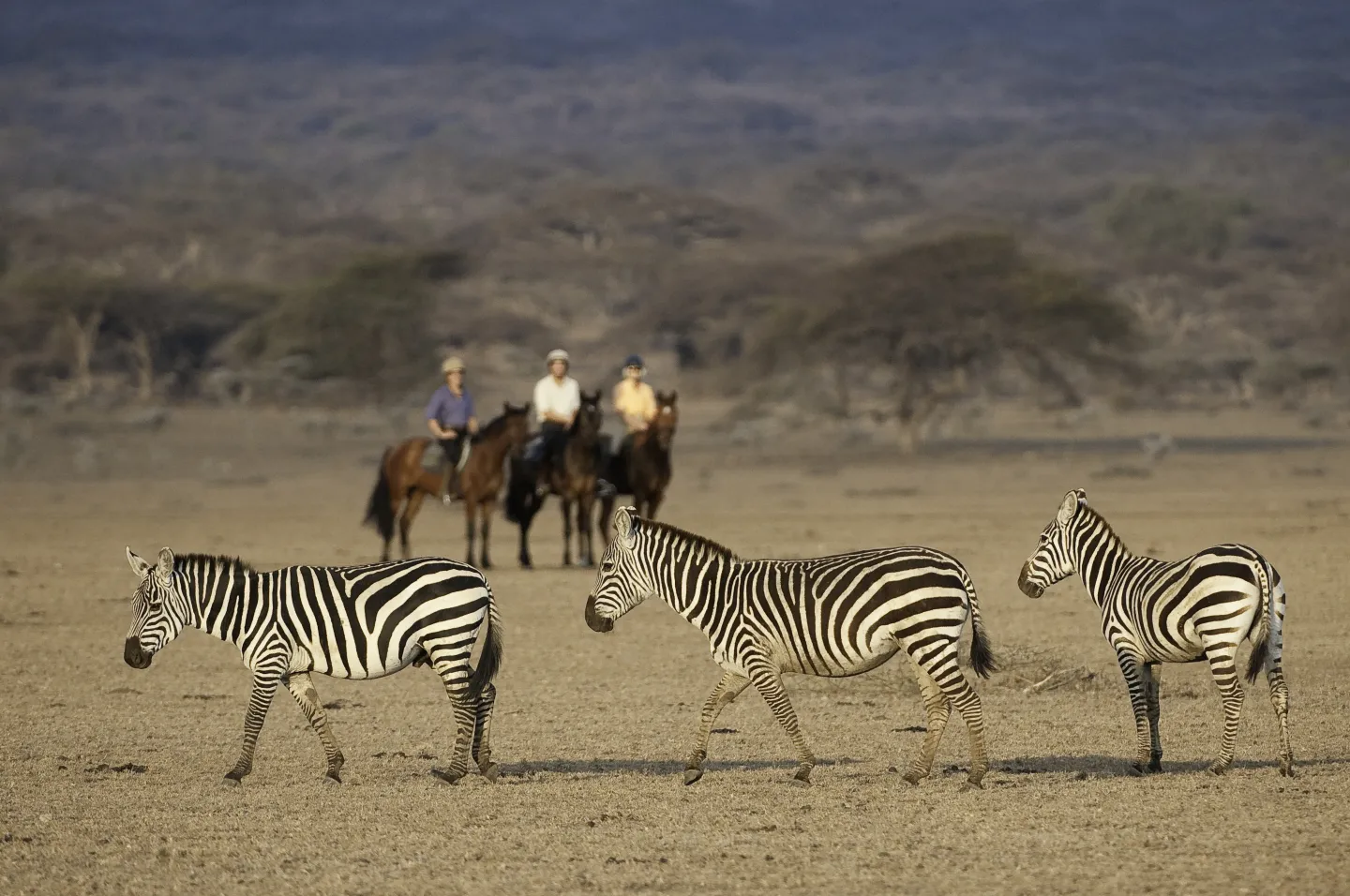
Lewa Safari Camp is a gateway to an extraordinary diversity of experiences. Explore the conservancy on both day and night game drives, walk quietly with a guide through untouched bushland or venture into the lush canopy of Ngare Ndare Forest. Meet the Samburu community at Il Ngwesi, or take to the landscape on horseback or even camelback for a completely different perspective of the wild.
Masai Mara National Reserve
There is a place in Africa where the land feels endless, where the horizon folds into itself, and where wildlife moves in great, ancient rhythms. This is the Masai Mara, a landscape so iconic, so alive, that it has come to define the very idea of safari.
Originally established in 1961, the Mara began as a humble wildlife sanctuary, but today the Greater Mara ecosystem stretches across more than 1 500km² (580sq mi). It encompasses the national reserve, the Mara Triangle, Maasai group ranches, and a network of community-owned conservancies, an innovative model that has transformed both conservation and the lives of the Maasai families who steward this land.
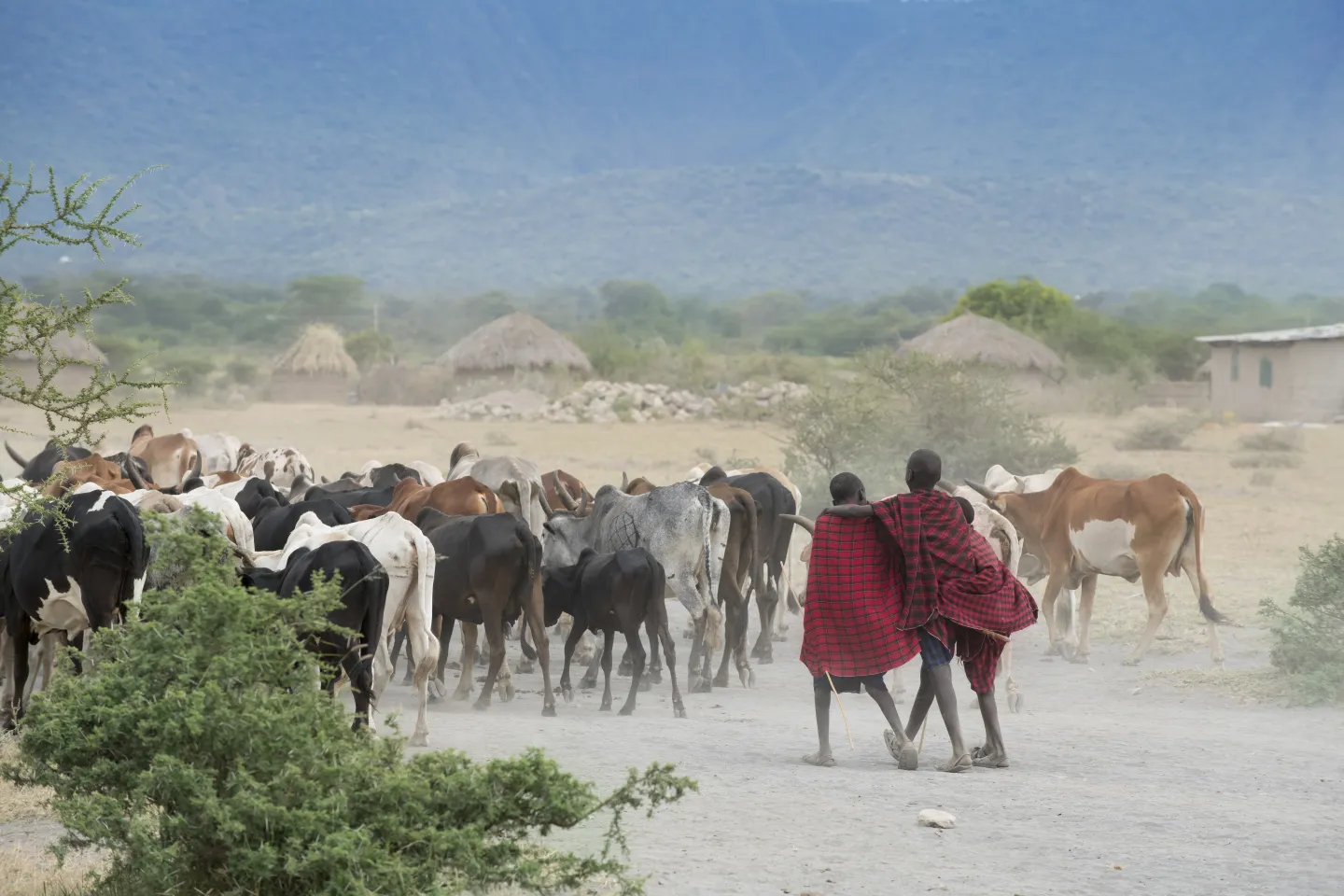
The Mara is the beating heart of Maasai culture, a pastoralist community known for its striking red shukas, intricate beadwork, towering presence, and deep, spiritual connection to cattle and land. To the south, it flows seamlessly into Tanzania’s Serengeti National Park, linked by the lifeblood of the region: the Mara River, along with the Talek and Sand rivers.
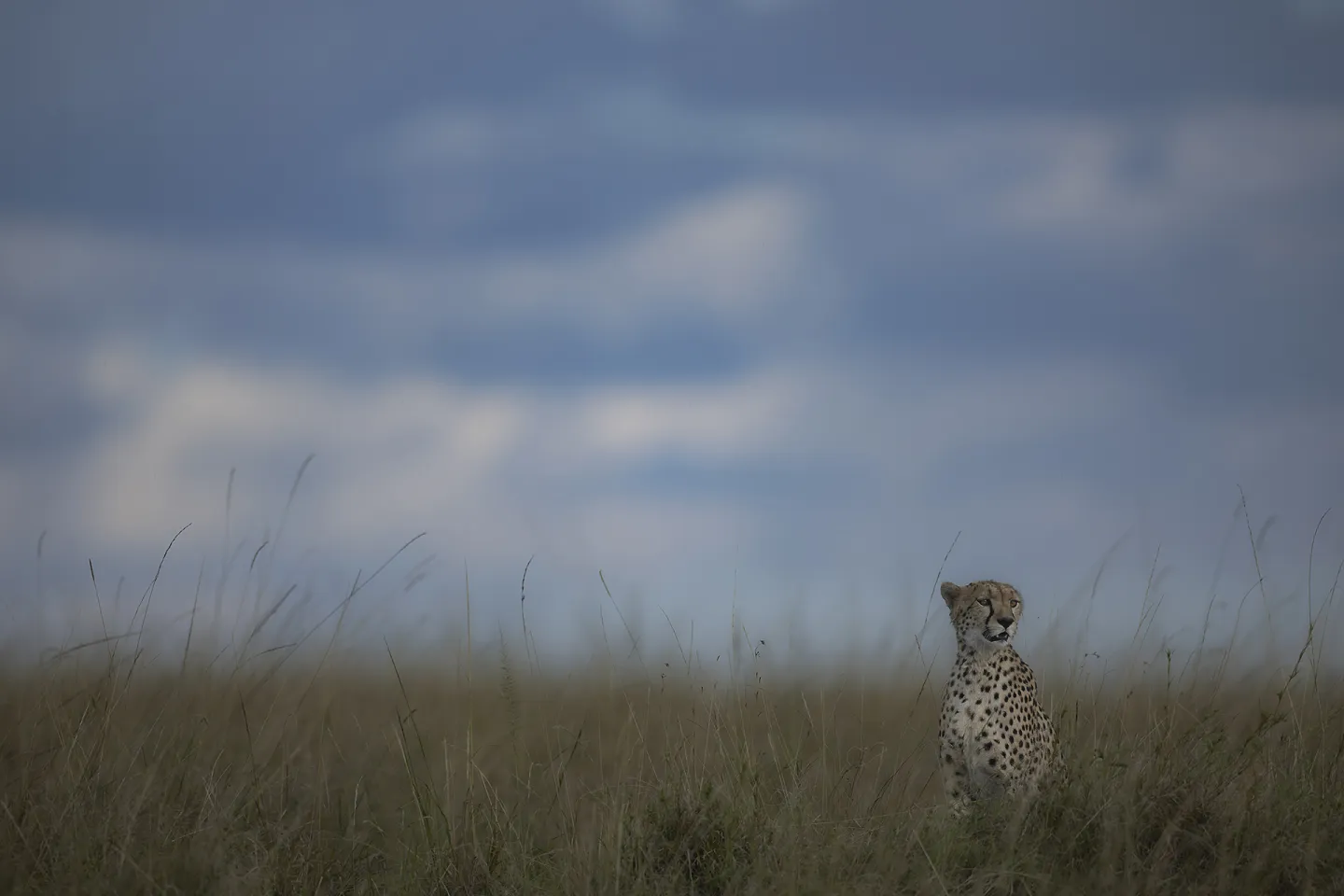
Across these plains, dotted with flat-topped acacias, ancient boulders, and termite mounds, unfolds one of the densest wildlife concentrations on Earth. More than 40% of Africa’s larger mammals can be found here. The Mara is a Big Five destination, home to indigenous black rhino, thriving lion populations, East African cheetah, leopard, hyena and smaller, elusive predators such as the caracal, aardwolf, black-backed jackal and honey badger. Overhead, more than 500 bird species, including 60 raptors, sweep across the sky.
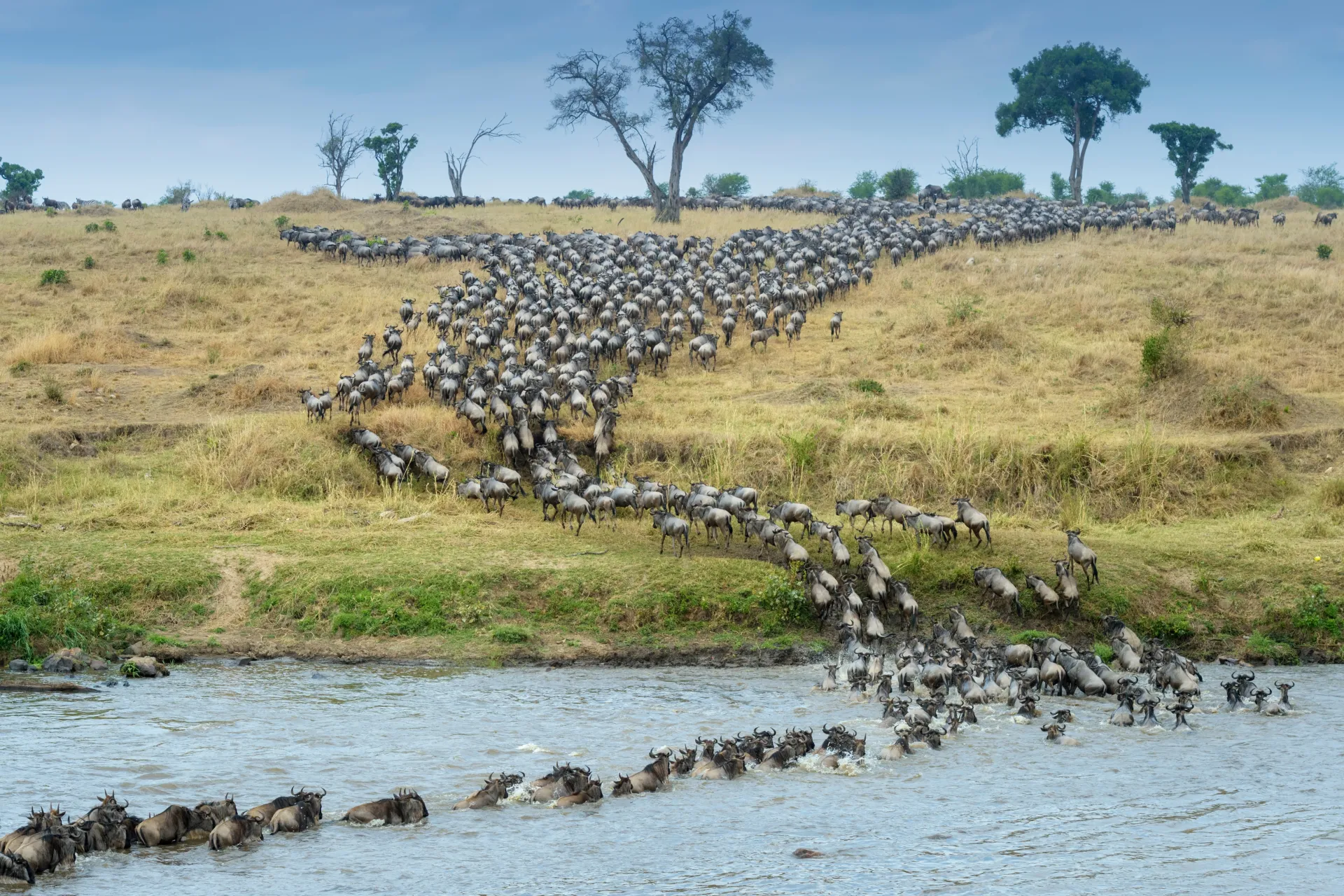
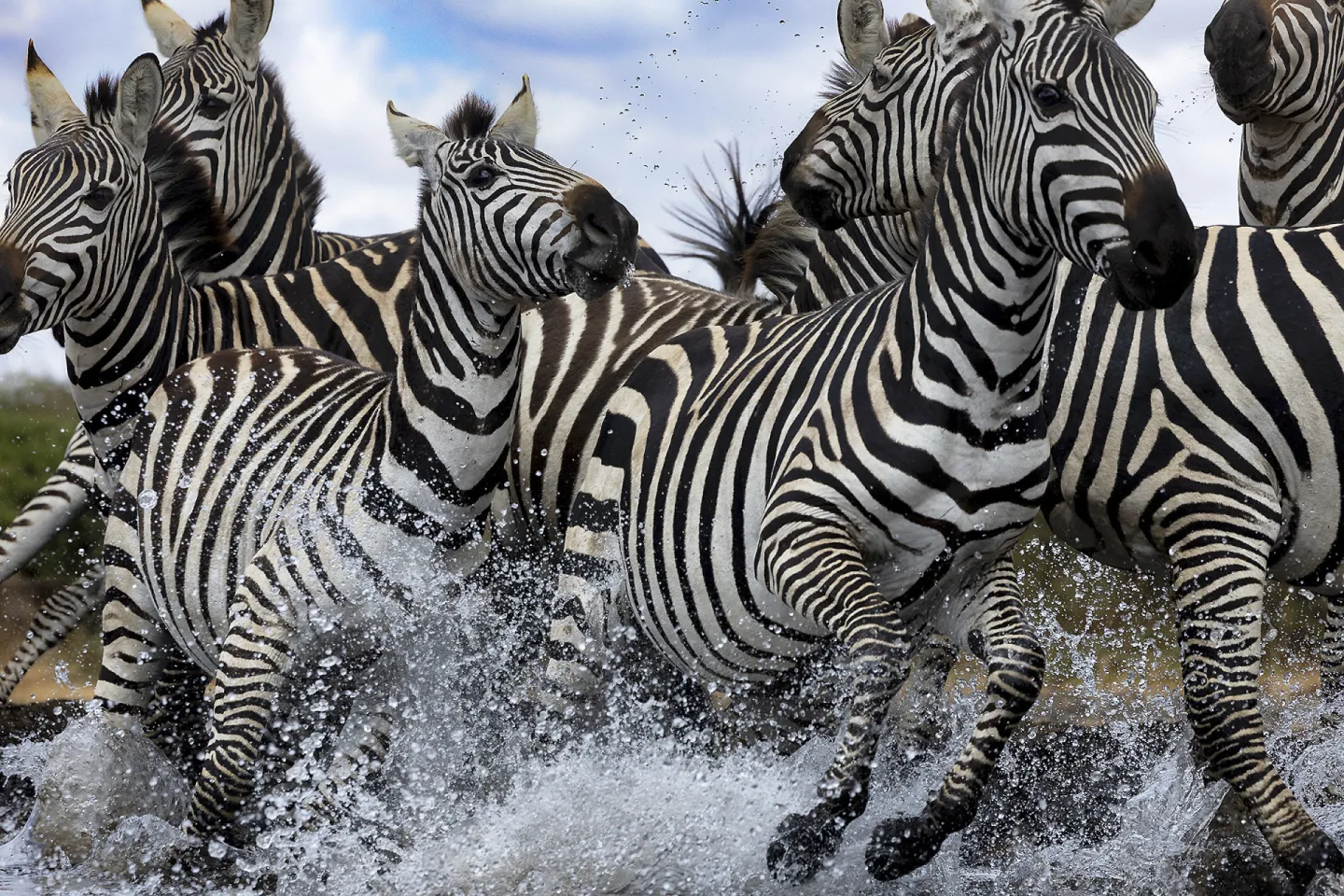
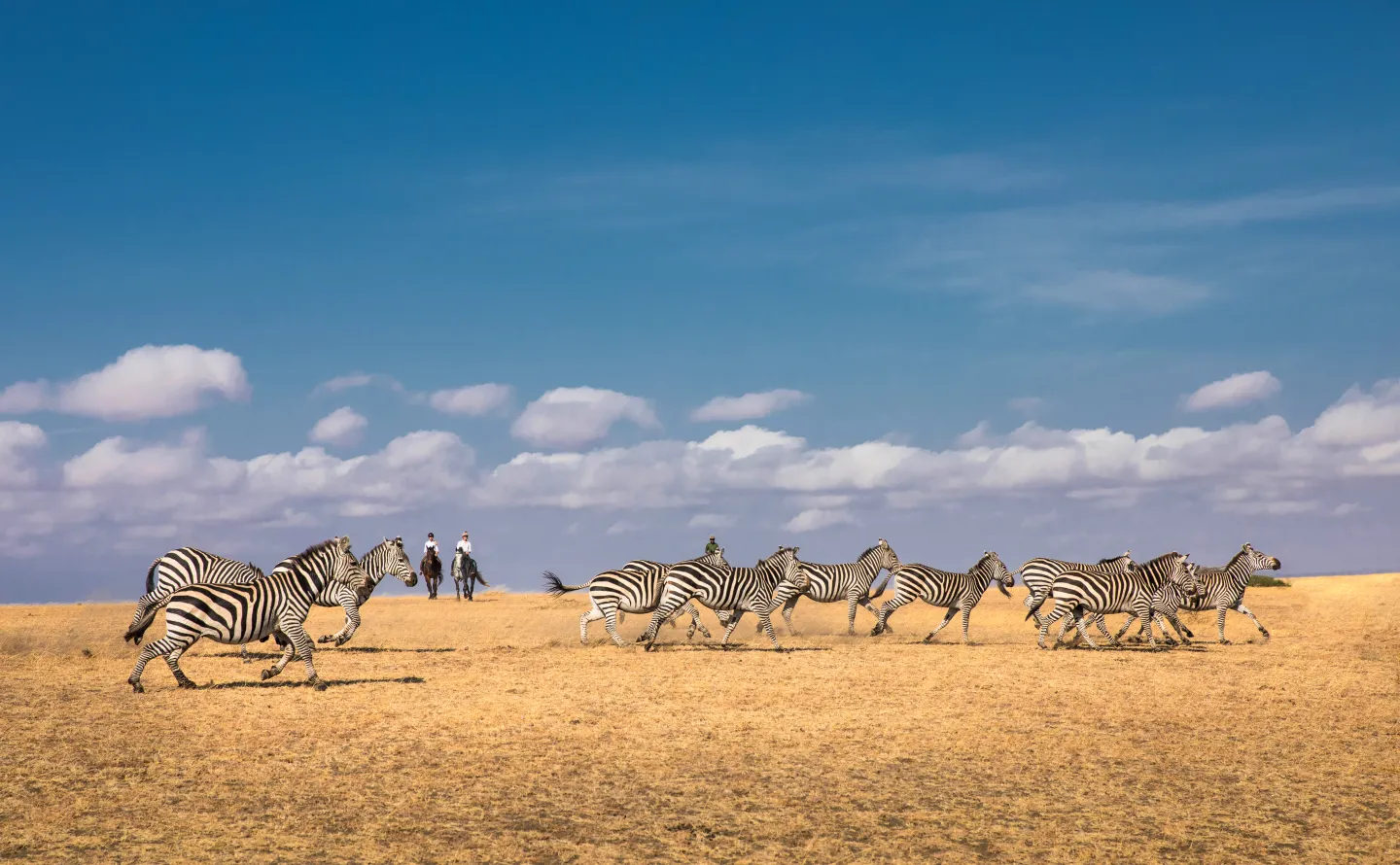
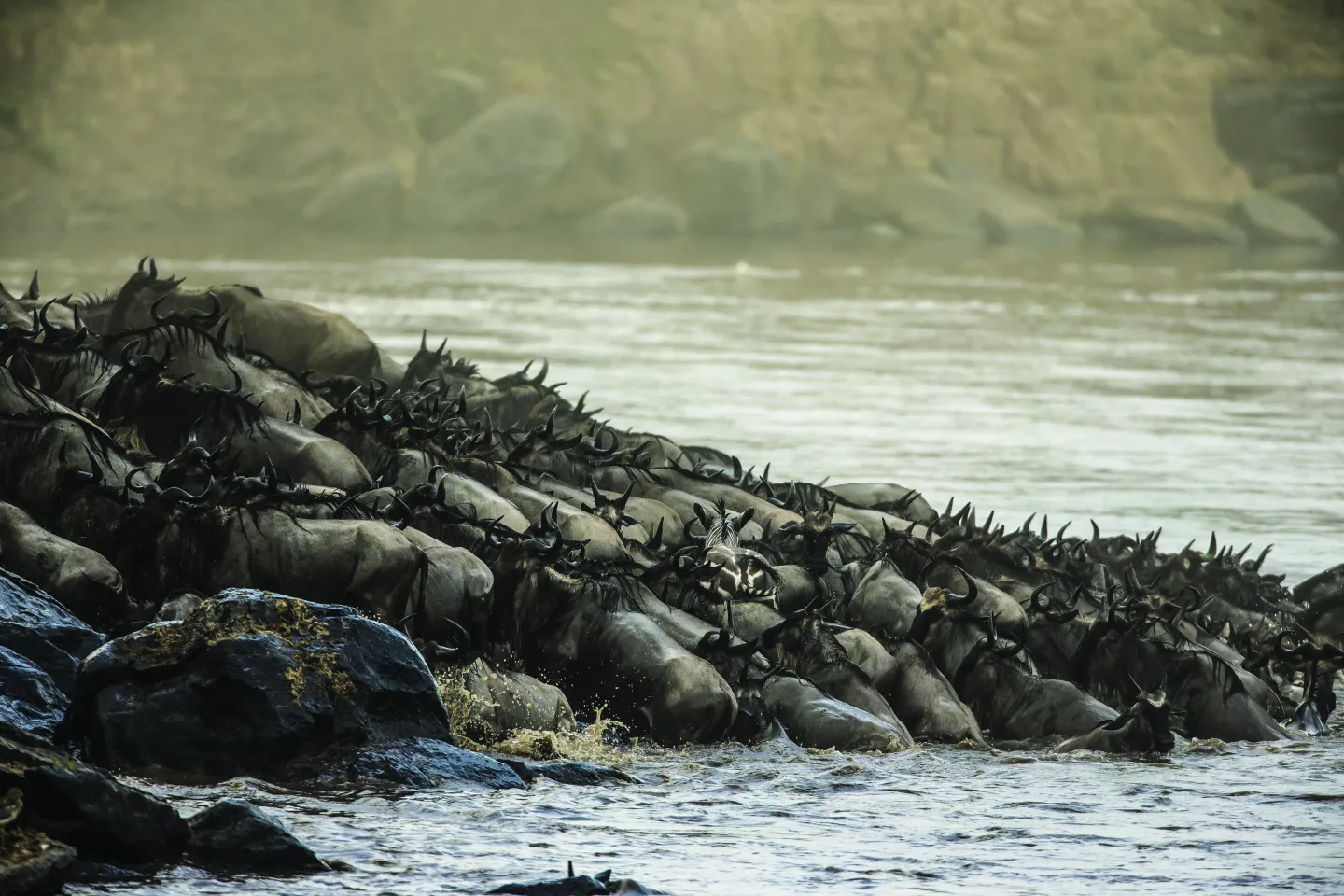
And then there is the Great Migration, often called the greatest wildlife spectacle on the planet. Every year, more than 1.2-million wildebeest, along with hundreds of thousands of zebra, topi and gazelles, journey in a vast clockwise rotation across the Serengeti-Mara ecosystem. They cross the Mara River in heaving, thunderous masses; dramatic, unpredictable, emotional, a movement so immense it can be seen from space.
Mara Plains Camp
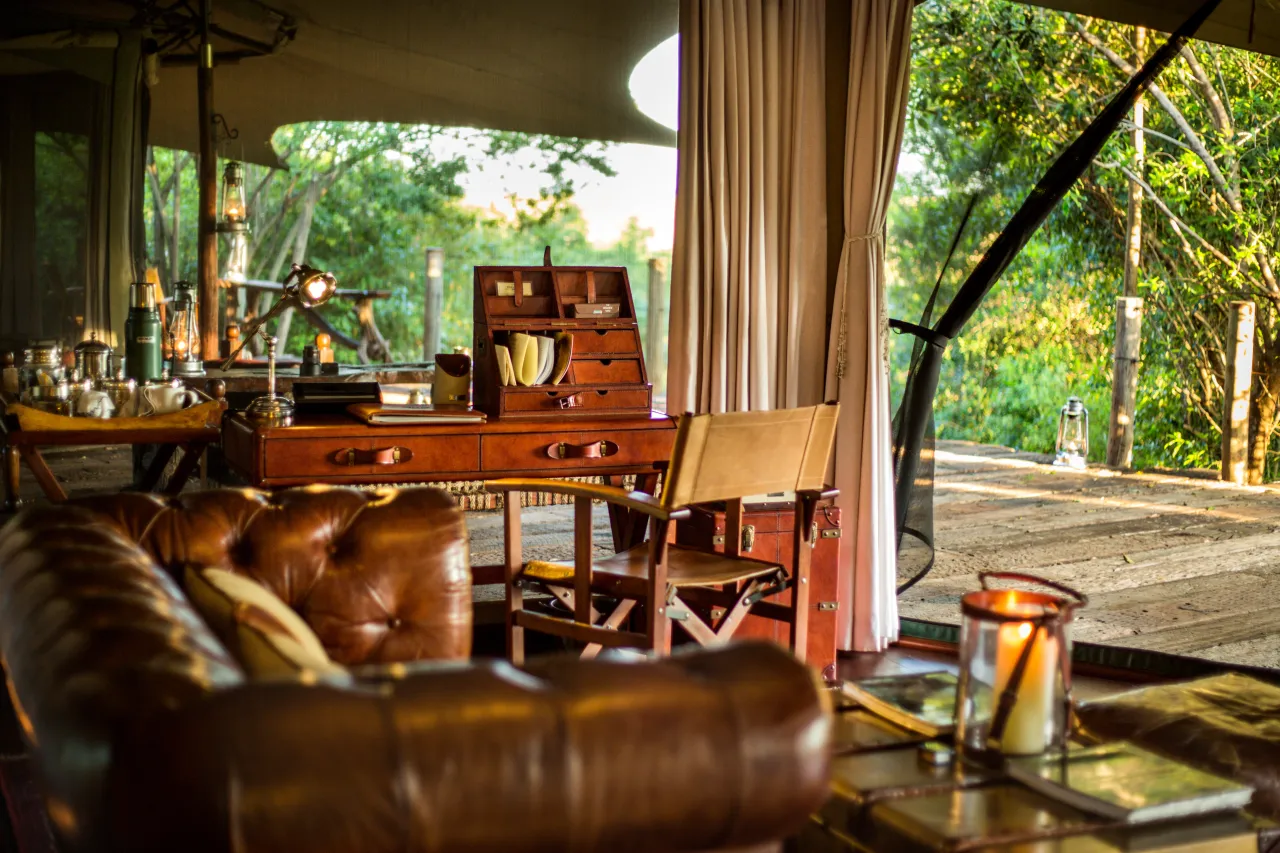
Hidden within the 14 000ha (35 000 acre) Olare Motorogi Conservancy, Mara Plains Camp sits quietly in a riverine forest, a refuge on the northern edge of the Masai Mara. Arrival is unforgettable, as you cross a wooden bridge into a world where wilderness and design intertwine.
Flowing fabrics, open-air lounges and hand-carved teak structures create an atmosphere that feels both grounded and ethereal. Each tent exudes East African elegance: canvas-draped ceilings, polished wooden floors and the rich textures of Lamu-carved doors, brass accents and deep, Maasai-inspired colours.
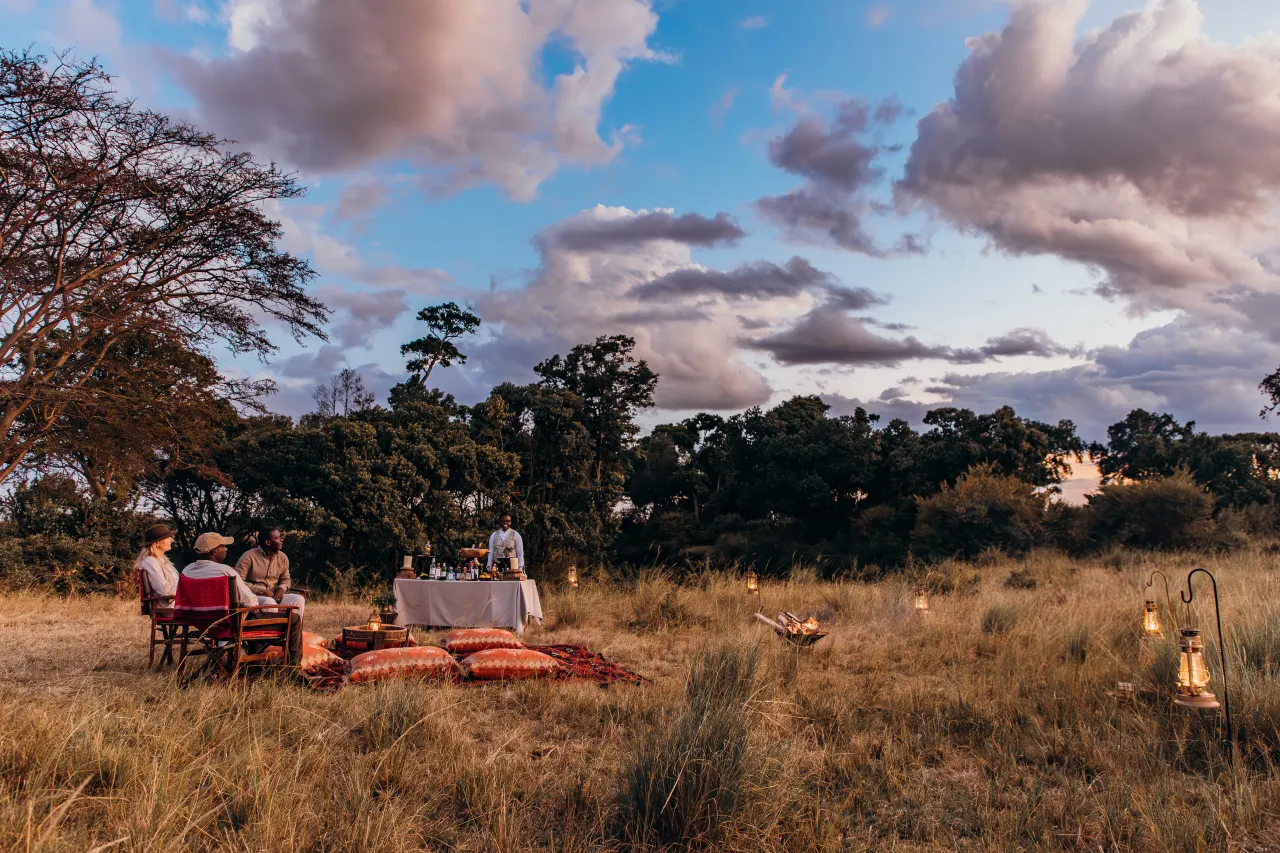
Days here unfold in the rhythm of the wild. Venture out on full-day or evening game drives, savour picnic lunches under acacia shade or track wildlife on foot with an expert guide. Visit a nearby Maasai enkang, where you’ll learn about one of East Africa’s most iconic cultures through dance, storytelling and genuine connection.
At Mara Plains, photography isn’t just encouraged, it’s an integral part of the experience. Each tent is equipped with a professional Canon camera and lenses, along with Swarovski binoculars, so guests can capture the Mara’s magic in stunning detail. Safari vehicles are custom-built for photographers.
Serengeti National Park
Meaning “endless plains” in the Maa language, the Serengeti is a wilderness that has inspired poets, filmmakers, explorers and dreamers for generations. Covering nearly 15 000km² (5 792sq mi) in north-western Tanzania, this UNESCO-listed ecosystem is the beating heart of one of the most celebrated wildlife regions on Earth.
Beneath its surface lies a story millions of years in the making. Volcanic ash from the Ngorongoro highlands once blanketed the plains, forming a dense calcareous hardpan. This shallow, mineral-rich soil is impenetrable to deep roots, making the Serengeti’s plains almost entirely treeless, and creating the perfect environment for grazing animals. This rare combination of volcanic soils, ecology and seasonal rains feeds one of the most productive ecosystems on the planet.
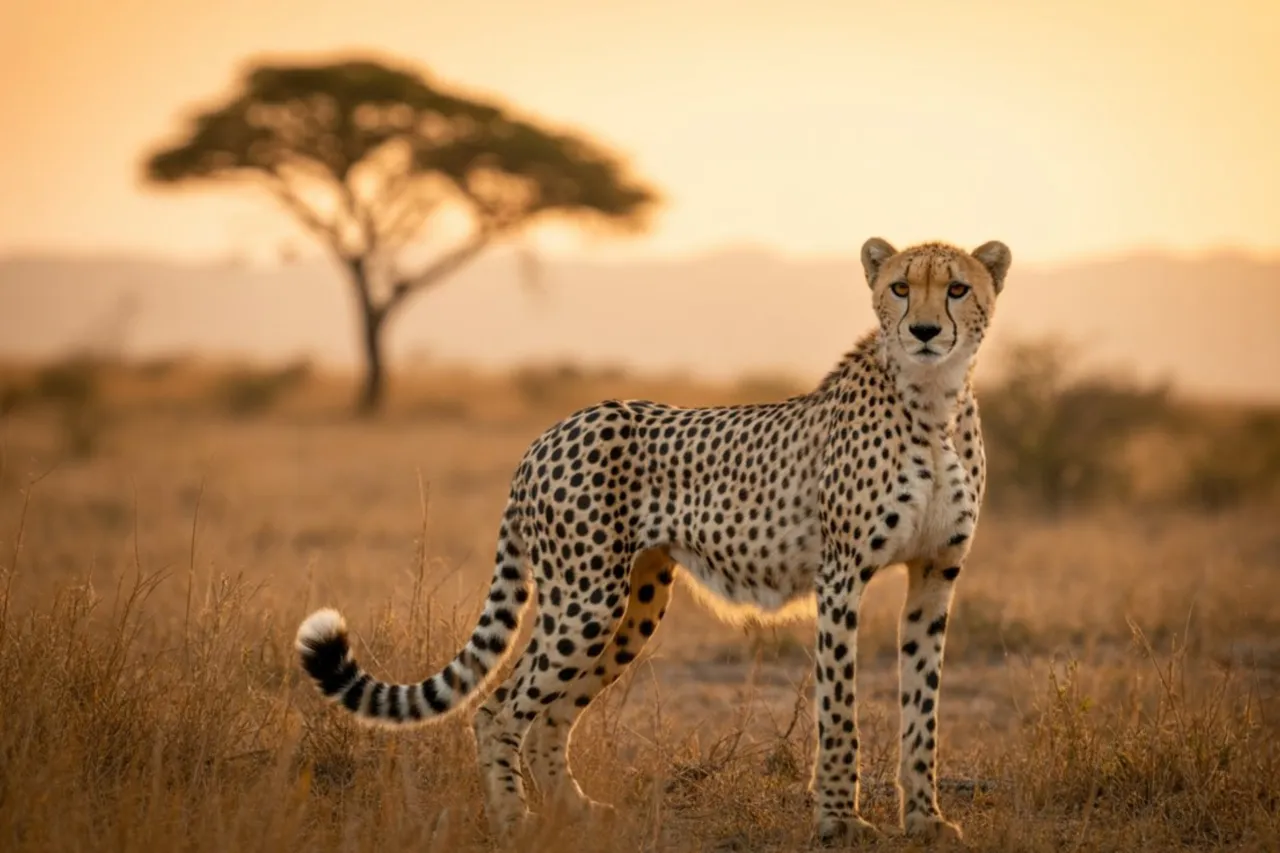
The Serengeti supports the Big Five and boasts one of the highest concentrations of large mammals on Earth. Lions, leopards, cheetahs, spotted hyenas and African wild dogs thrive here, drawn by the staggering abundance of prey species. The Serengeti and Masai Mara together are recognised as a Lion Conservation Unit, underscoring their global importance.
Over 500 bird species inhabit the Serengeti, including five endemic species and Tanzania’s largest population of ostriches, among the most important globally. Raptors wheel overhead, and seasonal migrants transform the skies and grasslands with movement and sound. But above all, the Serengeti is defined by one of nature’s greatest dramas: the Great Migration, the largest land-animal migration on Earth.
The Serengeti is also home to vibrant cultures, including the Maasai, whose long-preserved traditions, striking red shukas, and deep connection to cattle and land remain symbolic of the region’s cultural soul. Despite modern pressures, the Maasai continue to protect and honour their heritage, offering travellers a rare encounter with some of East Africa’s most enduring customs.
Lemala Nanayukie Lodge
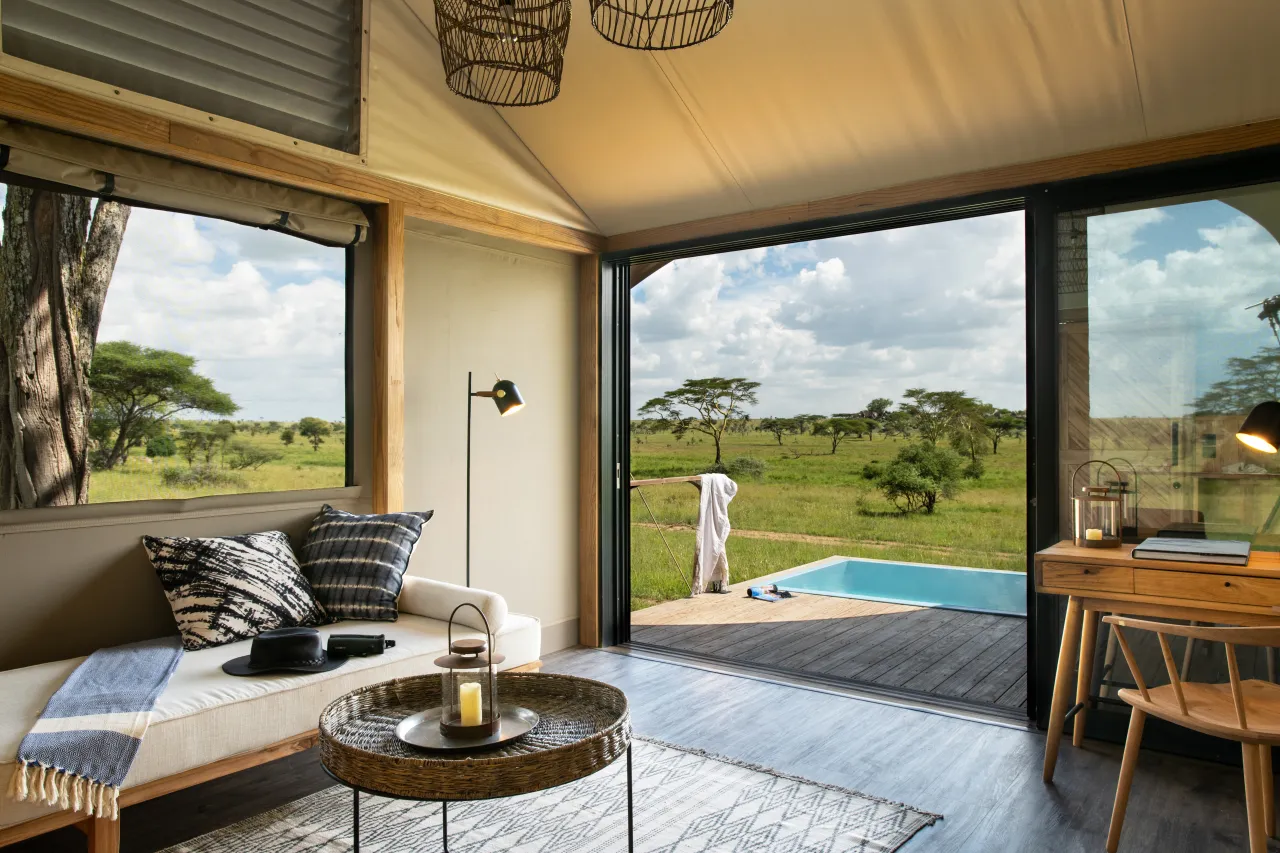
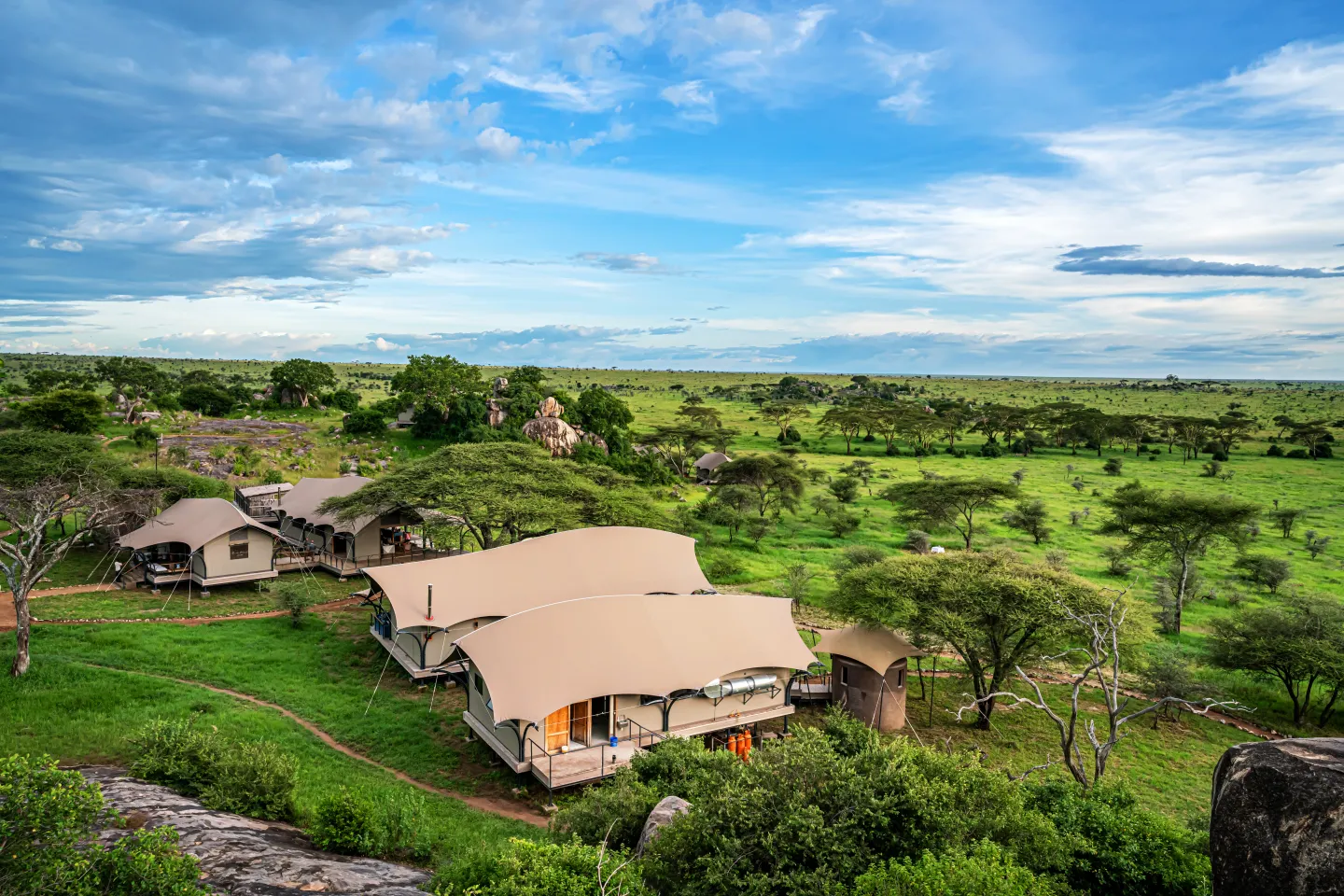
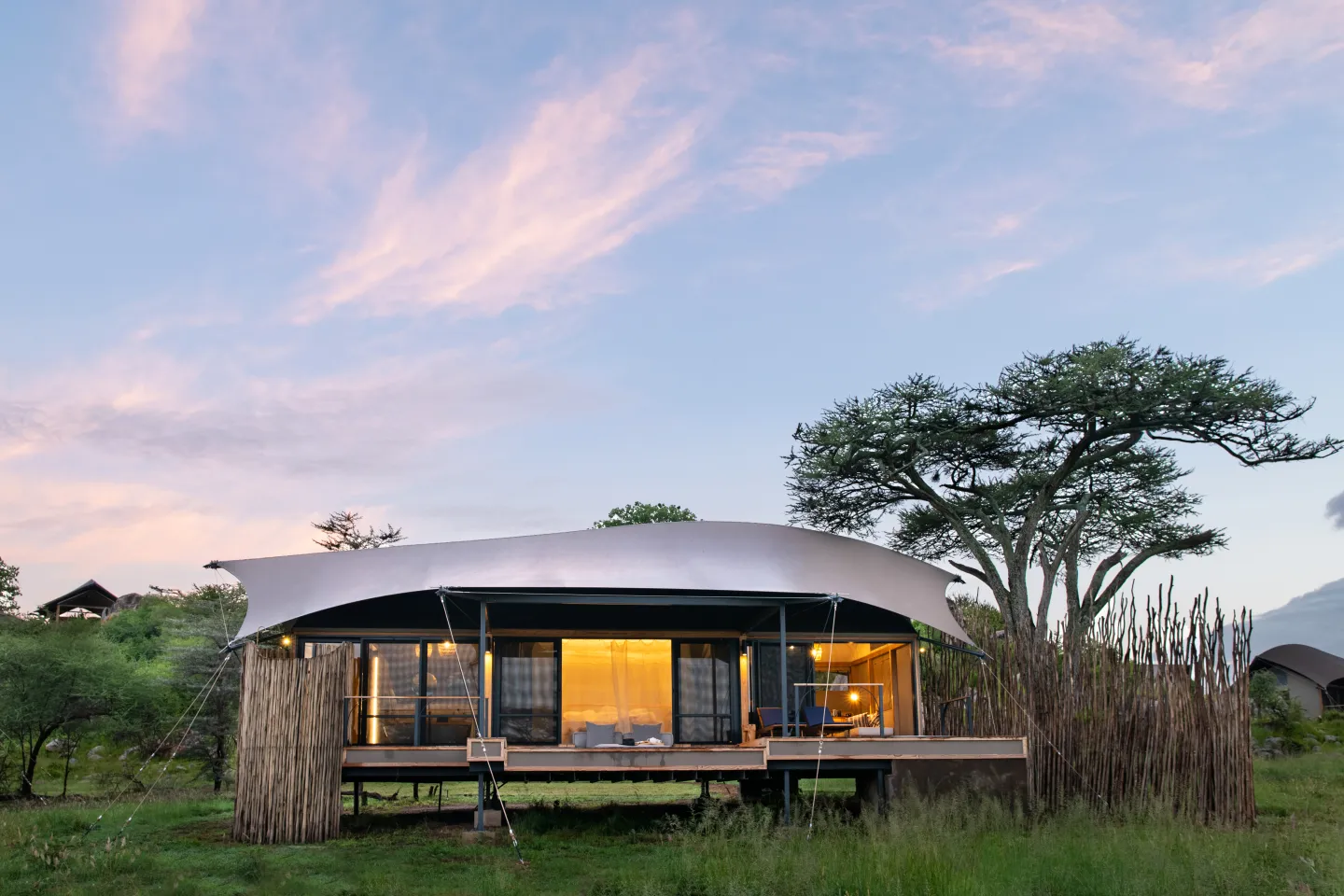
From your private deck at Nanayukie, set on the eastern side of the Central Serengeti, you see the Serengeti unfold in every direction, a vast, breathing landscape where the horizon feels impossibly wide and the grasses shift like waves under the African sun. The camp’s tented suites are elegant: cathedral-like ceilings, broad hardwood decks, and luxurious interiors bathed in soft whites and natural tones.
Nanayukie is blessed with year-round wildlife; during the Great Migration, the wildebeest move through this area in great, rolling herds. Morning, afternoon or full-day game drives reveal predators on the hunt, plains game grazing across the grasslands and the rhythm of life on the Serengeti.
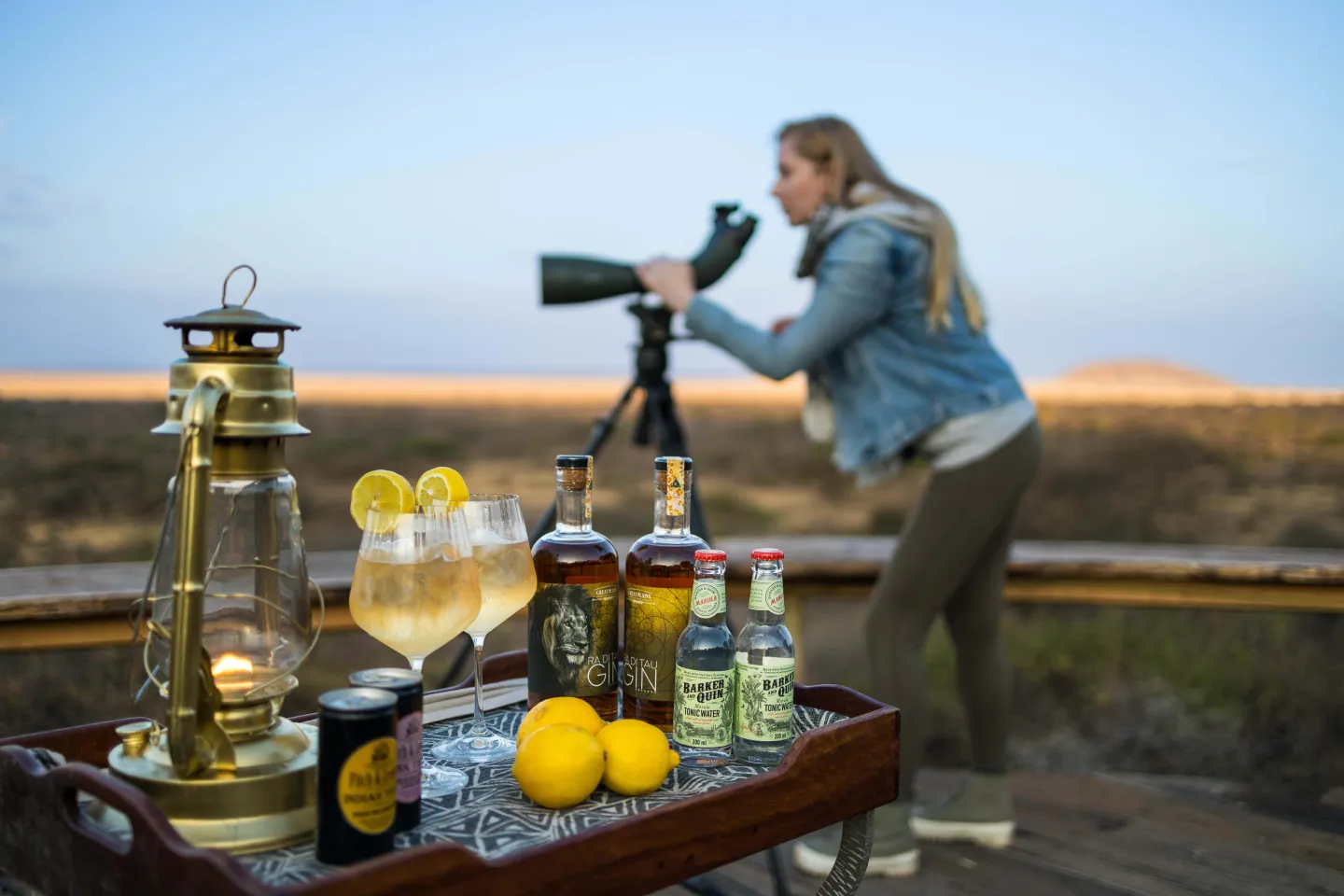
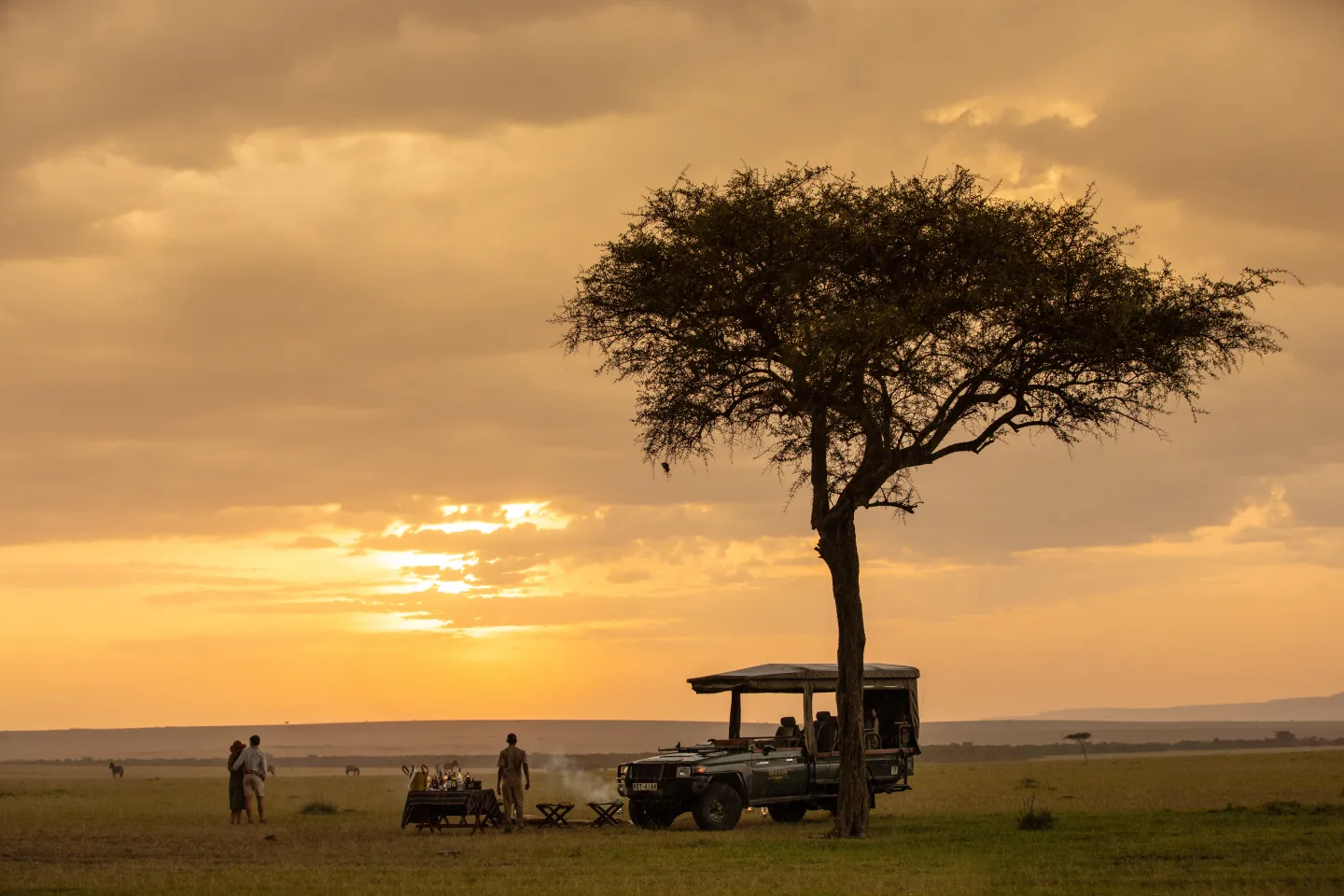
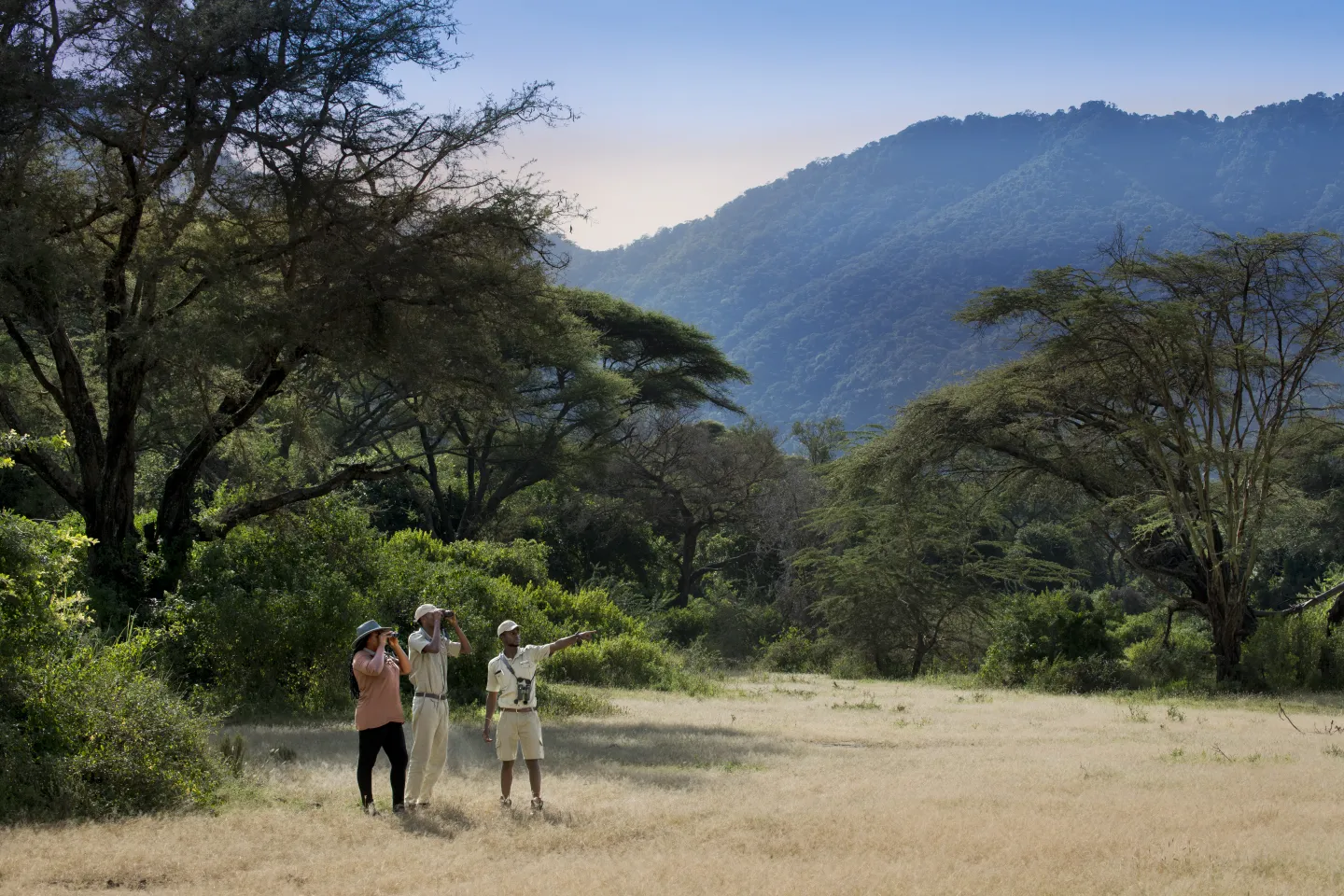
Guided walks bring you even closer to the landscape. Between safari adventures, find stillness with a spa treatment overlooking the savannah, enjoy private sundowners as the sky turns molten gold, or dine under a canopy of stars in the deep quiet of the bush.
Lake Manyara National Park
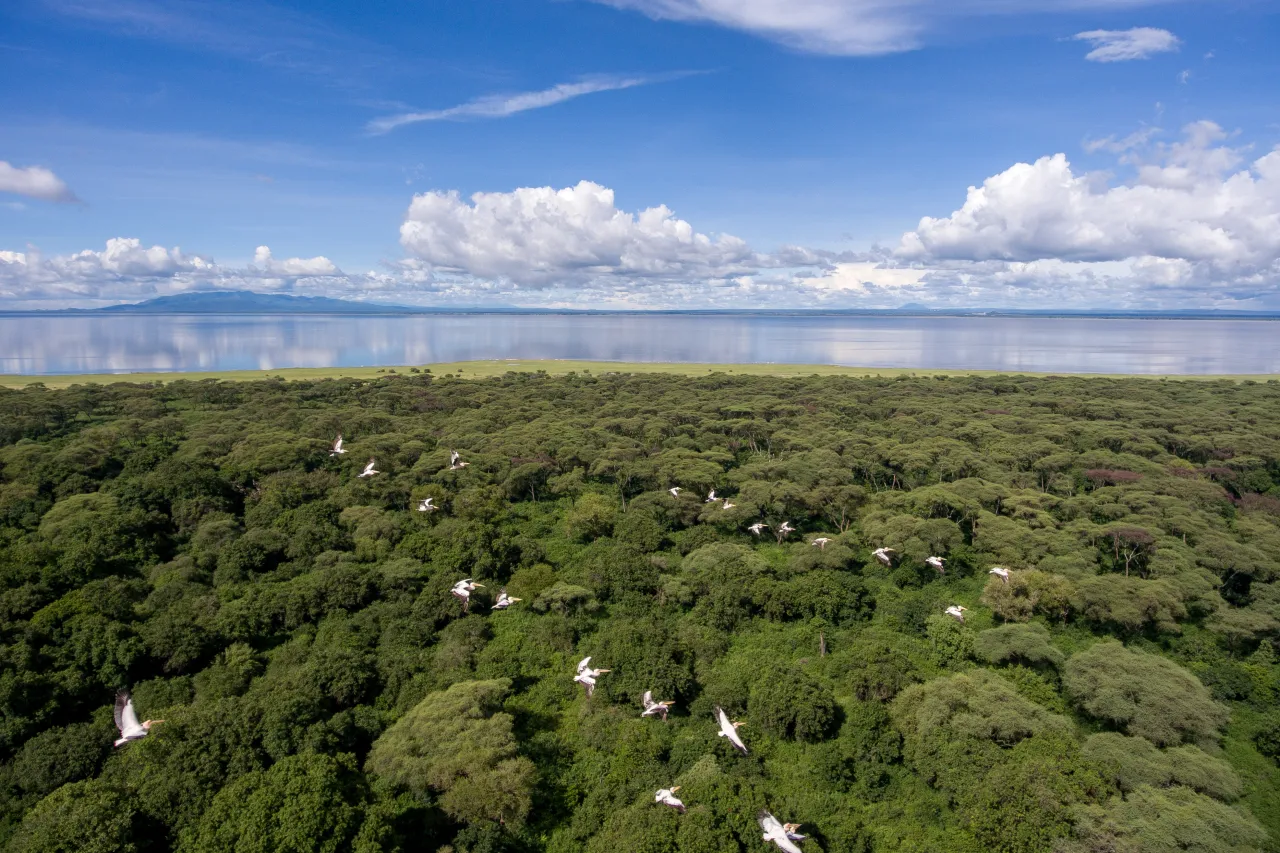
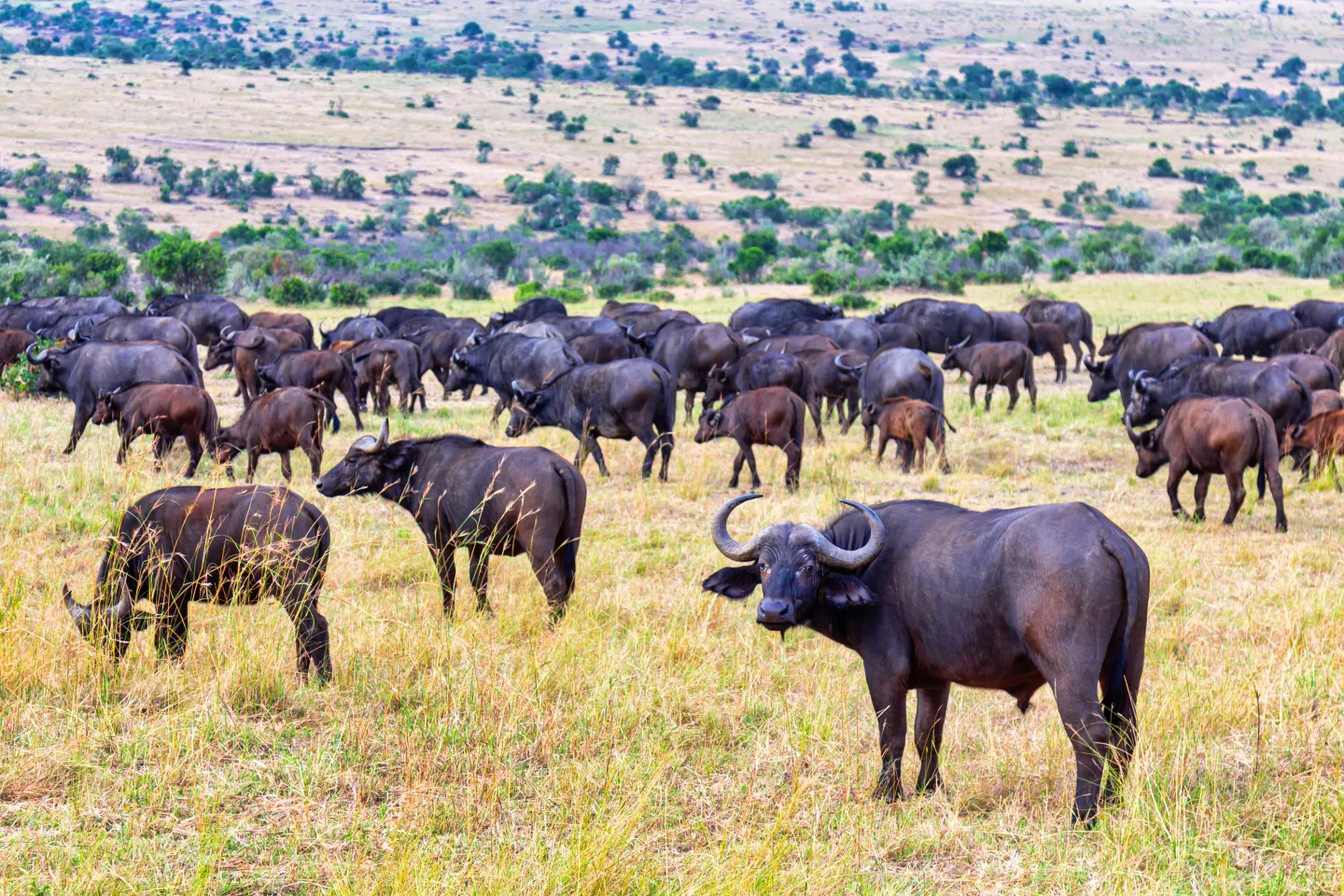
There is a lake in northern Tanzania that seems to shift with the light, a shimmering, elusive world tucked against the dramatic wall of the Great Rift Valley. In the wet months Lake Manyara, known as Lake Moya to the local Iraqw people, stretches wide and gleaming; in the dry months, it retreats to reveal vast mudflats that transform into grazing grounds for wildebeest, buffalo and zebra.
Proclaimed a national park in 1960 and later recognised by UNESCO as part of the Man and the Biosphere Programme, Lake Manyara sits in a closed basin with no outlet to the sea. Its waters are fed entirely by underground springs and streams flowing from the Ngorongoro highlands, as well as an extensive catchment area that swells or shrinks dramatically depending on rainfall.
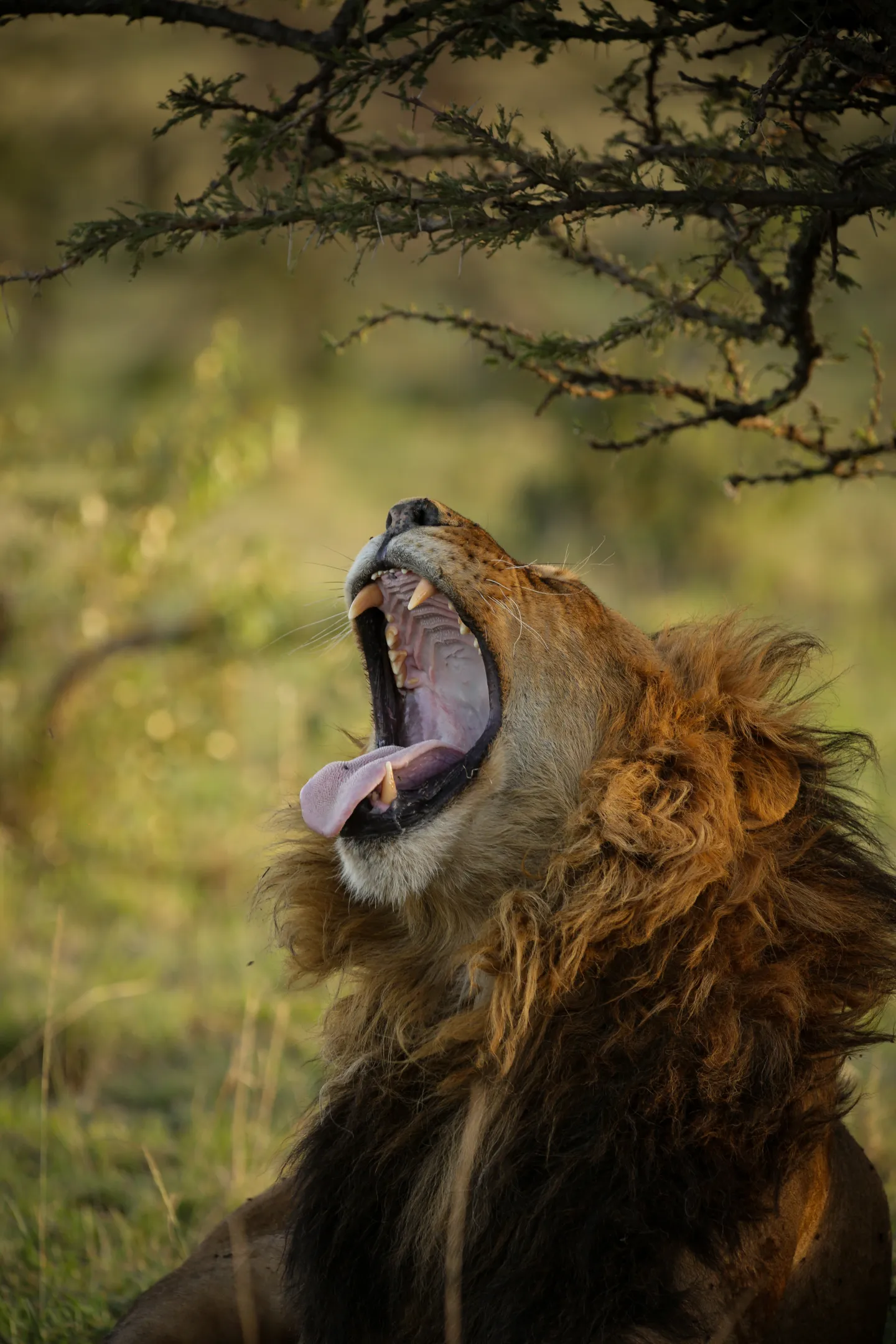
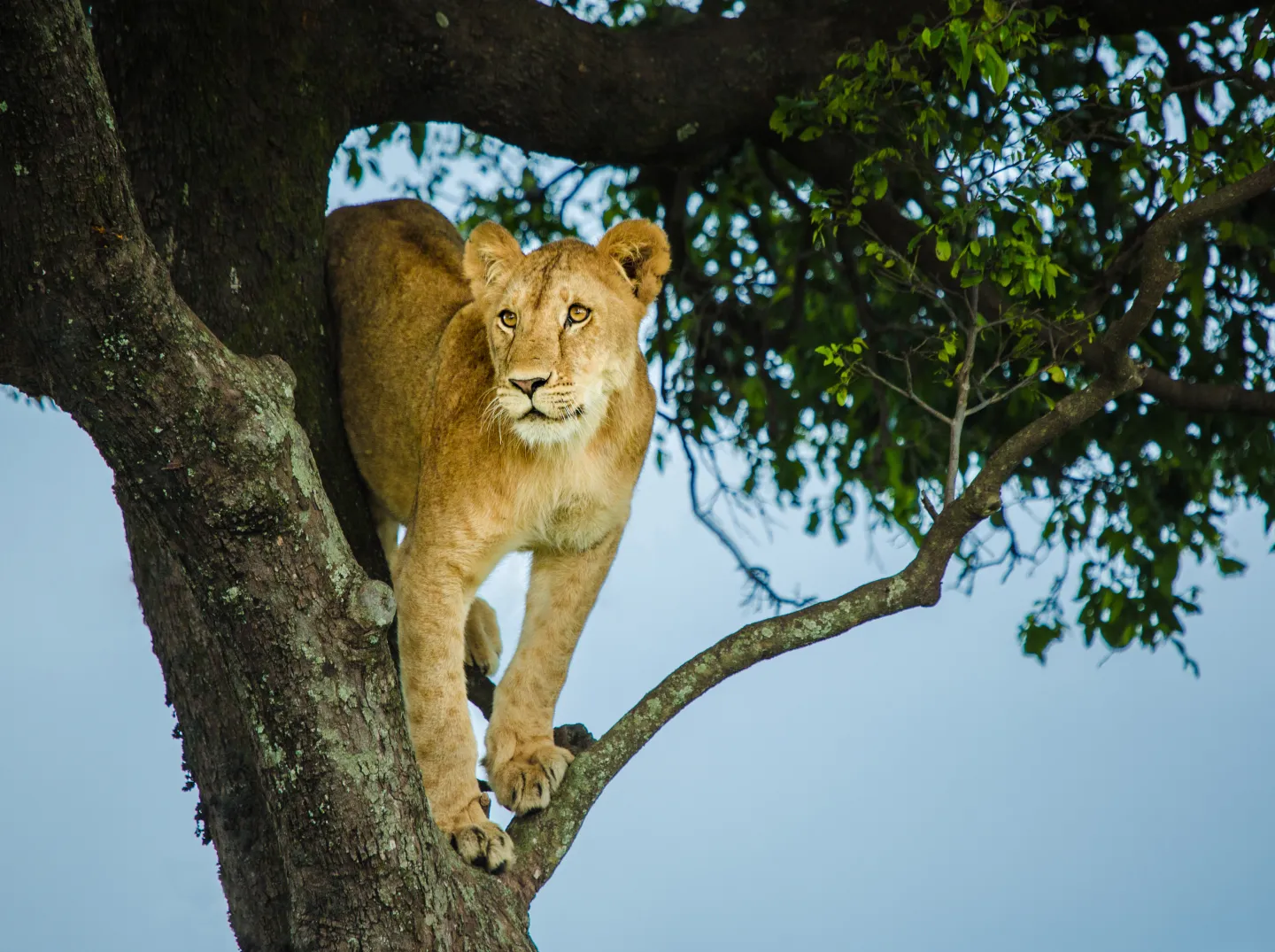
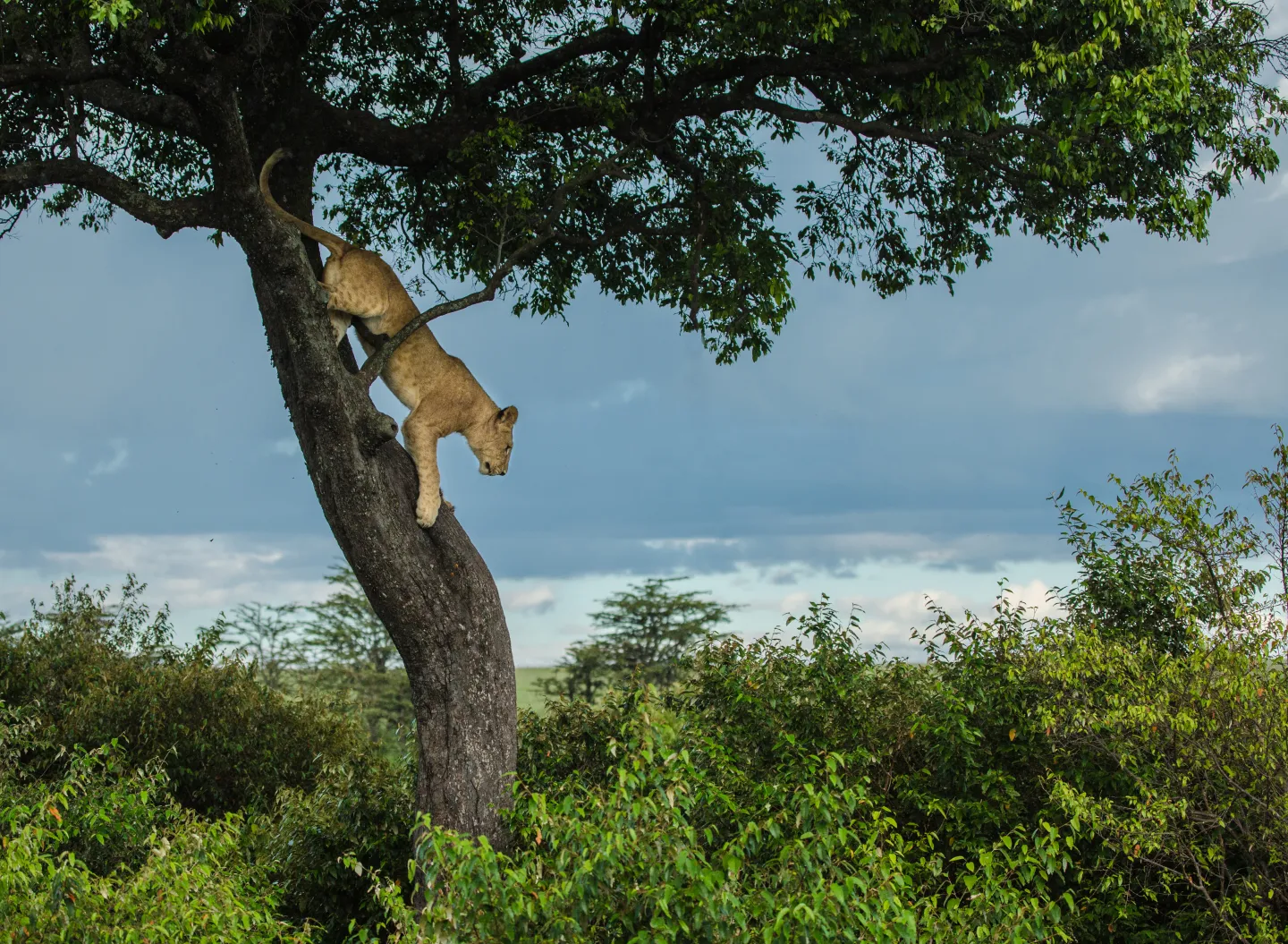
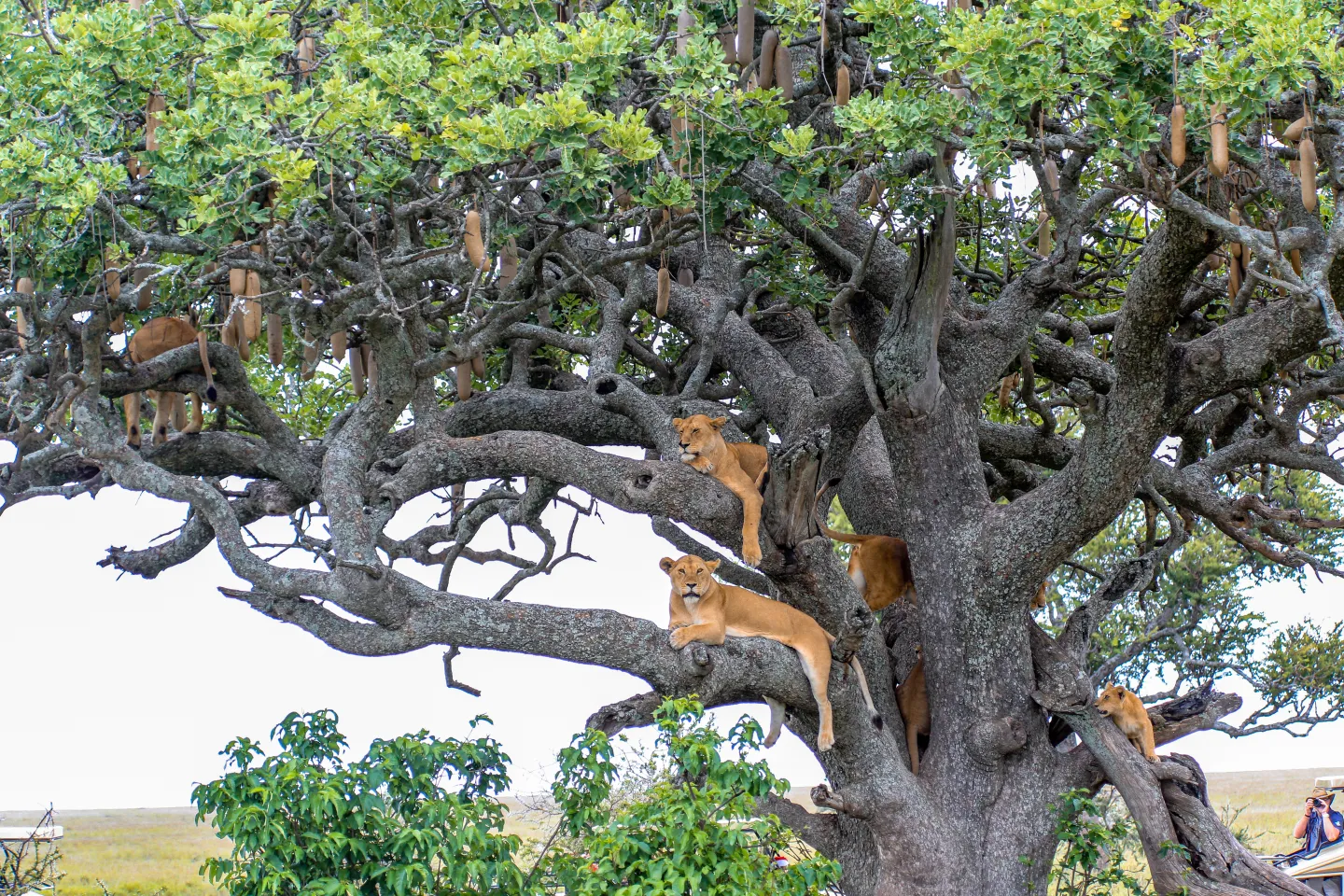
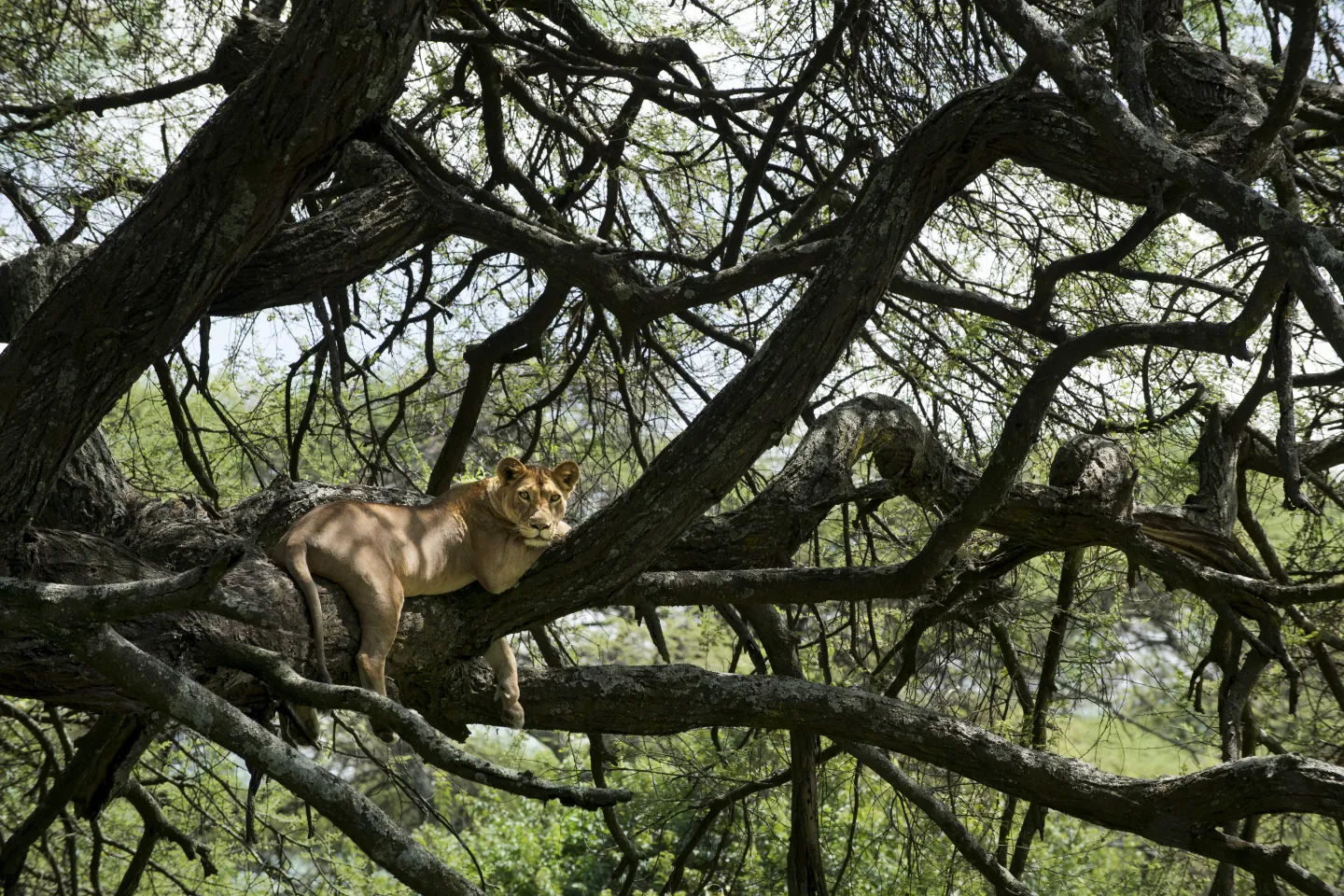
Wildlife thrives here. Lake Manyara is famous for its tree-climbing lions, one of the few places on Earth where this mysterious behaviour can be seen. The park also hosts some of Tanzania’s highest elephant densities, along with cheetah, giraffe and many antelope species. Along the rivers that feed the lake, Cape clawless otters slip between the reeds, while the night reveals civets, honey badgers, bat-eared foxes and other nocturnal creatures.
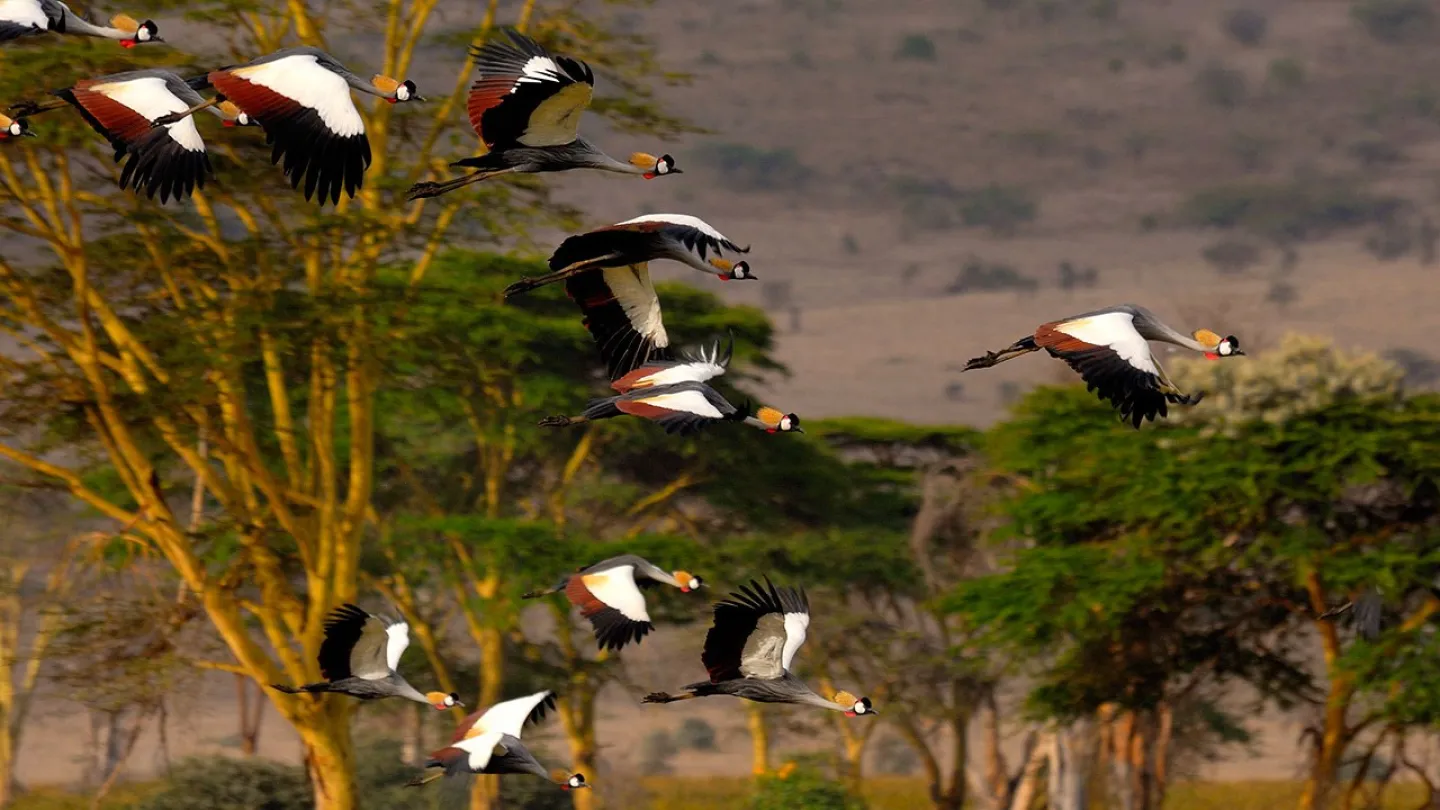
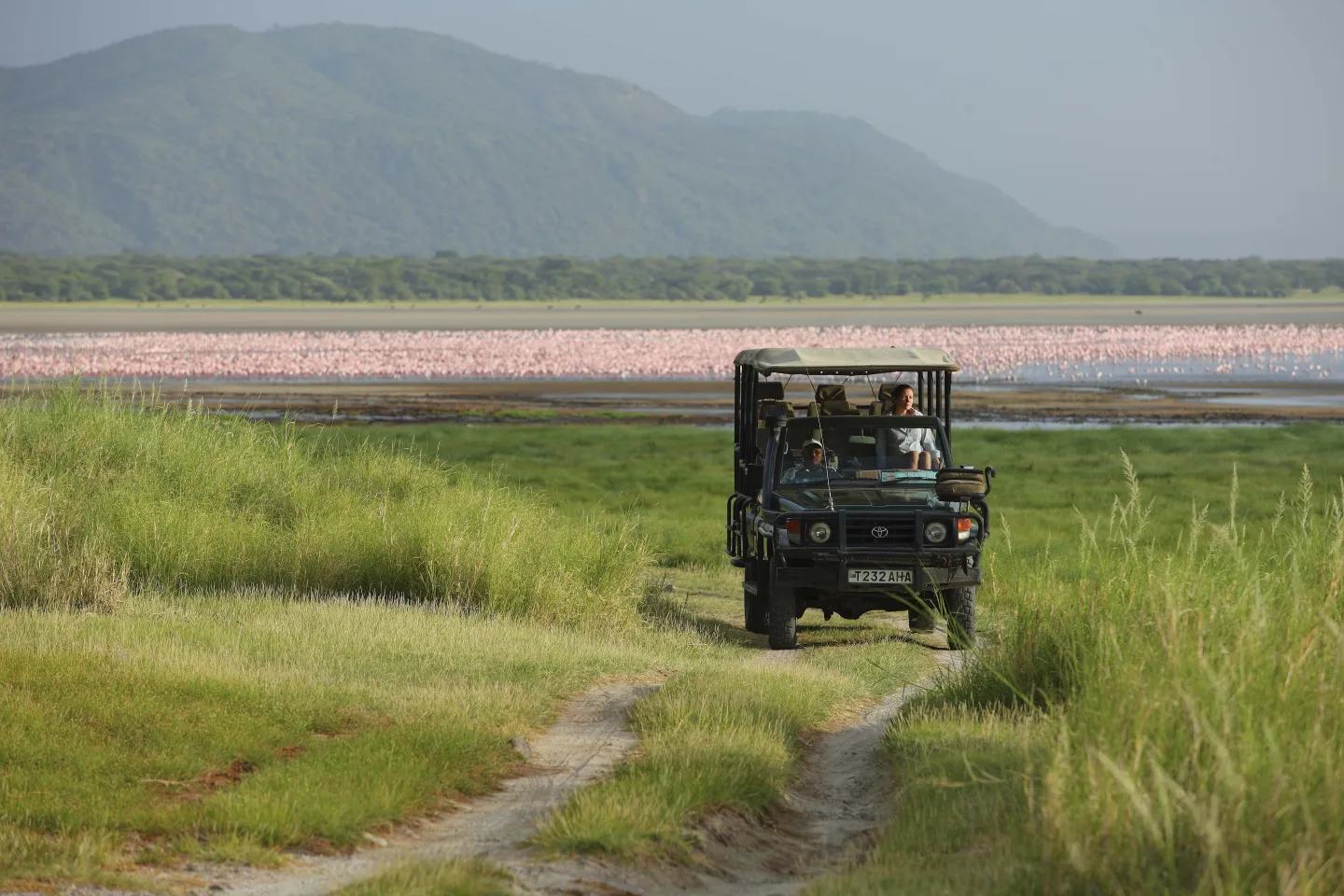
Birdlife is nothing short of spectacular. More than 400 species have been recorded, including pelicans, storks, Crowned eagles, African spoonbills and the migratory flamingos that turn the lake into a soft pink haze during the wet season. When conditions are right, nearly two million Lesser flamingos gather here, one of Africa’s most eye-popping natural spectacles.
Experiences here are beautifully varied: day and night game drives; guided walks; canoeing or boat excursions when water levels allow; a treetop canopy walk through the groundwater forest; cultural visits to Mto wa Mbu, one of Tanzania’s most vibrant multi-ethnic towns; and runs with Maasai warriors, a moment few travellers ever forget.
Lake Manyara Tree Lodge
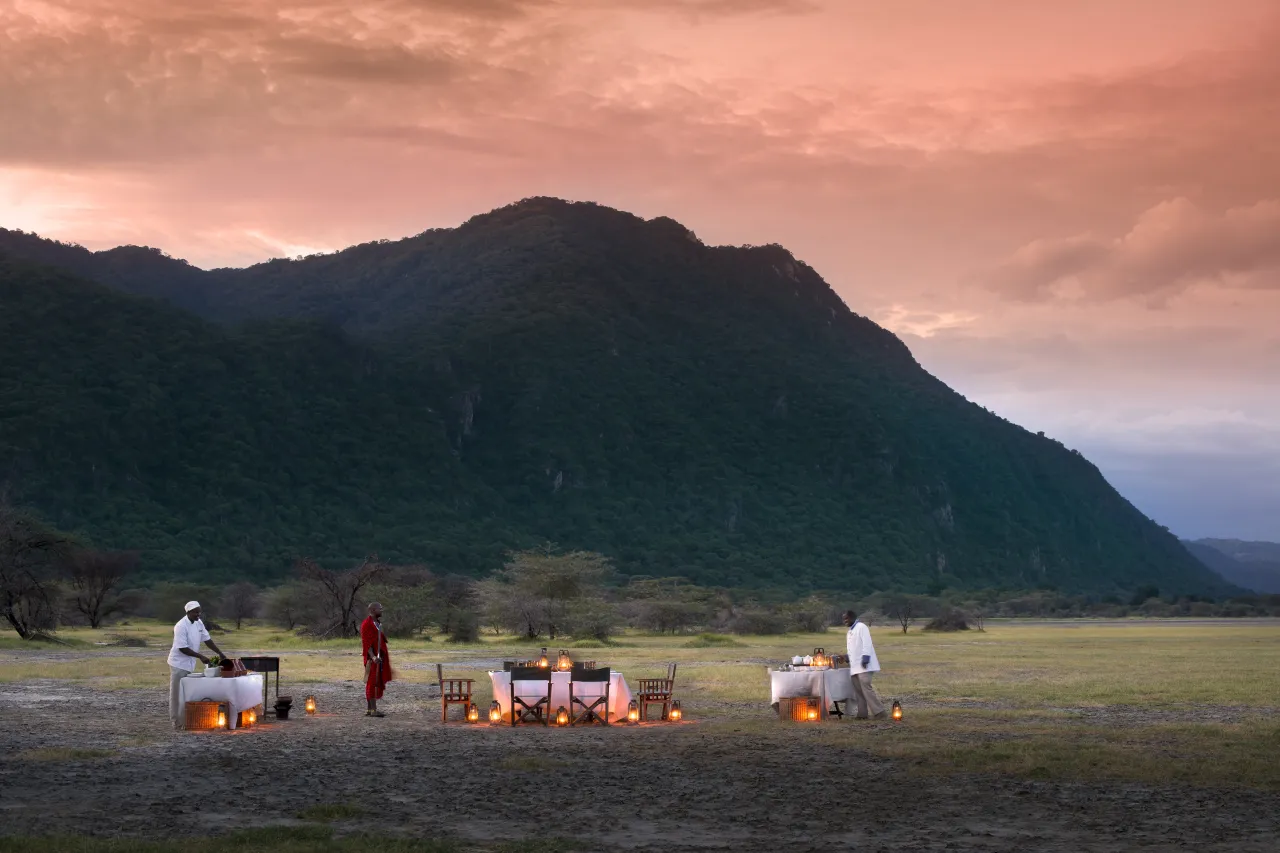
Hidden deep within the remote south-western reaches of Lake Manyara National Park, the only permanent lodge within the park, the Lake Manyara Tree Lodge is a place where nature wraps around you completely.
Crafted from natural materials and elevated on graceful stilts, each treehouse suite opens onto a private deck overlooking dappled forest glades. At times, elephants wander quietly beneath you, their presence felt long before they are seen. Inside, contemporary design blends with organic textures and earthy palettes.
Days here unfold gently. Explore the park on morning and afternoon game drives, searching for Lake Manyara’s legendary tree-climbing lions. After dark, step into a rare privilege: an after-dinner night drive, one of the few places in Tanzania where this can be experienced. Wander through the forest on guided nature walks, or drift through the treetops on a canopy tour, viewing the world from the perspective of the birds.
For a deeper connection to the lake and its people, enjoy a guided bicycle ride with the nearby Mayoka community, where encounters with the nomadic Mang’ati tribe offer moments of genuine cultural exchange. And when the day slows, retreat to the spa sala, tucked into the forest.
Departure
As your journey through East Africa draws to a close, you begin to feel what travellers have felt for generations: Africa does not leave you where it found you. This is a safari shaped by movement and meaning, by the thunder of the Great Migration, the soft blush of flamingos rising at dawn, the quiet power of the tree-climbing lions, and the deep, grounding connection to people and place. It stays with you long after you’ve returned home.
Speak to your Travel Architect
Create your African story, your way
Does this itinerary inspire you to create your own unforgettable African story? Speak to your Travel Architect about curating your perfect African journey.
Tell us the Africa you imagine. We’ll take you there!
Why travel with Your Africa?
It starts with you
No two journeys are the same. We design each itinerary around who you are and how you want to experience Africa.
Seamless planning
Your dedicated Travel Architect handles everything. All you need to do is guide us on what your ideal African journey looks like.
Travel, your way
You decide how you want to explore Africa. This is your Africa, your story, your way.
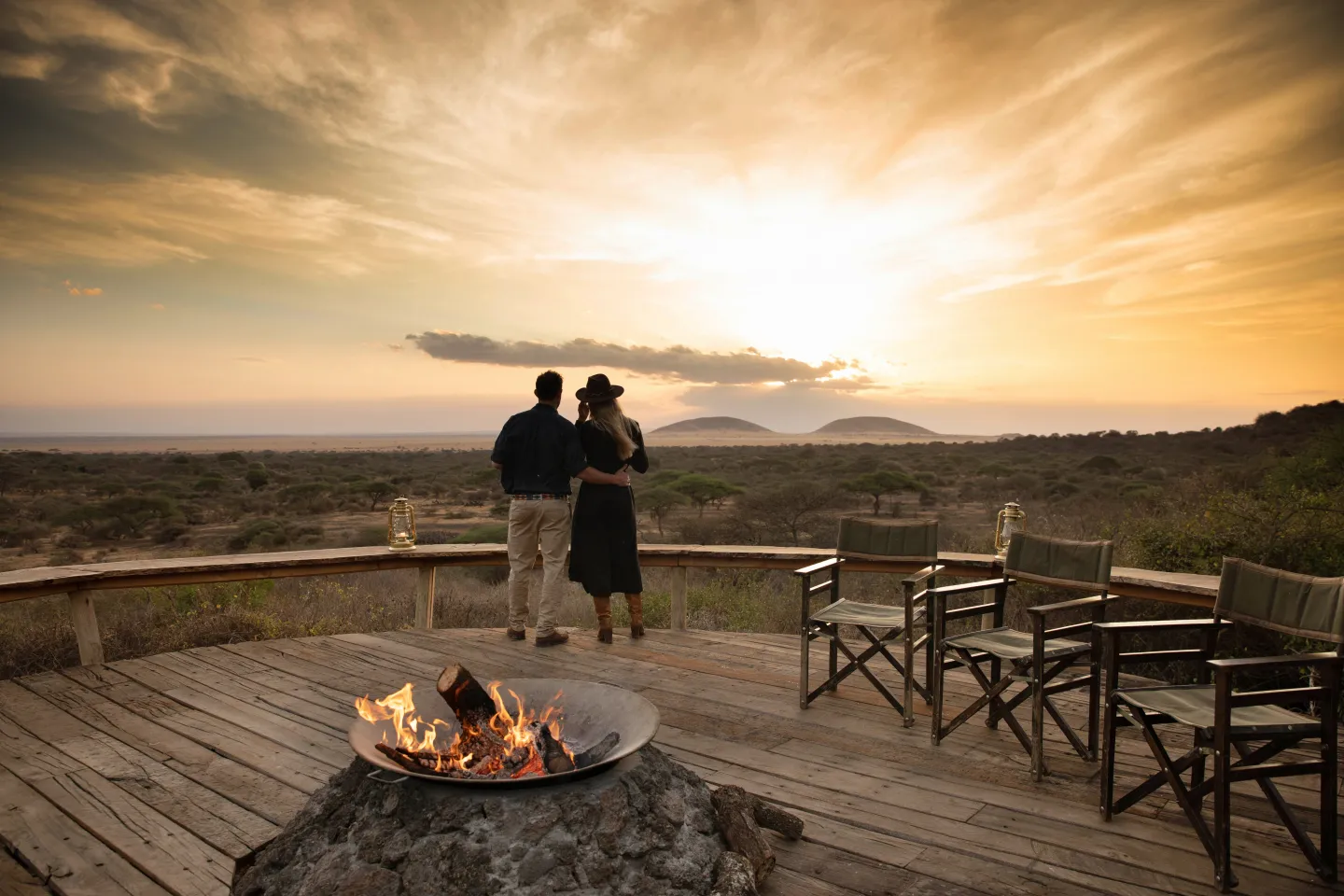
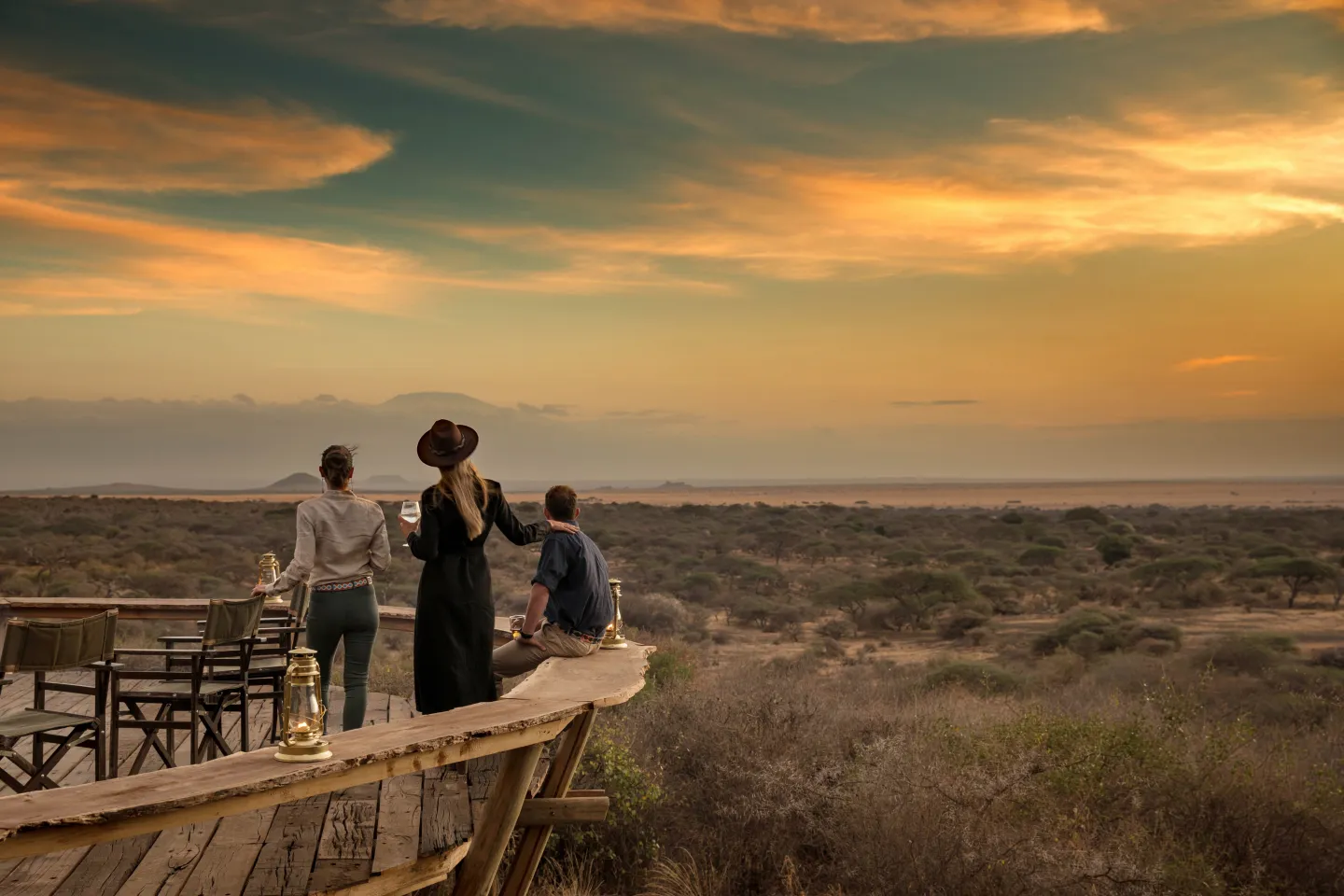
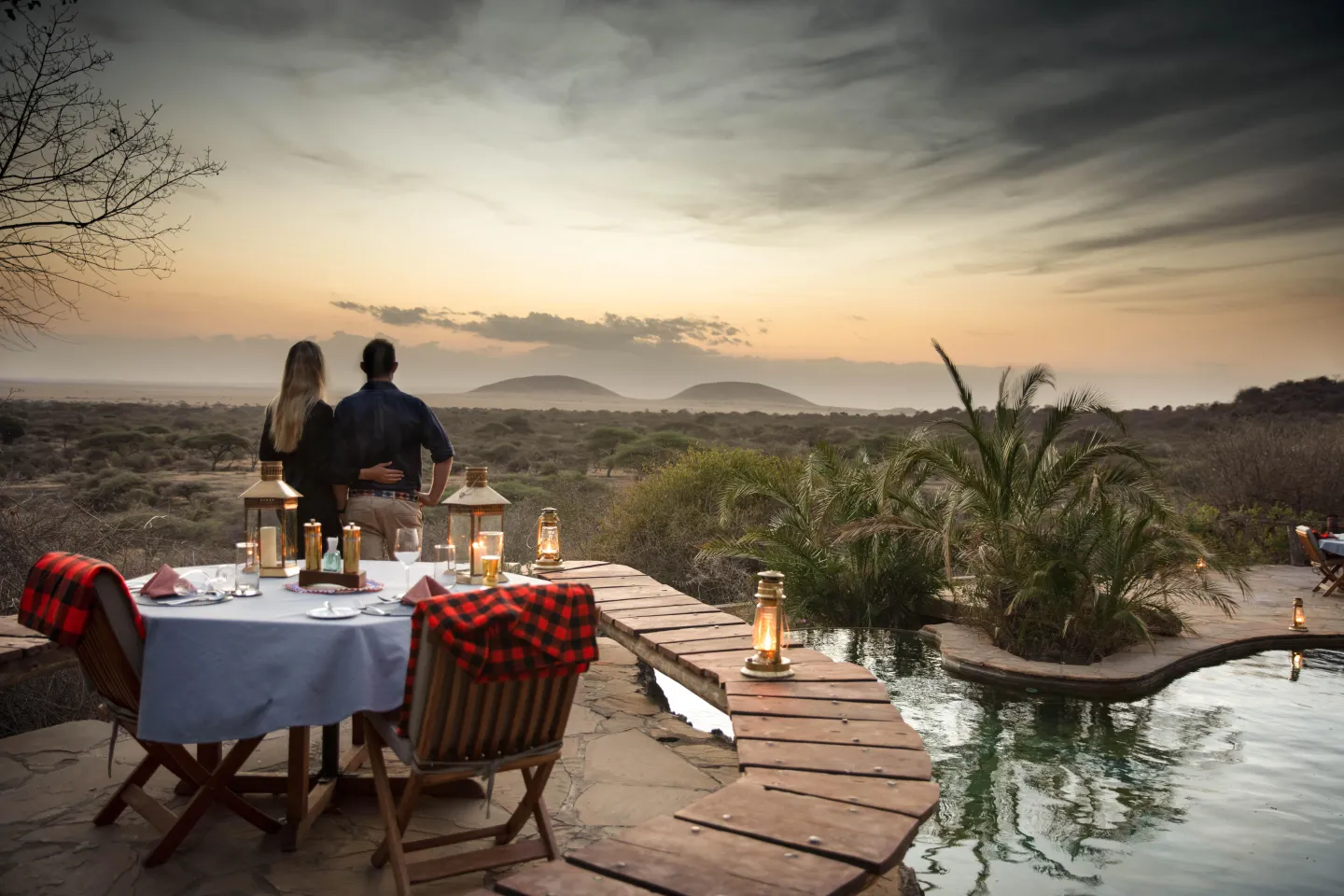
Great Migration, flamingos and tree-climbing lions gallery
Kenya and Tanzania FAQs
The best time to travel would be from late July to October. During this window, the massive herds of wildebeest and zebra are typically in the Masai Mara, offering the best chance to witness the dramatic Mara River crossings. This period also aligns with the dry season, meaning pleasant weather and excellent game viewing across all your destinations.
Your travel between these remote and exclusive locations will be scenic, primarily by light aircraft. Your Travel Architect will see to it that your journeys are effortless.
Packing for this multi-environment safari requires versatility. The key is layers:
- Safari basics: lightweight, neutral-coloured clothing (khaki, beige, olive) for all game drives
- For cool mornings/evenings: a warm fleece and a windproof jacket are non-negotiable for chilly early mornings, especially in the highlands of Chyulu and Lewa
- Specific activities: if you plan on horse riding at Ol Donyo, comfortable riding trousers are a good idea. For evenings, smart-casual wear is appropriate
- Essentials: a wide-brimmed hat, sunglasses and high-SPF sunscreen
This is a critical point. All destinations on this itinerary – Chyulu Hills, Lewa, Masai Mara, Serengeti and Lake Manyara – are located in malaria-risk zones. Consult your doctor or a travel clinic well in advance of your trip to arrange for appropriate anti-malarial medication and any other recommended vaccinations.
This itinerary offers far greater diversity. While you get the epic scale of the Mara and Serengeti, you also experience:
- Chyulu Hills: a unique, volcanic landscape with breathtaking views of Kilimanjaro and activities such as horse riding
- Lewa Wildlife Conservancy: a world-renowned conservation success story, offering some of the best and most reliable rhino sightings in Africa
- Lake Manyara: a completely different ecosystem known for its flamingos, groundwater forest and legendary tree-climbing lions
Not at all. The professional-grade cameras and lenses provided at Ol Donyo Lodge and Mara Plains Camp are a luxury perk for all guests to enjoy, regardless of skill level. The guides are knowledgeable and can provide basic instruction to help you get started. It’s a fantastic opportunity to capture incredible images without having to travel with heavy, expensive equipment of your own.
While this itinerary places you in the best possible locations at the best possible time, sightings in the wild are never guaranteed.
- River crossings: these are natural, unpredictable events. Your guides are experts at reading the herds' behaviour, but witnessing a major crossing requires patience and luck
- Tree-climbing lions: Lake Manyara is famous for this behaviour, but it is not seen on every game drive. The lions climb trees to rest, escape insects or get a better vantage point, and seeing them is a matter of being in the right place at the right time
You will need separate visas for both countries. Depending on your nationality, you may be eligible for the East Africa Tourist Visa, which allows multiple entries into Kenya, Uganda and Rwanda (note: Tanzania is not part of this specific visa). Otherwise, you will need to arrange single-entry visas for both Kenya and Tanzania. The US dollar is the preferred currency for all tourism purposes (tips, park fees, extras) in both countries. Bring clean, newer bills.
Staying in private conservancies offers a more exclusive and flexible safari experience than being in the main national parks. The key benefits are:
- Fewer crowds: vehicle numbers are strictly limited
- Exclusive activities: you can enjoy activities not permitted in the national parks, such as guided bush walks, night drives and off-road driving to get closer to wildlife
- Direct community benefit: your stay directly supports the local Maasai and Samburu communities, who own the land
This itinerary is exceptionally family-friendly for the right ages. The lodges mentioned are experts at hosting families, often providing private vehicles for ultimate flexibility on game drives. They offer engaging "Young Explorers" or "Little Warriors" programmes that include activities such as learning tracking skills, making traditional crafts and nature walks. This ensures that while the adults are enjoying the classic safari experience, the children are having their own fun and educational adventure.