Mountains, savannahs and wild Africa
Mountains, savannahs and wild Africa
9-day/8-night Kenya safari
A classic Kenyan journey: exploring four iconic regions
Kenya is a land of contrasts: mountains, deserts, tropical coastlines and vast savannahs. More than 50 ethnic groups live here, each adding their own culture and colour. The country is held together by Harambee, which means “let’s all pull together”. Nature shows itself in every form, from dry plains to lush forests, wetlands and coral reefs along the Indian Ocean.
The country covers a small area but has a huge variety. The northern deserts are hot, while Mount Kenya rises with glaciers on its peaks. Acacia-covered savannahs, misty rainforests, wetlands teeming with birds, alpine moorlands, lava fields and coral reefs all exist here – and each region offers a wide range of experiences for travellers.
Kenya is also a place of history. Fossils from the Koobi Fora archaeological site and Turkana Boy, a 1.6-million-year-old, near-complete Homo erectus skeleton, show that hominins have lived here for millennia.
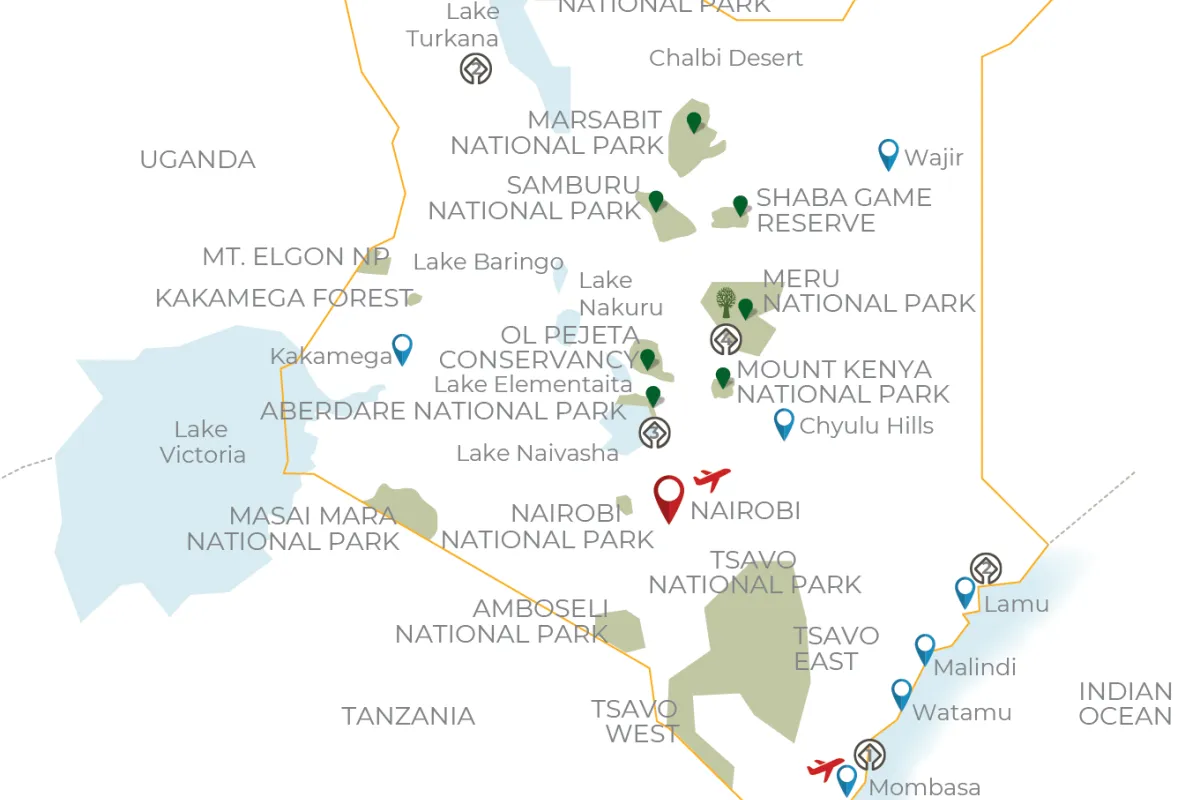
Modern Kenya reflects Swahili trade, European exploration and independence in 1963. Today, the country is known for its safari destinations such as Masai Mara, Amboseli, Tsavo, Samburu and Lamu, as well as the Great Migration, one of the largest wildlife migrations on Earth.
 At a Glance
 Highlights
 Luxurious accommodation
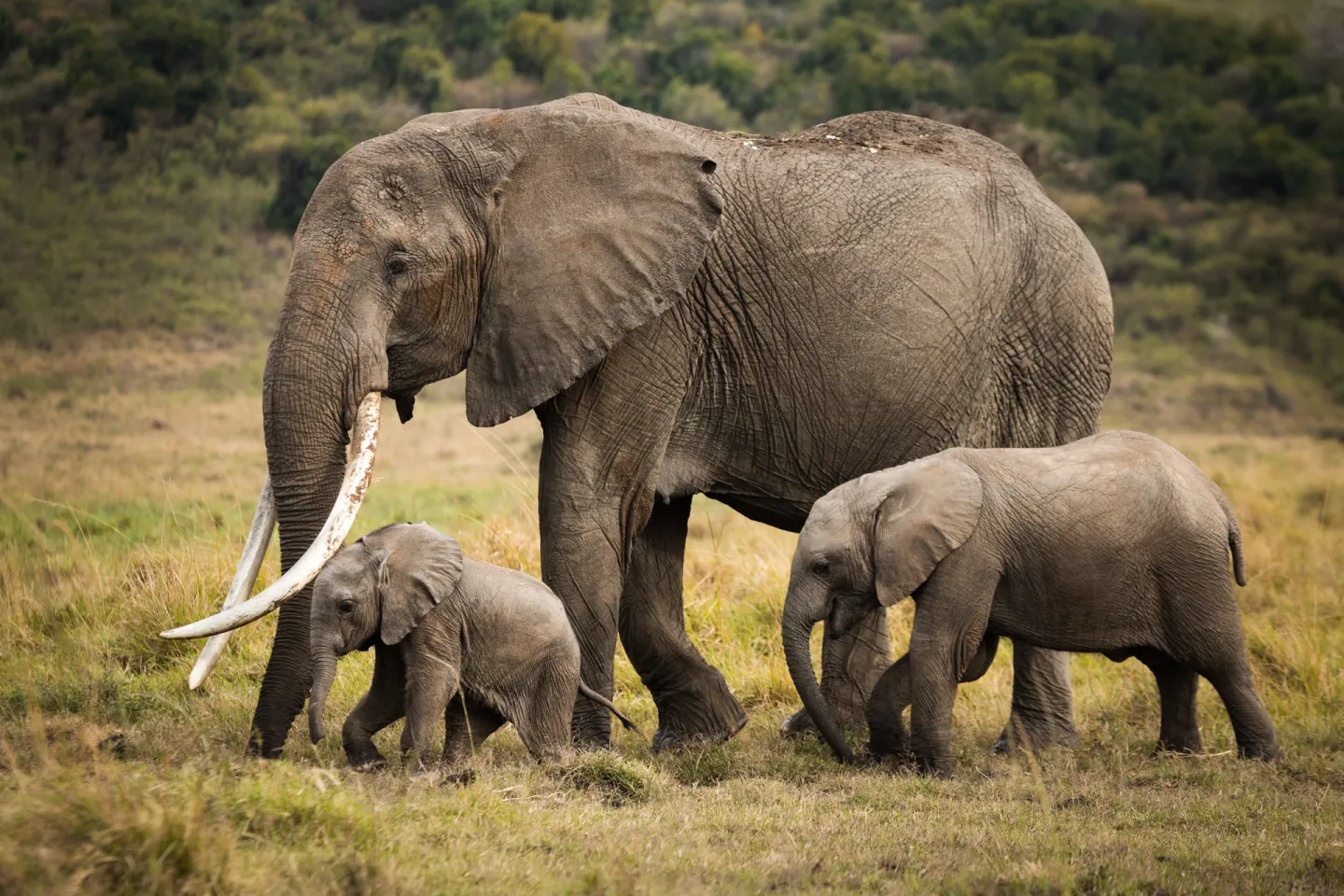
Elephant herds in Amboseli
Samburu stargazing experience
Horseback safaris and camel trekking
Hot air balloon flights over the rugged northern plains
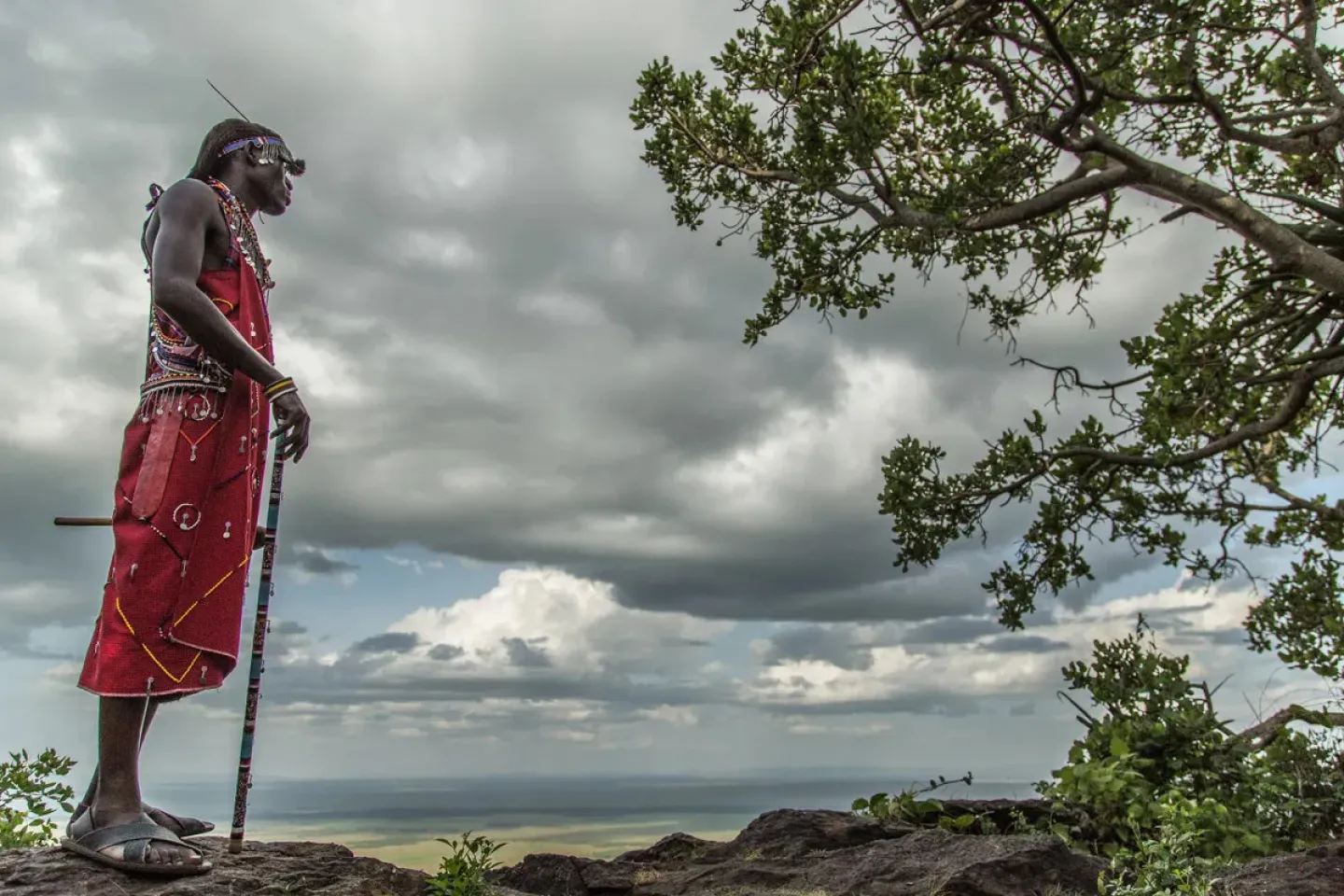
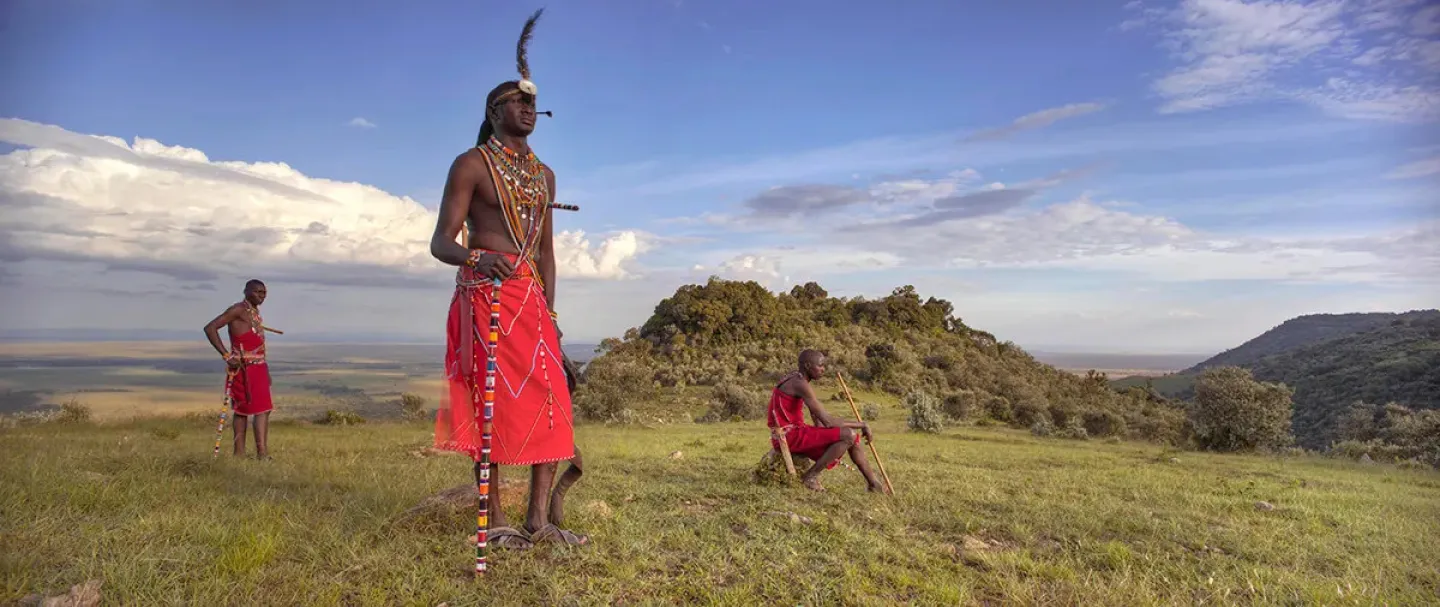
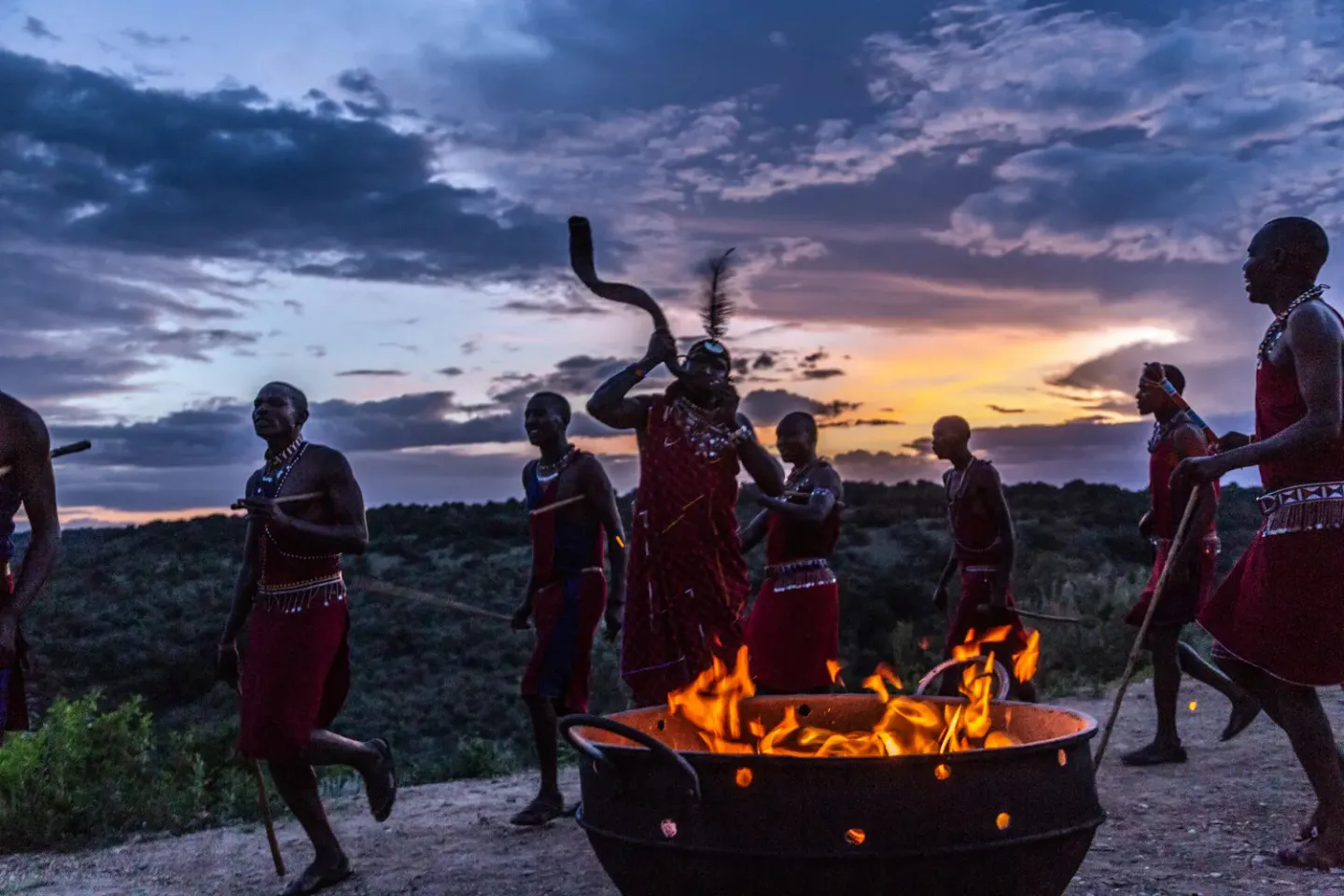
Cultural experiences with the Maasai and Samburu communities
Luxurious accommodation
Elephant herds in Amboseli
Samburu stargazing experience
Horseback safaris and camel trekking
Hot air balloon flights over the rugged northern plains
Cultural experiences with the Maasai and Samburu communities Location
9-day/8-night Kenya safari
Meet Your Travel Architect
Our South Africa specialists have explored every corner of the Delta. Let us craft a journey uniquely tailored to you.
Book a time to chat

Nairobi
Nairobi is a place where Kenya’s past, present and future all meet beneath the highland sun. Founded in 1899 as a simple railway depot, it has grown into East Africa’s most dynamic metropolis: a city of skyscrapers, colonial-era architecture, leafy neighbourhoods and vibrant cultural enclaves.
Affectionately known as the “Green city under the sun”, Nairobi is full of contrasts. To the north rises snow-capped Mount Kenya, to the south-east, the distant presence of Kilimanjaro, and at its doorstep lies one of the world’s most extraordinary urban marvels: Nairobi National Park, the only national park on Earth bordering a capital city.
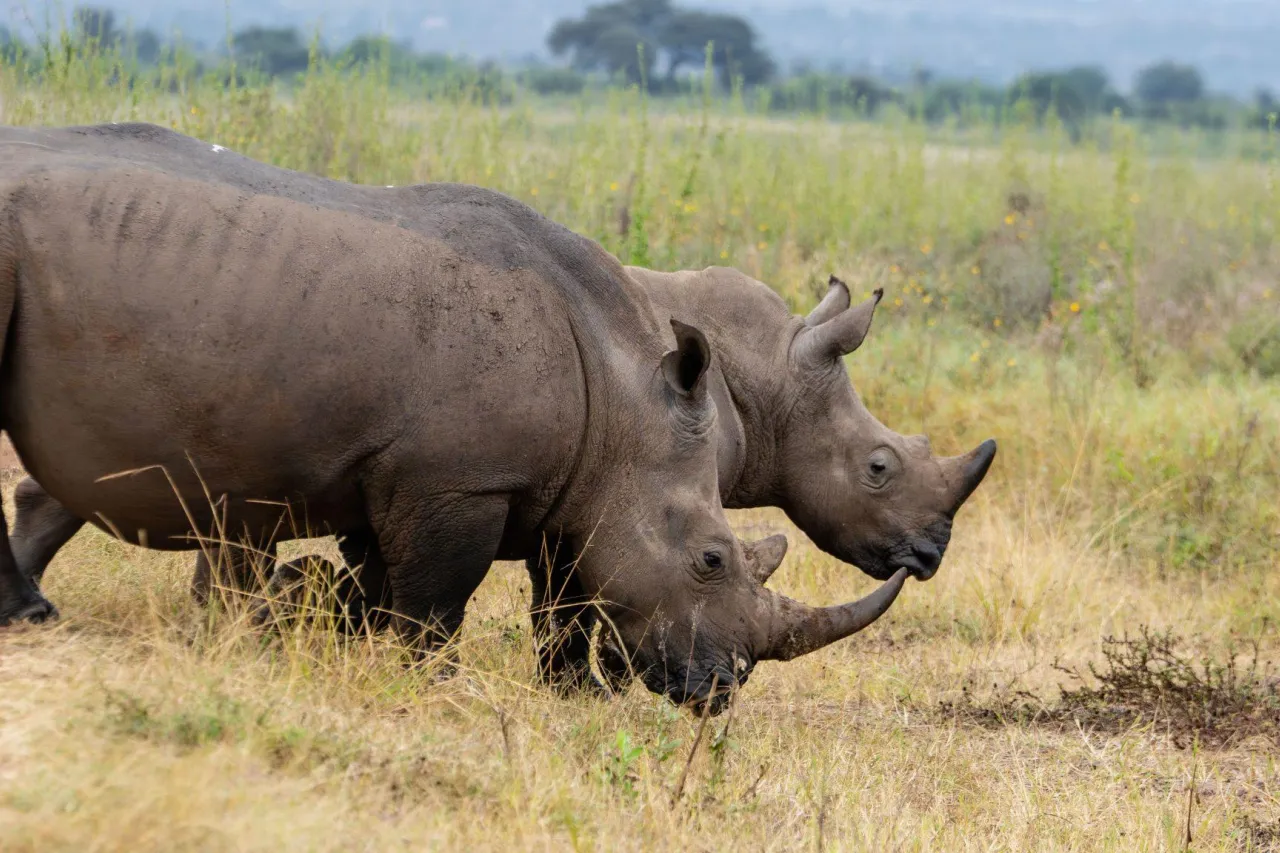
Within its 113km² (43.6sq mi) range, lions roam the plains, rhinos graze under acacia shade, buffalo wander riverine forests and giraffes move gracefully against a skyline of glass and steel.
It is also home to the renowned Sheldrick Wildlife Trust, the world’s leading elephant orphanage and rehabilitation programme. Here, conservation is not a concept; it is lived and witnessed, as young elephants are cared for with extraordinary devotion before being returned to the wild.
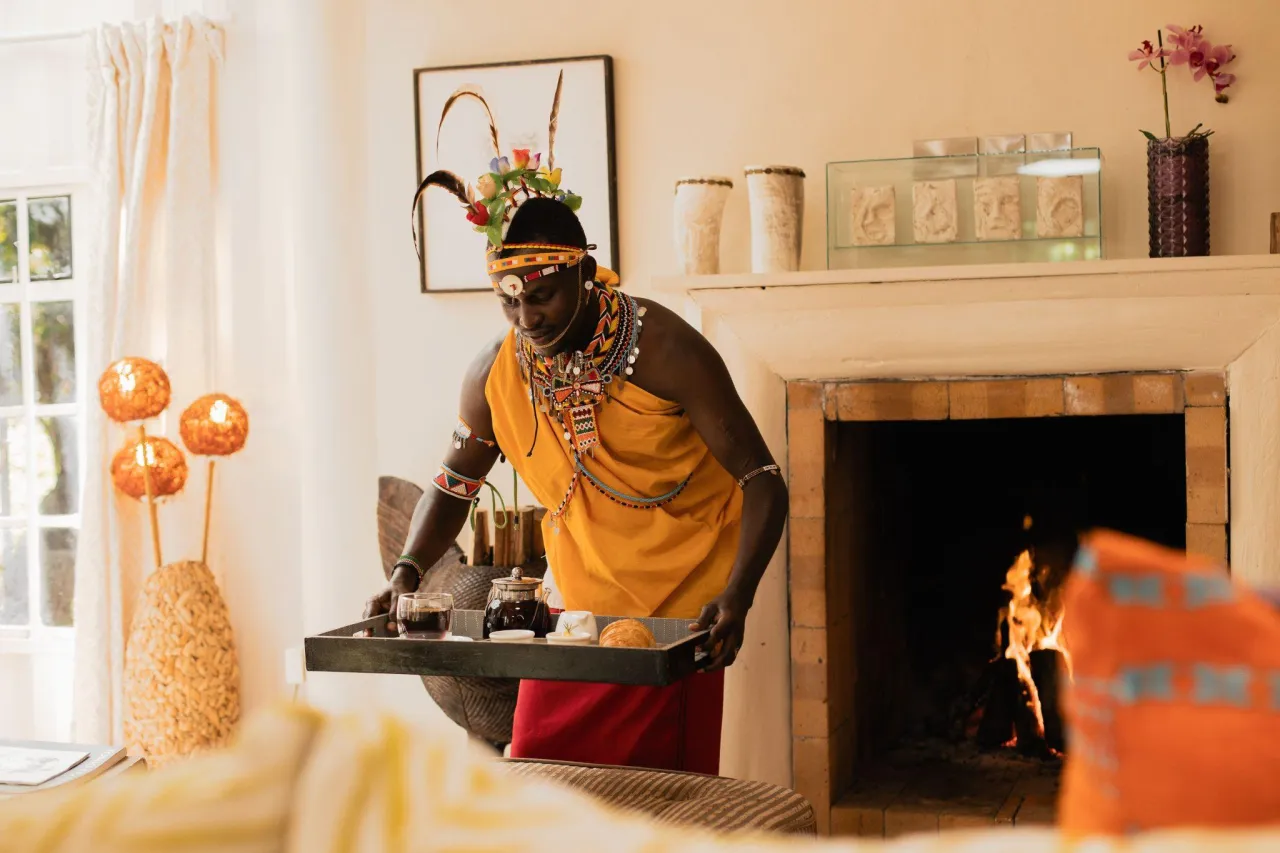
Hemingways Eden Residence
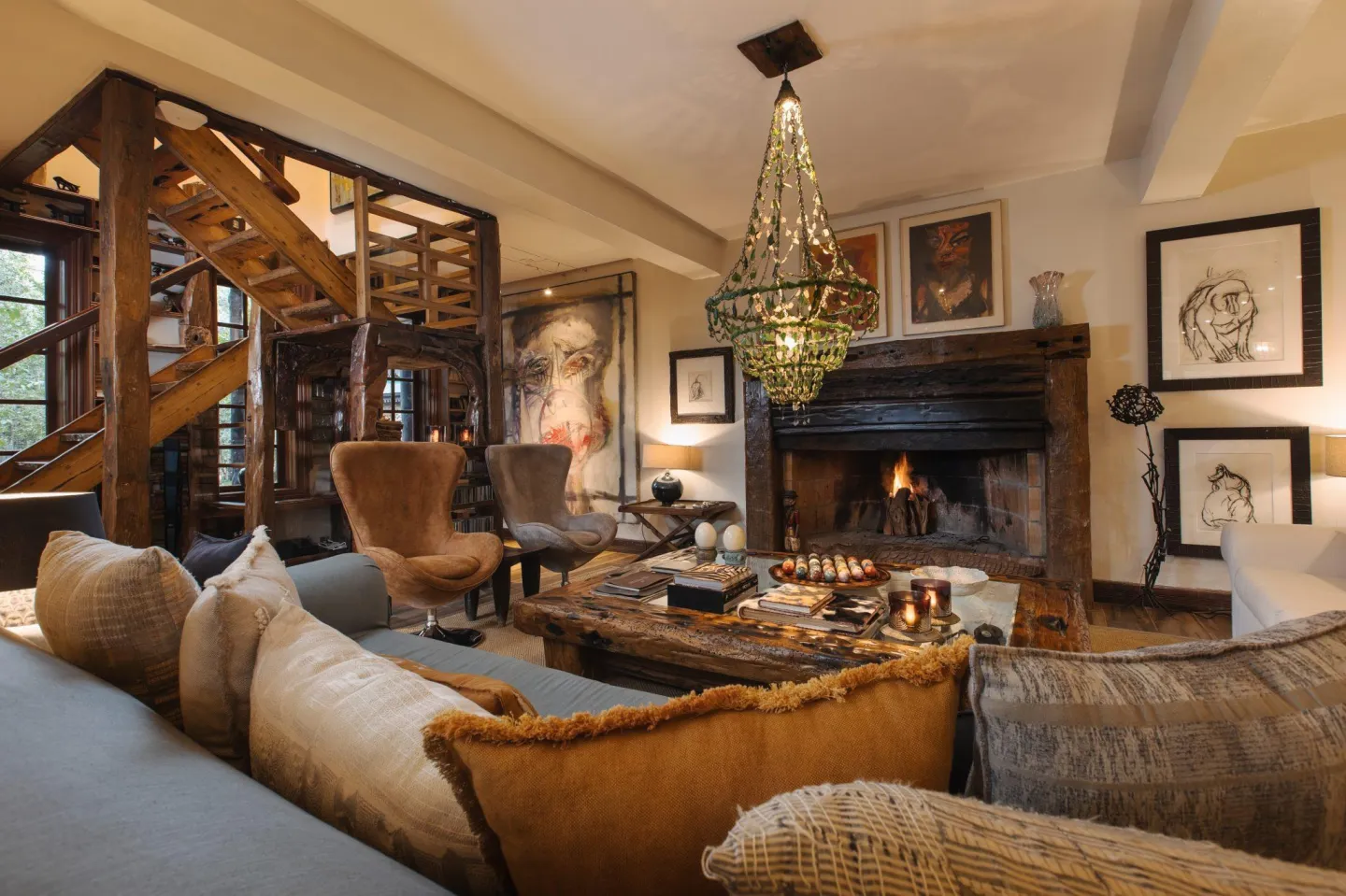
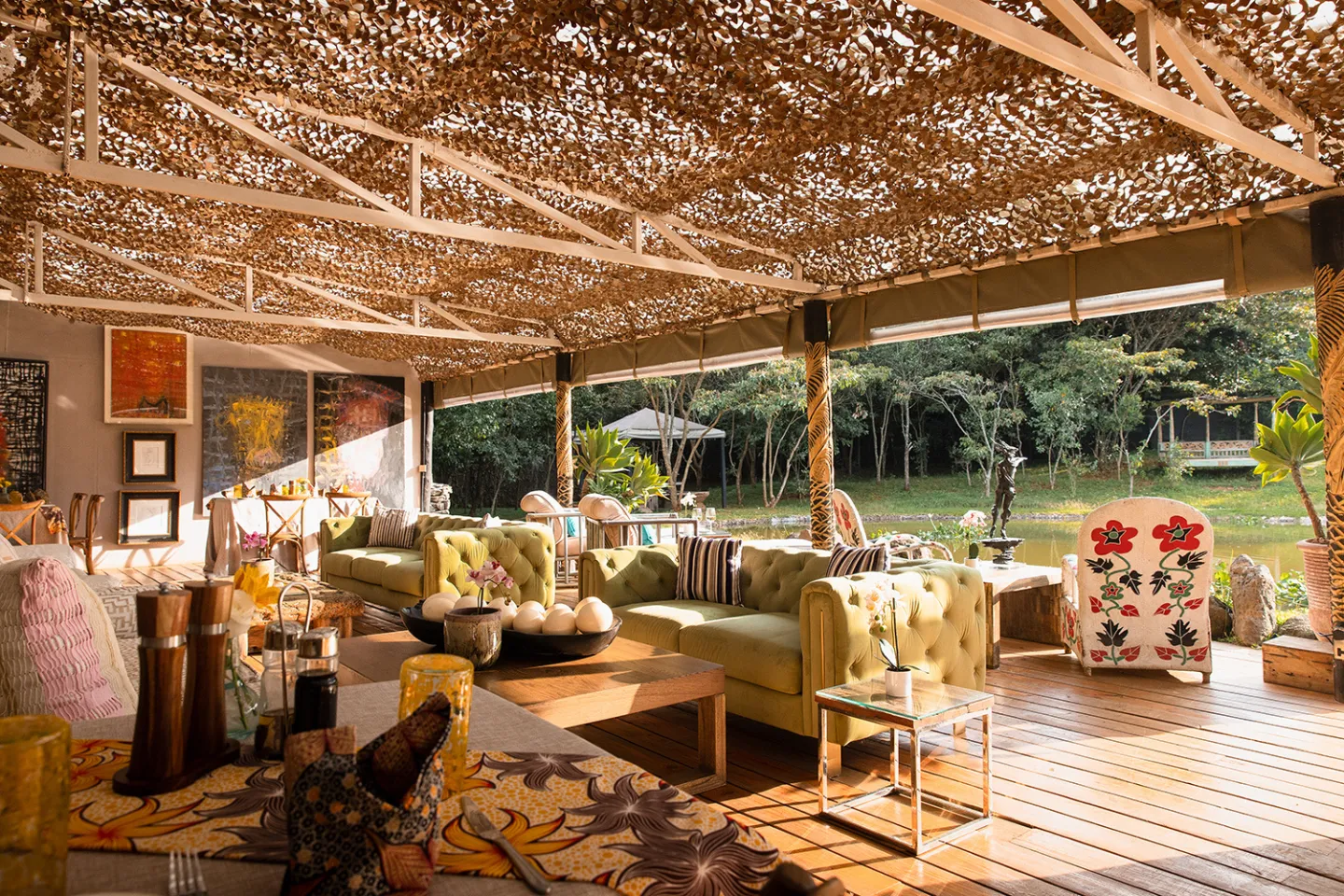
At Hemingways Eden Residence you step into a world where art, nature and soulful hospitality meet. Once a cherished family home and private gallery, this intimate retreat still carries that spirit, with every space thoughtfully designed and every detail crafted for comfort and a sense of ease.
Guests can choose from a selection of beautifully curated rooms, whether in the historic Manor House, the tranquil Studio or the private Cottage. Each space offers its own story and quiet charm. Butler service ensures an effortless stay, while the Artisanal Gallery showcases fashion, jewellery and homeware from East Africa’s most inspiring designers. After a long international journey, the forest-facing spa is the perfect place to unwind. A soothing massage, surrounded by birdsong and filtered forest light, offers the ideal reset before you step out to explore Nairobi’s vibrant urban landscape.
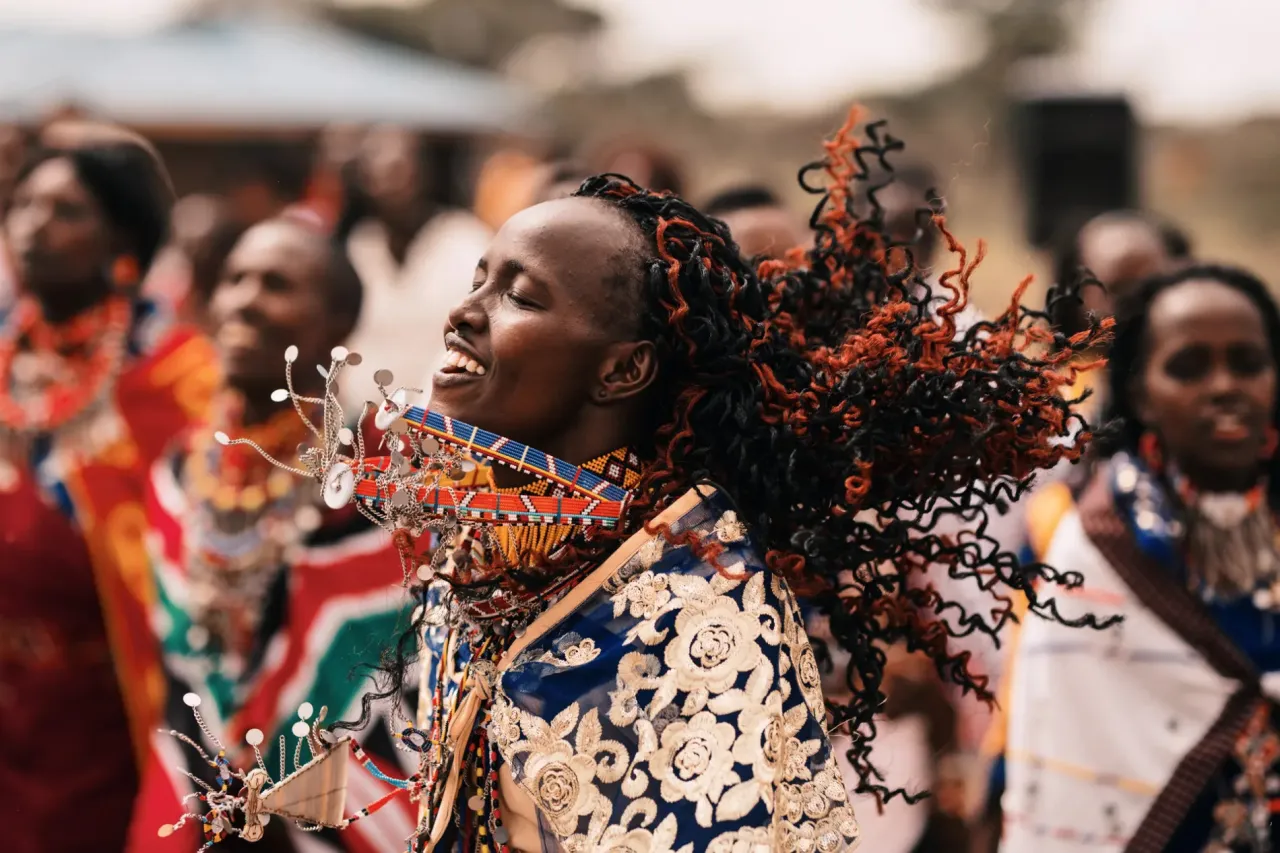
Amboseli National Park
Amboseli was set aside in 1906 as a Maasai reserve, and became a national park in 1974. It covers 8 000km² (3 089sq mi) and connects with Chyulu Hills, Tsavo East and West, as well as the forests and glaciers of Mount Kilimanjaro.
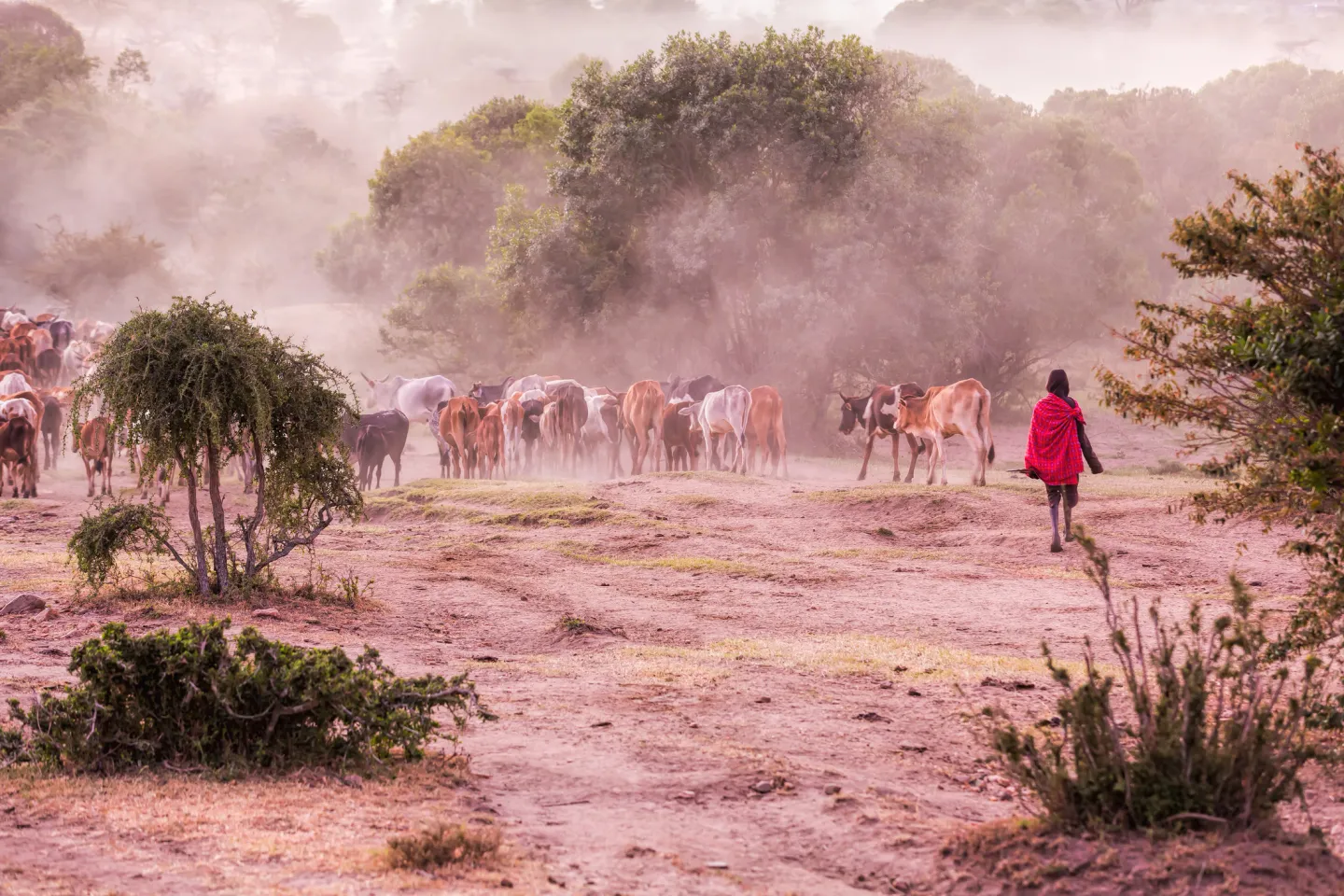
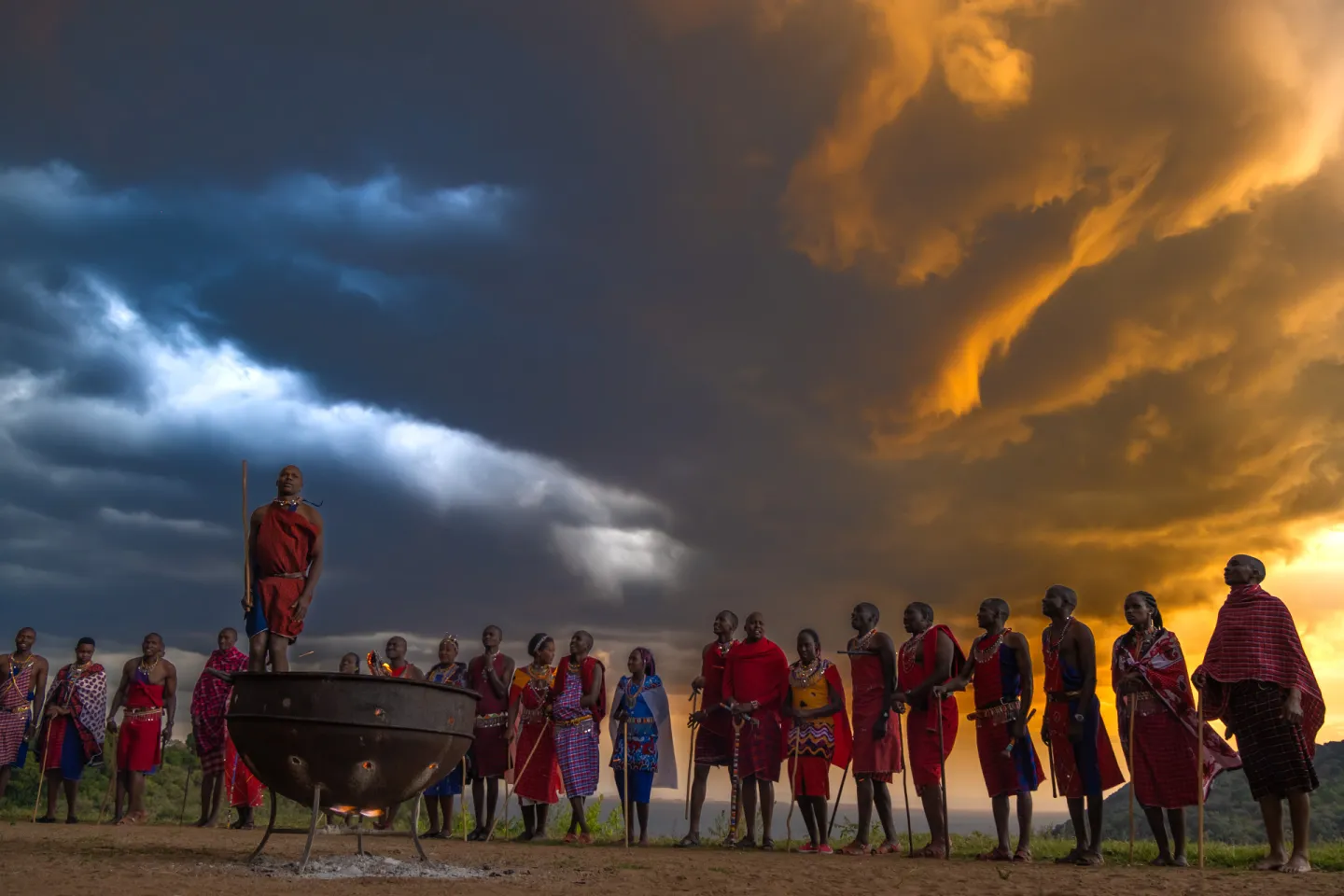
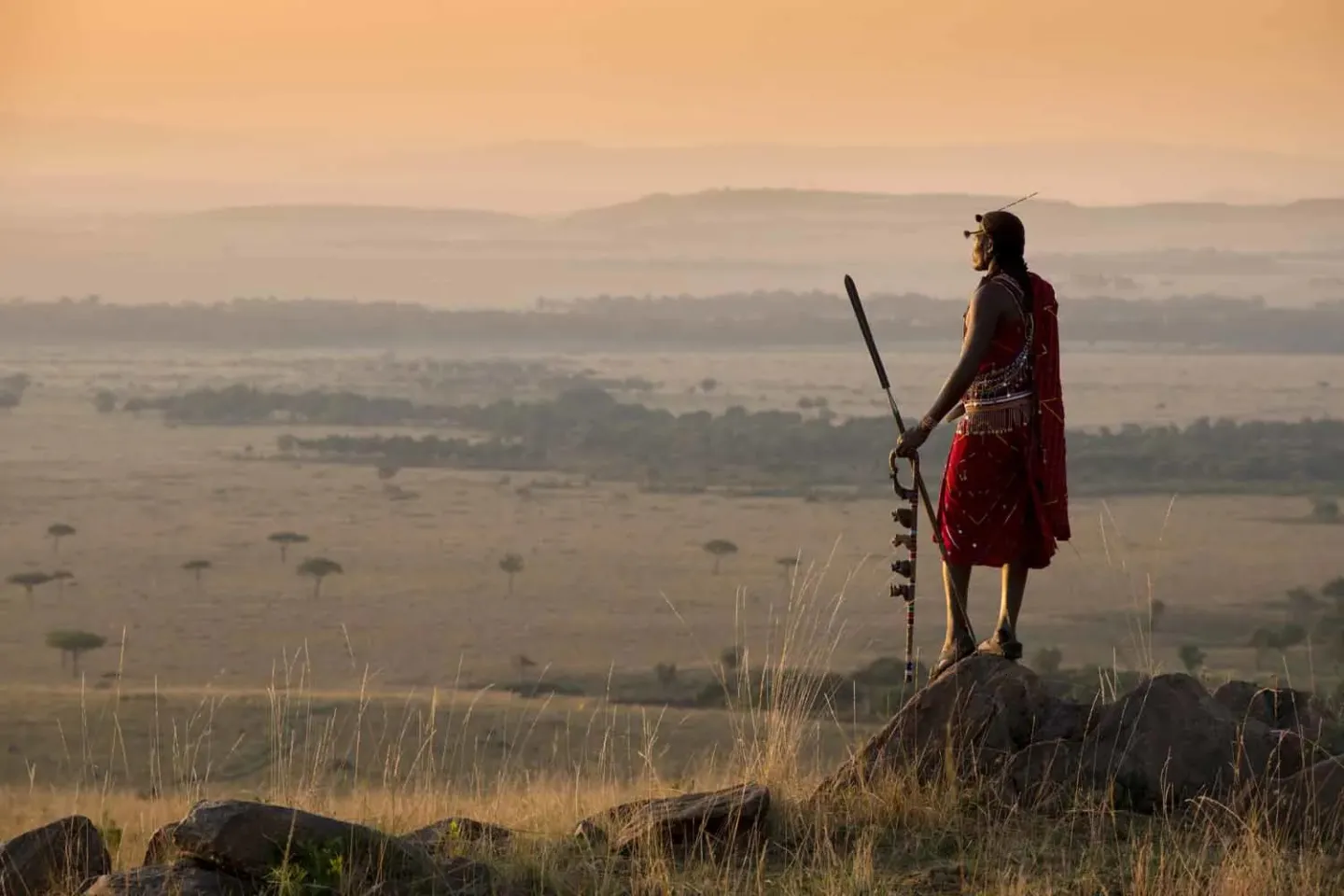
This land has always belonged to the Maasai, whose traditions and rhythm of life are inseparable from the landscape. Their care of the land, together with the Kenya Wildlife Service and local authorities, helped Amboseli gain UNESCO Man and the Biosphere Reserve status, demonstrating the balance among people, livestock and wildlife.
“Amboseli” comes from the Maa word empusel, meaning “salty dust place”. But this land is far more than dust. It includes the dry, shimmering bed of Lake Amboseli, wetlands fed by Kilimanjaro’s hidden springs, marshes alive with birds and elephants, sweeping savannahs and pockets of woodland shaped by wind and time.
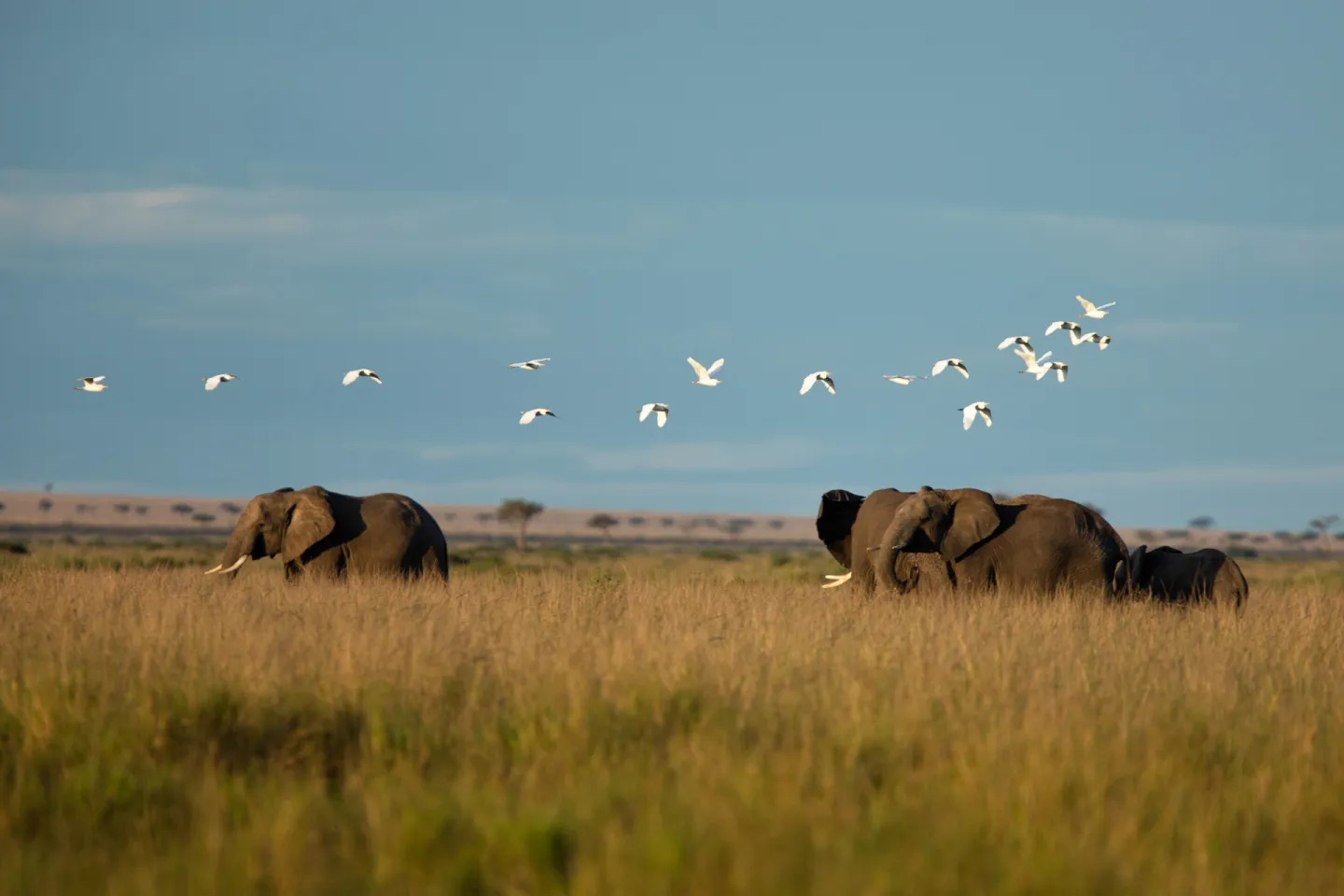
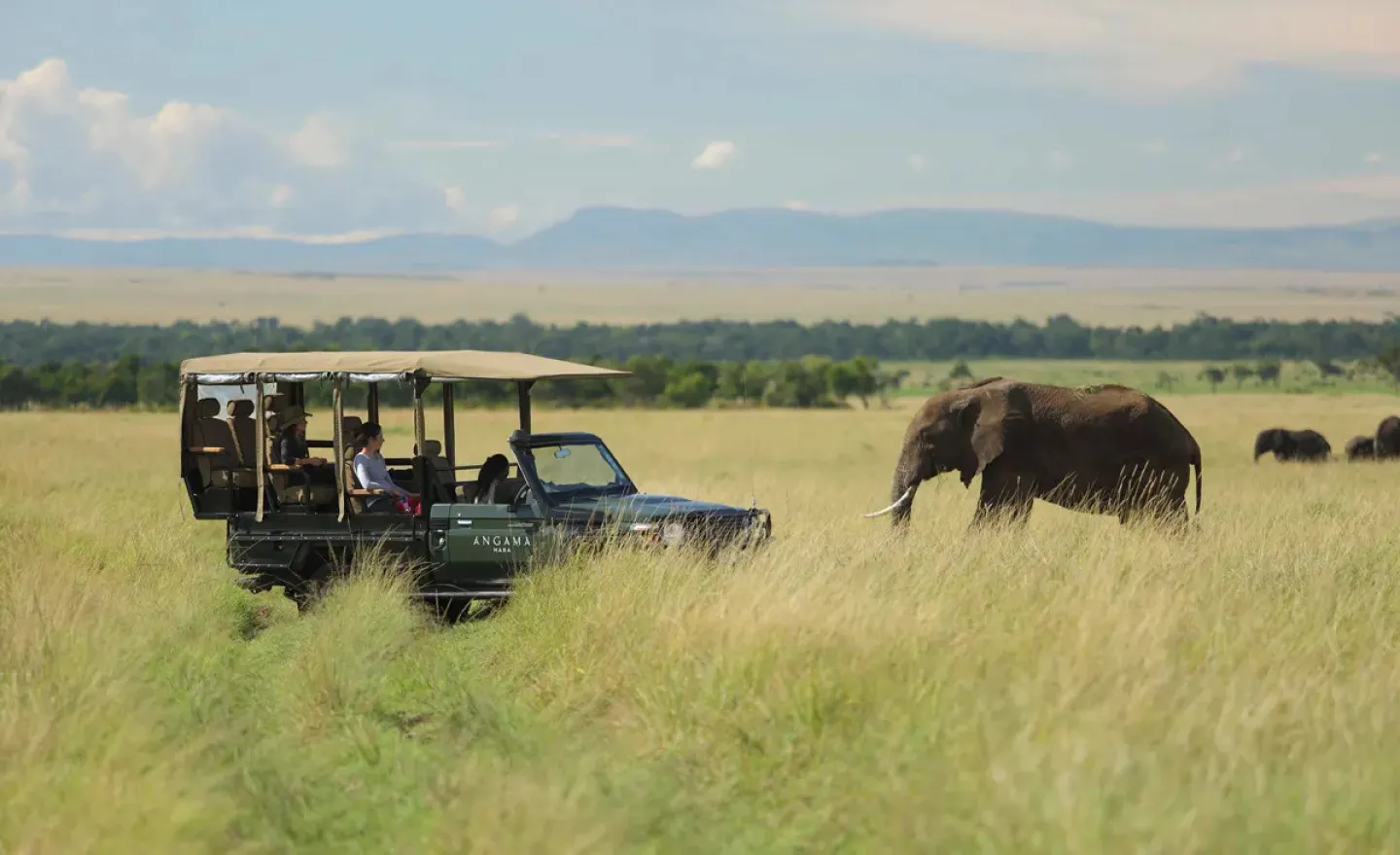
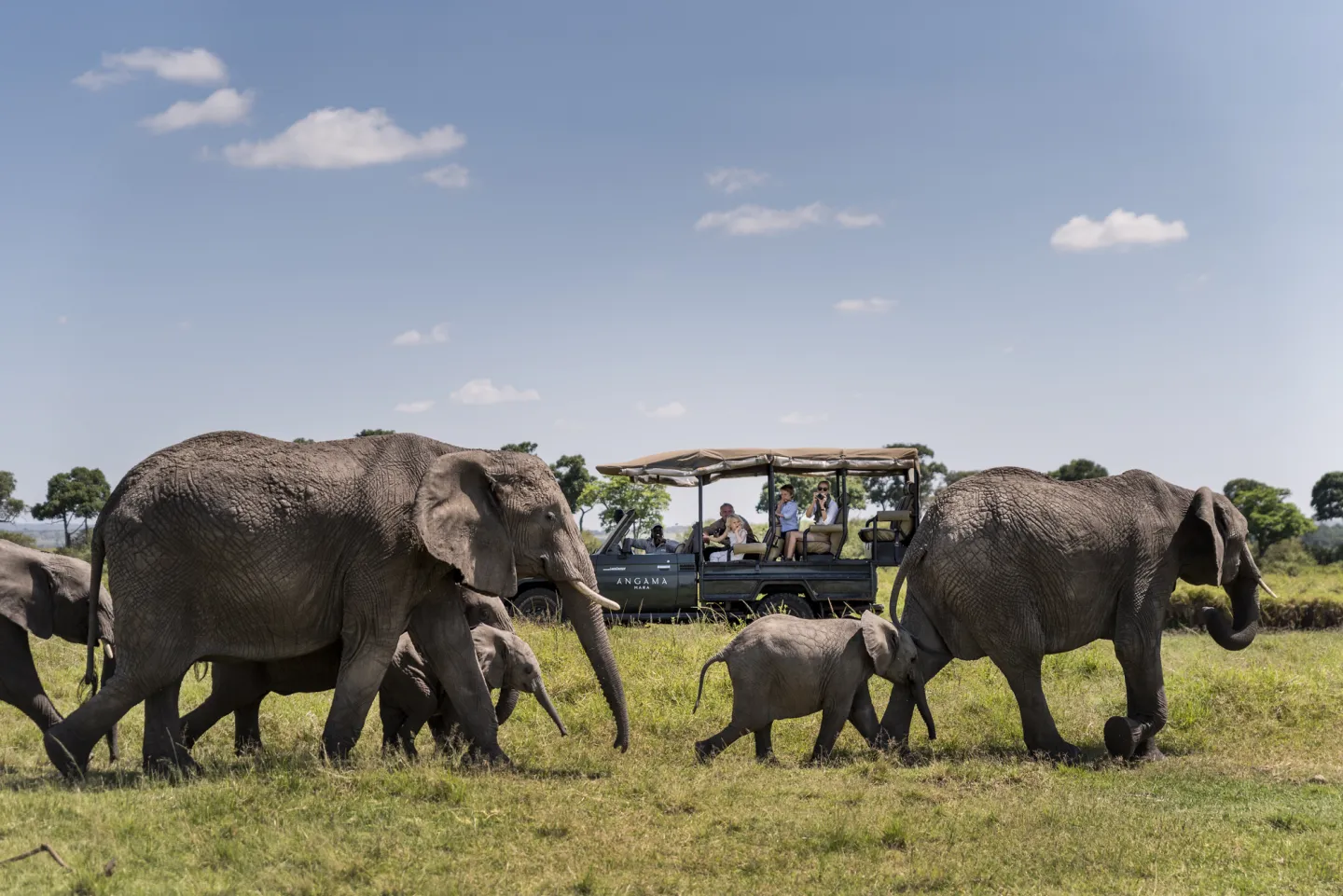
Amboseli is called the “land of the giants”: it’s home to around 1 800 elephants, whose size, numbers and prominence make them among the most studied and best protected on the planet.
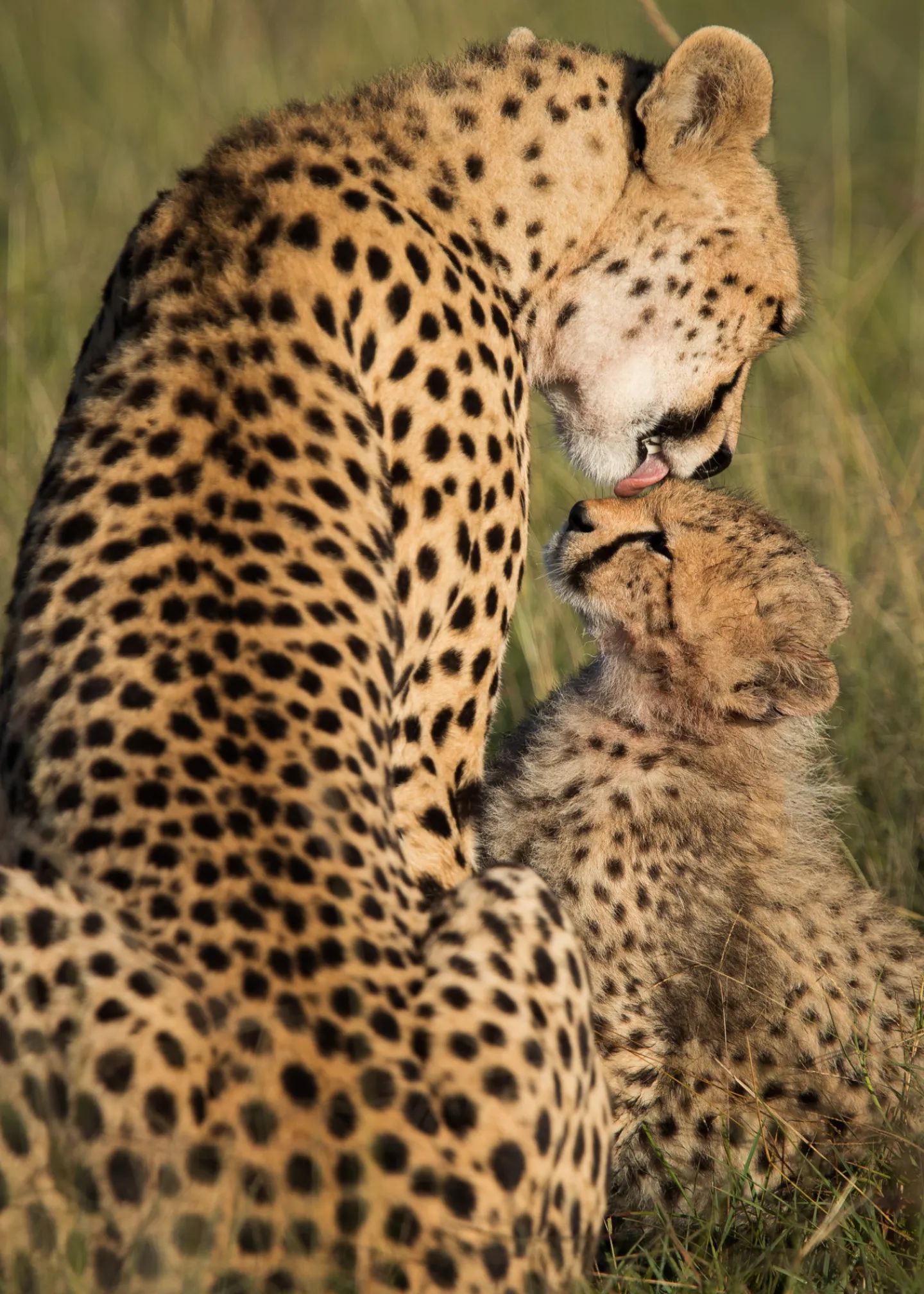
It is also a place where wildlife is abundant. More than 80 mammal species roam these plains, from cheetah to giraffe, wildebeest to kudu, gerenuk to zebra, along with hyena, jackal, civet and, occasionally, the elusive and endangered African wild dog.
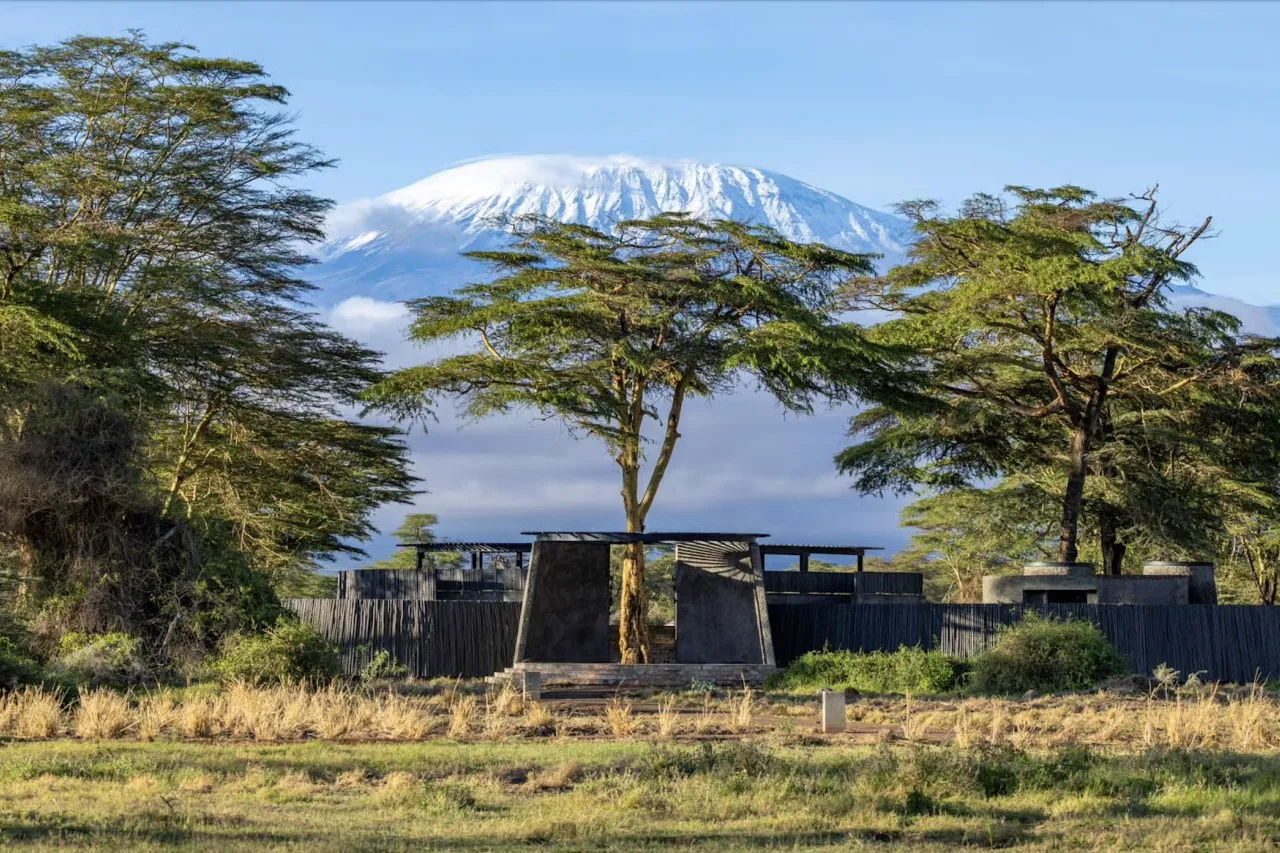
Angama Amboseli Safari Lodge
Angama Amboseli Safari Lodge is a quiet, intimate retreat set in the heart of the 2 300ha (5 700 acre) Kimana Sanctuary. The lodge is designed for guests who want to move slowly through the landscape and experience the savannah at a gentle pace.
The lodge sits beneath Mount Kilimanjaro and is surrounded by wildlife including elephants, antelope, big cats and many smaller species. Guest areas and suites offer uninterrupted views of the mountain and the plains, with designs inspired by the elephants themselves.
Guests have private access within Kimana Sanctuary, allowing wildlife encounters away from crowds. Morning walks and half- or full-day game drives explore the sanctuary and nearby Amboseli National Park. Between adventures, massages and quiet moments on suite verandahs provide a calm connection to the landscape.
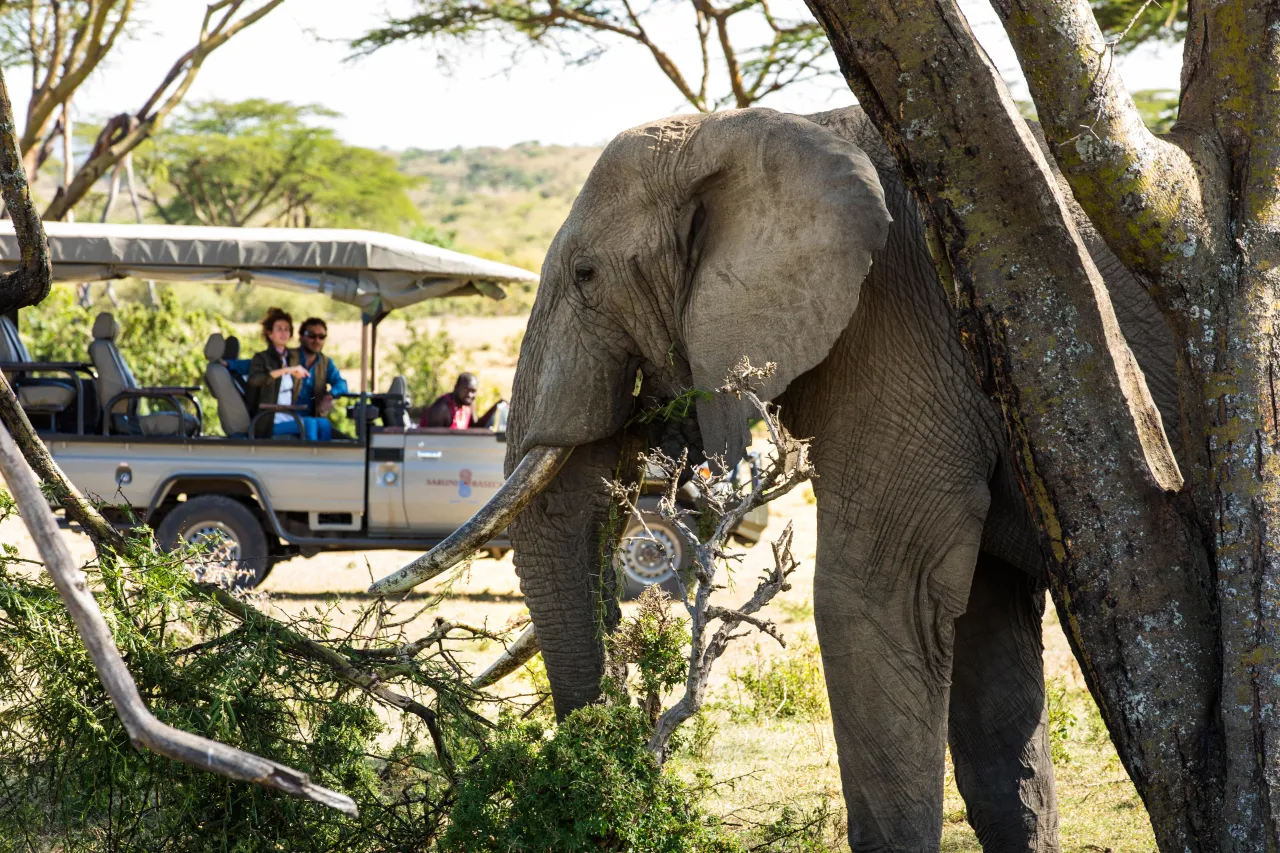
Samburu National Reserve
Samburu National Reserve is a 165km² (63.7sq mi) sanctuary along the eastern banks of the Ewaso Ng’iro River. It forms part of a larger 12 000km² (4 633sq mi) conservation landscape that includes Shaba, Buffalo Springs and several community-owned conservancies, such as Kalama, Sera, West Gate and Namunyak. Together, these areas make up one of Kenya’s most ecologically and culturally significant wilderness regions.
Mount Ololokwe, a sacred flat-topped massif, rises above the semi-arid plains. Two smaller peaks form a horseshoe around Sabache valley, while on clear days the snow-capped dome of Mount Kenya appears as a distant crown. The landscape is striking: volcanic outcrops, doum palm groves, rolling hills and broad valleys, with earth tones shifting from amber to deep red. Samburu feels wilder and more elemental than southern savannahs, offering travellers a more untouched experience.
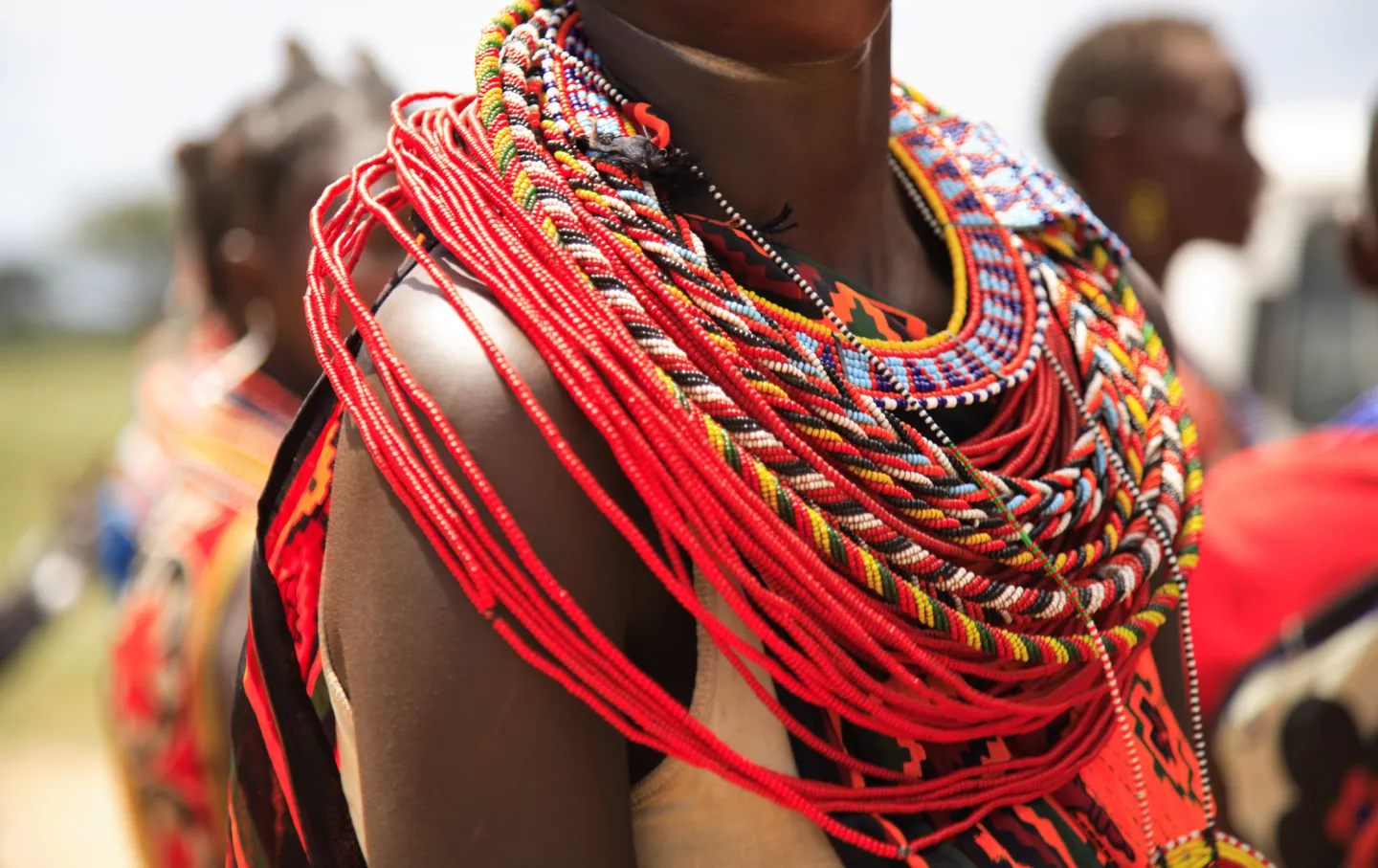
The reserve is the ancestral home of the Samburu people, a semi-nomadic pastoralist community. Their traditions, beadwork and ceremonial chants reflect a close connection to the land. The Ewaso Ng’iro River supports abundant wildlife, including around 900 elephants, lions, cheetahs and four of the Big Five (excluding rhinos).
Samburu is also known for its “Special Five”: the reticulated giraffe, Grevy’s zebra, Somali ostrich, beisa oryx and the long-necked gerenuk. Birdlife is extensive, with 689 recorded species, including 29 that are globally threatened.
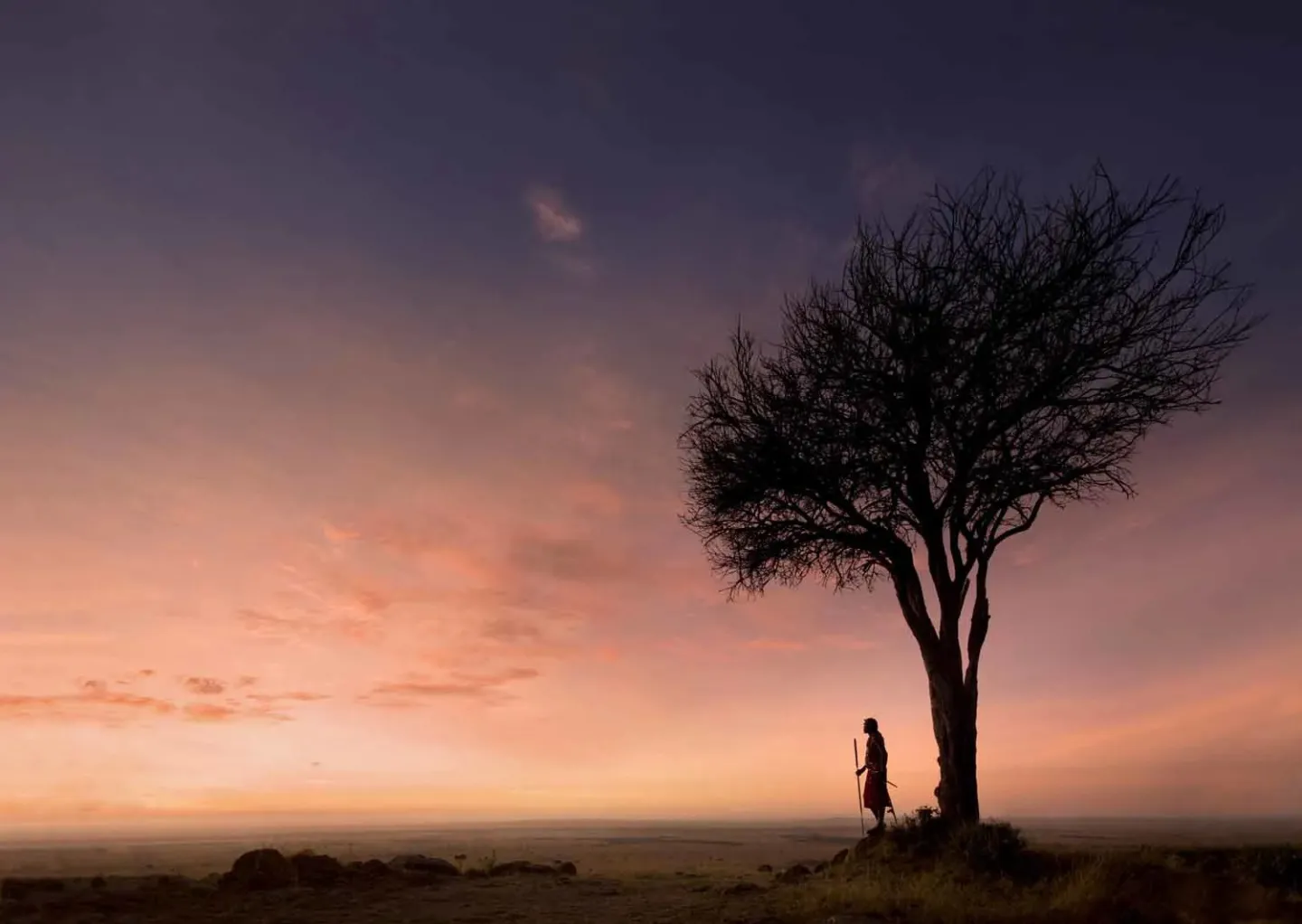
When night falls, Samburu becomes a cathedral of stars, with constellations from both hemispheres visible in skies so dark they feel infinite. Local guides share the most charming interpretations of the stars and Milky Way, connecting astronomy with culture.
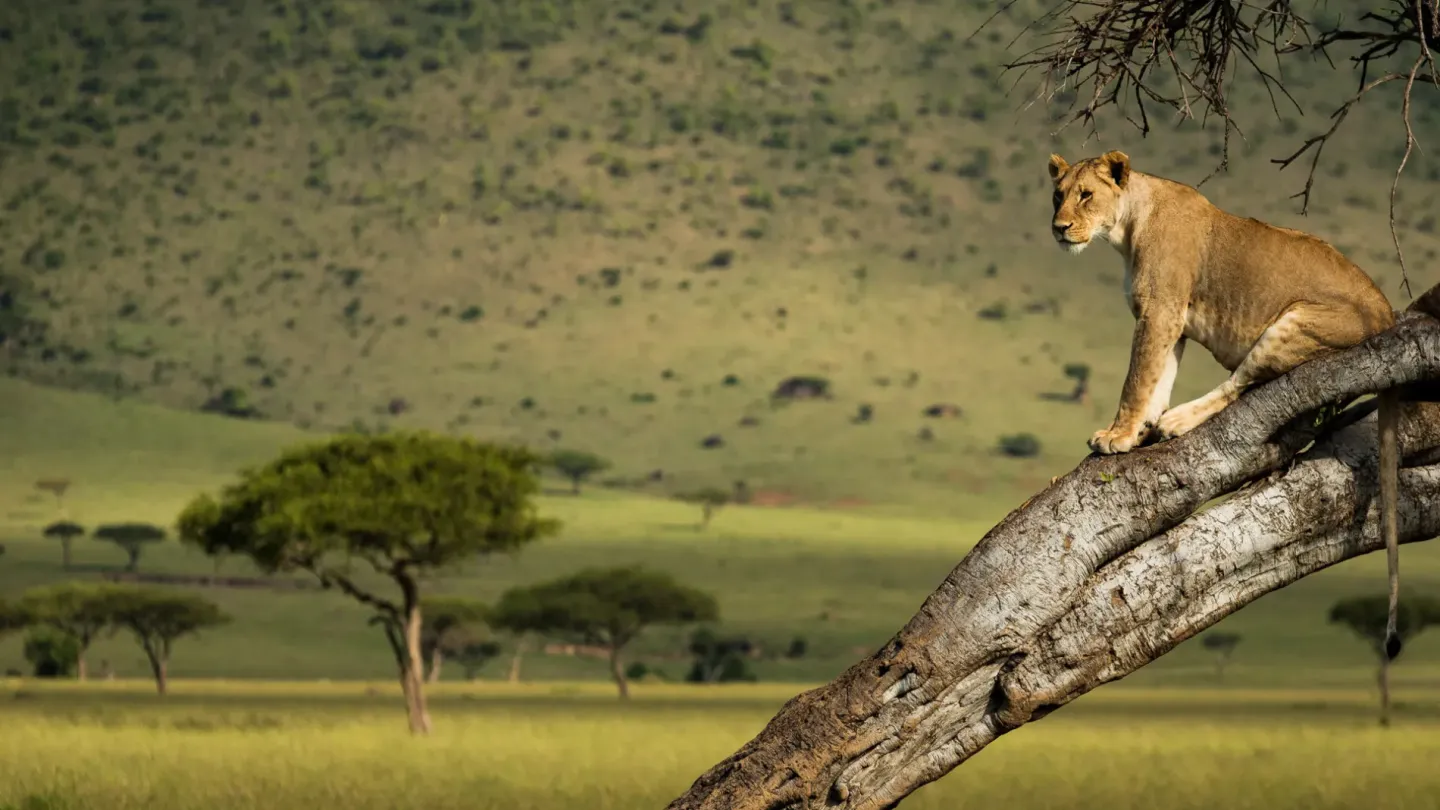
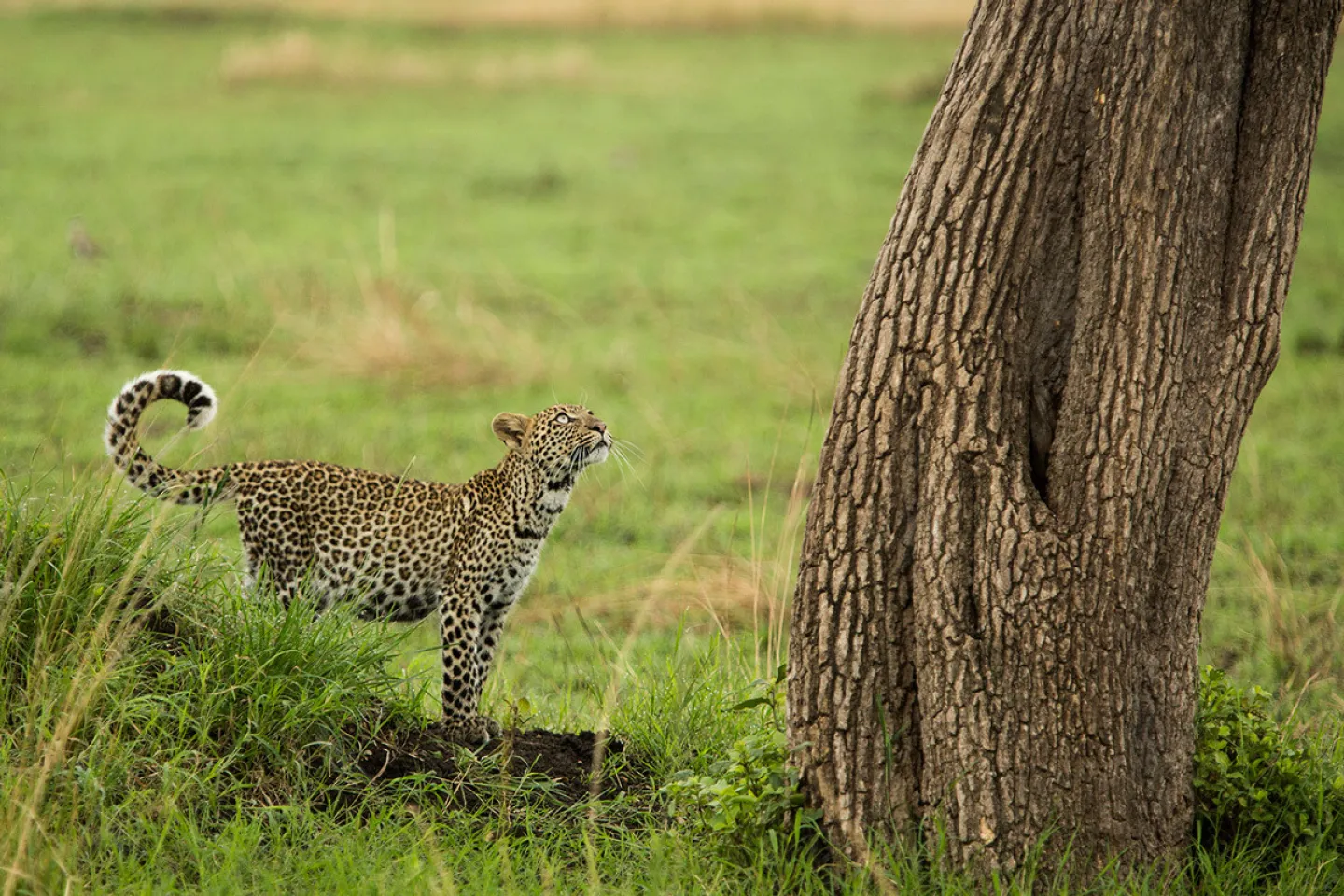
Wildlife encounters are also varied and abundant. The reserve is home to Kamunyak, a lioness famous for adopting a baby oryx, and to African wild dogs and leopards, which are more frequently seen here than elsewhere in Kenya.
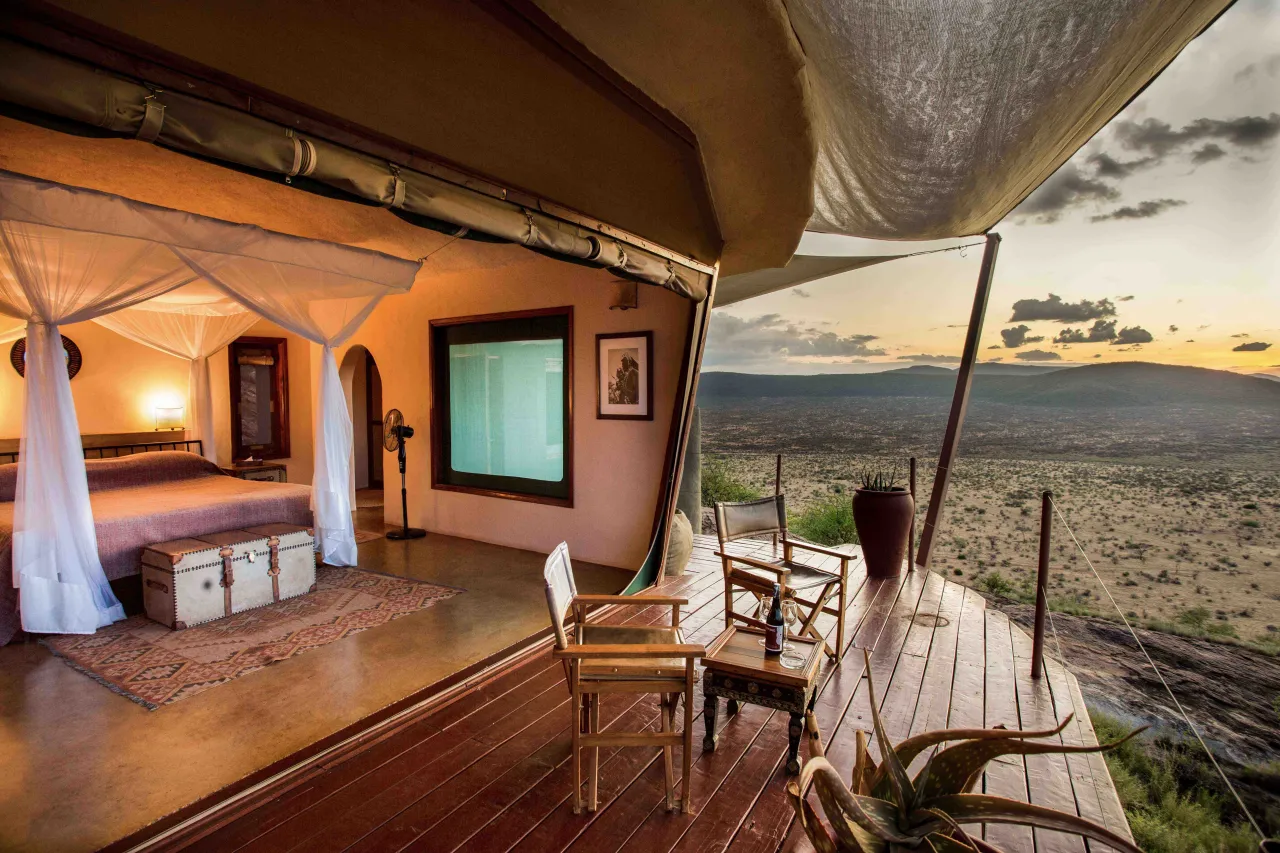
Saruni Samburu
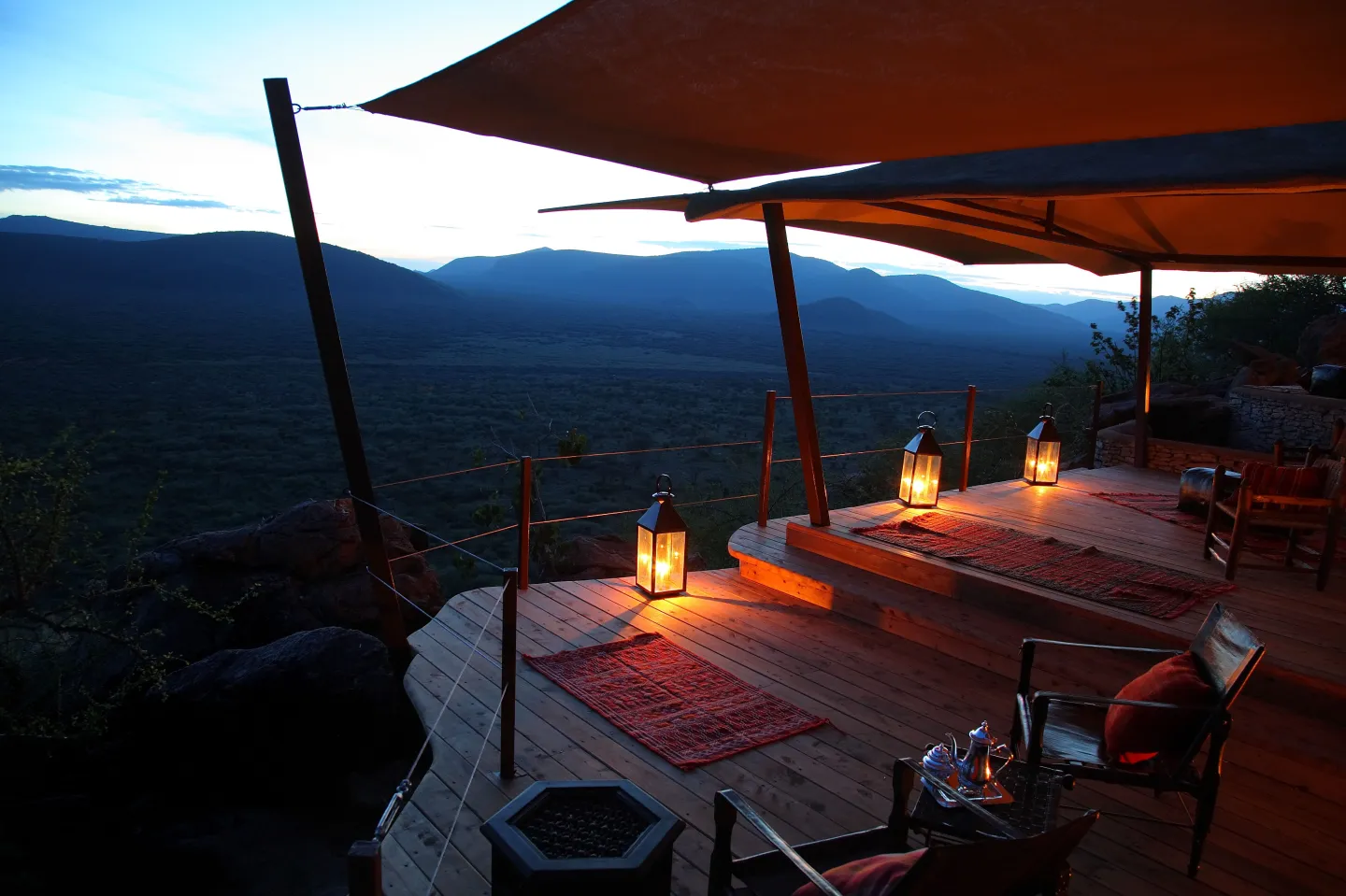
Saruni Samburu sits on a volcanic ridge in the private Kalama Conservancy, offering sweeping views across northern Kenya. The lodge combines simple, thoughtful design with open spaces that frame the semi-arid plains and, on clear days, the distant silhouette of Mount Kenya. Villas feature local fabrics, hand-carved furnishings and natural textures, blending cultural authenticity with contemporary comfort.
Guests can explore the reserve at their own pace with guided game drives and bush walks, spotting the Samburu “Special Five”. At Saruni Samburu, the experiences feel endless and the connection to Africa runs deep – this is a place where luxury finds its soul in the vastness of the wild.
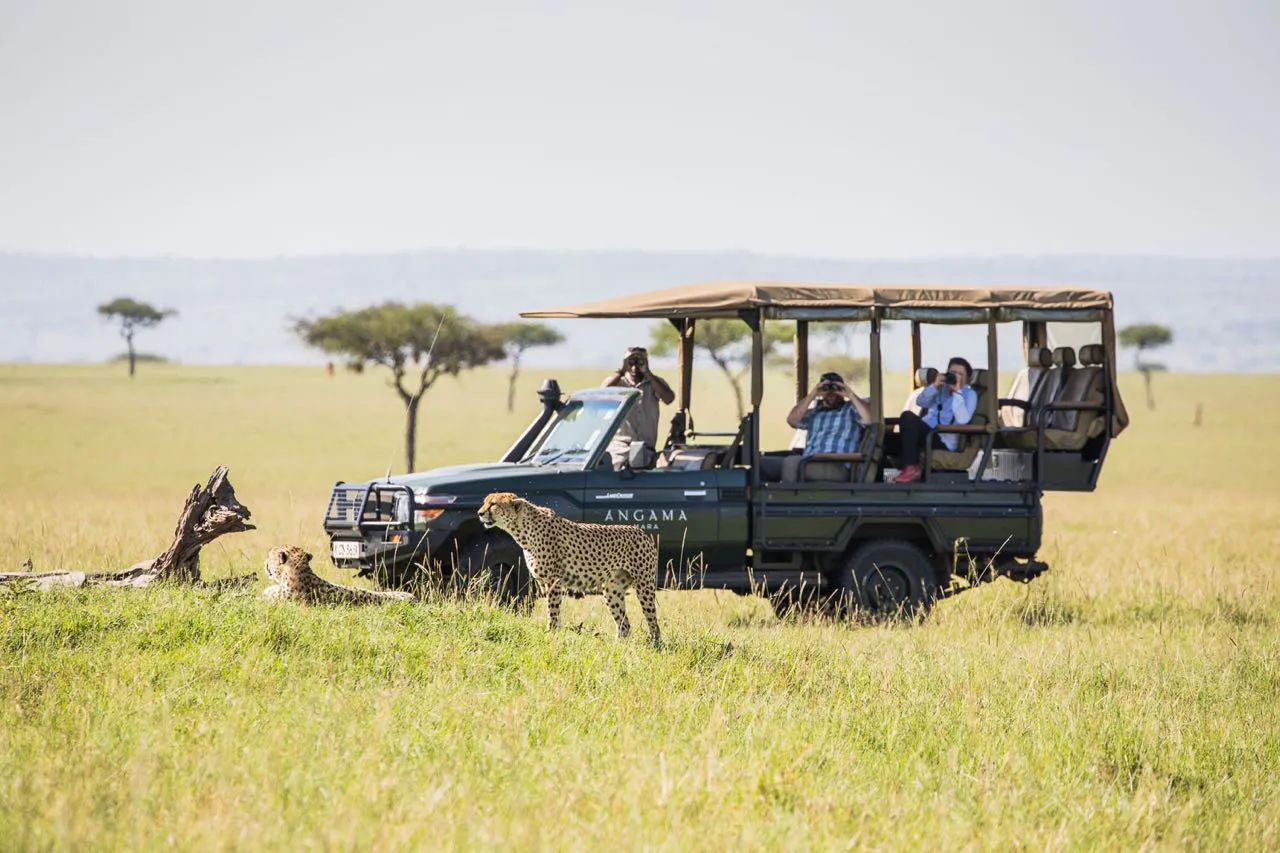
Masai Mara National Reserve
The Masai Mara National Reserve forms part of the Greater Mara ecosystem, which spans over 1,500 km² (579 mi²) and includes the Mara Triangle and a network of community conservancies managed by Maasai families. First protected in 1961, the area has grown into one of Africa’s most important wildlife regions.
Its name comes from the Maa word for “spotted”, describing the acacia-dotted plains. The landscape ranges from open grasslands and river systems to escarpments and hills, with the Mara River marking the boundary with Serengeti National Park.
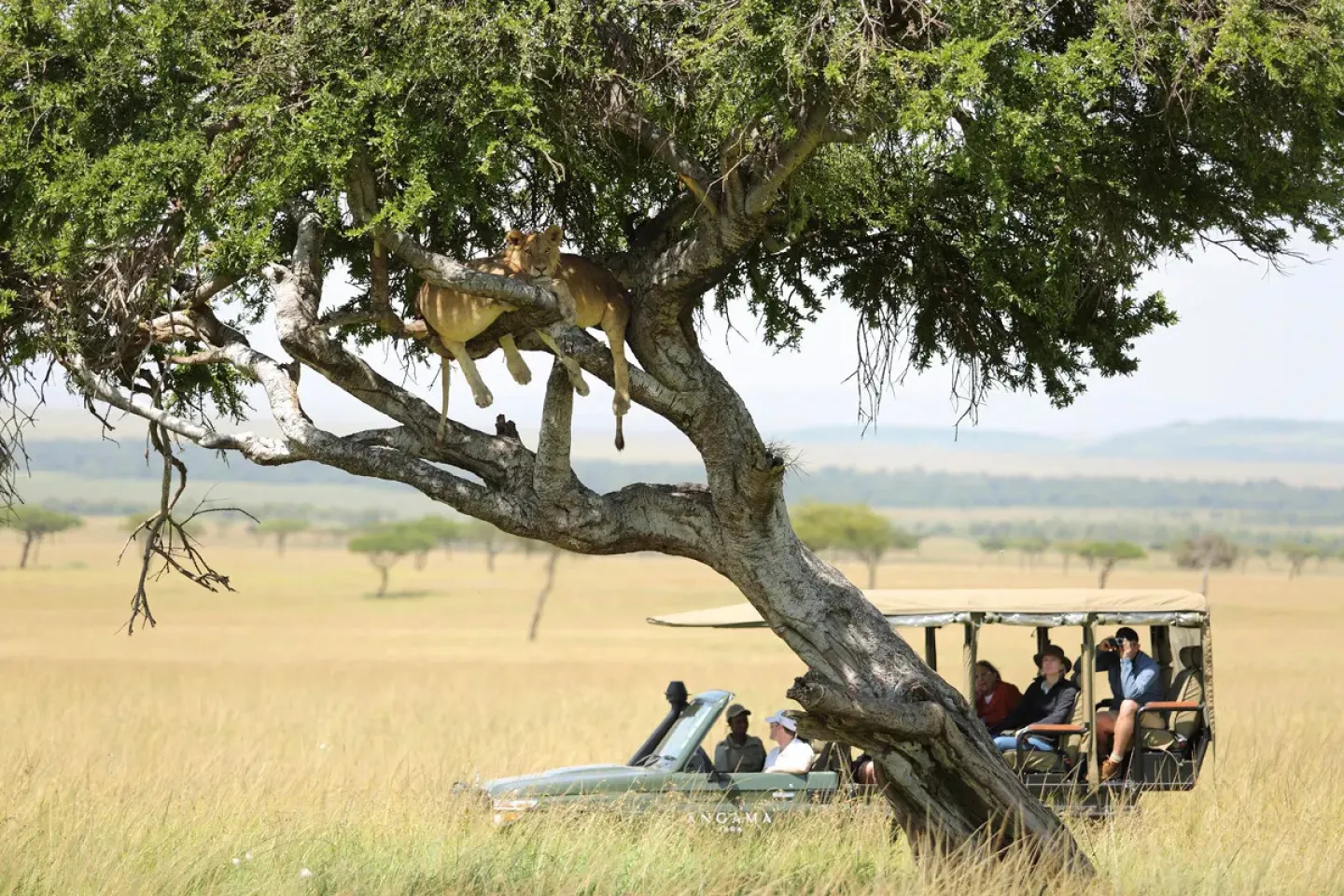
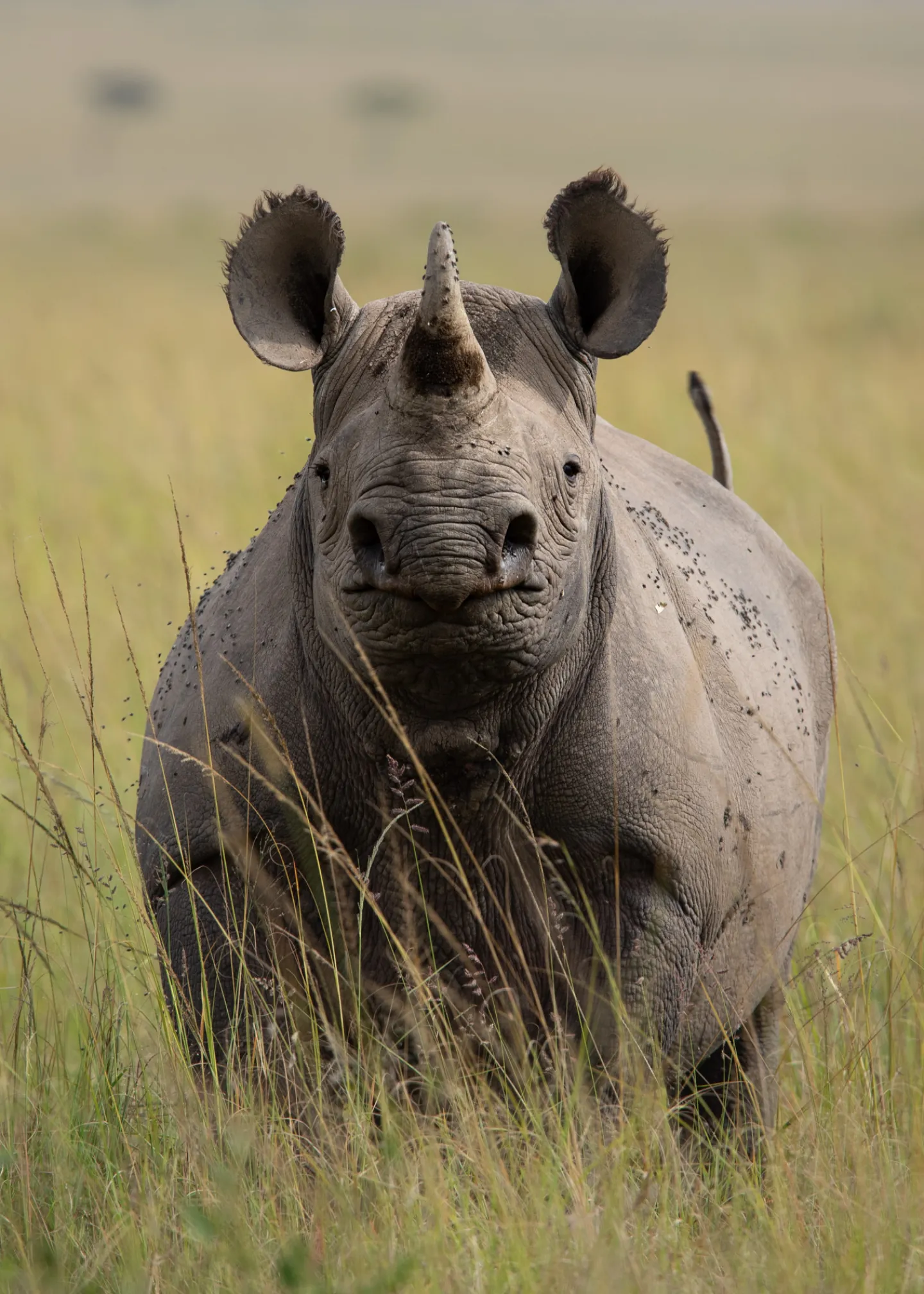
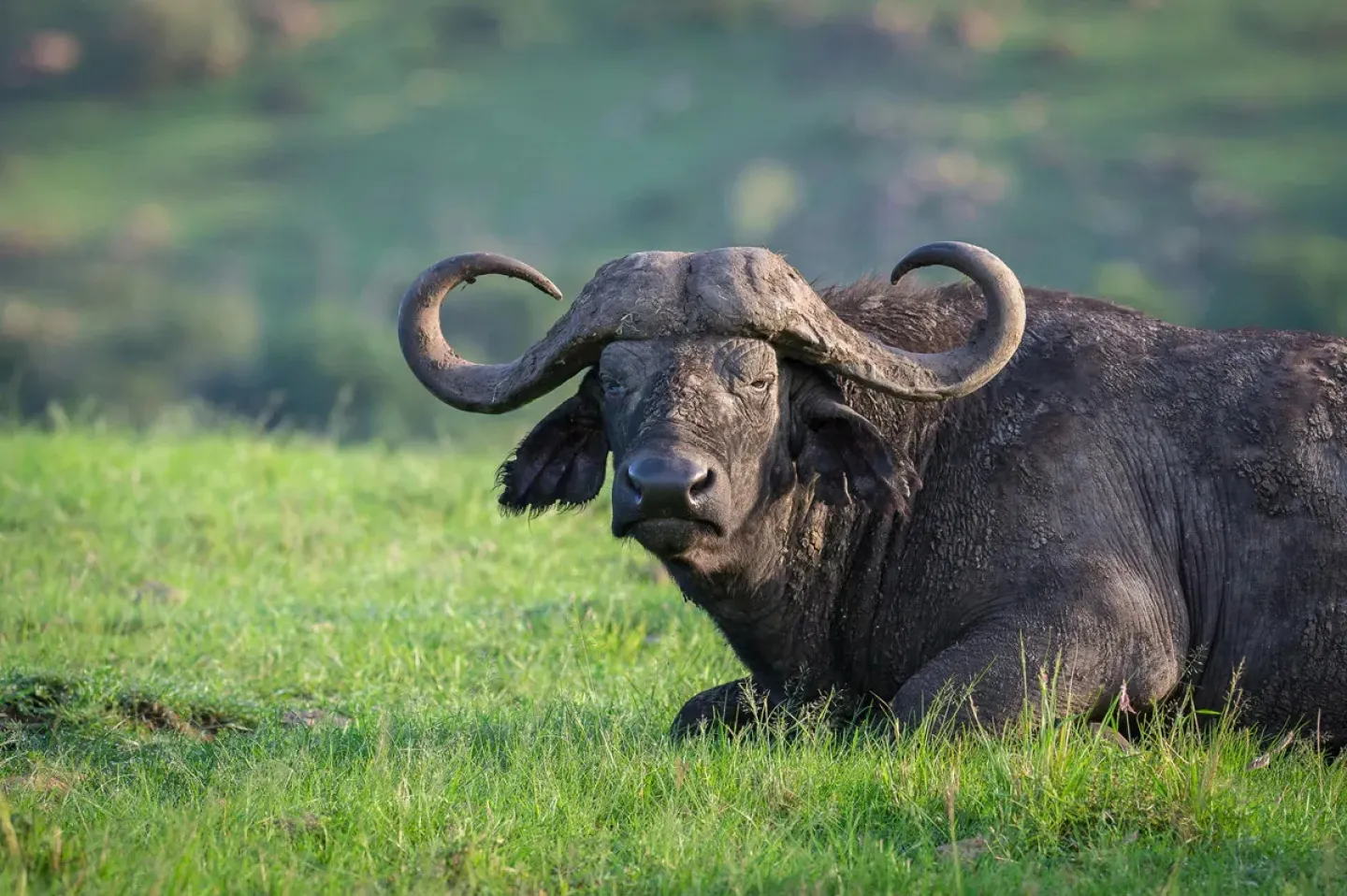
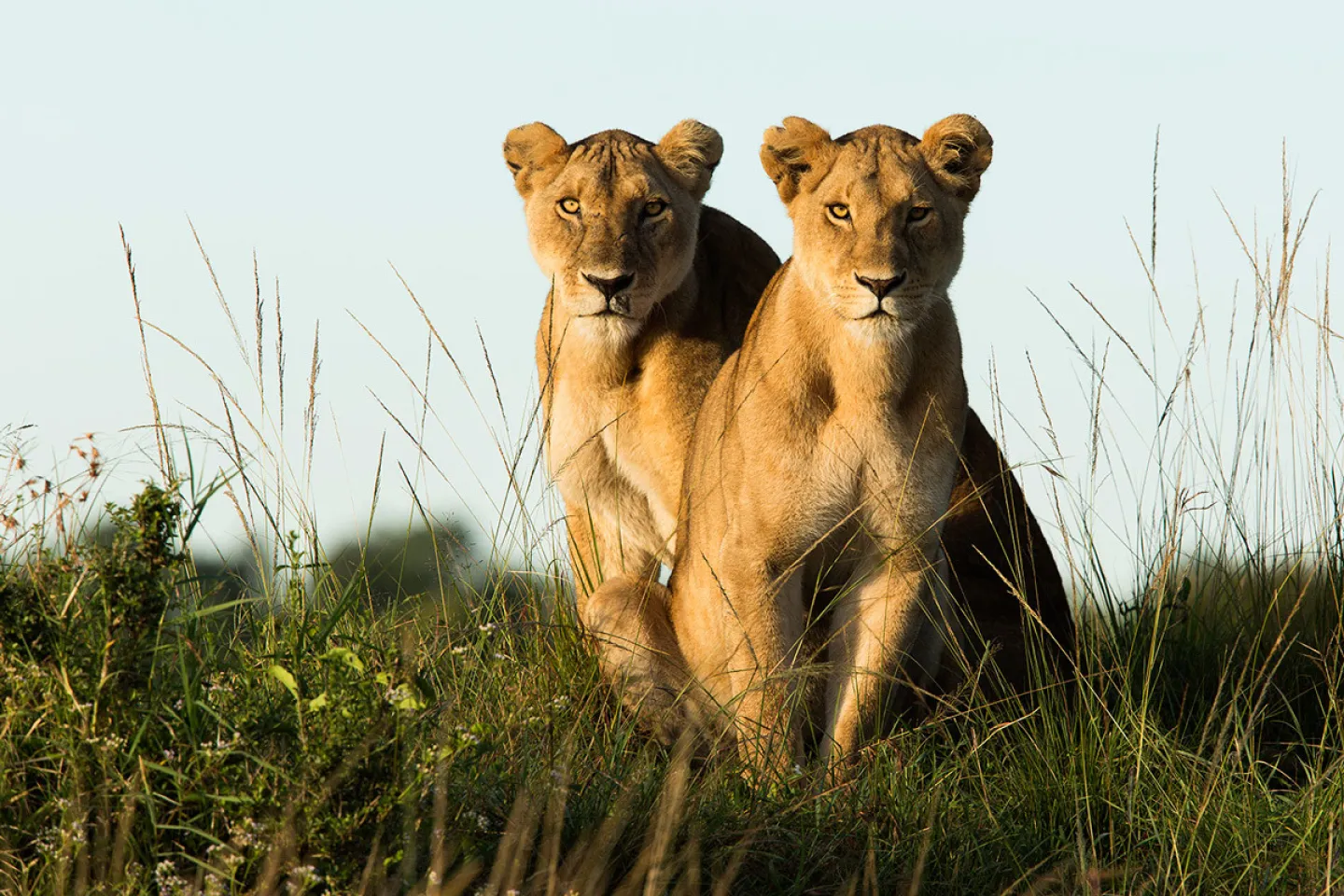
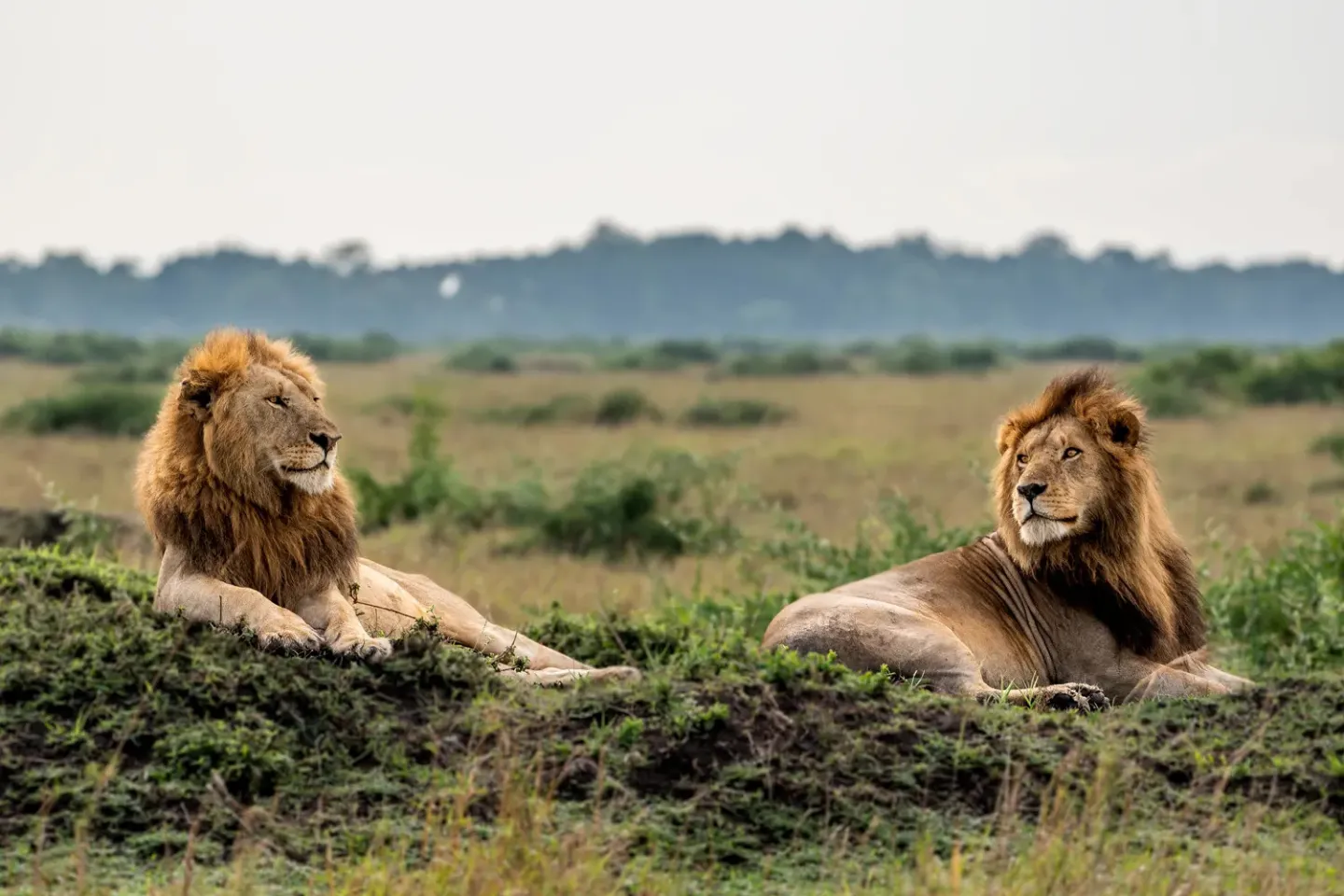
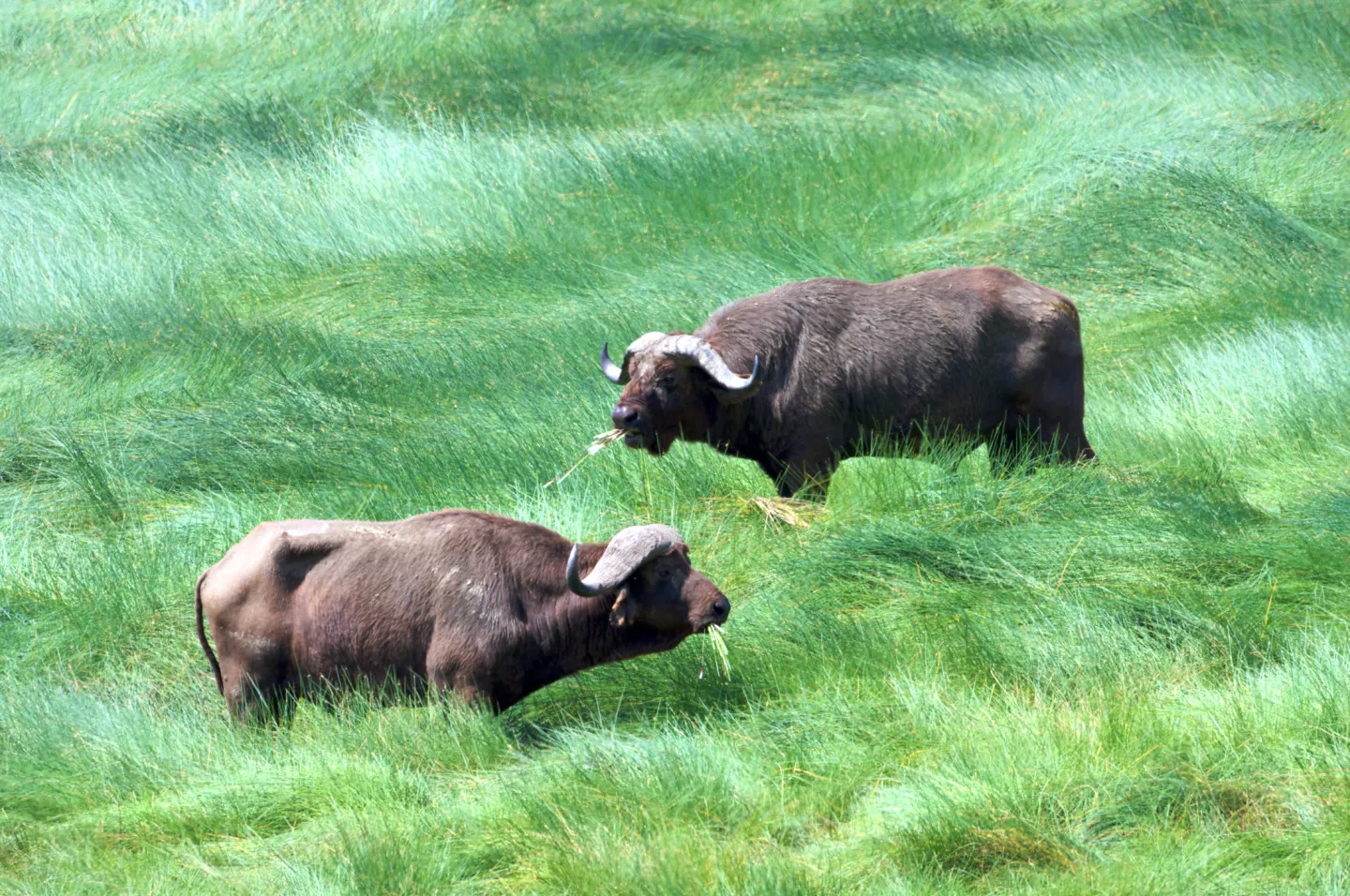
The Mara supports more than 40% of Africa’s large mammals and is one of the few places in Kenya where the Big Five, including black rhino, can be seen. Lions, leopards, and cheetahs are common, along with a wide range of smaller predators and over 500 bird species.
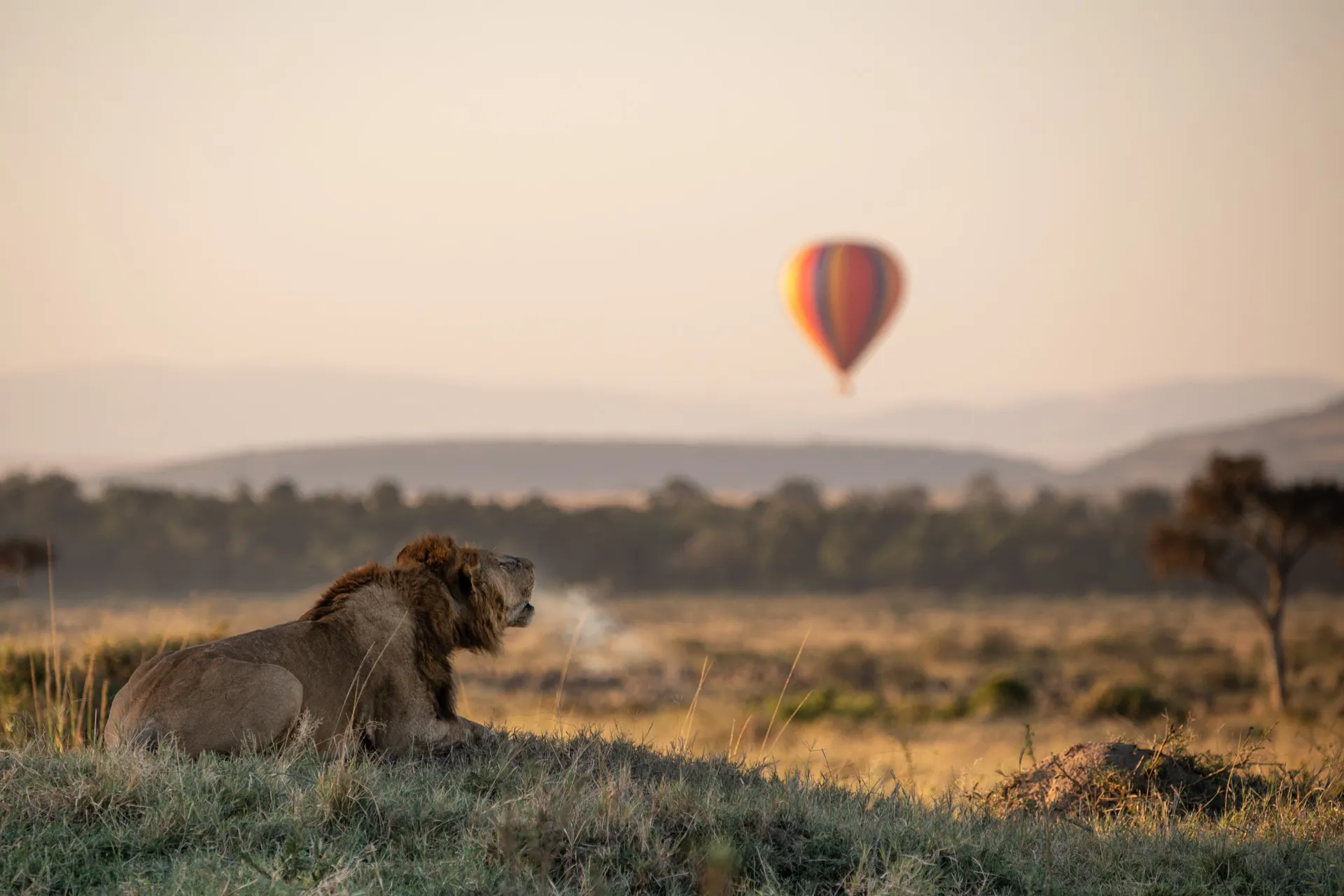
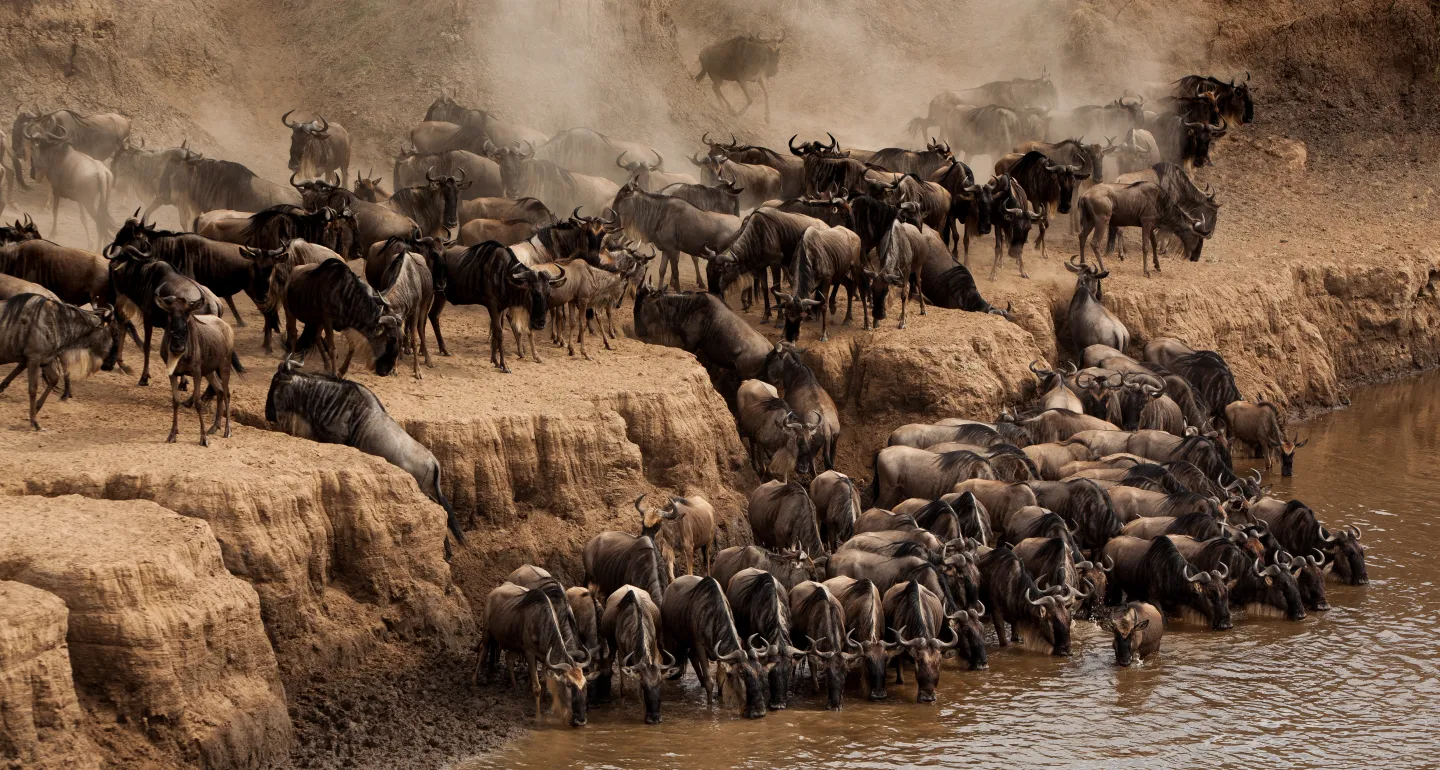
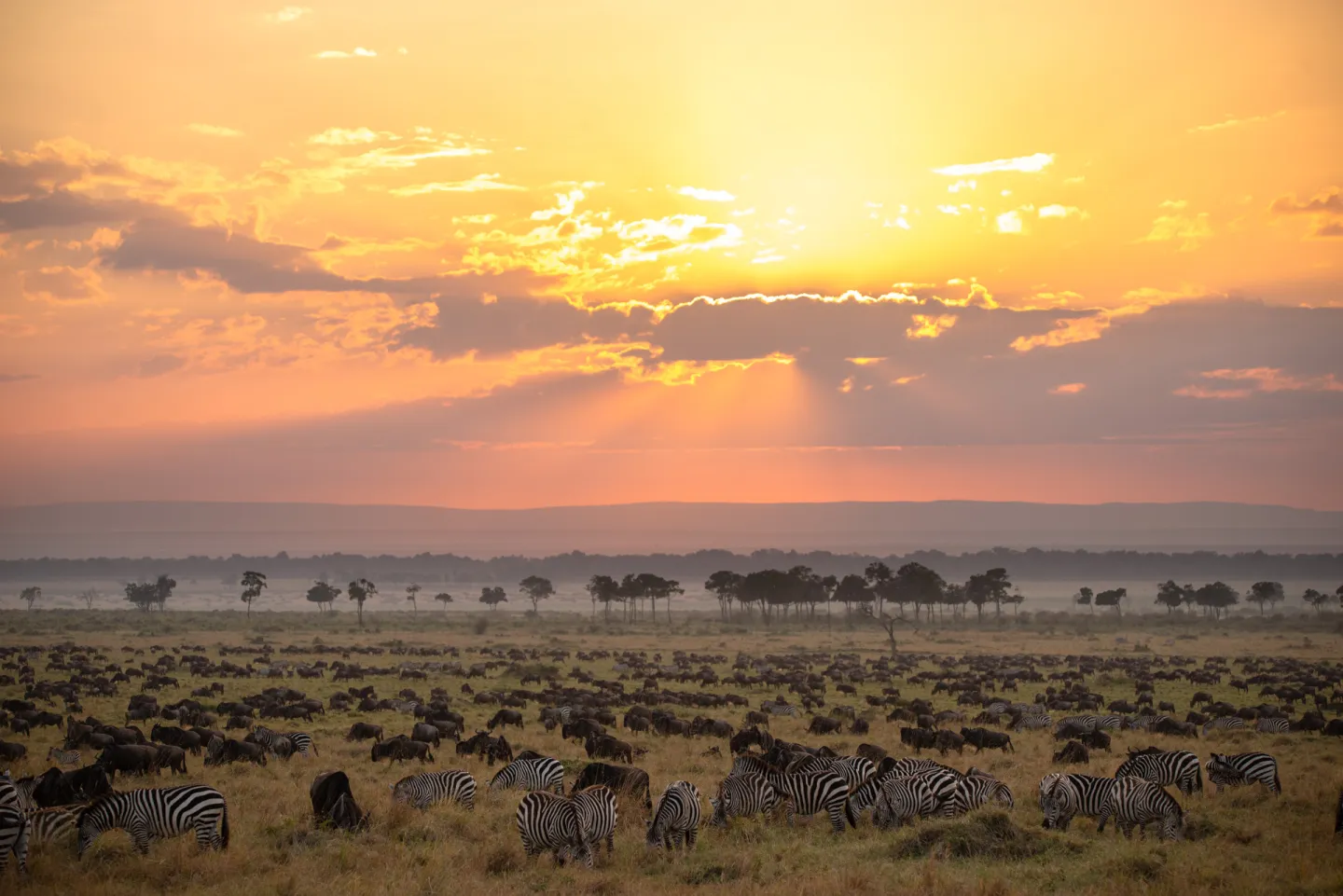
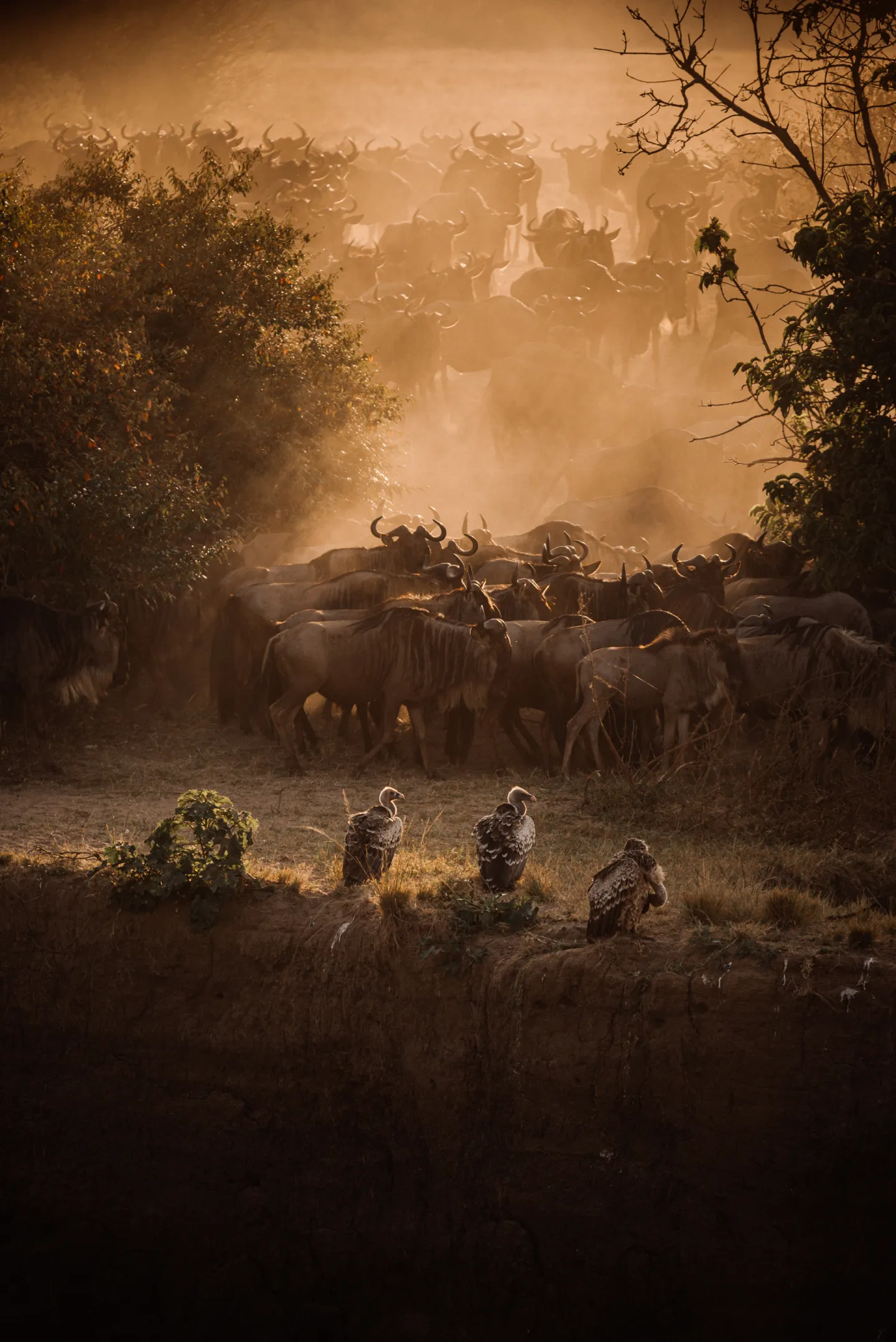
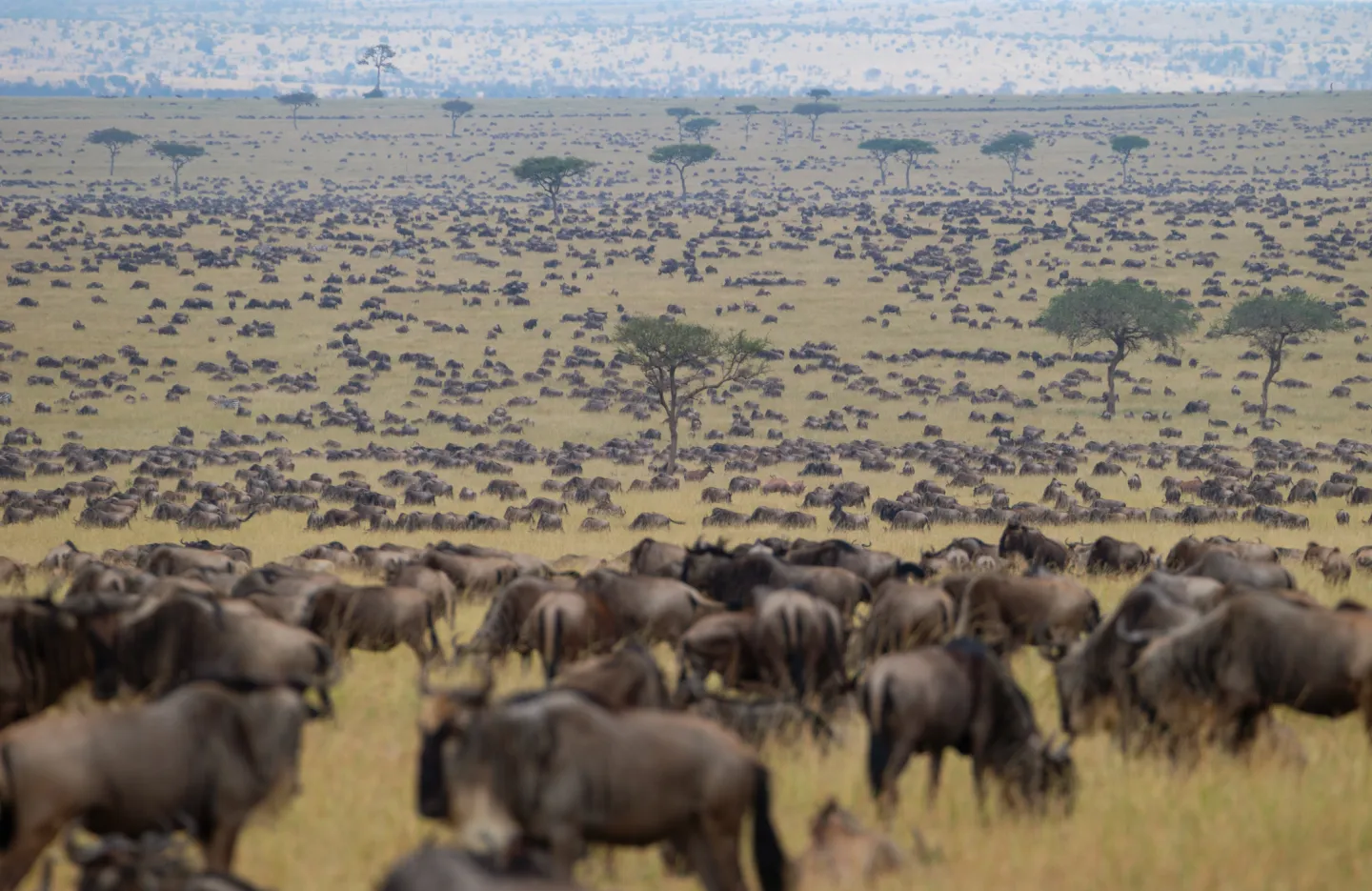
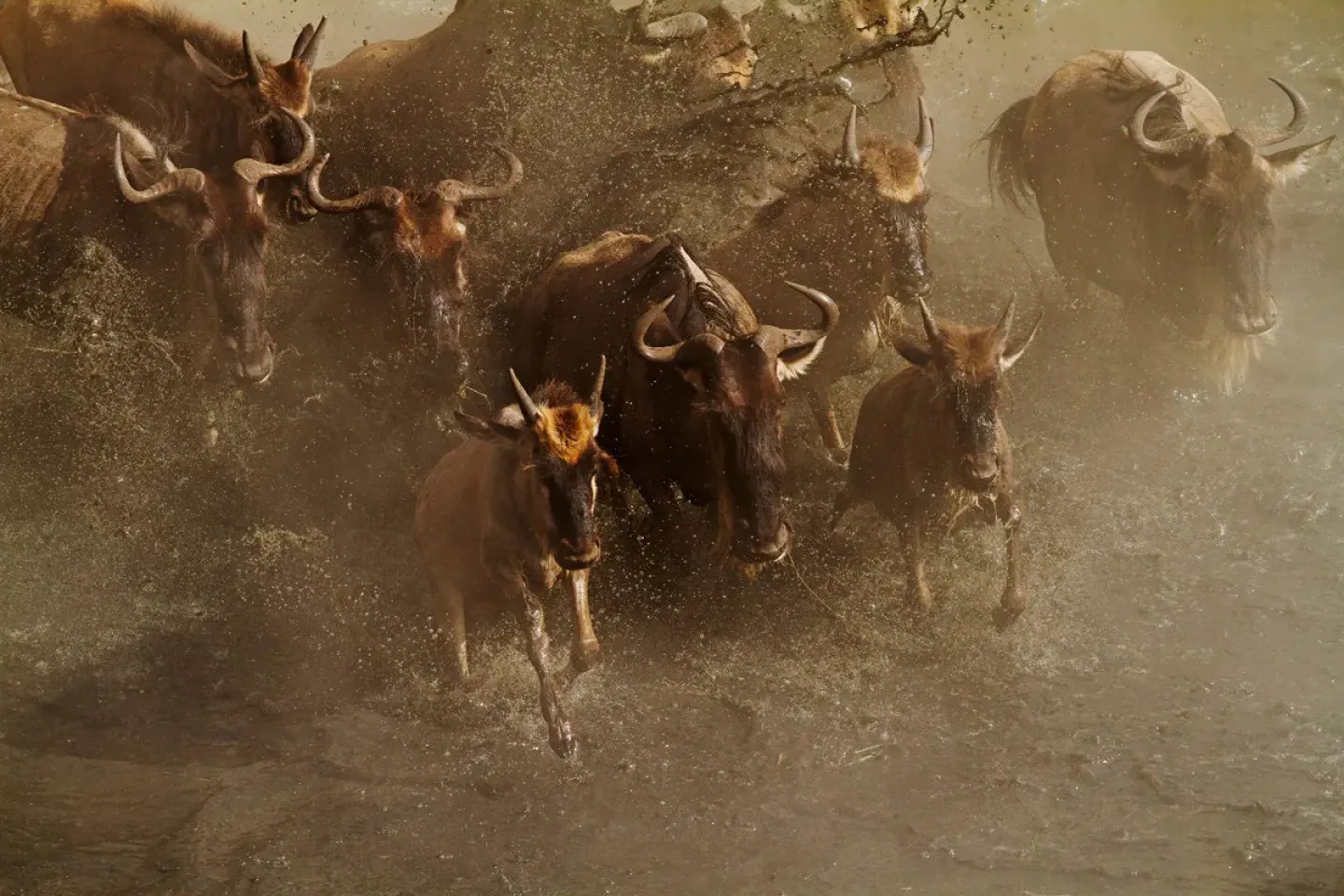
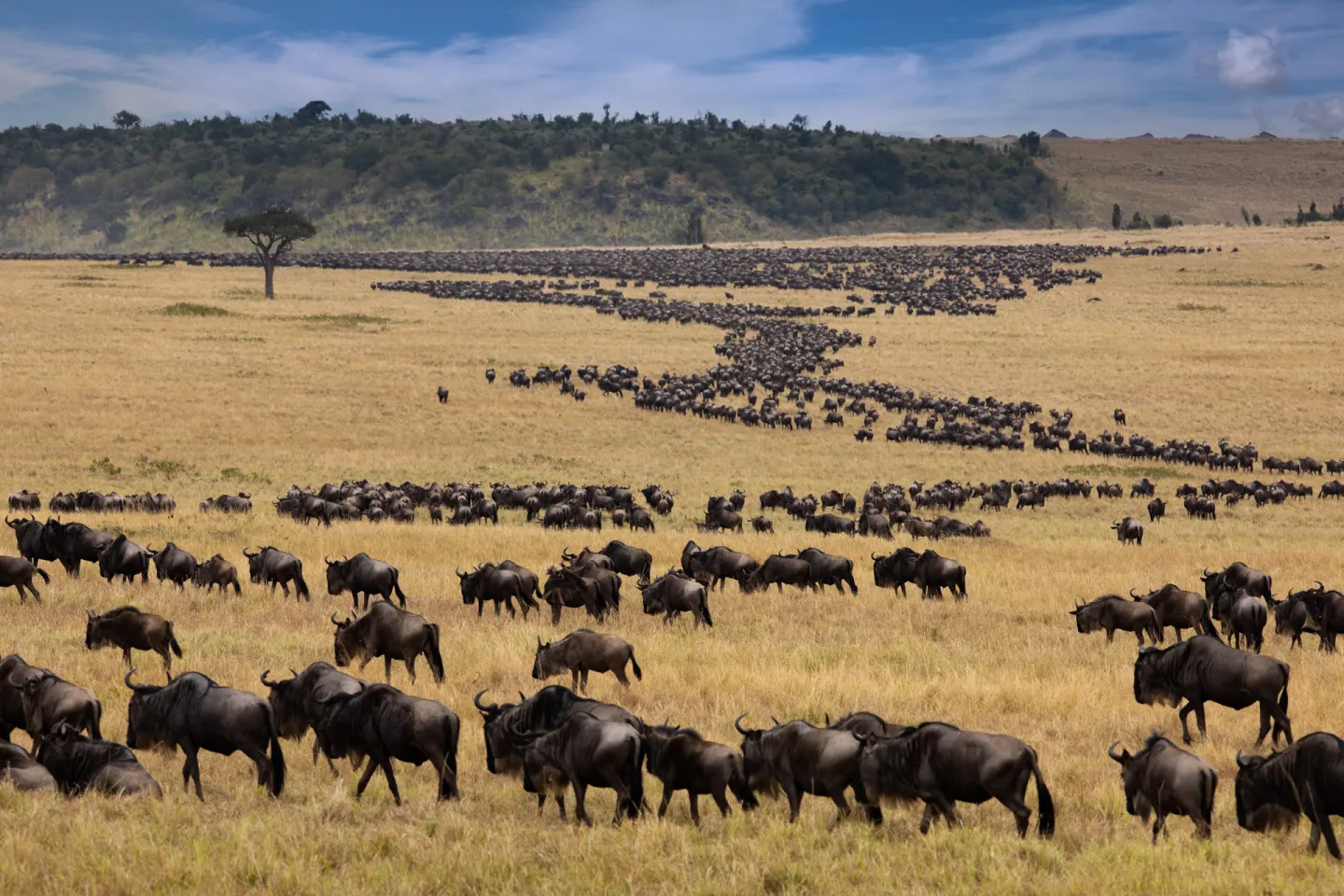
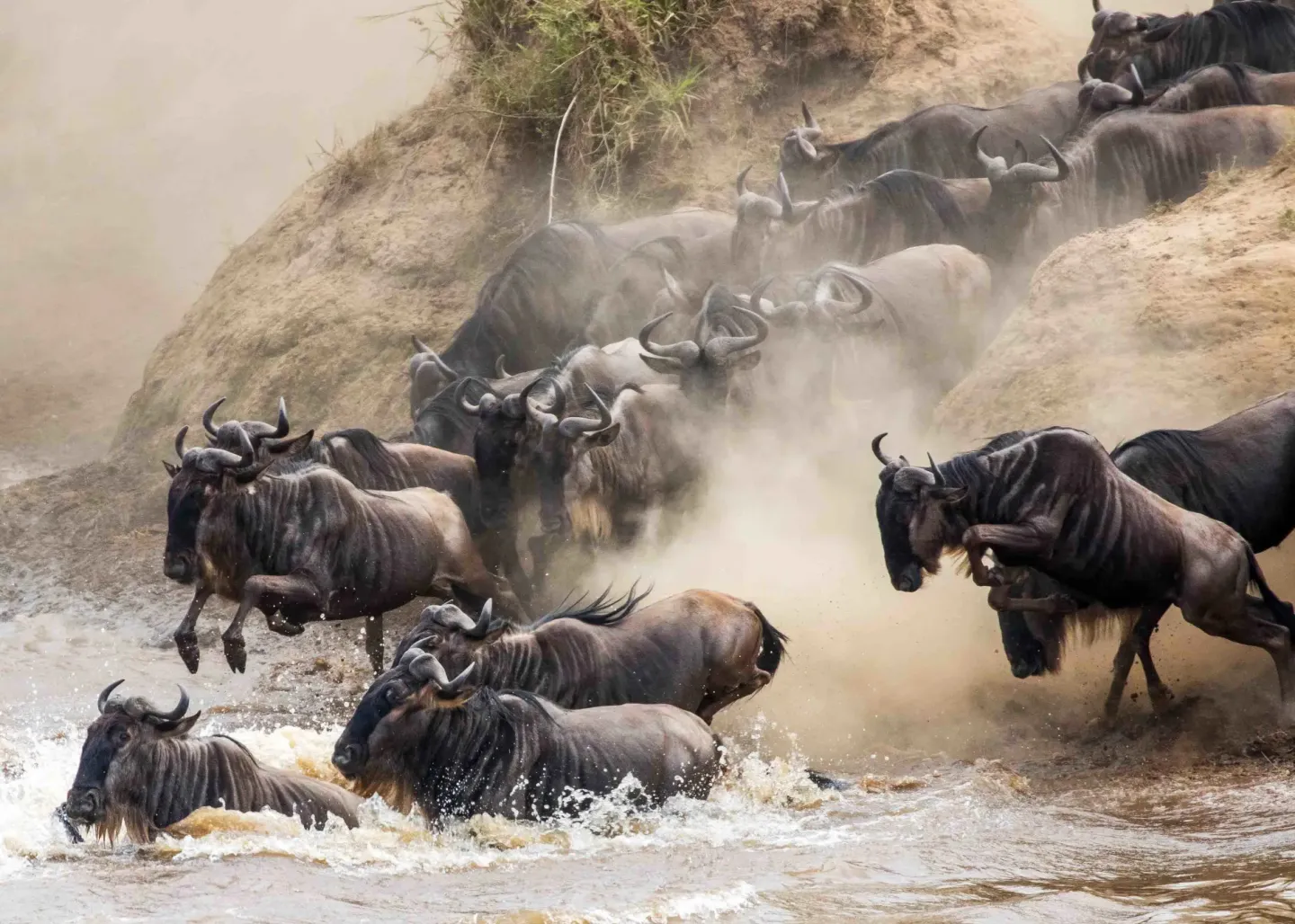
The reserve is also known for the annual Great Migration, recognised as one of the Seven Natural Wonders of Africa, when more than 1.2-million wildebeest move through the ecosystem in search of grazing. River crossings in the Mara, usually from July onwards, are among the most recognised wildlife events in the world.
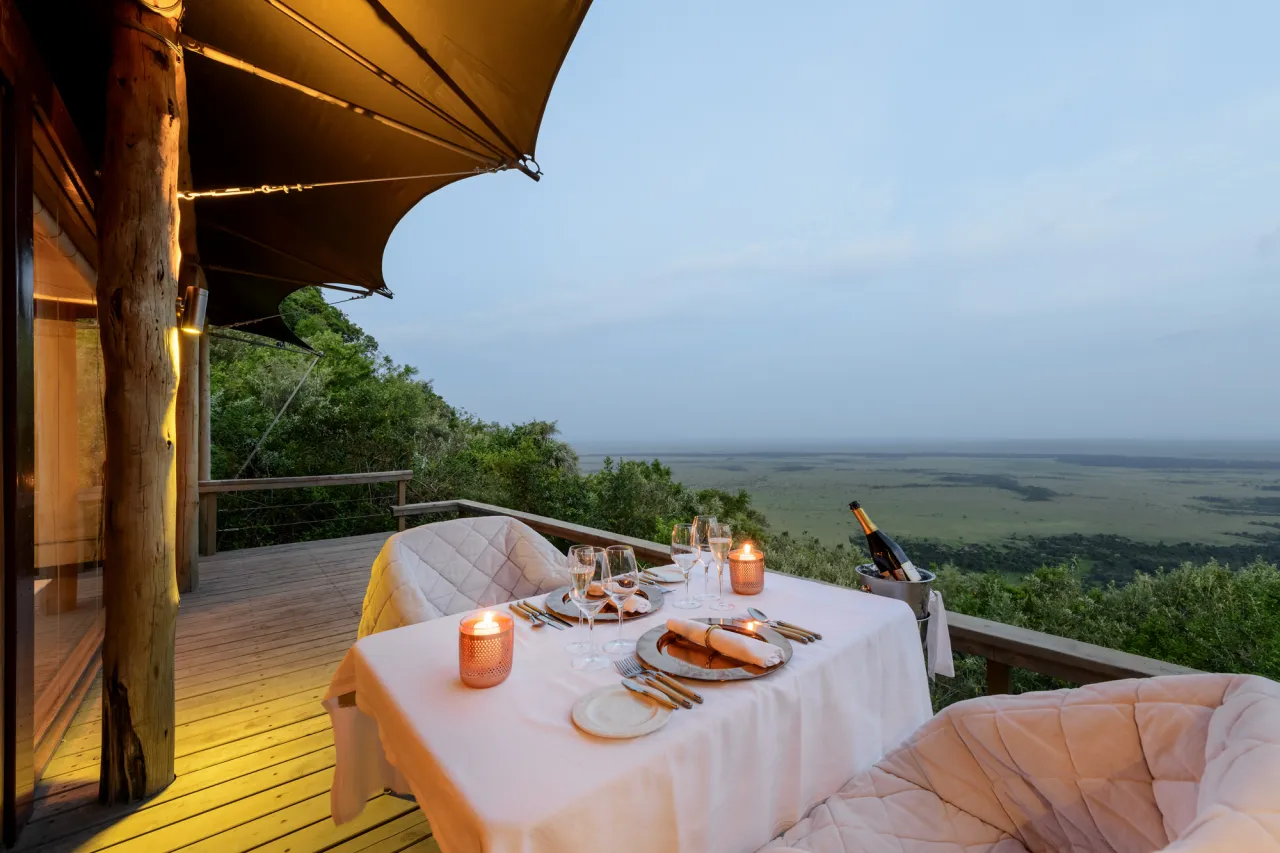
Angama Mara
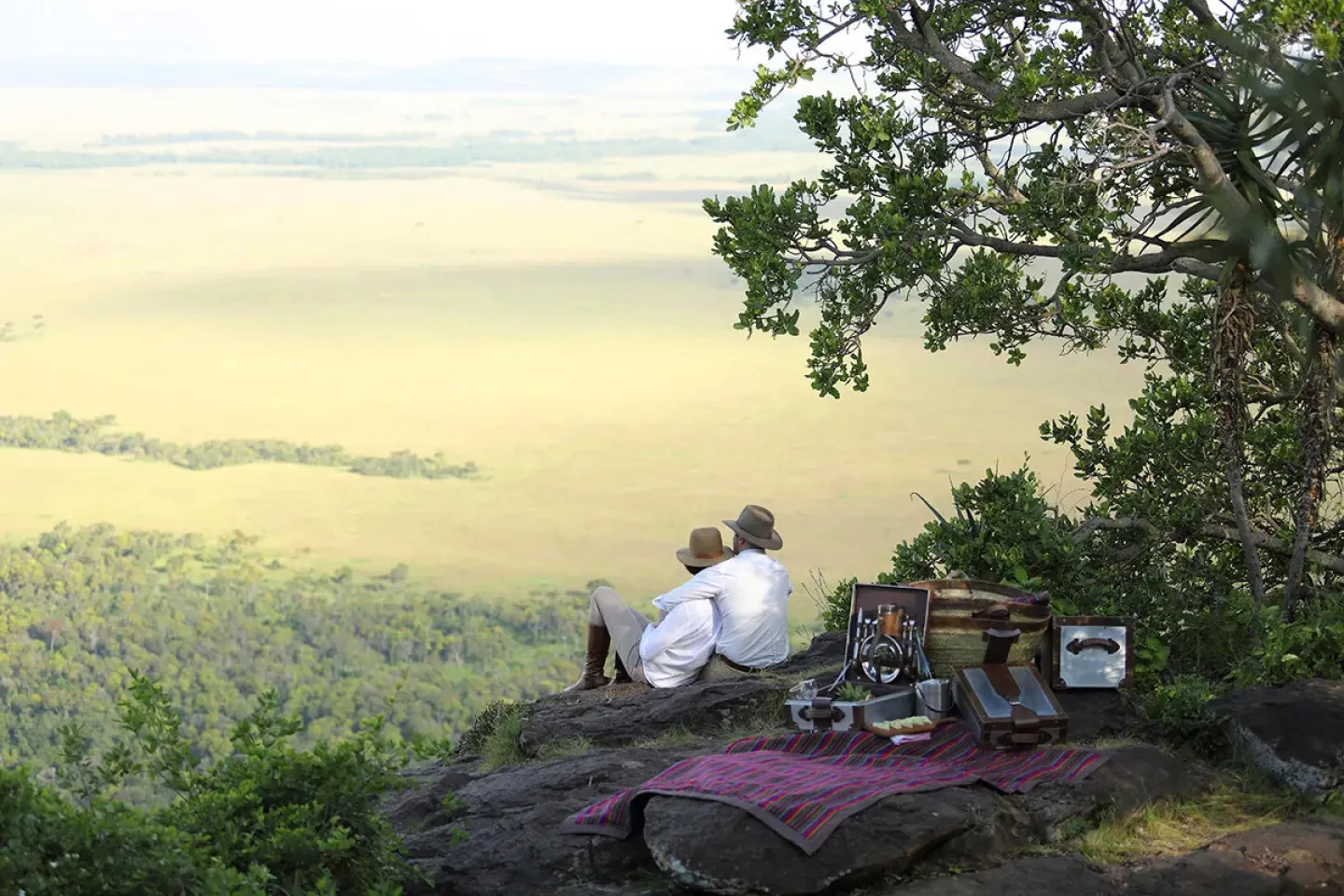
Angama Mara sits on the edge of the Oloololo Escarpment, about
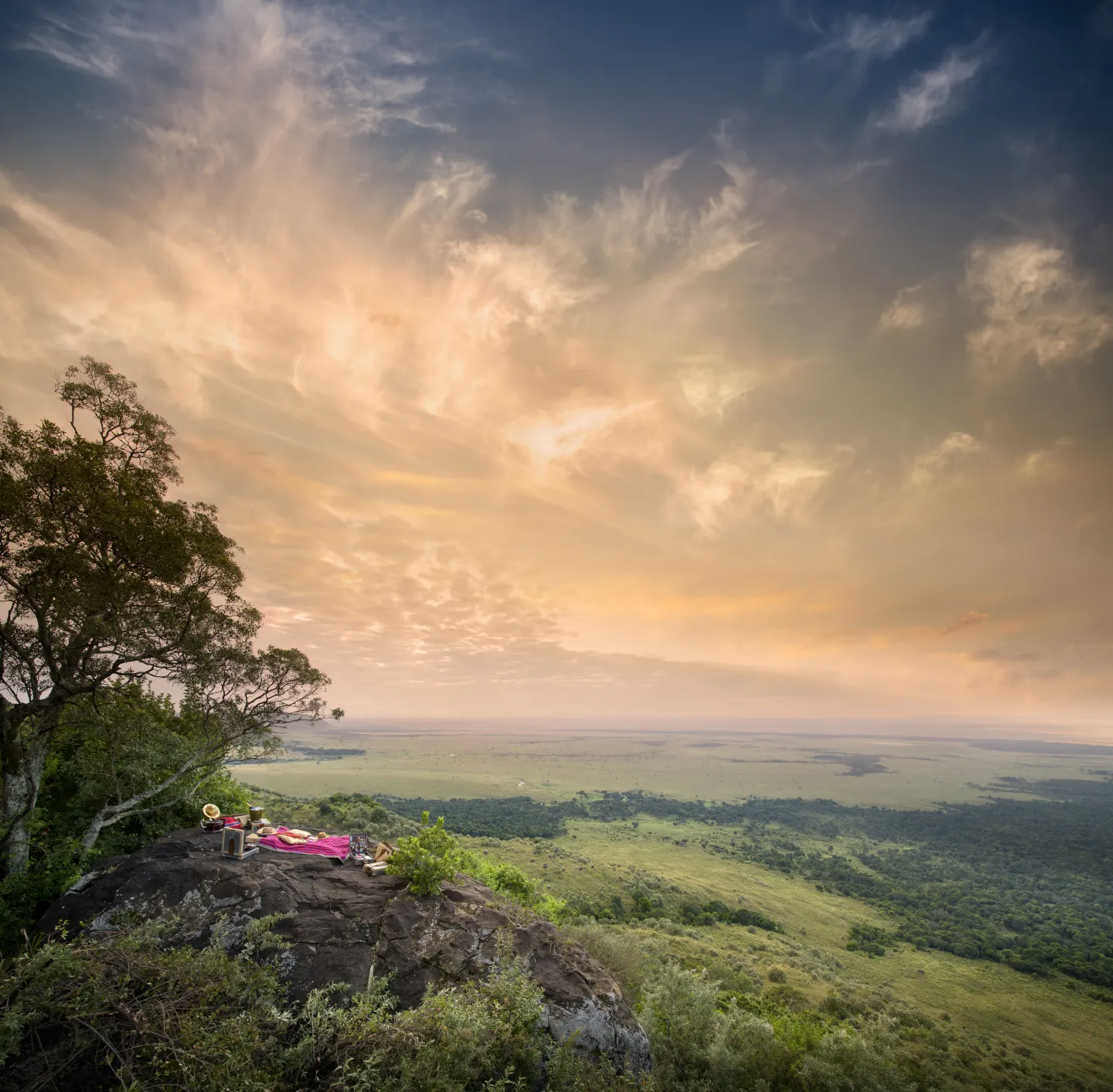
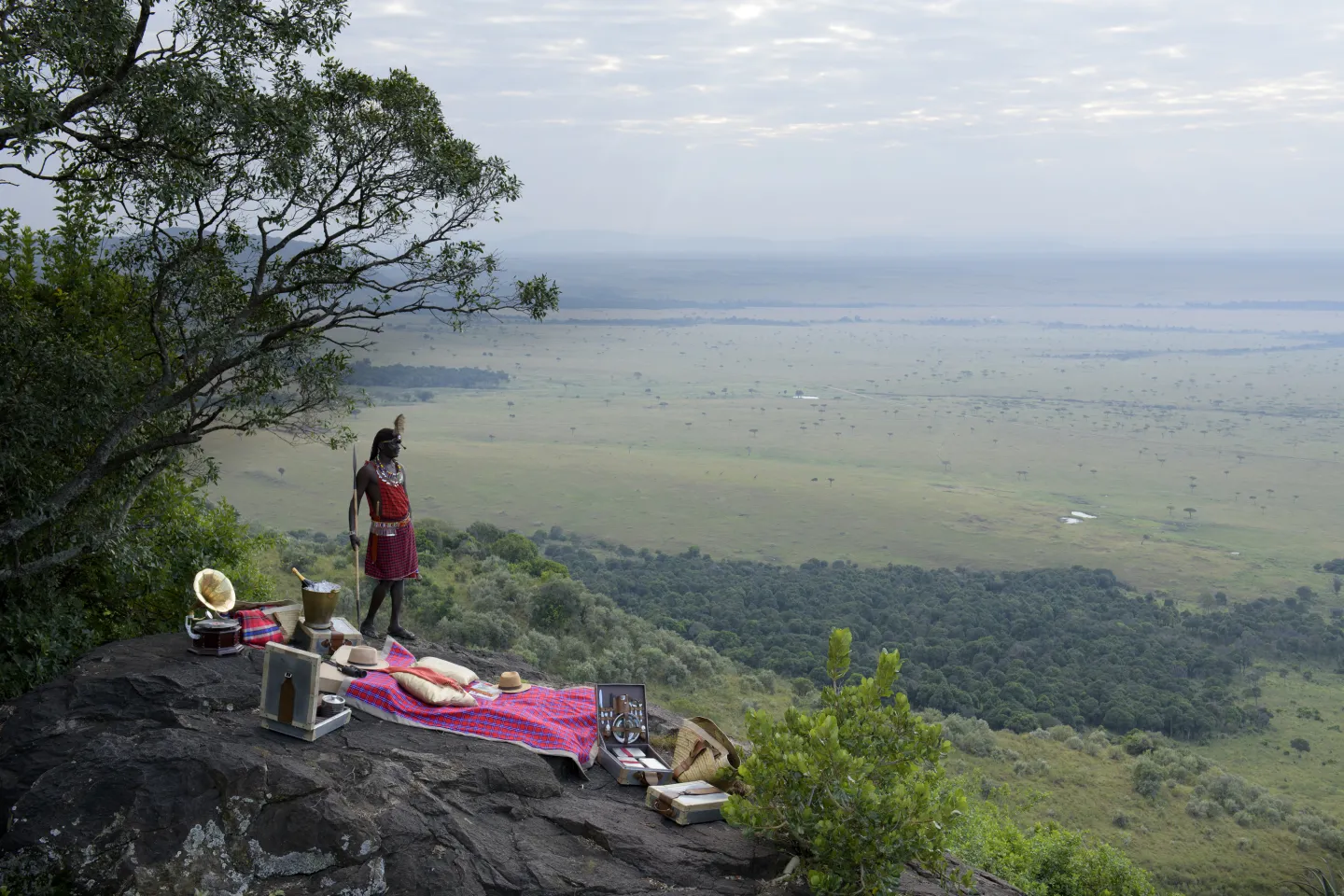
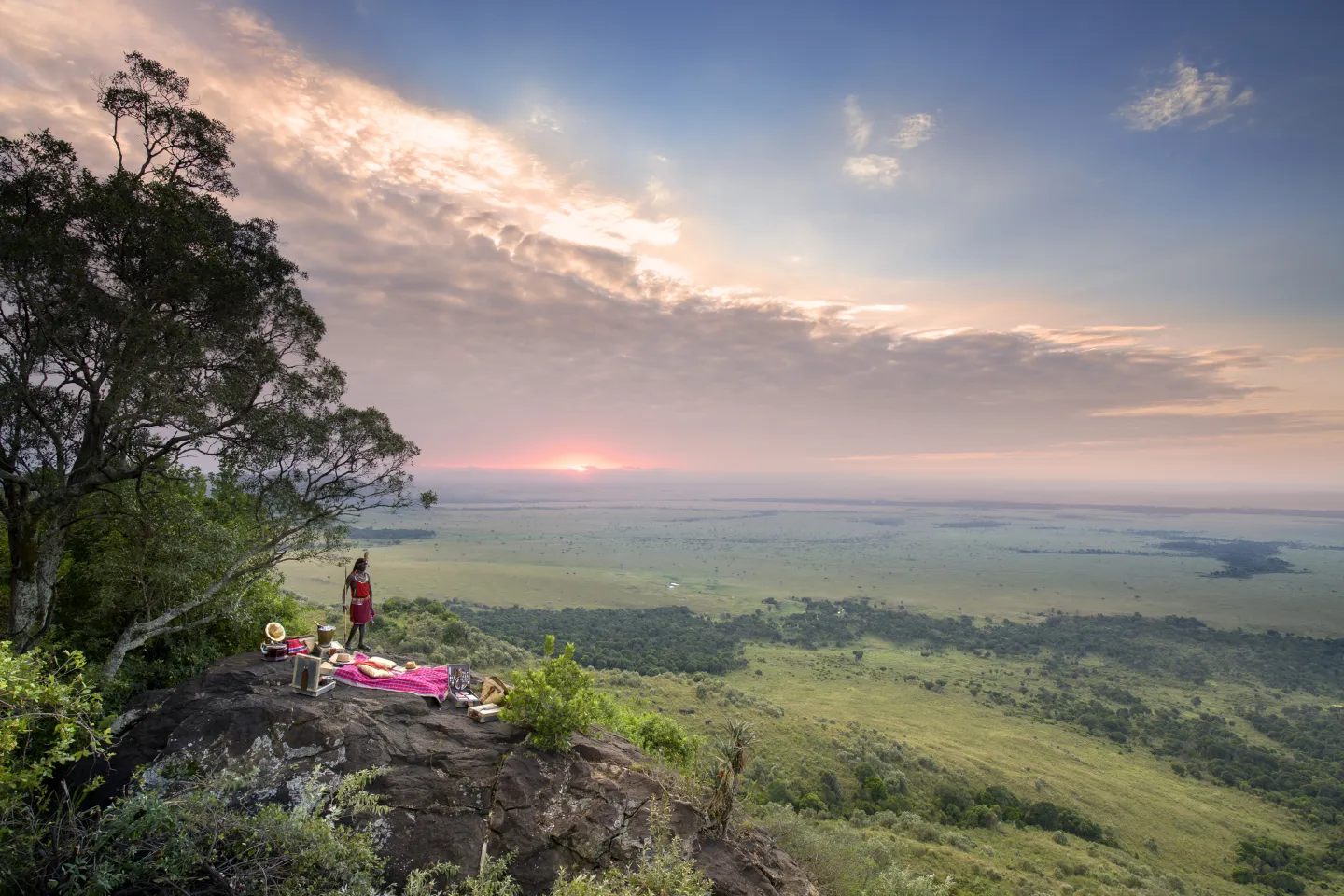
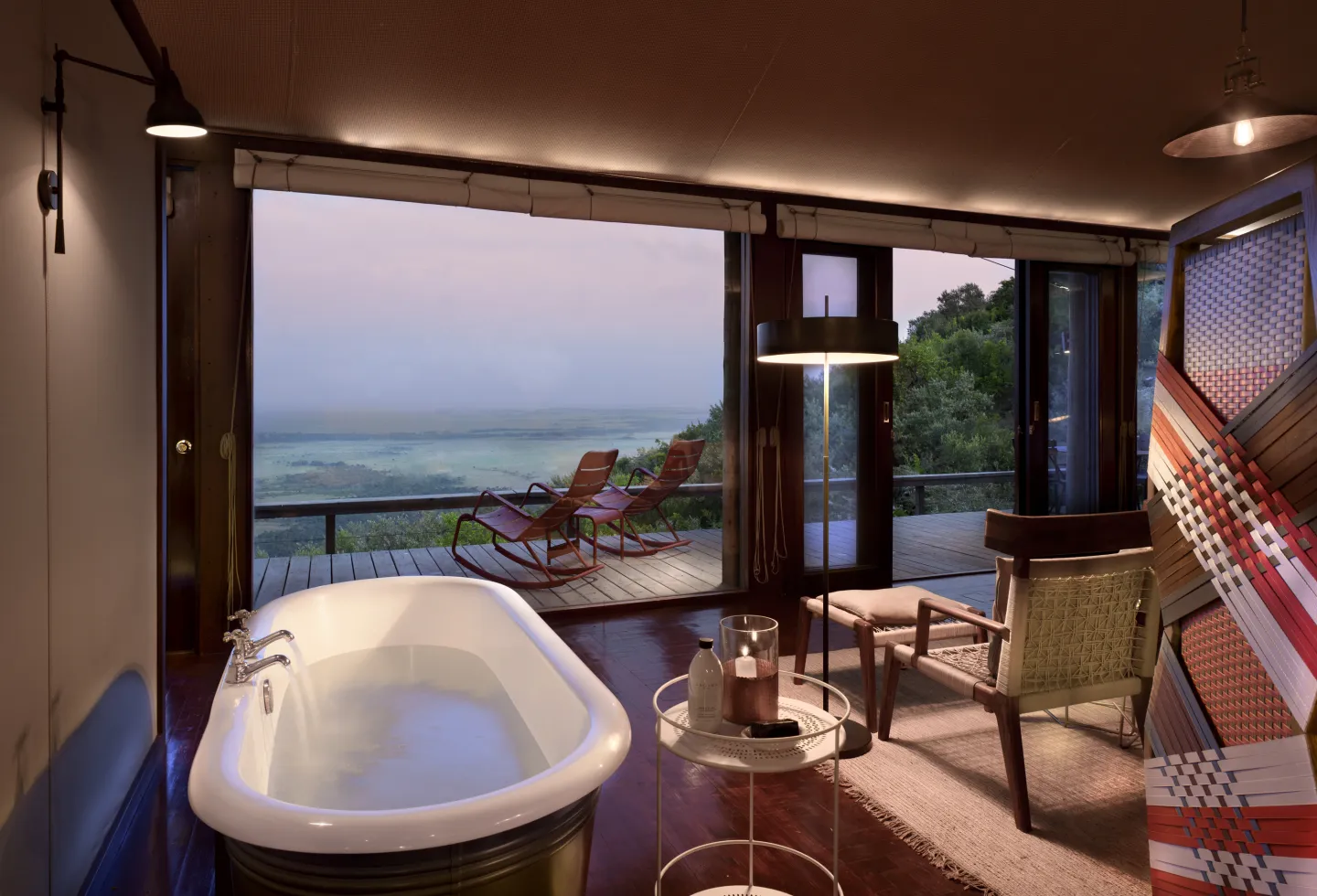
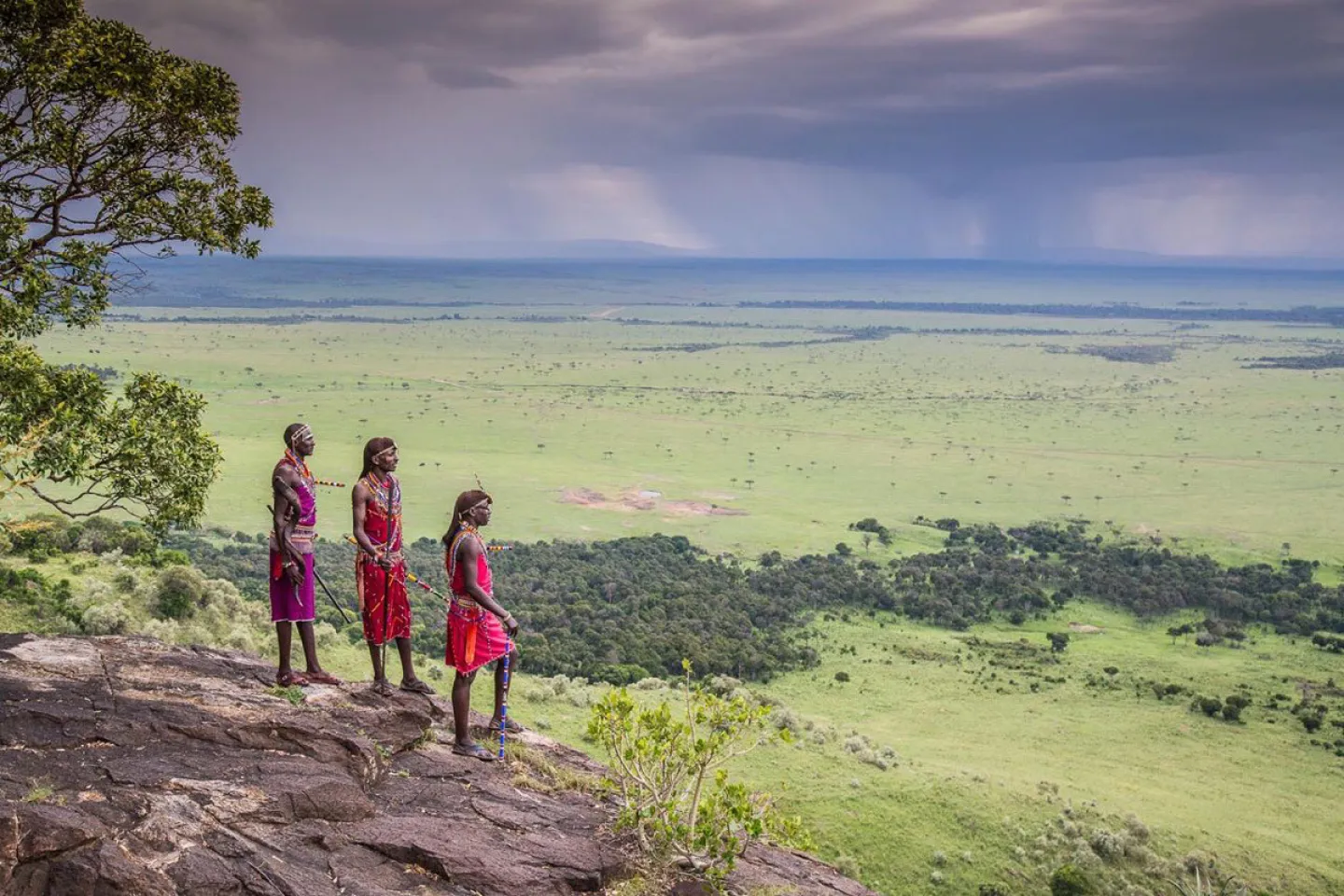
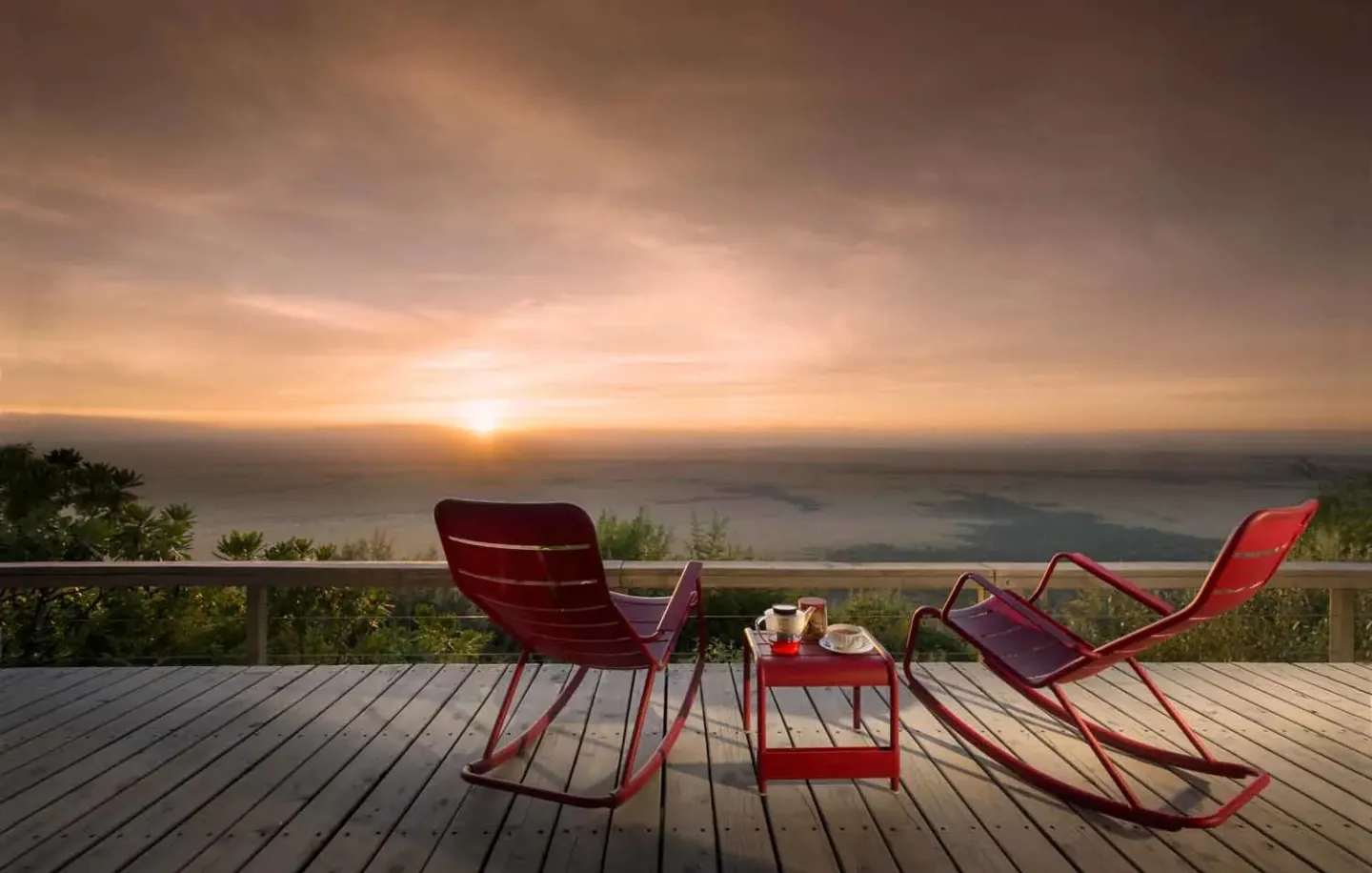
1 000 feet (305 metres) above the plains, with wide views across the Mara. The lodge overlooks the Mara Triangle and has direct access to this wildlife-rich area. Tented suites are positioned along the escarpment, each with floor-to-ceiling glass fronts that open onto the landscape. Interiors combine natural materials with Maasai-inspired details, keeping the focus on the view.
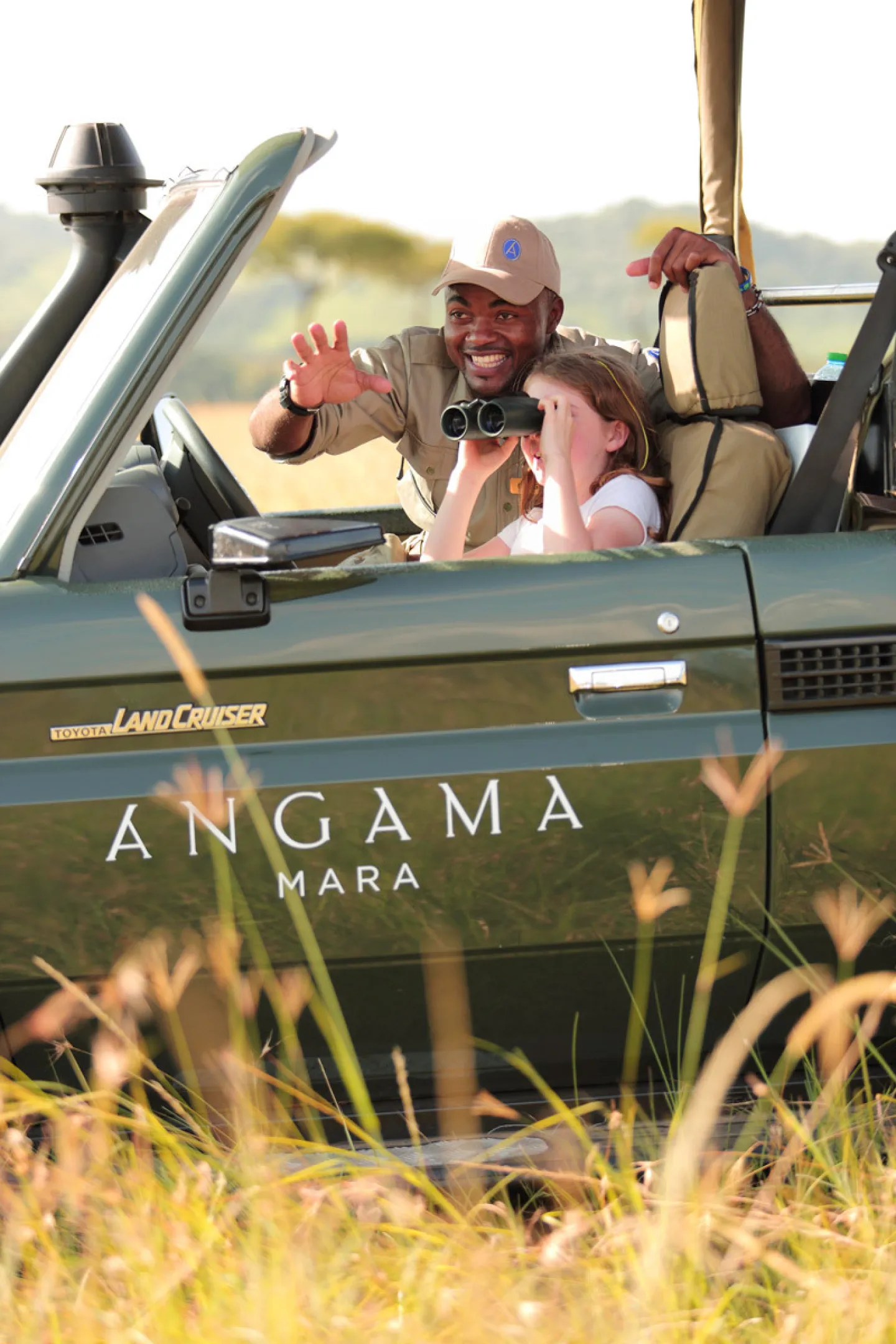
The Map Room at the centre of the lodge provides context on the Greater Mara ecosystem and supports daily safari planning. Game drives take place in the Mara Triangle, a wildlife-rich region just minutes from the lodge, thanks to Angama’s private access road. Sunrise and sunset drives offer front-row positions for river crossings during the Great Migration, when timing is everything.
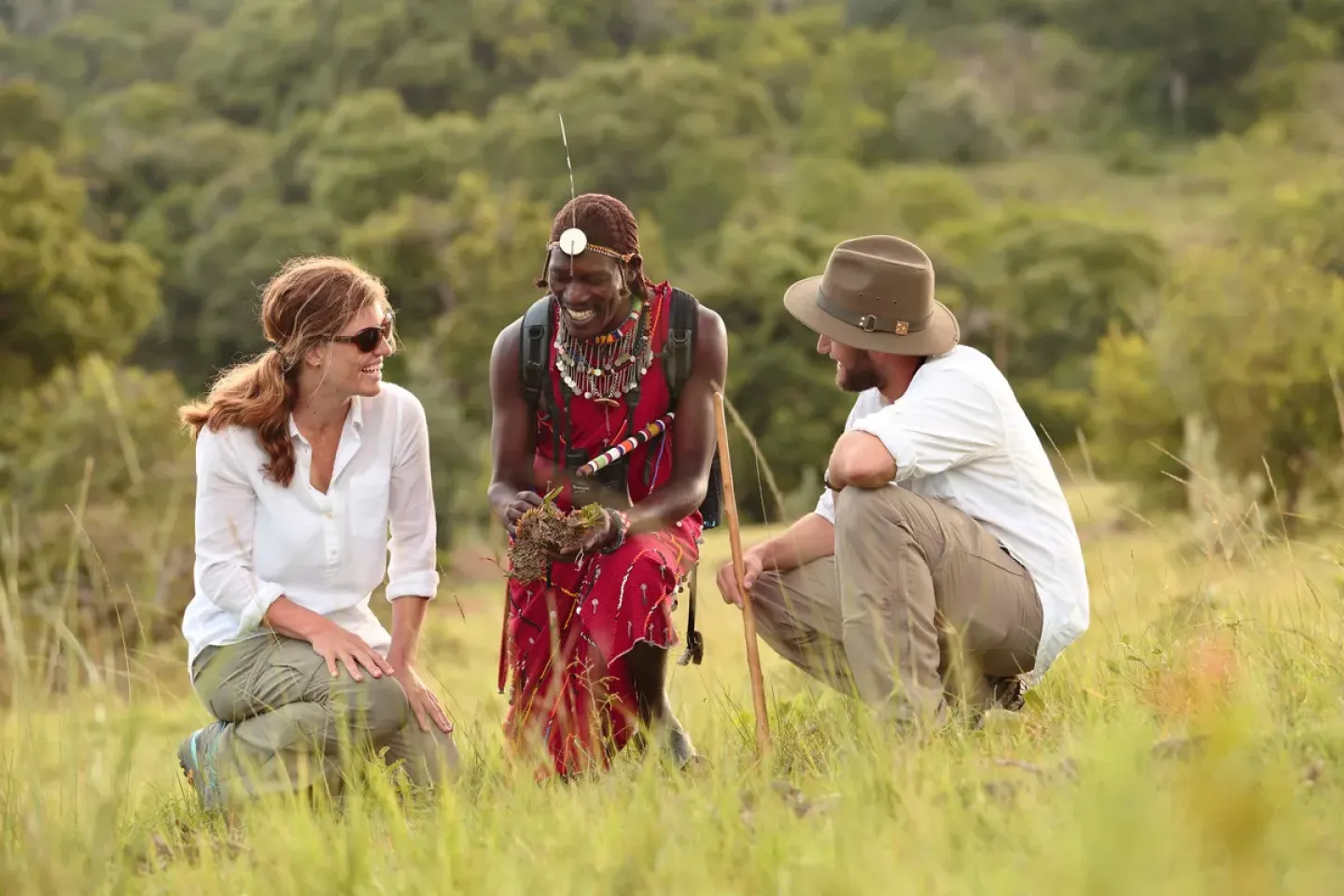
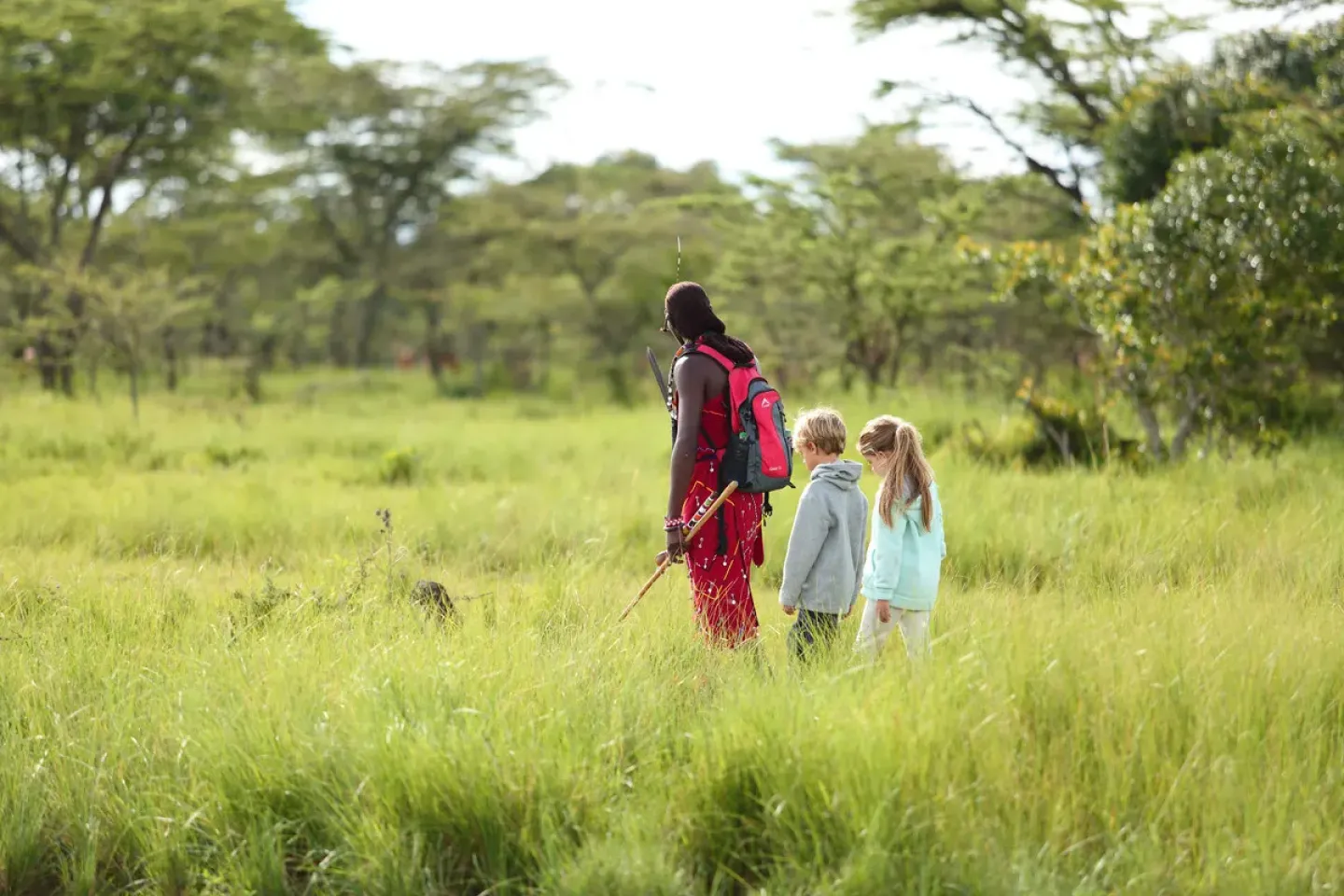
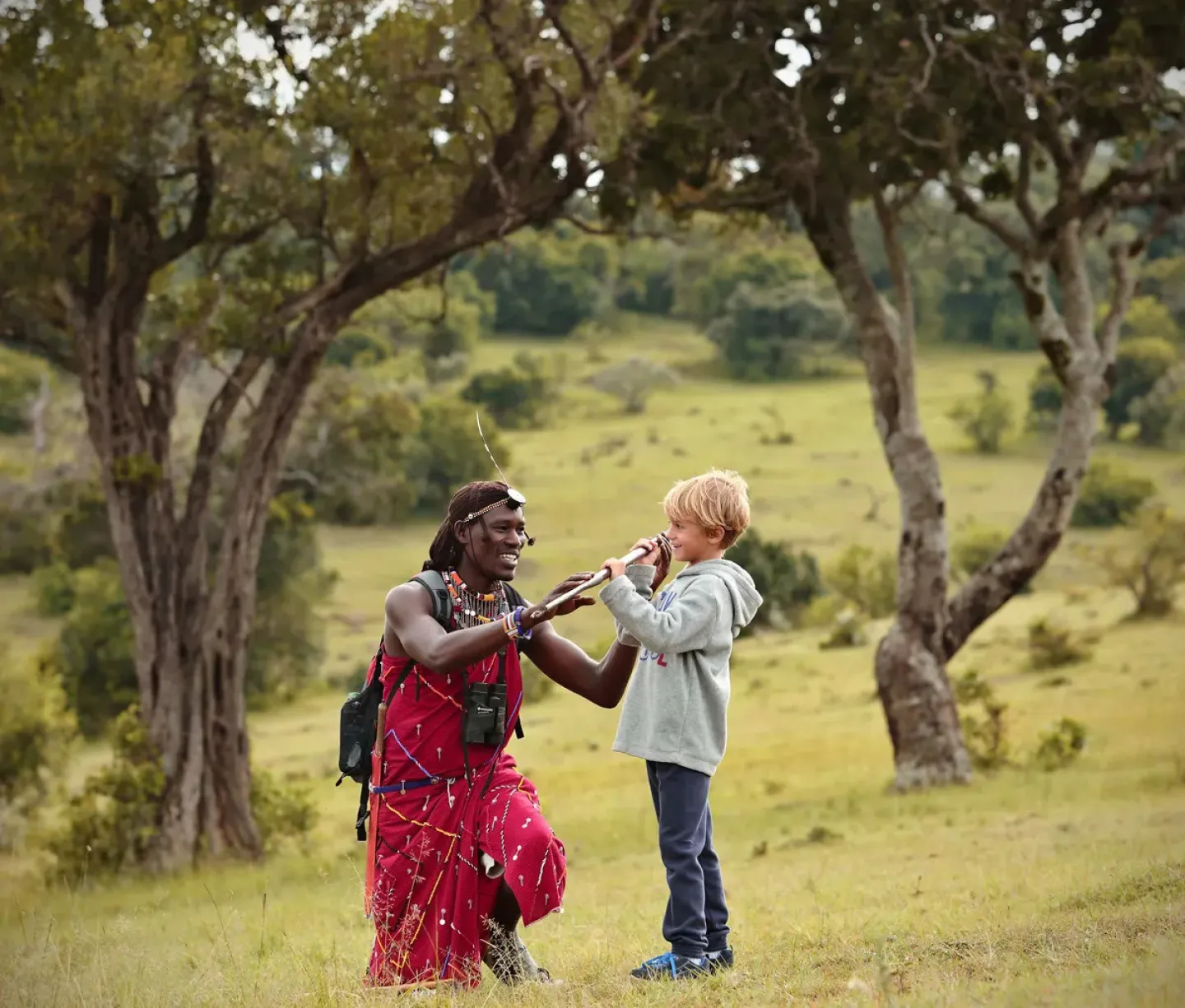
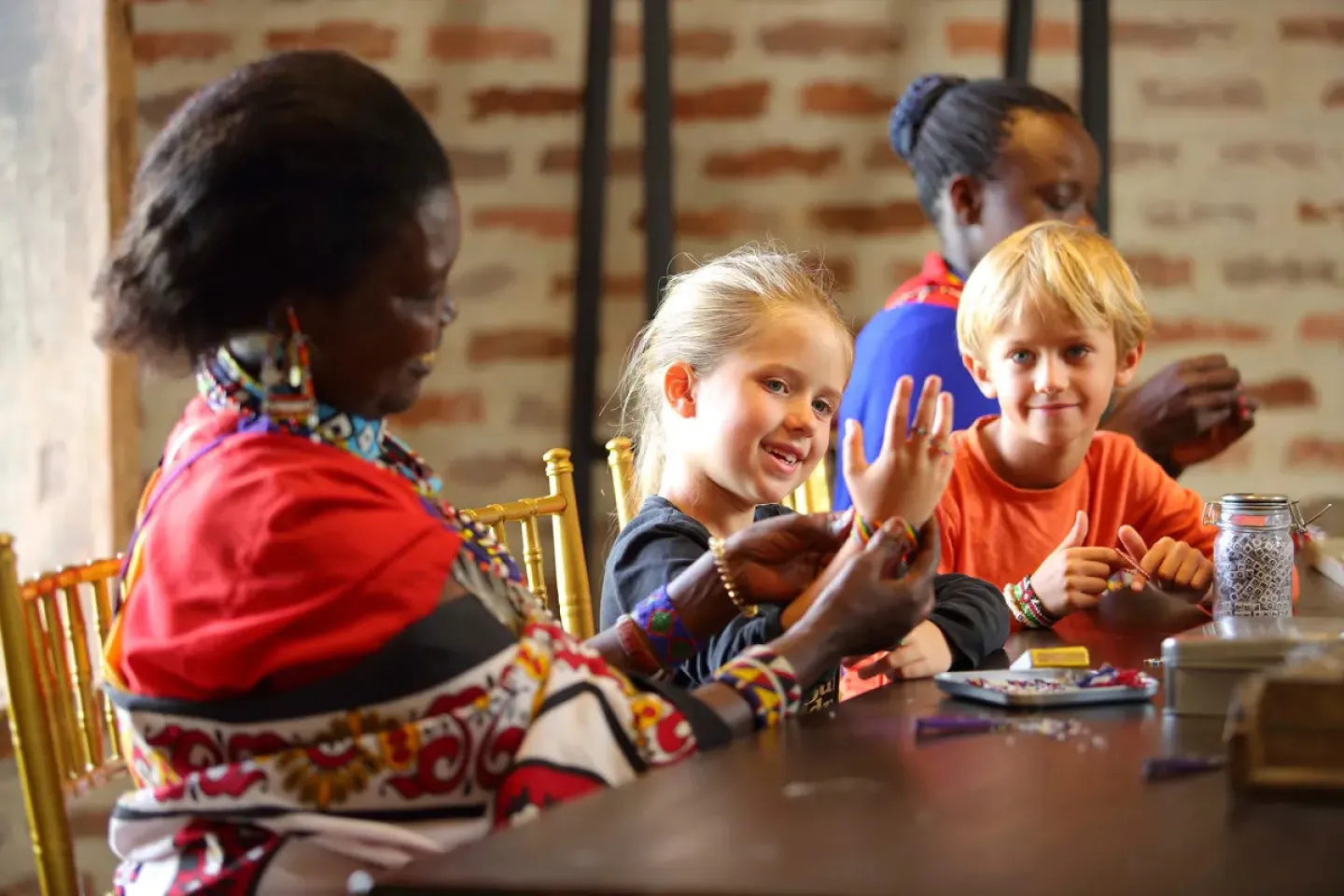
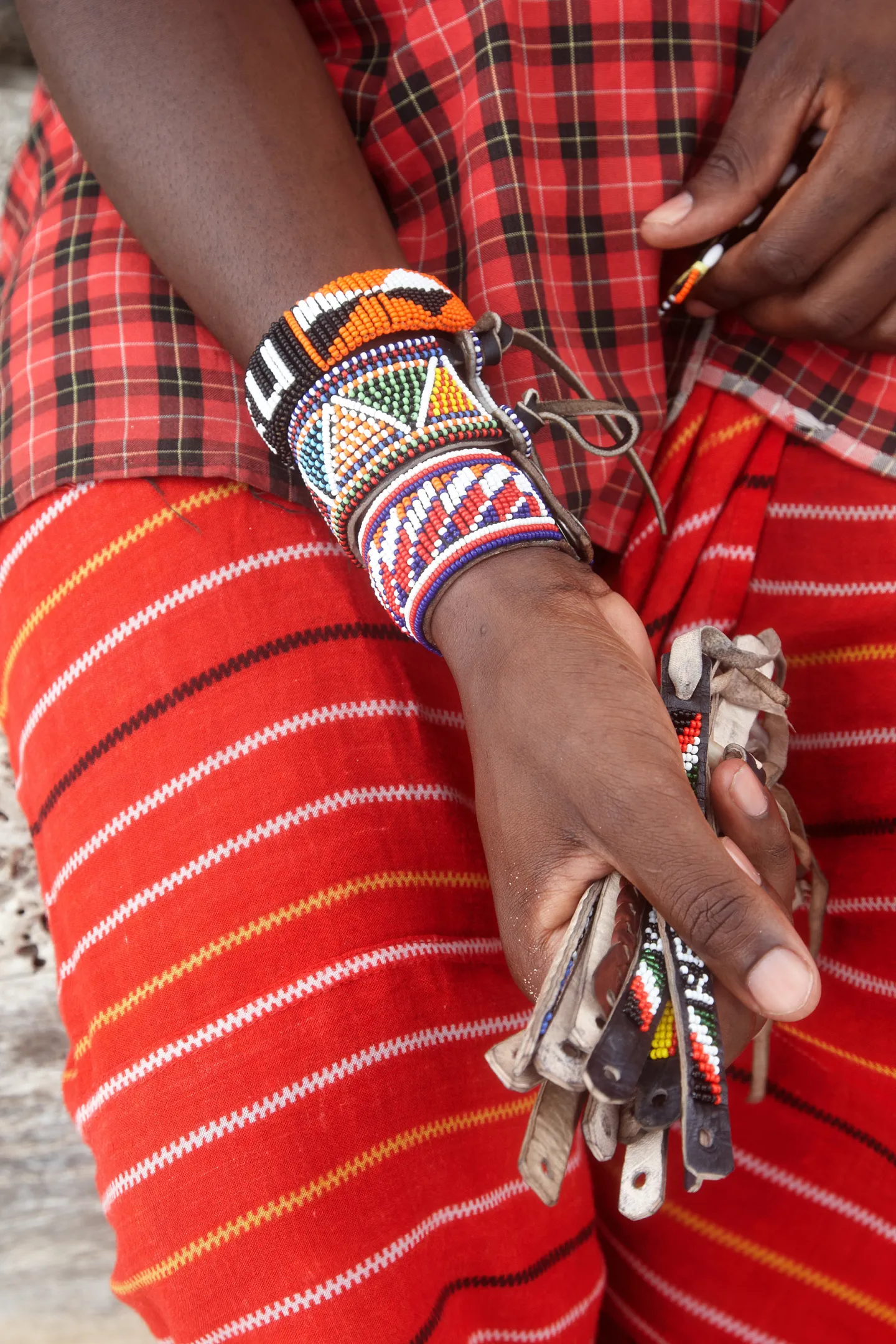
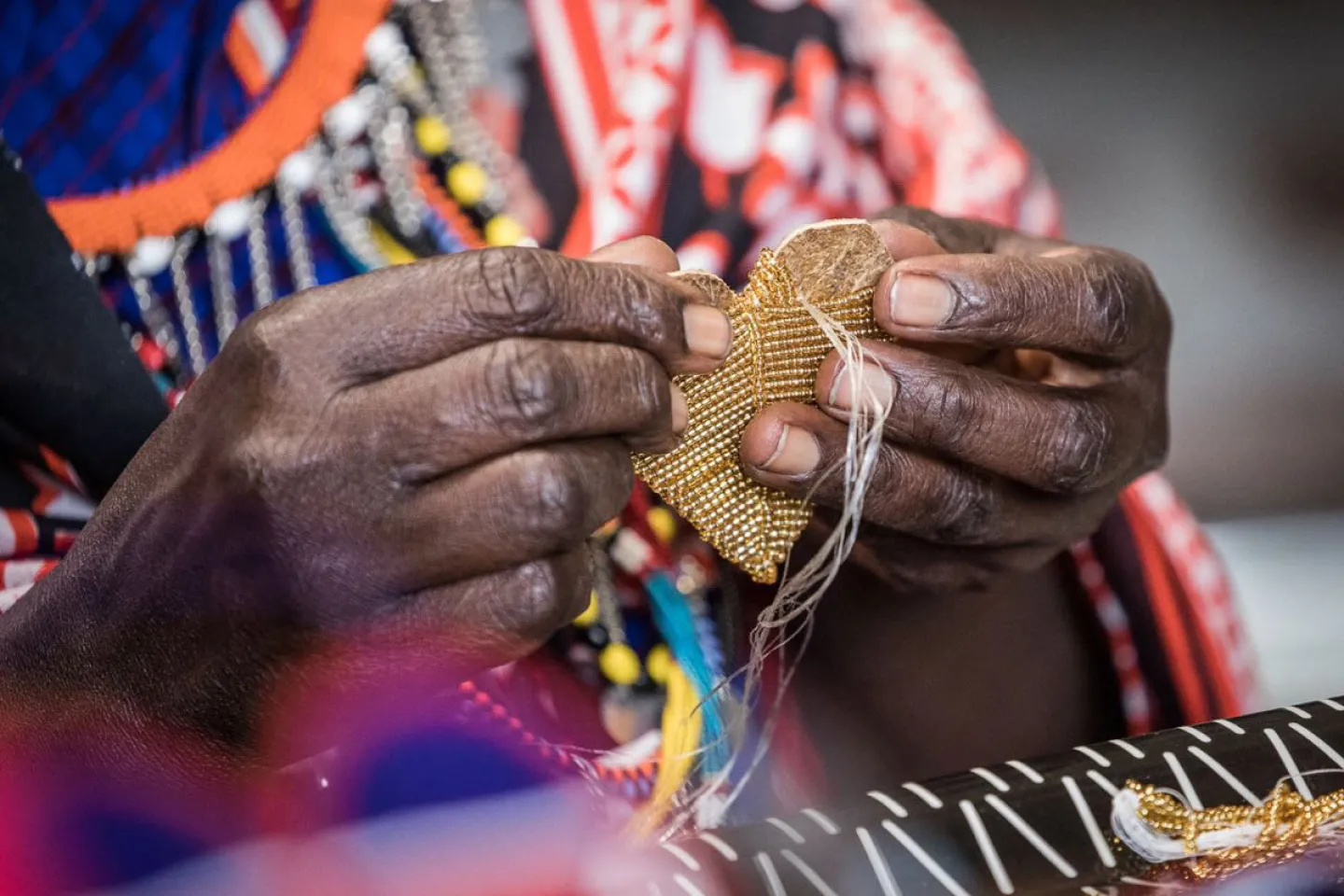
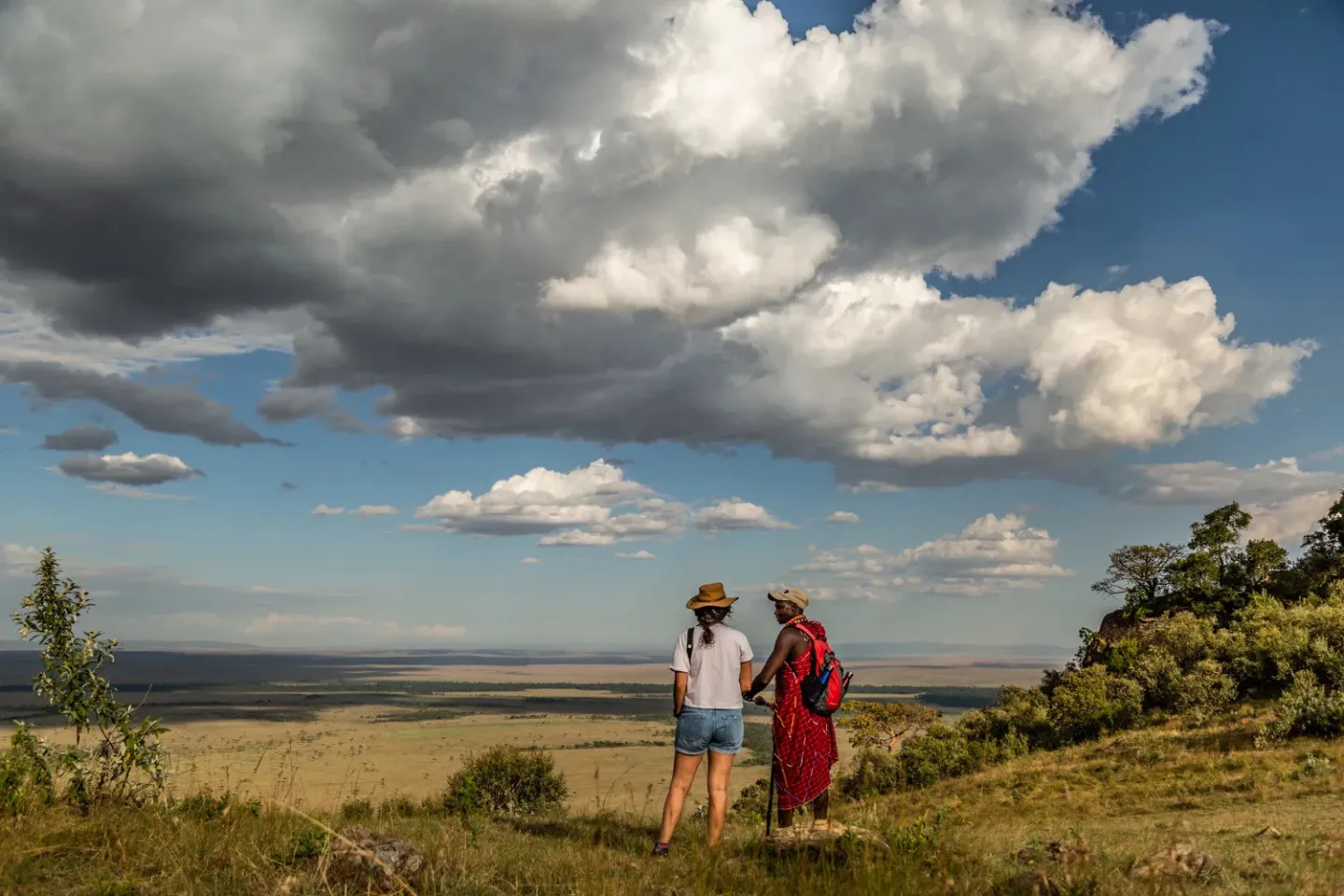
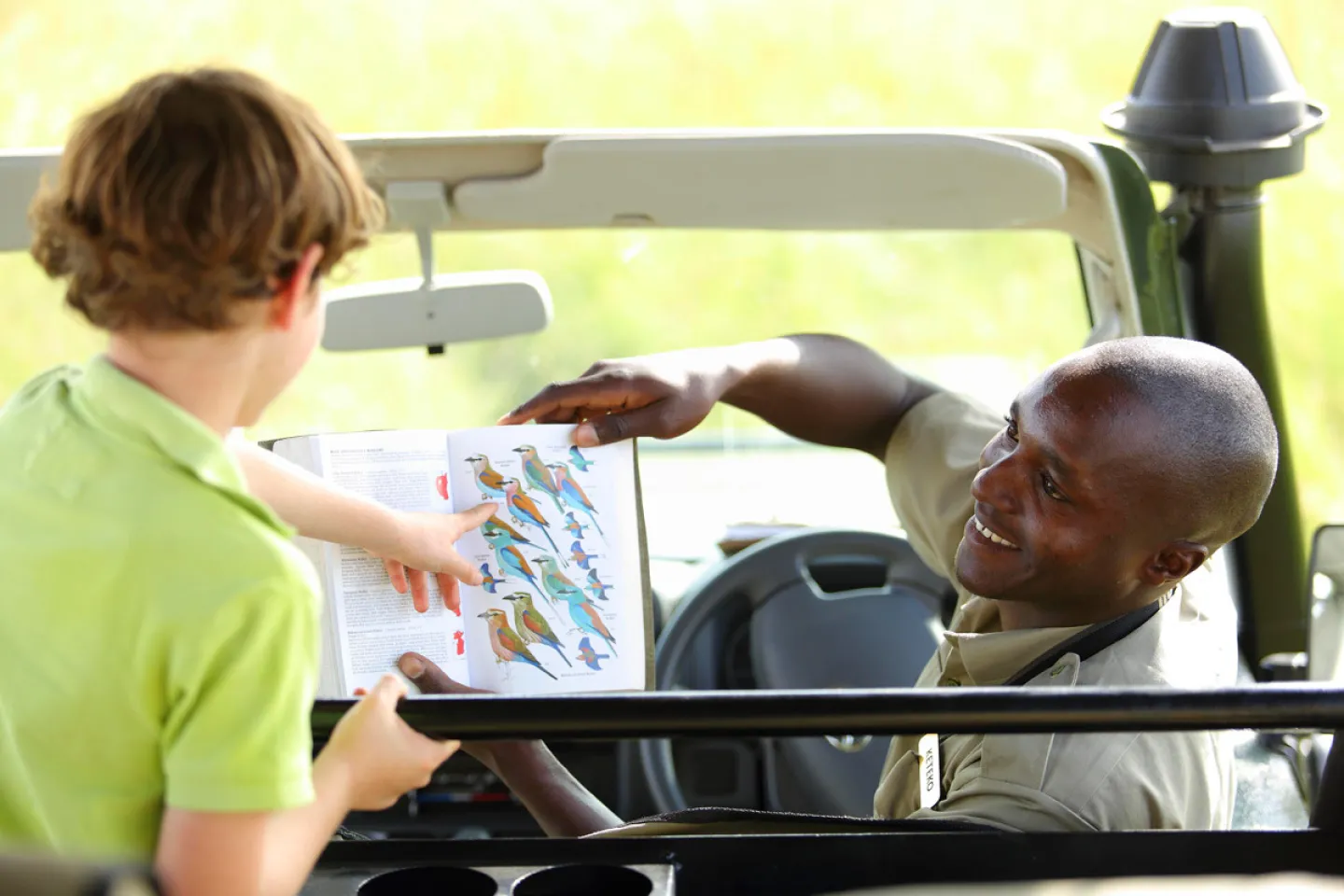
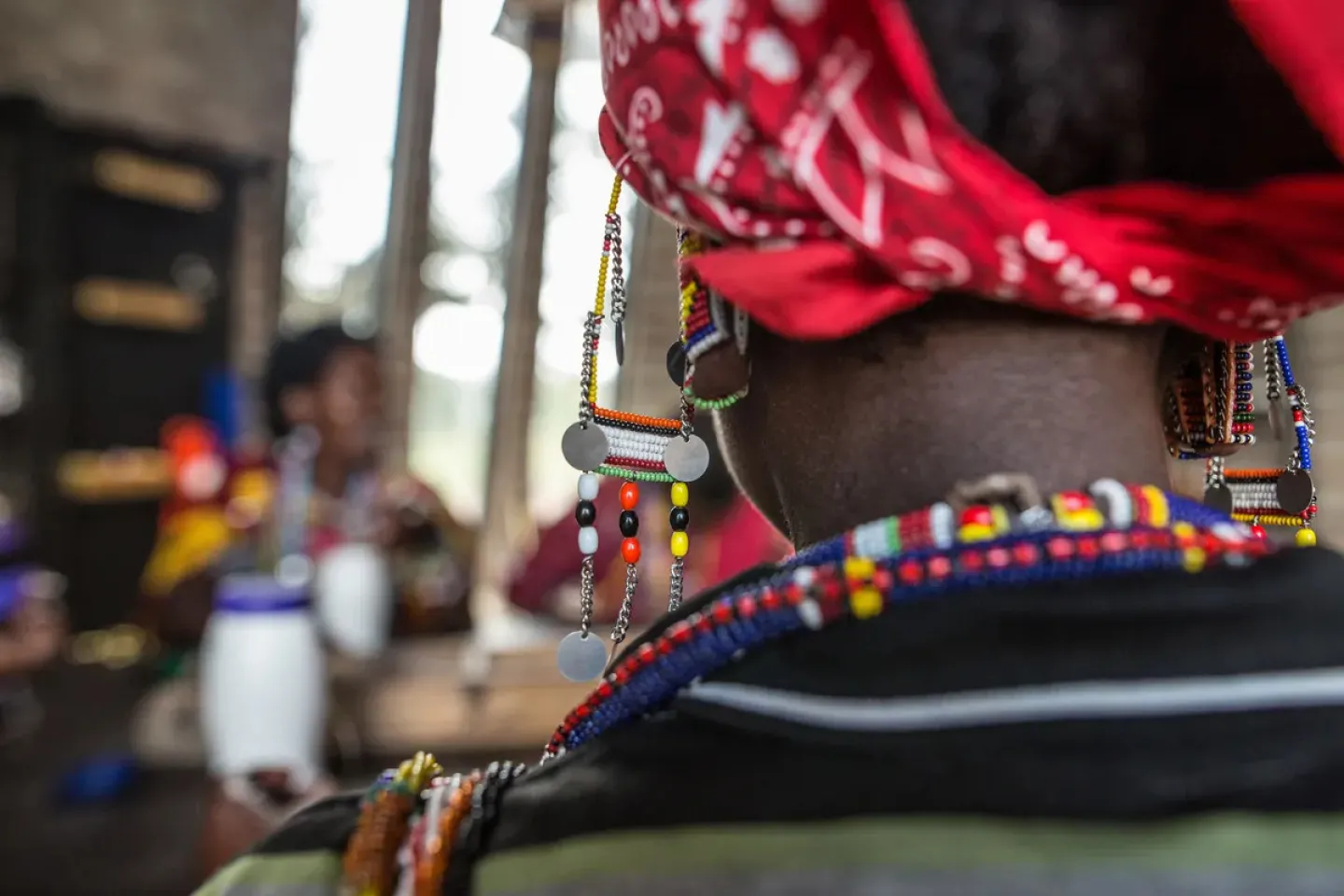
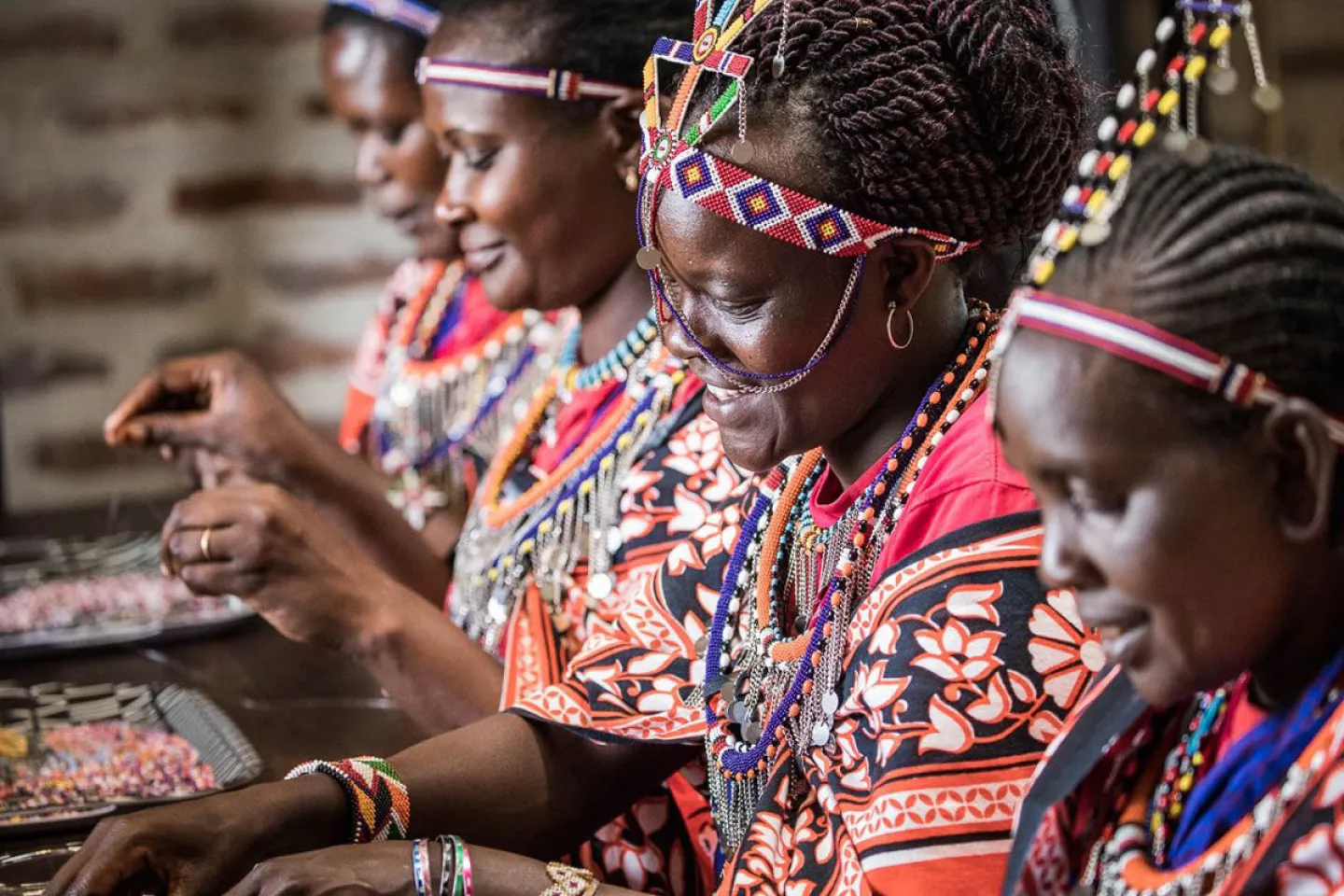
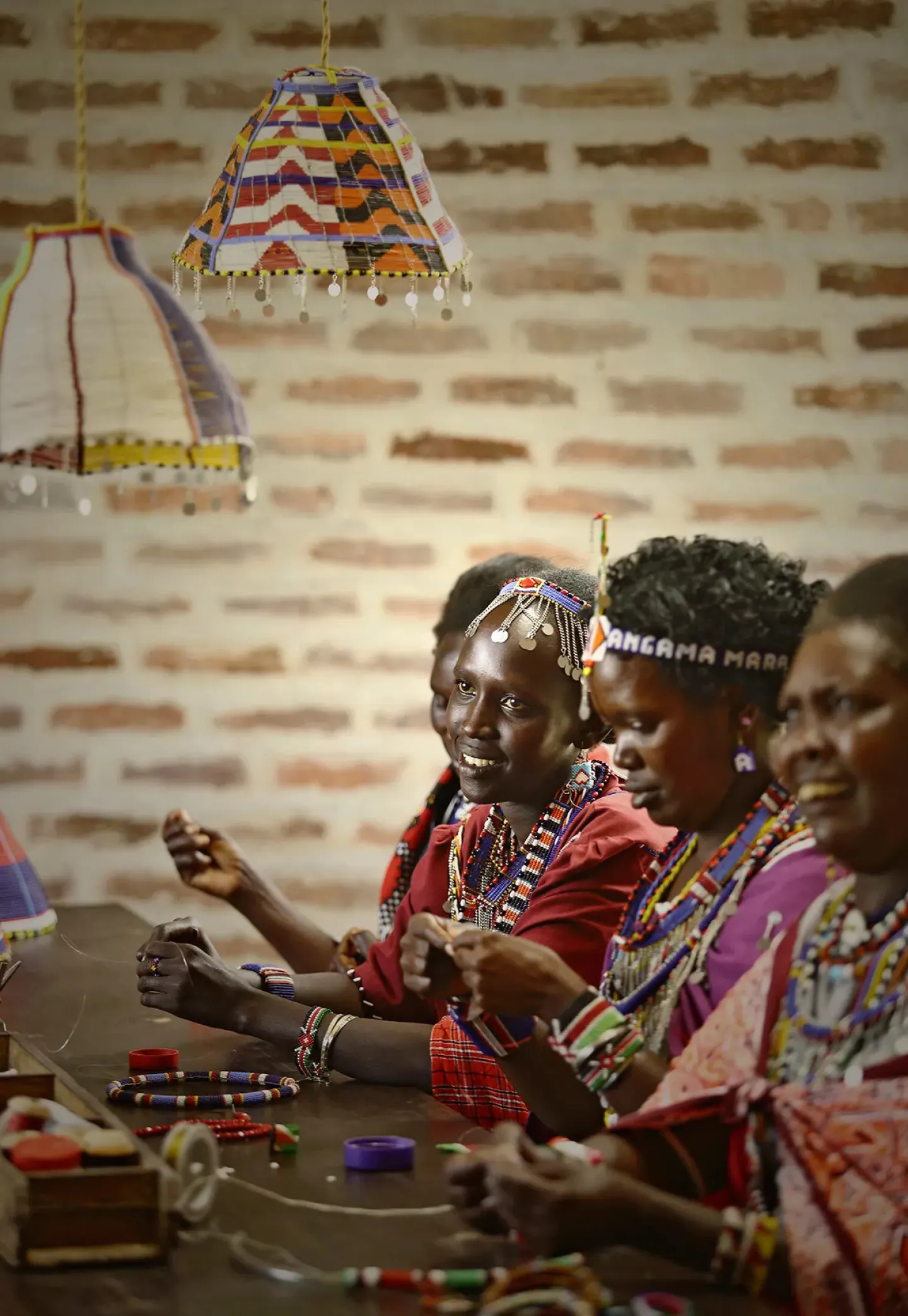
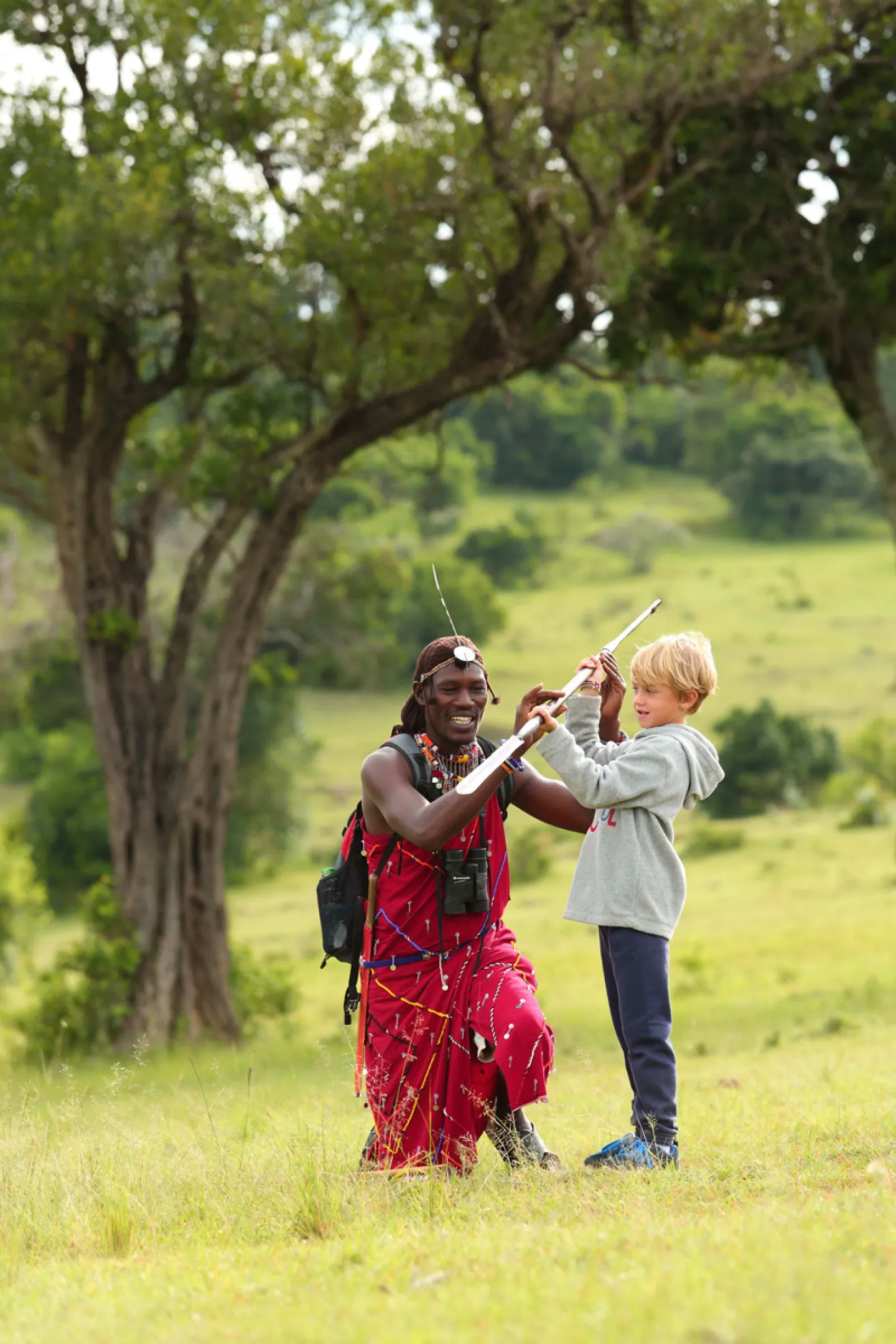
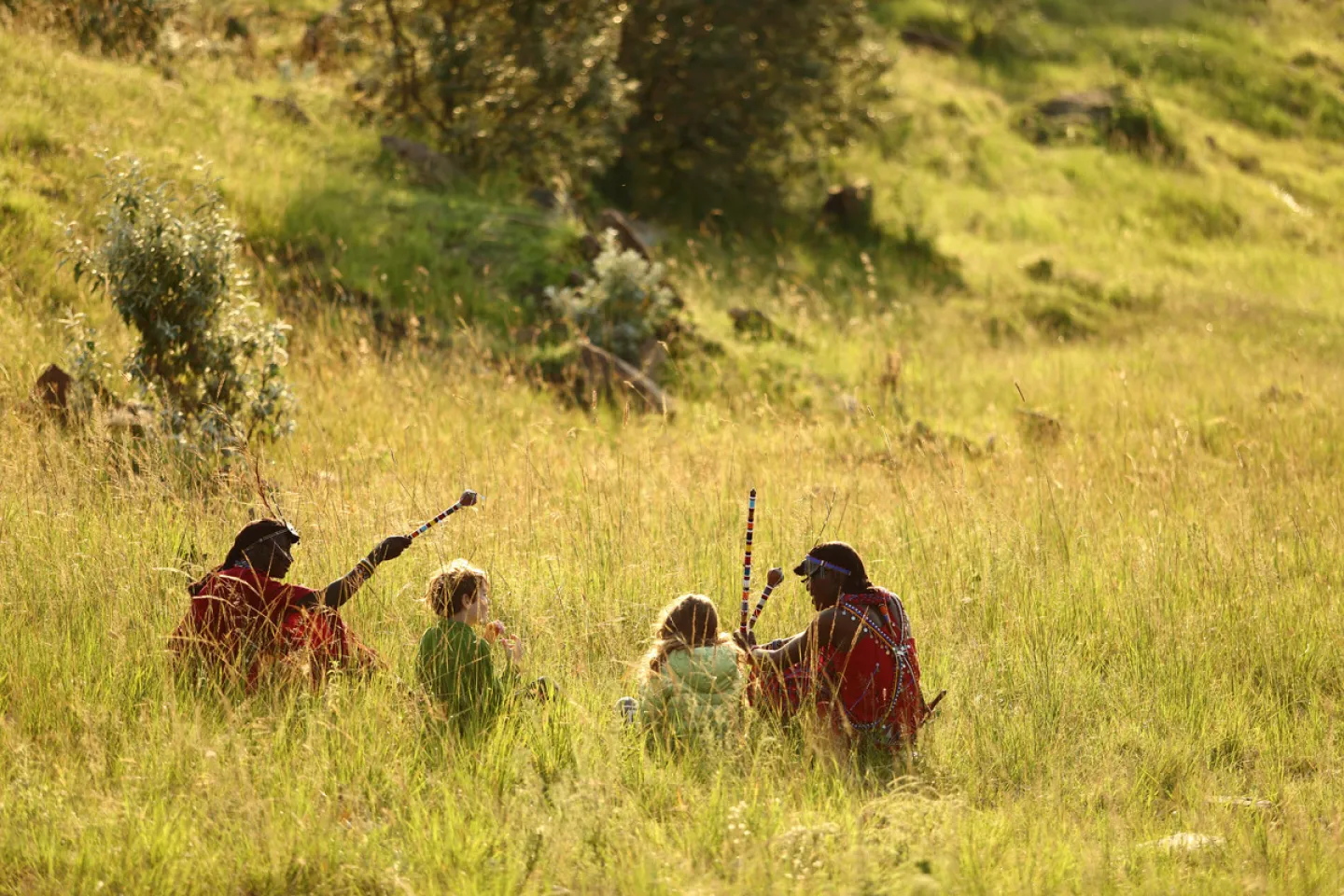
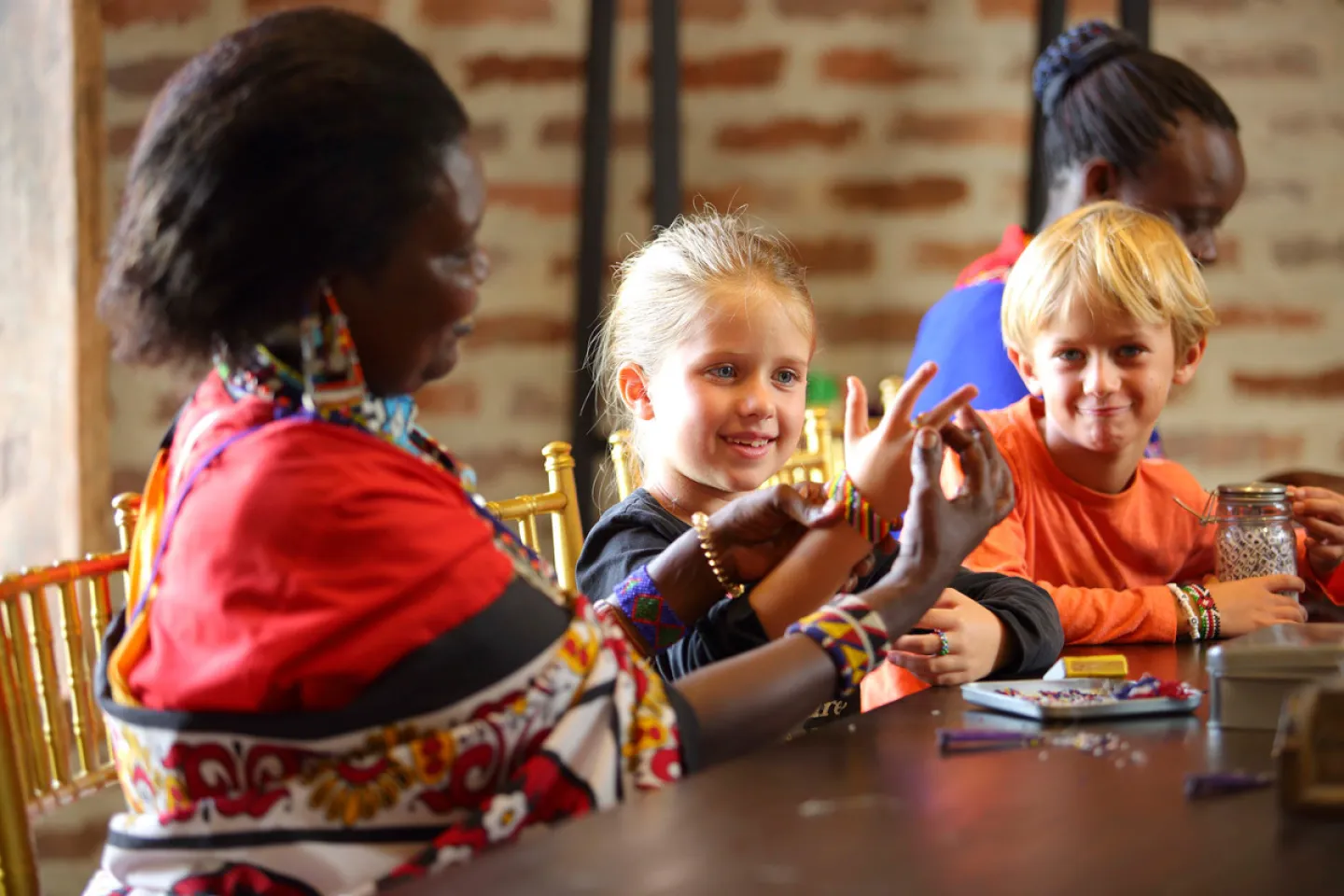
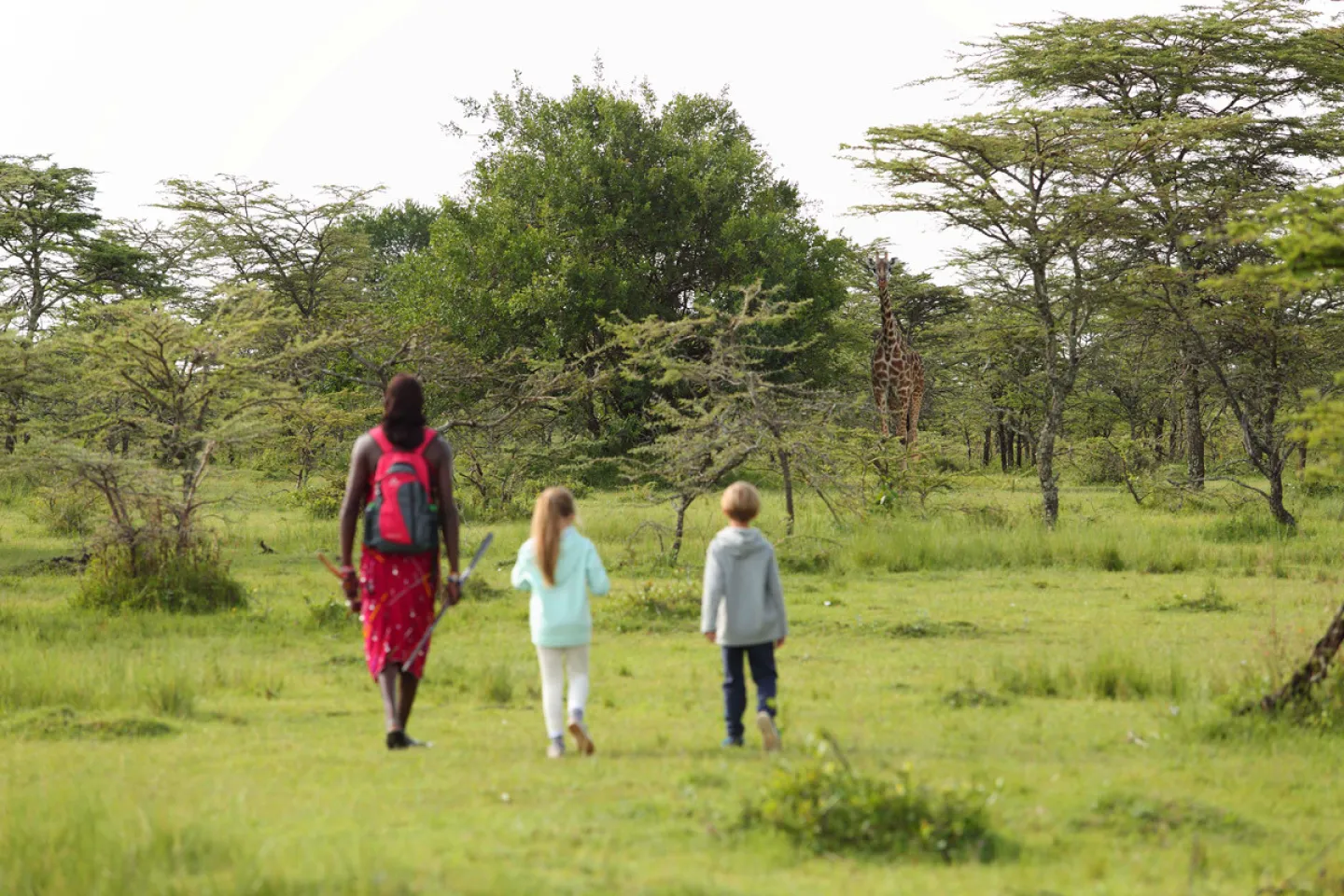
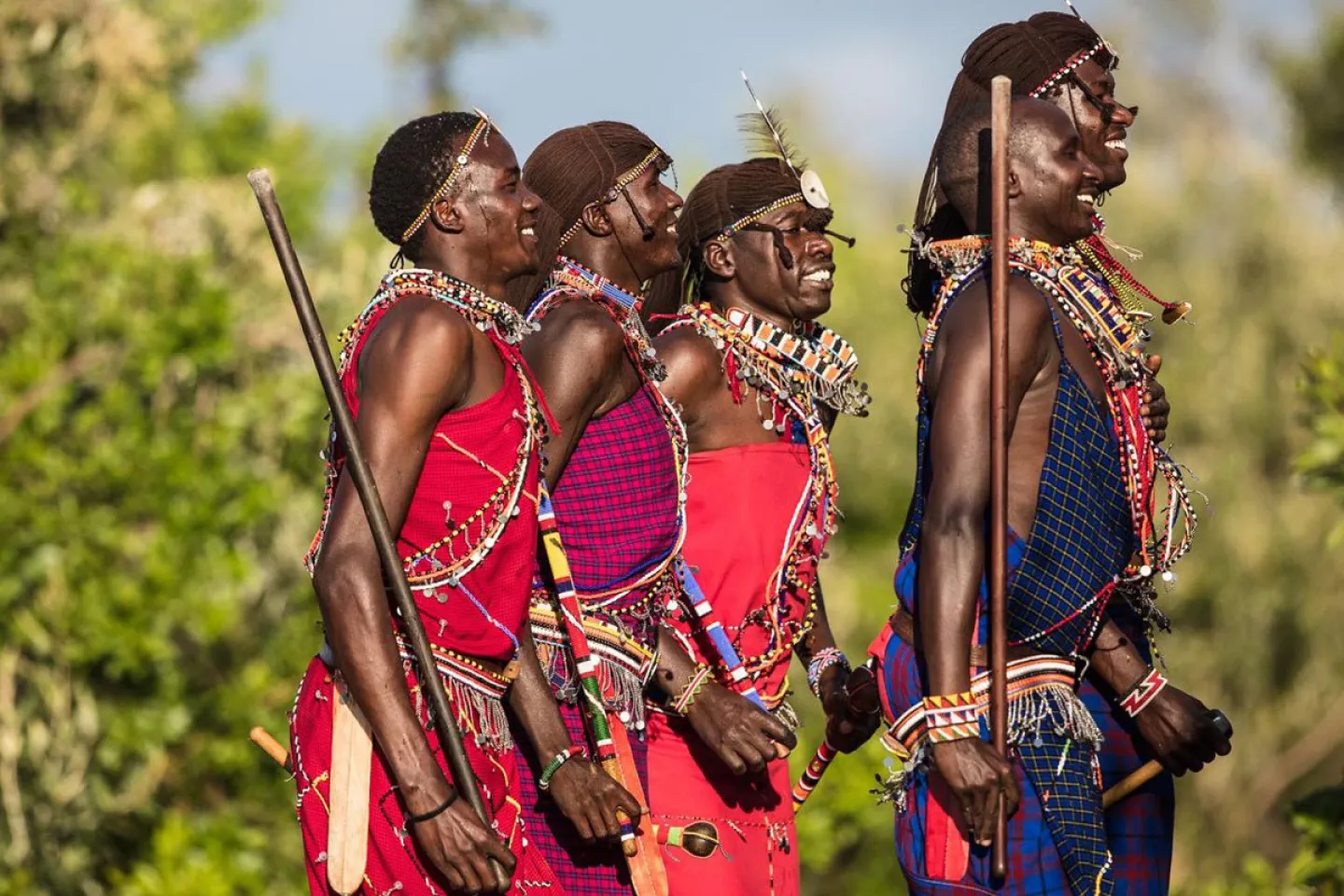
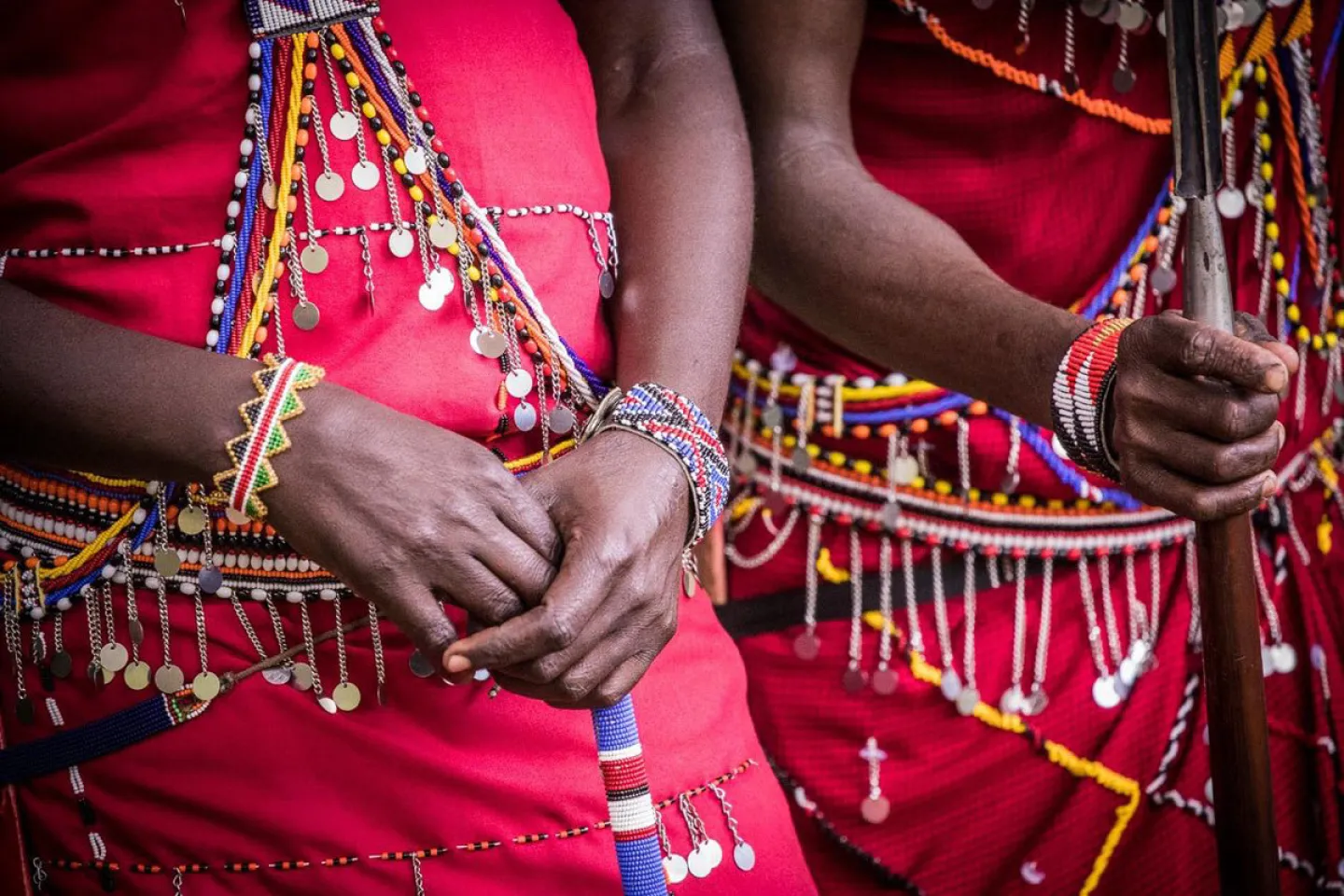
Guided walks with Maasai naturalists offer a closer look at tracks, plants, birds and landscapes. Cultural visits, including the on-site Beading Studio, provide insight into Maasai craft and daily life, while time at the lodge is set aside for rest and uninterrupted views across the plains.
Departure
As your journey through Kenya comes to an end, the landscapes stay with you. From Nairobi to Amboseli, Samburu and the Maasai Mara National Reserve, each region leaves you with a strong sense of place.
Speak to your Travel Architect
Create your African story, your way
Does this itinerary inspire you to create your own unforgettable African story? Speak to your Travel Architect about curating your perfect African journey.
Tell us the Africa you imagine. We’ll take you there!
Why travel with Your Africa?
It starts with you
No two journeys are the same. We design each itinerary around who you are and how you want to experience Africa.
Seamless planning
Your dedicated Travel Architect handles everything. All you need to do is guide us on what your ideal African journey looks like.
Travel, your way
You decide how you want to explore Africa. This is your Africa, your story, your way.
Mountains, savannahs and wild Africa gallery
Itinerary FAQs
While Kenya is a year-round destination, the timing depends on your priorities:
- The Great Migration: typically reaches the Masai Mara between July and October
- Dry season (June-October): best for general wildlife viewing as animals congregate around water sources
- Green season (November-May): Ideal for birdwatching, lush photography, and seeing newborn animals
Absolutely. Kenya is incredibly welcoming to families. However, please note that some activities, such as walking safaris or certain boutique lodges, may have age restrictions (typically eight or 12 years and older).
Unlike the southern parks, Samburu is home to rare species adapted to arid northern climates: the reticulated giraffe, Grevy’s zebra, Somali ostrich, beisa oryx and the gerenuk.
Yes, this route offers an excellent chance to see all of the Big Five (lion, leopard, elephant, buffalo and rhino). While Samburu is famous for leopards and elephants, the Masai Mara is your best bet for the full quintet, including the rare black rhino.
Authenticity is our priority. Rather than “staged” performances, we facilitate meaningful exchanges. This includes guided walks with Maasai naturalists, visits to the Angama Beading Studio to see traditional craftsmanship, or learning about the Harambee spirit through local conservation initiatives.
Your Travel Architect will assist you with all your travel arrangements. As of 2024, Kenya transitioned to an Electronic Travel Authorisation (eTA) system. All visitors (except for some exempt categories) must apply for an eTA online before travel. We recommend applying at least two weeks before your departure.
Kenya is a malaria-risk area, particularly in the lower-lying savannahs of the Masai Mara and Samburu. However, most luxury lodges are well equipped with mosquito netting and eco-friendly repellents. We strongly recommend consulting your travel clinic or doctor regarding prophylactic medication before you depart.
To support our “tread lightly” philosophy, our partner lodges provide filtered, high-quality drinking water in reusable glass or stainless steel bottles. We discourage the use of single-use plastics to protect the delicate ecosystems of the Mara and Samburu.
The key is layers. Mornings in Nairobi and the Masai Mara can be surprisingly chilly (10℃-15℃, or 50℉-59℉), while Samburu’s semi-arid plains can reach 30℃ (86℉) by midday.
Essentials: neutral-coloured clothing (khaki, olive, beige), a wide-brimmed hat, high-quality binoculars and a light jacket for evening game drives. And don’t forget high-SPF sunscreen!
To ensure the best photographic opportunities and an immersive connection to the wild, we primarily use open-sided 4x4 Land Cruisers. These vehicles offer 360-degree views. For longer road transfers (if chosen over flights), we use closed vehicles with pop-up roofs for comfort and safety on public roads.
Most of our selected lodges, including Hemingways Eden and Angama Mara, offer complimentary Wi-Fi in the main guest areas and suites. However, we encourage guests to “unplug” as much as possible to fully embrace the silence and sounds of the African wilderness.