The largest wildlife spectacle on earth
The largest wildlife spectacle on earth
9-day/8-night Great Migration safari
Immerse yourself in the majestic Great Migration
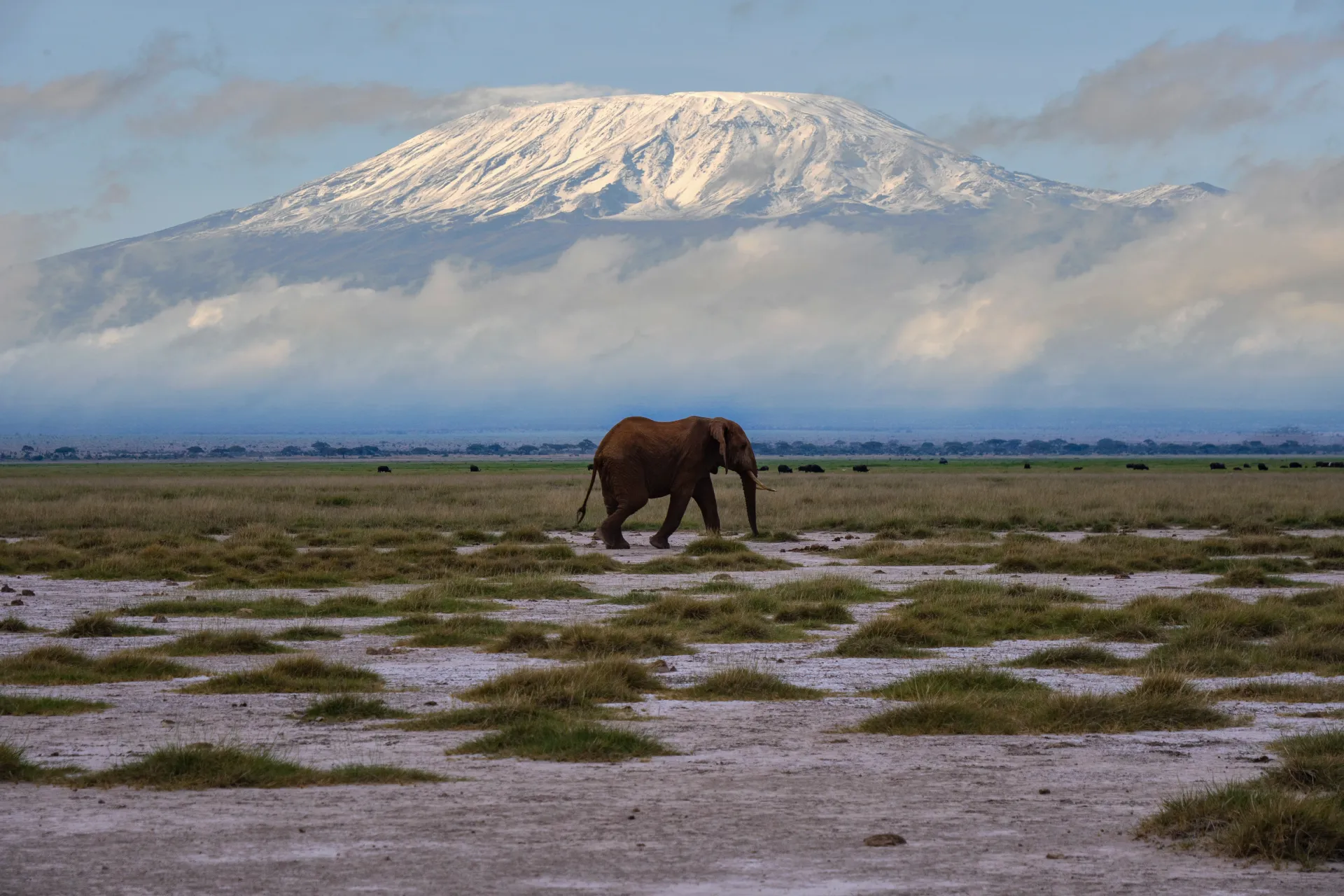
Often called the “8th Wonder of the World”, this is the largest wildlife movement on Earth, and Tanzania (along with Kenya) is where most of this extraordinary story unfolds.
Across nearly 1 000km (621mi) of open plains, woodlands and river systems, more than a million wildebeest, accompanied by hundreds of thousands of zebras, gazelles and other grazers, travel in a vast, swirling circuit. Seen from above, the sheer density is staggering: in some areas, up to 1 000 animals fill every square kilometre (0.4sq mi), their great columns so immense they can be spotted from space.
But the Great Migration has no fixed timetable. It follows only one guide: the rains.
As weather patterns shift and seasons come earlier or later than expected, the herds move with instinct rather than order, unpredictable, emotional and endlessly alive.
Each species plays its part in shaping the plains. Zebras arrive first, trimming the taller, coarser grasses. Wildebeest follow, feeding on the fresh shoots that emerge afterwards. Thomson’s gazelles move in last, grazing the tender herbs and fine grasses left close to the ground. It is nature’s choreography, each grazer creating space for the next.
 At a Glance
 Highlights
 Greatest wildlife spectacle on earth
Big Five game viewing
Guided walks with Maasai guides
Birdwatching
Famed hot air ballooning at sunrise
Cultural experiences
Coffee tours
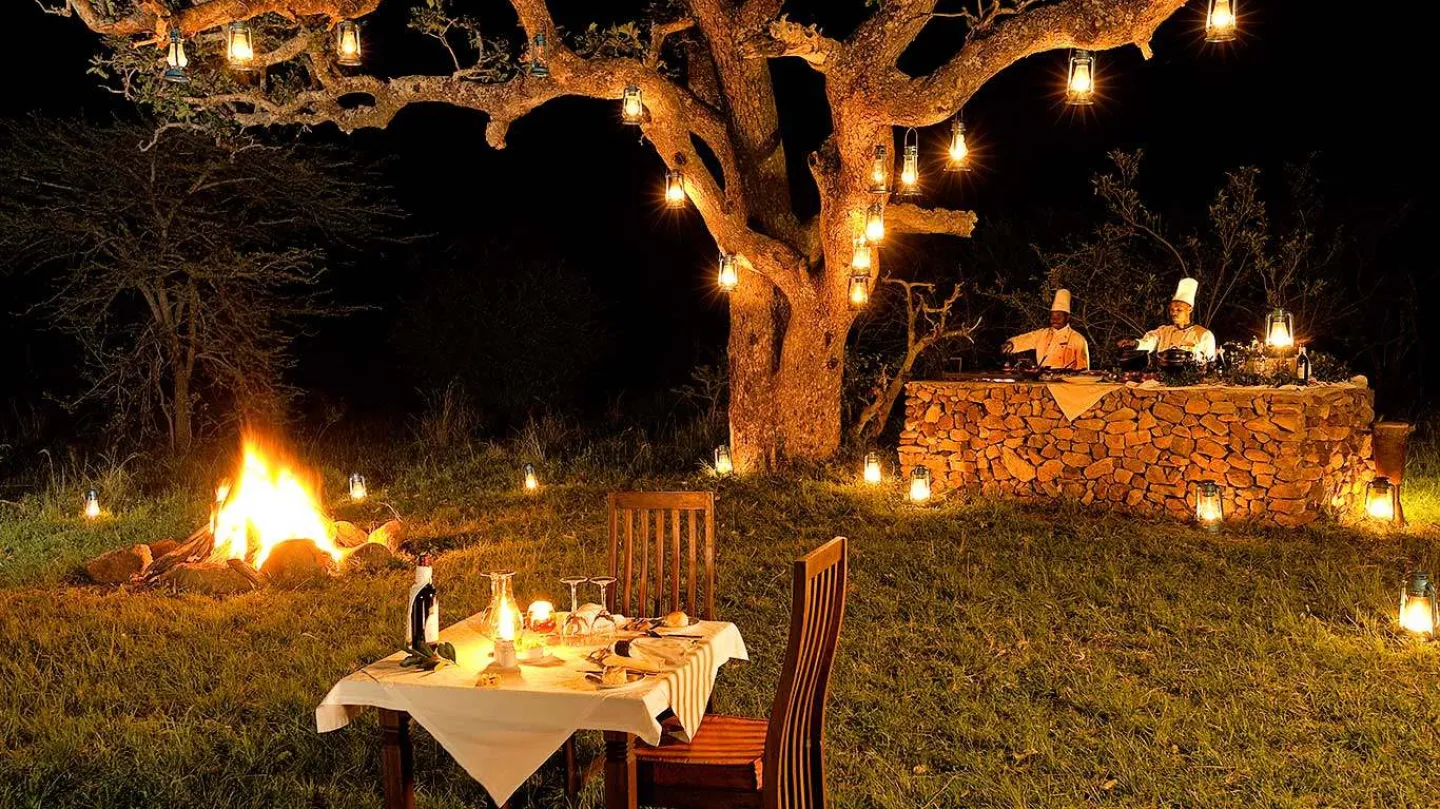
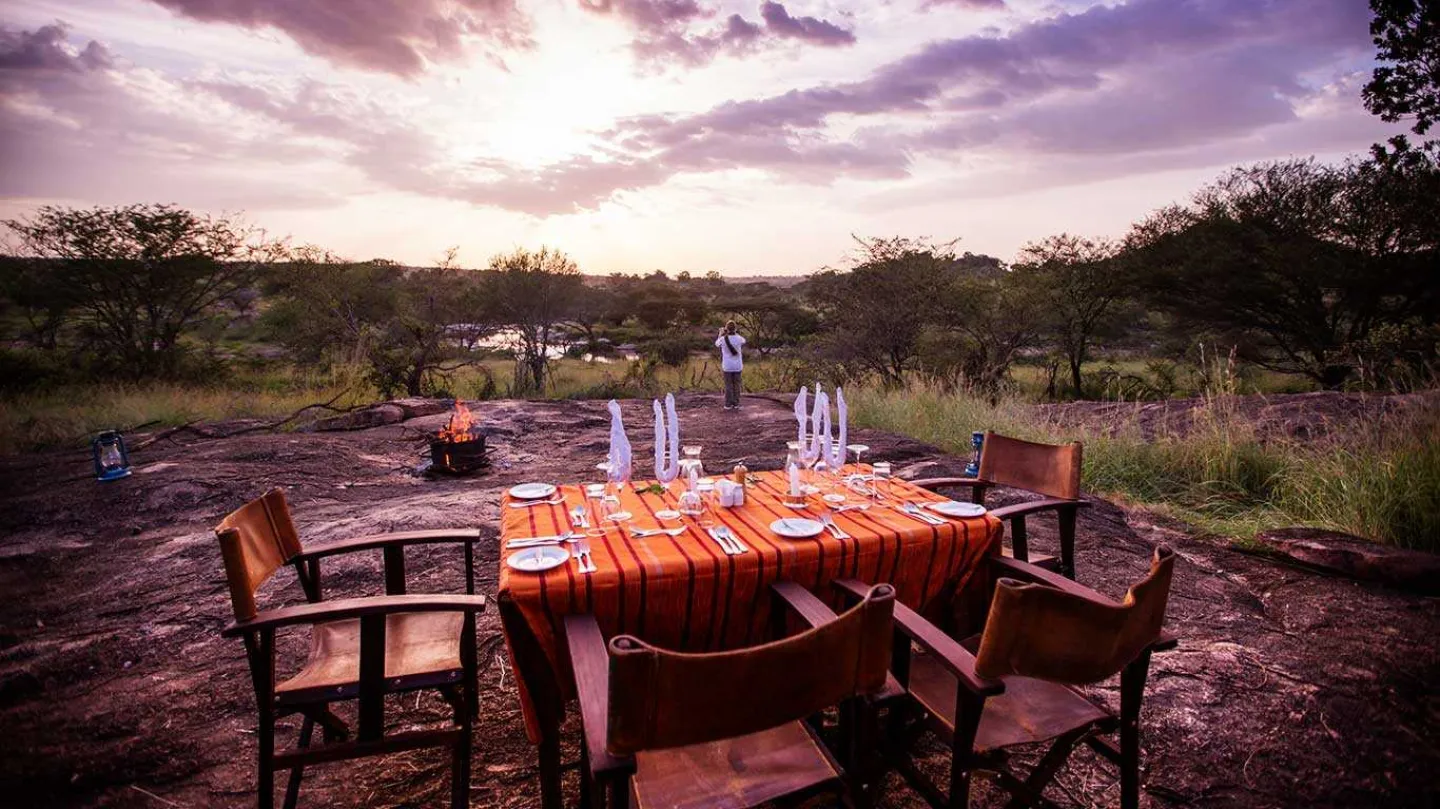
Bush dining
Greatest wildlife spectacle on earth
Big Five game viewing
Guided walks with Maasai guides
Birdwatching
Famed hot air ballooning at sunrise
Cultural experiences
Coffee tours
Bush dining Location
9-day/8-night Great Migration safari
Meet Your Travel Architect
Our South Africa specialists have explored every corner of the Delta. Let us craft a journey uniquely tailored to you.
Book a time to chat

Arusha
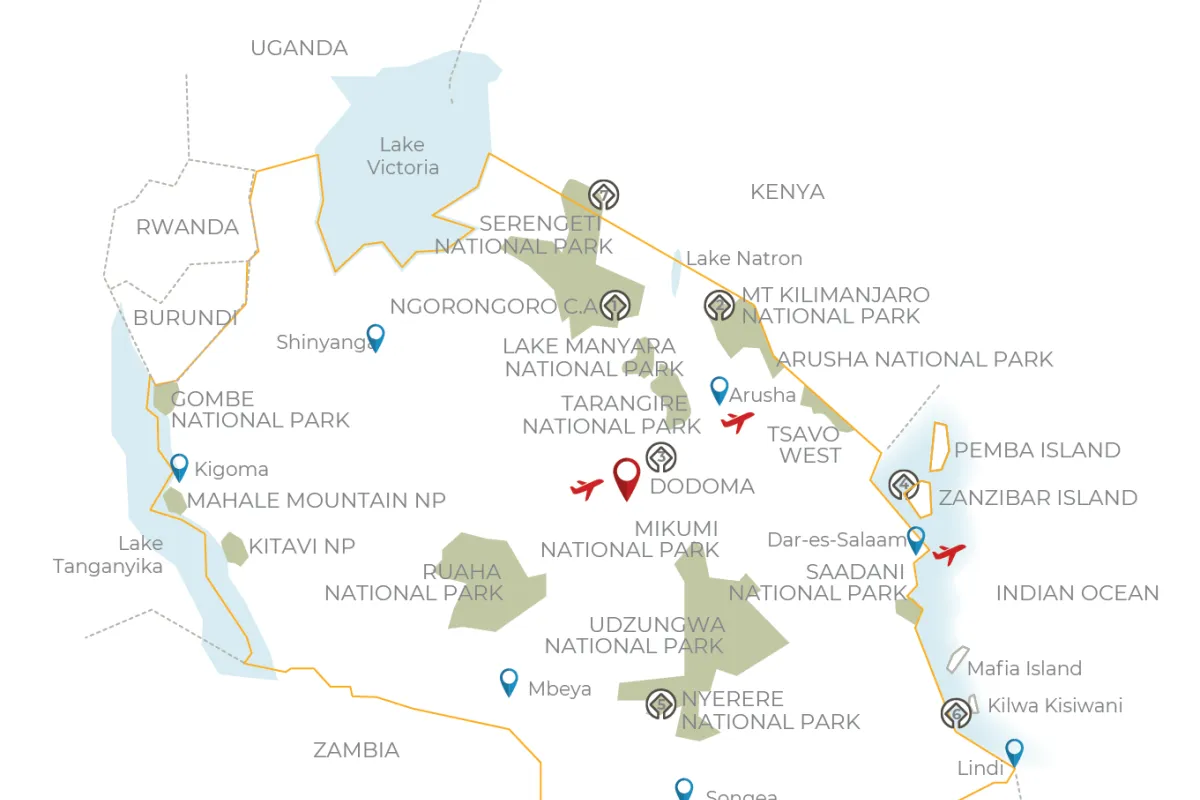
Arusha is one of East Africa’s most intriguing cities; vibrant, cultural and steeped in the stories that shaped modern Tanzania. Often considered the gateway to some of Africa’s most unforgettable safaris, Arusha is far more than a starting point: it is a lively, welcoming city where cultures meet and mingle.
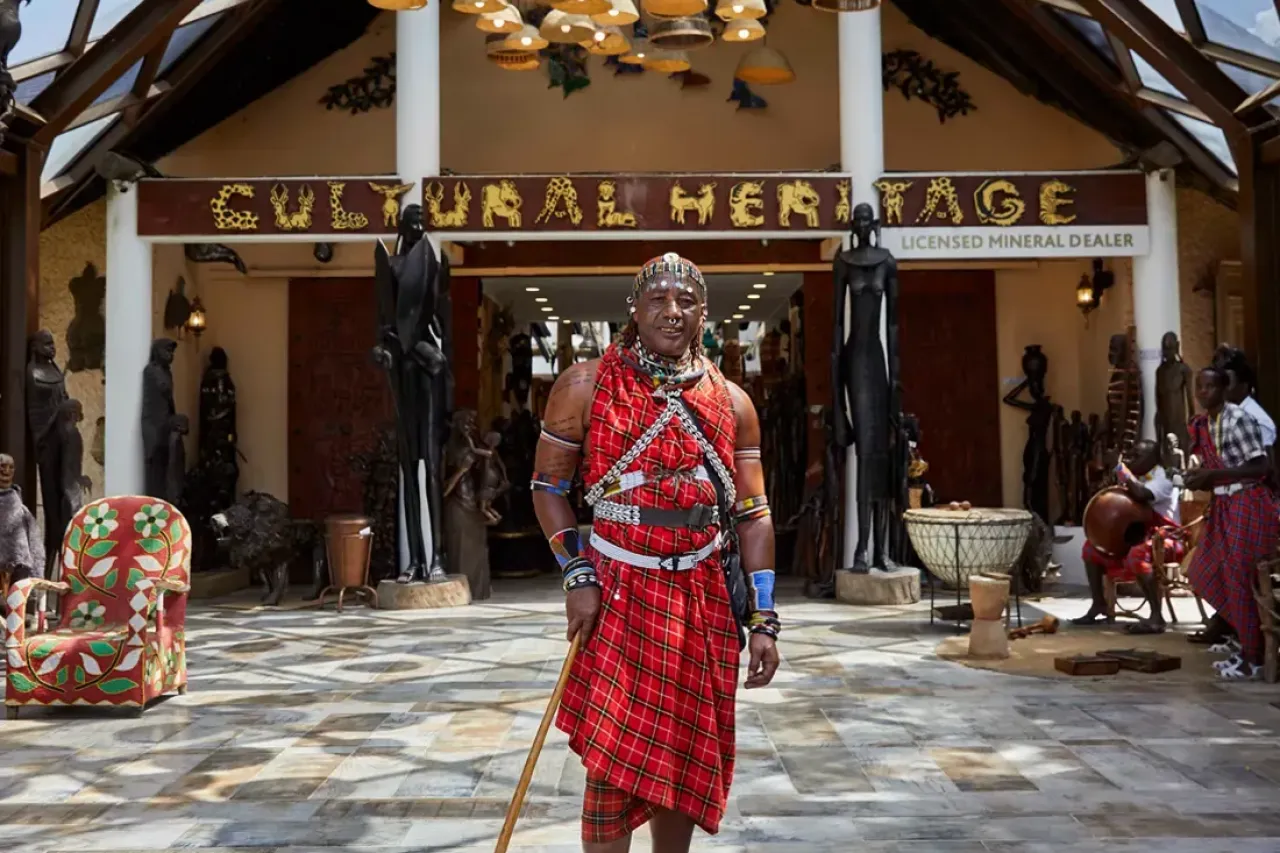
Here, Arab-Tanzanian traders, Indian-Tanzanian families, descendants of the Arusha Maasai and a small global community have created a place with its own rhythm, flavour and warmth.
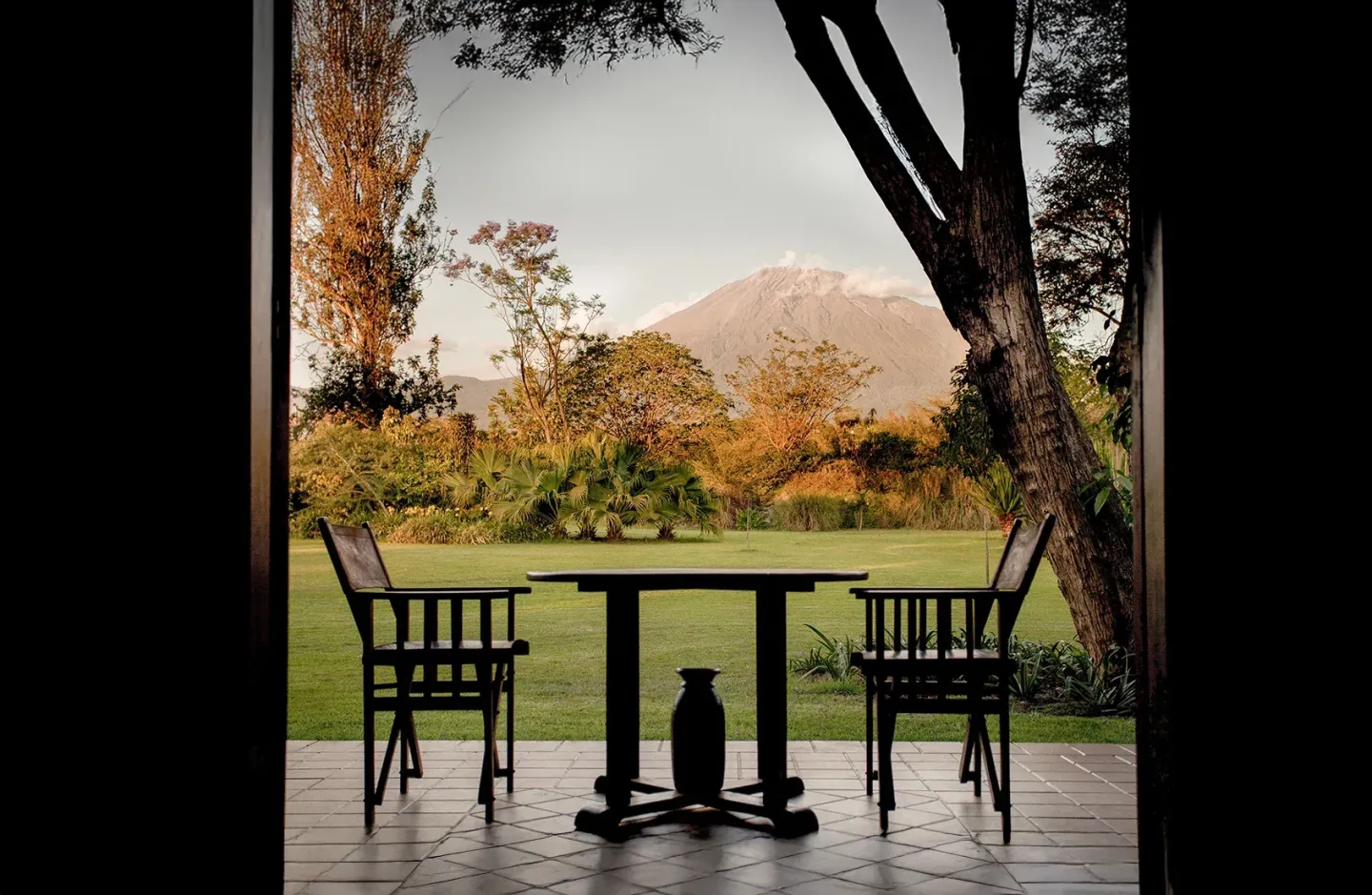
Despite being a common stopover, Arusha rewards those who linger. Coffee plantations surround the city, offering immersive tours that trace the bean from soil to cup. Arusha National Park, just outside town, unfolds with soda lakes, flamingos, forested foothills and the striking silhouette of Mount Meru, Africa’s eighth-highest mountain.
Arusha is a city that surprises; a place where history, culture and nature meet at the foot of the Rift Valley, inviting travellers to slow down and discover the spirit of northern Tanzania.
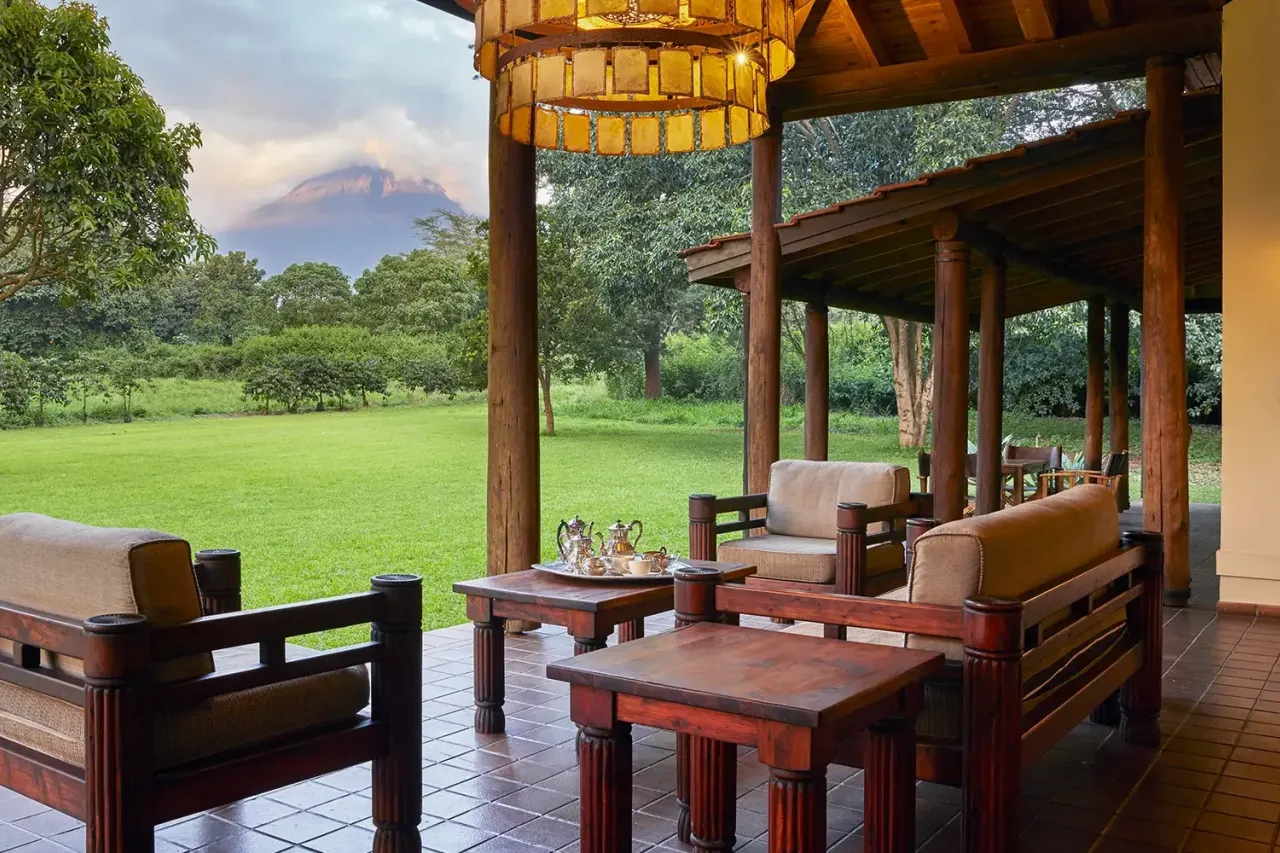
Legendary Lodge
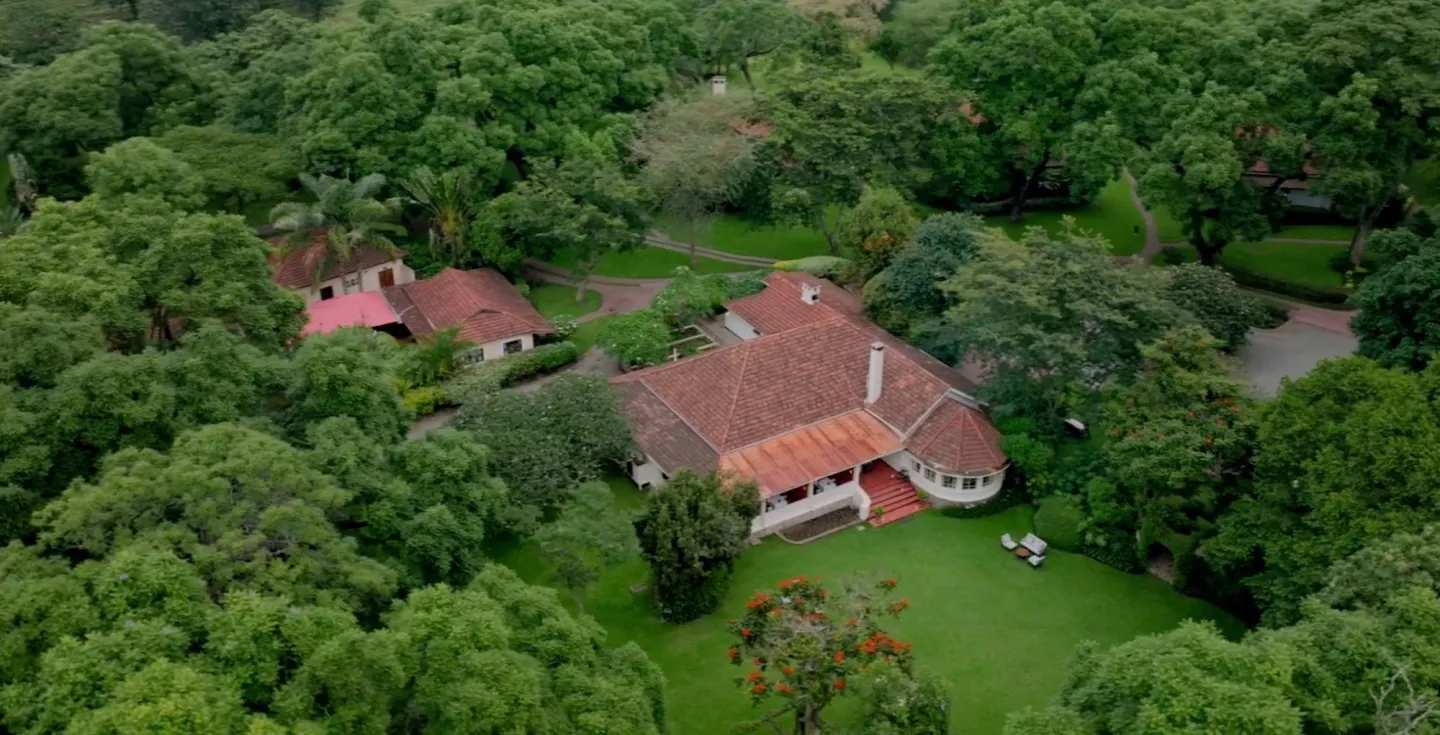
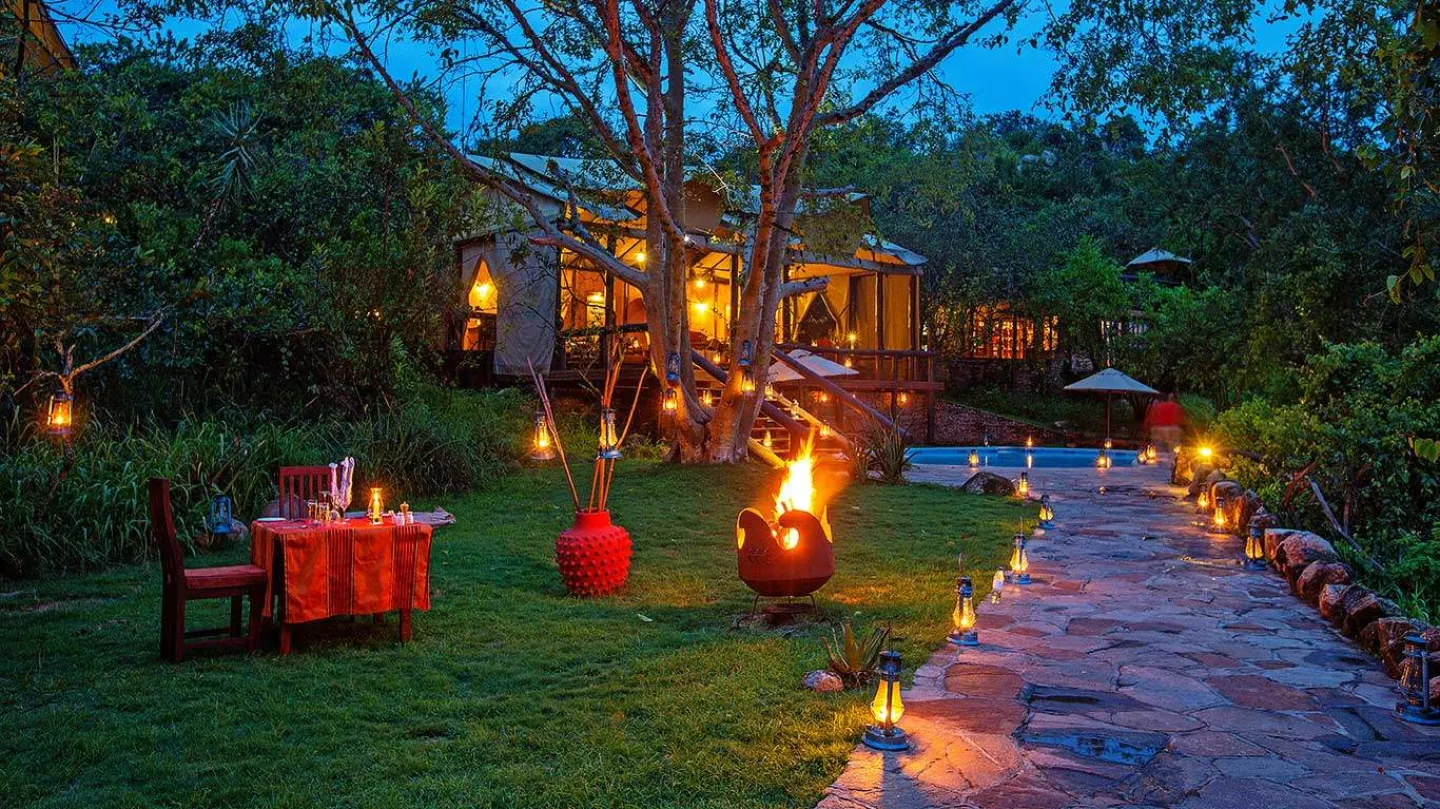
Legendary Lodge is tucked into tropical gardens, with spacious cottages that give privacy and calm after a day of safari. The spaces blend African craftsmanship with simple colonial-style design, allowing guests to set their own pace.
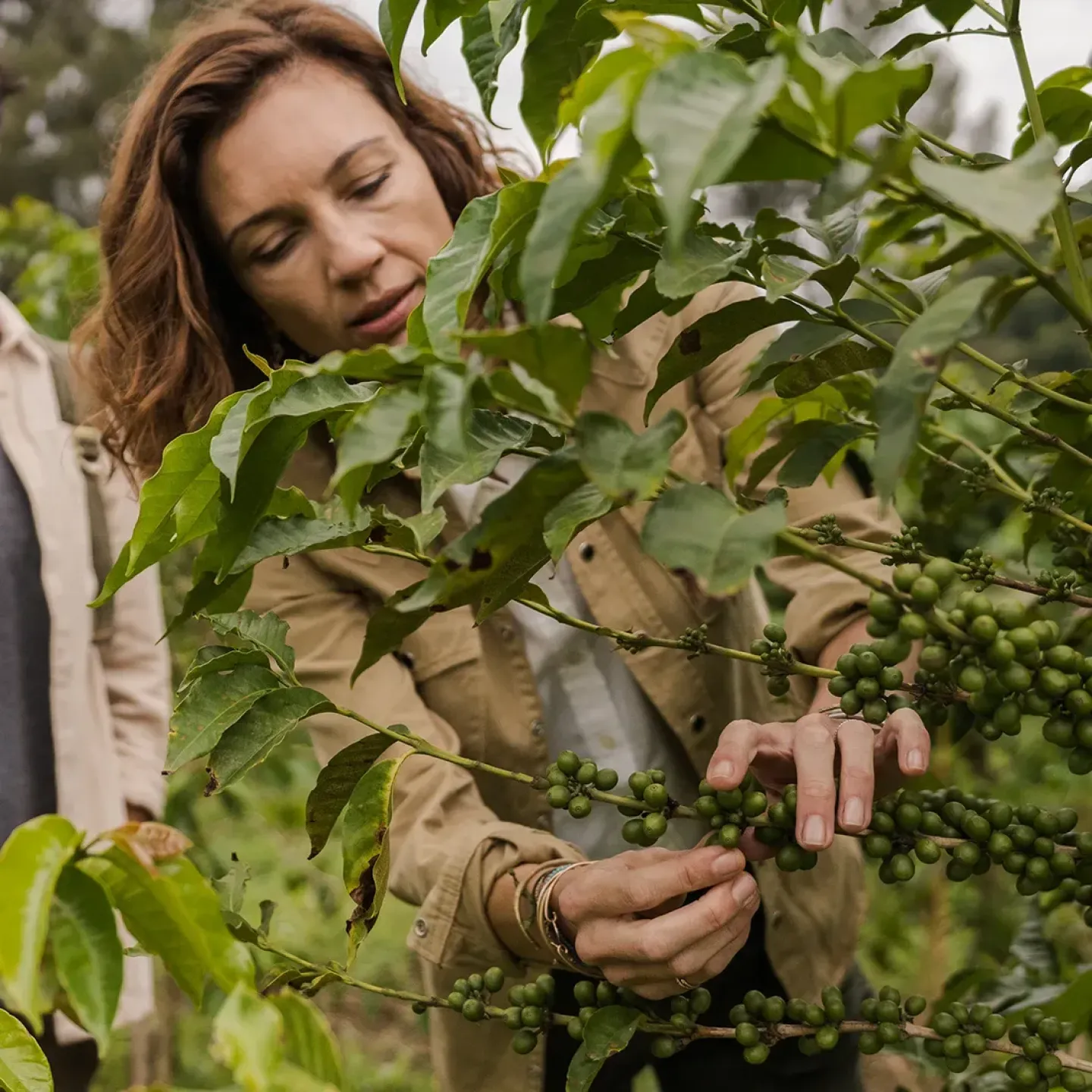
You can dine indoors or outside, explore the estate on foot, by bike or on a run, and enjoy spa treatments with local botanicals. You can also join bush-to-brew coffee tours, and join an “Art in the Garden” session where the setting itself becomes the muse.
And for those seeking something truly unforgettable, take to the skies on a helicopter flip, a spectacular way to see the landscapes that cradle Arusha.
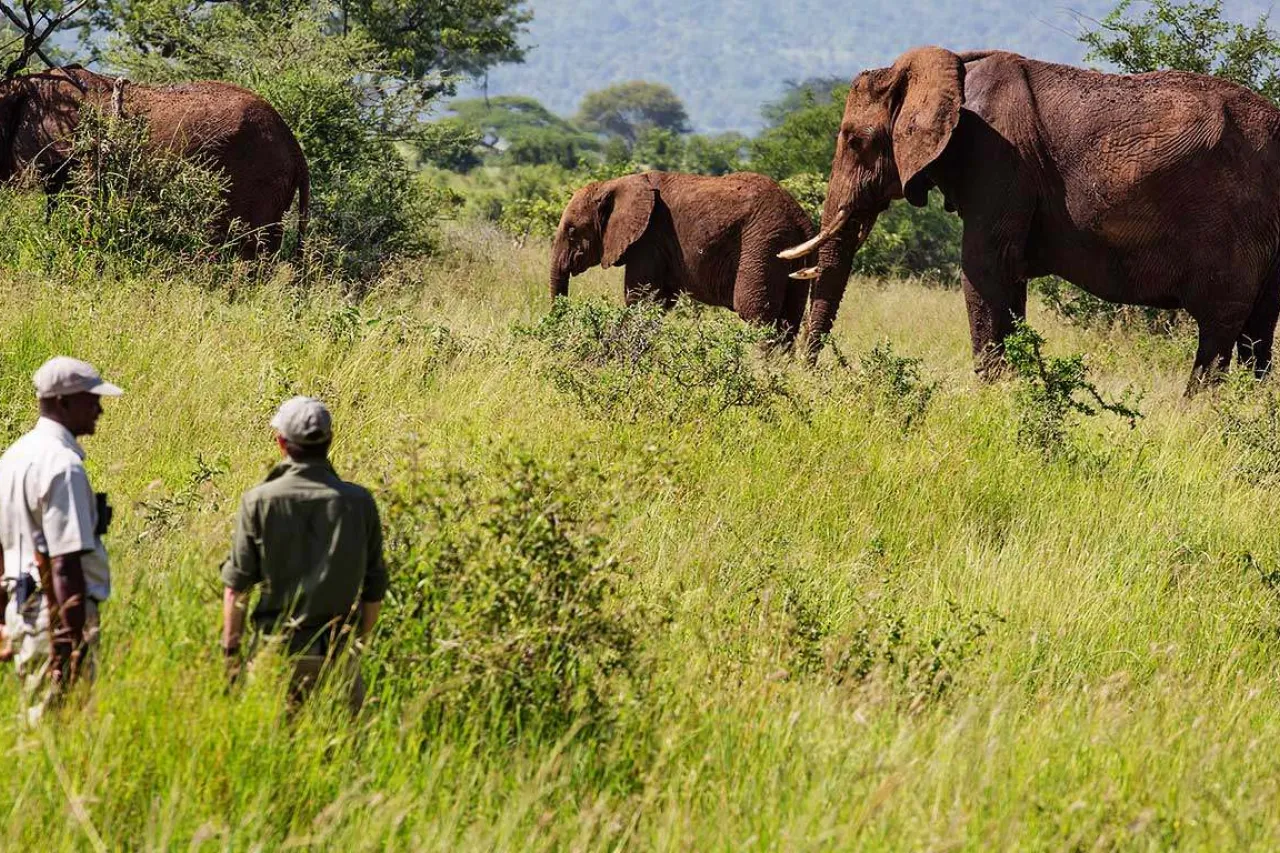
Tarangire National Park
Tarangire National Park is one of northern Tanzania’s most peaceful places: ancient baobabs stand guard over the land, where the wildlife follows rhythms as old. Often overshadowed by its more famous neighbours, Tarangire offers safaris that feel deeply connected to nature.
The great, timeworn baobabs dwarf the savannah around them. Termite mounds punctuate the horizon, while sweeping woodlands, granitic ridges, feathery fever-tree forests, shimmering swamps, and wide-open plains create a patchwork of habitats alive with movement and colour.
Tarangire lies at the heart of a vast ecosystem linked with Lake Manyara, the Masai Steppe and the string of Rift Valley lakes to the north and west. But its lifeblood is the Tarangire River, one of the only permanent water sources during the dry season. As the land grows parched, life converges here in staggering numbers.
Few travellers know that Tarangire has its own migration, a seasonal gathering where an estimated 250 000 animals stream into the park, drawn to the river and floodplains from many miles away. It may not rival the scale of the Serengeti, but the sight of vast herds threading through baobab forests is extraordinary in its own right.
Tarangire is also renowned for having Tanzania’s largest concentration of elephants, sometimes gathering in herds of up to 300. Beyond elephants, Tarangire hosts one of the richest wildlife populations outside the Serengeti: zebra, wildebeest, buffalo, giraffe, eland, hartebeest, reedbuck, gazelle and more roam freely across the plains. In the drier regions, lucky guests may spot the rare fringe-eared oryx or gerenuk, species found in only a handful of places in Tanzania.
Predators – lion, leopard, cheetah and hyena – follow closely behind. Even the elusive African wild dog appears from time to time. Since 2005, Tarangire has been recognised as a Lion Conservation Unit; its lions are famous for their unusual behaviour: climbing trees to escape insects, cool off in the heat or gain elevation for hunting. They are often seen lounging in the limbs of acacia trees near the river or stalking silently through the Silale Swamps, a mosaic of marshland where predators thrive.
With over 500 bird species, Tarangire is one of East Africa’s premier birding destinations. Endemic Yellow-collared lovebirds flit through the woodlands; Ashy starlings and Rufous-tailed weavers shimmer in the sun; Kori bustards stride across open plains; and Bateleur eagles soar on thermals overhead. When the rain arrives, pelicans, storks, herons and flamingos gather in painterly flocks.
Tarangire is a place shaped by giants, softened by swamps and savannahs, and animated by some of the richest wildlife encounters in East Africa. For travellers seeking space, beauty and authenticity, it is one of Tanzania’s most rewarding hidden treasures.
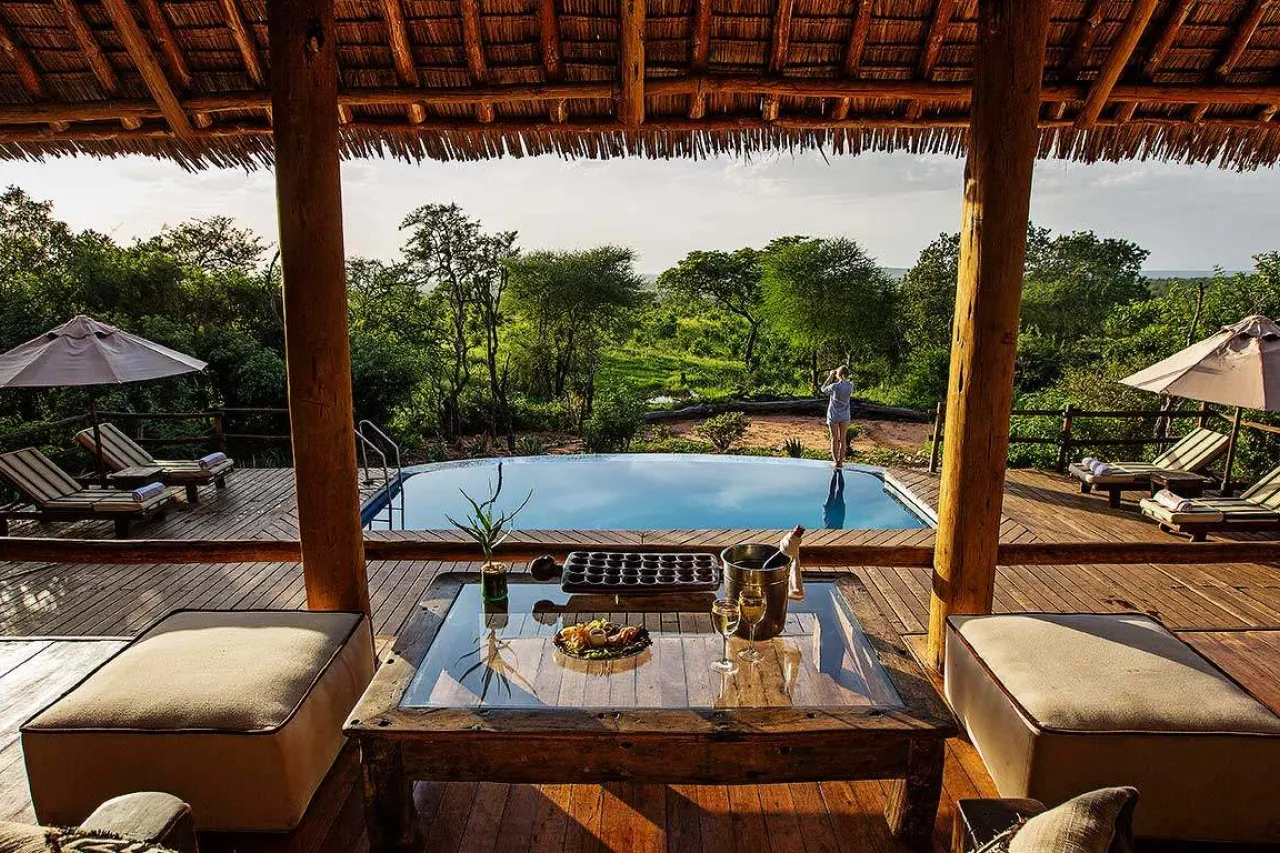
Elewana Tarangire Treetops
On the edge of Tarangire National Park, where the savannah rolls into the Masai Steppe, Tarangire Treetops rises above the landscape. Set in the 312km² (121sq mi) Mkungunero Community Wildlife Area, this sanctuary welcomes you with a blaze of colour and the warm smiles of the local Maasai; a joyful, heartfelt greeting that sets the tone for your stay.
At the heart of the lodge stands a thousand-year-old baobab, embraced by the main area and overlooking a waterhole that draws wildlife throughout the day. Elephants drift in and out. Antelope pause to drink. Birds scatter in brilliant flashes. It is a living stage, one that changes with every hour.
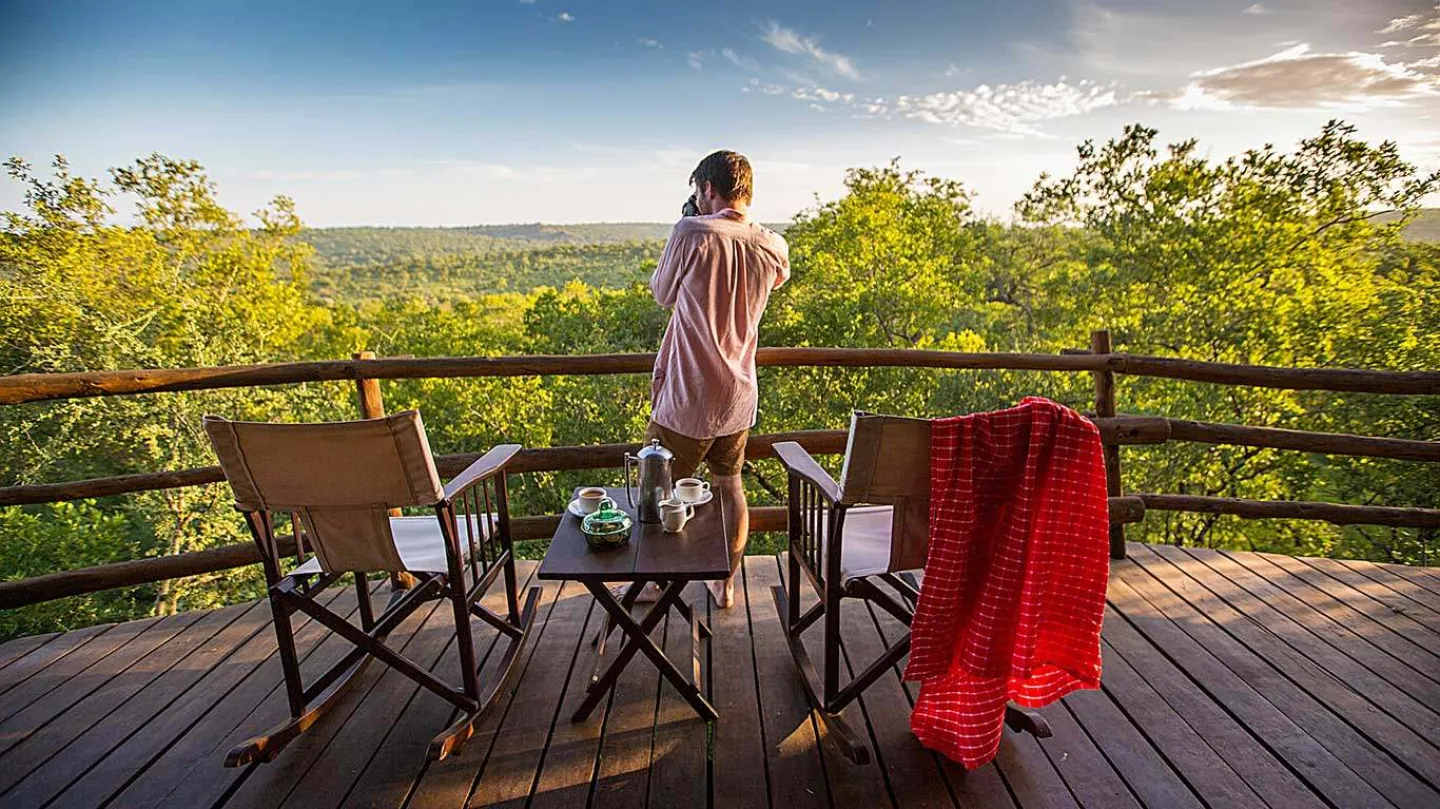
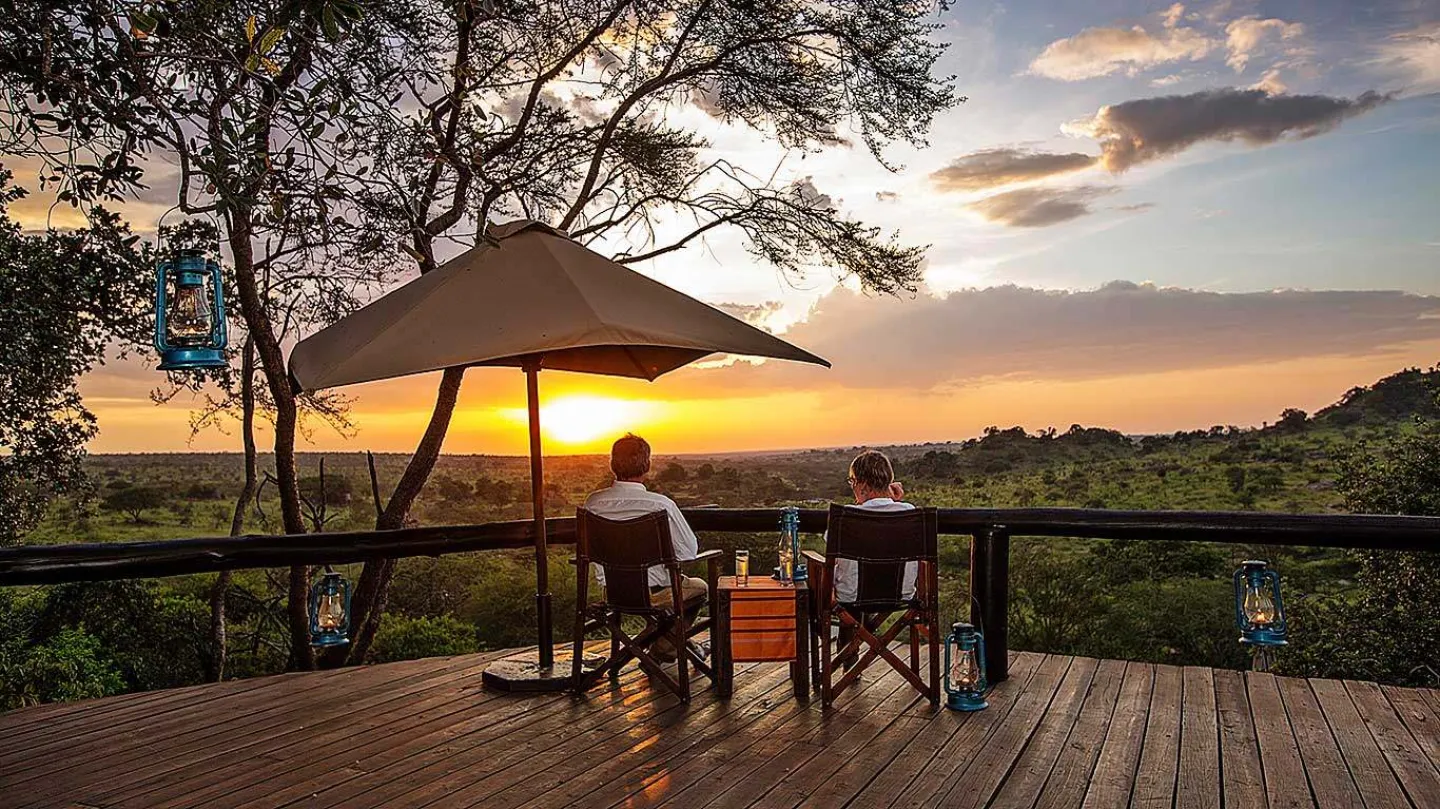
The elevated, thatched luxury tented suites evoke the magic of a treehouse; nostalgic, secluded and wonderfully romantic. The open-fronted design invites the outside in, while the expansive private balcony offers sweeping views across the Tarangire plains, out toward Lake Manyara, the distant rise of Mount Kilimanjaro and the dramatic wall of the Rift Valley.
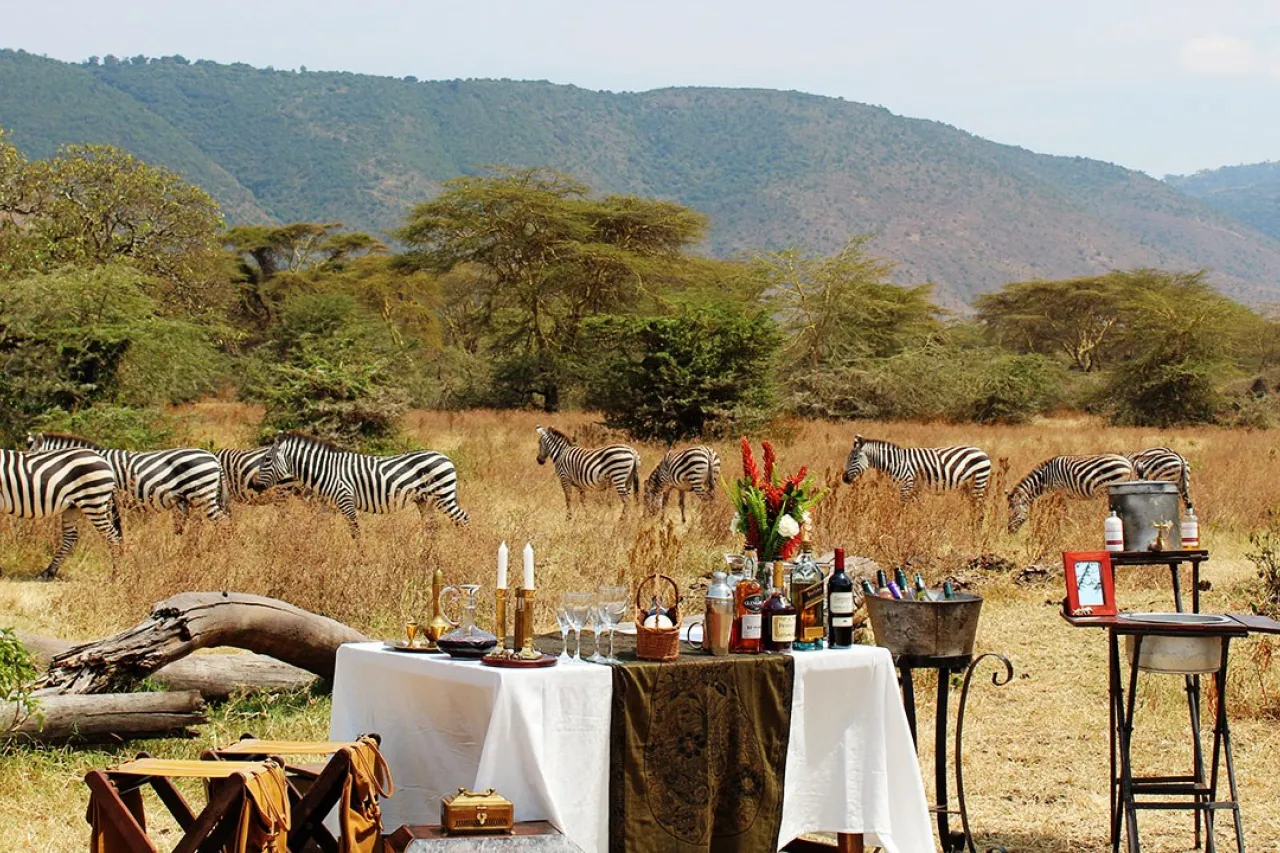
Ngorongoro Conservation Area
The Ngorongoro Conservation Area (NCA) is one of Africa’s great treasures: where landscapes, wildlife, cultures and deep human history converge in a way found nowhere else on Earth.
Established in 1959 as a multiple-use landscape where wildlife and Maasai pastoralists co-exist, the NCA stretches across 8 292km² (3 202sq mi) of dramatic terrain, from the sweeping Serengeti plains to the volcanic highlands surrounding the highly alkaline salt lake, Lake Natron. Declared a UNESCO World Heritage Site in 1979, it is one of the continent’s most remarkable protected areas.
The NCA forms part of the vast Serengeti-Mara ecosystem, yet its geology creates a world entirely its own. Here, climate, altitude and ancient tectonic forces give rise to overlapping habitats: short-grass plains, montane forests, high moorlands, savannah woodlands and shimmering crater lakes.
Dominating the horizon are the great volcanic giants:
- Mount Loolmalasin, Tanzania’s third-highest mountain
- The Gol Mountains, a sacred sentinel of the Maasai
- Ol Doinyo Lengai, the still-active volcano whose name means “Mountain of God”, and is believed by the Maasai to be the home of the god Enkai
At the NCA’s heart lies the legendary Ngorongoro Crater, the world’s largest intact caldera not filled by a lake. Its forested rim towers more than
2 300m (7 546ft) above the plains, sheltering a vast, 18km-wide (11mi) bowl teeming with life. The seasonal Lake Magadi sits at the centre, attracting clouds of Lesser and Greater flamingos when conditions are right. Nearby springs and swamps brim with hippos.
Around 30 000 large mammals roam this fertile basin:
- Lion populations believed to be among the densest in Africa
- Leopard, hyena and jackal
- Large herds of buffalo, zebra, wildebeest and eland
- The rare black rhino, often glimpsed in the open grasslands
It is one of the few places where the Big Five can still be seen in a single day, though giraffe and impala are notably absent from the crater floor.
With more than 500 bird species, the crater is alive with colour and movement: Kori bustards, Secretary birds, Marabou storks, Yellow-billed storks, raptors riding the thermals, and the vivid plumage of Schalow’s turaco and Hildebrandt’s spurfowl.
Beyond its extraordinary wildlife, Ngorongoro holds some of the most important evidence of early human history ever discovered. At Laetoli, Mary Leakey and her team uncovered a 27m (89ft) trail of hominid footprints preserved in volcanic ash, the oldest known footprints of our ancestors, dating back 3.6-million years.
Nearby Olduvai Gorge, often called the cradle of mankind, has yielded stone tools, fossils and artefacts tracing nearly two million years of human evolution. Its museum houses casts of the Laetoli footprints. Perhaps the most unforgettable activity of all is time spent with the Hadzabe near Lake Eyasi, one of the last hunter-gatherer communities on Earth, still living in harmony with the land as their ancestors did thousands of years ago.
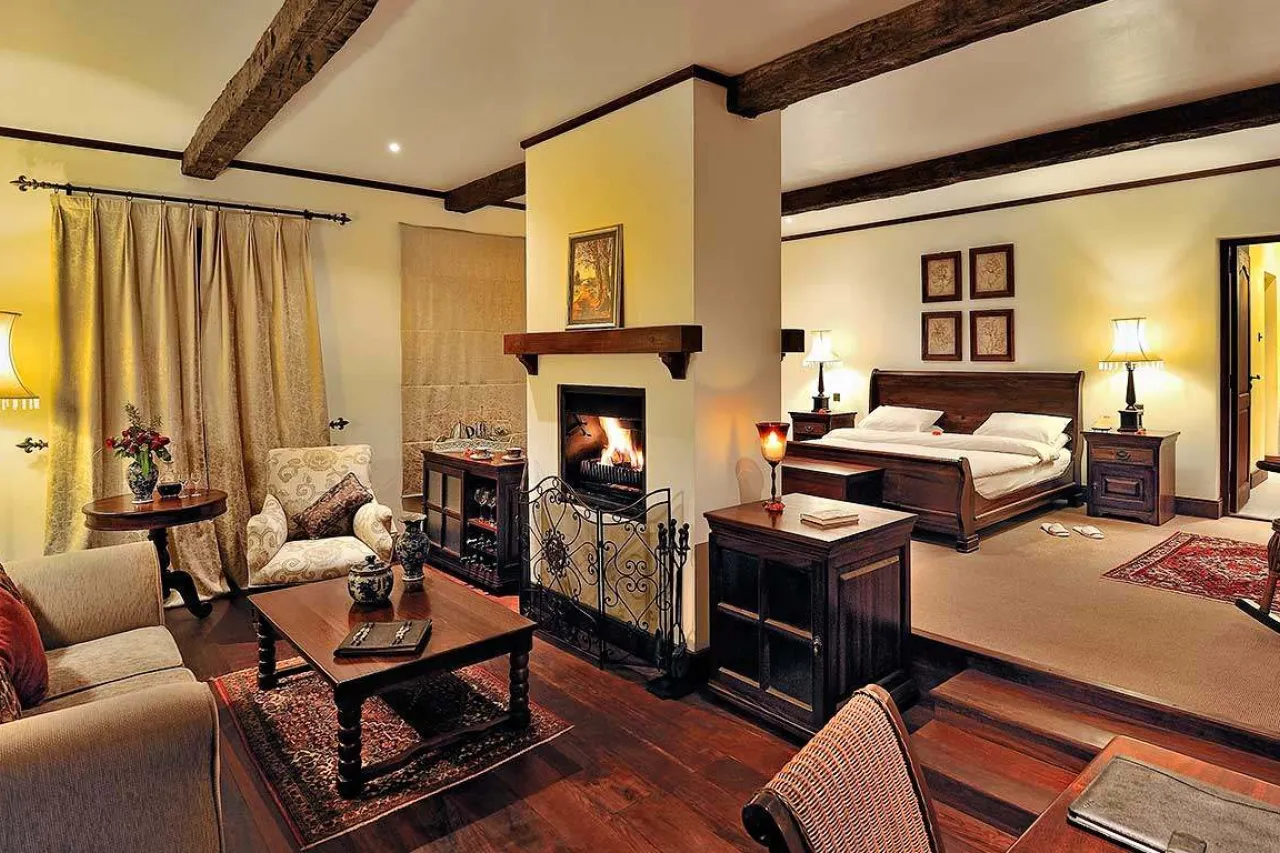
Elewana The Manor at Ngorongoro
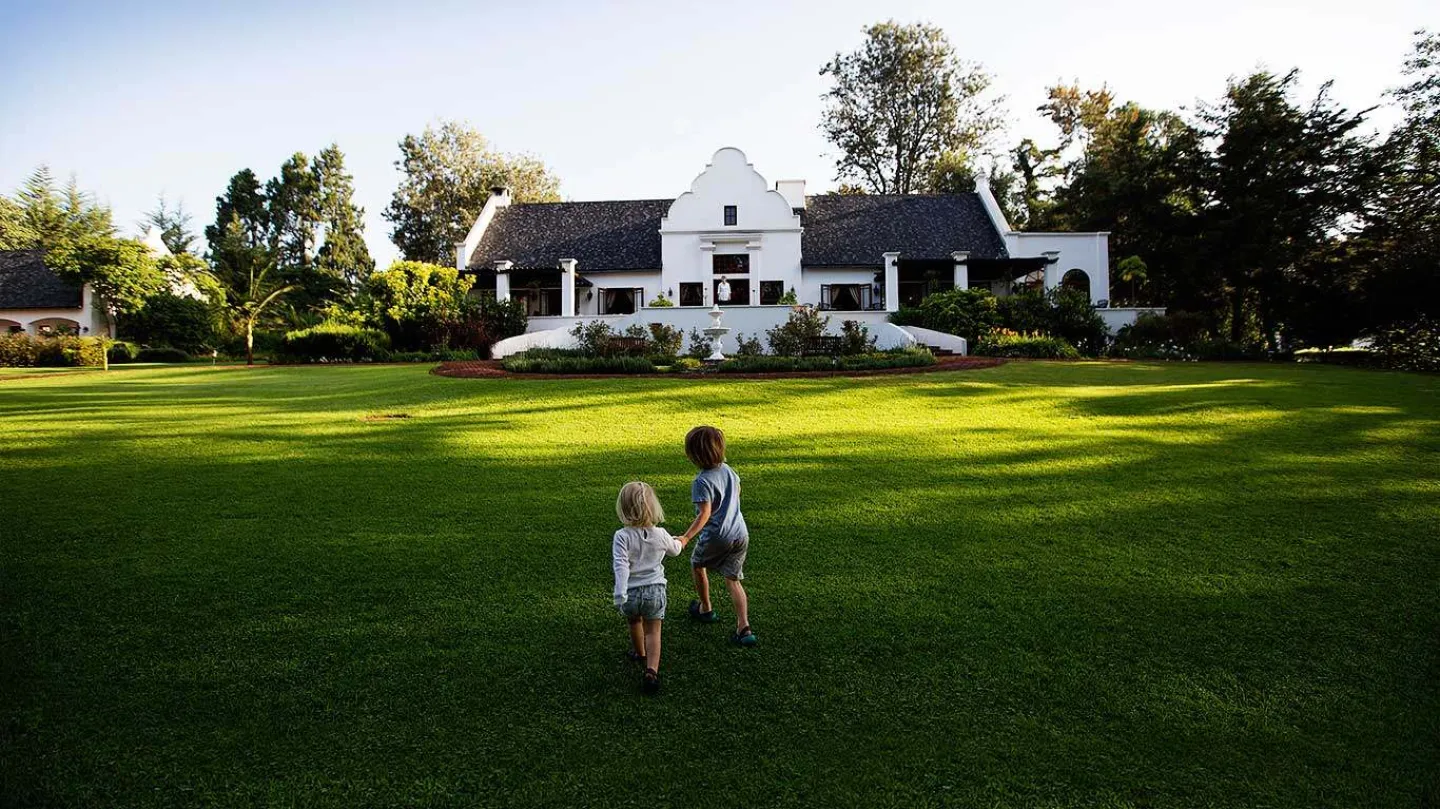
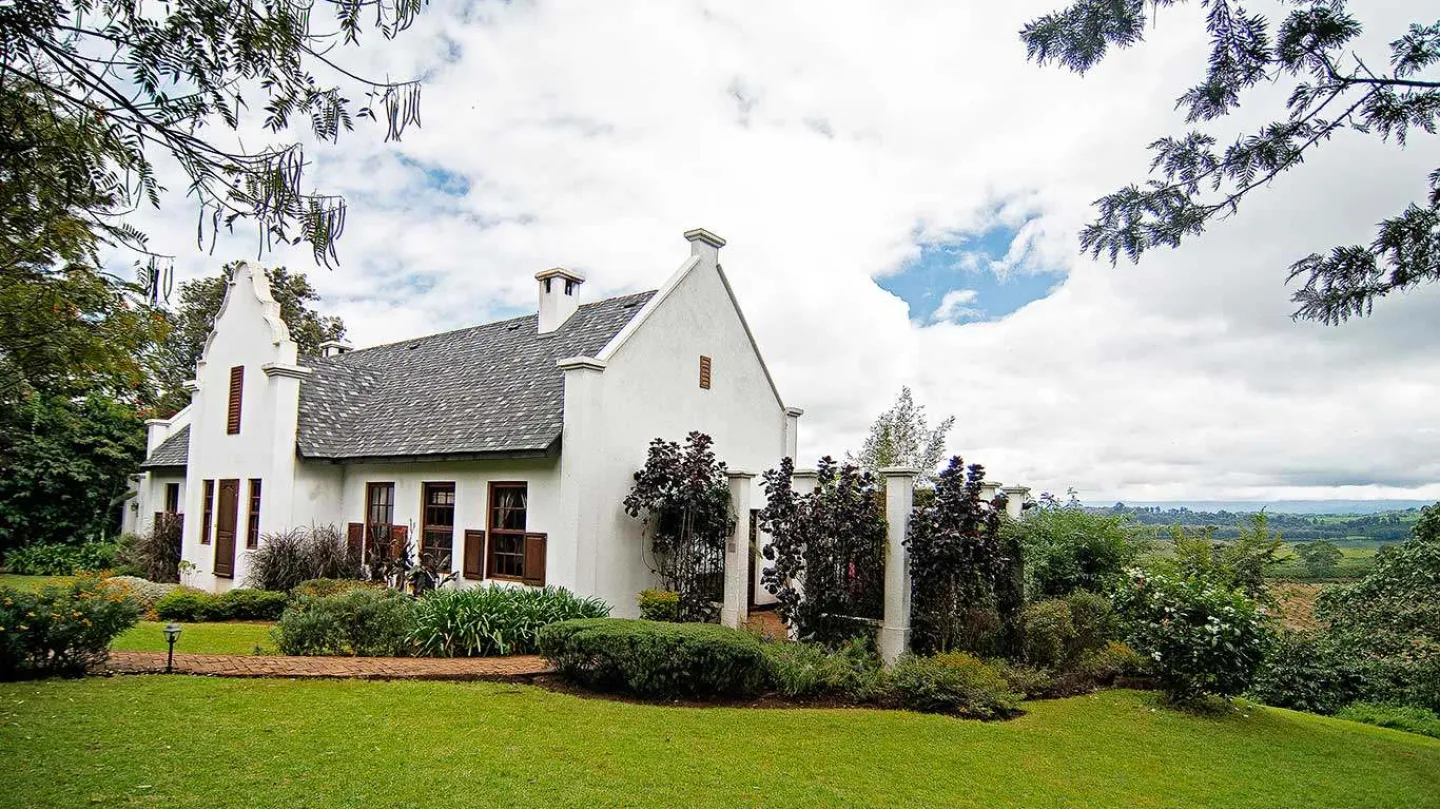
Set on the gentle, coffee-scented slopes of the Shangri-La Arabica Estate, The Manor at Ngorongoro feels like stepping into a beautifully preserved world: timeless, romantic and deeply welcoming. One of the first safari lodges in East Africa to embrace Cape Dutch architecture, it blends old-world elegance with the warmth of a grand homestead.
The main manor house anchors the property, while the luxury cottages, tucked into manicured gardens and framed by rolling, coffee-covered hills, offer sweeping views and an atmosphere of quiet privacy. Every corner feels designed for slow, indulgent living.
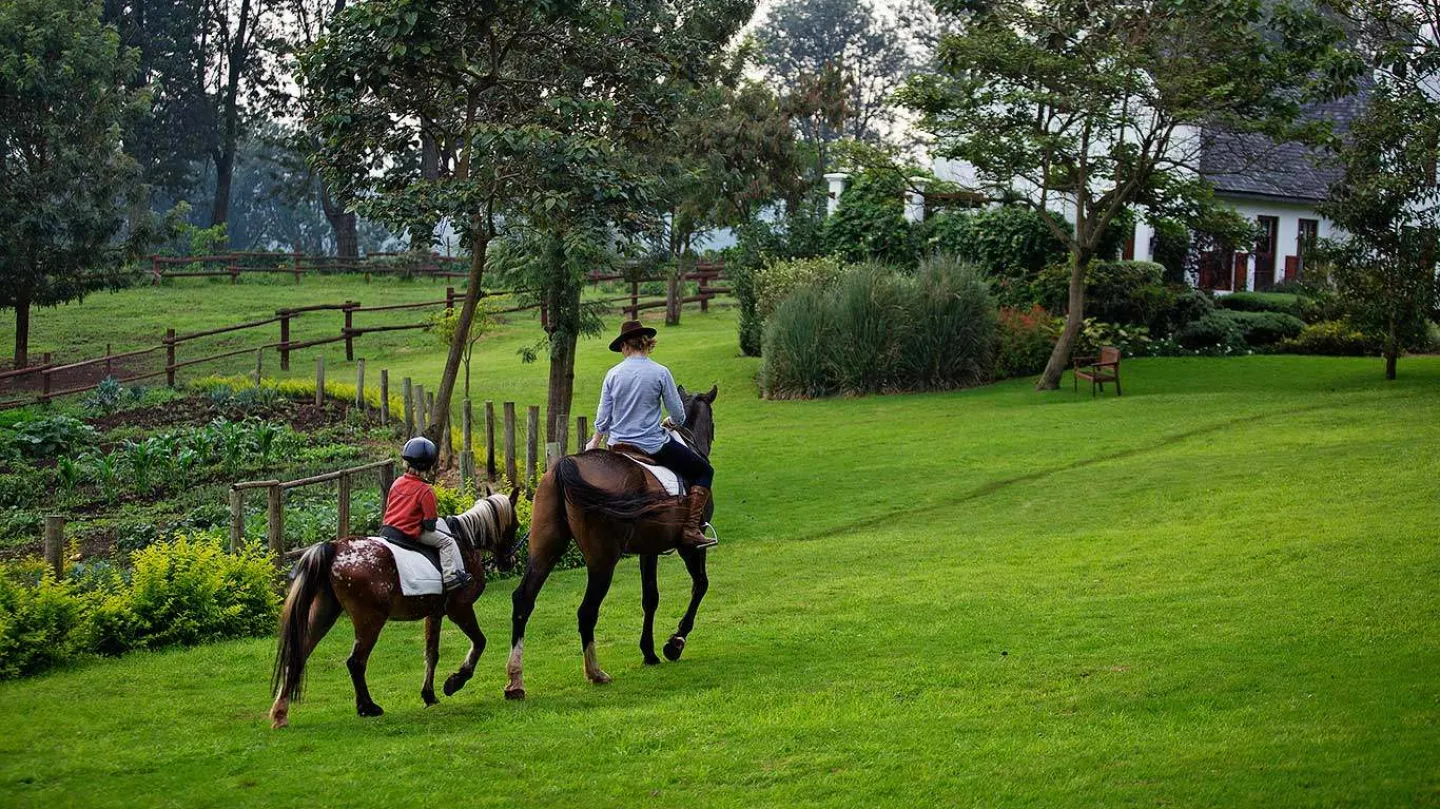
At the estate, the days unfold gently: wander the 607ha (1 500 acre) coffee farm on a guided estate walk; learn the story of Tanzanian coffee from bean to cup; explore the hills on horseback; enjoy African-inspired cuisine and fine wines from the manor’s cellar; restore body and spirit in the sauna, steam room, or with a massage; visit a nearby Maasai village, or browse vibrant local markets filled with colour and crafts.
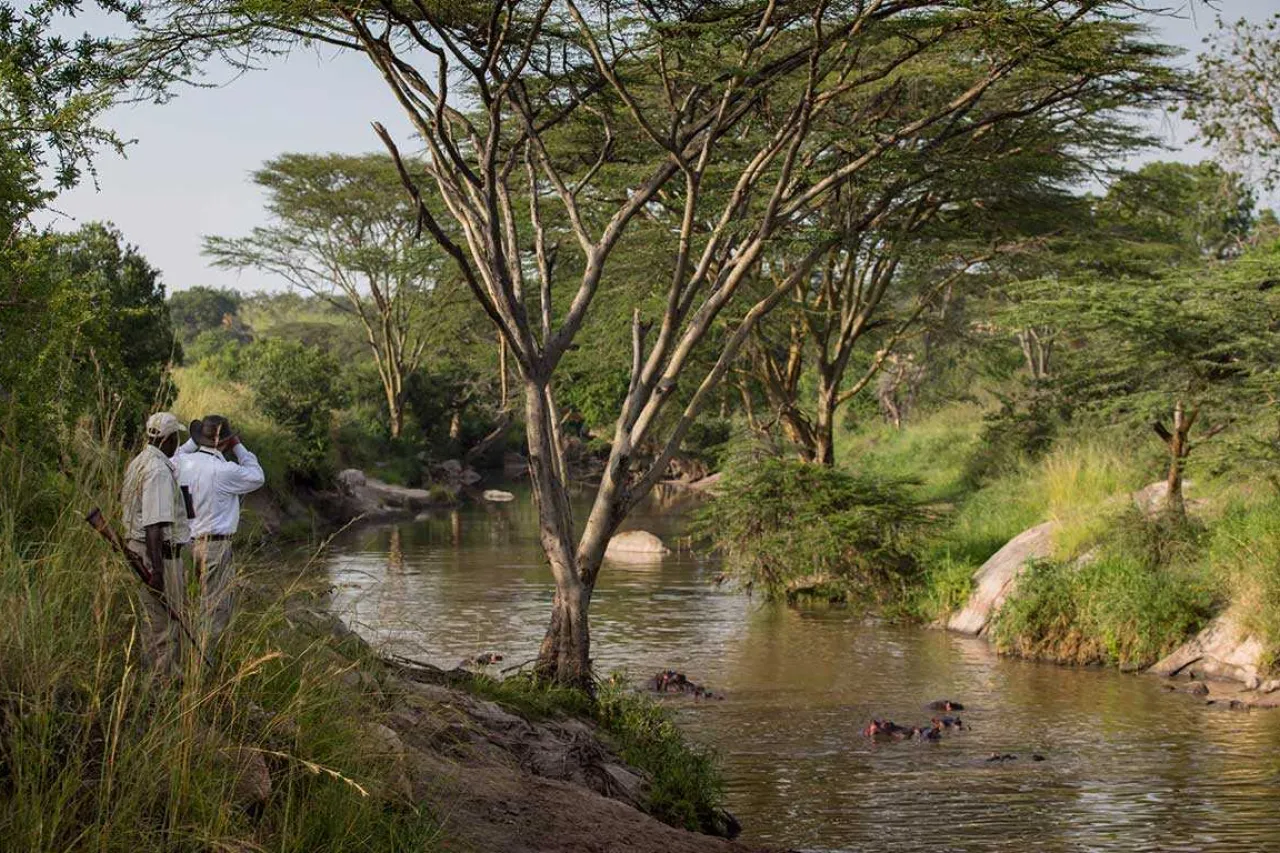
Serengeti National Park
The Serengeti is one of the world’s most iconic wilderness landscapes: where the horizon feels endless, wildlife moves with ancient purpose and nature performs its timeless spectacles.
Stretching across 15 000km² (5 792sq mi) of north-western Tanzania, this extraordinary national park forms the heart of a far larger ecosystem that extends into Kenya’s Masai Mara and south-east into the NCA. Declared a UNESCO World Heritage Site in 1981, the Serengeti is one of the Earth’s most intact and awe-inspiring natural systems.
Writers, photographers, and filmmakers have long been inspired by its open savannahs, but the ecosystem is far more diverse than its golden grasslands suggest. The Serengeti unfolds in a mosaic of habitats:
- Short-grass plains and rolling grasslands
- Granite kopjes
- Marshes and riverine forests
- Woodlands and whistling thorn thickets
- Lush northern hills
Around three million years ago, volcanic ash from the Ngorongoro highlands settled over what is now the Serengeti’s southern plains. This created a shallow calcareous hardpan, only a meter below the surface, preventing deep-rooted trees from taking hold. The result is one of the most dramatic, treeless grassland expanses in Africa, a perfect stage for vast herds and wide horizons.
The Serengeti holds one of the highest concentrations of large mammals anywhere on the planet, including the Big Five. Fertile volcanic soils, combined with the ecological forces of the Great Migration, create a cycle of abundance that sustains huge herds of wildebeest, zebra, gazelle and buffalo, and in turn remarkable numbers of predators, including lions, cheetahs, leopards, hyenas, and African wild dogs.
The skies are equally alive. With over 500 bird species, including five Tanzanian endemics, the Serengeti is a paradise for bird lovers. It also hosts Africa’s largest ostrich population, a globally significant stronghold for the species.
But the Serengeti is not a wilderness devoid of human presence. Several indigenous communities still live within the greater ecosystem, the best-known being the Maasai, whose culture and traditions have remained remarkably intact despite the pressures of modern life. Their culture is not a relic; it is a vivid expression of East Africa’s identity.
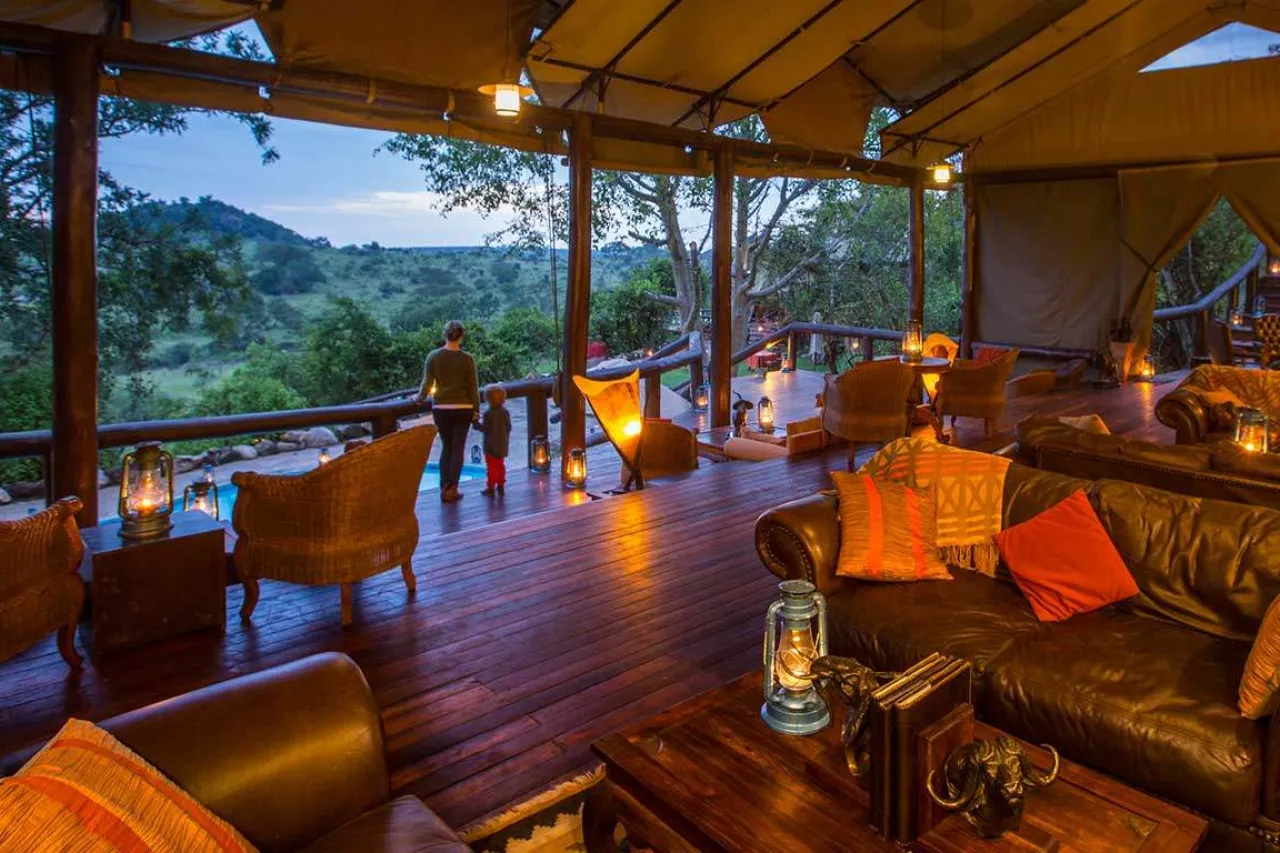
Elewana Serengeti Migration Camp
Perched beside the Grumeti River, Serengeti Migration Camp offers one of the most extraordinary vantage points in Africa, a front-row seat to the raw, breathtaking theatre of the Great Migration. Tucked discreetly among rocky outcrops and elevated on ancient boulders, the camp sits at the heart of the migration route, right where the first river crossings begin.
The spacious tents are luxuriously furnished, each one encircled by a 360° private deck. From dawn until dusk, the views spill out across the valley floor as colossal herds of wildebeest move like a single living tide. The sounds of the wild are constant: grunts, hooves, birdsong and the distant splash of hippo in the river below.
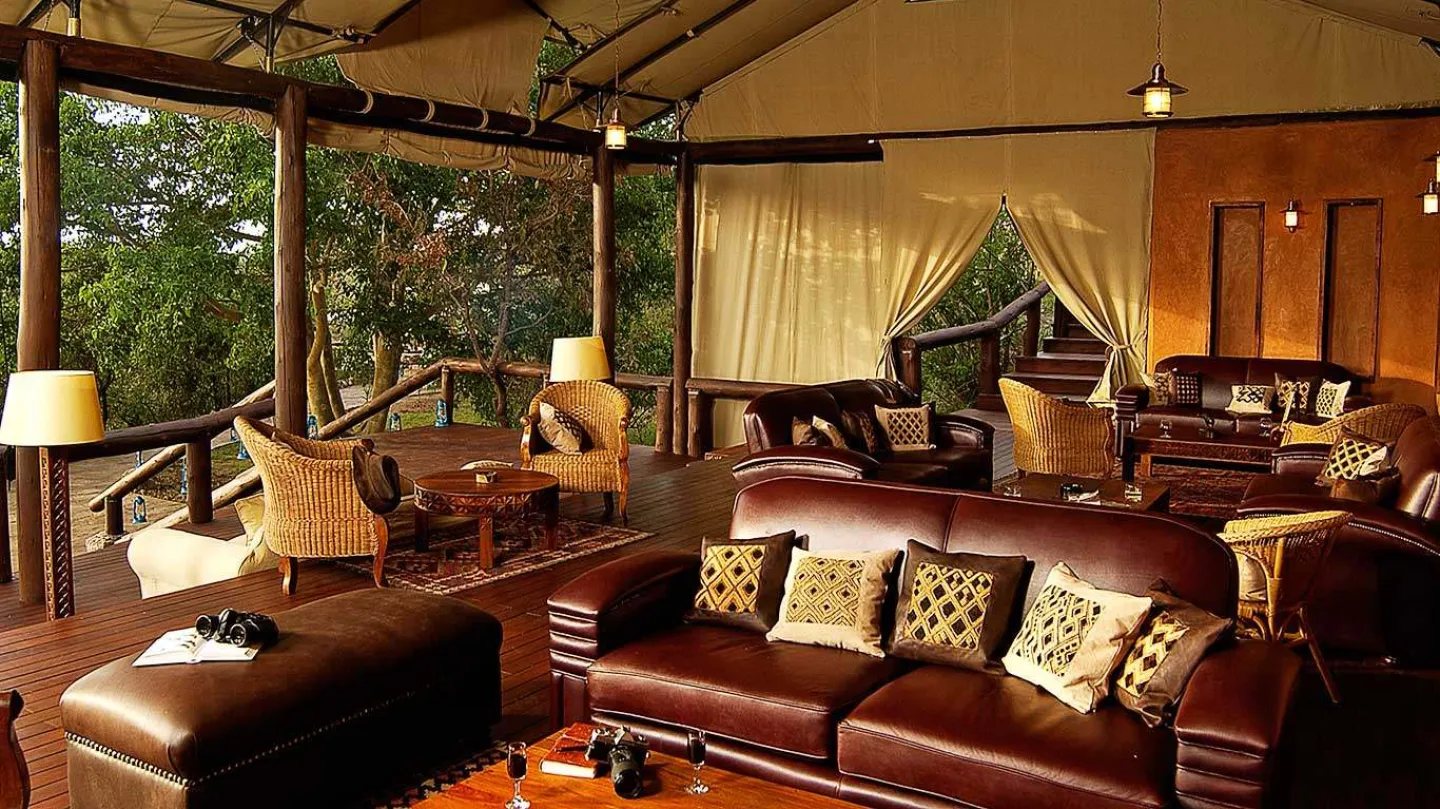
The main tent, arranged over split levels, opens onto wide viewing platforms that look across the Grumeti River, toward the Ndasiata Hills and the rugged wilderness stretching beyond. Even when the camp is still, the land around it never is.
Days here unfold through: morning and afternoon game drives, exploring the surrounding plains; full-day expeditions (June to November) to follow the herds further afield, complete with picnic lunches; guided bush walks, offering a slower, more intimate way to understand the landscape; and hippo watching along the riverbanks, places inaccessible by vehicle.
Today, you will return to Arusha to continue with your own arrangements. You may be leaving the Serengeti, but after this experience the Serengeti will never leave you.
Speak to your Travel Architect
Create your African story, your way
Does this itinerary inspire you to create your own unforgettable African story? Speak to your Travel Architect about curating your perfect African journey.
Tell us the Africa you imagine. We’ll take you there!
Why travel with Your Africa?
It starts with you
No two journeys are the same. We design each itinerary around who you are and how you want to experience Africa.
Seamless planning
Your dedicated Travel Architect handles everything. All you need to do is guide us on what your ideal African journey looks like.
Travel, your way
You decide how you want to explore Africa. This is your Africa, your story, your way.
The largest wildlife spectacle on earth gallery


Itinerary FAQs
This specific itinerary is perfectly designed to place you in the heart of the action. To maximise your chances of witnessing the dramatic Grumeti and Mara River crossings in the Serengeti, the best time to travel is during the dry season, from late July through to early September. Your stay at the Serengeti Migration Camp is strategically located right on the Grumeti River at the start of the crossing route.
These special activities are only available where park regulations permit. Night drives and guided walks are offered at Elewana Tarangire Treetops because the lodge is located in its own private wildlife area bordering the national park, and has more flexible rules. Guided walks are permitted in the Serengeti National Park.
This itinerary showcases three distinct ecosystems, each with a unique character:
- Tarangire: a landscape of ancient baobab trees and Tanzania’s largest elephant concentration. It offers a more intimate and less crowded safari experience, famous for its own “lesser migration”
- Ngorongoro Crater: a self-contained “Garden of Eden” inside a volcanic caldera. It offers an incredible density of wildlife, and it is the best place on the itinerary to see the Big Five, including the rare black rhino
- Serengeti: the main event. A vast, open landscape that serves as the stage for the epic Great Migration. The focus here is on witnessing the immense scale of the herds and the associated predator action
While this itinerary places you in the best possible location at the ideal time, it's important to remember that the migration is a natural, unpredictable event. Witnessing a major crossing requires patience and luck. Your expert guides will use their knowledge to track the herds, but a crossing can never be 100% guaranteed.
Versatility and layers are key:
- For safari (all parks): lightweight, neutral-coloured clothing (khaki, beige, olive) is essential. A warm fleece and a windproof jacket are non-negotiable for very cold early morning game drives
- For the lodges: these are elegant properties. Pack smart-casual wear for the evenings
- Essentials: a wide-brimmed hat, sunglasses, high-SPF sunscreen, insect repellent and a pair of high-quality binoculars are crucial for getting the most out of your sightings
Yes. All destinations on this itinerary – Arusha, Tarangire, the Ngorongoro Conservation Area and the Serengeti – are located in malaria-risk zones. Consult your doctor or a travel clinic well in advance of your trip to arrange for appropriate anti-malarial medication and any other recommended vaccinations
The experience at Elewana Tarangire Treetops is designed to evoke the magic and romance of staying in a treehouse, but with all the comforts of a luxury suite. The expansive, elevated tented suites are built around a thousand-year-old baobab tree, offering spectacular, panoramic views over the landscape and a waterhole.
Your night at the luxurious Legendary Lodge in Arusha serves as a vital and comfortable "staging post." After a long international flight, it allows you to rest and acclimatise in a serene environment before embarking on your safari adventure the next morning. This ensures you arrive in the wilderness feeling refreshed and ready to explore.
Your chances are excellent. The Ngorongoro Crater is one of the most reliable places in the world to see the Big Five (lion, leopard, elephant, buffalo and black rhino) in a single day. Tarangire and the Serengeti also have healthy populations of four of the five, though the rhino is primarily seen in the crater. This itinerary gives you the best possible opportunity to see them all.
This safari is designed for relaxation and enjoyment, with a low level of physical demand. The primary activities are game drives, which involve sitting comfortably in a 4x4 vehicle. There are options for gentle guided nature walks at the lodges, but these are not strenuous. The lodges themselves offer plenty of opportunities for downtime, with pools, spas and beautiful grounds.