Wildlife and gorillas in the land of a thousand hills
Wildlife and gorillas in the land of a thousand hills
9-day/8-night mountain gorilla safari
Beauty, transformation and shared purpose
Rwanda’s story begins thousands of years ago with the Twa, an ancient community of hunter-gatherers; in the 14th century the Kingdom of Rwanda emerged along the shores of Lake Muhazi, just east of modern-day Kigali. From these origins grew a nation both intimate in scale and remarkable in spirit.
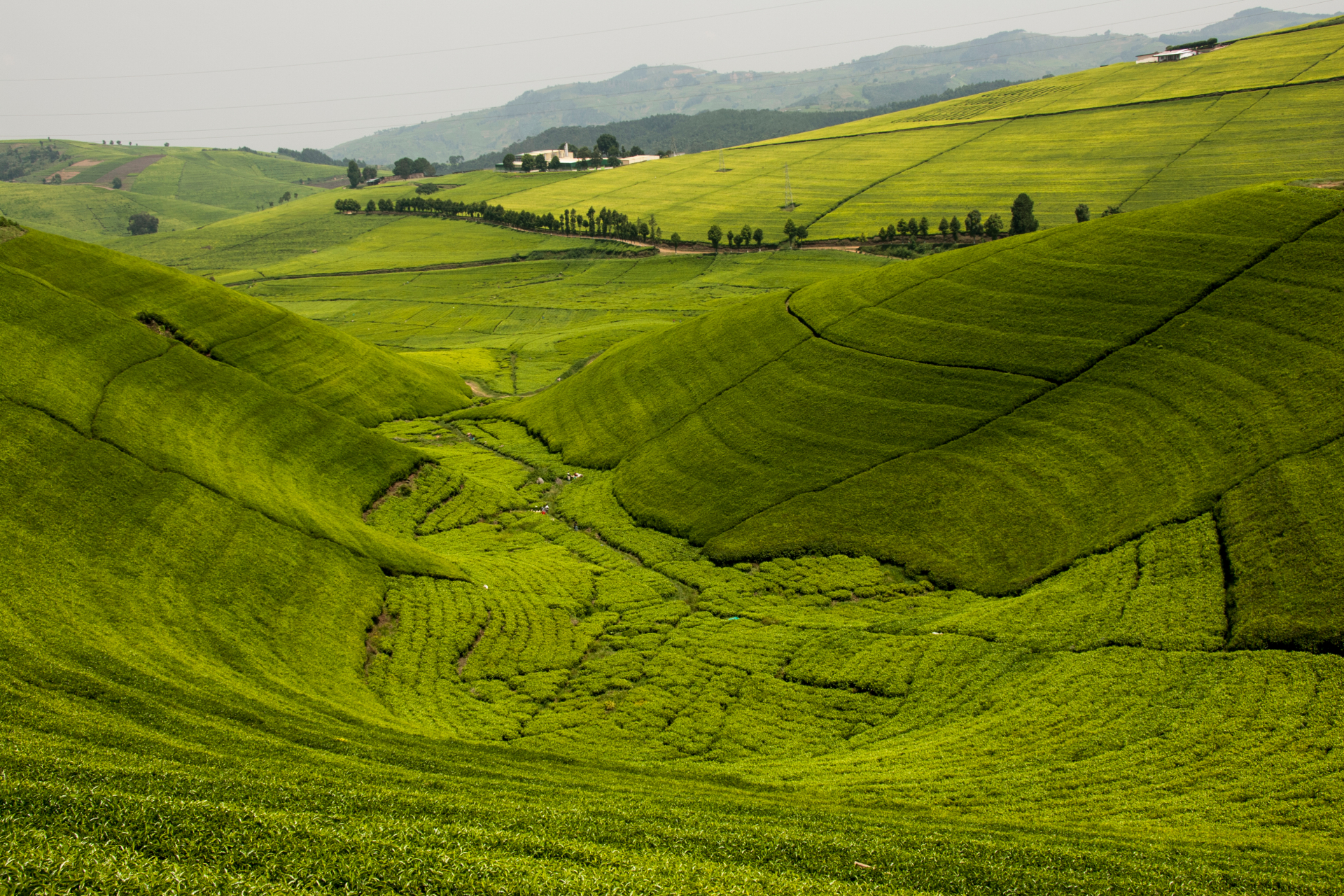
Rwanda’s landscapes rise and fall in lush folds, wrapping wildlife, forests, tea plantations and crater lakes in shades of green that shift with the afternoon light. It is a place defined not only by its beauty, but by its capacity for resilience and transformation.
Today, Rwanda stands as a model of reconciliation, sustainability and shared purpose. Plastic bags are banned nationwide. Car-free days are encouraged. Strict anti-littering measures keep cities pristine. And once a month, the entire country comes together for something truly unique: Umuganda.
On the last Saturday of the month, Rwandans aged 18-65 clean streets, tend public spaces, repair infrastructure or help neighbours with shared projects. It is more than civic duty; it is a reaffirmation of unity and national pride. Even President Paul Kagame participates, in a symbolic reminder that rebuilding and caring for the nation is a shared responsibility.
 At a Glance
 Highlights
 Trekking mountain gorillas
Trekking golden monkeys
Abundant wildlife
Superb birdwatching
Boating experiences
Community experiences
Kigali Genocide Memorial and the Hôtel des Mille Collines
Spa treatments
Fine dining
Kwita Izina gorilla naming ceremony (September)
Trekking mountain gorillas
Trekking golden monkeys
Abundant wildlife
Superb birdwatching
Boating experiences
Community experiences
Kigali Genocide Memorial and the Hôtel des Mille Collines
Spa treatments
Fine dining
Kwita Izina gorilla naming ceremony (September) Location
9-day/8-night mountain gorilla safari
Meet Your Travel Architect
Our South Africa specialists have explored every corner of the Delta. Let us craft a journey uniquely tailored to you.
Book a time to chat

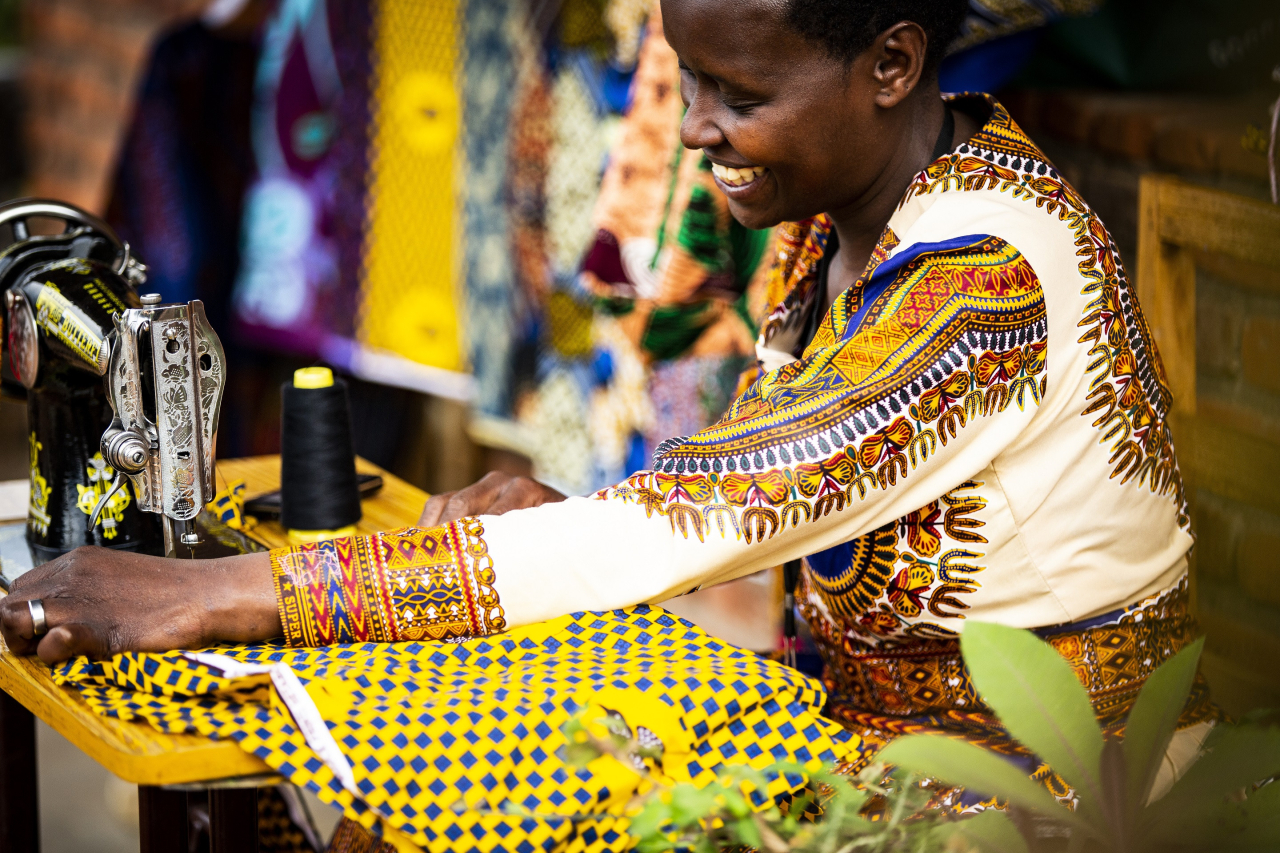
Image courtesy of Singita.
Kigali
Kigali’s modern chapter began in 1907, when German explorer and administrator Richard Kandt chose the slopes of Nyarugenge Hill as the headquarters of German East Africa’s Rwandan territory. From this vantage point, he could survey the surrounding valleys and oversee the kingdom of Mwami (King) Yuhi V Musinga.
Kigali became the capital upon Rwanda’s independence in 1962, shifting national focus away from the colonial hub of Huye, to the south, and marking the beginning of its evolution into a political and cultural centre.
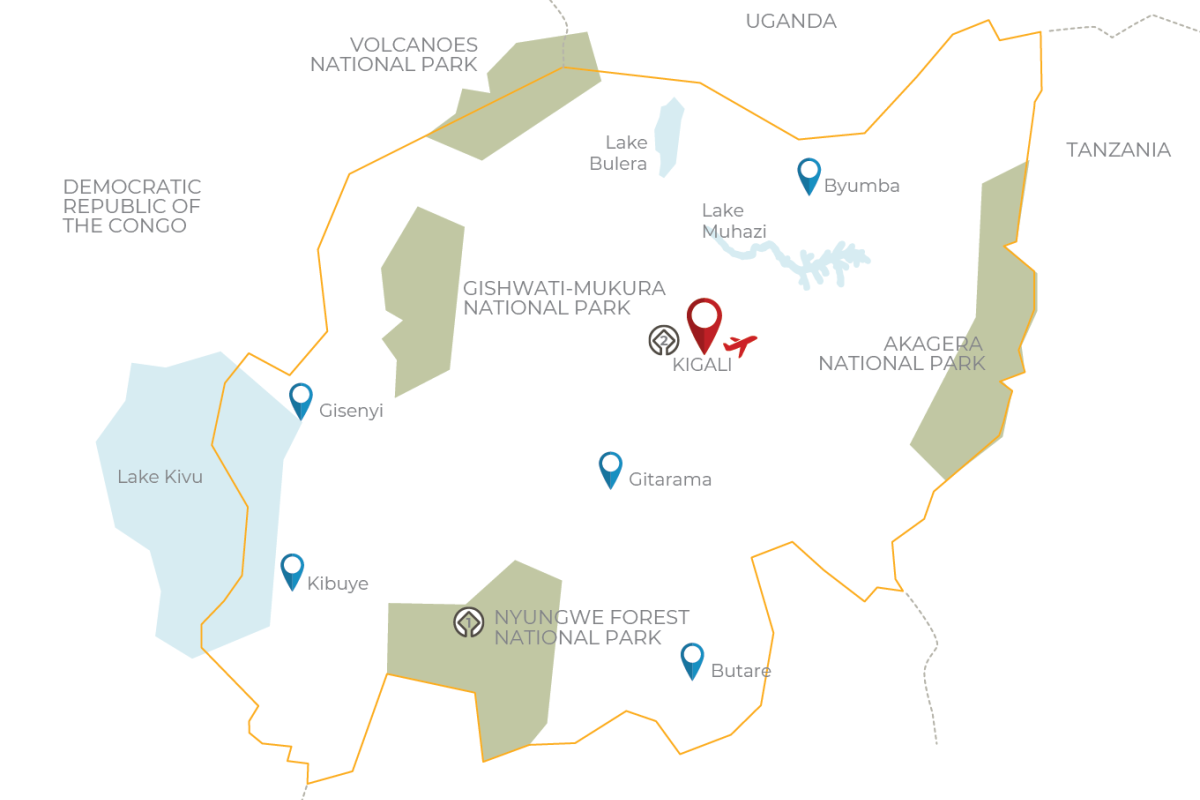
Spread across a chain of rolling hills and valleys, Kigali covers 730km² (282sq mi), making it both expansive and layered. The city’s energy is shaped by:
- Kimironko Market, a lively maze of produce, fabrics and everyday life
- Caplaki Craft Village, where artisans showcase traditional crafts and intricate workmanship
- Kigali Cultural Village, a creative space celebrating food, art and local talent
- The iconic Kigali Convention Centre, glowing like a lantern over the city’s skyline
- Nyarutarama Lake (Lover’s Lake), located beside an 18-hole golf course in one of Kigali’s most serene valleys
A guided tour includes the Kigali Genocide Memorial, an essential, though deeply emotional, part of understanding Rwanda. It stands as a place of remembrance, reflection and learning, anchoring the city’s commitment to unity and peace.
Kigali is a city that rises with intention. Modern yet grounded, efficient yet welcoming, shaped by its past yet firmly focused on its future. It is Rwanda’s heart: warm, orderly, creative and undeniably inspiring.
The Retreat by Heaven
Tucked along a quiet, tree-lined street just moments from Kigali’s vibrant centre, The Retreat is exactly what its name promises: a serene, tropical sanctuary infused with Rwandan warmth and contemporary elegance.
As the city’s first eco-friendly luxury boutique hotel, it blends sustainability with refined comfort, setting a new benchmark for conscious hospitality in Rwanda. A state-of-the-art open-air gym, full-service spa, sauna, outdoor yoga deck and meditation room round out an experience that is both indulgent and grounding.
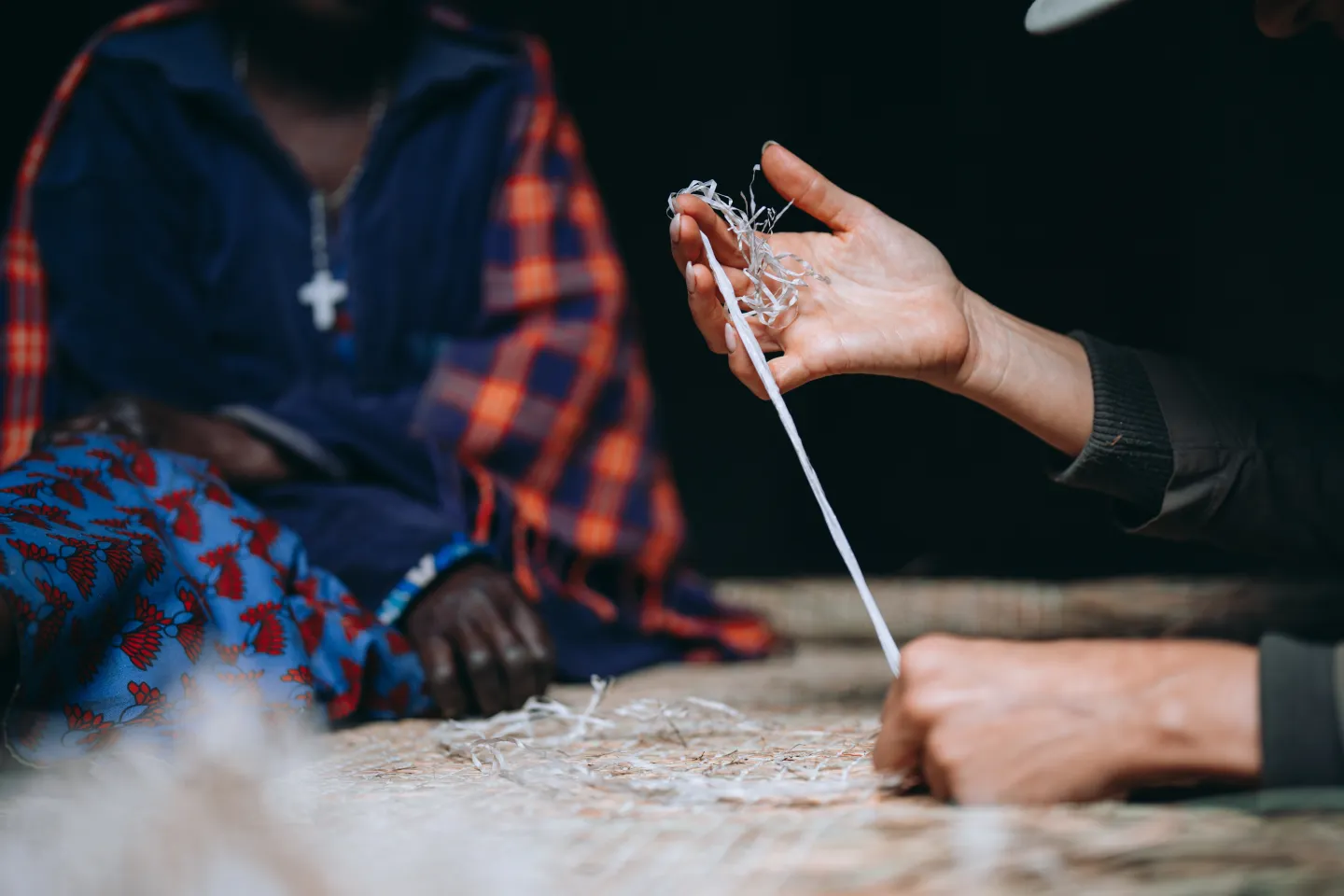
The Retreat offers a range of interactive experiences that celebrate Rwanda’s traditions and creativity. Guests can explore traditional banana winemaking, hands-on Rwandan cooking classes, cocktail-making workshops, and guided neighbourhood walks that reveal the rhythm of local life.
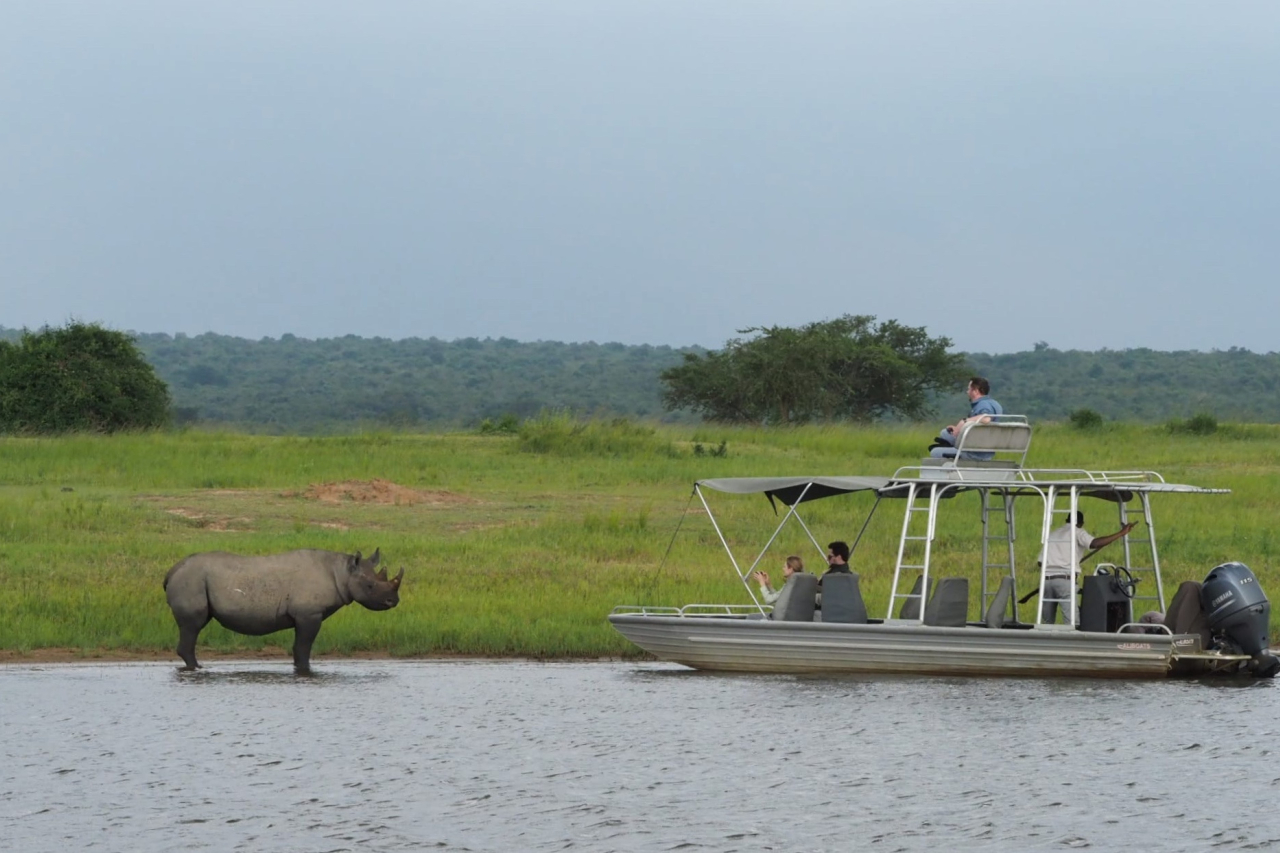
Image courtesy of Wilderness.
Akagera National Park
Akagera National Park is one of Rwanda’s greatest conservation success stories: it speaks to resilience and restoration, and the power of protecting wild places.
Established in 1934 during Belgian rule, the park stretches across
1 122km² (433sq mi) of Rwanda’s eastern frontier, tracing the border with Tanzania. It takes its name from the Akagera River, which meanders along the park’s edge and feeds a shimmering network of lakes, marshes and papyrus wetlands, the largest protected wetland system in Eastern-Central Africa.
Less than four decades ago, Akagera was on the verge of collapse; it was heavily poached, degraded and threatened by human-wildlife conflict. In 2010, a bold partnership between African Parks and the Rwanda Development Board, supported by the Howard Buffett Foundation, transformed the park’s future.
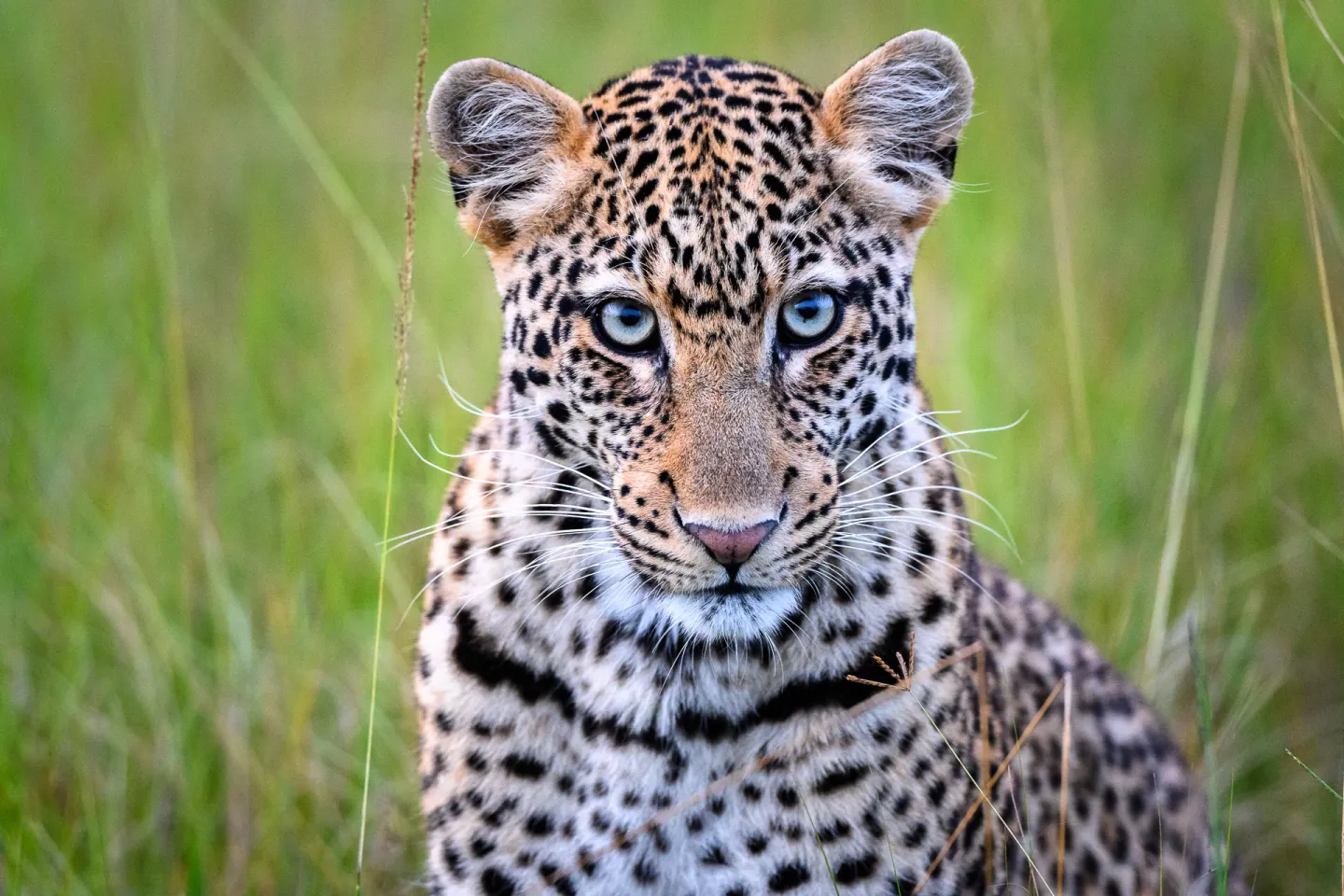
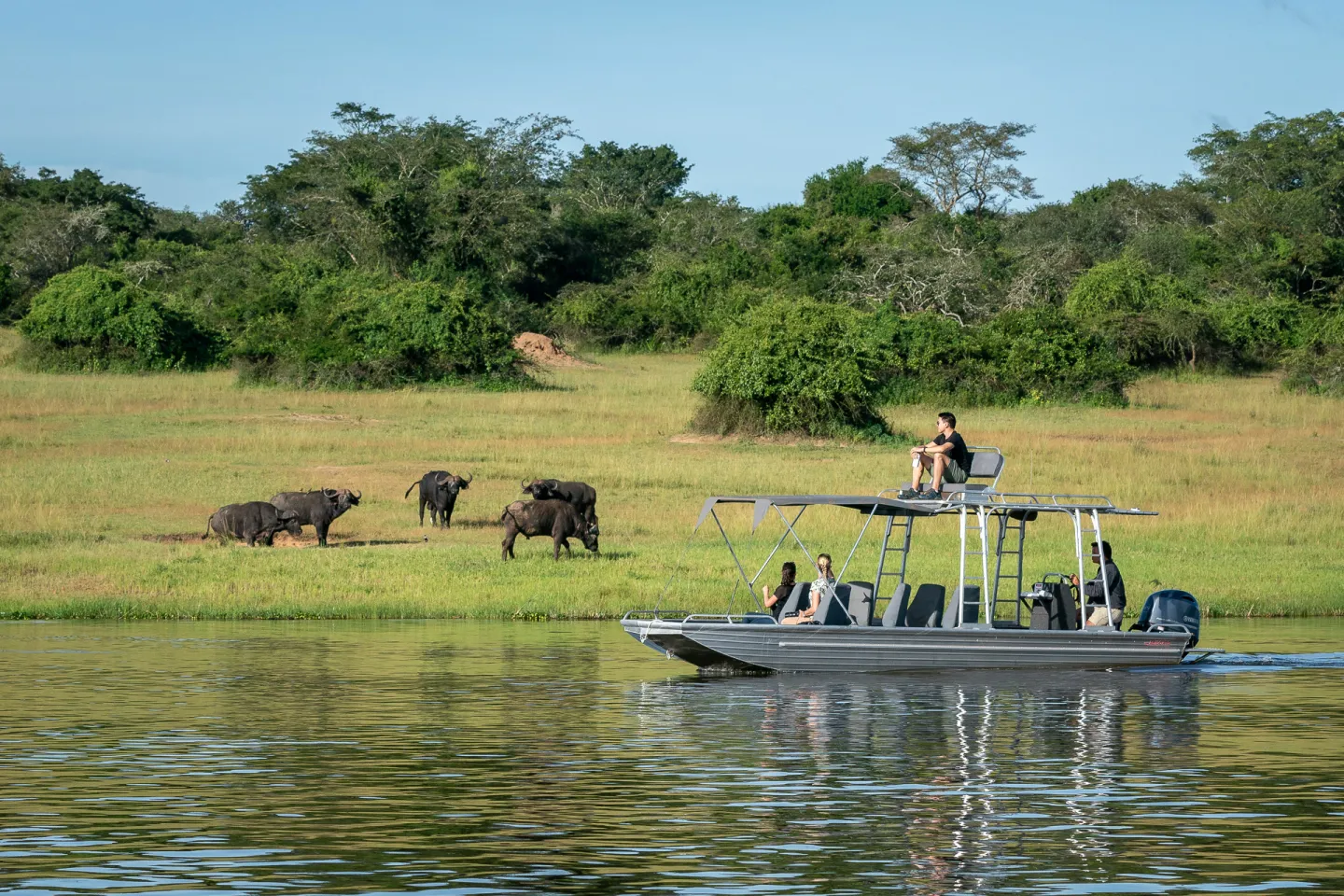
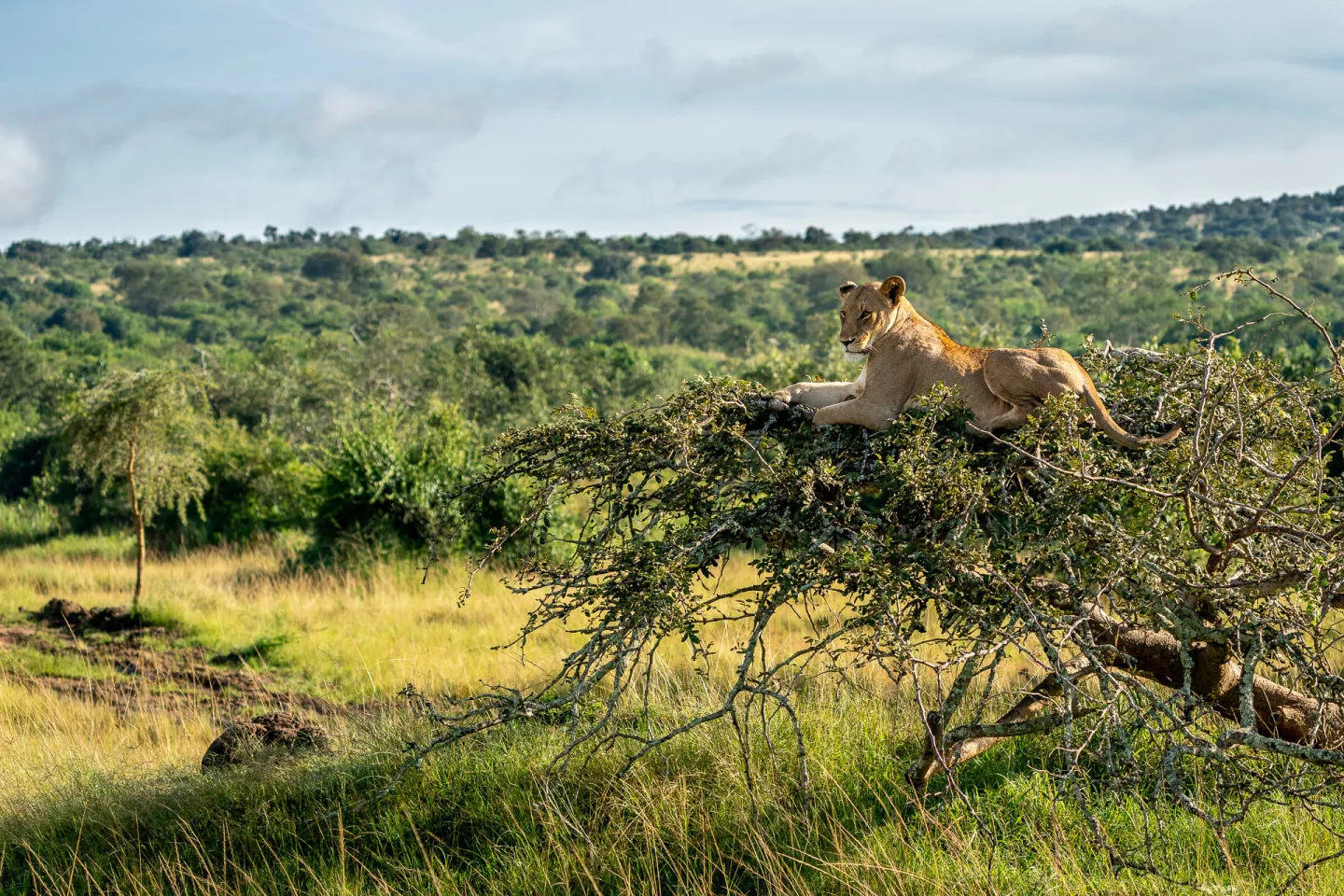
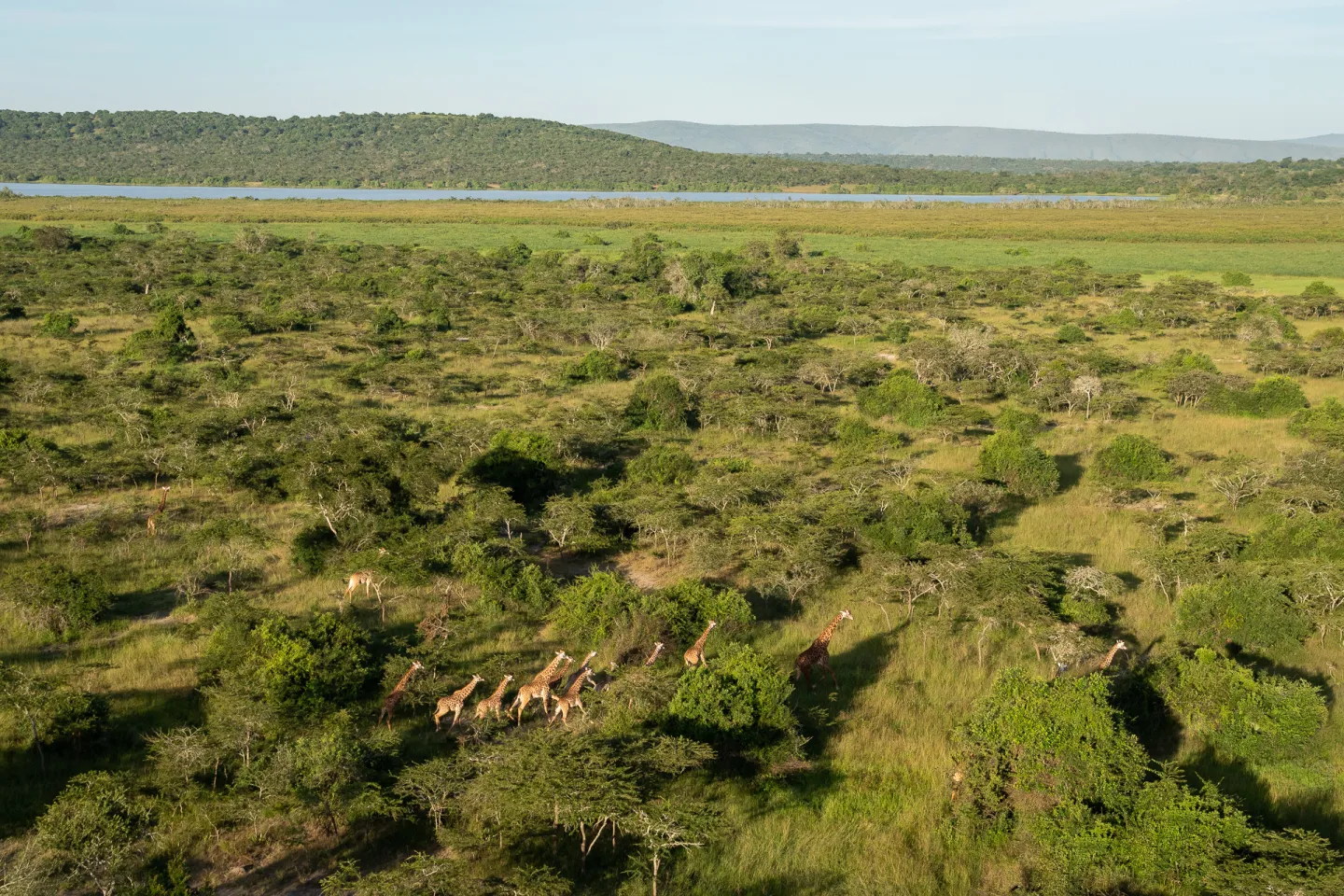
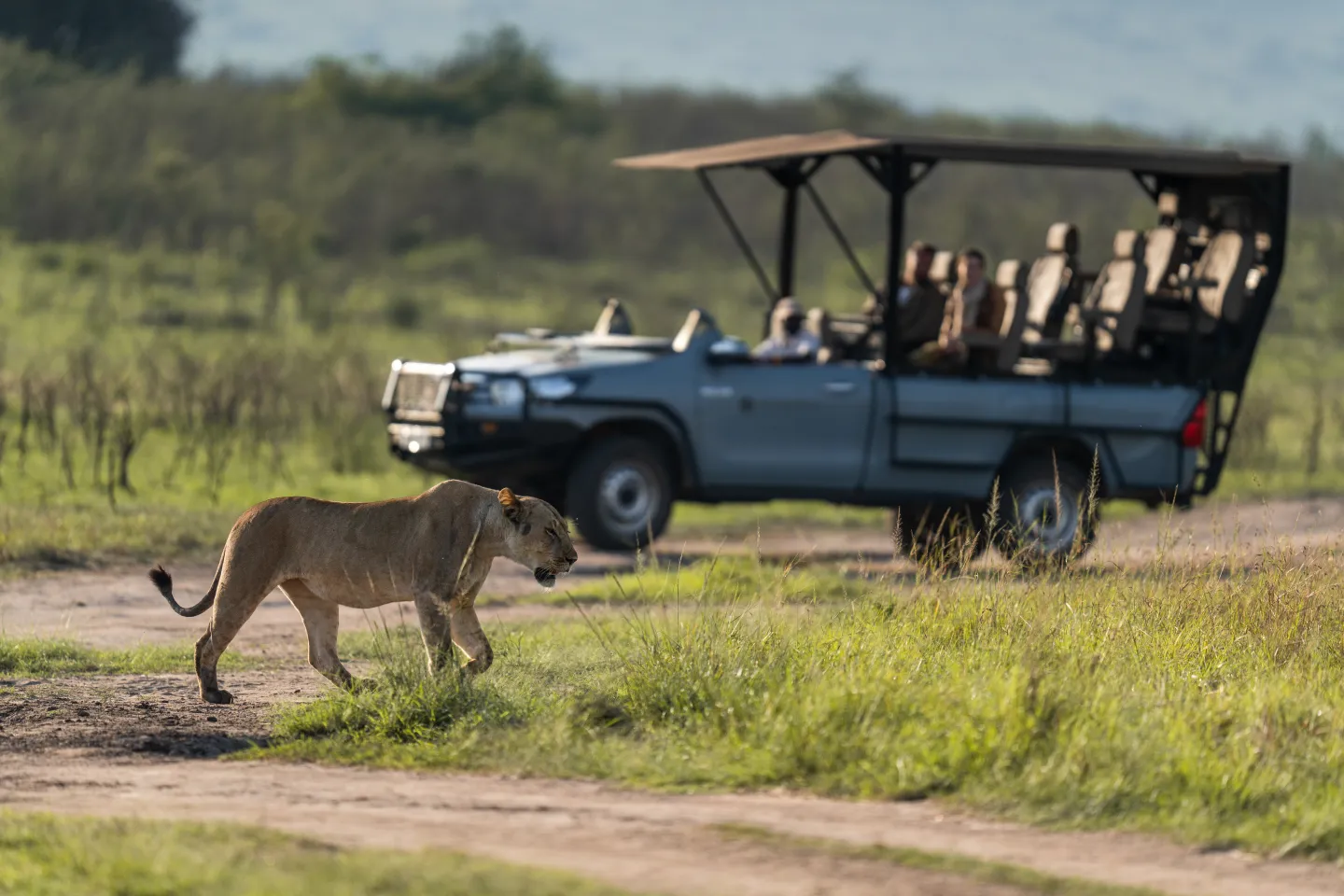
Today, Akagera is once more a Big Five destination, with thriving populations of elephant, lion, leopard, buffalo, white rhino and black rhino. Hippos wallow in the lakes, crocodiles patrol the shorelines, and herds of topi, zebra, giraffes and antelope create scenes worthy of any safari dream.
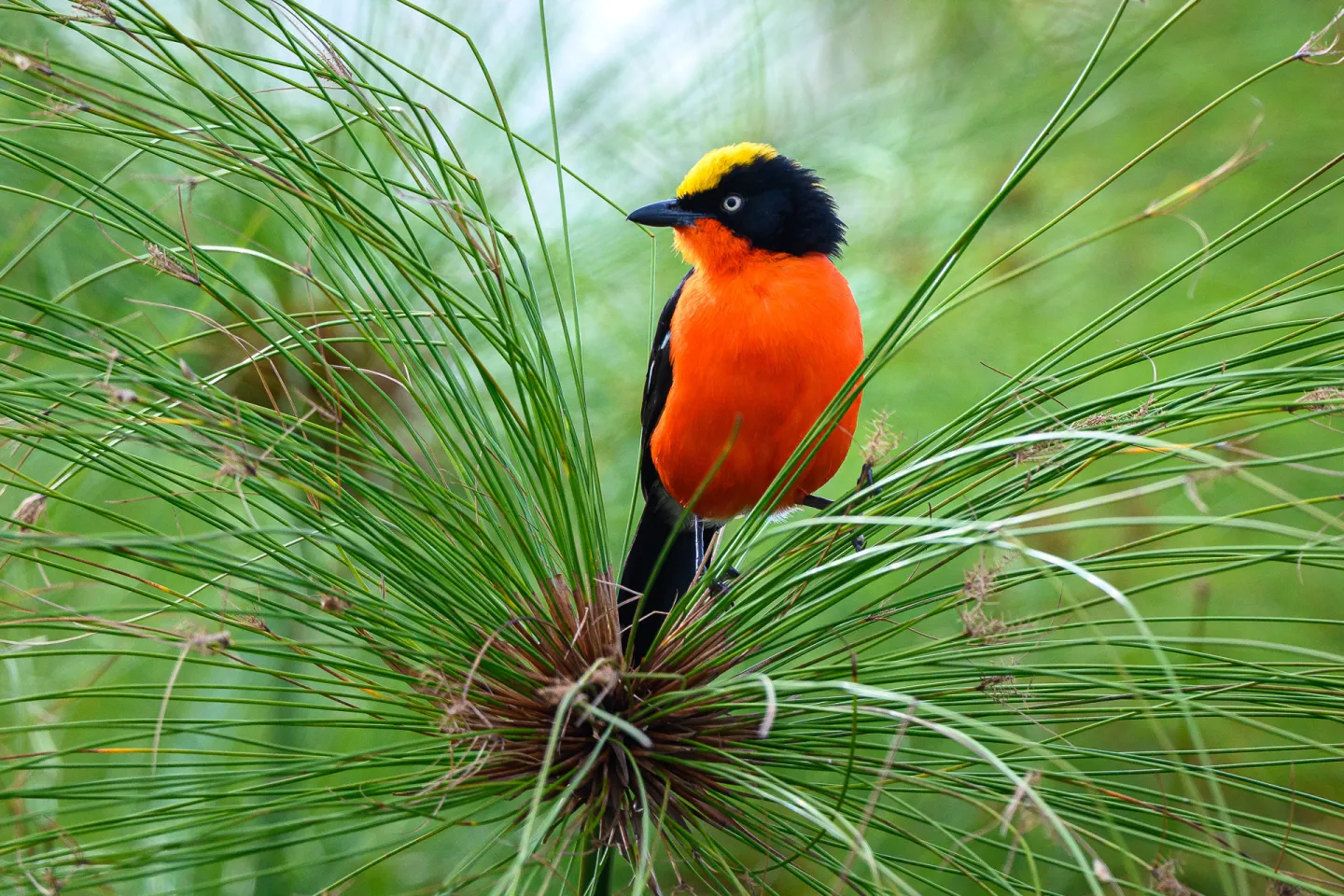
Akagera is also recognised as an Important Bird and Biodiversity Area and is one of the most rewarding birding destinations in East Africa. With around 500 recorded species, the diversity is astonishing. Among them are the rare and enigmatic Shoebill stork, the graceful Amur falcon, White-crested turaco, Northern brown-throated weaver, Tabora and Carruthers’ cisticolas, and the towering Goliath heron, standing 1.3m (4.3ft) tall.

Magashi Camp
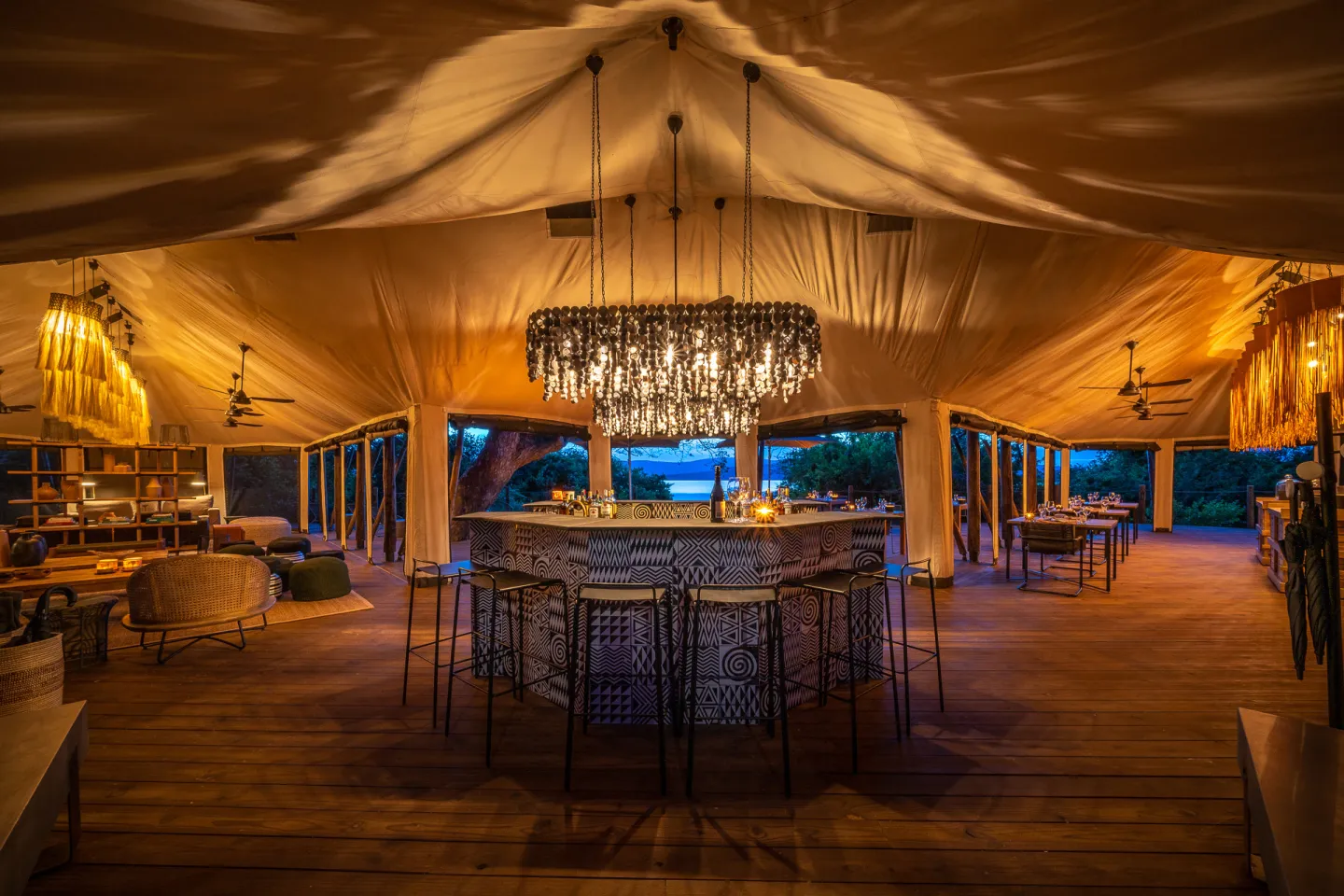
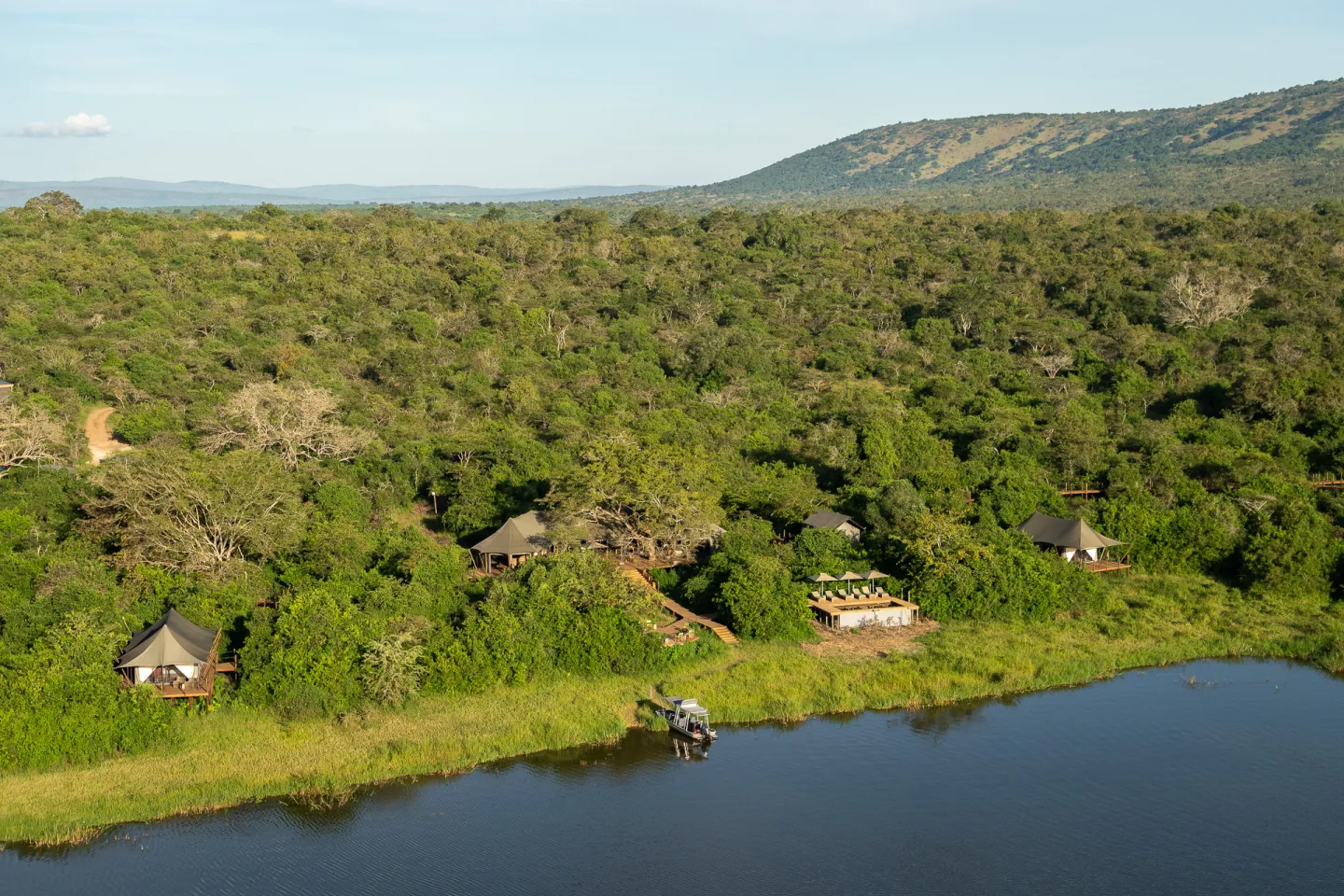
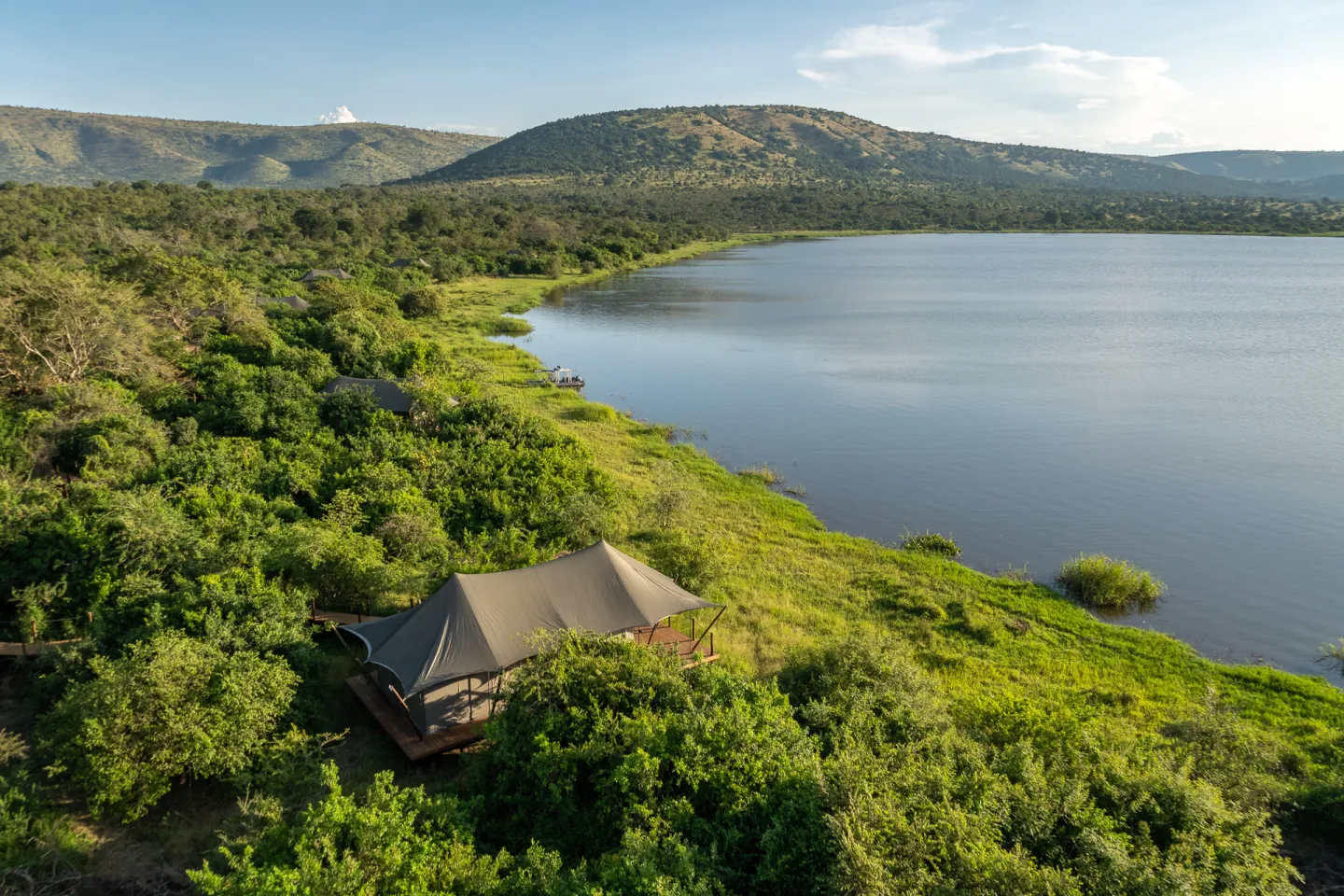
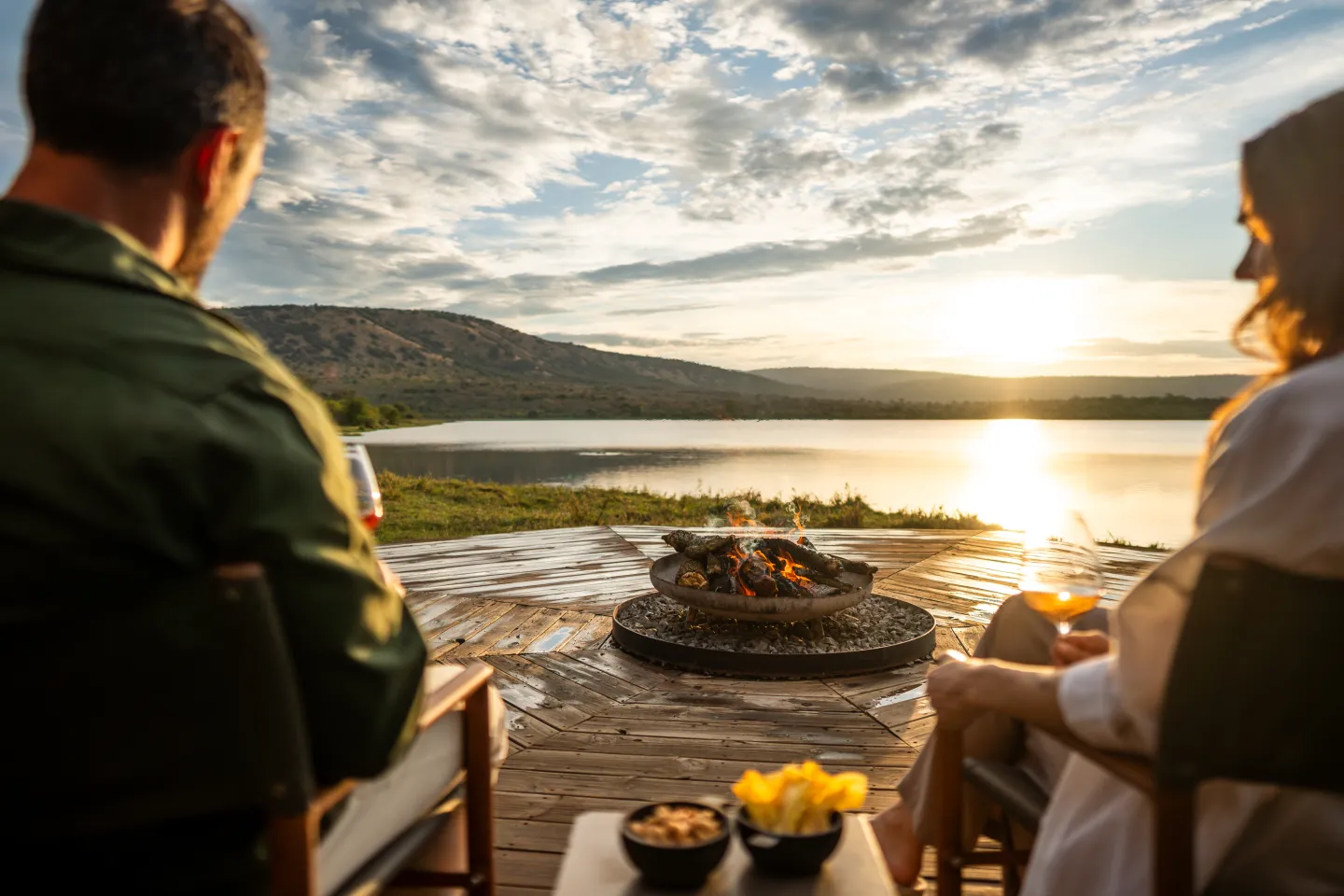
Magashi Camp rests quietly above the glittering waters of Lake Rwanyakazinga, with the Mutumba Mountains rising softly to the west. It is a serene corner of Akagera that feels entirely its own. A model for low-impact, high-end conservation tourism in Rwanda, the camp is fully solar-powered. Purified drinking water drawn from a borehole shows commitment to preserving the delicate lake ecosystem.
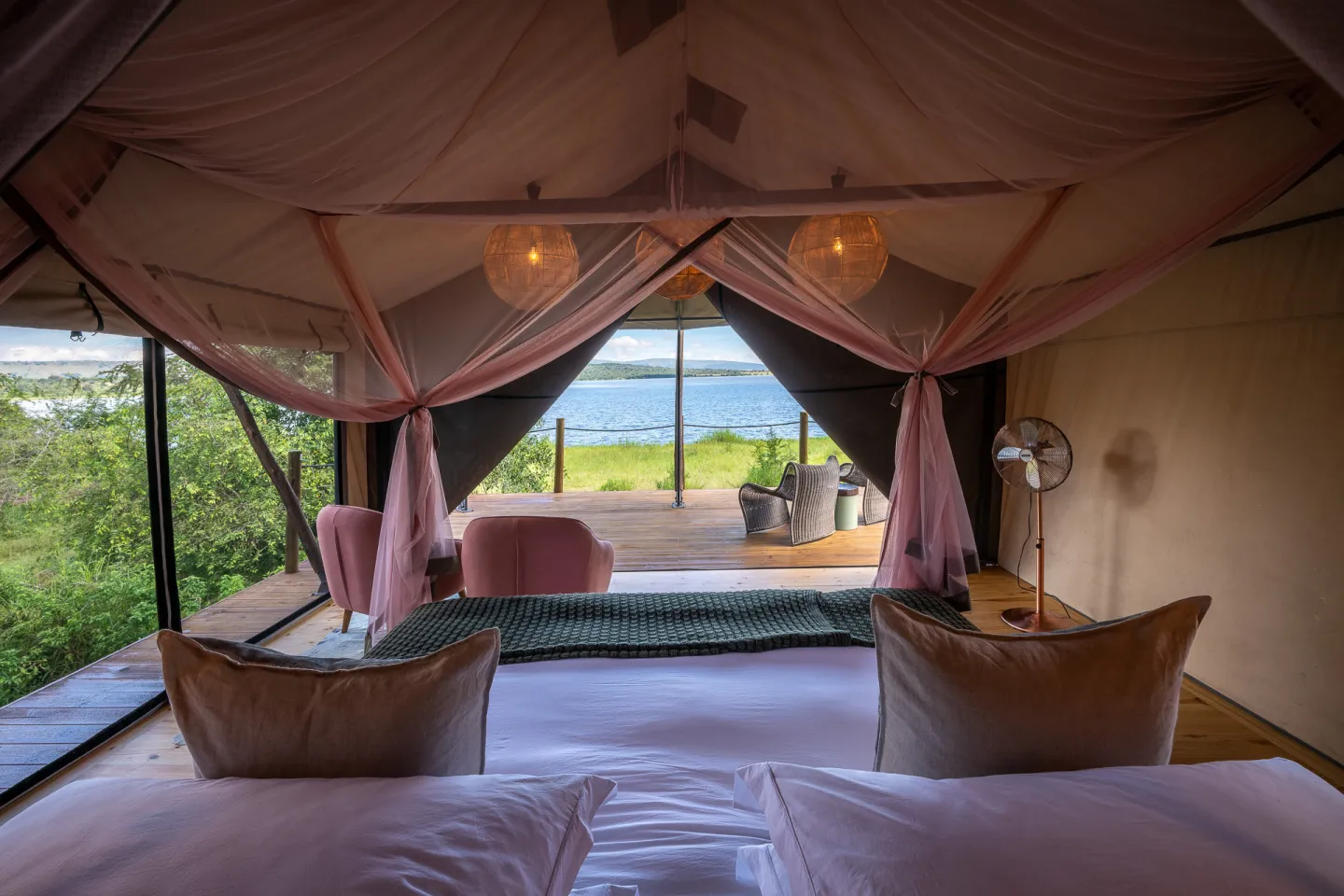
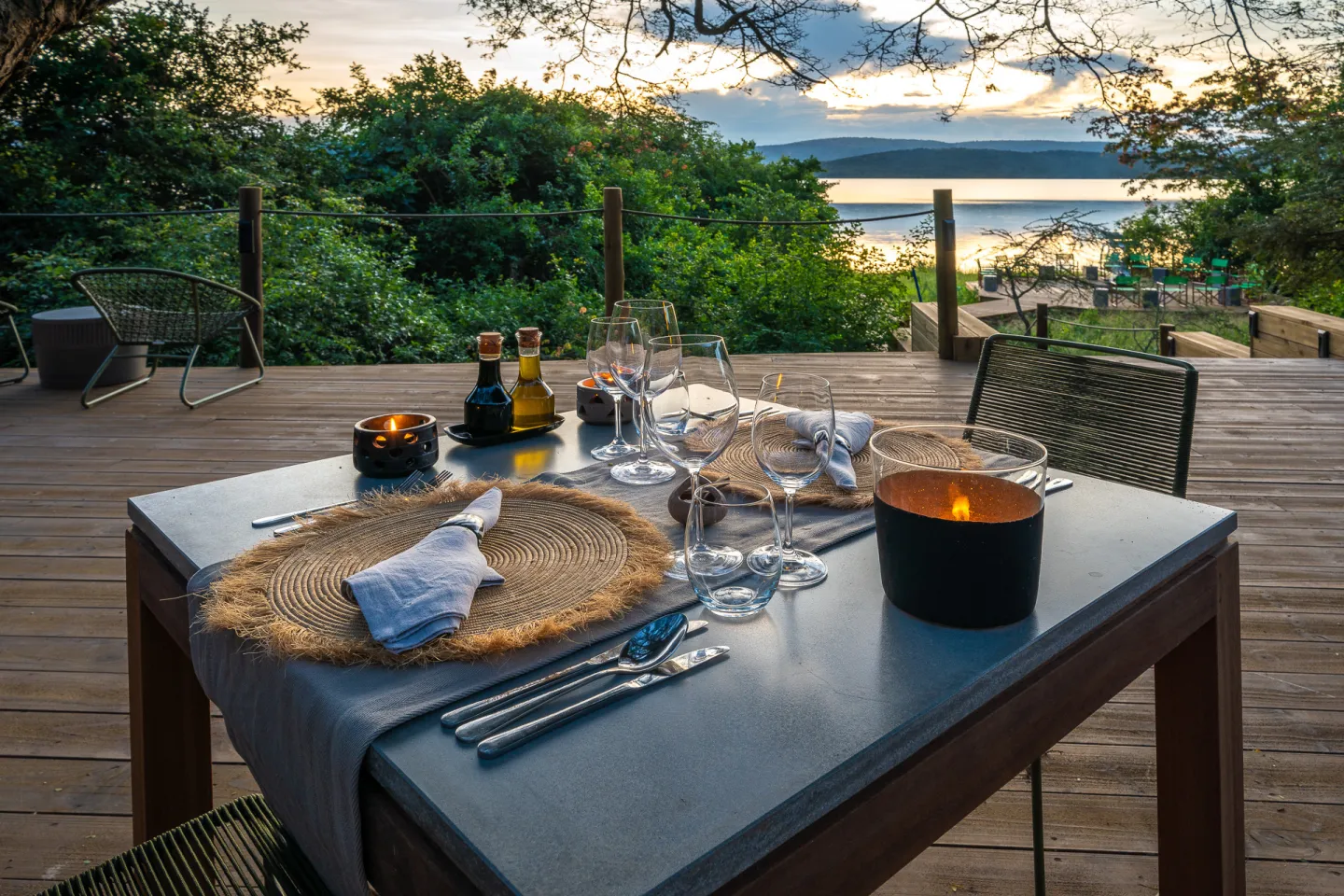
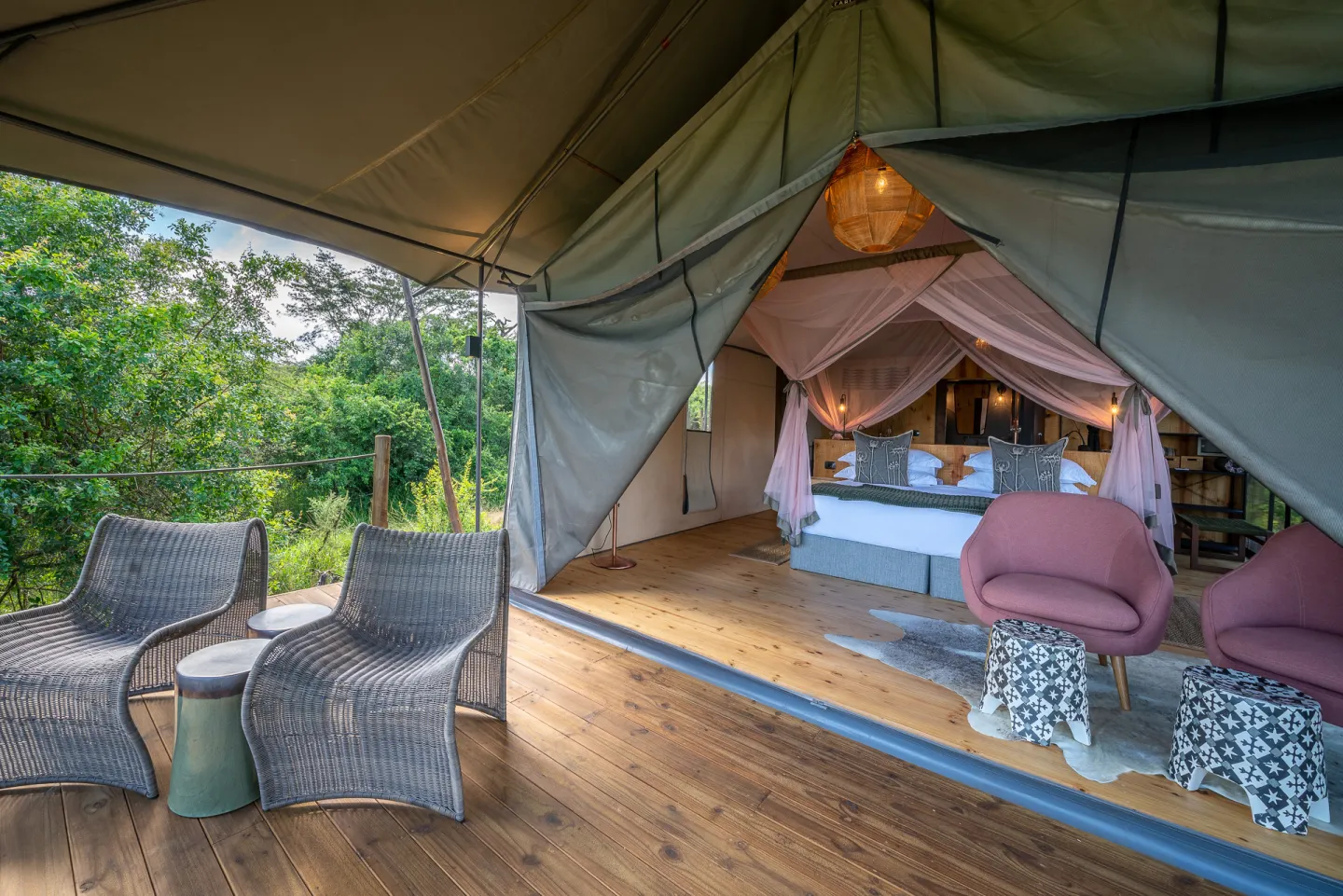
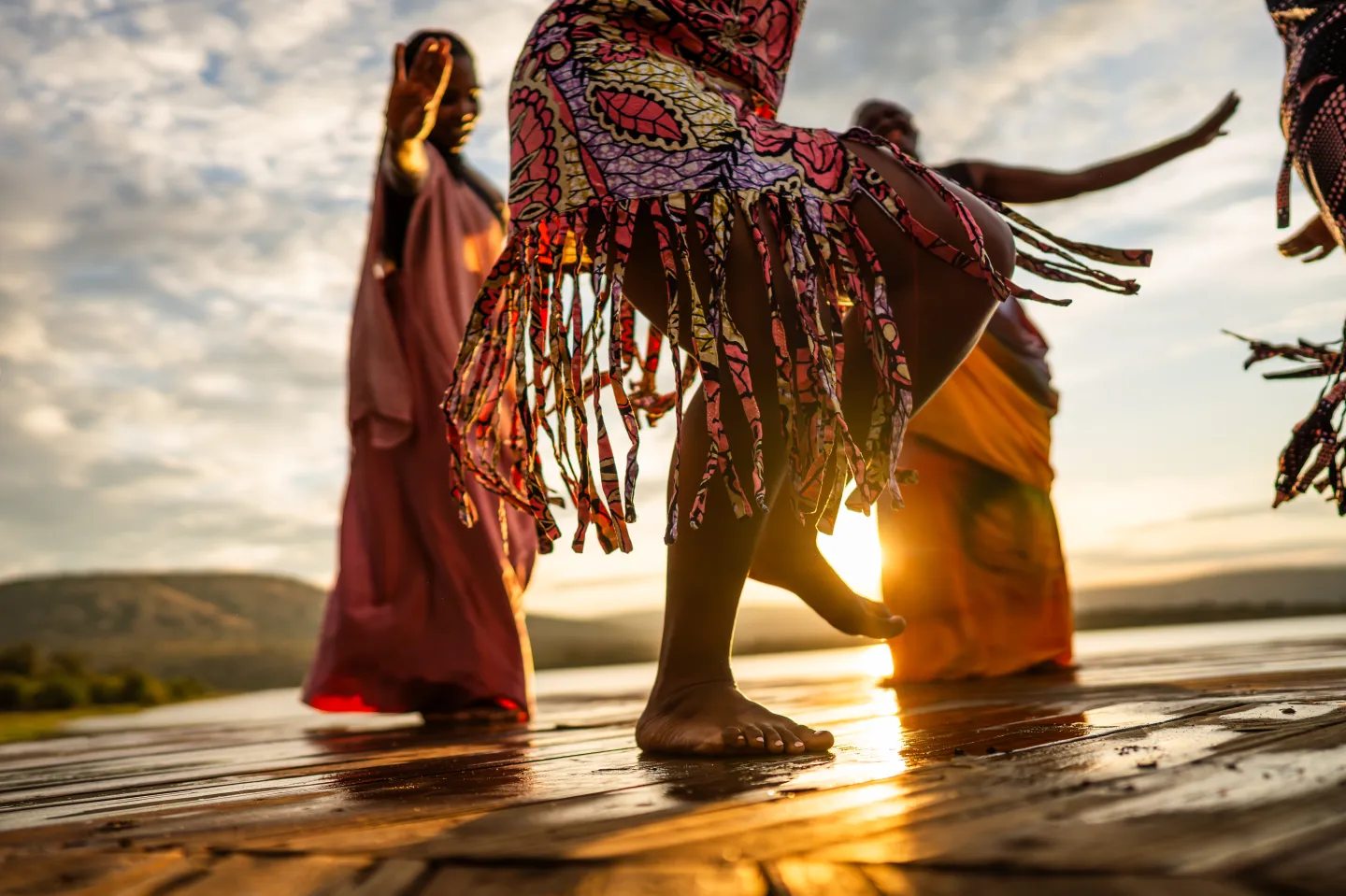
Magashi’s spacious tented suites, perched along the water’s edge like resting butterflies, open onto private decks. One of its most memorable moments is the Kugisha dinner, a “travelling” culinary experience enriched by traditional storytelling and song, and an intimate celebration of Rwandan culture.
Magashi’s setting offers some of the best wildlife viewing in Akagera. Herds move across the hills and open savannahs, predators roam the grasslands, and the lake teems with hippos, birds and the promise of quiet adventure. This soft, expansive wilderness is the perfect counterpoint to the drama of gorilla trekking in Rwanda’s highlands.
From the camp, days unfold at your pace:
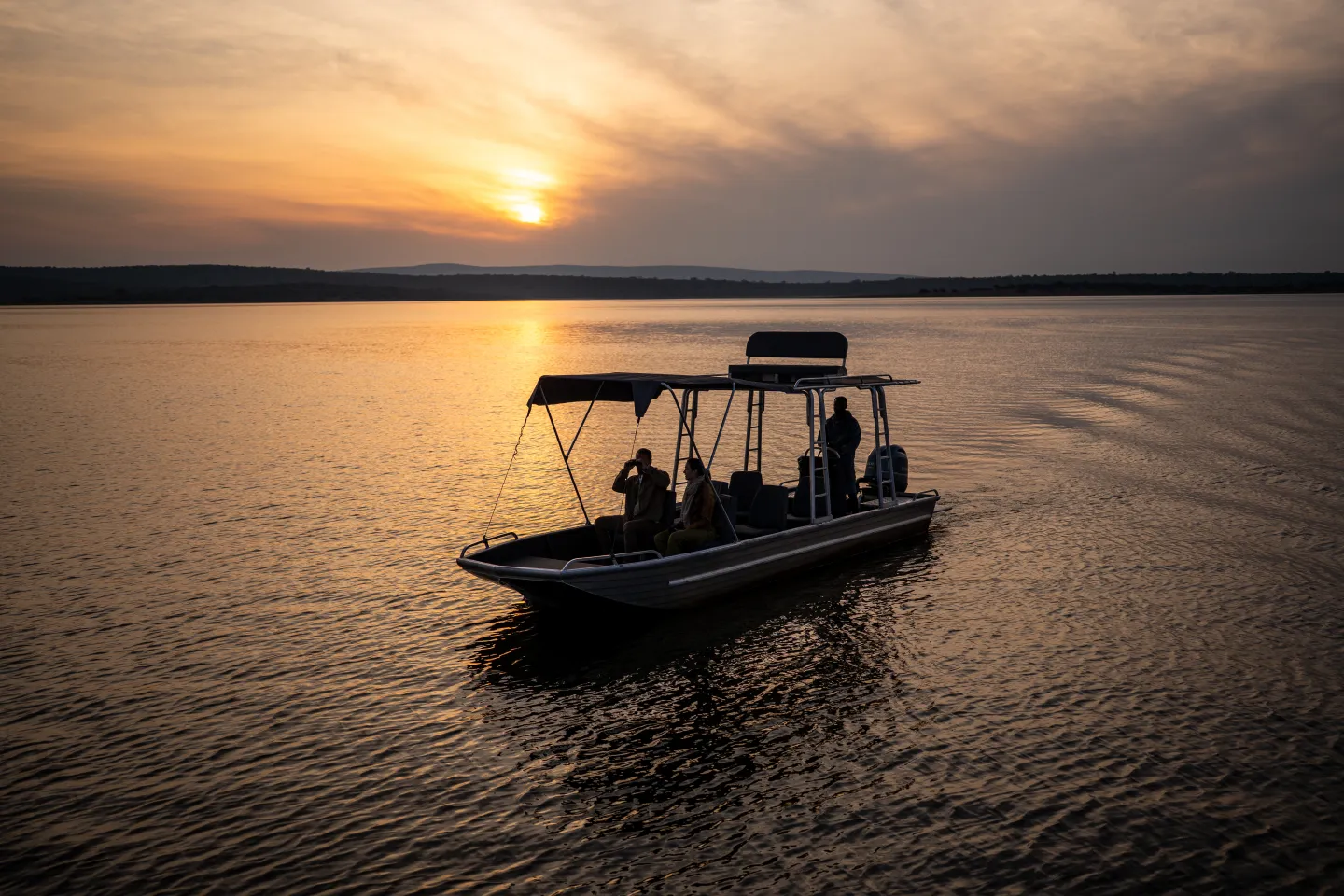
- Explore the waterways on double-decker swamp-cruiser boats
- Try catch-and-release fishing on Lake Rwanyakazinga
- Enjoy sundowner picnics as the water turns gold
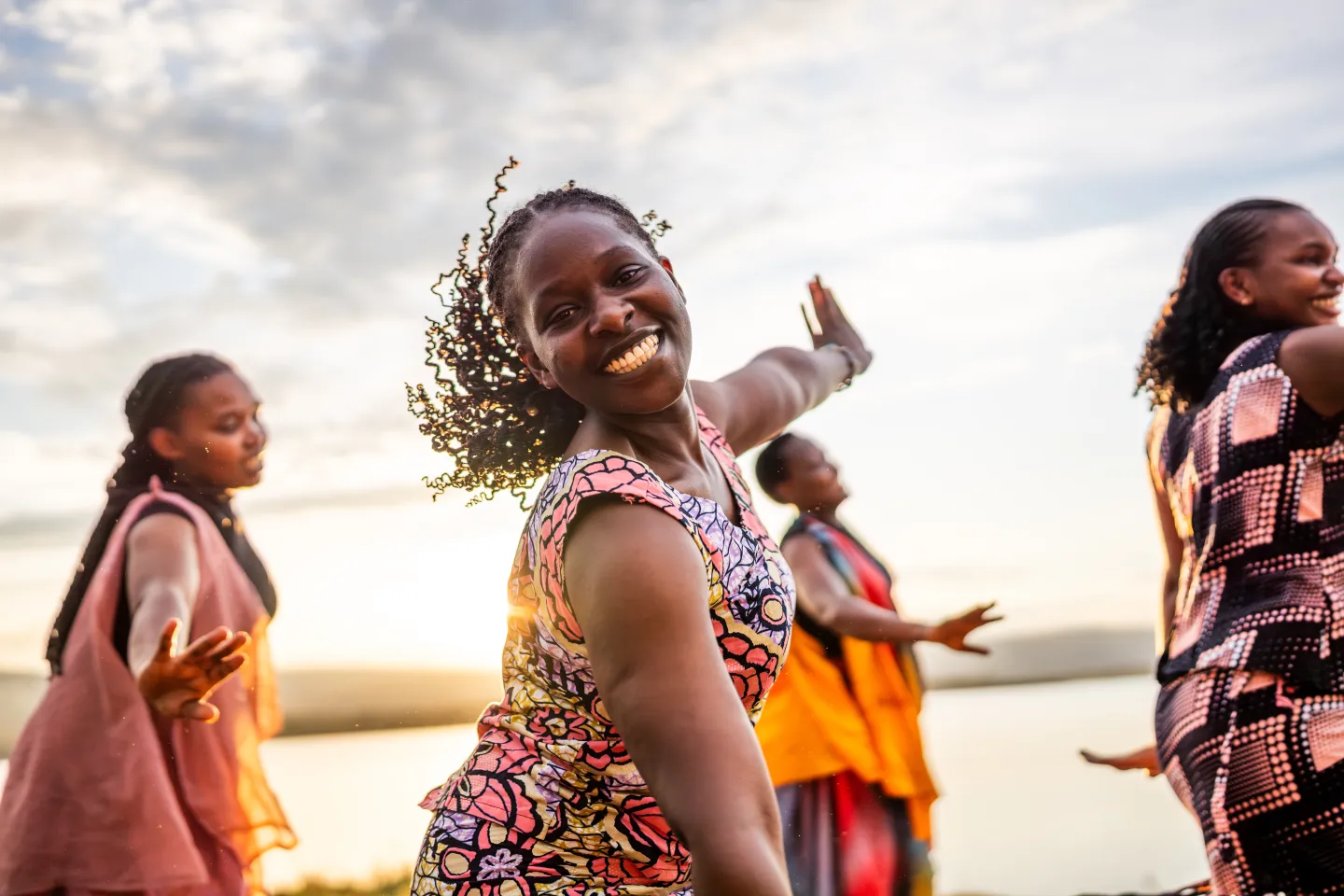
- Join evening gatherings shaped by traditional cuisine, storytelling, song and dance
- Enjoy in-room massages overlooking the lake
- Or stay active with “gym-in-a-bag” equipment and yoga mats provided in your suite
Volcanoes National Park
In the mist-draped highlands of north-western Rwanda, where ancient volcanoes rise through the clouds, lies Volcanoes National Park, a sanctuary of rainforest, legend and one of the last strongholds of the mountain gorilla.
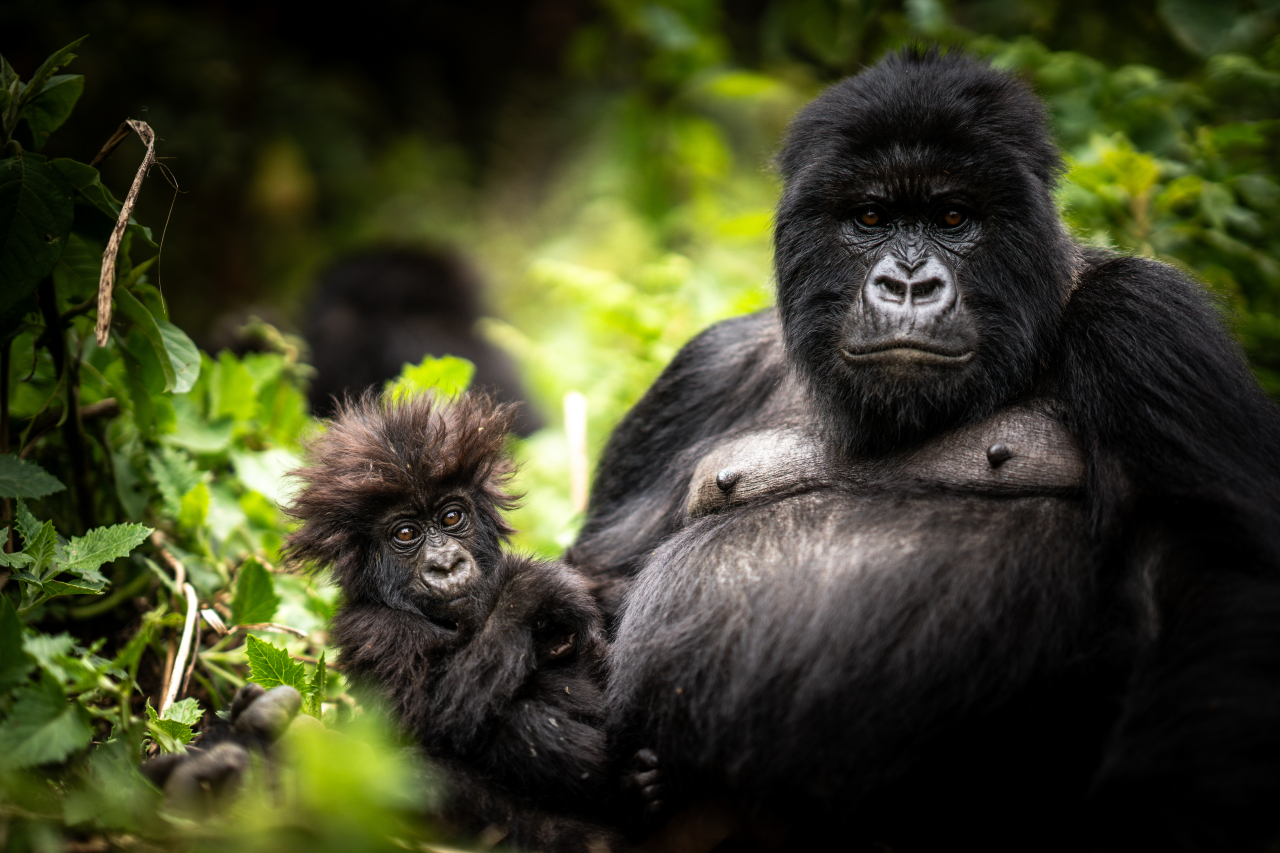
Established in 1925, Volcanoes National Park was one of Africa’s first protected areas, created specifically to shield endangered primates from poaching. Today, more than half of the world’s remaining mountain gorillas are found in the park. Covering 160km² (62sq mi) of emerald slopes within the storied Virunga Mountains, the park also protects five of the chain’s eight dormant volcanoes: Karisimbi, Bisoke, Muhabura, Gahinga and Sabyinyo.
Decades of encroachment and political turmoil eroded its borders, and the gorillas’ future was bleak. Everything changed when American primatologist Dian Fossey arrived in 1967. She dedicated her life to studying and protecting mountain gorillas; her work brought global attention to their plight, and her legacy endures. Her story, immortalised in Gorillas in the Mist, continues to inspire visitors from around the world.
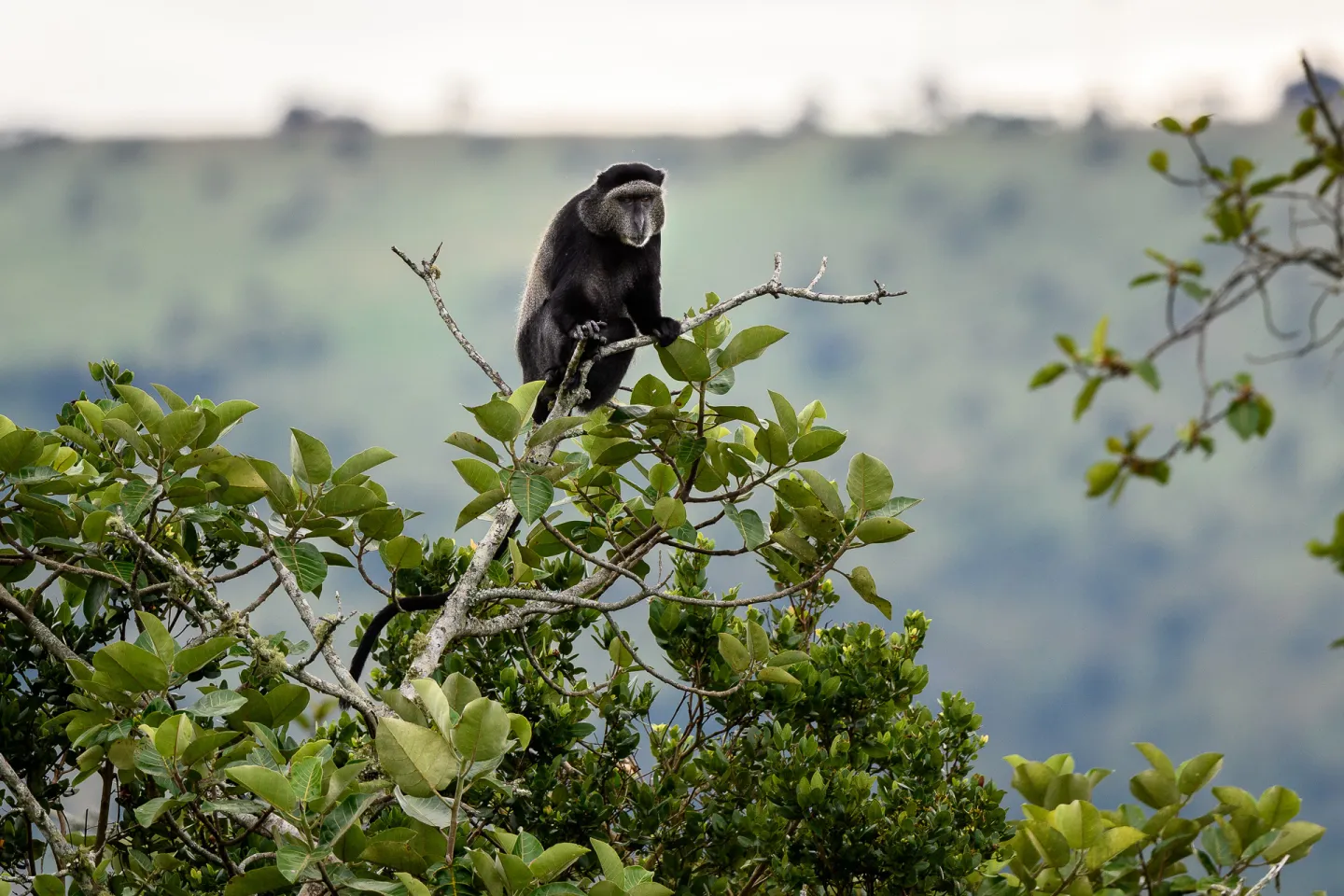
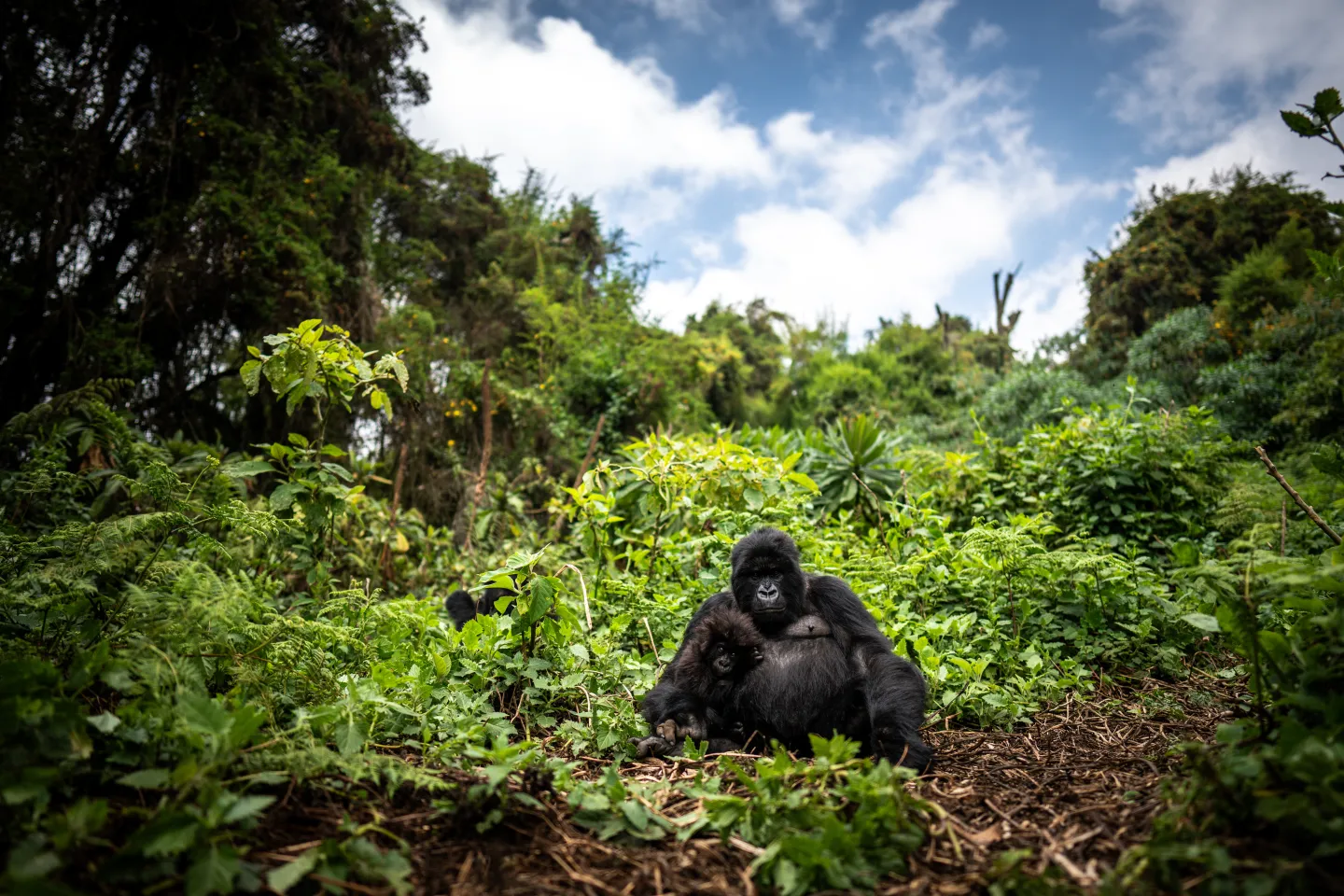
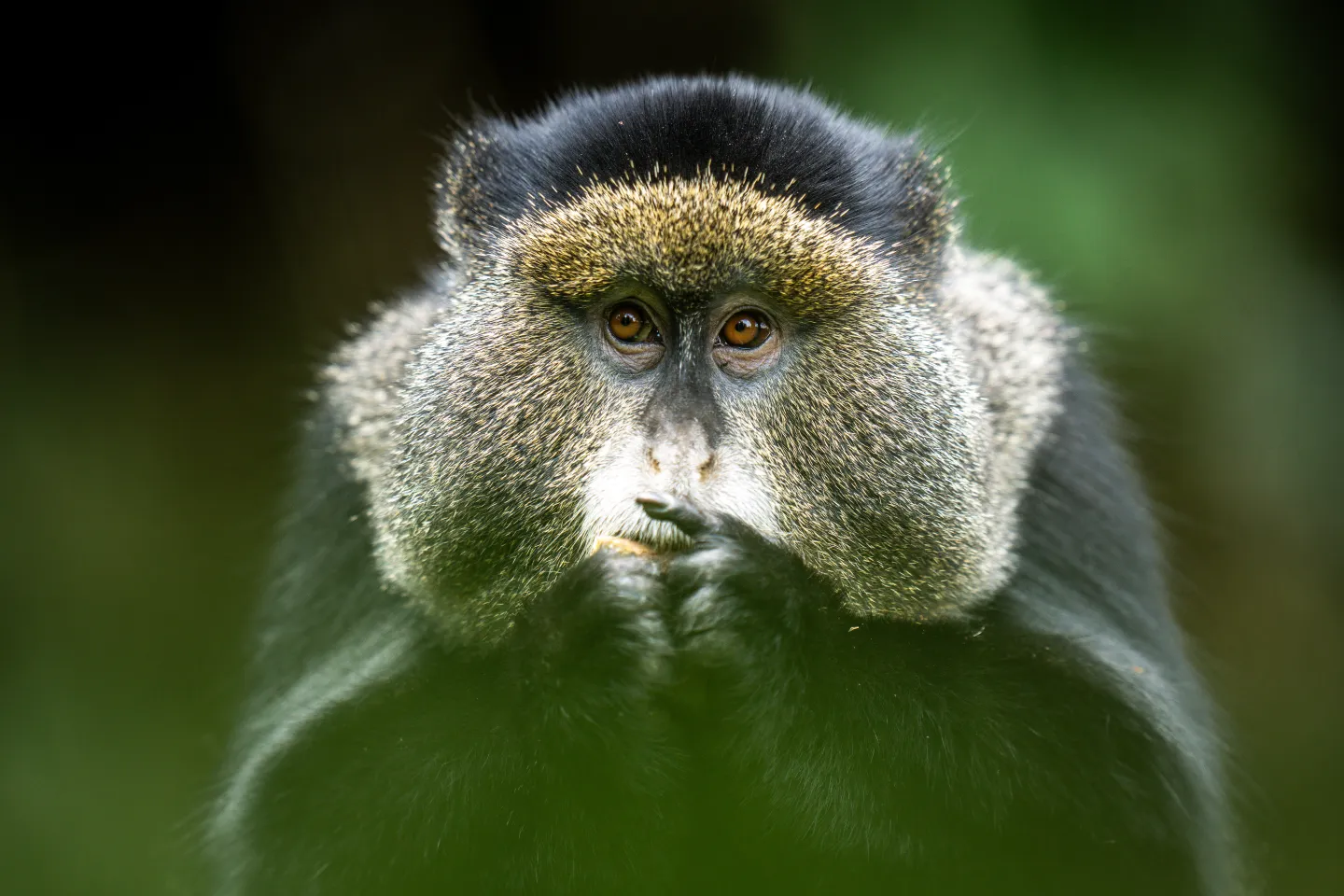
Against all odds, Rwanda’s gorilla population has grown steadily. Today, several habituated families allow visitors extraordinary, intimate encounters with these gentle giants. Beyond the gorillas, the park shelters the elusive golden monkey, L’Hoest’s monkeys, rare and shy forest elephants, buffaloes, giant forest hogs, bushpigs, black-fronted duikers, spotted hyenas and more than 200 bird species, including 17 endemic to the Albertine Rift
Nothing prepares you for the moment when a mountain gorilla steps from the foliage, or when you find yourself sitting quietly among a family at rest. Their presence, their intelligence, tenderness and social grace, is profoundly moving. Trekking is thrilling but challenging; the reward is one of the world’s most remarkable wildlife encounters.
For true gorilla enthusiasts, visiting in September offers the chance to witness Kwita Izina, Rwanda’s annual gorilla-naming ceremony. Modelled on a traditional Rwandan ritual, this joyful event honours every newborn gorilla of the year and celebrates the country’s conservation successes. Since 2005, hundreds of infant gorillas have been named at this festival of music, dance, storytelling and community pride, one of Rwanda’s most meaningful and uplifting traditions.
Bisate Lodge
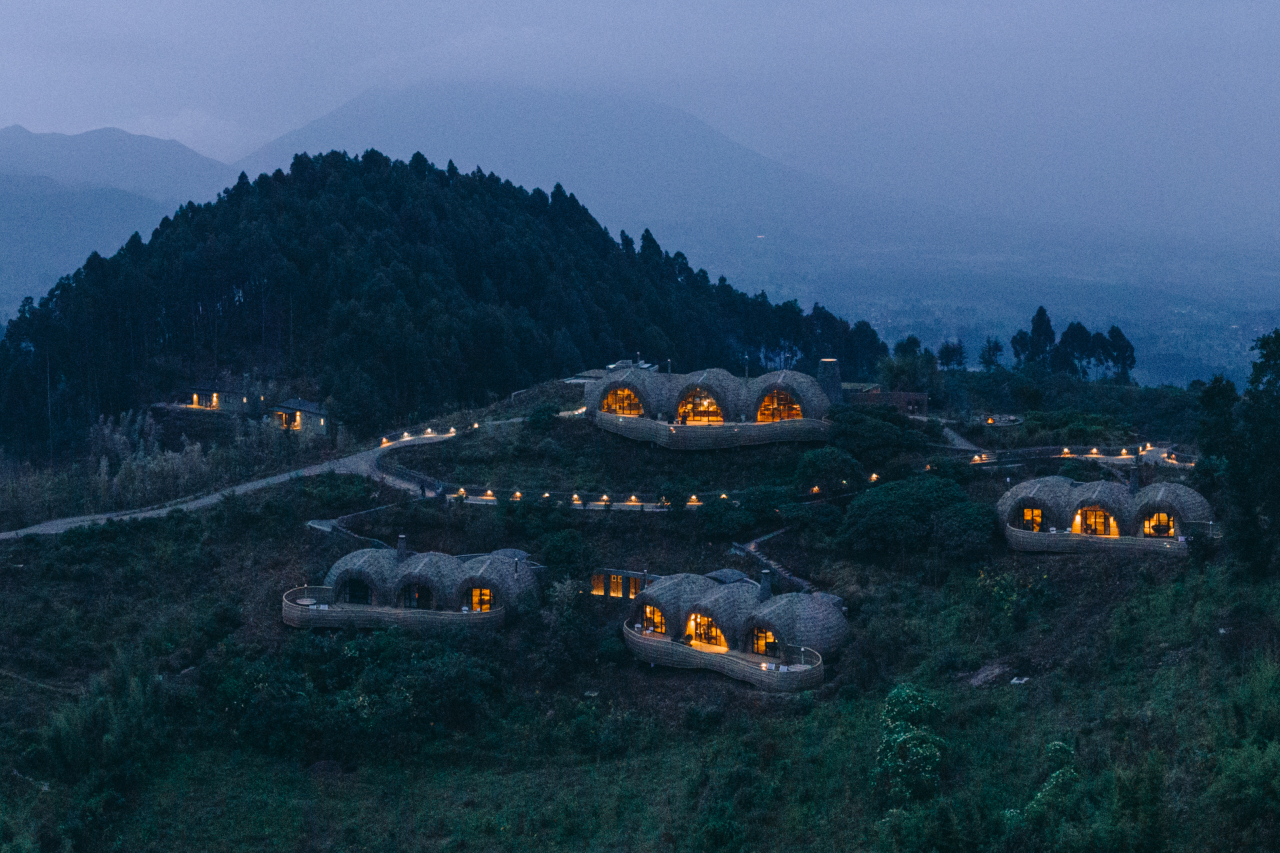
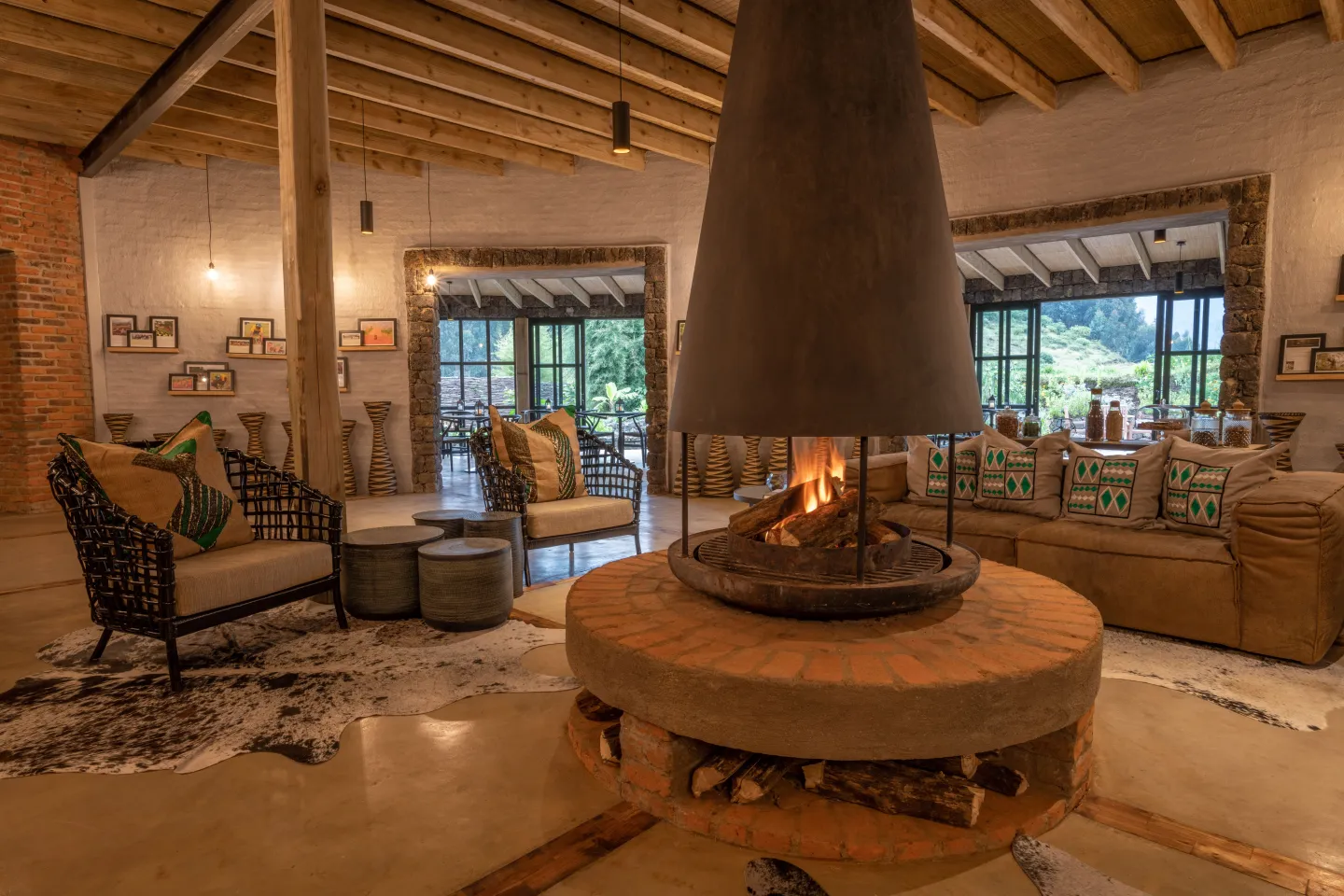
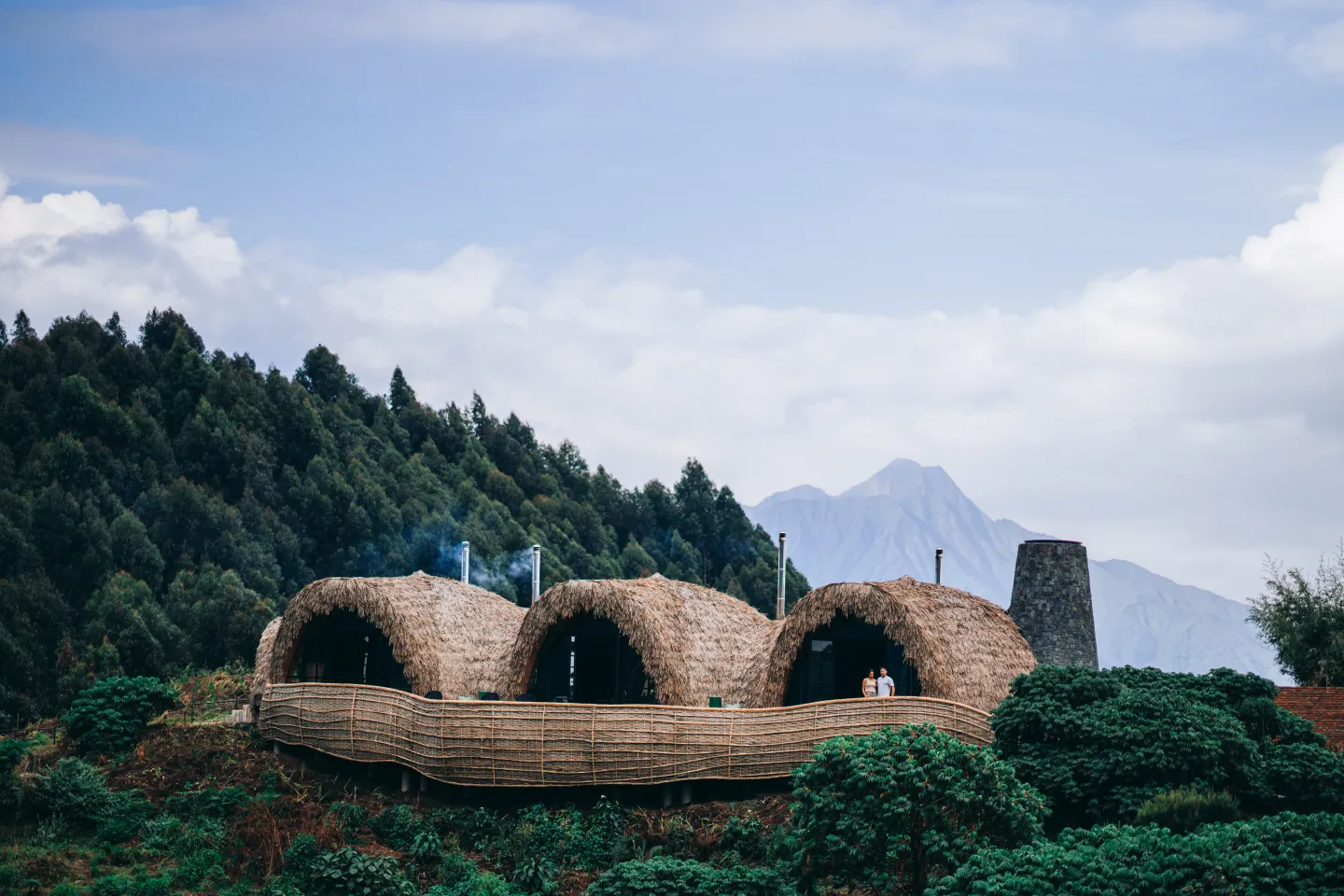
Perched at the edge of Volcanoes National Park, Bisate Lodge feels woven into the forest itself, where mist drifts between ancient trees and the silhouettes of volcanoes rise in quiet majesty. From this elevated vantage point, the lodge seems to sit within the park rather than beside it, offering uninterrupted views of the iconic Virunga peaks.
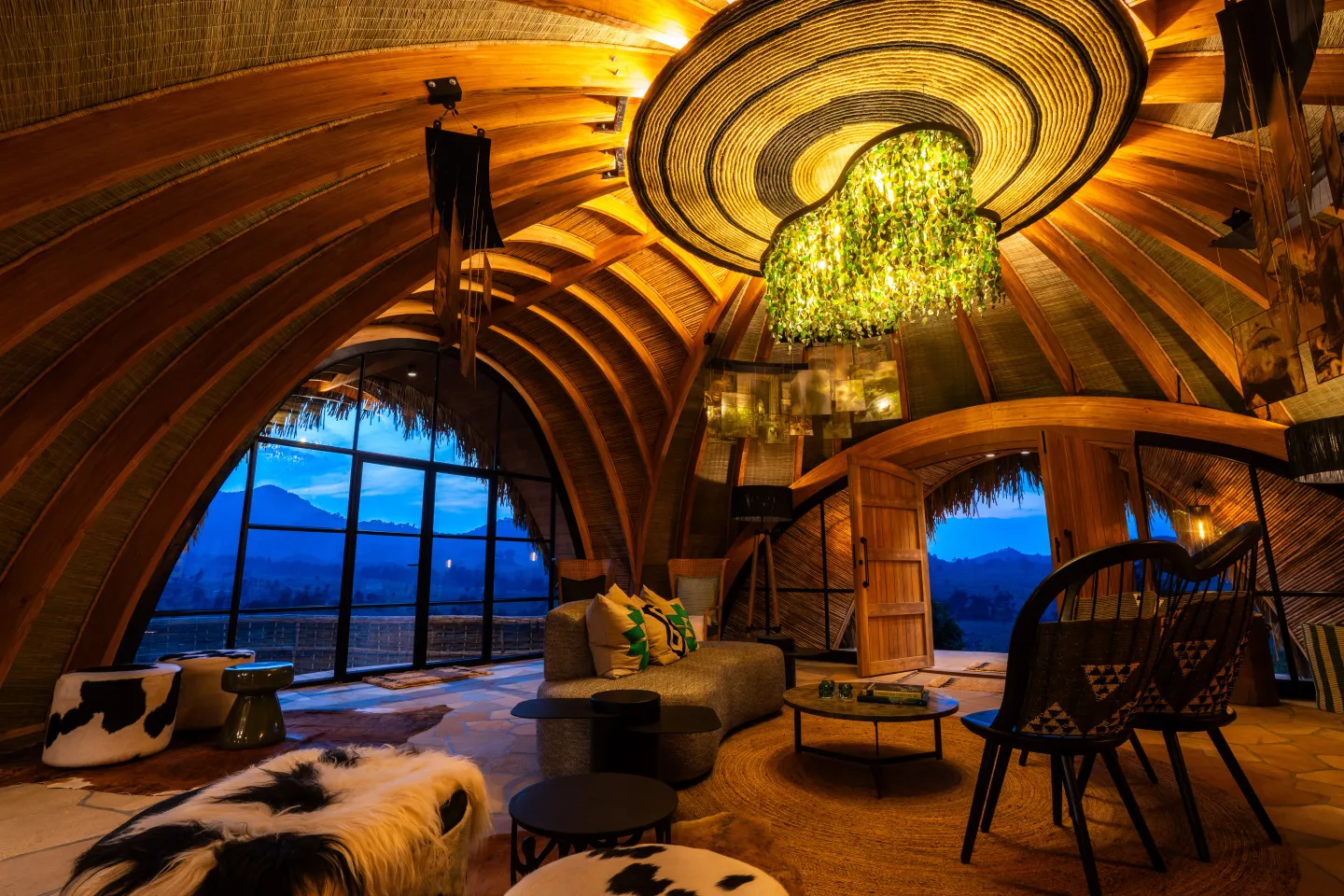
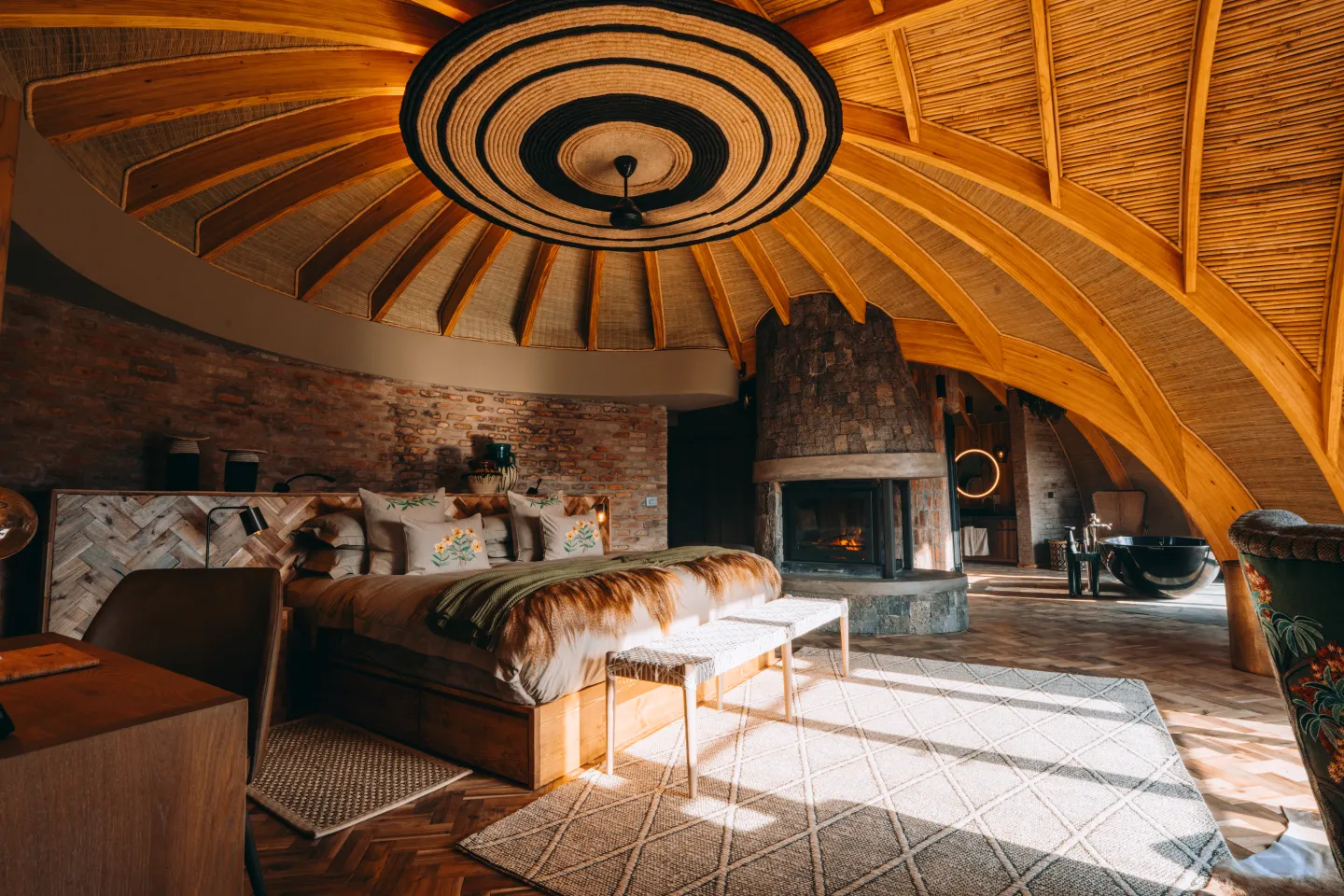
Bisate is unlike any lodge in Africa. Its striking, spherical architecture, inspired by the grand palaces of Rwanda’s former royal dynasty, blends traditional forms with contemporary, eco-luxury design. The Forest Villas, perched on raised wooden decks, resemble giant, elegant nests tucked into the hillside. Their curves echo the rolling hills that define Rwanda’s landscape, and their rich interiors pay tribute to Rwandan craftsmanship and culture.
Other than gorilla trekking, you may also trek through bamboo forests to see the golden monkeys, enjoy guided or self-guided birding and nature walks through the lodge grounds, visit the on-site tree nursery and participate in reforestation and habitat restoration, and watch evening documentary screenings that illuminate the region’s conservation history.
If you seek deeper connection, full-day excursions include a guided walk to nearby communities, offering insight into daily life around the park; a pilgrimage to Dian Fossey’s gravesite, a profoundly moving tribute to her legacy; an exploration of the ancient Musanze lava tunnels; and a visit to the serene twin lakes of Burera and Ruhondo.
Kigali
Return to Kigali via helicopter and transfer to The Retreat by Heaven.
Spend the afternoon at leisure, enjoying more sightseeing of the city, visiting markets for last-minute shopping, or simply relaxing and reminiscing about your experiences of the past week.
Departure
Today, as your journey comes full circle back to Kigali, you will leave Rwanda with memories as rich and life-changing as the places you’ve explored, from Akagera’s sweeping savannah to Volcanoes National Park’s misty mountains. You will have experienced the warmth of Rwanda’s people, and the wonder of its wildlife, at a thoughtful, unhurried pace.
Speak to your Travel Architect
Create your African story, your way
Does this itinerary inspire you to create your own unforgettable African story? Speak to your Travel Architect about curating your perfect African journey.
Tell us the Africa you imagine. We’ll take you there!
Why travel with Your Africa?
It starts with you
No two journeys are the same. We design each itinerary around who you are and how you want to experience Africa.
Seamless planning
Your dedicated Travel Architect handles everything. All you need to do is guide us on what your ideal African journey looks like.
Travel, your way
You decide how you want to explore Africa. This is your Africa, your story, your way.
Wildlife and gorillas in the land of a thousand hills gallery
Wildlife and gorillas in the land of a thousand hills FAQs
The best times are during Rwanda's two dry seasons: from June to September and from December to February. During these periods, trekking conditions in Volcanoes National Park are at their best (less mud and rain), and wildlife in Akagera is easier to spot as animals congregate around the lakes and water sources.
The gorilla trek can be challenging and requires a good level of fitness. It involves hiking at high altitudes (up to 3 000m, or 9 840ft) on steep, often muddy trails through dense forest. Treks can last from two to nine hours. However, your trekking group will be assigned based on fitness levels. It is advisable to hire a porter; they will carry your bag and provide invaluable physical support, making the trek significantly more manageable.
A scenic helicopter transfer is a major highlight of this luxury itinerary. It’s not just about convenience; it offers a stunning aerial perspective of Rwanda’s “thousand hills”. You will fly over lush landscapes, tea plantations and lakes, transforming what would be a long road journey into a spectacular, short flight that adds immense value to your experience.
They are two completely different worlds, offering a perfect contrast:
- Akagera is a classic East African savannah park. Here you'll enjoy traditional game drives in 4x4 vehicles and boat safaris on the lakes, spotting the Big Five and plains game in a wide, open landscape
- Volcanoes National Park is a high-altitude rainforest experience. The focus is entirely on immersive, on-foot trekking to see primates like mountain gorillas and golden monkeys in a dense, misty, mountainous environment
Yes, Rwanda is widely considered to be one of the safest, most secure and best-organised countries in Africa. Kigali is famously clean and orderly. The tourism infrastructure is excellent, and you will be in the care of expert guides and lodges throughout your trip.
This is a multi-environment trip. Key essentials include:
- For gorilla trekking: sturdy, waterproof hiking boots with good ankle support, long trousers, a long-sleeved shirt, a rain jacket, and gardening gloves.
- For the Akagera safari: lightweight, neutral-coloured clothing (khaki, beige), a warm fleece for cool mornings/evenings, a wide-brimmed hat and sunglasses.
- General: high-SPF sunscreen and insect repellent.
Yes, absolutely. Gorilla trekking permits are the cornerstone of this itinerary. They are strictly limited in number (only 96 per day) and sell out months in advance. Your Travel Architect will help you secure your permit, which must be done before any other bookings are made.
Umuganda is a unique national day of community service held on the last Saturday of every month, usually from 8am to 11am. If your itinerary falls on this day, most shops and businesses will be closed during these hours. It won’t significantly impact your scheduled activities, but it's a fascinating insight into Rwanda’s culture of unity. Your Travel Architect will arrange the logistics.
Akagera National Park is in a malaria-risk zone. Volcanoes National Park, due to its high altitude, is considered very low risk. Kigali also has some risk. It is essential to consult your doctor or a travel clinic for the most up-to-date advice and to arrange for appropriate anti-malarial medication.
A visit to the memorial is a deeply moving and emotionally powerful experience, but it is an essential part of understanding Rwanda’s incredible journey of reconciliation and resilience. The exhibits are respectful and educational. It is a place for quiet reflection, and it is highly recommended to approach your visit with a sense of solemnity and respect.