Wildlife and waterways
Wildlife and waterways
13-day/12-night Zimbabwe wildlife and cruise safari
Cruise the Zambezi and marvel at ‘The Smoke That Thunders’
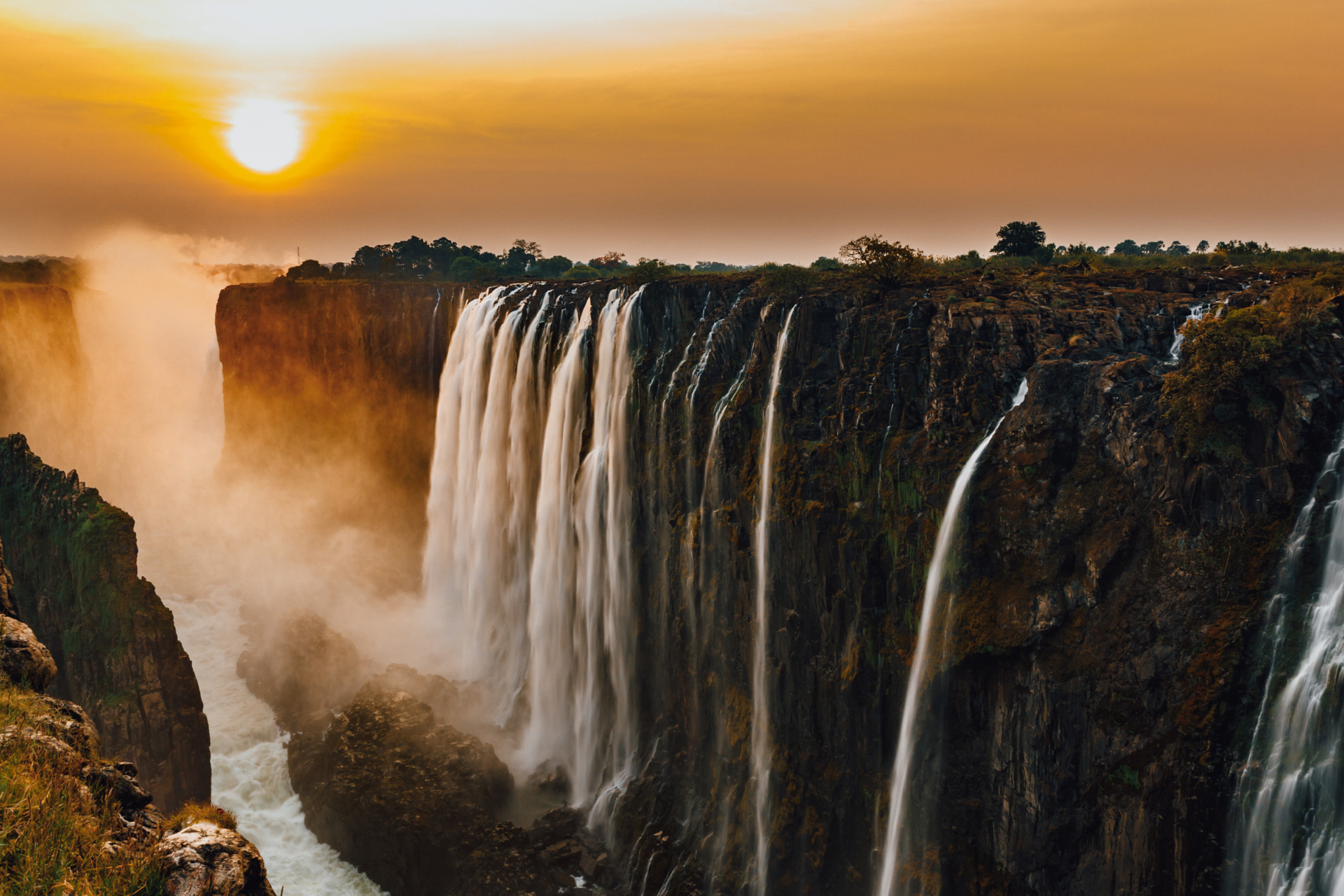
When the famous explorer David Livingstone first laid eyes on the Victoria Falls, he famously stated, “Scenes so lovely must have been gazed upon by angels in their flight.” He named the falls after his queen, but locally it has always been referred to as Mosi-oa-Tunya: “The Smoke That Thunders.”
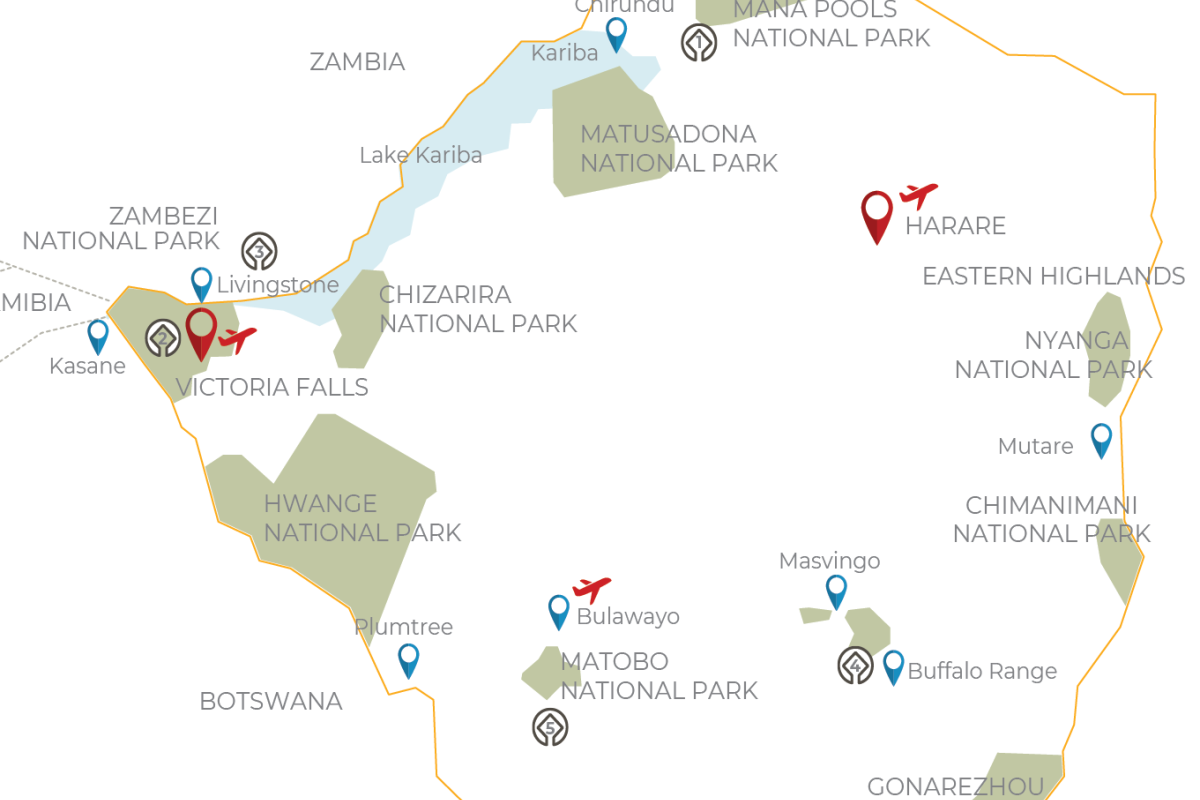
It’s the crown jewel of this journey, but certainly not the only gem. Two of Zimbabwe’s most famous national parks – Hwange and Mana Pools – provide widely differing wildlife experiences. Hwange, in the south, is Zimbabwe’s largest national park; an extension of the Kalahari Desert, it boasts prolific wildlife, including Africa’s second-largest elephant population. The smaller Mana Pools, in the north, is by contrast awash with water; this pristine wilderness area is best explored on foot or by canoe.
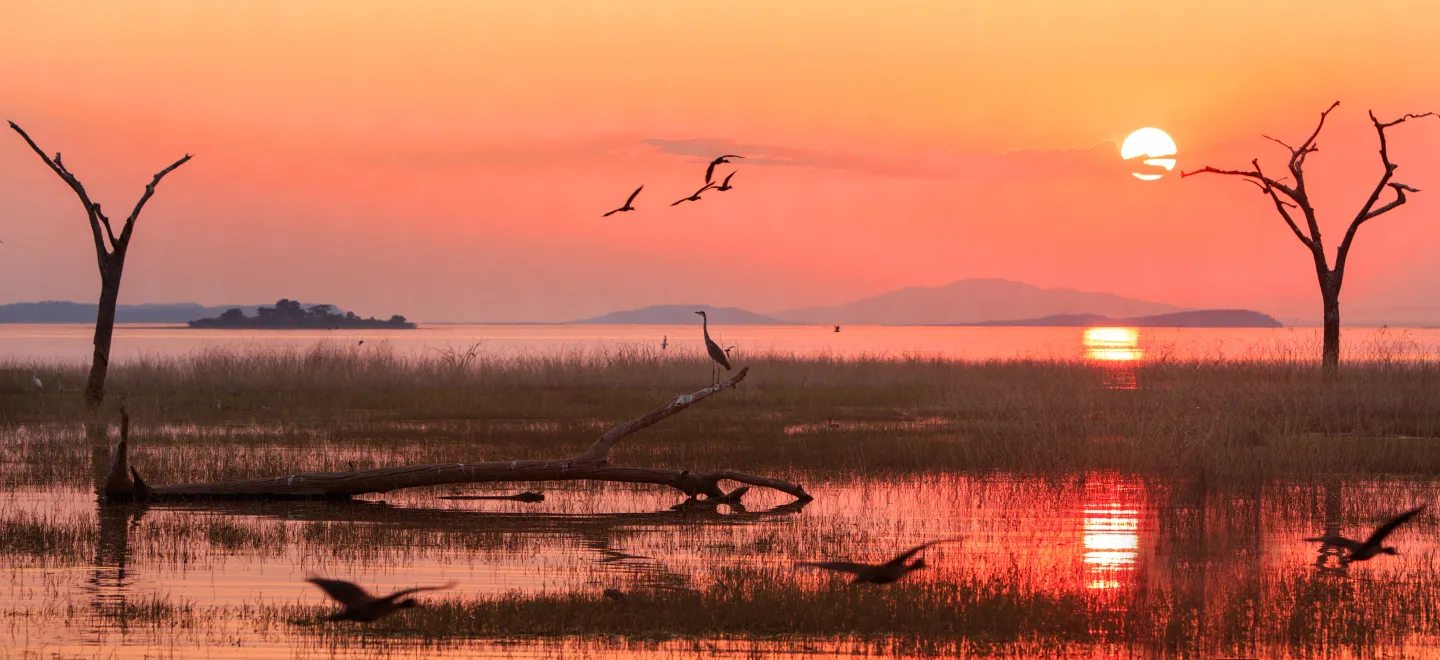
In between is Lake Kariba, the world’s biggest man-made lake. It’s perfect for idyllic cruising, leisurely wildlife viewing from the water, exciting tiger fishing and bird watching.
 At a Glance
 Highlights
 Exceptional wildlife viewing
Magical river location in Mana Pools
Cruising the Zambezi River and Lake Kariba
Exciting tigerfishing
Somalisa Sleep Out Treehouse
Exceptional wildlife viewing
Magical river location in Mana Pools
Cruising the Zambezi River and Lake Kariba
Exciting tigerfishing
Somalisa Sleep Out Treehouse Location
13-day/12-night Zimbabwe wildlife and cruise safari
Meet Your Travel Architect
Our South Africa specialists have explored every corner of the Delta. Let us craft a journey uniquely tailored to you.
Book a time to chat

Hwange National Park
Hwange National Park, the second-oldest park in Zimbabwe, was established in 1928. Found in north-west Zimbabwe, It is the largest park in the country at 14 650km² (5 656sq mi). It is an extension of the Kalahari Desert in Botswana, with no natural and permanent water sources, and it is fascinating.
Conservationists and lodge operators manage 60 artificial waterholes (or pans) throughout the park. Vegetation differs vastly from the north to the south, and comprises predominantly Kalahari sandveld, supporting teak and mopane woodlands and dry acacia scrub.
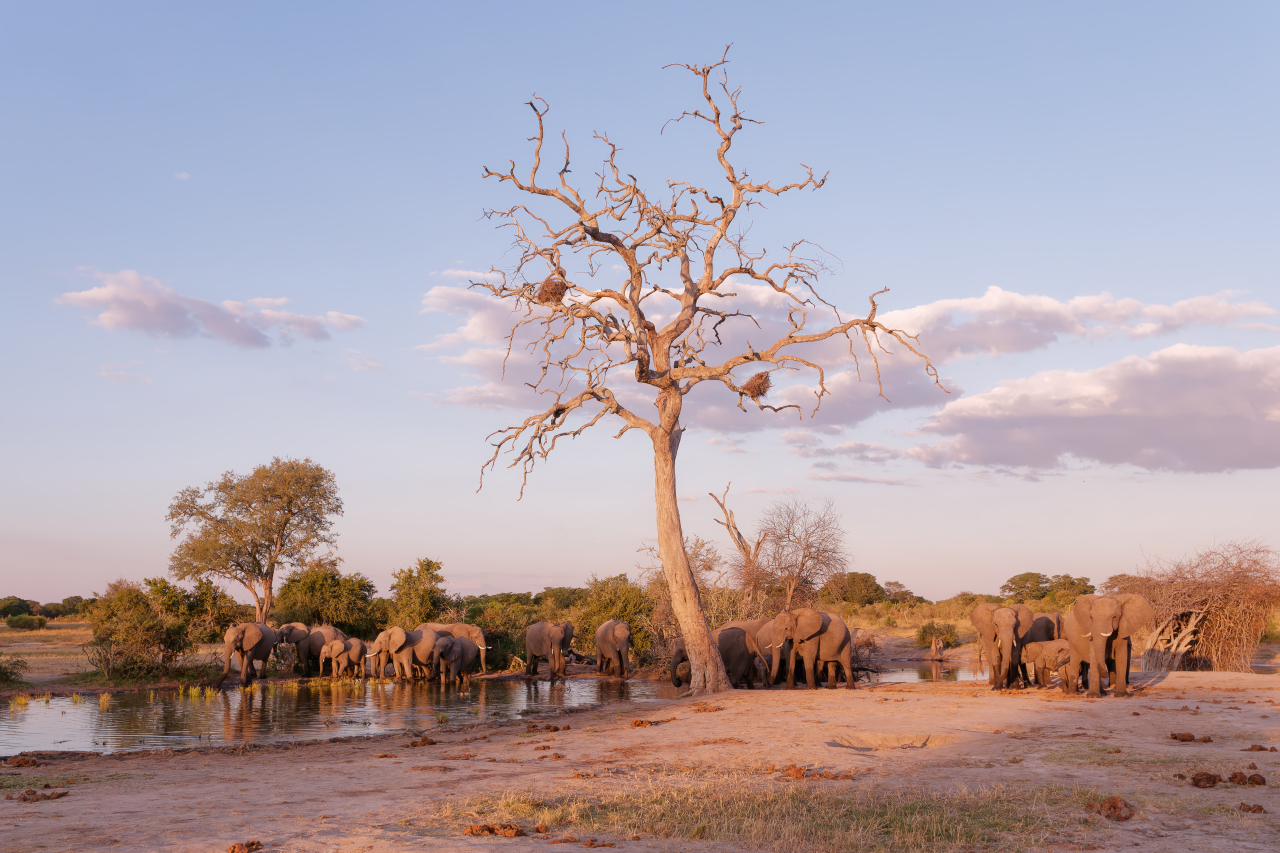
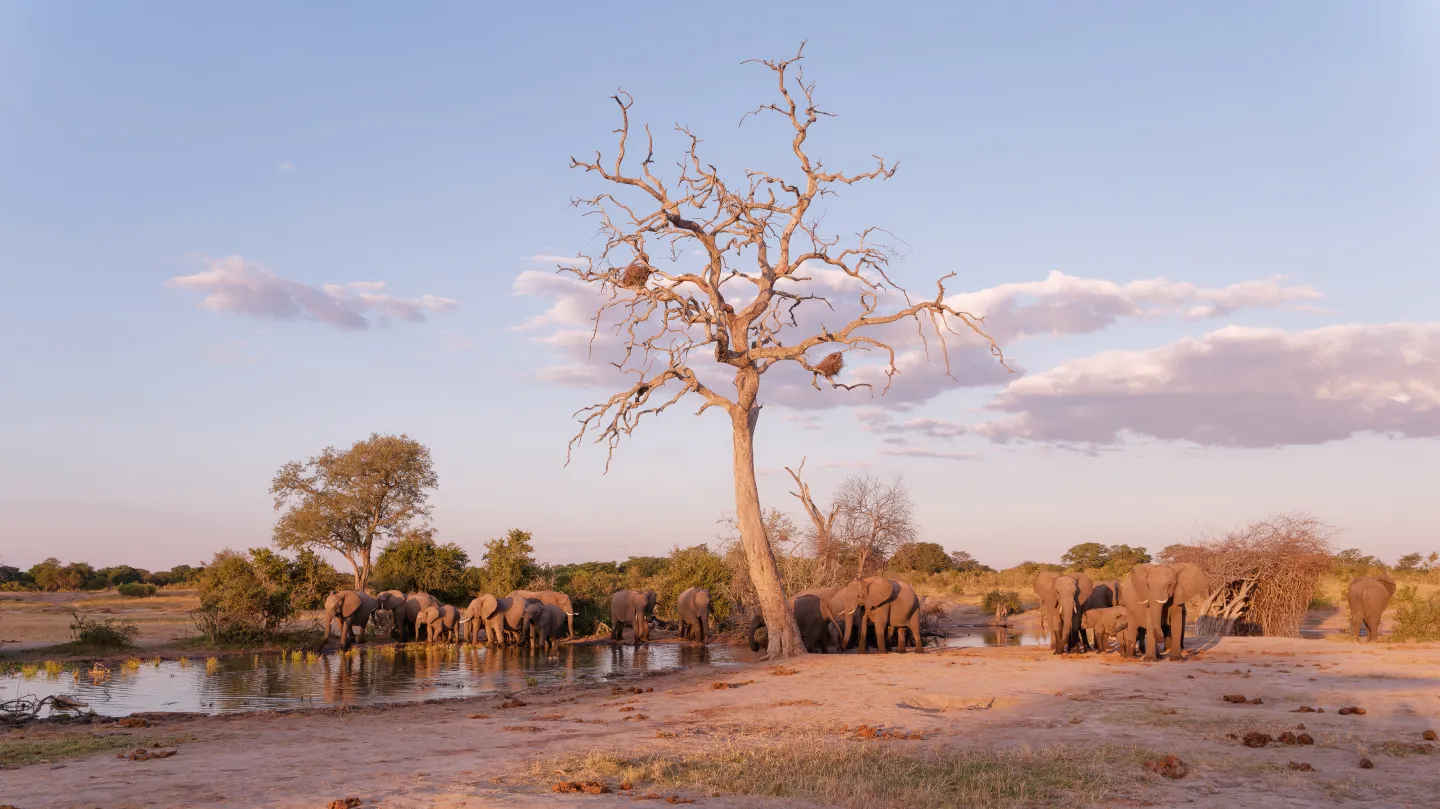
The wildlife is prolific with 100 mammal species. Additionally, it is home to the second-largest African elephant population after the Chobe region in Botswana, with an estimated 45 000 individuals that migrate between the countries. It is particularly famed for its impressive herds of Cape buffalo and super herds of elephants.
Hwange is known for spectacular lion, African wild dog and cheetah sightings. An area just outside the park is home to the famous Presidential herd of elephants, a semi-habituated herd of about 500+ elephants that has been under presidential protection since 1990.
The African wild dog (or painted dog) is one of the most endangered species in the world. Native to Africa, and with fewer than 7 000 individuals left across the continent, an estimated 700 are found in Zimbabwe. Hwange is home to the Painted Dog Conservation Programme, a research and conservation initiative focused on protecting wild dog populations in Zimbabwe through education and community outreach.
With nearly 500 recorded species in the park, it is also a birder’s paradise, most of which are native. It is home to some of the largest flying birds, including the elegant, long-legged Kori bustard and the stately Secretary bird.
Somalisa Camp
Located on a private concession, a prime wildlife area in the heart of Hwange National Park, Somalisa is renowned for its up-close encounters with elephants that love to drink from the pool in front of the camp. Found under the dappled shade of an acacia grove along the edge of an ancient seasonal floodplain, Somalisa provides guests with awe-inspiring views of the golden savannah plains of Hwange.
Elegant designs blend with organic elements of the surrounding wilderness. Kudhinda, a local Zimbabwean fabric, is paired with modern decor influences to create an authentic yet contemporary African style. The luxury tented suites are beautifully furnished with decor that perfectly combines nature and sophistication.
Daily experiences include game drives, guided walking excursions, bird watching and cultural tours to local villages. Or enjoy a sleep-out experience in a treehouse located about 25 minutes away from camp.
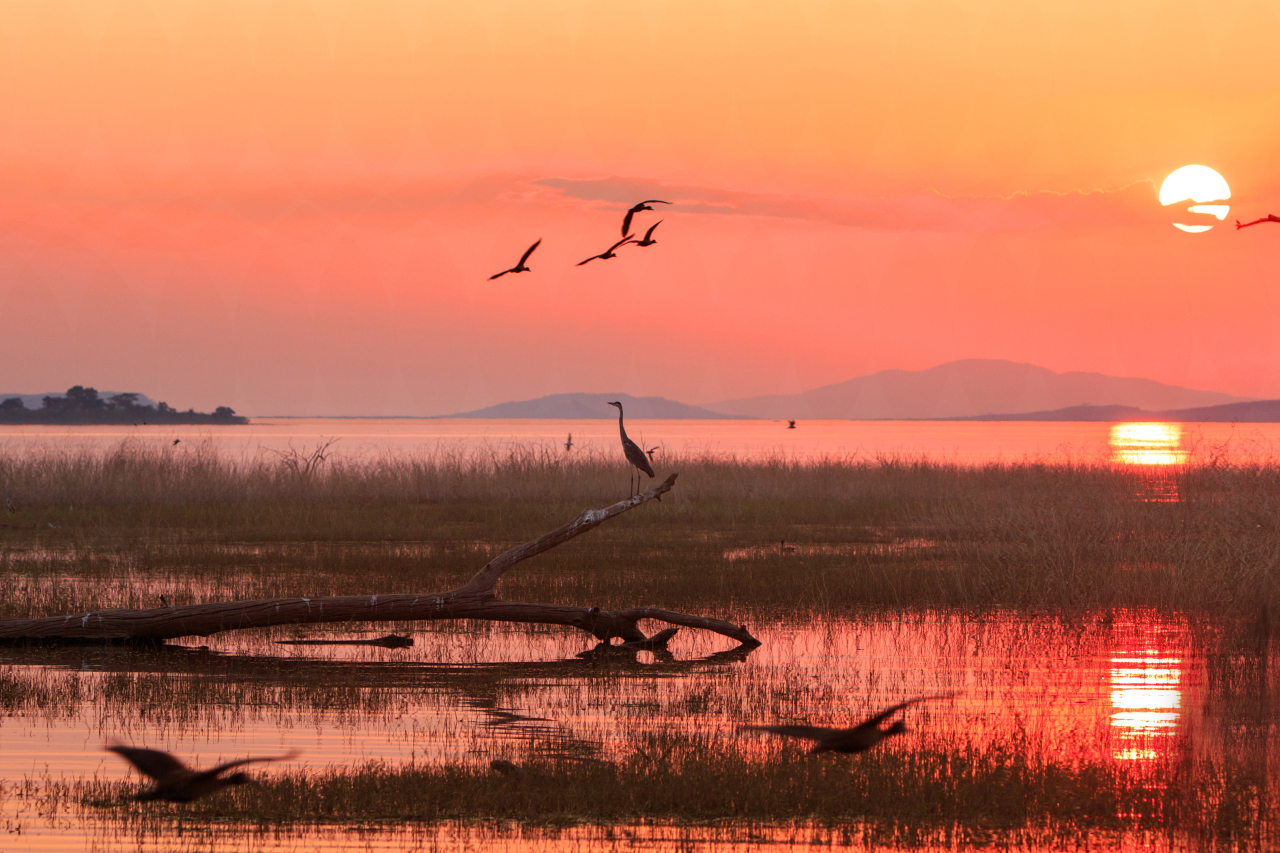
Lake Kariba river cruise
Lake Kariba, the world’s largest man-made lake and reservoir by volume, and one of the largest freshwater lakes in the world. Shared by Zimbabwe and Zambia, generating significant hydroelectric power for both countries, lies 350km (218mi) downstream from Victoria Falls and 1 300km (808mi) upstream from the mouth of the Zambezi River, where it flows into the Indian Ocean.
Lake Kariba was filled between 1958 and 1963 following the completion of the Kariba Dam at its north-eastern end, flooding the Kariba Gorge on the Zambezi River. Kariba is derived from the Tonga word kariya (meaning trap) – the area where the river was forced through a narrow gorge. The gorge is believed to be the home (a large rock) of Nyami Nyami, an important “river spirit” or “river god” who controlled the river and life around it. Unexpected, larger-than-usual floods during the construction years killed many of the workers, all predicted by the Tonga people due to the “anger” of Nyami Nyami.
The tragedy of Lake Kariba is that 57 000 BaTonga people living along the river in the Zambezi Valley (from both Zimbabwe and Zambia) were removed, 86 construction workers died, and thousands of animals were trapped by the rising water. But the story does have a positive side as well. Enter Operation Noah, a rescue mission spearheaded by game rangers Rupert Fothergill and Tad Edelman on the Zambian side, initially using bare hands, ropes, nets and small boats to capture smaller animals, saving 7 000 animals. Later, tranquilliser darts were used by vets to immobilise lions and rhinos, and by 1964, at least 44 rhinos had been moved on makeshift rafts made of empty 220l fuel drums.
Wildlife along the shores of the lake has steadily improved over the decades. The western shores are wild and less developed, characterised by rugged terrain, deep gorges, dense bush and islands, contrasting the more developed eastern side. Apart from the prolific birdlife, guests have the chance of seeing elephants (especially in the Elephant’s Bay area, hence the name), baboons, monkeys, antelope species such as kudu, klipspringer and bushbuck, and of course hippos and crocodiles.
Zambezi Trader
The Zambezi Trader is the largest luxury cruise boat that sails the mighty Zambezi River and the western reaches of Lake Kariba, offering an extraordinary journey through one of Africa’s most spectacular waterways. It is a cruise retreat with 29 beautifully appointed, en-suite cabins spread over three decks, each designed with pure comfort in mind. Facilities include a spa, plunge pools, sun decks, and various lounges, dining and cocktail bar areas. The experience is a blend of relaxation, culture, wilderness and wildlife experiences.
Tender boats are available to explore hidden bays and tributaries to enjoy wildlife and bird spotting, and catch-and-release sports fishing. They are also used to reach the shores for optional experiences – game drives in the Kavira Forest Conservancy, guided walking excursions, or a visit to an authentic, remote Tongan fishing village, school and chief’s kraal to meet the communities who call the Zambezi home and to experience traditional life. Subject to weather conditions and water levels, guests may enjoy a delicious barbecue beach dinner.
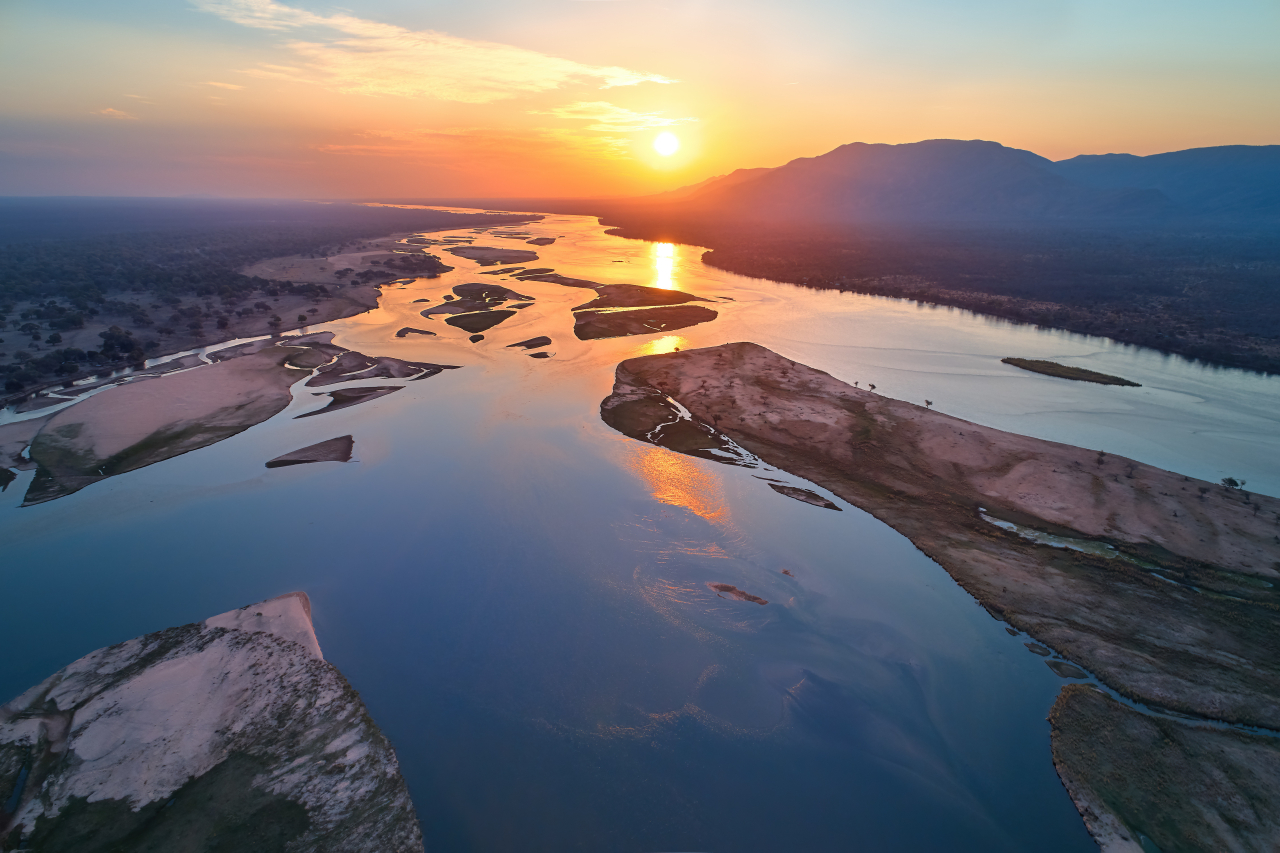
Mana Pools National Park
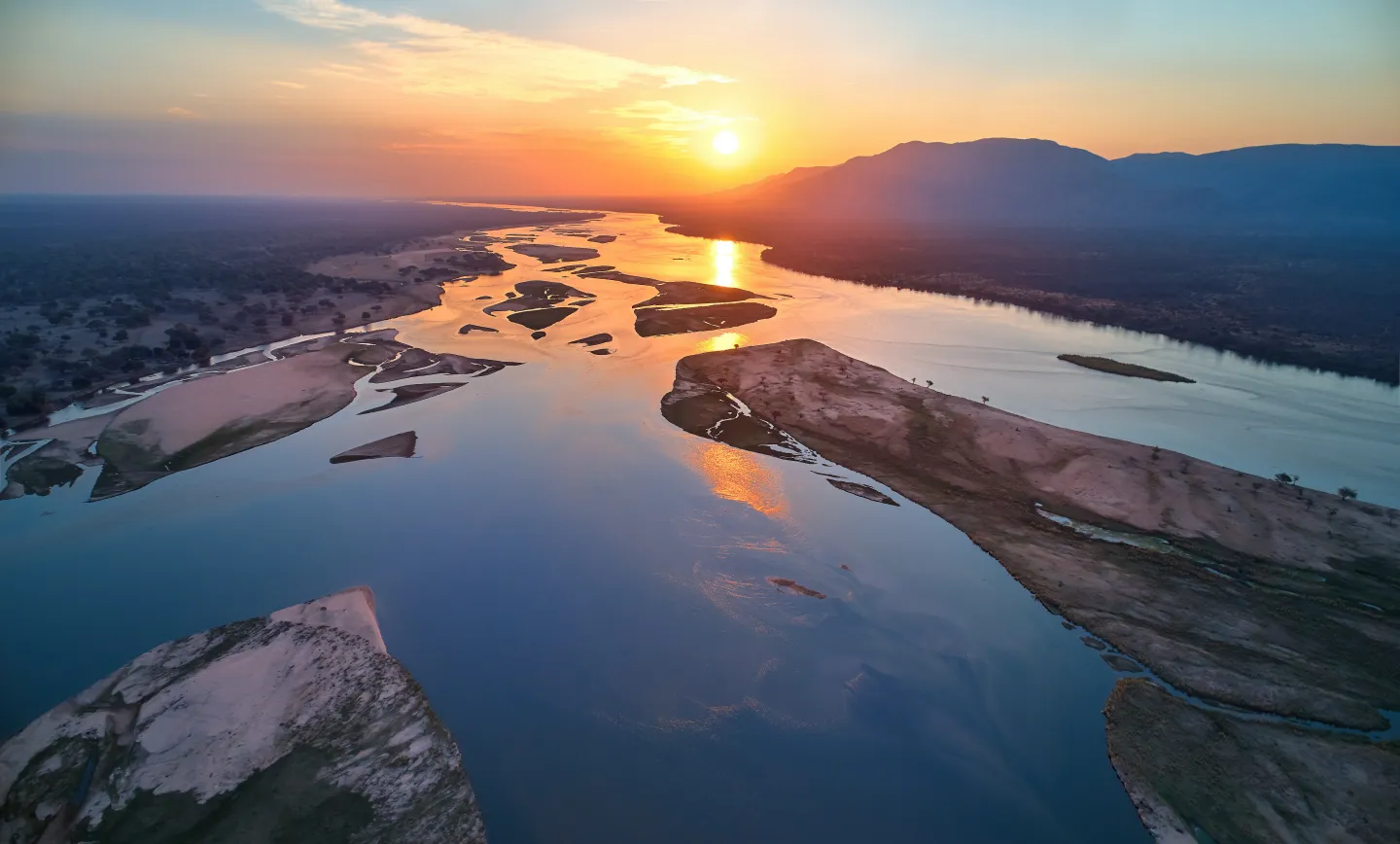
Mana Pools National Park, a UNESCO World Heritage Site (Natural and Ramsar Wetland of International Importance), protects a pristine wilderness area along the Lower Zambezi River, located in the broad Middle Zambezi Valley, one of the world’s wildest and best preserved natural ecological areas. Mana (Shona for “four”) derives its name from four large pools in the area, the largest stretching 6km (3.7mi). Sharing this stretch of the river with the Lower Zambezi National Park (Zambia), the mountains across the river add to the beautiful landscape. The park is roamed by four of the Big Five (there are no rhino).
Flanked by hunting concessions to the west and east, the region is renowned for abundant wildlife on game-rich floodplains, a large elephant population (the largest after Hwange), African wild dogs, healthy predator numbers, and thousands of antelope.
It is also famous for bull elephants eating apple-ring acacia tree pods on their hind legs, lion chasing buffalo, and wild dog hunting.
Elephants migrate between Zimbabwe and Zambia across the 2km (1.2mi) wide river, and with temporary water sources in the park drying up during the winter months, wildlife on the riverfront is an abundant spectacle during the dry season. The phrase “armchair game viewing” was coined here as visitors often remain in camp, enjoying the game along the riverfront. It is a birder’s paradise with 450 recorded species, including 52 raptors.
Mana Pools is one of the best places in Africa for walking excursions and canoe safaris, led by experienced professional guides. It is highly recommended for adventurous travellers seeking an immersive bush experience.
Nyamatusi Camp
Nyamatusi, lightly translated as “wild game”, aptly describes the area. Located on a floodplain on the banks of the Zambezi River with a mountain range as a backdrop, luxury tented suites offer uninterrupted views of the river and escarpment beyond. Built from all-natural materials, the sustainable design encompasses its wilderness location in the most elegant way.
Each suite is adorned with soft drapery and replete with air-conditioning, a private viewing deck, and a plunge pool. It is a gentle, slow safari, following the ebb and flow of life on the river.
Guests enjoy game drives, thrilling canoeing safaris (one of the best ways to explore and experience the breathtaking landscapes), guided walking excursions in the private wilderness concession area, birdwatching and tigerfishing in the Zambezi River (catch-and-release only).
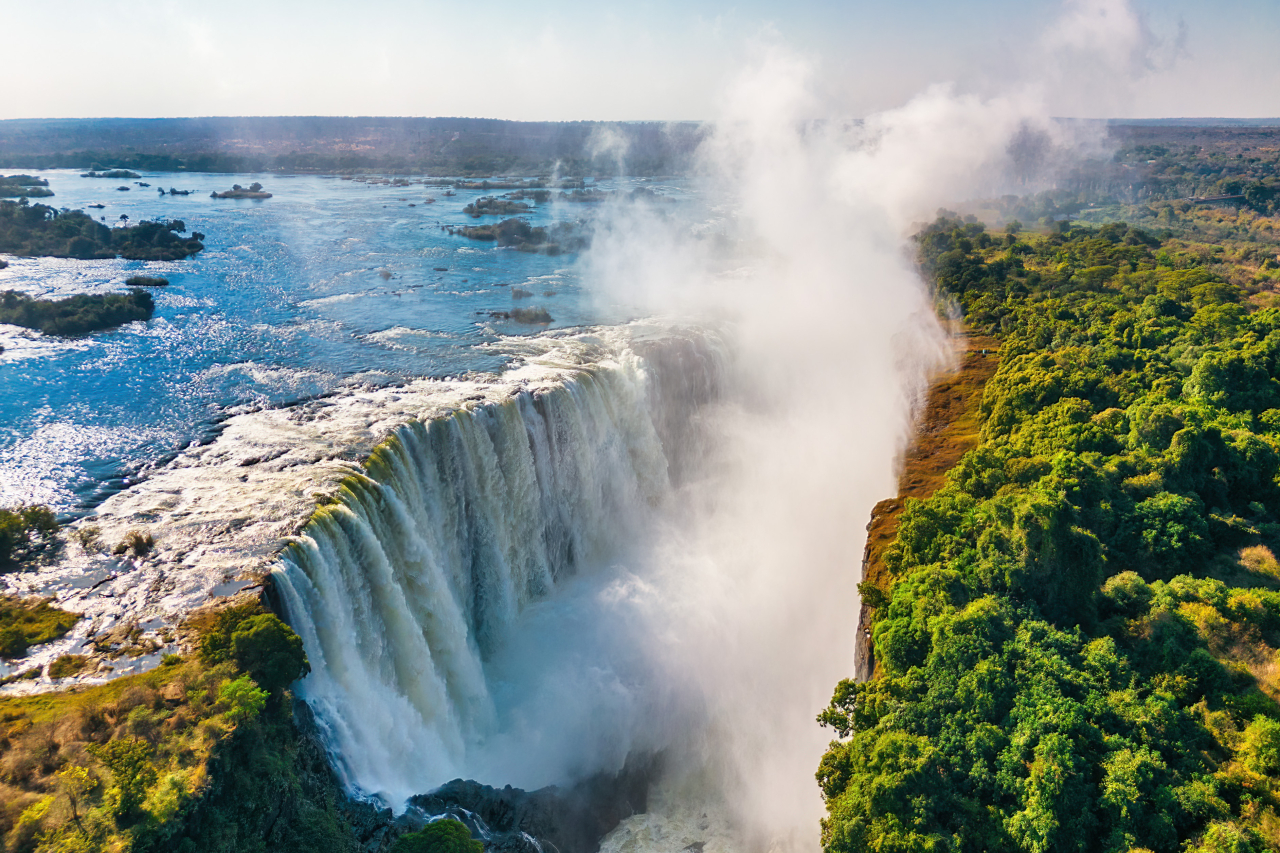
Victoria Falls
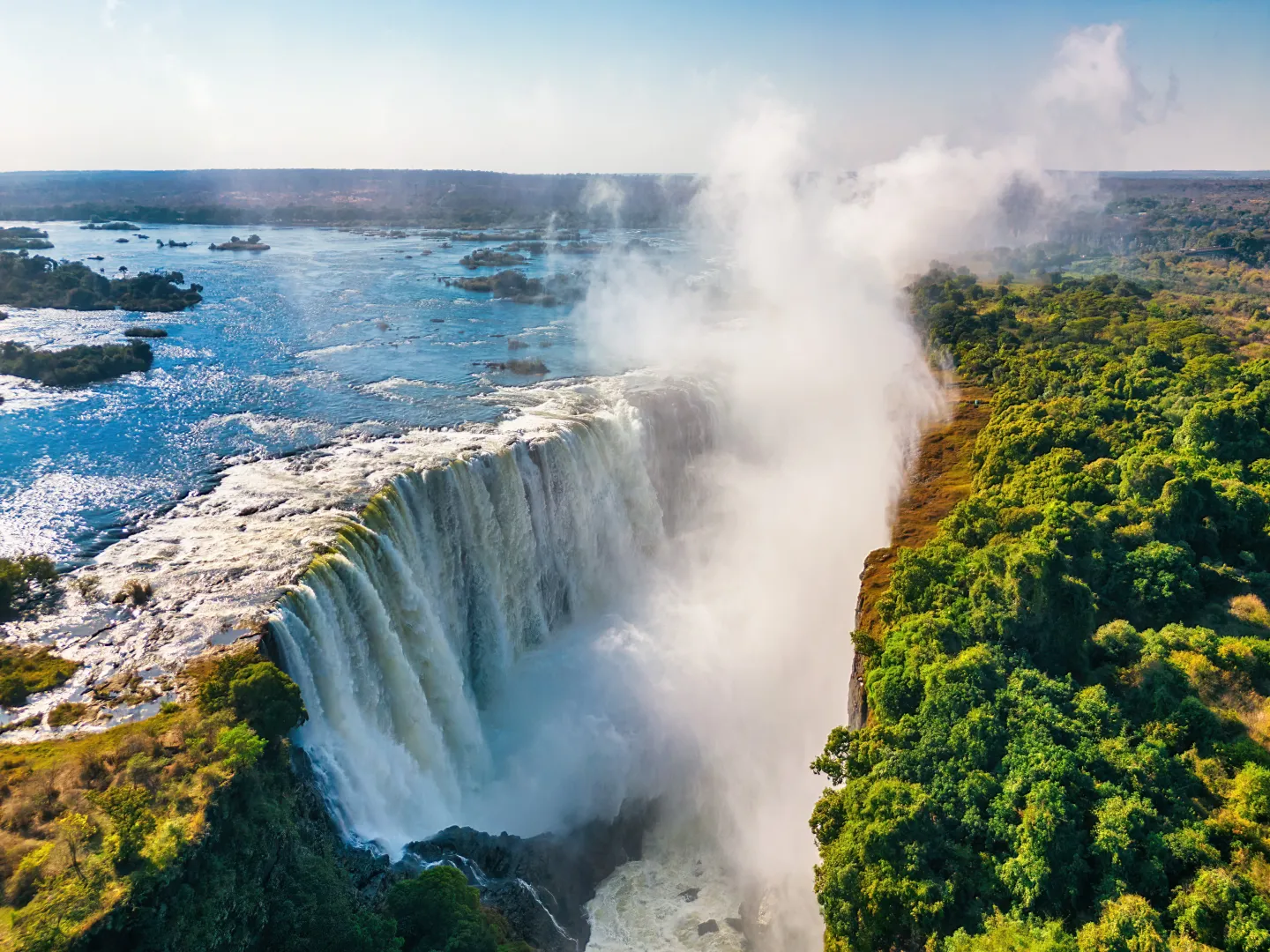
Victoria Falls, locally referred to as Mosi-oa-Tunya (“The Smoke That Thunders”), is one of the world’s most impressive waterfalls. David Livingstone, the first European to have laid eyes on the falls, is famously credited with stating, "Scenes so lovely must have been gazed upon by angels in their flight."
Fed by the magnificent Zambezi River, which creates the border between Zambia and Zimbabwe, the falls are located in the Victoria Falls National Park, which has the notable feature of being a rainforest due to the spray. Considered to be the world’s largest sheet of falling water, Victoria Falls measures an impressive 1 708m (5 604ft) in width and 108m (354ft) in height during the wet season. This spectacle is not only a UNESCO World Heritage Site, but also one of the 7 Natural Wonders of the World.
The Zambezi River experiences a rainy season from November to early April, and a dry season for the rest of the year. The river’s flood season is February to May, with a peak in April. The spray from the falls typically rises to a height of over 400m (1 312ft) and sometimes even twice as high, and is then visible from up to 50km (31mi) away.
Zambezi National Park, comprising 56 000ha (140 000 acres), was split away from the Victoria Falls National Park in 1979. It is located 5km (3.1mi) upstream from Victoria Falls and includes 40km (25mi) of river frontage along the Zambezi River.
A Big Five destination, the park is renowned for its herds of antelope and plains game, including sable (Zimbabwe’s national animal), giraffe, zebra and many smaller wildlife species. The birdlife is prolific, with over 400 identified species, such as Pel’s fishing owl and the African skimmer. Aside from birds and land animals, 75 species of fish can be found within the boundaries of the park, including the famous tiger fish.
The quaint town of Victoria Falls is a crossroads for travellers and acts as a base from which to explore many of the experiential excursions on offer in the region – these include white water rafting, canoeing among hippos on the upper Zambezi, game drives, walking safaris, river cruises, cultural excursions in local communities, art safaris, shopping at the local markets and helicopter flips.
The town is the adrenaline capital, and several activities are available for adventure lovers. You may also wish to cross the border into Zambia to view the falls from another angle or enjoy lunch on Livingstone Island (seasonal) or, if you are brave, swim in Devil’s Pool above the falls. The activity menu is endless, and the visit will inspire your return!
Palm River Hotel
The Palm River Hotel is a luxury property, tucked away among towering indigenous trees along the banks of the Zambezi River, creating a tranquil and private sanctuary. The hotel is located a mere 4km (2.4mi) from the rainforest and five minutes from the town centre. Inspired by the traditional East Coast Australian Queenslander design style, while maintaining the old-world charm that is the essence of Victoria Falls, has resulted in a brand new and distinctive landmark for Victoria Falls.
Rooms and suites, overlooking riverside gardens from private balconies, are beautifully appointed with space and comfort in mind. Stylish use is made of natural tones, locally sourced materials and artwork reflective of the area. The interior design is focused on blending the outdoors with the indoors.
The bar, restaurant and swimming pool offer sweeping views of the palm-fringed riverfront. The Riverside Dining Experience offers hotel guests authentic, African-style barbecue dining. Indulge in beauty treatments at the spa, stay in shape at the fully equipped gym and join cruises on the river.
Departure
Today you close this extraordinary journey, and will leave carrying the essence of Zimbabwe with you: Hwange’s golden plains, Kariba’s endless horizons, the wild beauty of Mana Pools, and the roar of Victoria Falls. Today marks the end of your adventure, but its spirit will stay with you; quiet, timeless, unforgettable.
Speak to your Travel Architect
Create your African story, your way
Does this itinerary inspire you to create your own unforgettable African story? Speak to your Travel Architect about curating your perfect African journey.
Tell us the Africa you imagine. We’ll take you there!
Why travel with Your Africa?
It starts with you
No two journeys are the same. We design each itinerary around who you are and how you want to experience Africa.
Seamless planning
Your dedicated Travel Architect handles everything. All you need to do is guide us on what your ideal African journey looks like.
Travel, your way
You decide how you want to explore Africa. This is your Africa, your story, your way.
Wildlife and waterways gallery
Wildlife and waterways FAQs
The ideal time for this trip is during Zimbabwe's dry season, from June to October, through December. During these months, the weather is dry and sunny. Critically, wildlife in Hwange and Mana Pools congregate around the limited water sources (pans and rivers), making for spectacular and predictable game viewing. This is also the best time for walking and canoeing safaris, as the bush is less dense.
This itinerary offers fantastic variety:
- Classic tented camp: this is a luxury, authentic "under canvas" experience, with all the modern comforts. The experience is focused on land-based activities such as game drives and walking safaris
- Luxury river cruise: this is a large, hotel-style boat cruising a vast lake. It offers the unique experience of waking up in a new location each day, and exploring remote bays and shorelines via smaller tender boats
- Riverside tented suite: this offers the luxury of a permanent lodge with the intimacy of a camp. Located right on the riverbank, it offers a mix of land and water activities such as game drives, walking and canoeing
This is a fly-in safari. You will be travelling between Hwange, Kariba, Mana Pools and Victoria Falls via scheduled light aircraft. These “bush flights” are an adventure in themselves, offering incredible aerial views of the vast, wild landscapes. Be prepared for strict luggage limits on these small planes.
Luggage is strictly limited to 15kg-20kg (33lb-44lbs) per person, packed in a soft-sided duffel bag (no hard-shell suitcases). You will need:
- Lightweight, neutral-coloured clothing (khaki, green, beige) for safari activities
- A warm fleece and a windproof jacket for cold early mornings on game drives and cool evenings on the boat deck
- Comfortable walking shoes for bush walks
- Smarter casual wear for evenings at the hotel in Victoria Falls
- Binoculars – this is non-negotiable for getting the most out of your sightings
This entire itinerary – Hwange, Lake Kariba, Mana Pools and Victoria Falls – is located in a malaria-risk zone. It is essential that you consult your doctor or a travel clinic well in advance of your trip, to discuss and obtain appropriate anti-malarial medication.
Zimbabwe has one of the most rigorous and lengthy professional guide training programmes in Africa. To become a Pro Guide, a candidate must undergo years of intense practical and theoretical exams. This means your guides, especially for activities such as walking and canoeing in Mana Pools, are masters of animal behaviour, ecology and bushcraft, ensuring an incredibly deep and safe safari experience.
Yes, this is what makes Mana Pools world famous, and it is a perfectly safe activity when led by a qualified professional guide. Your guide is an expert at reading animal behaviour and will maintain a safe distance. Walking and canoeing offer a thrilling, humbling and completely different perspective, allowing you to experience the wilderness at its own pace.
The Zambezi Trader offers a blend of relaxation and exploration. It’s a slow-paced journey across the vast, serene waters of Lake Kariba. Days can be spent watching wildlife from the sun deck, fishing or taking smaller tender boats to explore the shorelines and visit local fishing villages. It provides a fascinating contrast to the land-based intensity of Hwange and Mana Pools.
The US dollar is the primary currency for tourism in Zimbabwe. It is essential to bring sufficient cash in small denominations ($5, $10, $20) for tipping guides and staff, and for small purchases. While hotels may have credit card facilities, they can be unreliable in remote areas, and withdrawing cash is extremely difficult.
You will be staying on the Zimbabwean side, which is famous for having about 75% of the best viewpoints of the falls, with a network of trails through a rainforest sustained by the constant spray. The water flow varies dramatically by season; it is at its most powerful from February to May, and lowest from October to December. You can easily arrange additional activities such as helicopter flights or even a day trip to the Zambian side, if you wish.