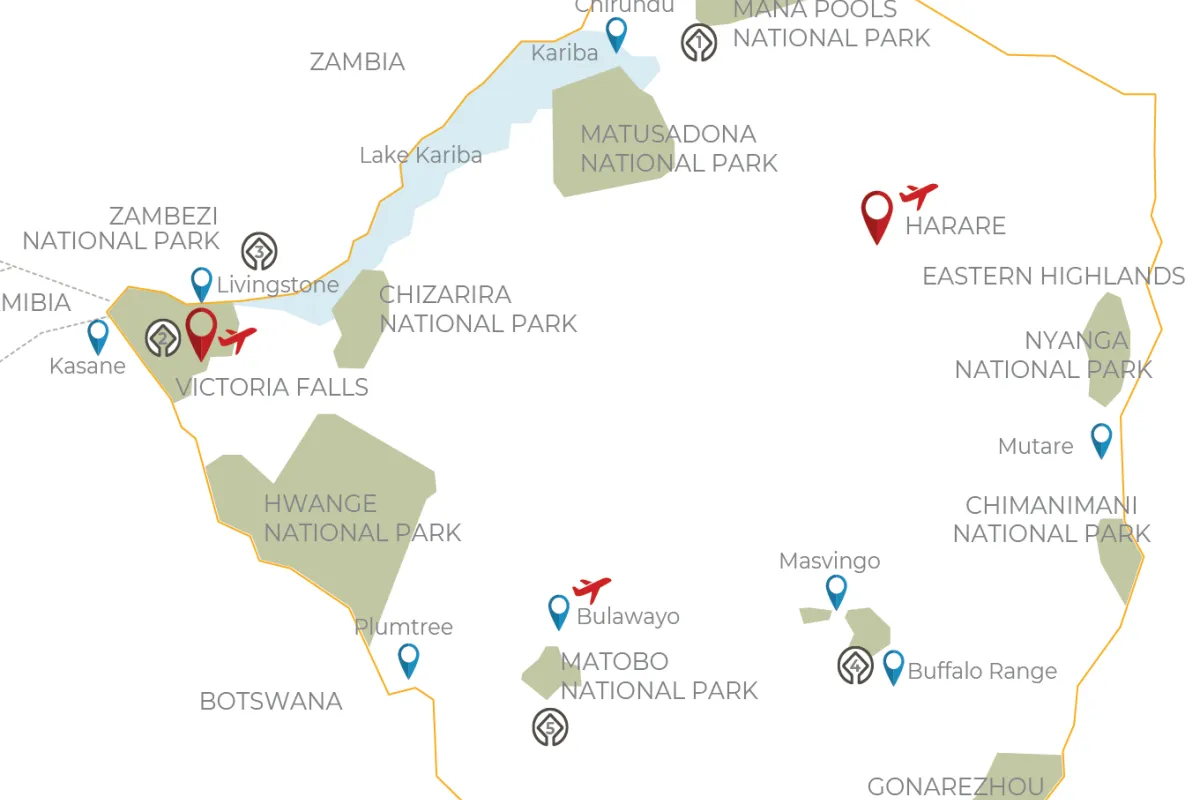
Wildlife, culture and a waterfall
Wildlife, culture and a waterfall
13-day/12-night Zimbabwe wildlife and culture safari
Get under Zimbabwe’s skin
Zimbabwe is a dream safari destination, boasting everything you could ever want to see. From the Big Five to the magnificent baobab tree and the spectacular Victoria Falls, it’s all here. But the real Zimbabwe is so much more than that.
It’s a country imbued with ancient (and sometimes mysterious) human history, with places that hint at its long-lost past and are regarded as sacred to this day. One of the places to visit on this itinerary is Khami, near Bulawayo, the second-largest of several ancient stone structures in Zimbabwe. (Indeed, the Shona term zimbabwe means “houses of stone”.)
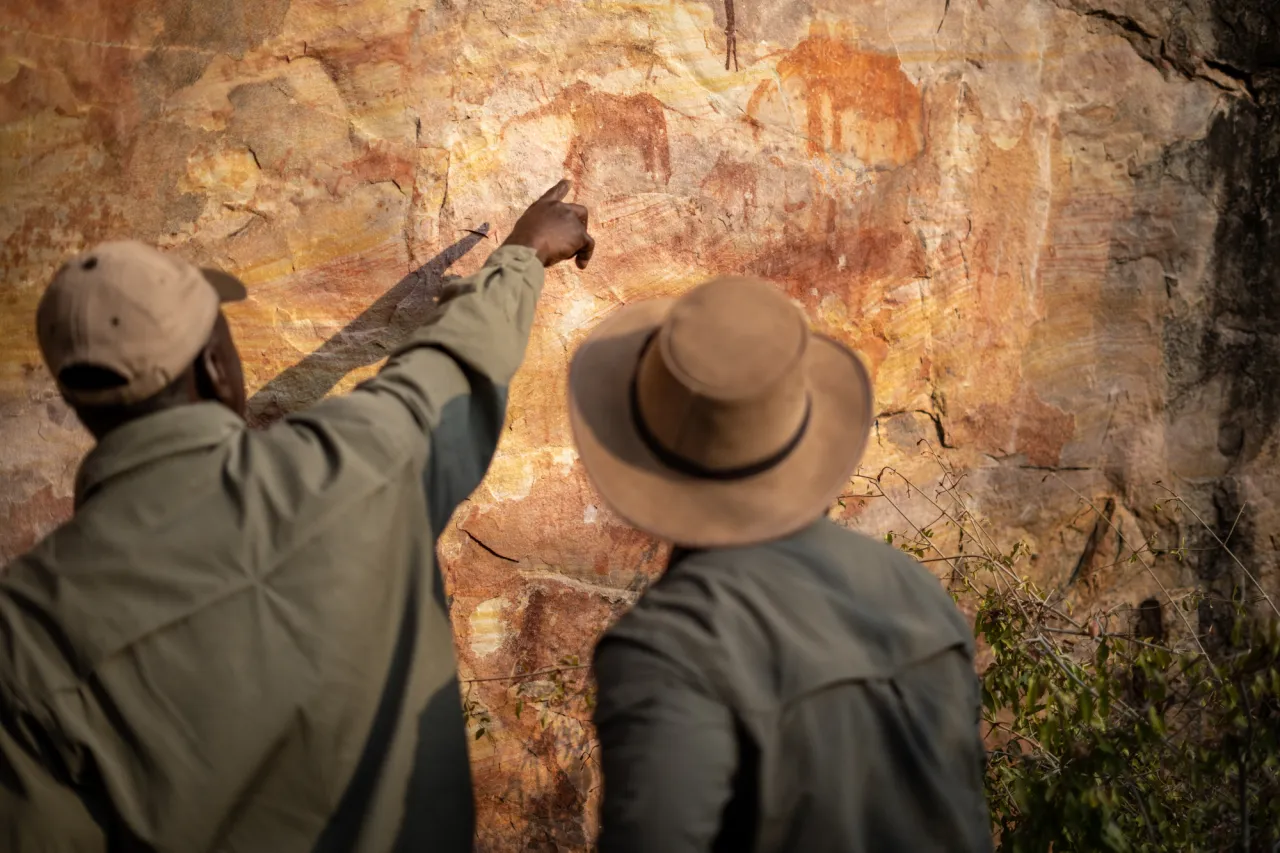
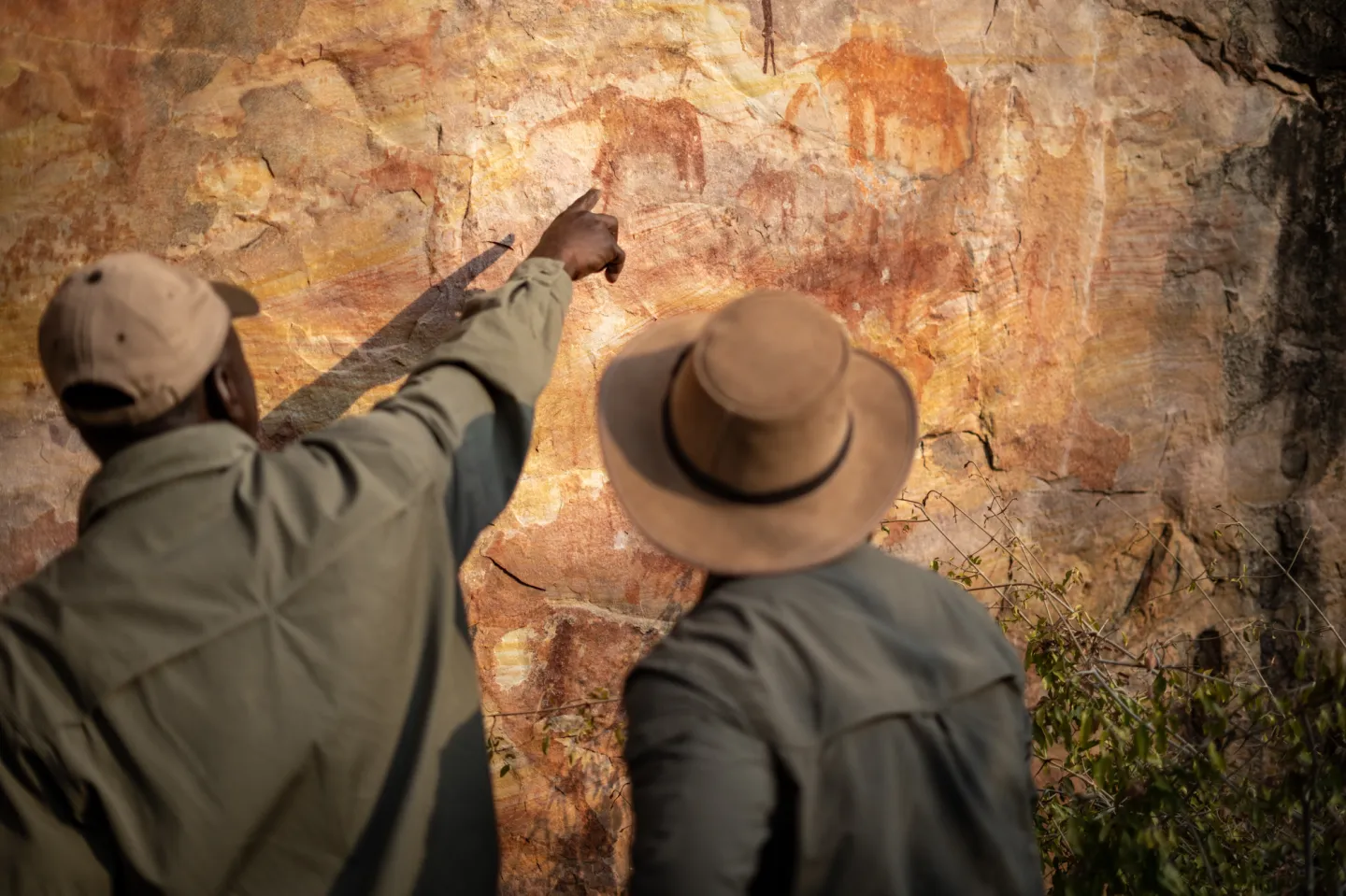
Even older are the rock paintings in the Matobo Hills, estimated to be 13 000 years old. The Matobos, where you’ll stay in what was an ancient Bushman shelter, is a sacred place to this day for rain-making and traditional ceremonies.
 At a Glance
 Highlights
 Exceptional wildlife viewing
Big Five experience
Cultural experiences
Luxury cave living experience in the Matobos
Panoramic views in Malilangwe and Matobos
Magical location on the Zambezi River
Spa and wellness
Exceptional wildlife viewing
Big Five experience
Cultural experiences
Luxury cave living experience in the Matobos
Panoramic views in Malilangwe and Matobos
Magical location on the Zambezi River
Spa and wellness Location
13-day/12-night Zimbabwe wildlife and culture safari
Create your African story, your way
Does this itinerary inspire you to create your own unforgettable African story? Speak to your Travel Architect about curating your perfect African journey.Tell us the Africa you imagine. We’ll take you there!
Book a time to chat

Malilangwe Wildlife Reserve
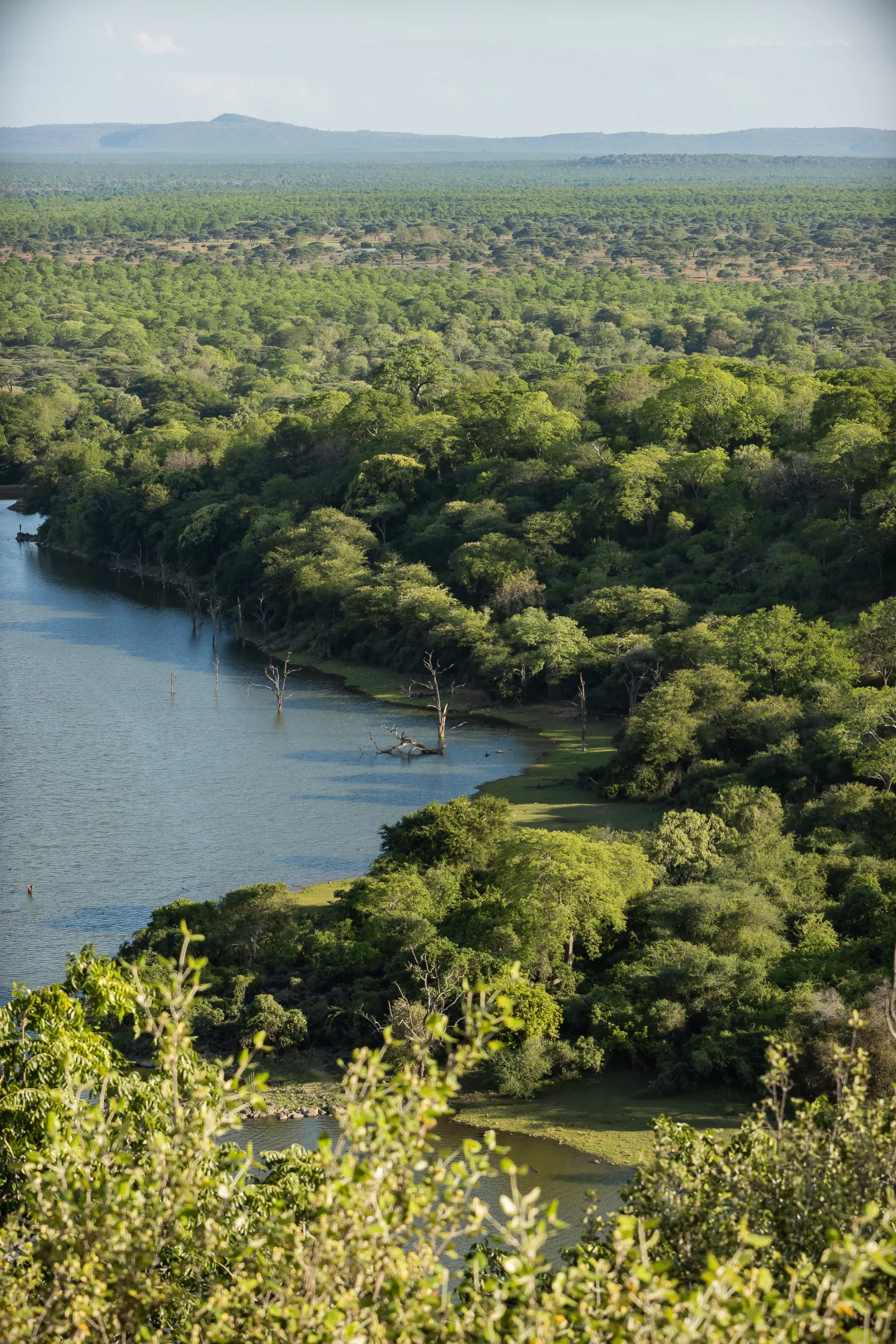
Malilangwe Wildlife Reserve, found in the south-eastern sector of Zimbabwe and bordering the Gonarezhou National Park, is a vast 46 538ha (115 000 acre) private reserve. This largely untouched remote area is an extraordinary, rugged wilderness with dramatic landscapes that include rocky granite outcrops and beautiful hidden valleys.
It comprises 38 different habitats and ecological zones, including iconic baobabs, flat-topped mountain acacia woodlands, mopane and miombo woodlands, ironwood thickets, grasslands, and riverine forests. It is potentially one of Africa’s largest bio-refuges.
The varied habitats support a diverse range of wildlife in this Big Five reserve, including significant populations of both black and white rhinos. The Chiredzi and Runde Rivers are lifelines for the reserve, which features the Malilangwe Dam, a hotspot for wildlife viewing.
With over 500 recorded bird species, the reserve is a birder’s paradise, including many raptors. A staggering 123 recorded rock art sites pay tribute to the area’s rich historical heritage and archaeological significance.
Singita Pamushana
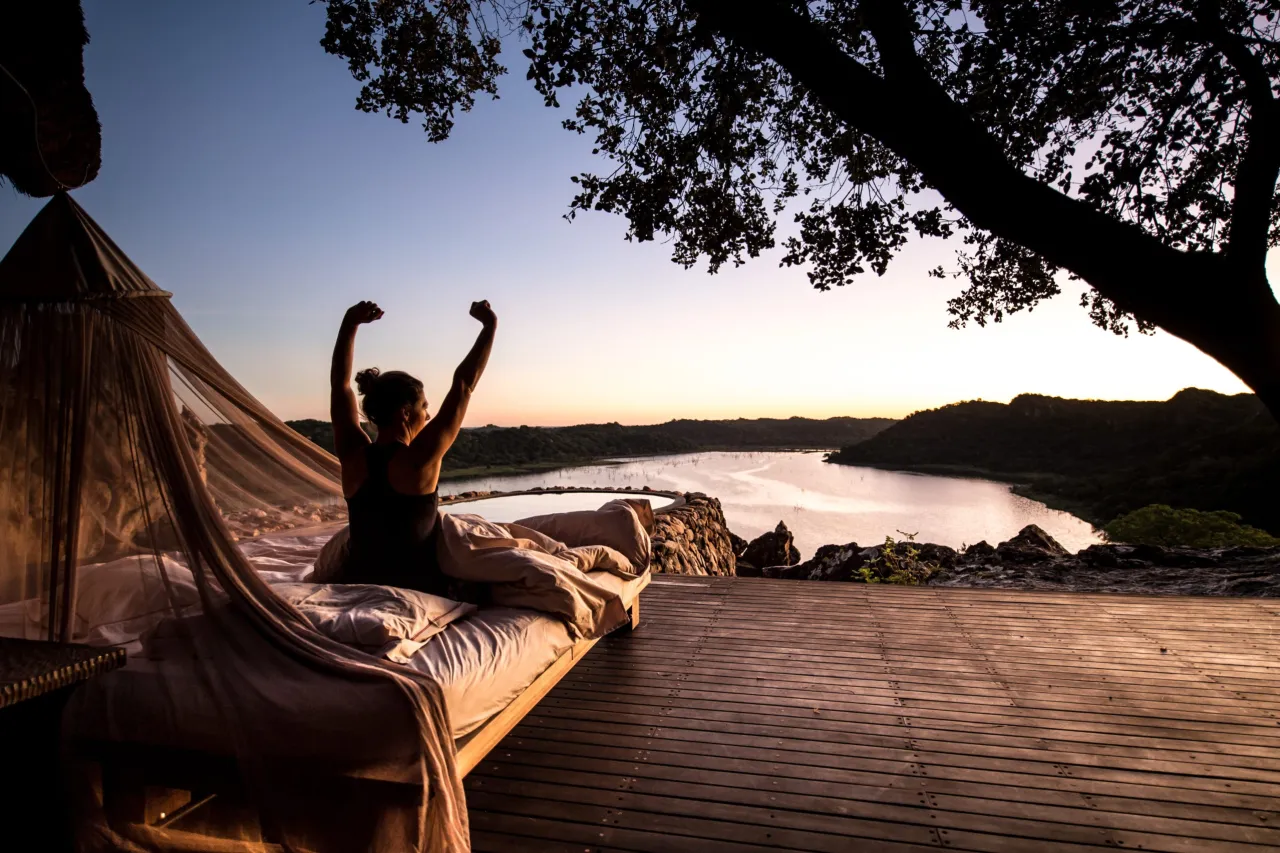
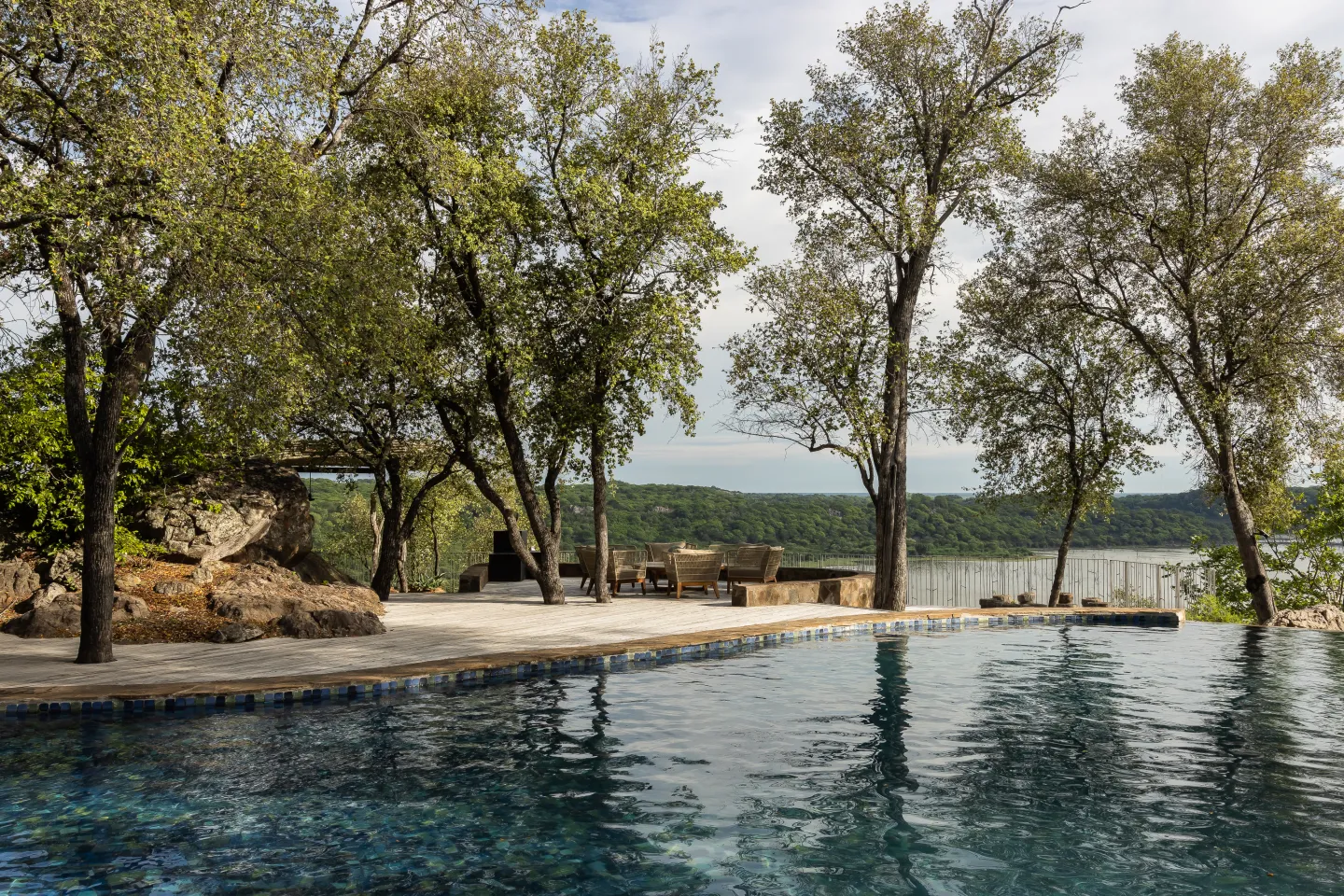
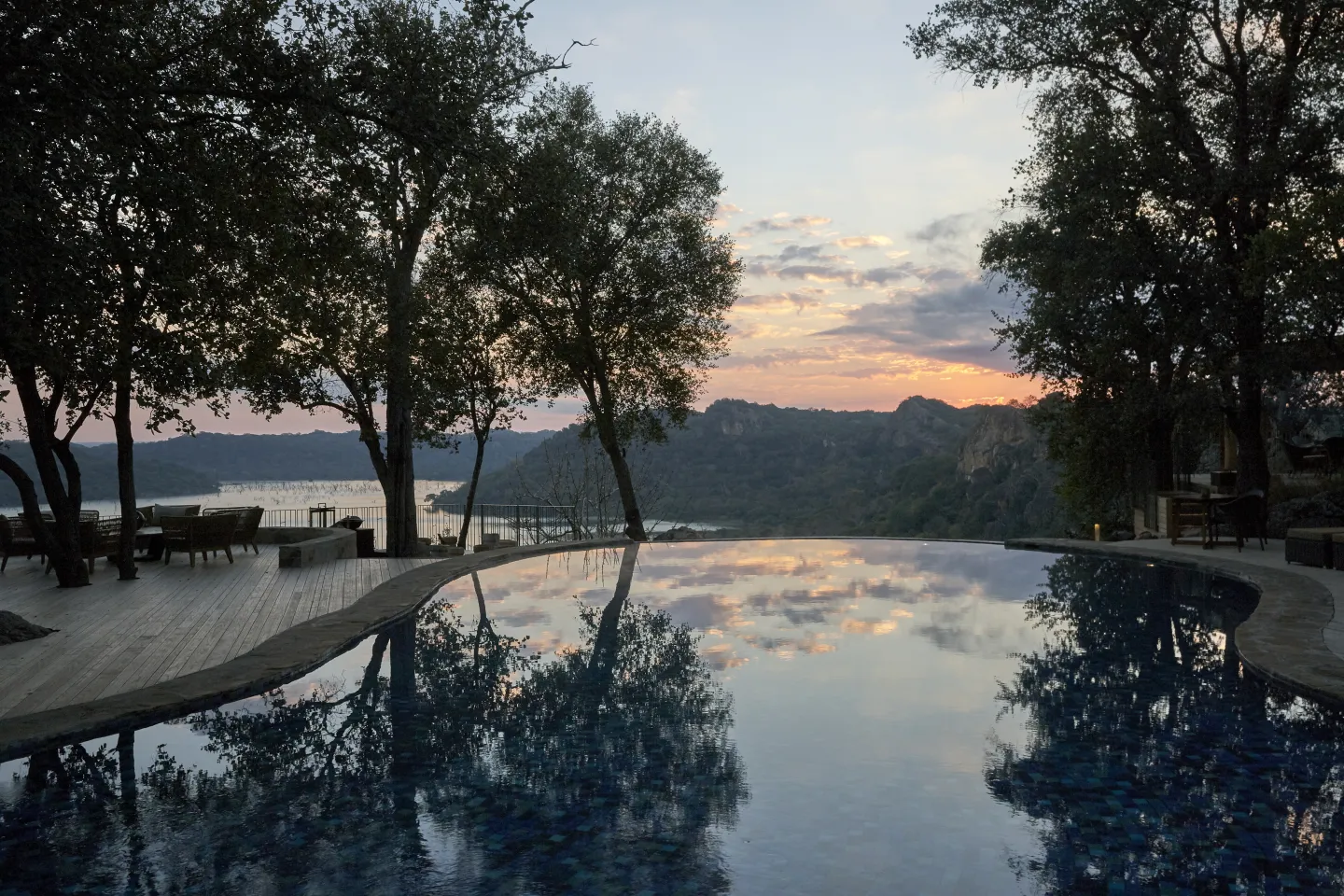
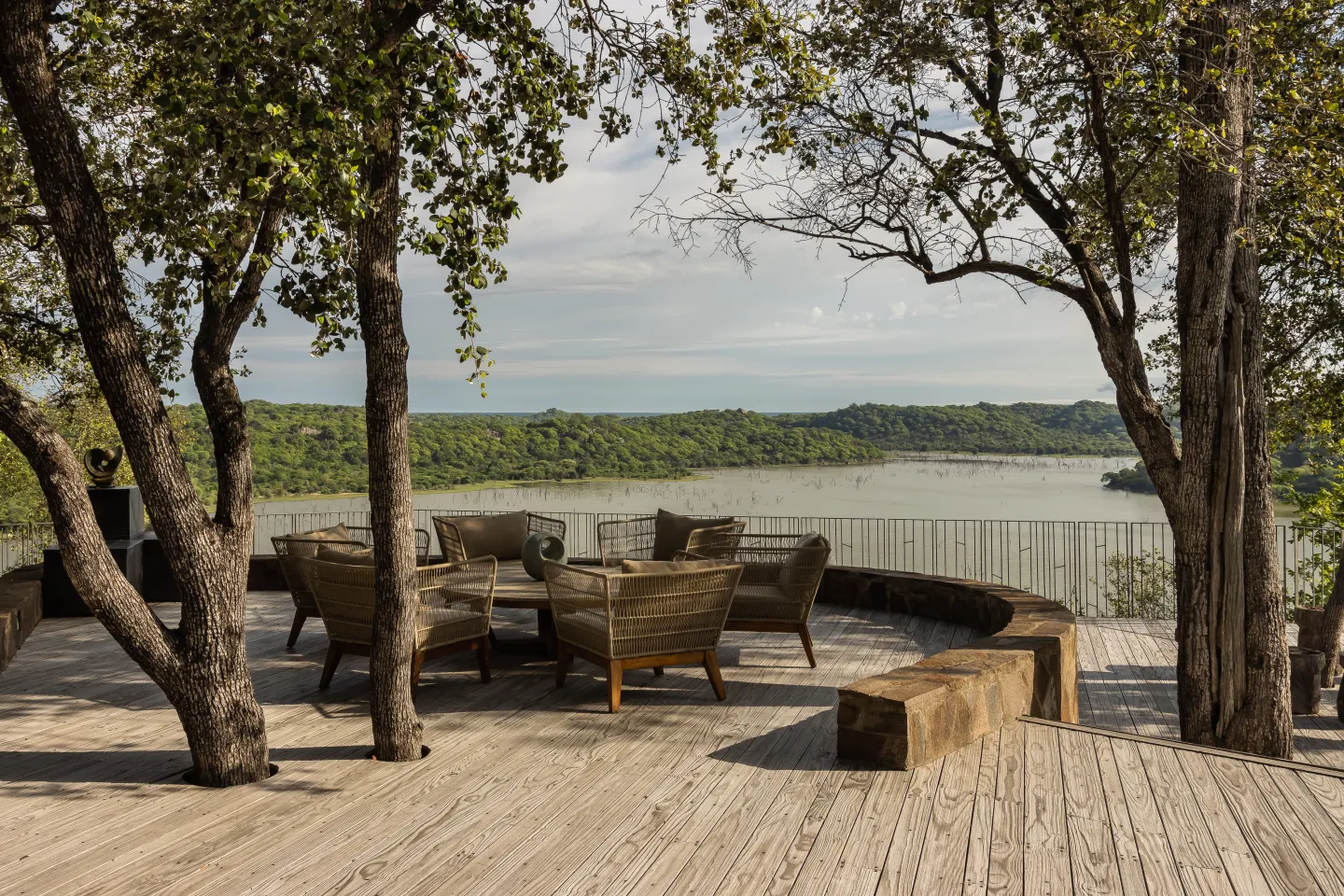
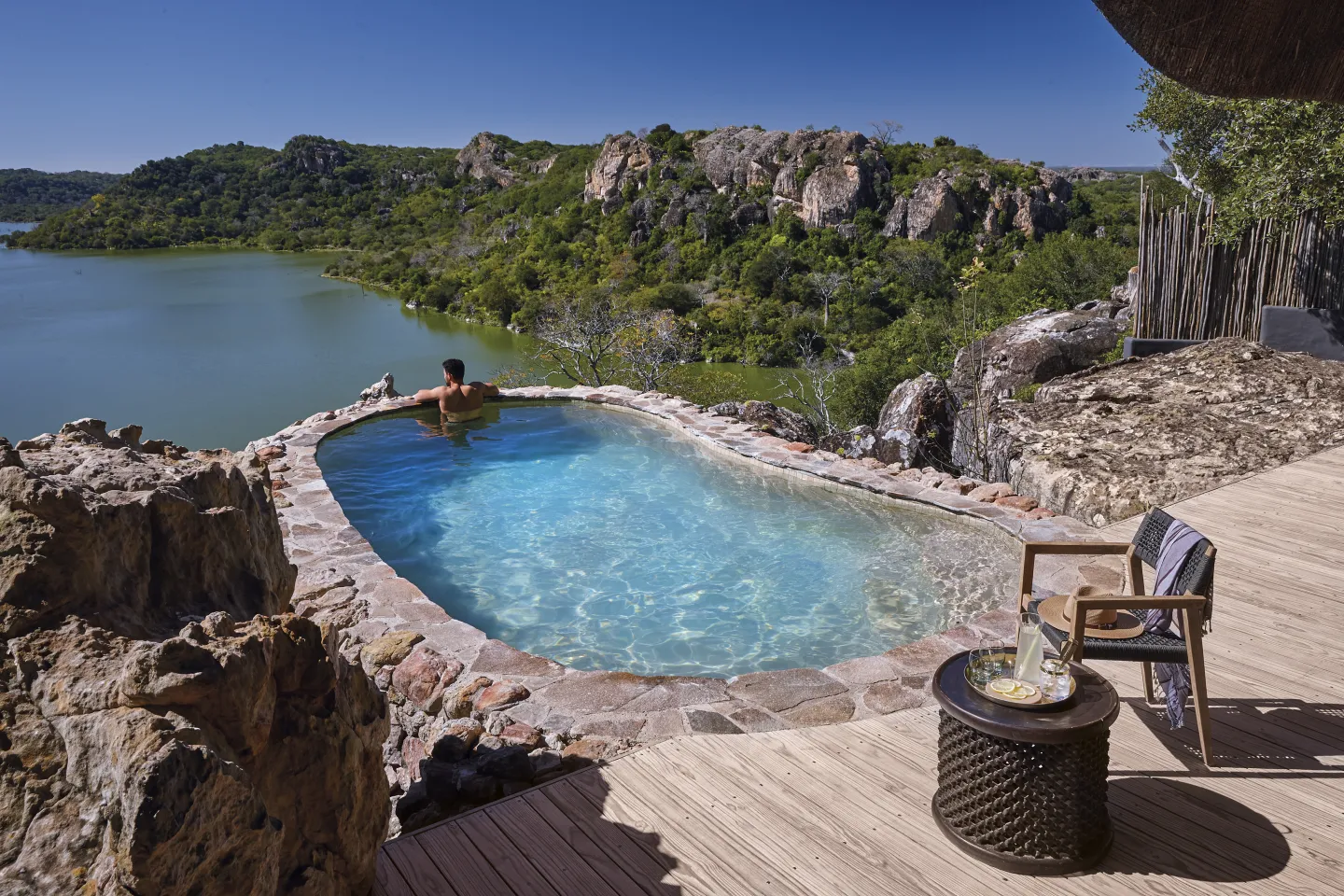
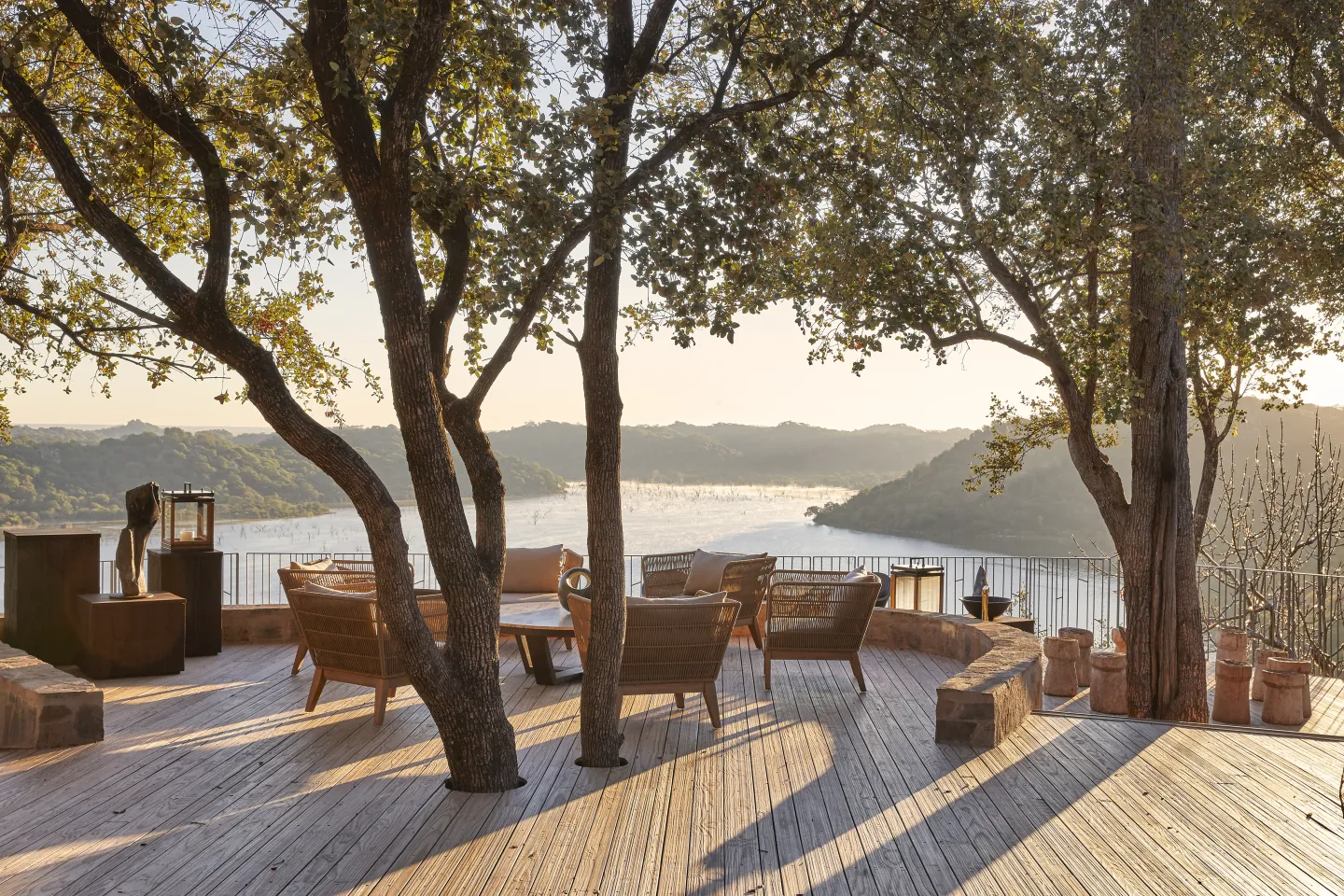
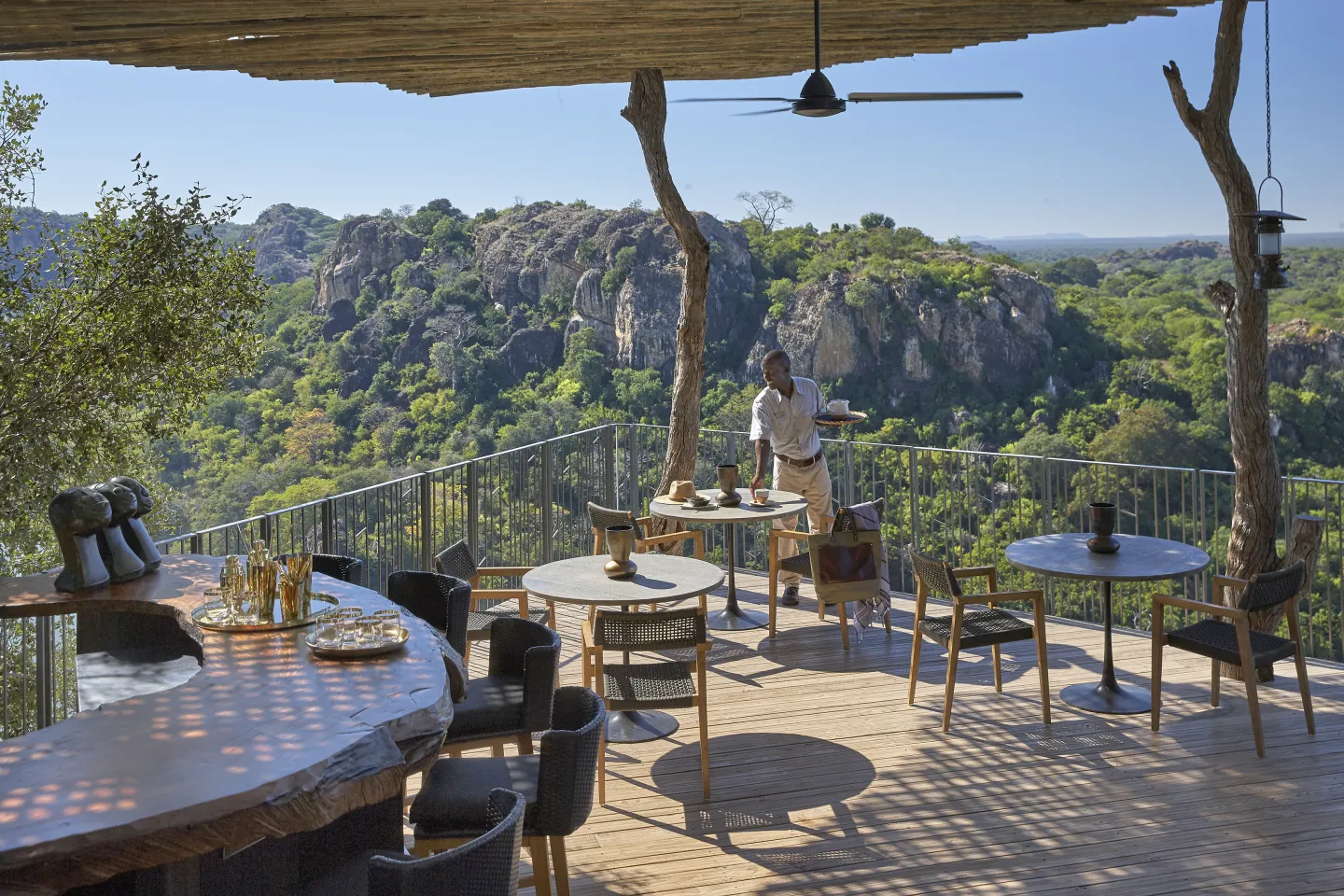
Pamushana, perched on a sandstone ridge, overlooks the shimmering expanse of the Malilangwe Dam and expansive bushveld below. Inspired by heritage and history, the luxurious forest-like lodge, with its rough-hewn architecture, is inspired by the culture of the local Shangaan people, who have lived in the region for thousands of years. Featuring traditional thatch and stonework architecture with vibrant interiors, each chalet has its own plunge pool and features local Shangaan art and contemporary touches.
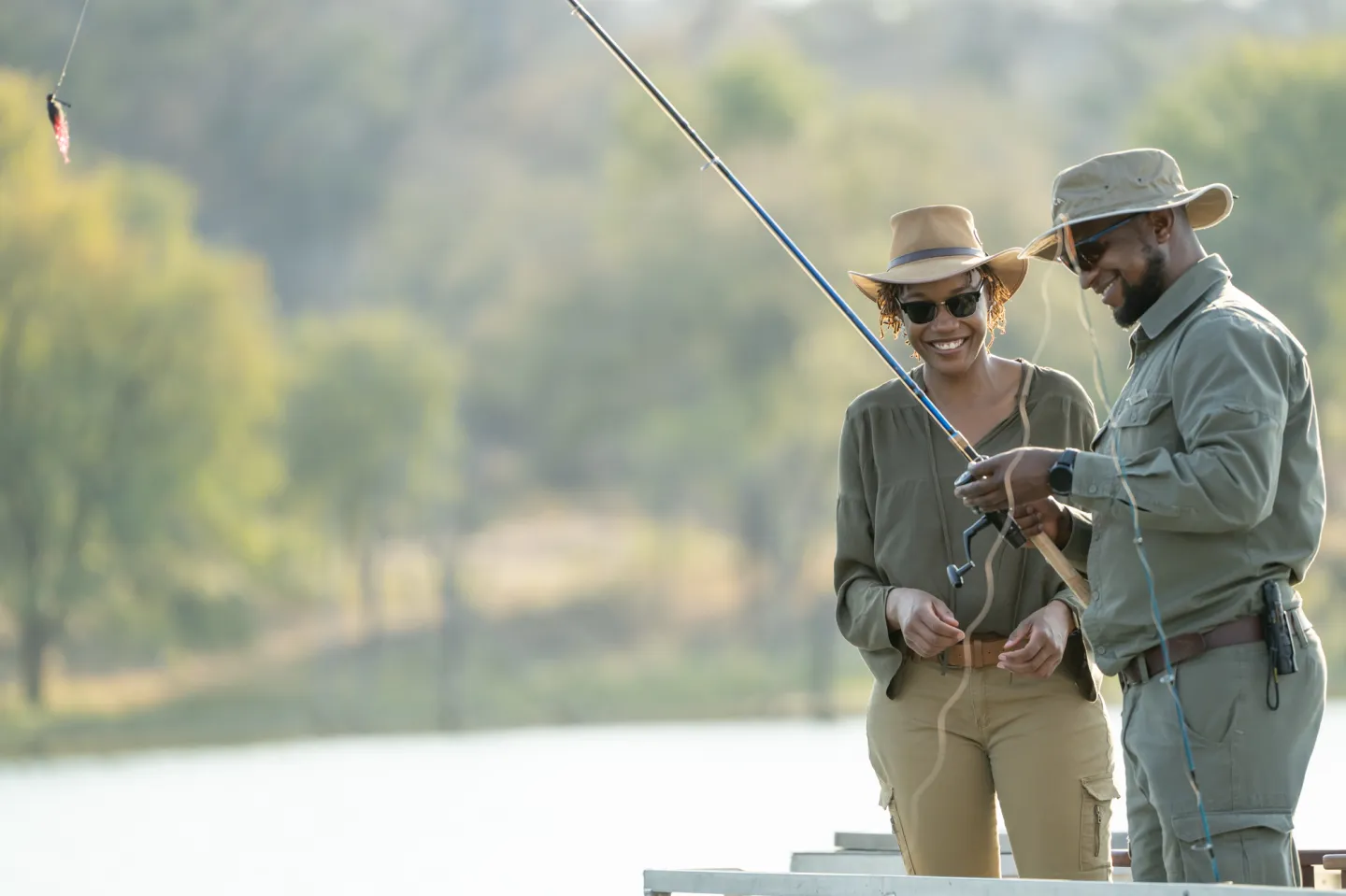
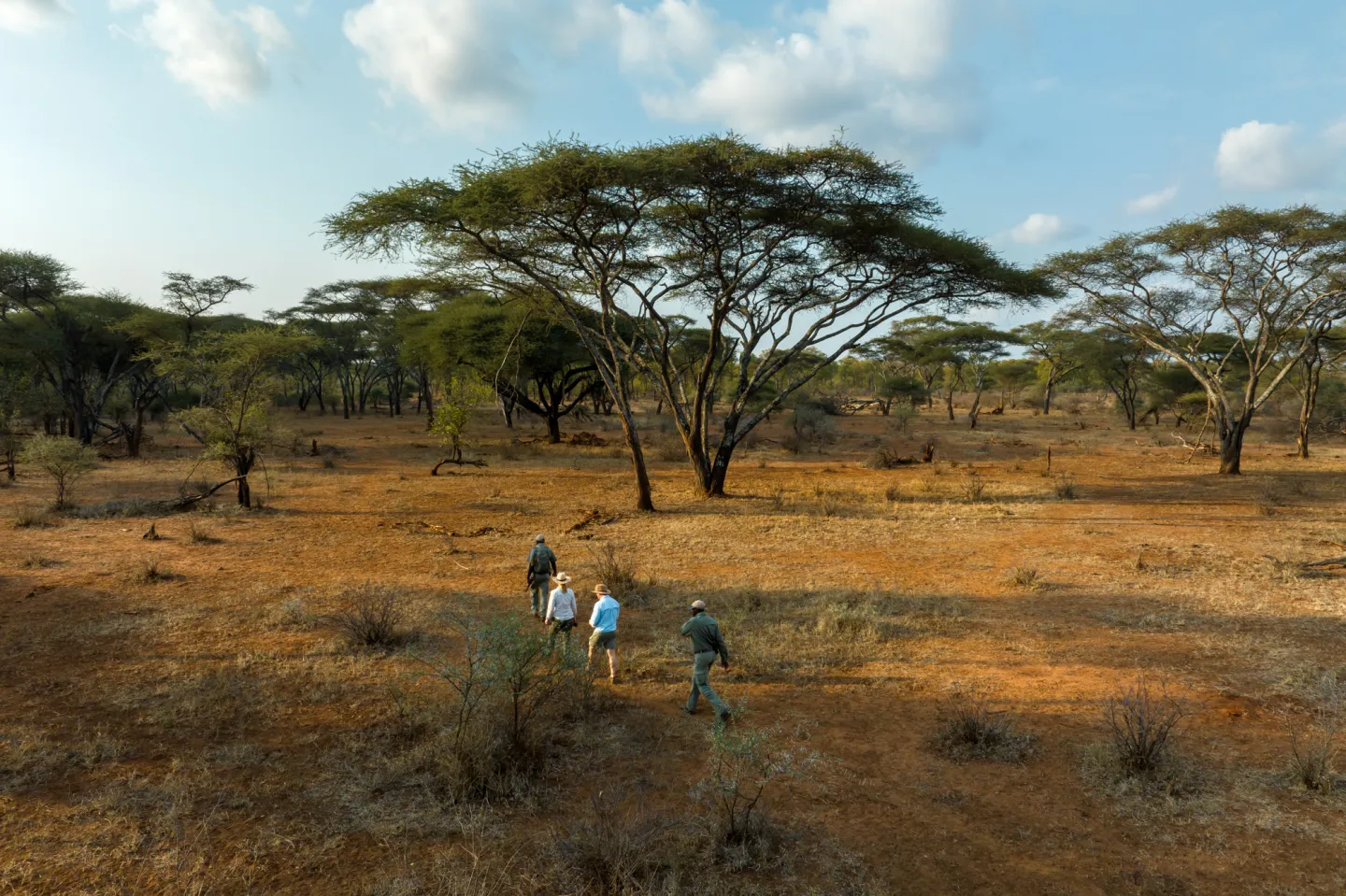
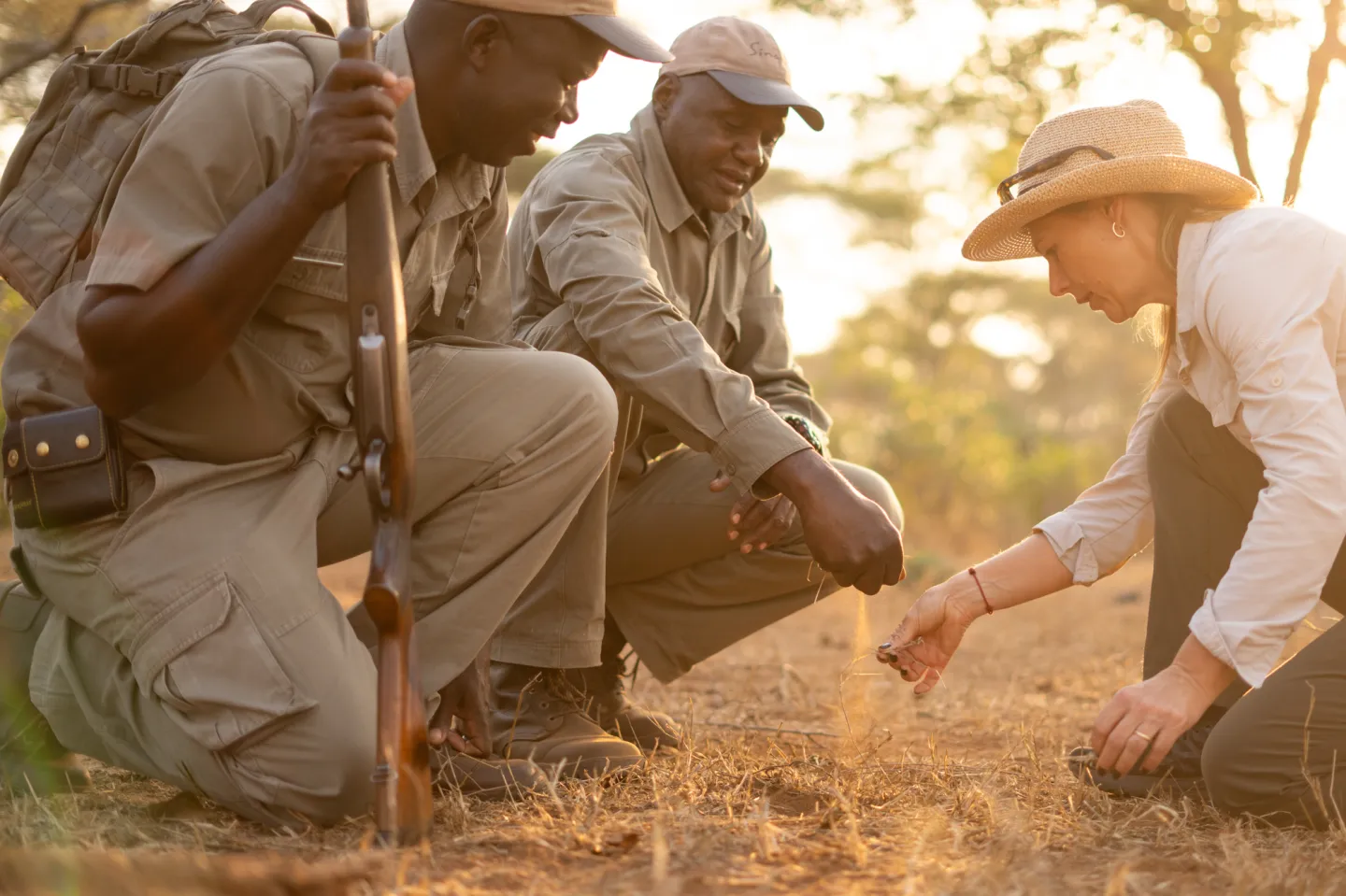
The interactive Conservation Room is the ideal place to learn more about the country, its history, conservation efforts, fauna and flora, and culture. Guests will enjoy daily game drives, guided safari walks, sundowner cruises on the Malilangwe Dam, try their hand at game fishing, explore ancient rock art sites on foot, and participate in community-based interactions highlighting local culture and traditions. It is a spiritually enriching safari experience.
The concealed photographic hide is a photographer’s delight, ensuring rare wildlife images up close and personal. With little light pollution, stargazing here is exceptional. Stay on the healthy side with a gym, spa treatments, yoga or a round of tennis.
Matobo National Park
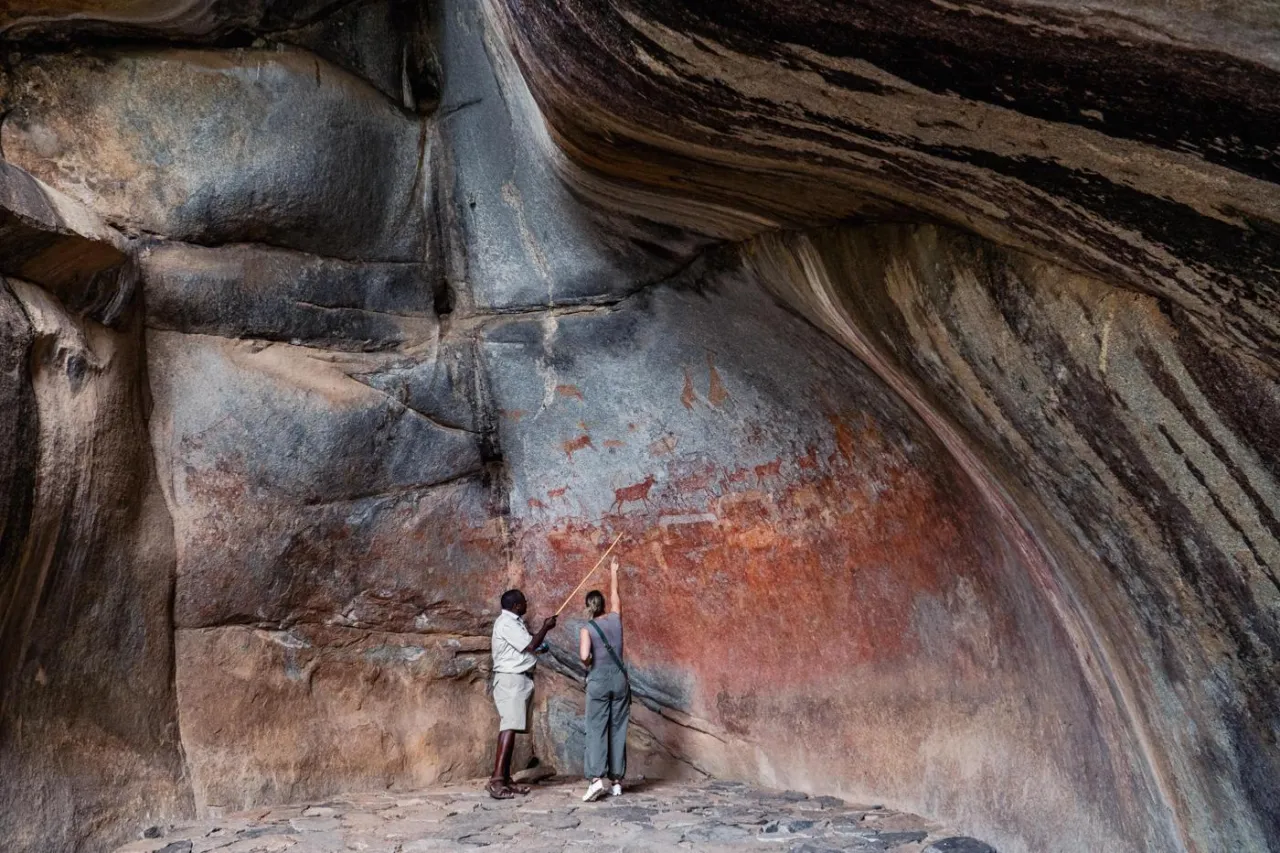
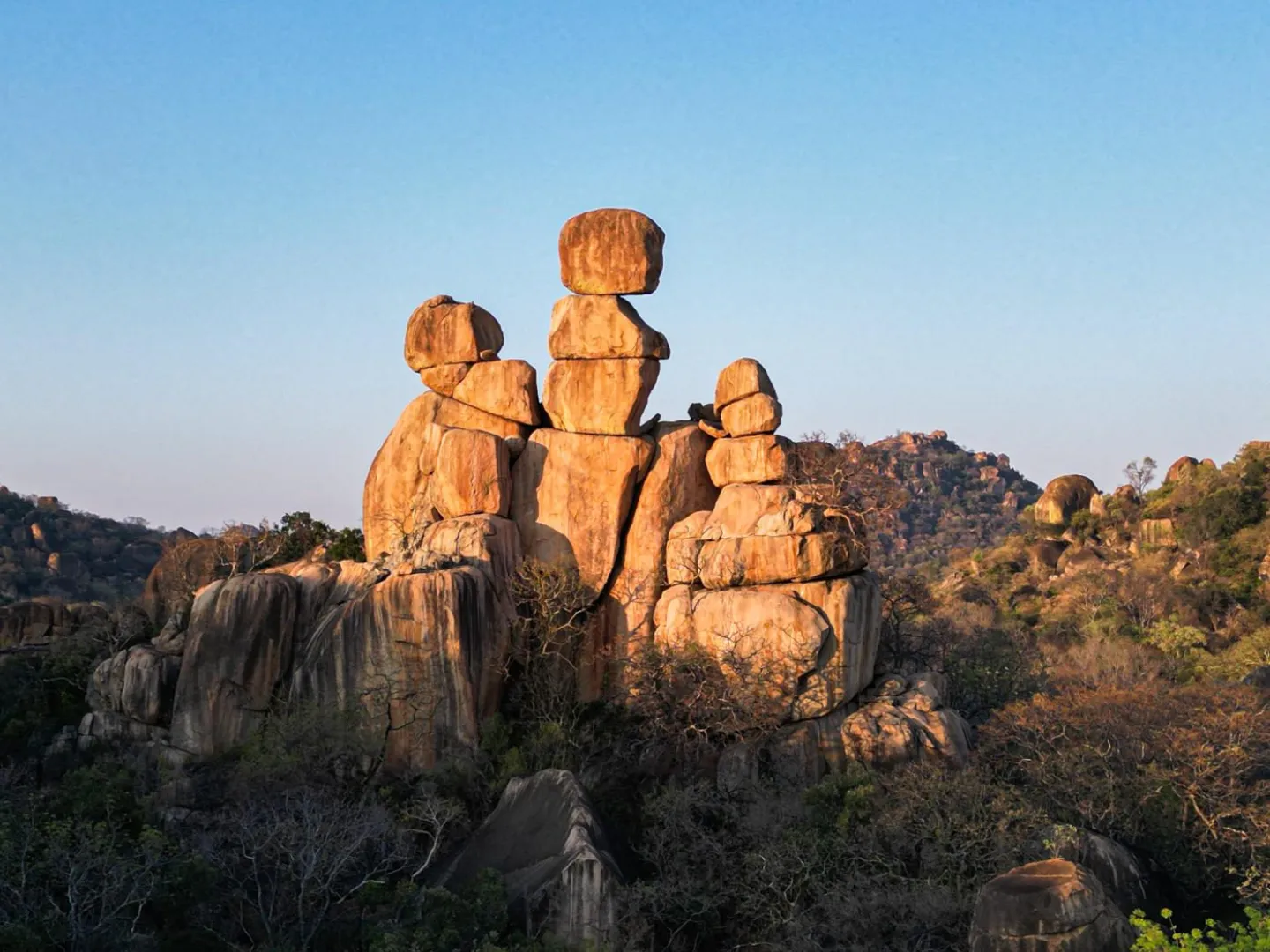
Matobo National Park is Zimbabwe’s oldest park; established in 1926, it is a relatively small park at 424km² (164sq mi), but the surrounding hills cover a much larger area. This UNESCO World Heritage Site is steeped in culture and history. The beautiful landscape is renowned for its dramatic, granite-topped hills (kopjes), estimated to be two billion years old, and the spectacular World’s View, the final resting place of Cecil John Rhodes.
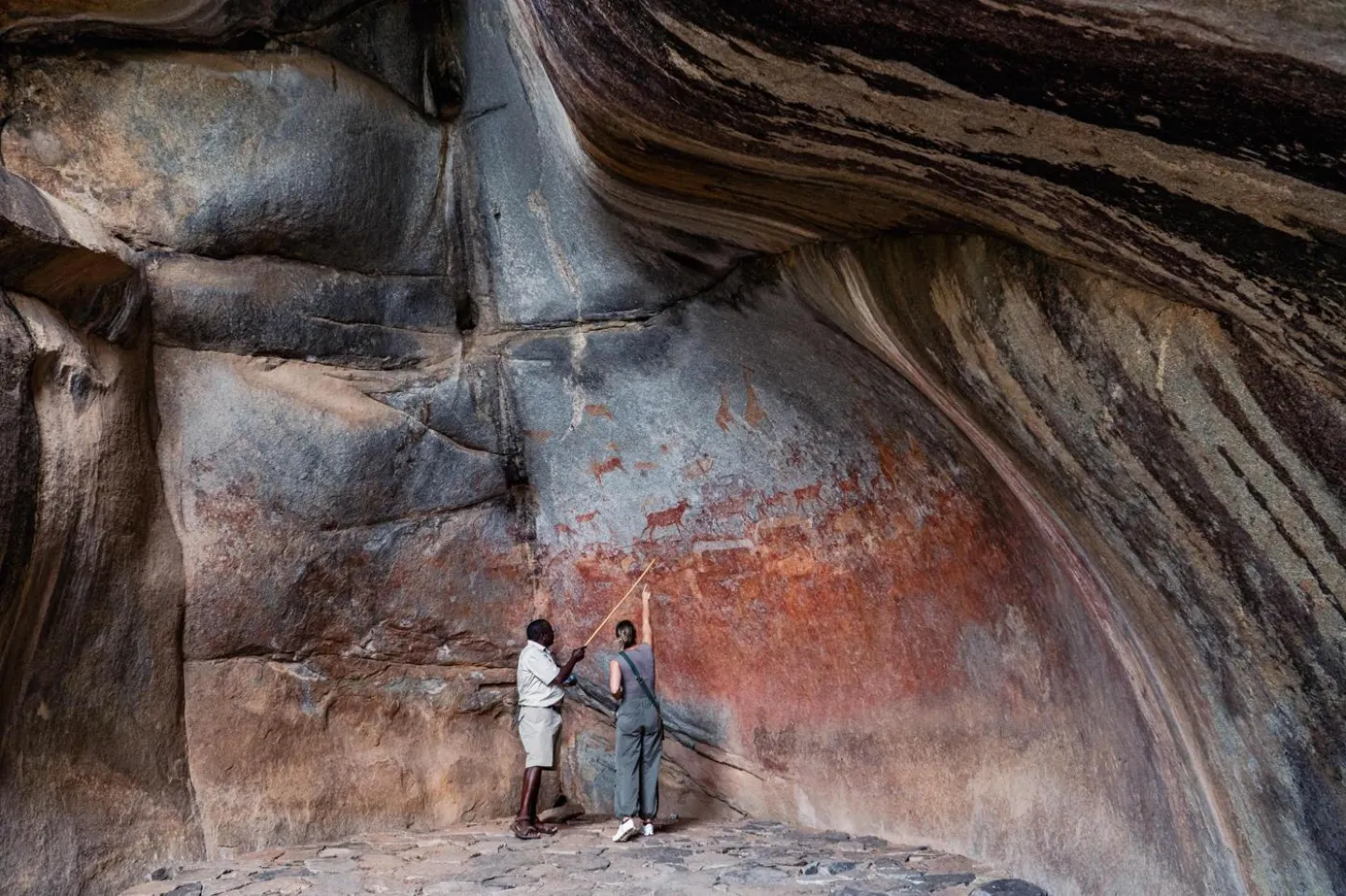
It is a spiritual place, with the Shangaan people believing that the hills are home to sacred spirits. The park boasts high concentrations of rock art paintings, with some estimated to date back 13 000 years.
The park is not a Big Five destination (no lions or elephants), but it hosts a diverse and fascinating mammal population, including unique, rock-adapted antelope. It is an Intensive Protection Zone for black and white rhino, and the rocky terrain is home to one of the densest leopard populations on the continent, along with numerous smaller and specialised mammals such as rock dwellers, rodents, shrews and smaller carnivores. Birdlife is prolific with nearly 400 recorded species, including the highest density in Africa of the huge Verreaux’s eagle.
The city of Bulawayo adds to the allure of the area, with the old town featuring beautifully preserved pre-colonial architecture. The Bulawayo Railway Museum, significant for African rail history, is a step back in time with exhibits dating back to 1897, including Rhodes’ personal railway coach. The nearby Khami Ruins National Monument is the second-largest stone-built monument in Zimbabwe. It arose after the capital of Great Zimbabwe was abandoned in the mid-16th century and is of great archaeological interest.
Amalinda Lodge
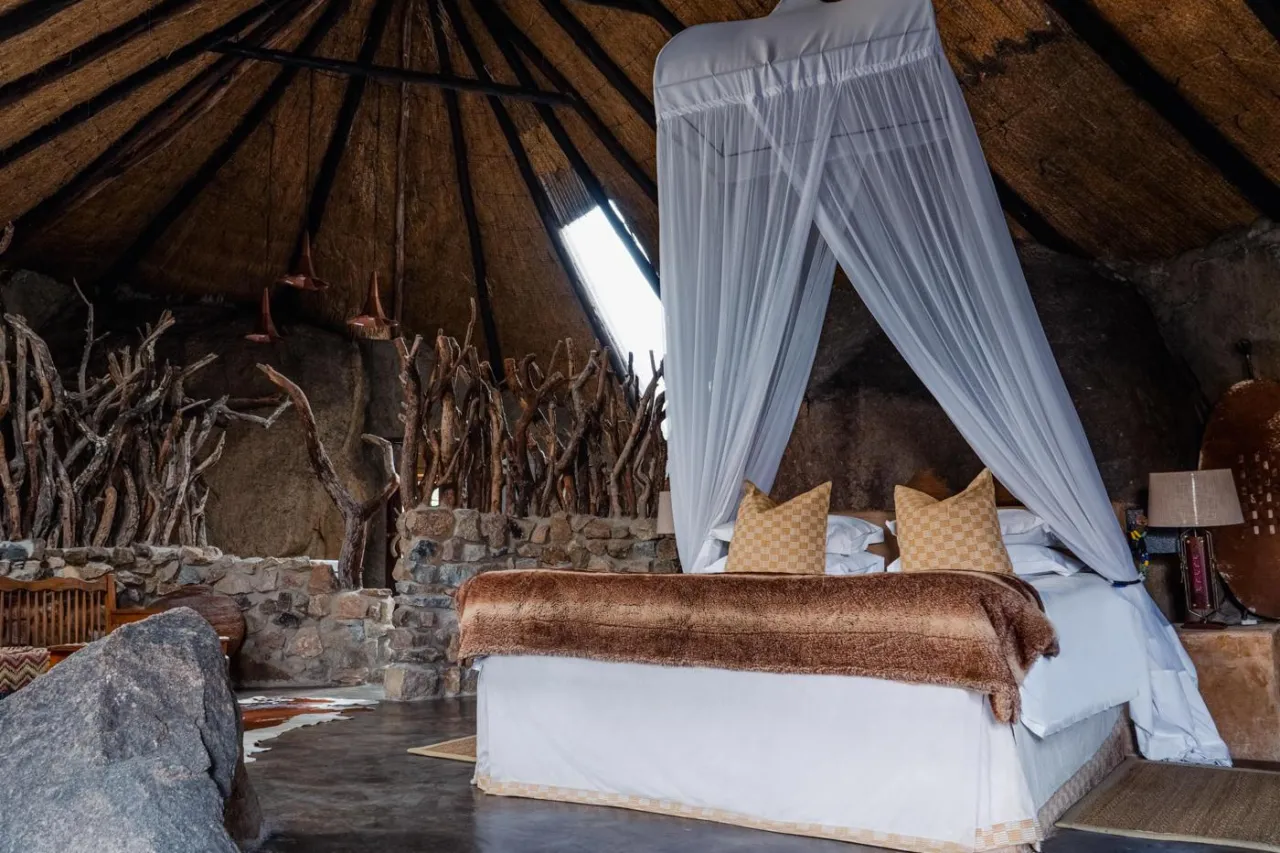
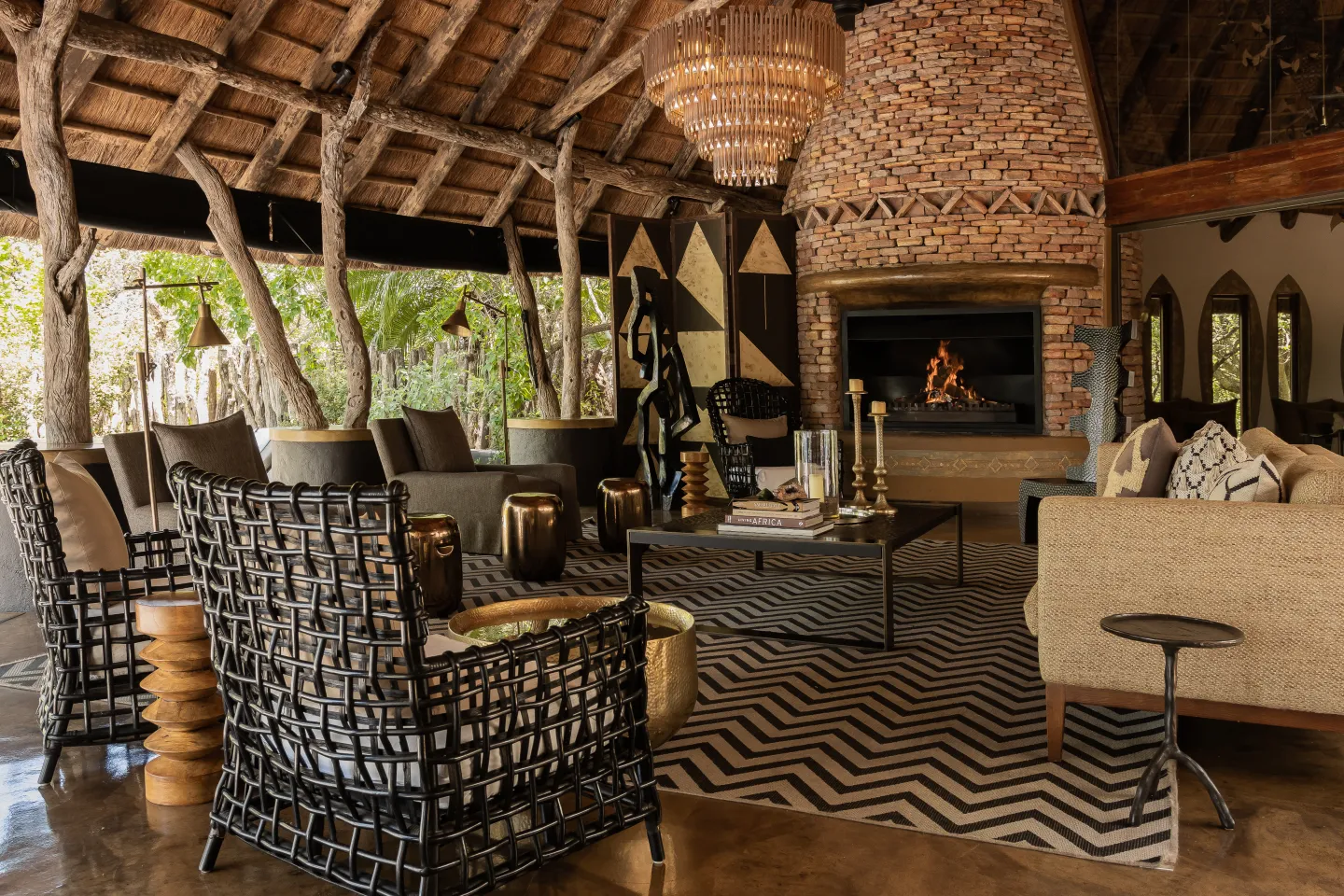
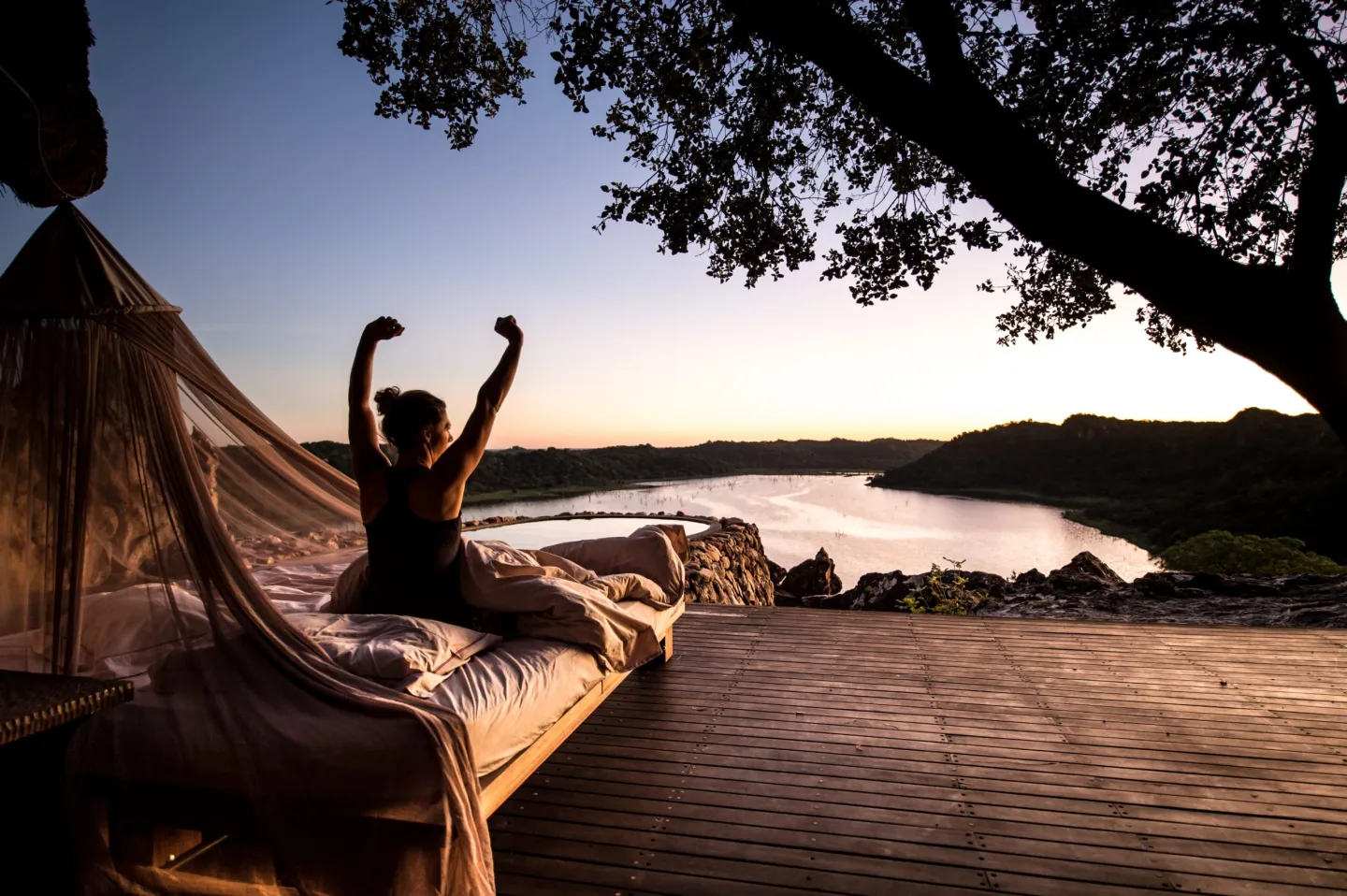
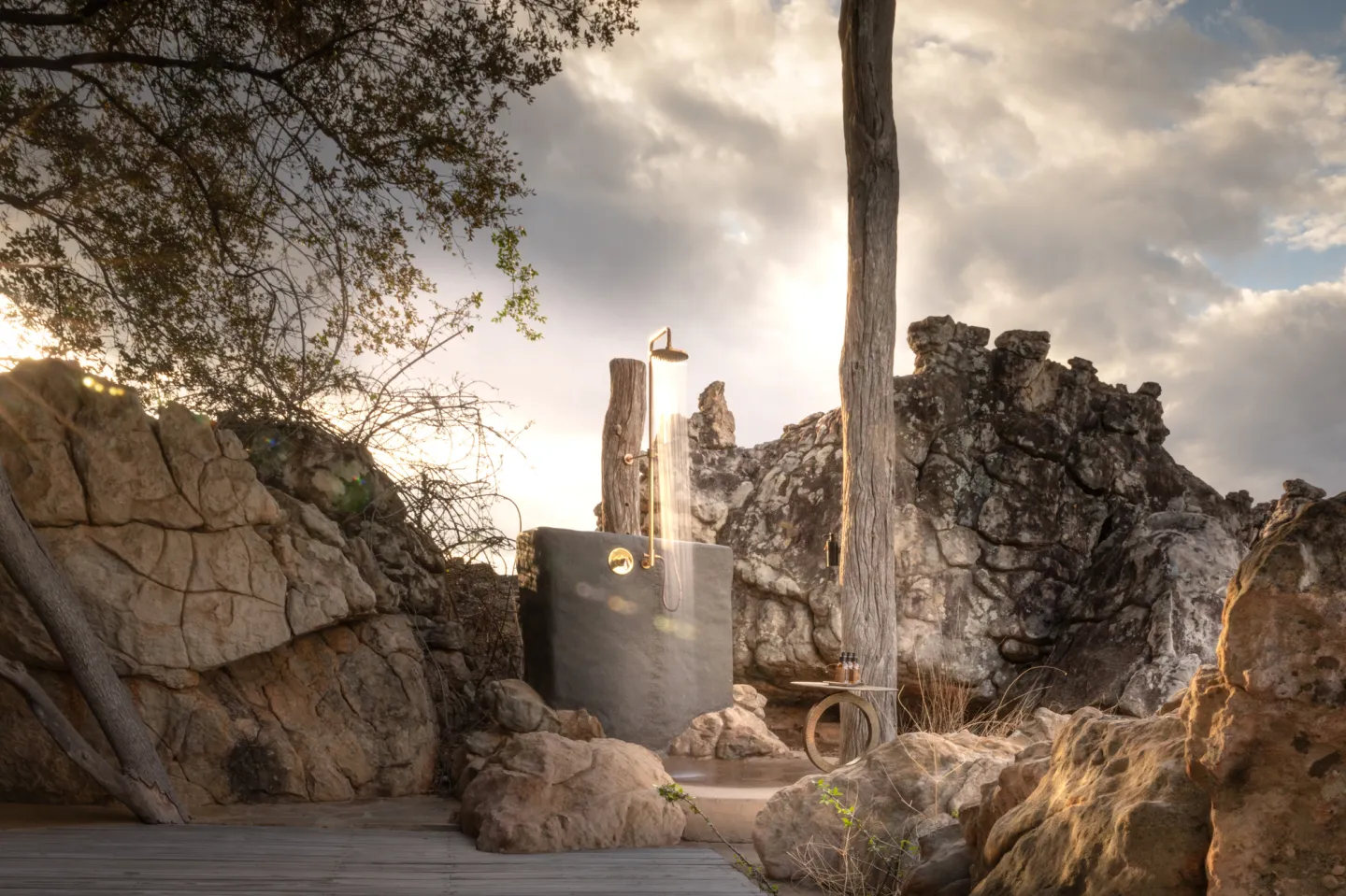
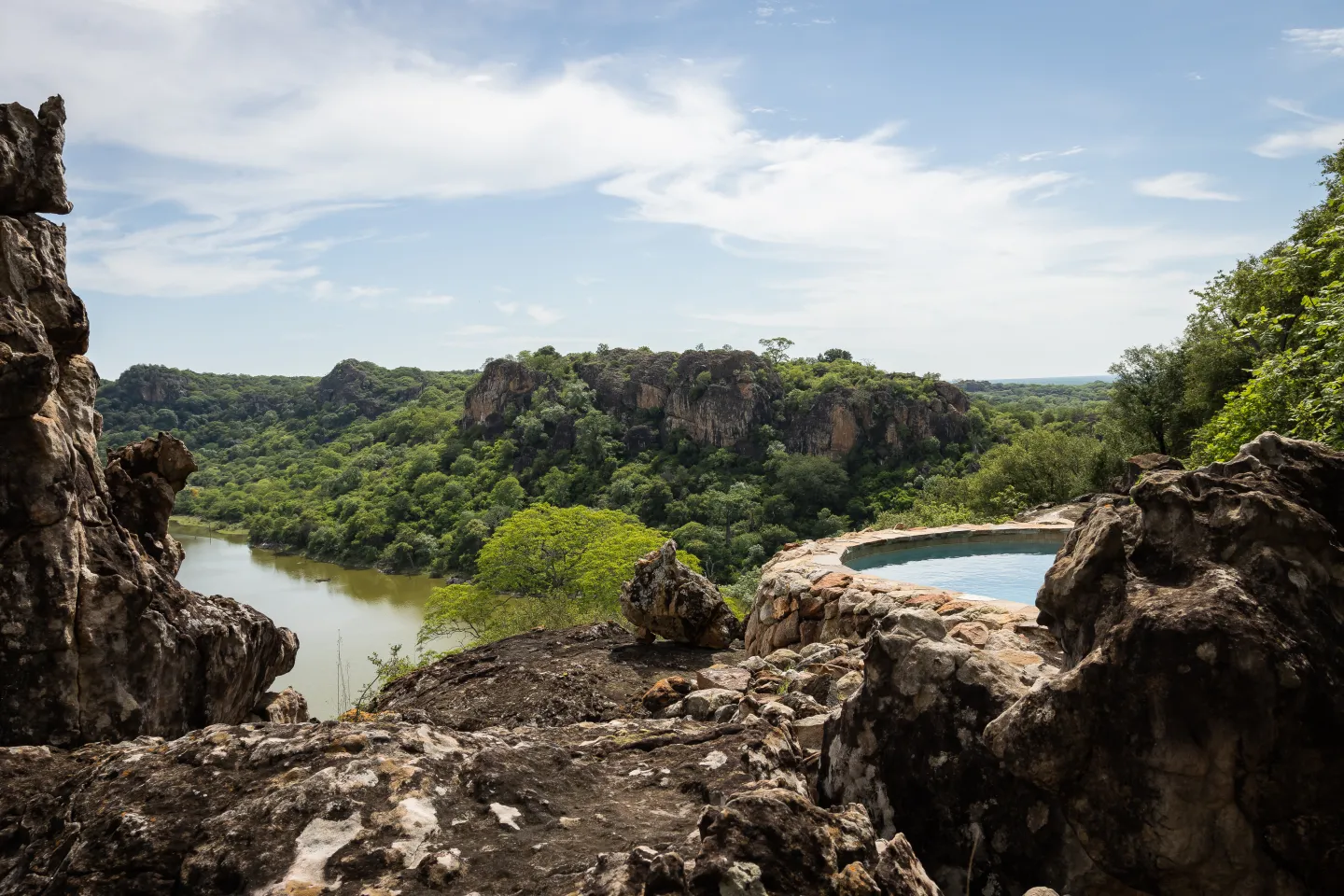
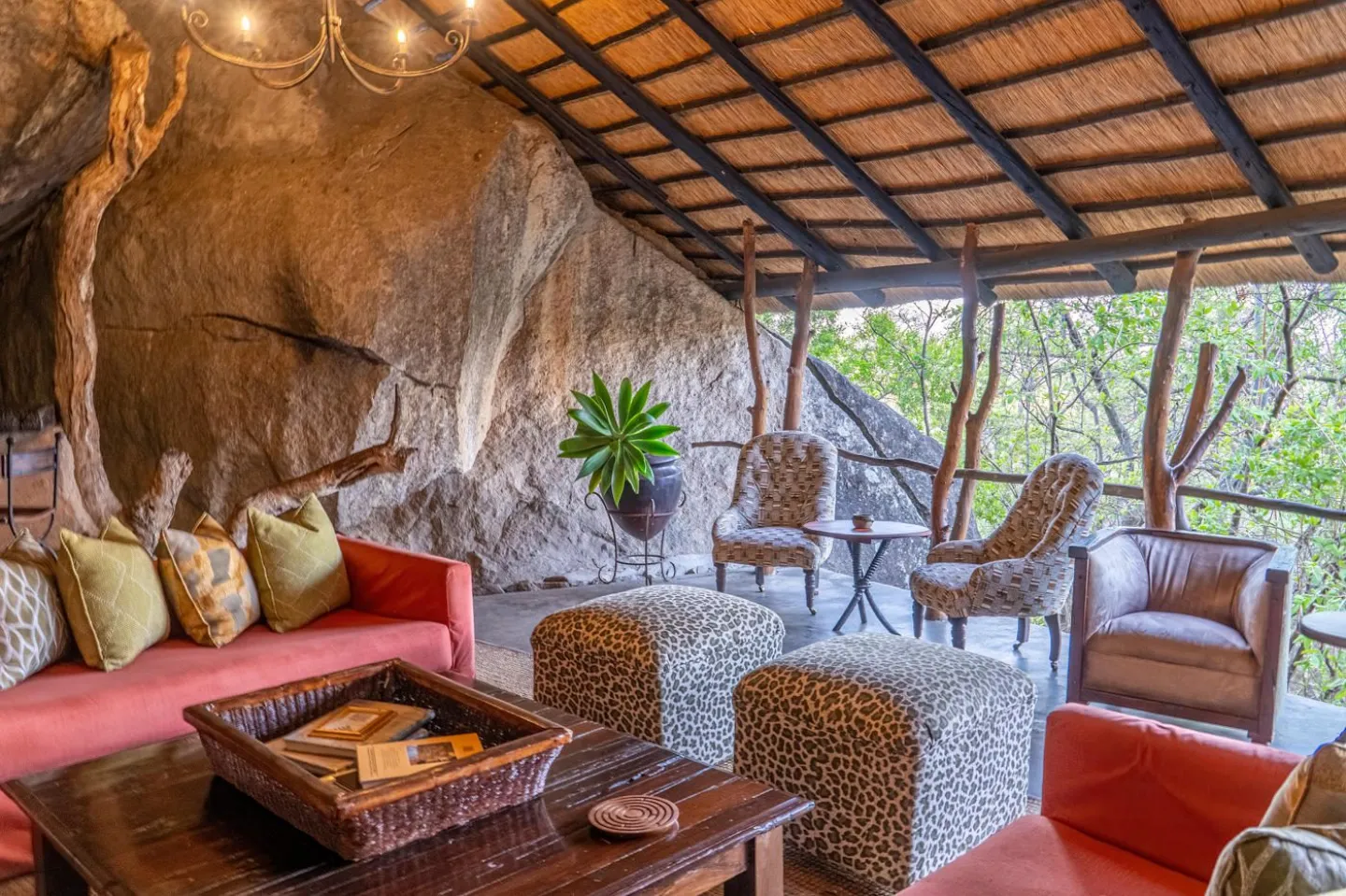
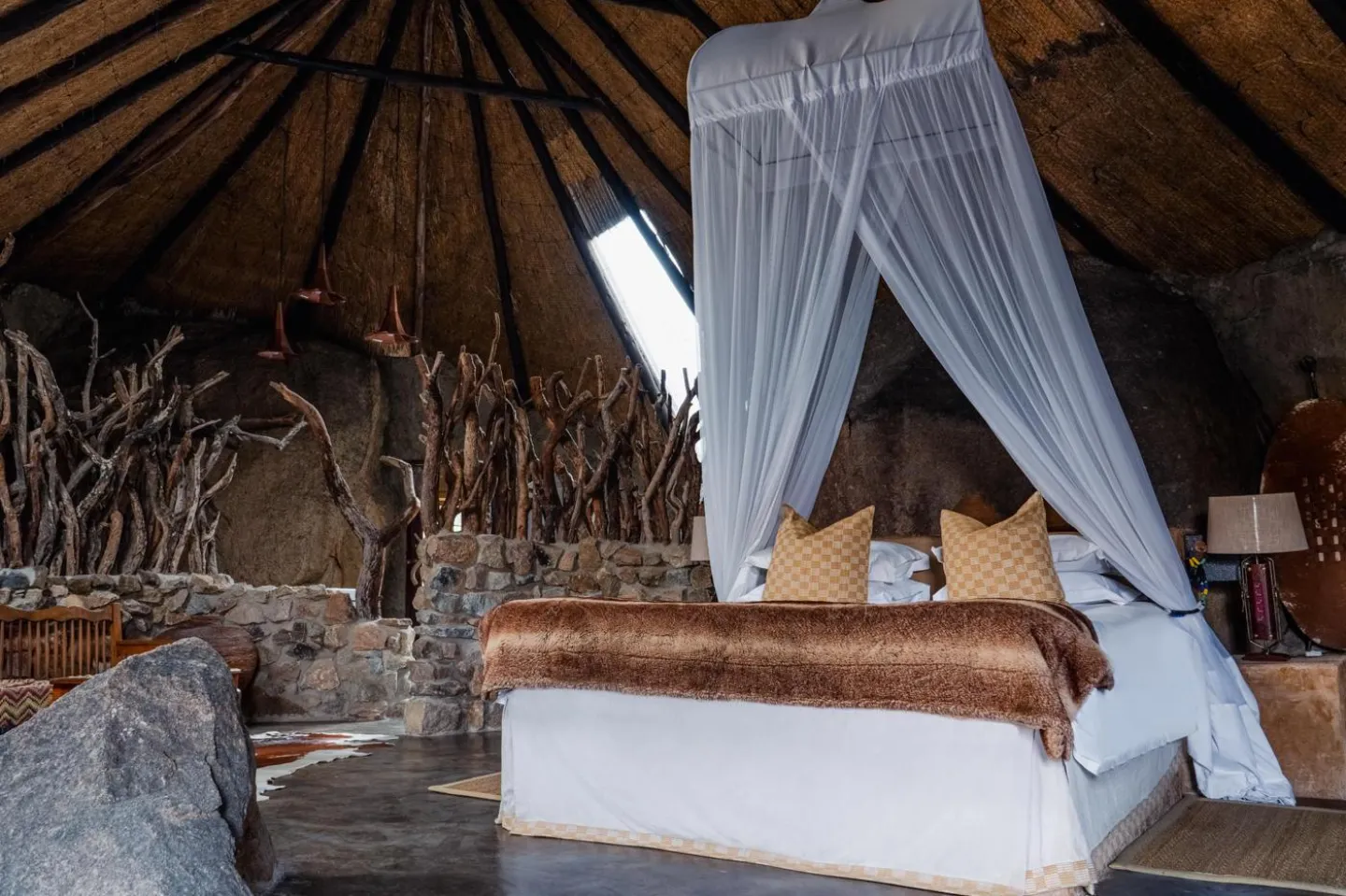
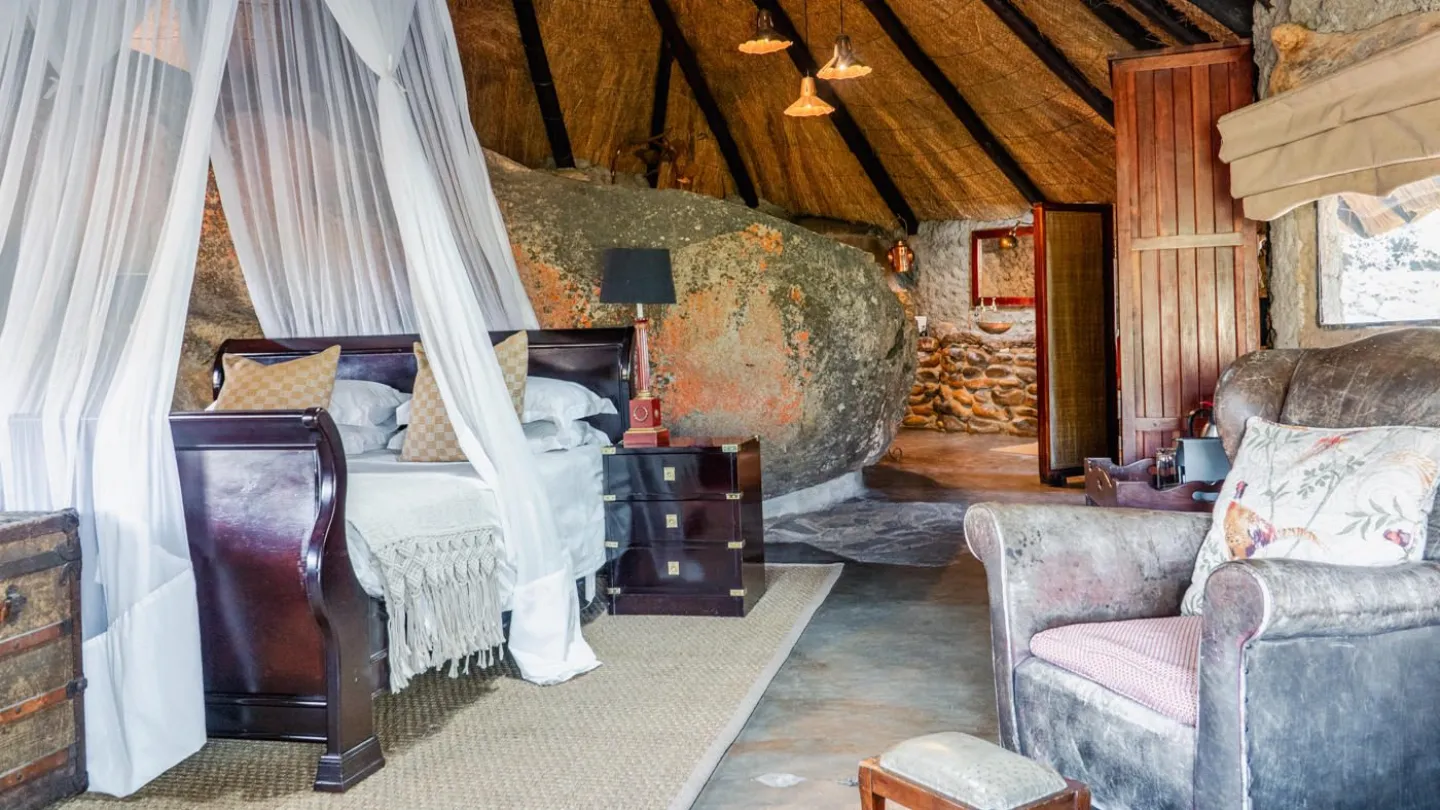
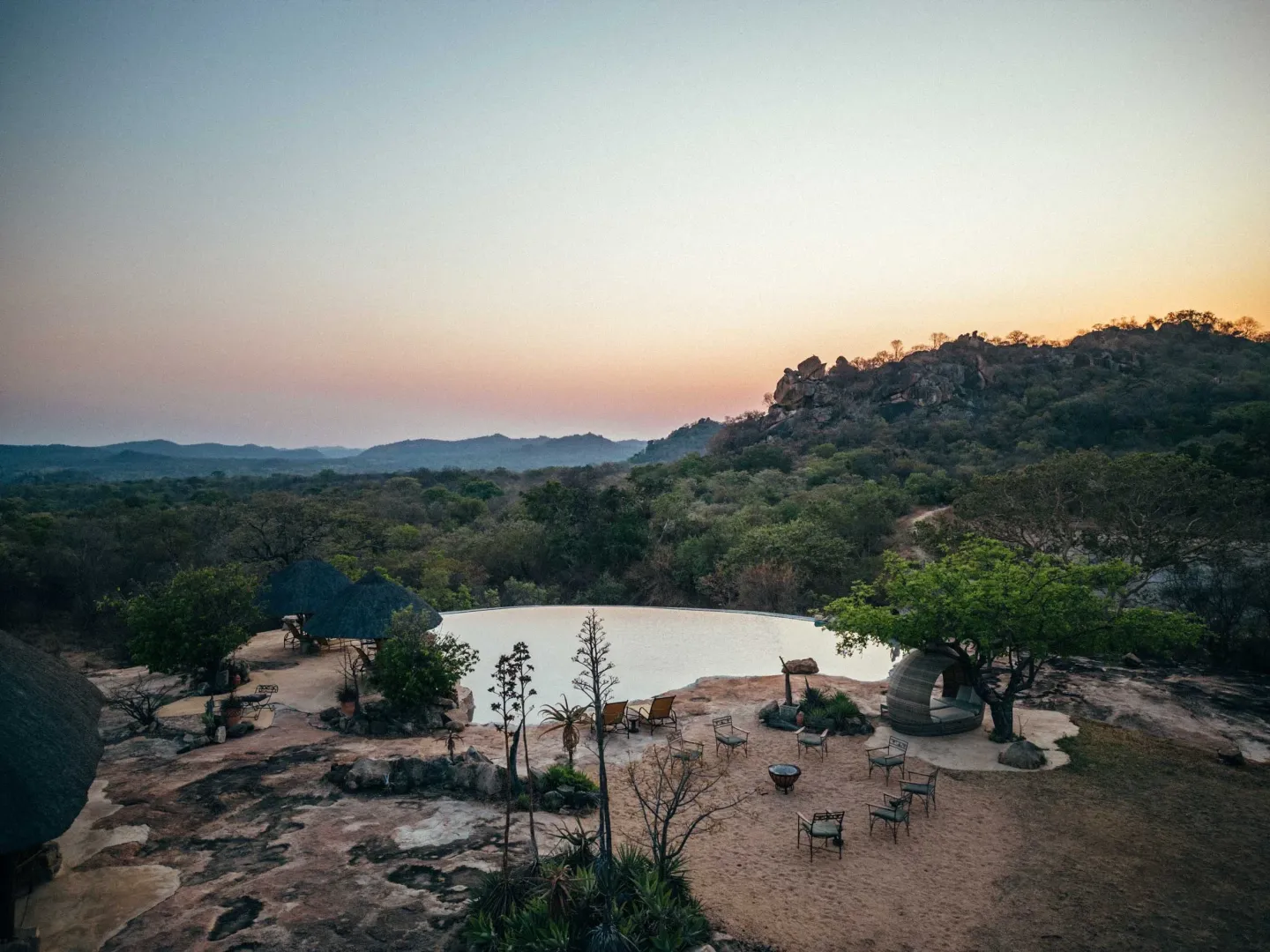
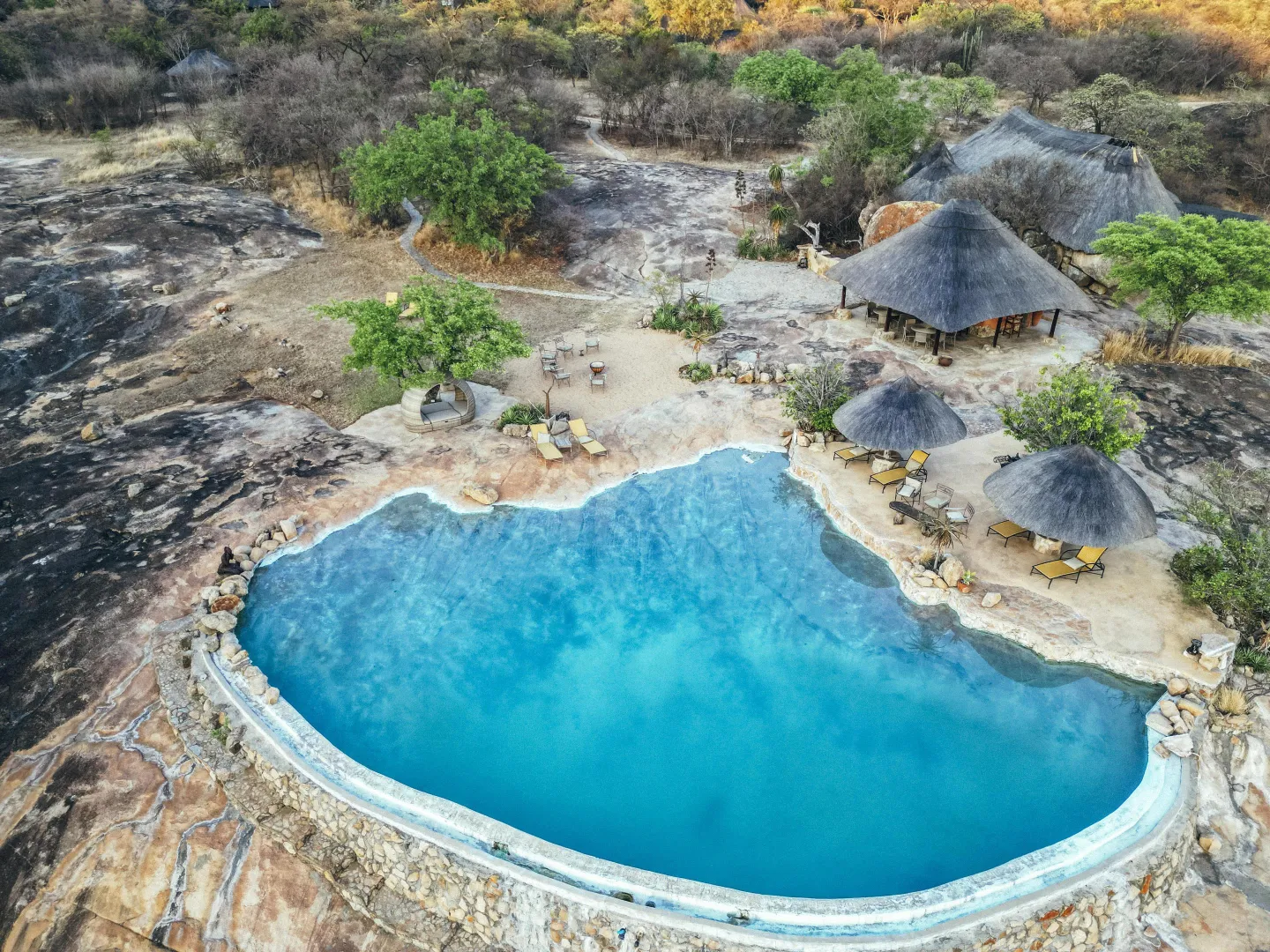
Amalinda Lodge is unique, an escape from the ordinary. In a wilderness of granite, the lodge is hidden in the otherworldly landscape of the Matobo Hills. Built in an ancient Bushman shelter, natural rock formations are incorporated into the decor of each suite and main areas, creating a distinct and individual design for each space.
This is cave living in luxury – a sanctuary designed to provide an exceptional experience while preserving the rich heritage and natural wonders of this magical place. A large, natural rock pool overlooks the valley and mountains beyond.
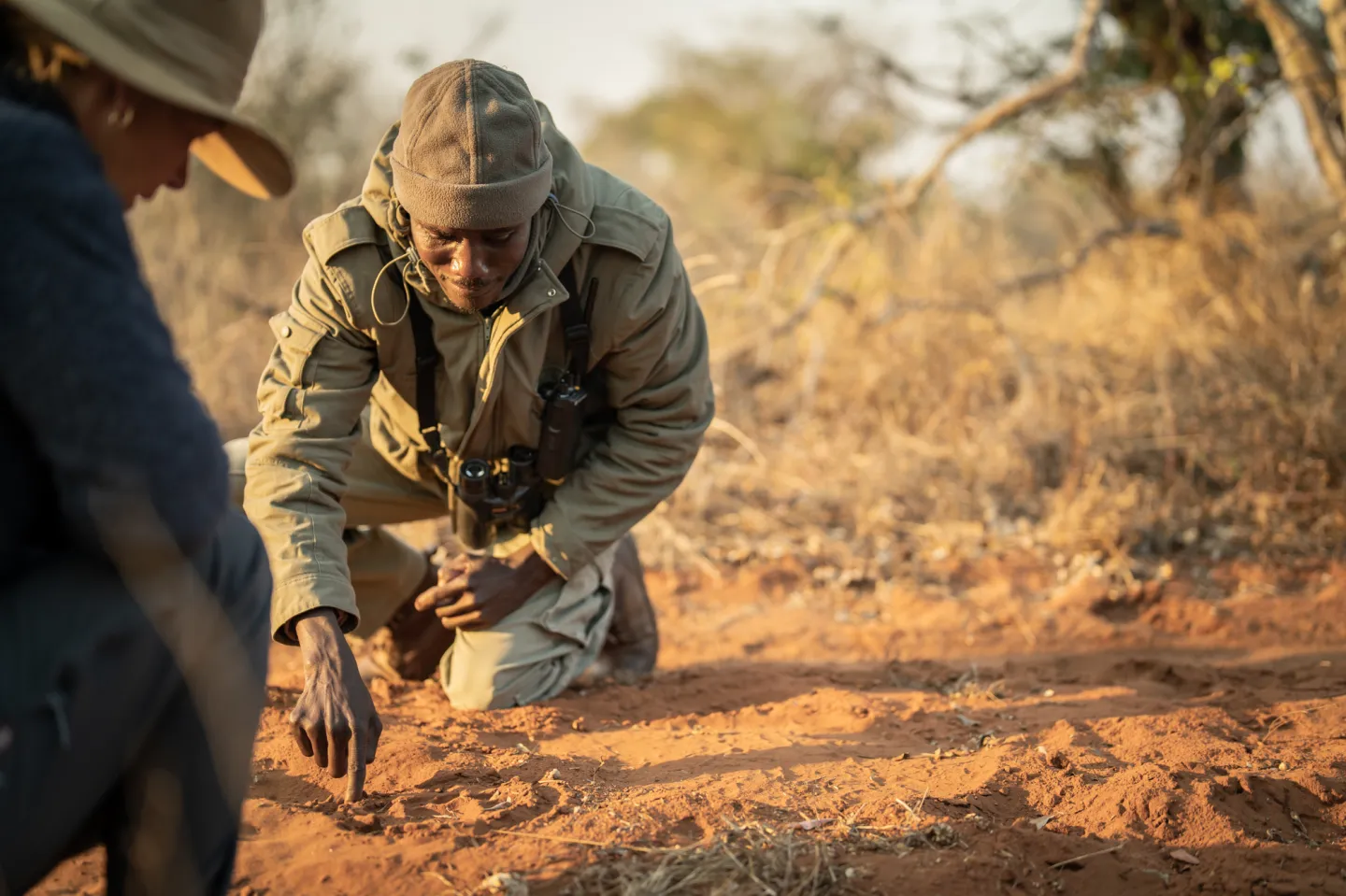
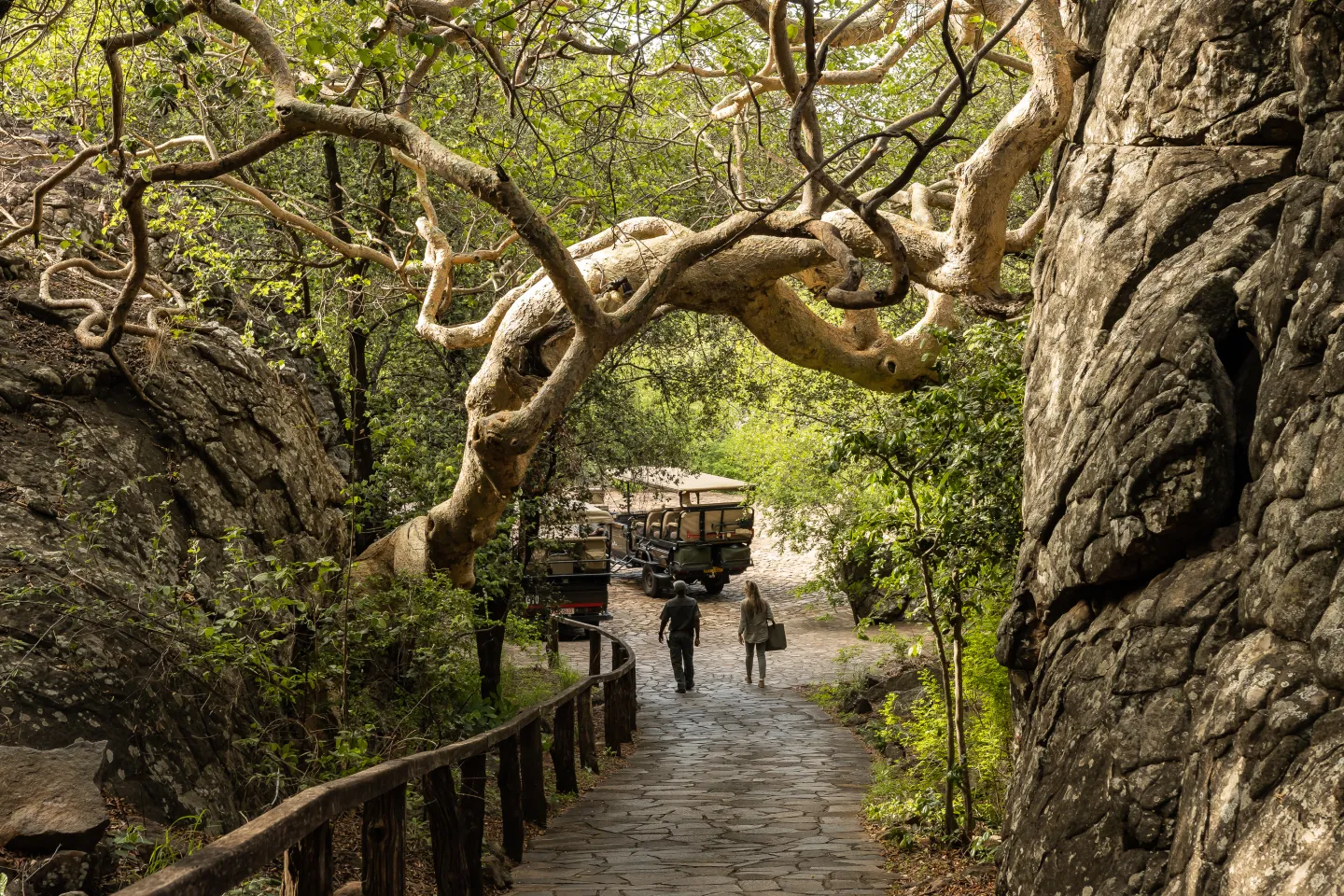
You will enjoy rhino tracking on foot, morning and afternoon game drives, exploring the rock art paintings, visiting the Rhodes Memorial, community visits, and riding mountain bikes through traditional Ndebele villages. Hidden among the boulders, treatments at the Safari Spa will add another layer of tranquillity in serene surroundings.
Hwange National Park
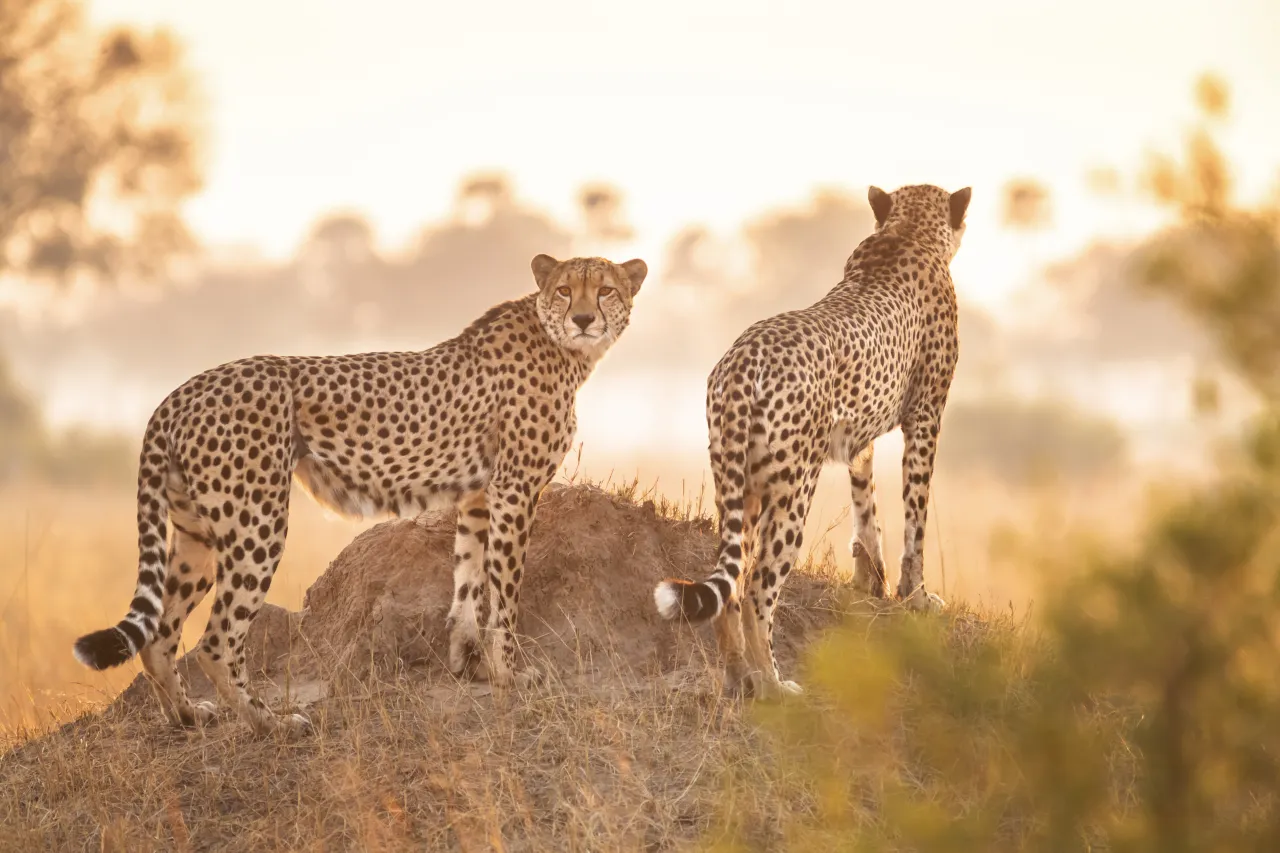
Hwange National Park, the second-oldest park in Zimbabwe, was established in 1928. Found in north-west Zimbabwe, it is the largest park in the country at 14 650km² (5 656sq mi). It is an extension of the Kalahari Desert in Botswana, with no natural and permanent water sources, and it is fascinating.
Conservationists and lodge operators manage 60 artificial waterholes (or pans) throughout the park. Vegetation differs vastly from the north to the south, and comprises predominantly Kalahari sandveld, supporting teak and mopane woodlands and dry acacia scrub.
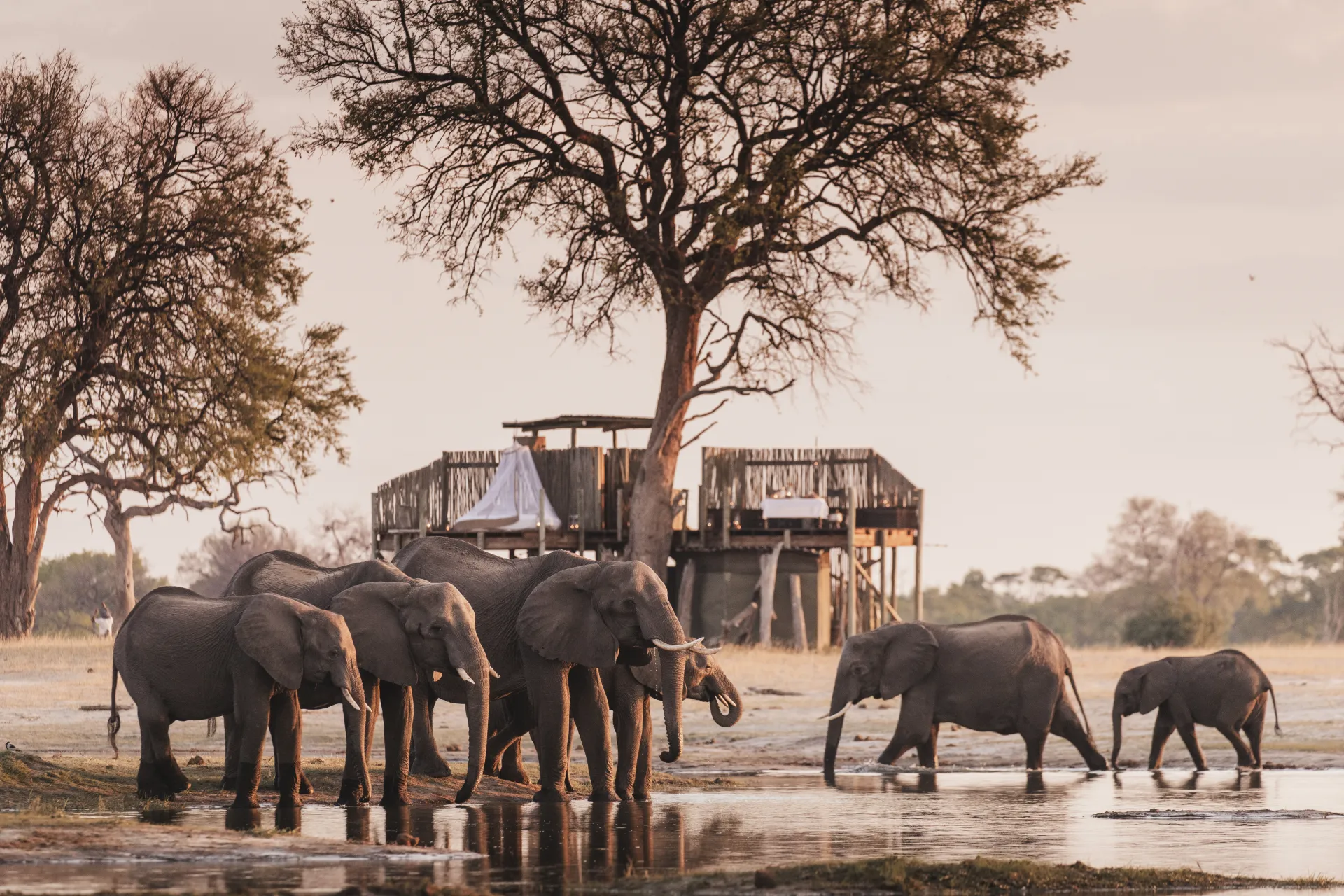
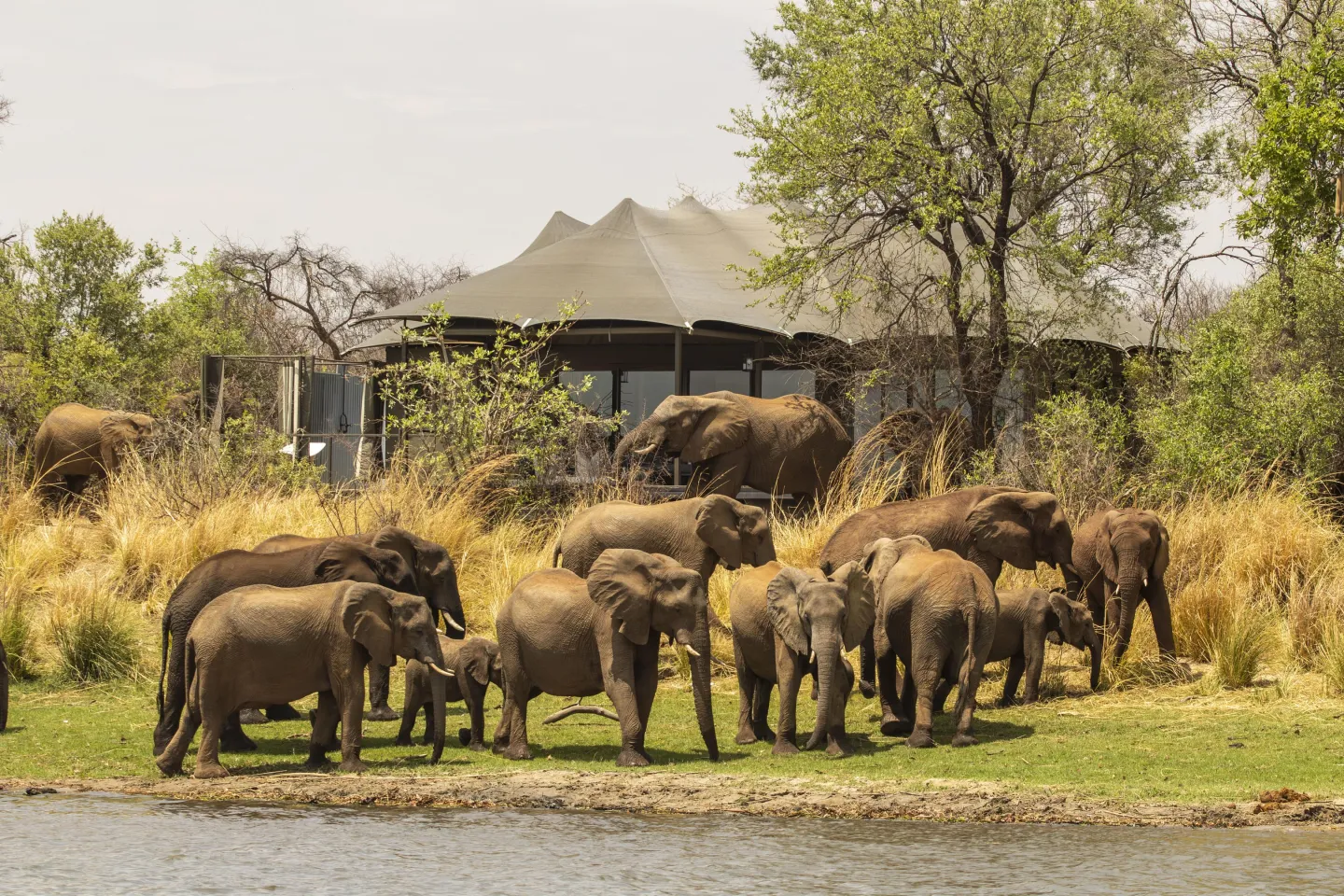
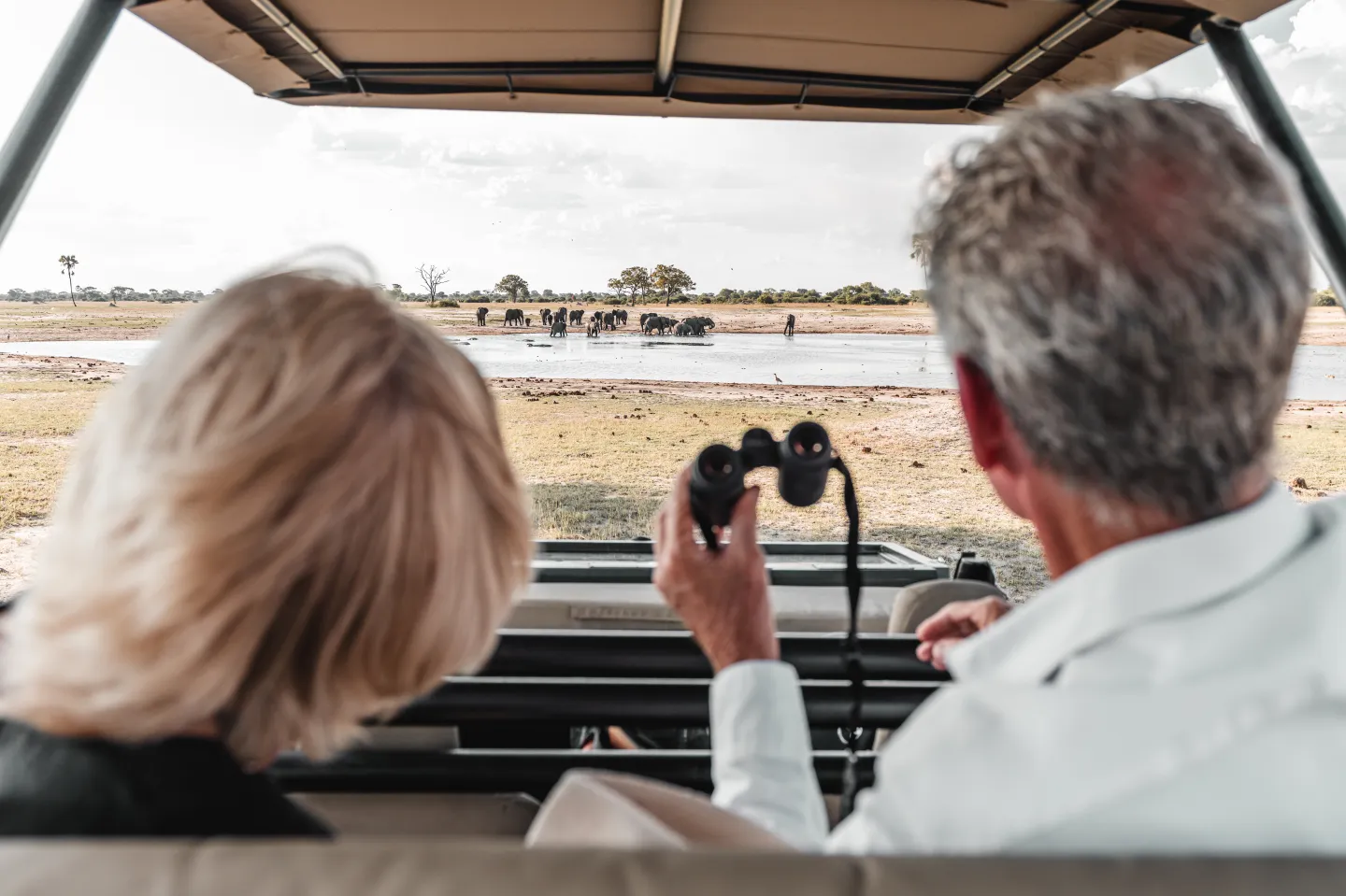
The wildlife is prolific with 100 mammal species. Additionally, it is home to the second-largest African elephant population after the Chobe region in Botswana, with an estimated 45 000 individuals that migrate between the countries. It is particularly famed for its impressive herds of Cape buffalo and super herds of elephant.
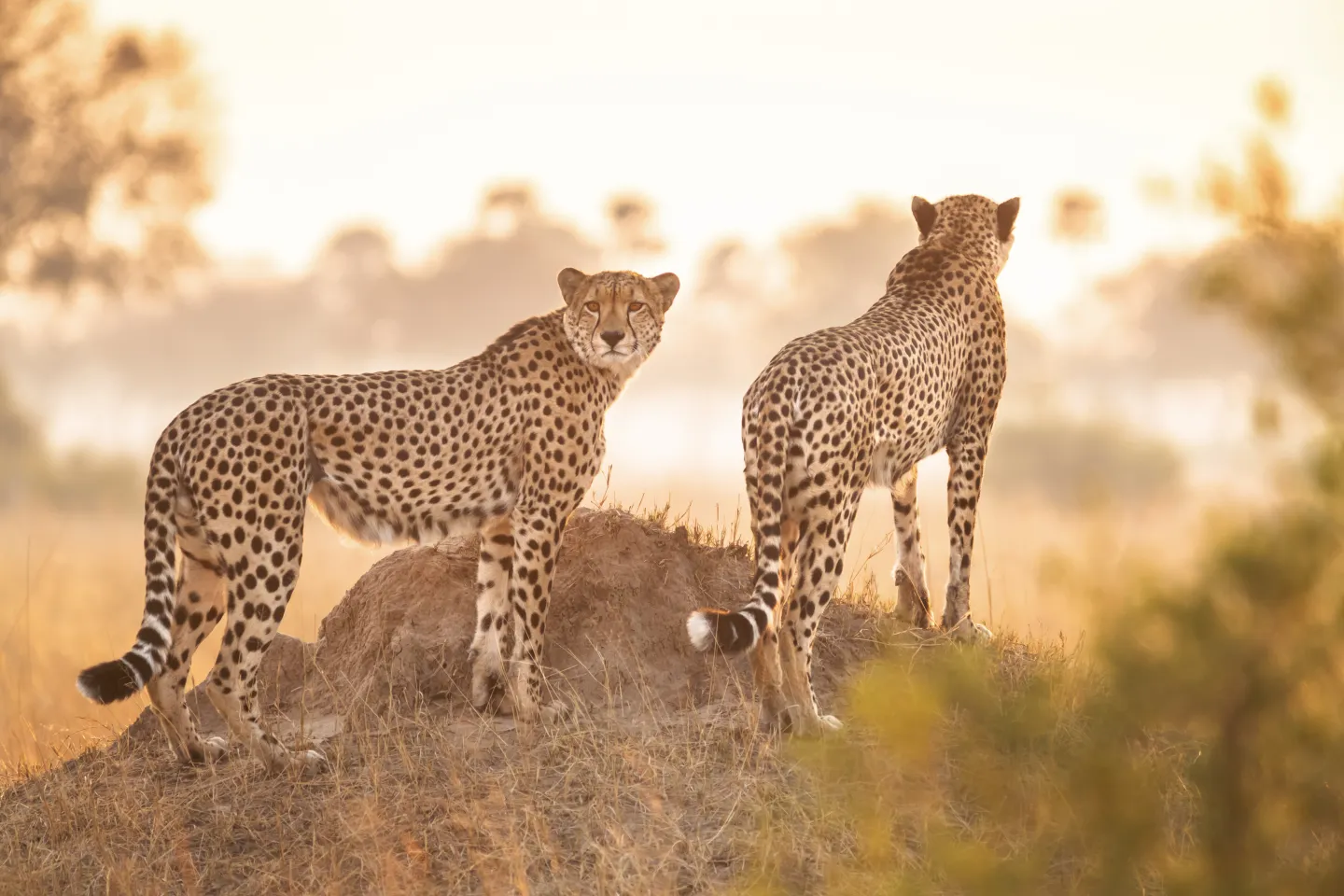
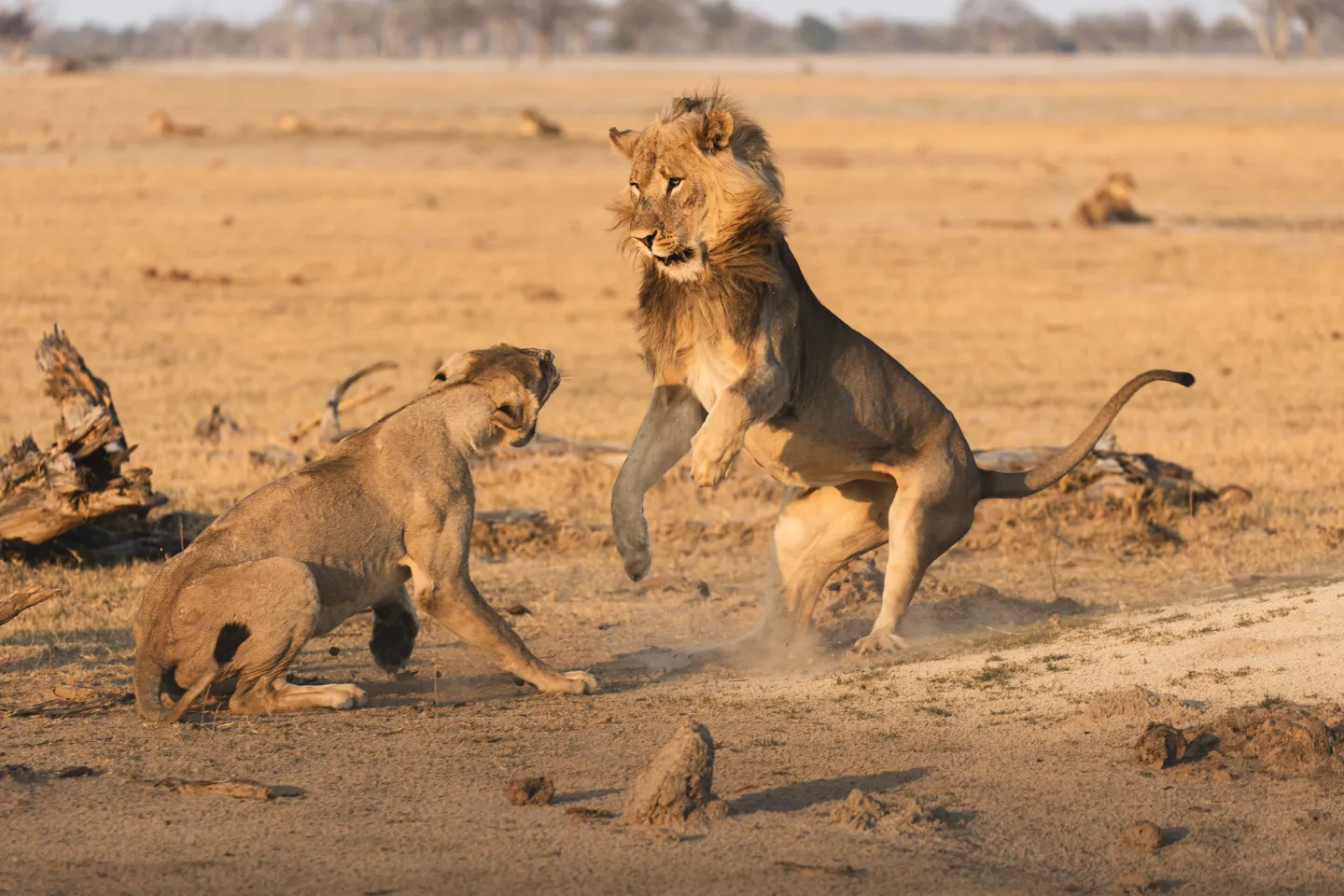
Hwange is known for spectacular lion, African wild dog and cheetah sightings. An area just outside the park is home to the famous Presidential herd of elephants, a semi-habituated herd of about 500+ elephants that has been under presidential protection since 1990.
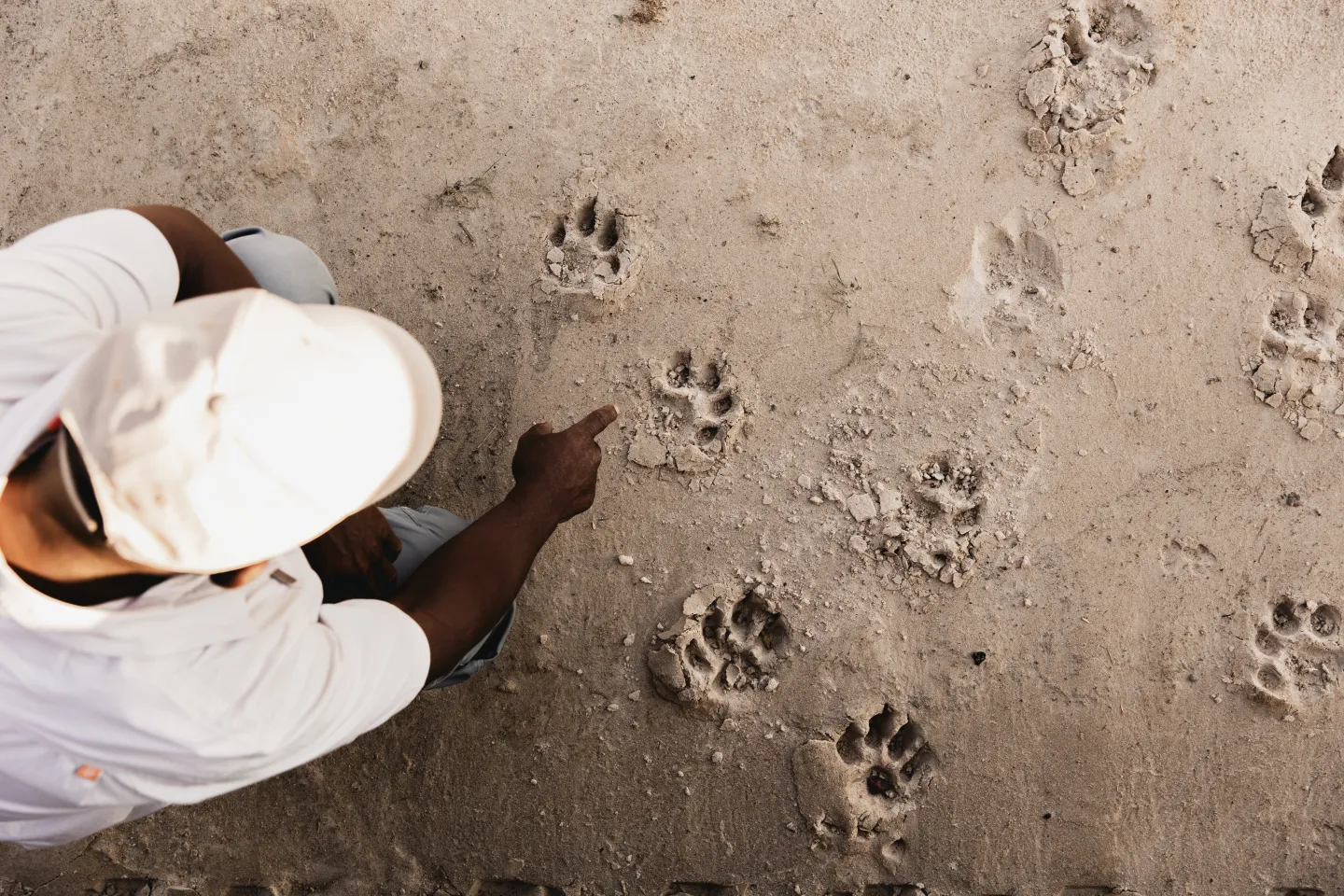
The African wild dog (or painted dog) is one of the most endangered species in the world. Native to Africa, and with fewer than 7 000 individuals left across the continent, an estimated 700 are found in Zimbabwe. Hwange is home to the Painted Dog Conservation Programme, a research and conservation initiative focused on protecting wild dog populations in Zimbabwe through education and community outreach.
With nearly 500 recorded species in the park, it is also a birder’s paradise, most of which are native. It is home to some of the largest flying birds, including the elegant, long-legged Kori bustard and the stately Secretary bird.
Wilderness Linkwasha Camp
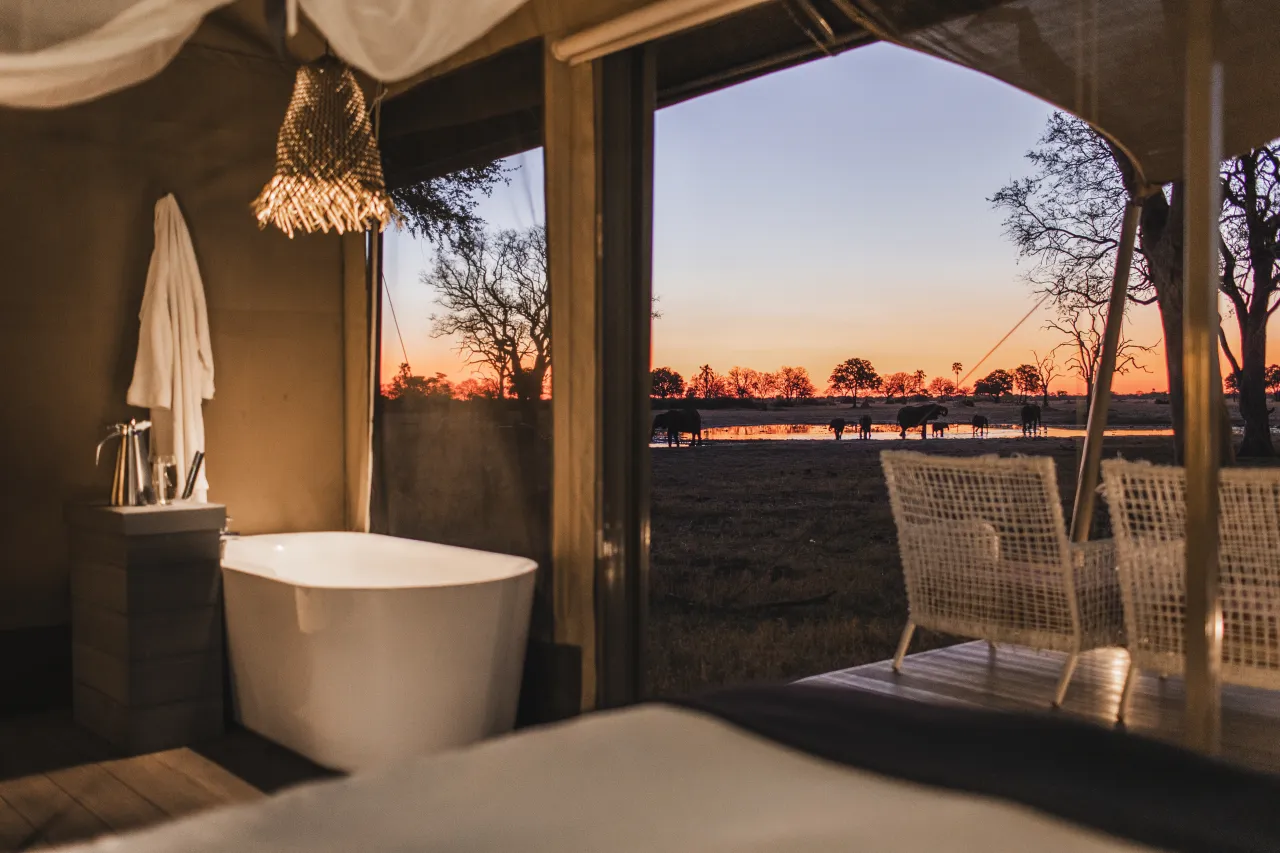
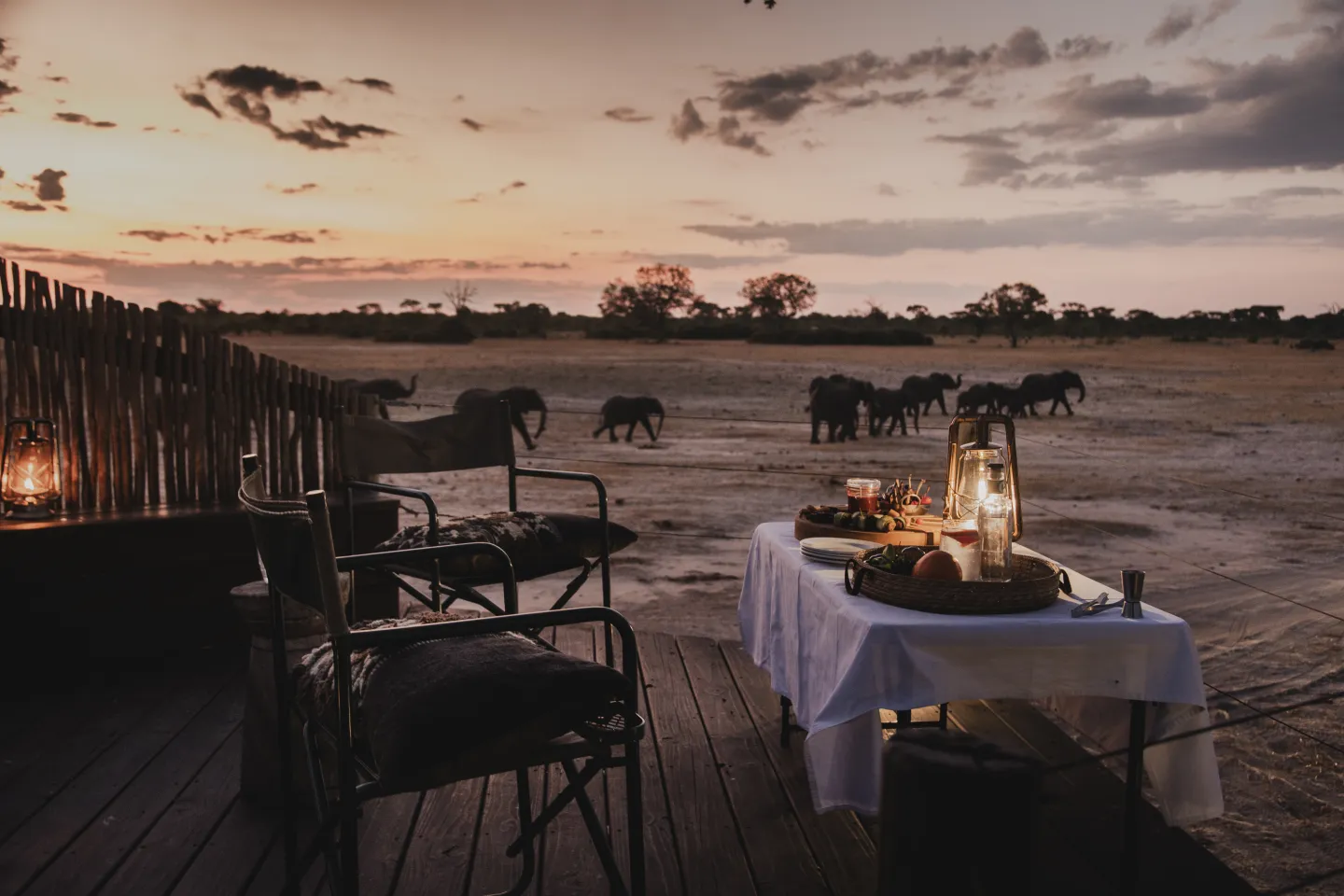
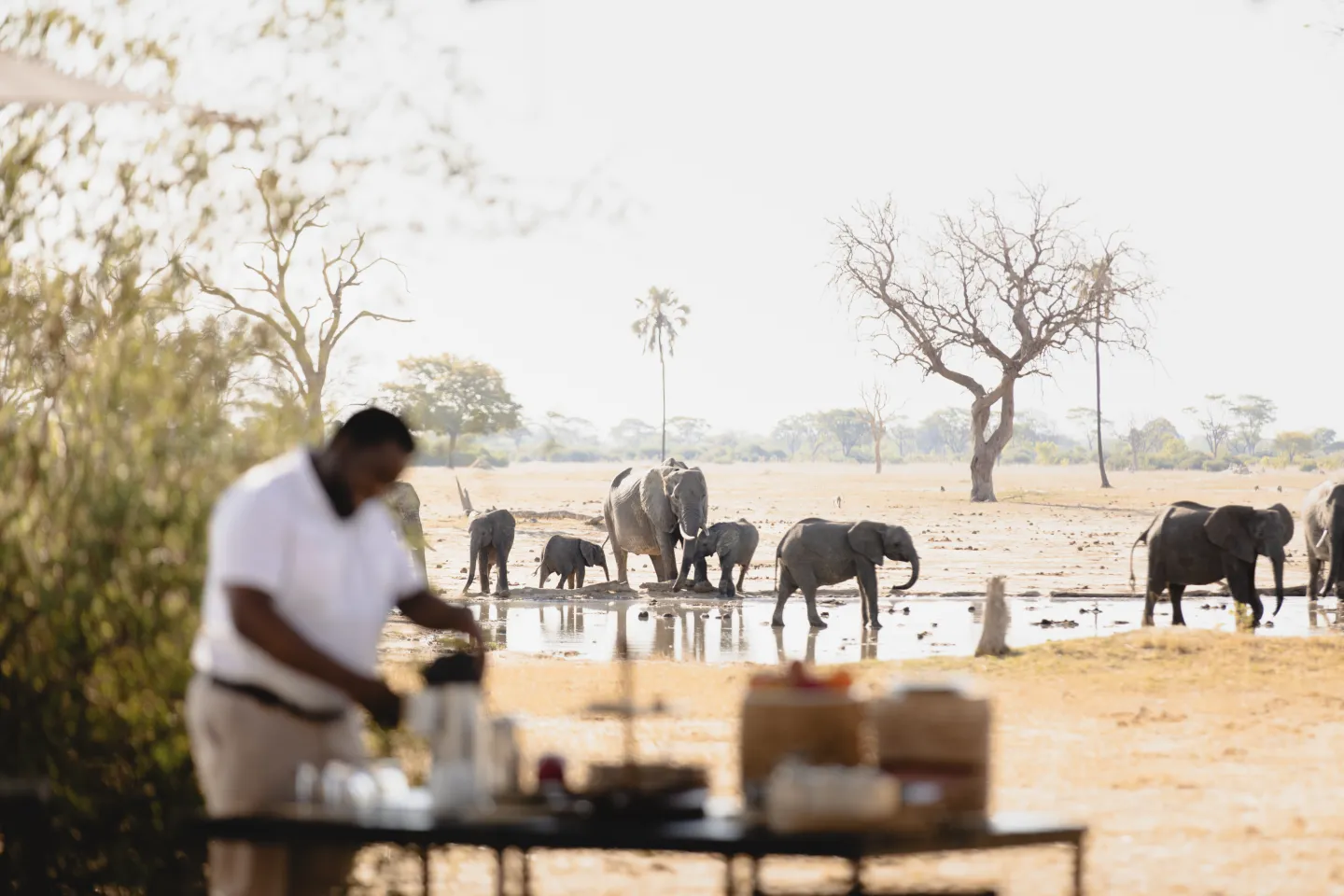
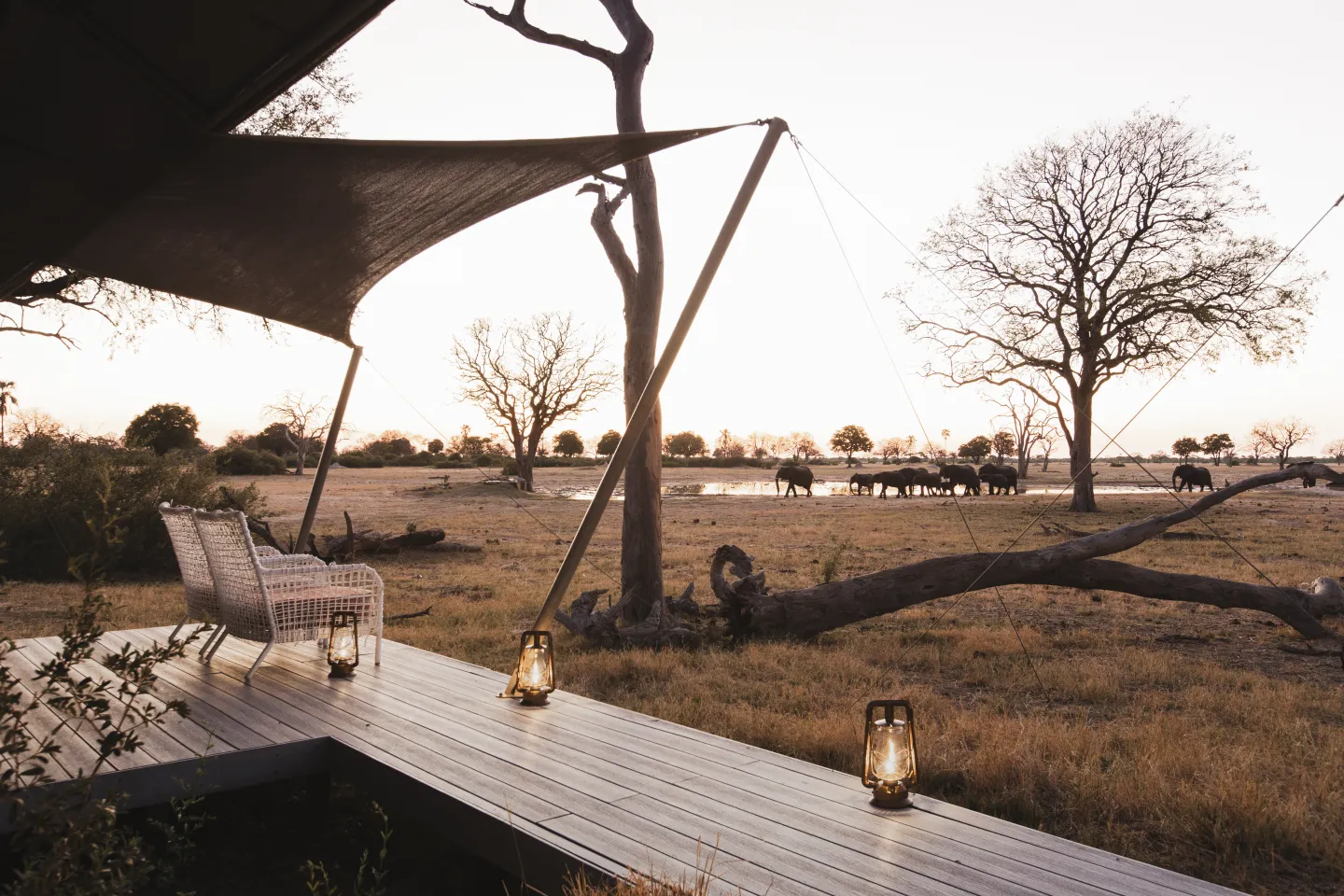
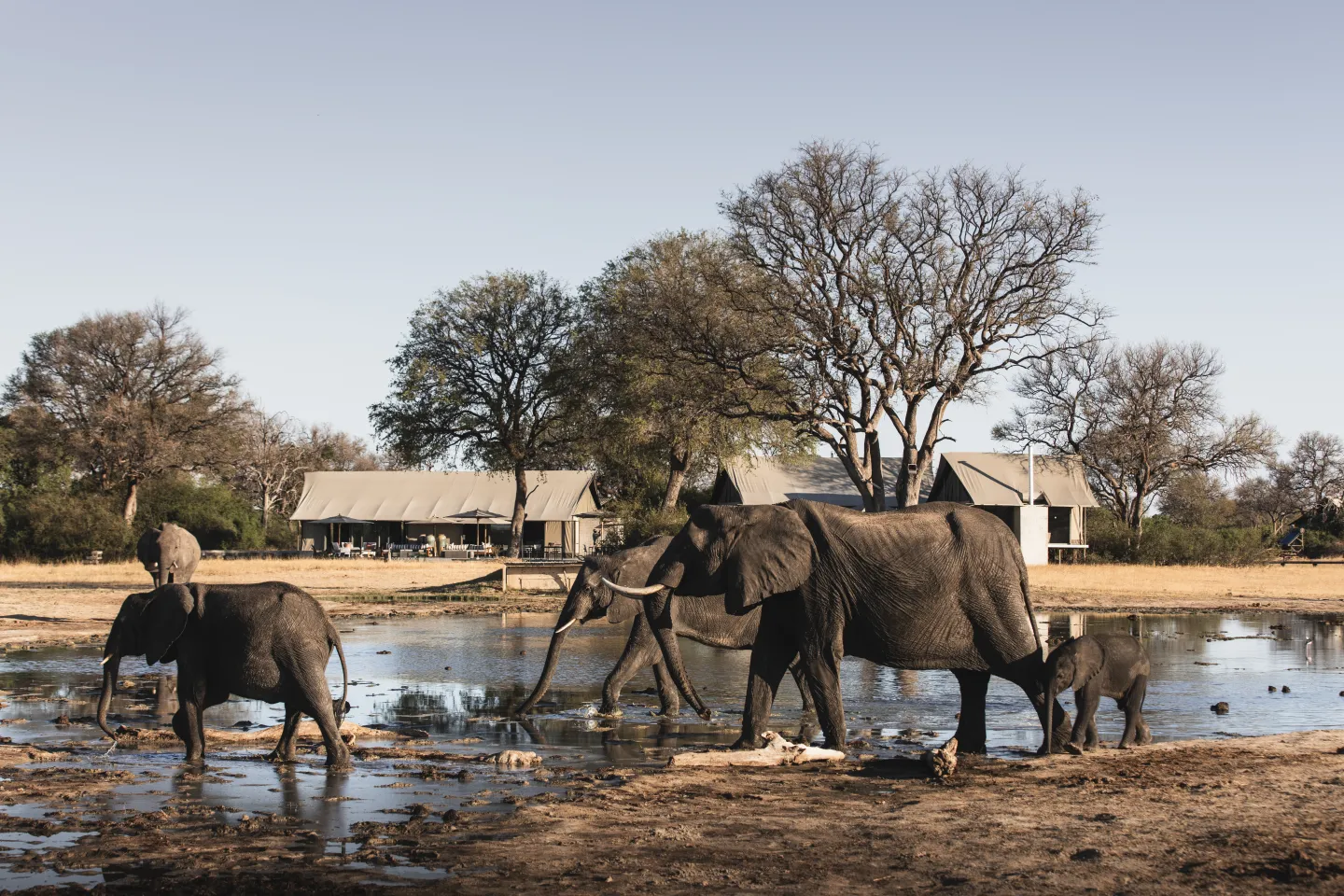
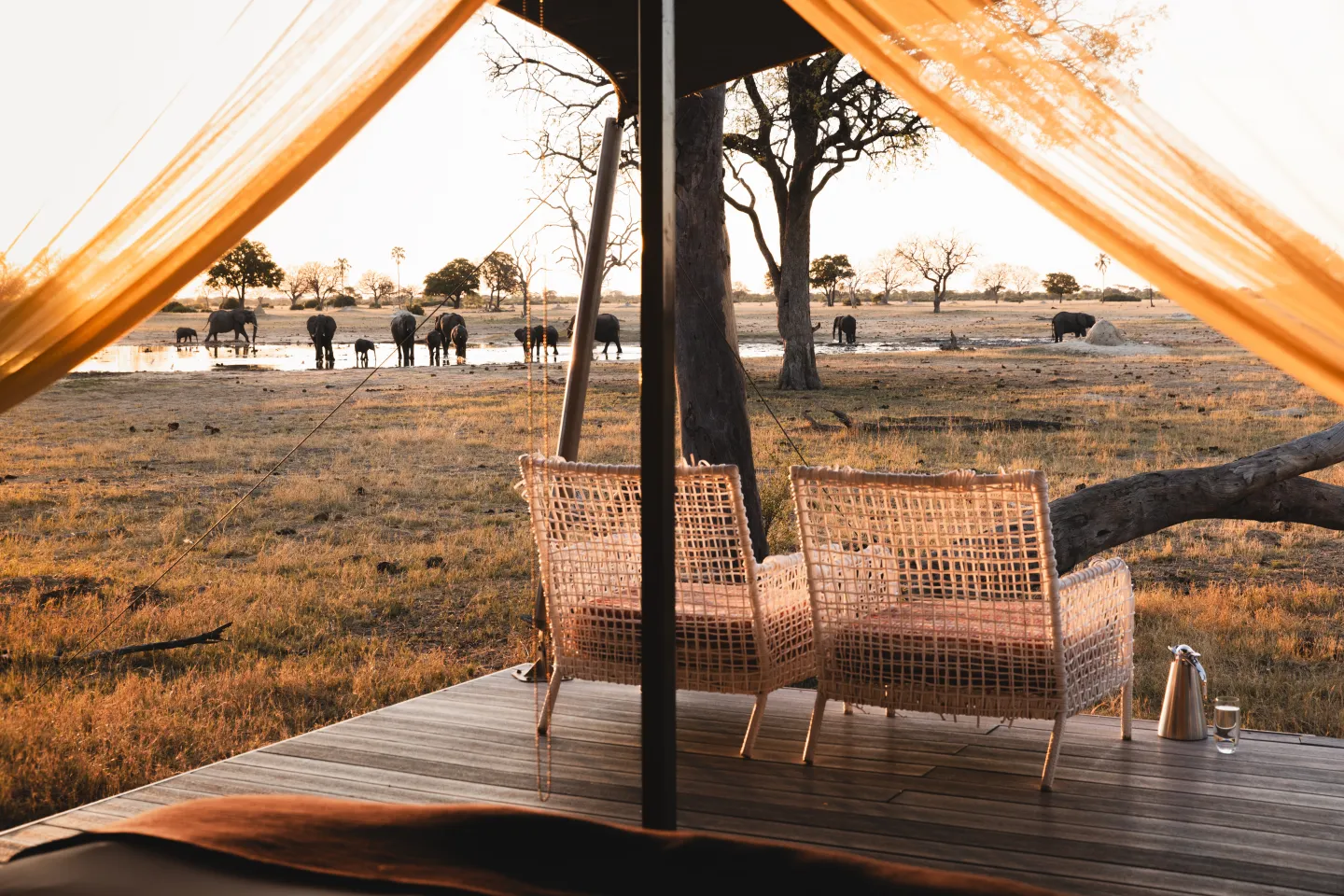
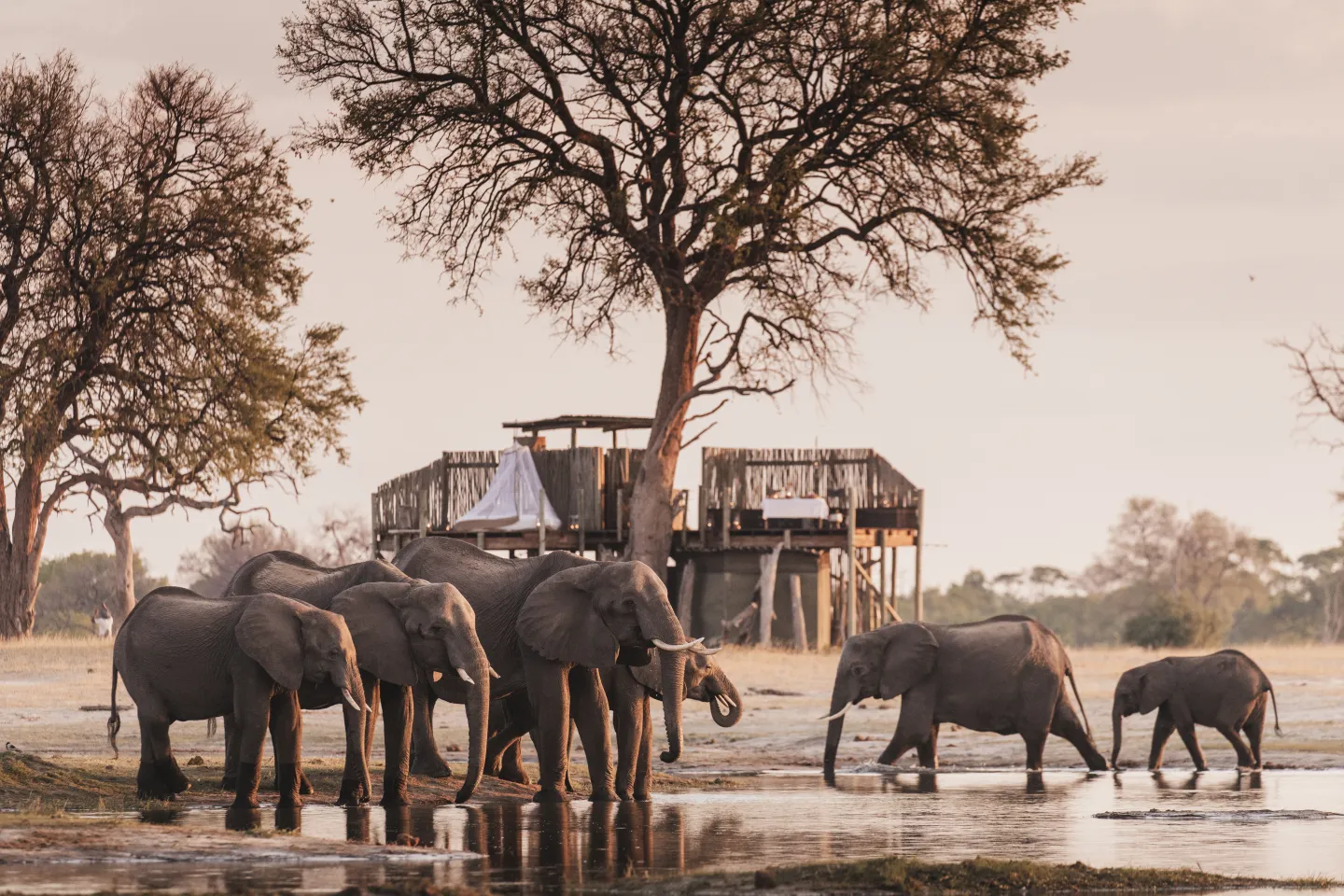
Linkwasha is located in a private concession in the south-eastern sector of the park and sits on the edge of the famed Ngamo Plains. The landscape is dotted with shallow lakes, lala palms and pans. The ecological diversity here is tremendous, and large herds of plains game are followed by predators year-round. Fourteen solar-hybrid pumped pans sustain wildlife during the dry season, ensuring some of the most incredible game-viewing as wildlife congregate around these precious water sources.
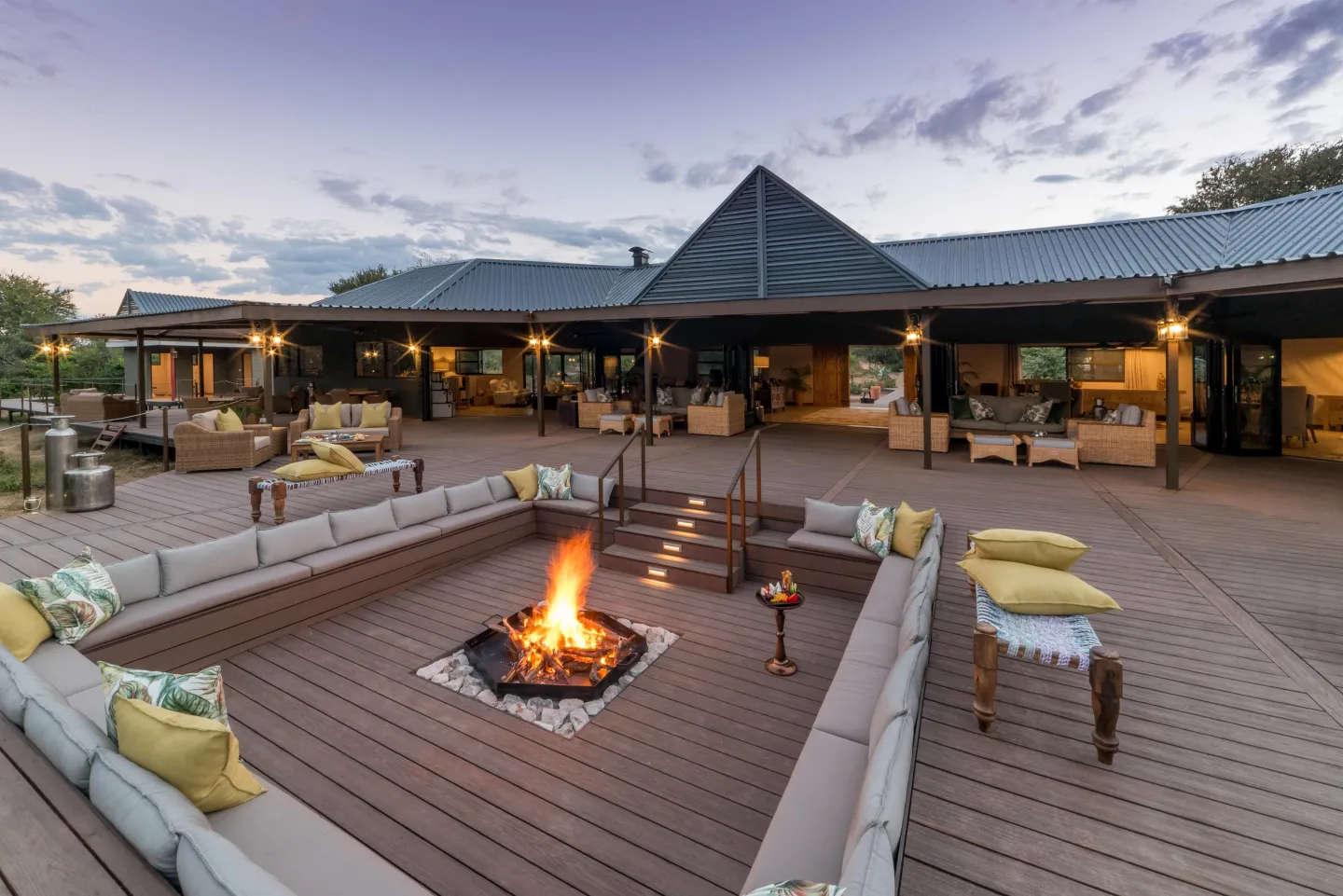
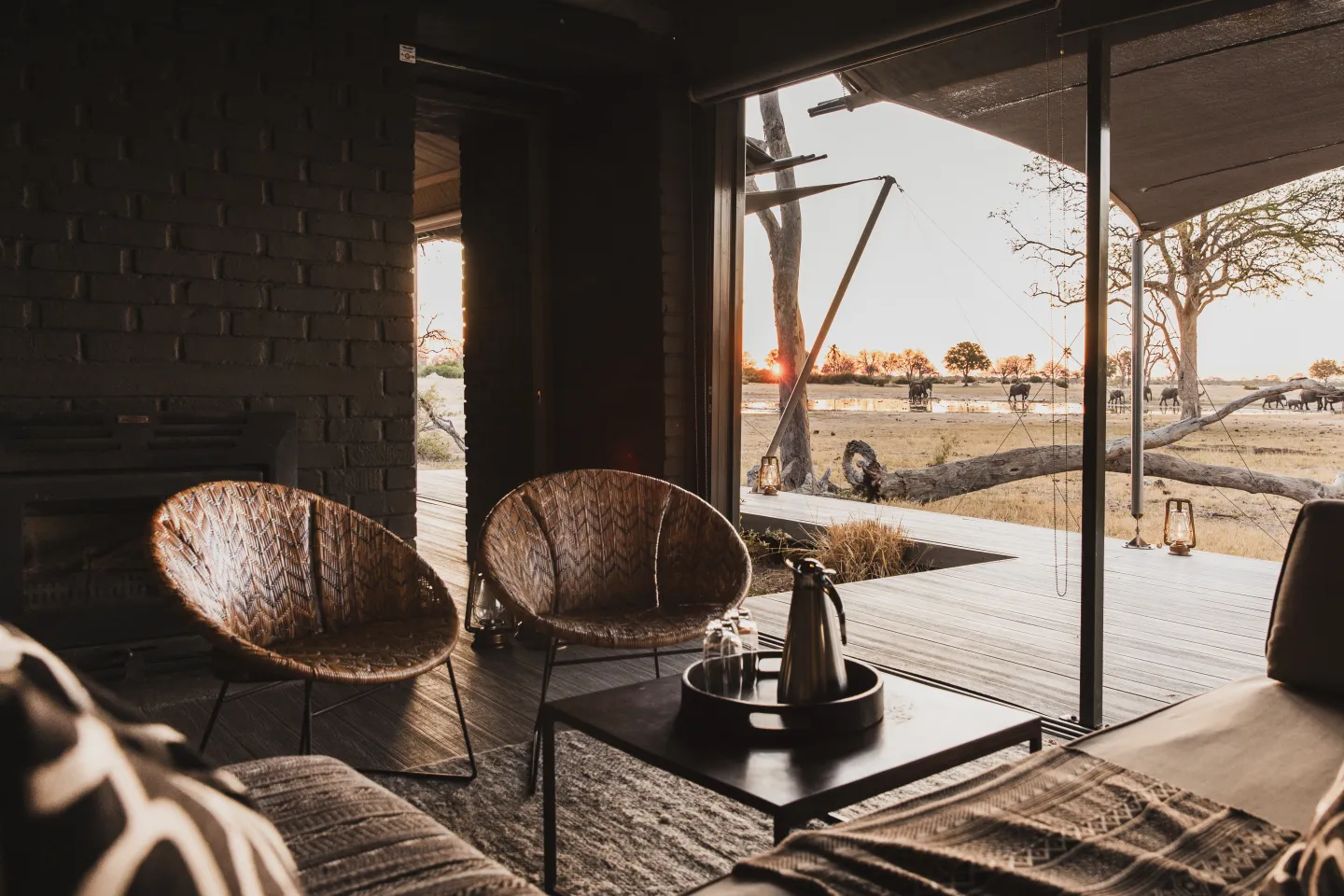
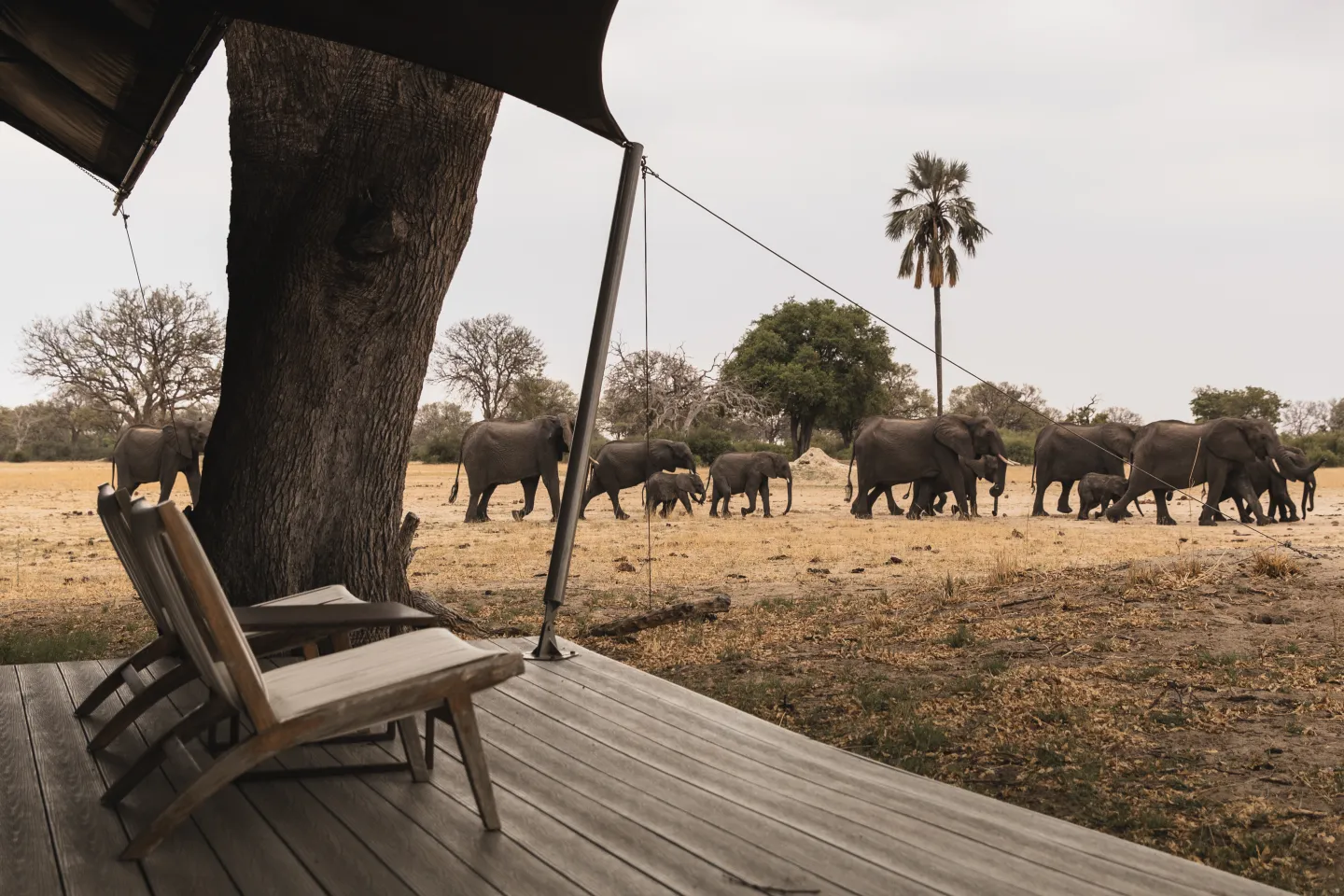
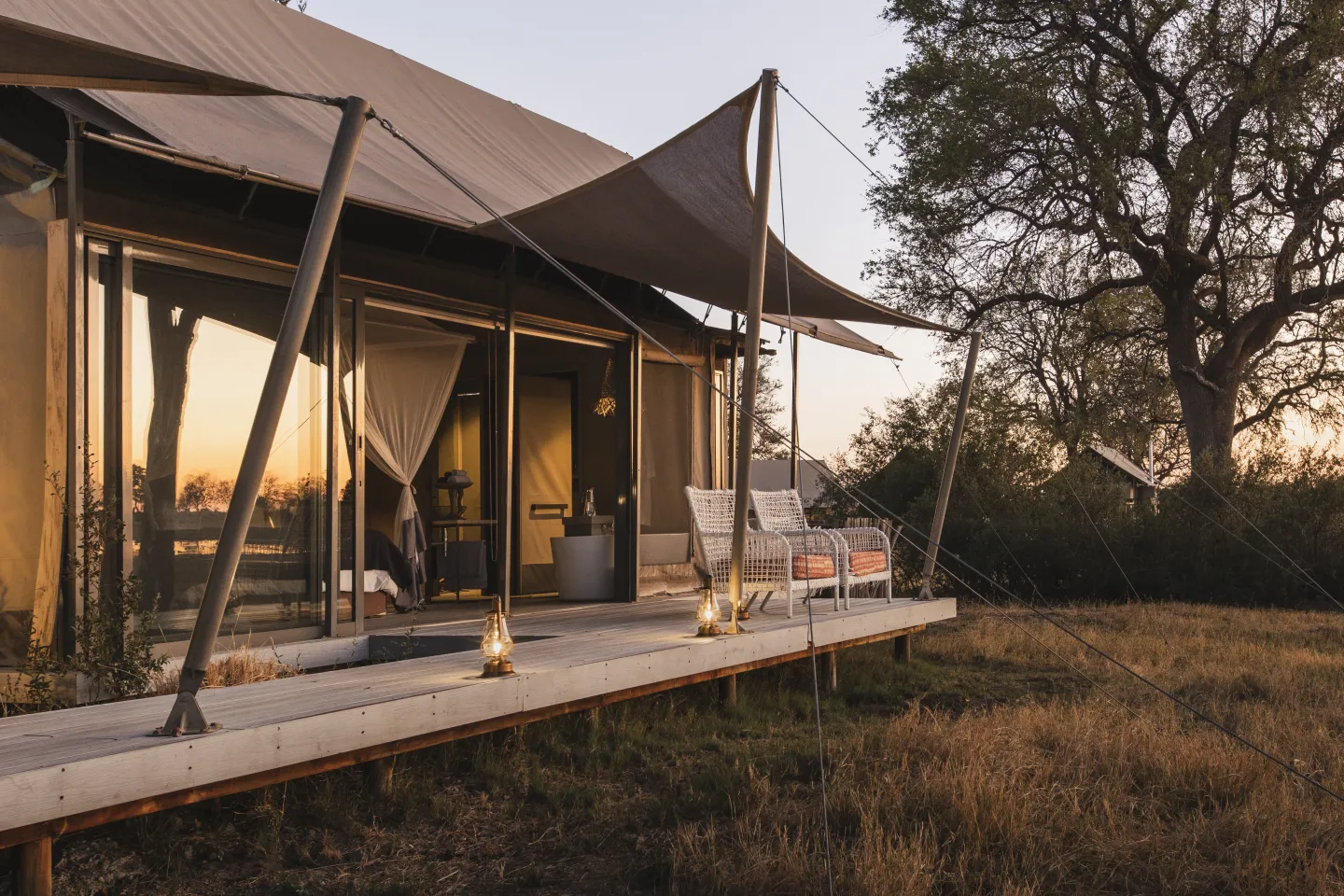
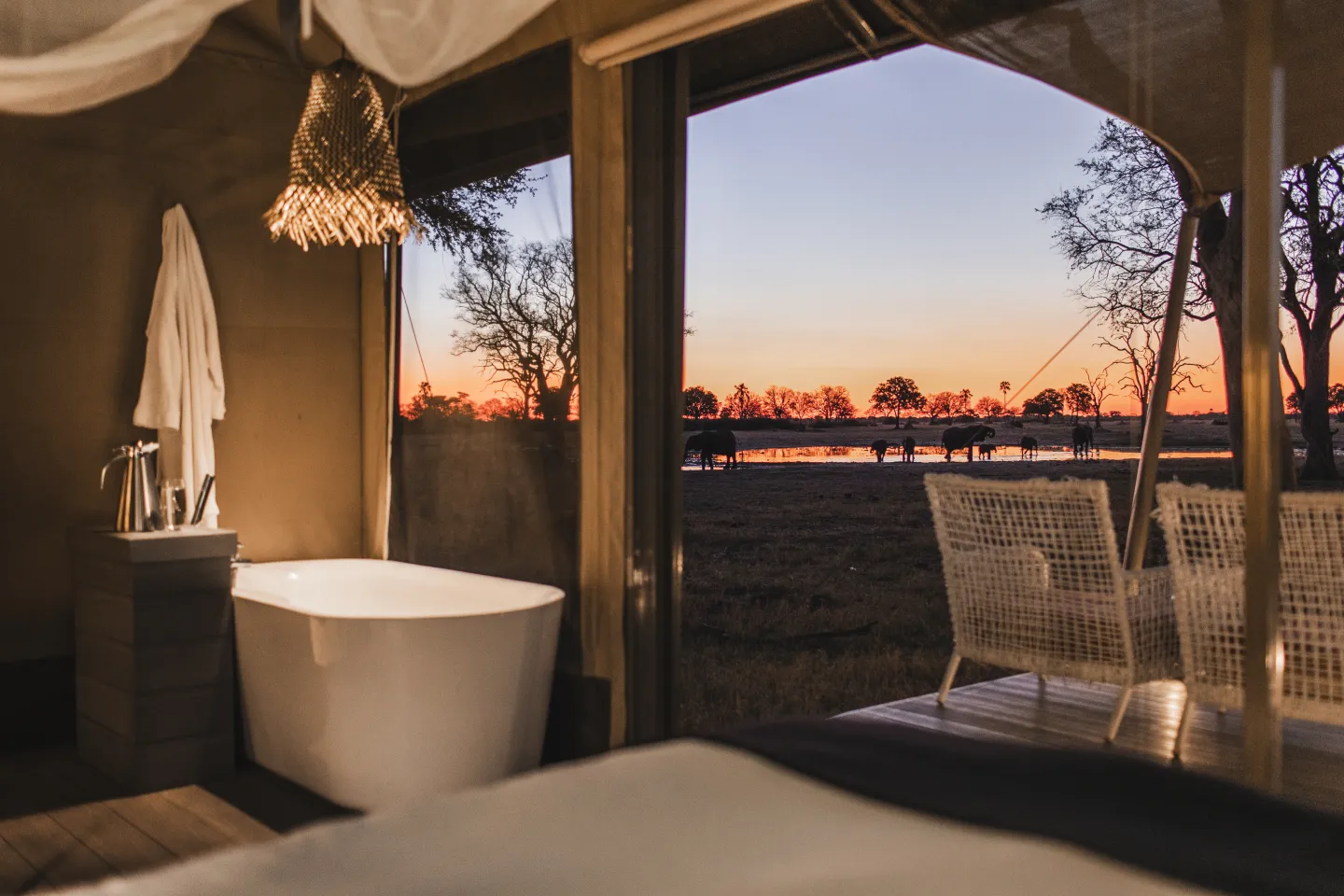
It is a luxurious tented safari camp where contemporary yet timeless decor, in neutral tones that echo the surrounding environment, is blended with traditional safari elements, natural textures and bold Ndebele prints. The main guest areas and suites have uninterrupted views of a flourishing waterhole, where a wildlife spectacle entertains guests throughout the day.
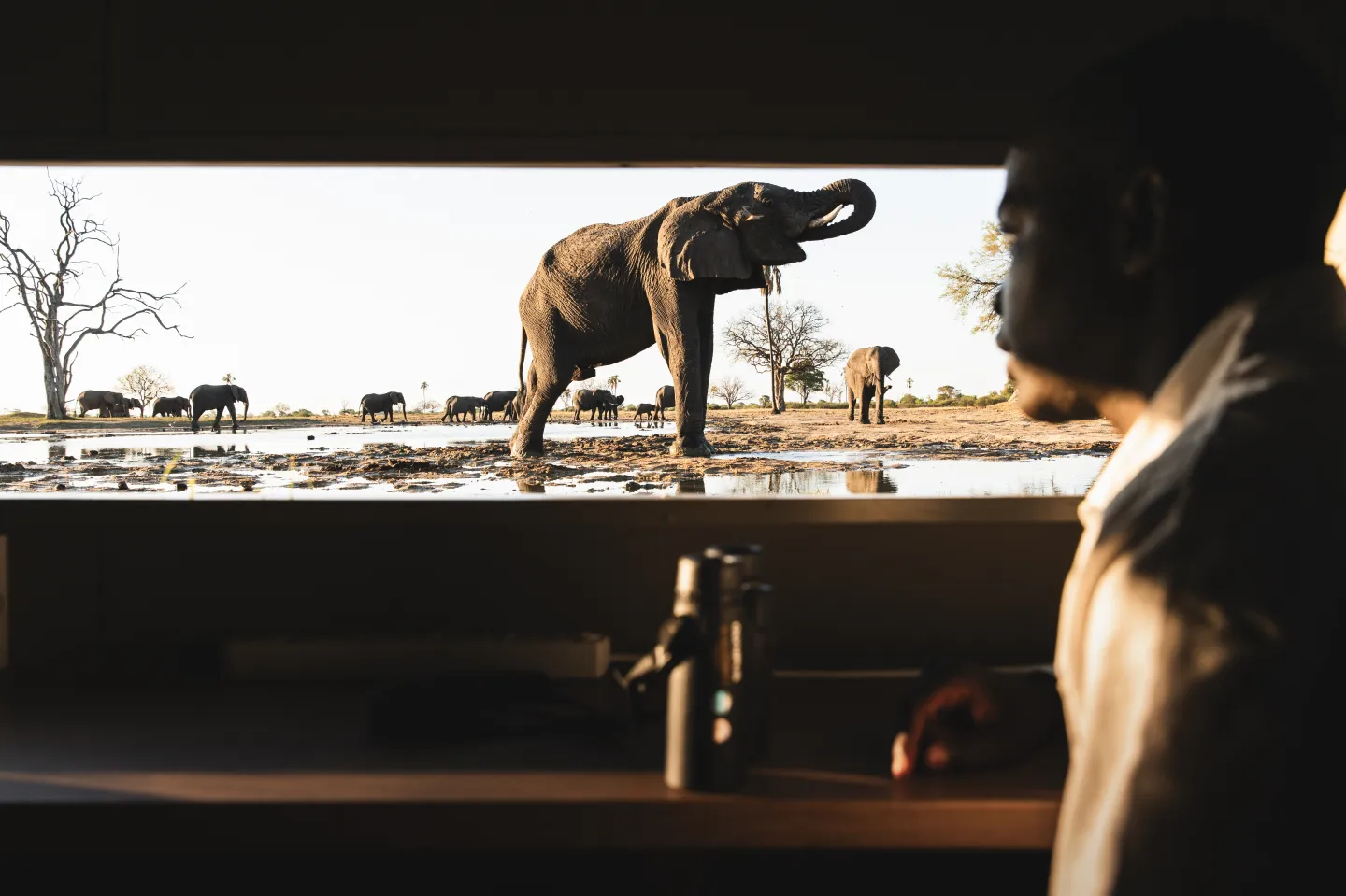
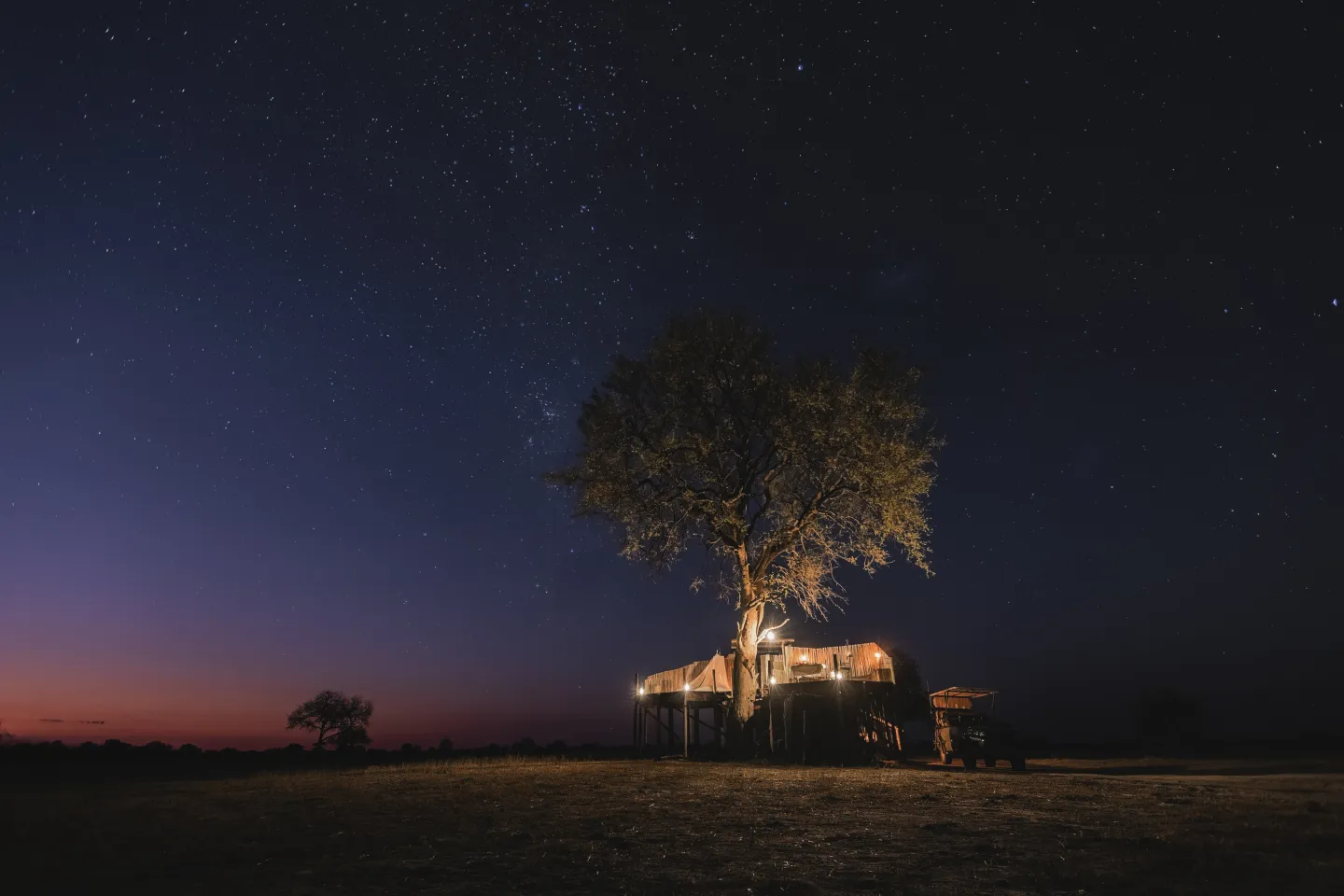
Activities include morning and afternoon game drives, guided safari walks and a guided local village tour, including a visit to the school. A sunken hide overlooking the camp waterhole is a photographer’s dream. The romantic star bed at Scott’s Pan will elevate the wilderness experience.
Victoria Falls
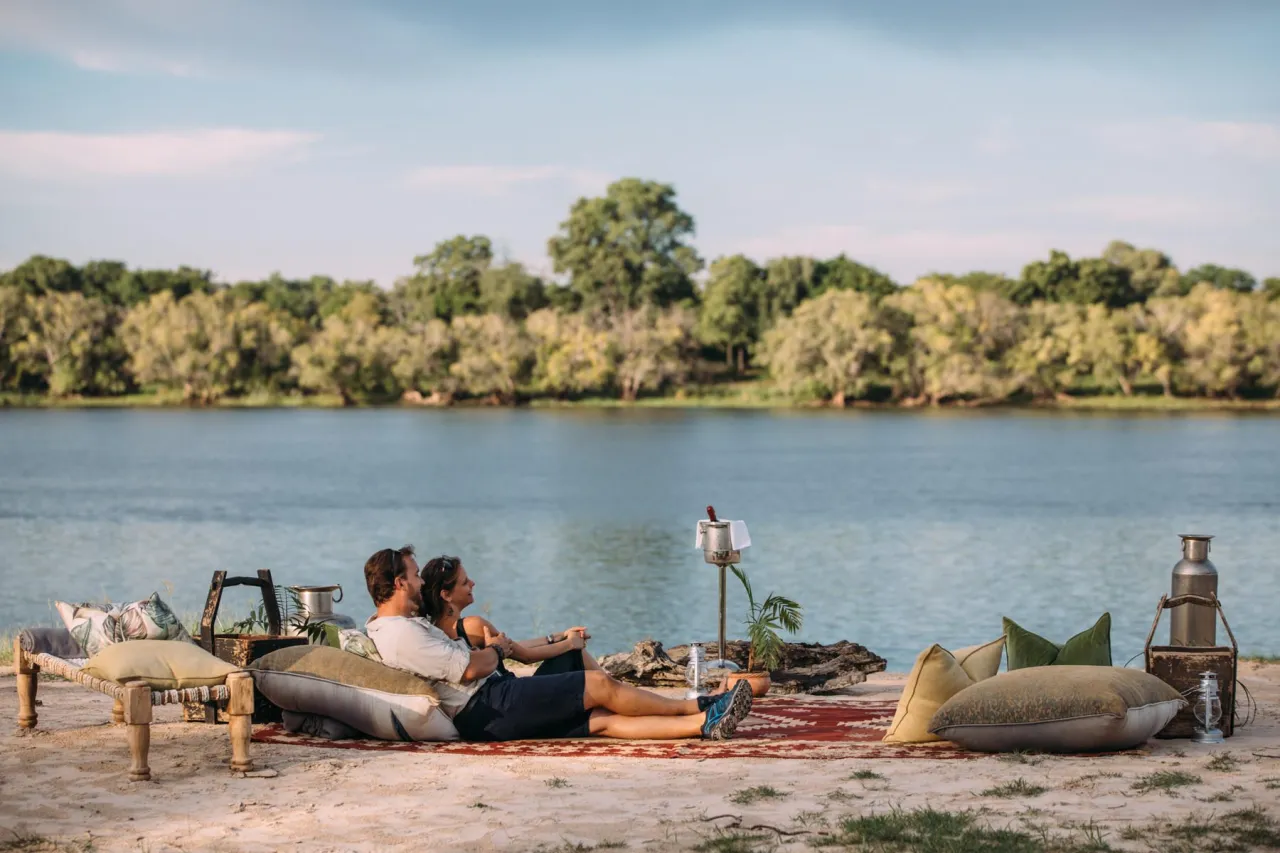
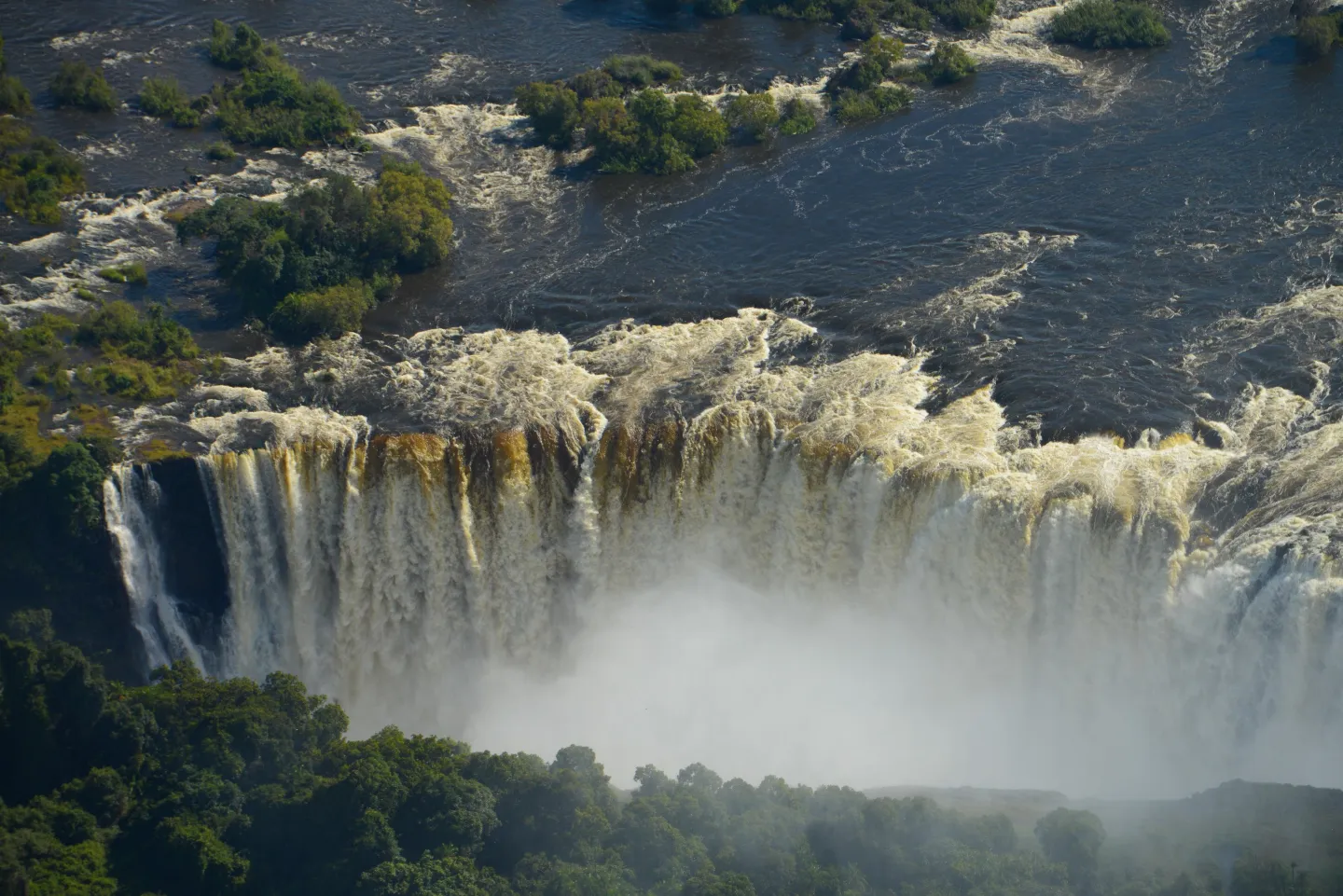
Victoria Falls, locally referred to as Mosi-oa-Tunya (“The Smoke That Thunders”), is one of the world’s most impressive waterfalls. David Livingstone, the first European to have laid eyes on the falls, is famously credited with stating, “Scenes so lovely must have been gazed upon by angels in their flight.”
Fed by the magnificent Zambezi River, which creates the border between Zambia and Zimbabwe, the falls are located in the Victoria Falls National Park, which has the notable feature of being a rainforest due to the spray. Considered to be the world’s largest sheet of falling water, Victoria Falls measures an impressive 1 708m (5 604ft) in width and 108m (354ft) in height during the wet season. This spectacle is not only a UNESCO World Heritage Site, but also one of the 7 Natural Wonders of the World.
The Zambezi River experiences a rainy season from November to early April, and a dry season for the rest of the year. The river’s flood season is February to May, with a peak in April. The spray from the Falls typically rises to a height of over 400m (1 312ft) and sometimes even twice as high, and is then visible from up to 50km (31mi) away.
Zambezi National Park, comprising 56 000ha (140 000 acres), was split away from the Victoria Falls National Park in 1979. It is located 5km (3.1mi) upstream from Victoria Falls and includes 40km (25mi) of river frontage along the Zambezi River.
A Big Five destination, the park is renowned for its herds of antelope and plains game, including sable (Zimbabwe’s national animal), giraffe, zebra and many smaller wildlife species. The birdlife is prolific, with over 400 identified species such as Pel’s fishing owl and the African skimmer. Aside from birds and land animals, 75 species of fish can be found within the boundaries of the park, including the famous tiger fish.
The quaint town of Victoria Falls is a crossroads for travellers and acts as a base from which to explore many of the experiential excursions on offer in the region – these include white water rafting, canoeing among hippos on the upper Zambezi, game drives, walking safaris, river cruises, cultural excursions in local communities, art safaris, shopping at the local markets and helicopter flips.
The town is the adrenaline capital, and several activities are available for adventure lovers. You may also wish to cross the border into Zambia to view the falls from another angle or enjoy lunch on Livingstone Island (seasonal) or, if you are brave, swim in Devil’s Pool above the falls. The activity menu is endless, and the visit will inspire your return!
Old Drift Lodge
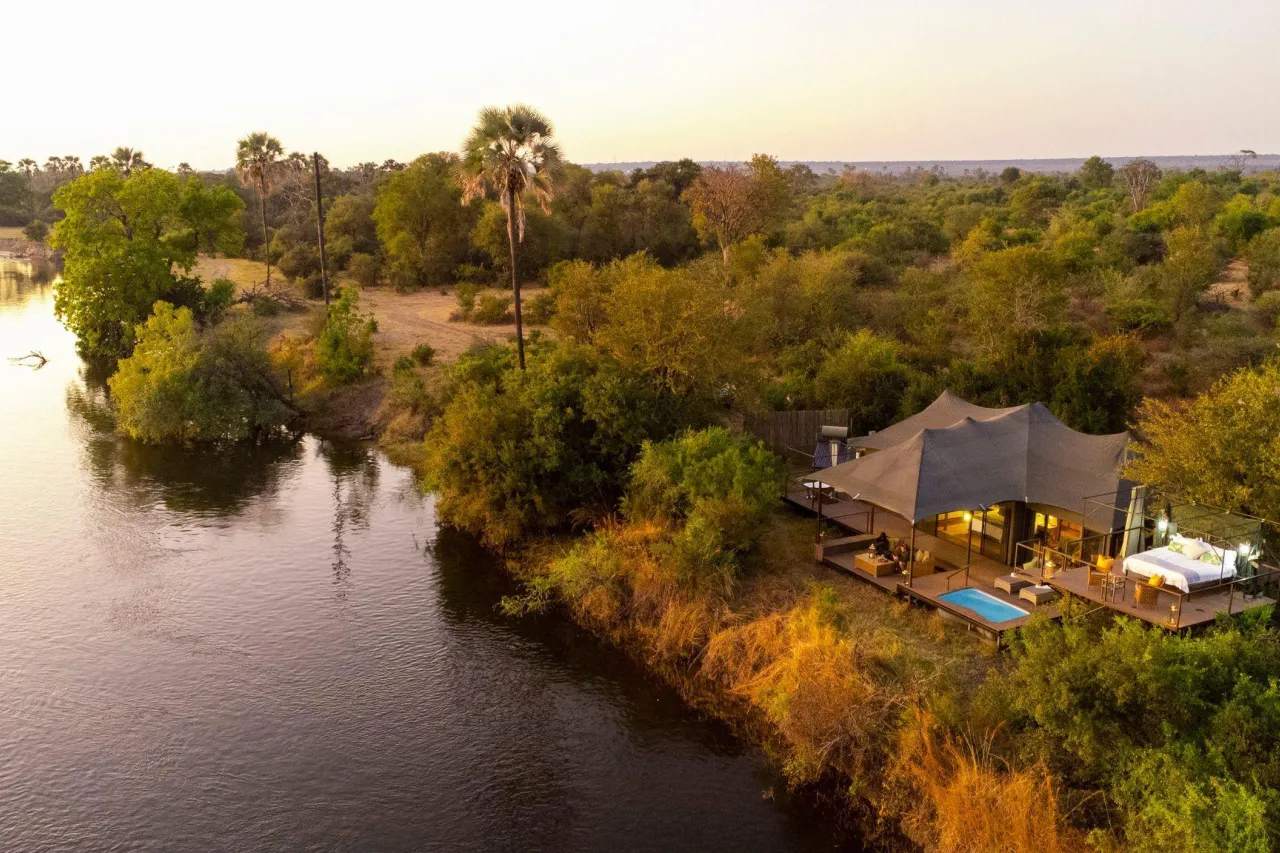
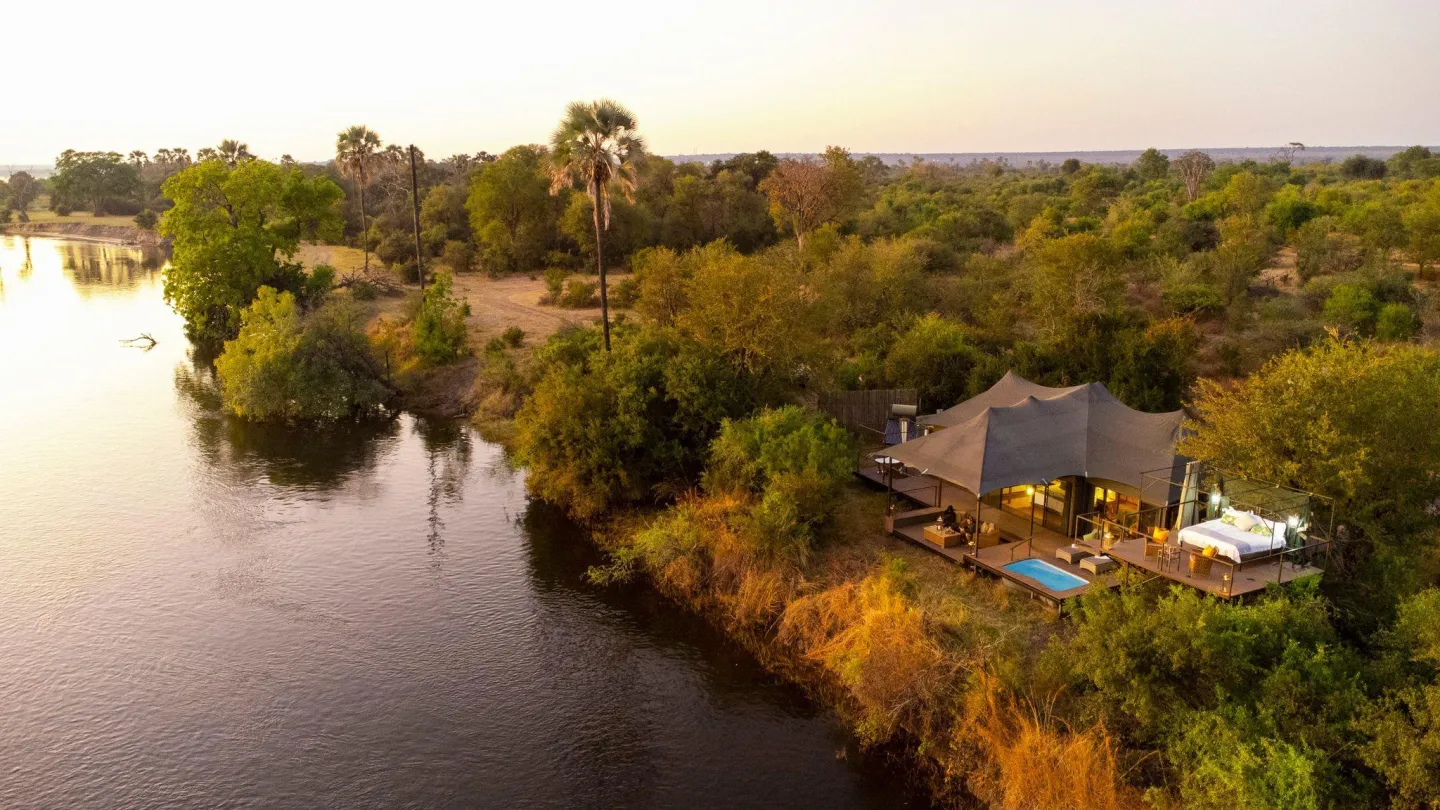
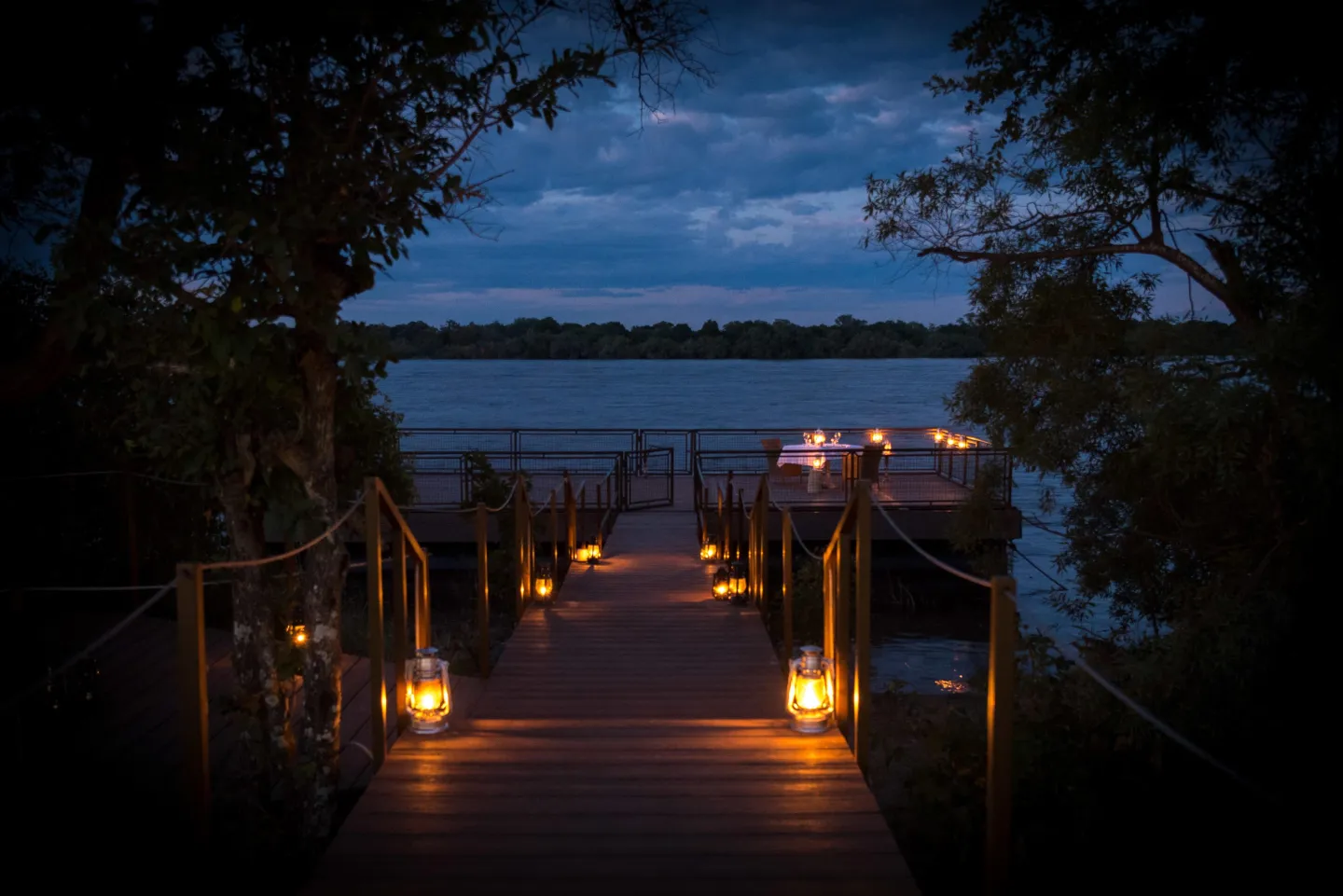
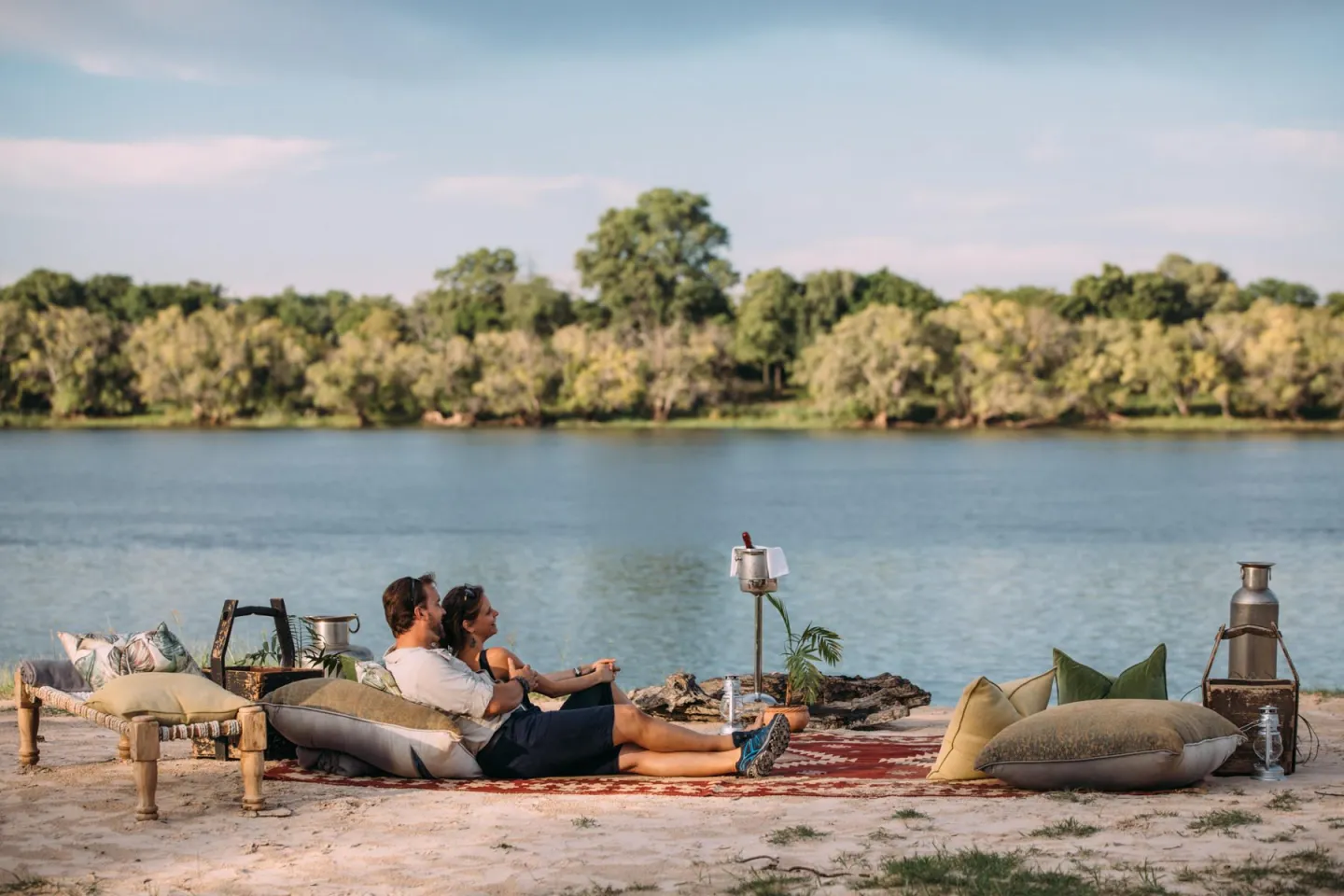
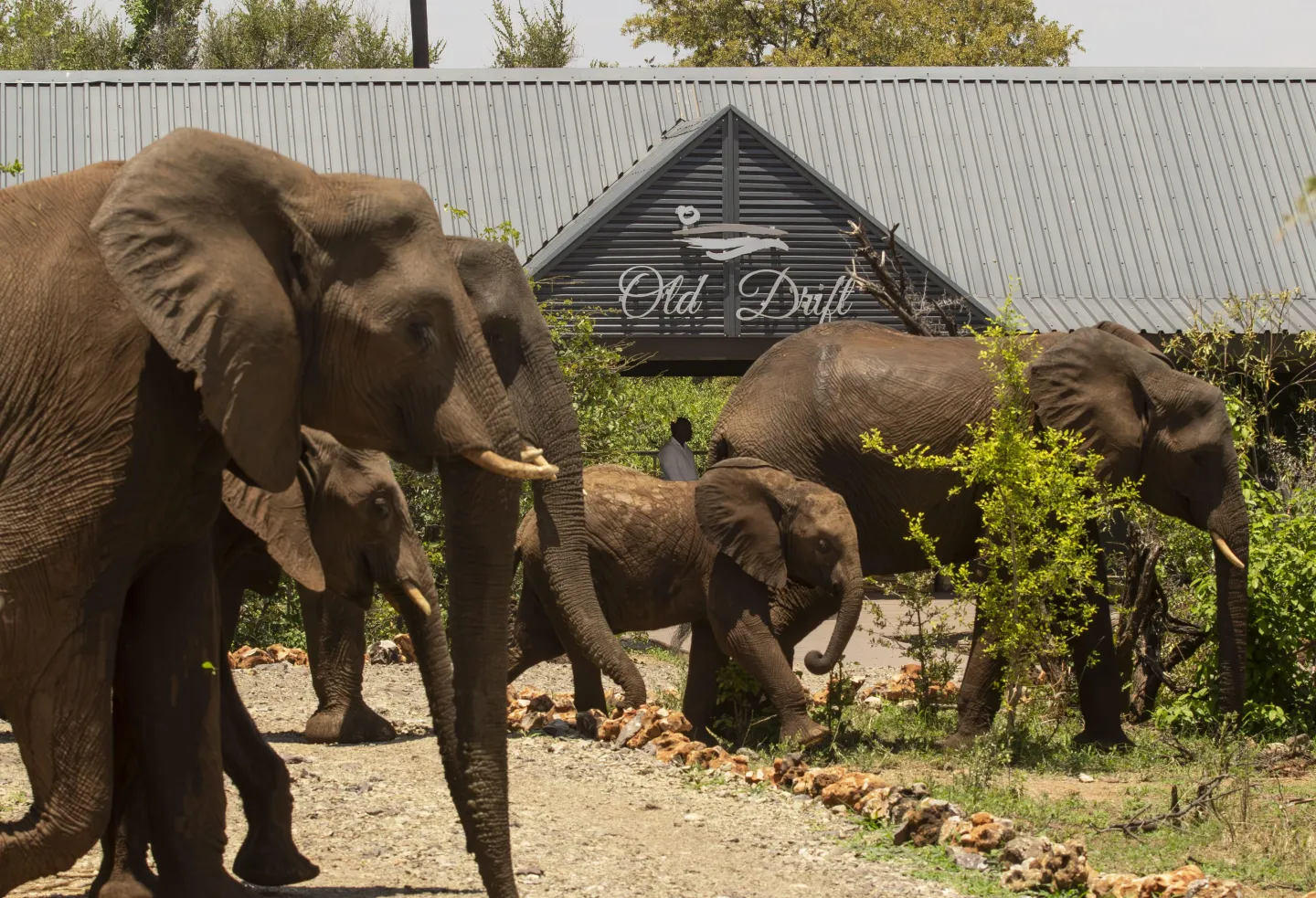
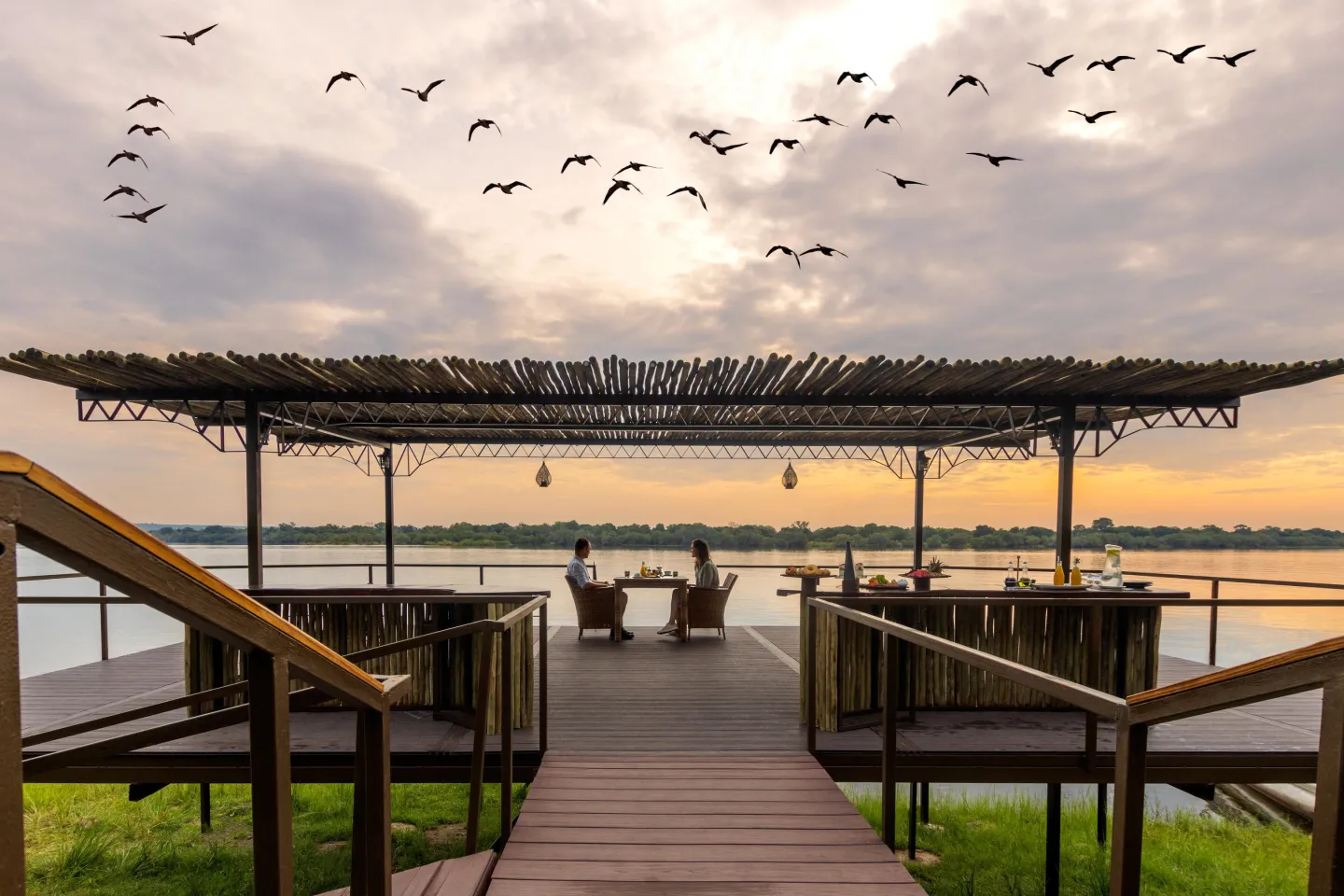
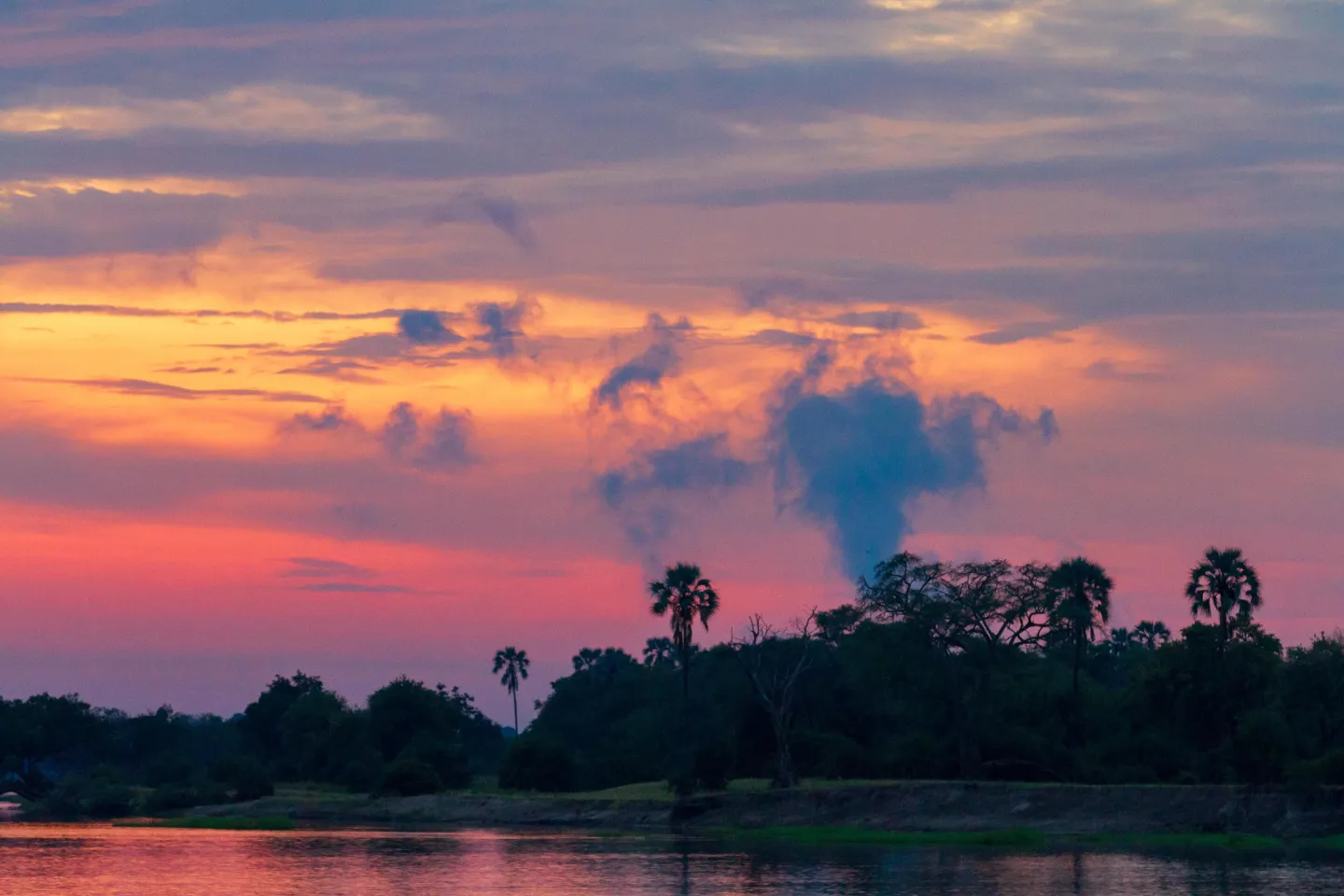
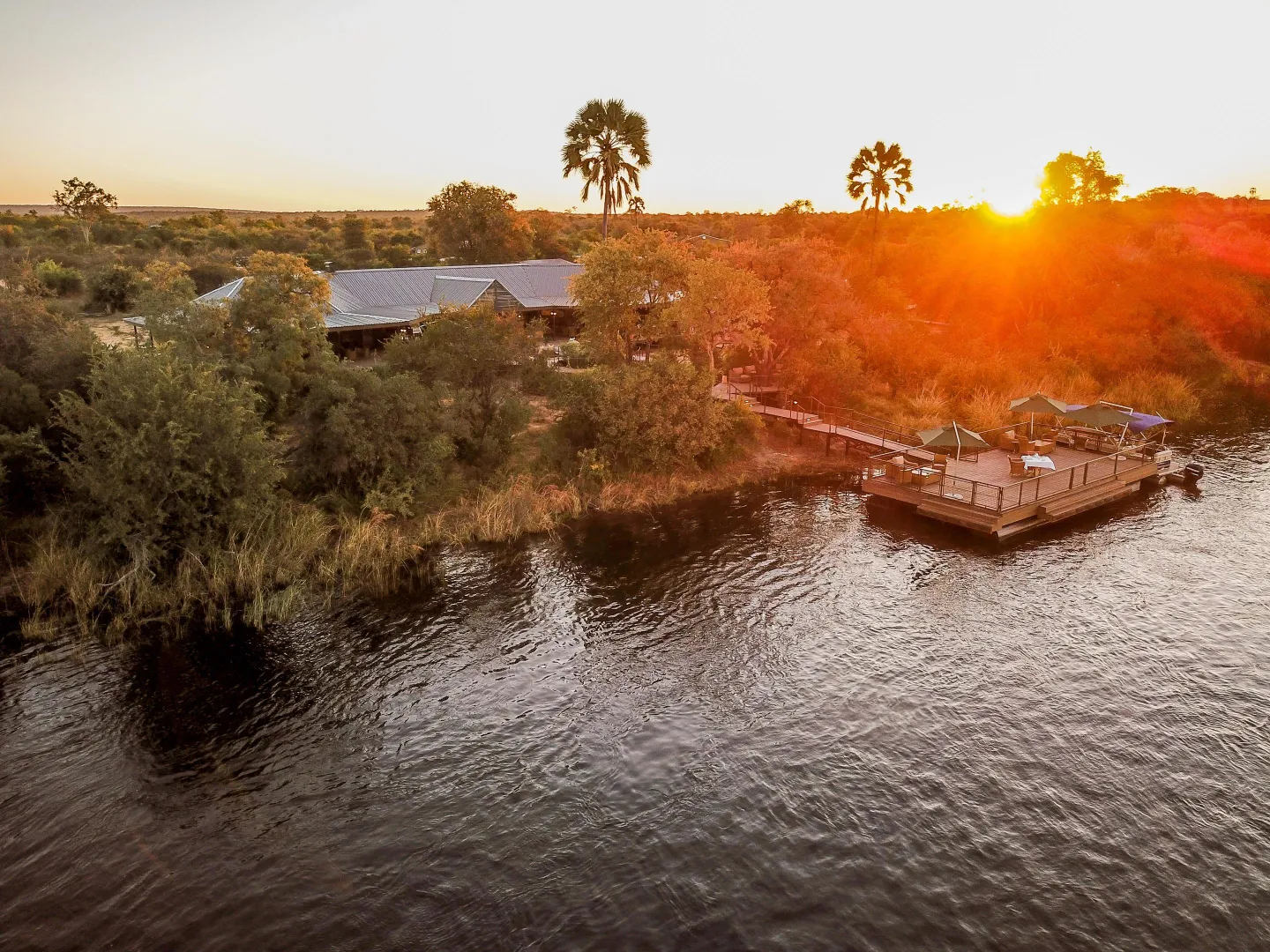
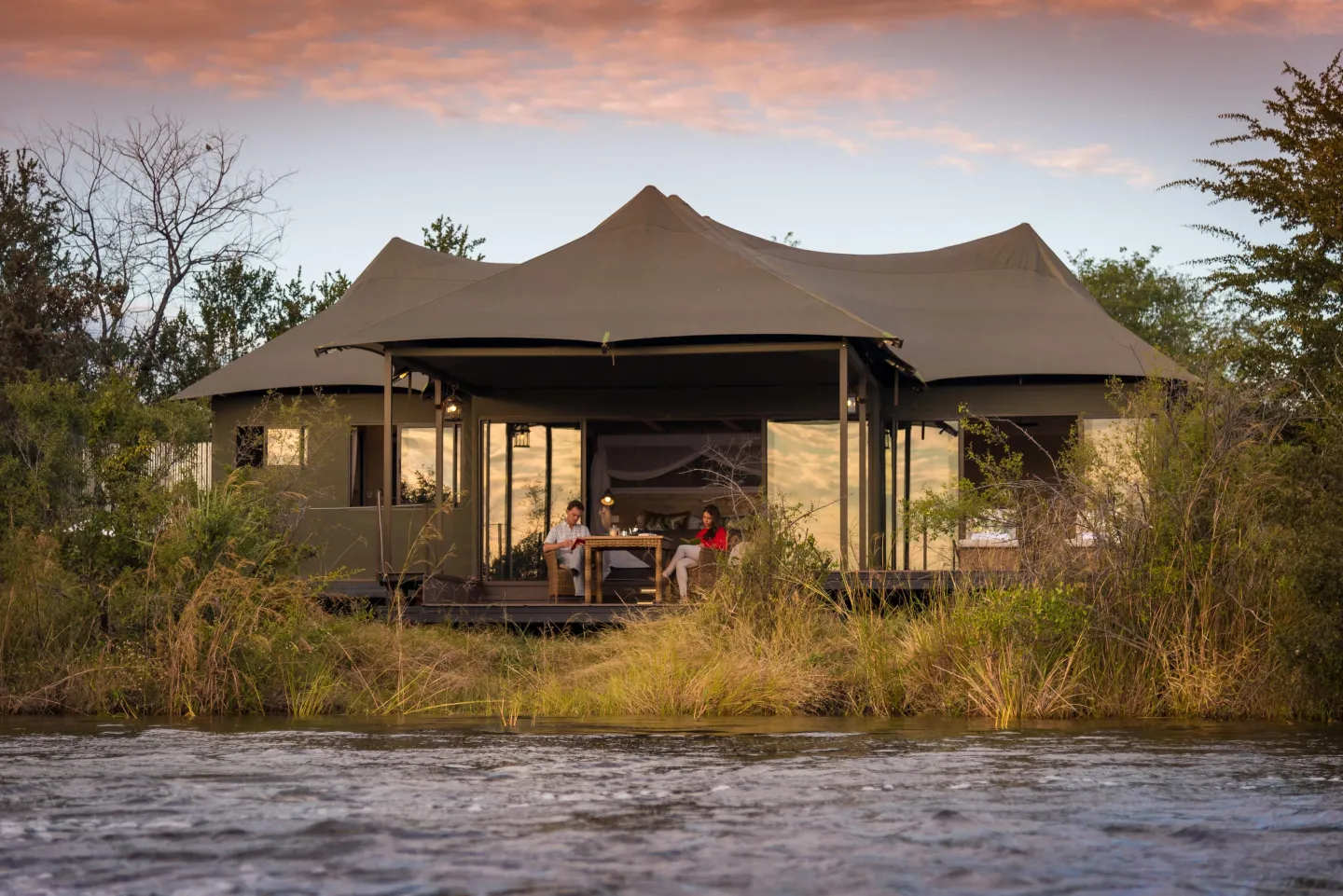
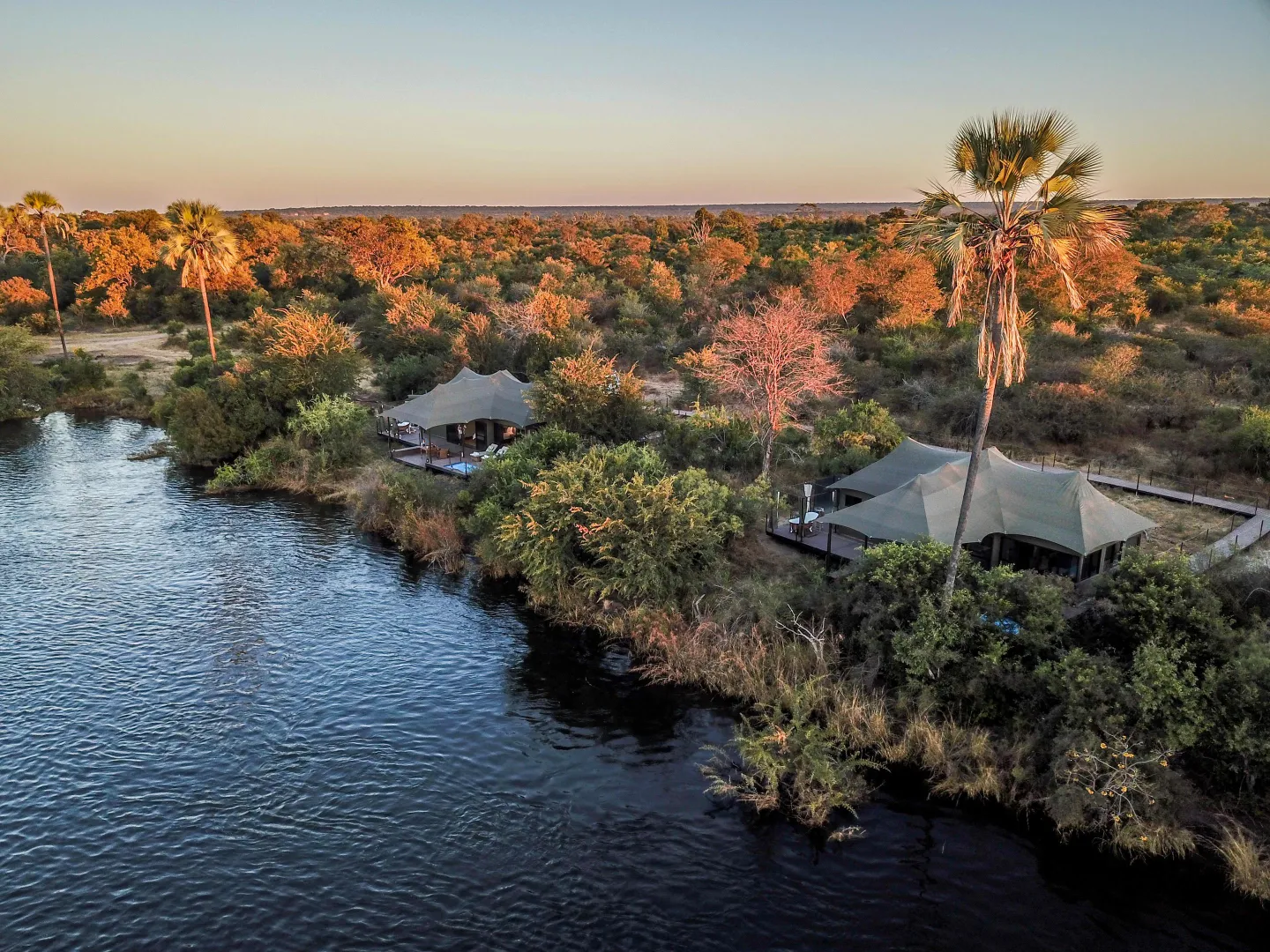
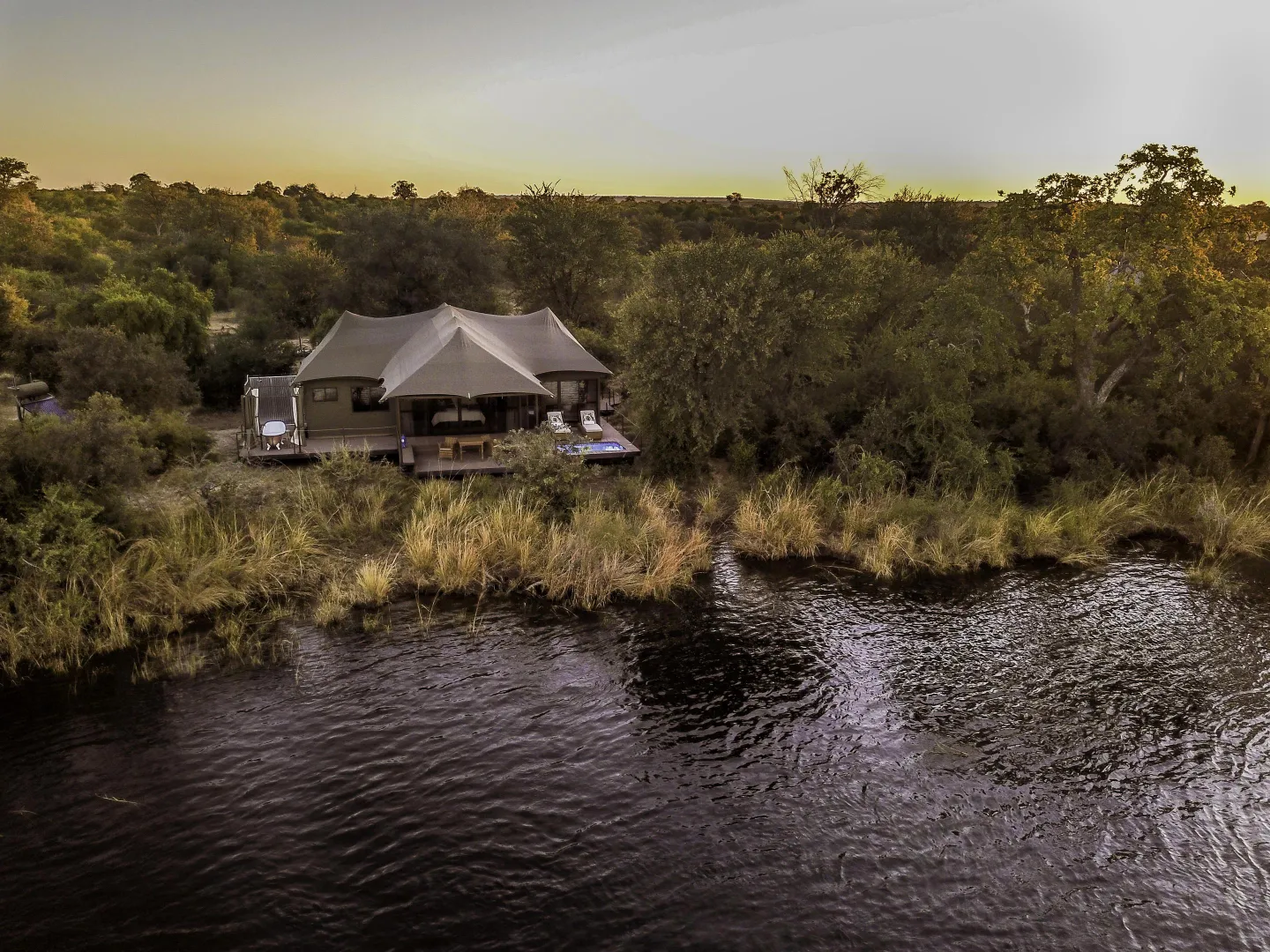
Located on the banks of the Zambezi River, within Zambezi National Park, Old Drift pays homage to a historic crossing point on the Zambezi River that served as a safe passage, when water levels allowed, between Southern Rhodesia (Zimbabwe) and Northern Rhodesia (Zambia) during the late 1800s. With the edge of Victoria Falls, where it plummets into the Batoka Gorge, a mere 7km (4.4mi) downstream from the lodge, the sight of the white plume as the mist rises into the sky when the river is in flood, is simply spectacular.
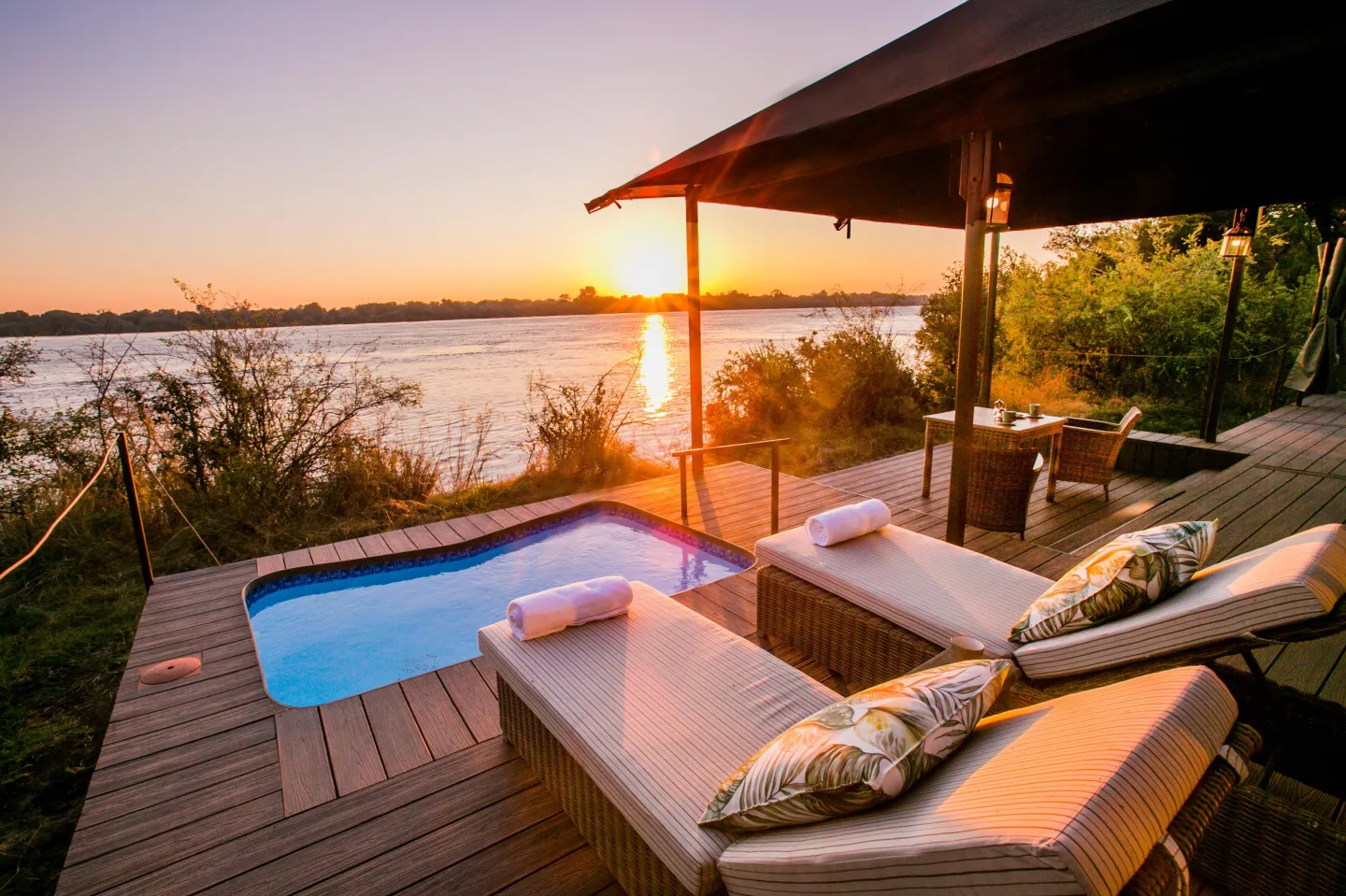
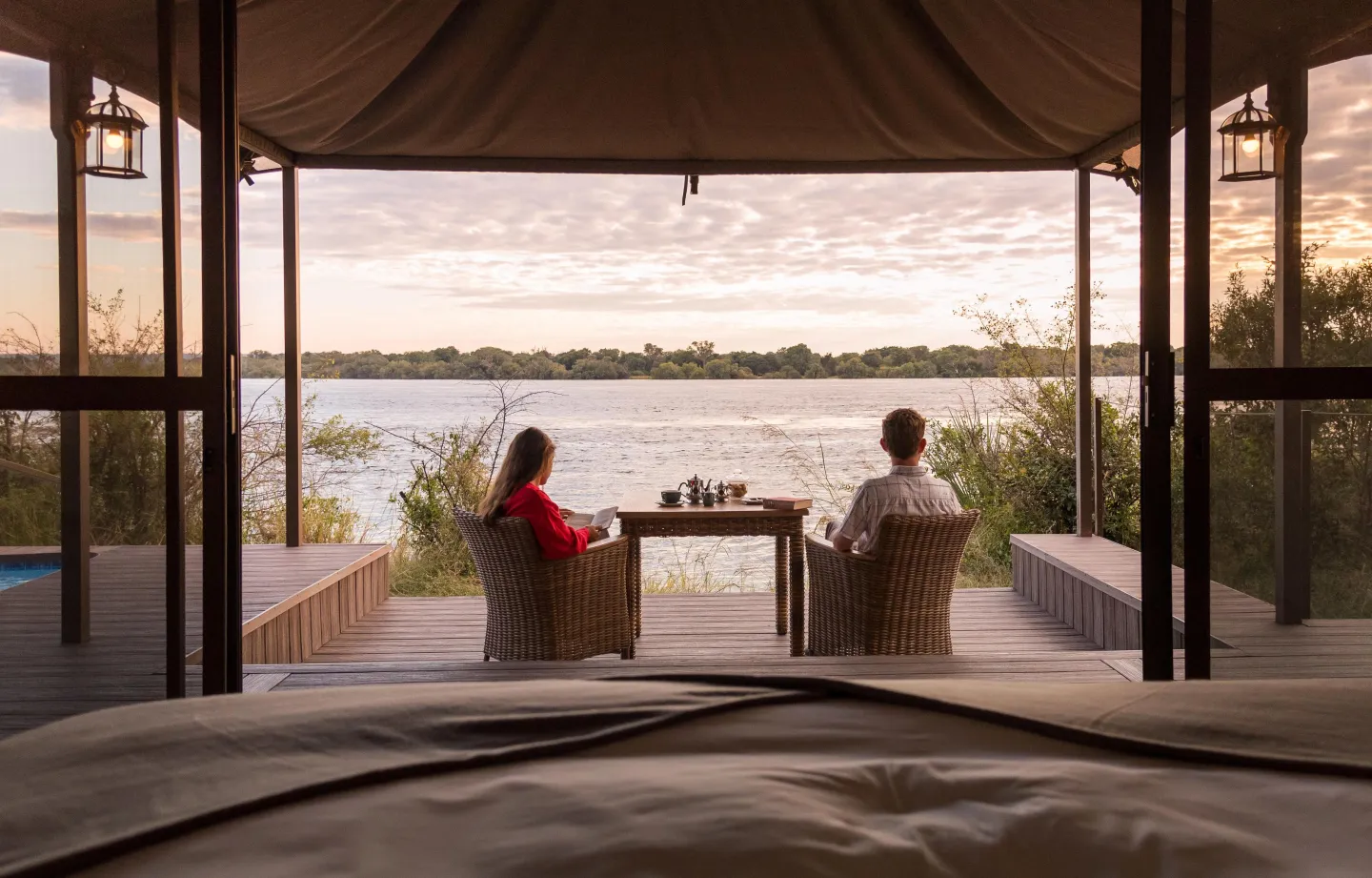
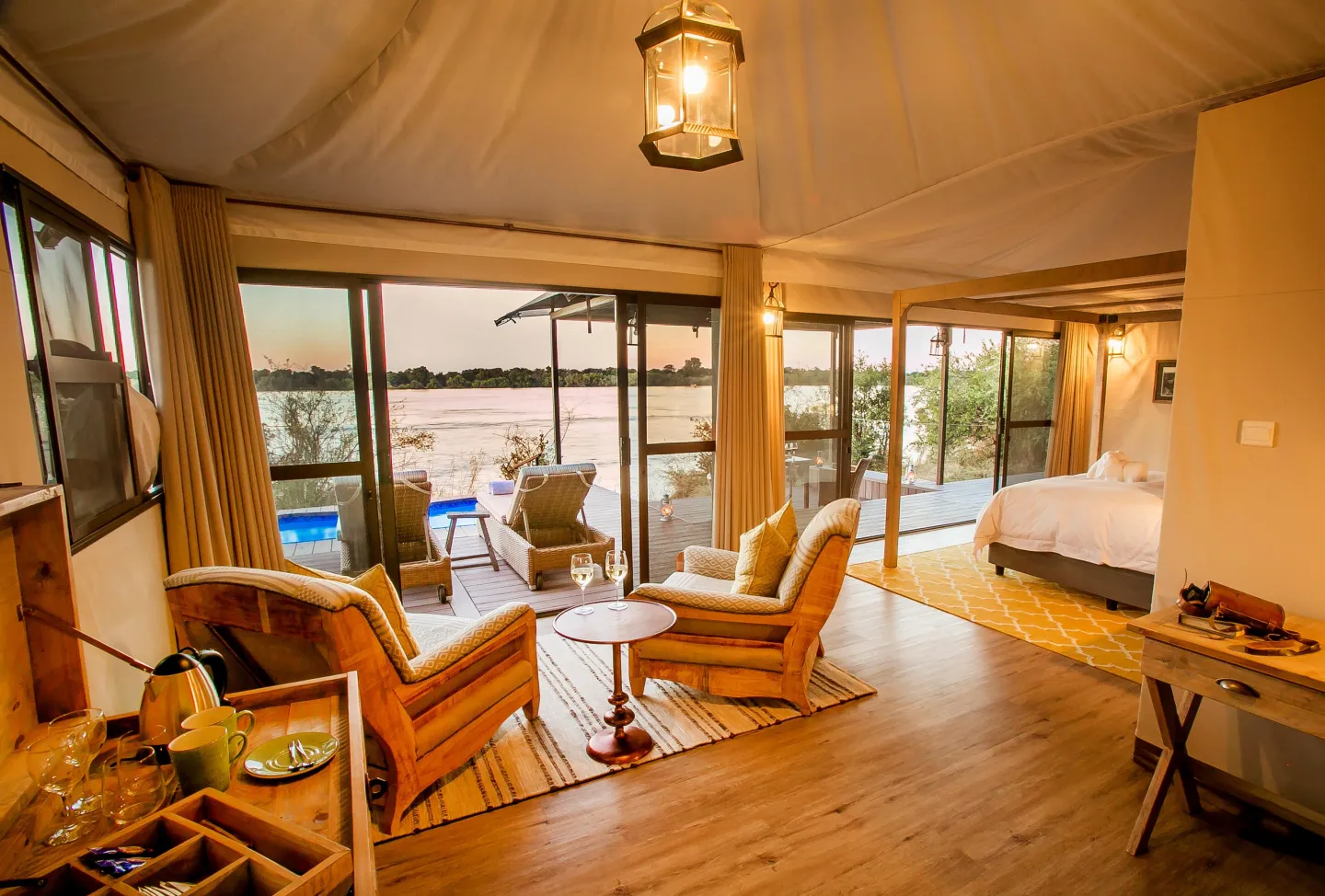
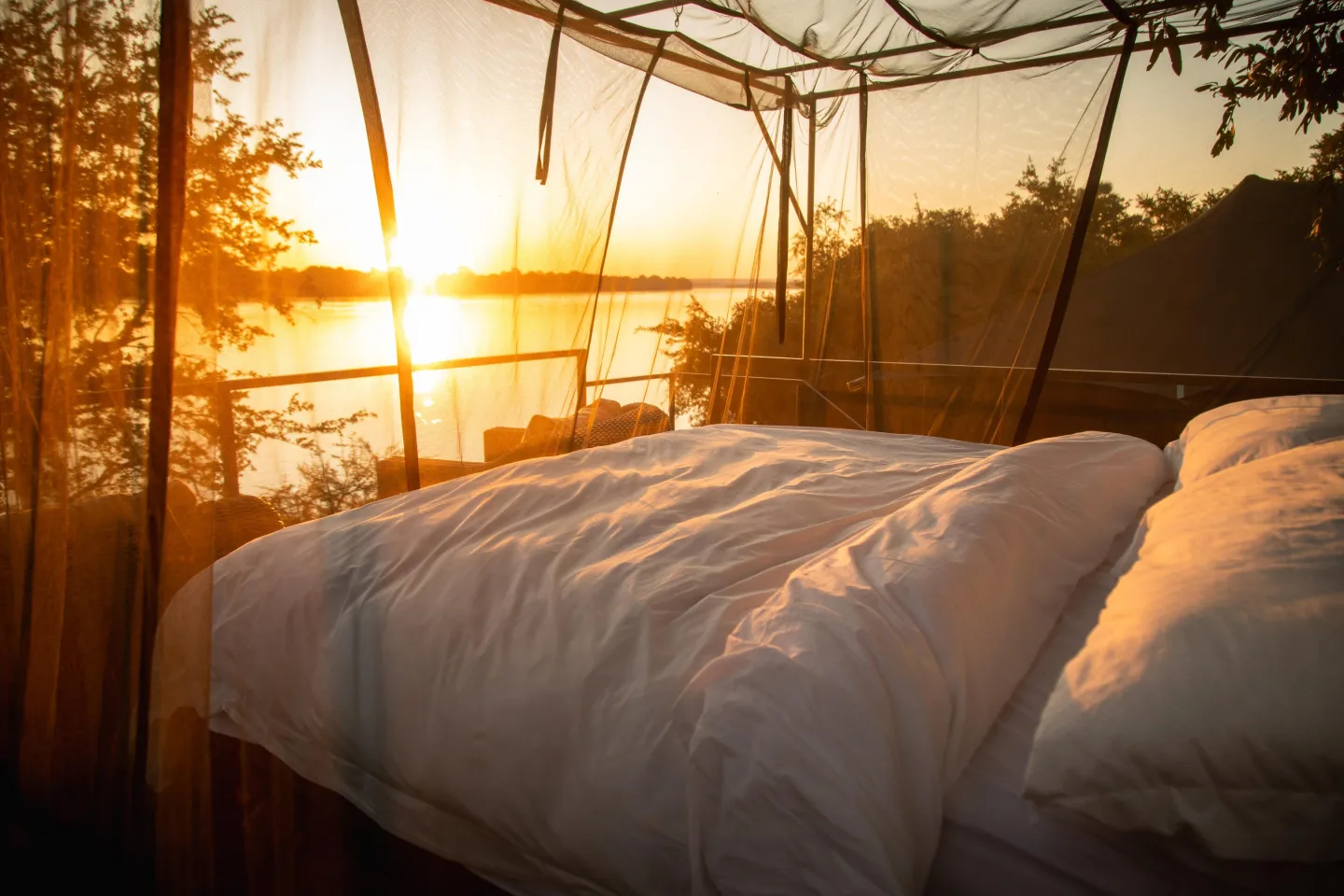
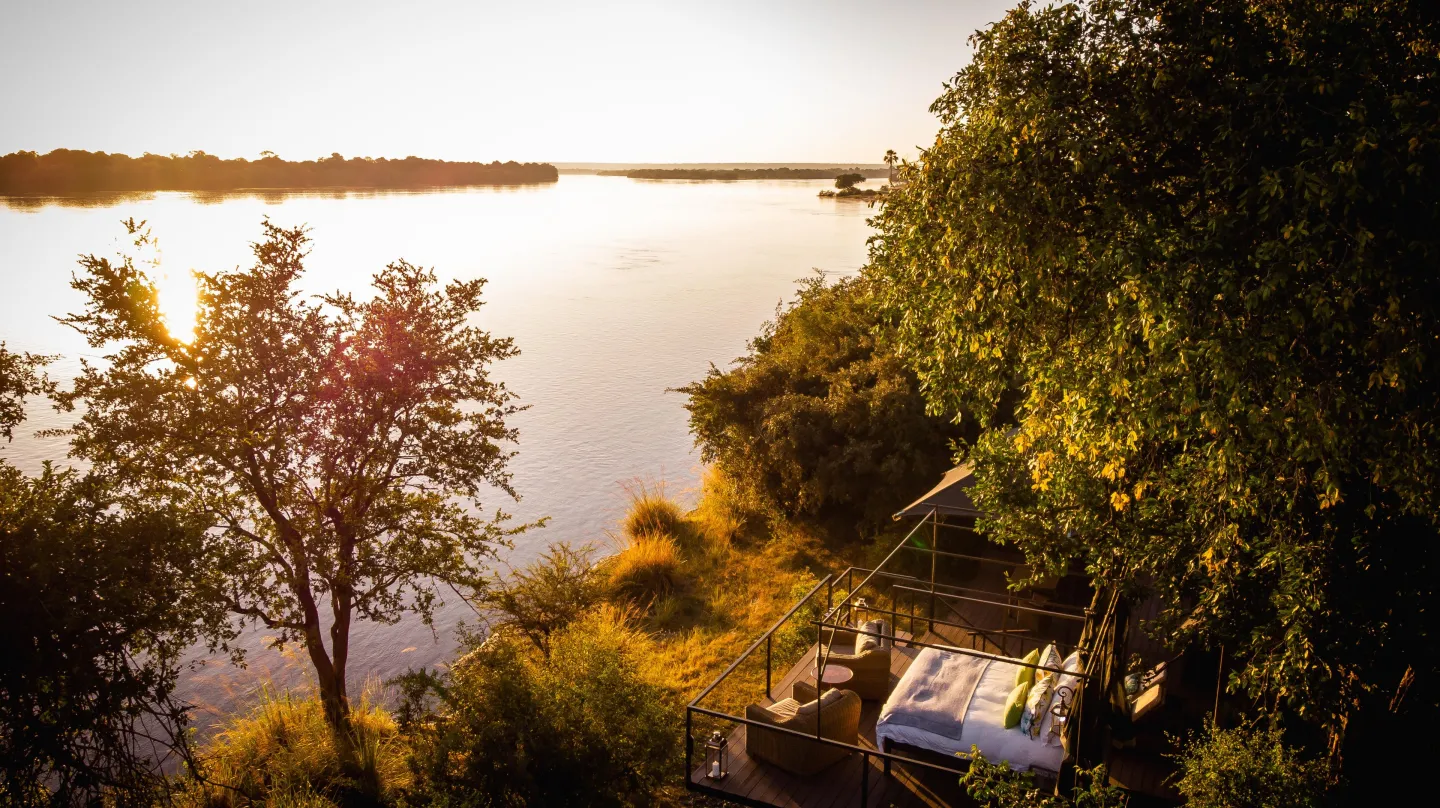
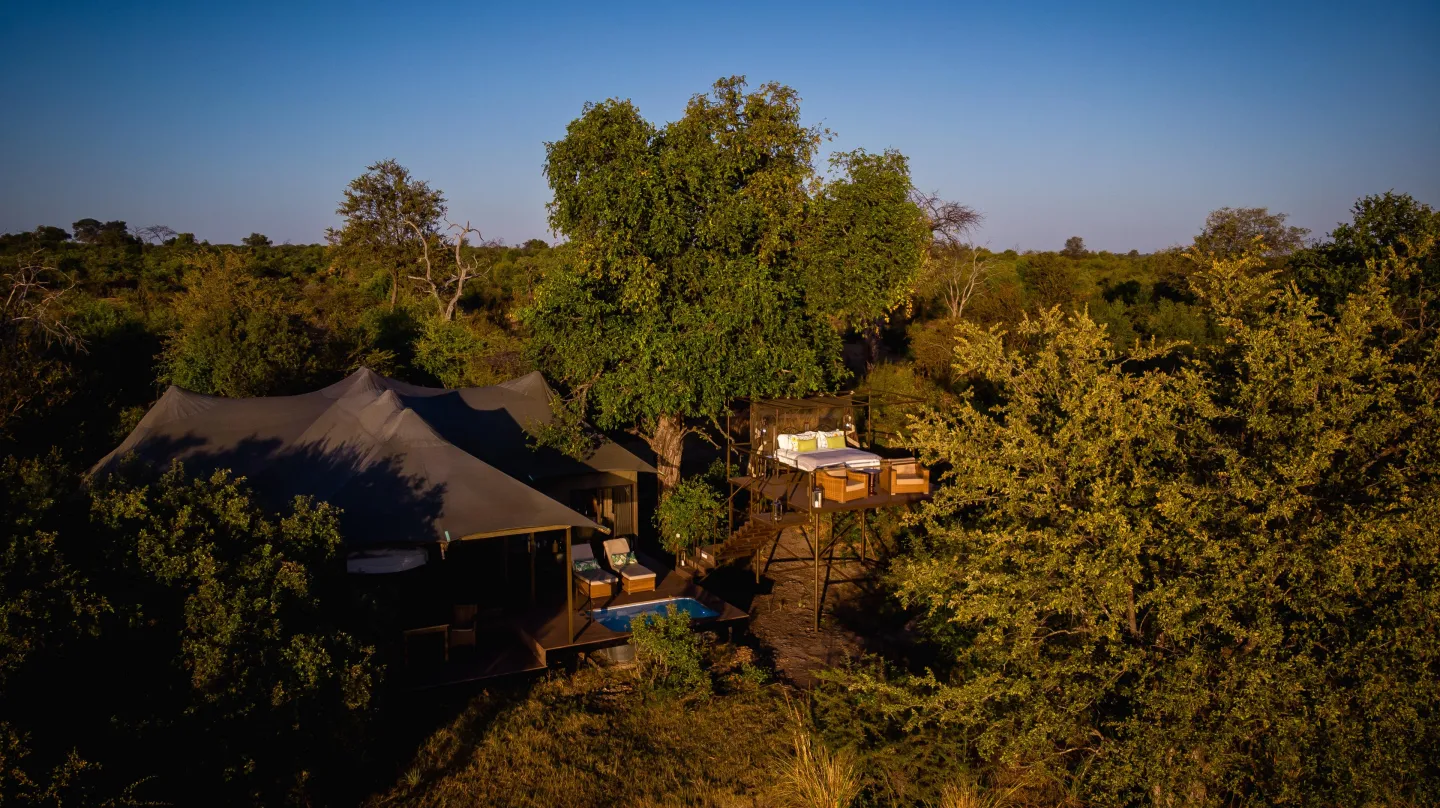
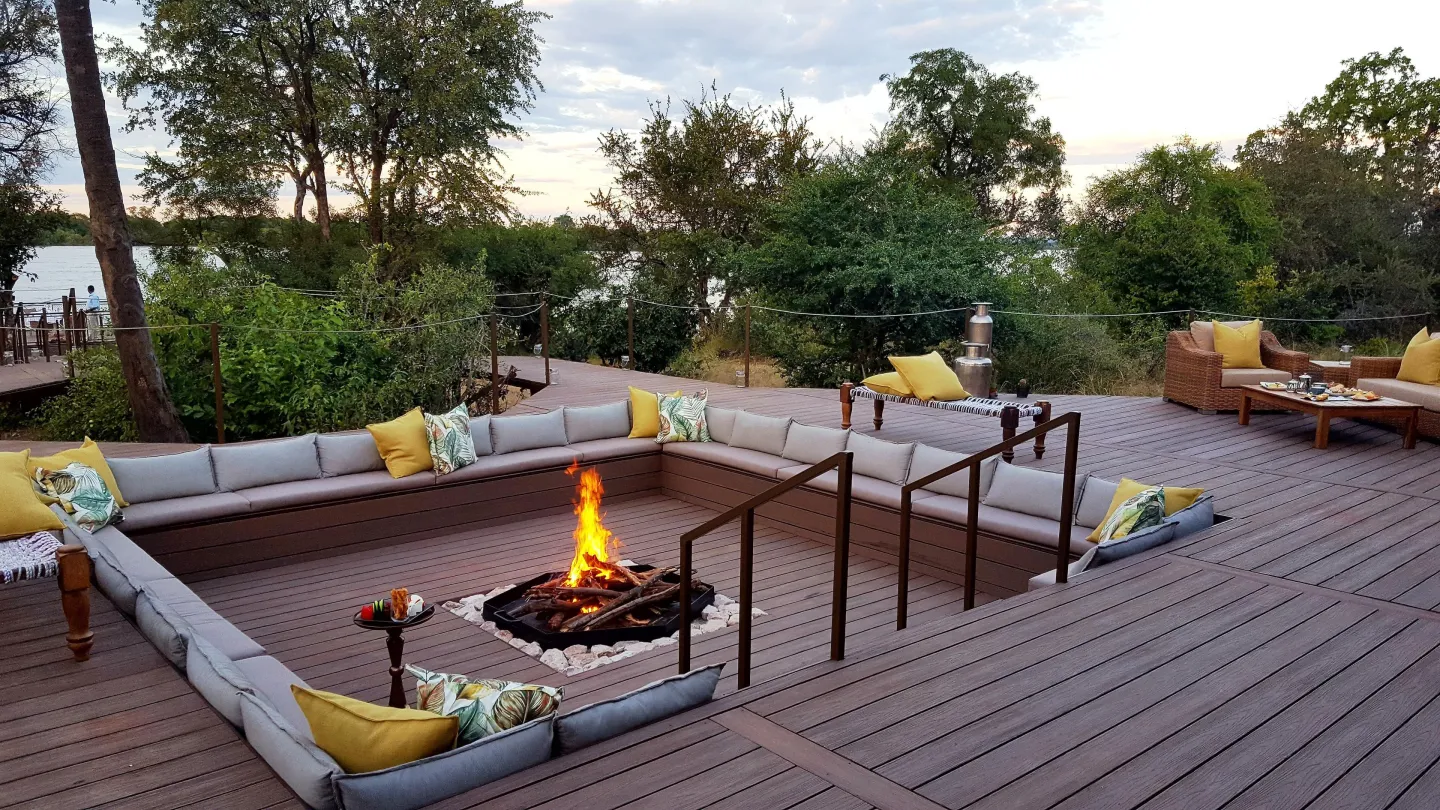
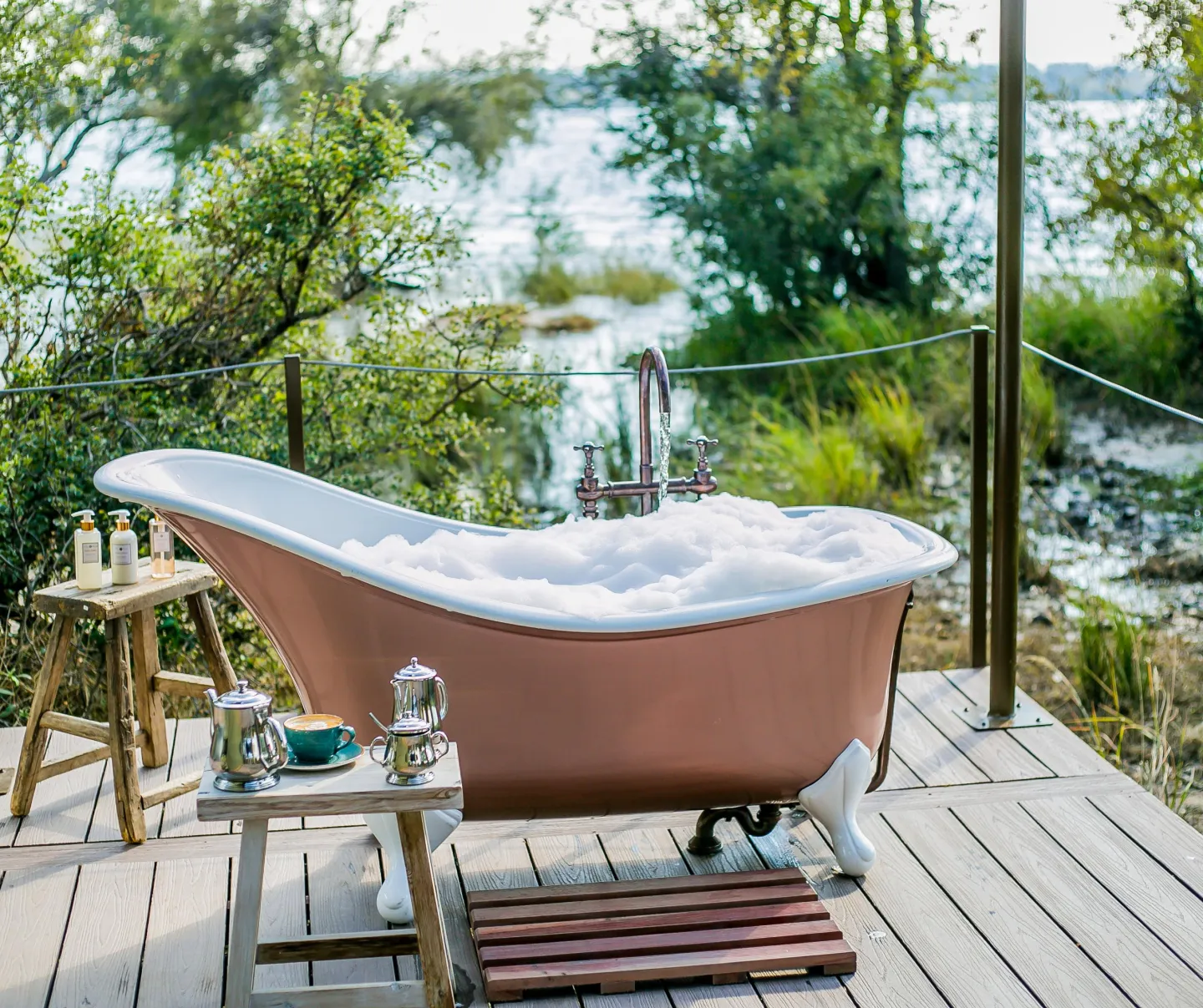
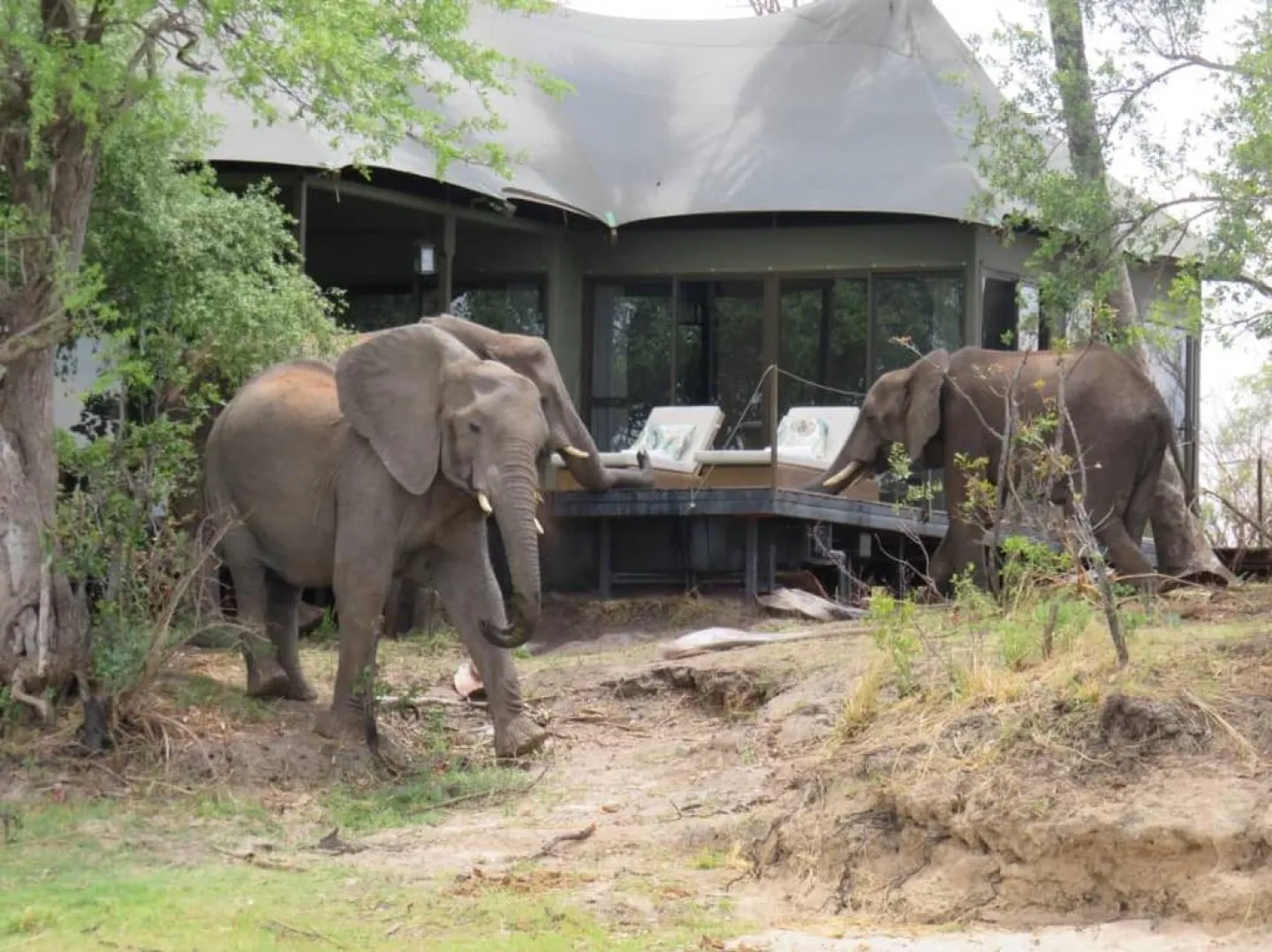
Luxurious canvas suites, with sweeping views over the river, epitomise sophistication and elegance, reflecting the region’s rich natural heritage. Private plunge pools overlook the river. Select suites offer an adjacent star bed on an elevated platform.
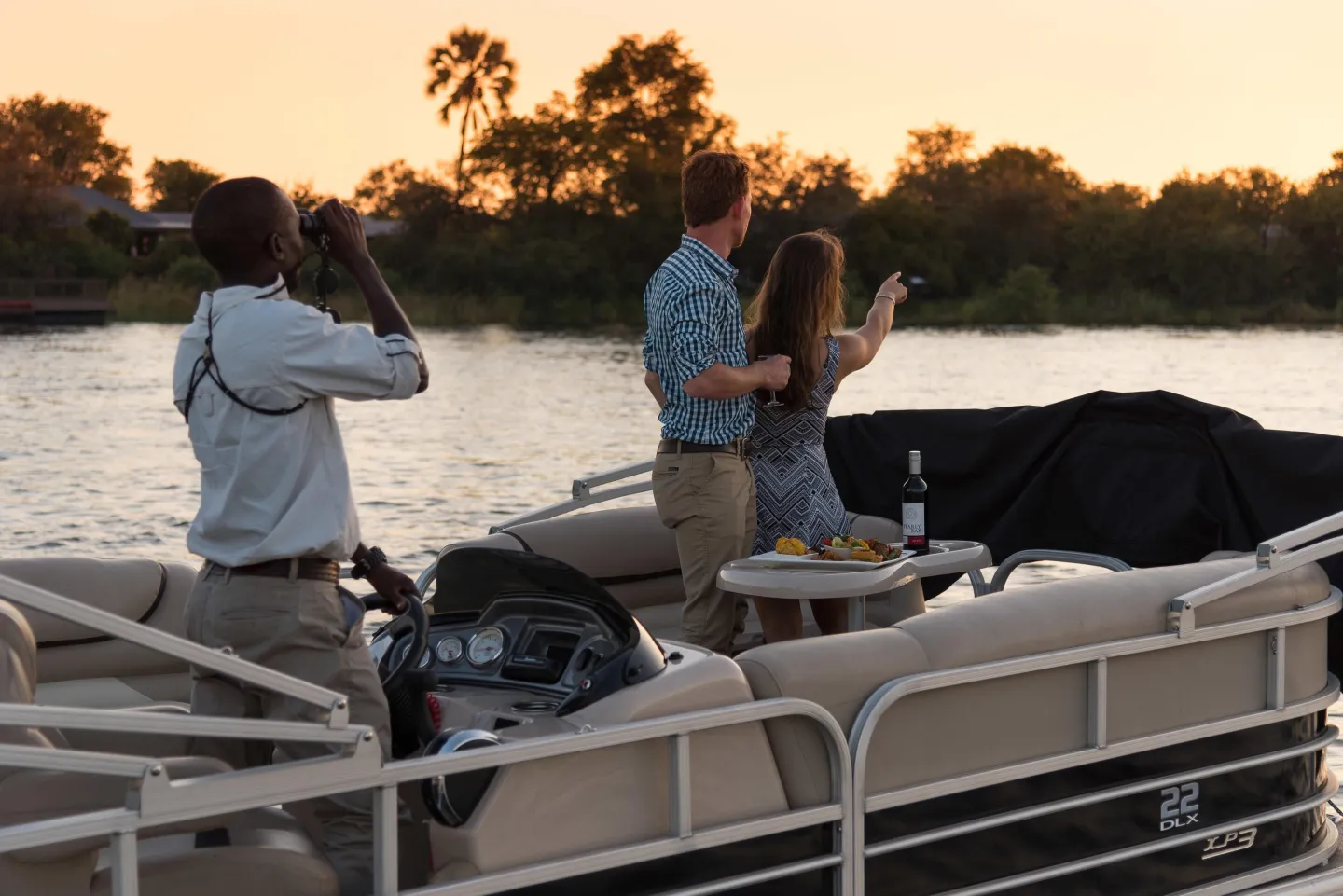
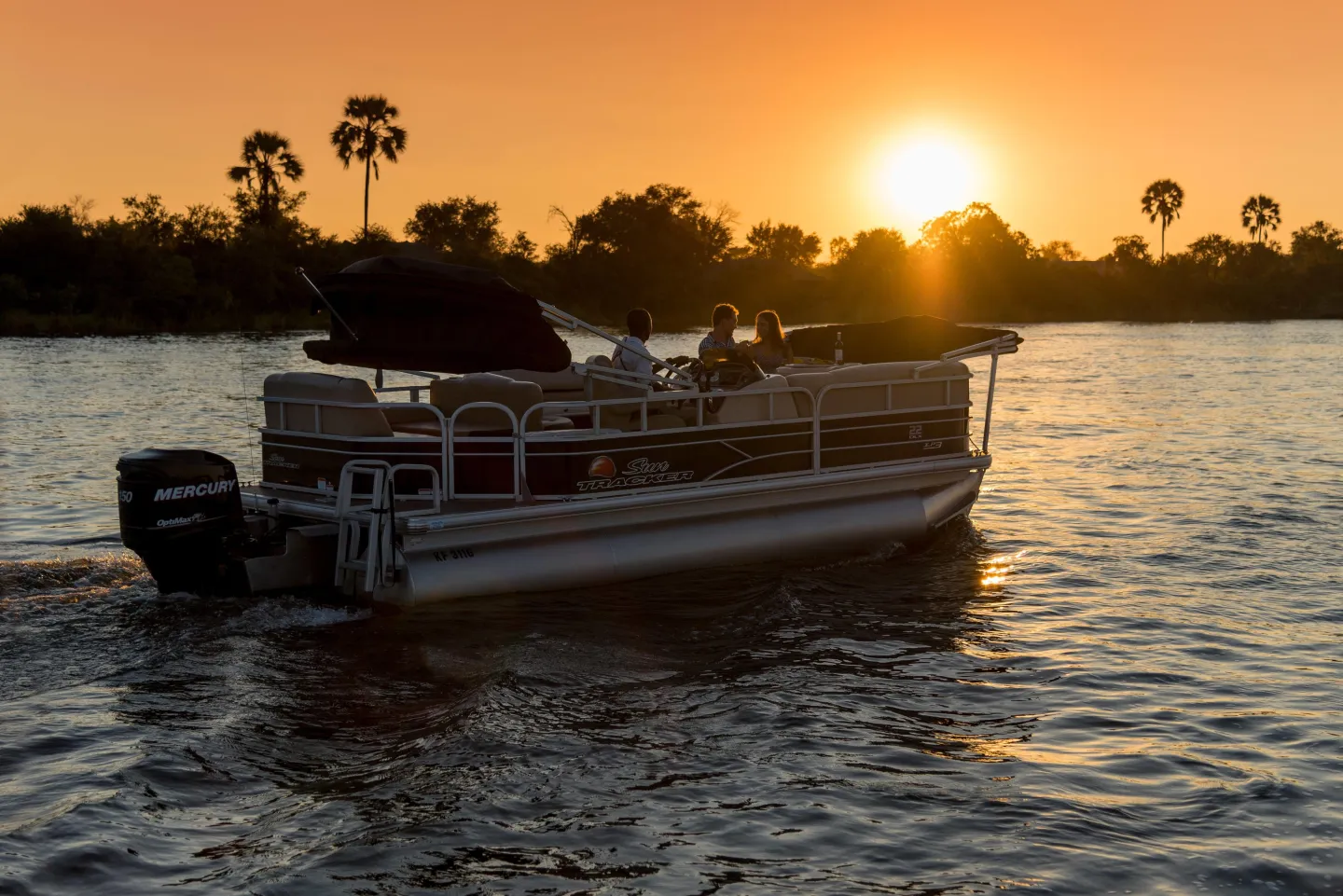
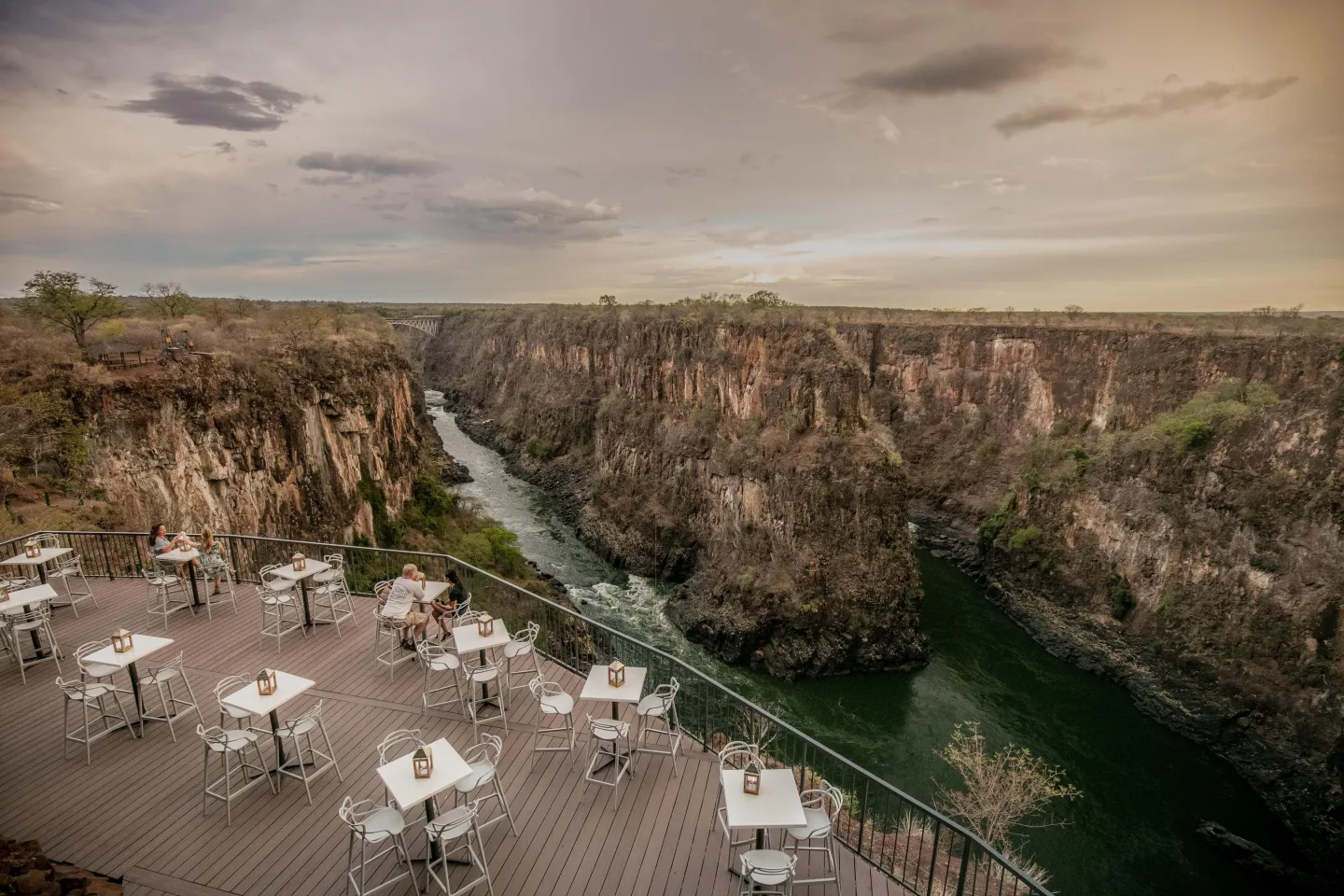
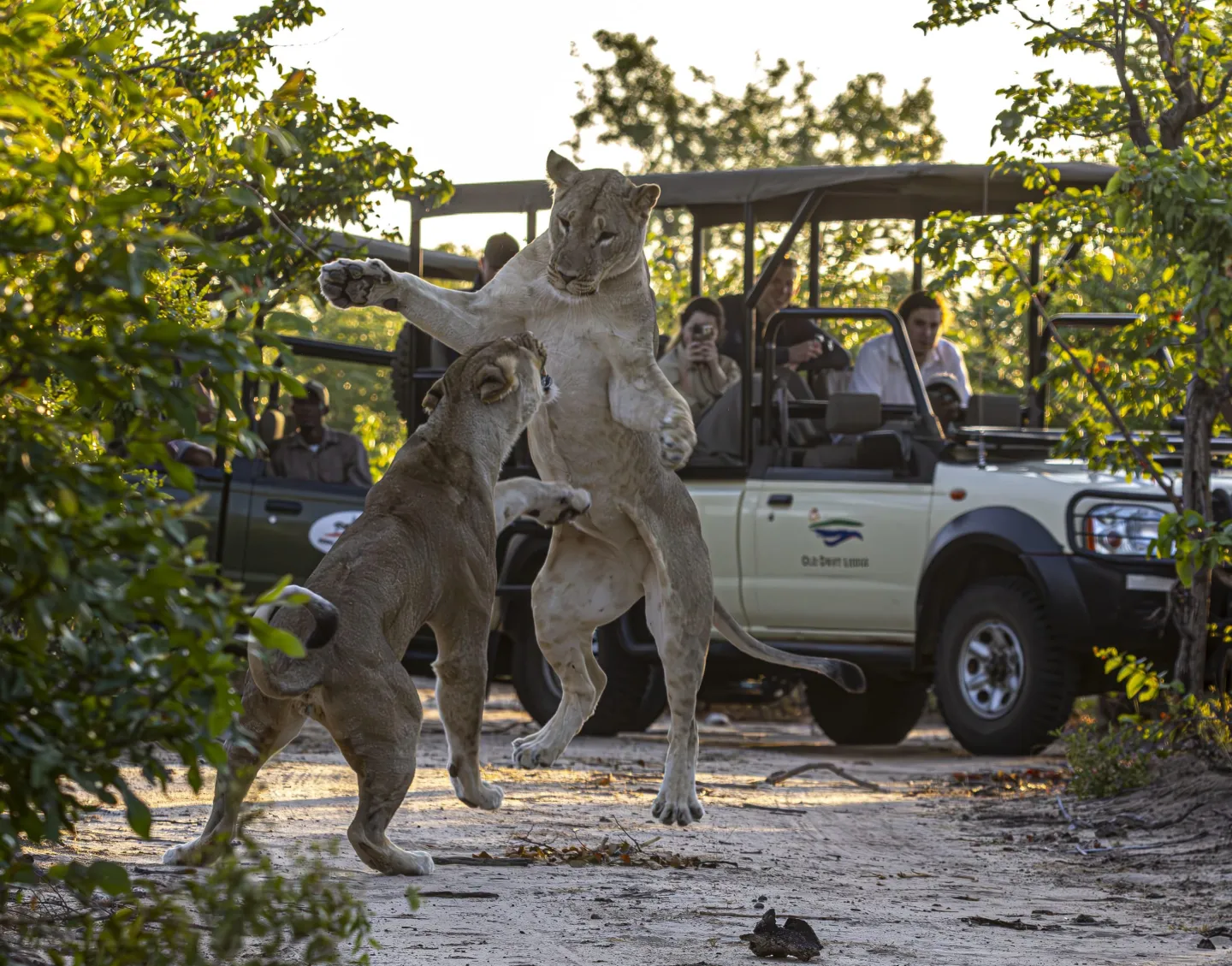
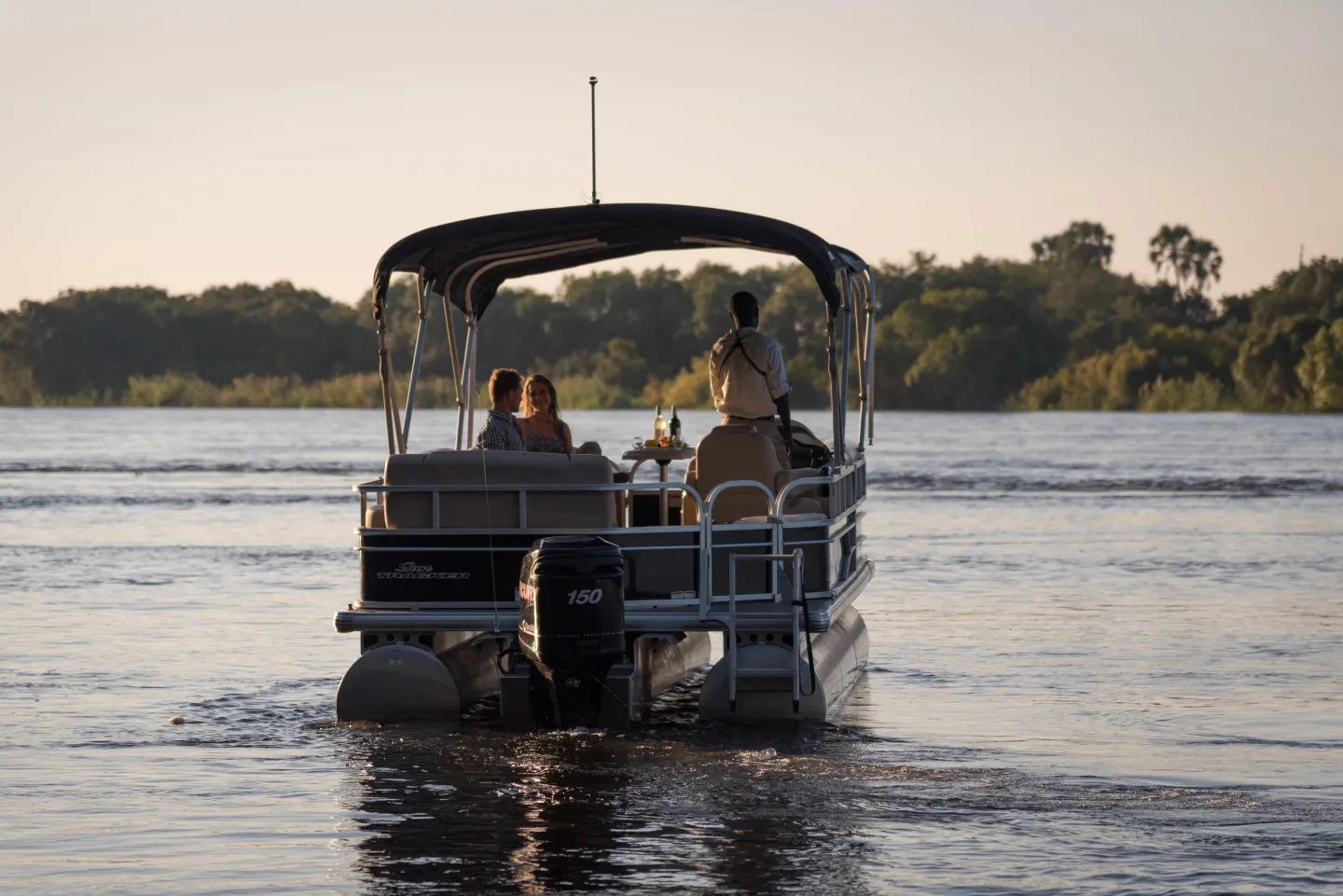
Lodge experiences include morning and afternoon game drives in the park, river safaris, guided bush walks, a guided tour of the falls, and lunch at the Lookout Café overlooking the Batoka Gorge. Indulge in some pampering at the Spa & Wellness Centre.
Departure
You transfer to Victoria Falls Airport to commence your onward travel. Your visit has been so much more than a safari - and what a safari it has been! - as you have also journeyed into the very soul of Zimbabwe, including the magical, mystical Matobo Hills, and witnessed the awesome splendour of the Victoria Falls. You will come away with an unshakeable appreciation for this beautiful country, its cultural heritage and its gentle, friendly people.
Speak to your Travel Architect
Create your African story, your way
Does this itinerary inspire you to create your own unforgettable African story? Speak to your Travel Architect about curating your perfect African journey.
Tell us the Africa you imagine. We’ll take you there!
Why travel with Your Africa?
It starts with you
No two journeys are the same. We design each itinerary around who you are and how you want to experience Africa.
Seamless planning
Your dedicated Travel Architect handles everything. All you need to do is guide us on what your ideal African journey looks like.
Travel, your way
You decide how you want to explore Africa. This is your Africa, your story, your way.
Wildlife, culture and a waterfall gallery
Wildlife, culture and a waterfall FAQs
This itinerary is a deep and diverse immersion into Zimbabwe’s unique soul, blending world-class wildlife with profound history and culture. Instead of just one type of safari, you experience three completely distinct wilderness areas:
- Malilangwe: an exclusive, rugged and private Big Five reserve with a strong conservation focus
- Matobo: a spiritual, ancient landscape of granite boulders, famed for rhino tracking on foot and ancient rock art
- Hwange: a classic safari destination renowned for its monumental elephant herds and predator action
This is all crowned by the sheer spectacle of Victoria Falls, creating a journey that is as much about culture and history as it is about wildlife.
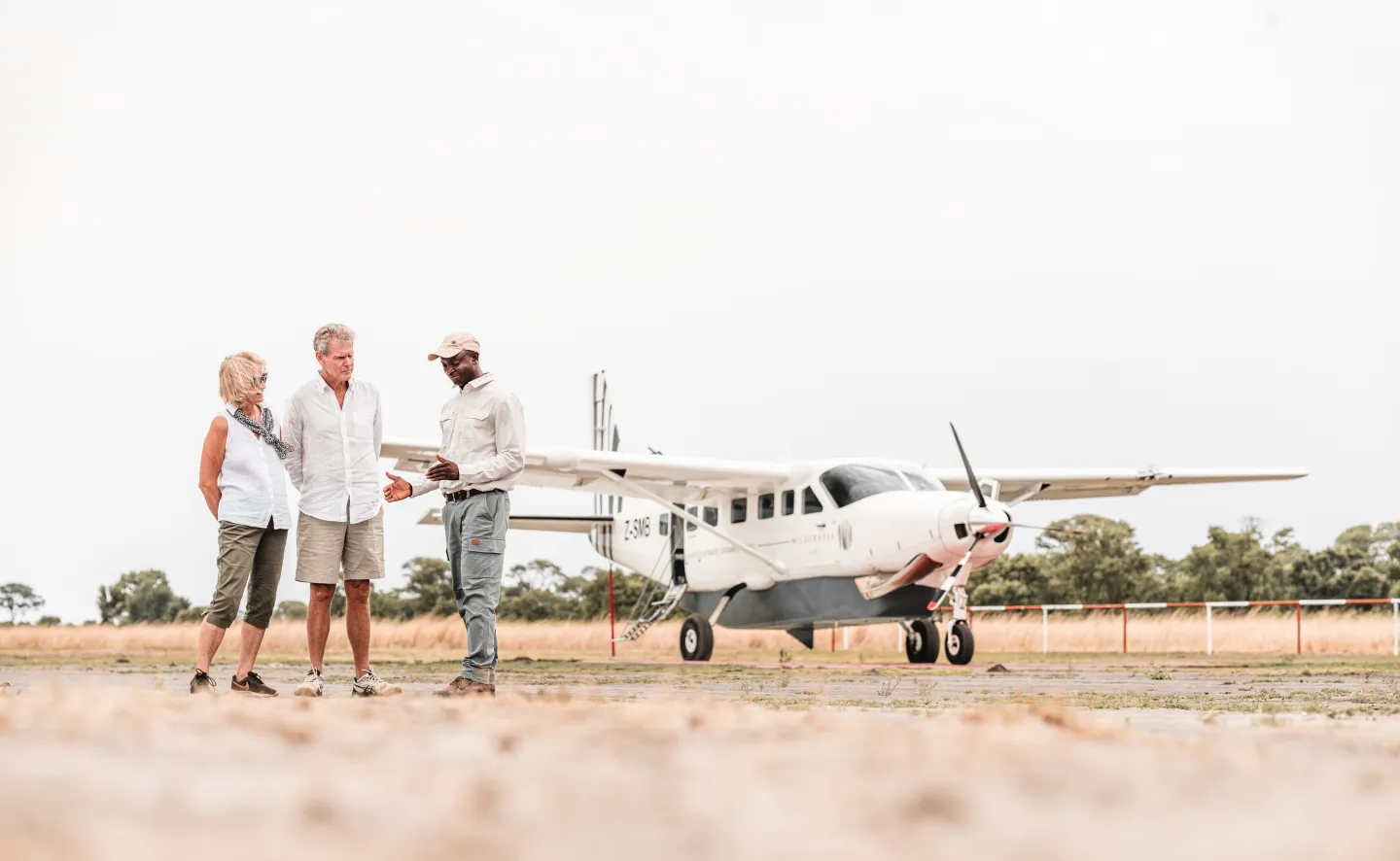
Your travel is designed to be seamless, scenic and efficient, maximising your time on the ground. The journey involves a series of private and scheduled charter flights. You will fly into Zimbabwe from Johannesburg, then take light aircraft between Malilangwe, Matobo and Hwange, and finally on to Victoria Falls. These “bush flights” are an adventure in themselves, offering incredible aerial views of Zimbabwe’s dramatic landscapes.
Due to the small aircraft, luggage is strictly limited to 15-20kg (33-44 lbs) per person, packed in a soft-sided duffel bag (no hard-shell suitcases). Packing layers is crucial:
- For safari: Lightweight, neutral-coloured clothing (khaki, green, beige) is essential
- For warmth: a very warm fleece and a windproof jacket are non-negotiable for cool, early-morning game drives
- For Matobo: sturdy, comfortable walking shoes are vital for rhino tracking and exploring the granite kopjes
- For evenings: smart-casual wear is perfect for the luxurious lodges
This is a critical point. All destinations on this itinerary – Malilangwe, Matobo, Hwange and Victoria Falls – are located in malaria-risk zones. You should consult your doctor or a travel clinic well in advance of your trip to arrange for appropriate anti-malarial medication.
Your chances are excellent. This itinerary is very strong for Big Five viewing. Malilangwe Wildlife Reserve is a Big Five destination with significant populations of both black and white rhino. Hwange National Park is famous for four of the five (rhinos are rare). The Zambezi National Park near Victoria Falls is also a Big Five area. This combination gives you multiple, high-quality opportunities to see lion, leopard, elephant, rhino and buffalo.
Matobo is included for its unique character, which you won’t find anywhere else in Africa. It is a UNESCO World Heritage Site for its cultural, not just natural, significance. The experience here is different:
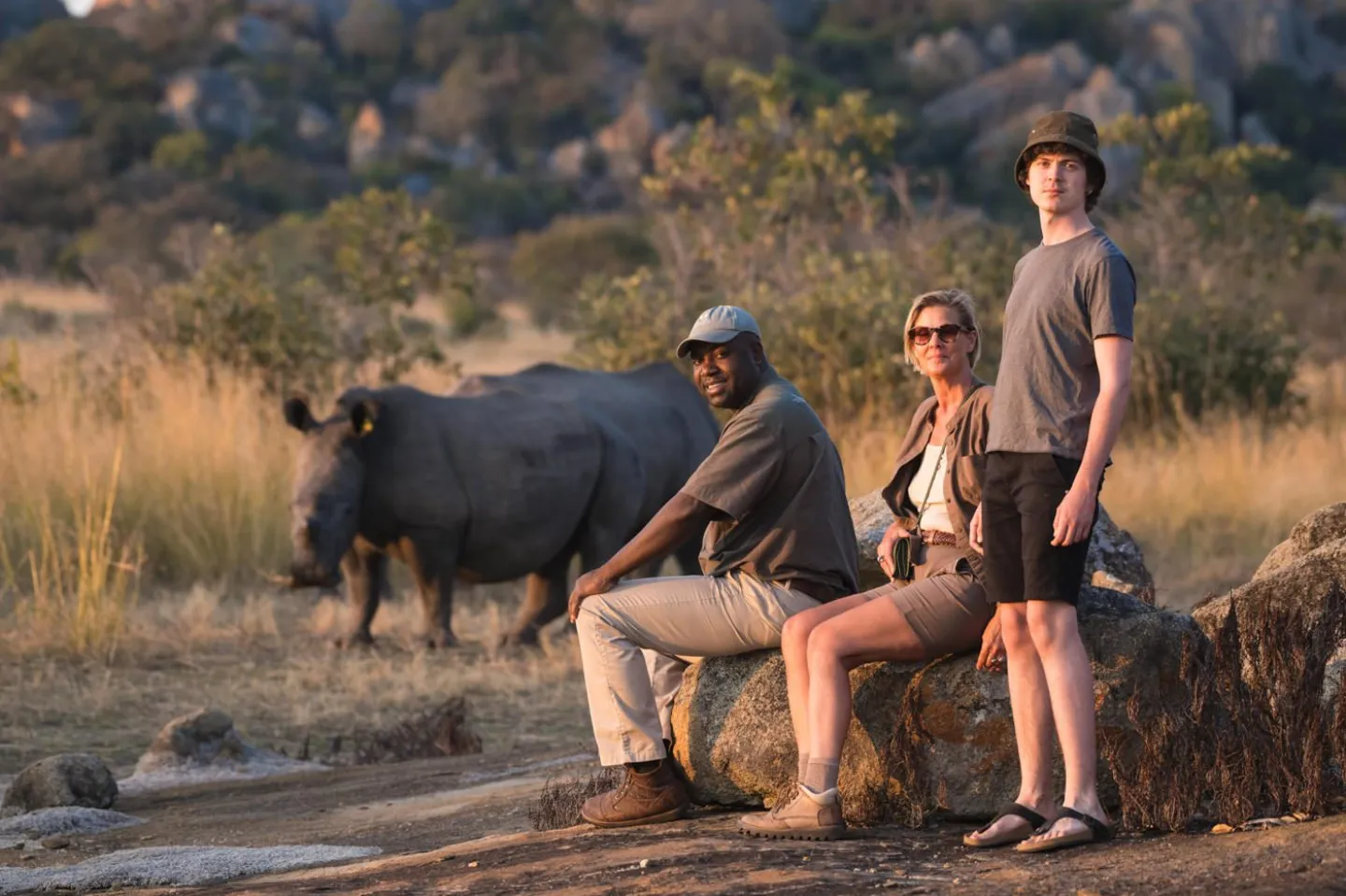
- Rhino tracking: it offers one of Africa’s most thrilling experiences – tracking endangered rhinos on foot among the granite boulders
- Ancient history: you will explore thousands of ancient Bushman rock art sites and visit the historic, panoramic World’s View
- Wildlife: it is one of the best places to see leopards and the majestic Verreaux’s eagle
It provides a powerful and spiritual counterpoint to the classic game drives in Hwange and Malilangwe.
Amalinda Lodge offers one of Africa’s most unique architectural experiences. It is not a literal cave, but a luxury lodge ingeniously built among and incorporating the giant granite boulders of the Matobo Hills. Your suite might have a natural, billion-year-old rock wall as a feature, blending seamlessly with the elegant furnishings and modern comforts. It’s a magical design that makes you feel completely connected to the ancient landscape while enjoying five-star luxury.
The best time is during Zimbabwe’s dry season, which runs from May to October. During this period, the weather is dry and sunny, and the bush is less dense. Most importantly, wildlife in Hwange and Malilangwe congregates around the limited water sources (the dam and pumped waterholes), making for phenomenal and concentrated game viewing.
The US dollar is the primary currency for tourism in Zimbabwe. It is absolutely essential to bring sufficient cash in small denominations ($5, $10, $20) for everything from tips to local purchases. While high-end lodges may have credit card facilities, they can be unreliable, and withdrawing cash can be difficult. Do not rely on cards; cash is king.
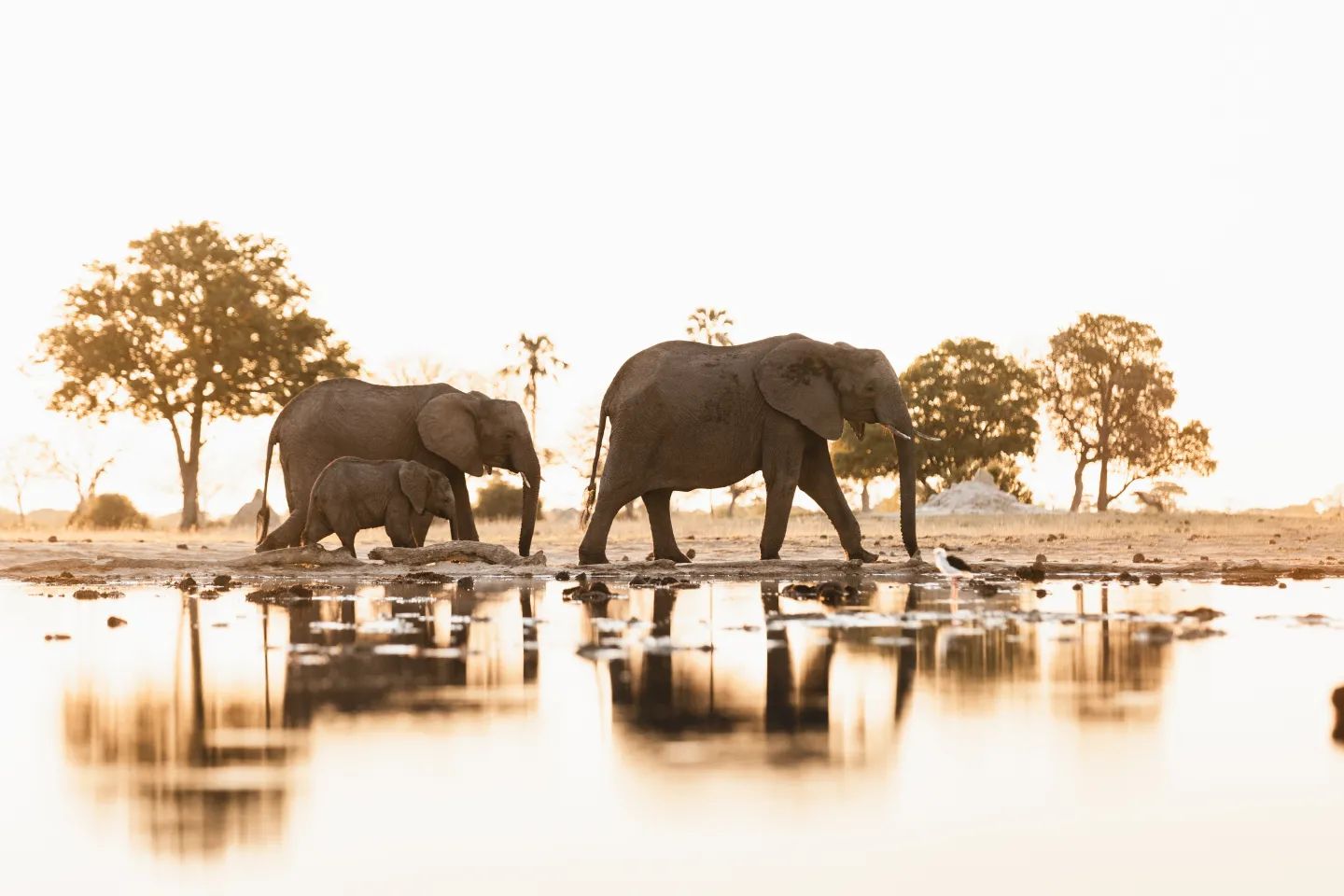
This itinerary is a photographer’s dream. You will have access to a concealed photographic hide at Singita Pamushana in Malilangwe, allowing for incredible, low-angle shots of wildlife at the water’s edge. Hwange offers another fantastic opportunity with the sunken hide at Linkwasha Camp. Furthermore, the sheer diversity of landscapes – from the rugged outcrops of Malilangwe and Matobo to the classic plains of Hwange and the misty spray of Victoria Falls – provides an endless variety of photographic subjects.