Dar es Salaam, the bustling 'haven of peace'
Dar es Salaam, the bustling 'haven of peace'
| by Kate Turkington
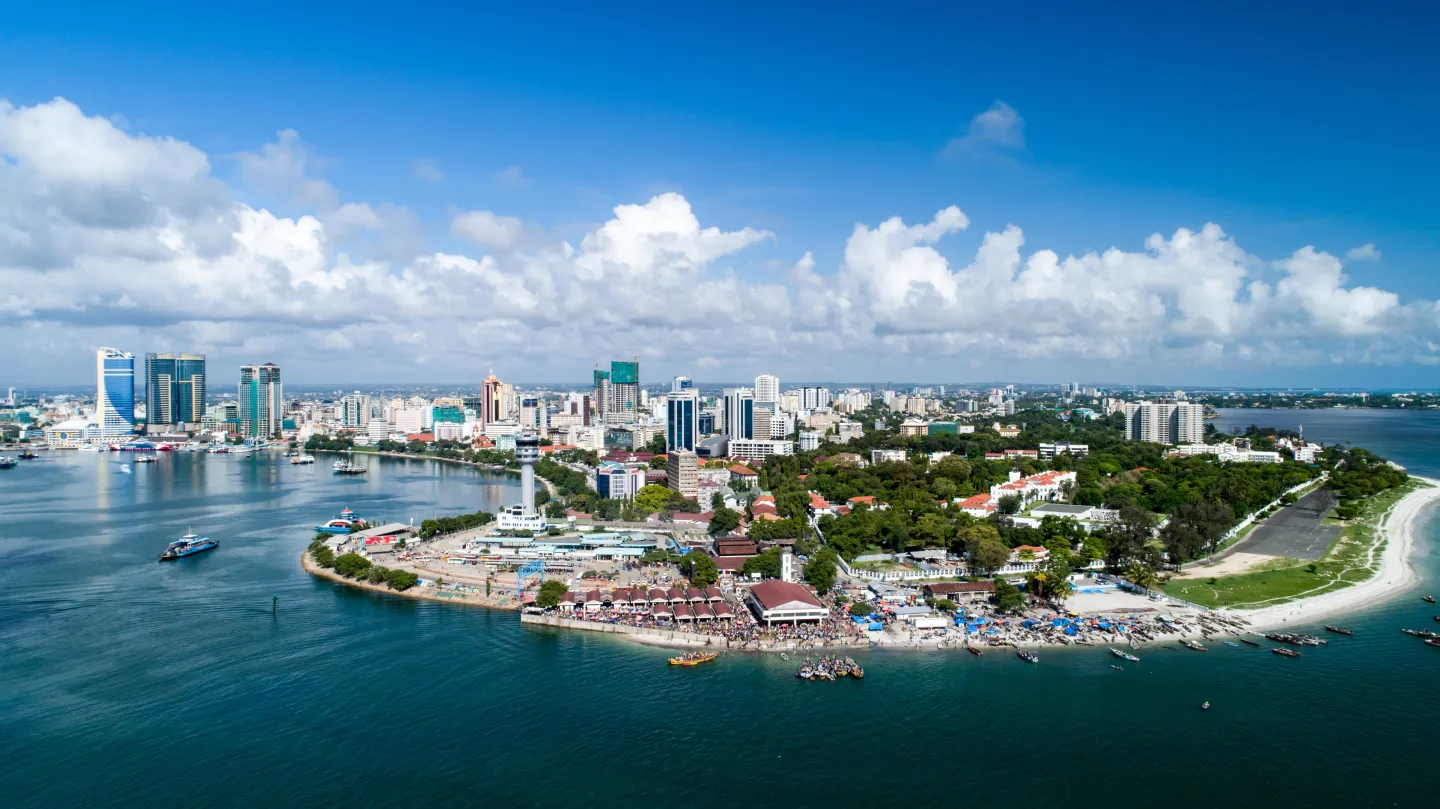
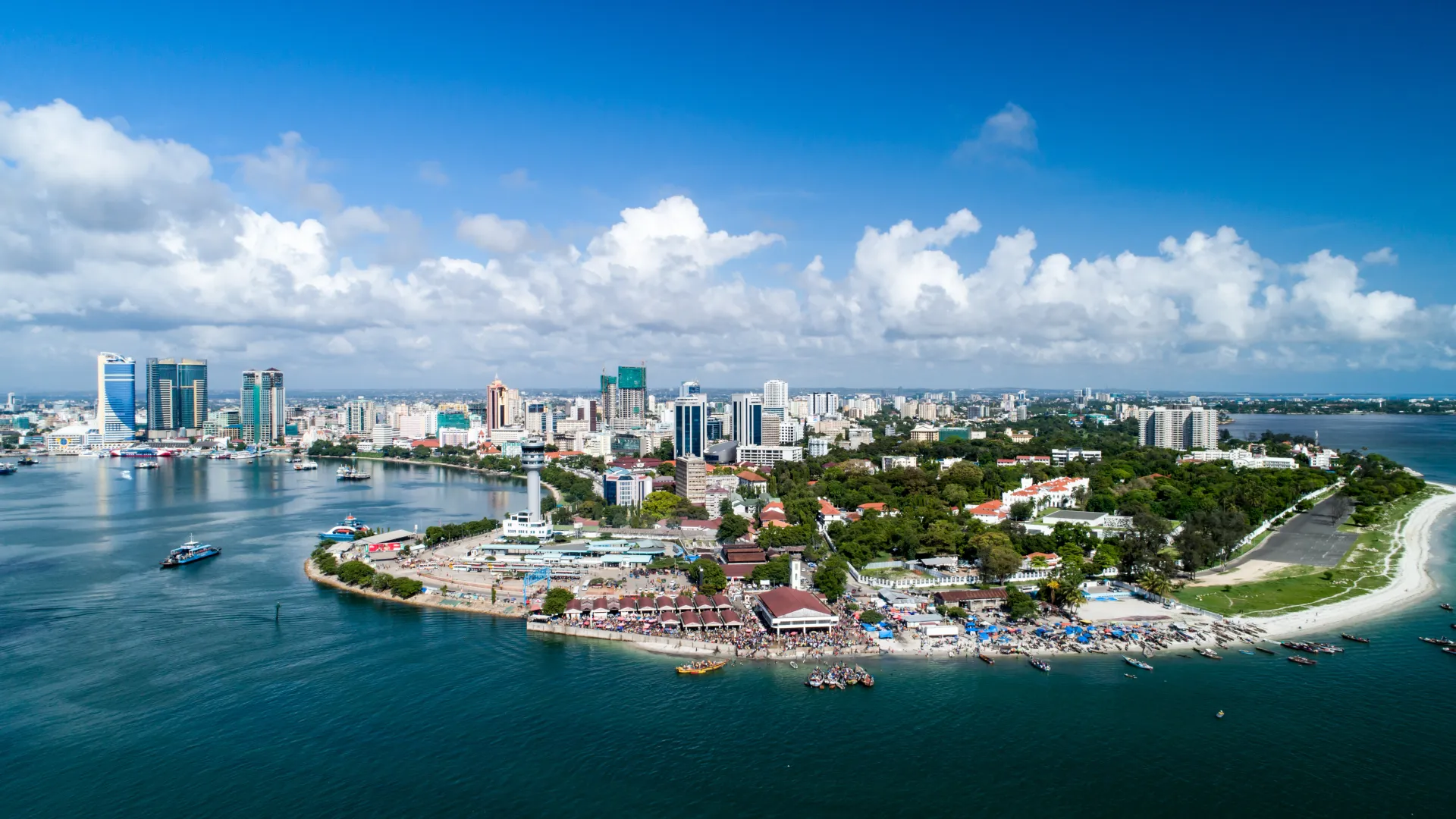
Dar es Salaam’s name means “haven of peace” and probably, when the then Sultan of Zanzibar named it in 1865, he was anticipating its future as a calm, prosperous coastal settlement.
But 21st-century Dar – as it is fondly called – is far from a peaceful haven. Rather, it’s an eclectic mix of glass towers and crumbling colonial leftovers, and a swirling cauldron of traffic, heat and cheerful chaos. It’s the commercial hub of Tanzania and it’s a city that hums, bustles, honks and occasionally grinds to a halt in spectacular traffic jams. And yet somehow it all works.
The first thing that will hit you when you arrive in Dar (other than the heat) is the traffic. Everywhere you look are the legendary dala dala minibuses careering round corners, packed to their roofs with passengers. Darting between these and the trucks, buses and cars are the bajaji, the colourful tuk-tuks, and weaving between the hooting, general commotion and noisy racket are the persistent street vendors selling everything from cashews to phone chargers.
Traffic jams rule the day and provide good opportunities to catch up with other drivers, to shout out the day’s news or buy lunch. Think of it all in this way: in Dar, traffic isn’t a problem, it’s an experience.
Once you’ve settled in, you’ll begin to see that the rules are that there are no rules, but everything seems to work.
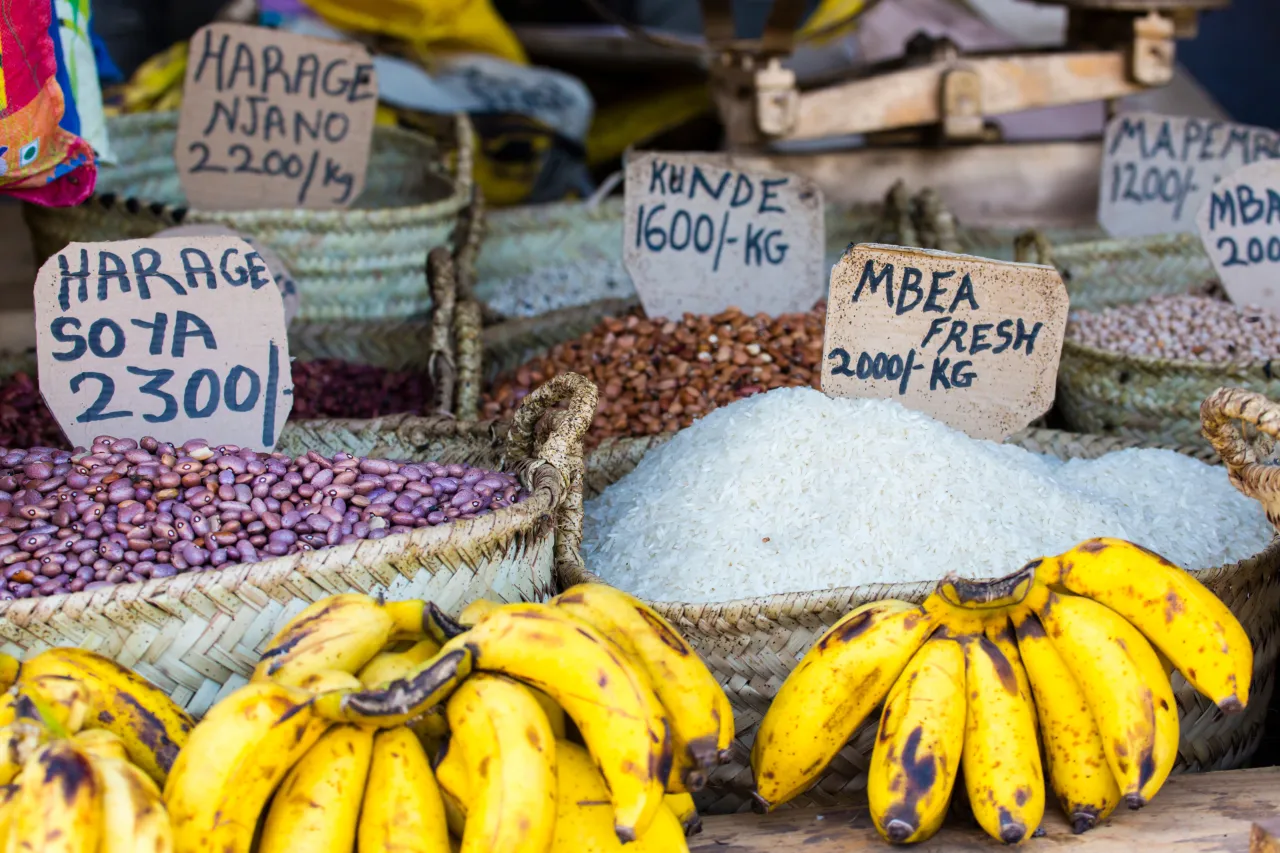
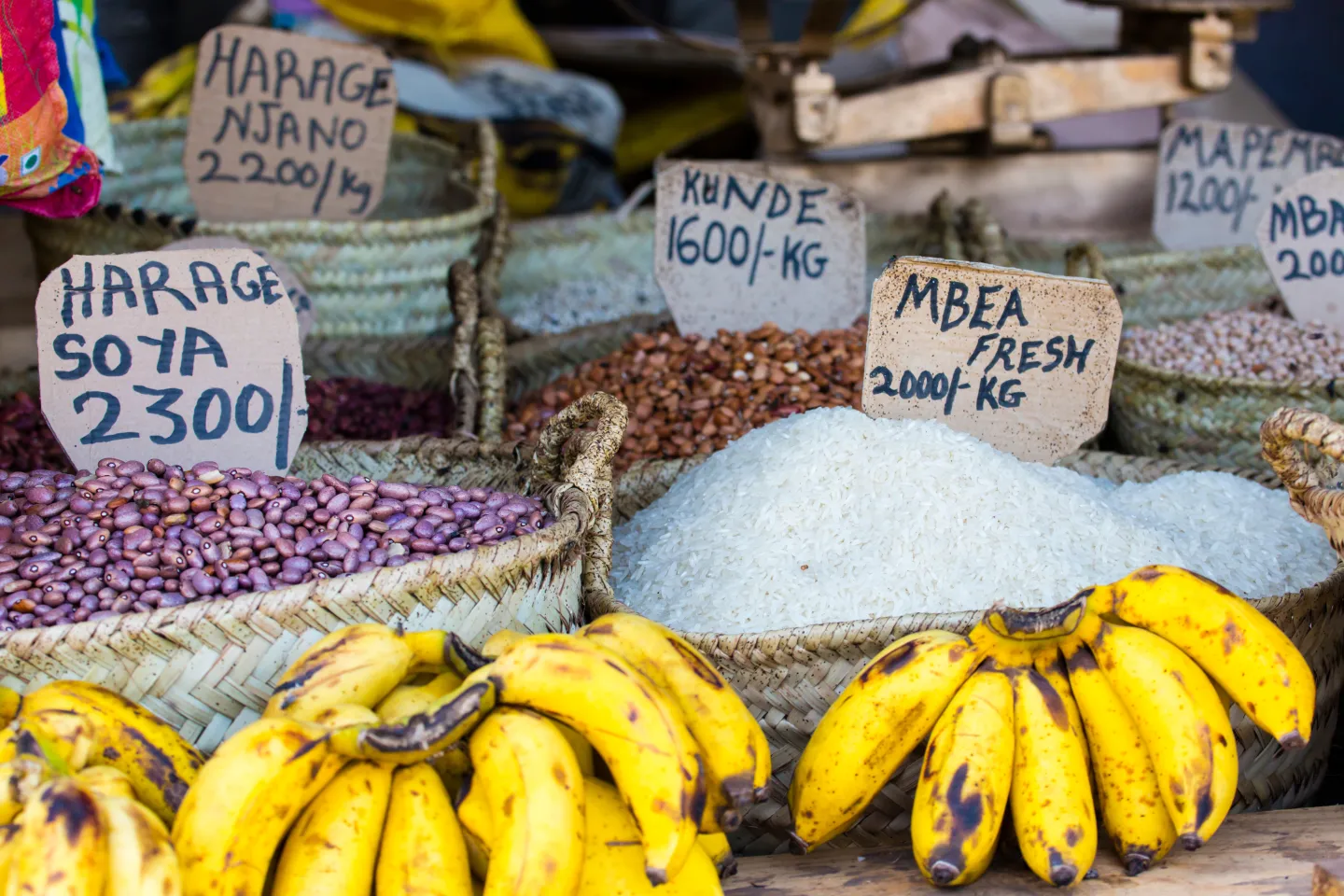
Maybe while you’re still in sensory overload you should visit the Kariakoo Market. It’s the perfect archetype of big African markets from Lagos to Dakar, Kampala to Nairobi. Less a single market and more a whole district of shops, stalls and street traders, it’s where locals come to buy everything from daily groceries to car parts.
Expect noise, colour, heat, more friendly chaos. Learn to bargain (it’s expected), even though you’ll be pretty bad at first. Greetings matter and politeness is key. You can buy almost anything you can think of – and quite a few things you didn’t know you needed.
Although food is the beating heart of the market, from fresh fruit and vegetables to rice, dried beans and street food, its biggest draw for visitors and locals alike is the clothes, fabrics and fashion section. Fancy a bright kitenge or kanga African print? A handwoven cloth or leather bag? A “designer-inspired” outfit (at a very non-designer price)? And many more authentic crafts and curios than you’ll find at the tourist markets?
Remember that Kariakoo is busy, chaotic, very much a working market, not a polished tourist attraction, so go with a guide and go rummage.
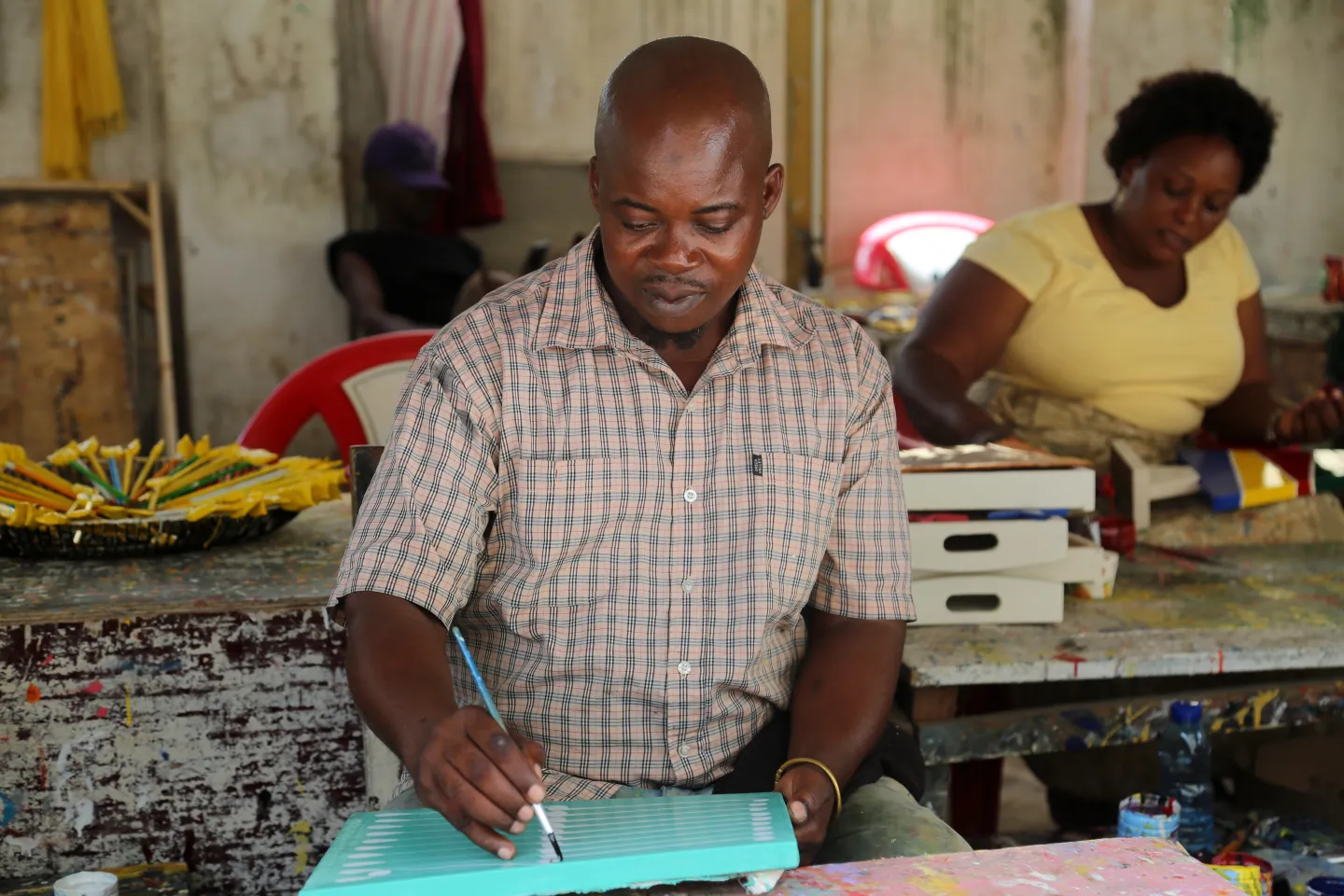
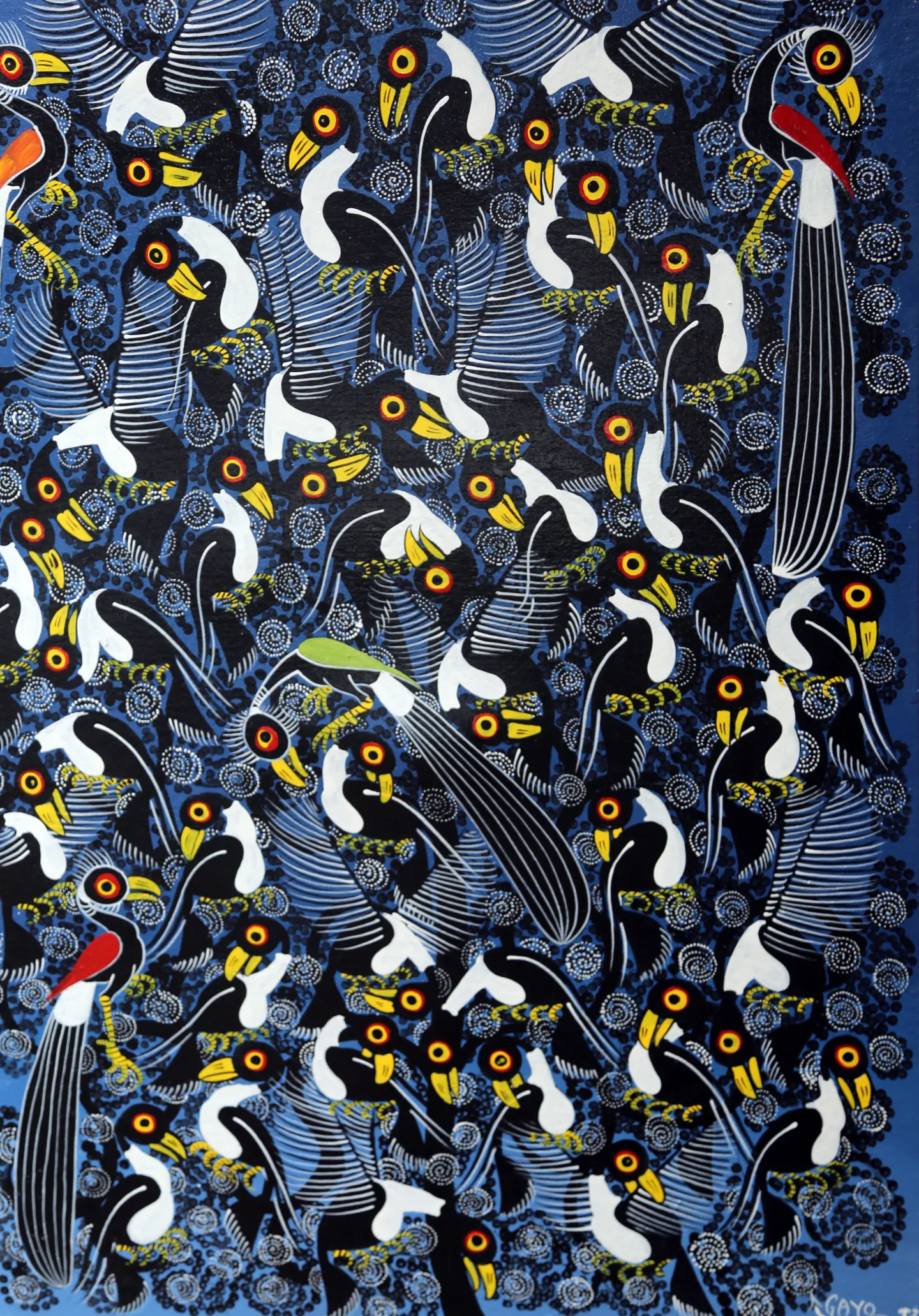
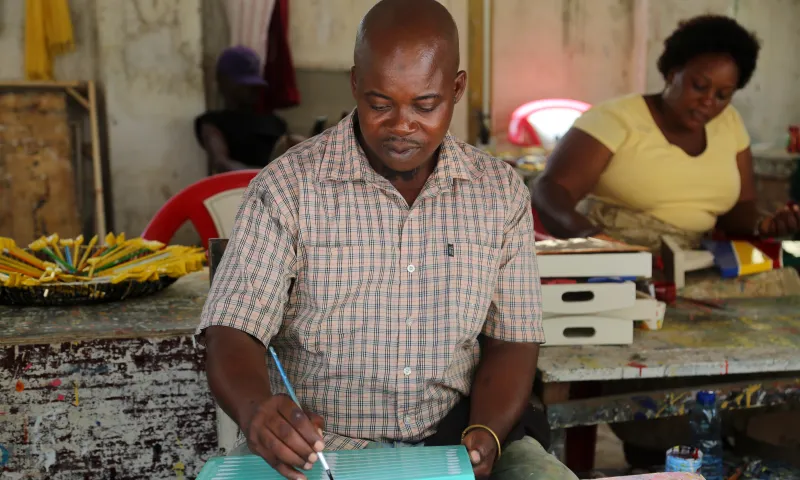
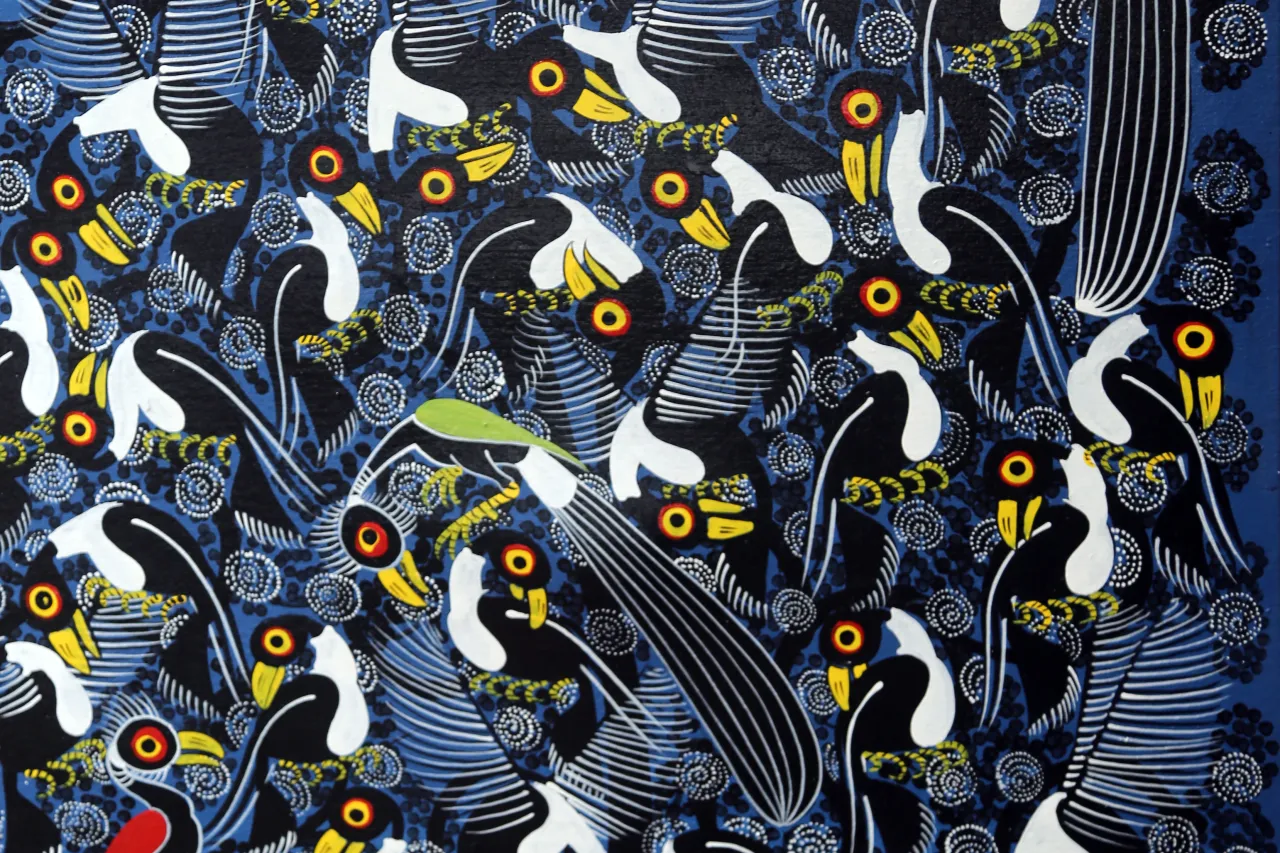
If you’re still in shopping mode, or need some quieter retail therapy, visit the Tingatinga Arts Co-operative Society in Haile Selassie Road. Part gallery, part workshop, part informal market, this is where local painters create and sell the famous tingatinga-style art.
Their paintings of animals, birds and nature are almost cartoonish, but they have a unique, whimsical charm and make wonderful gifts for friends and family. Choose from an array of small souvenirs like painted boxes, cards and carvings sold by the friendly (and enthusiastic) artists themselves. Bargaining is normal and expected.
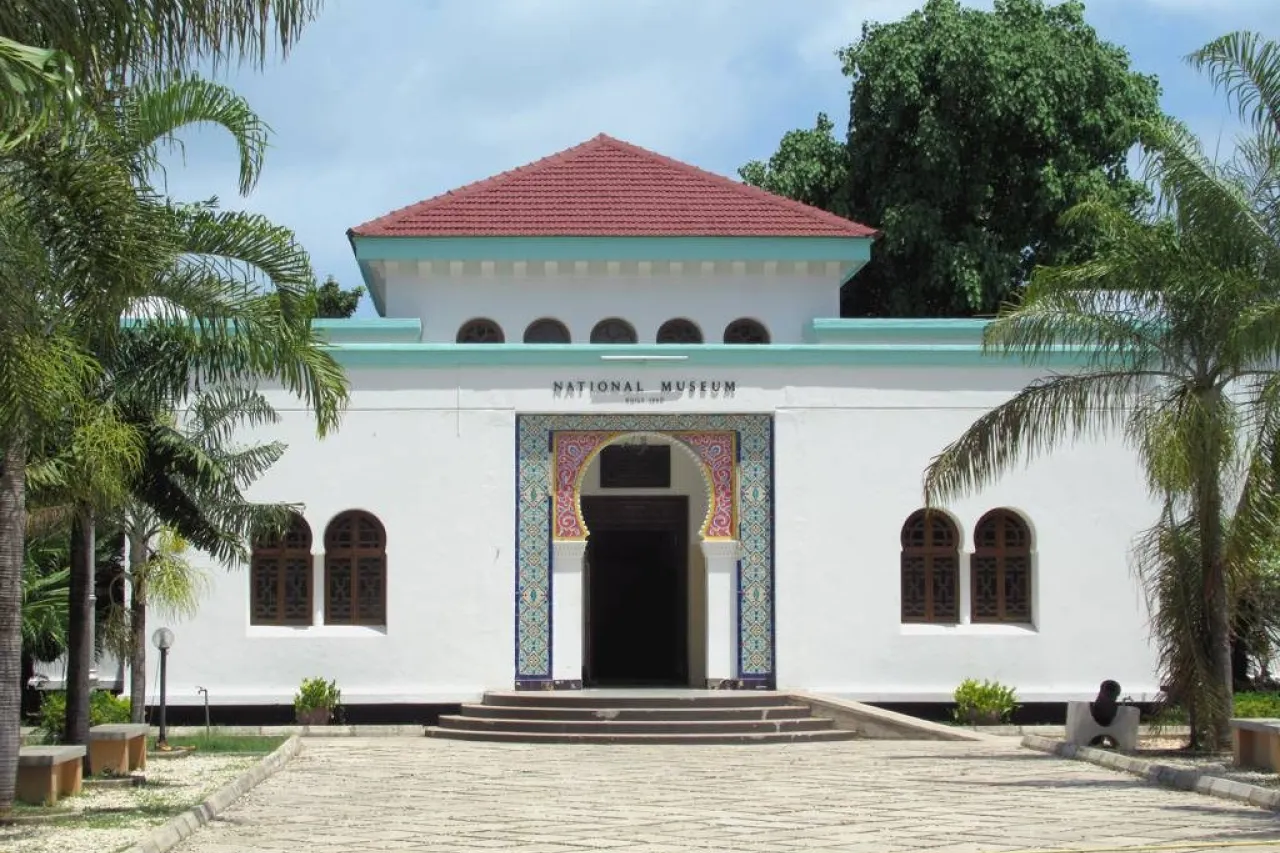
Image courtesy of David Stanley.
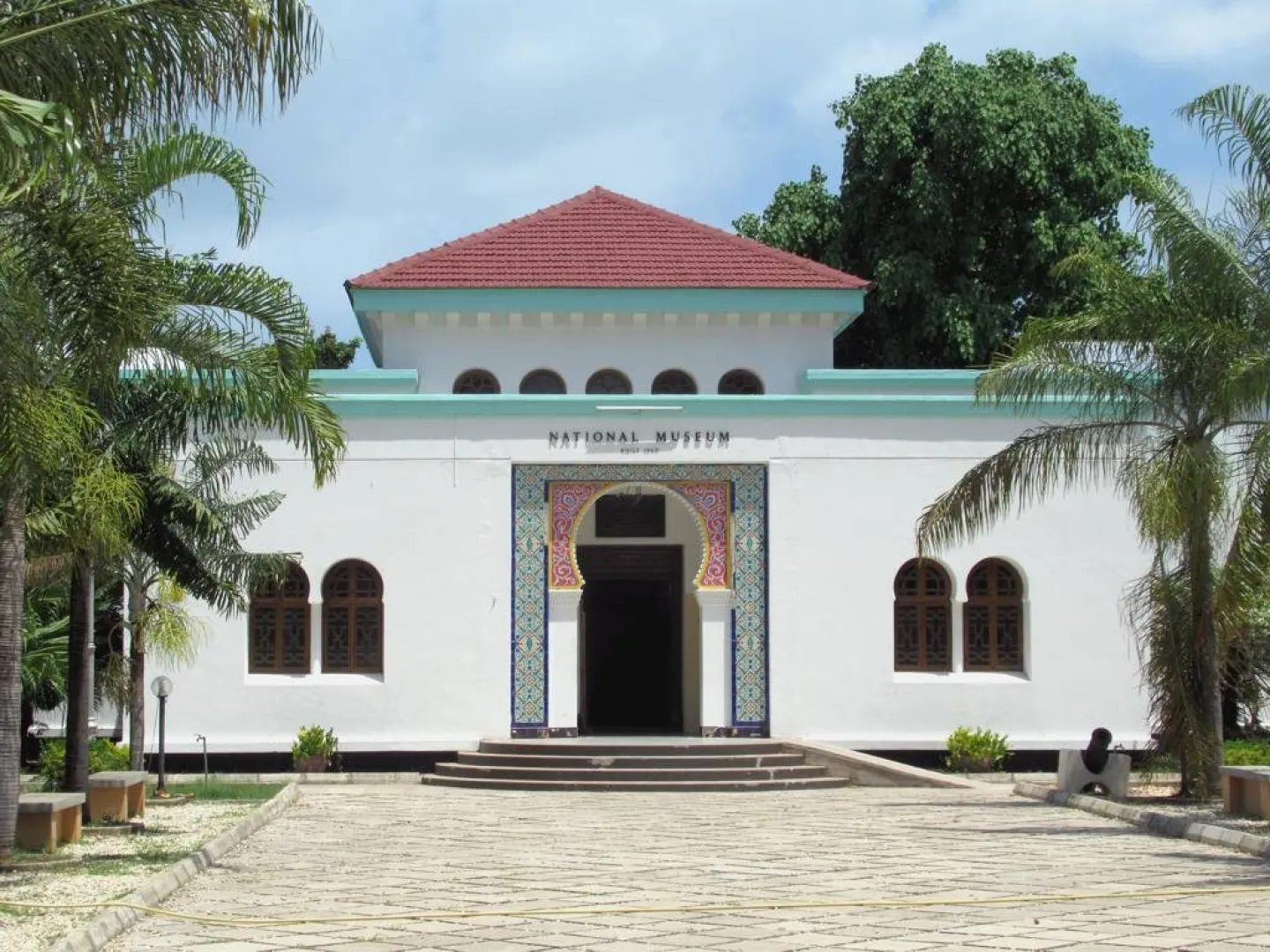
For context and history, spend a couple of hours at the National Museum of Tanzania. It’s a bit shabby and hardly state-of-the-art, but it holds some of the most important evidence of human origins anywhere in the world. You may remember how at Olduvai Gorge in the 1960s, the husband-and-wife team of Louis and Mary Leakey made groundbreaking discoveries that helped rewrite what we know about human origins.
Marvel at the skull bones of the extinct genus Paranthropus, the evolutionary line of the hominins who lived in East Africa around two million years ago. The famous 3.6- million-year-old Laetoli footprints discovered by Mary Leakey's team in northern Tanzania will make you pause and ponder. This was the crucial scientific discovery that proved early hominins walked upright.
If you’d like to dig deeper (metaphorically, not literally), arrange a day tour to the Olduvai Gorge, where beyond-ancient stone axes are still to be found, and excavations and research are still ongoing. The fascinating palaeoanthropological work there is far from finished.
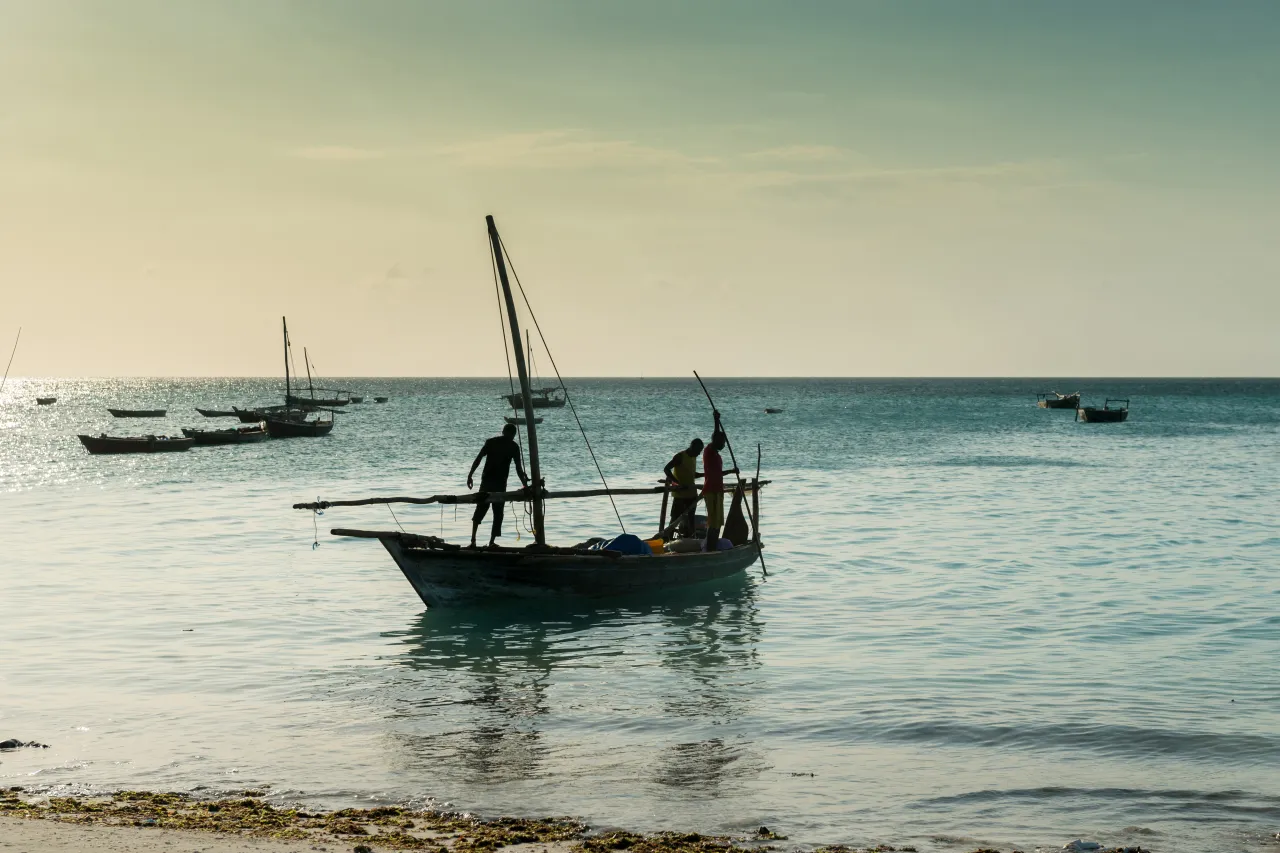
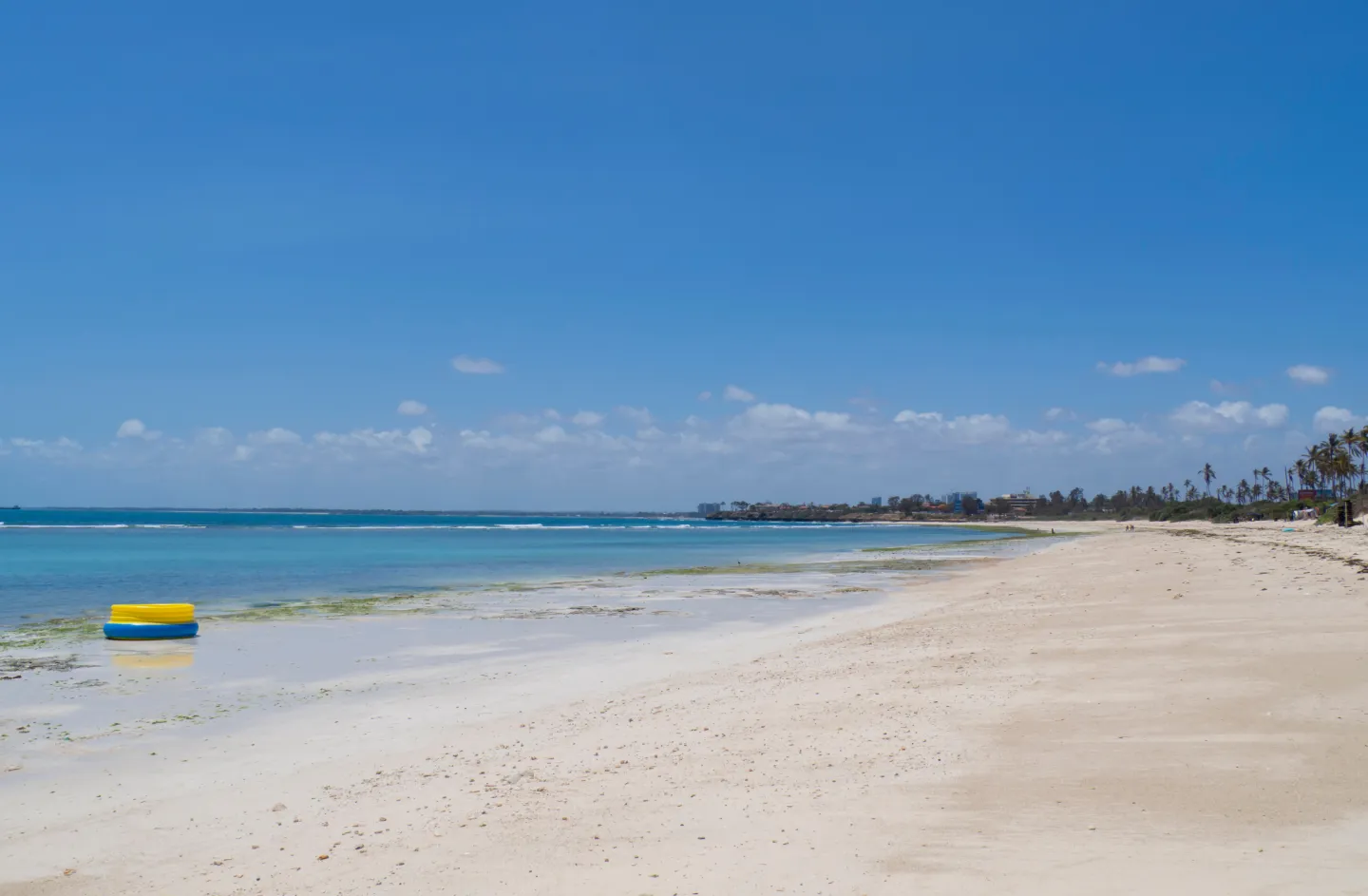
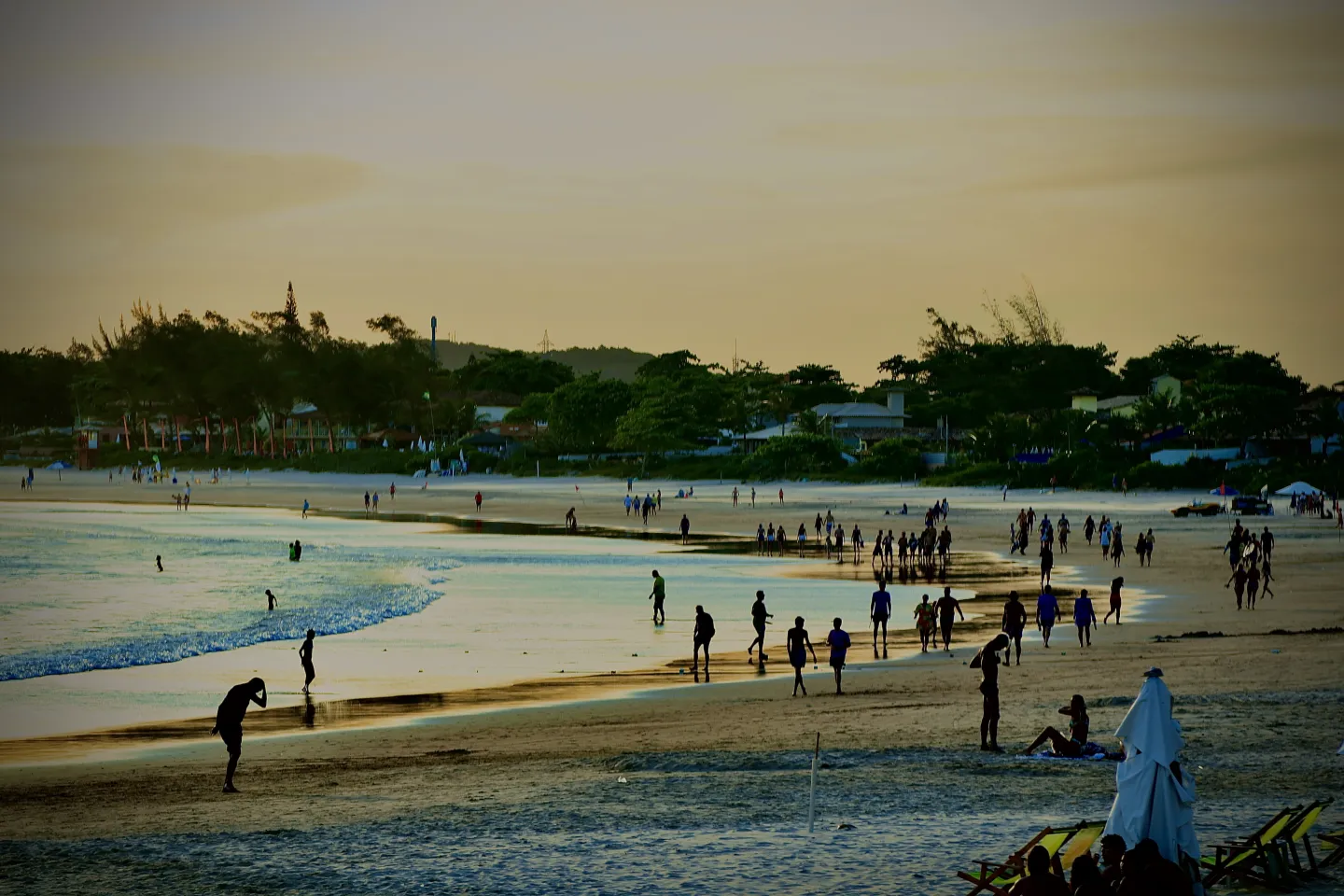
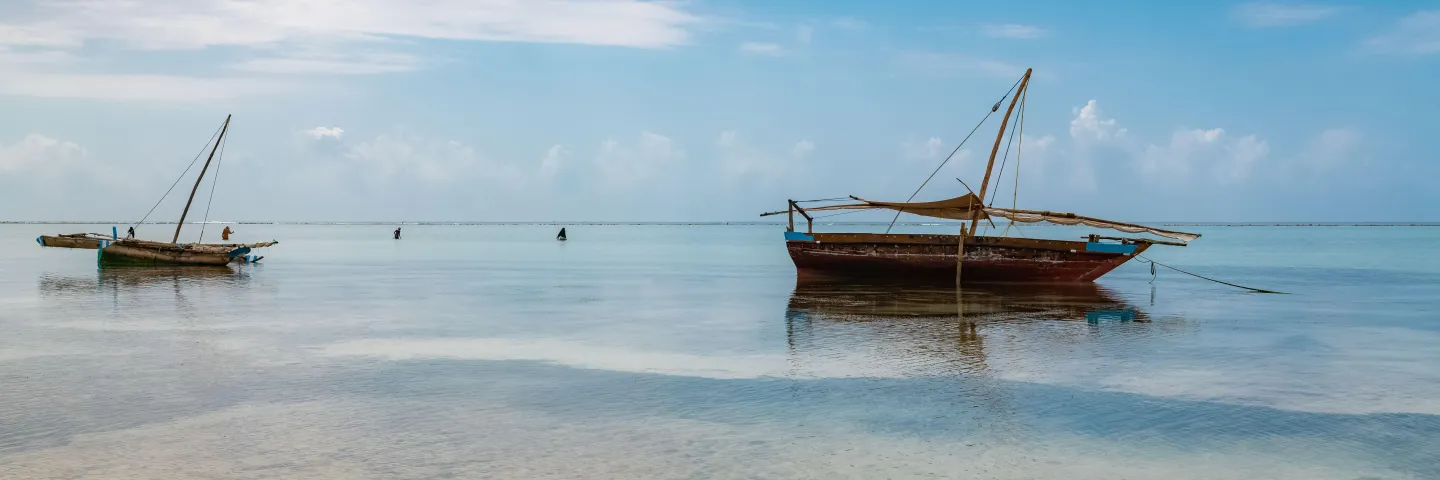
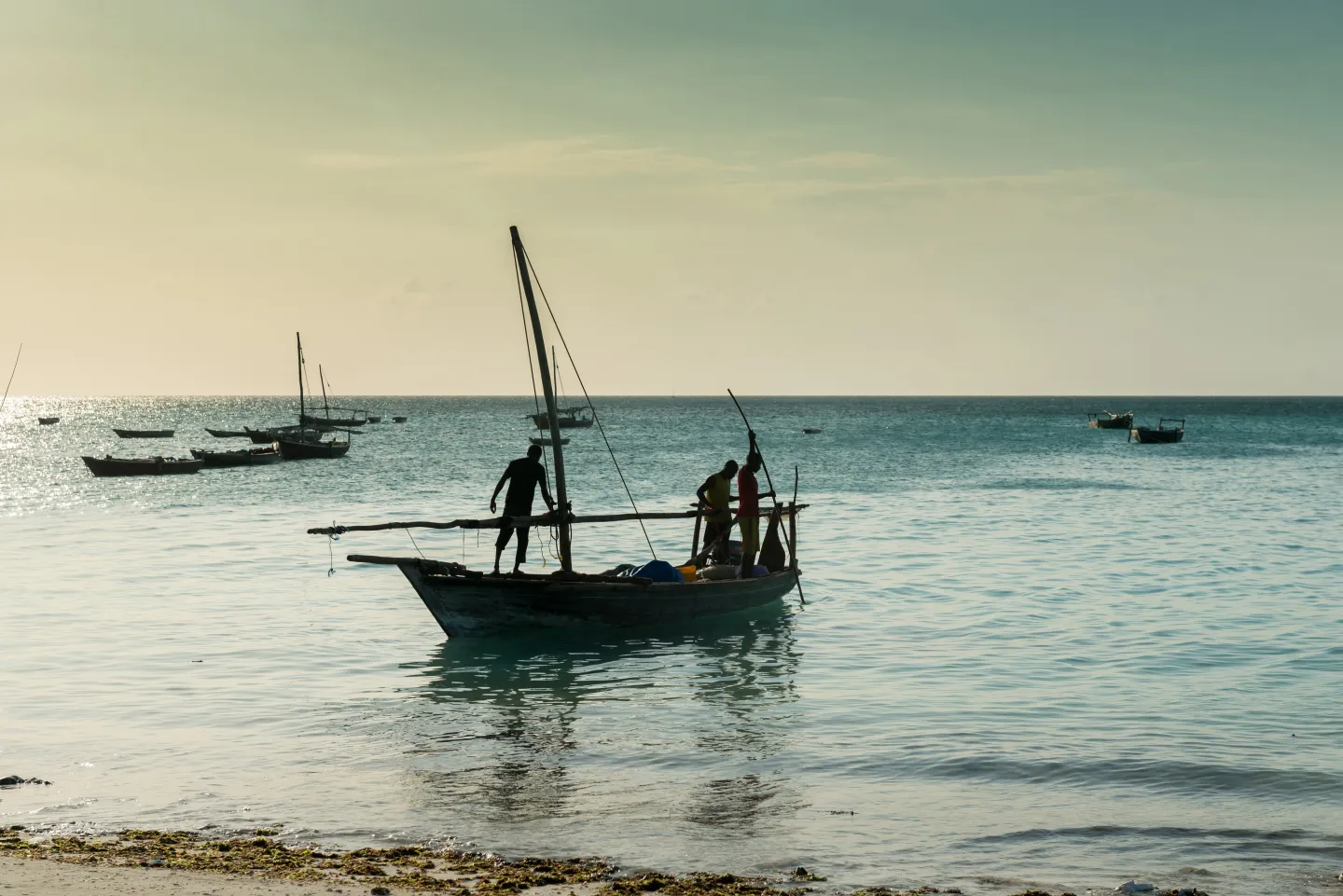
Dar is not a resort town so don’t expect the tranquil white-powder beaches or laid-back holiday vibe of Zanzibar. Once a small fishing village called Mzizima, fishing is still of paramount importance and if you stroll Coco beach (the main beach) early morning or late evening, you’ll see the fishing boats come and go as they have done for centuries.
The beach stretches for a long way round the bay and is relatively quiet during the week, but frenetic at weekends with family parties and cheerful revellers. Remember that this is a local beach with shops, stalls selling beach floats and chairs, the ever-present street vendors and very dodgy bathrooms.
However, a short boat ride will take you to much more peaceful Mbudya Island, part of the Dar es Salaam Marine Reserve, where you can snorkel and swim, and if you travel about 30km north from town, Kunduchi beach feels like a proper escape from the city’s constant pandemonium. If you crave more space and quiet, then take a ferry or cross the harbour to Kigamboni beach.
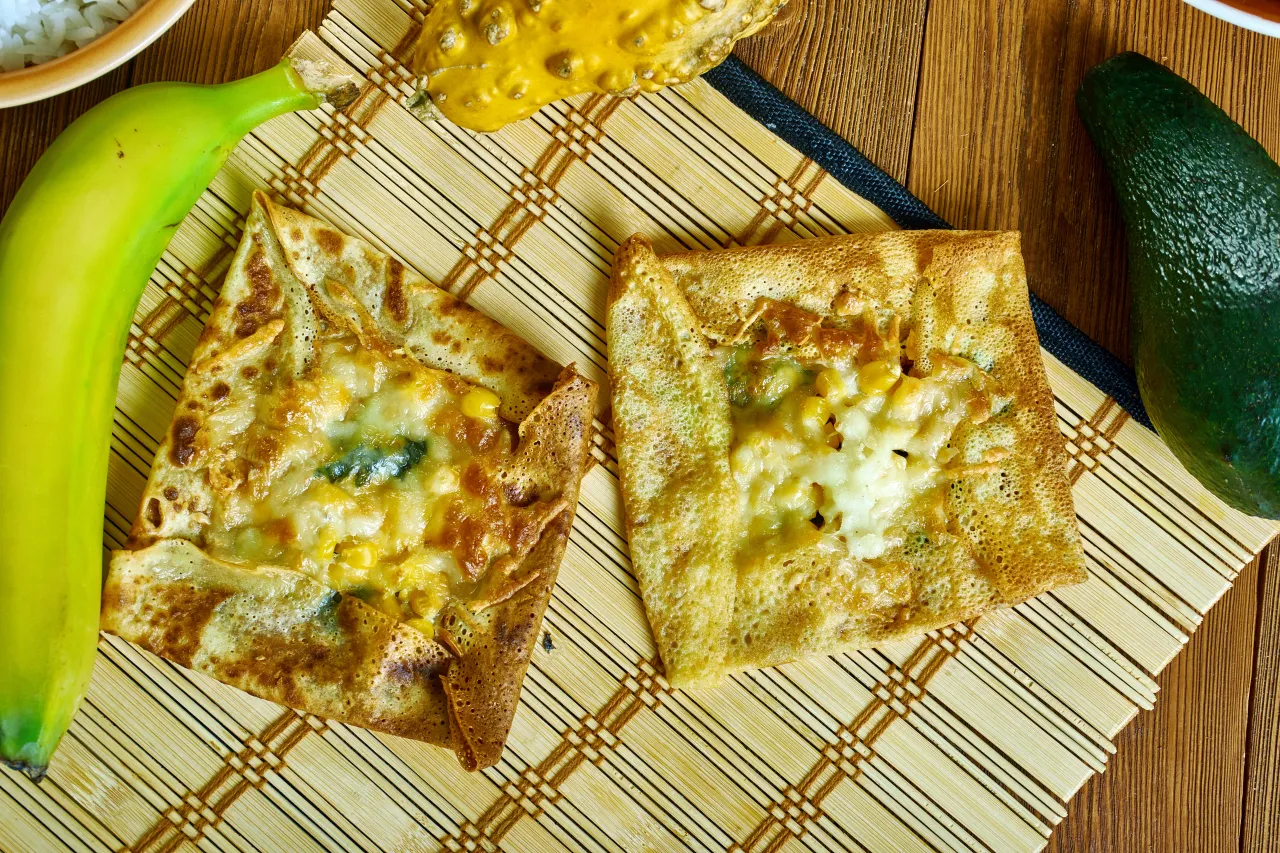
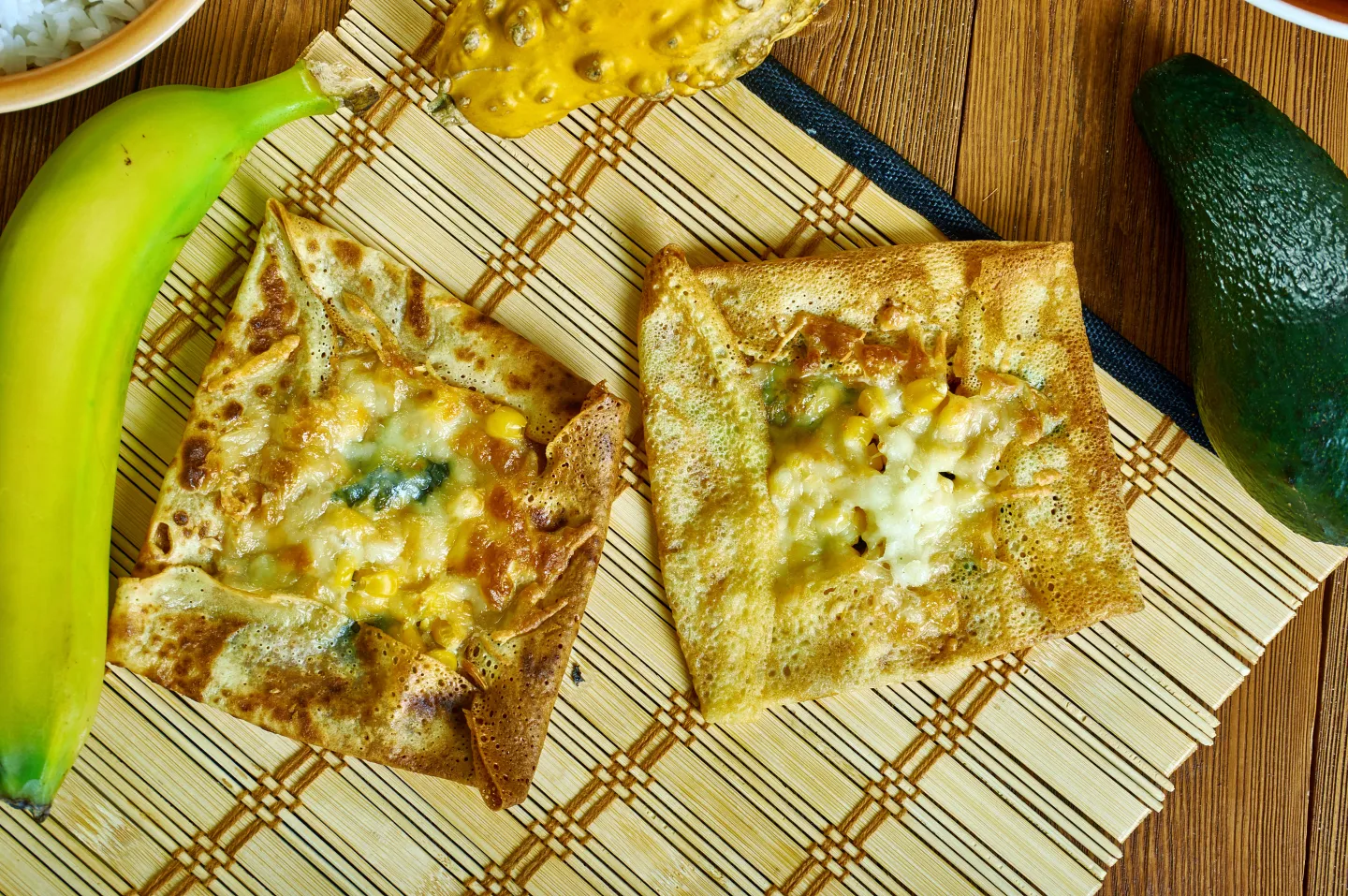
The Dar food too, like so much else of the city, is a window into many different cultures. There’s local street food like chipsi mayai (say it out loud and you’ll get the meaning) or mishkaki (grilled meat), samosas, chapati, plus strong Indian influences as in the delicious coconut curries. The famous Zanzibar pizza is everywhere, also. (It’s actually not a pizza at all, but a thin, folded pancake filled with minced meat, egg and cheese, sometimes even chocolate and banana.)
You might also dine out on a beachfront seafood feast or some fine international dishes at a ritzy hotel. Whatever you choose, it’ll be generous and delicious.
Dar es Salaam is hot. Really hot. Power cuts happen. Traffic is chaos. Things don’t always run on schedule, but it’s a city that’s always endlessly alive and engaging. Accept it and enjoy.

Related gallery