Kigali, the heart of Rwanda’s rebirth
Kigali, the heart of Rwanda’s rebirth
| by Kate Turkington
Umuganda. If anything can explain how Rwanda’s capital city, Kigali, has transcended its tragic past to become an African beacon for peace, respect, order and social cohesion, it is this one word.
A Kinyarwanda word meaning “coming together in common purpose”, Umuganda’s origins lie in pre-colonial Rwandan tradition, when communal help was employed for farming and other tasks. This ancient practice was reintroduced in 1998, four years after the country’s devastating genocide, as a way to rebuild the Rwandan nation and its country, and made mandatory in 2008.
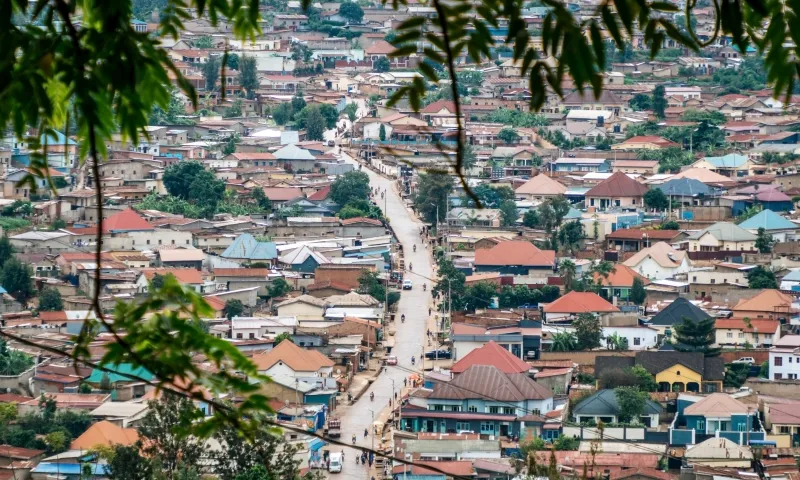
On every last Saturday morning of the month, shops close, traffic thins and people emerge with tools and equipment to sweep streets and repair roads, plant trees and tend public gardens, and build infrastructure such as schools and homes for the vulnerable. To witness Umuganda in action is to see the city’s social fabric being rewoven in real time, a powerful expression of national unity that makes Kigali’s pristine streets feel not just clean, but earned.
All Rwandans aged 18 to 65 are required by law to do this community work, and there are no exceptions: even President Paul Kagame turns out for Umuganda. Visitors are not required to participate, but they are certainly encouraged to lend a helping hand.
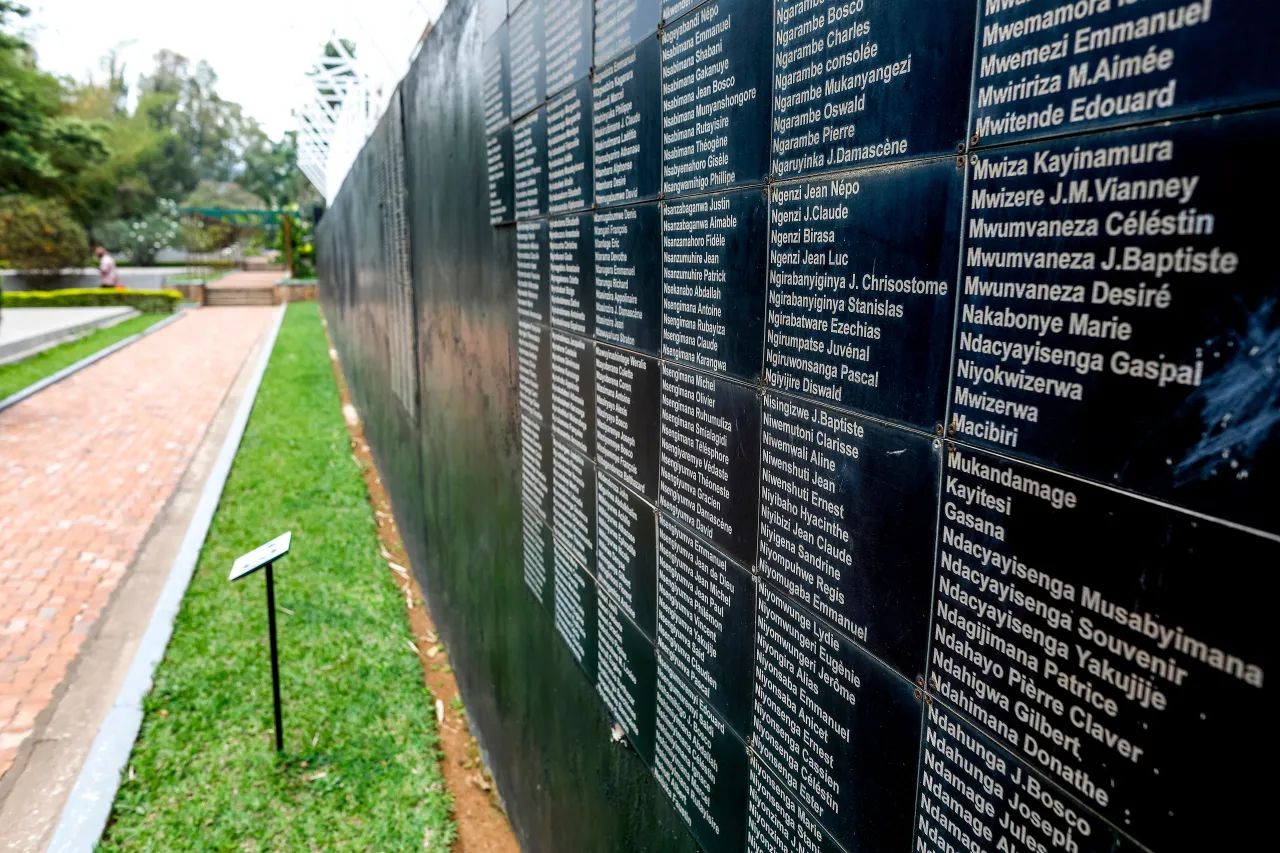
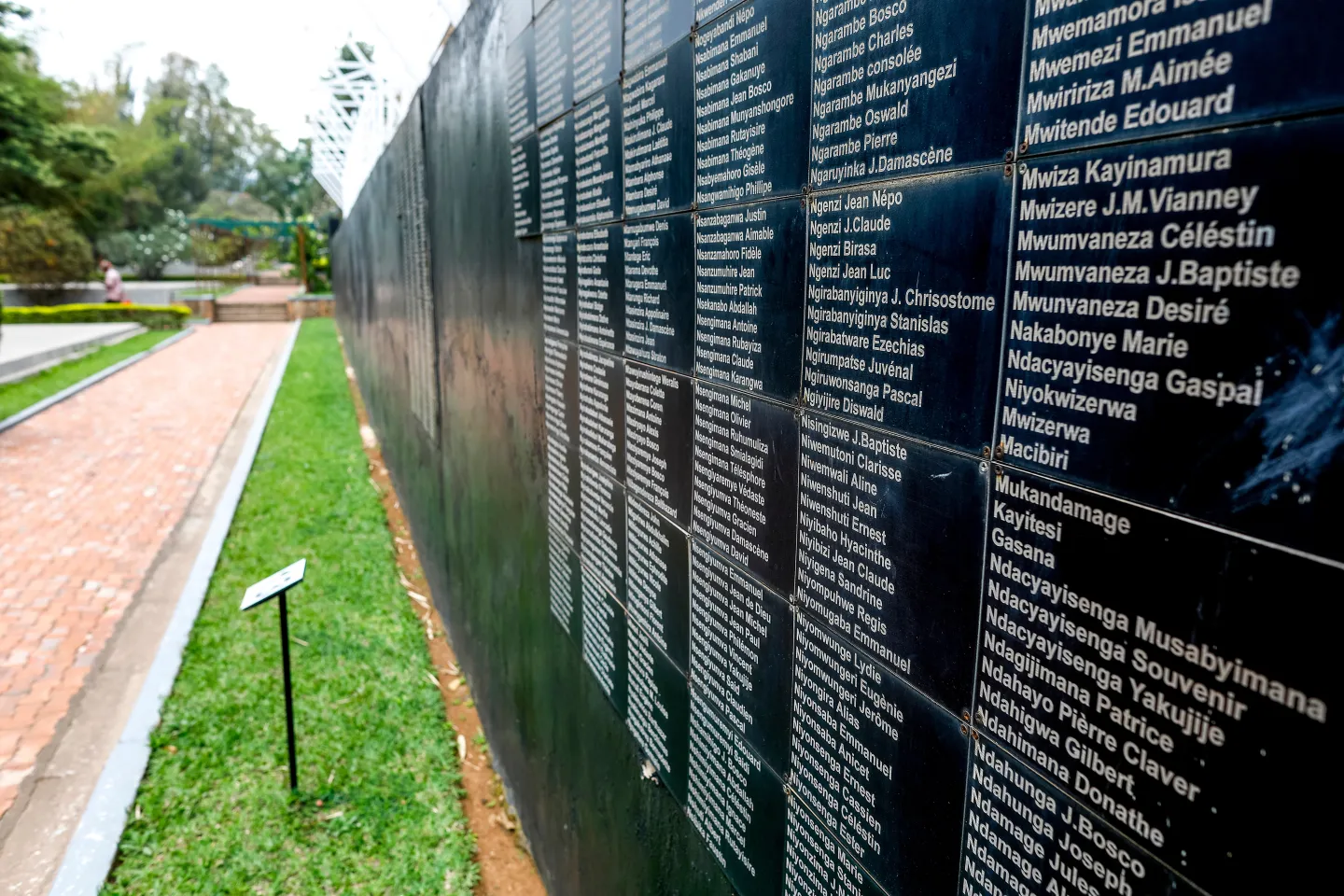
To truly appreciate the light of present-day Kigali, however, one must understand the darkness from which it emerged. A visit to the Kigali Genocide Memorial, commemorating the 100-day massacre of hundreds of thousands of Rwandans, mainly of the Tutsi ethnic group, is thus not an optional tourist activity; it is an essential pilgrimage.
Set on a quiet hillside overlooking the city, it is a profound place, one of both heaviness and grace. Your experience of the memorial is inevitably shattering – how can remembrance of genocide be anything else? – but it is handled with great dignity.
You cannot but walk in near-total silence through exhibits that detail the historical roots of the conflict that led to the genocide, the harrowing 100 days of slaughter, and the world’s shocking indifference to what was happening.
The rooms filled with family photographs of the victims, and the halls displaying the clothes they had worn, are almost unbearable.
But you do not leave feeling despair; rather, you have admiration for the Rwandan nation’s capacity for reconciliation. The genocide memorial is the moral anchor of the city, the silent foundation upon which every street is cleaned and hopeful new building erected, thanks to the constructive, healing power of Umuganda.
The memorial is not the only monument to the genocide, incidentally. The famous Hôtel des Mille Collines, of Hotel Rwanda fame, where thousands of Rwandans took shelter in 1994, still stands nearby, a quiet symbol of the courage and terror of those days.
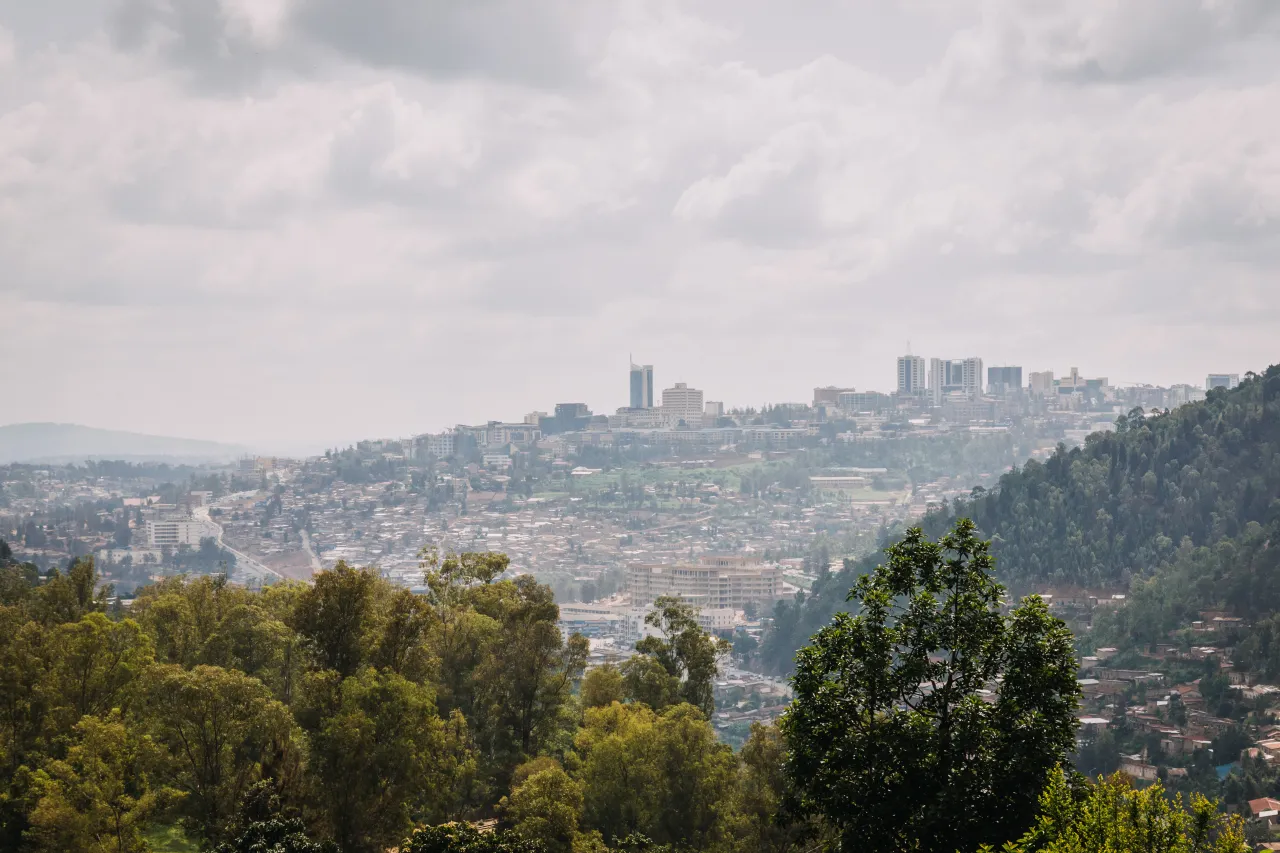
Kigali’s story as a capital is relatively new. The city itself was founded in 1907 by German administrator Richard Kandt, whose former residence is now the Kandt House Museum. This institution offers a fascinating glimpse into the country’s colonial history and its rich natural biodiversity.
The city only became Rwanda’s capital in 1962, following independence from Belgium, which had taken over as coloniser from Germany in 1916. Today it is known as the “Singapore of Africa”, but this comparison is perhaps not entirely accurate. While the two cities share a reputation for safety and efficiency, Kigali’s order stems not so much from strict rules as a universal desire to create a society that embraces everyone.
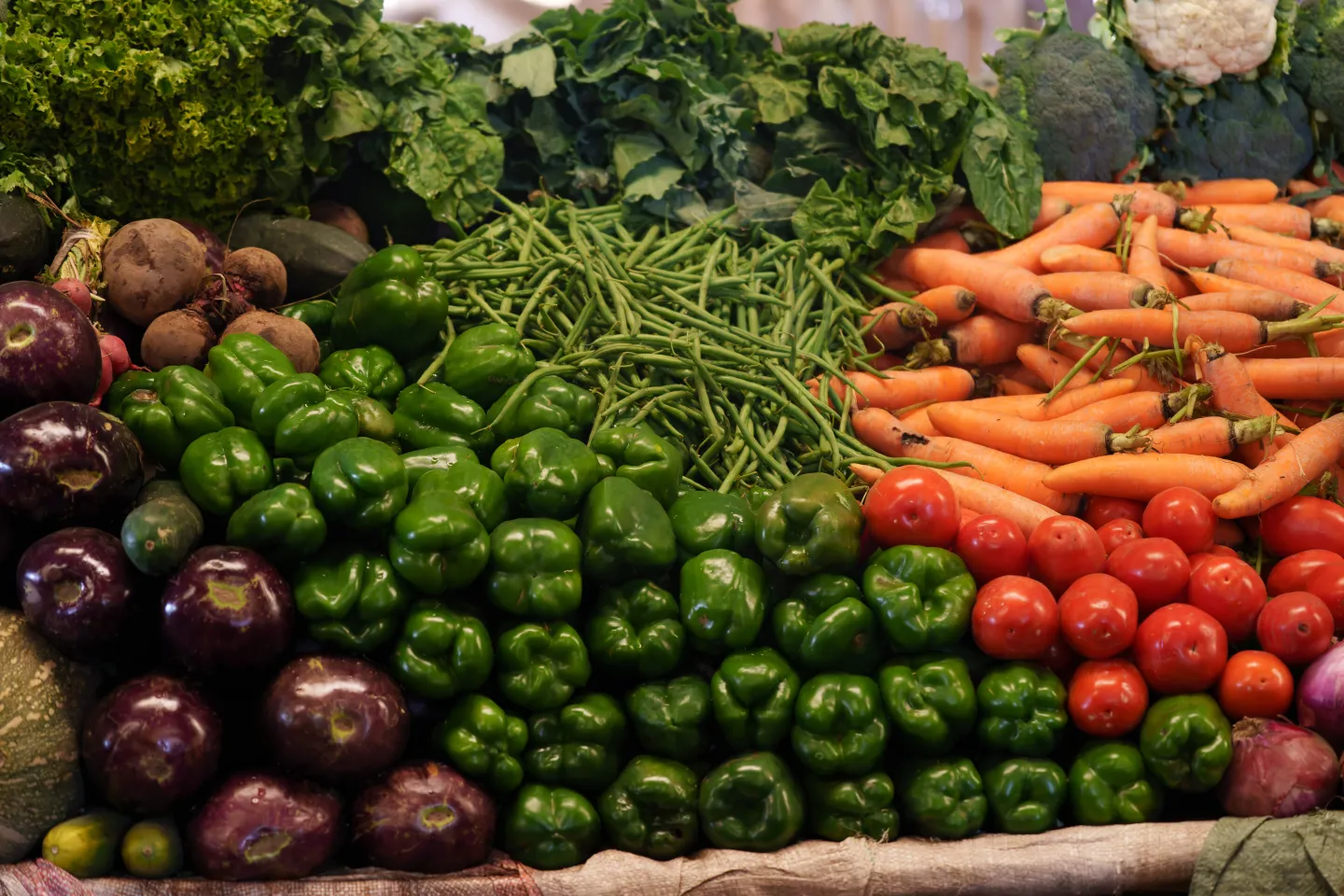
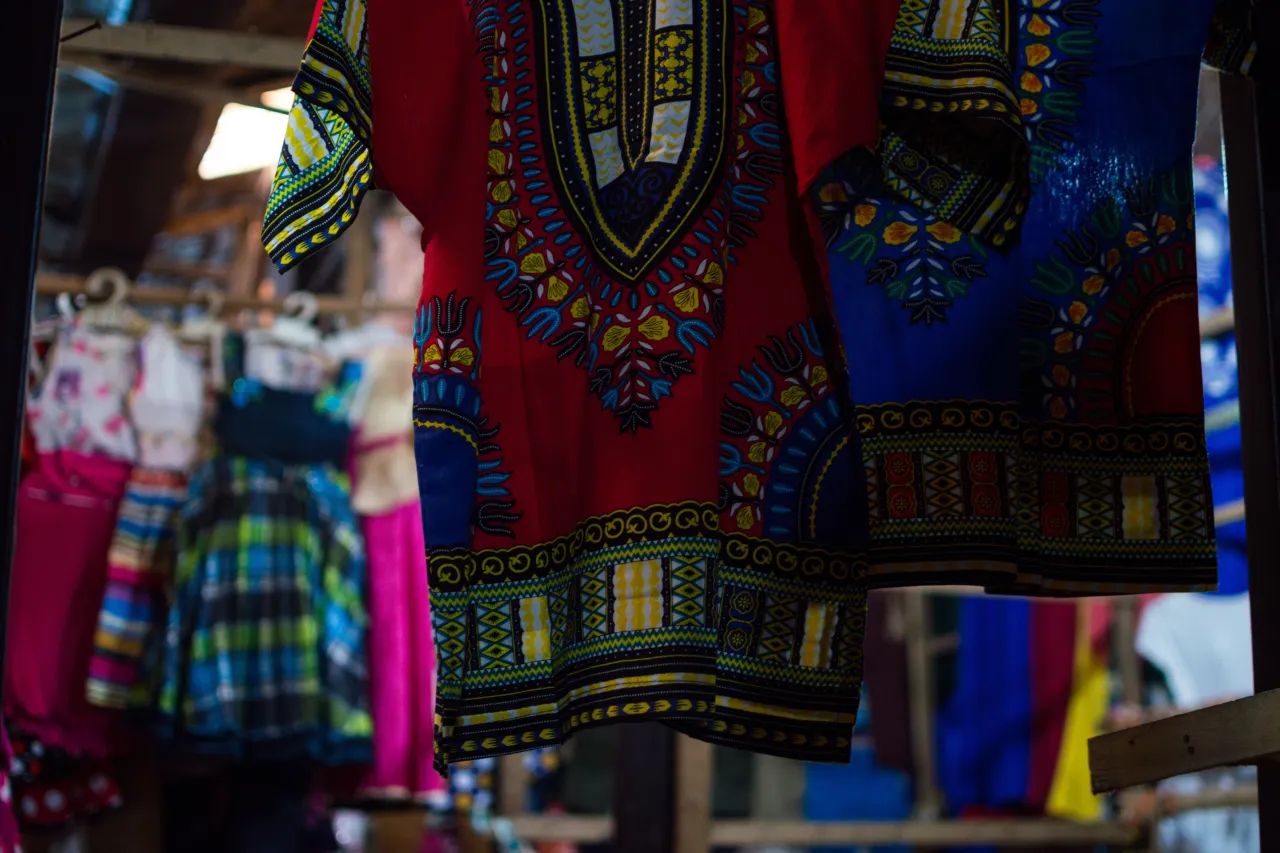
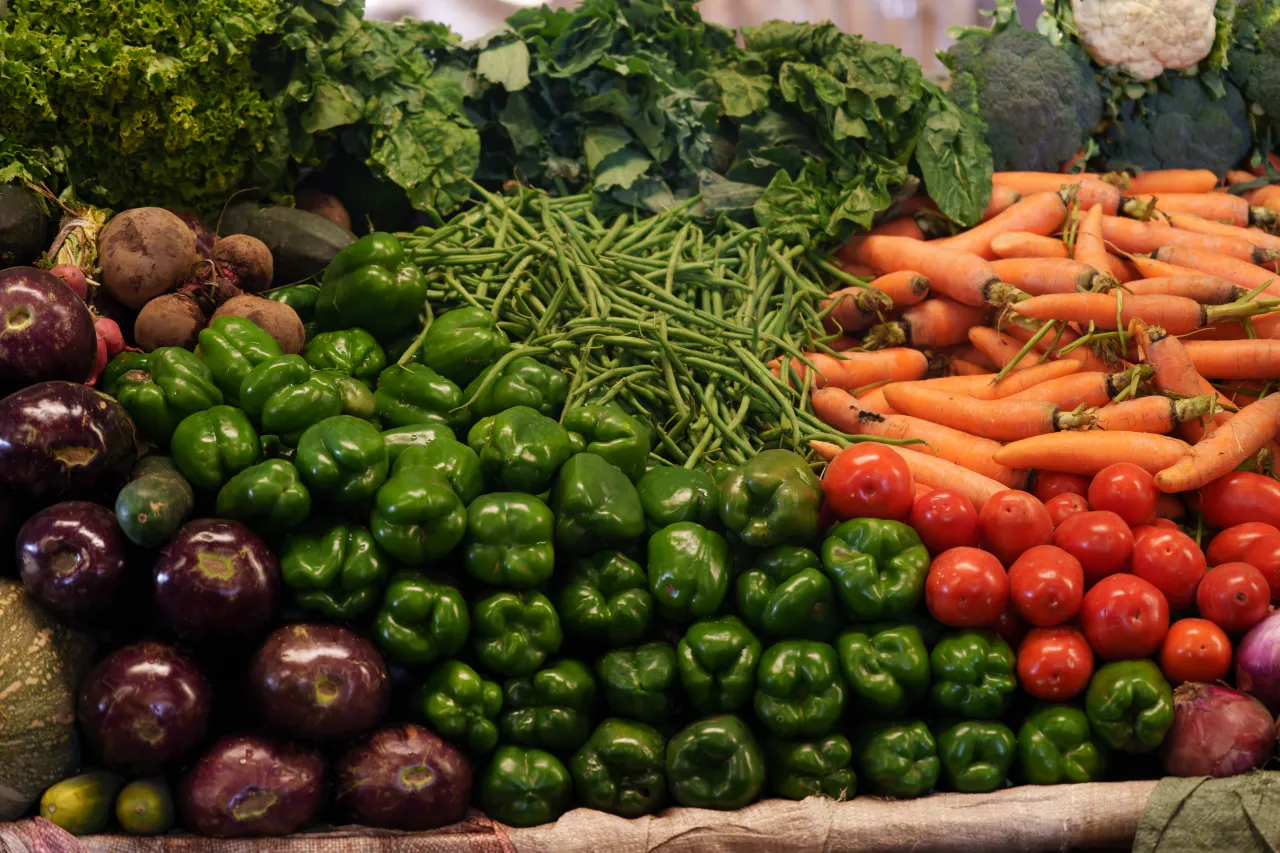
Despite the shadows of its past, Kigali pulses with a vibrant, forward-looking energy that is impossible to ignore. To feel the city’s bustling, joyful heartbeat, head to Kimironko Market where, under a vast metal roof, is a cornucopia of sights, sounds and smells. Huge piles of avocados and sweet potatoes sit next to fiery Scotch bonnet peppers, the air filled with the scents of dried fish and fragrant spices.
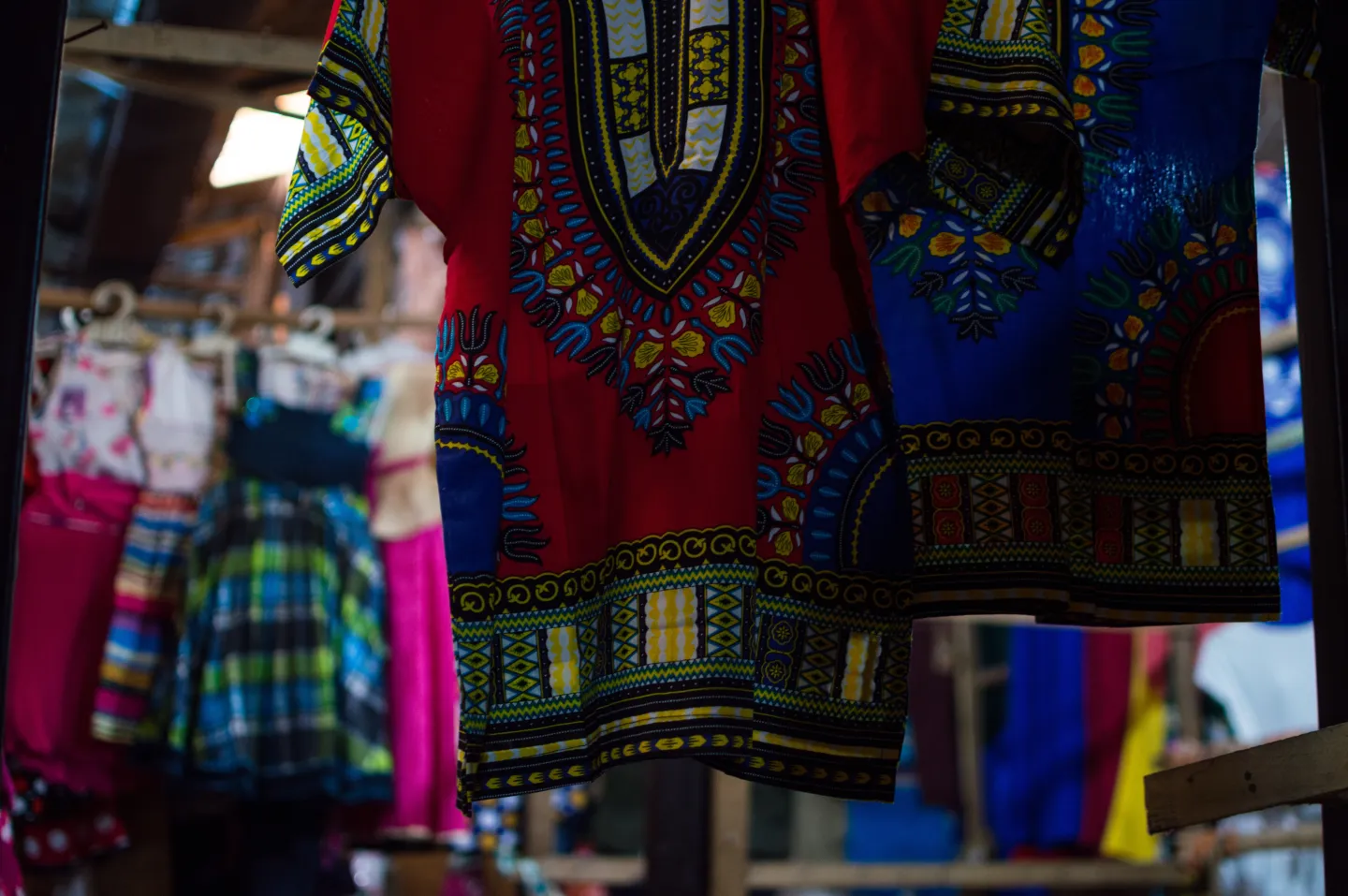
In the fabric section a kaleidoscope of colourful kitenge cloth hangs from every stall, swishing, whirring sewing machines providing a soundtrack as tailors create outfits while you wait. This is a place of friendly haggling, of community and of life in all its noisy glory.
This creative energy flows into the city’s thriving arts scene, too. At the Caplaki Craft Village, dozens of stalls showcase the best of Rwandan and regional art and craftsmanship, from intricate wood carvings and traditional baskets to colourful paintings and handmade jewellery. This is a fantastic place to find a souvenir of significance, with your purchase directly supporting local artisans.
The city’s reputation as a creative centre is growing, with galleries and cultural centres such as the Kigali Cultural Village providing spaces for artists, musicians and designers to collaborate and flourish.
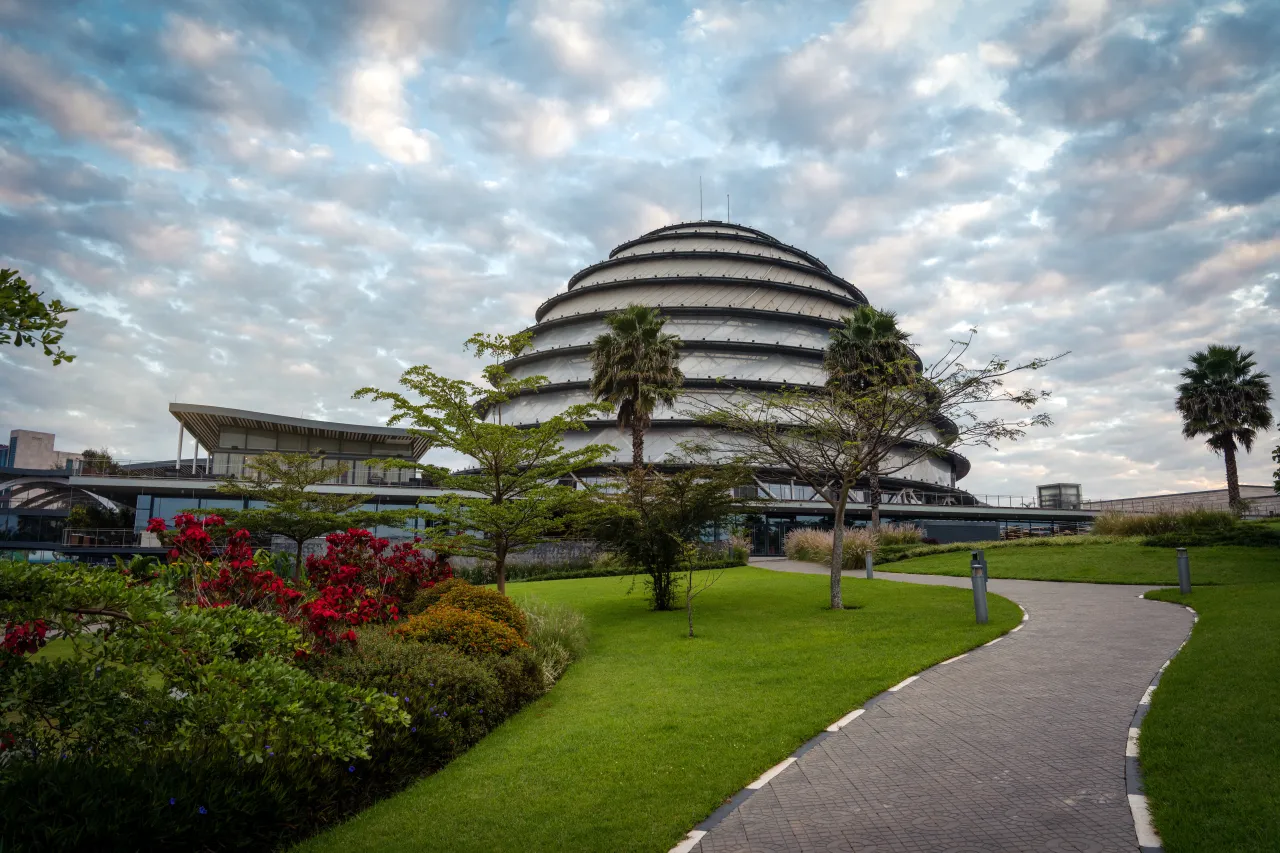
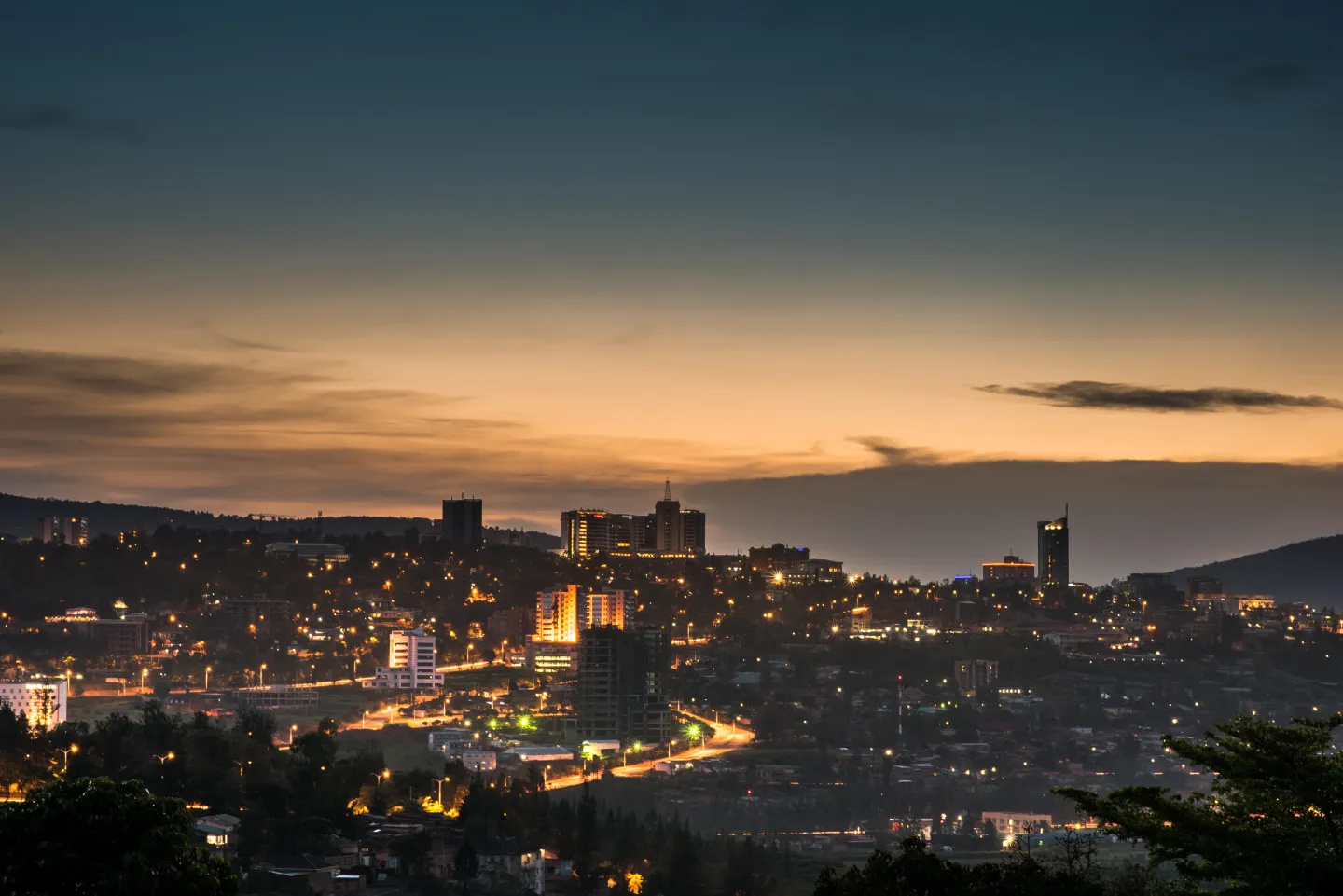
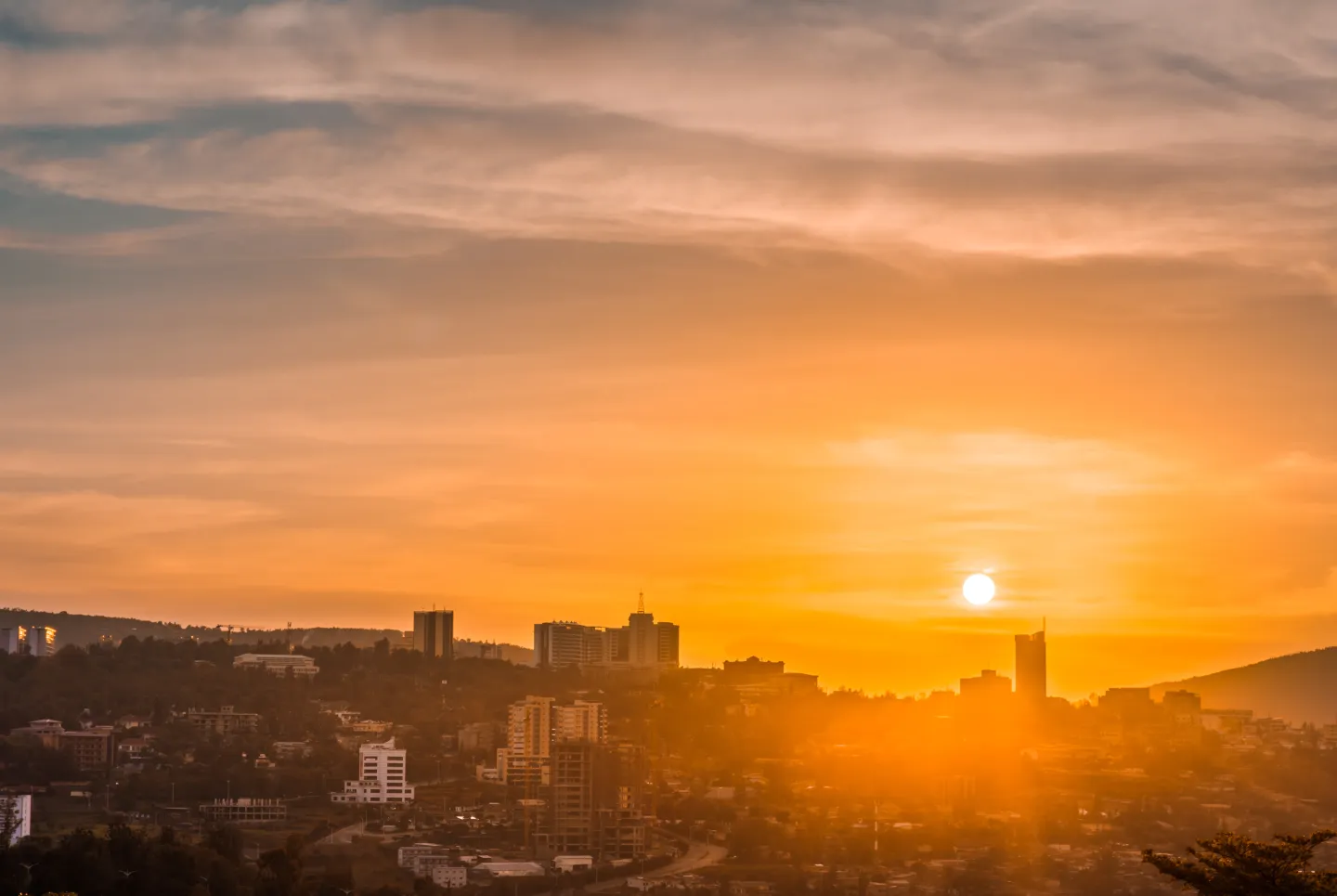
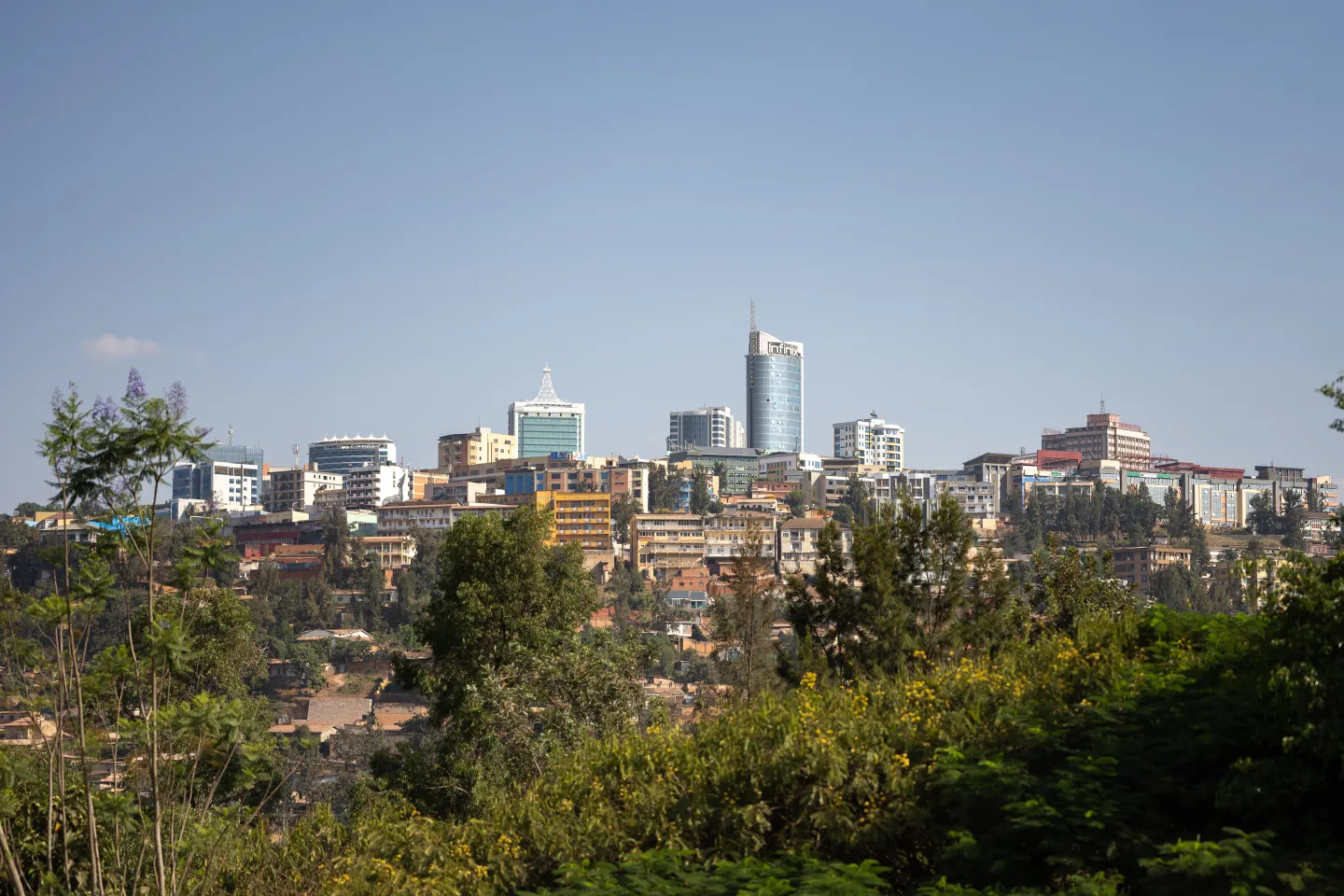
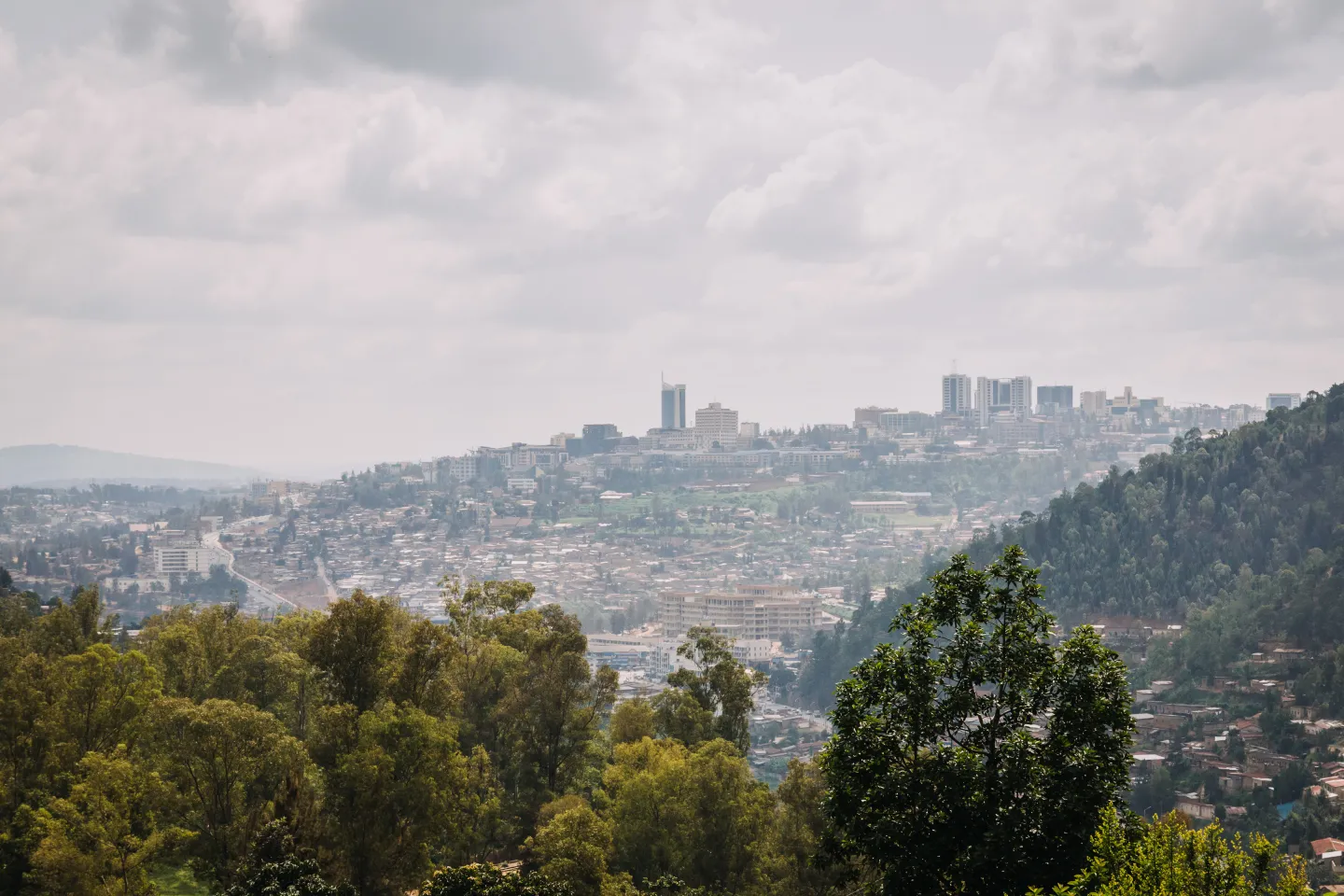
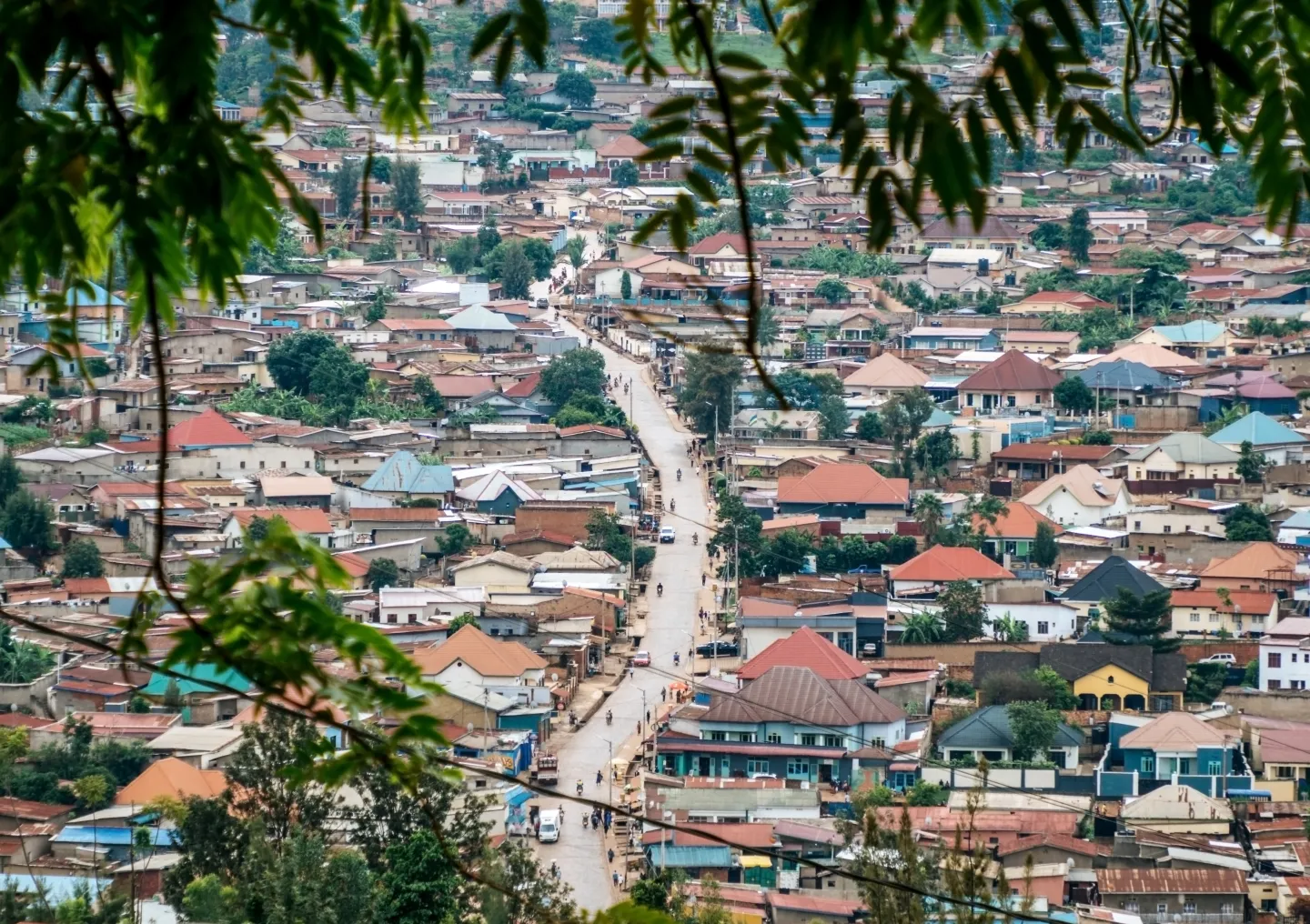
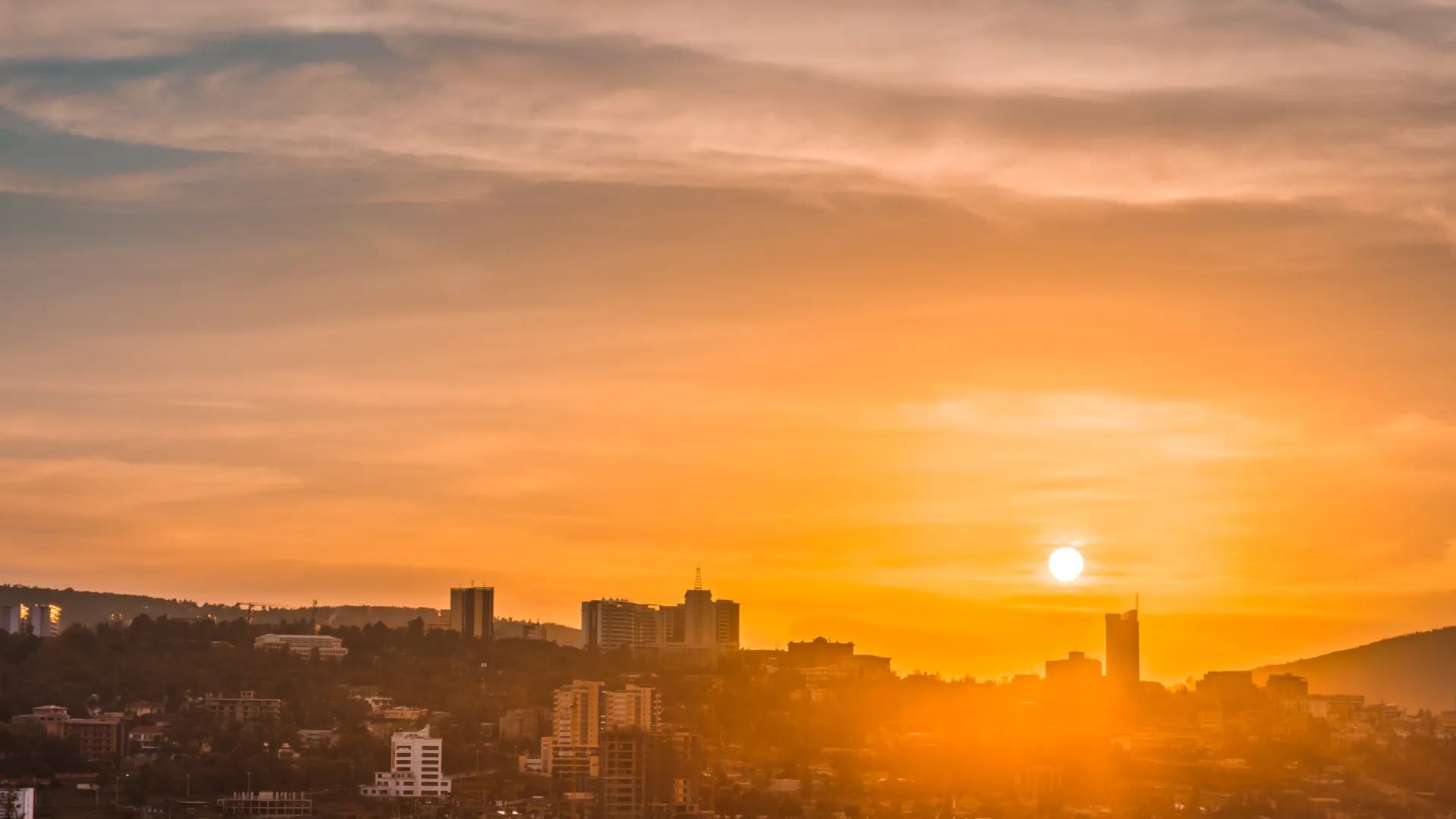
Kigali’s nickname, The City of a Thousand Hills, is a clear description of its topography, and this rolling landscape gives Kigali its distinctive, layered character. Modern glass towers in the central business district give way eventually to leafy residential neighbourhoods clustered on the many hillsides.
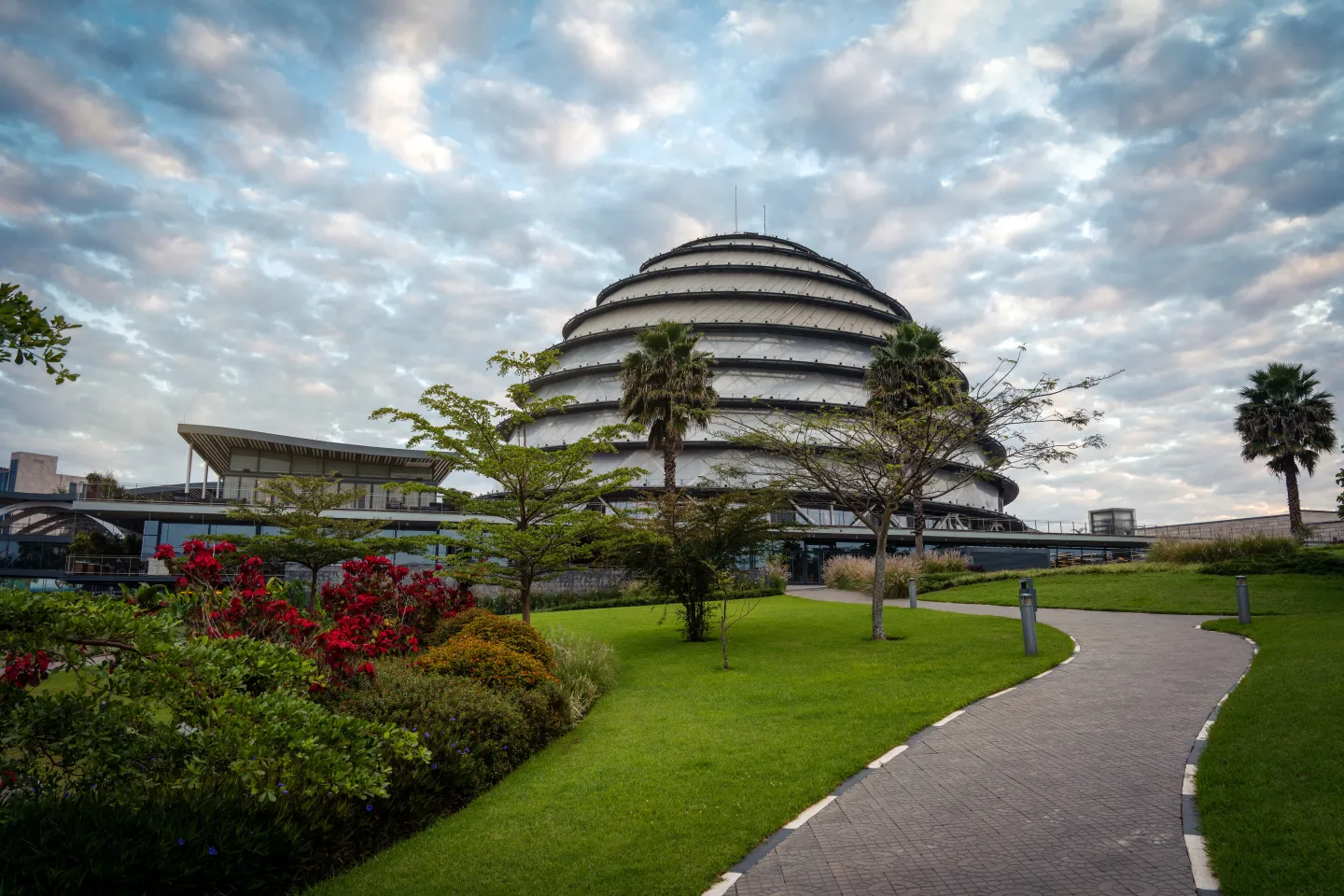
One of the most powerful symbols of this new era is the Kigali Convention Centre. Its dome, designed to resemble the beehive-like structure of a traditional royal palace, glows at night like a multicoloured lantern, a beacon of modernity and a hub for international conferences.
For a moment of natural tranquillity within Kigali, locals head to Nyarutarama Lake, known colloquially as Lover's Lake, a serene place of water and green space adjacent to the city’s golf course.
Another reason to pause in Kigali is to explore its burgeoning culinary scene. For a true taste of Rwanda, find a local buffet-style restaurant for lunch, where you can pile your plate with dishes such as isombe (pounded cassava leaves with spinach), hearty bean stews and grilled tilapia.
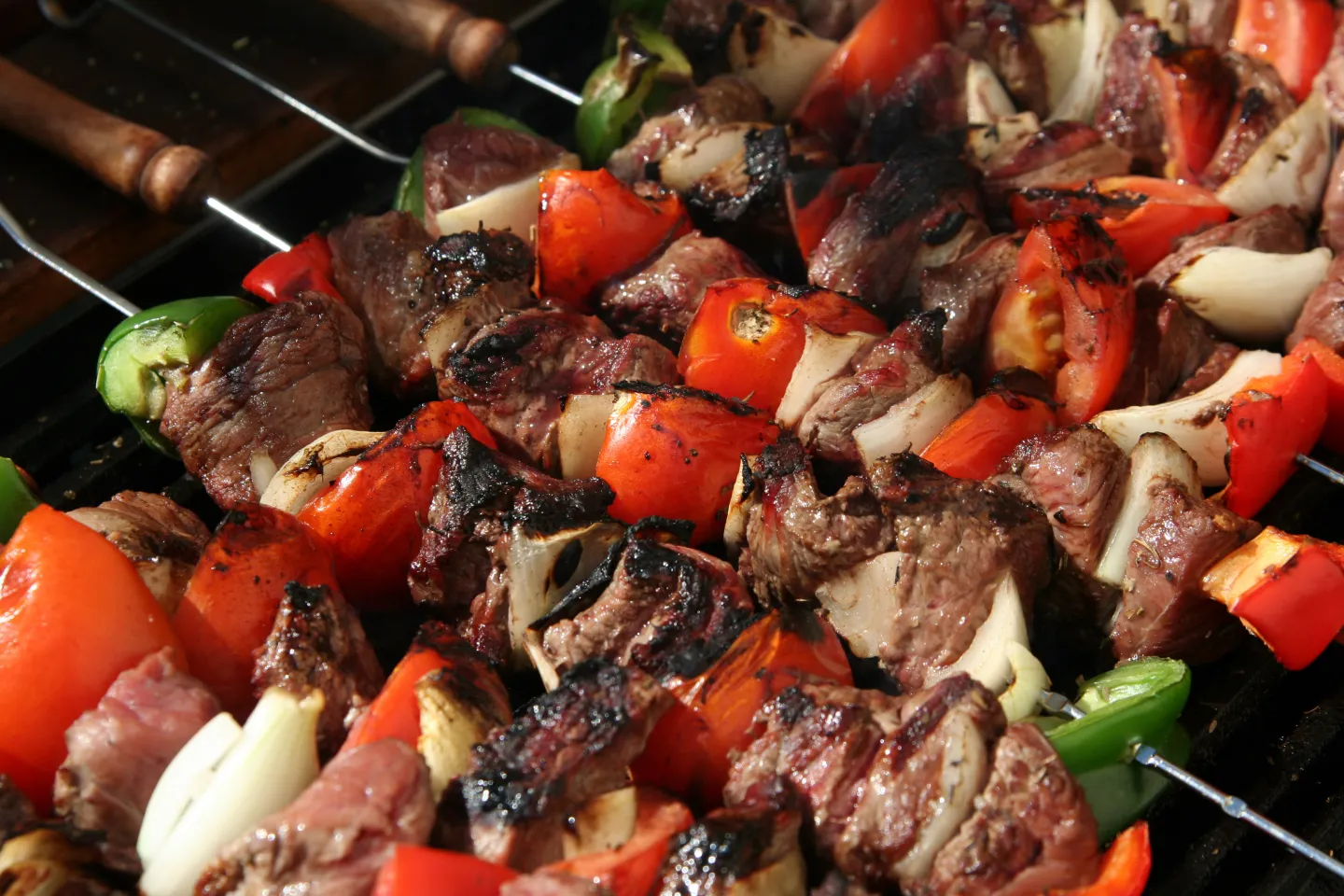
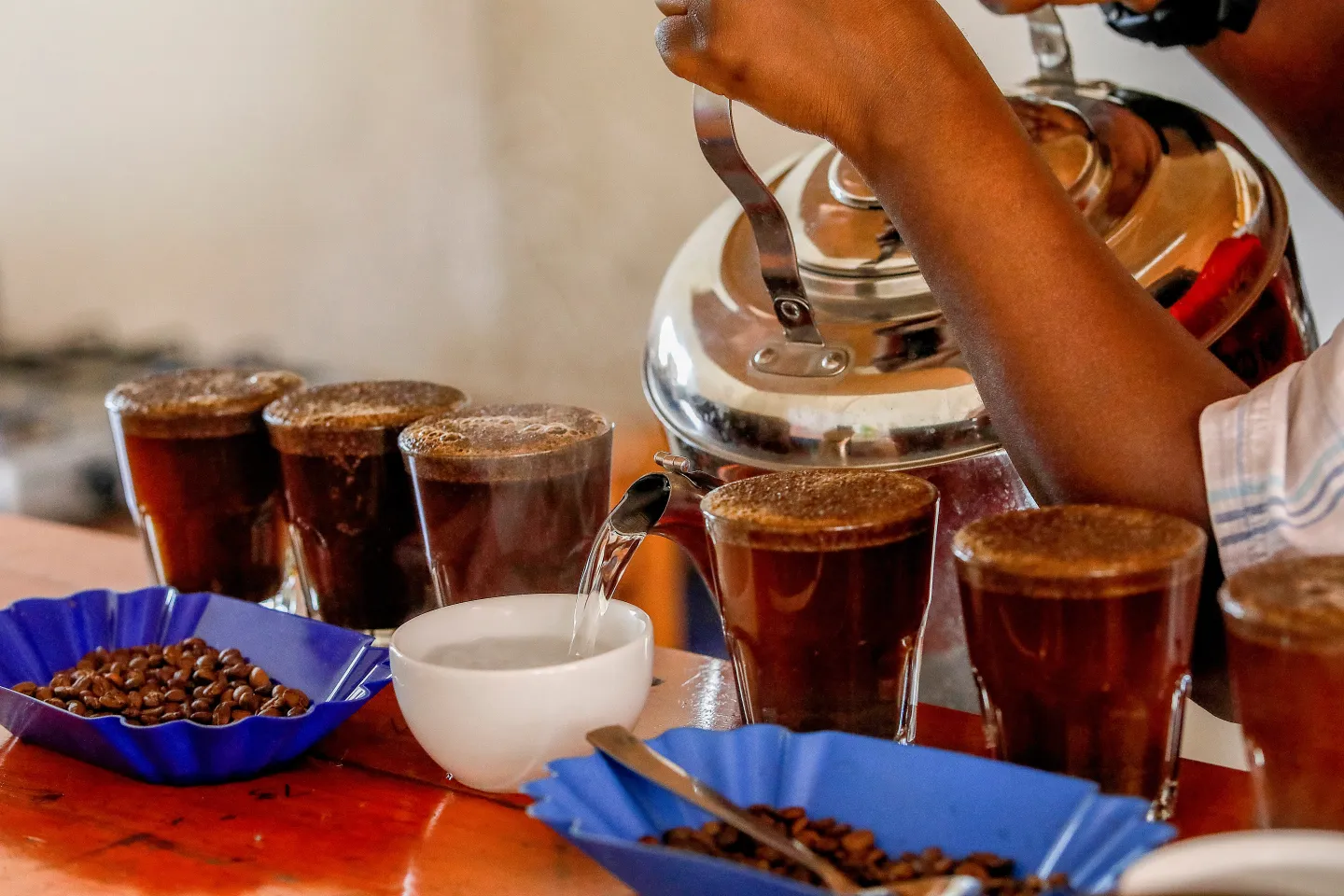
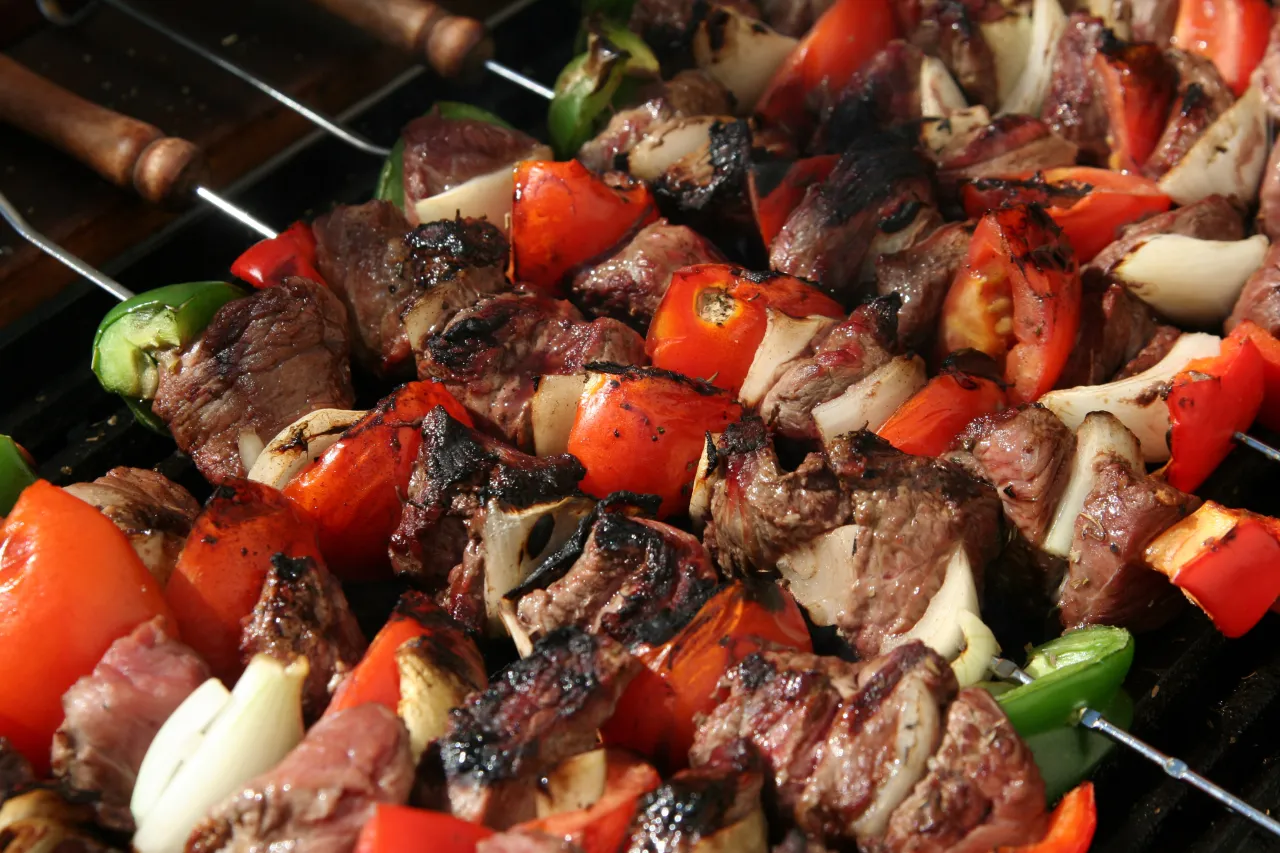
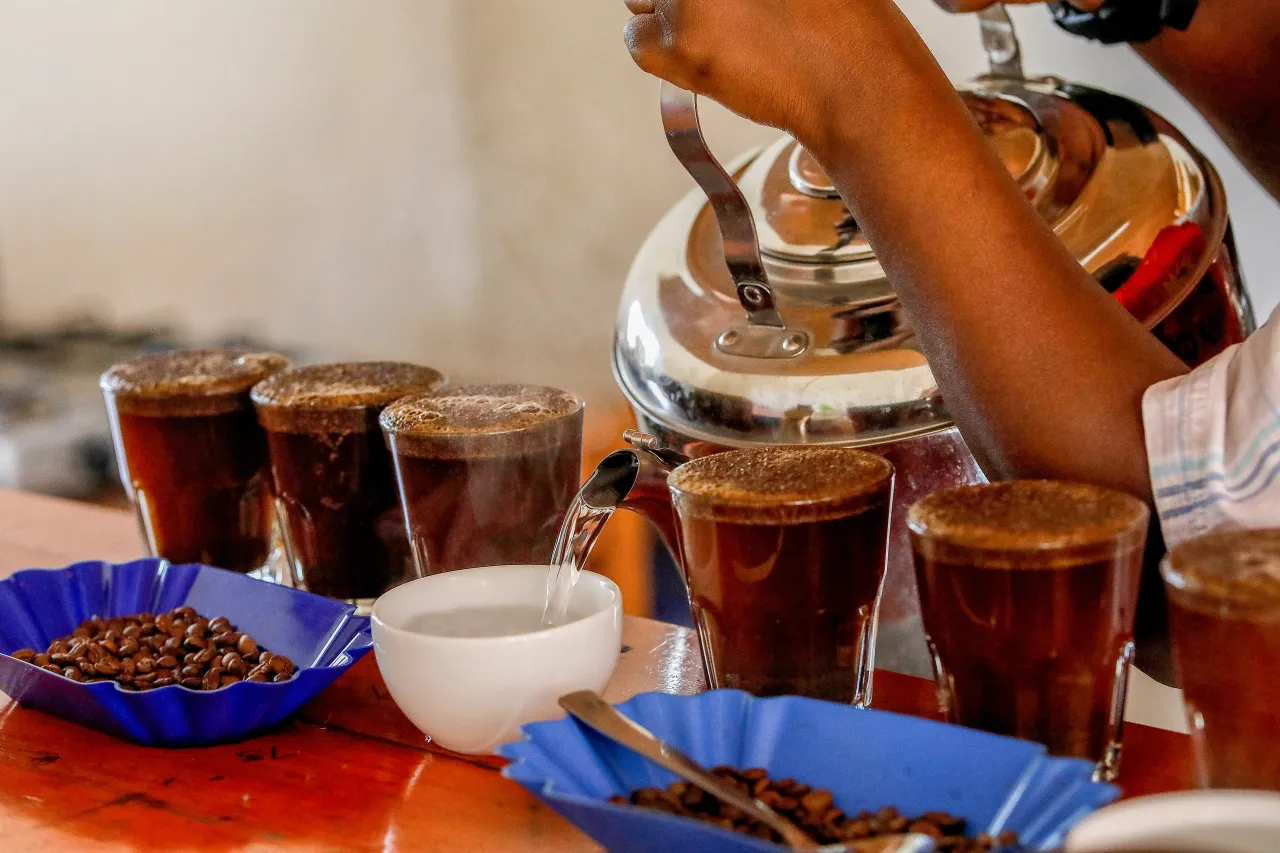
Rwanda is also famous for its high-quality coffee, and a new generation of stylish cafés has emerged, serving world-class, locally sourced espresso and pour-overs. In the evening, the smell of grilling meat fills the air as street stalls serve up brochettes, simple, delicious skewers of goat or beef, a perfect and popular local meal.

Kigali is not the Africa of chaotic cliché. Perched elegantly on its rolling emerald hills, it is a living example of the power of collective will. A city that, by all accounts, should be broken is instead one of the most inspiring urban centres on the continent, a place where its inhabitants have consciously chosen its future.
It is pristine not by chance, but by law. It is safe not by accident, but by social contract. To understand Kigali is to grasp that its greatest attraction is not something or somewhere to visit, but the remarkable rebirth that infuses its clean air.

Related gallery