

Ngorongoro Conservation Area
Ngorongoro Conservation Area
Africa’s Garden of Eden
Peak time
June to September
Best time to visit
June to October (dry season for densest wildlife viewing)
Known for
The world’s largest intact volcanic caldera; incredible Big Five sightings
Also known for
Being “Africa’s Garden of Eden”; a UNESCO World Heritage Site
About the Ngorongoro Crater
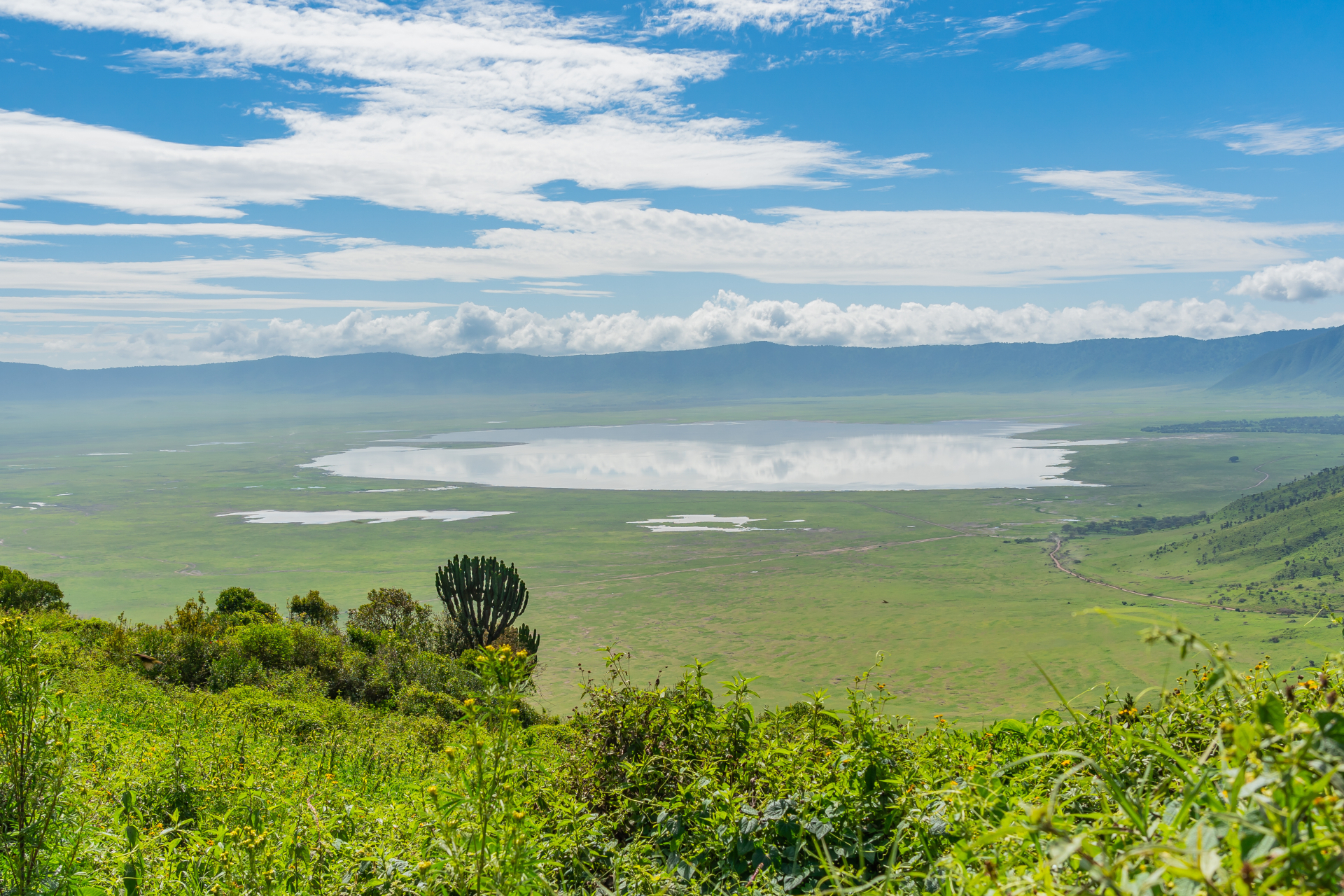
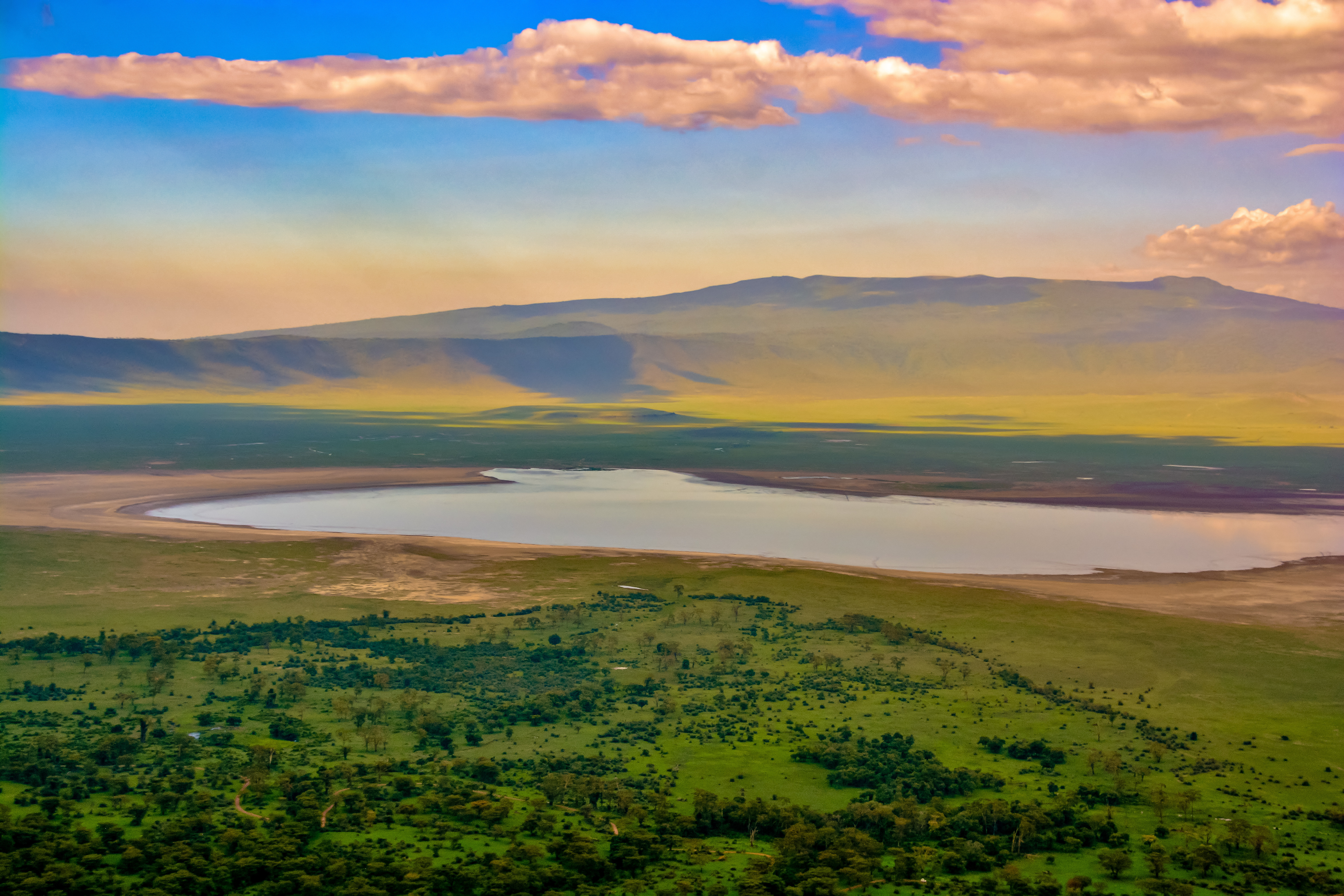
The Ngorongoro Crater is one of nature’s most spectacular arenas: it is the world’s largest intact and unfilled volcanic caldera, formed when a giant volcano erupted and collapsed on itself millions of years ago.
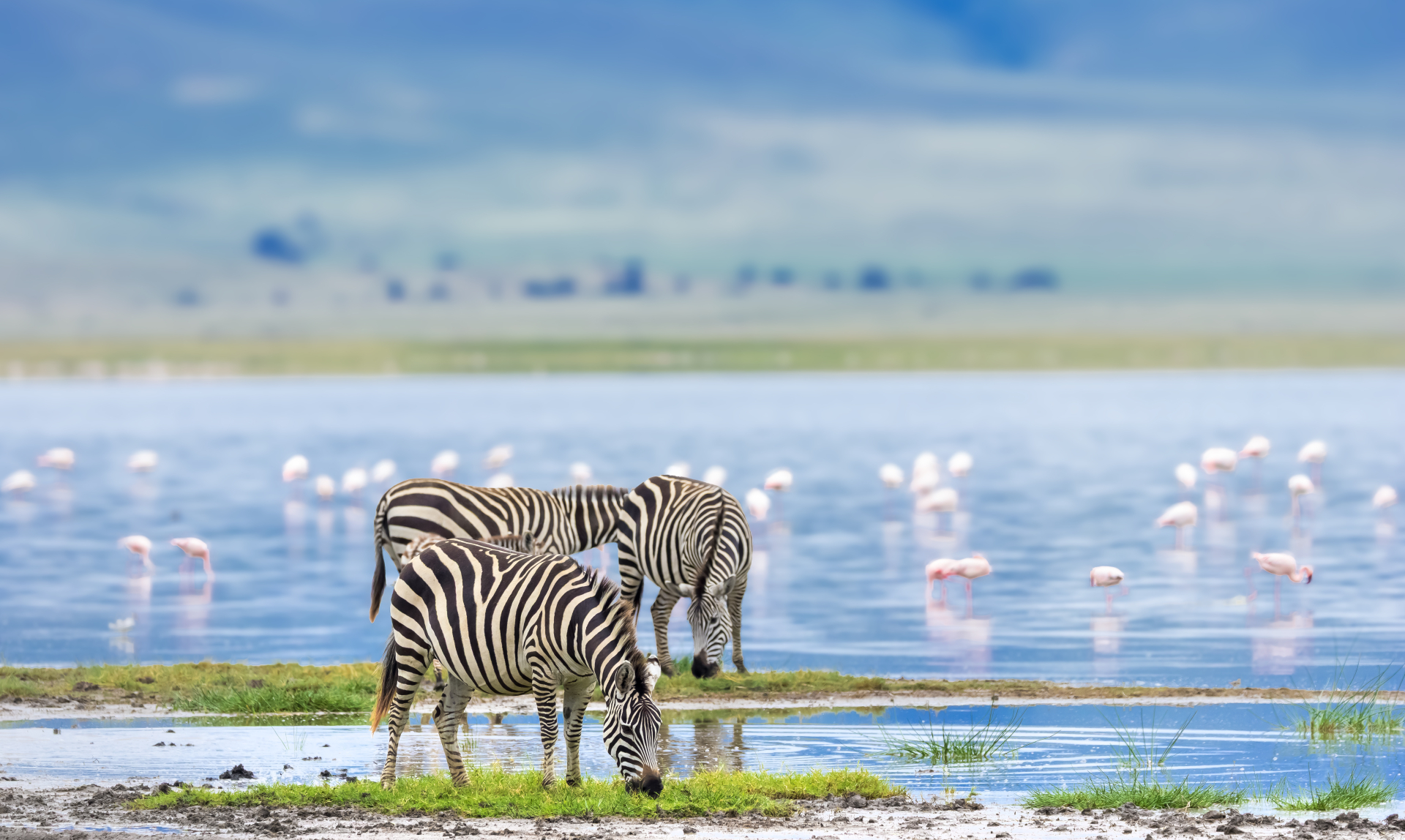
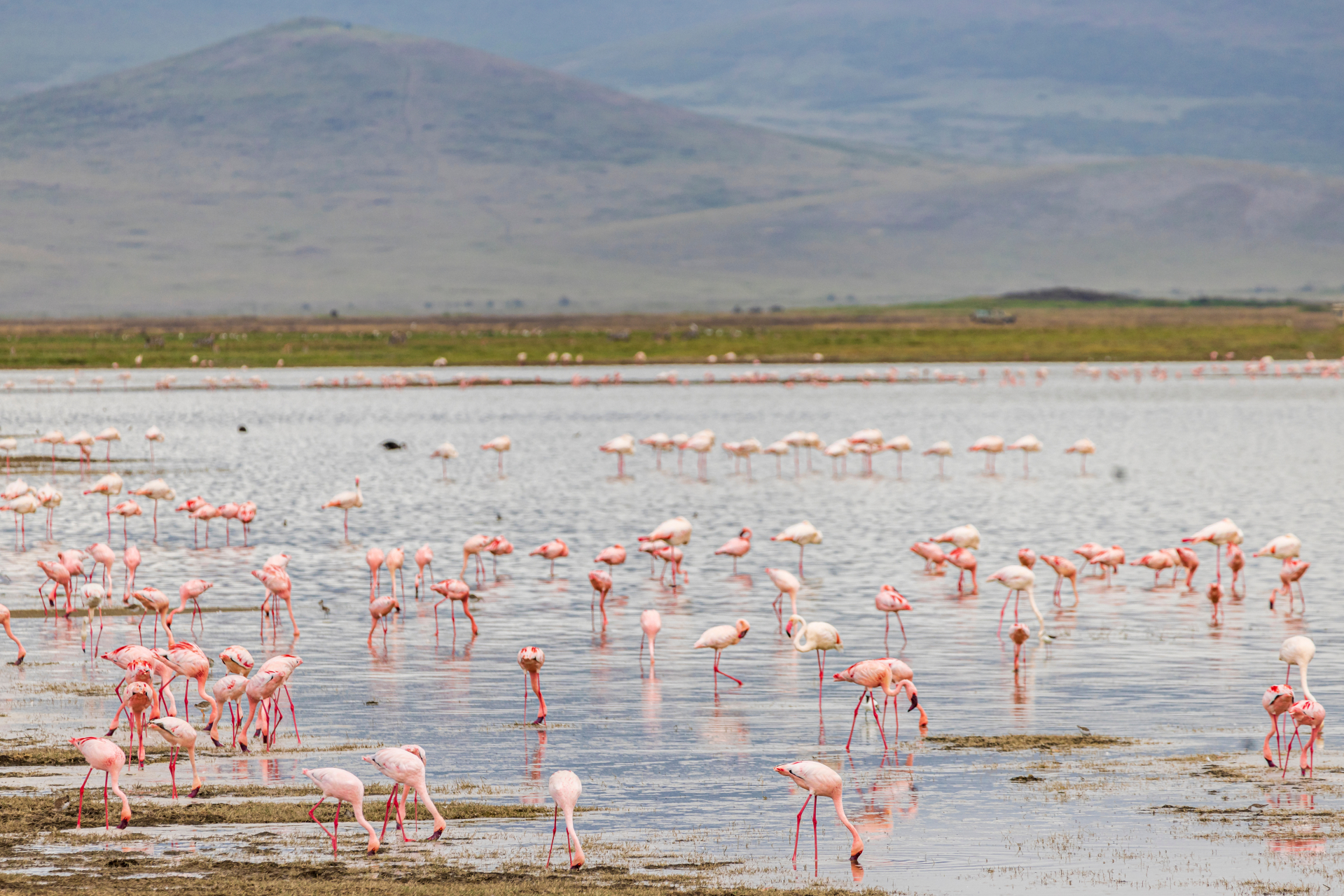
What remains is a breathtaking natural amphitheatre, 600m (1 969ft) deep and covering 260km2 (100sq mi), sheltering a permanent and extraordinarily dense population of African wildlife.
A visit here is a journey into a self-contained world. Your experience begins with a dramatic drive up to the crater rim, where you are greeted by one of the most unforgettable views on Earth: the crater floor unfolds below like a miniature world, dotted with herds of animals. The descent into the crater is like entering a lost world, and you will spend the day in one of the most beautiful safari settings imaginable.

Did you know
The Ngorongoro Crater was formed when a volcano, once thought to be as high as Mount Kilimanjaro, collapsed inwards after a major eruption around 2.5-million years ago.
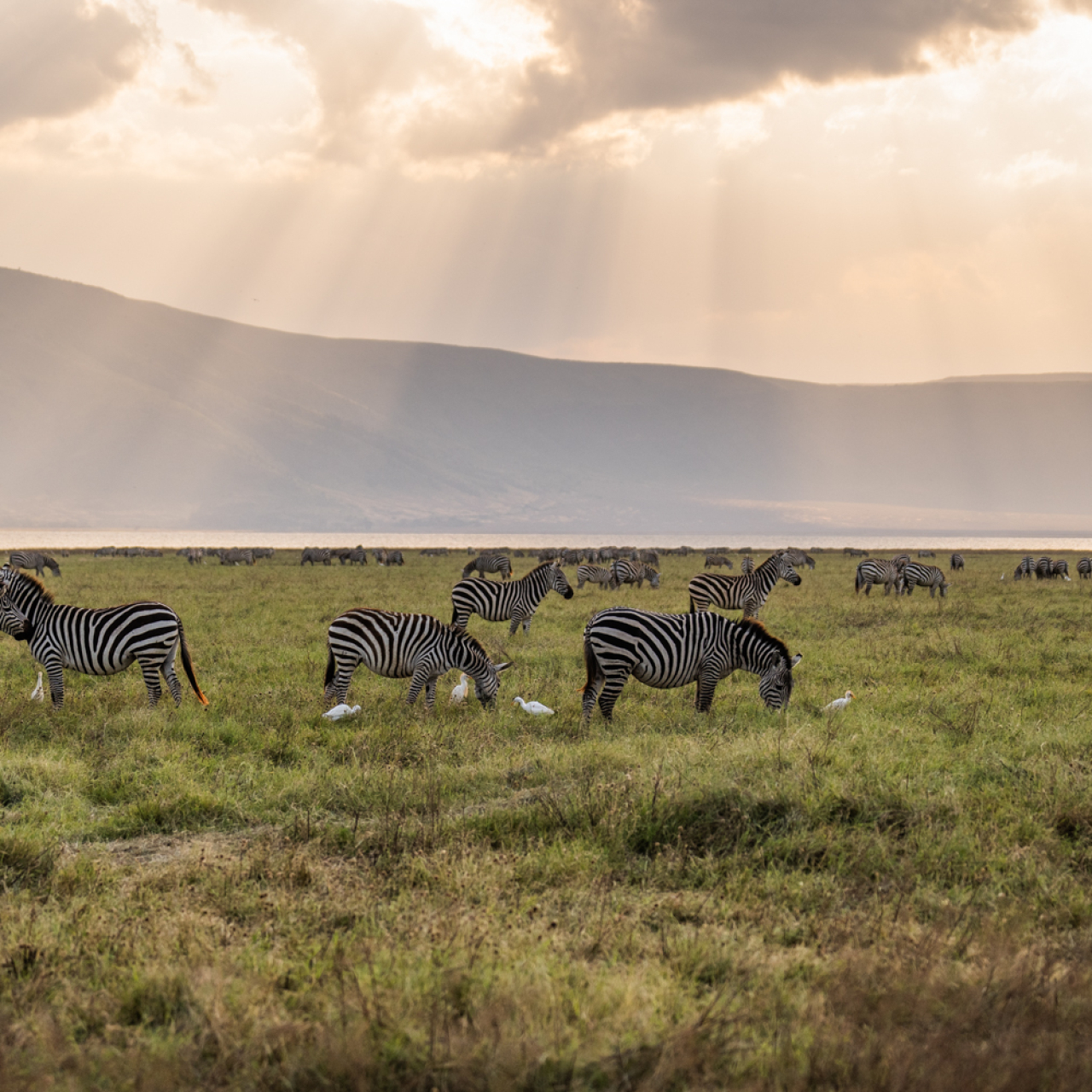
Within the crater walls, a perfect mix of habitats – from open savannah and acacia forest to soda lakes and swamps – supports a staggering
25 000 large animals. It is one of the few places in Africa where you can realistically see all of the Big Five (lion, leopard, elephant, rhino and buffalo) in a single day. To be on the crater floor, constantly surrounded by wildlife against the backdrop of the towering caldera walls, is humbling and utterly unforgettable.
Get to know the Ngorongoro Crater
The Ngorongoro experience is unique, with accommodation located on the crater rim offering spectacular views, especially at sunrise and sunset. Visitors are not allowed to stay on the crater floor itself. Game drives are the primary activity, involving a steep but scenic descent down a designated access road onto the crater floor.
To minimise environmental impact and prevent overcrowding, park regulations typically limit game drives within the crater to a maximum of six hours per vehicle per day. This is more than enough time to explore the varied mini-ecosystems of the crater floor – from the Lerai Forest with its yellow-barked acacias to the Gorigor Swamp and the vast grasslands, all of which offer different but equally rewarding wildlife sightings.
History
The history of the Ngorongoro region is intertwined with the history of humanity itself. The wider Ngorongoro Conservation Area is home to Olduvai Gorge, the world-famous palaeontological site often called the “Cradle of Mankind” (not to be confused with a different World Heritage Site called the “Cradle of Humankind”, located in South Africa). It was here in the 1950s that Dr Louis and Mary Leakey made some of the most important discoveries in human evolutionary history, unearthing fossils of our early hominid ancestors that are millions of years old.
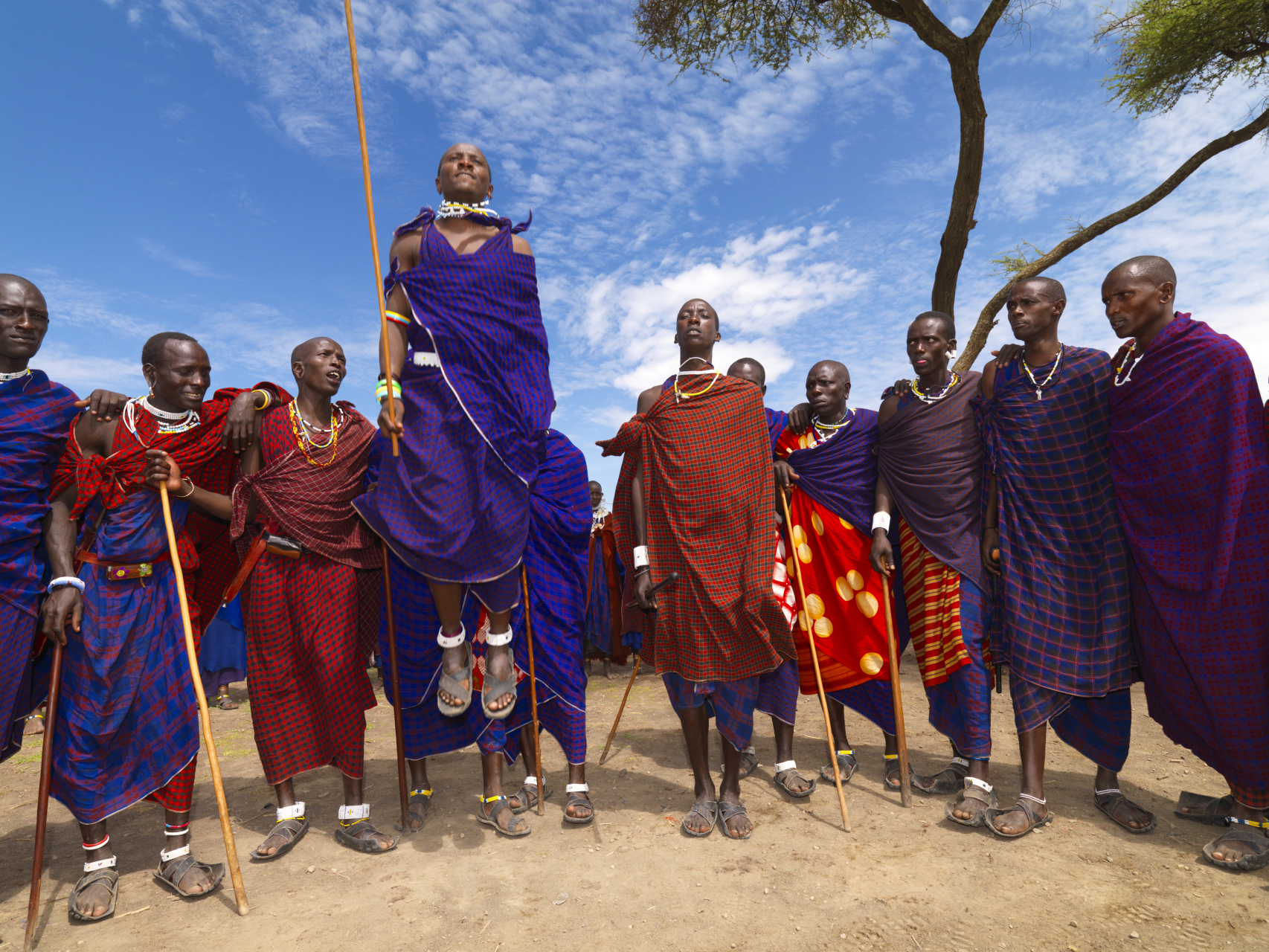
The modern history of the crater is one of pioneering conservation. In 1959, the Ngorongoro Conservation Area (NCA) was established, separating it from the Serengeti National Park. The NCA was founded on a revolutionary principle: to create a protected area where wildlife could coexist with the semi-nomadic Maasai people who had grazed their cattle there for generations. This model of multiple land use remains an important experiment in conservation and human development.
More unforgettable activities
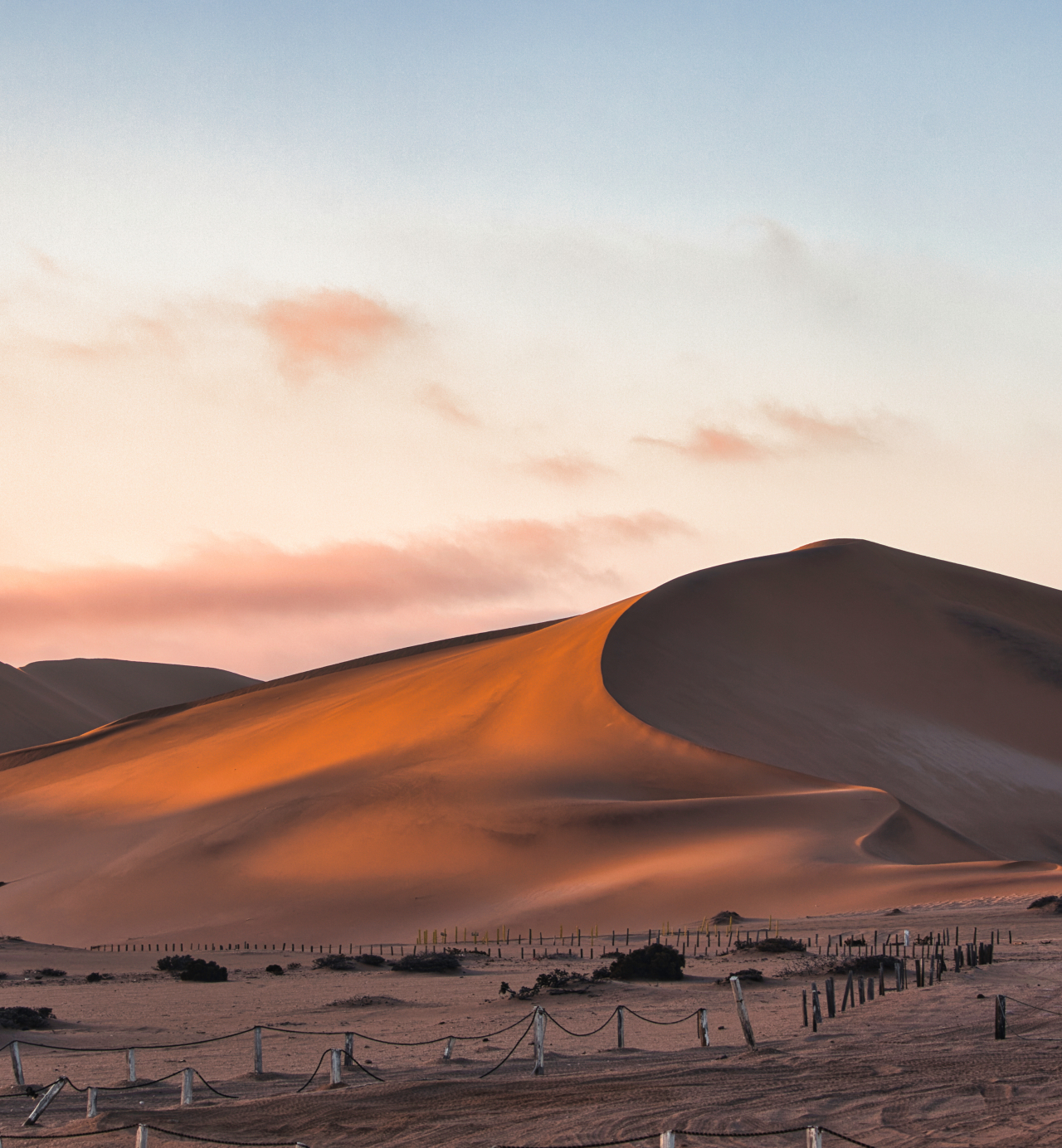
Champagne and oysters on Dune 7
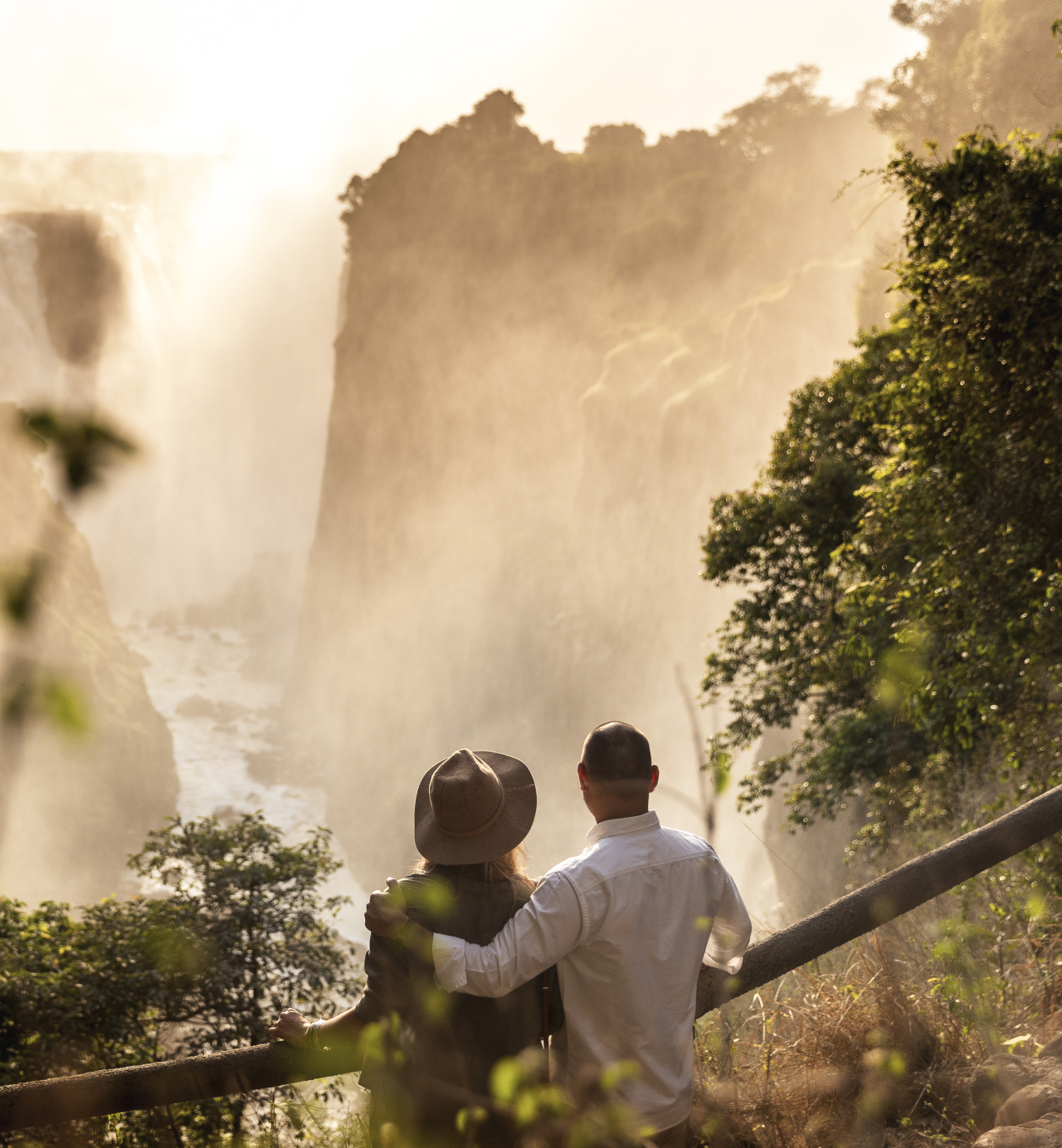
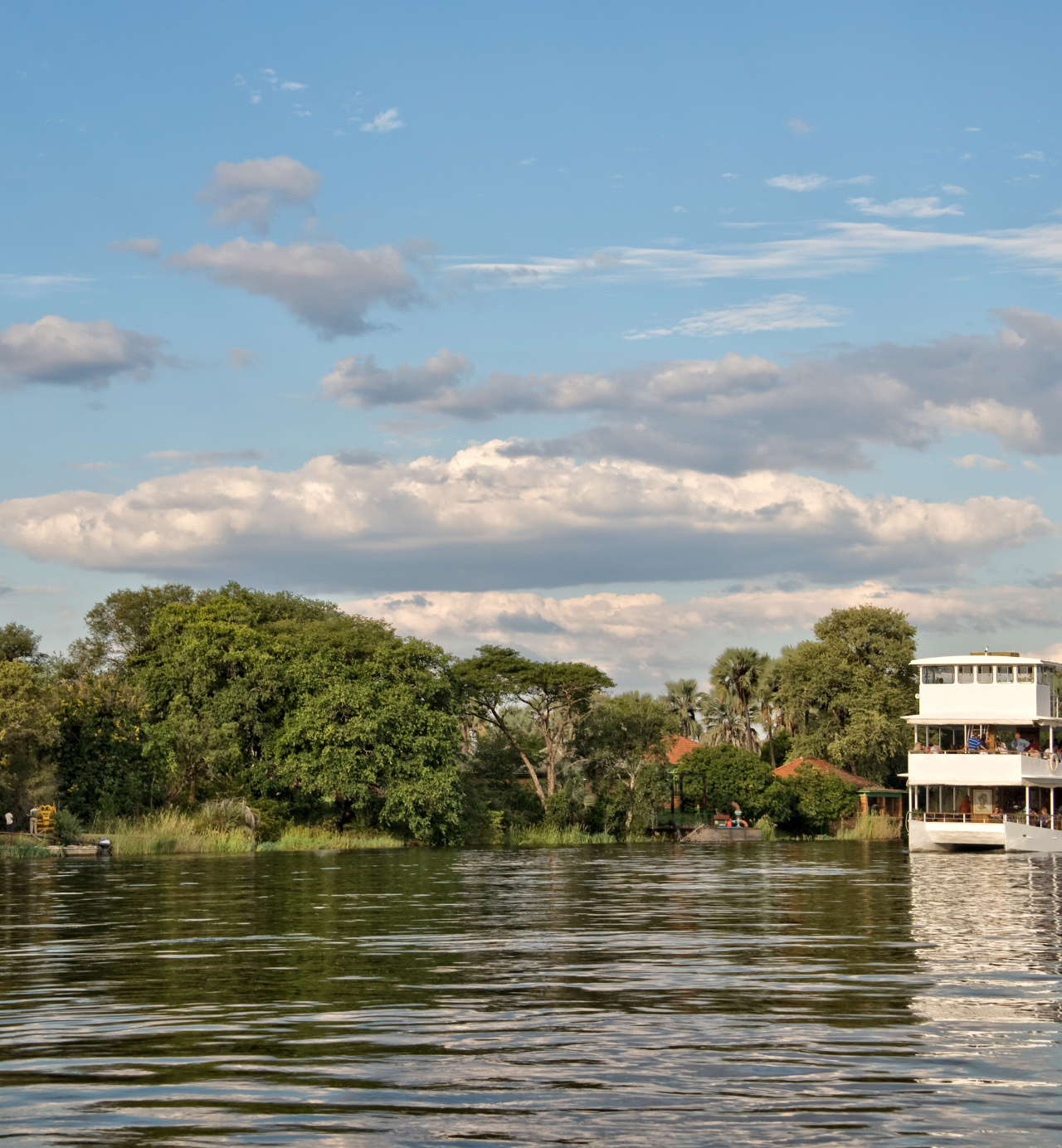
Live-aboard luxury Zambezi safari
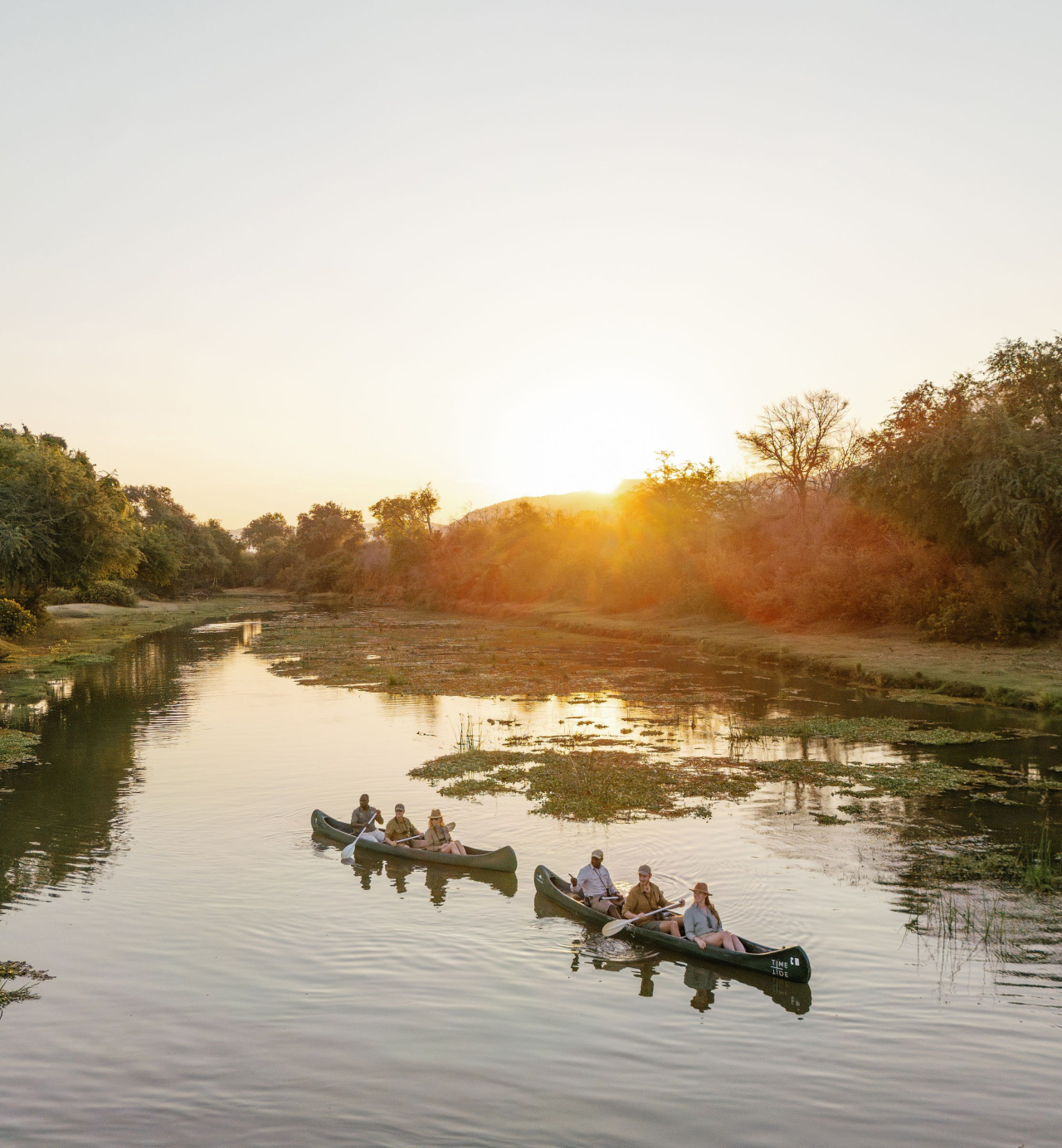
Picnicking on islands in the Zambezi

Turtle egg laying and hatching
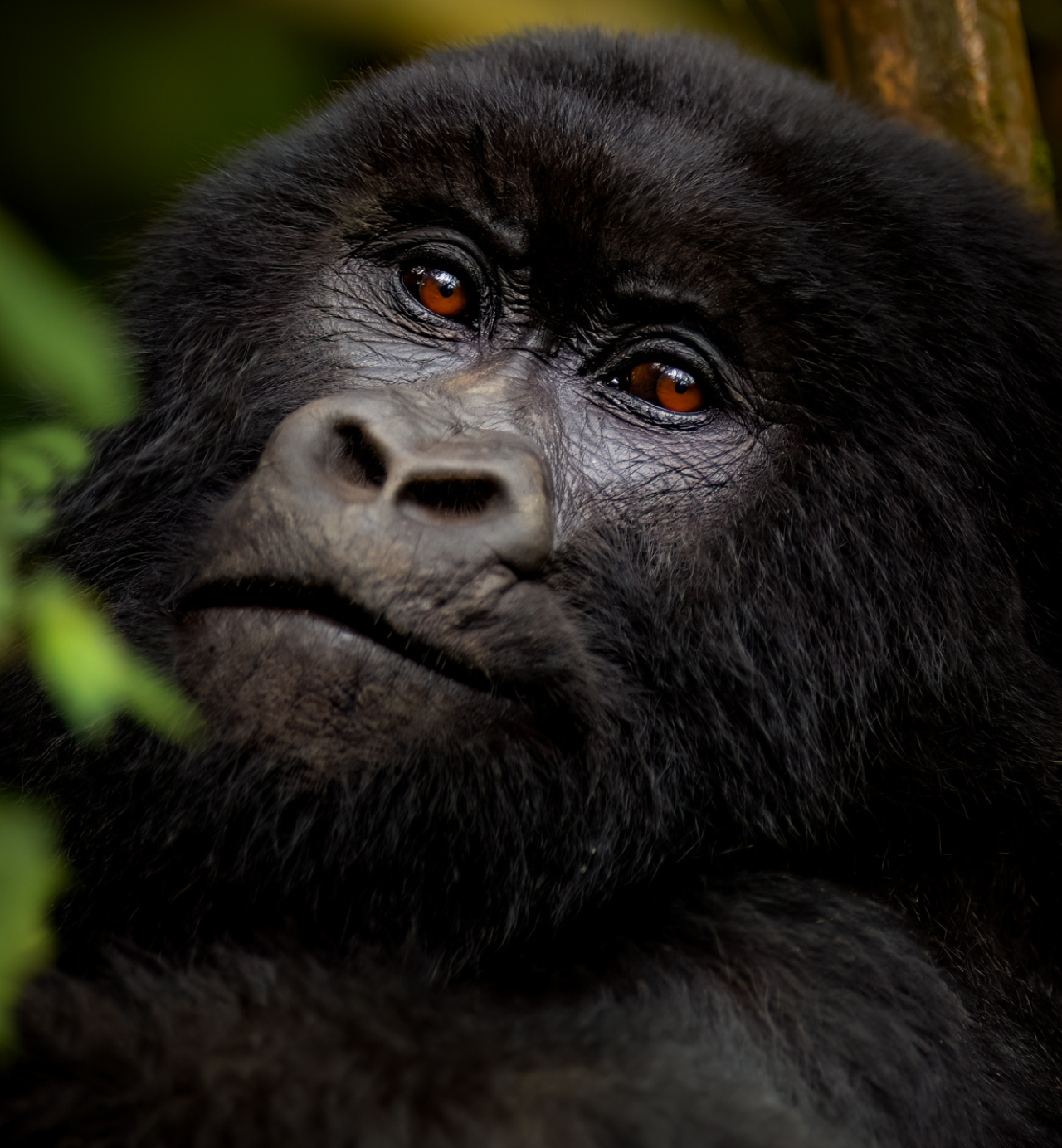
Gorilla trekking
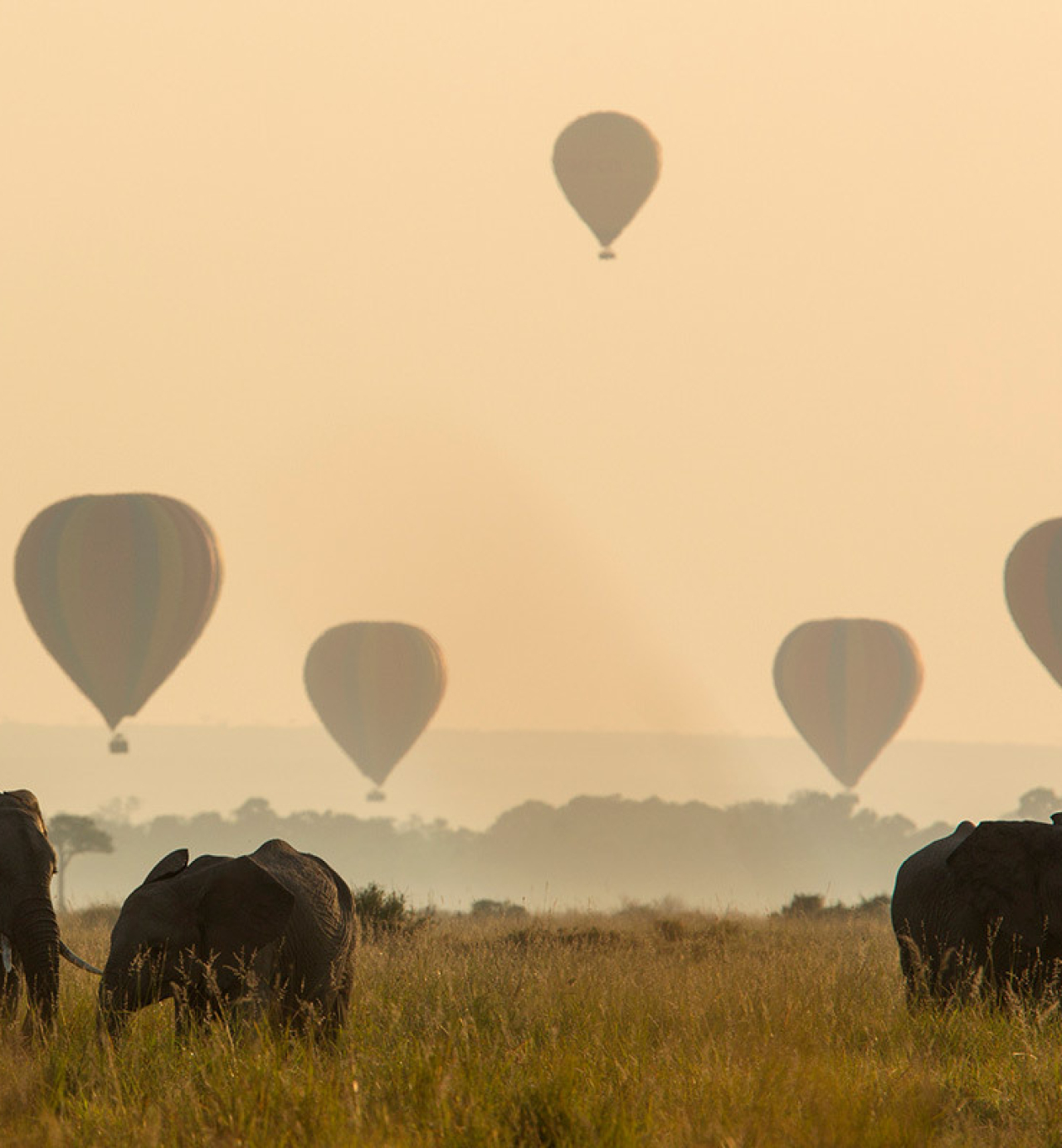
Ballooning over the Serengeti or Mara
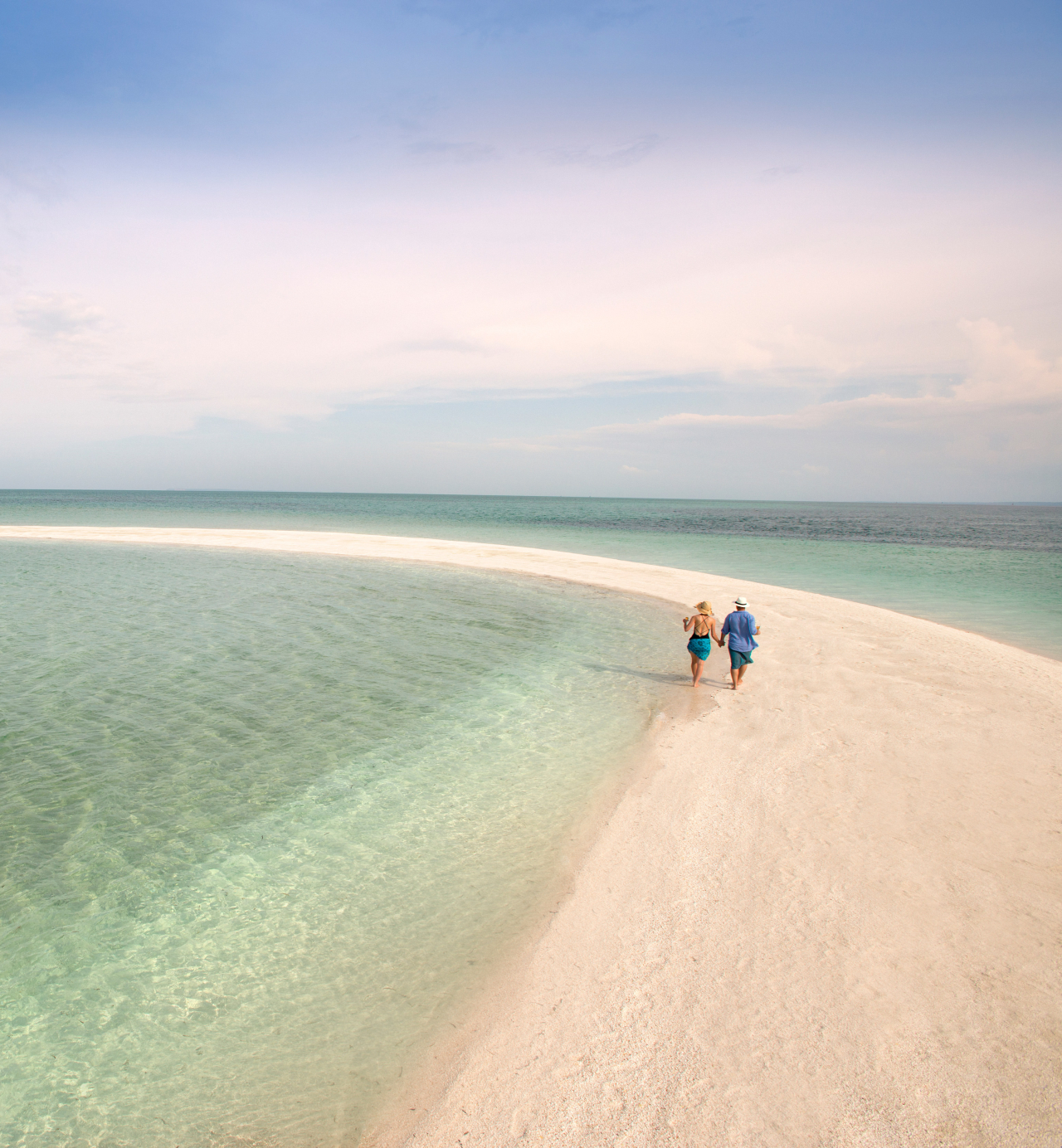
Castaway picnic on an African island
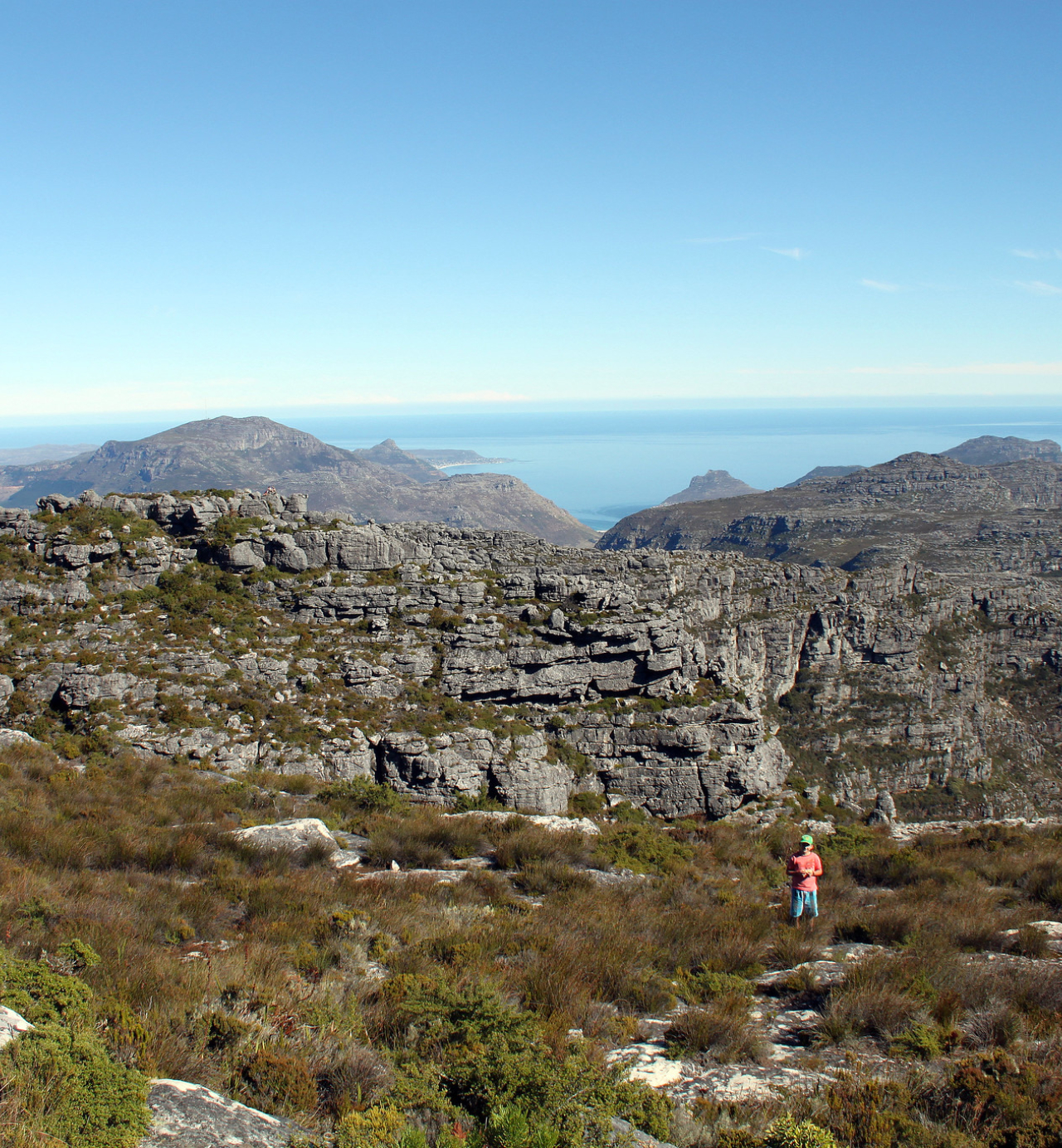
Hiking Table Mountain with a botanist or forager
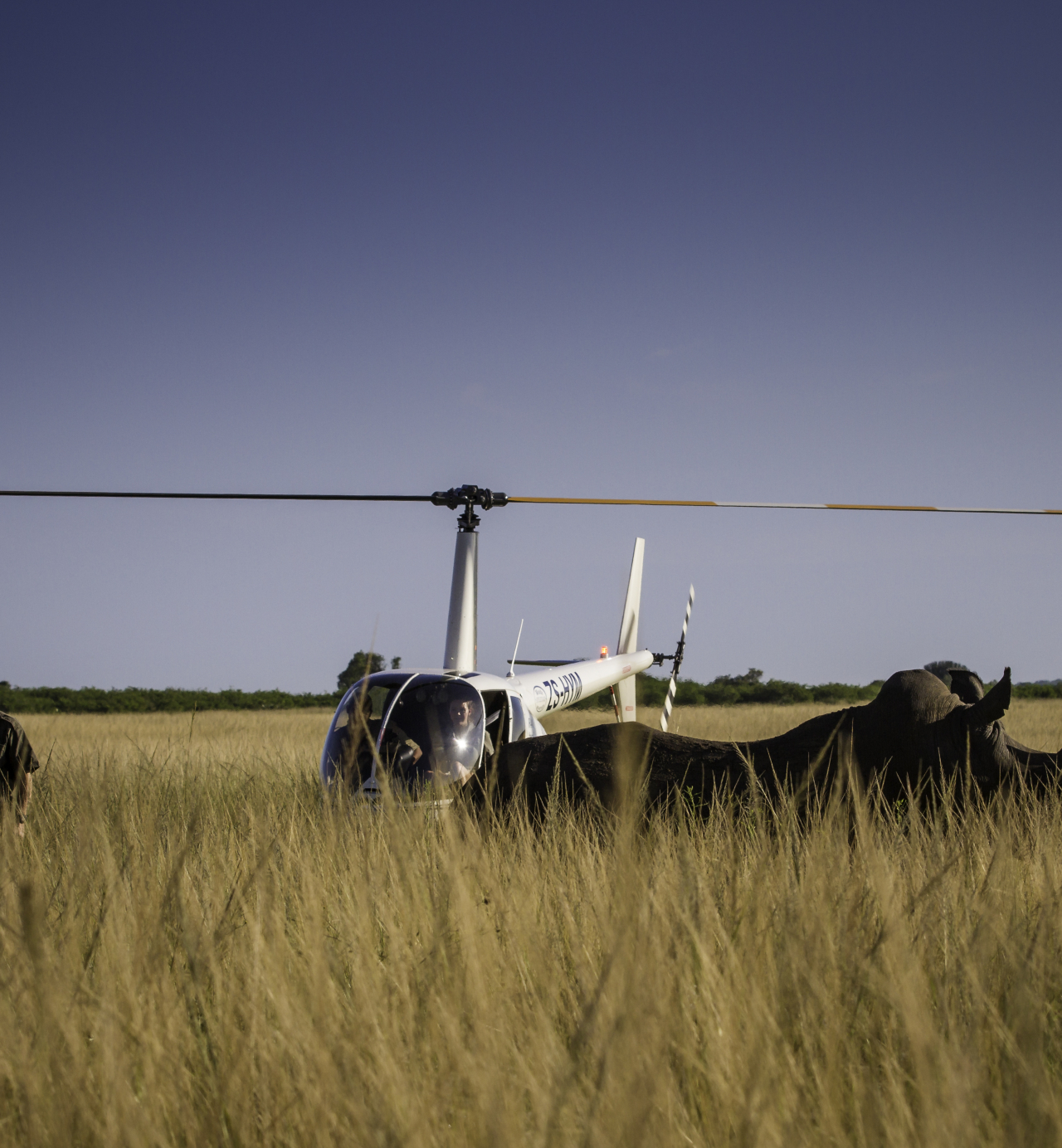
Rhino darting and chipping experience
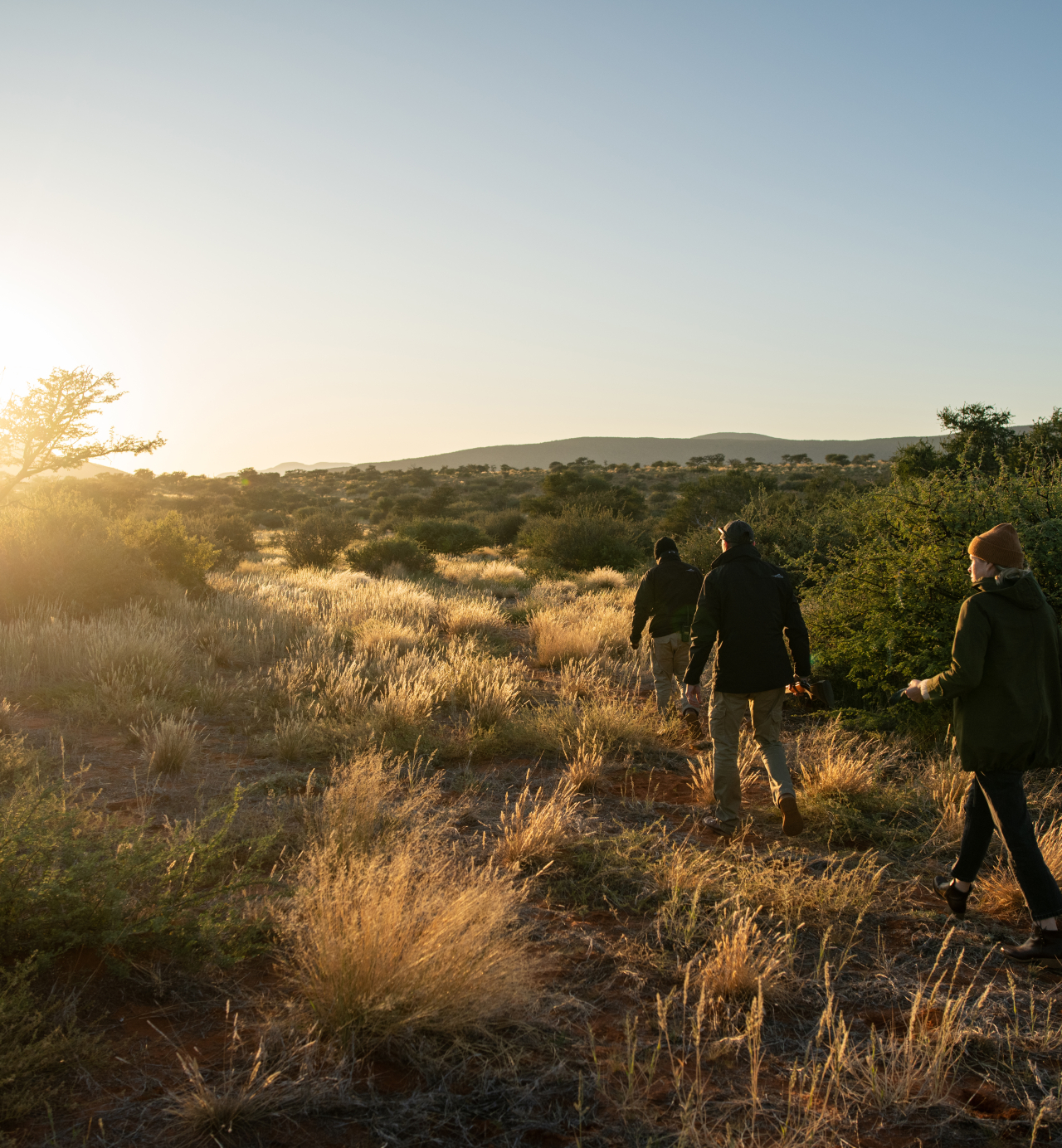
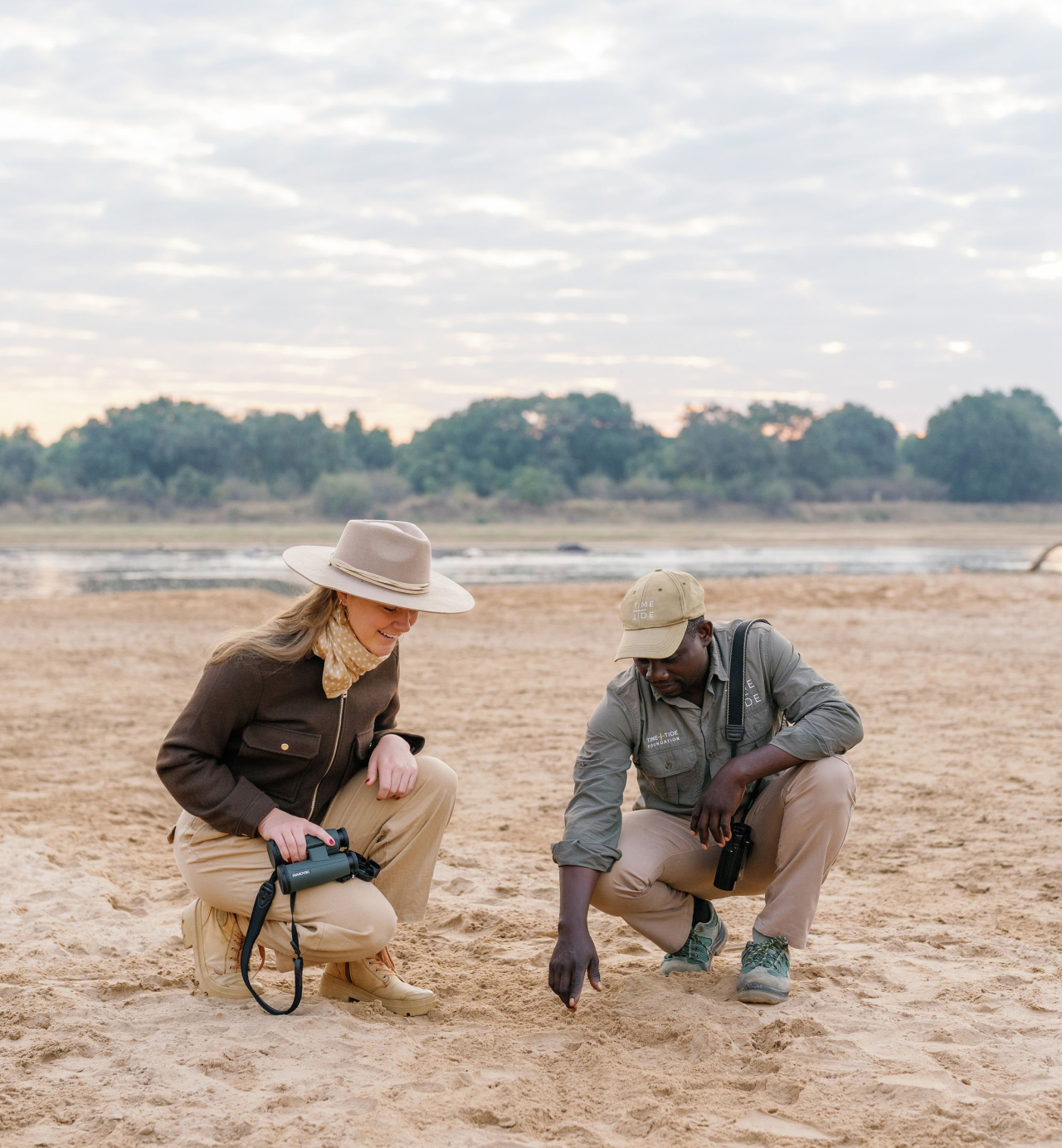
Tracking Africa’s most elusive species on foot

Voices of our guests
Ngorongoro Crater FAQs
The dry season from June to October offers the best and most comfortable game viewing, as vegetation is sparse and animals congregate around water sources. However, wildlife is abundant year-round.
Yes. Bearing in mind that wildlife sightings can never be guaranteed, the Ngorongoro Crater is one of the very best places in Africa to see the lion, leopard, elephant, rhino and buffalo in a single game drive, although the leopard is always the most difficult to spot.
One full-day game drive is sufficient and the standard way to experience the crater. Park rules usually limit visits to the crater floor to a single entry of up to six hours.
All lodges and camps are situated on or in the vicinity of the crater rim, offering spectacular views down into the crater. There is no tourist accommodation on the crater floor itself.
It is believed that the steep, inward-sloping walls of the caldera are too challenging for giraffes to navigate, so they have never naturally populated the crater floor.
It is one of Africa’s most popular safari destinations, so you can expect to see other vehicles during your game drive. However, the number of vehicles allowed in at any one time is regulated to manage the experience.
No. It is the centrepiece of the Ngorongoro Conservation Area, which is a separate and distinct protected area that lies adjacent to the Serengeti National Park.
Layers are essential. The crater rim can be cold, misty and windy in the early morning, but it can get quite warm and sunny on the protected crater floor during the middle of the day.
It is a pioneering multiple land-use area, where wildlife conservation, tourism and the traditional pastoralist lifestyle of the local Maasai people are managed to coexist.
Yes. The Ngorongoro Conservation Area is located in a malaria zone. It is essential to consult your doctor about appropriate anti-malarial medication before your trip.
