

Serengeti National Park
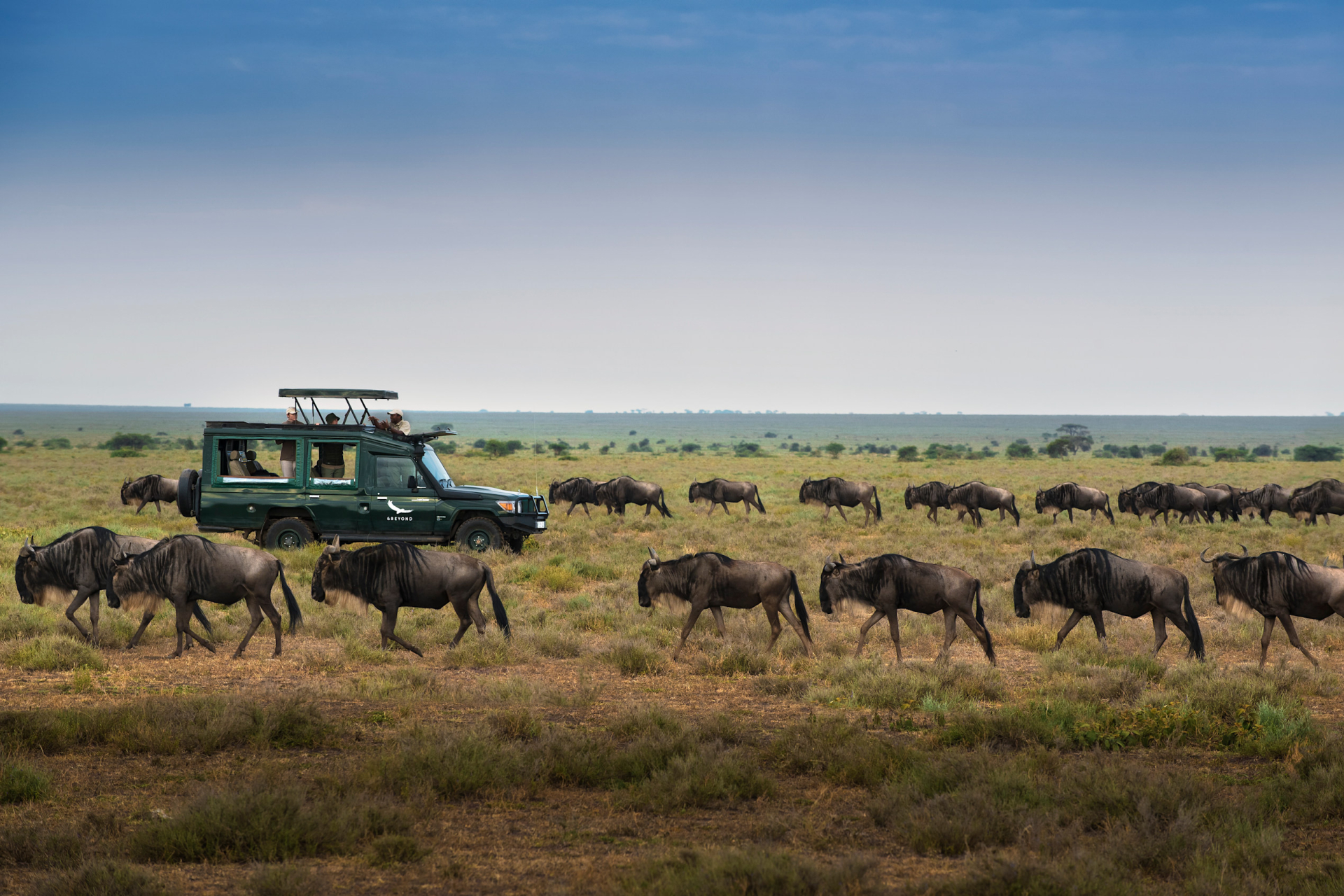
Serengeti National Park
Endless plains.
Peak time
July to October (for Mara River crossings)
Best time to visit
A year-round event; July to October for river crossings, January to March for calving season
Known for
The largest overland mammal migration on Earth
Also known for
Dramatic river crossings, incredible predator action
About the Great Migration
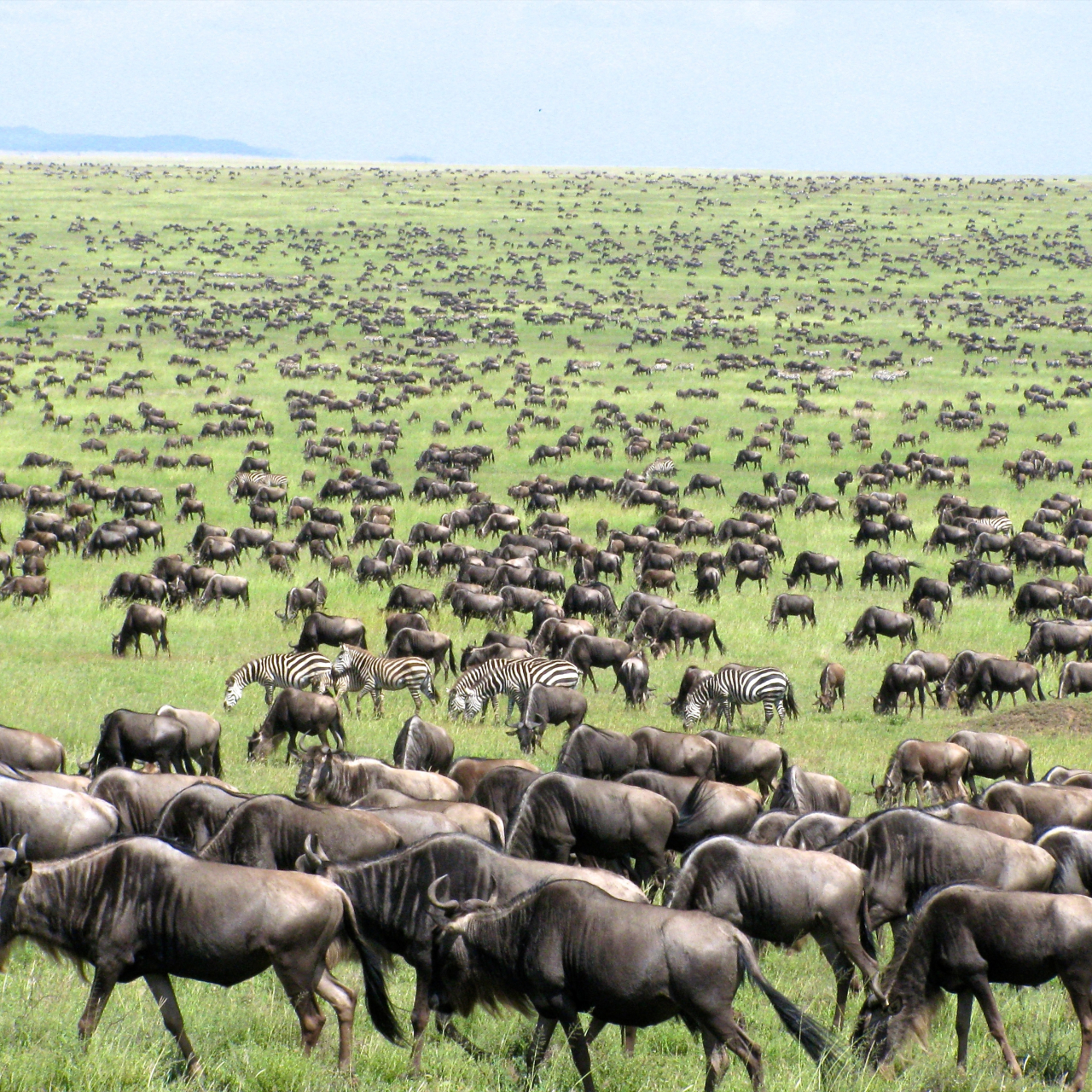
The Great Migration is not a single event; it is an ongoing, year-long pilgrimage and the greatest wildlife show on the planet. It is the continuous, circular journey of up to two million animals – primarily wildebeest, but also vast numbers of zebra and gazelle – across the Serengeti ecosystem.

Did you know
The Great Migration involves an estimated 1.5-million blue wildebeest, 300 000 zebras and 200 000 gazelles.
Driven by ancient instincts and the need for fresh grazing, this massive movement has happened for millennia.
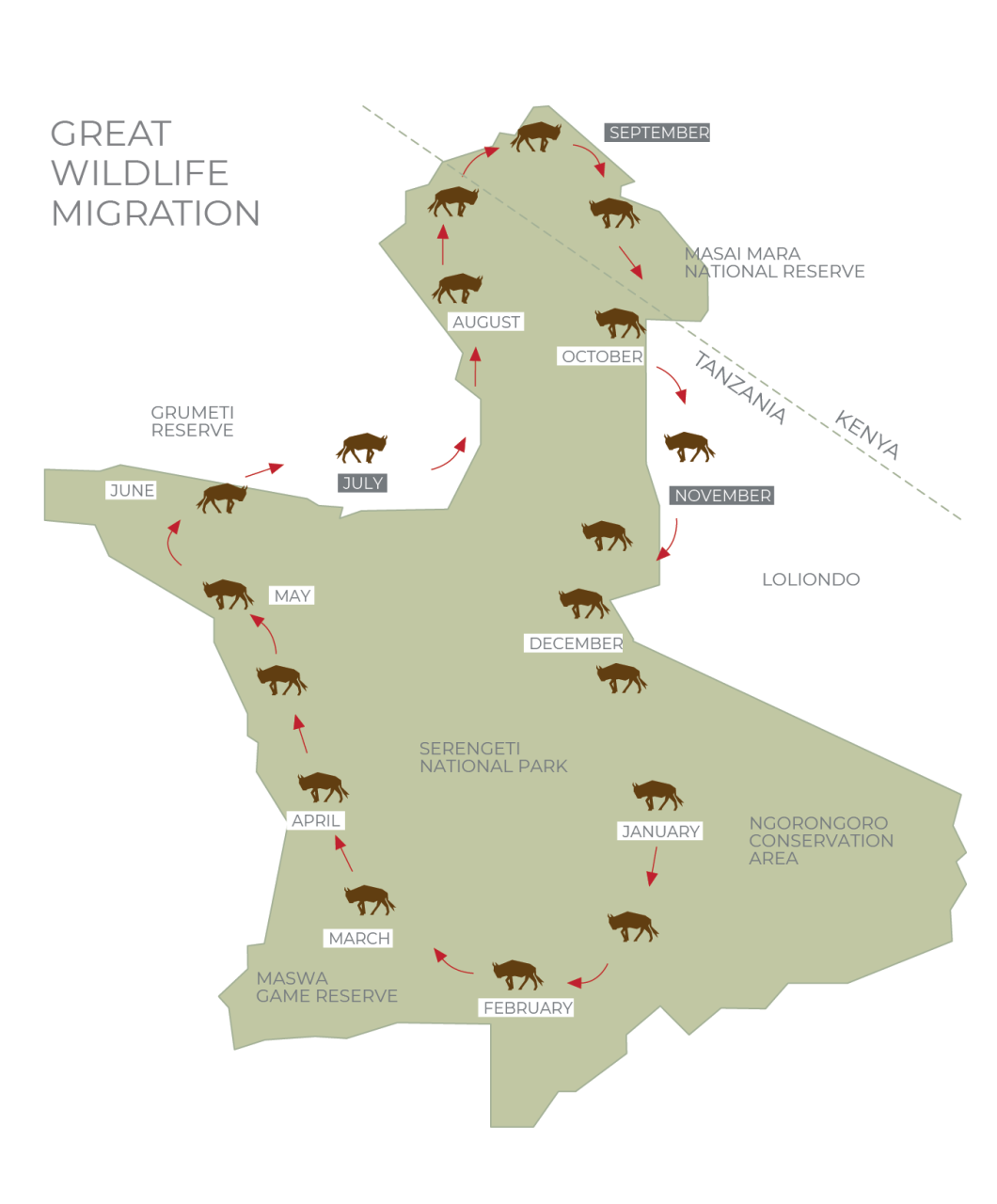
The most famous scenes of this epic are the dramatic river crossings. From July to October, the herds arrive at the banks of the crocodile-infested Mara River in the northern Serengeti, Tanzania, a final, terrifying obstacle on their journey. Here, life-or-death drama unfolds as thousands of wildebeest plunge into the water, navigating currents and predators in a chaotic spectacle of survival. This is nature at its most raw and powerful.
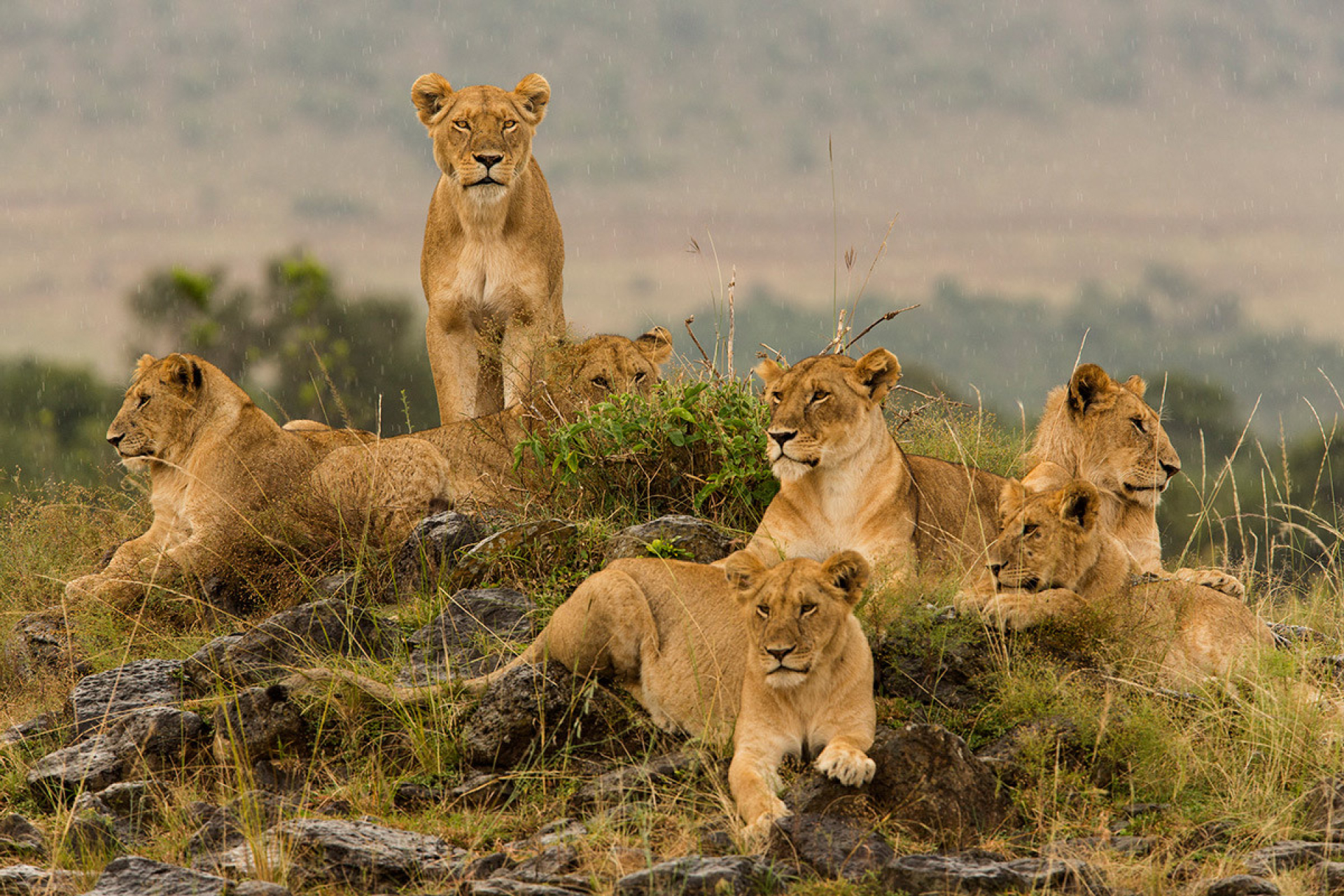
But the migration is a story with many chapters. In the early months of the year, the herds congregate on the nutrient-rich southern plains for the calving season, where hundreds of thousands of calves are born within a few short weeks. This explosion of life attracts one of the highest concentrations of predators in Africa, making it a different but equally compelling spectacle.
Get to know the Great Migration
Understanding the Great Migration means recognising that it is a dynamic event spread over a vast area. The herds are not one single mass but often broken into huge mega-herds that can stretch as far as the eye can see. The key to a successful trip is anticipation and location; you must be in the right part of the Serengeti at the right time of year.
For this reason, many of the best safari experiences are based out of mobile or semi-permanent camps. These camps are strategically moved several times a year to ensure they are always positioned in the heart of the action, whether that’s for the calving in the south or the river crossings in the north. A knowledgeable guide is your most valuable asset, using their network and expertise to track the herds’ unpredictable movements.
History
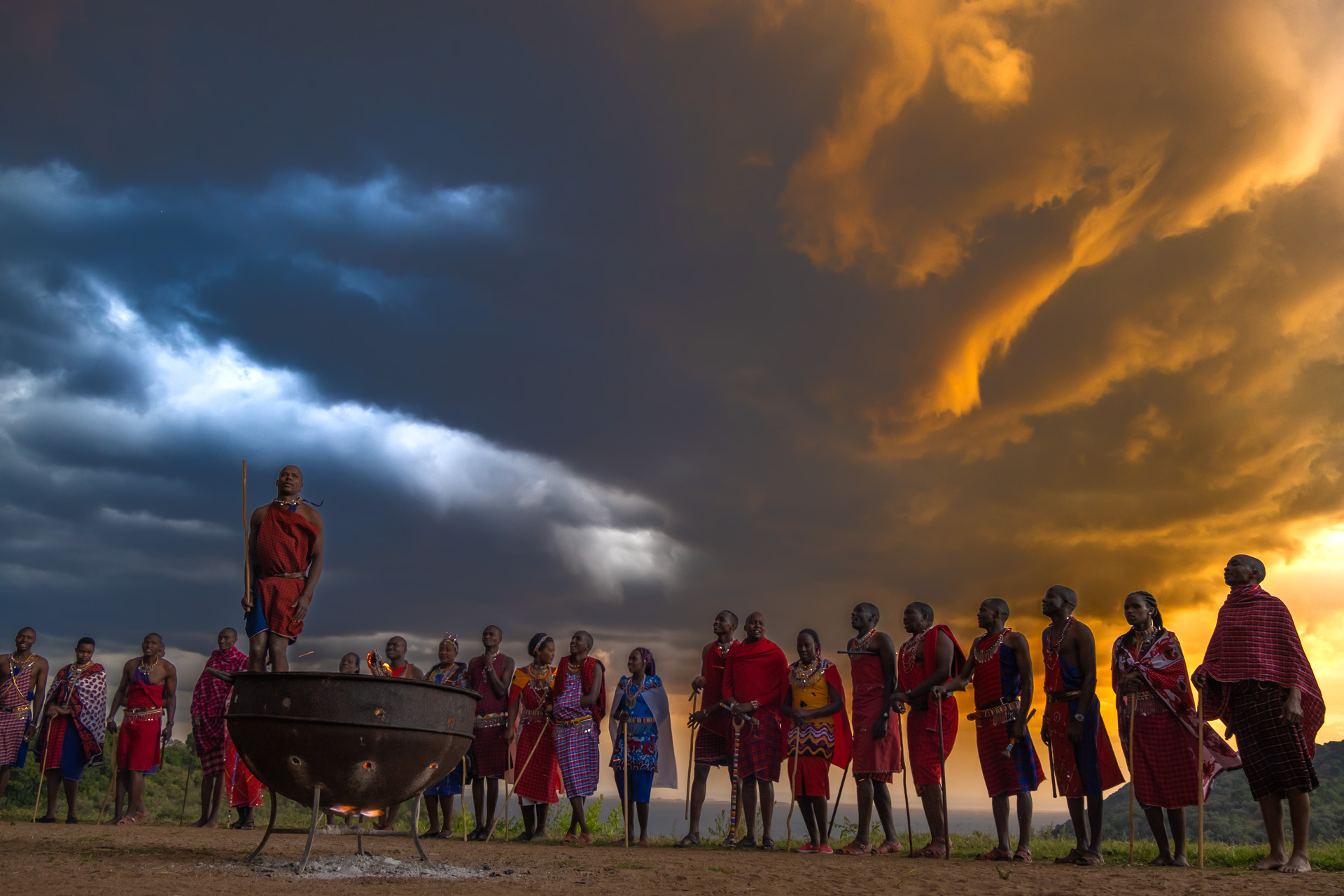
This ancient rhythm has played out for millennia, shaping the landscape and the life within it. For centuries, the Maasai people have lived alongside this wildlife, grazing their cattle on the same plains and coexisting with the great herds. Their name for the region, Siringet, meaning “the place where the land runs on forever”, perfectly captures the scale of the landscape.
The modern conservation story of the Serengeti is synonymous with the work of Bernhard Grzimek and his son Michael. Their groundbreaking aerial surveys in the 1950s, documented in the book and Oscar-winning film Serengeti Shall Not Die, were instrumental in mapping the migration’s scope. Their work highlighted that the ecosystem extended far beyond the original park boundaries, leading to the establishment of the wider protected area that ensures the migration can continue its timeless journey today.
More unforgettable activities
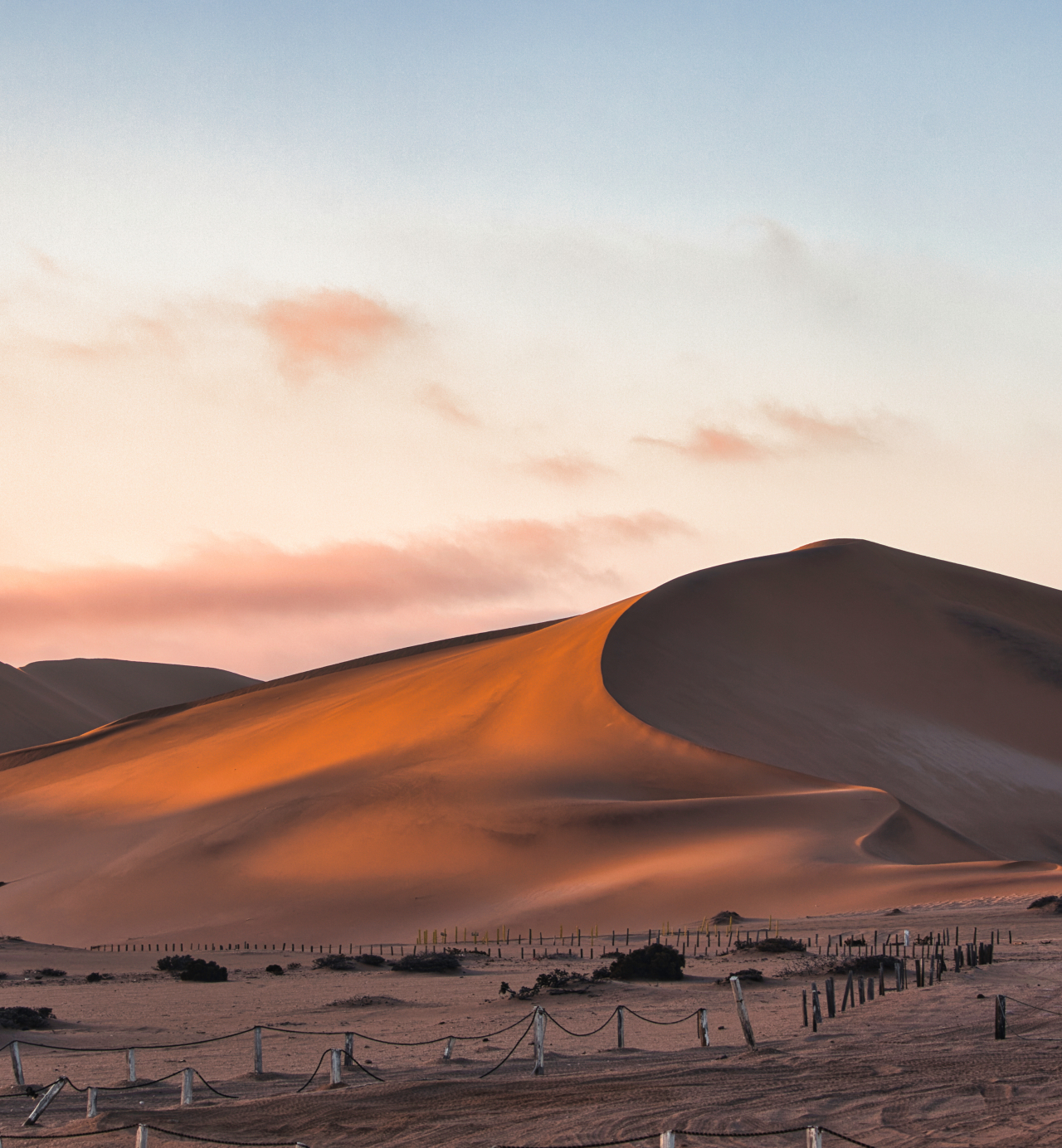
Champagne and oysters on Dune 7
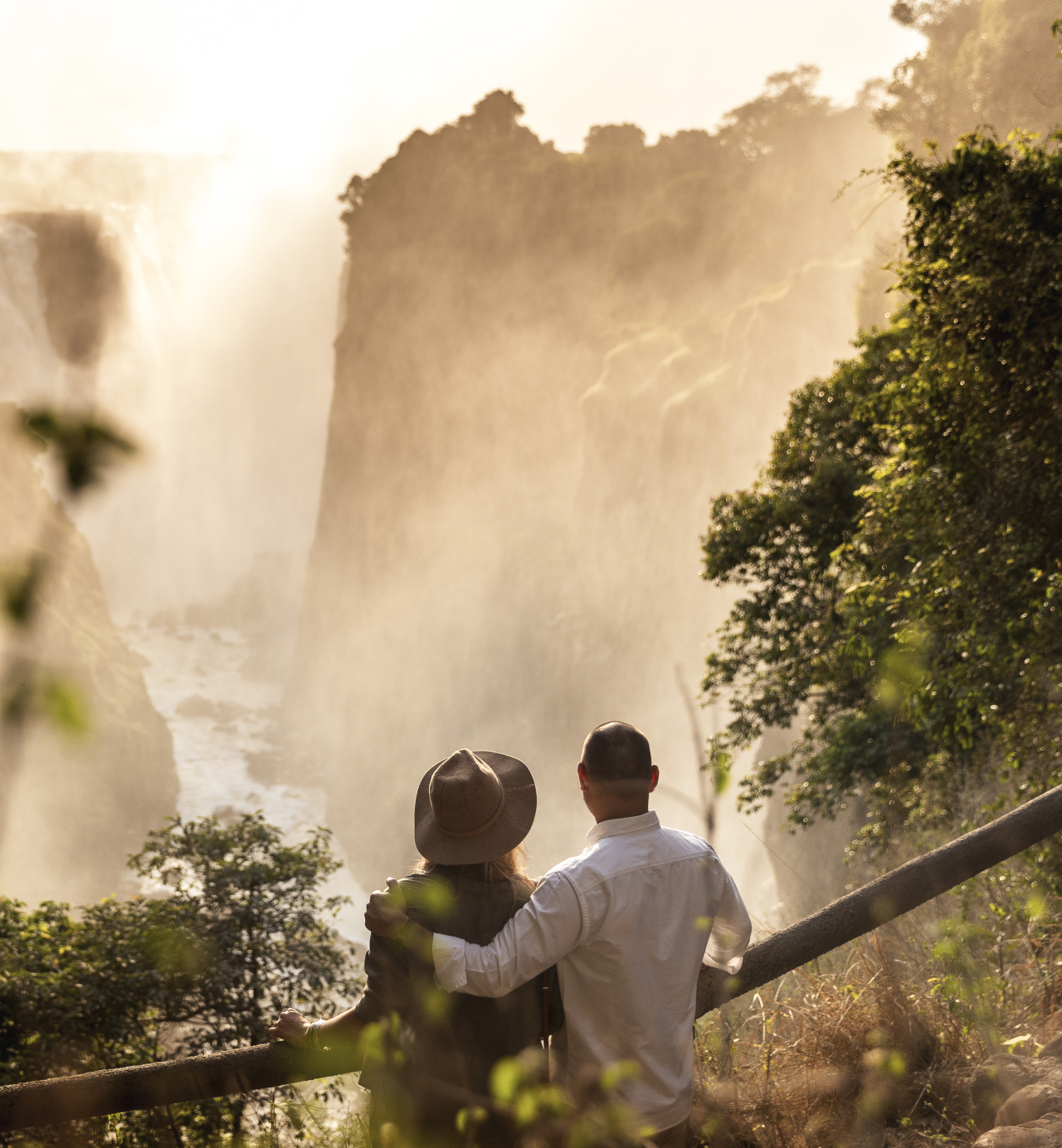
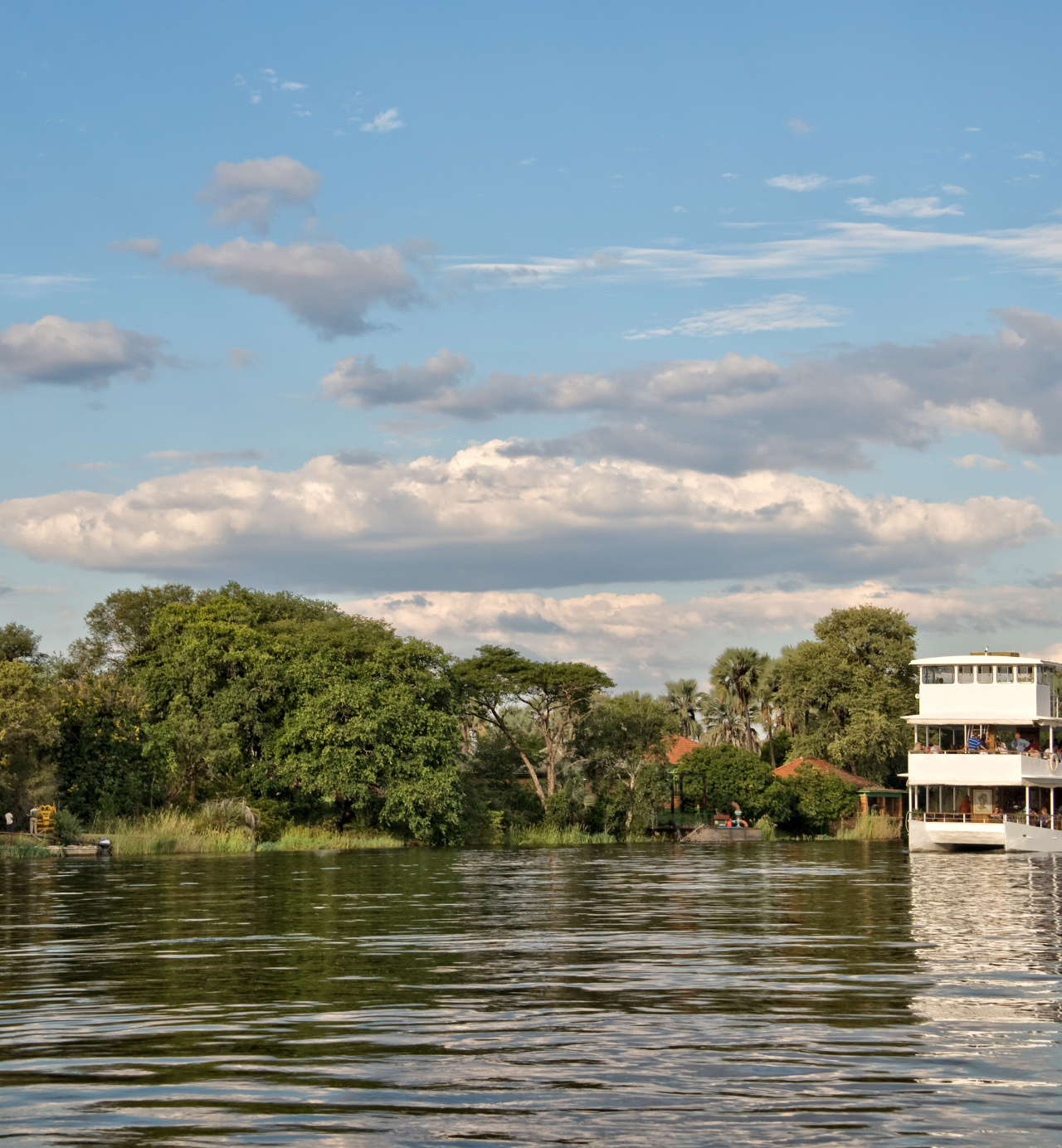
Live-aboard luxury Zambezi safari
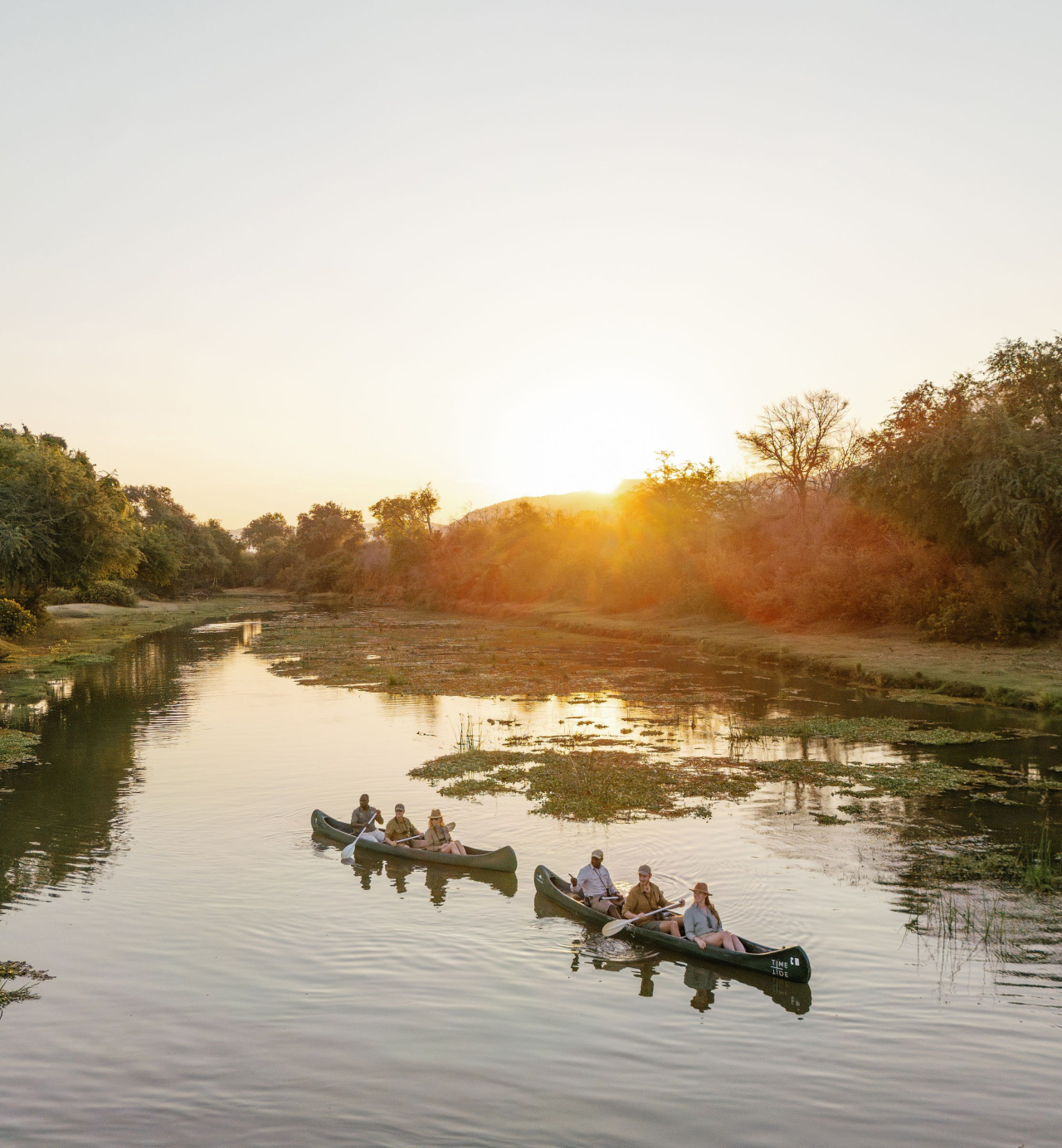
Picnicking on islands in the Zambezi
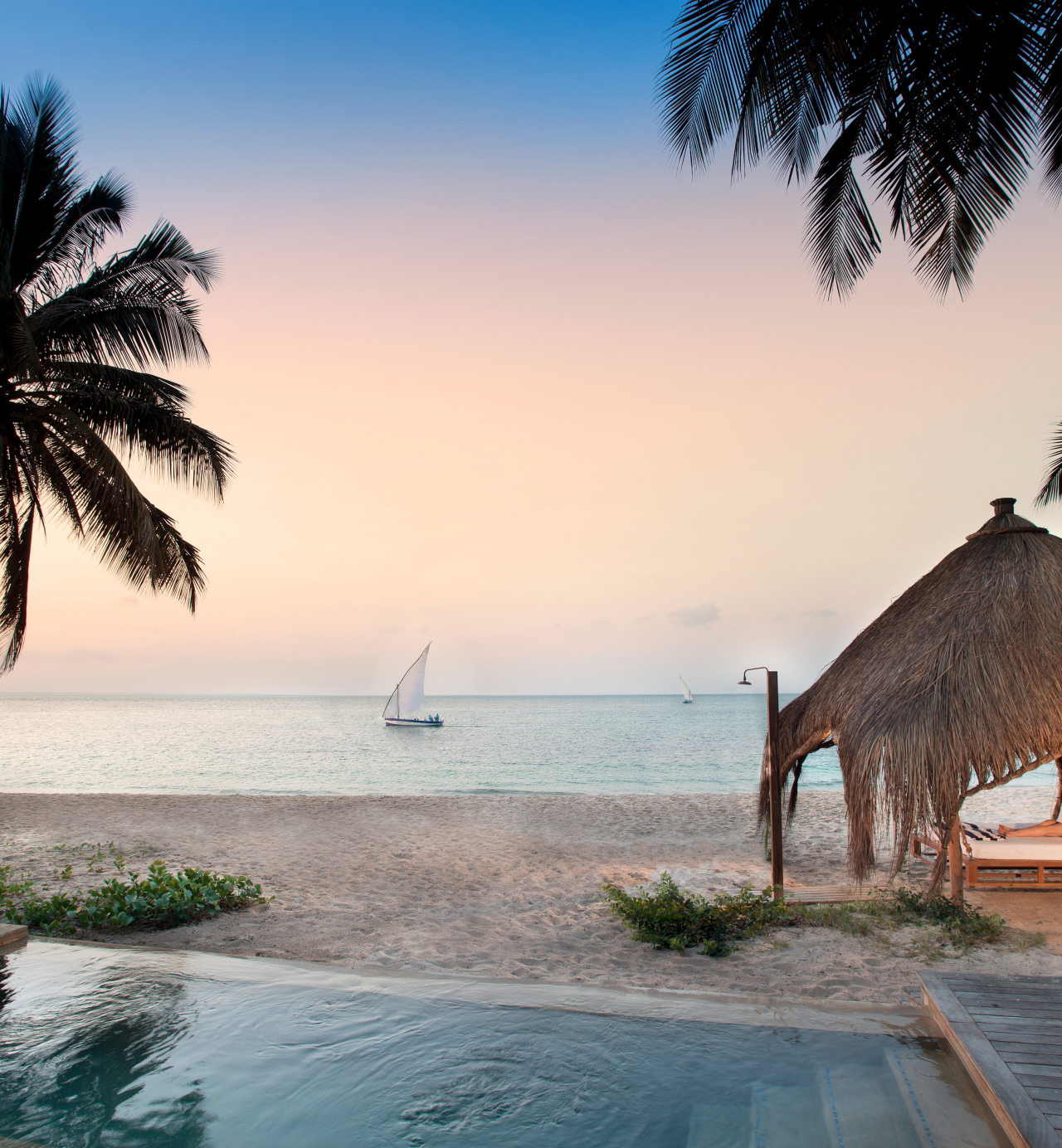
Turtle egg laying and hatching
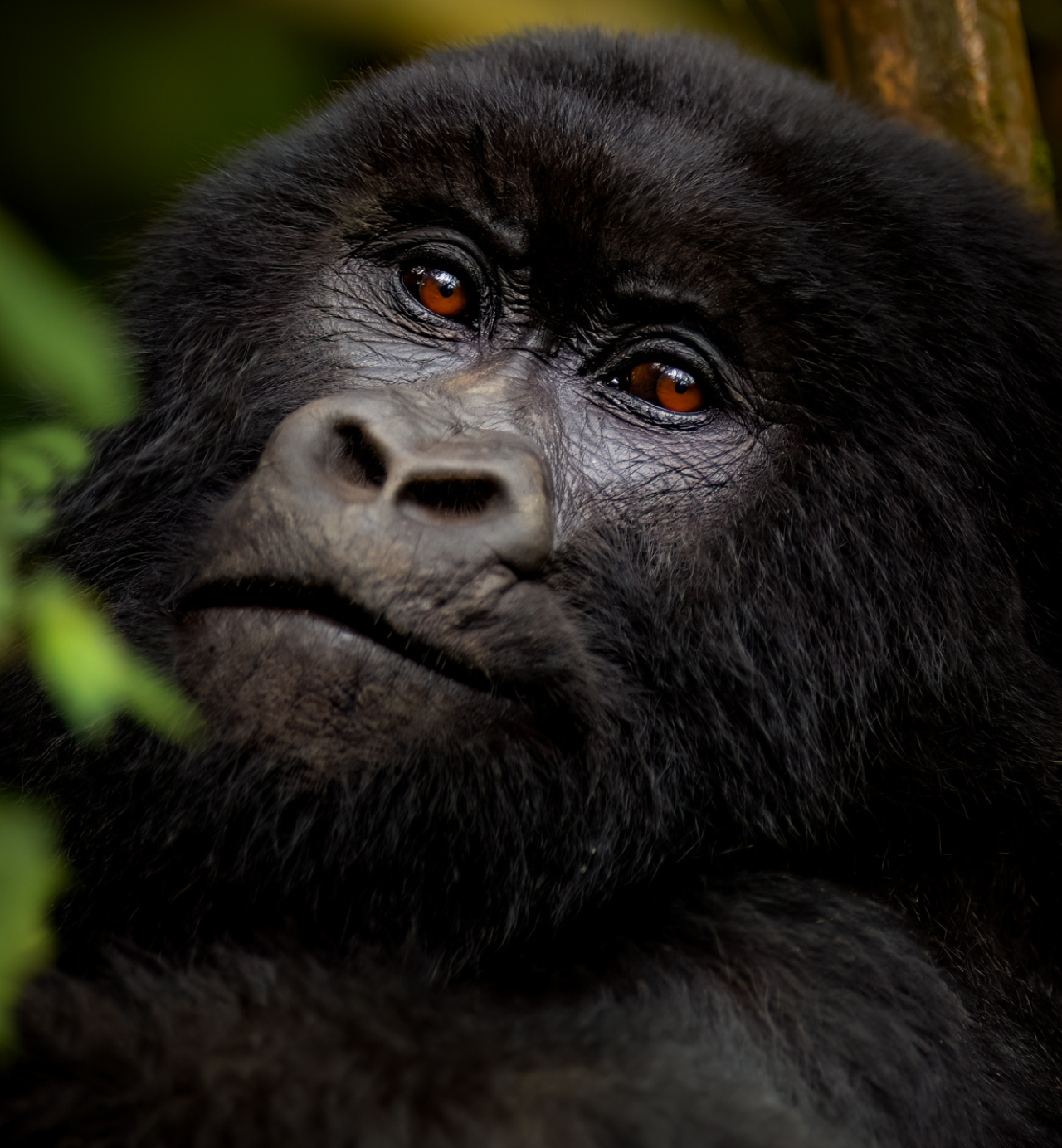
Gorilla trekking
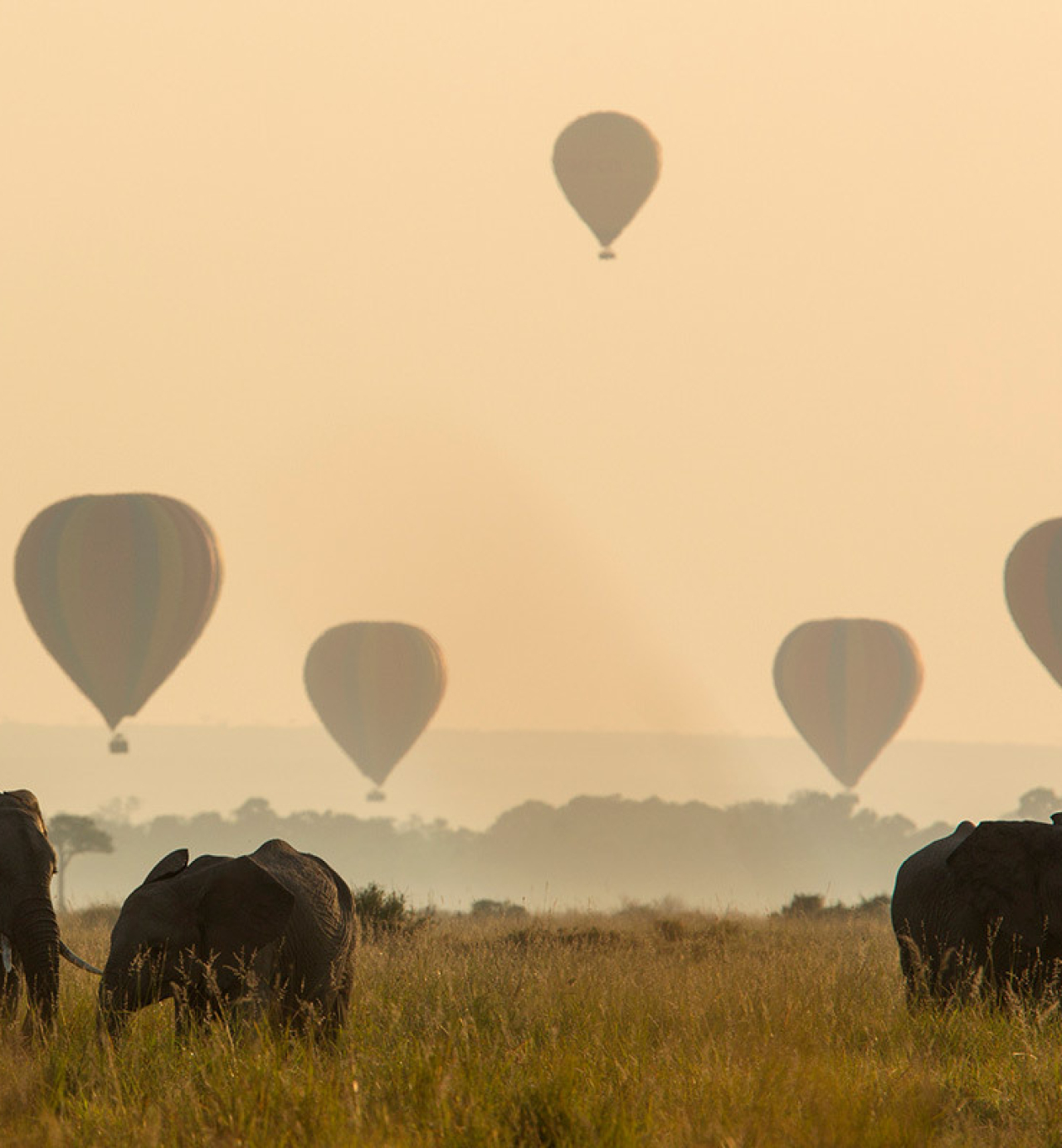
Ballooning over the Serengeti or Mara
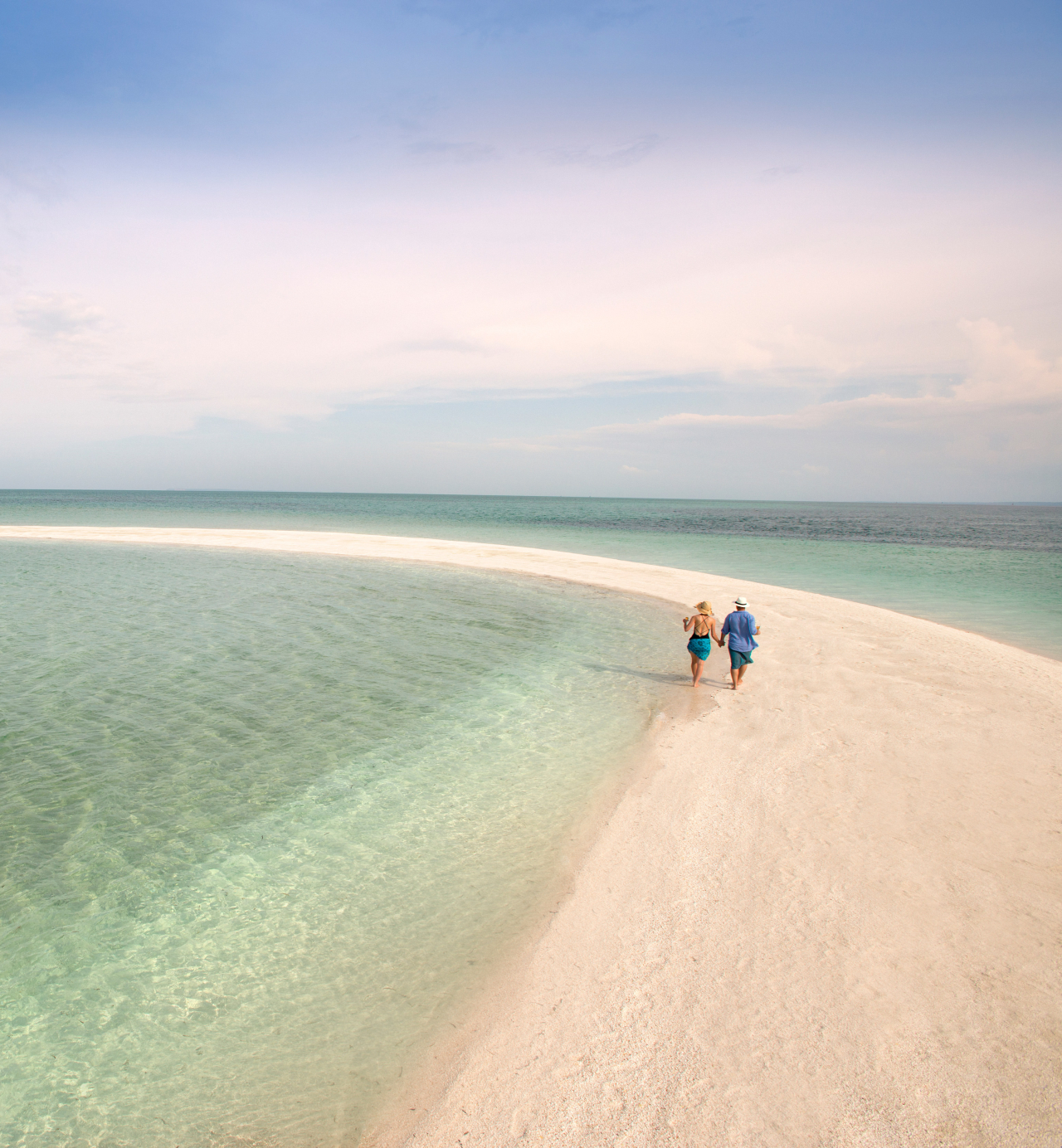
Castaway picnic on an African island
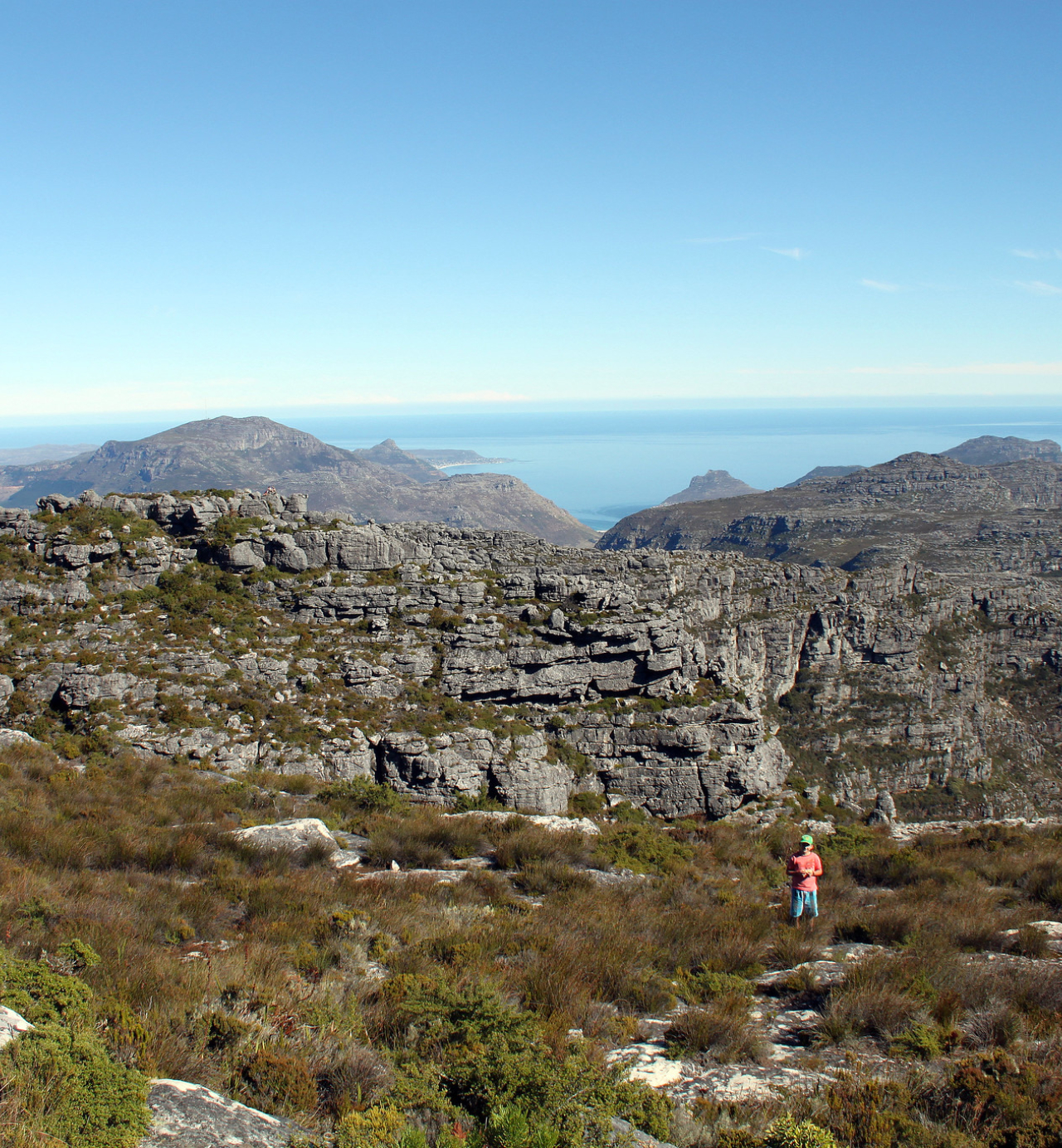
Hiking Table Mountain with a botanist or forager
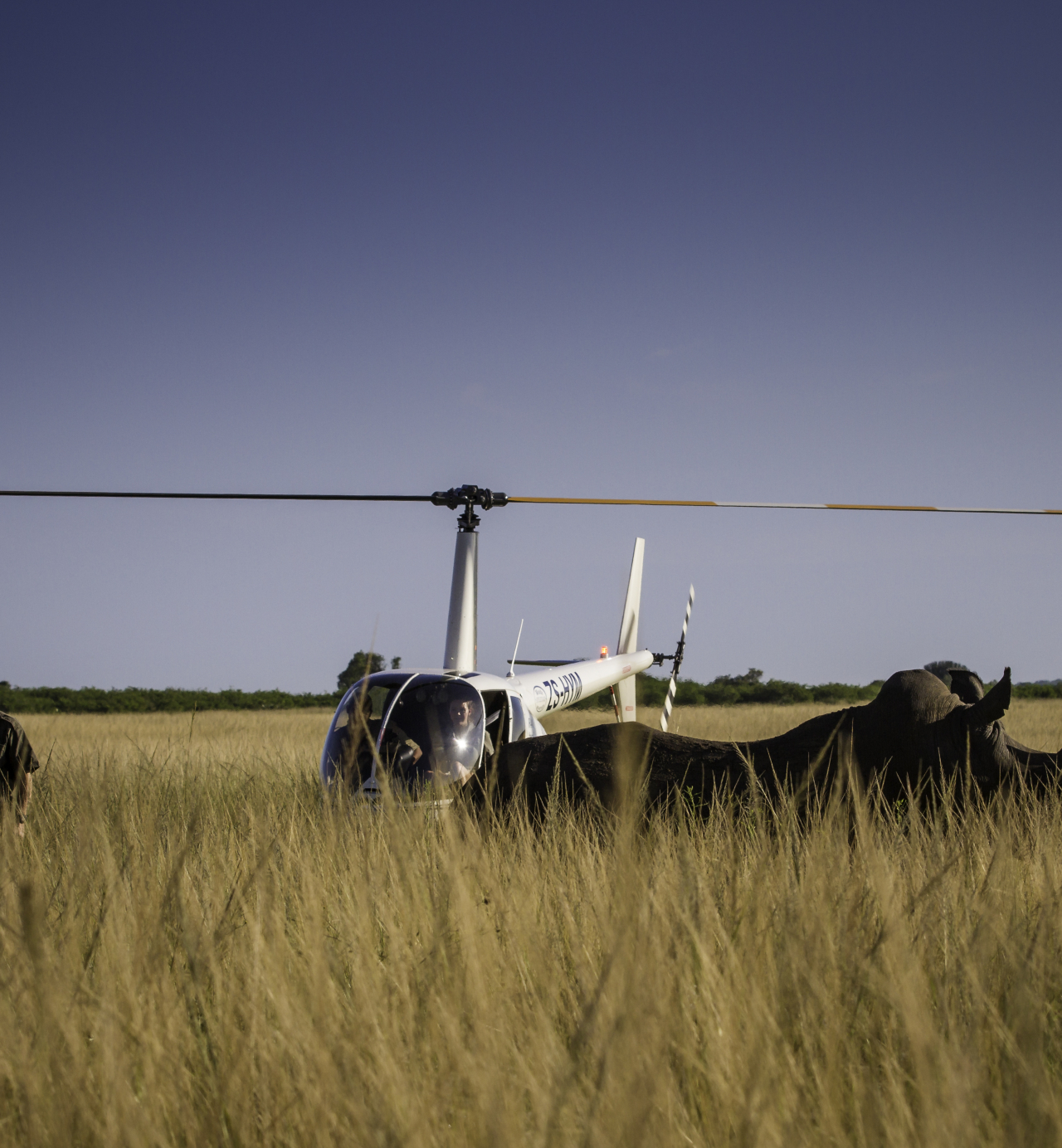
Rhino darting and chipping experience
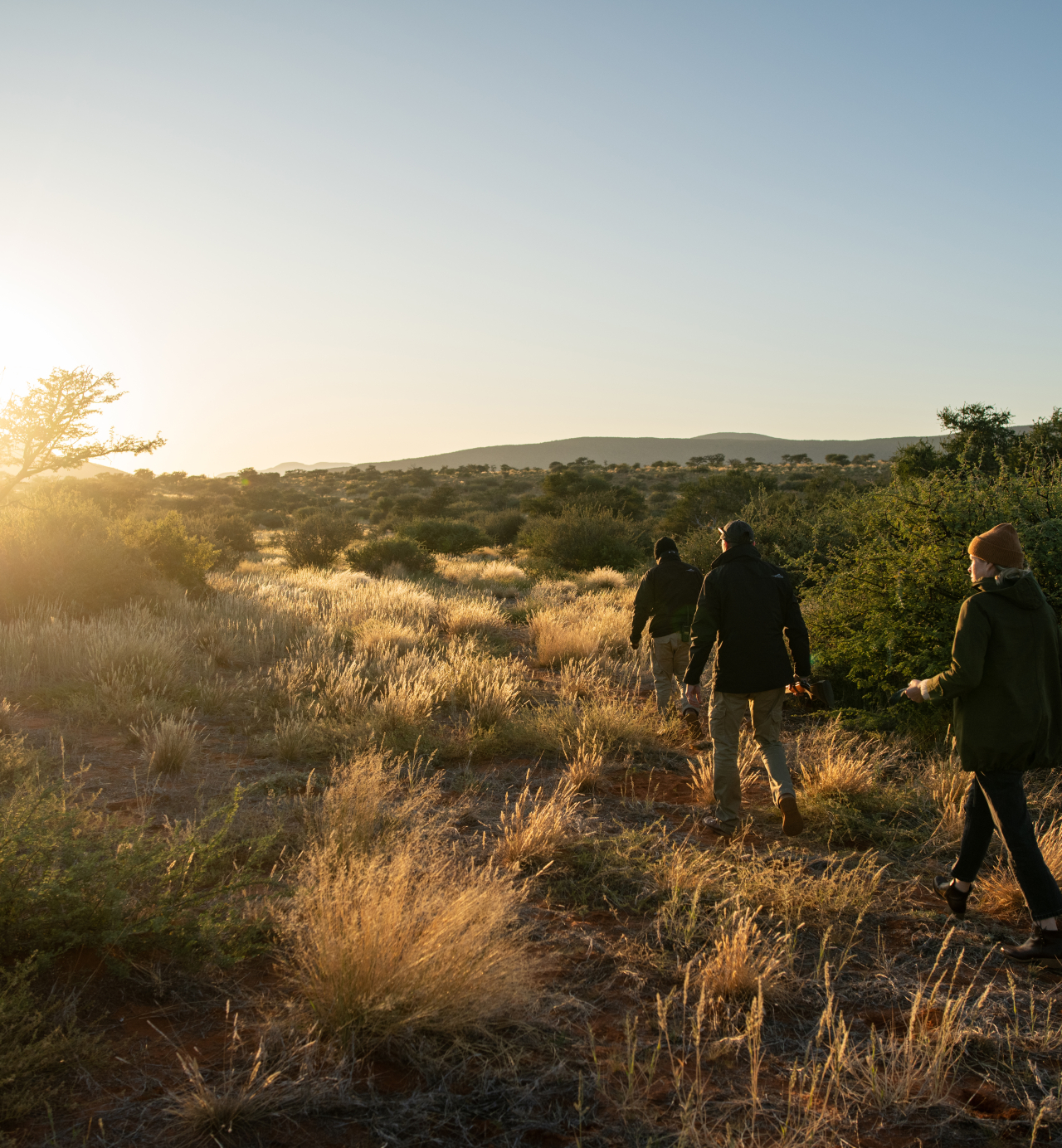
Tracking Africa’s most elusive species on foot

Voices of our guests
The Great Migration FAQs
They are two parts of the same cross-border ecosystem. The Serengeti is the much larger Tanzanian section, where the migration takes place for about nine months of the year. The Masai Mara is the smaller Kenyan section, where the herds typically graze from roughly August to October.
Mobile camps are often the best choice as they move with the migration, ensuring you are in a prime location. Permanent lodges offer more solid comforts but may be far from the herds depending on the time of year.
It’s a year-round event. For dramatic river crossings, aim for July to October in the northern Serengeti. For the incredible calving season with lots of baby animals and predator action, visit the southern Serengeti from January to March.
No. Witnessing a major crossing requires patience and luck. The herds can mass at the river for days before deciding to cross. A good guide and spending several days in the area will maximise your chances, but it is a natural event and cannot be guaranteed.
A minimum of three to four nights in one region of the Serengeti is recommended. This gives you enough time to go on multiple game drives and increases your chances of seeing significant action without feeling rushed.
This depends entirely on the month. Visit the south (Ndutu) from January to March, the west (Grumeti) around May to June, and the north (Kogatende/Lamai) from July to October. The central area (Seronera) has excellent resident wildlife year-round.
During peak season (July to August), you can expect to see a number of other safari vehicles around the main Mara River crossing points. However, the Serengeti is vast, and in many areas, especially in private concessions, the experience is exclusive.
Pack lightweight, layered clothing in neutral colours (khaki, beige, green). A warm fleece or jacket is essential for cold mornings. Bring a hat, sunglasses, high-SPF sunscreen, insect repellent and, most importantly, a good pair of binoculars.
Most visitors fly into Kilimanjaro International Airport near Arusha. From there, you will take a small bush plane directly to an airstrip near your camp in the Serengeti.
Yes, it is an incredible educational experience for older children (8+). However, parents should be aware that game drives can be long, and witnessing predator-prey interactions is a real possibility.
