

Volcanoes National Park
Volcanoes National Park
Hallowed ground of gorilla conservation
Peak time
June to September
Best time to visit
June to September and December to February (the two dry seasons)
Known for
Mountain gorilla trekking
Also known for
Dian Fossey’s legacy; the five Virunga Volcanoes it encompasses
About the Volcanoes National Park
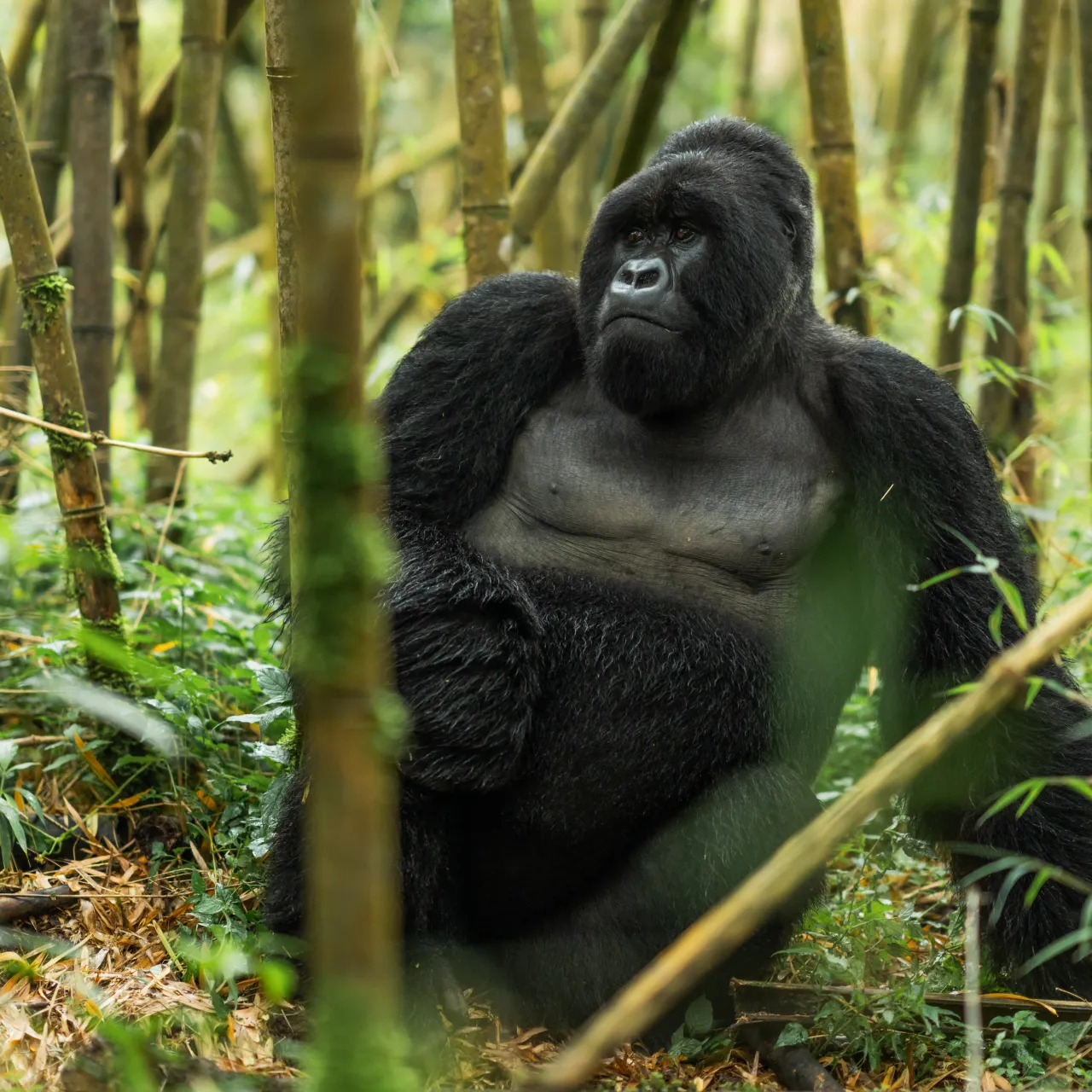
Image courtesy of Singita.
Rwanda’s Volcanoes National Park is the hallowed ground of primate conservation, a place where mist-shrouded volcanoes tower over a jungle teeming with life. This is the oldest national park in Africa, a dramatic landscape of emerald slopes, dense bamboo and ancient rainforests that form the Rwandan portion of the magnificent Virunga Massif.

Did you know
Volcanoes National Park is Africa’s first national park, originally established in 1925 as part of the greater Albert National Park.
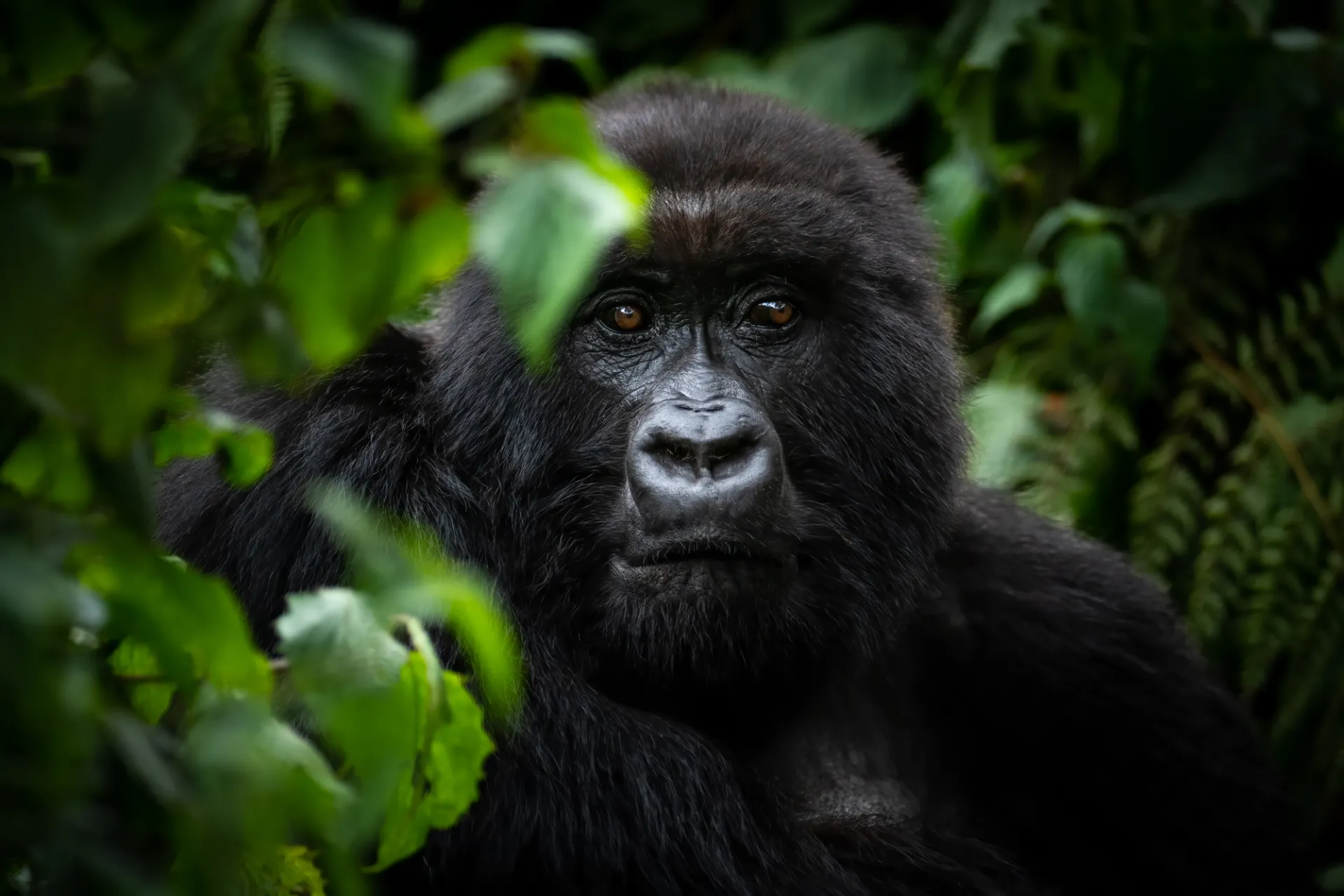
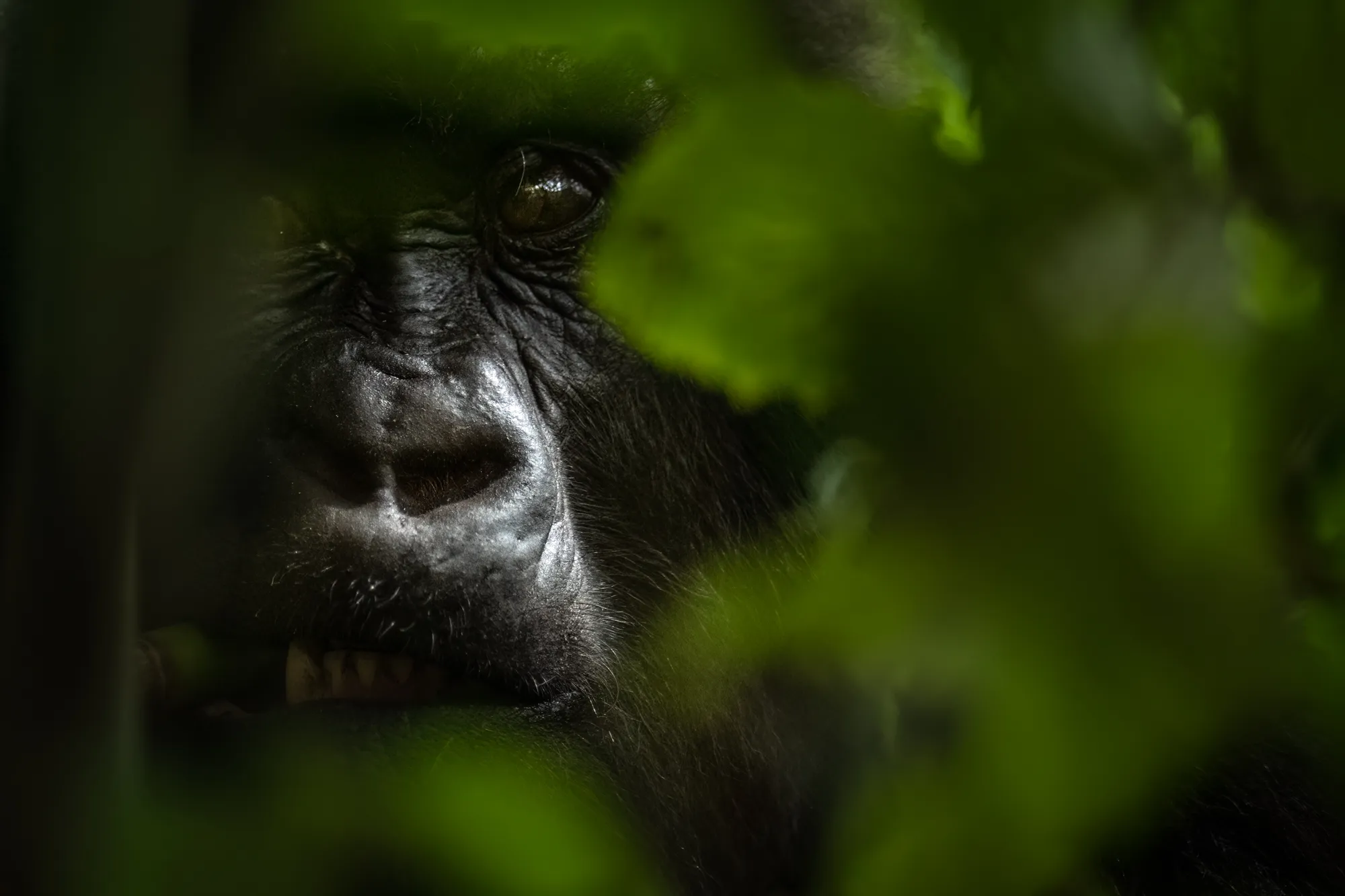
The park’s very existence is dedicated to its most famous residents: the endangered mountain gorilla. A trek to meet them is a challenging but rewarding climb through the forest, following expert trackers in search of a habituated family. A precious hour in quiet observation of one of our closest living relatives as they forage, play and interact is a deeply humbling, life-altering experience.
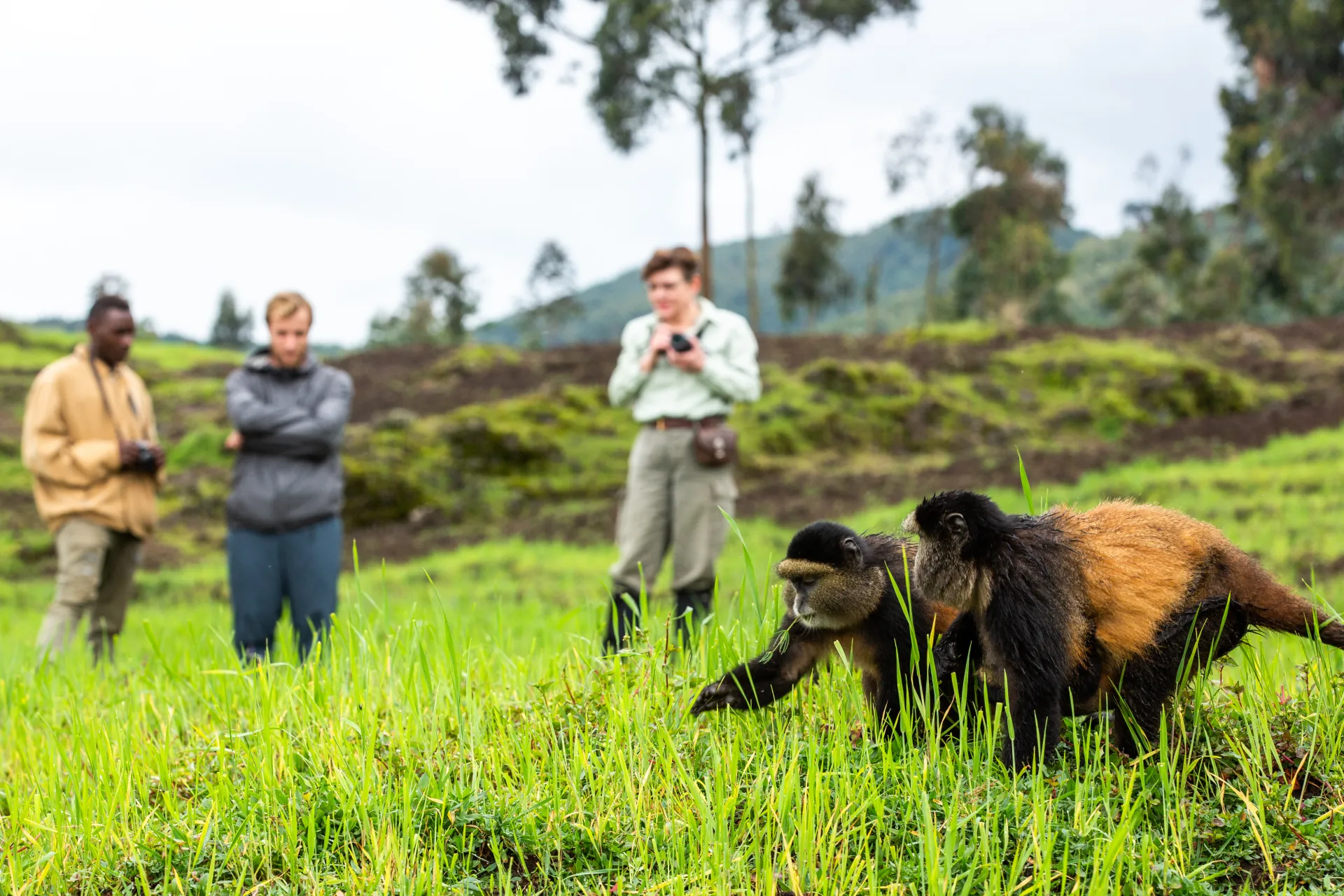
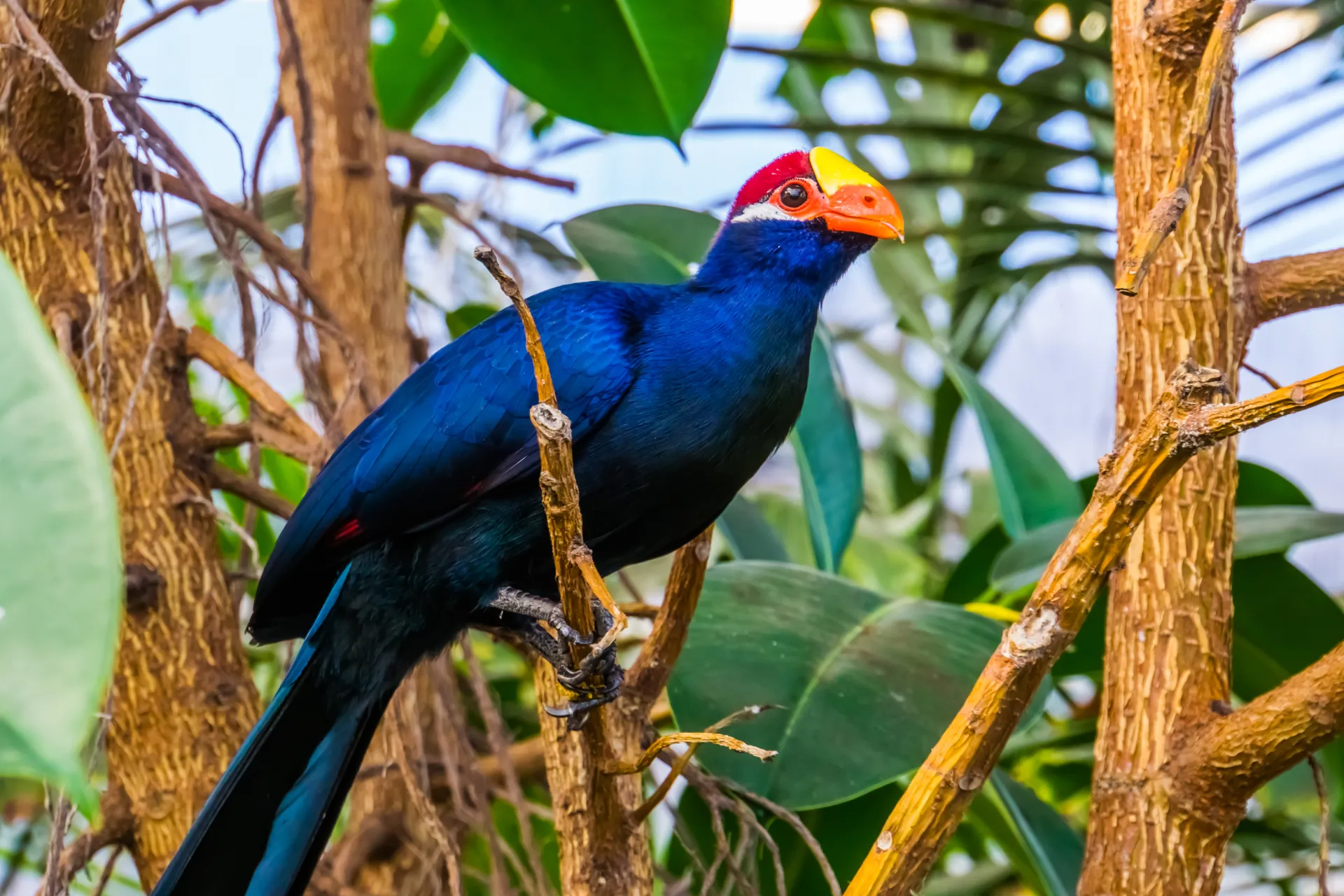
Beyond the gorillas, the park is a sanctuary for other species, most notably the vibrant and playful golden monkey. It is also a hiker’s paradise, offering the chance to summit volcanoes such as Bisoke with its stunning crater lake, or visit the final resting place of Dian Fossey, the pioneering primatologist who dedicated her life to protecting this precious wilderness.
Get to know Volcanoes National Park
A visit to Volcanoes National Park is a highly organised and conservation-focused experience. The nearby town of Musanze (formerly Ruhengeri) serves as the main gateway, with most visitors staying in lodges dotted around its outskirts. The day begins early at the park headquarters in Kinigi, where visitors are briefed and assigned to a specific gorilla family for their trek.
The experience is designed for minimal impact on the gorillas. Each gorilla family is visited by only one group of a maximum of eight people per day, for a strictly enforced period of one hour. The trek to find them is led by expert park rangers and trackers who are in constant communication to locate the families. The difficulty of the trek can vary significantly, so a reasonable level of fitness is required.
History
The park’s history is the very story of mountain gorilla conservation. In 1967 the park became globally famous with the arrival of American primatologist Dian Fossey. She established the Karisoke Research Centre and dedicated her life to studying the gorillas, habituating them to human presence and fiercely advocating for their protection through her “active conservation” methods. Her work, immortalised in the book and film Gorillas in the Mist, brought their plight to the world's attention.
The park endured immense challenges, closing during the Rwandan Civil War and Genocide in the early 1990s. Its reopening became a powerful symbol of the nation’s recovery. Through a combination of dedicated government protection, community engagement and carefully managed tourism, the mountain gorilla population has made a remarkable comeback from the brink of extinction, making Volcanoes National Park a conservation beacon.
More unforgettable activities
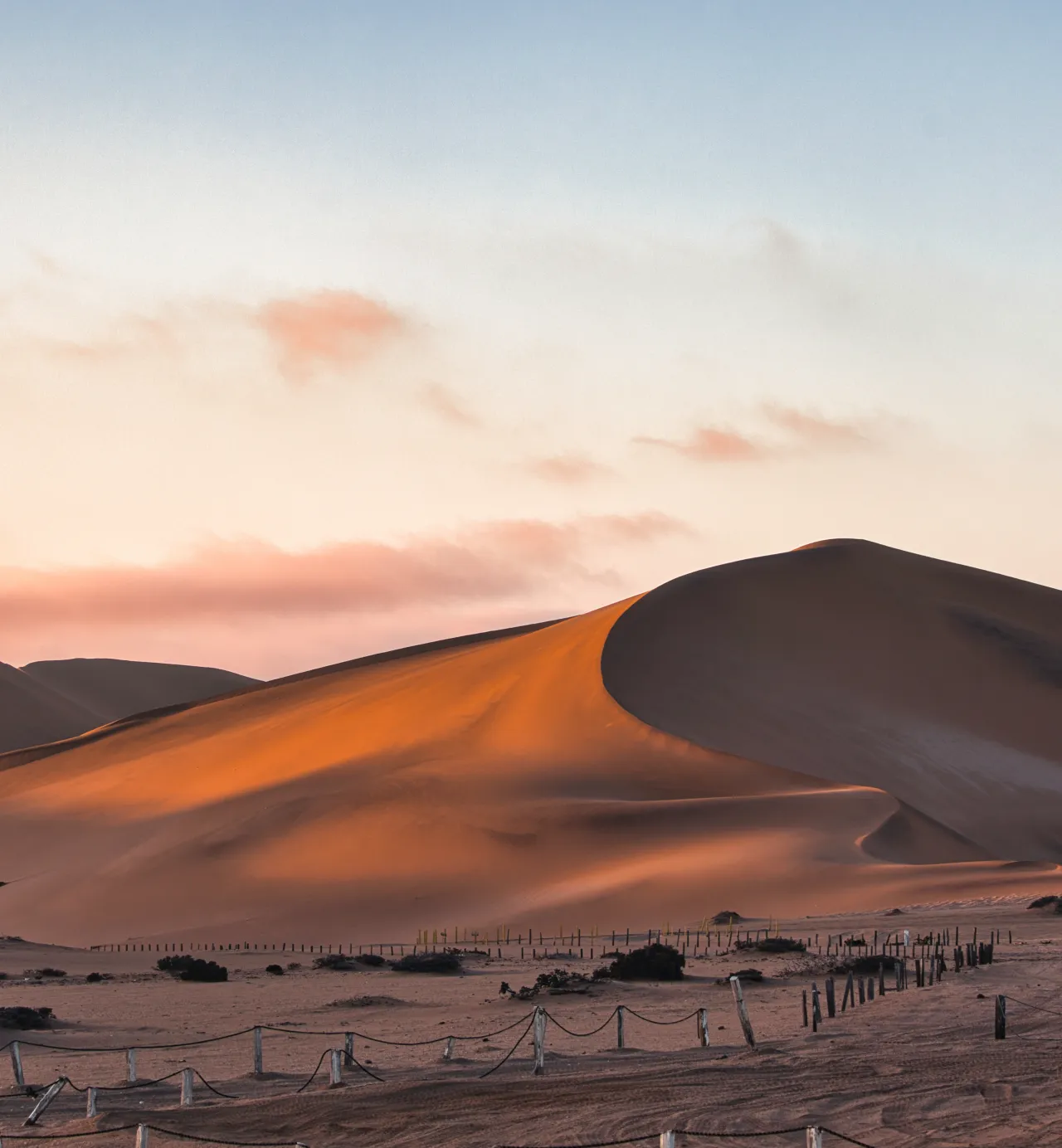
Champagne and oysters on Dune 7
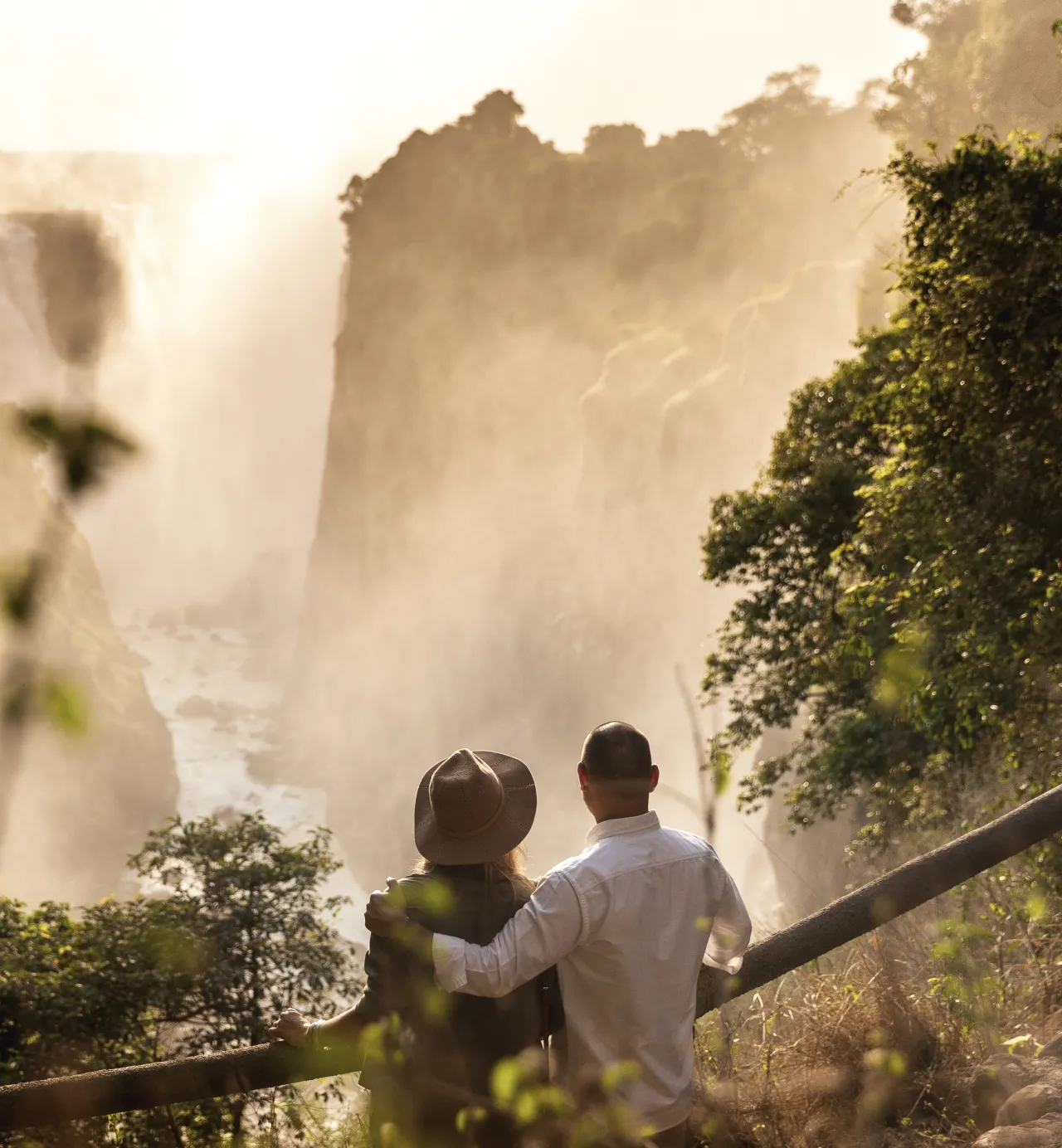
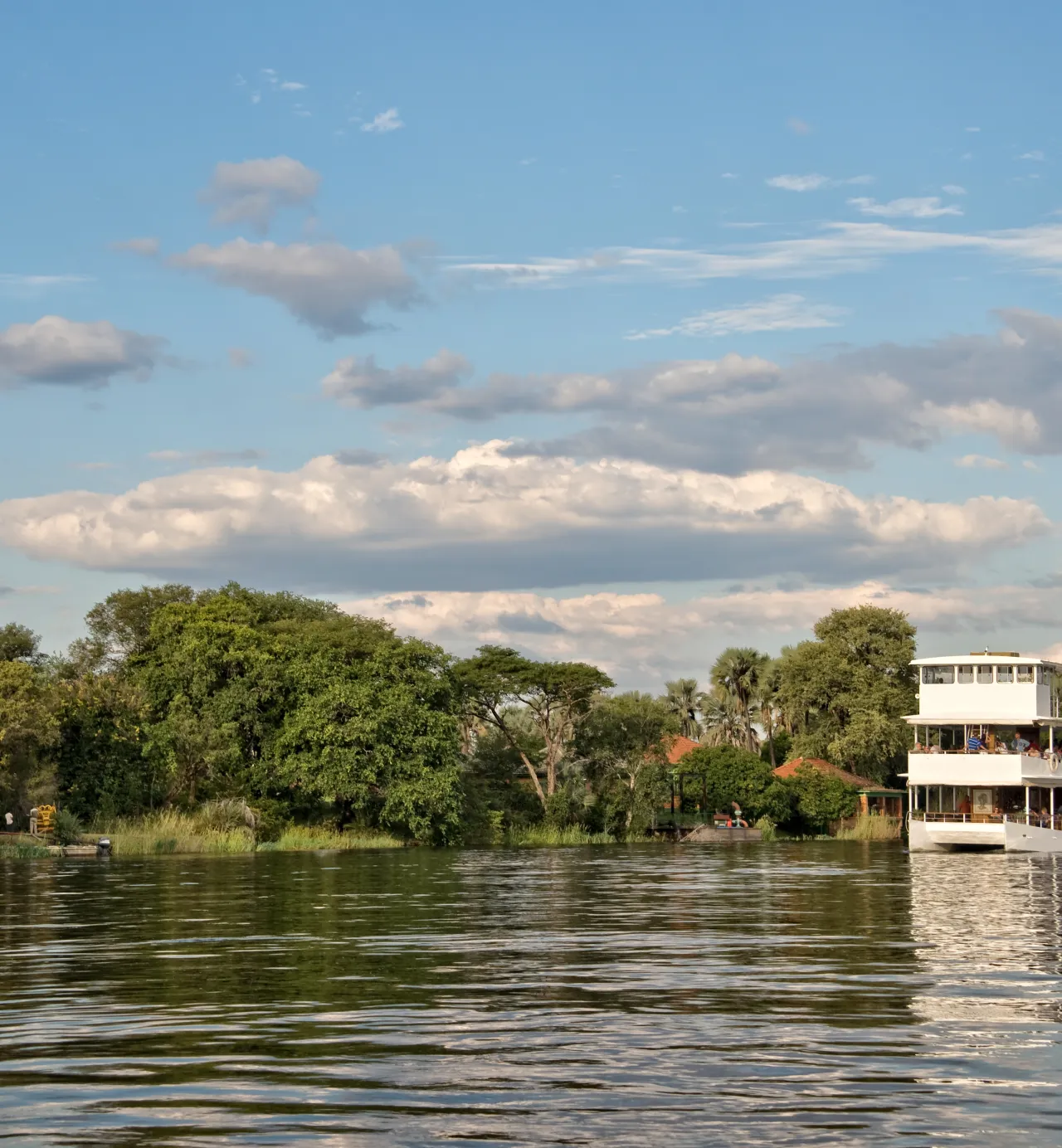
Live-aboard luxury Zambezi safari
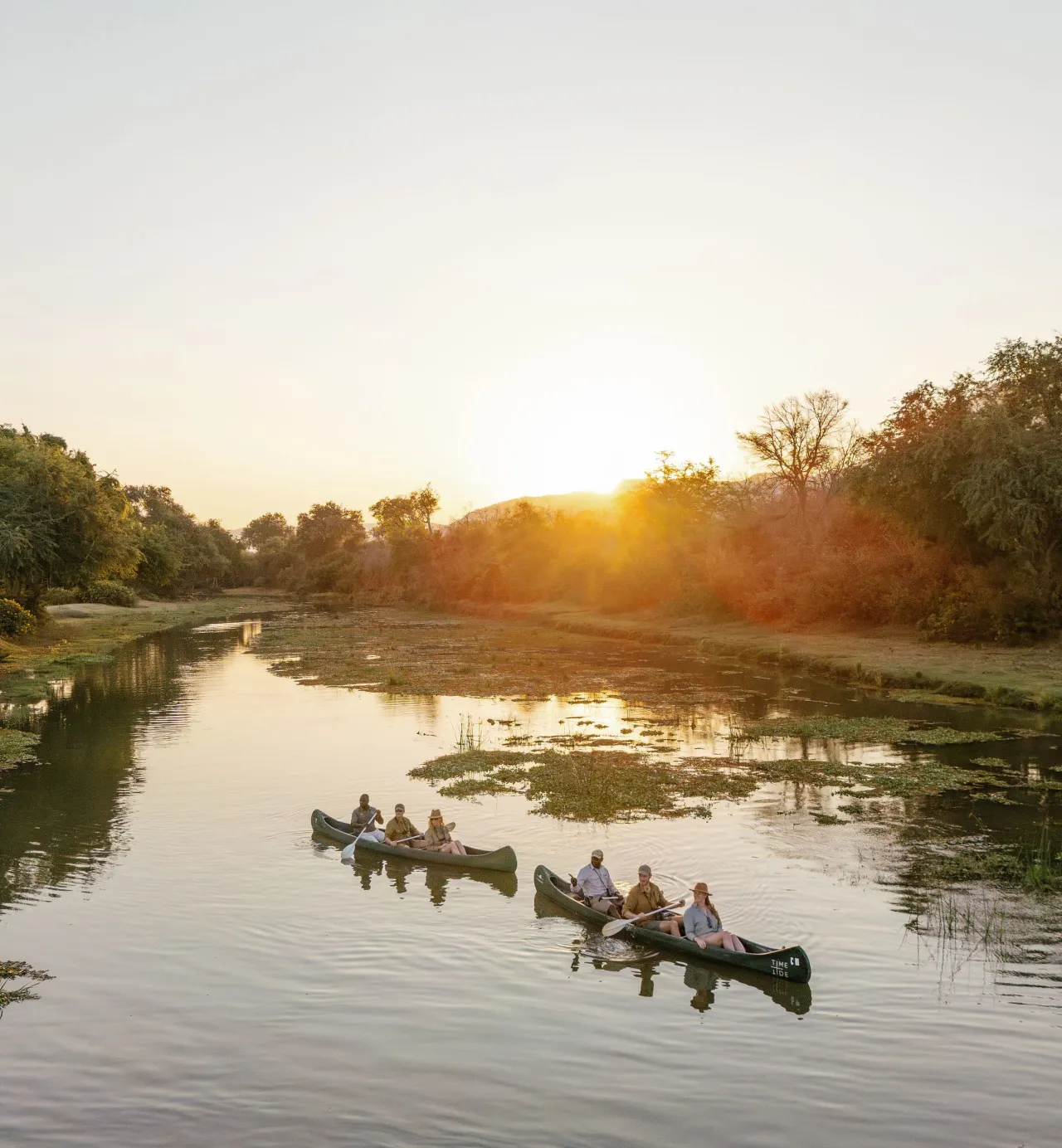
Picnicking on islands in the Zambezi
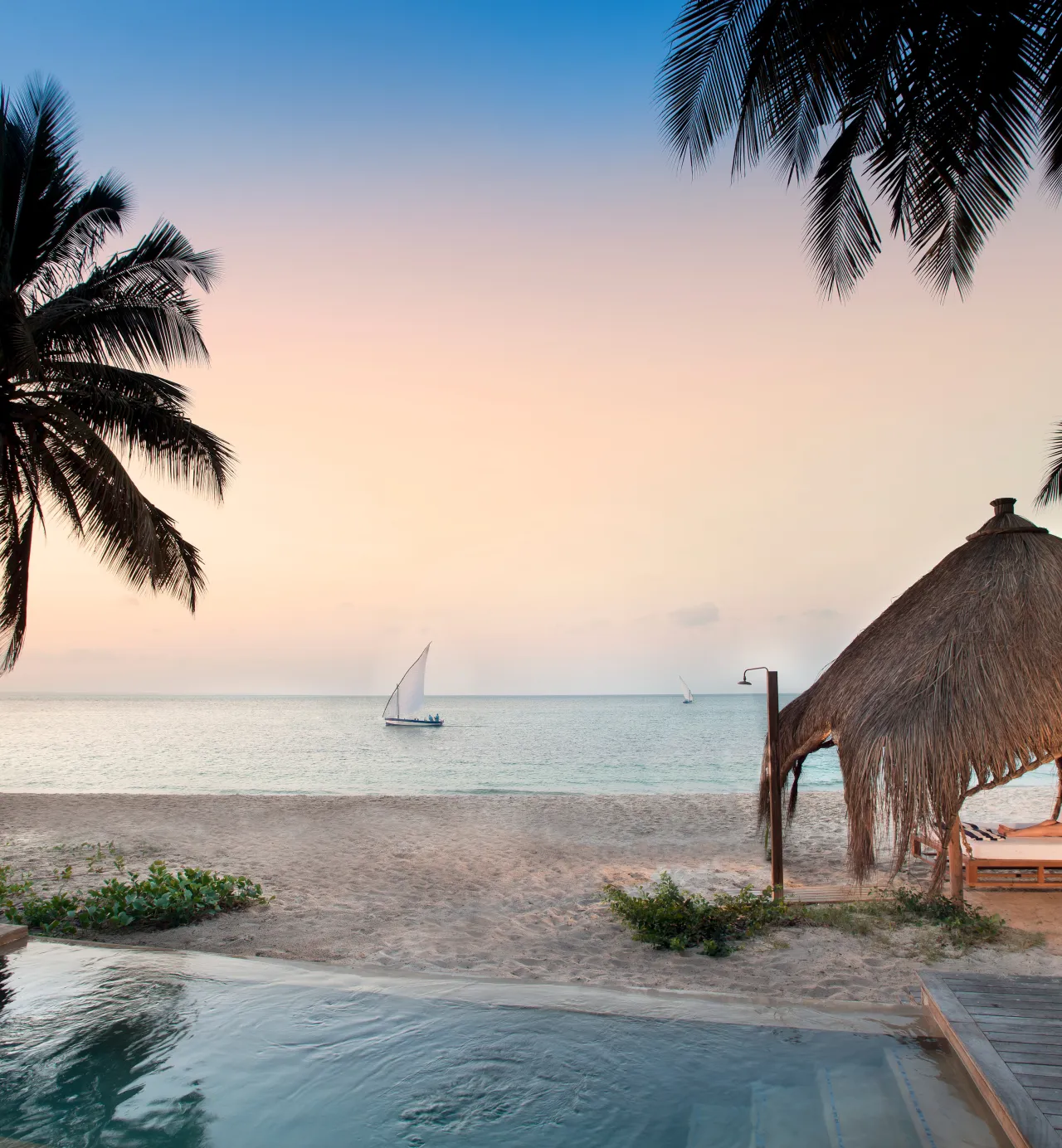
Turtle egg laying and hatching
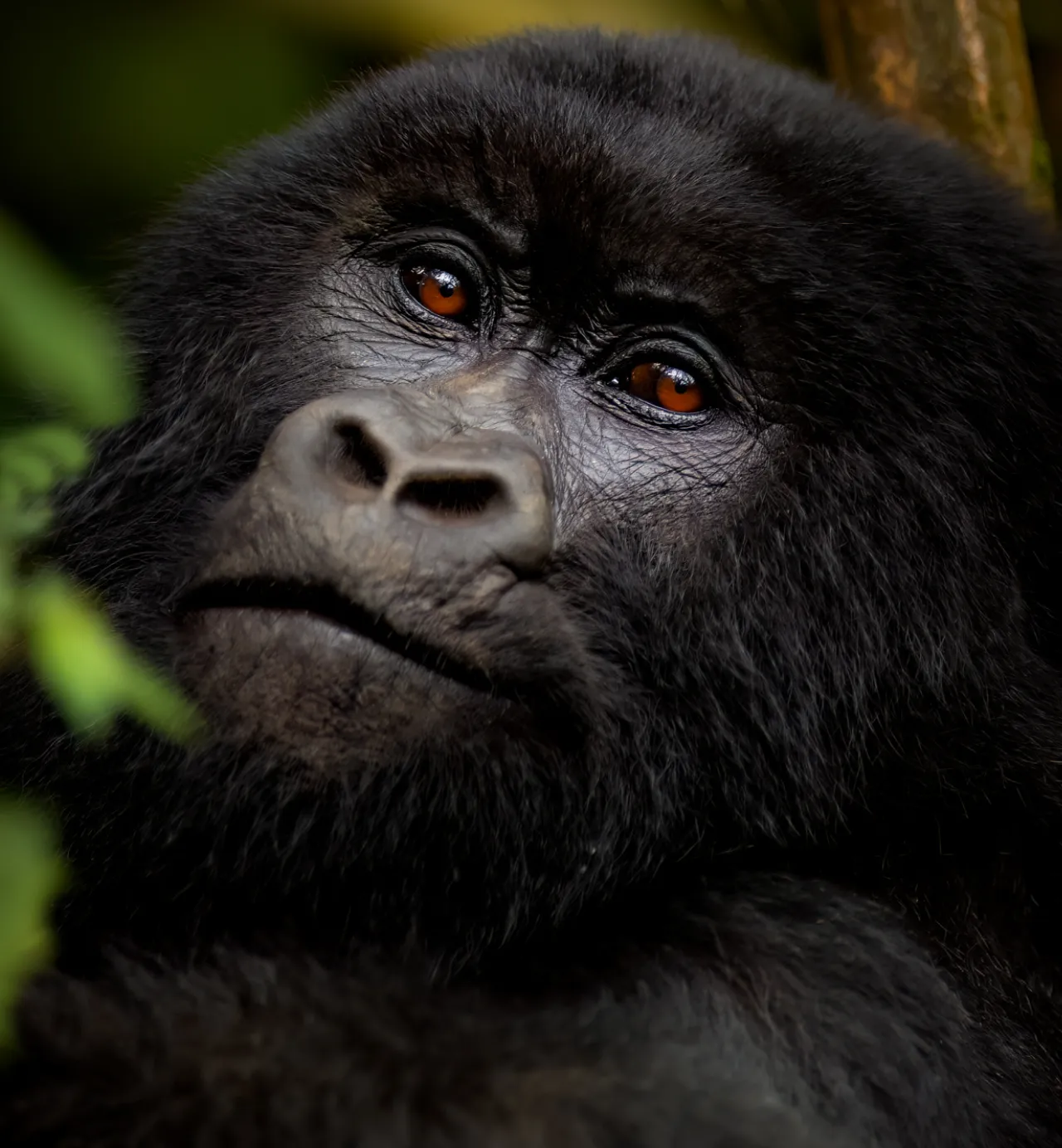
Gorilla trekking
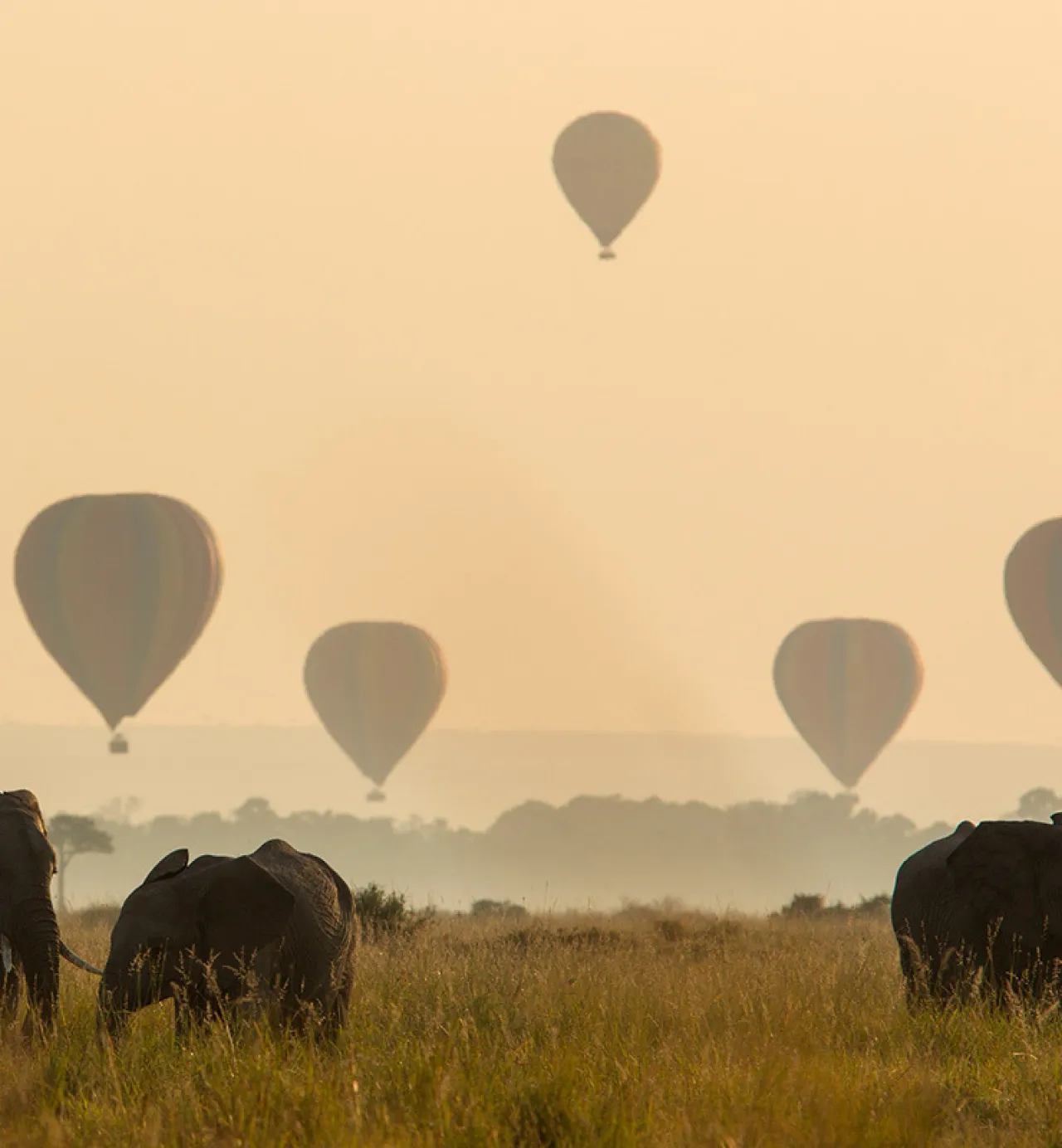
Ballooning over the Serengeti or Mara
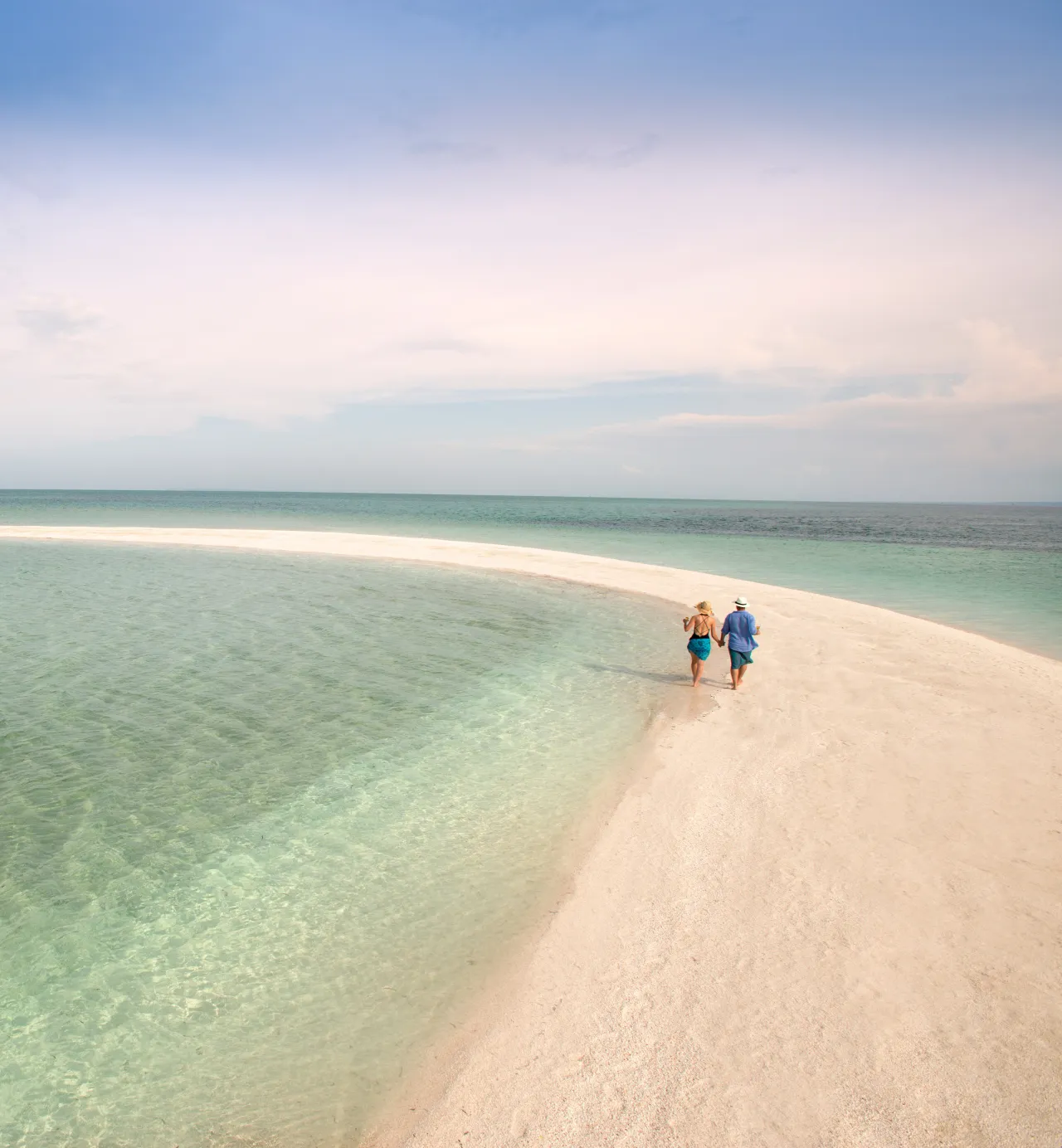
Castaway picnic on an African island
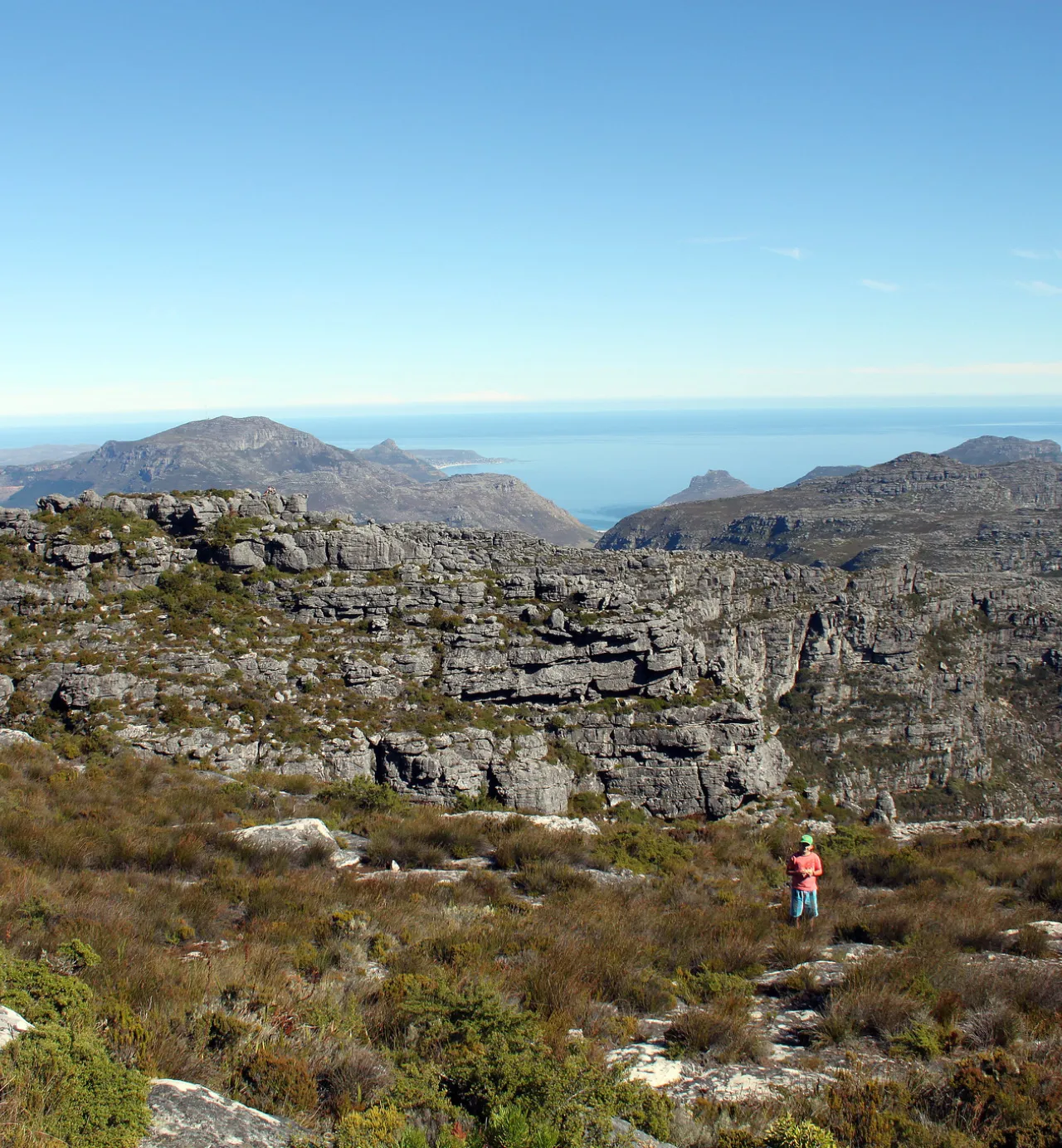
Hiking Table Mountain with a botanist or forager
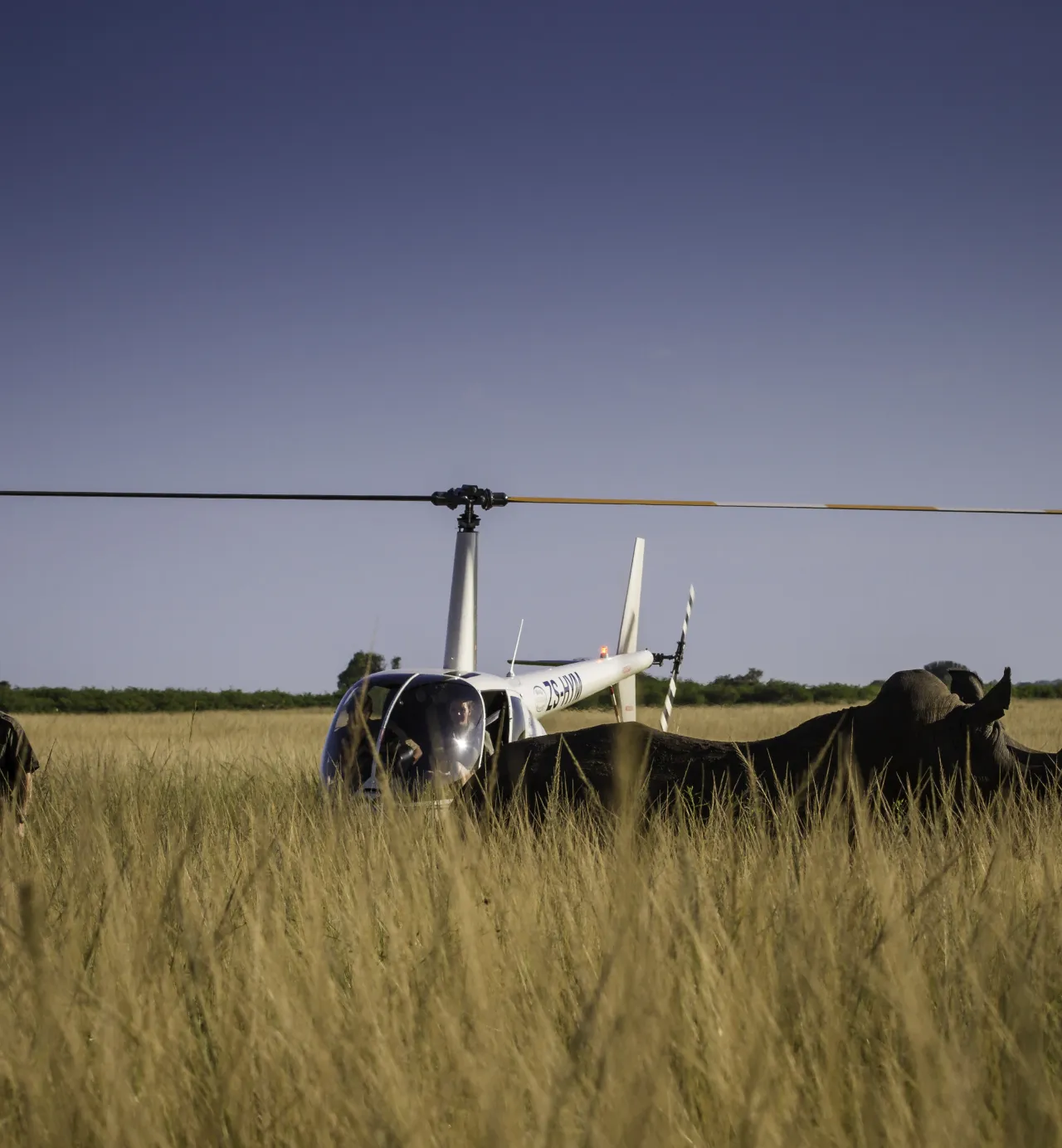
Rhino darting and chipping experience
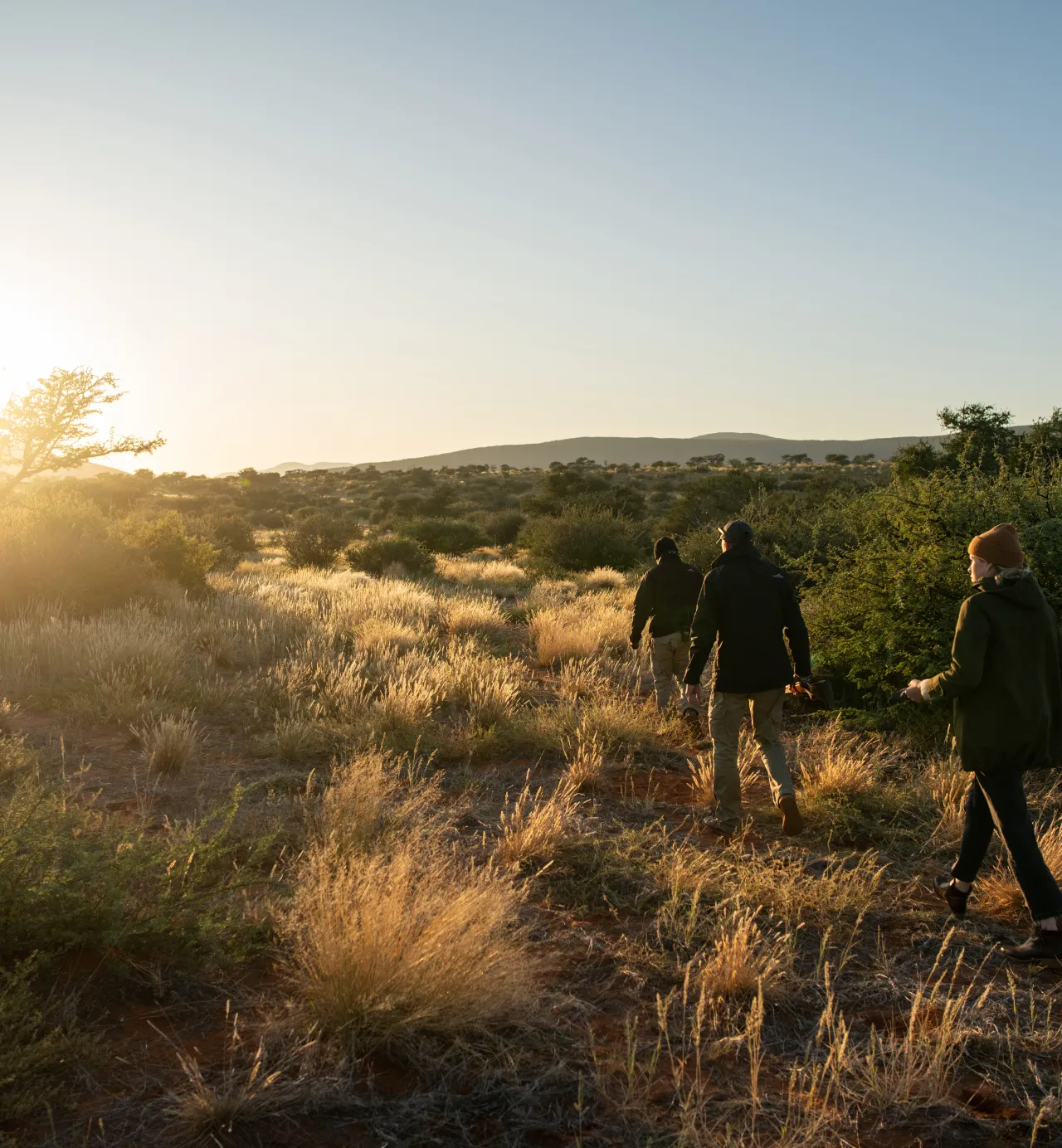
Tracking Africa’s most elusive species on foot

Voices of our guests
The Volcanoes National Park FAQs
The drier months are best for trekking. These run from June to September and from December to February. The trails are less muddy, and the weather is more pleasant.
The trek can be challenging. It involves hiking at high altitudes on steep, often muddy paths through dense vegetation. A good level of fitness is required. The length can vary from one to several hours, depending on the gorillas’ location.
Sightings are not 100% guaranteed, but they are extremely likely (well over 99%). Trackers go ahead of your group to locate the gorilla families each morning, so your guide knows their general location.
Permits must be secured well in advance: they are strictly limited to 96 per day and sell out months ahead of time. Your Travel Architect will arrange permits on your behalf.
Wear sturdy, waterproof hiking boots, long trousers, a long-sleeved shirt and bring a rain jacket. Gardening gloves are highly recommended to protect your hands. Hiring a porter is a great way to support the local community and make your hike easier.
To protect the gorillas from prolonged human contact, the time spent directly with the family is strictly limited to one hour.
Due to its high altitude, the risk of malaria is very low compared to other parts of Africa. However, you should always consult your doctor for the most up-to-date health advice before travelling.
The minimum age for gorilla trekking in Rwanda is 15 years old, and this rule is strictly enforced.
Gorilla trekking is a more strenuous hike to see a specific, calm family group. Golden monkey trekking is typically an easier walk to see a much larger, more active and playful troop of monkeys that are often leaping through the bamboo forest.
The park headquarters at Kinigi is approximately a 2.5- to 3-hour drive from Kigali on a well-paved road, making it easily accessible.
