

Watamu Marine National Park
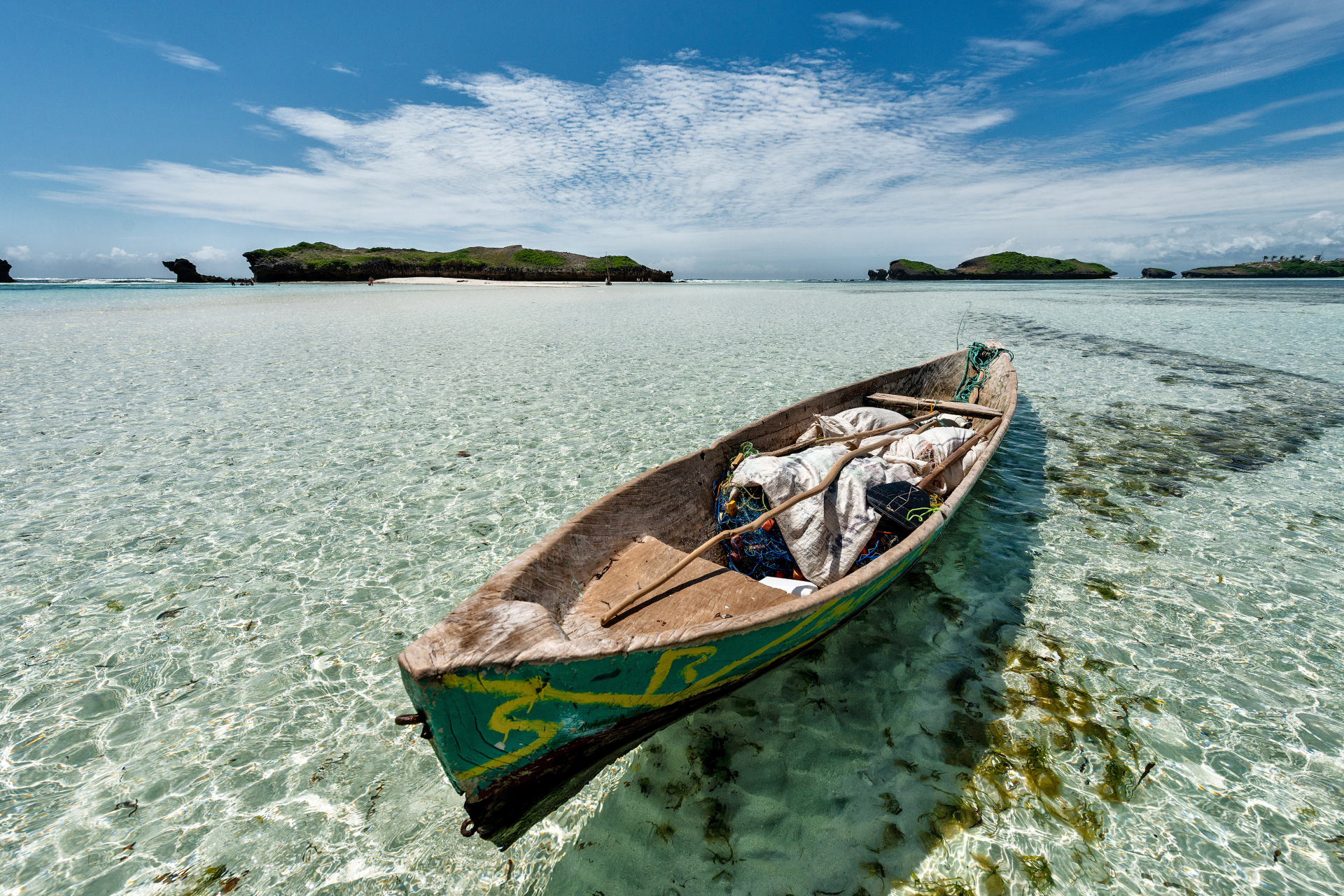
Watamu Marine National Park
Stunning coral reefs, endangered turtle nesting, whale sharks and ancient ruins make Kenya's Watamu a must-visit place.
Peak time
December to February
Best time to visit
October to March (for calm seas, clear visibility and whale shark season)
Known for
World-class snorkelling and diving on pristine coral reefs
Also known for
Sea turtle conservation, seasonal whale shark sightings
About the Watamu Marine National Park
Imagine stepping from a soft, sandy beach directly into the warm, turquoise waters of the Indian Ocean and entering a vibrant underwater city. This is the magic of Watamu Marine National Park, one of Africa’s first marine protected areas.
It is a sanctuary where the coral gardens are so close to shore that they are accessible to everyone, from young children to experienced divers.

Did you know
Established in 1968, Watamu was one of the very first marine national parks to be declared in Africa.
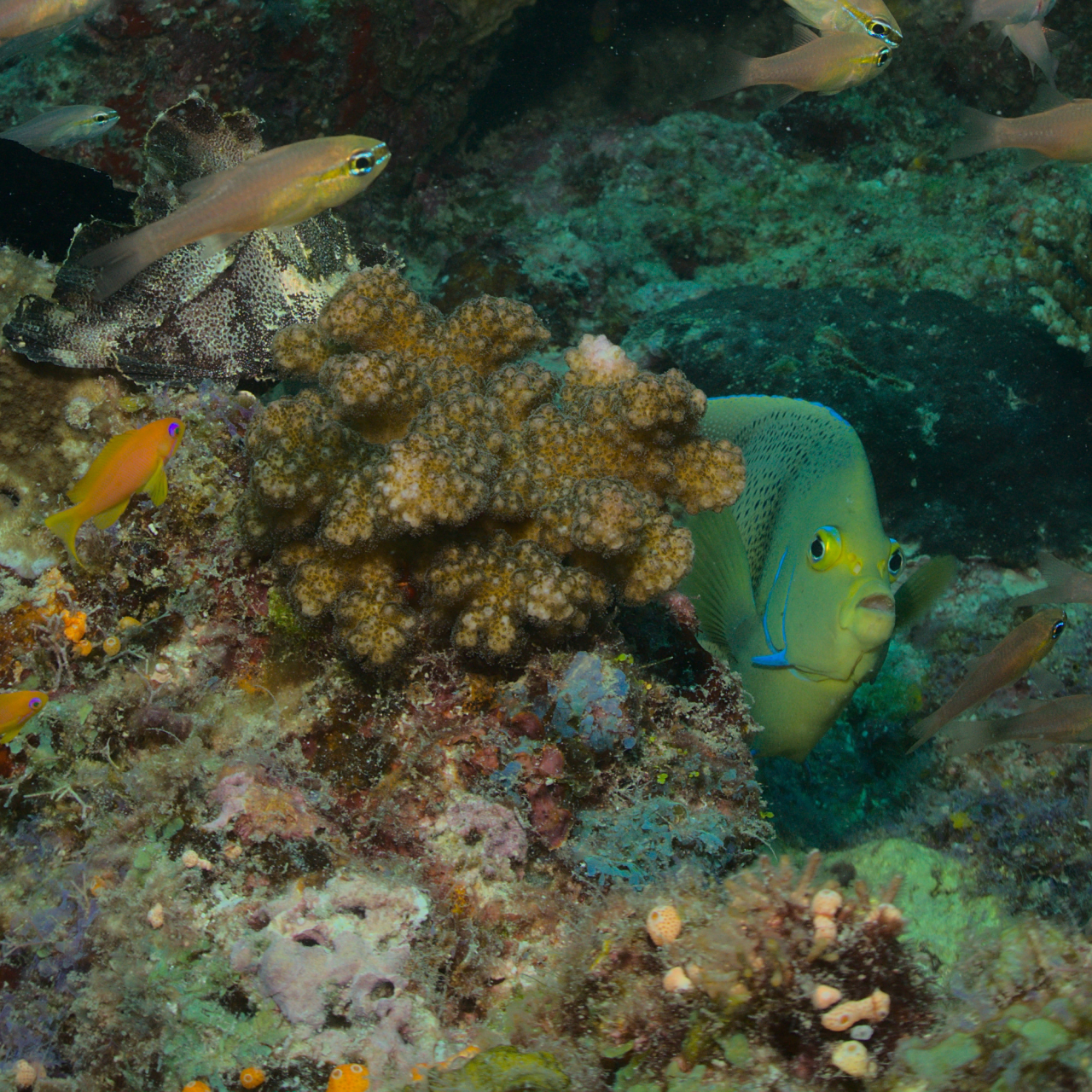
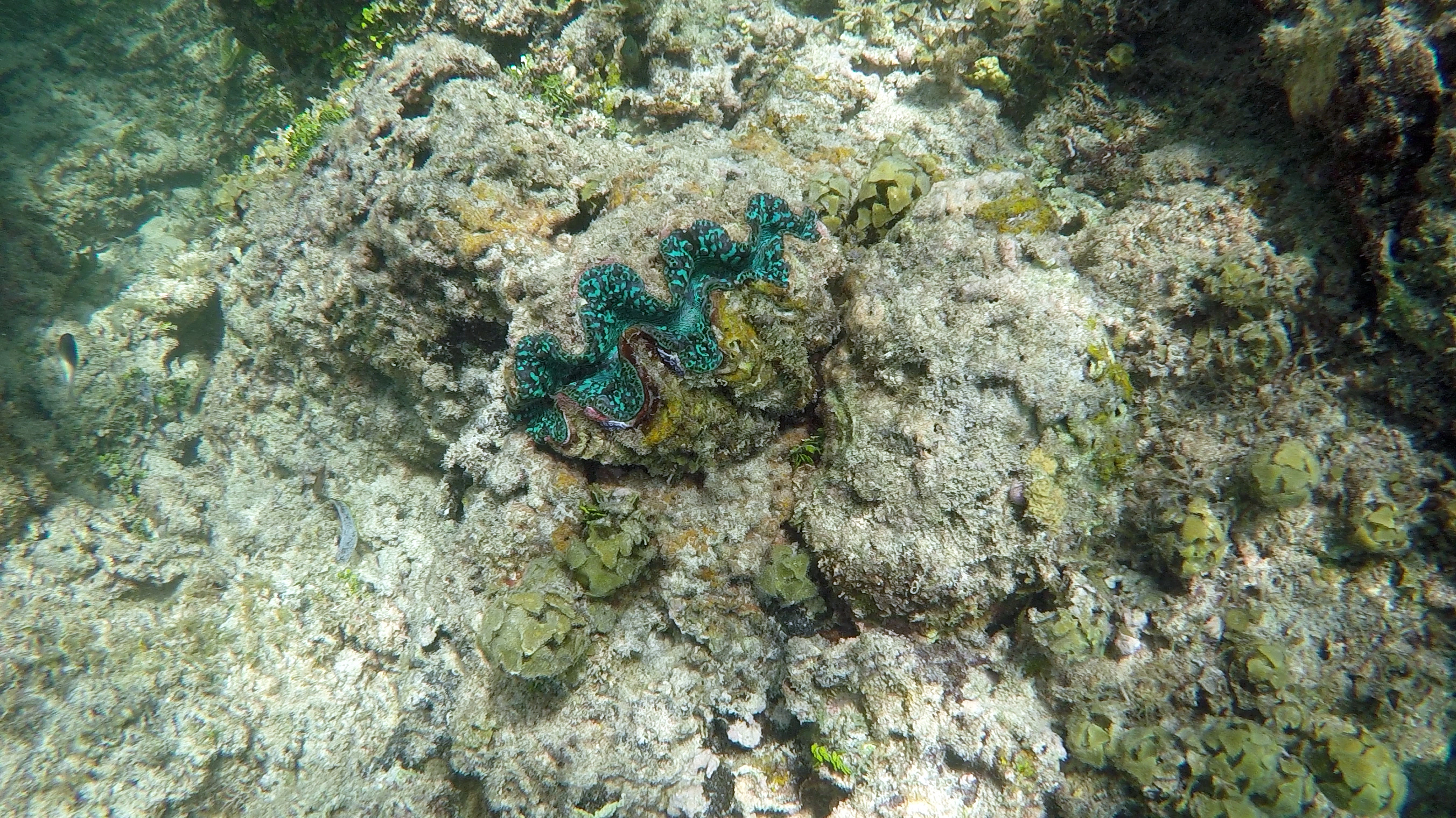
The experience is one of immediate immersion into a world of dazzling colour and life. Within minutes of leaving the beach by glass-bottom boat, you can be floating above intricate coral formations, watching as schools of parrotfish, angelfish and butterflyfish dart through their aquatic metropolis. Look closer to find moray eels peeking from crevices, or an octopus camouflaged against the reef.
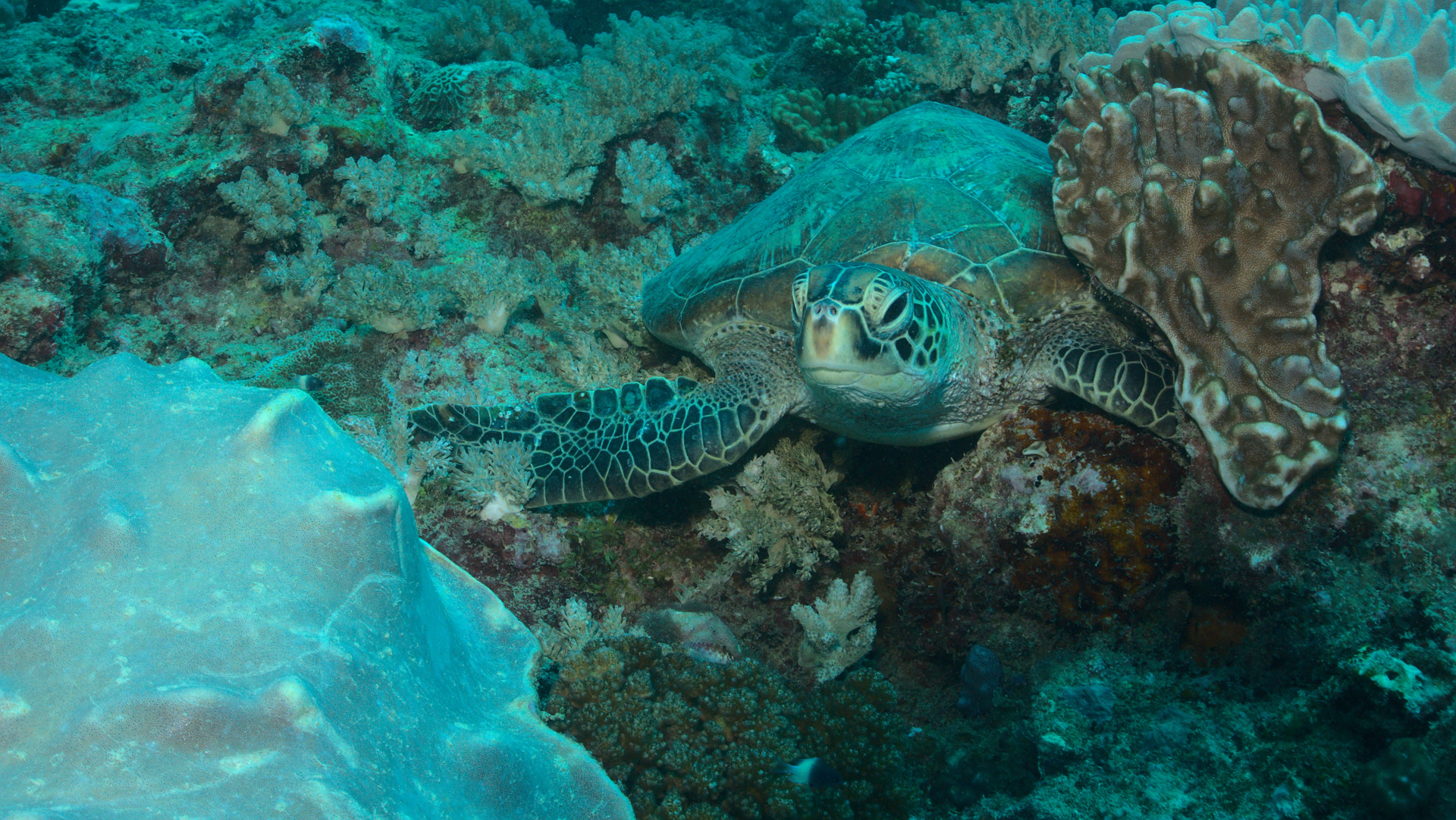
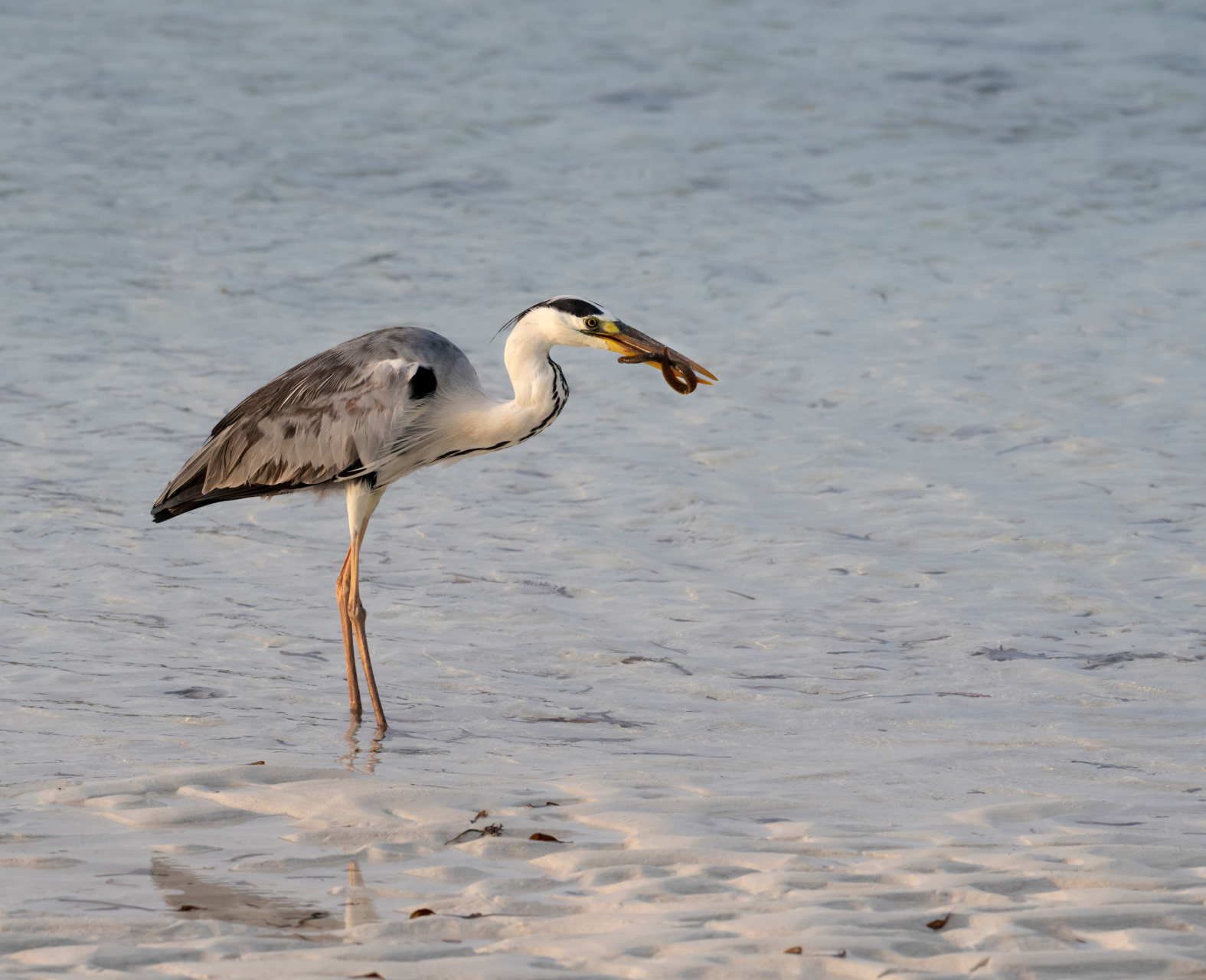
But Watamu’s wonders extend beyond the main reef. The park is a critical habitat for green and olive ridley sea turtles, which nest on its protected beaches. Dolphins regularly patrol the deeper channels, while the adjacent Mida Creek tidal inlet offers a completely different world of mangrove forests and rich birdlife. Part of a UNESCO Biosphere Reserve, Watamu is not just a destination – it’s a thriving, protected ecosystem.
Get to know the Watamu Marine National Park
Watamu offers a relaxed, international beach town atmosphere. The vibe is laid-back and friendly, with distinct Swahili and Italian influences reflected in its culture and cuisine. Life revolves around the tides and the three bays, which provide calm, sheltered waters perfect for a wide range of activities, from snorkelling and diving to kitesurfing and stand-up paddleboarding.
The marine park experience is beautifully effortless. Enjoy a private trip aboard a traditional dhow or glass‑bottom boat, guiding you to the coral gardens where vibrant marine life drifts just beneath the surface. Every experience is thoughtfully selected and coordinated for you, and with the Kenya Wildlife Service safeguarding the park, you can explore knowing this extraordinary ecosystem is protected for generations to come.
History
The history of this coastline stretches back more than
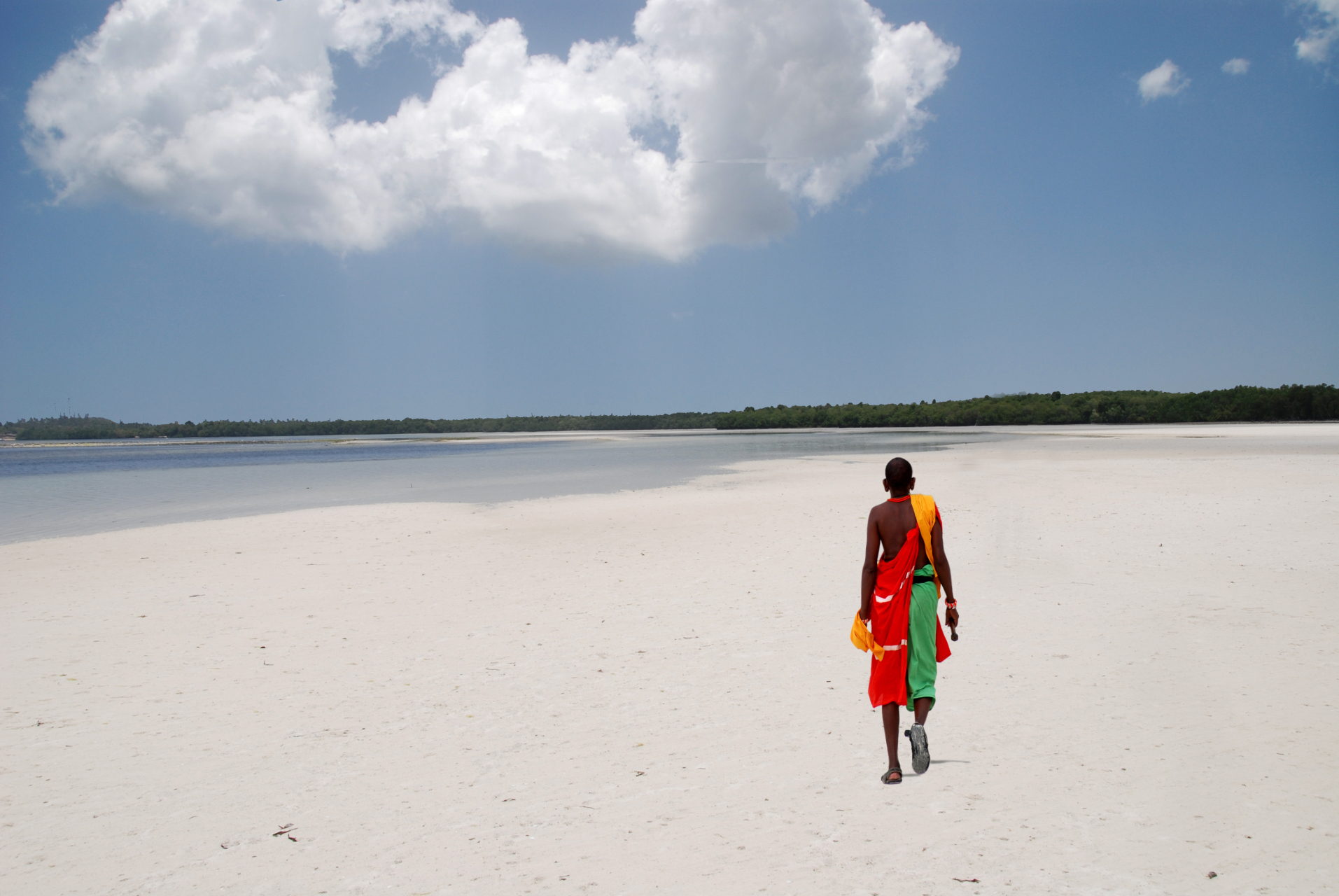
1 000 years. It was a key part of the ancient maritime trade routes that connected the African interior with Arabia, Persia and India. The Swahili people built sophisticated towns and city-states along this coast, growing wealthy from the trade in spices, gold and ivory. The nearby ruins of Gede, a mysterious medieval town that was abandoned in the 16th century, are a powerful monument to this forgotten era.
The modern conservation history of Watamu began in the mid-20th century, as concerns grew about the impact of overfishing and dynamite fishing on the delicate coral reefs. In a visionary move, the then newly independent Kenyan government gazetted the area as a protected national park in 1968. This decision has been crucial in preserving the reef’s biodiversity, allowing it to be the vibrant ecosystem visitors enjoy today.
More unforgettable activities
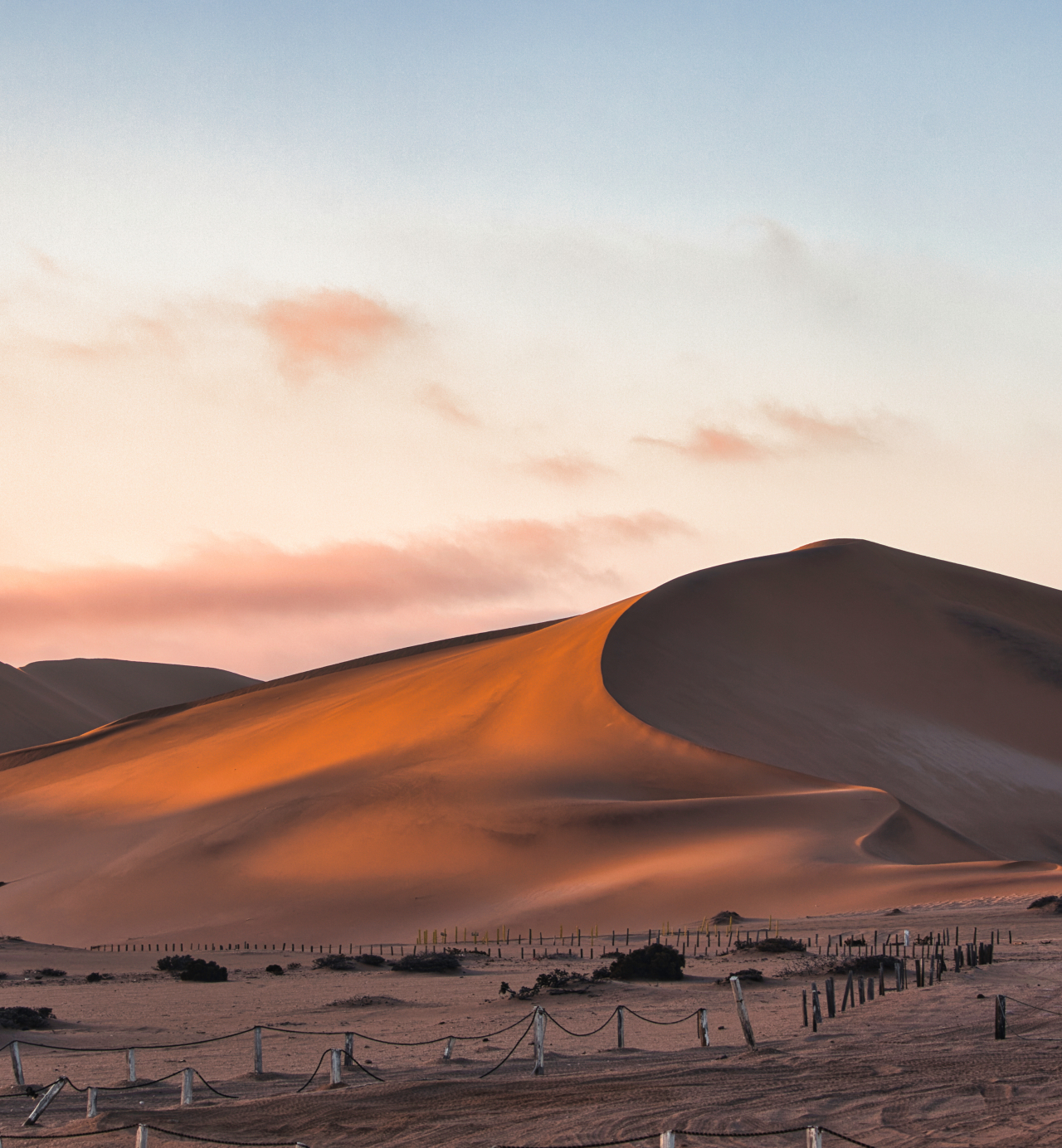
Champagne and oysters on Dune 7
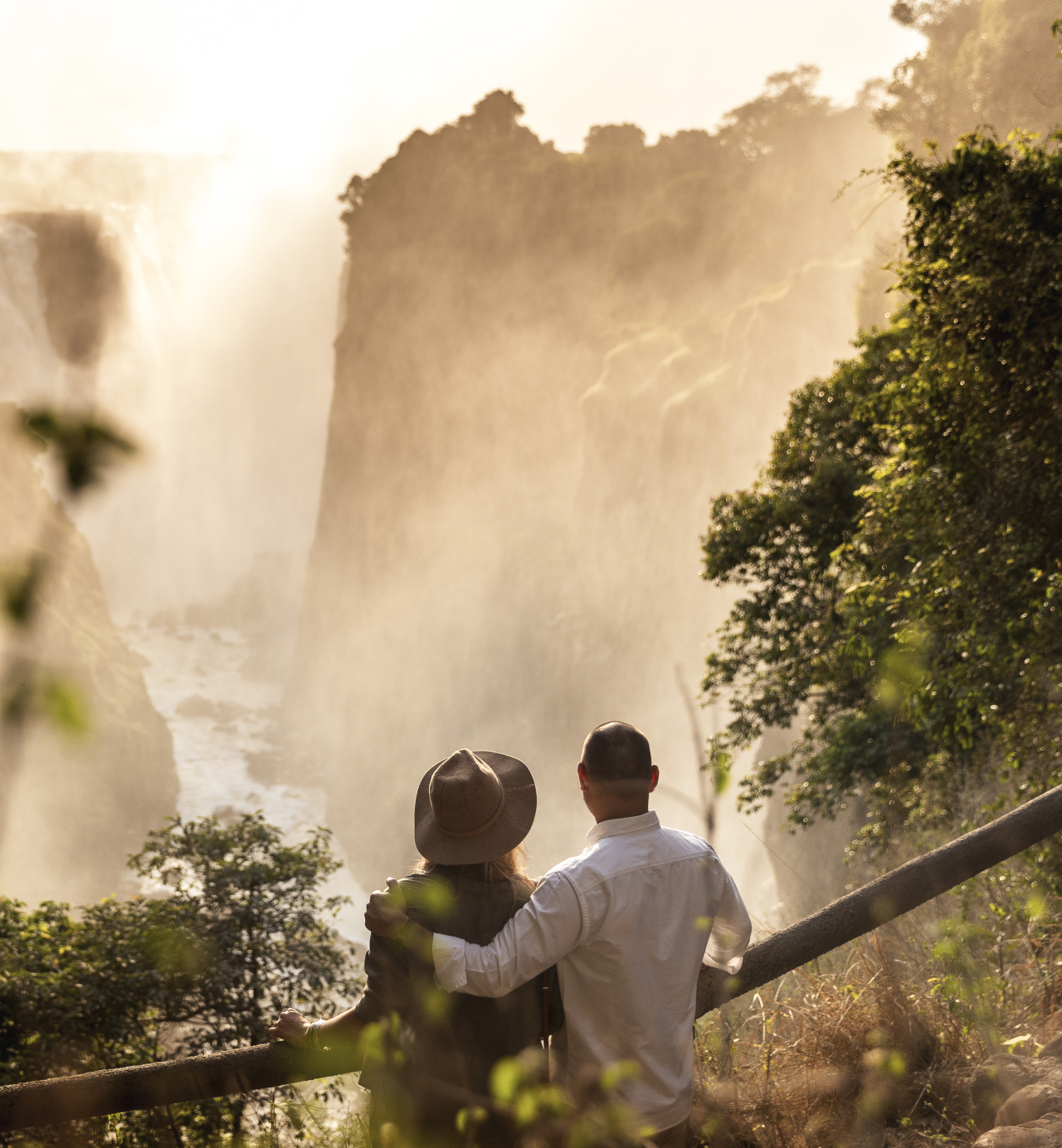
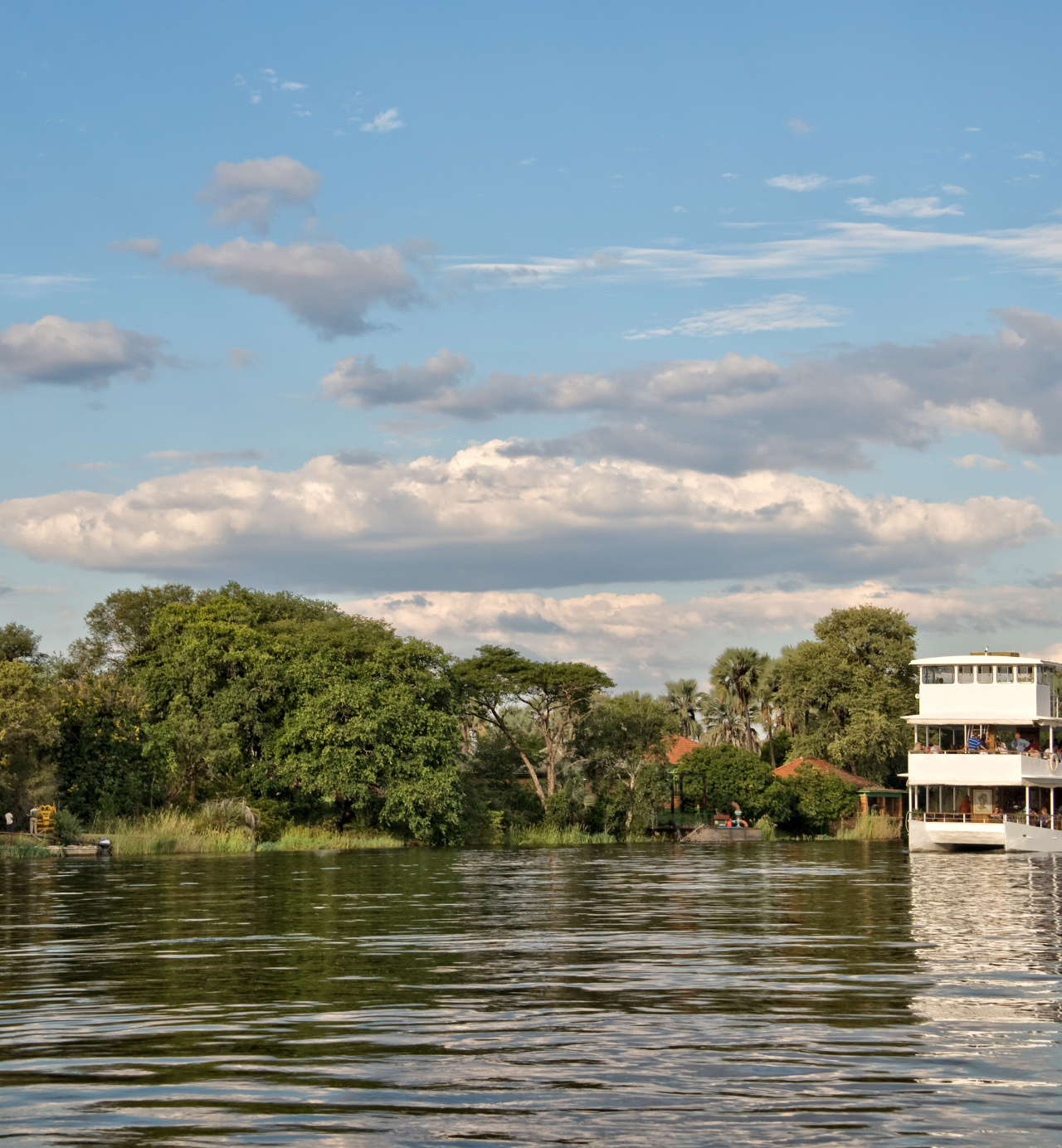
Live-aboard luxury Zambezi safari
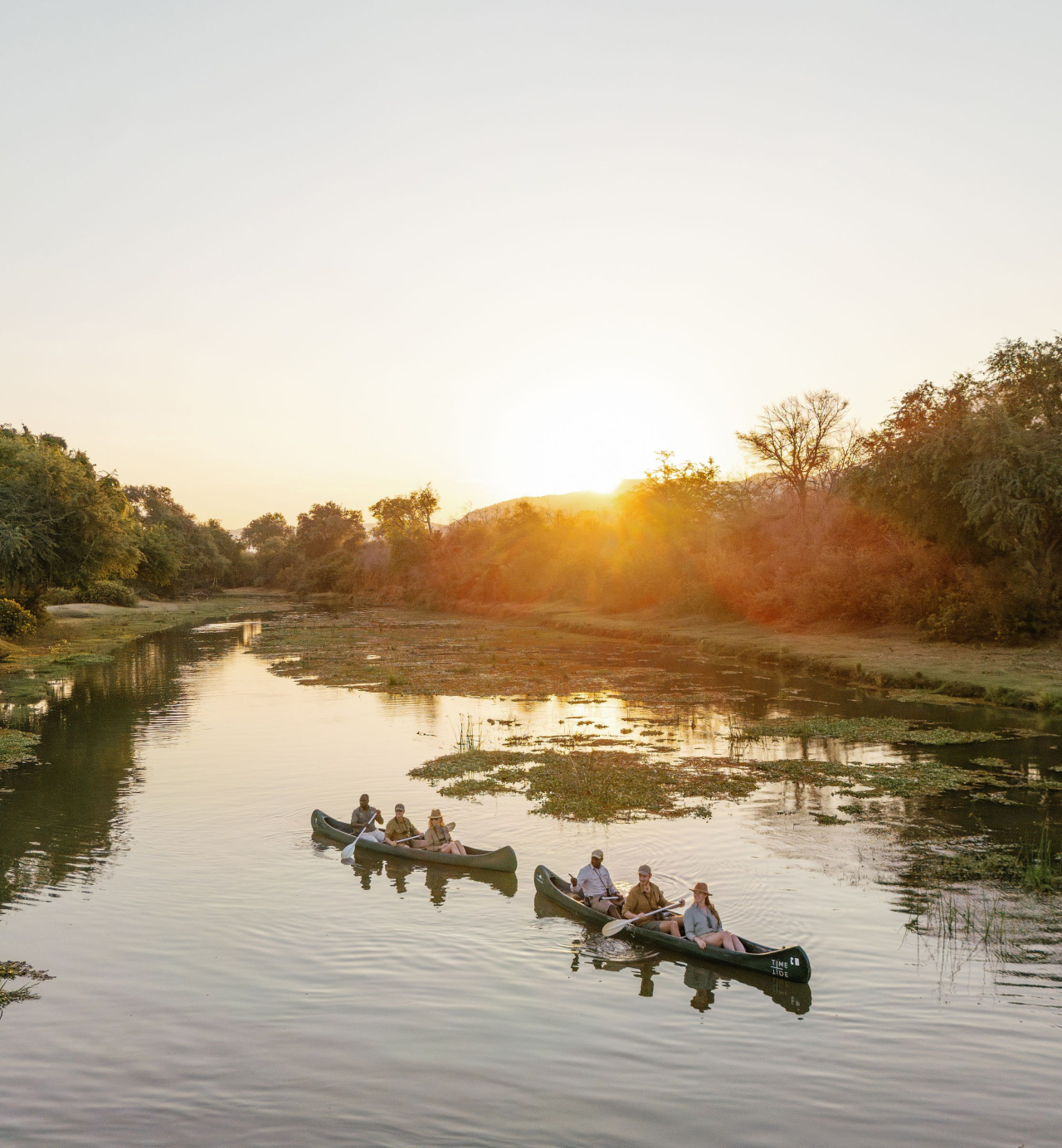
Picnicking on islands in the Zambezi
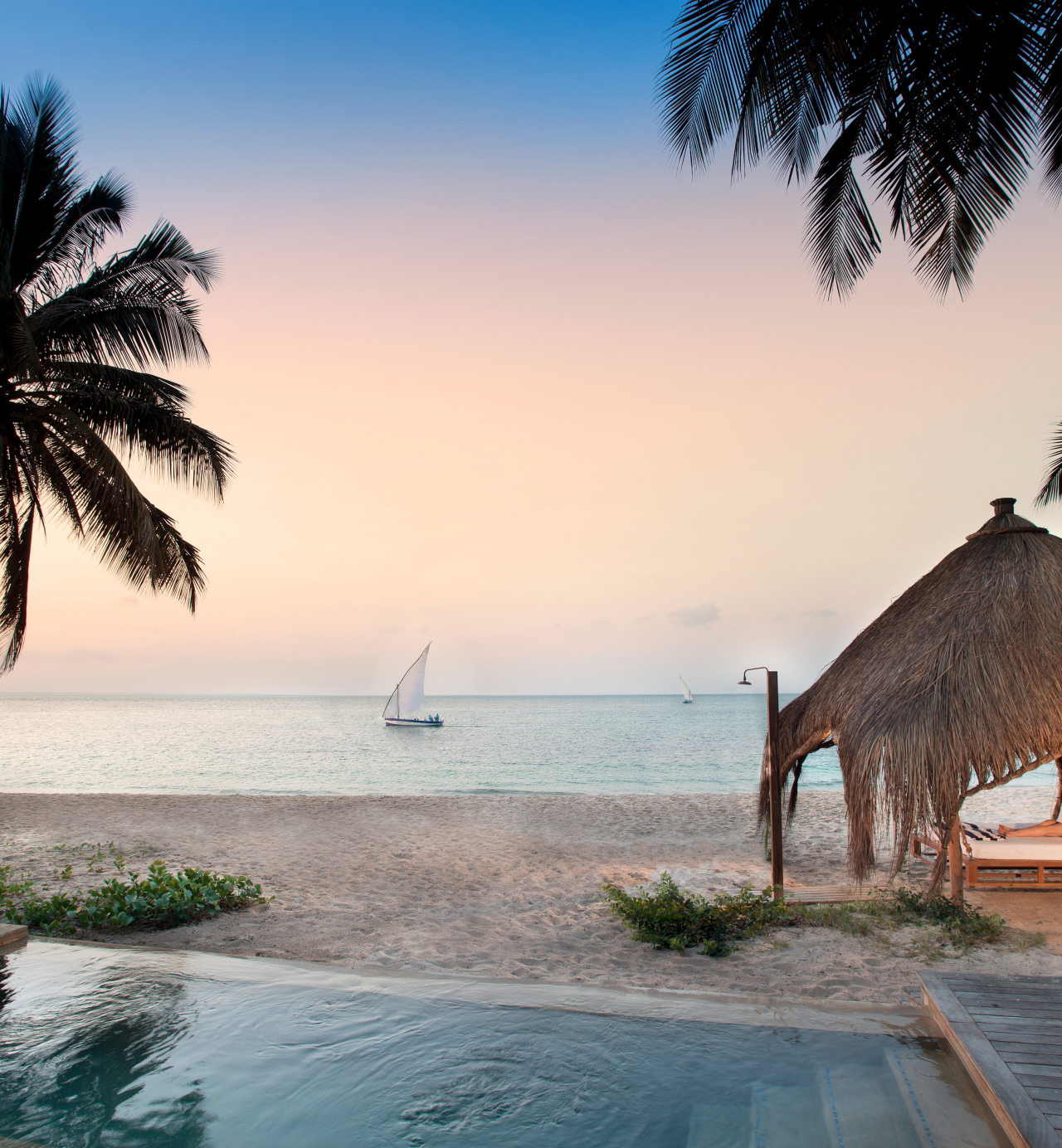
Turtle egg laying and hatching
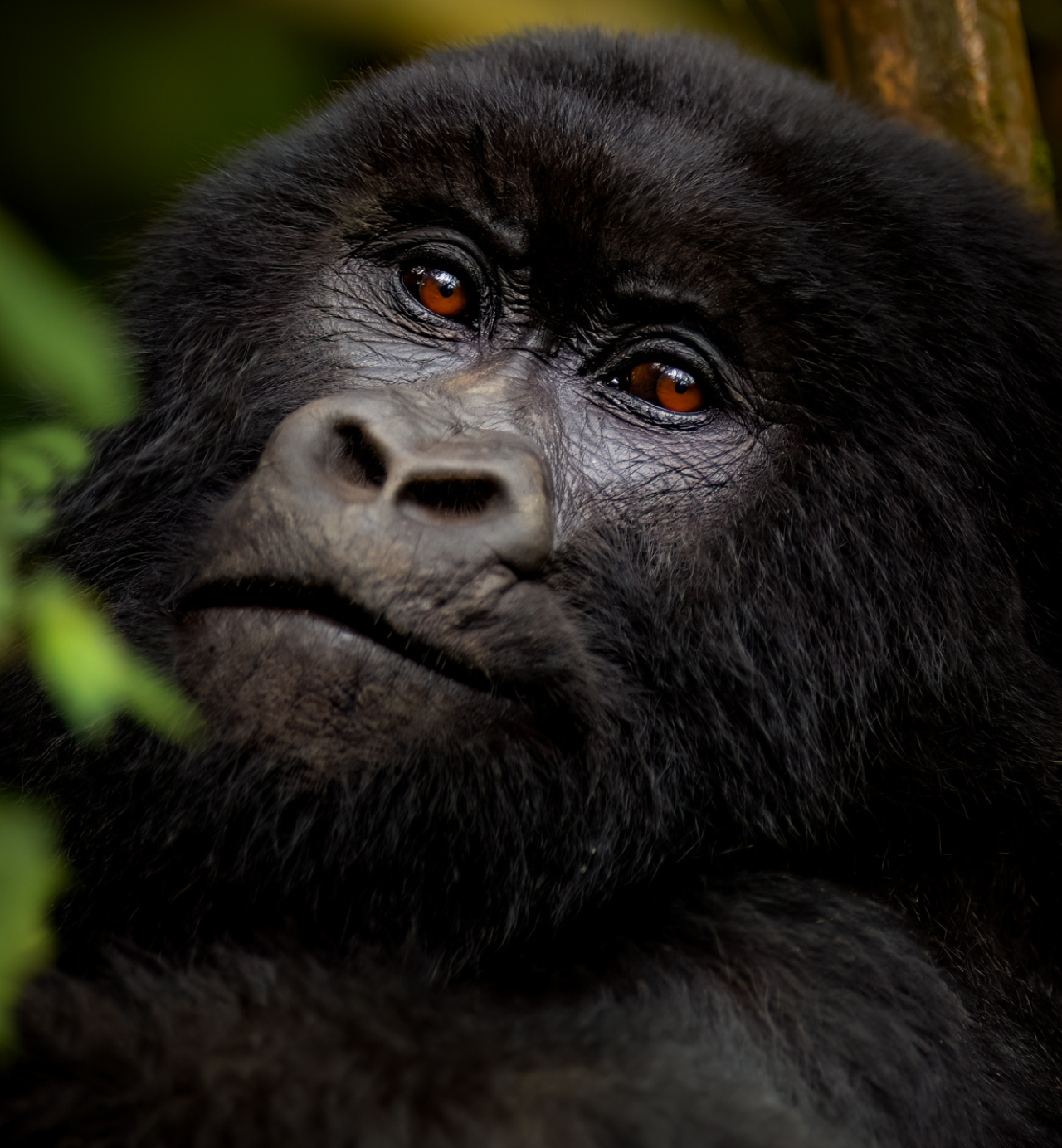
Gorilla trekking
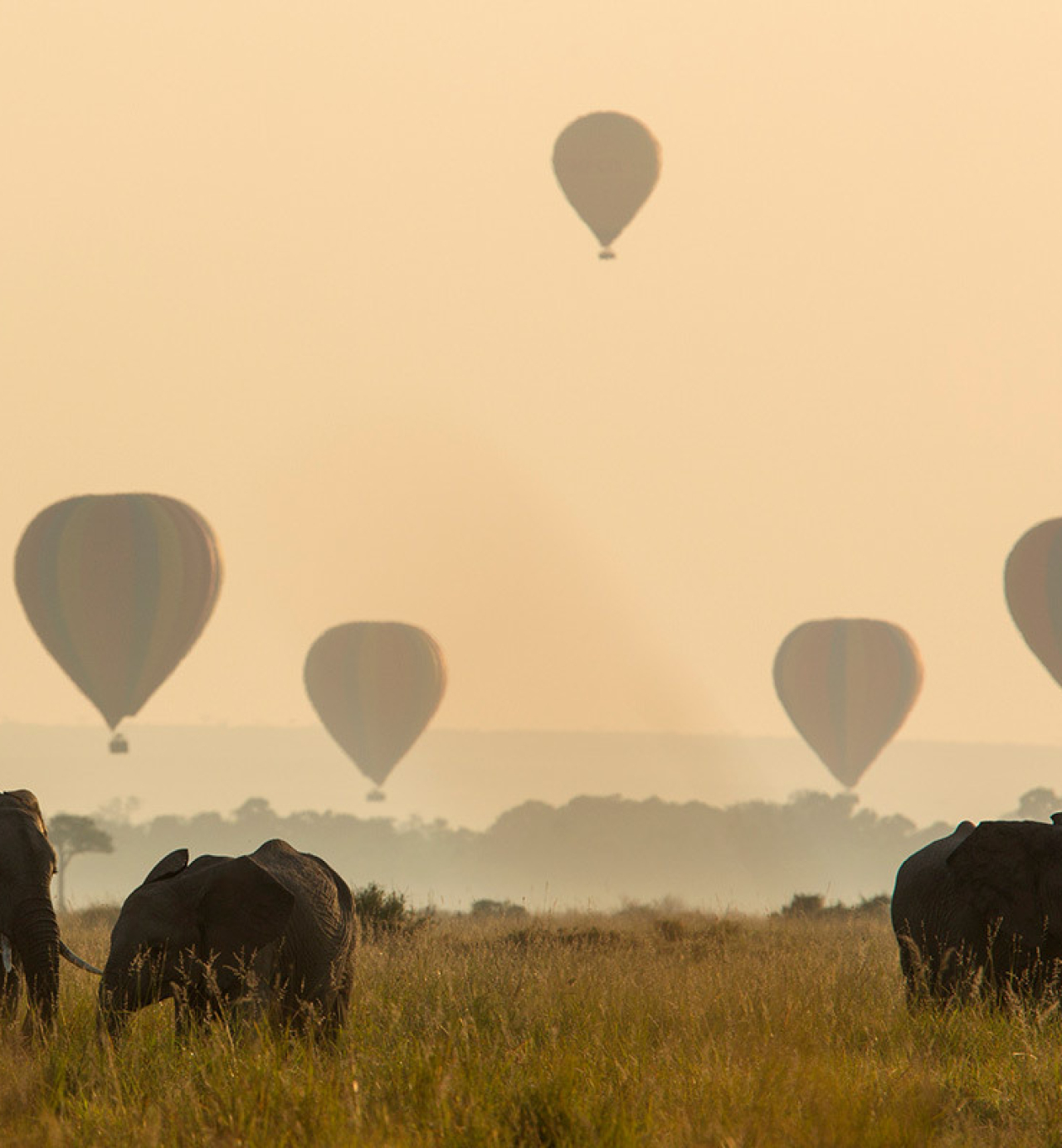
Ballooning over the Serengeti or Mara
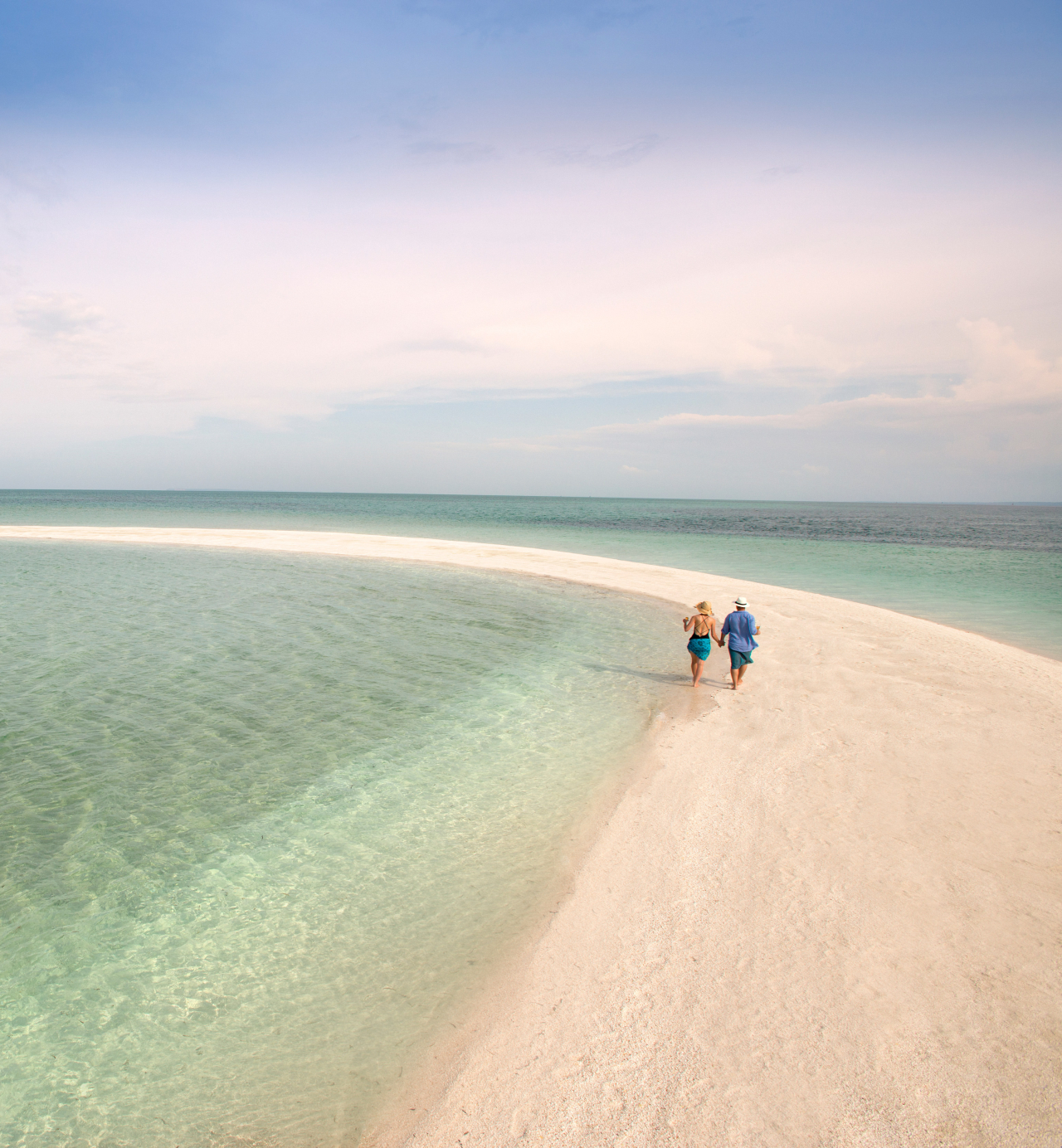
Castaway picnic on an African island
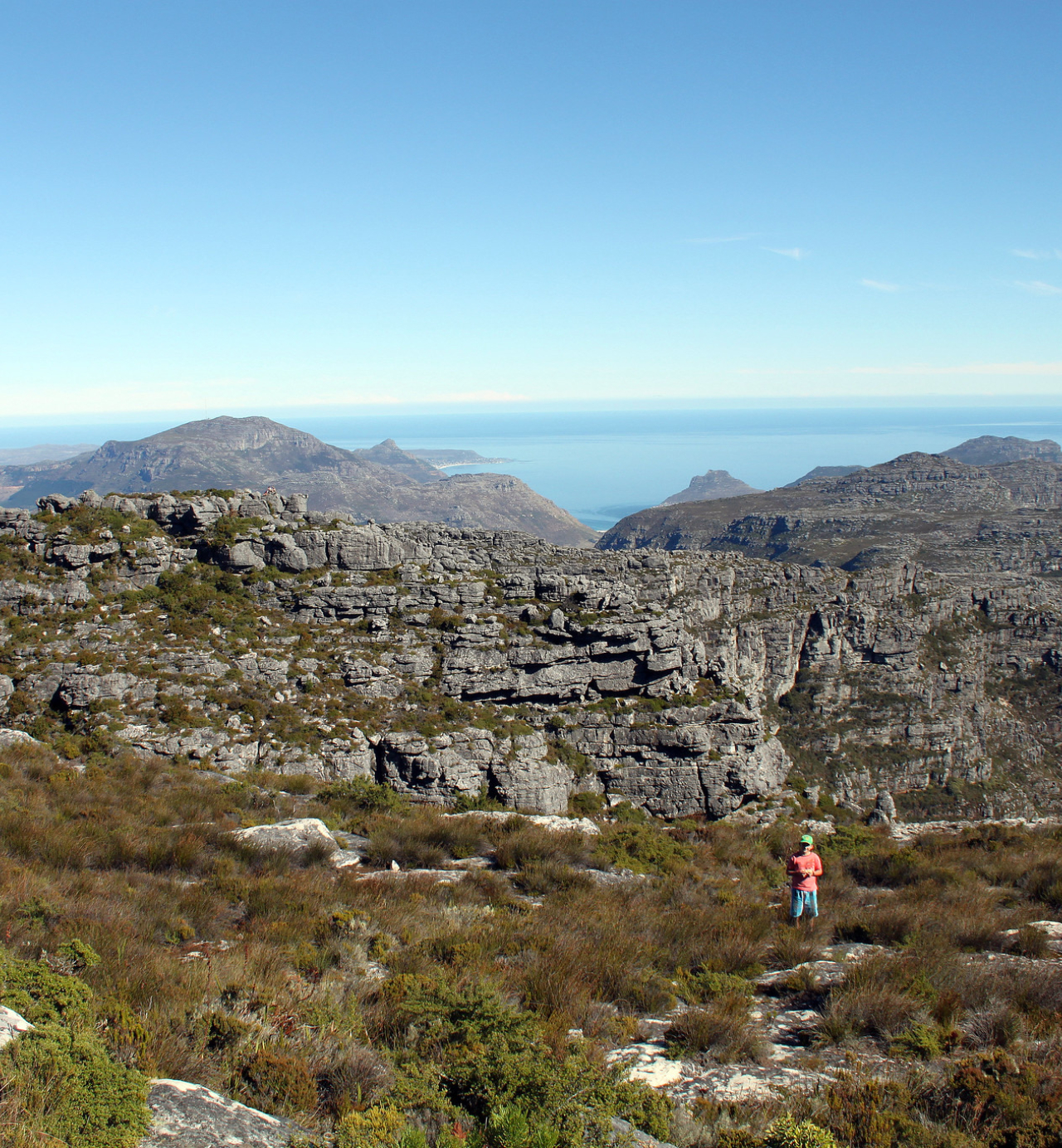
Hiking Table Mountain with a botanist or forager
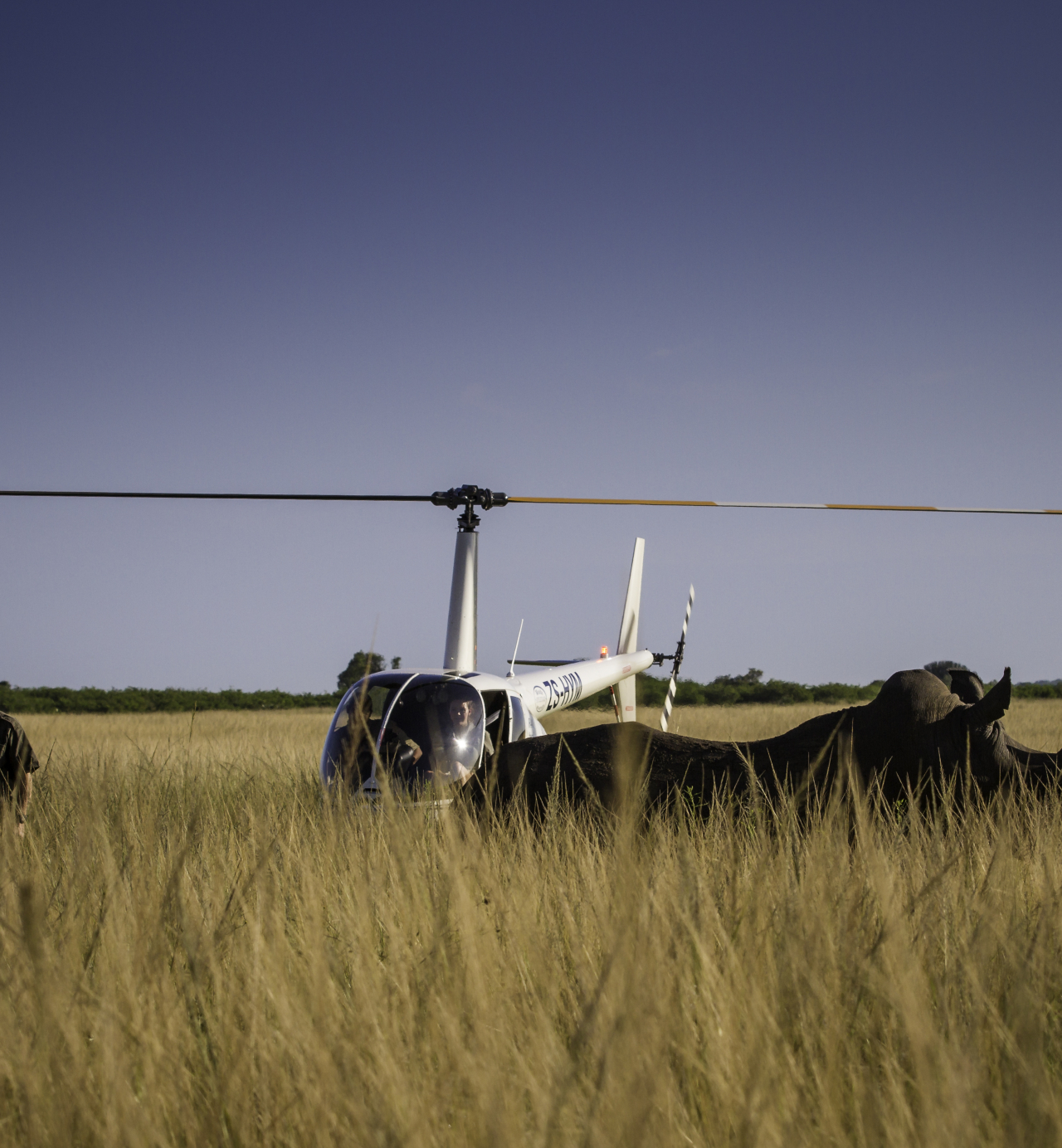
Rhino darting and chipping experience

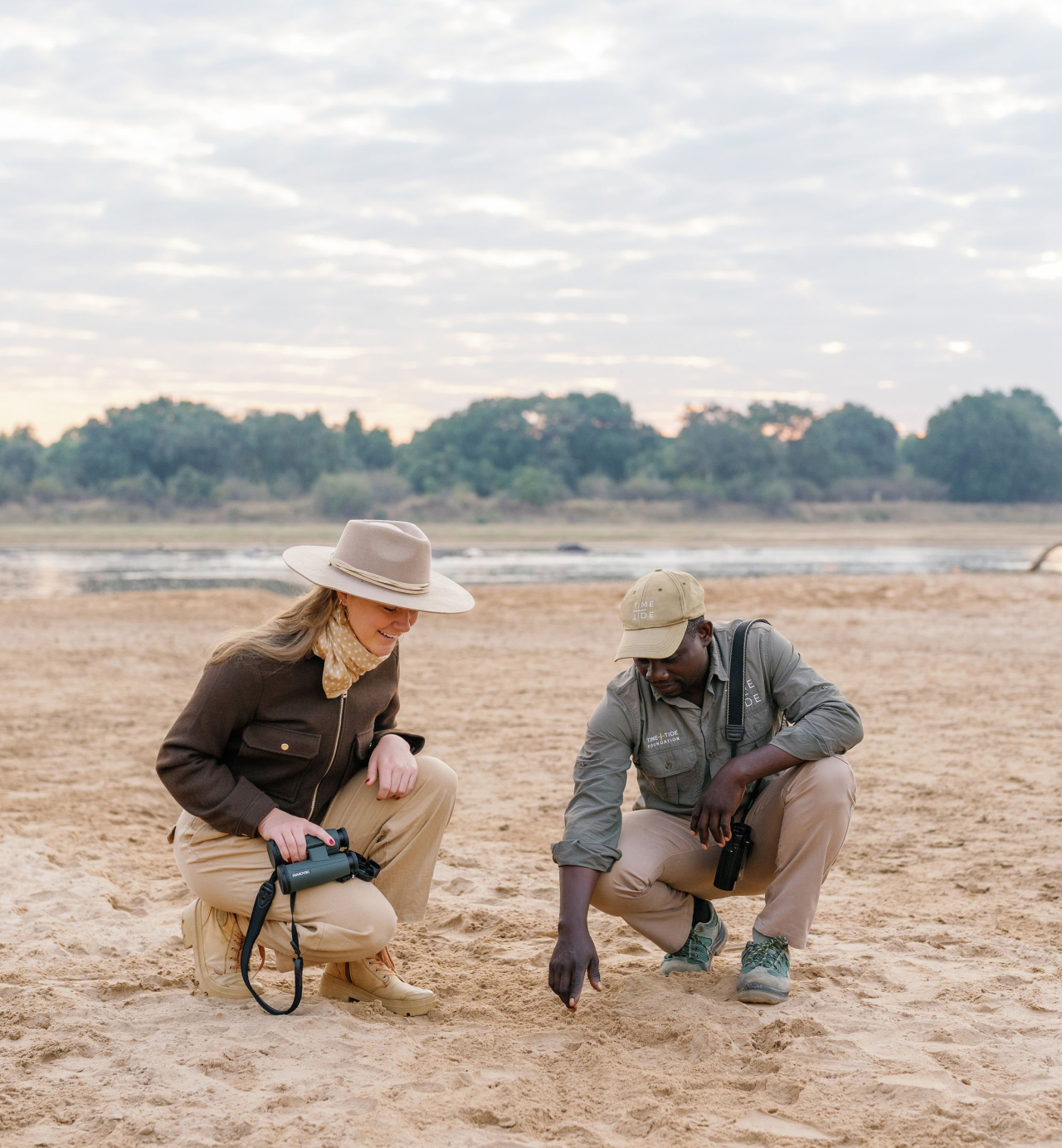
Tracking Africa’s most elusive species on foot

Voices of our guests
The Watamu Marine National Park FAQs
The best time is during the dry season from October to March, when the seas are calmest and water visibility is at its peak. The period from October to February also coincides with the whale shark season.
Not at all. The coral gardens are very close to the surface, making Watamu a world-class snorkelling destination. Glass-bottom boats also allow you to see the reef without getting wet, making it perfect for all ages and swimming abilities.
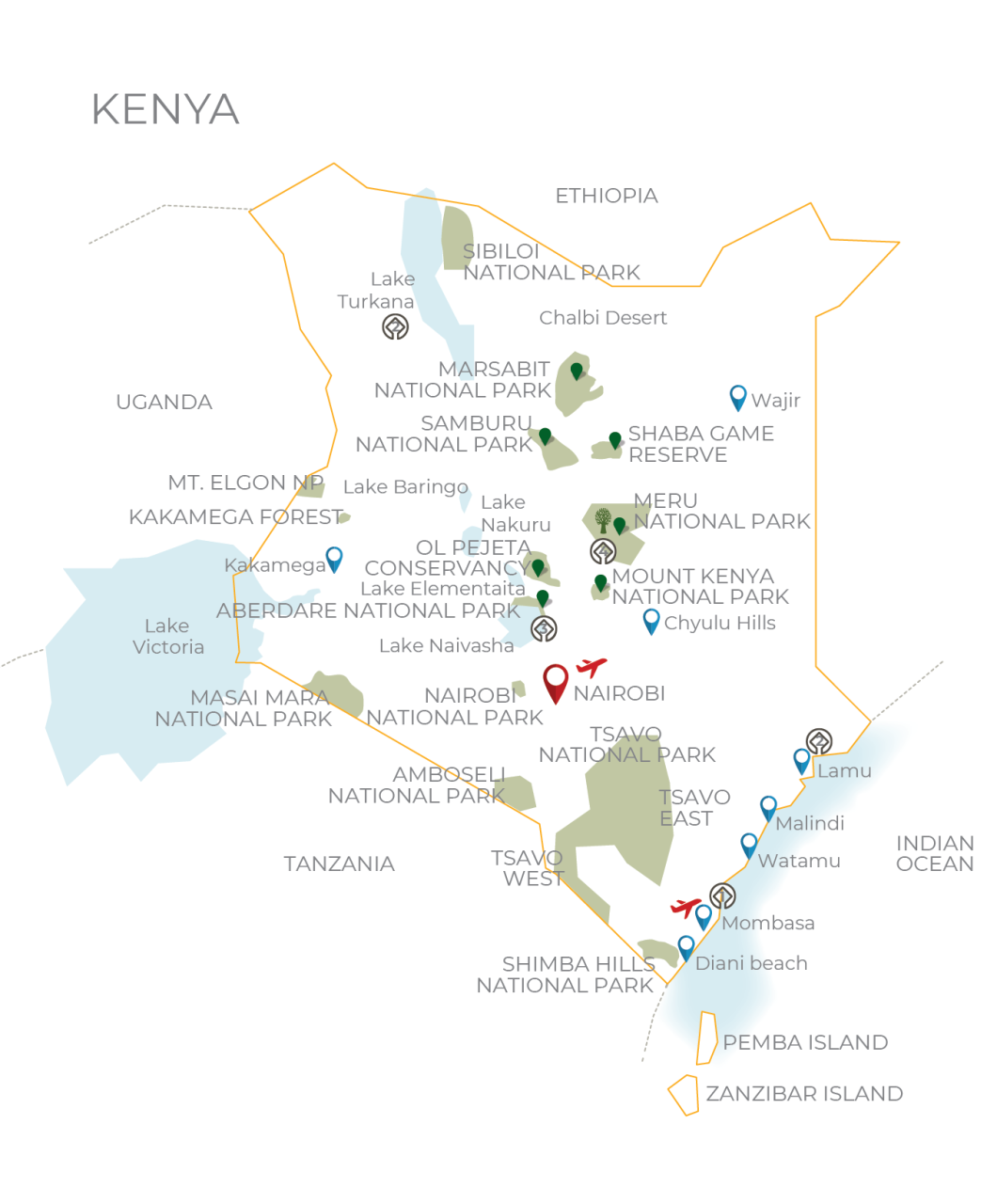
The most common way is to fly into Malindi Airport, which is about a 30-minute drive away, or Moi International Airport in Mombasa, which is about a 2.5-hour drive.
On a typical snorkelling trip, you are almost guaranteed to see dozens of reef fish species and beautiful coral. Sightings of sea turtles are common. Dolphins are also seen frequently, while whale sharks and humpback whales are strictly seasonal.
You can visit the ancient Gede ruins, go birdwatching, take a dhow cruise in Mida Creek, go kitesurfing or visit a local conservation project such as the Local Ocean Conservation turtle rescue centre.
Bring lightweight beachwear, plenty of high-SPF reef-safe sunscreen, a hat and sunglasses. While most operators provide gear, bringing your own well-fitting mask and snorkel can enhance your experience.
Yes. As with all national parks in Kenya, non-resident visitors must pay a daily park entry fee to the Kenya Wildlife Service, which is usually collected by your boat operator before you depart.
Yes, the main bays are protected by the outer reef, creating calm, safe and shallow lagoons that are perfect for swimming and snorkelling. It's always wise to listen to local advice about tides and currents.
Absolutely. The calm, shallow waters of places such as the Blue Lagoon bay, ease of snorkelling and interactive glass-bottom boat tours make Watamu an outstanding destination for families with children.
Use only reef-safe sunscreen, never touch or stand on the coral, do not buy shells or marine curios and use only licensed boat operators who follow the park’s conservation guidelines.
