From delta to source(s): exploring the Nile is an epic adventure
From delta to source(s): exploring the Nile is an epic adventure
| by Willem Steenkamp
The Nile is one of the world’s great rivers, and one of Africa’s most vital features. Exploring it from its delta to its sources is, without doubt, one of the most epic African adventures to be had.
At 7 088km (4 404mi), the Nile is the world’s longest river; it is, however, not the biggest, with courses such as the Amazon or the Congo boasting much larger volumes of water.
And apart from most other major rivers worldwide, which tend to flow west to east, is that it flows south to north.
Only a relatively short stretch of the Nile, from Cairo to Luxor and on to Aswan, and Lake Nasser are freely navigable. Along this part of the Nile we can book a luxury cruise, and enjoy the river and the historical sites in comfort and style. From Lake Nasser southwards, however, most of our journey – at least until Lake Victoria – will have to be done by road or rail, and sometimes on foot.
The delta, the Great Pyramids of Giza and Aswan
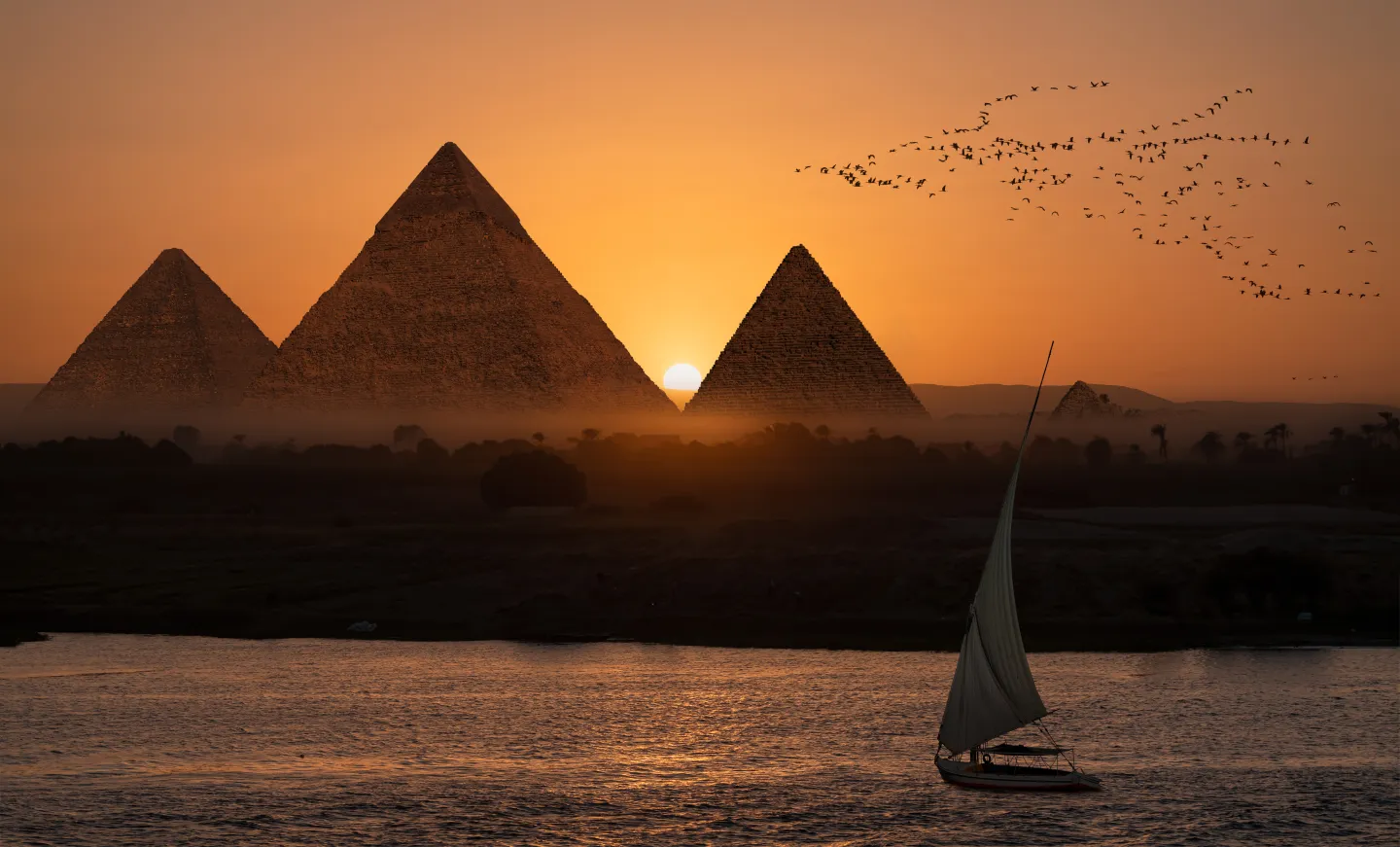
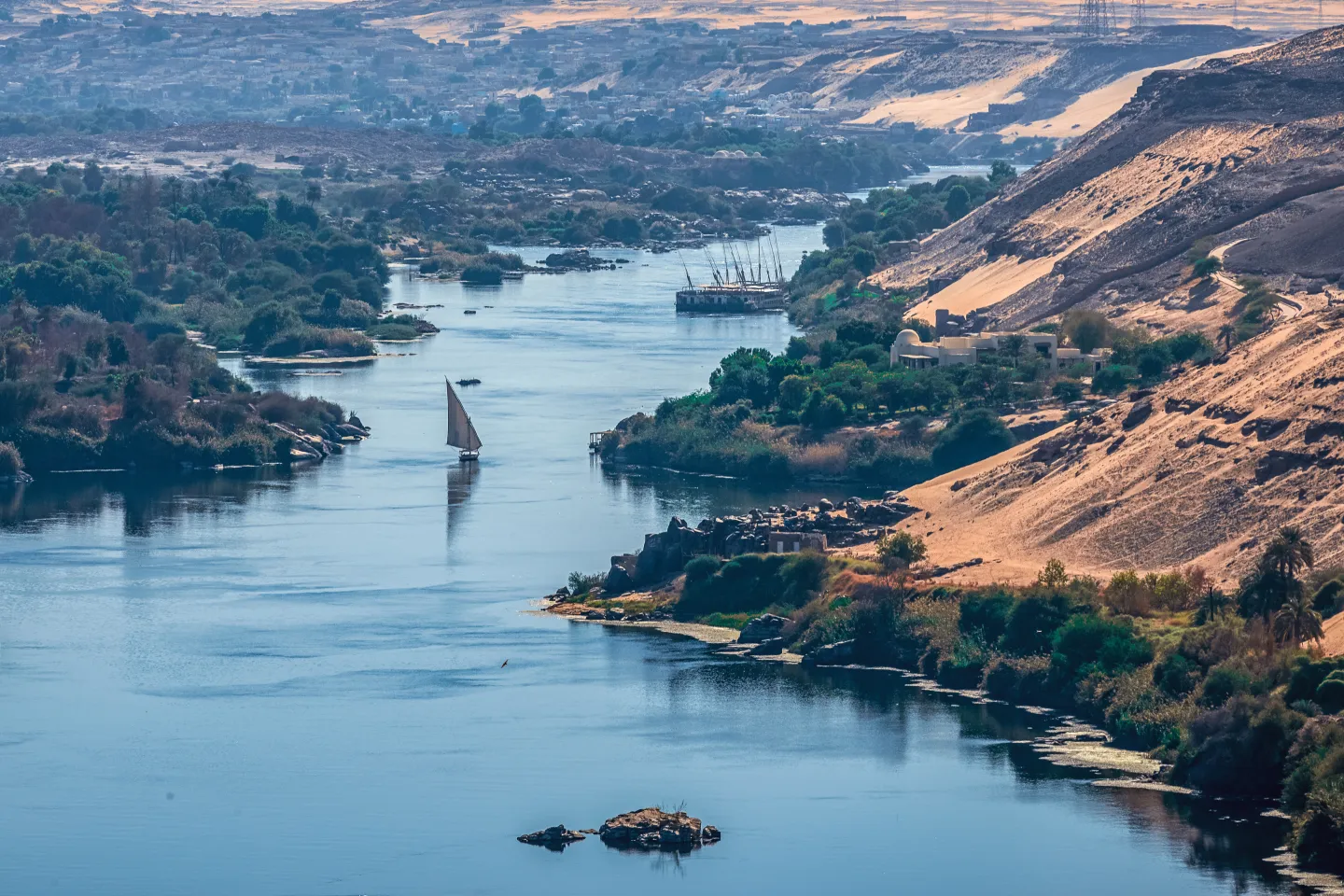
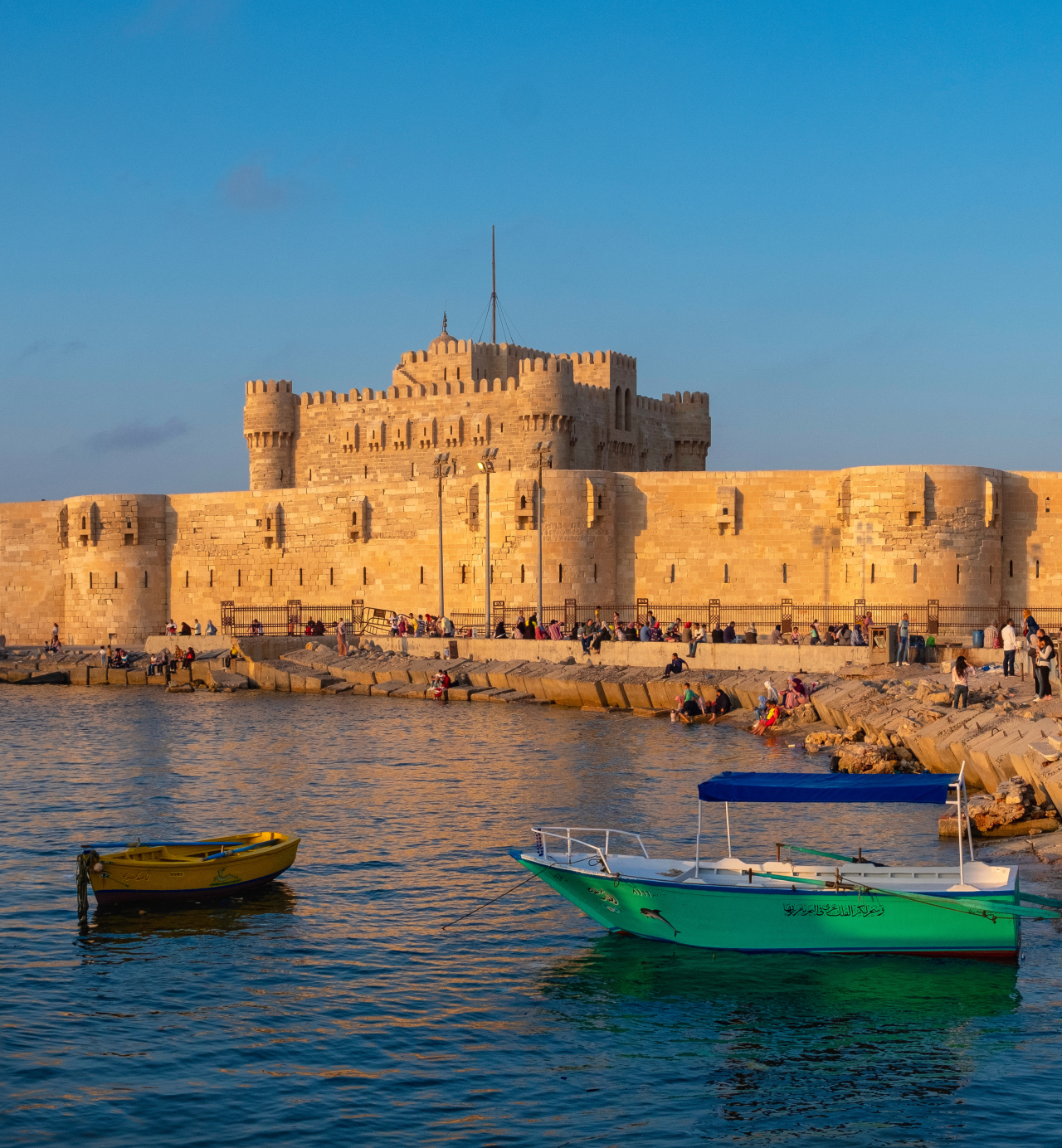
Our journey begins on the Mediterranean coast, where the Nile Delta fans out between the port cities of Alexandria and Port Said. Travellers typically use small motorboats or traditional wooden feluccas with their characteristic triangular sails to navigate through the lush, silt-rich plains that provide Egypt with life-giving abundance.
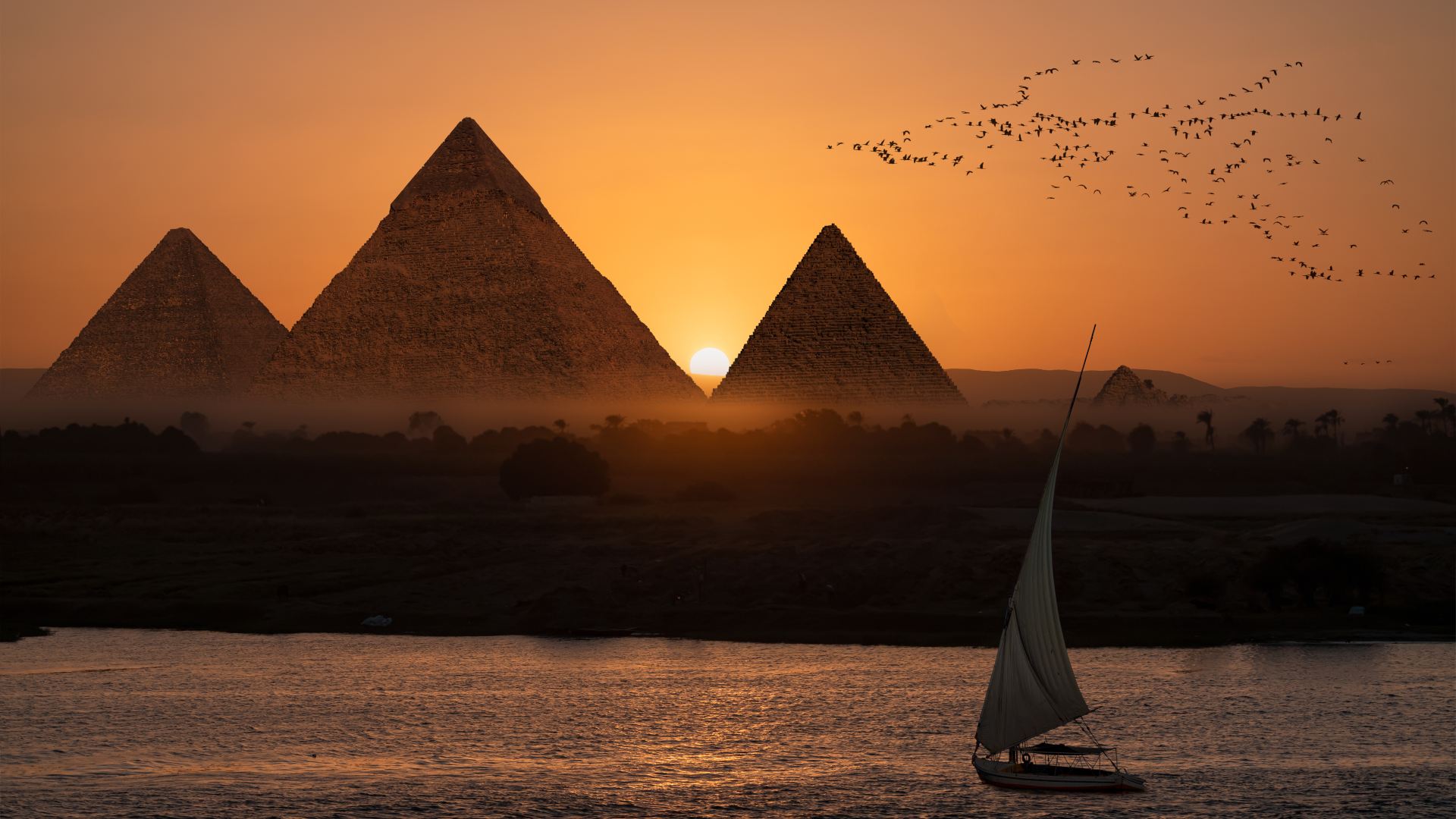
This is the green, agricultural heart of Egypt – and home to nearly half the country’s population – where local farmers still use irrigation techniques thousands of years old. Passing the bustling metropolis of Cairo, the skyline is dominated by the pyramids complex at Giza, marking the transition from the flat delta to the narrow Nile Valley.
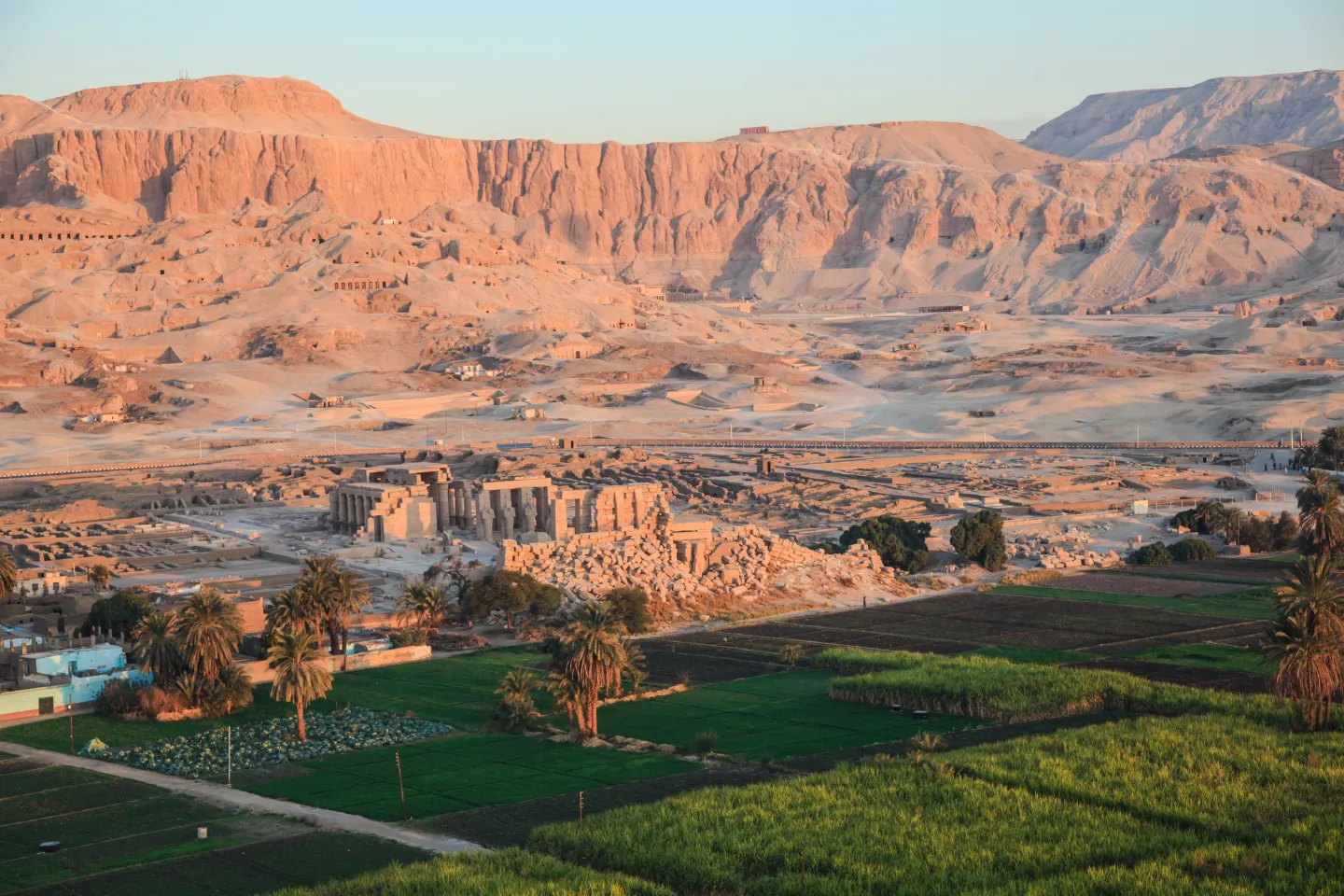
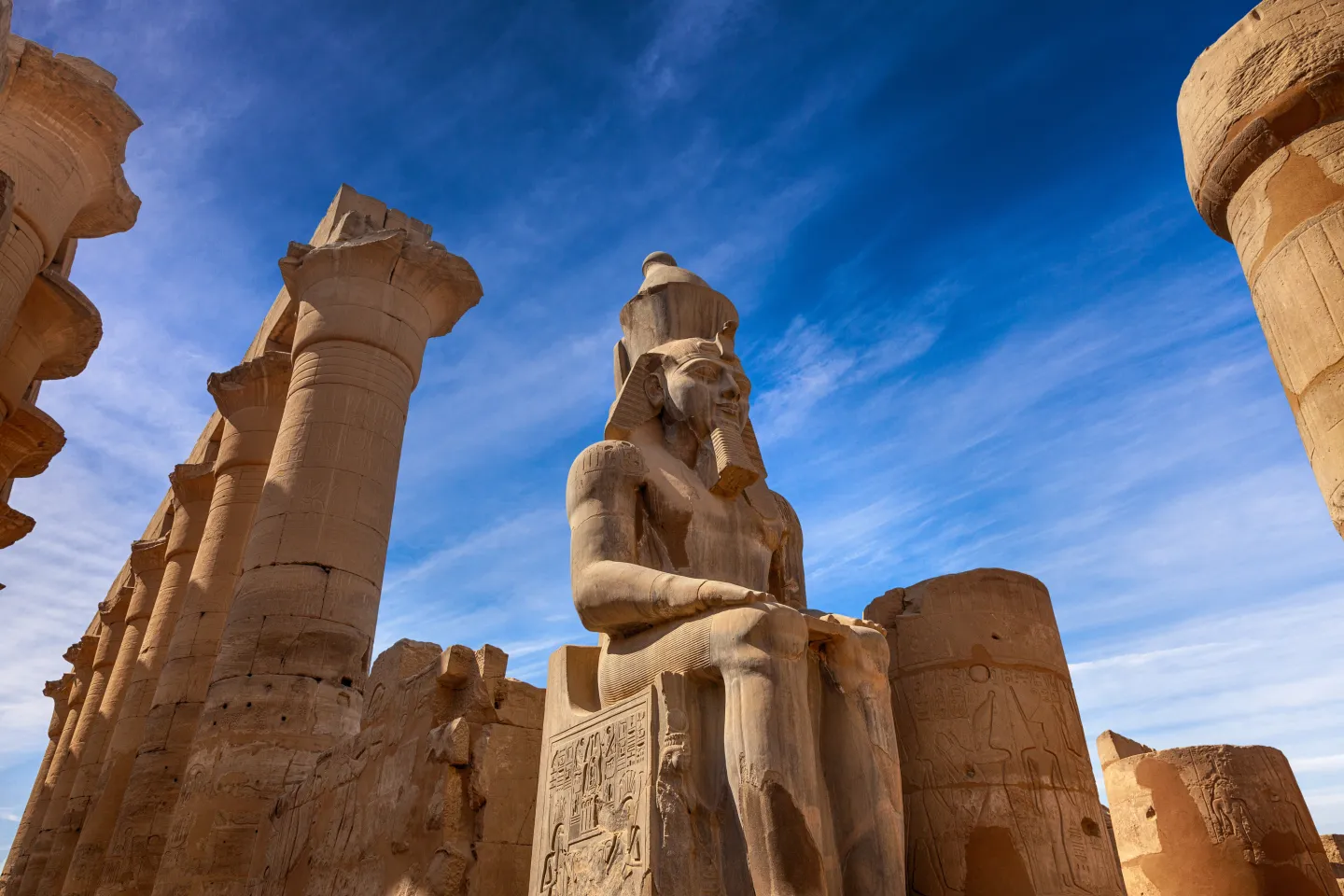
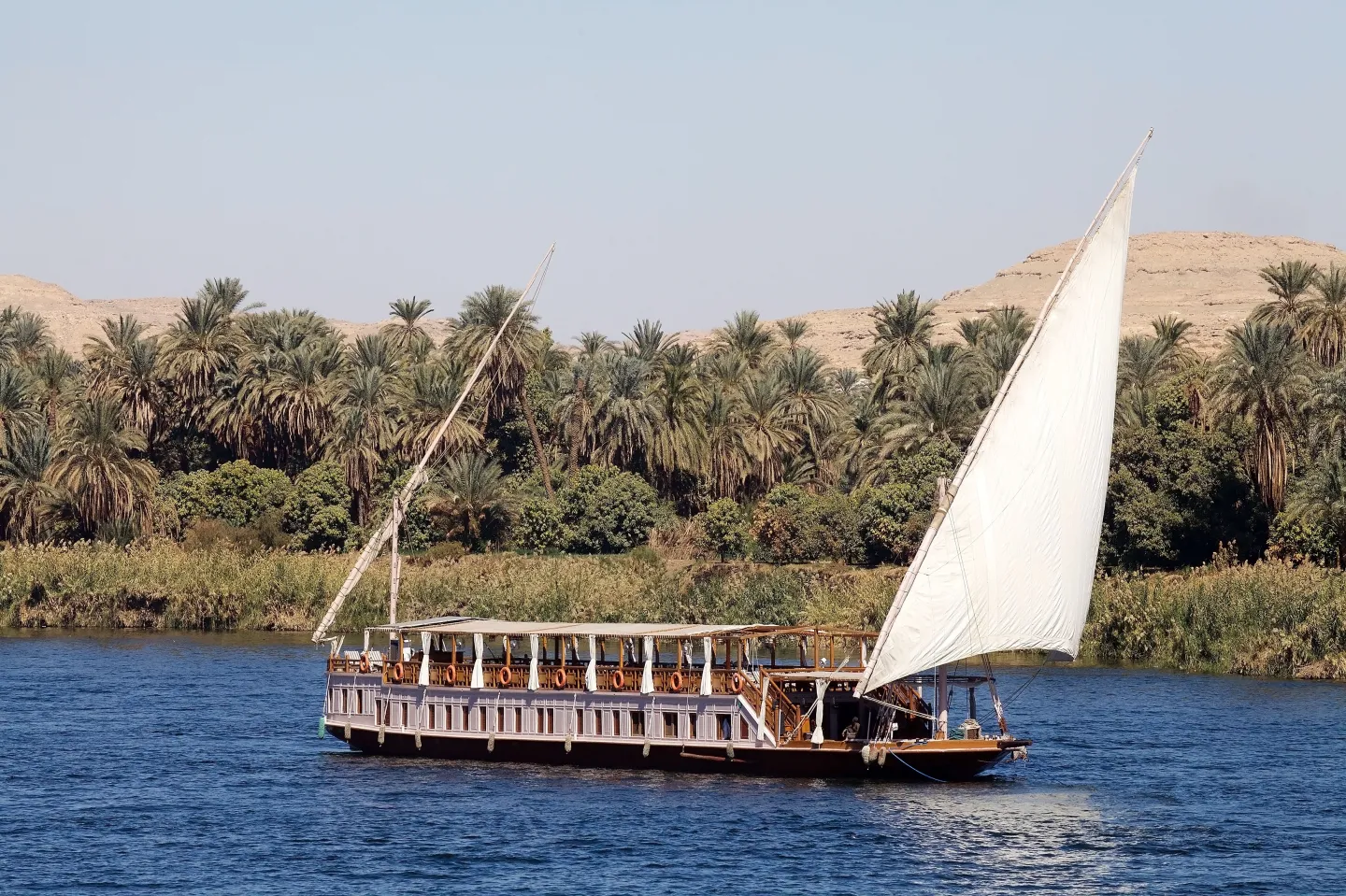
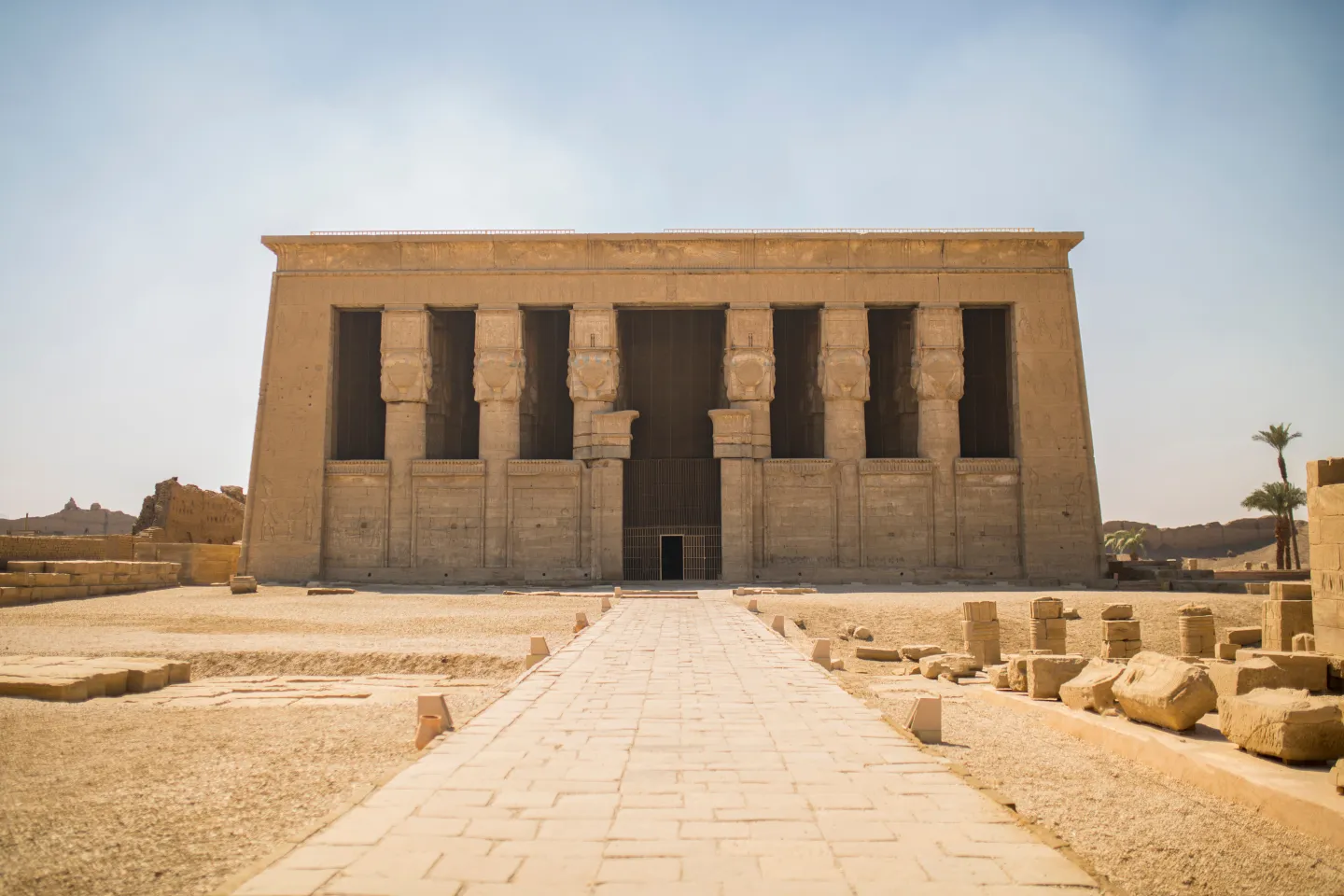
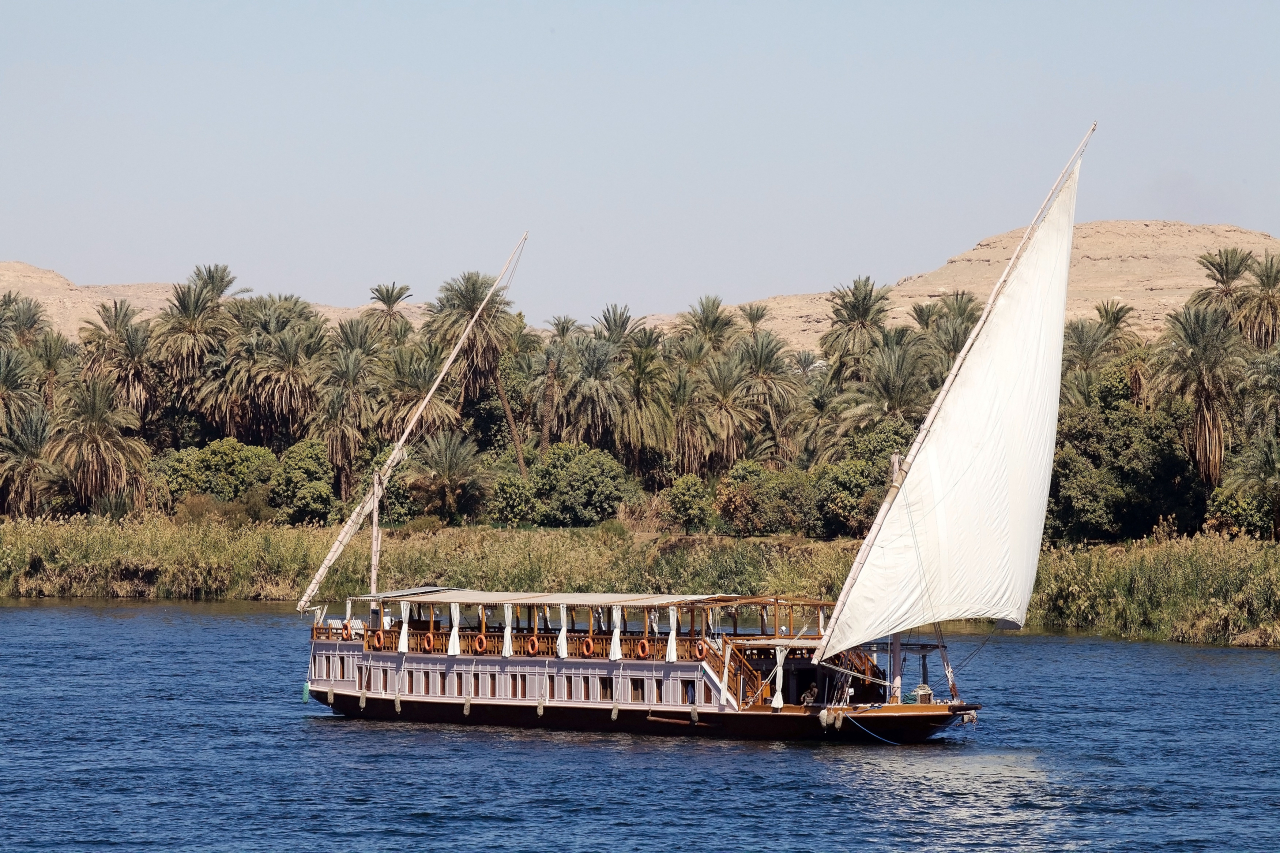
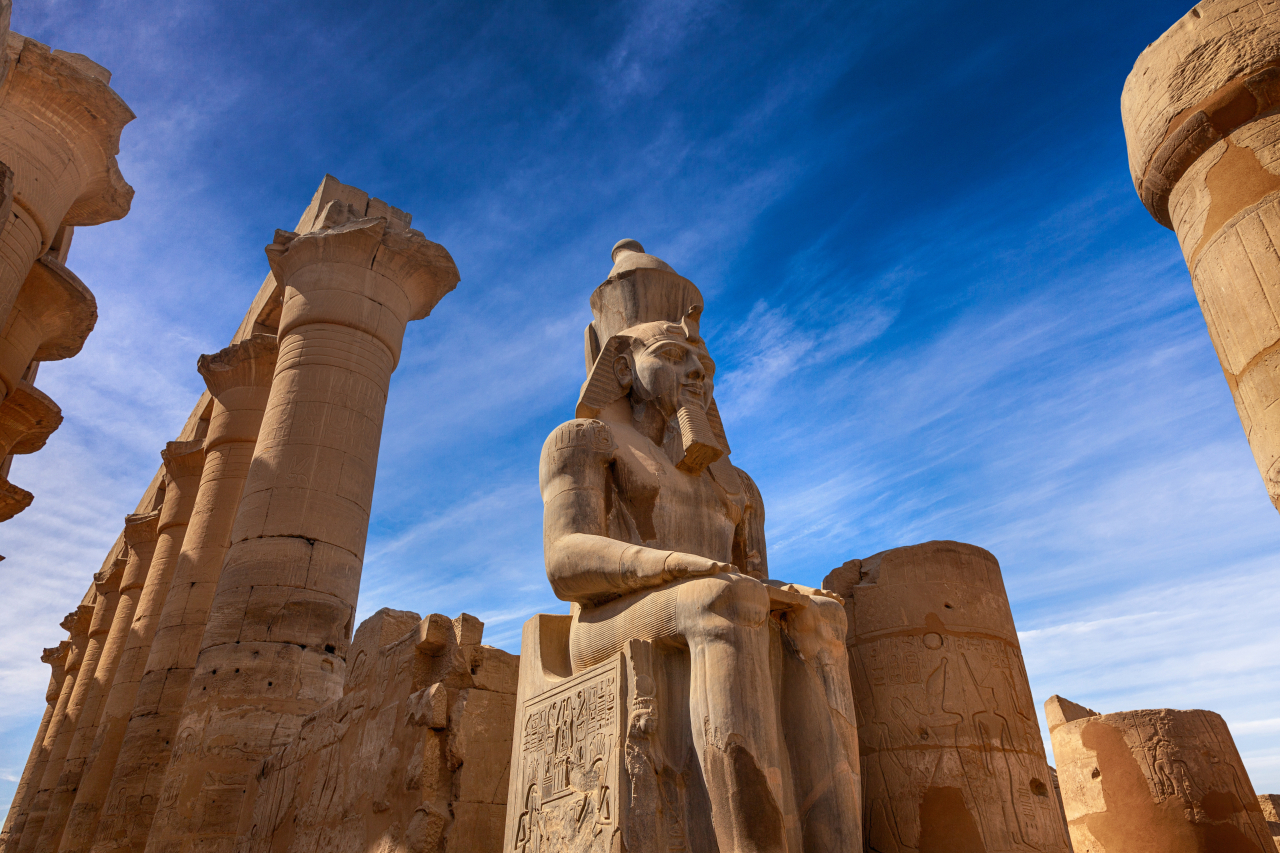
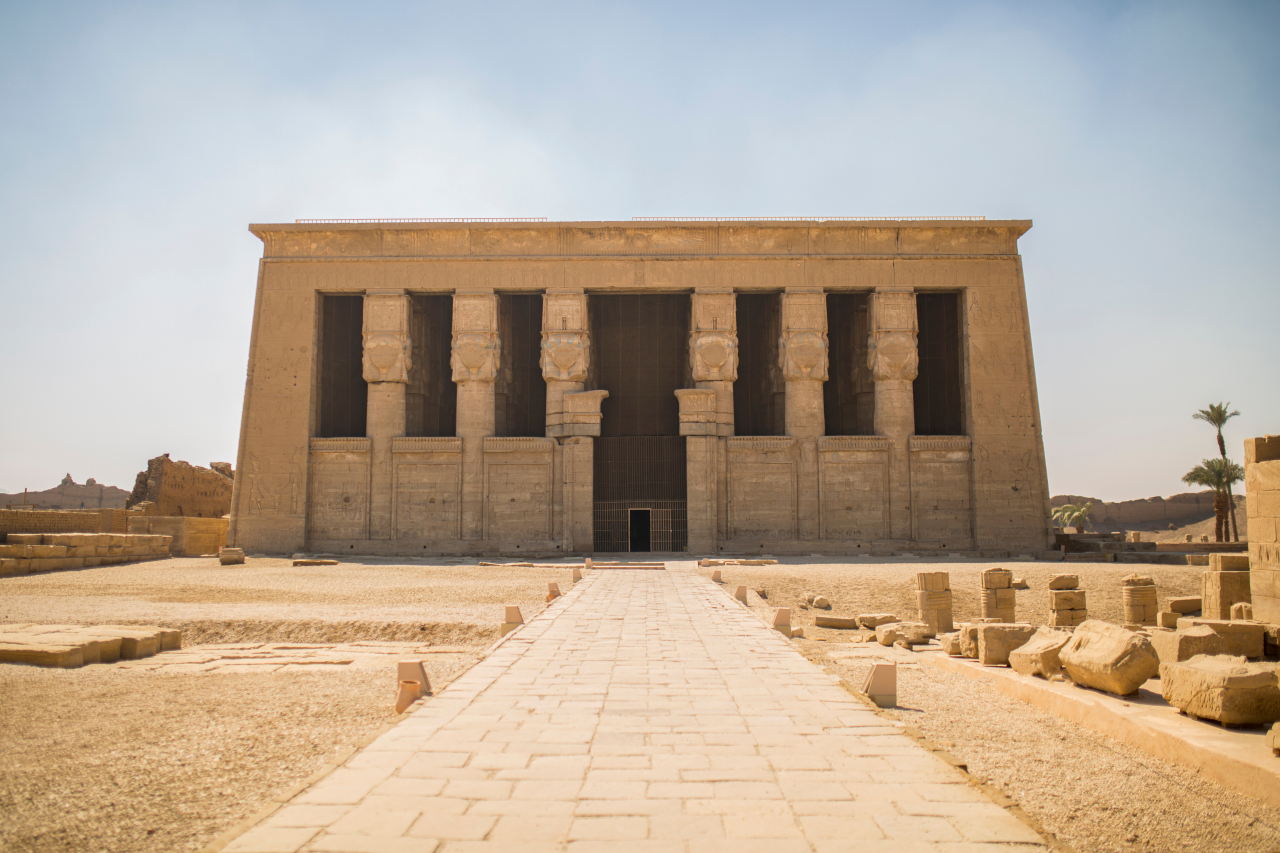
South of Cairo, the preferred mode of transport is the dahabiya, a traditional two-masted sailing barge that offers an intimate view of the riverbanks. As we sail into Upper Egypt, the landscape becomes a living museum, with stops at the Temple of Dendera, the sprawling complex of Karnak and the Valley of the Kings at Luxor.
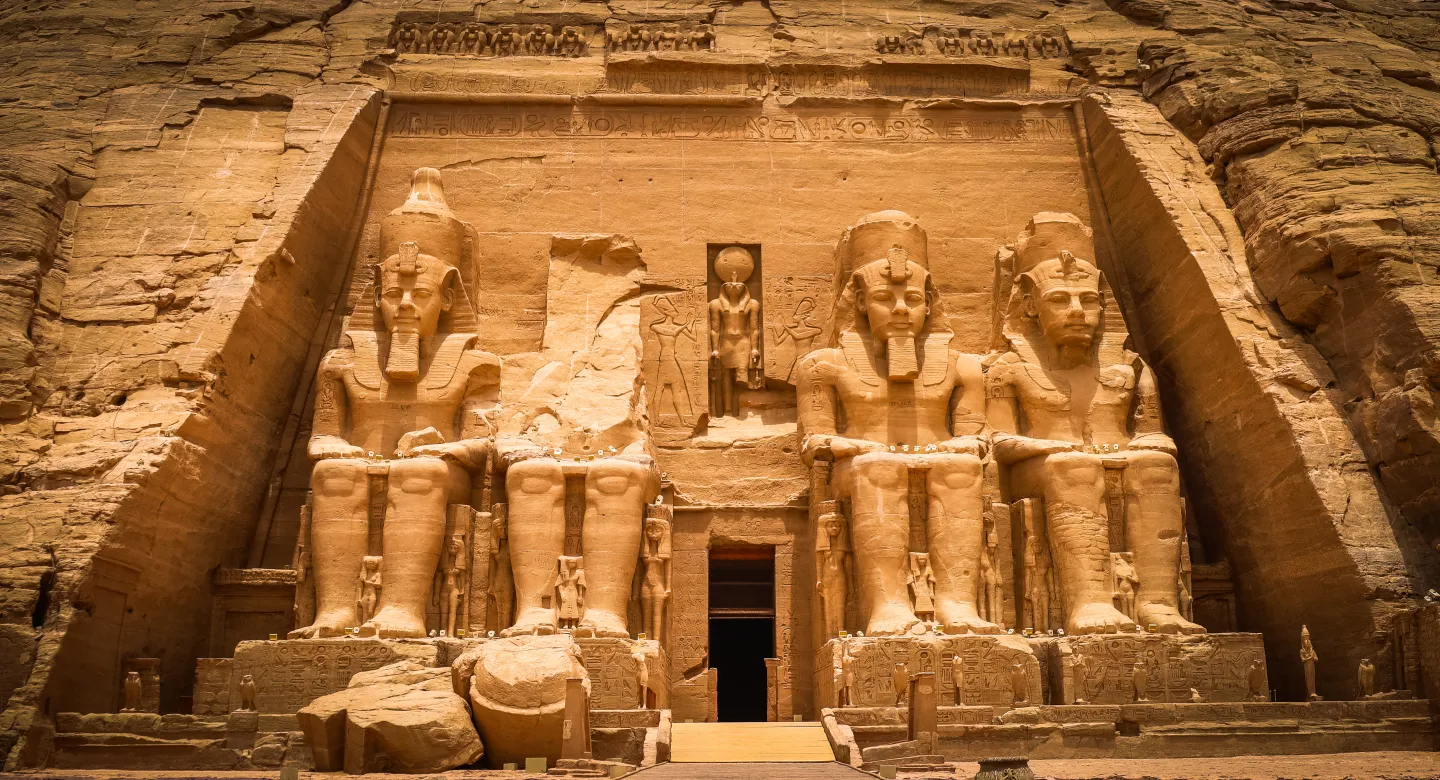
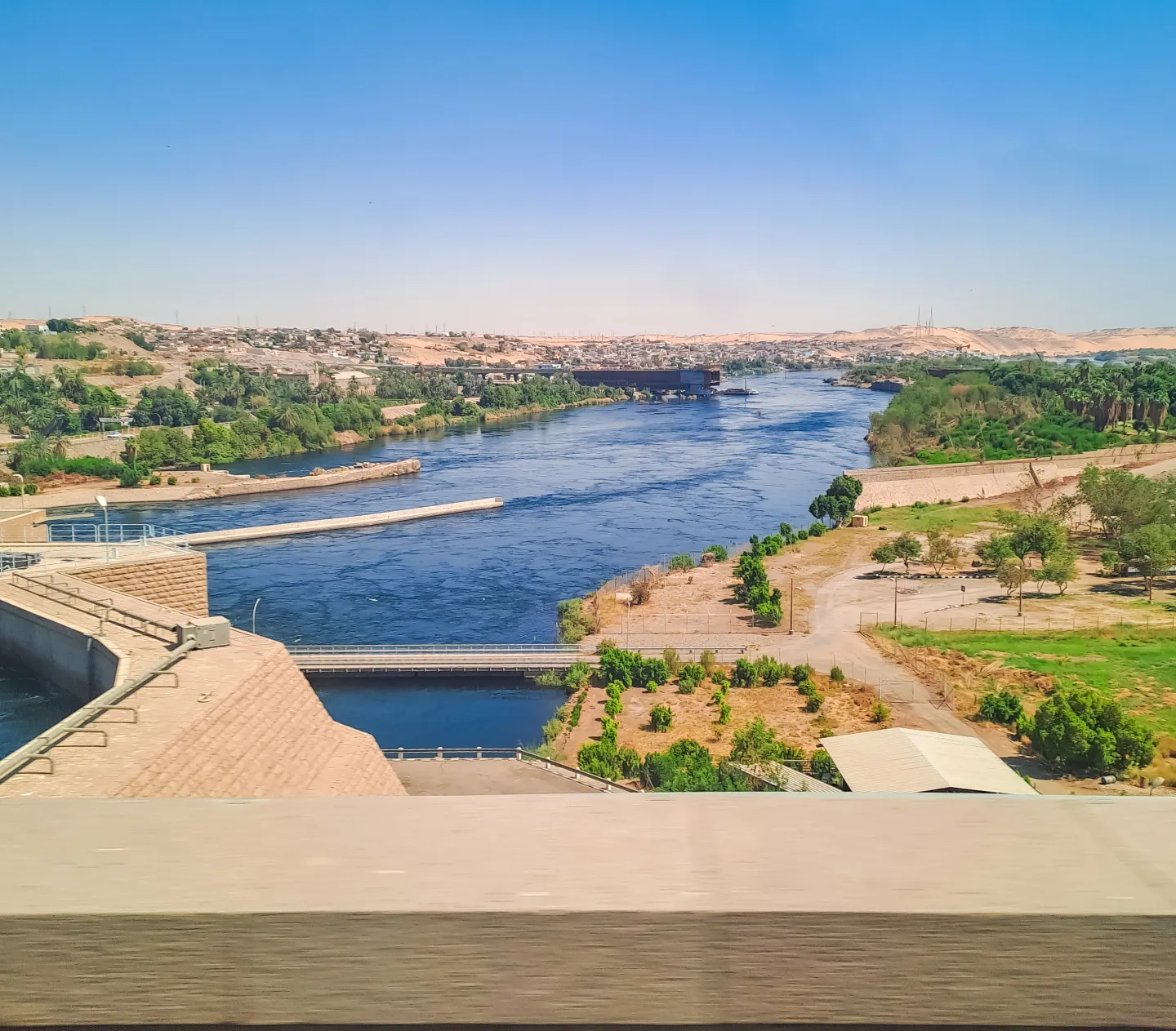
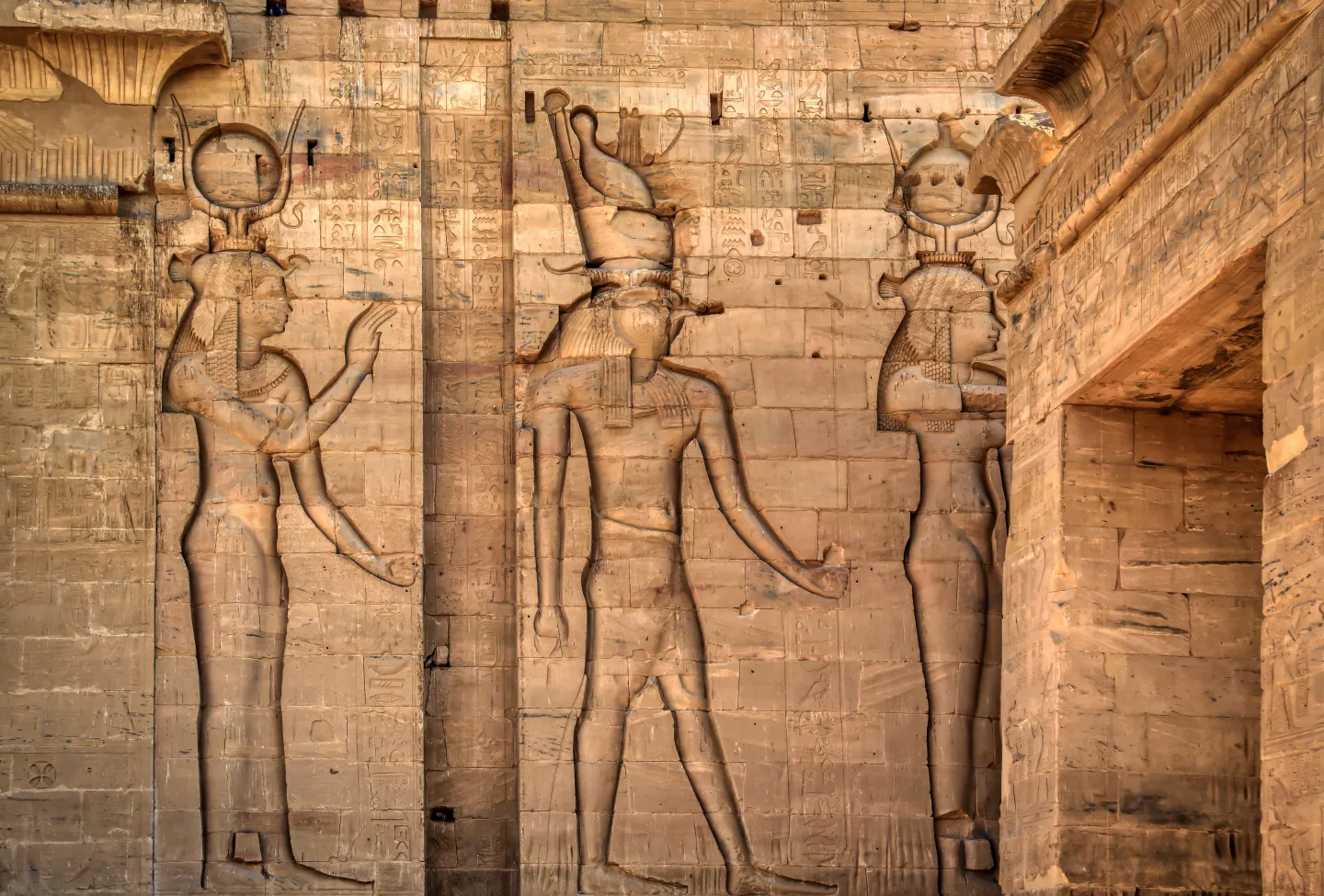
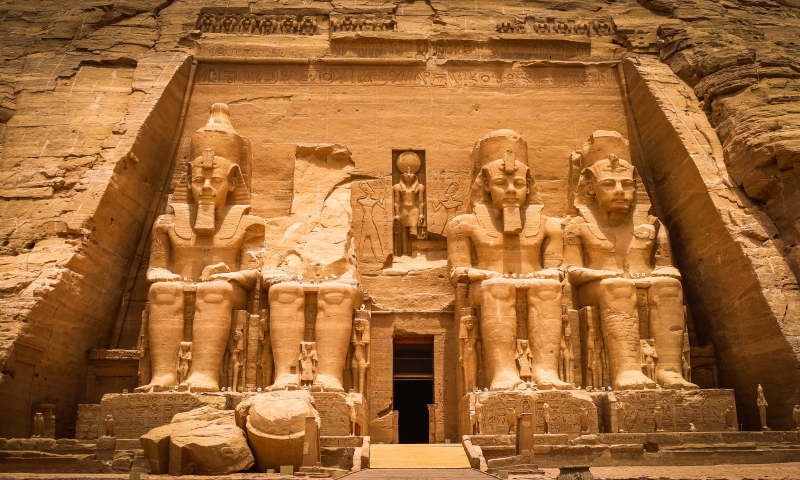
Arriving at the Aswan High Dam and the huge Lake Nasser, constructed in the 1960s to provide Egypt with much-needed hydroelectric power, we encounter a network of 22 temples inscribed as a UNESCO World Heritage Site called the Nubian Monuments from Abu Simbel to Philae.
In one of the greatest engineering feats of all time, in the early 1960s the pair of rock-hewn temples of Abu Simbel were cut into blocks, moved to higher ground and reassembled, so that they would not be deluged by the dam. This project, which involved 50 countries, led to the World Heritage Convention in 1972 and the system of World Heritage Sites.
Nubia, Khartoum and the two Niles
At Aswan, in ancient times the southern edge of Egypt, the river is broken by granite boulders forming the First Cataract. Here, the culture shifts notably as we encounter the Nubian people, known for their brightly painted homes and distinct linguistic heritage.
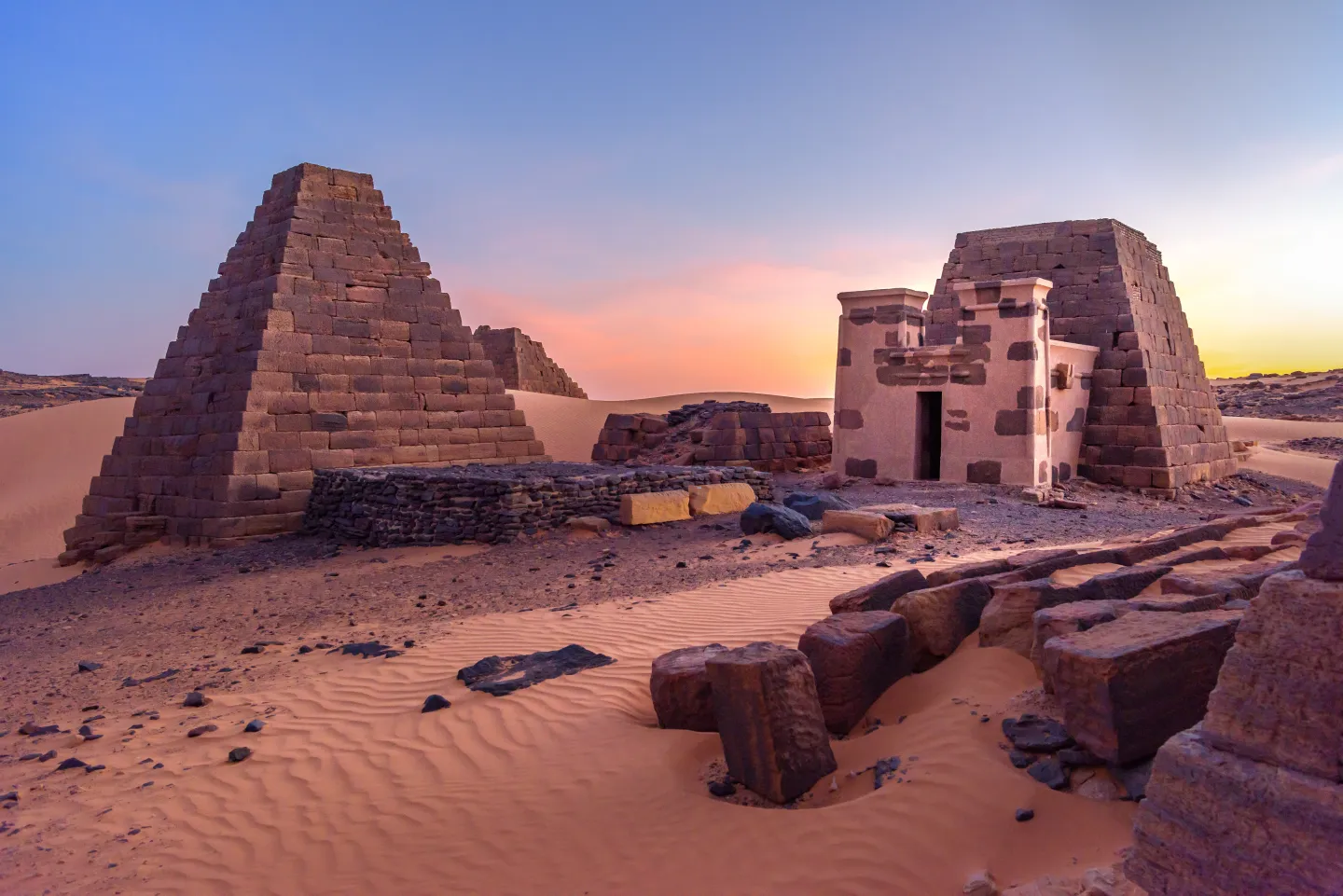
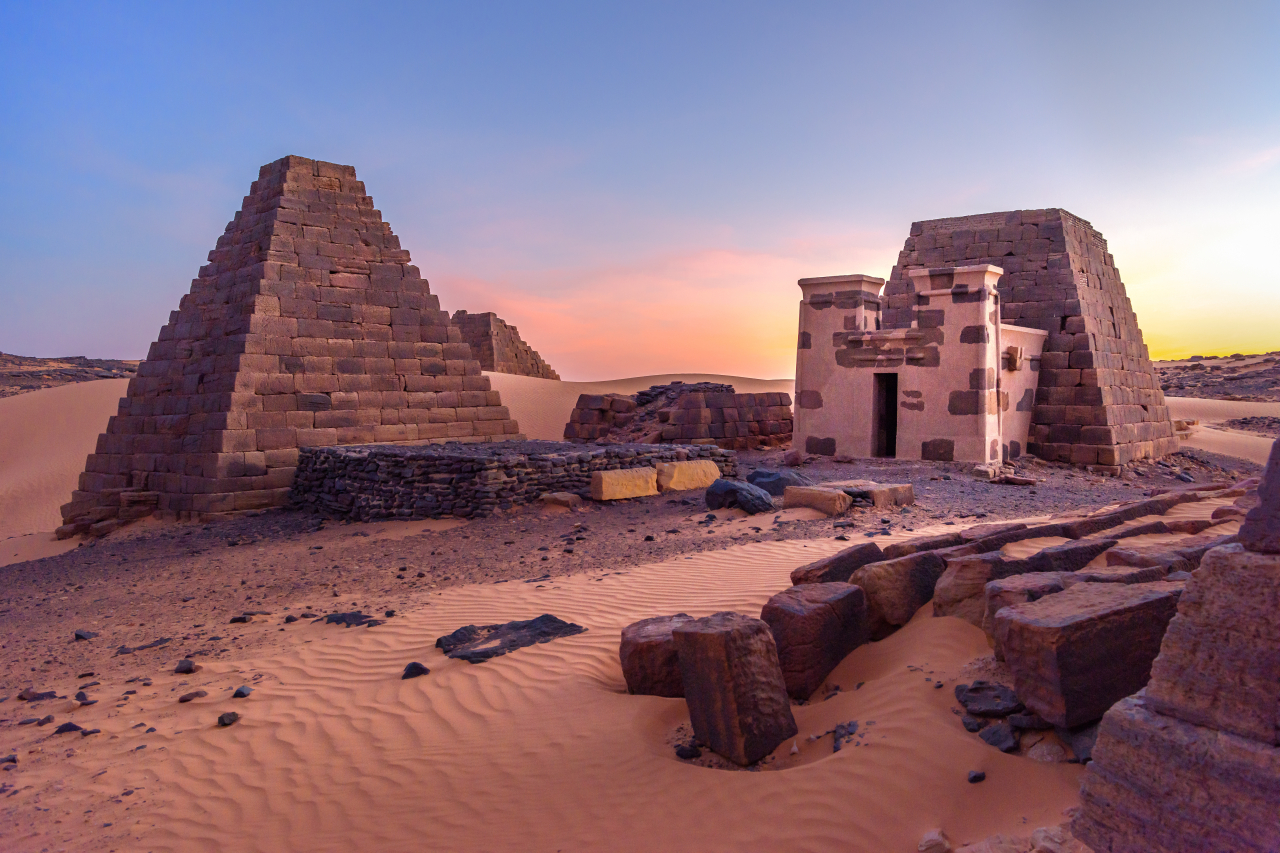
Crossing the border into Sudan via a ferry on Lake Nasser, the river leads us into the ancient land of Kush. Because the Nile’s six cataracts make continuous navigation impossible, this section is often traversed by road or rail. We pass the hauntingly beautiful Pyramids of Meroë, where nearly 150 funerary towers rise from the desert sands.
The river eventually leads to Khartoum, the Sudanese capital, where the Blue and White Nile meet at a point known as the Al-Mogran. This confluence is a vibrant cultural melting pot, where Arab and African influences merge in the city’s busy souqs and tea stalls.
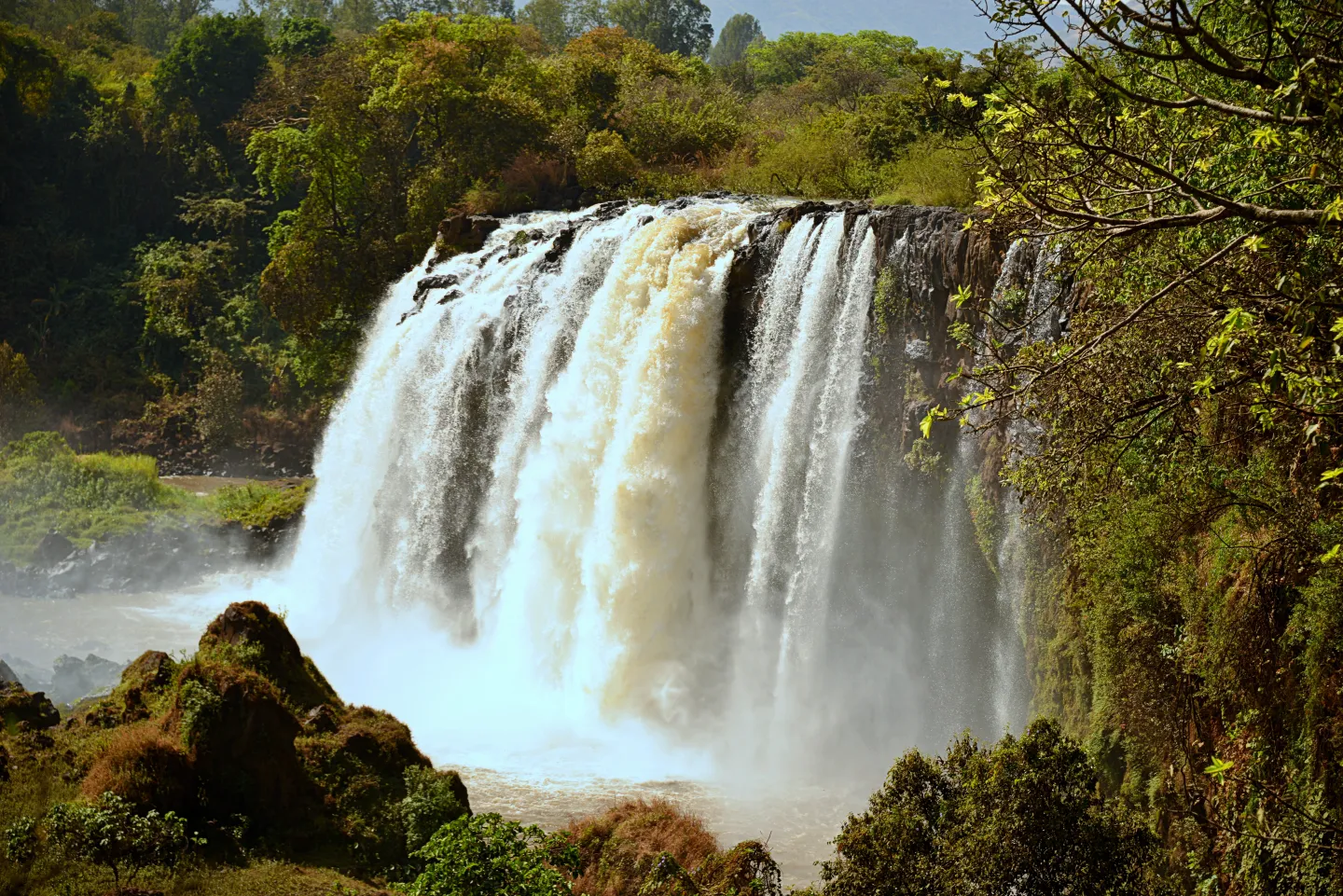
From Khartoum, we follow the Blue Nile eastwards towards the Ethiopian Highlands. This stretch is largely unnavigable due to the rugged terrain and the massive Grand Ethiopian Renaissance Dam – so the journey continues by 4x4 vehicle. We climb into the mountains to reach the seasonal Tis Abay Falls, the “Great Smoke”, before arriving at Lake Tana.
This high-altitude basin is home to the Amhara people, who navigate the waters in traditional tankwa canoes made of papyrus reeds. Lake Tana is famous for its ancient island monasteries, where Orthodox Christian monks have protected religious relics for centuries. Just south of Lake Tana is the source of the Blue Nile near the town of Gish Abay.
Returning to the confluence at Khartoum and heading south, the White Nile leads us into the vast Sudd swamp of South Sudan. This is one of the world’s largest wetlands – a shifting maze of papyrus and water hyacinth that makes navigation difficult for anything other than flat-bottomed river barges or dugout canoes.
This region is inhabited by the Dinka and Nuer people, semi-nomadic pastoralists whose lives revolve around their cattle. The heat is intense and the river slow-moving, providing a stark contrast to the dramatic gorges found in the Ethiopian branch of the river.
To the source – or sources
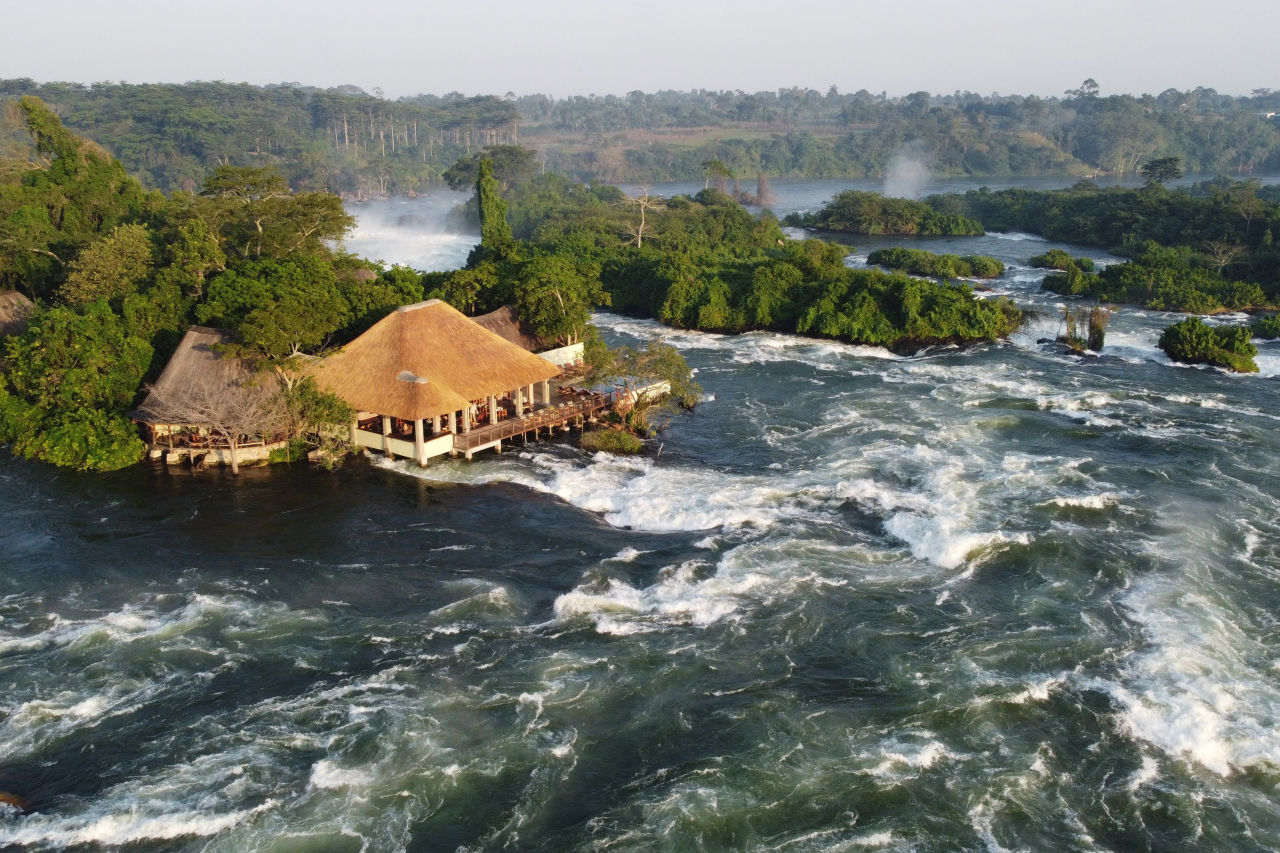
Image courtesy of Lemala.
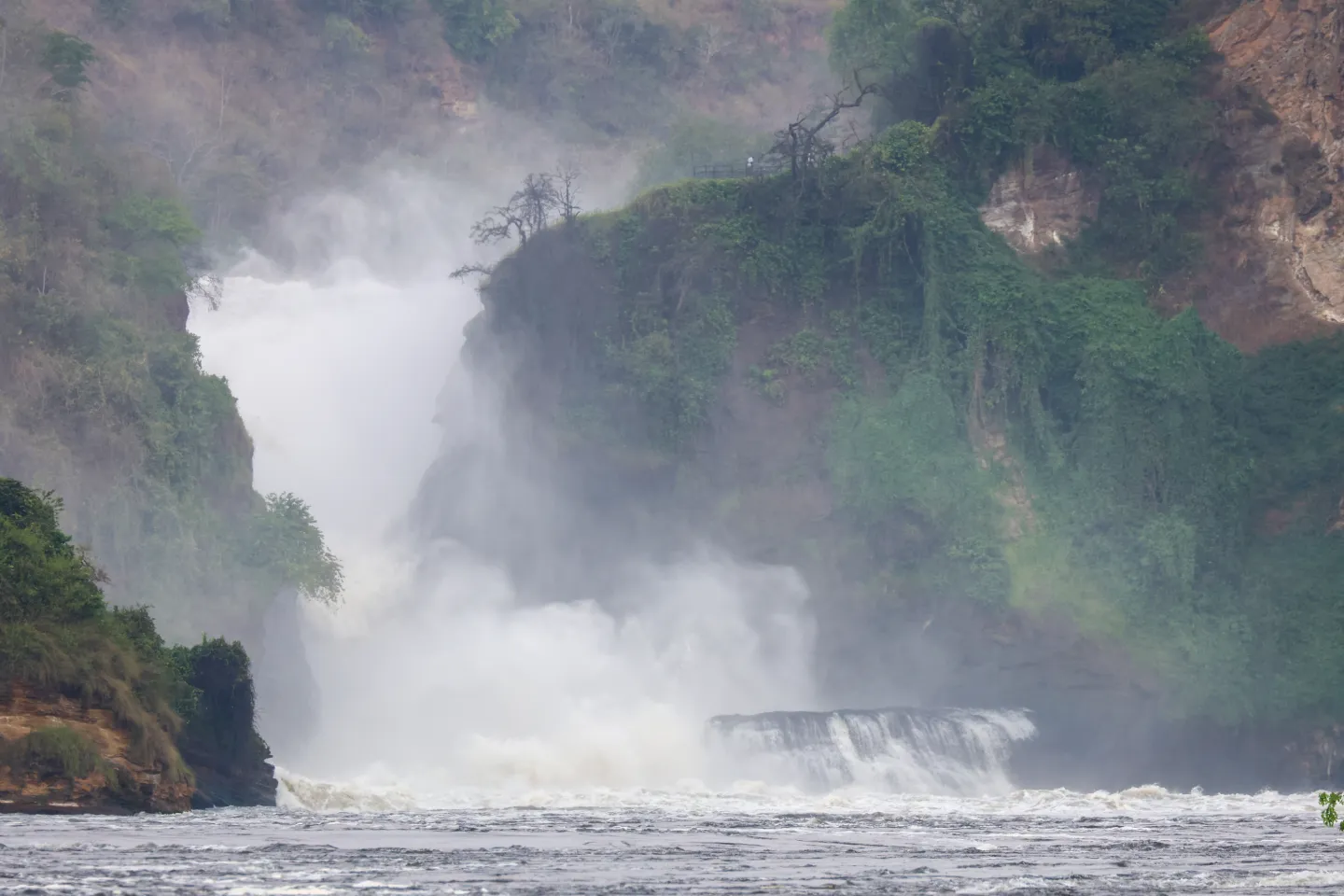
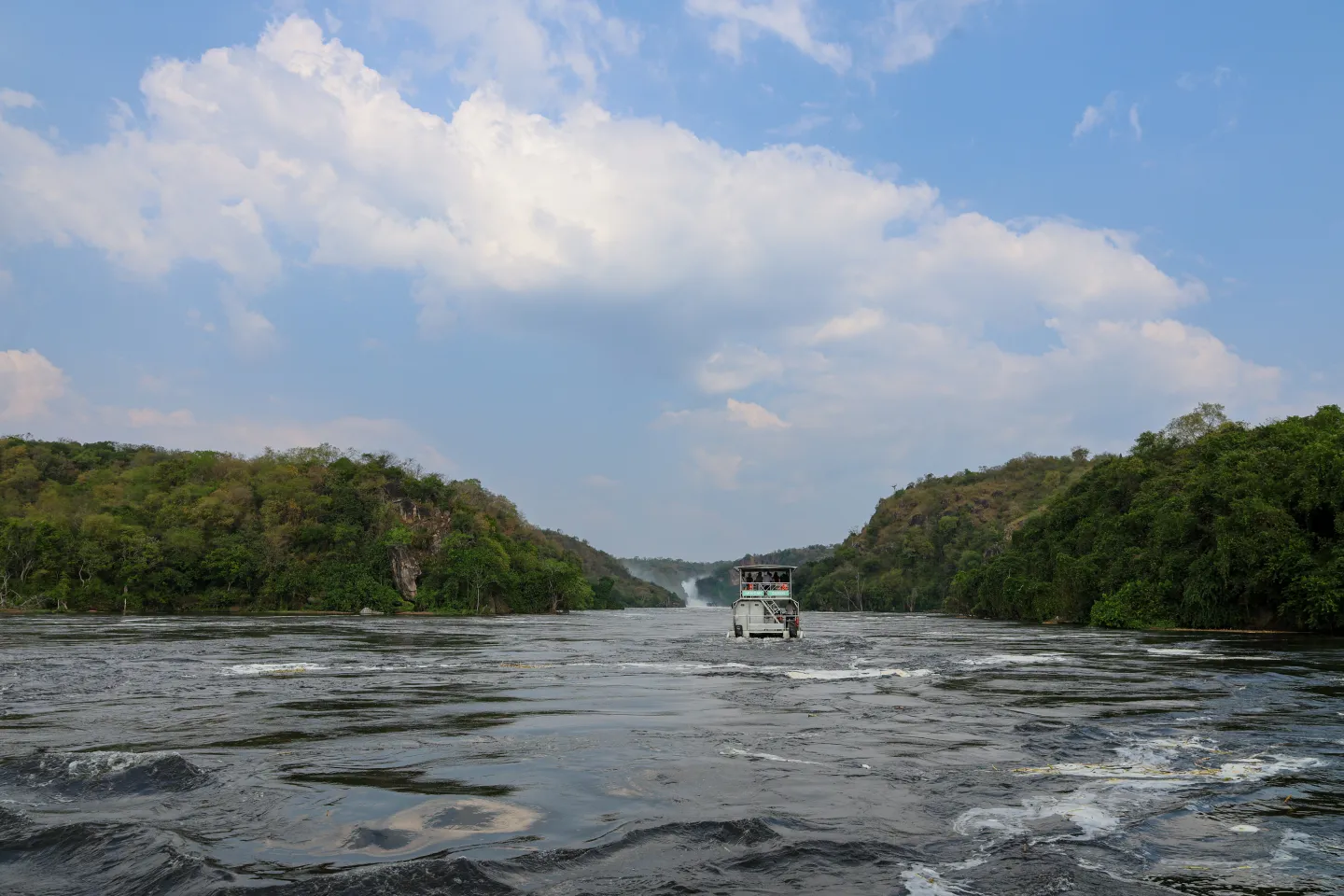
The final leg of the journey takes us through the Nimule Rapids and into Uganda, where the river is known as the Victoria Nile. We travel by road to bypass the thunderous Murchison Falls, where the entire river is squeezed through a gap only seven metres (23ft) wide.
A great place to ponder the Nile's origins at this time is Wildwaters Lodge, which sits on Kalagala Island, a private island in the Nile near Jinja, on the shores of Lake Victoria. The island is surrounded by fast-flowing waters and rapids, and access is by helicopter or boat. Accommodation is set within riverine forest among large granite rocks, with raised walkways connecting the main lodge areas and individual suites.
Wildwaters Lodge was designed around the island’s natural terrain and vegetation. The lodge is also positioned within reach of Jinja, a centre for white-water rafting and other adventure activities on the Nile.
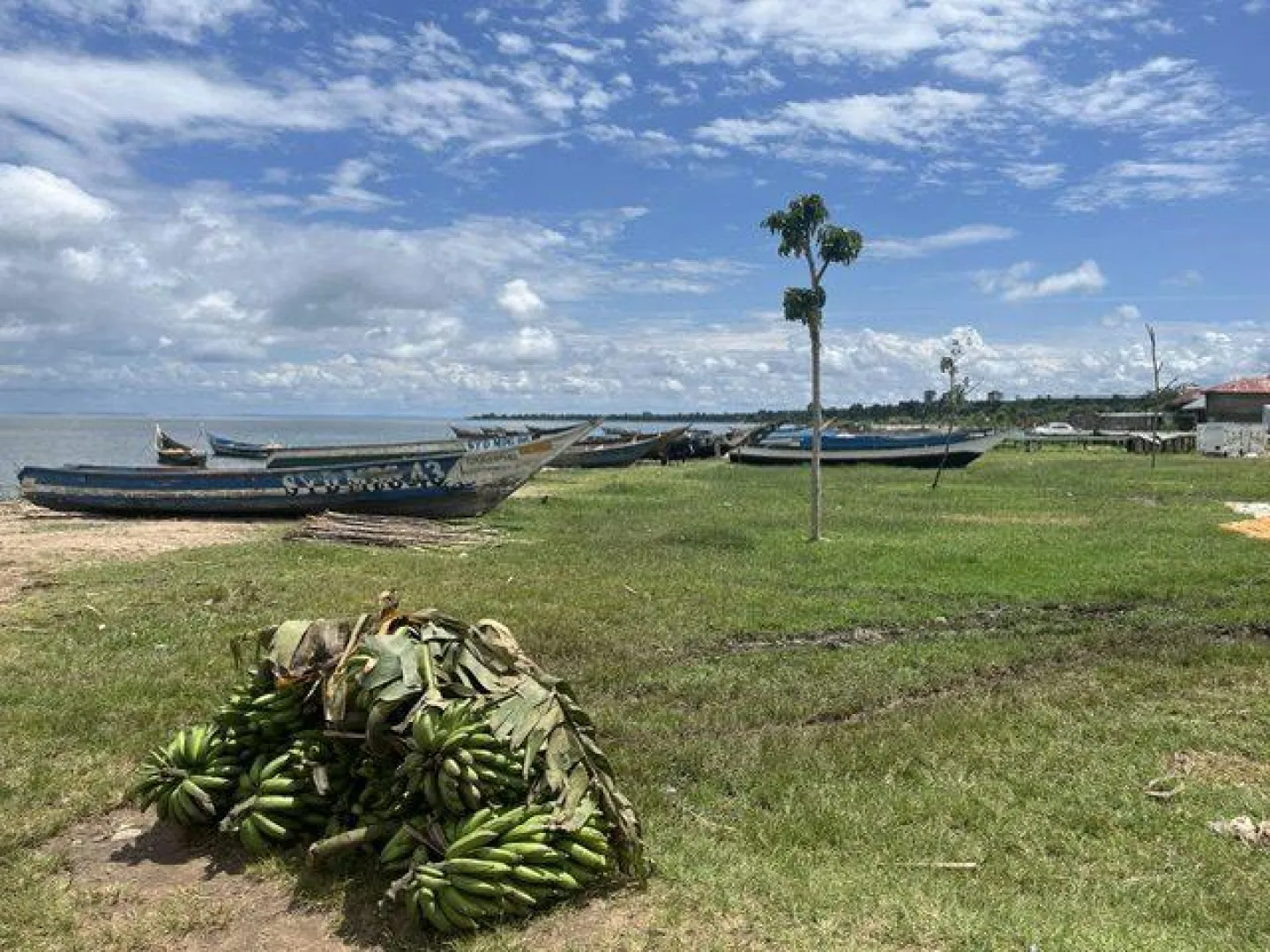
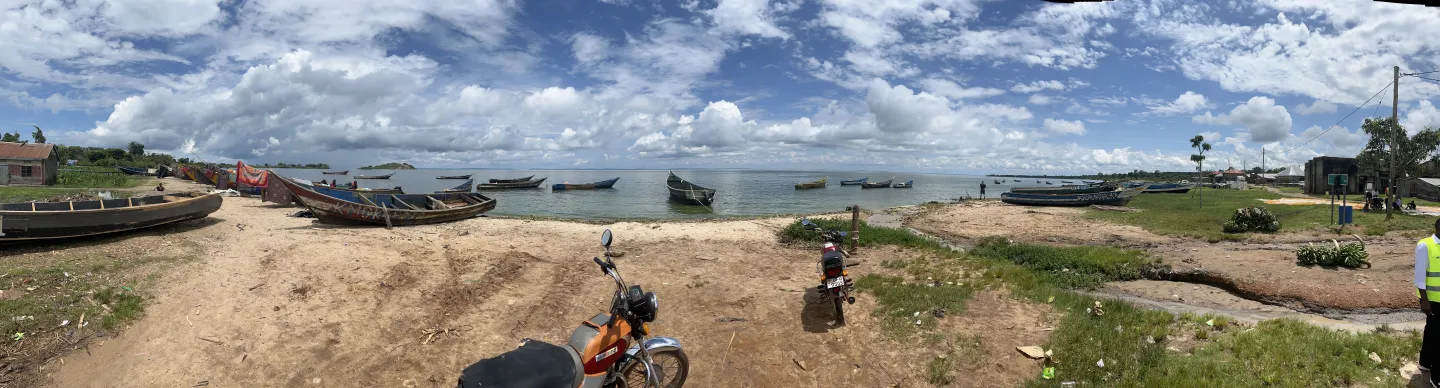
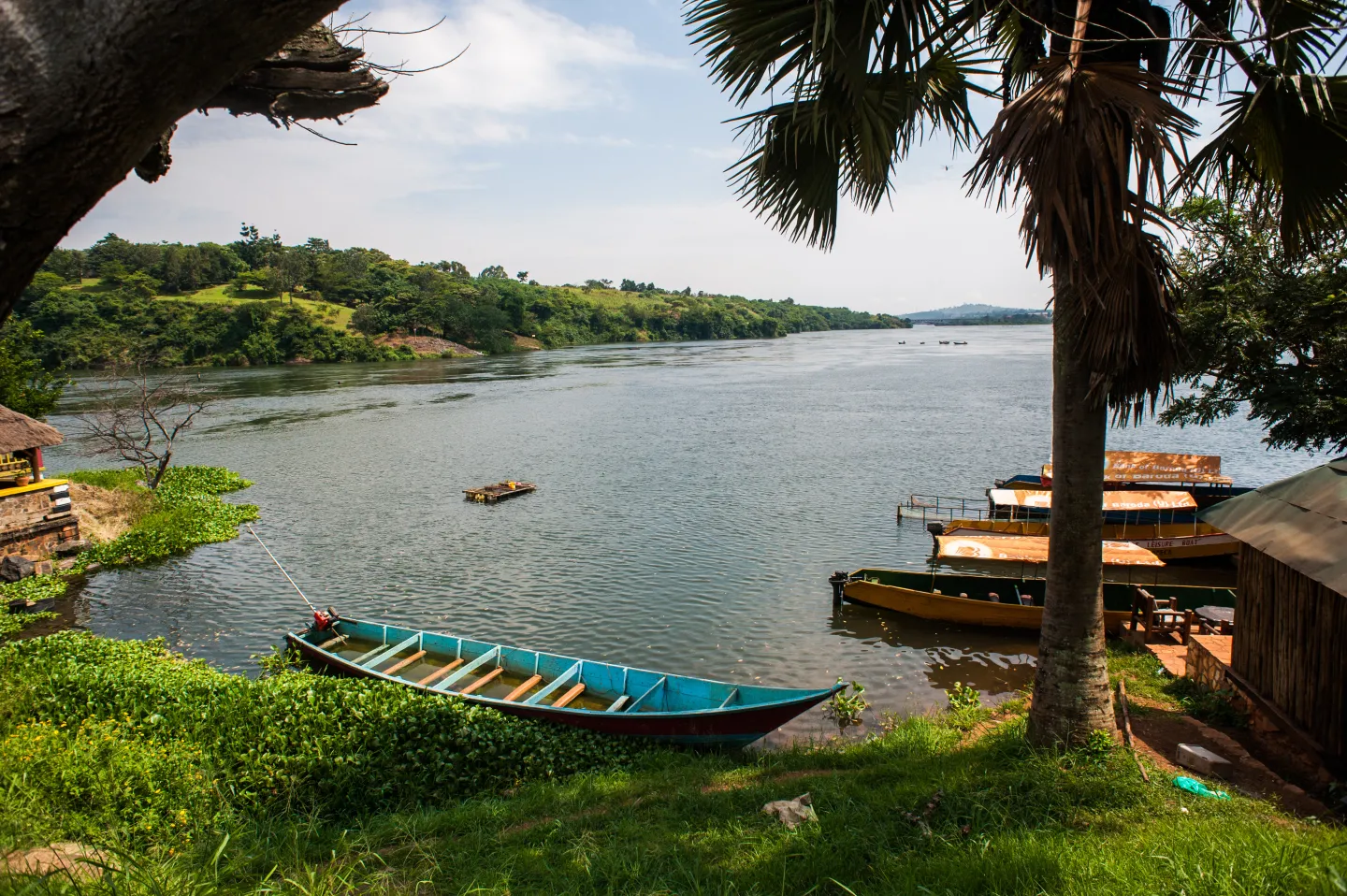
Our journey concludes – or does it? – at Jinja, often cited as the primary source of the Nile. Here, among Uganda’s Baganda and Basoga people, the water flows out of the continent’s largest lake.
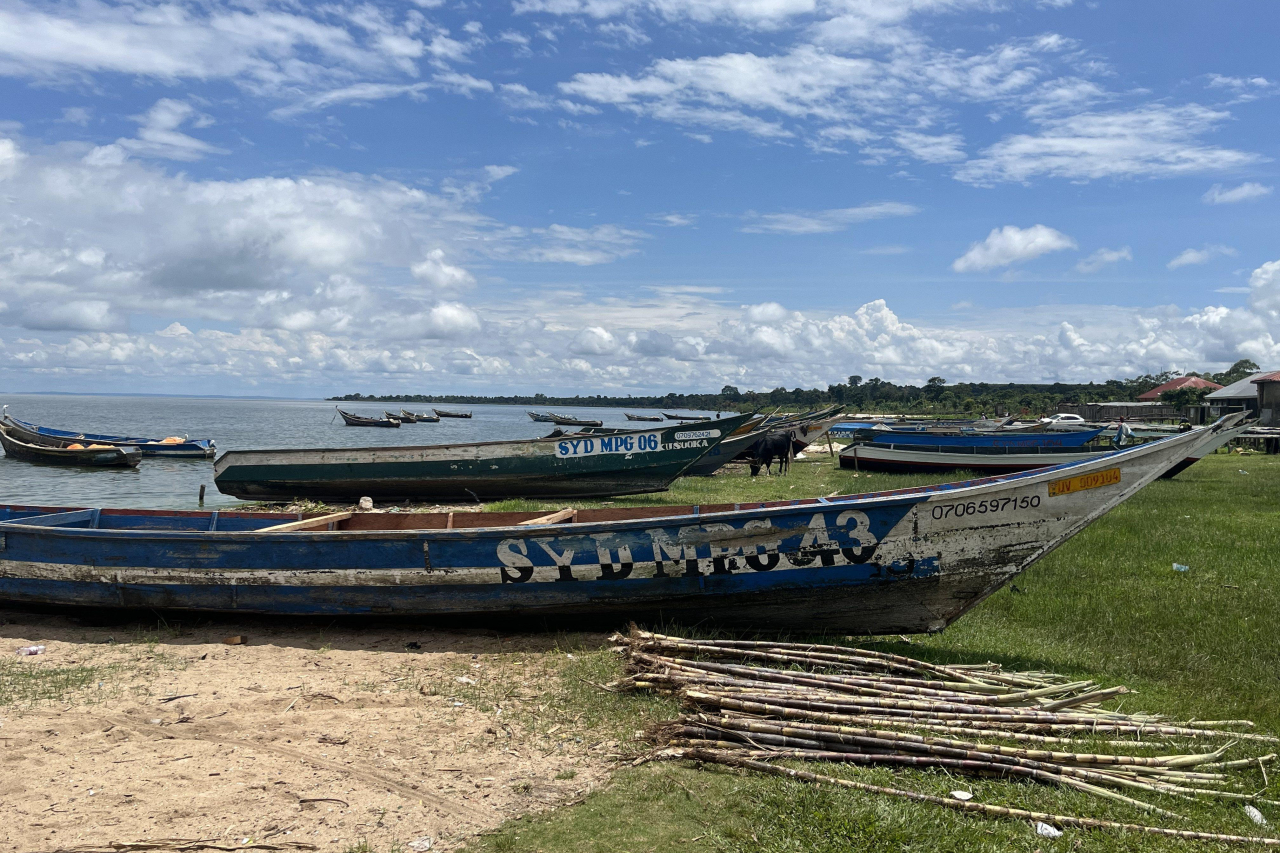
Image courtesy of Willem Steenkamp.
For the true explorer among us, however, Jinja is not where our adventure ends. The Nile’s ultimate sources are found elsewhere:
- The longest source of the Nile is a tributary of the Rukarara River, in Rwanda’s Nyungwe National Park. It is defined as the starting point of the longest year-round watercourse in the Nile’s drainage basin; this was measured in 2009, using satellite imagery
- The highest sources of the Nile are on the slopes of the Rwenzori Mountains in Uganda, west of Lake Victoria
- The southernmost source of the Nile is at one of the heads of Burundi’s Ruvyironza River, which feeds into the Kagera River, and then to Lake Victoria. A monument was erected nearby in 1937 by German explorer Burkhart Waldecker
Some have suggested, however, that the true source of the Nile is not a river head, but the rain clouds often floating above Lake Victoria, as they contribute most of the lake's water.
A note to adventurers
While the Egyptian stretch of the Nile is by far the best-known and most easily traversed section of the Nile, it comprises only a fraction of this iconic river.
For those who would like to explore the entire Nile, a great deal of logistical planning is required – and some areas might be no-go zones at certain times, either due to seasonal conditions or conflict. Your Travel Architect will be able to assist you to create your ideal Nile River adventure.


Related gallery