Visit Soweto, and find the soul and flavour of Johannesburg
Visit Soweto, and find the soul and flavour of Johannesburg
| by Willem Steenkamp
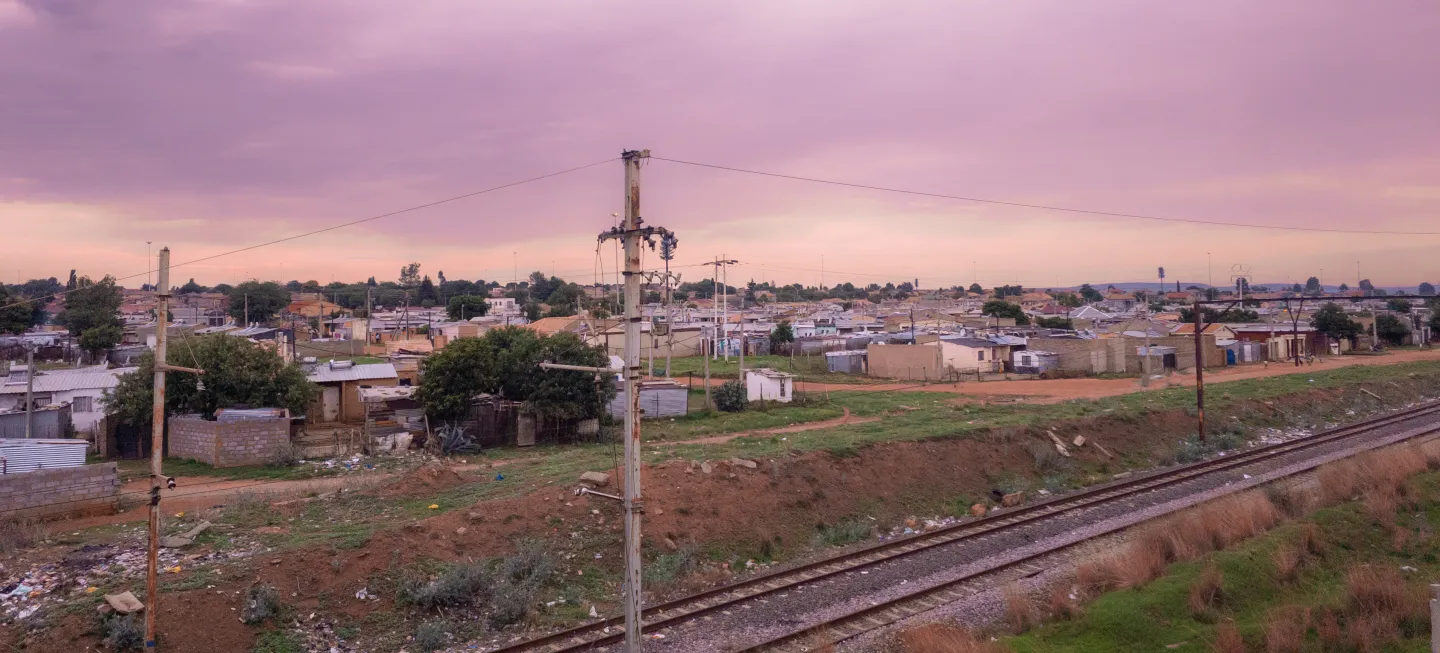
Of all of South Africa’s urban areas, one of the most globally recognisable names is Soweto, the sprawling township in south-west Johannesburg. It was where the brutality of apartheid crystallised in the international consciousness – but it’s so, so much more than that.
Today, Soweto is a vital, dynamic area of around 1.7-million people that proudly wears its historical scars, lessons to the world of the futility and pain of intolerance and injustice. However, it is also a place of culture, music, fashion, food, sport and thrills, where visitors are welcomed with open arms and guaranteed unforgettable experiences.
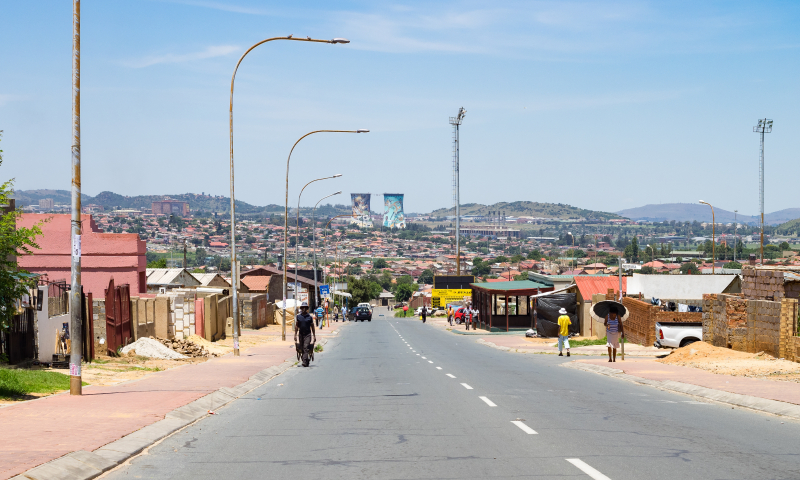
When we say “township” in the South African context, we mean the apartheid-era terminology for an underdeveloped urban area reserved specifically for black people, usually on the outskirts of a city. Apartheid spatial development relegated African people to places far away from work and educational opportunities, and while this is slowly changing, it still holds true more than 30 years after South Africa became a democracy.
Soweto actually isn’t just one township: it’s comprised of many that were lumped together under the Soweto name – which, despite sounding vaguely African, is actually a syllabic abbreviation of “South Western Townships”. This name was first used in 1963, but the place we know today had begun coalescing three decades earlier, as first the Johannesburg city council and then the national government developed it for African people.
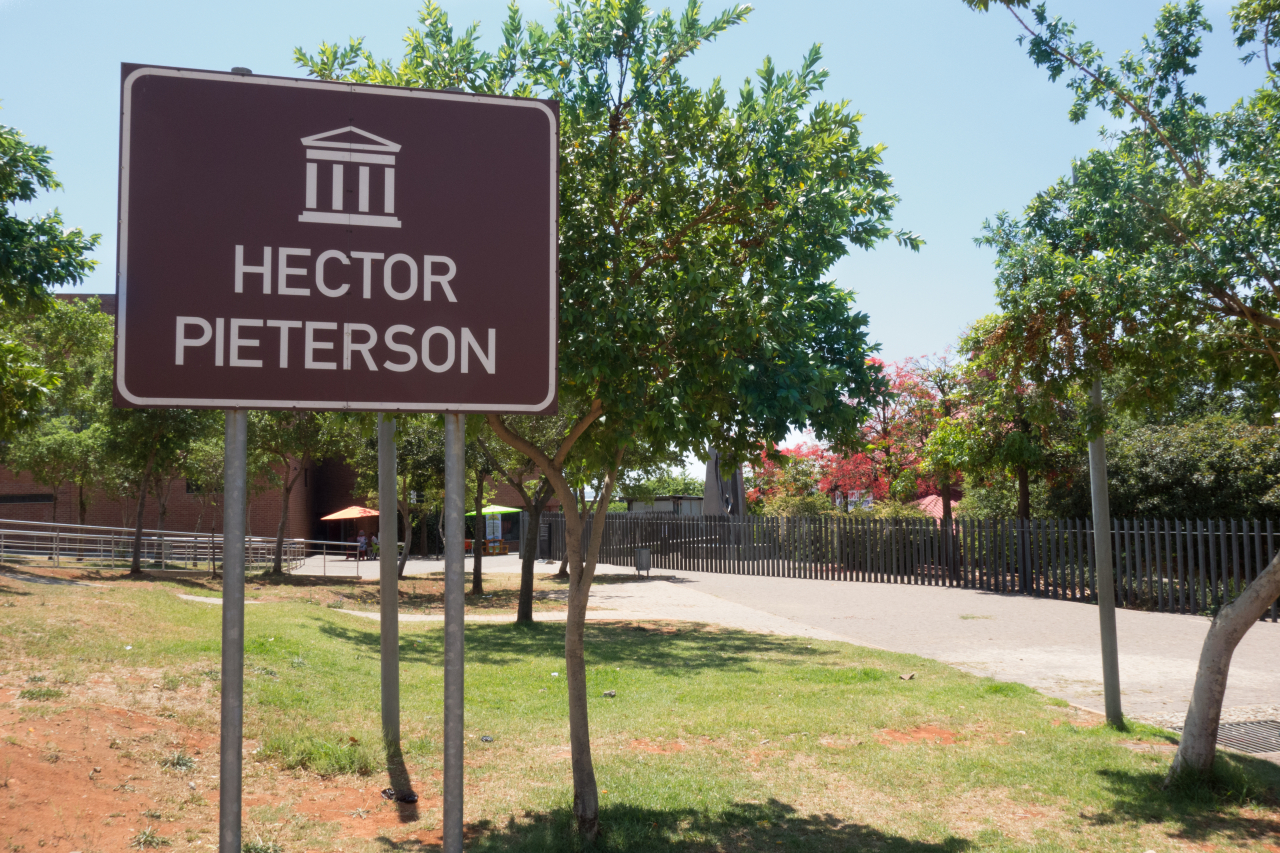
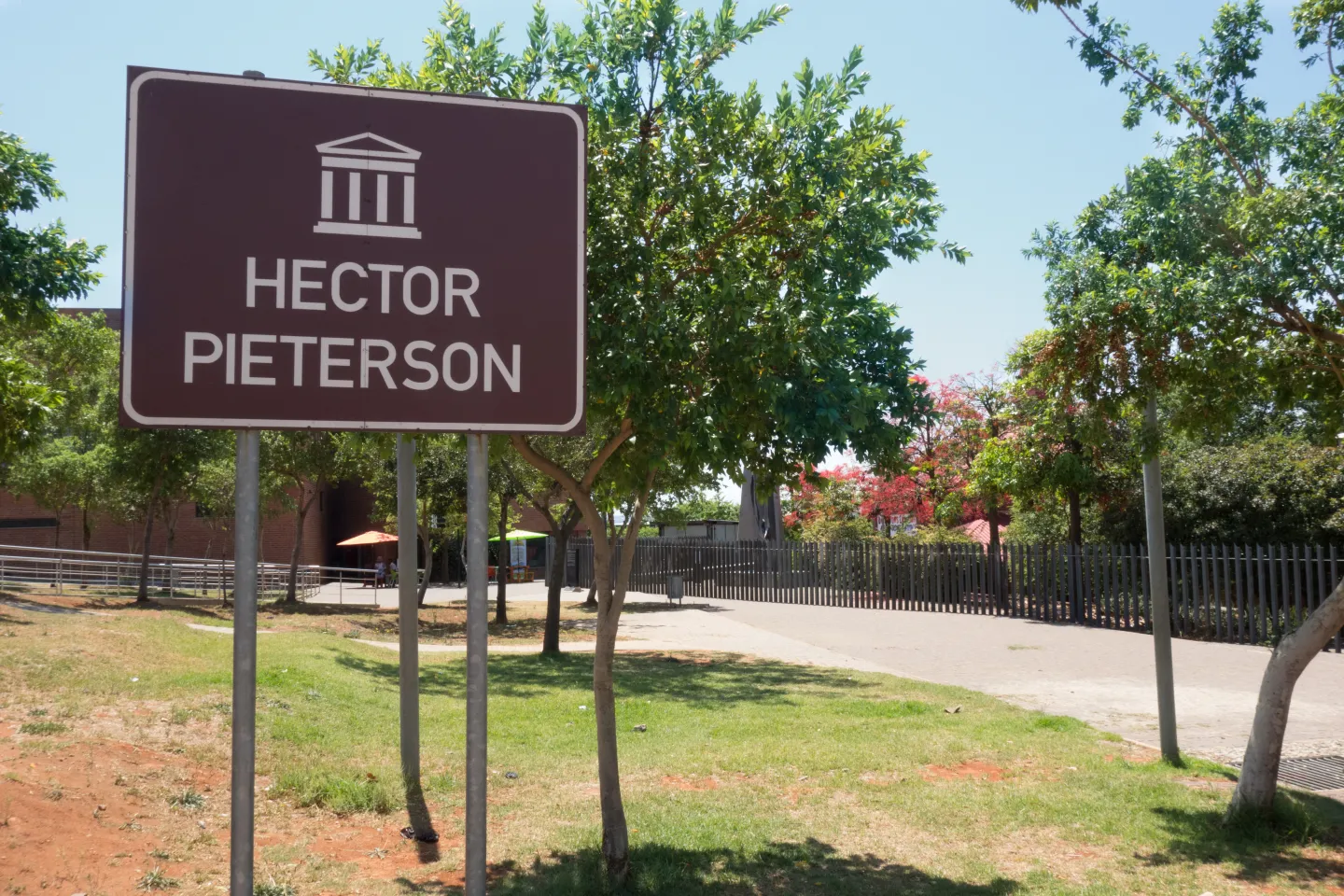
Soweto came to global prominence on 16 June 1976, when the apartheid government violently cracked down on student protests against a decision to make Afrikaans the primary language of instruction. On a day that has gone down in infamy, police killed 176 protesters, immortalised in Sam Nzima’s photograph of schoolboy Hector Pieterson being carried away from where he had been fatally shot.
Perhaps more than any other event, 16 June galvanised the world against apartheid, and it was arguably the beginning of the end for this cruel system of racial discrimination. That date is commemorated as South Africa’s Youth Day, and it has since 1991 been the International Day of the African Child.
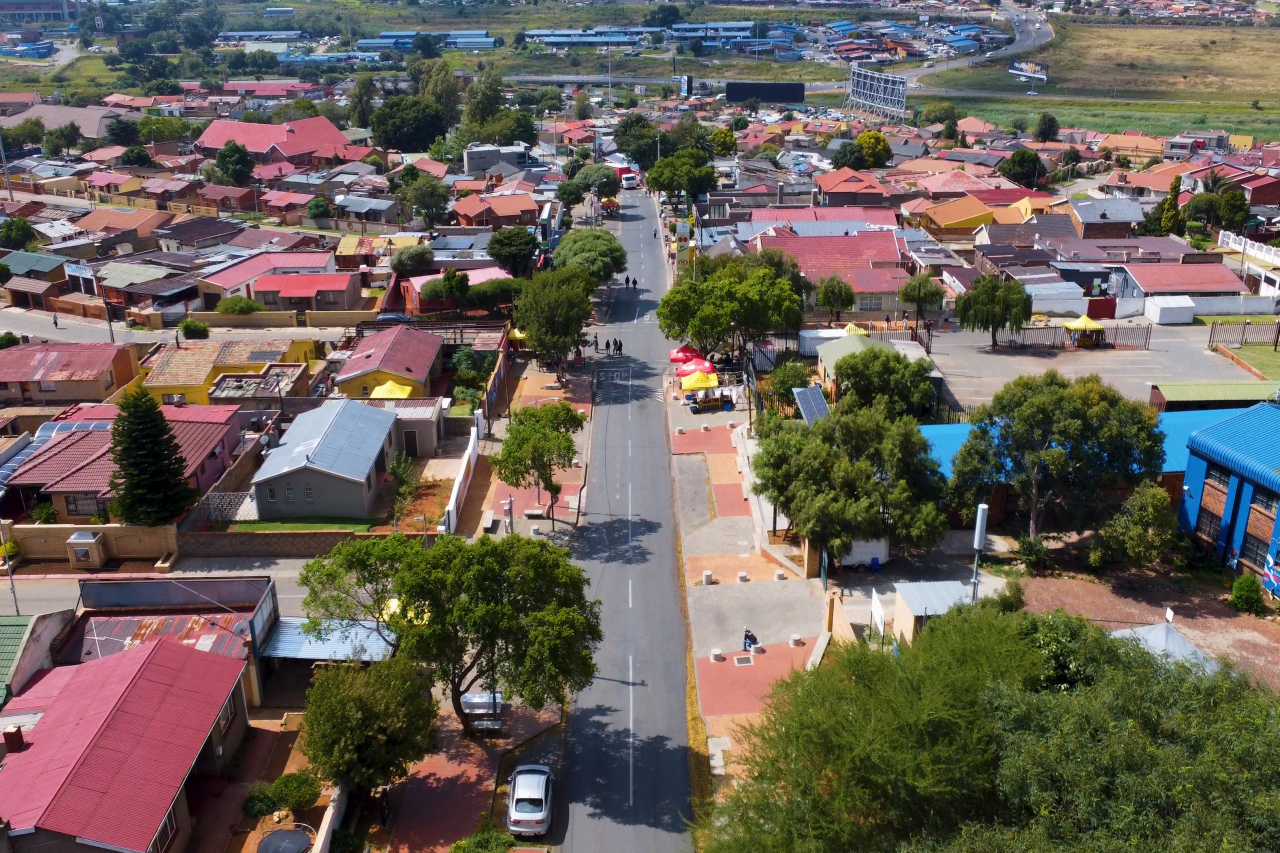
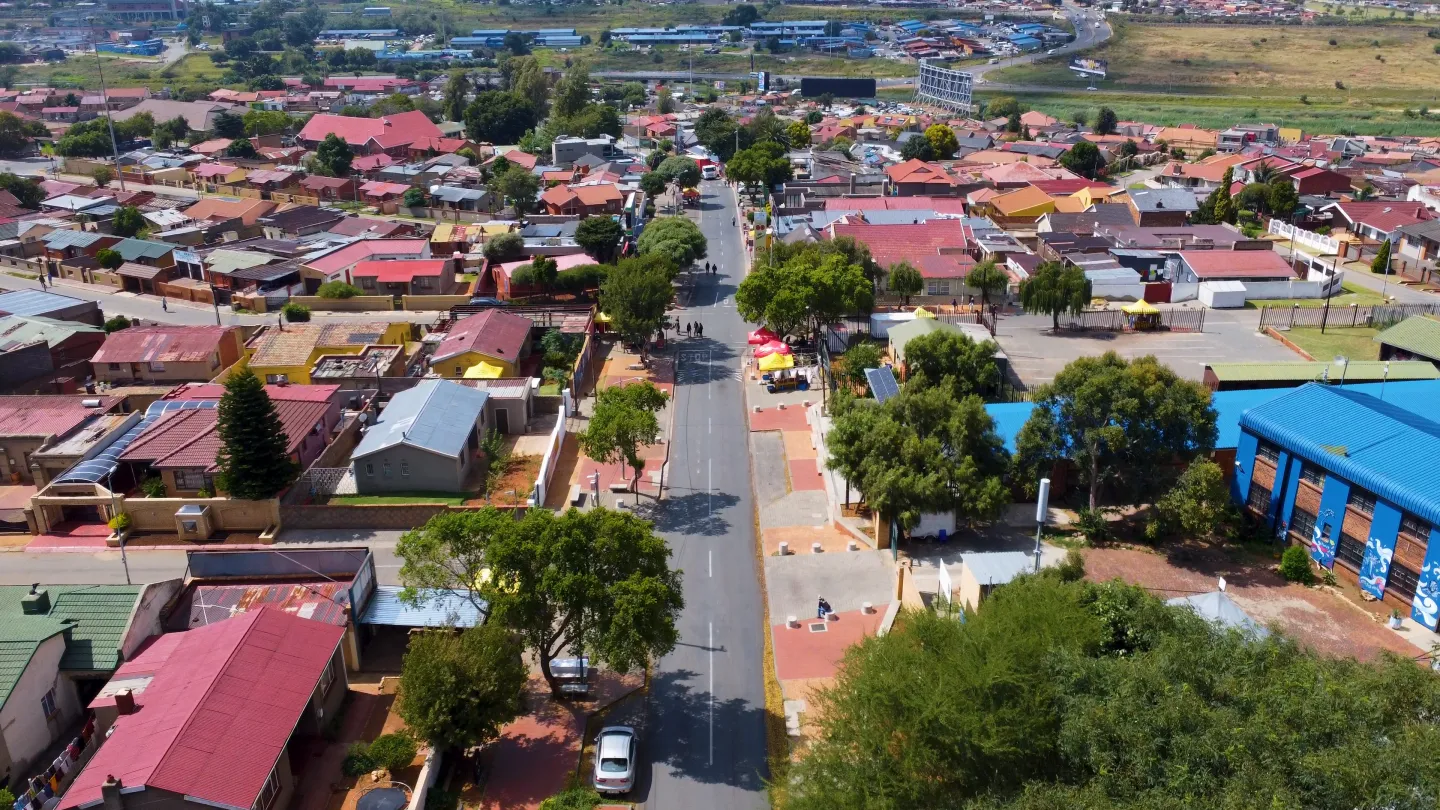
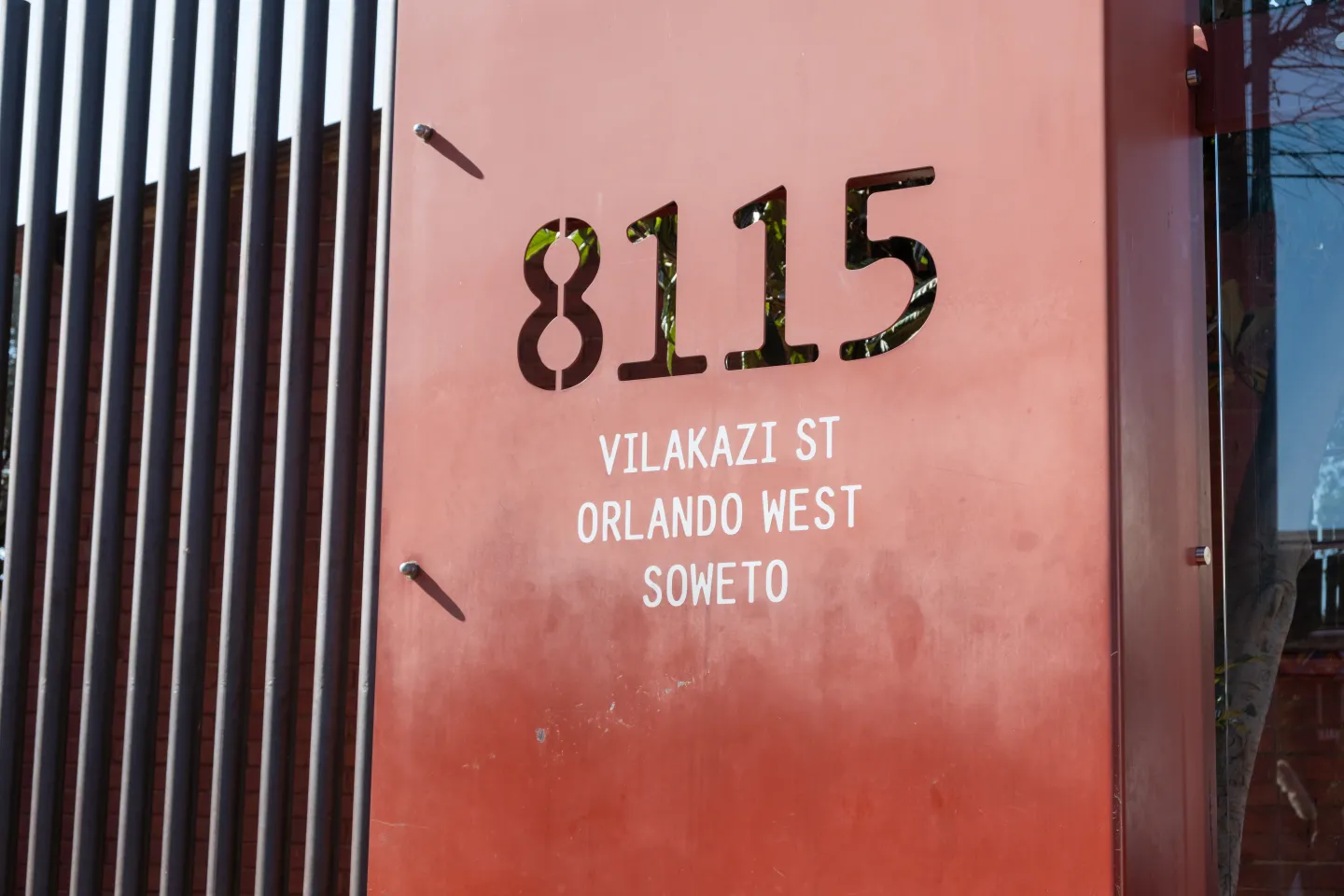
A focal point of Soweto is Orlando township. It is the home of the Hector Pieterson Memorial and Museum, which commemorates 16 June and vividly illustrates life under apartheid for black South Africans. It is also a stone’s throw from Soweto’s most famous thoroughfare: Vilakazi Street.
This storied street, named after Benedict Vilakazi, the first black South African to earn a PhD, is where many 16 June protesters had set off from, from Morris Isaacson High School at the top end of the street. It is also world famous for being the only street in the world to have been home to two Nobel Peace Prize laureates: Nelson Mandela and Desmond Tutu.
Among the reasons to visit Vilakazi Street is Mandela’s former home, which has been converted into a museum. Another good reason to stop by is the excellent restaurants, not least Sakhumzi, Soweto’s best-known eatery, famous for its traditional food. If you’re interested in exploring authentic fare as enjoyed by locals, however, Soweto is also dotted with shisa nyama (outdoor barbecue) options.
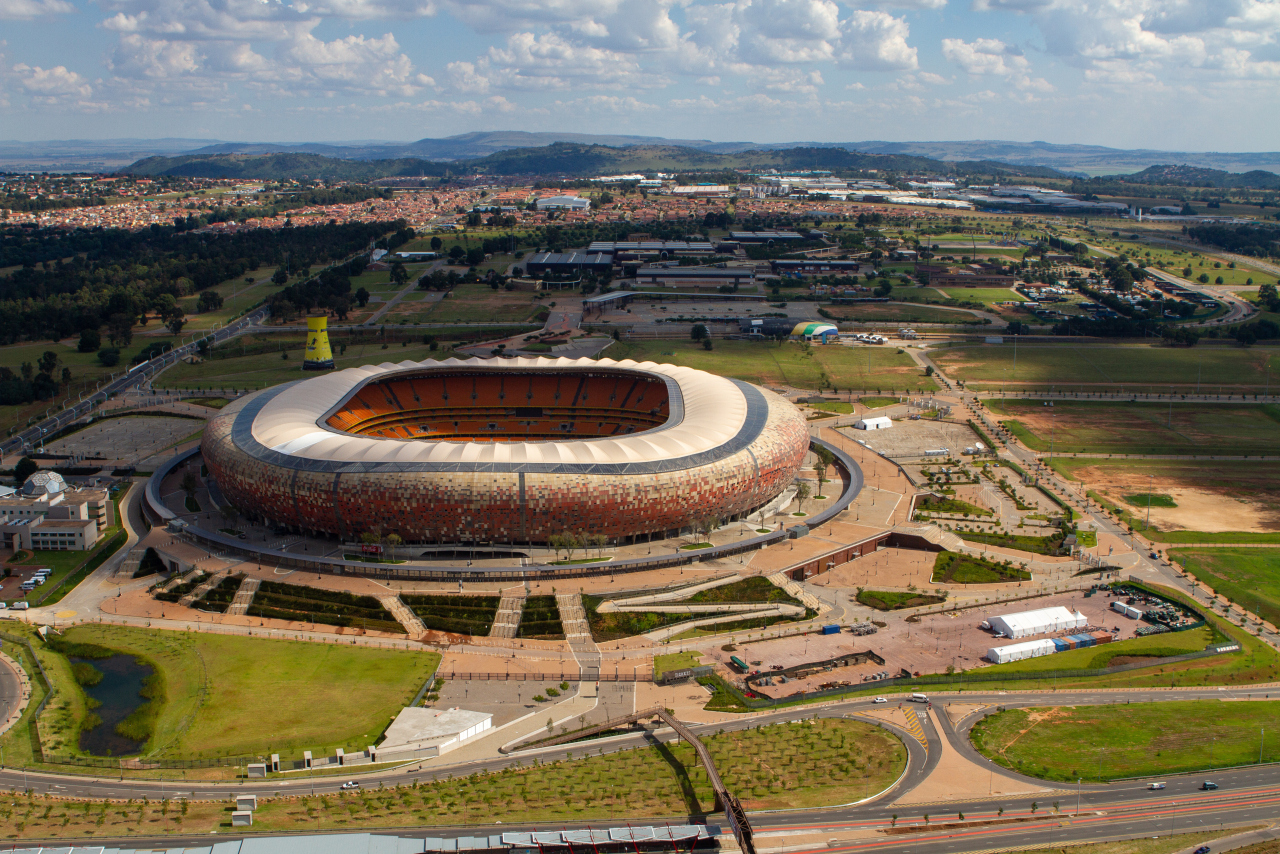
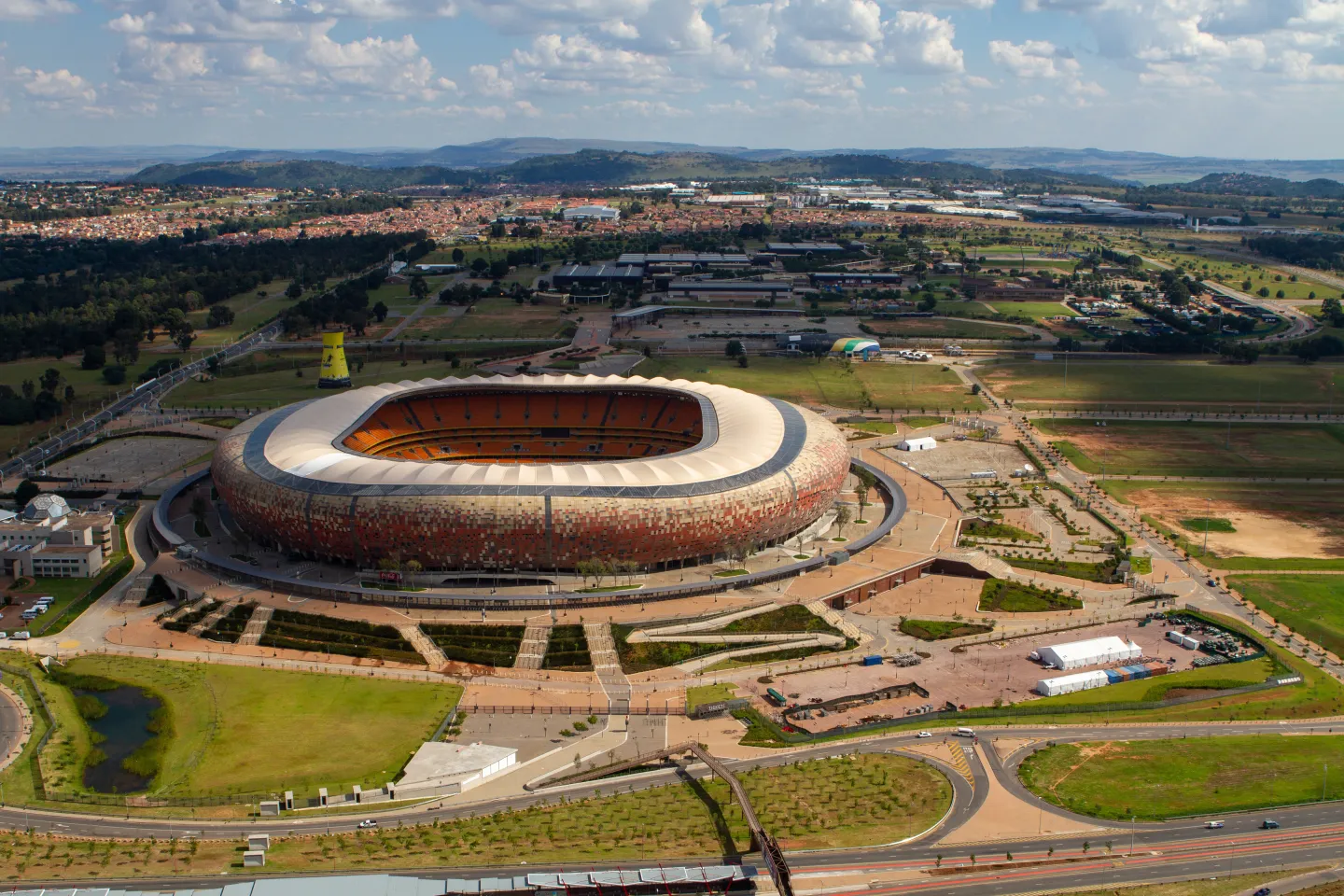
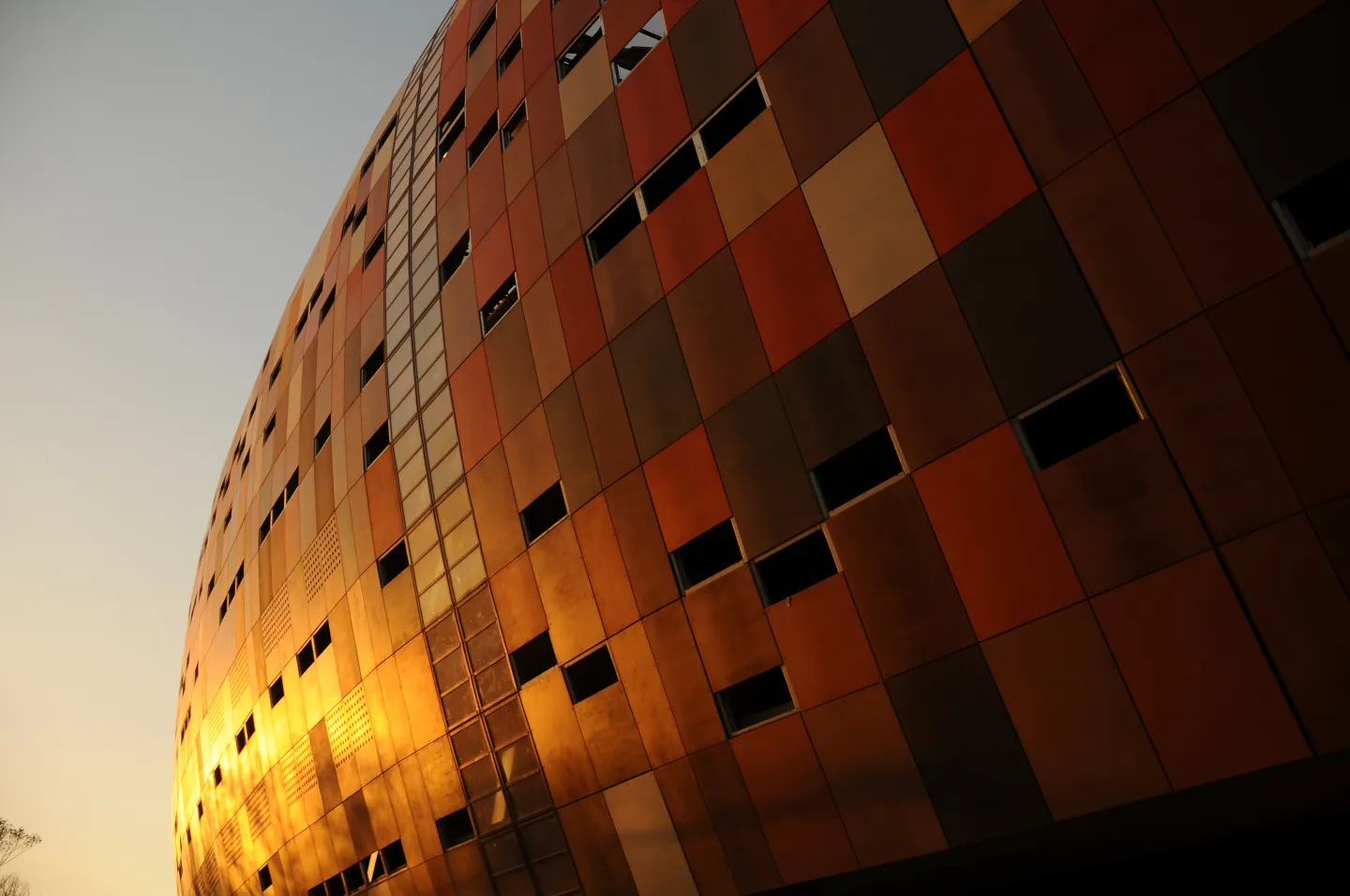
From Vilakazi Street it is possible to see the iconic FNB Stadium, also called the Calabash for its design that resembles a traditional African gourd over a fire, at which the opening and final matches of the 2010 FIFA World Cup South Africa were played. The stadium, the largest in Africa, is home to Kaizer Chiefs, one of South Africa’s premier football teams.
Not far away from Vilakazi Street is another iconic football venue, Orlando Stadium, home to Chiefs’ longstanding rivals, Orlando Pirates. This rivalry is no less intense than those of Manchester United and Manchester City or Real Madrid and Barcelona, and for football fans, a Chiefs-Pirates derby is an event not to be missed.
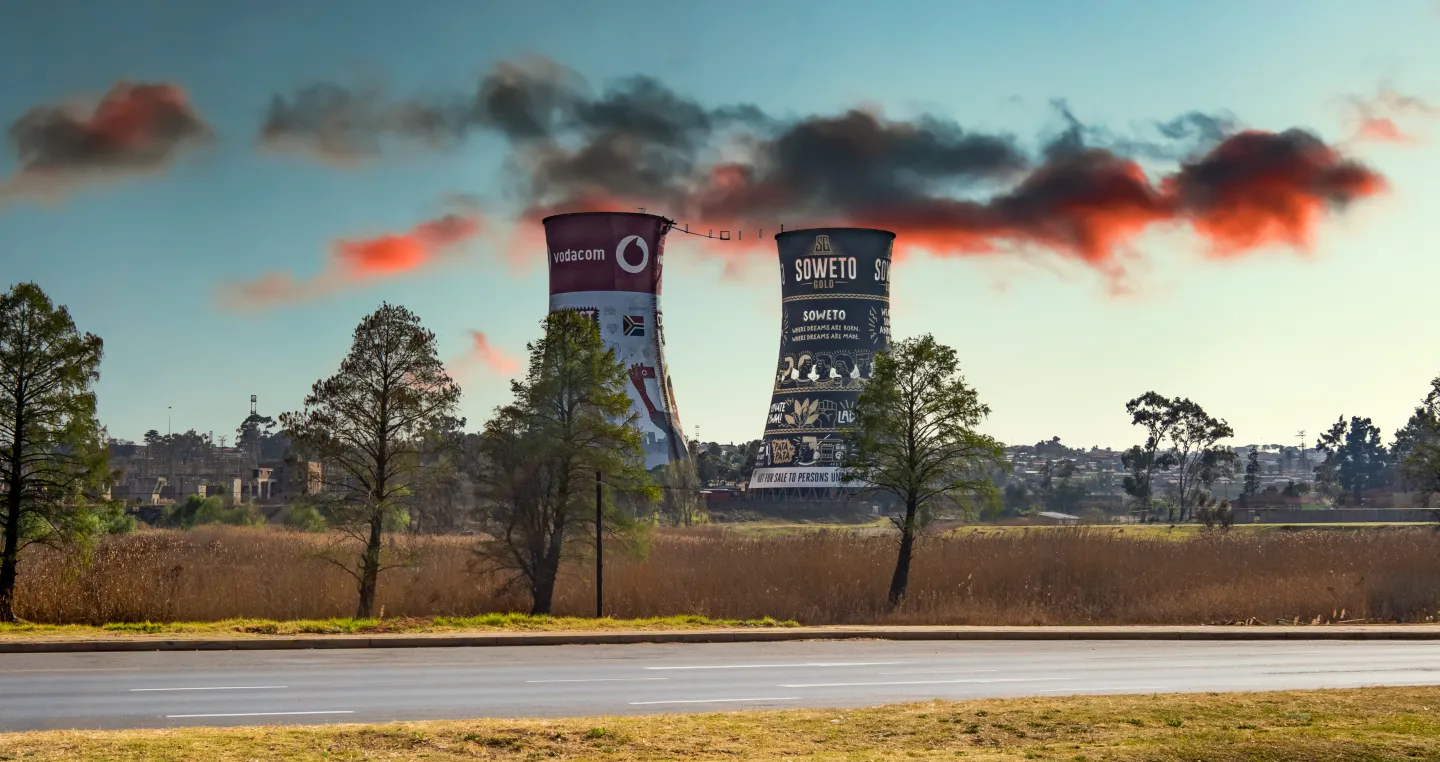
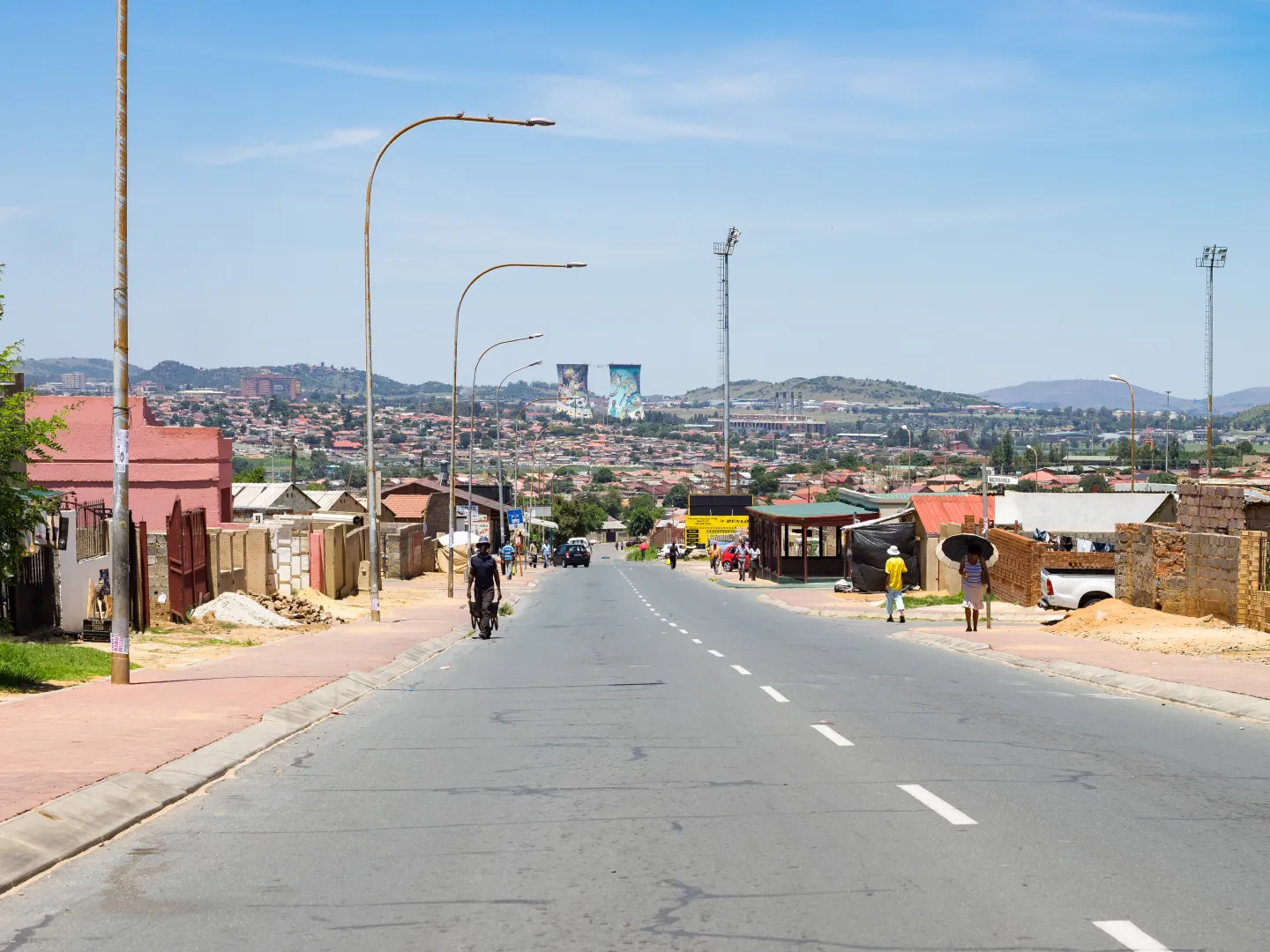
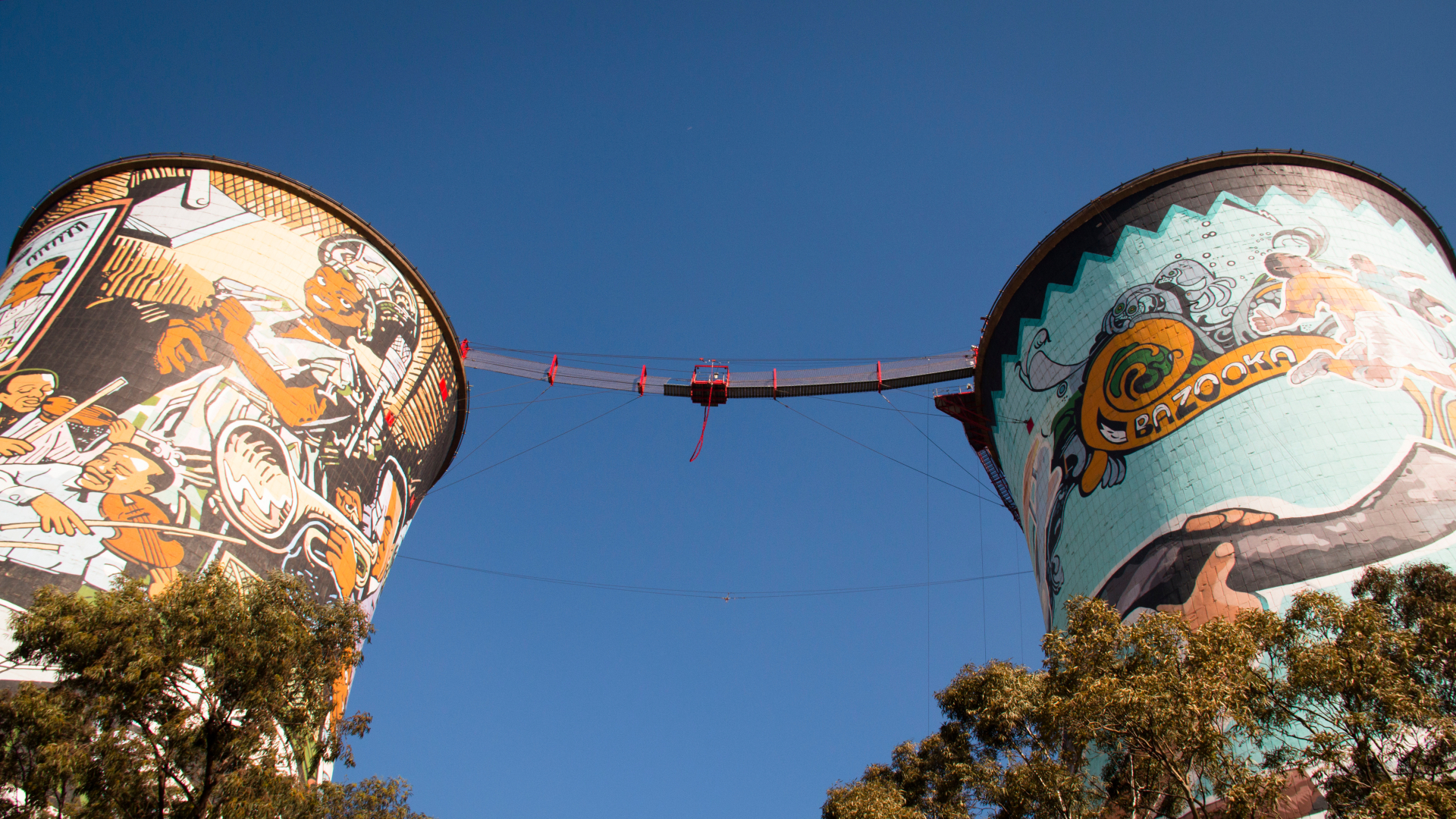
For adventure-seekers, the Soweto Towers (pictured at the top of this story) are certainly the place to go. A pair of brightly painted former cooling towers in Orlando, they can be seen from afar, drawing people with the thrills of bungee jumping, SCAD freefall, ziplining and even paintball. The views from the top of the towers are also spectacular.
While Orlando is a must for any visitor to Soweto, there are many more places of historical, cultural and entertainment value worth visiting. These include …
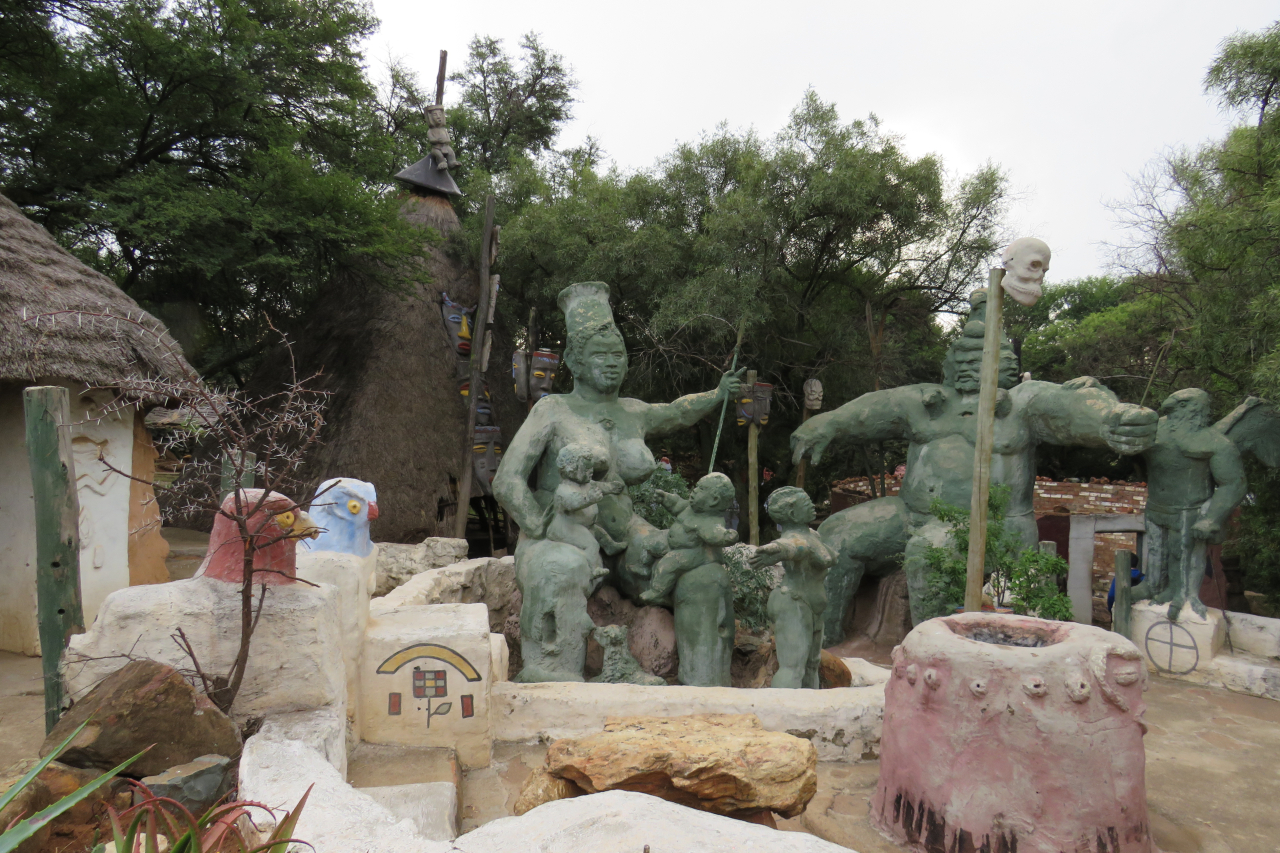
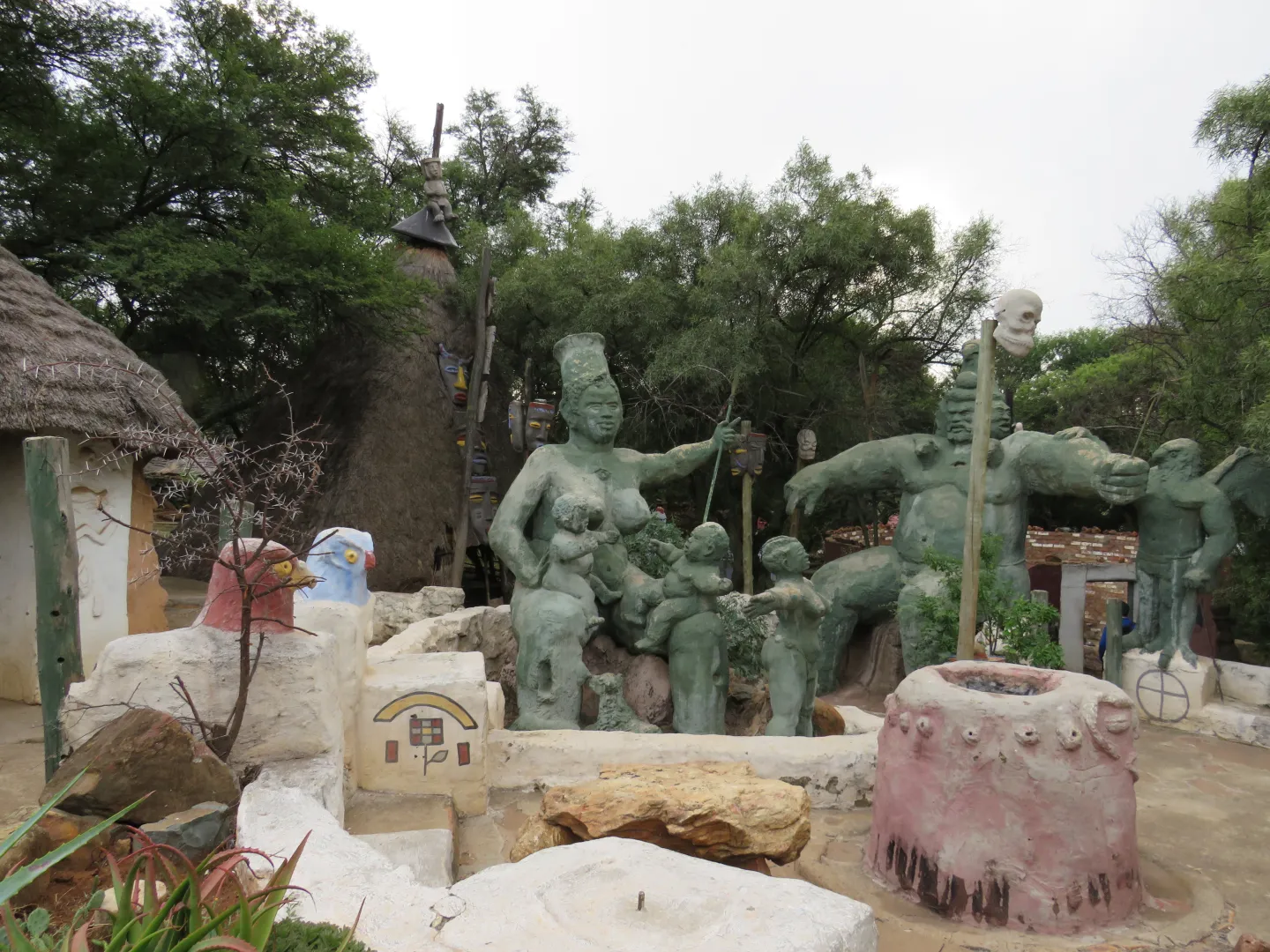
Credo Mutwa Cultural Village: initiated in 1974 by sangoma (traditional healer), philosopher, writer and artist Credo Mutwa, he abandoned this project in 1986 amid vandalism driven by misunderstanding of his intentions (some had thought his embrace of the Black Consciousness ideal of positive African separatism was support for apartheid).
But in 2006 it was revived by one of his students, and is today a magnet for lovers of art, African culture and the esoteric.
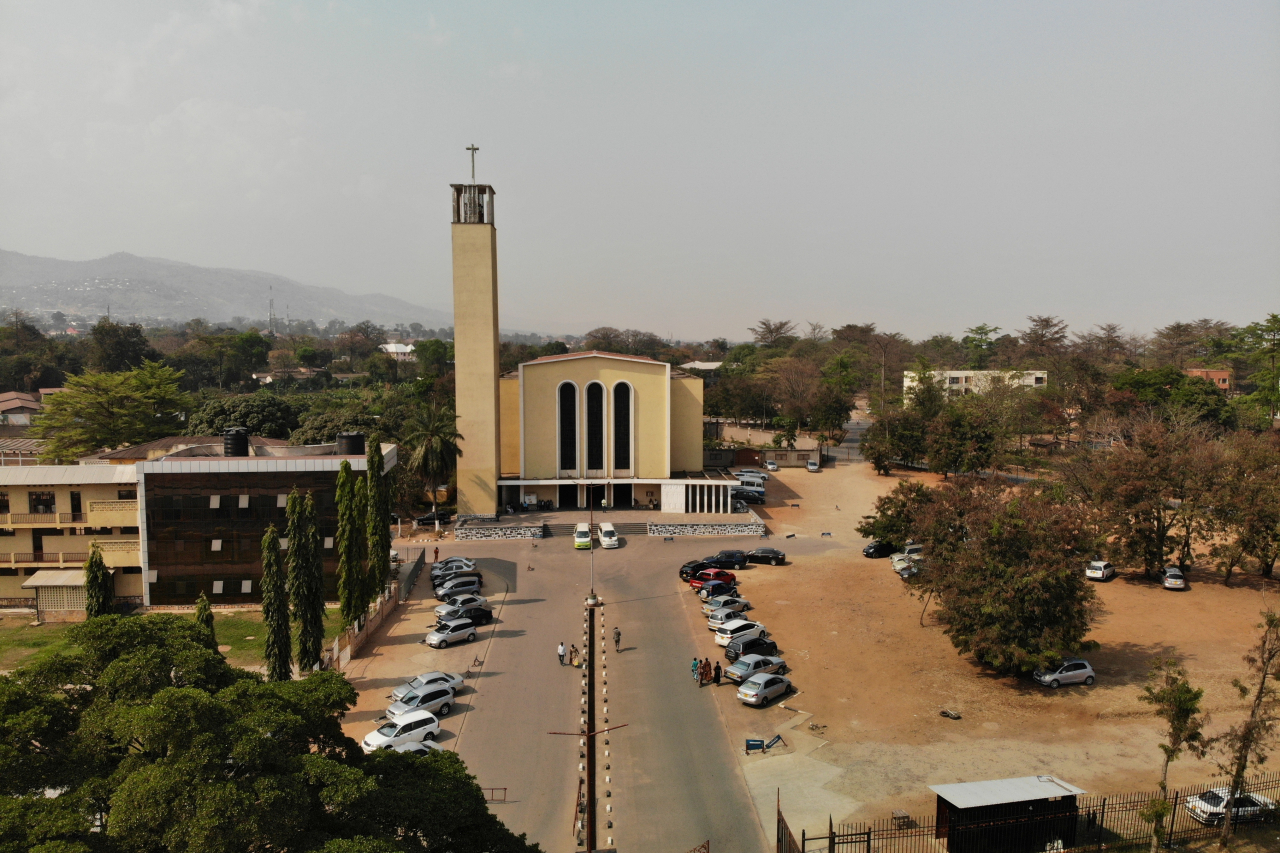
Regina Mundi Catholic Church: situated in Rockville, in the centre of Soweto, Regina Mundi is the biggest Catholic church in South Africa and can accommodate up to 7 000 people. It was a pivotal meeting place during the apartheid era (and still bears bullet holes from that period).
Regina Mundi is also famous for being the home of the Madonna and Child of Soweto, a painting that depicts a black Virgin Mary and baby Jesus.
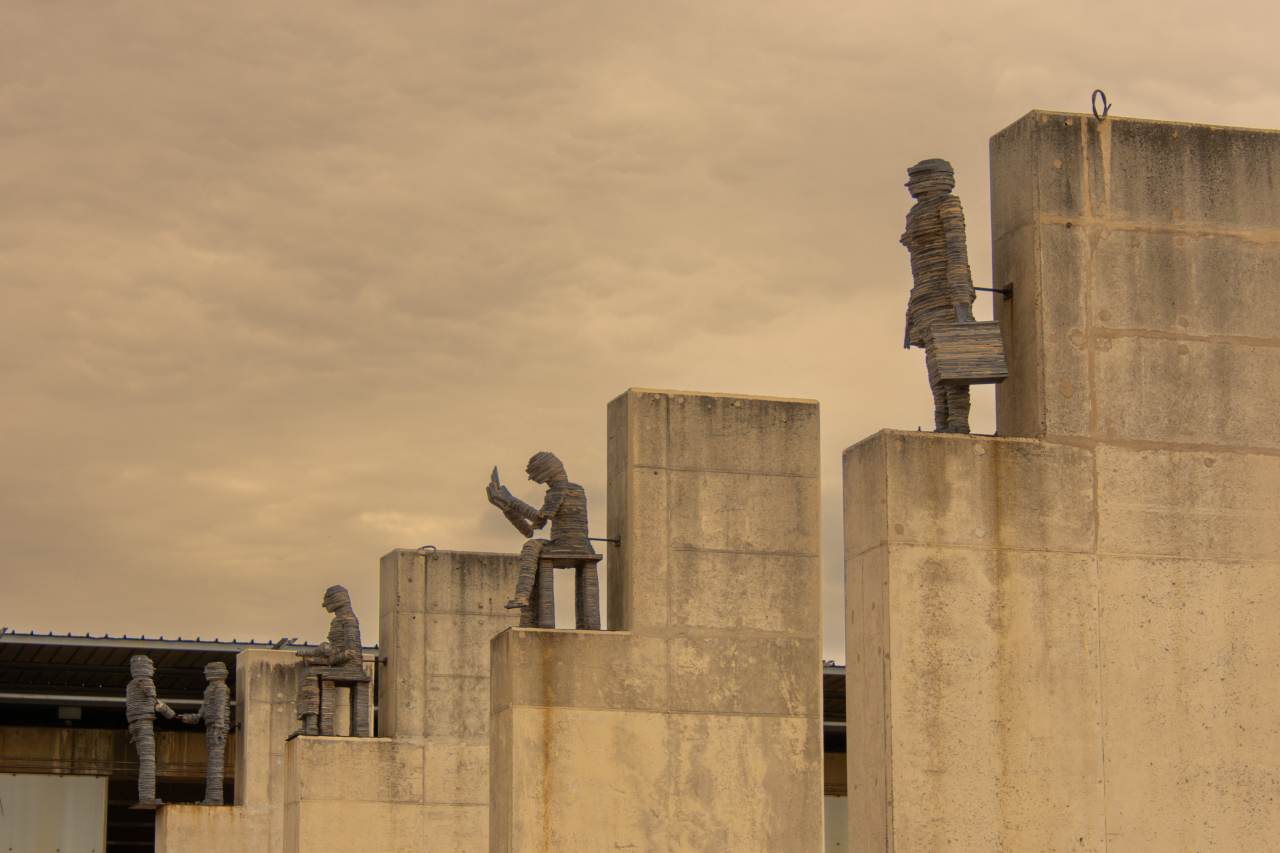
Walter Sisulu Square of Dedication: located in Kliptown, this square is on the site where the Freedom Charter was adopted in June 1955 by the Congress of the People, a meeting of 3 000 people. A statement of core principles of the African National Congress and its affiliated organisations, its opening statement clearly declares: “We, the People of South Africa, declare for all our country and the world to know: that South Africa belongs to all who live in it, black and white, and that no government can justly claim authority unless it is based on the will of all the people.”
Police broke up the congress on its second day, but by then the charter had been read and adopted. Mandela, who was at the time on the run from the authorities, had been secretly in attendance and escaped arrest by disguising himself as a milkman.
Exploring Soweto can be challenging even for those familiar with this enormous place, so it’s essential to have a knowledgeable guide who can explain its history and ongoing development. There are fun ways to get around, too, including walking, bicycle and tuk-tuk tours.
Soweto has come a long way since its creation as a poorly developed dormitory town for working-class Africans, far from mining, agricultural and other opportunities; the white authorities of the time used laws to deprive them of political and property rights, freedom of movement, and decent work and education.
Once specifically separated from Johannesburg by law, Soweto is now an integral part of the city. Indeed, much of Johannesburg’s particular flavour is thanks to Soweto. Any visit to the City of Gold would therefore be incomplete without getting to know the world’s most famous township.
How we're giving back
Sustainability is vital to us at Your Africa and our parent, the Tourvest Integrated Tourism Group. This is why Tourvest is supporting a five-year project to clean up and redevelop the Orlando Dam, situated adjacent to the Orlando Towers.
The dam, which was created in the 1950s for the now-defunct Orlando Power Station (for which the towers were also built), is a crucial part of the local and regional river system but has become heavily polluted.
We're proud to support this ambitious project to transform the dam into a safe, clean open water resource for Sowetans, and help rehabilitate Johannesburg's wetlands and watercourses for the benefit of citizens, visitors and downstream communities.
Click here to find out more about our commitments to environmental sustainability and sustainable tourism.


Related gallery