Cannonballs and crenellations: Africa’s military history tells incredible stories
Cannonballs and crenellations: Africa’s military history tells incredible stories
| by Willem Steenkamp
On ancient battlements and on long-quiet battlefields, it’s easy to imagine the events that have shaped African (and global) history: sergeants barking orders, the roar of guns, the crump-crump of explosions, whinnying horses or clattering tanks.
Throughout the ages, Africa’s story has been marked by conquest and conflict. The continental landscape is littered with the remnants – both military installations and battlefields – of these struggles, and each one has a fascinating story to tell.
In this story we’ll explore just a few of these sites, enough to whet the appetite of even the most casual military history fan.
North Africa
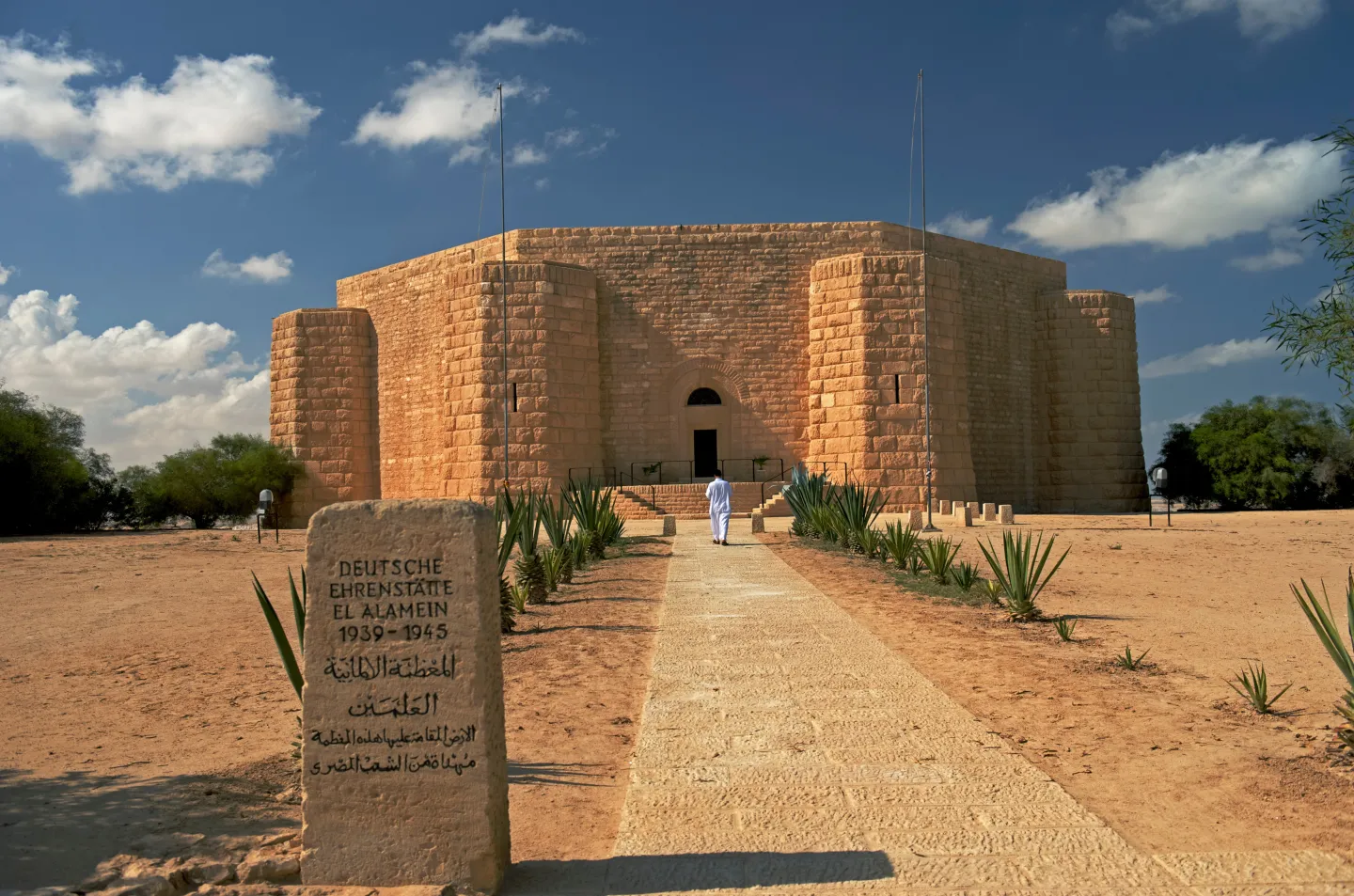
El Alamein battlefield, Egypt
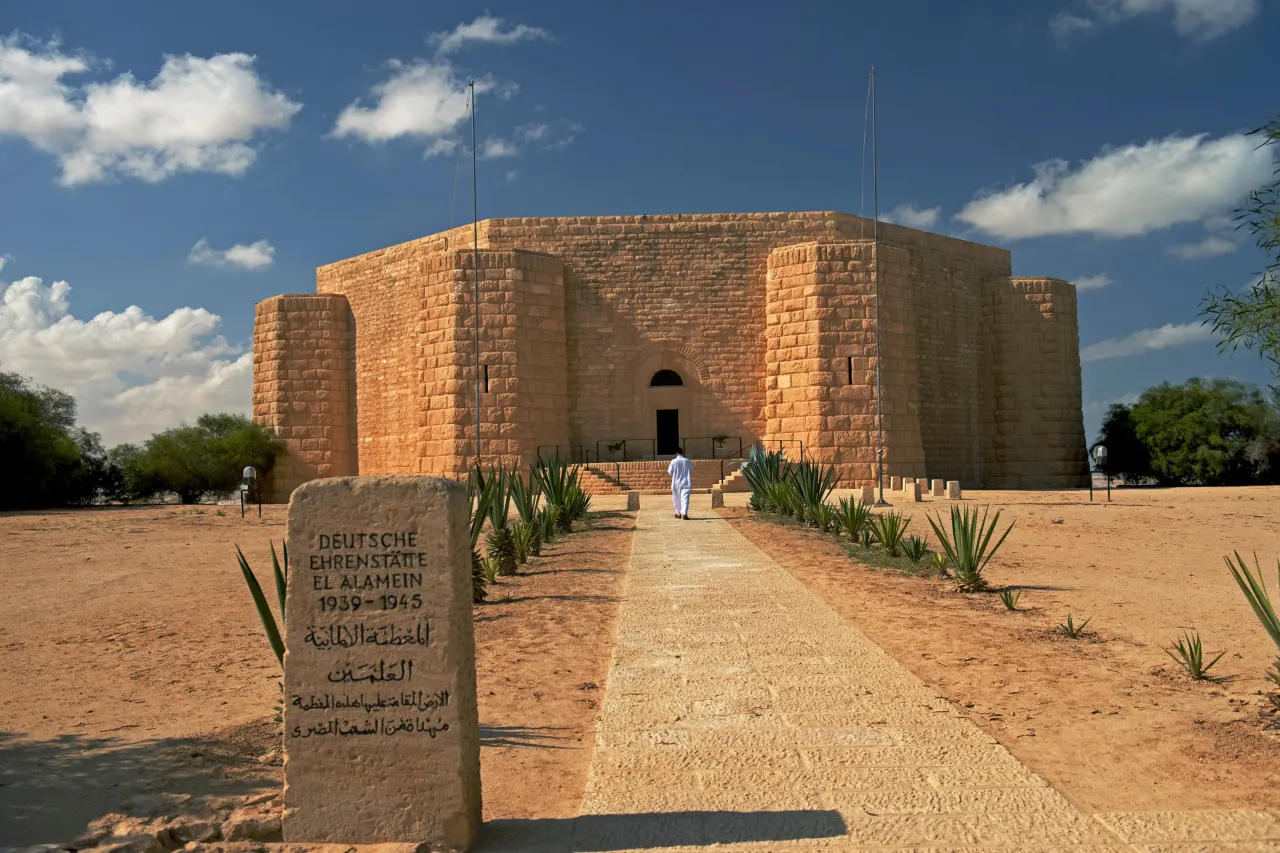
Image courtesy of Jason Row.
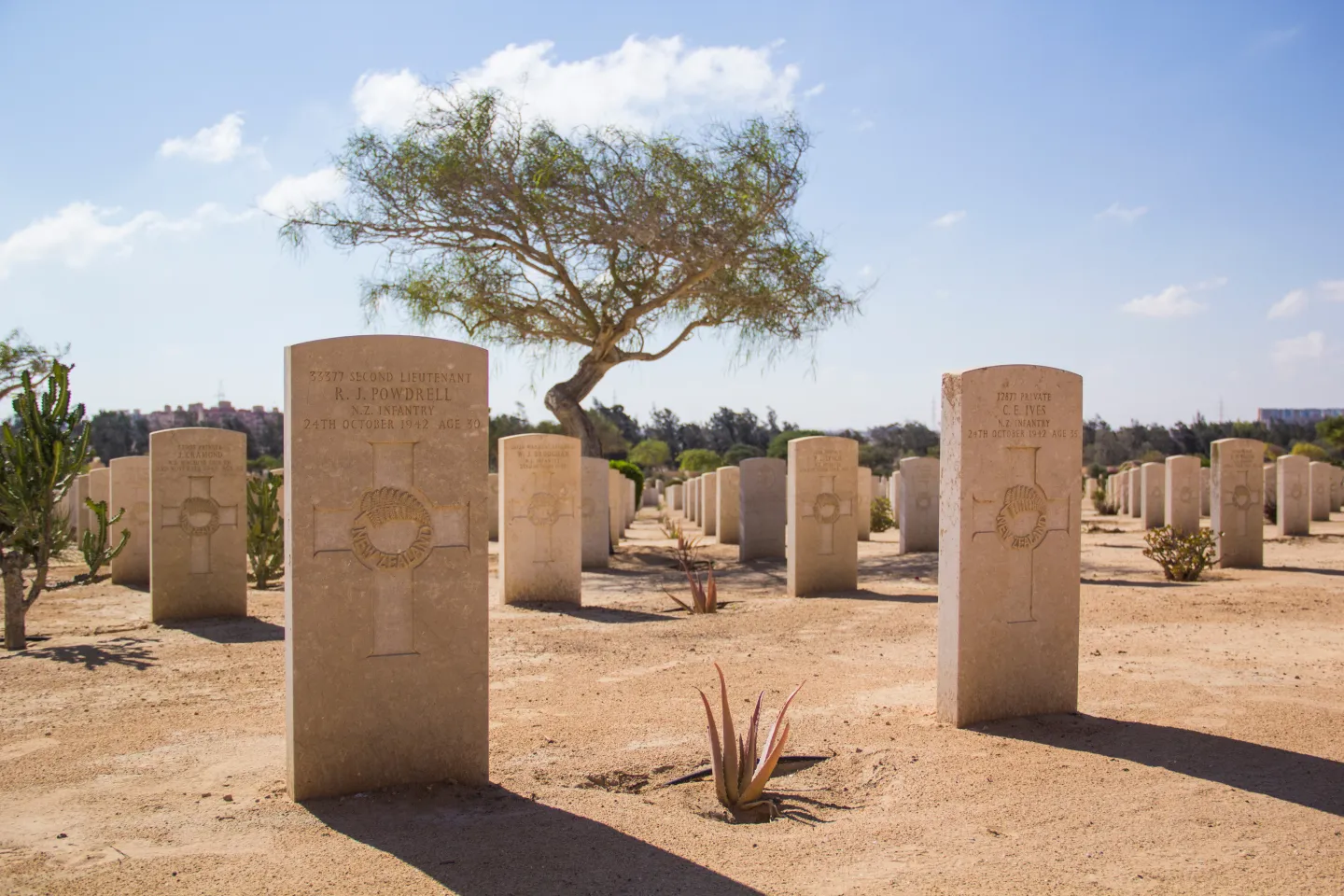
The Second Battle of El Alamein took place at this now-famous Egyptian railway junction between 23 October and 11 November 1942. Not only the decisive turning point in favour of the Allies of the North African campaign, it was also of the Second World War.
While the landscape has changed significantly over the past eight decades, there is still much to discover: a museum, memorials and cemeteries, battlefield tours, and battlefield remnants, such as the extensive “Devil’s Garden” minefields sown by the Axis forces.
Kasbah of the Udayas, Morocco
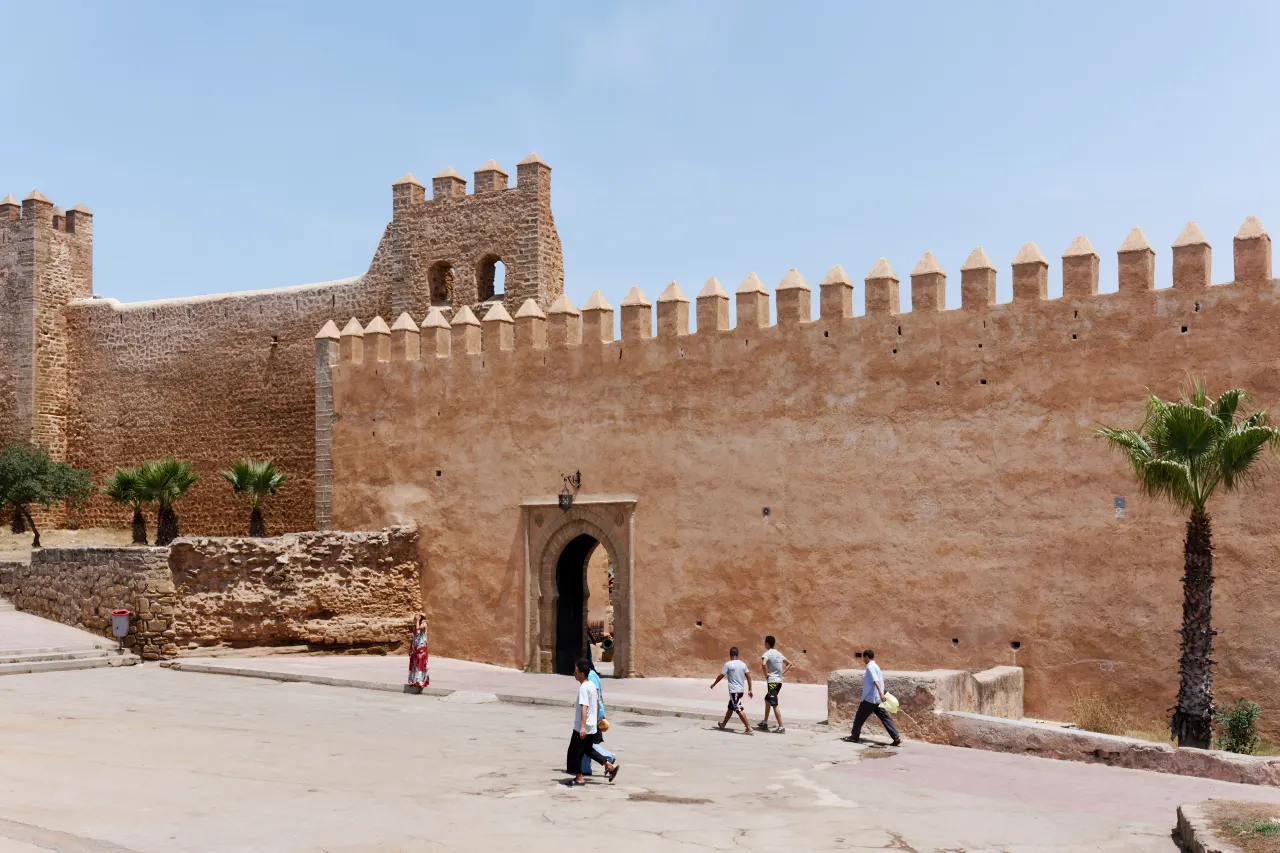
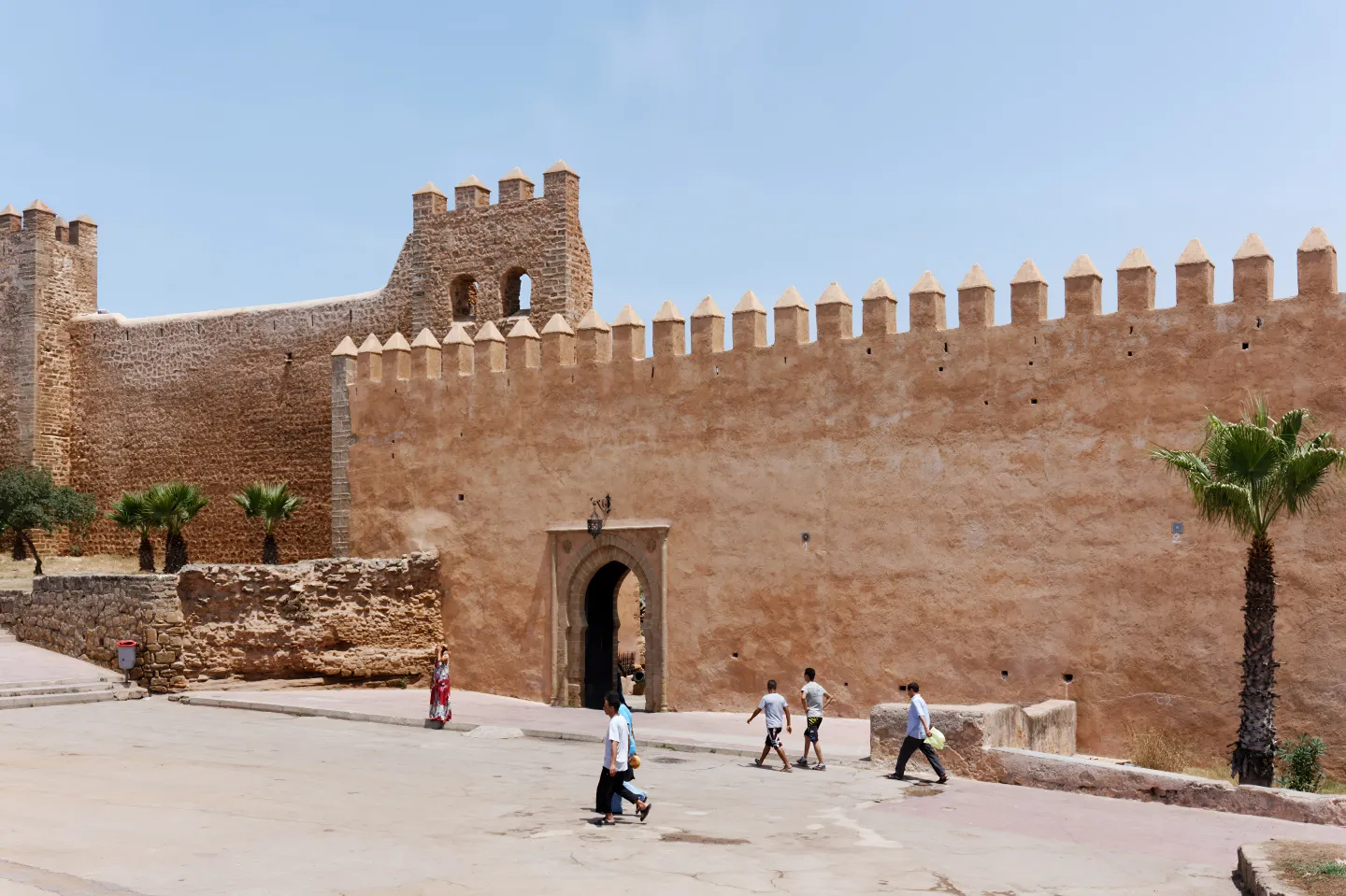
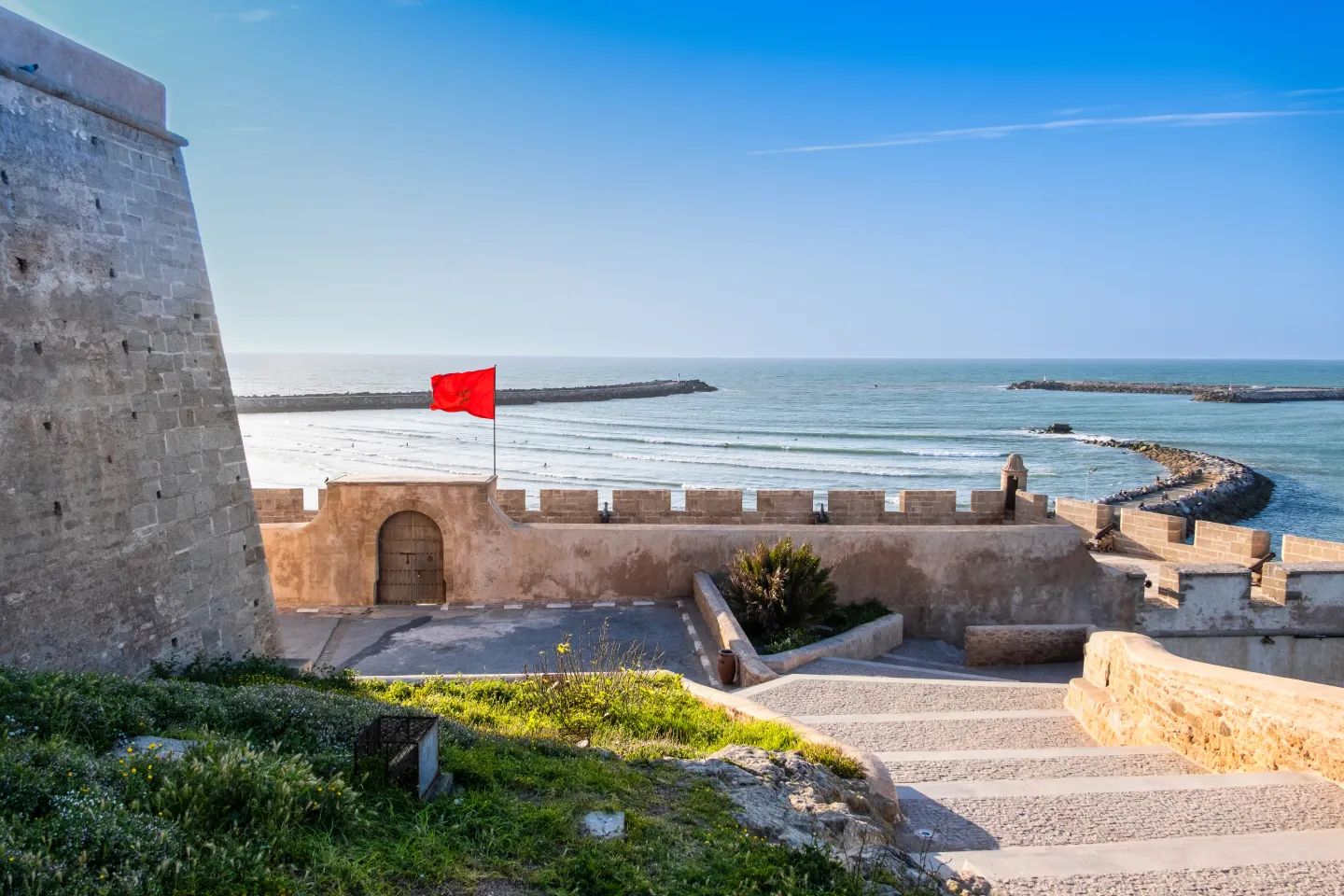
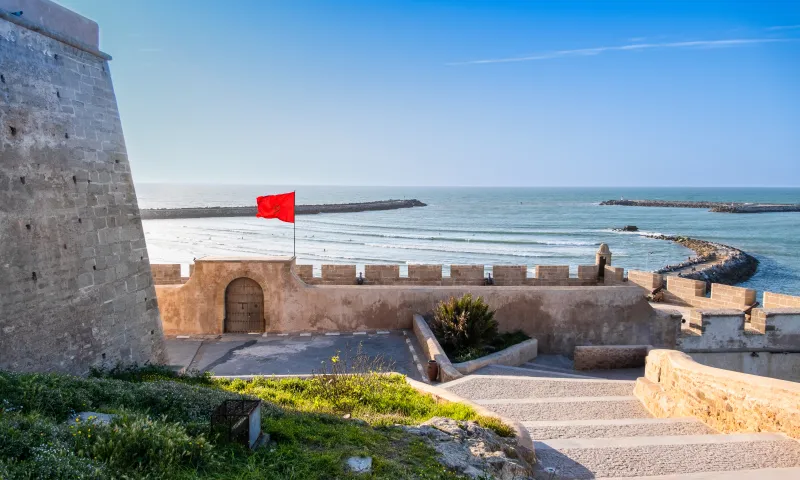
Situated in the Moroccan city of Rabat, this citadel dates back to the 12th century – and it may stand on the site of an even older ribat (a fortified monastery).
The kasbah, a World Heritage Site since 2012, boasts all the hallmarks of a classic citadel, including crenellated walls, defensive positions and enormous gates. It has also seen its fair share of war, including Berber conflicts early on in its existence, and in the 17th century during the time of the Barbary pirate-led Republic of Salé.
Citadel of Qaitbay, Egypt
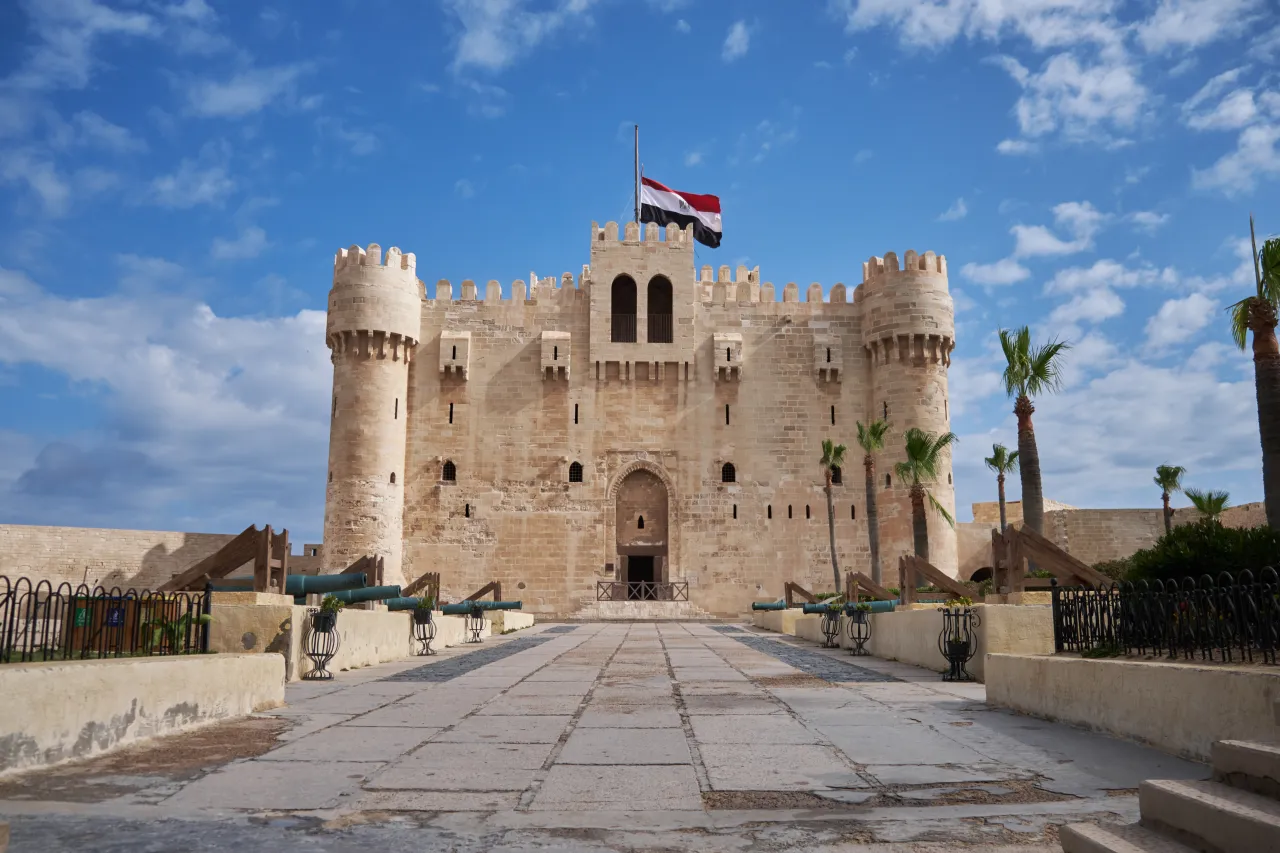
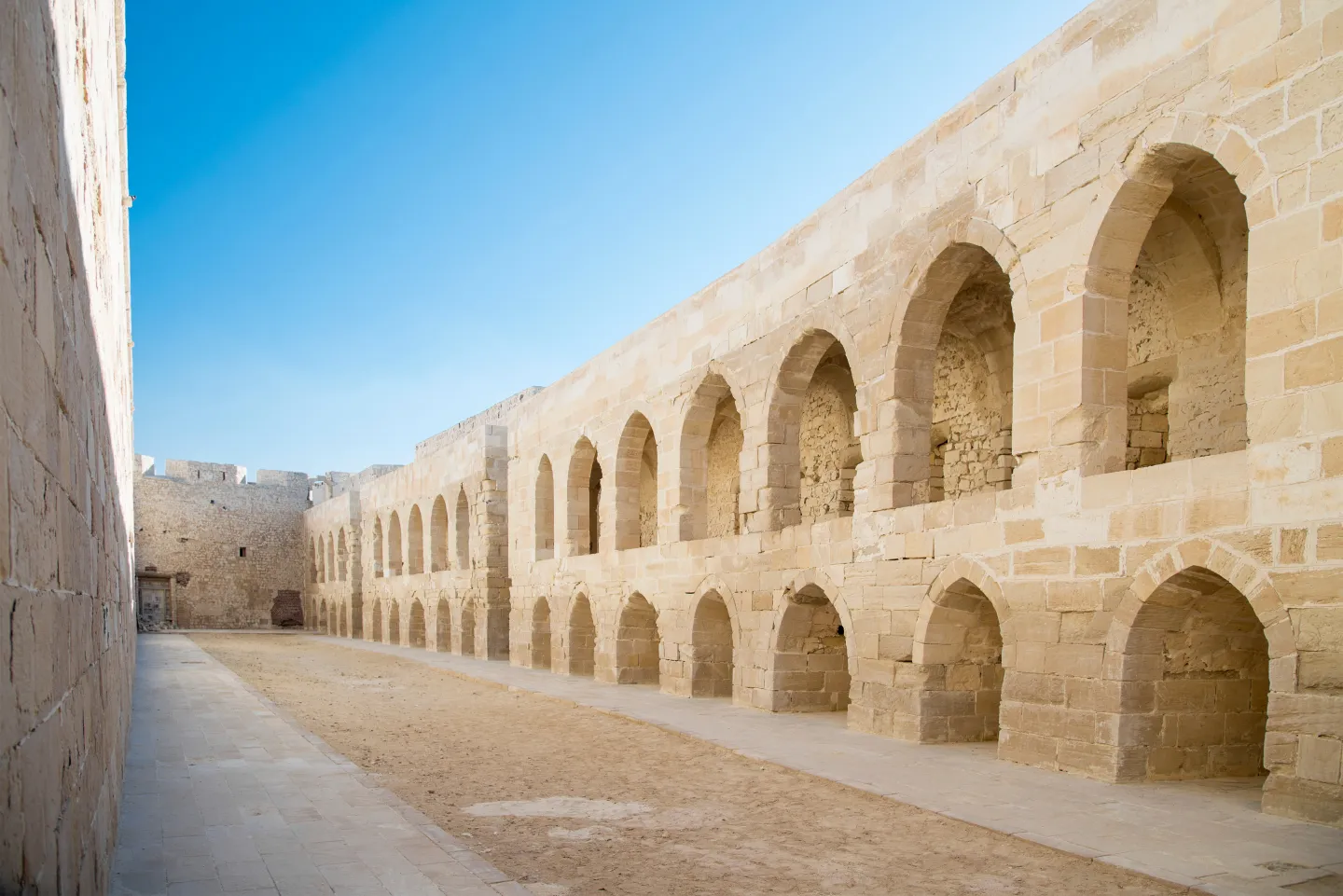
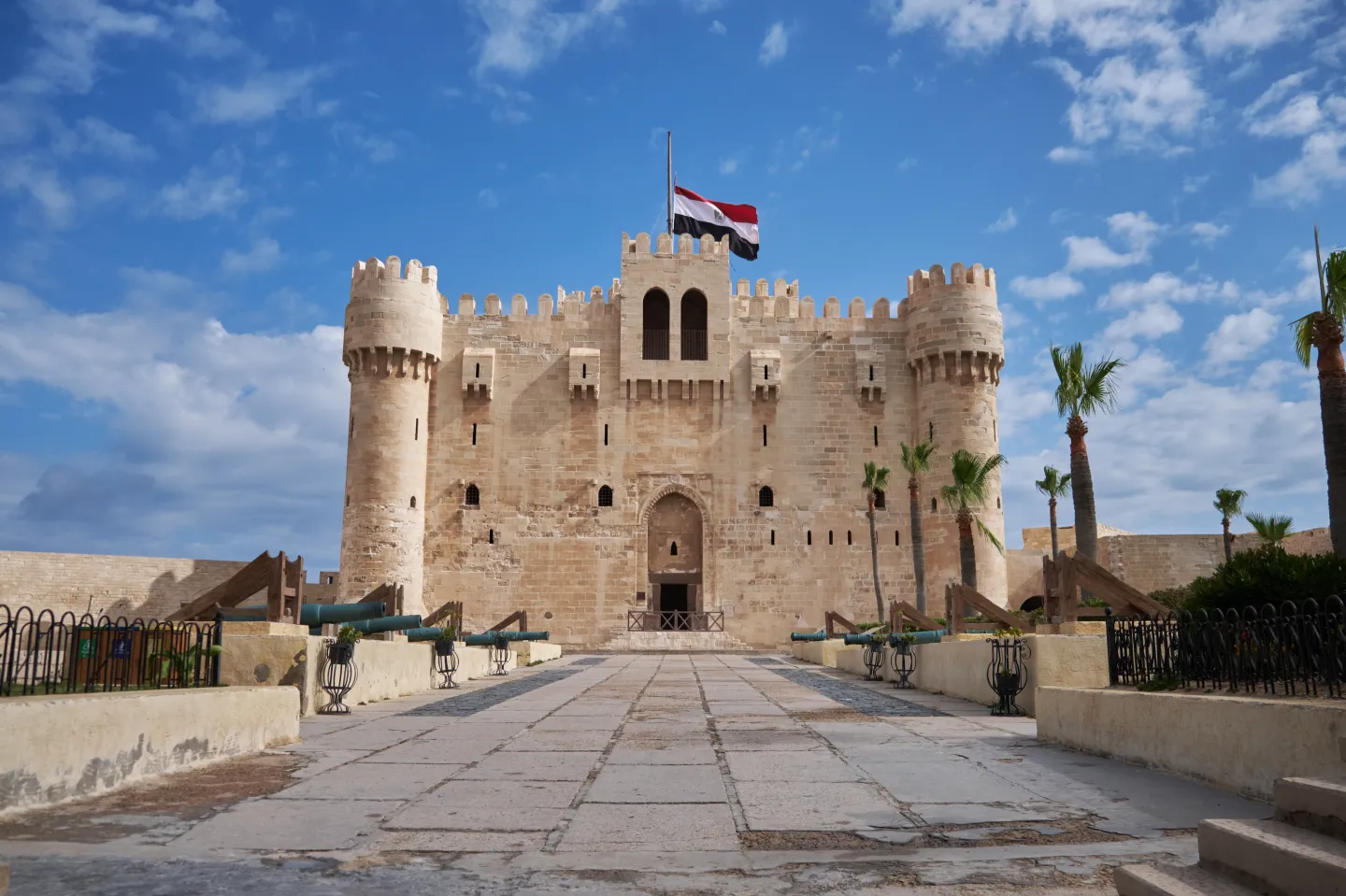
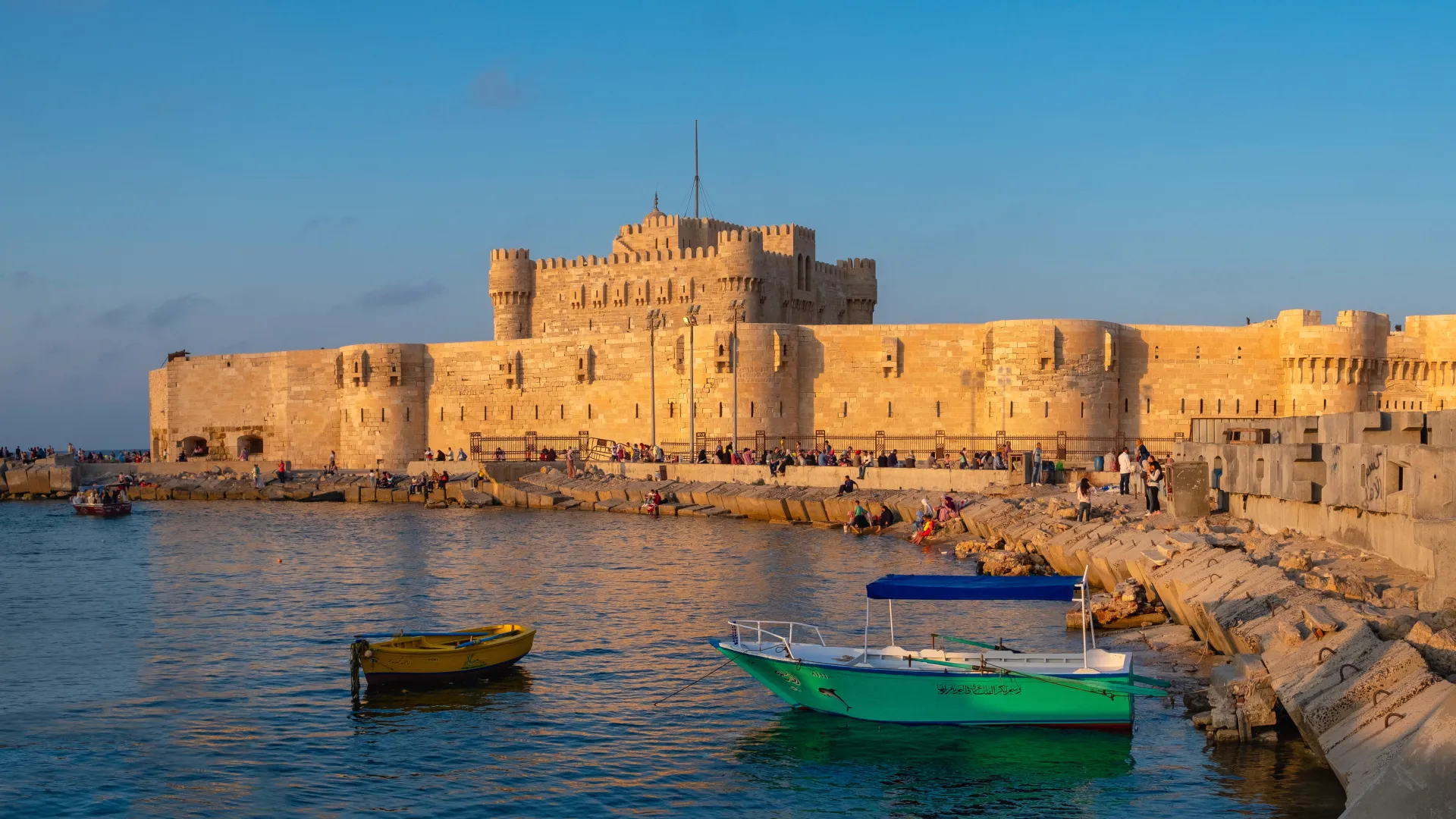
Considered one of the most important fortifications along the entire Mediterranean coast, the 15th-century Citadel of Qaitbay – a fortress built on the site of the famous Lighthouse of Alexandria, even using some of the lighthouse’s stone – is part of a complex that once protected the city.
It’s seen a lot of action, too. Initially built by the Mamluks to keep the Ottoman Turkish empire at bay, it was nevertheless occupied by the Ottomans, then the French took it in 1798, and the British bombarded and severely damaged the citadel in 1882. Several substantial renovations in the past 120 years have restored the edifice, however.
West Africa
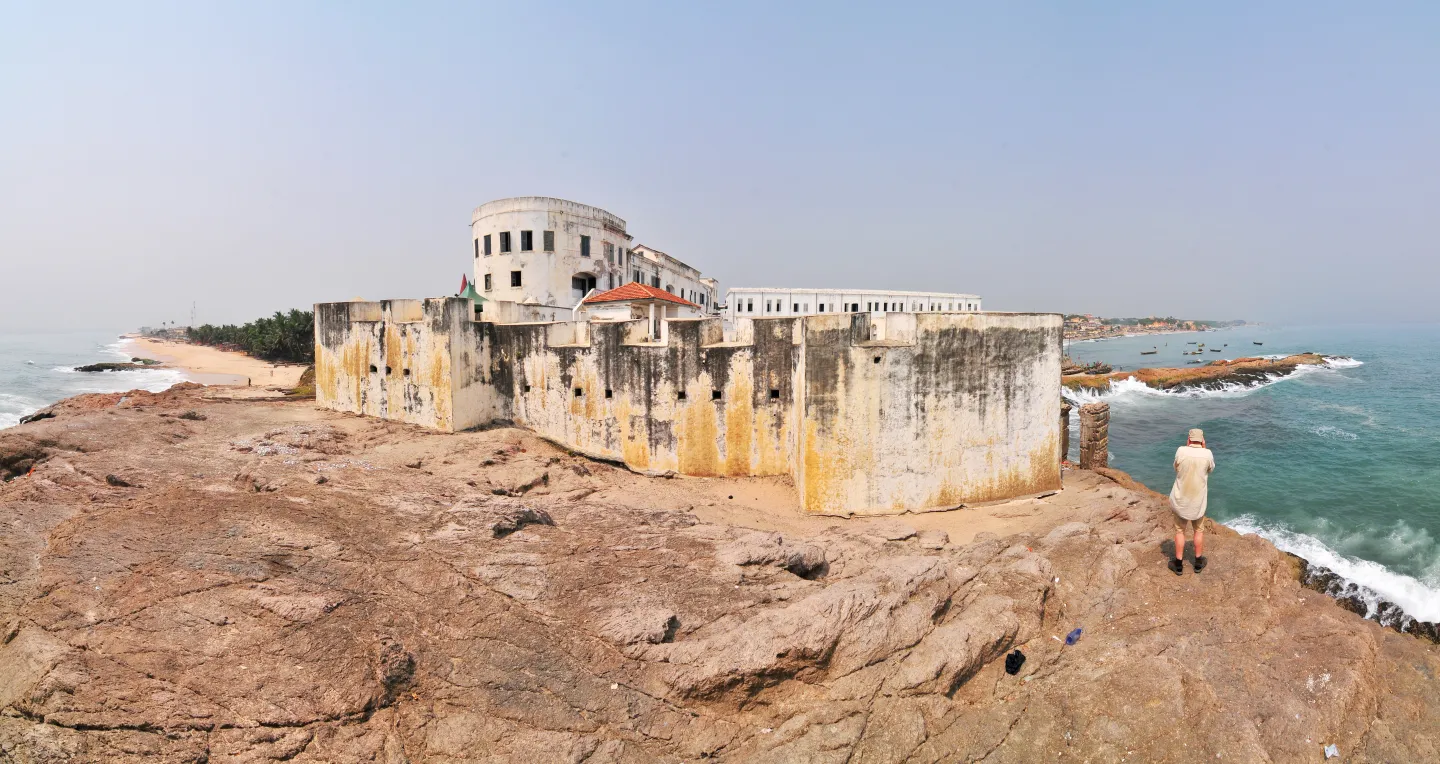
Elmina Castle, Ghana
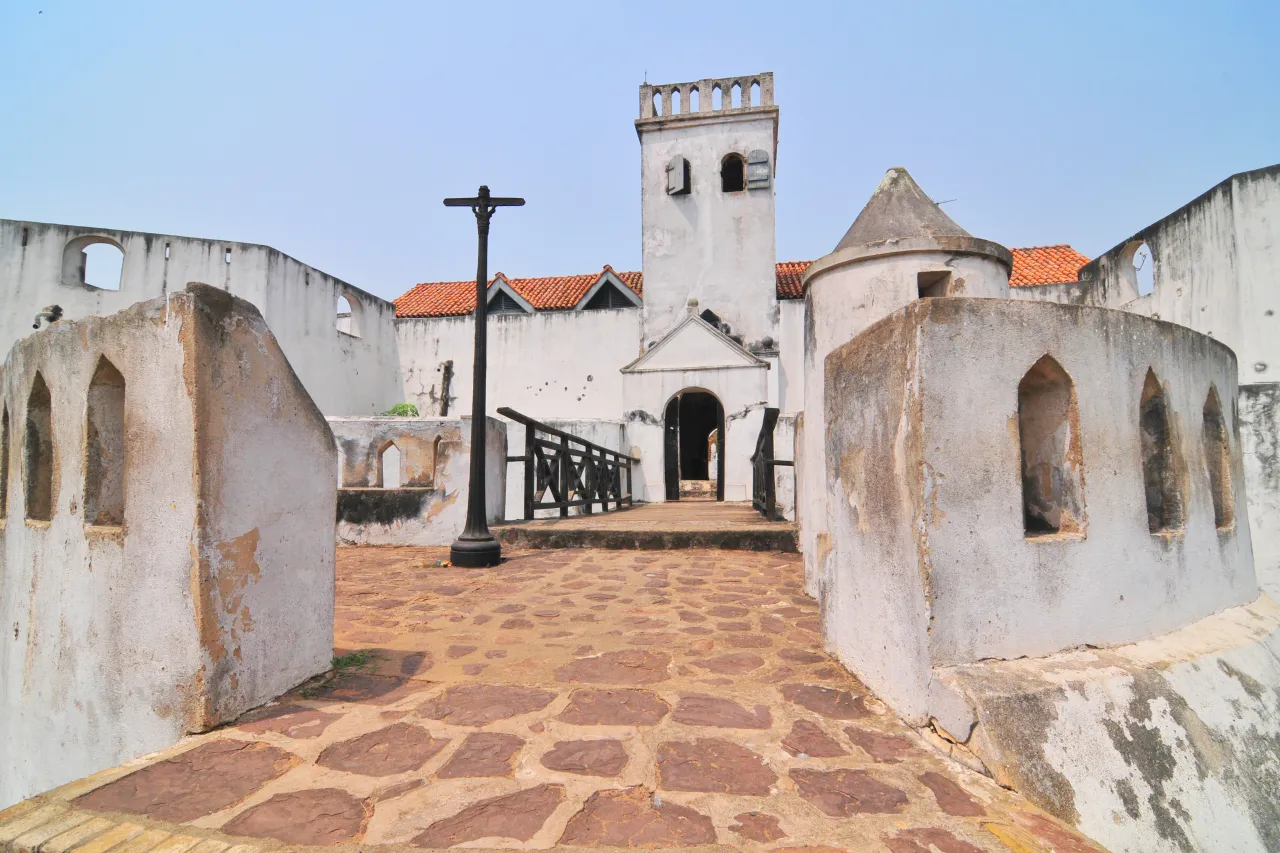
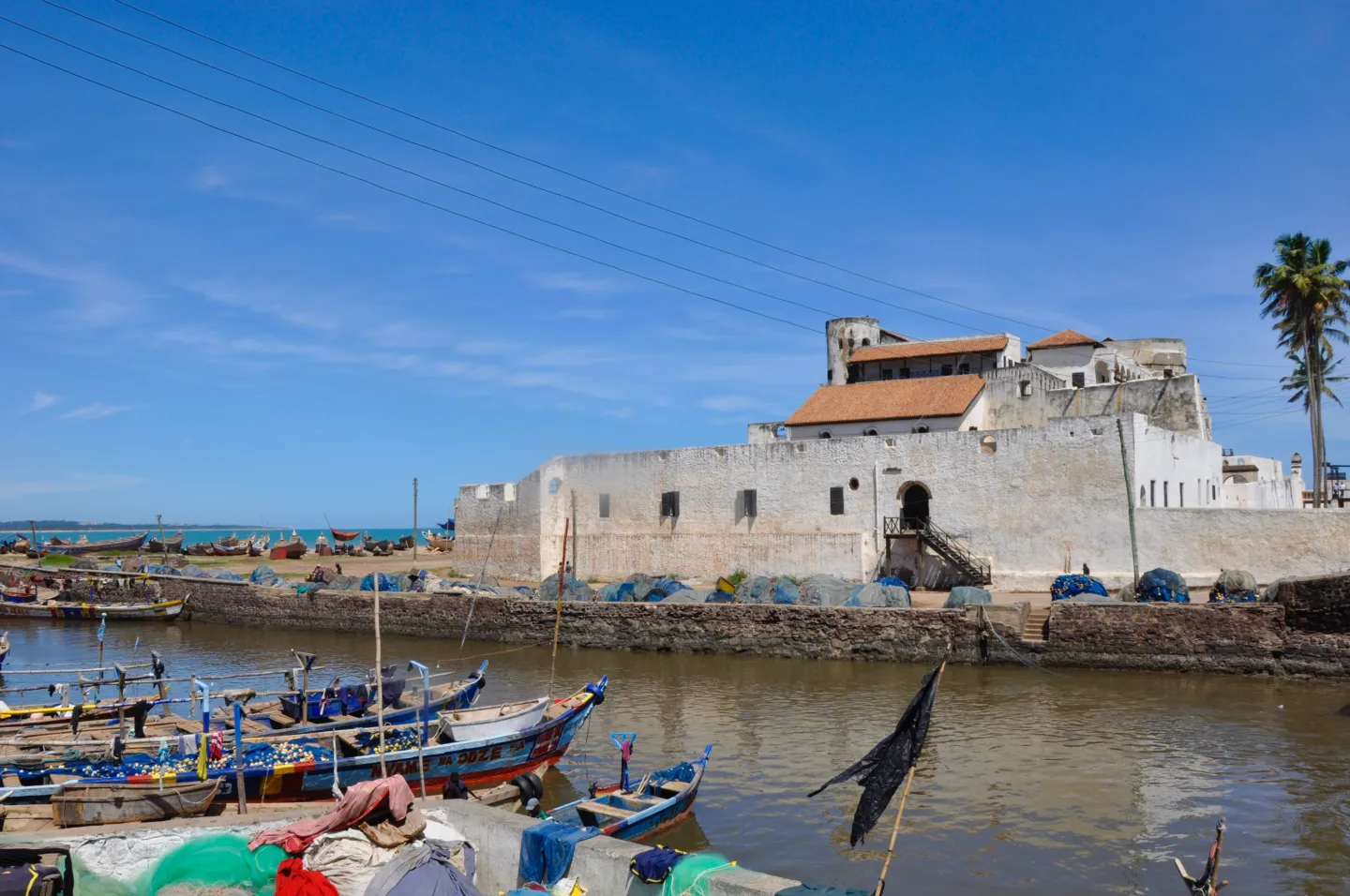
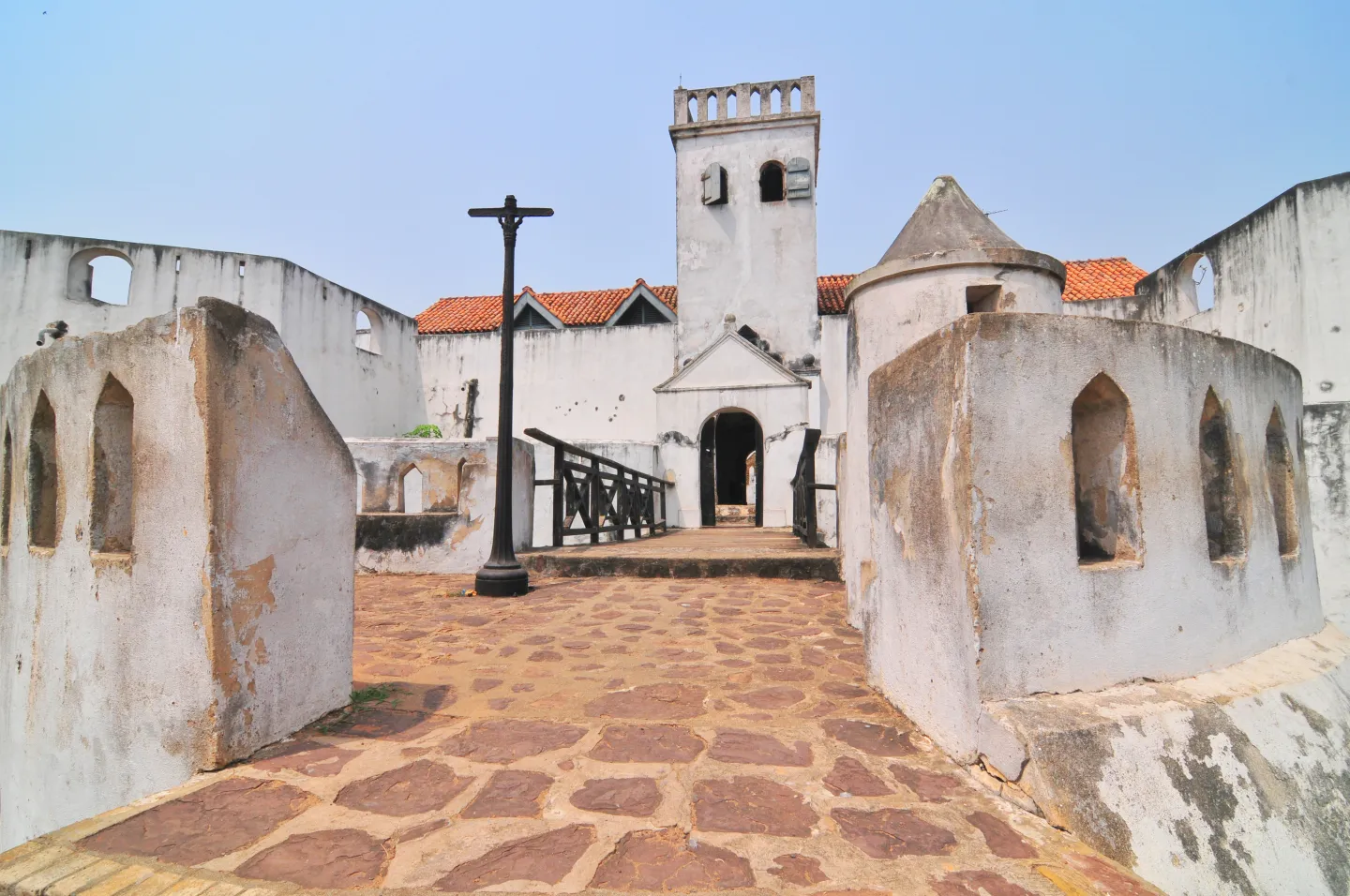
Built by the Portuguese in 1482, to protect their lucrative gold-trading interests there, Elmina Castle is the oldest existing European building in sub-Saharan Africa. And, constructed of materials imported by ship, the first prefabricated building, too.
This fortress, designated a World Heritage Monument in 1979, later also became an important centre for the Transatlantic slave trade, both for the Portuguese and the Dutch, who conquered it in 1637.
Gorée Island, Senegal

This small island, adjacent to the Senegalese capital, Dakar, was long a military lynchpin along that section of the West African coastline. It is also of great cultural and historical importance, although there is vigorous debate about the scale of its role in slavery.
Gorée features several fortifications from its Portuguese, French, Dutch and English eras. Even the Governor’s Residence and the building containing the House of Slaves museum were part of the defensive architecture. But the most important is Fort d’Estrées, built by the French in the 1850s to protect Dakar; it now houses the Historical Museum of Senegal.
Cape Coast Castle, Ghana
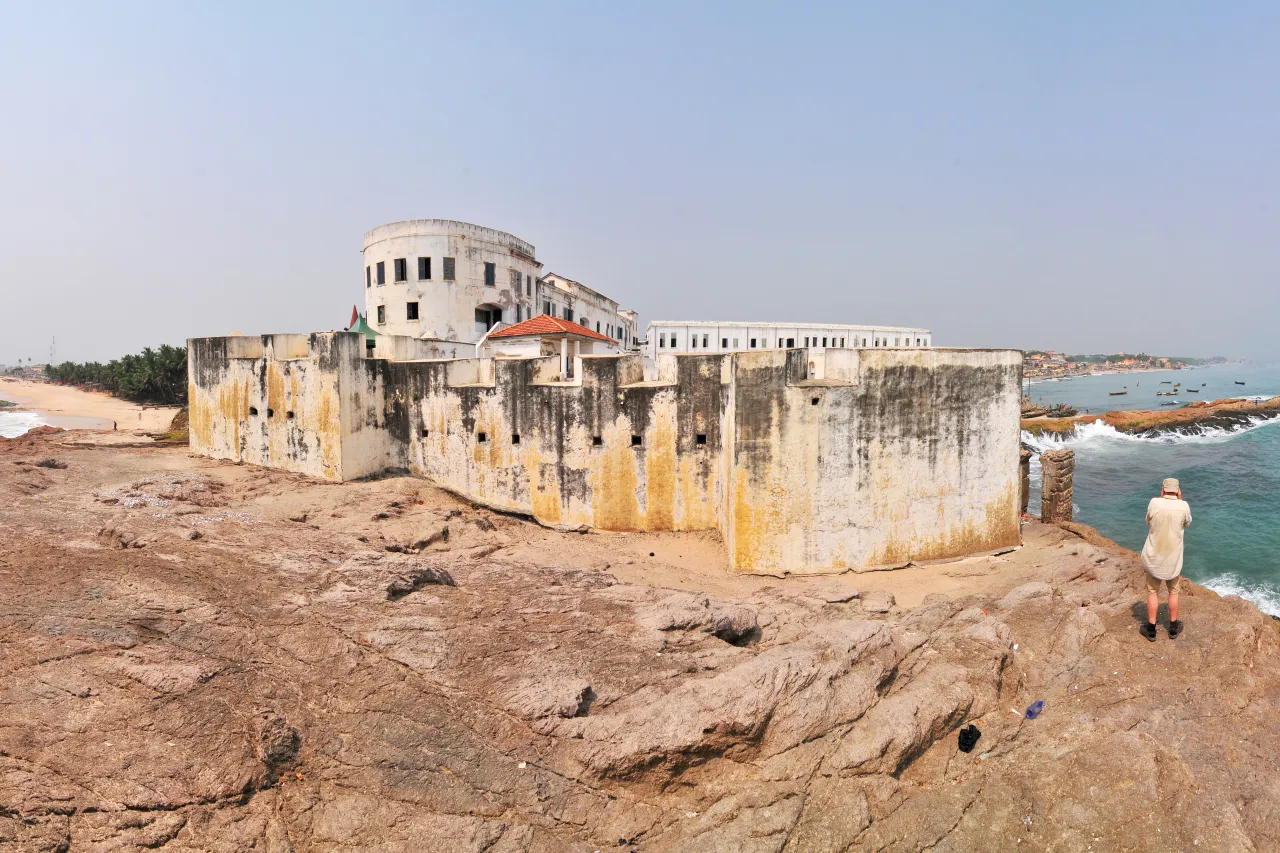
Another of the many coastal fortresses on the historical Gold Coast, Cape Coast Castle is remarkable for several reasons: it began life as a Portuguese-built timber fort in the 15th century, and was subsequently occupied and expanded into the stone edifice it is now by Swedish, Dutch and English occupiers.
It also stands apart because of the extensive dungeons cut into the rock below its square, in which slaves in transit were held in appalling conditions that contrasted starkly with the lives of the occupants above. For fans of the Golden Age of Piracy, dozens of pirates met the hangman’s noose here.
East Africa
Fasil Ghebbi, Ethiopia
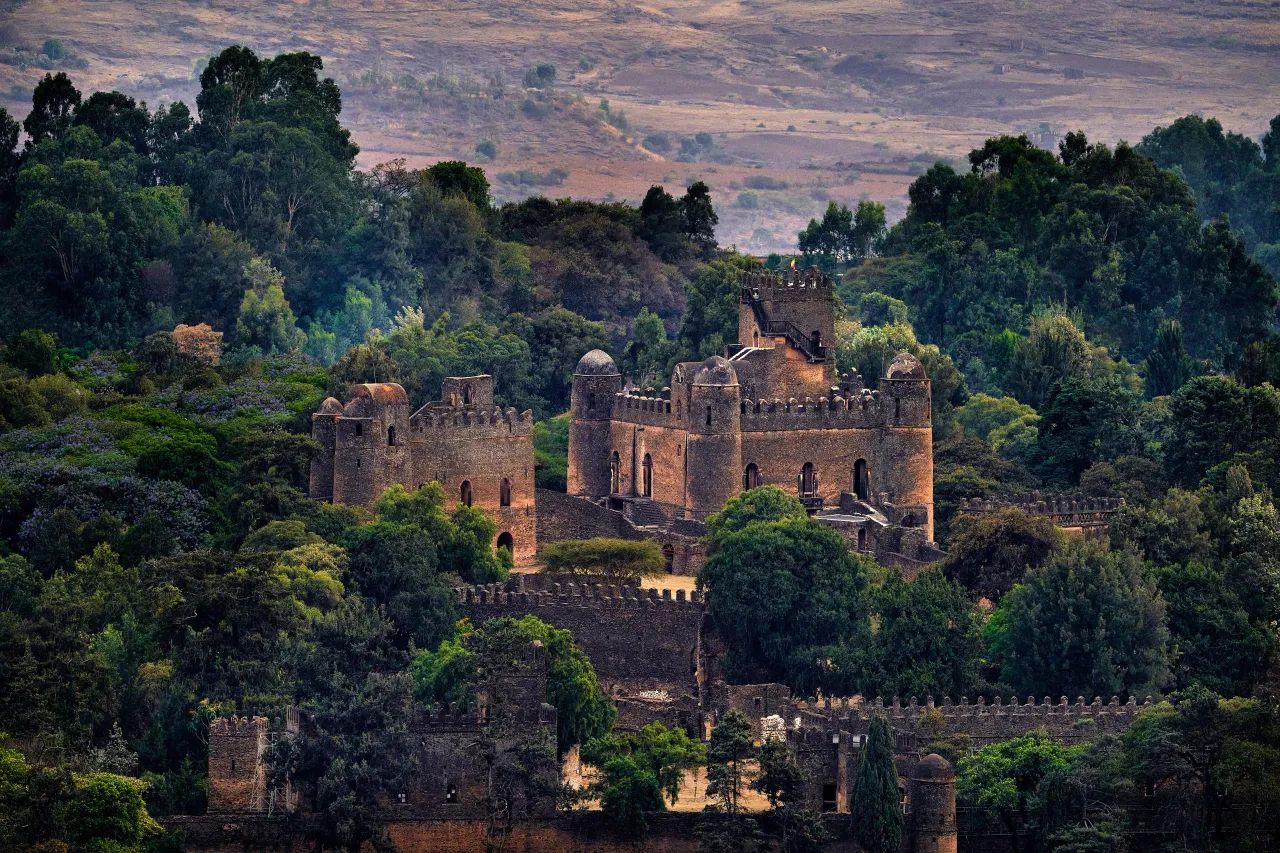
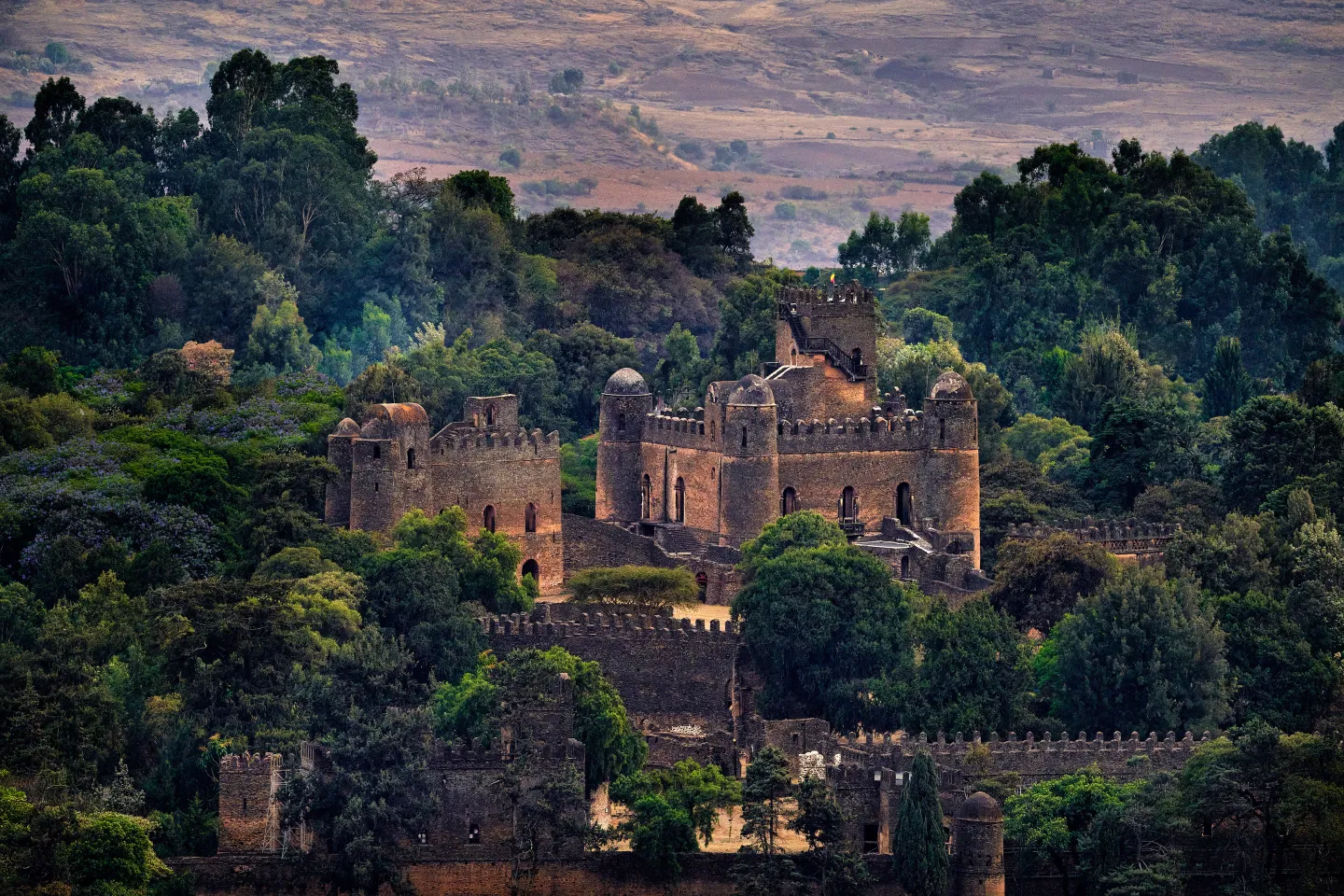
The northern city of Gondar, for two centuries the capital of the Ethiopian Empire, is famously known as the “Camelot of Africa”. It boasts several royal castles, most notably the 17th-century fortress of Fasil Ghebbi.
The 70 000m2 Fasil Ghebbi, built of brown basalt stone, is notable for its Portuguese, Indian and Arab features. It has survived several conflicts, the most recent when the British bombed Italian forces during the East African campaign in 1941. It was declared a World Heritage Site in 1979.
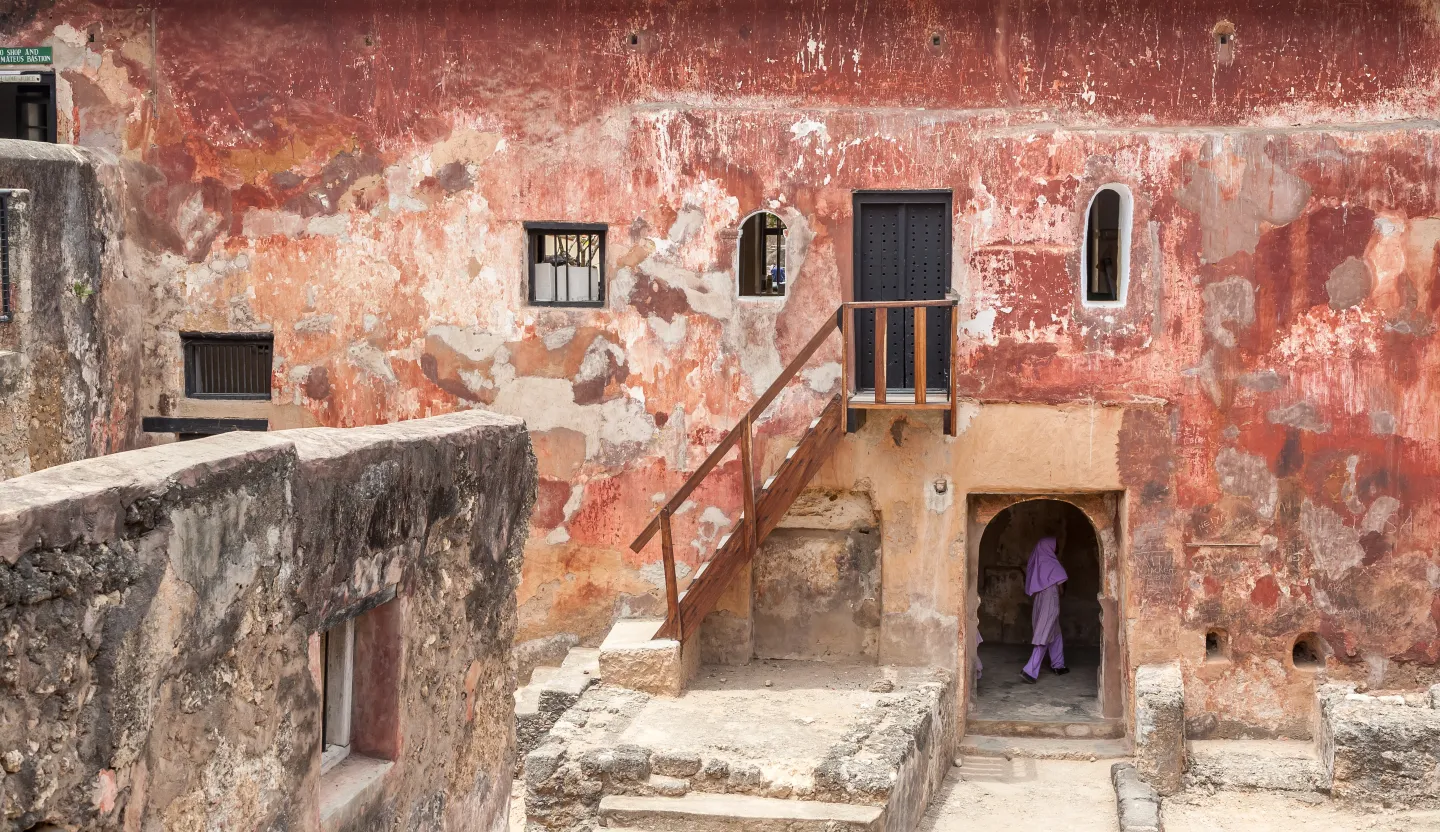
Fort Jesus, Kenya
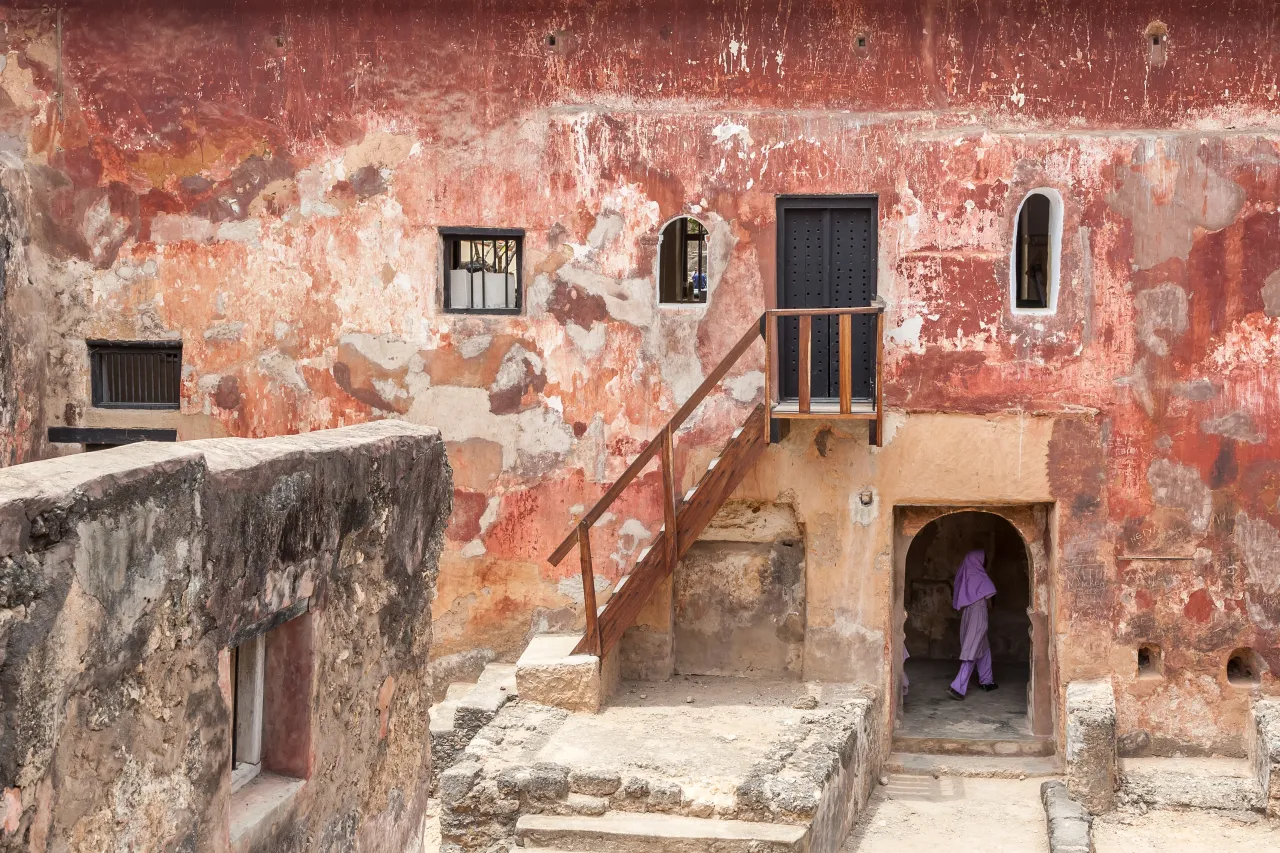
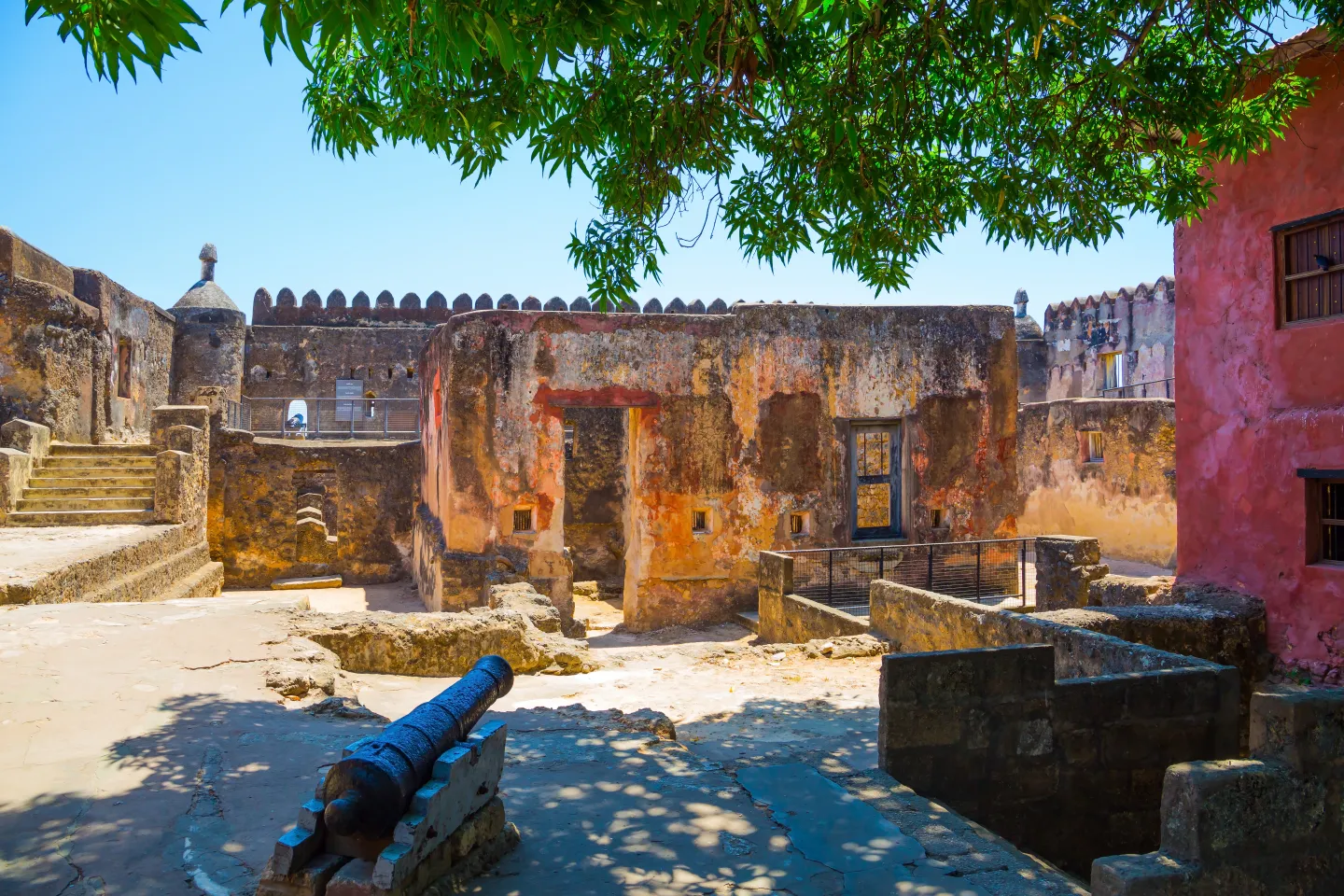
An Italian-designed fortress built on Mombasa Island for Portugal in the late 16th century, Fort Jesus is recognised as the first successful attempt by a European power to control the Indian Ocean trade. But its importance means that it changed hands nine times between 1631 and 1895.
Fort Jesus, which has the rough shape of a man lying on his back, combines British, Portuguese and Arab features. It was declared a museum in 1958, and a World Heritage Site in 2011.
Adwa battlefield, Ethiopia
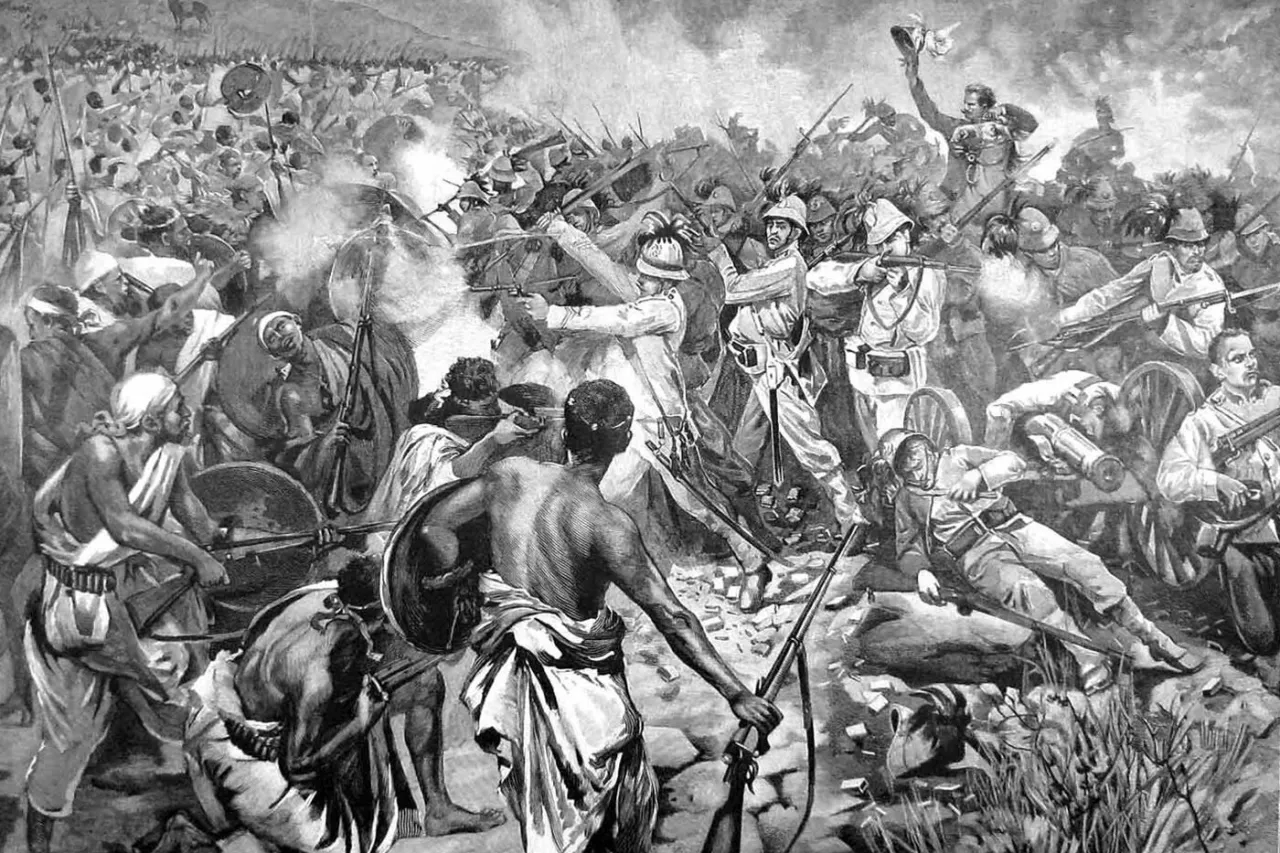
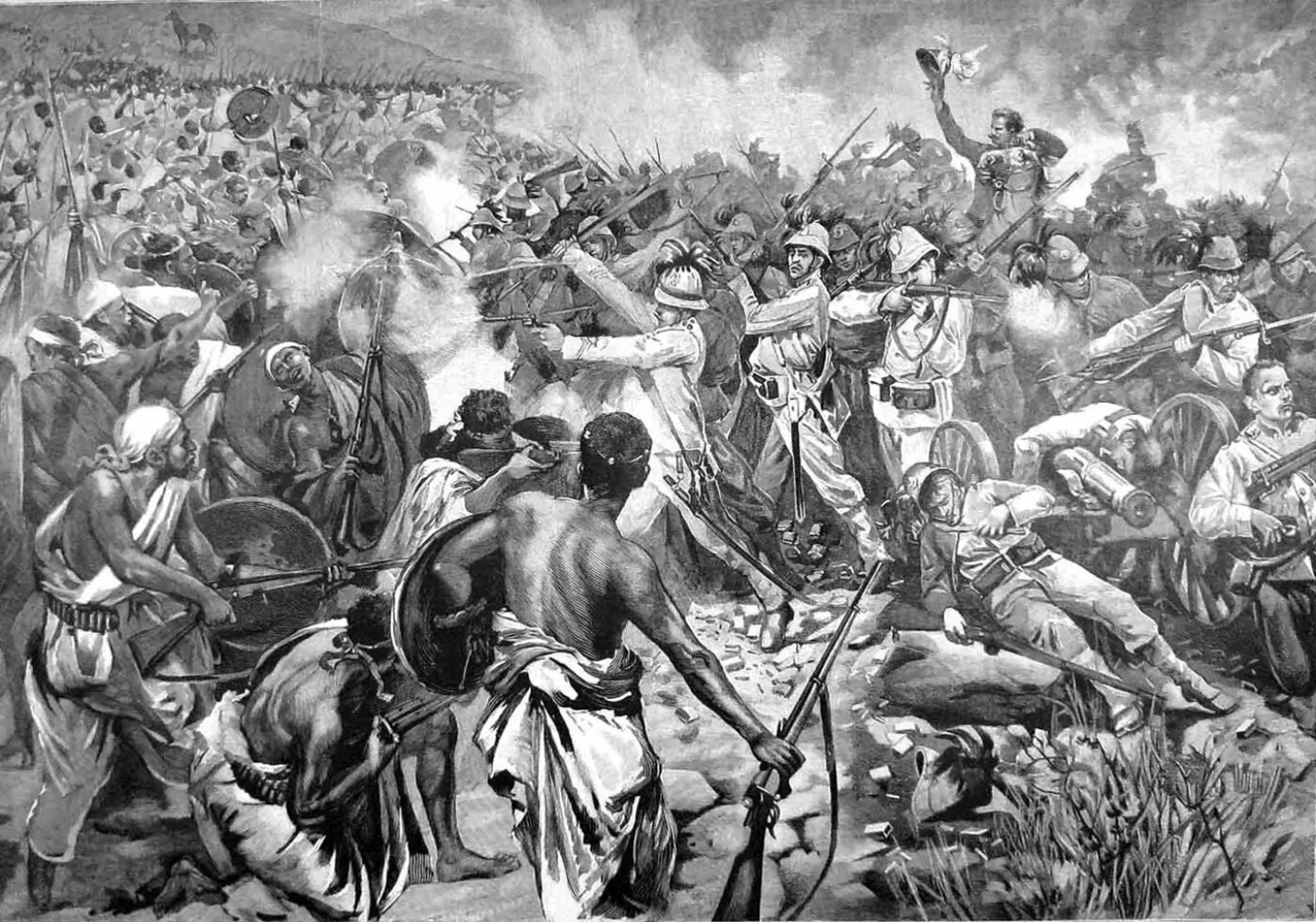
When a vastly superior Ethiopian army vanquished its Italian foes at the Battle of Adwa in 1896, history was made: Italy was forced to recognise Ethiopian independence, and it would be the only country not colonised in the Scramble for Africa. (Italy would return 40 years later and succeed, but was defeated five years later by the Allies in the East African campaign.)
Visitors can take battlefield tours of the site and visit the Victory Monument near the town of Adwa, located in Ethiopia’s far north, and also visit the Adwa Victory Memorial Museum and its adjacent park in the capital, Addis Ababa.
Southern Africa
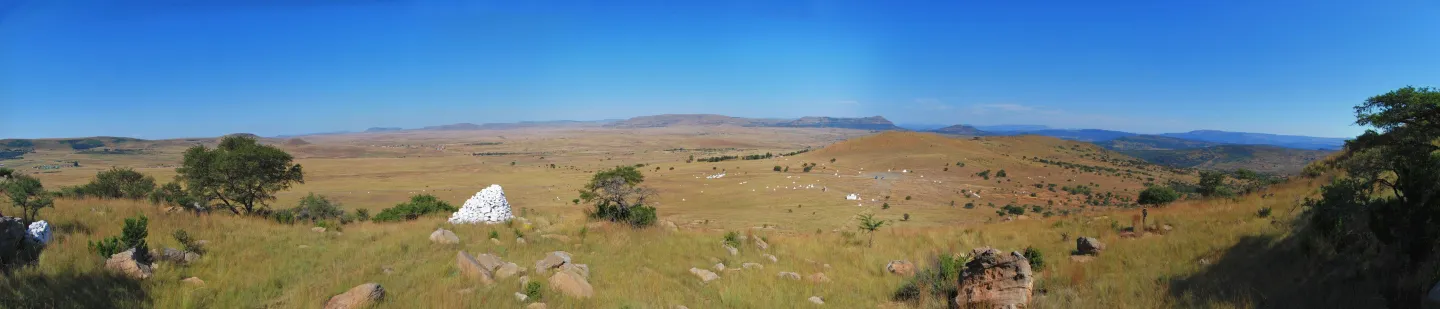
Isandlwana battlefield, South Africa
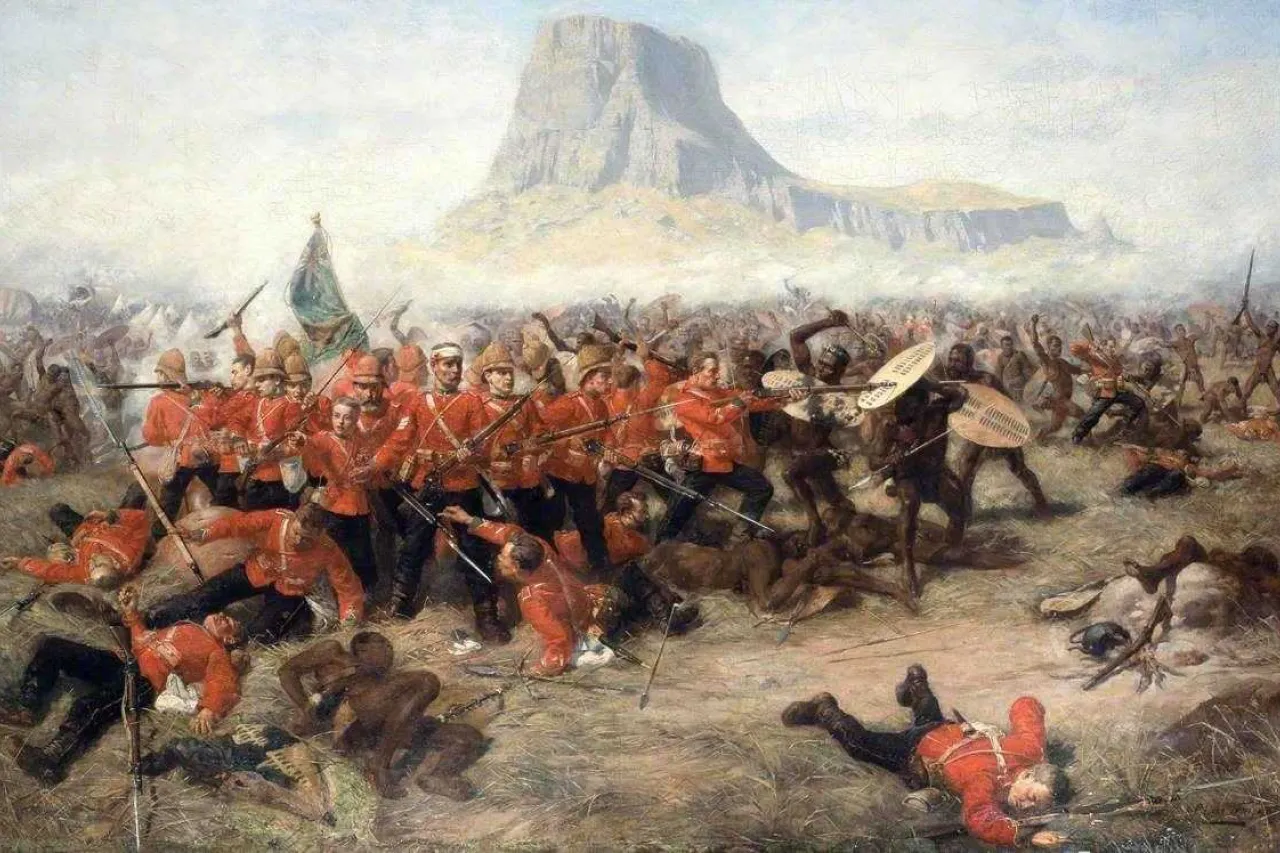
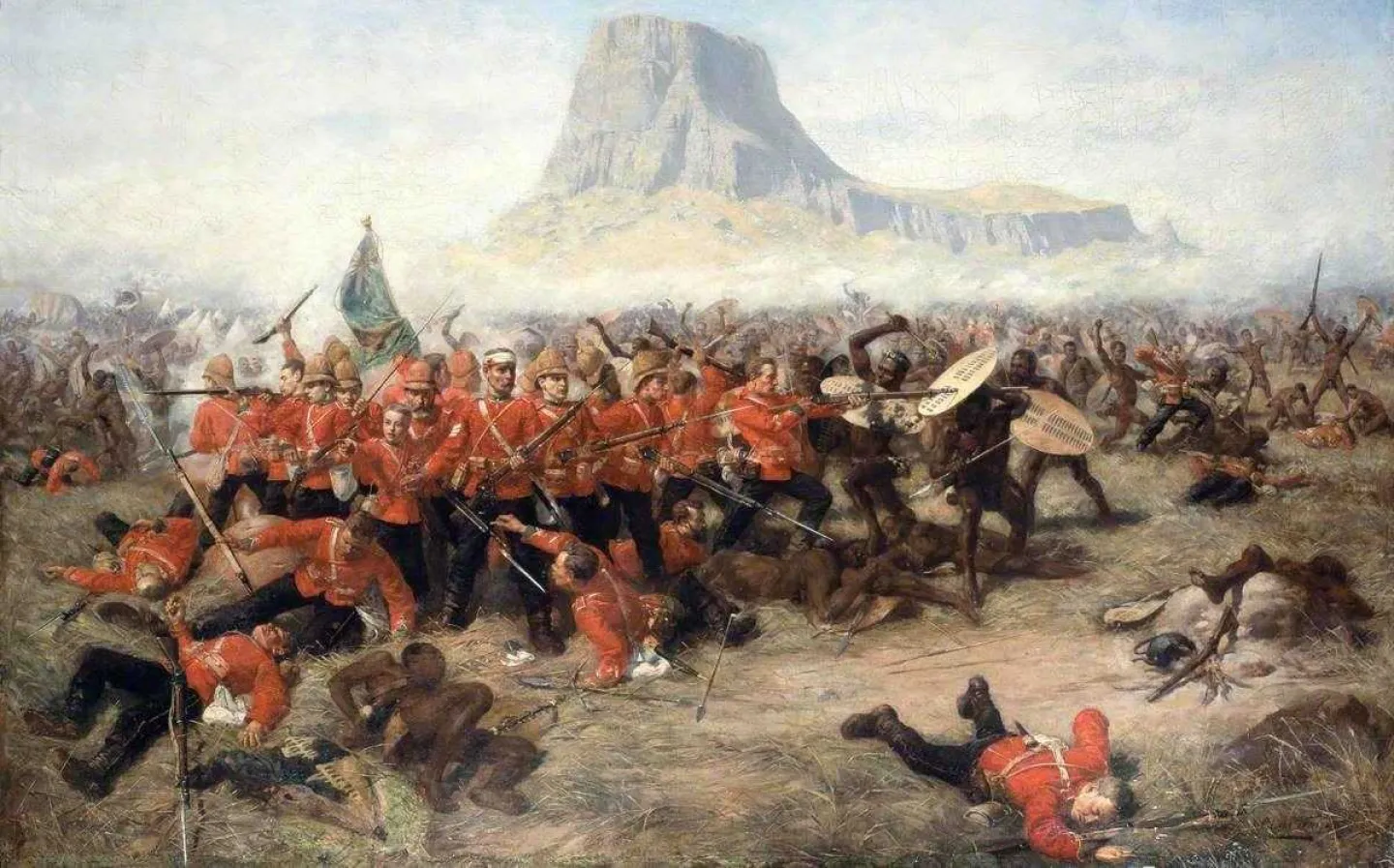
The annihilation of a better-armed but poorly organised British force by the impis of Zulu King Cetshwayo during the Anglo-Zulu War, on 22 January 1879, remains the most significant defeat the British Army has ever suffered against an indigenous army.
Nearby lodges and several tour options make this battlefield easily accessible to visitors, who can walk and drive through, or even experience it on horseback.
Castle of Good Hope, South Africa
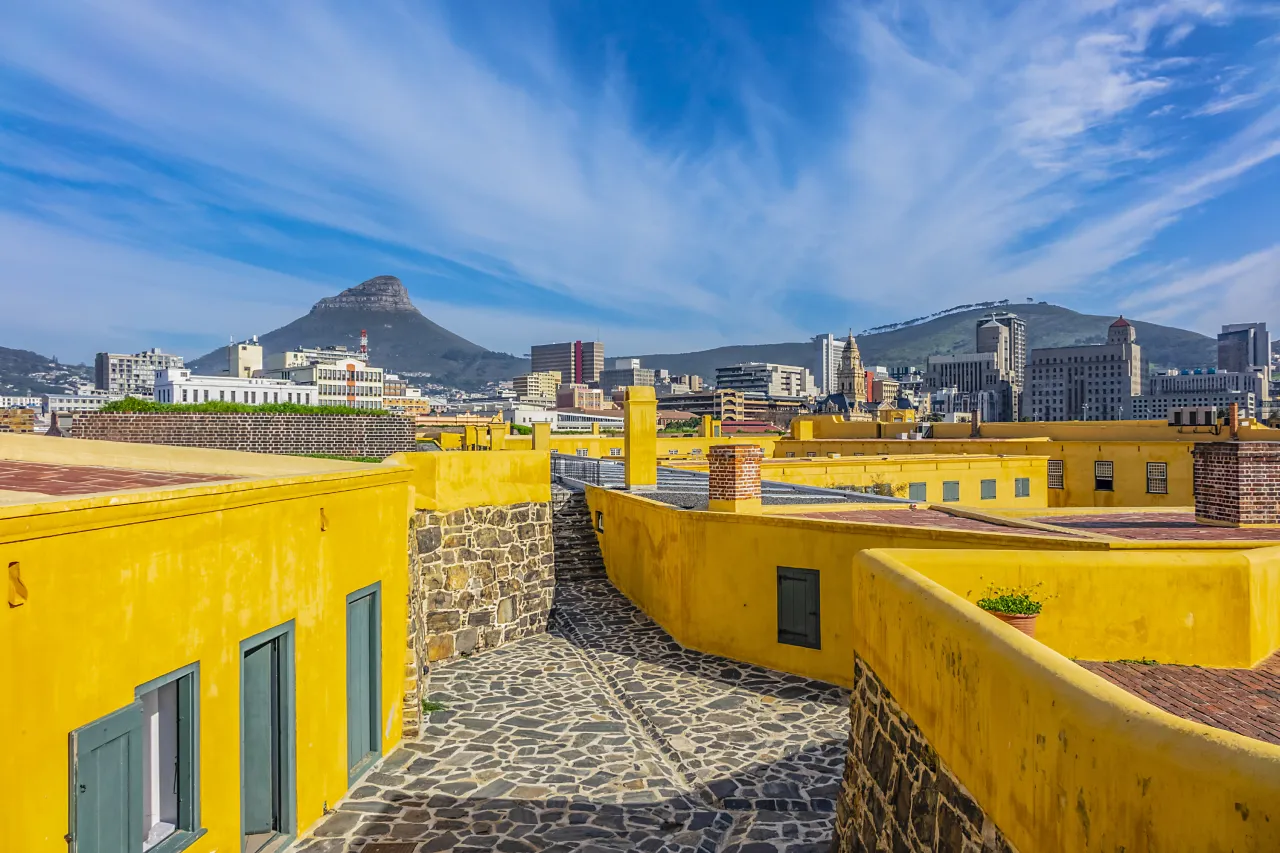
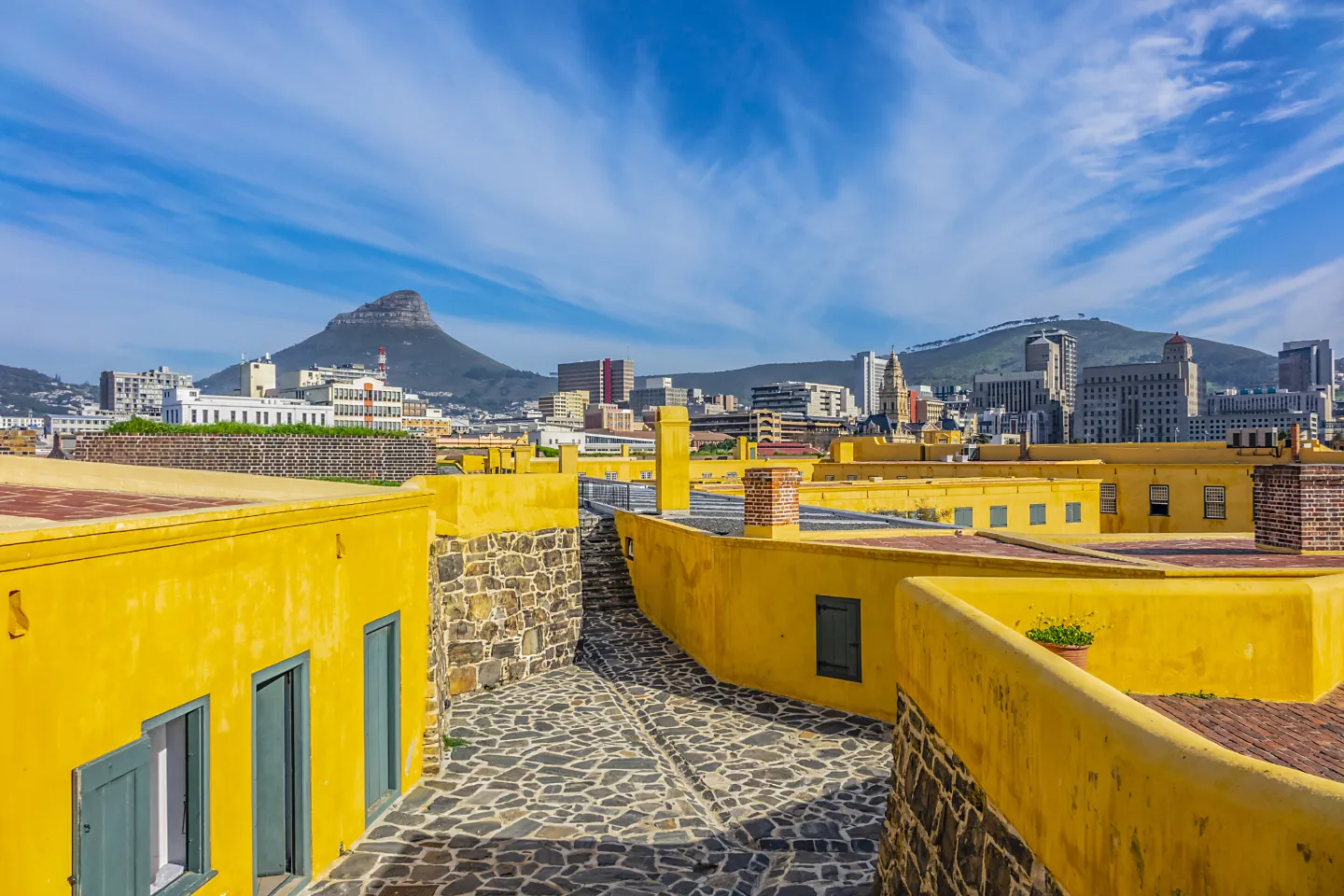
The oldest extant European building in South Africa, Cape Town’s 17th-century Castle of Good Hope is one of only three Milanese-designed, five-pointed star fortresses in the world. It is the centrepiece of an extensive system of fortifications around the Cape – but it never saw action (the British invasions of 1795 and 1806 were decided elsewhere).
Still a military headquarters, the Castle is nevertheless open to the public and tours can be taken of its battlements and dungeon, with the daily Key Ceremony parade, the William Fehr Collection of art and a military museum all worth experiencing.
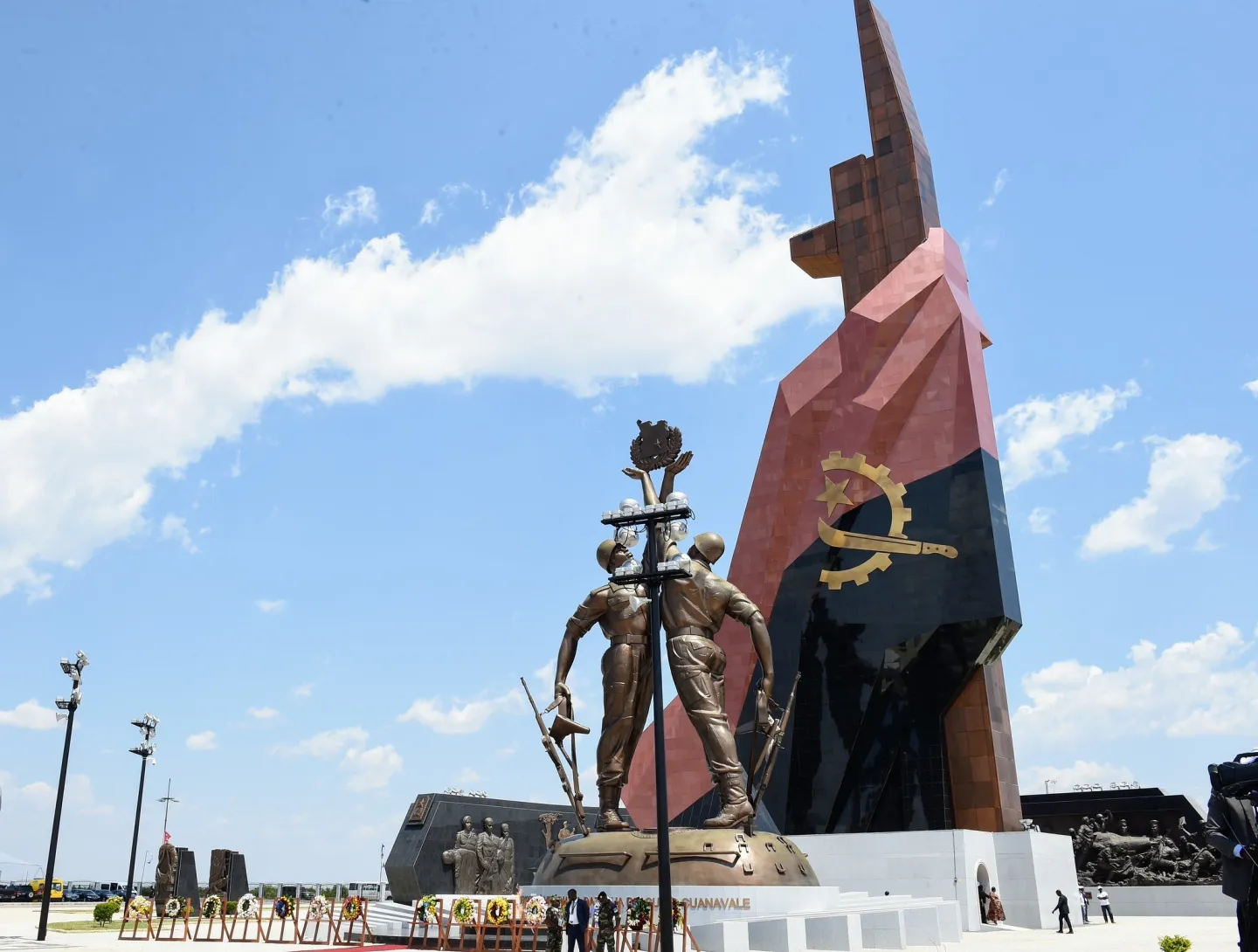
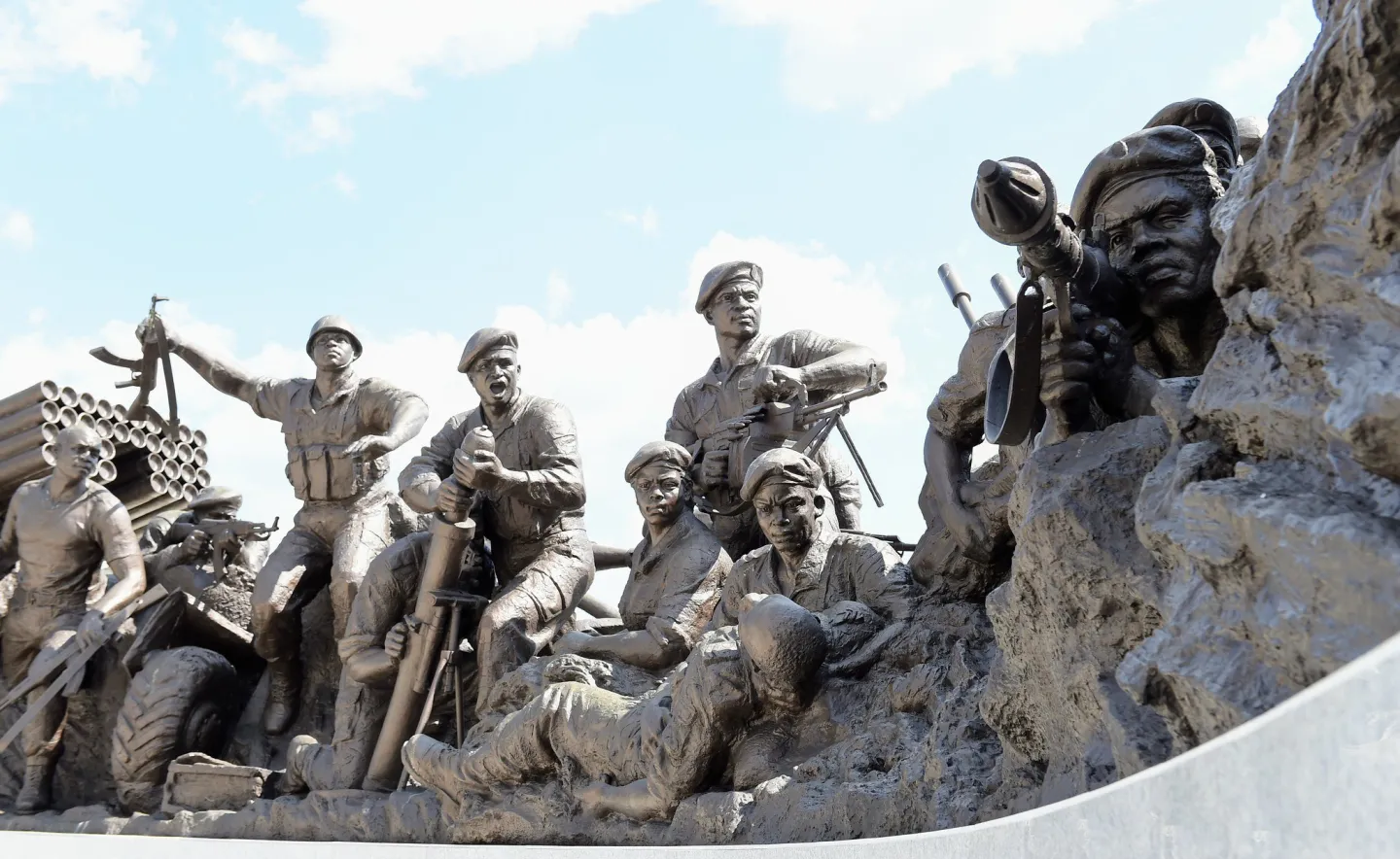
Cuito Cuanavale battlefield, Angola
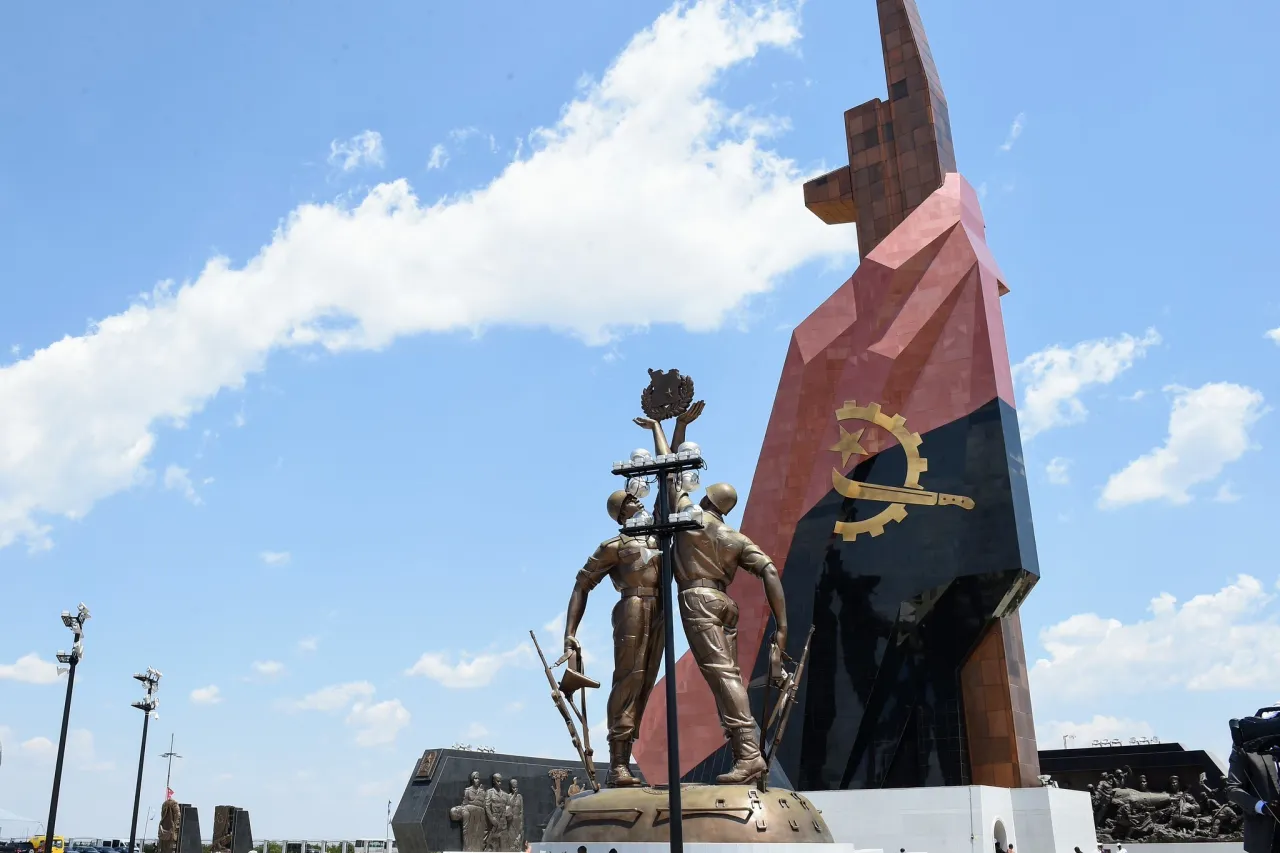
Actually a series of hard-fought clashes between August 1987 and March 1988, the Battle of Cuito Cuanavale was the biggest conventional battle on the African continent since the Second World War.
Involving the Angolan government and Cuban forces on one hand (alongside Soviet advisers), and Angolan UNITA, South African and Namibian forces on the other, the Battle of Cuito Cuanavale ended in a stalemate – but, most importantly, it precipitated peace talks that ultimately ended the 23-year Angolan War.
Visiting the greater battlefield is for the hardcore military history buff, however. The area remains heavily mined, but tours can be arranged, even with veterans of the battle.
Is it safe to visit these historical sites?
Most of the sites showcased in this article are easily accessible and safe to visit
However, the El Alamein and Cuito Cuanavale battlefields remain littered with landmines and unexploded ordnance, and should only be explored in safe areas with knowledgeable local guides.
The sites in Gondar and Adwa, Ethiopia, are currently in conflict zones and should be approached with caution. It is vital to monitor travel advisories about them and make appropriate travel arrangements.
If you’re interested in exploring any of the historical places mentioned in this article, or any others in Africa, contact your Your Africa Travel Architect to discuss this in more detail.


Related gallery