

Bwindi Impenetrable Forest National Park
Bwindi Impenetrable Forest National Park
Nature’s emerald cathedral
Peak time
June to August
Best time to visit
June to September and December to February (the two dry seasons)
Known for
Mountain gorilla tracking
Also known for
A UNESCO World Heritage Site for its exceptional biodiversity; the Batwa cultural experience
About the Bwindi Impenetrable Forest
The Bwindi Impenetrable Forest is an ancient place where mist clings to the steep hillsides and the air is thick with the scent of life.
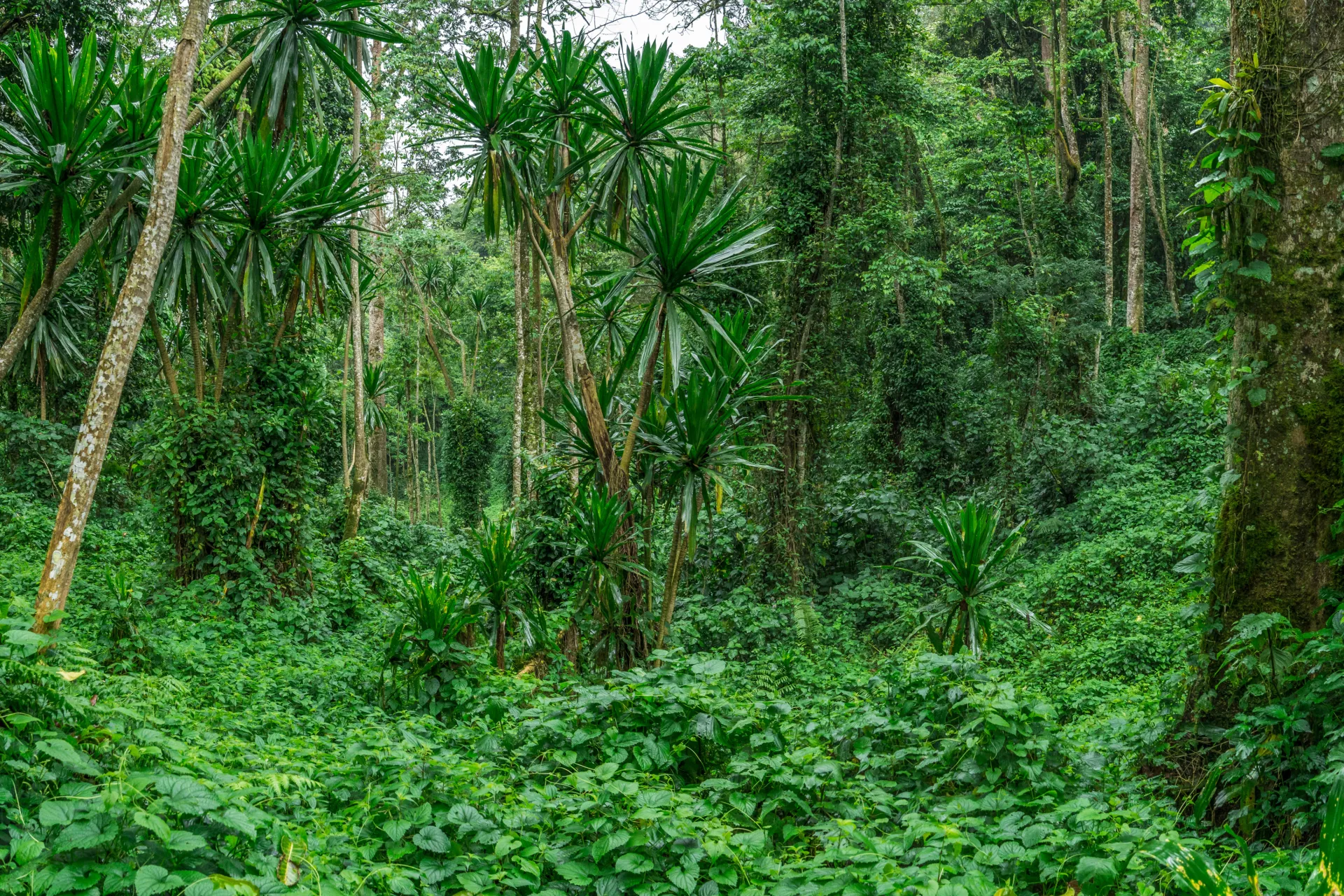
Its name is not a marketing gimmick; it is a literal description of the dense canopy and tangled undergrowth that make this jungle a true wilderness. This UNESCO World Heritage Site is one of Africa’s oldest and most biologically diverse rainforests.

Did you know
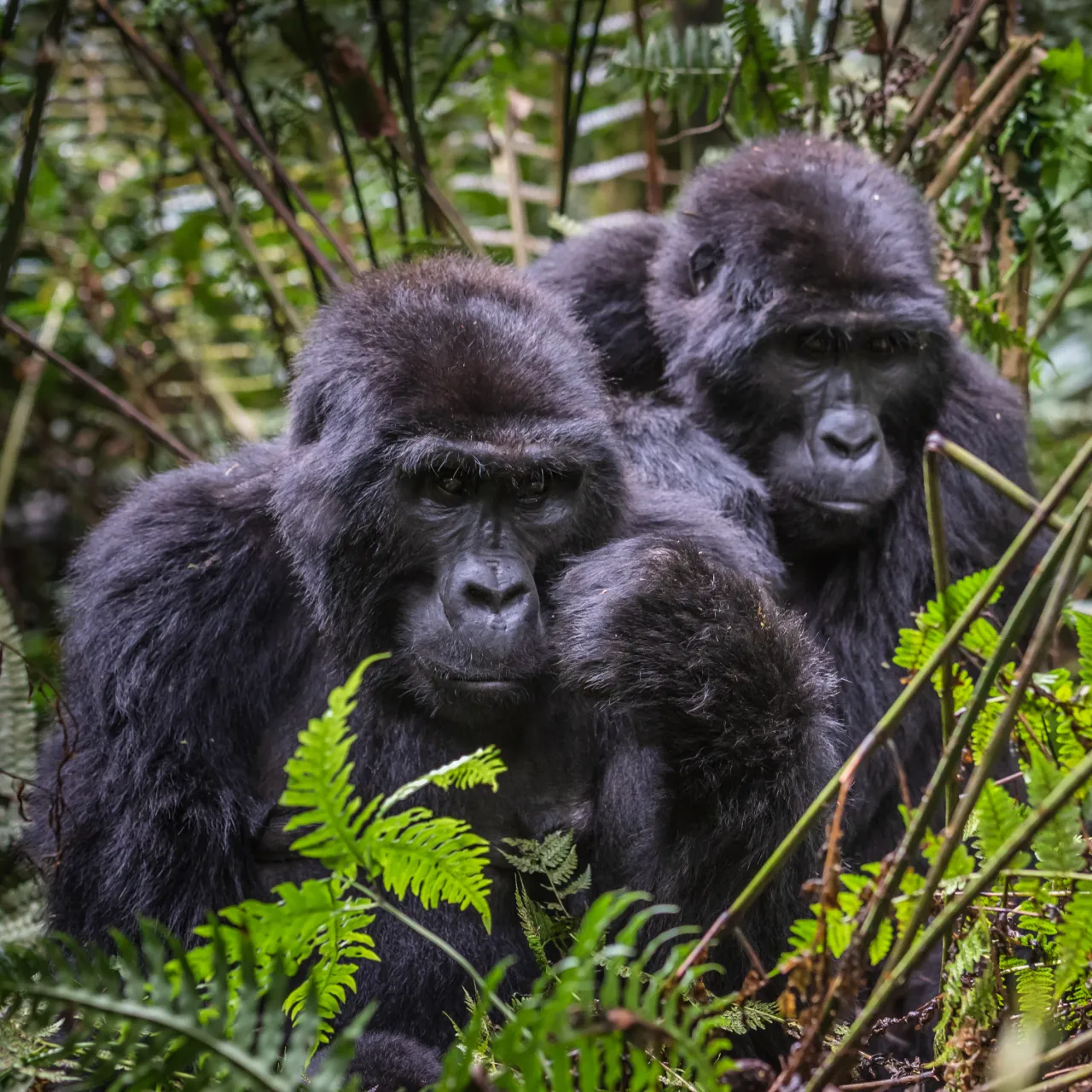
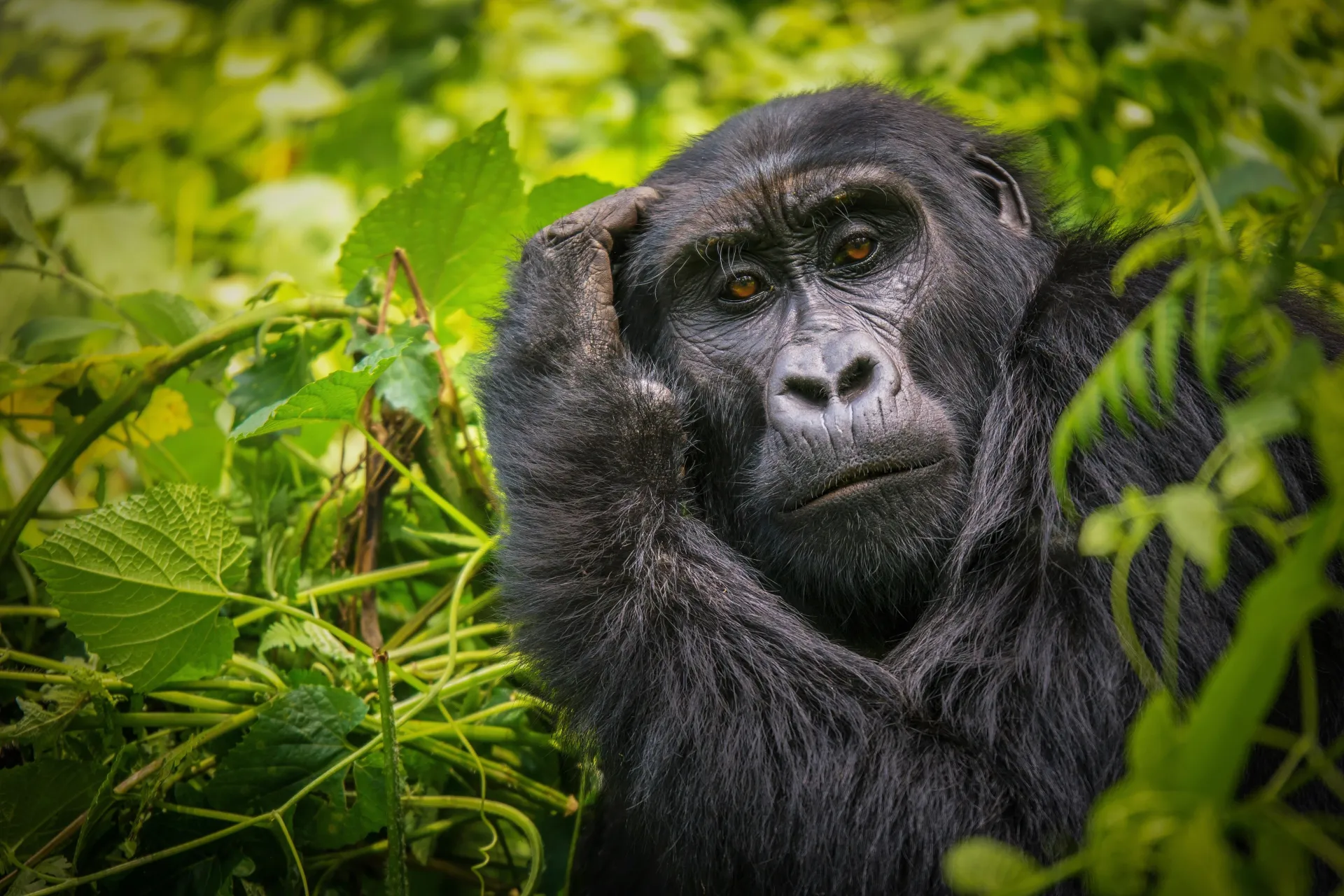
Bwindi is home to almost half of the world’s entire mountain gorilla population, making it the single most important sanctuary for this endangered species.
There’s a single, profound reason to journey here: to come face-to-face with a family of mountain gorillas. The trek to find them is an adventure in itself, a challenging journey through dense vegetation and up steep, muddy slopes. Led by expert trackers, you follow the subtle signs of the gorillas’ passage until you are ushered into their presence. To spend an hour quietly observing these gentle giants as they forage, play and interact is a deeply moving encounter that connects you to the very heart of the wild.
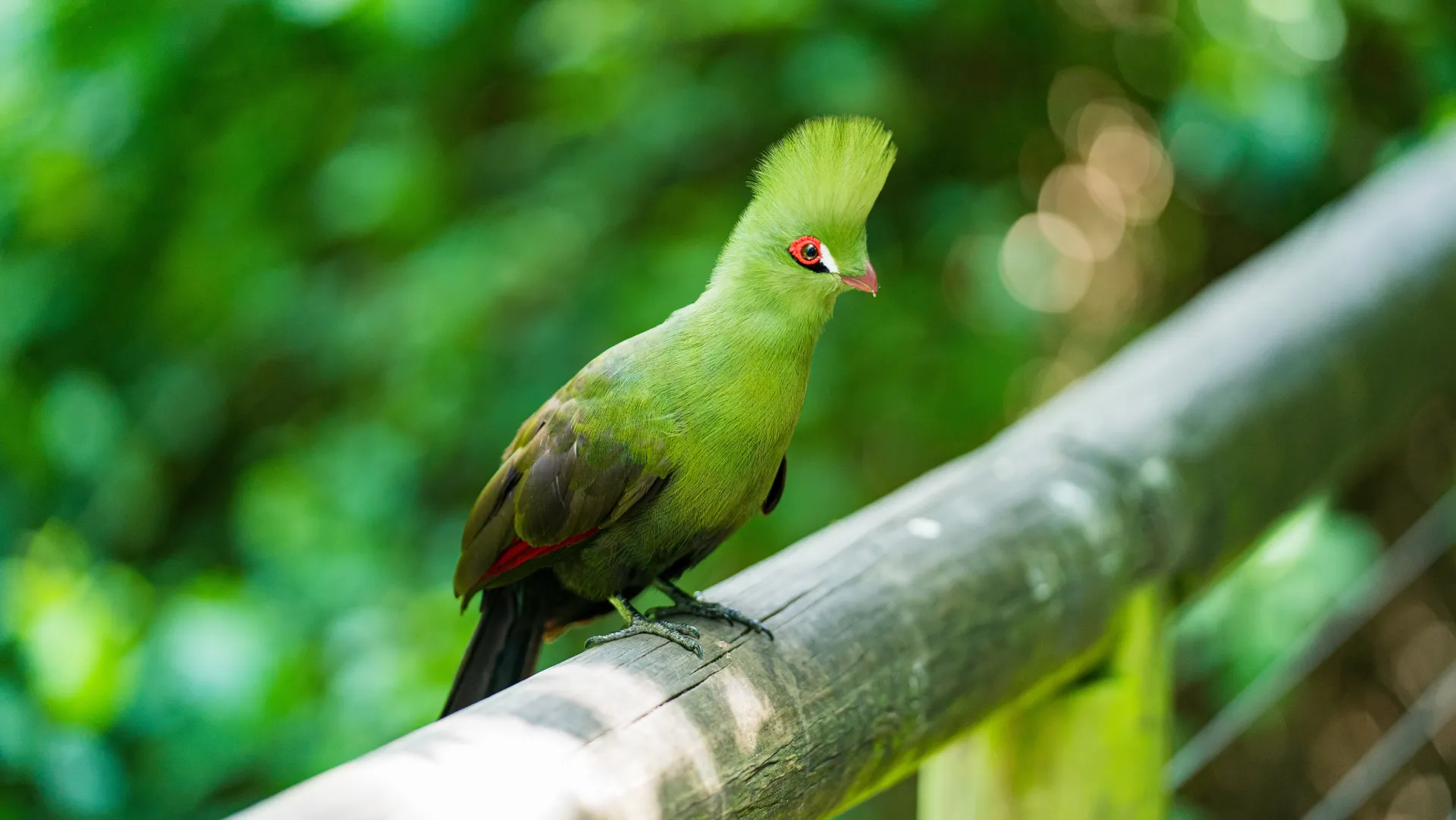
But Bwindi’s magic extends beyond its most famous residents. This ancient forest is a treasure trove of biodiversity, home to chimpanzees, colobus monkeys and hundreds of species of birds, butterflies and rare plants. It is also the ancestral home of the Batwa people, hunter-gatherers who have lived in harmony with the forest for millennia. A visit to Bwindi is not just a chance to see gorillas, it is an immersion in one of the planet’s most precious ecosystems.
Get to know the Bwindi Impenetrable Forest
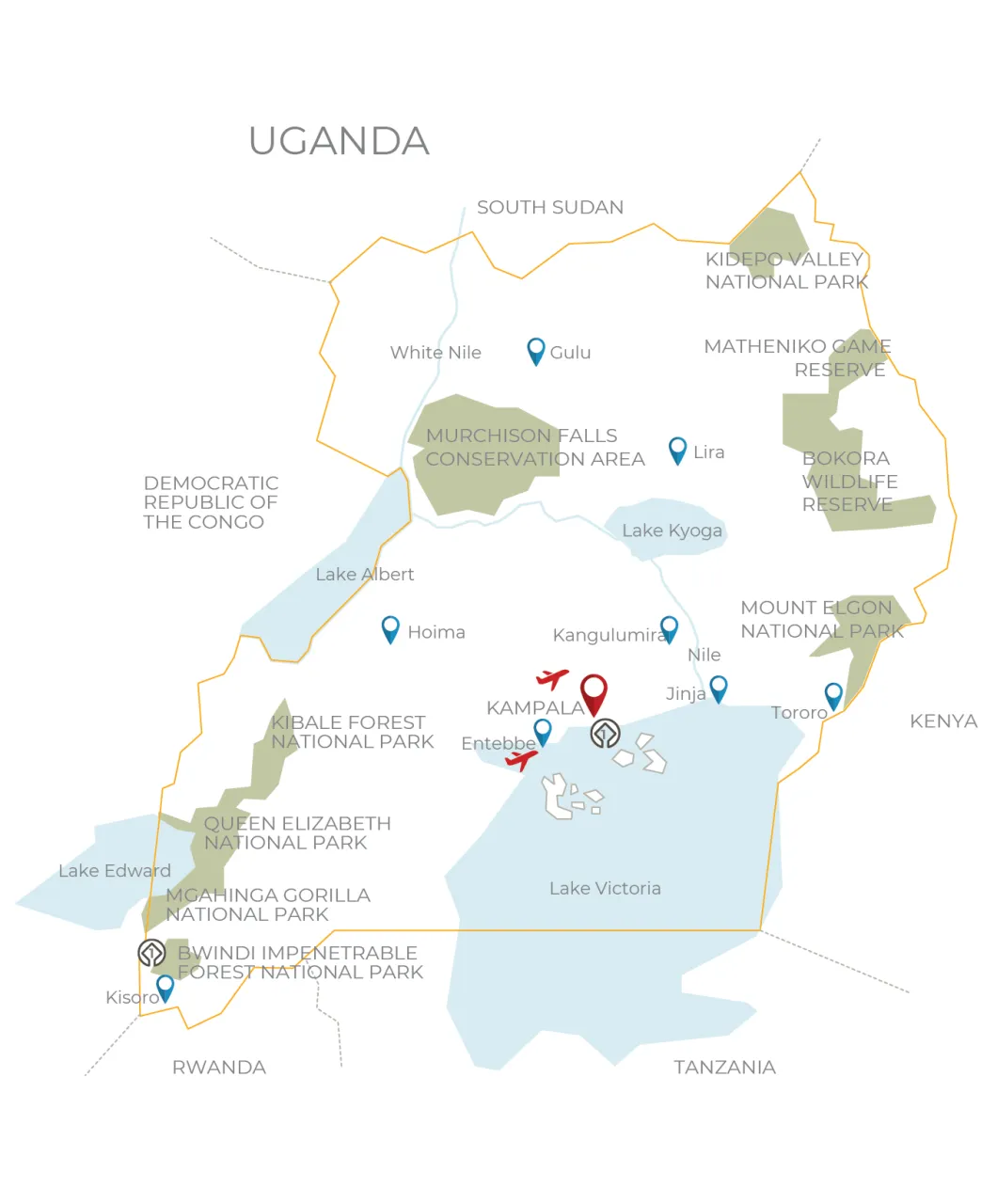
The gorilla trekking experience in Bwindi is highly structured to ensure the safety of both visitors and the gorillas. Your gorilla permit assigns you to one of the four sectors of the park (Buhoma, Ruhija, Rushaga or Nkuringo). On the morning of your trek, you will be allocated to a specific habituated gorilla family and briefed on safety protocols. The trek can range from a relatively easy one-hour walk to a strenuous all-day hike, depending on where the gorillas are located.
The park’s conservation model is deeply intertwined with the local community. A significant portion of the revenue from gorilla permits is invested back into community projects. Hiring a local porter is highly encouraged; not only will they make your trek significantly easier by carrying your bag and helping you navigate difficult terrain, but the fee you pay provides a vital direct income for local families.
History
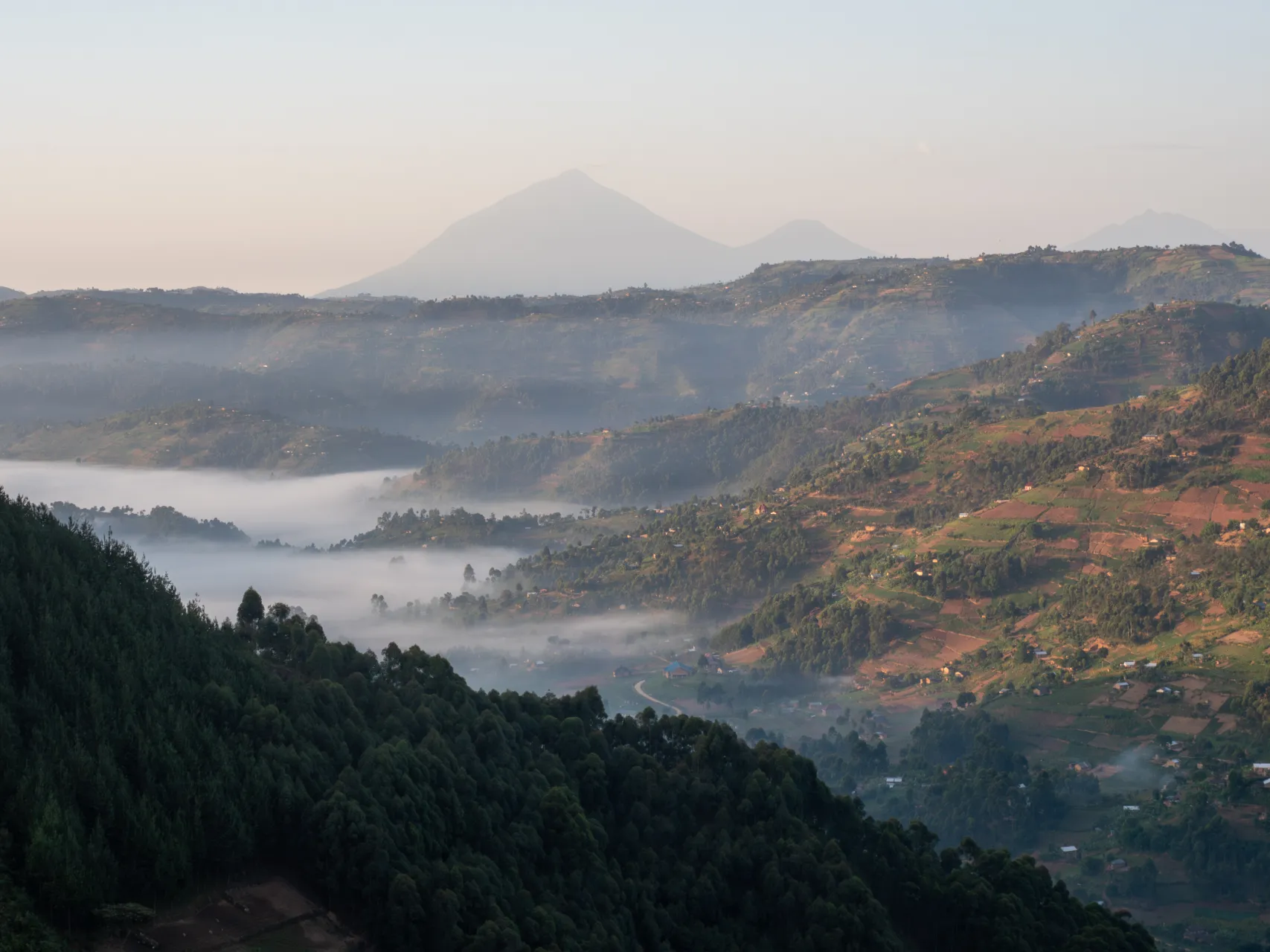
Bwindi is an ancient forest, a rare island of biodiversity that survived the climatic shifts of the last ice age, making it one of the most diverse forests in East Africa. For millennia, this forest was the domain of Batwa hunter-gatherers, who lived a sustainable, low-impact life, using their deep knowledge of the forest for shelter, food and medicine without depleting its resources.
The modern conservation history began in 1991, when the area was gazetted as the Bwindi Impenetrable Forest National Park to protect the critically endangered mountain gorilla. The first gorilla families were habituated for tourism in 1993, creating a new economic model that tied the gorillas’ survival to the region’s prosperity. This transition also involved the sensitive and complex process of resettling the Batwa people outside the park boundaries, an ongoing story of balancing cultural heritage with conservation imperatives.
More unforgettable activities
Turtle egg laying and hatching

Traditional Bo-Kaap cooking experience
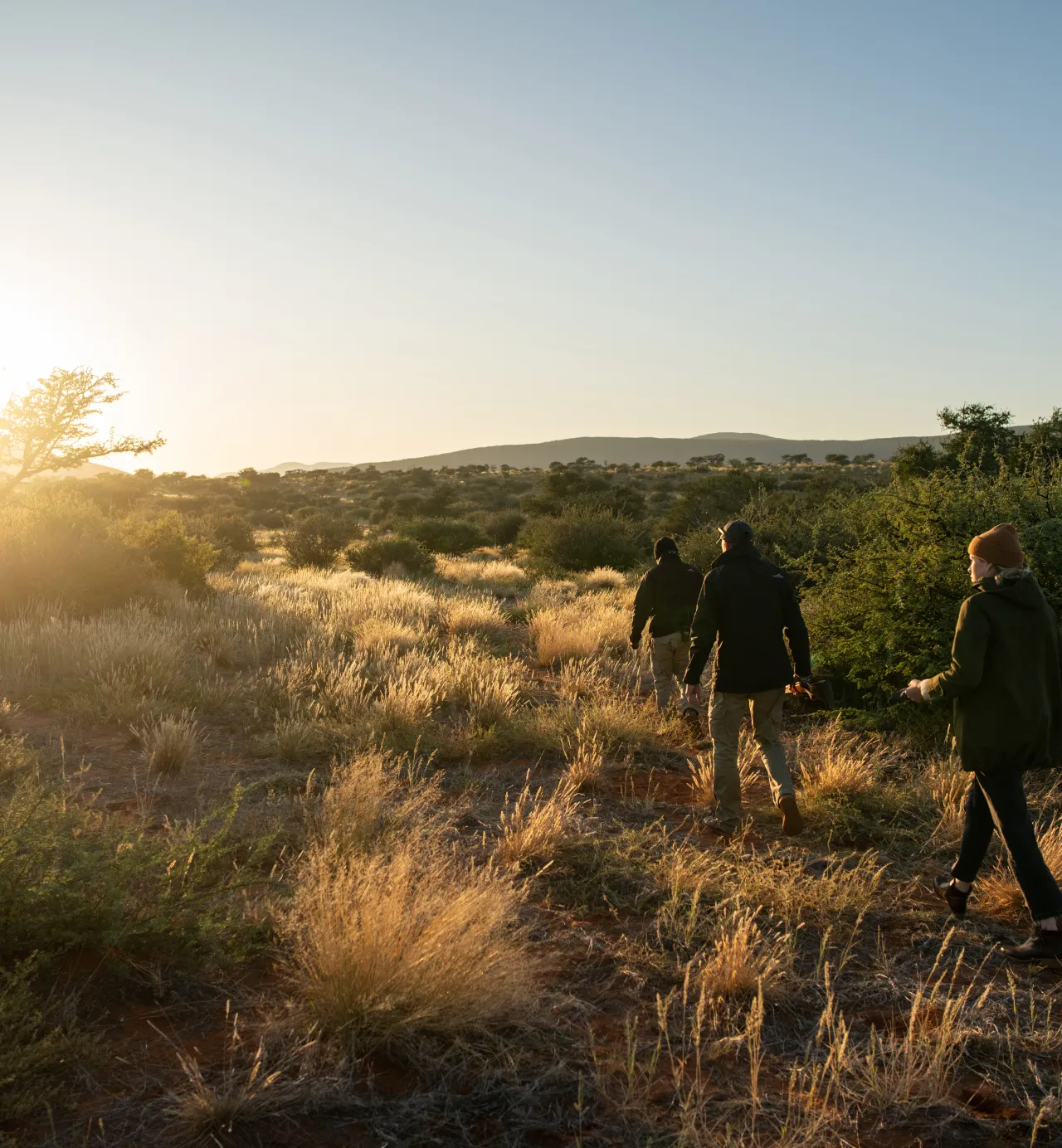
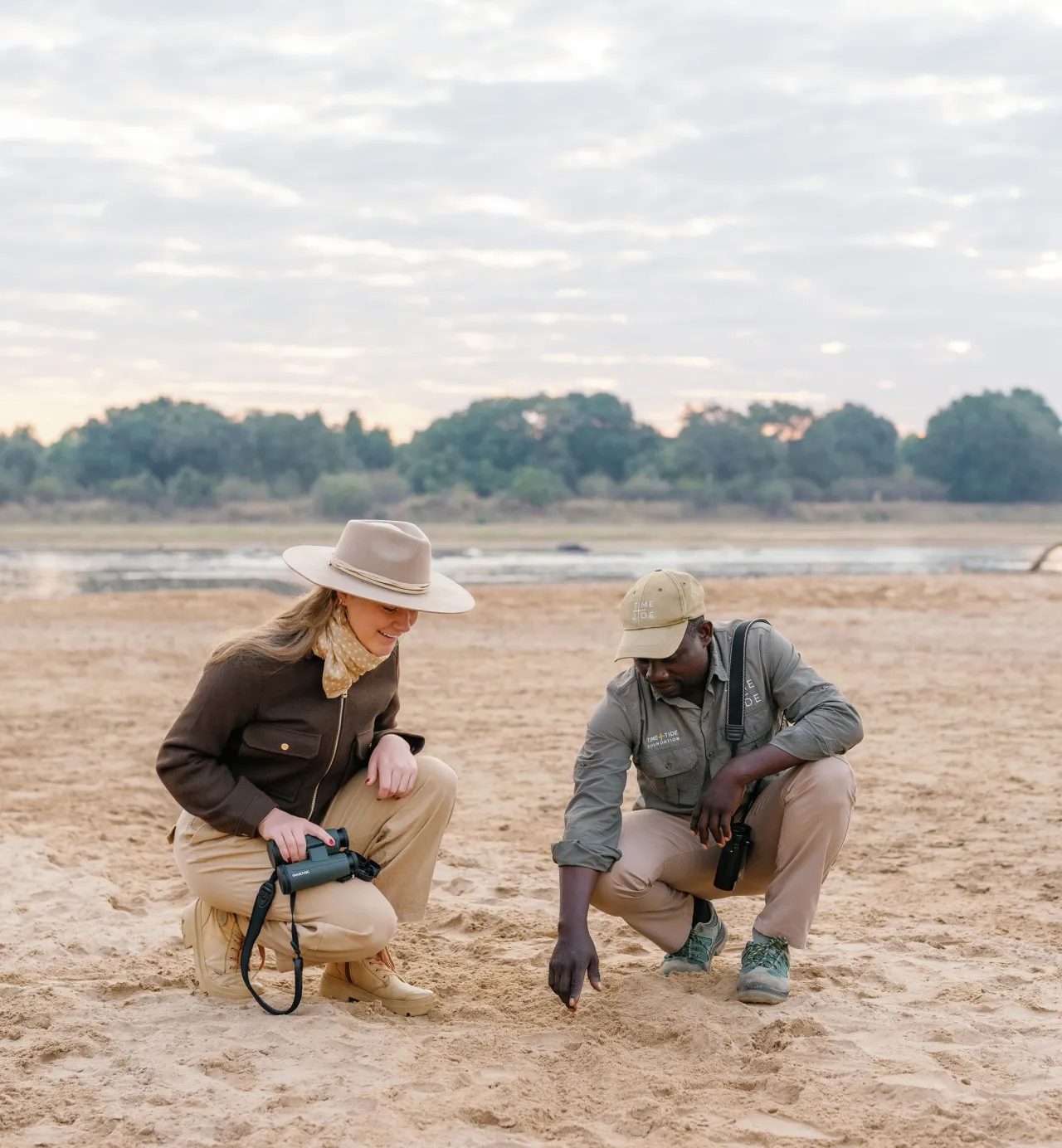
Tracking Africa’s most elusive species on foot
SkyBoma, Etosha
Rhino darting and chipping experience
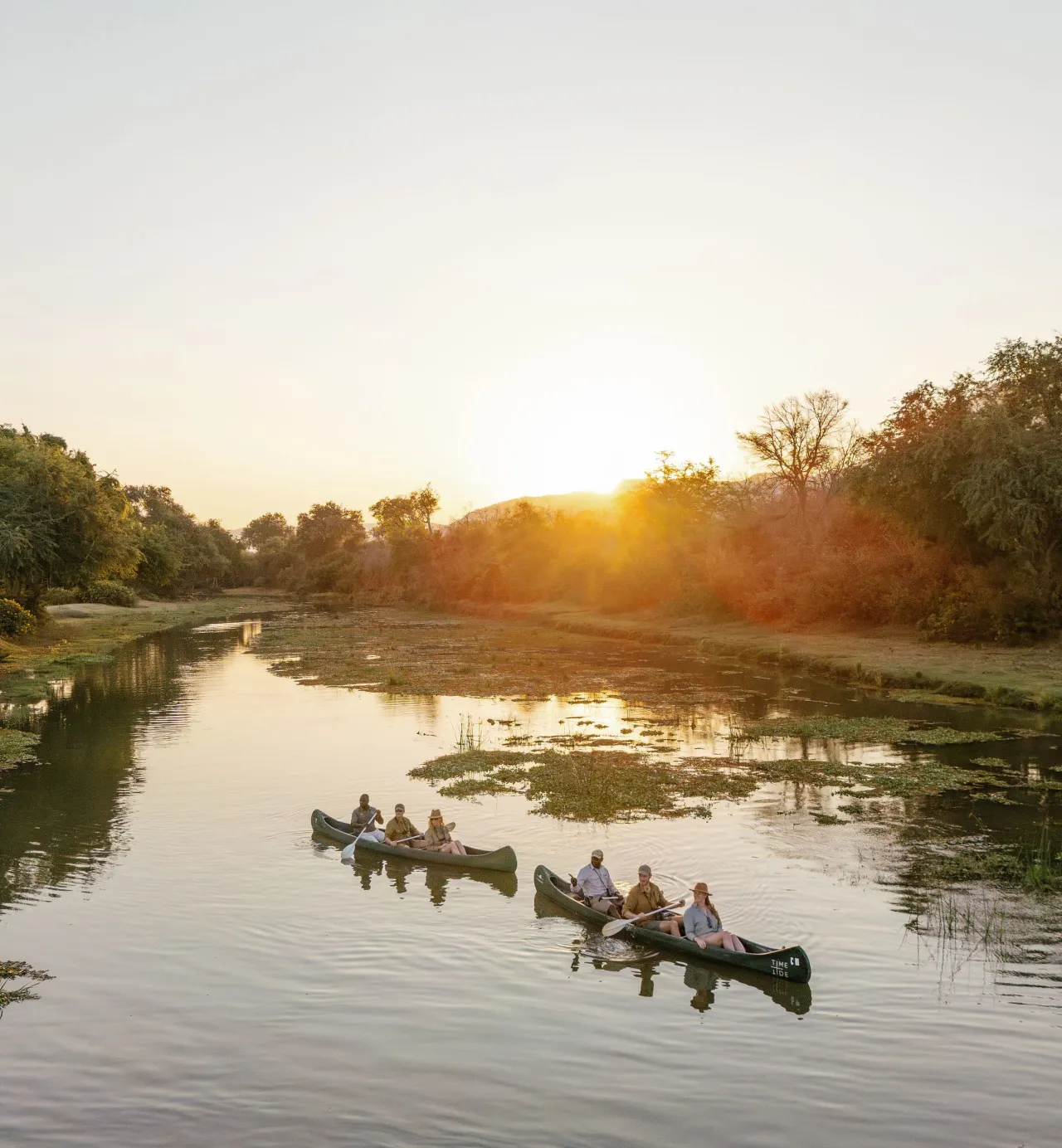
Picnicking on islands in the Zambezi
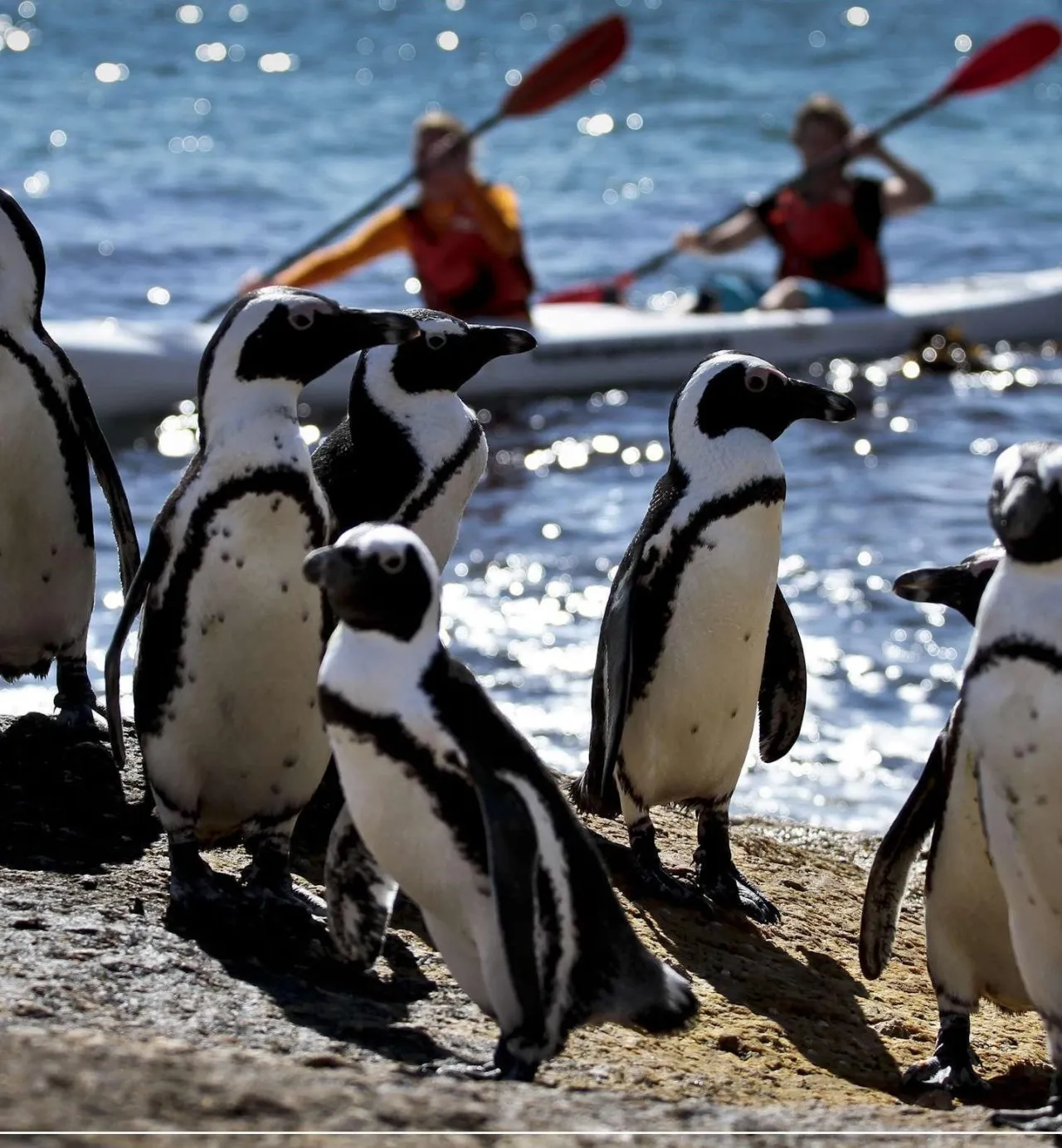
Paddle with penguins
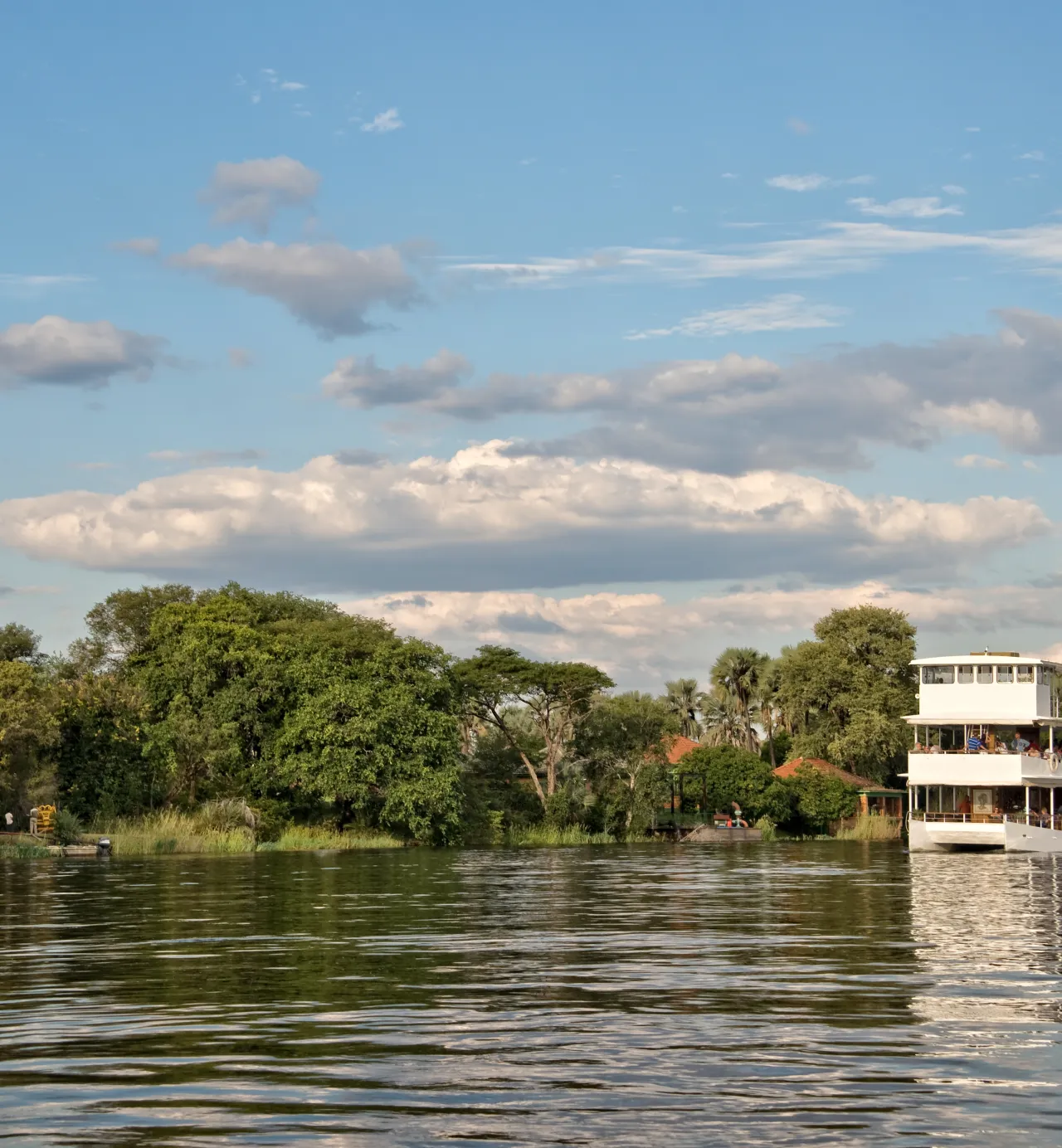
Live-aboard luxury Zambezi safari
Hiking Table Mountain with a botanist or forager

Voices of our guests
Bwindi Impenetrable Forest FAQs
The dry seasons, from June to September and December to February, are best. The trails are less muddy and slippery, making the trek more manageable. However, trekking is possible year-round.
The difficulty varies greatly, from a relatively short one-hour walk to a very strenuous six- to eight-hour hike through steep, dense and muddy terrain. Your fitness level will be considered when assigning you to a group, but you should be prepared for a challenge.
While not 100% guaranteed, your chances are extremely high (over 99%). Expert trackers head out at dawn to locate the gorilla families before your trek begins, so your guide knows where to lead you.
Permits must be booked far in advance through the Uganda Wildlife Authority or a reputable tour operator. They are strictly limited and sell out months, sometimes over a year, ahead of time. Your Travel Architect will assist you with this process.
Essential items include sturdy waterproof hiking boots with good grip, long trousers, a long-sleeved shirt, a lightweight rain jacket and gardening gloves to protect your hands. Pack at least one to two litres of water and a packed lunch.
To minimise disturbance, the time spent with the gorilla family once you find them is strictly limited to one hour.
Yes. Although it is at a high altitude, Bwindi is in a malaria-risk zone. It is essential to consult your doctor about appropriate anti-malarial medication.
The minimum age for gorilla trekking in Uganda is 15. This rule is strictly enforced.
Hiring a porter is highly recommended. They will carry your daypack and provide invaluable assistance on steep and slippery sections of the trail. The fee you pay provides a direct and vital income for a local community member.
There is no single “best” sector. Buhoma is the oldest and most developed. Ruhija is at a higher altitude and good for birding. Rushaga has the highest number of gorilla families. Your choice will often depend on your accommodation preference and permit availability.
