

Cape Town
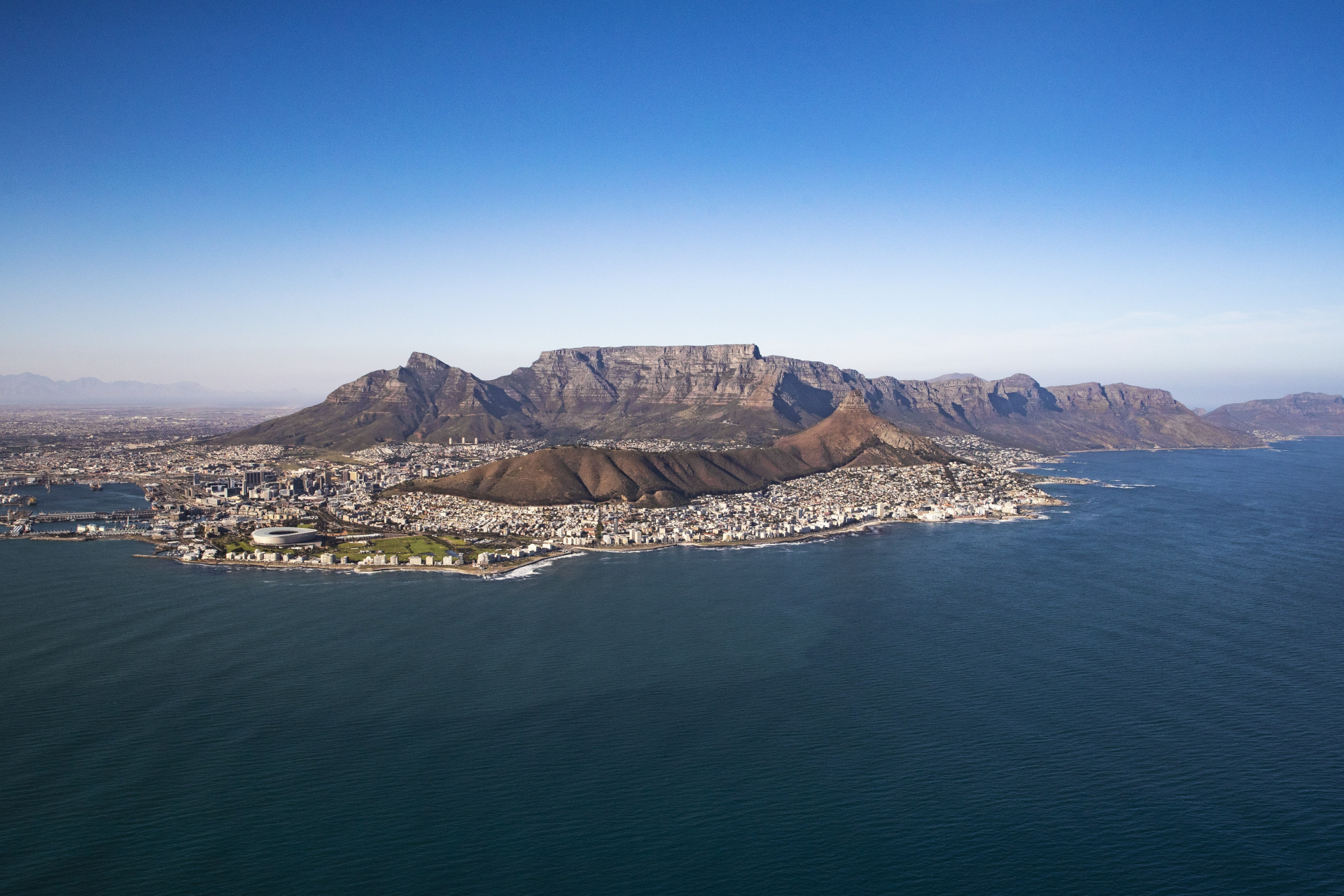
Cape Town
Come home to the Mother City
Peak time
December to February
Best time to visit
September to April (spring and summer months)
Known for
The iconic Table Mountain; its spectacular natural beauty
Also known for
Being a vibrant, multicultural city; the V&A Waterfront
About Cape Town
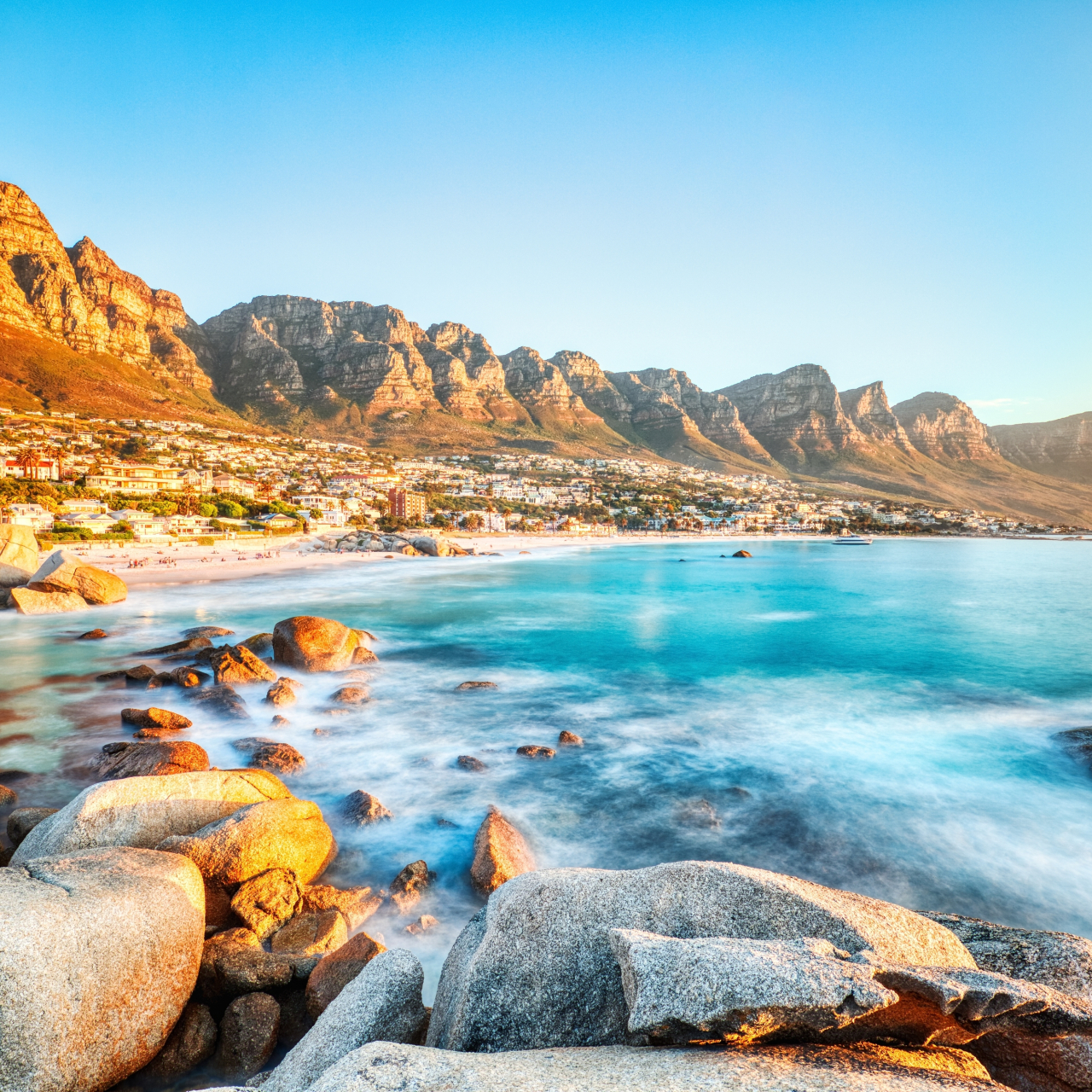
Cape Town is a city of natural drama, a place where a rugged mountain chain crashes into a turquoise coastline. Known as the “Mother City”, it is South Africa’s oldest and most beautiful urban centre, a metropolis that lives and breathes in the arms of its magnificent natural setting. The iconic, flat-topped Table Mountain is its heart, a colossal sandstone presence that watches over a city blessed with world-class beaches, renowned vineyards and a complex history.
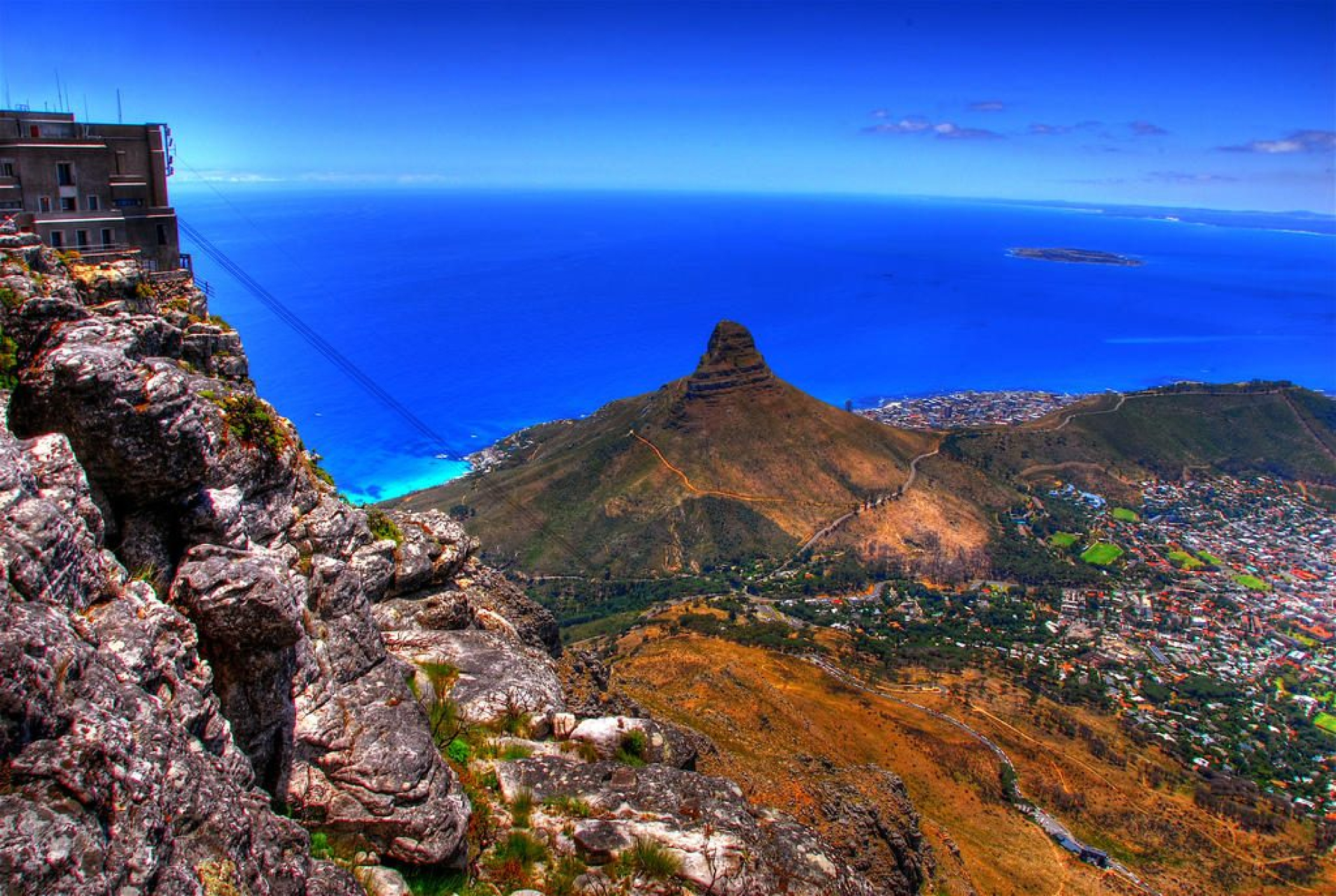
Cape Town offers a thrilling fusion of outdoor adventure and cosmopolitan culture. You can spend your morning hiking to the summit of Lion’s Head for panoramic views, your afternoon sampling award-winning wines in a historic estate, and your evening enjoying world-class cuisine at a bustling waterfront restaurant. It is a city of myriad possibilities, where you can kayak with dolphins, meet a colony of African penguins, or simply find a perfect spot to watch a fiery sunset over the Atlantic.

Did you know
Table Mountain is one of the oldest mountains in the world, estimated to be six times older than the Himalayas
But Cape Town’s beauty is matched by its deep cultural soul. It is a city shaped by centuries of history, a melting pot of cultures that has created a vibrant, one-of-a-kind social fabric. From the colourful houses of the Bo-Kaap to the poignant history of Robben Island, Cape Town is a place that engages the heart and intellect as much as it dazzles the eye. It is, without question, one of the most beautiful and compelling cities on Earth.
Get to know Cape Town
Cape Town’s layout is an interplay of mountain and sea. The City Bowl, the central business and cultural hub, is a natural amphitheatre cradled by Table Mountain, Lion’s Head, Signal Hill and Devil’s Peak. From here, the city fans out into distinct neighbourhoods, each with its own character. The Atlantic Seaboard, with its glamorous suburbs of Clifton and Camps Bay, is famous for its stunning beaches and vibrant nightlife.
The Southern Suburbs are leafy and established, home to the Kirstenbosch National Botanical Garden and the historic Constantia winelands. The False Bay coastline offers a more relaxed, bohemian vibe with its string of charming coastal villages, such as Kalk Bay and Simon’s Town. Getting around is best done by rental car, which offers the freedom to explore the city’s diverse attractions.
History
The history of Cape Town is the story of South Africa itself. For millennia, the land was home to the indigenous Khoe and Bushman peoples. Everything changed in 1652, when Jan van Riebeeck arrived on behalf of the Dutch East India Company to establish a refreshment station for ships sailing to the East. This small settlement grew into a colony, a melting pot of European settlers, enslaved people from across Africa and Asia, and indigenous communities.
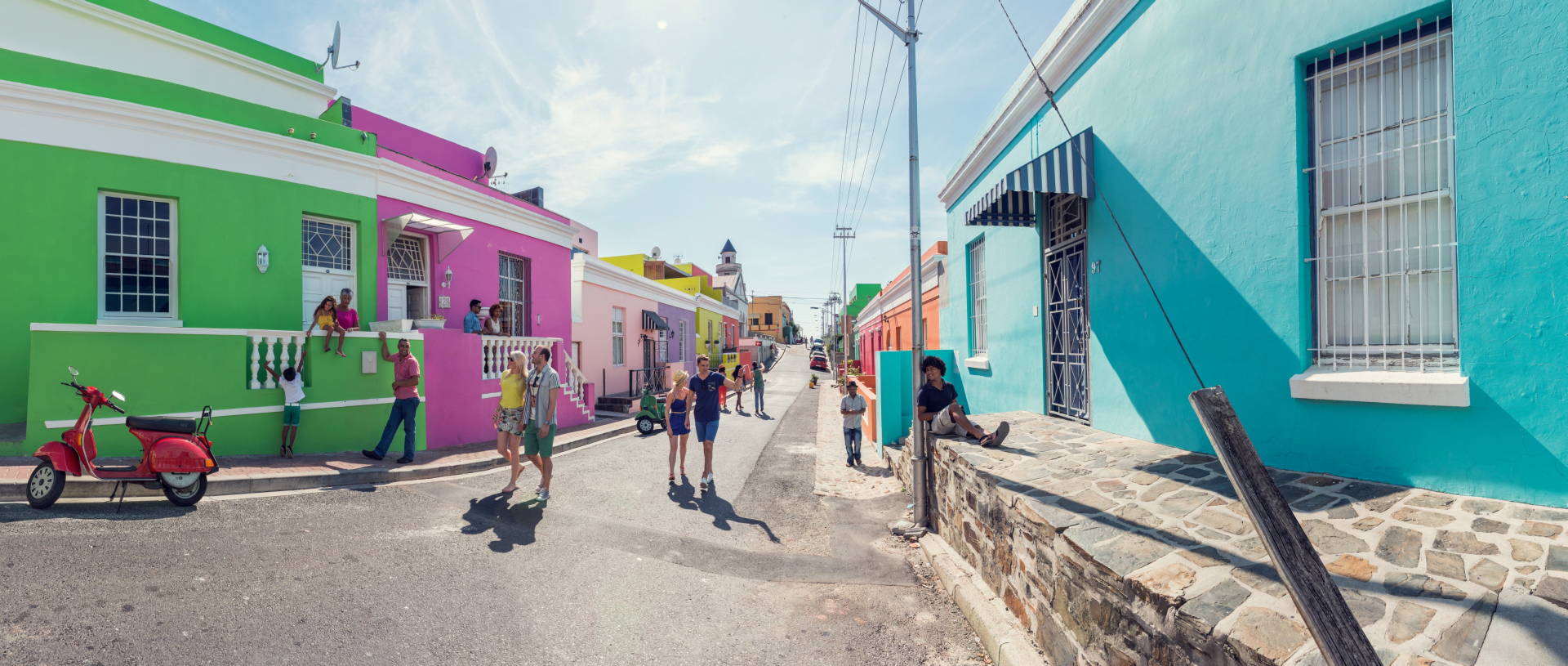
This complex and often painful history is visible everywhere in the city. It is in the architecture of the Castle of Good Hope, the colourful homes of the Bo-Kaap built by the descendants of slaves, and most poignantly, in the windswept isolation of Robben Island, where Nelson Mandela and other political prisoners were incarcerated during the apartheid era. Today Cape Town is a vibrant, multicultural city that continues to grapple with and celebrate its rich and complex past.
More unforgettable activities
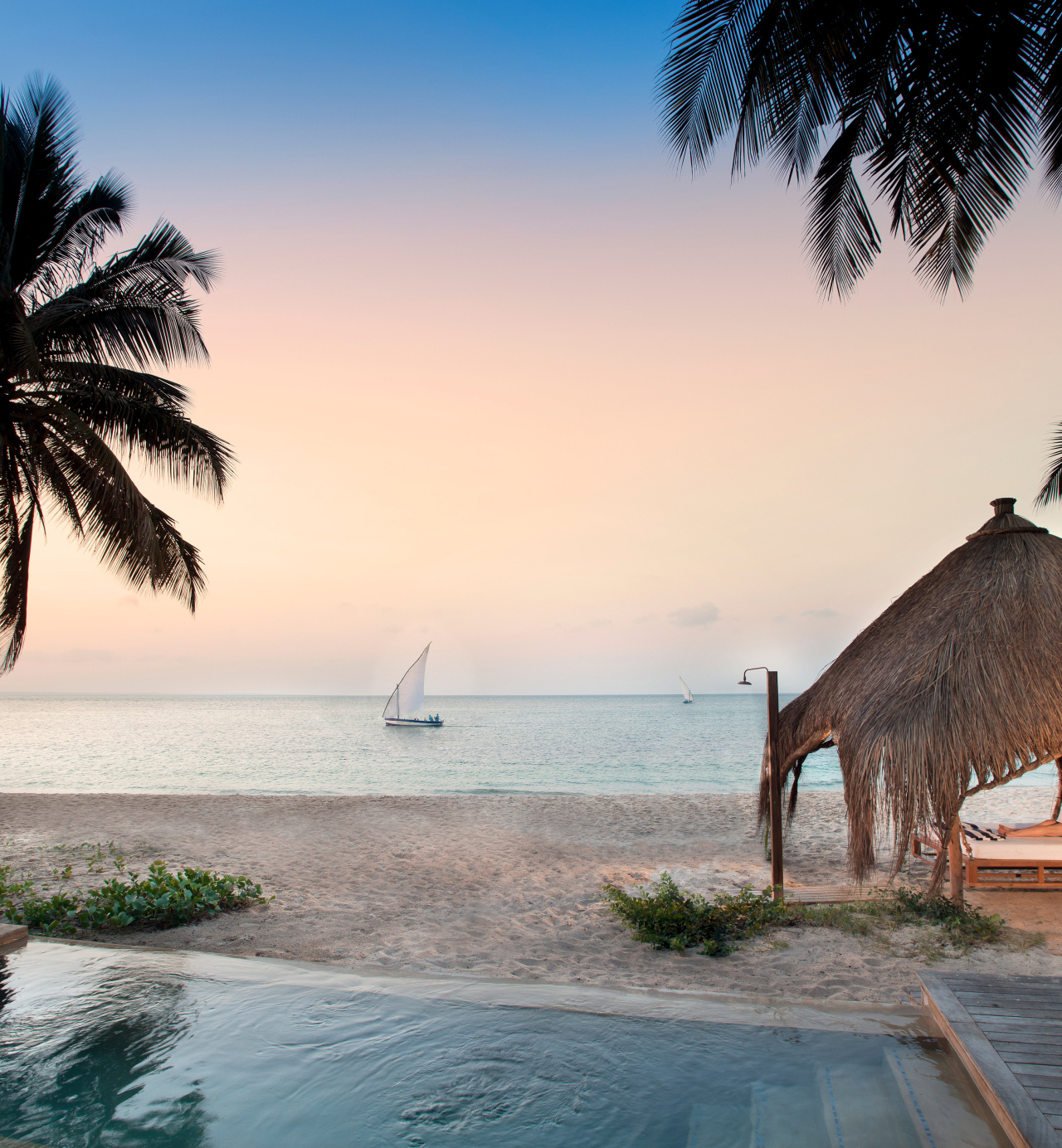
Turtle egg laying and hatching

Traditional Bo-Kaap cooking experience
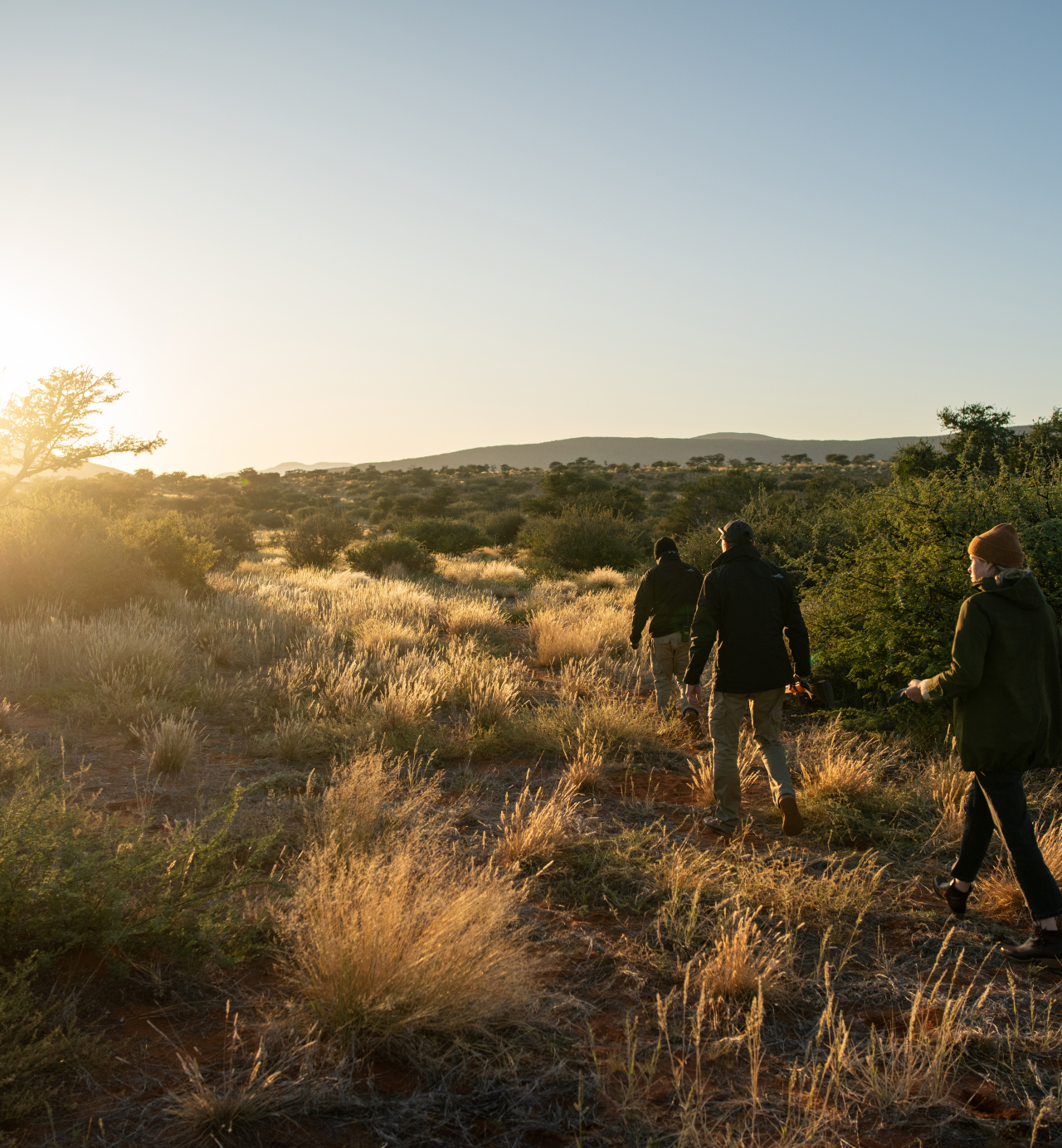
Tracking Africa’s most elusive species on foot
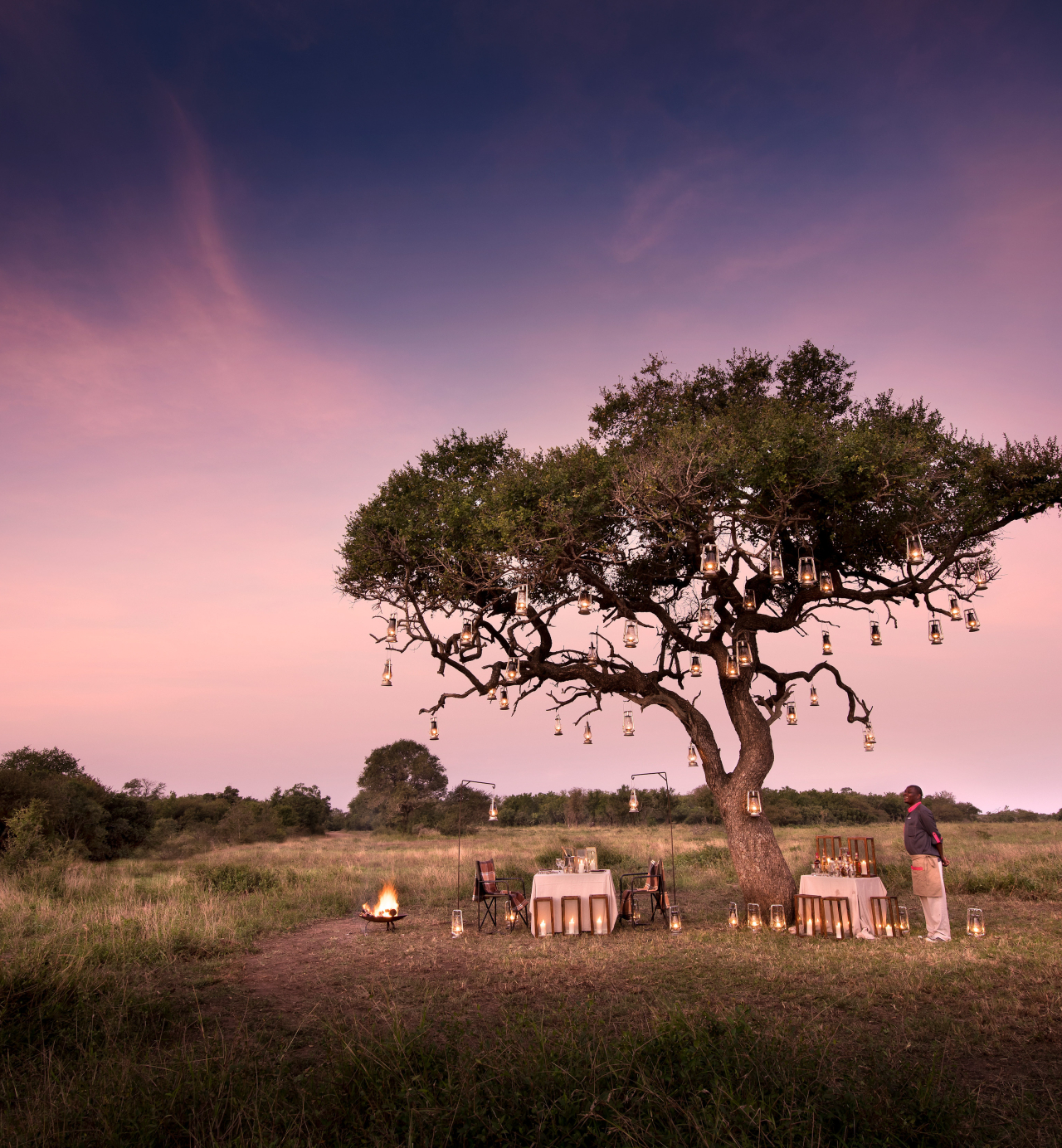
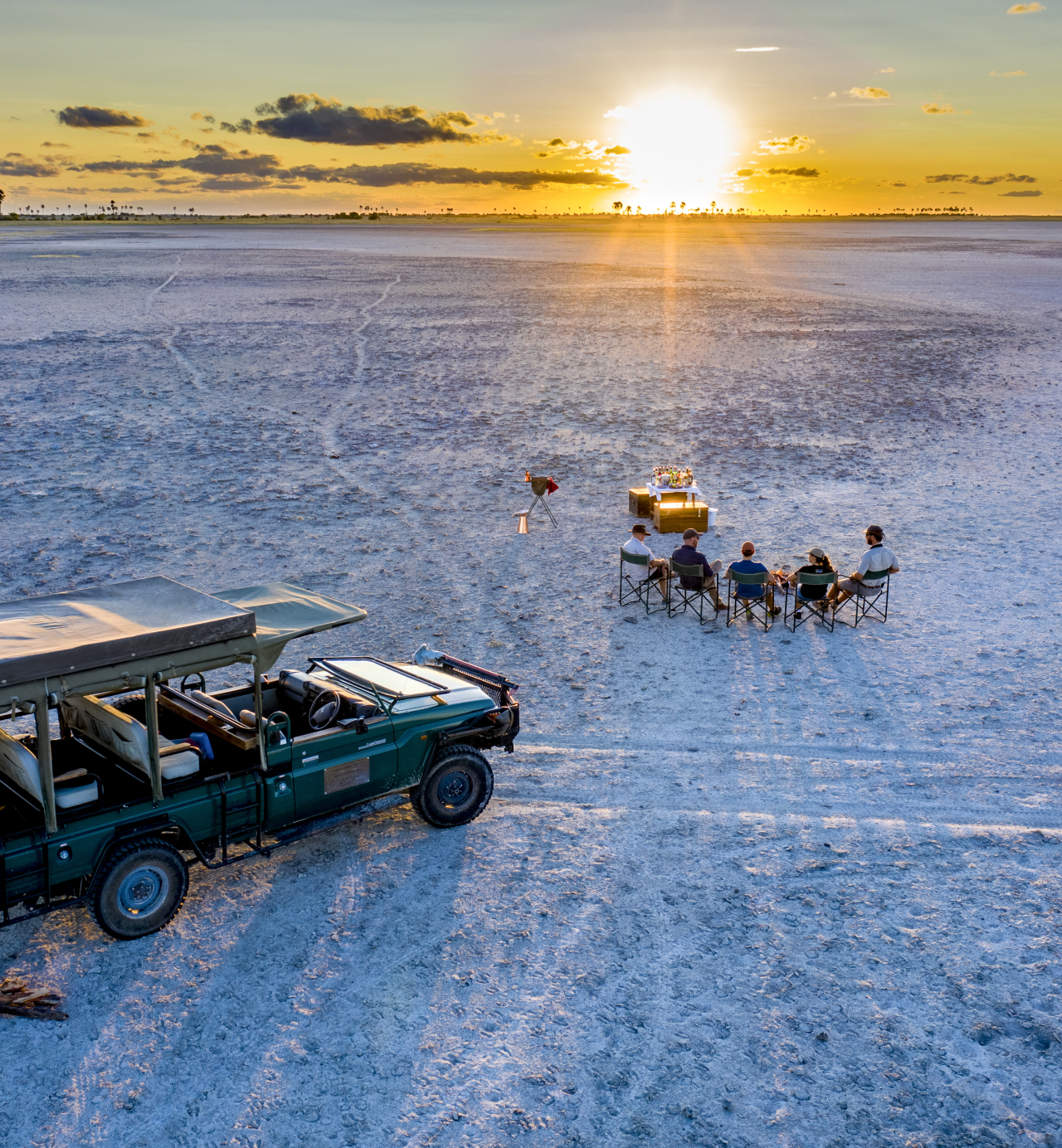
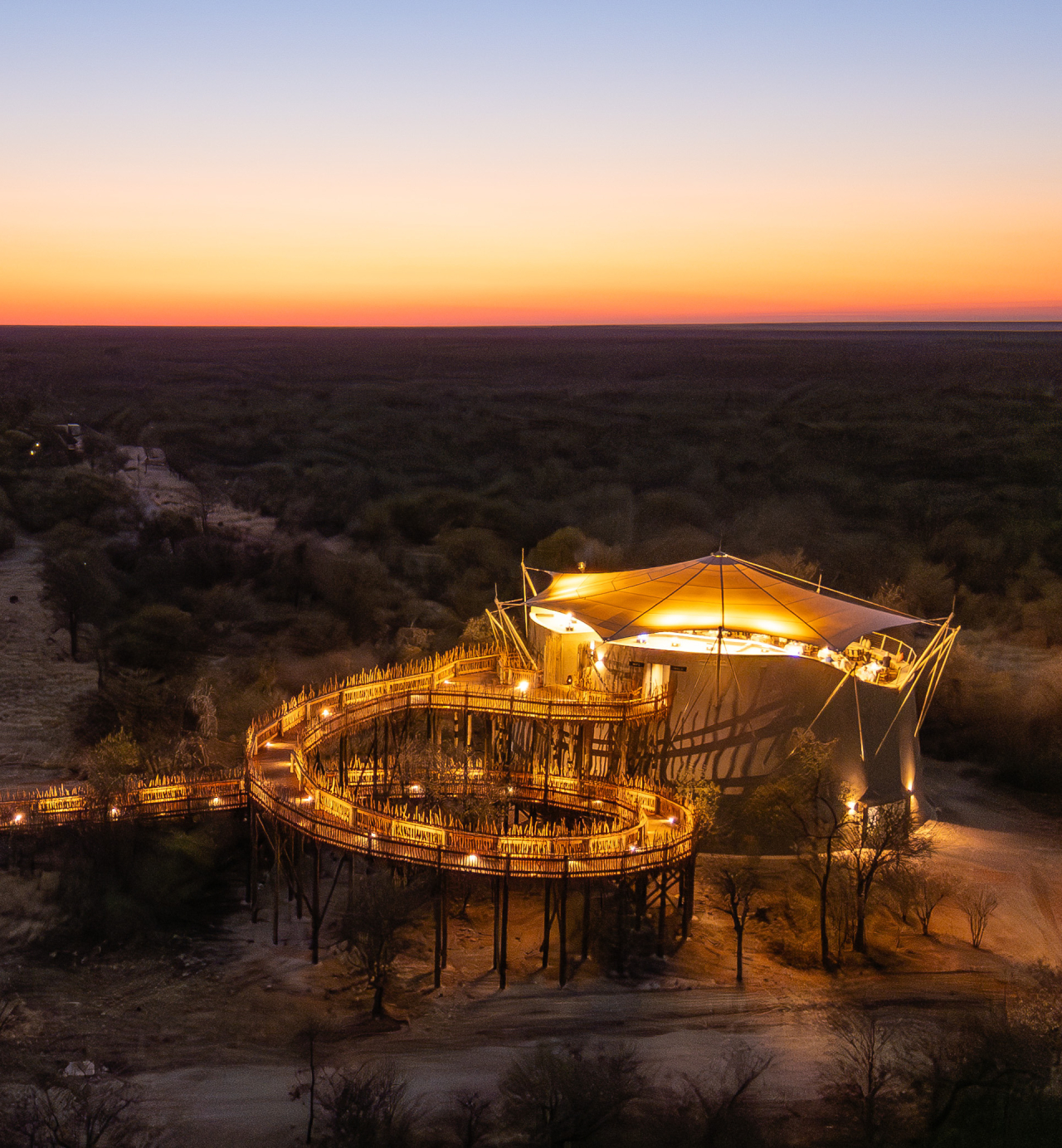
SkyBoma, Etosha
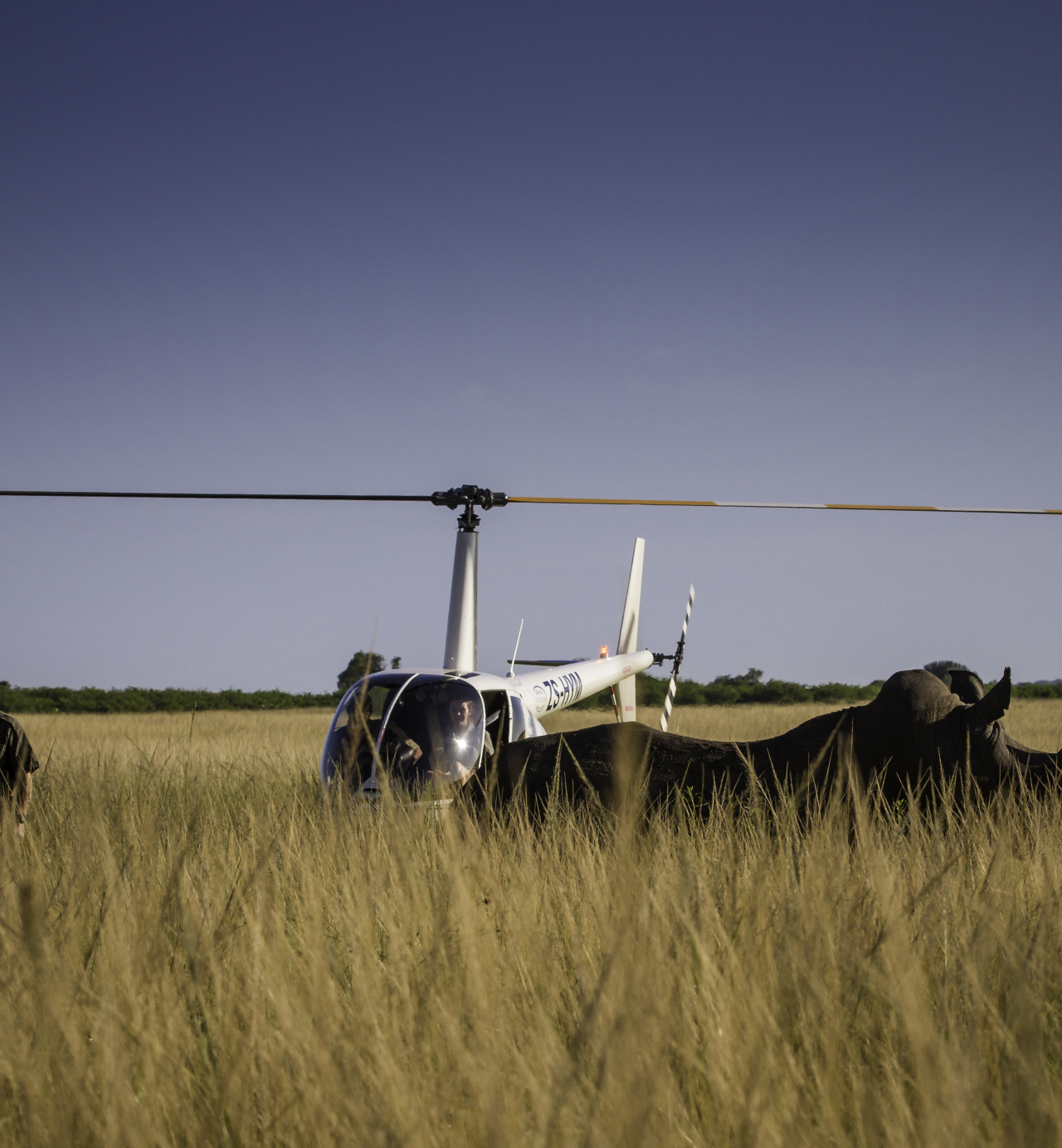
Rhino darting and chipping experience
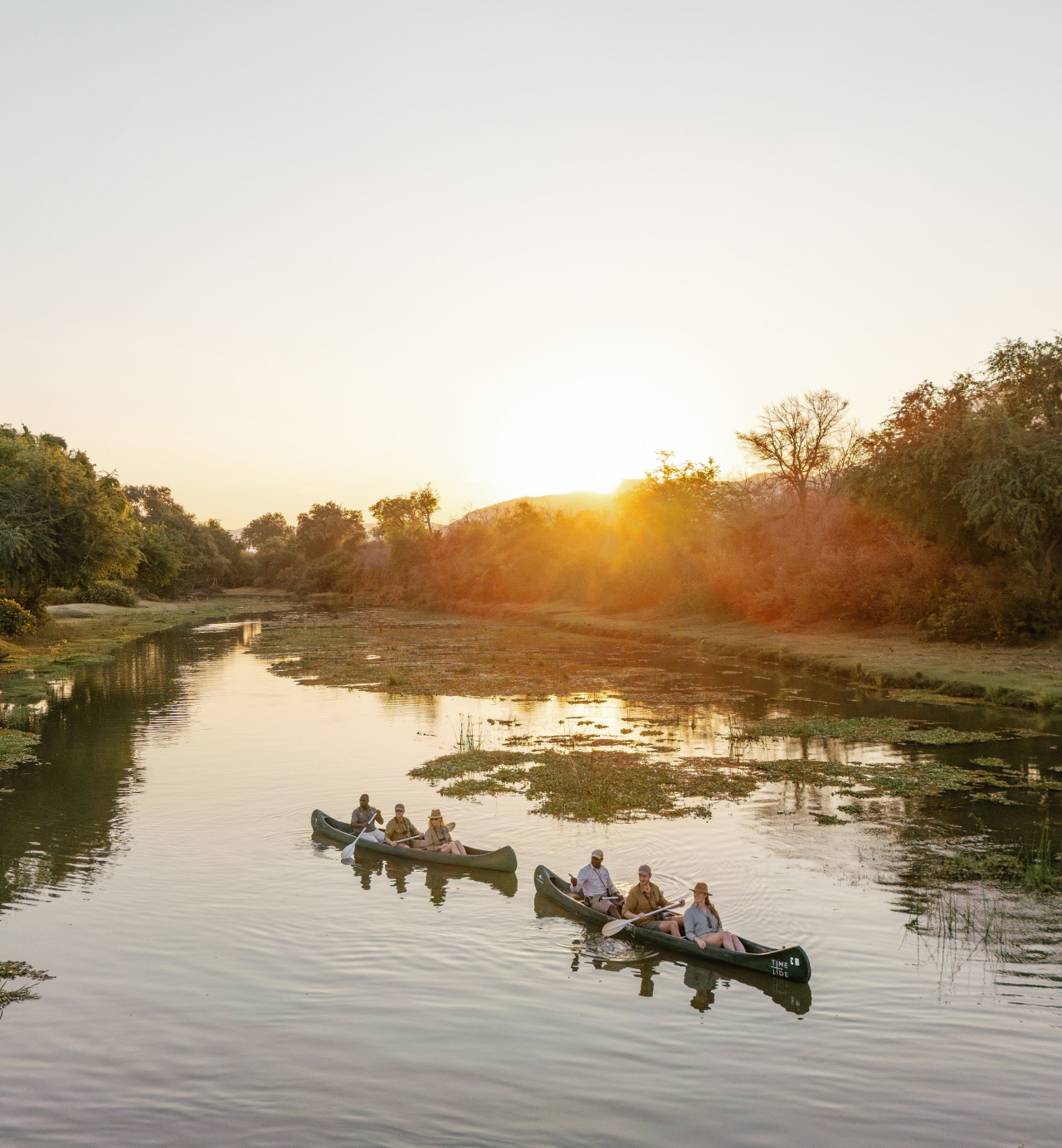
Picnicking on islands in the Zambezi
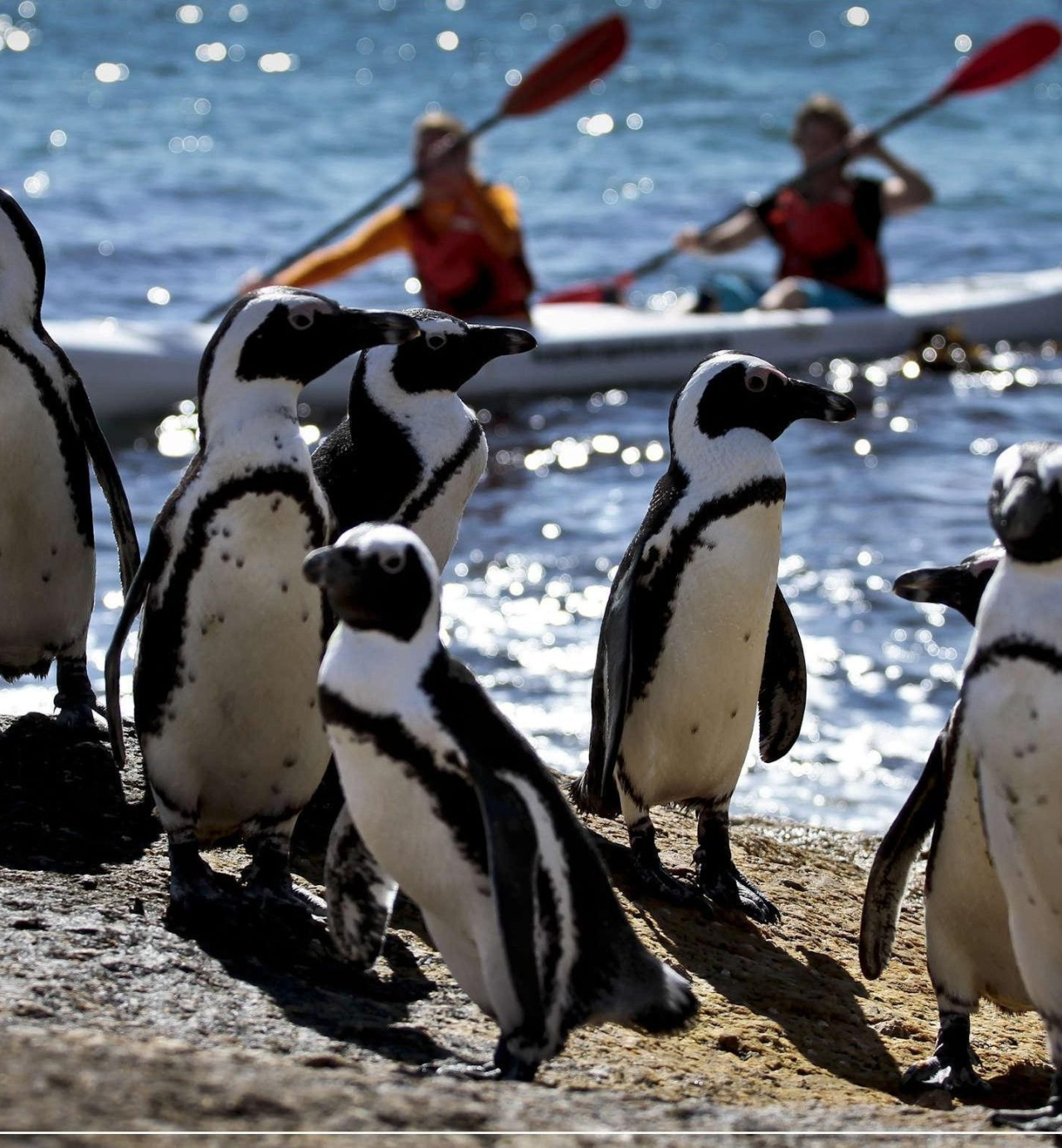
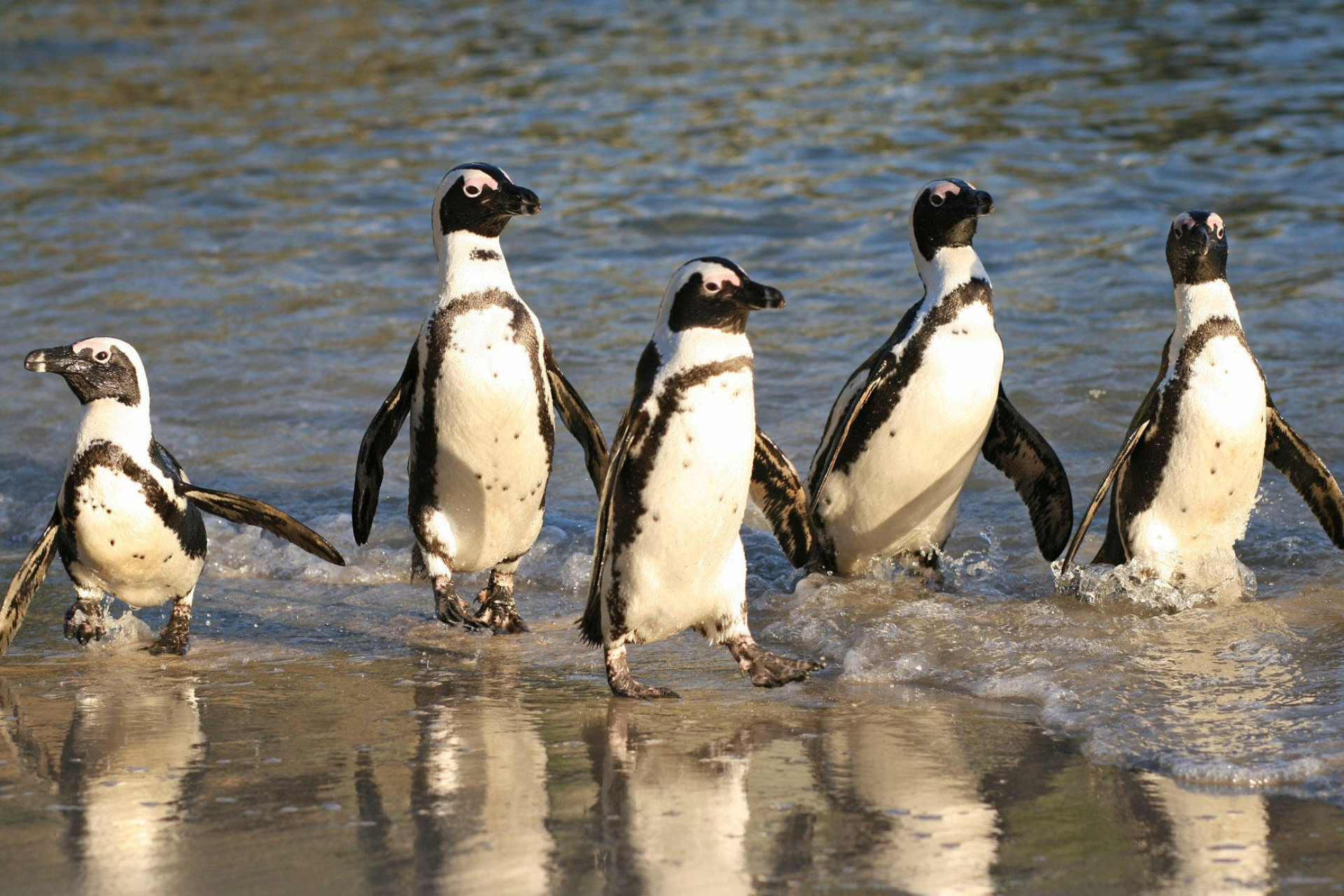
Paddle with penguins
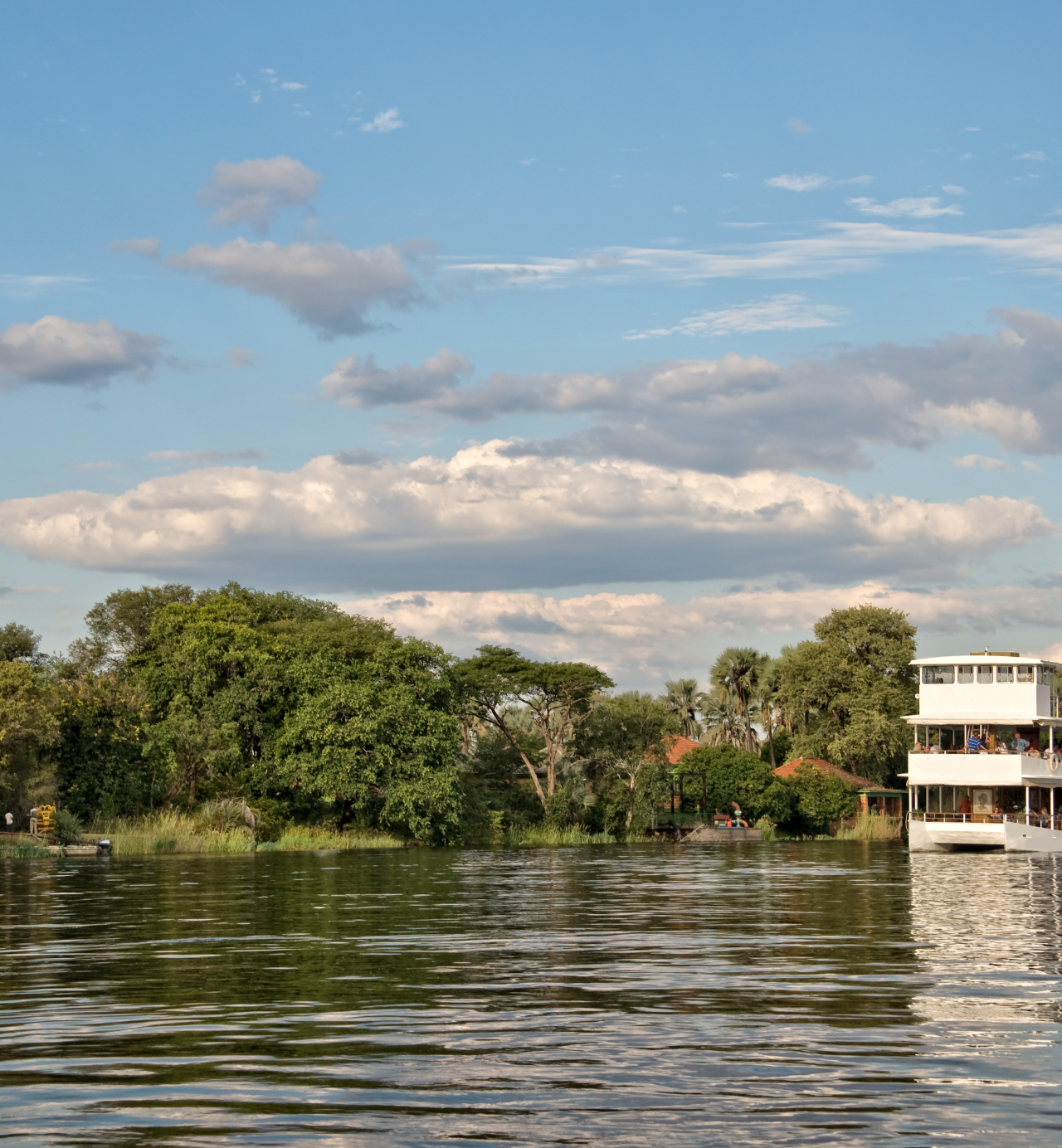
Live-aboard luxury Zambezi safari
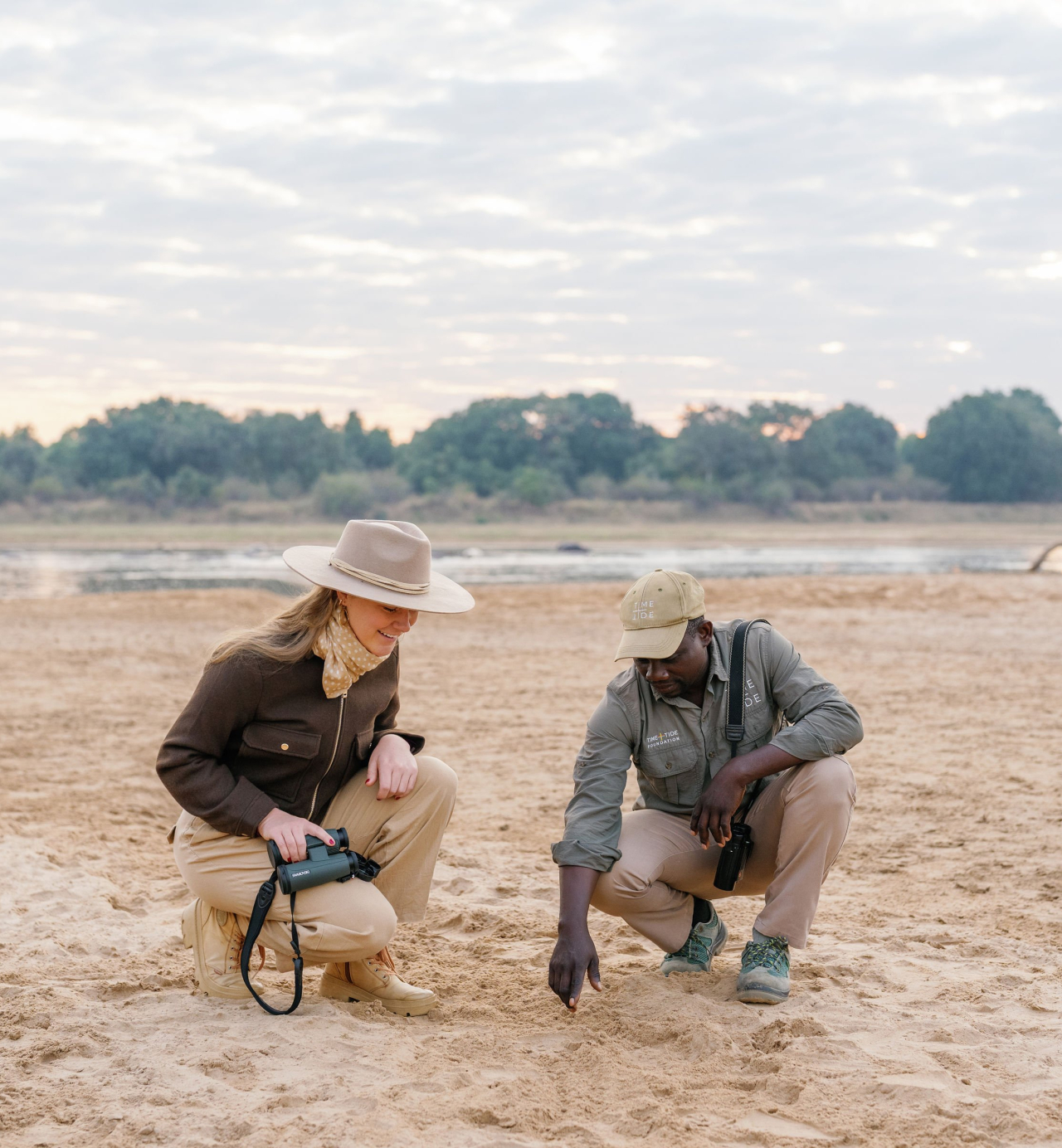
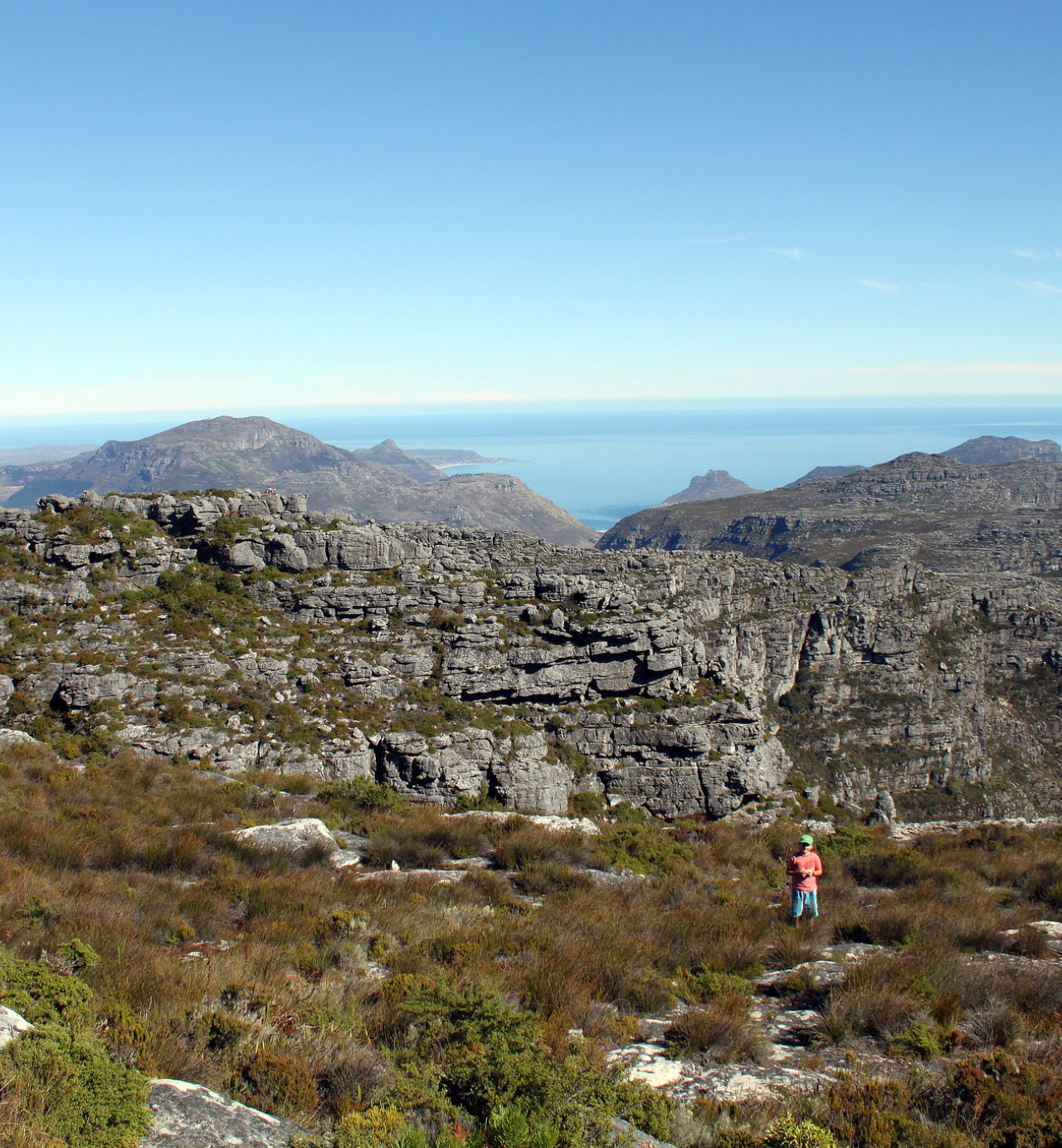
Hiking Table Mountain with a botanist or forager

Voices of our guests
Destination FAQs
Yes, provided you take sensible precautions as you would in any major international city. Stay in well-known tourist areas, be aware of your surroundings, avoid displaying valuables openly, and do not walk alone in deserted areas at night.
No. The entire city of Cape Town and the surrounding Western Cape province are completely malaria-free.
Renting a car or using a ride-sharing service like Uber is available and easily accessible. But for ultimate flexibility and convenience, your Travel Architect can arrange a private vehicle with a local, knowledgeable driver for your personal use while exploring the city. For sightseeing, the City Sightseeing hop-on, hop-off bus is an excellent and convenient choice.
A minimum of four to five nights is recommended to experience the main highlights, such as Table Mountain, Robben Island, Cape Point and the Winelands, without feeling rushed.
Layers. Cape Town’s weather is famous for being unpredictable. Always pack a warm jacket or fleece and a windproof layer, even in summer. Include both beachwear and comfortable walking shoes.
Yes. For key attractions such as the Table Mountain Cableway and the Robben Island ferry, it is essential to book tickets well in advance. Speak to your Travel Architect about making these arrangements.
Yes, perfectly. There are regular direct flights from Cape Town to the gateways for major safari destinations such as the Kruger National Park in South Africa, the Victoria Falls between Zambia and Zimbabwe, and Maun in Botswana, making the classic “bush and beach” combination very easy.
The summer months, from November to March, offer the best beach weather. However, the shoulder seasons of spring (September-October) and autumn (April-May) are also beautiful, with fewer crowds and pleasant weather.
Yes, the tap water in Cape Town is of a very high quality and is perfectly safe to drink.
This is the local nickname for the strong south-easterly wind that often blows during the summer months. While it can be forceful, it is credited with blowing away the city’s pollution, hence its name.
