

Central Kalahari Game Reserve
Central Kalahari Game Reserve
Botswana's vast, silent heart
Peak time
July to October
Best time to visit
December to April (green season) for wildlife concentrations; May to October (dry season) for stark landscapes and accessibility
Known for
Its vast, remote and untouched wilderness; Deception Valley
Also known for
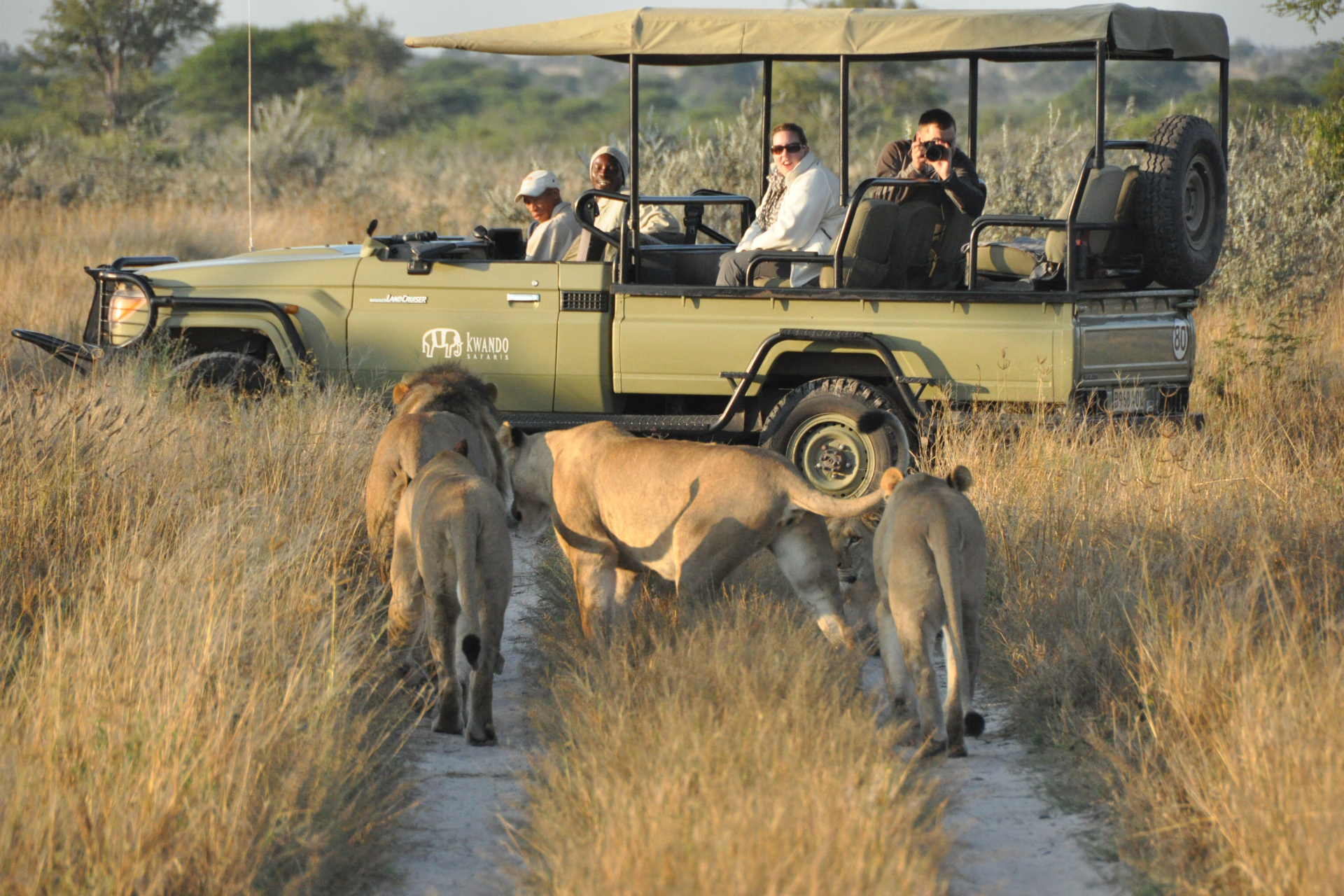
Kalahari black-maned lions
About the Central Kalahari Game Reserve
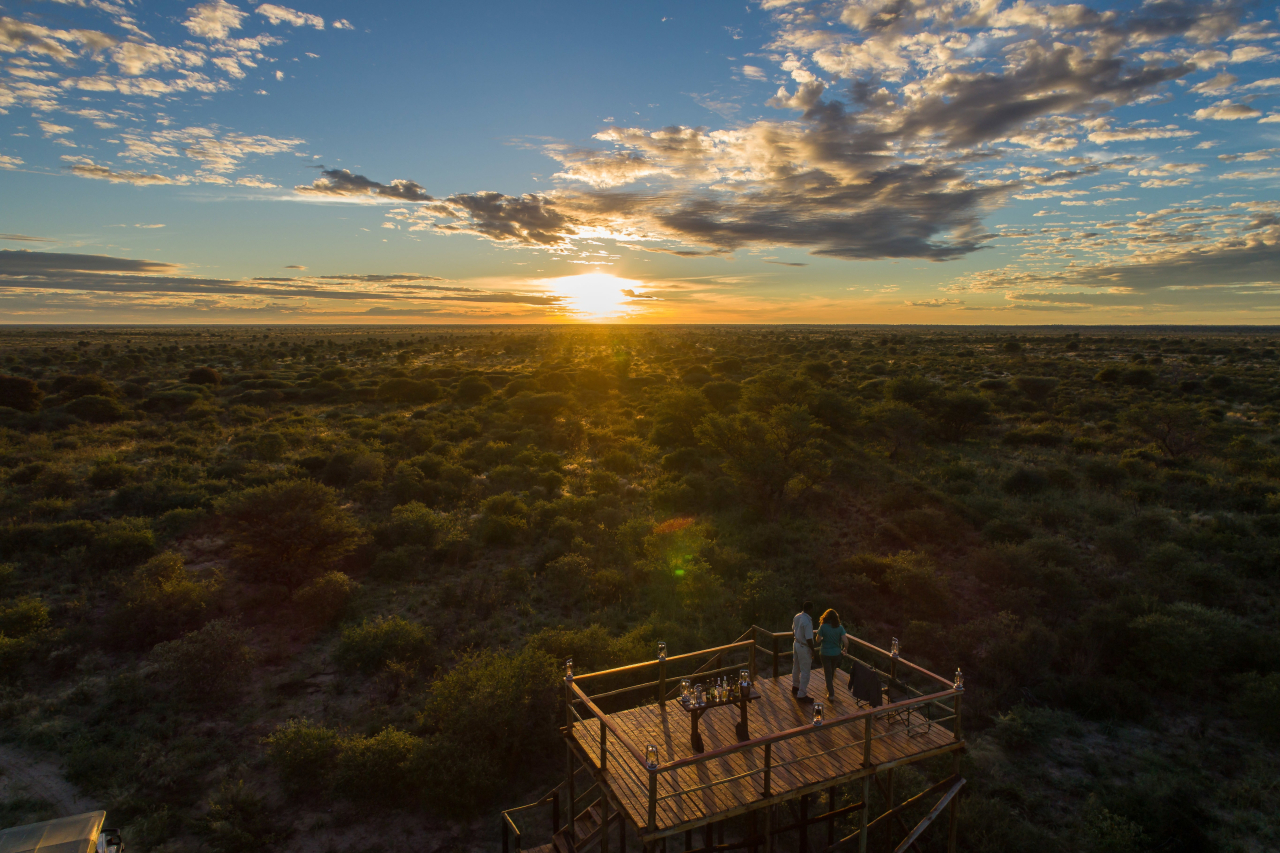
The Central Kalahari Game Reserve (CKGR) offers immersion in a true wilderness. One of the largest game reserves on Earth, covering semi-arid grassland and ancient, fossilised river valleys, it is a place of staggering scale and profound silence. This is not the lush, water-filled landscape of the Okavango; it is the silent heart of Botswana.
Your experience here is a tale of dramatic transformation. During the long dry months, the CKGR is a world of golden grasses, acacia scrub and endless horizons. But when the summer rains arrive, the desert is miraculously reborn. Under a sky of enormous thunderstorms, the grass turns fresh and green, attracting tens of thousands of plains animals.

Did you know
The name “Kalahari” is derived from the Setswana word kgala, meaning “the great thirst”
A safari in the CKGR is for the traveller who seeks solitude and a deeper understanding of the bush. It is a land of desert-adapted specialists, from Kalahari black-maned lions to the lightning-fast cheetahs that hunt on its open pans. It is an ancient place, untouched for millennia, where you can marvel at the starry night sky and feel utterly at peace.
Get to know the Central Kalahari Game Reserve
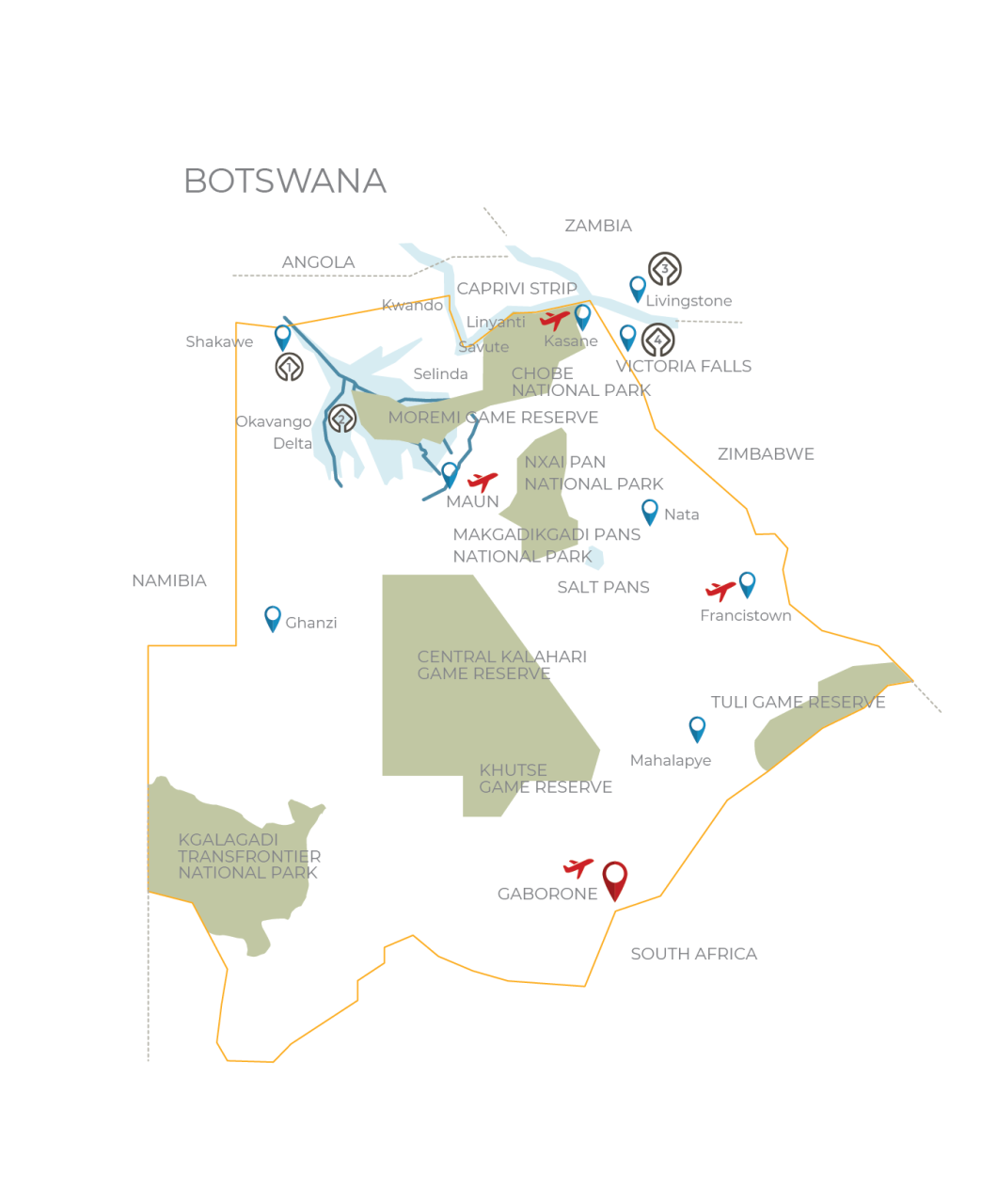
The CKGR’s defining characteristic is its extreme remoteness. There are only a handful of exclusive, luxury fly-in safari camps within this vast wilderness, ensuring an unparalleled sense of solitude. For those with the appropriate experience and equipment, it is also one of Africa’s most challenging and rewarding self-drive camping destinations.
The safari experience here is different from other parks. Game drives often involve tracking animals over long distances, with expert trackers interpreting subtle signs in the landscape. It is a patient and immersive style of safari, where the reward is not just the sighting itself, but the thrill of the search and the understanding of how life survives in this harsh environment.
History
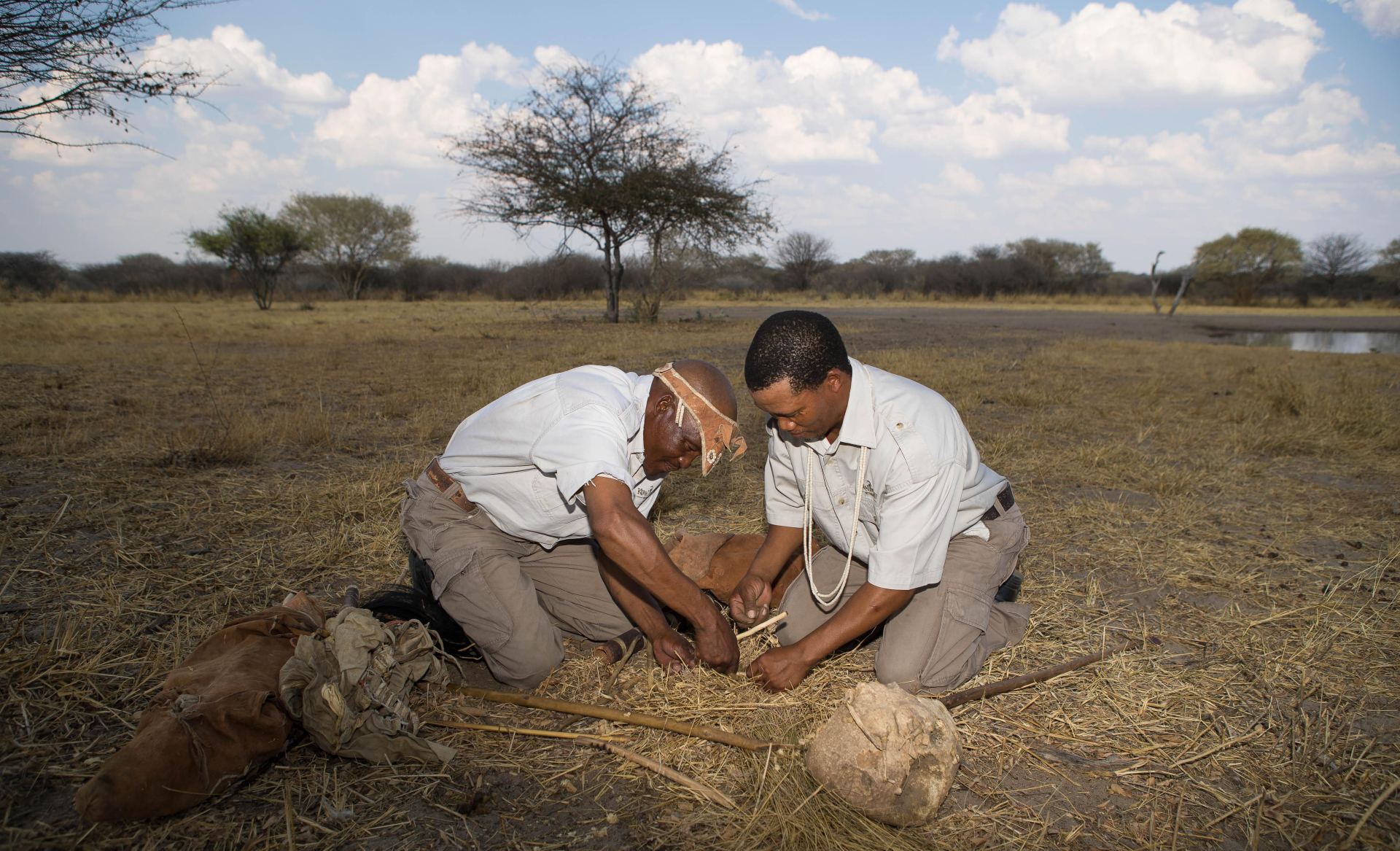
The history of the Central Kalahari is the history of the Bushmen, one of the oldest continuous cultures on Earth. For at least 30 000 years they have roamed these arid lands, living a nomadic lifestyle perfectly attuned to the rhythms of the desert. Their deep ecological knowledge, passed down through generations, allowed them to thrive in an environment where others could not survive.
The reserve was proclaimed in 1961 not primarily for wildlife conservation, but as a sanctuary to protect the Bushmen’s traditional lands and hunter-gatherer lifestyle. For decades it remained largely inaccessible to tourism. This changed in the 1980s and 90s, when the government began to encourage tourism development. This led to a complex and often controversial period of change regarding the residency rights of the Bushmen, a story that highlights the ongoing challenge of balancing human heritage with modern conservation.
More unforgettable activities
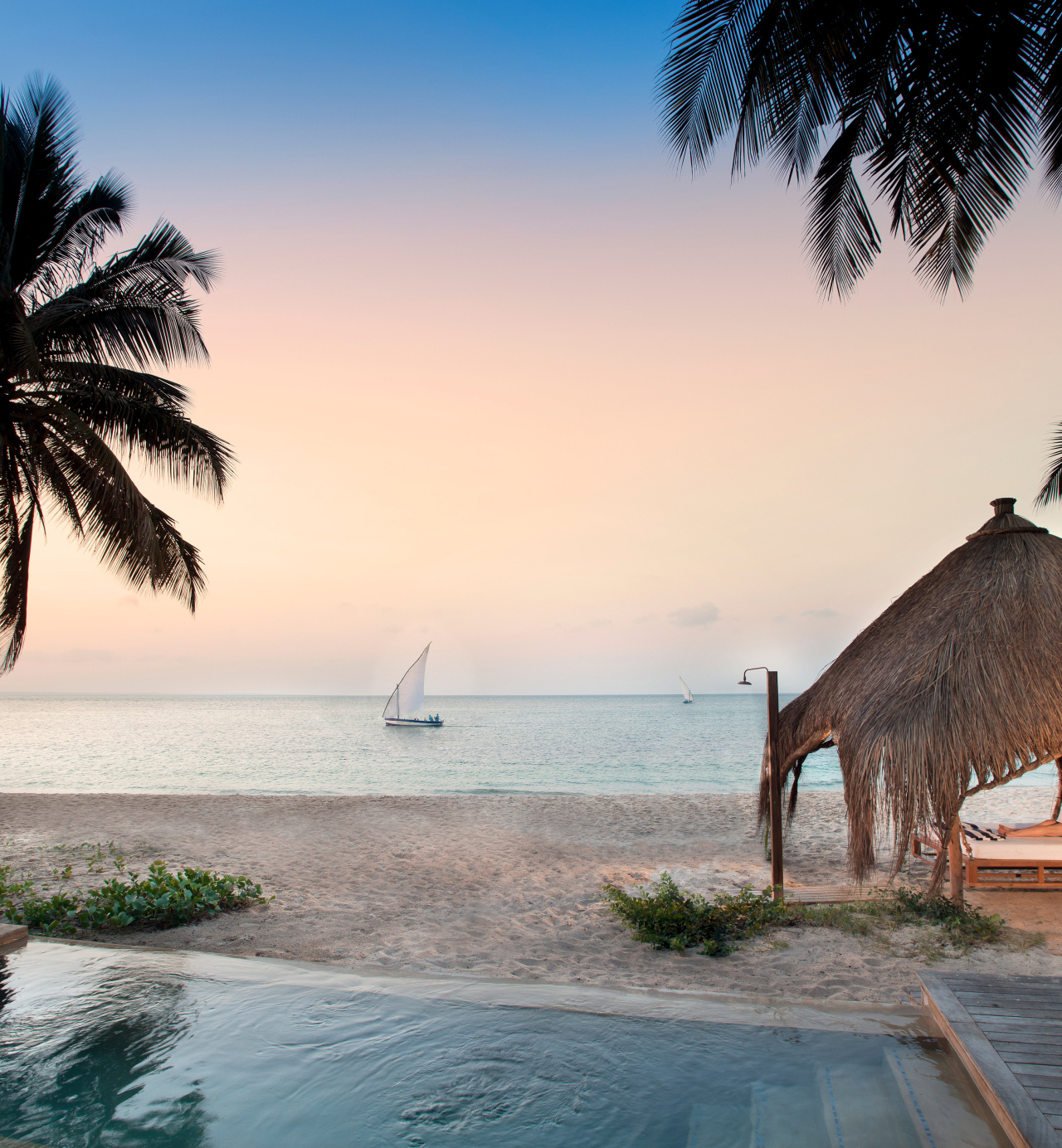
Turtle egg laying and hatching

Traditional Bo-Kaap cooking experience
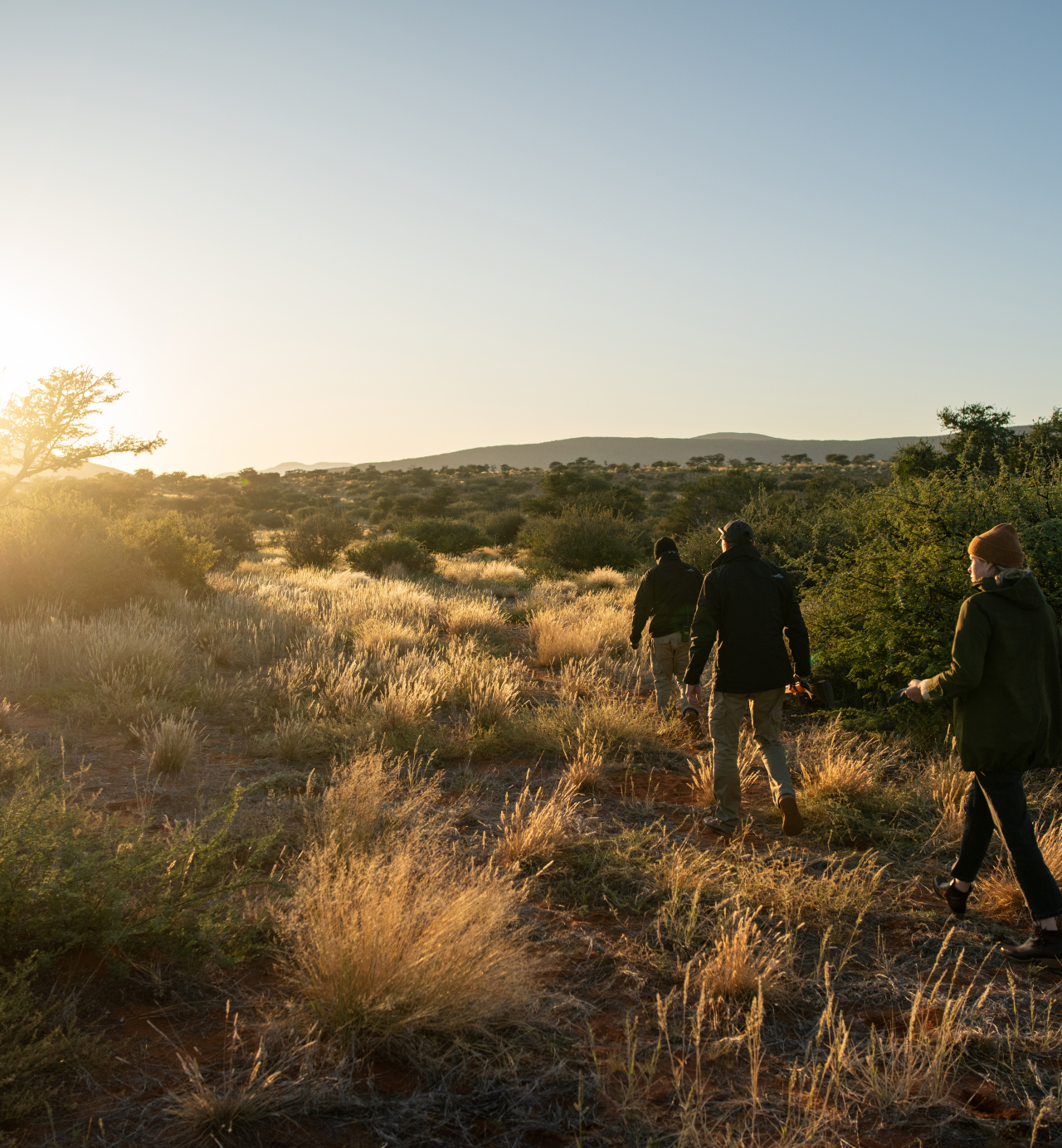
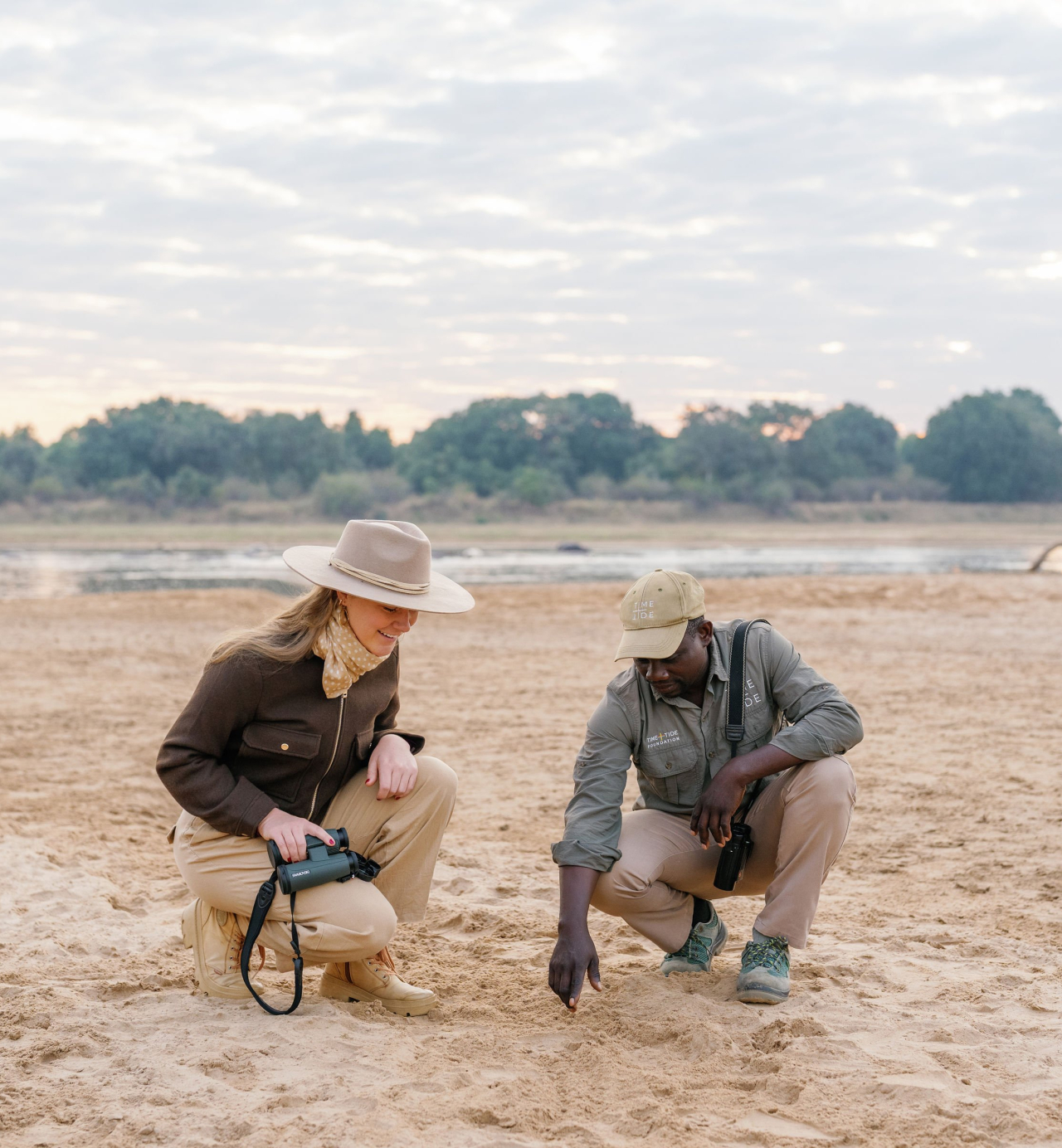
Tracking Africa’s most elusive species on foot
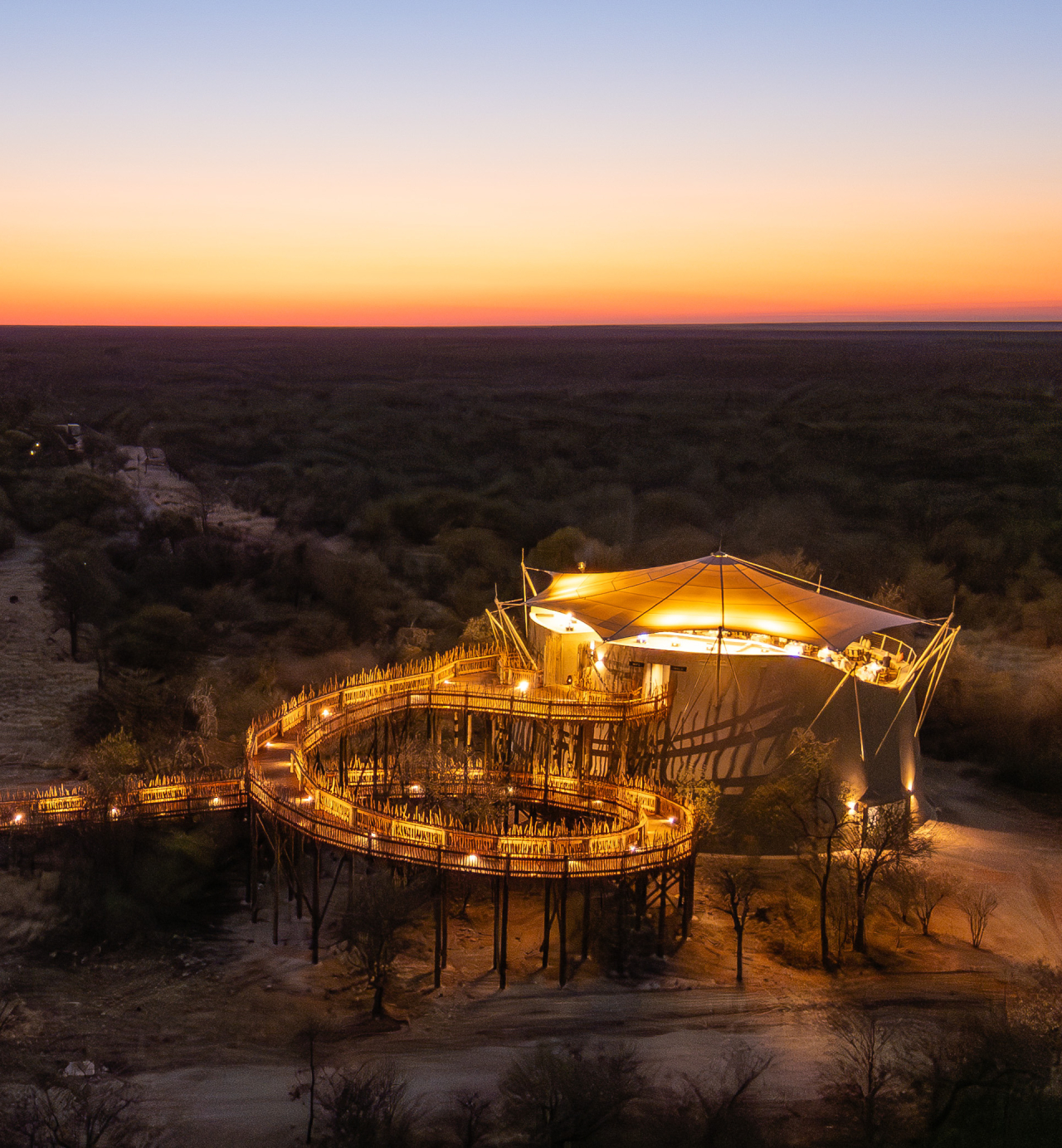
SkyBoma, Etosha
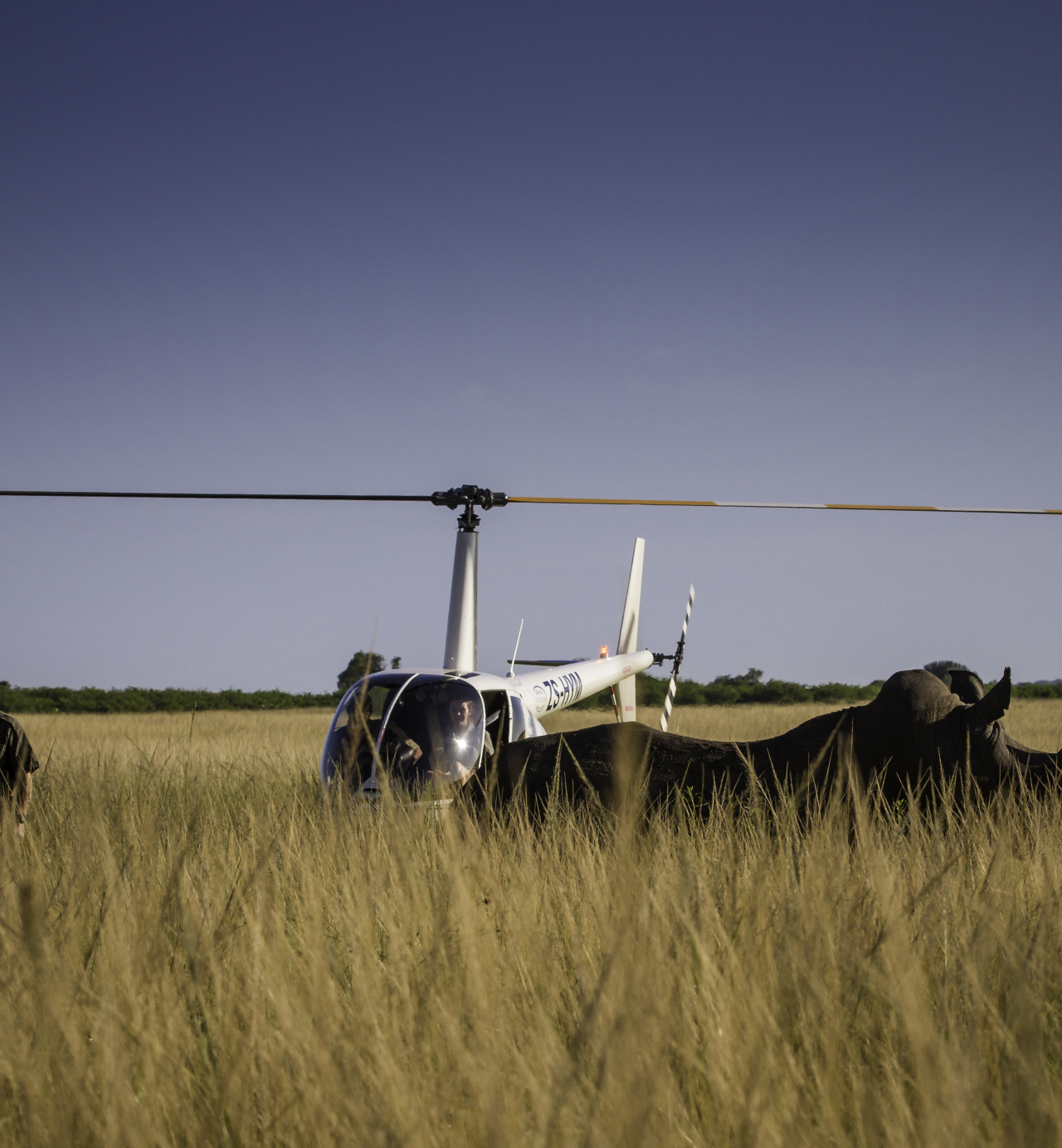
Rhino darting and chipping experience
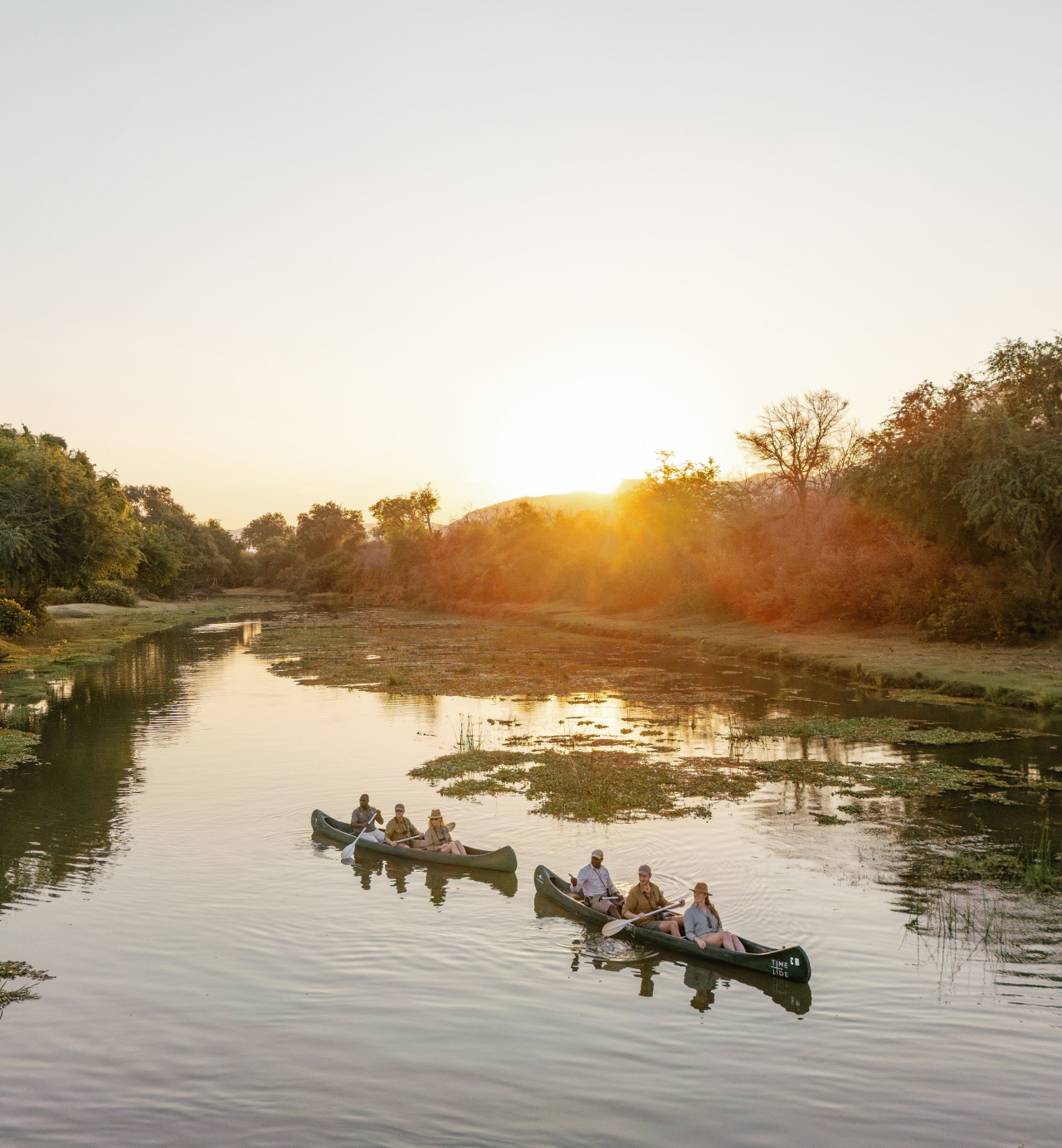
Picnicking on islands in the Zambezi
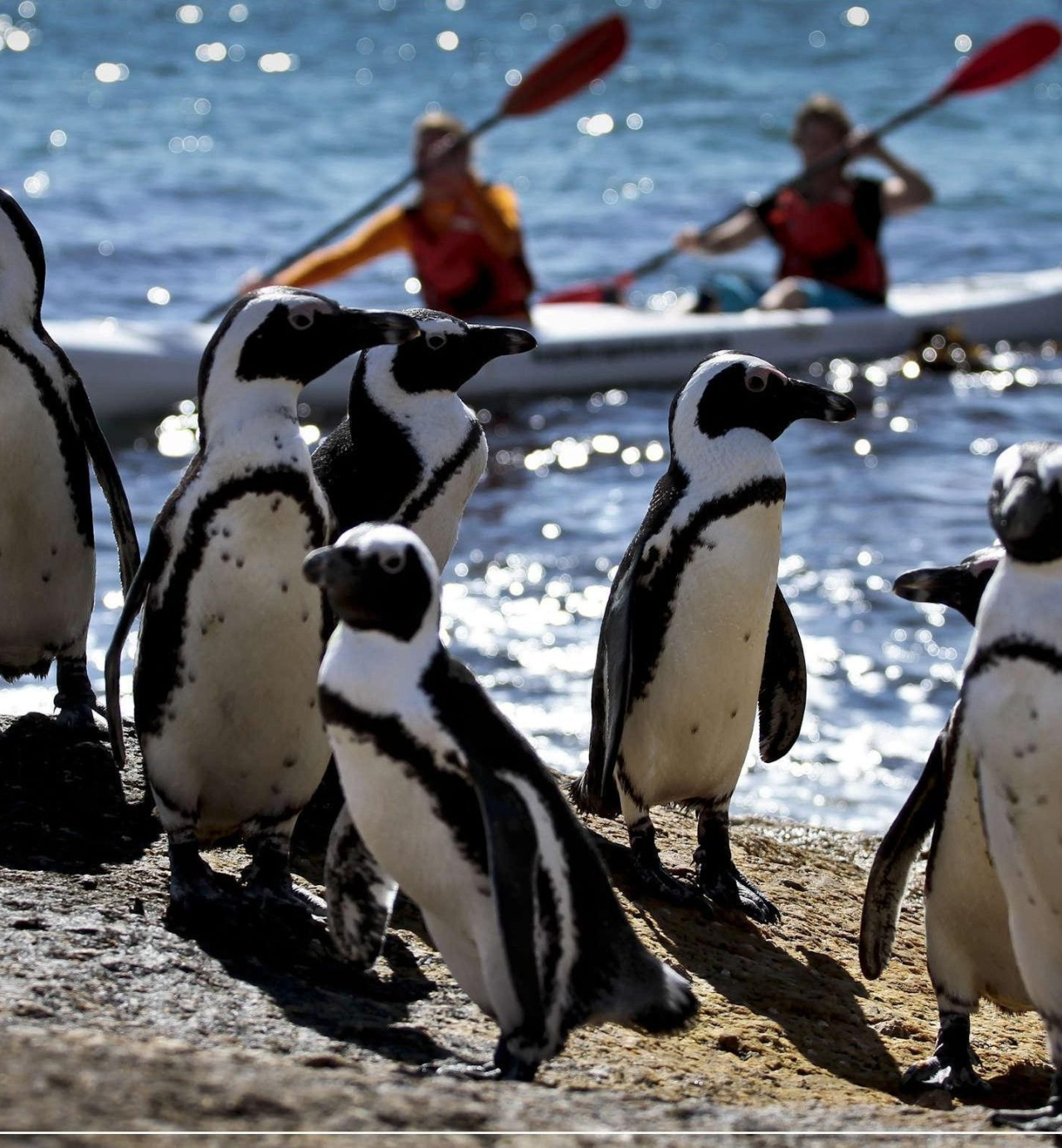
Paddle with penguins
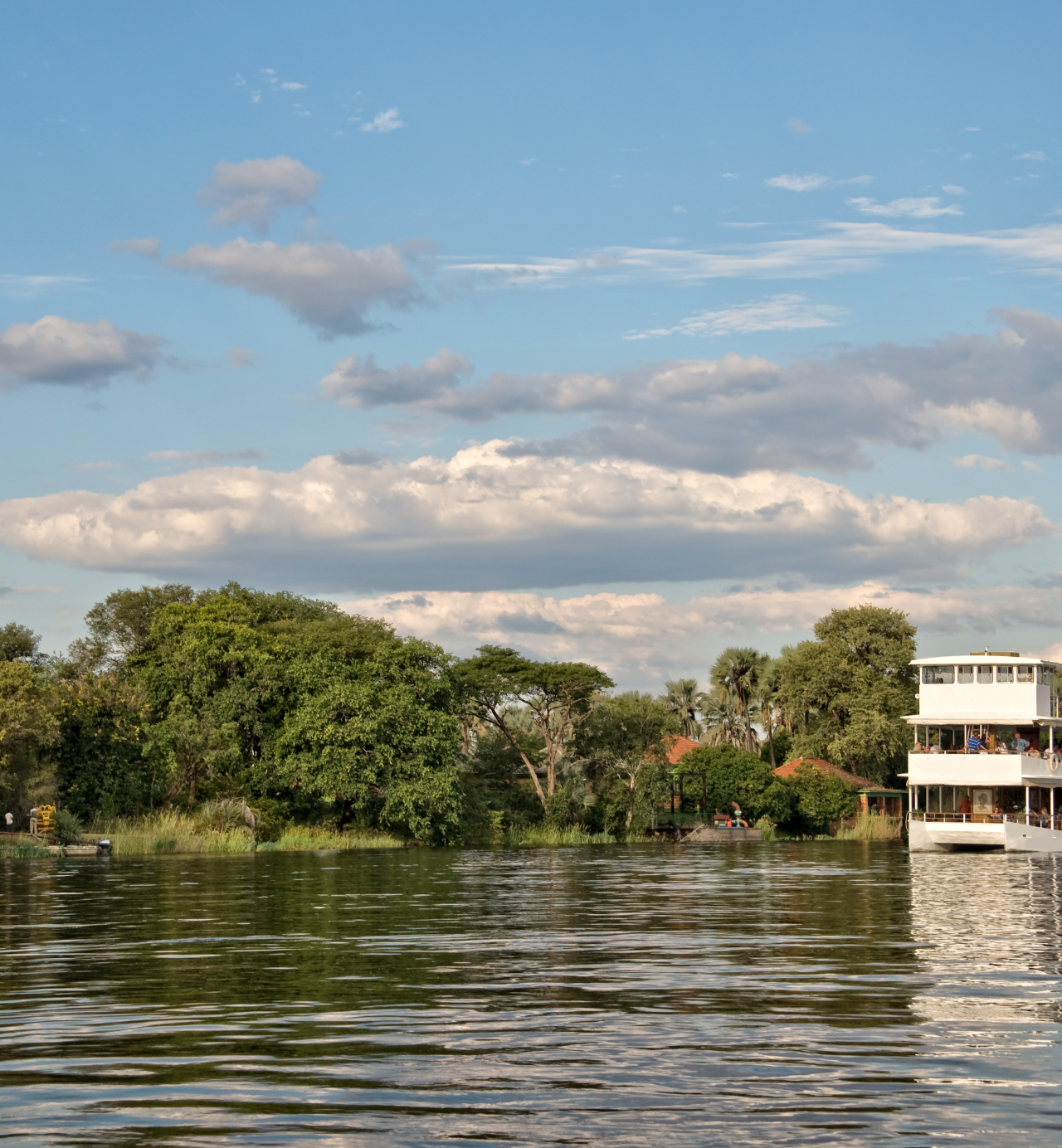
Live-aboard luxury Zambezi safari
Hiking Table Mountain with a botanist or forager

Voices of our guests
Central Kalahari Game Reserve FAQs
It depends on what you want to see. The green season (December to April) offers the most dramatic wildlife viewing, with large herds on the green plains. The dry season (May to October) offers a beautiful desert landscape and is when predators are often concentrated near any available water.
For a luxury safari, you will take a light aircraft flight from Maun directly to your camp's private airstrip. Self-driving is an option but is only for experienced and self-sufficient 4x4 adventurers.
No. The Central Kalahari is not a Big Five destination. While it is famous for its lions and leopards, it does not have resident populations of elephant, buffalo or rhino. The attraction here is the desert-adapted wildlife.
They are complete opposites, making them a perfect combination. The Okavango is a lush, water-filled wetland with incredibly high wildlife density. The Central Kalahari is a vast, arid desert ecosystem defined by space, silence and specialised, hard-to-find wildlife.
Yes, it is located in a malaria-risk zone. The risk is highest during the wet summer months. It is essential to consult your doctor about appropriate anti-malarial medication before you travel.
A stay of three to four nights is ideal. This gives you enough time to explore the vast landscapes, track the wildlife and fully immerse yourself in the solitude.
Accommodation is limited to a handful of small, exclusive and luxurious safari camps that are designed to have a minimal environmental footprint. These camps offer a high level of comfort, service and expert guiding in a completely remote setting.
It can be, but it is often better appreciated by seasoned safari travellers. The game viewing is more subtle and requires more patience than in places like the Okavango Delta. However, for those seeking true wilderness and solitude, it is an unforgettable experience.
The Kalahari lions are famous for their magnificent black manes, which are much darker and fuller than those of lions in other regions. They are also typically larger in stature and operate in vast territories, making tracking them a thrilling part of the safari experience.
Packing for extreme temperatures is crucial. You will need lightweight clothing and a hat for hot days, but also warm jackets, beanies, scarves and gloves for cold desert nights and early-morning game drives, which can drop to freezing temperatures in winter.
