Chobe National Park
Chobe National Park
The land of giants
Peak time
July to October
Best time to visit
May to October (dry season) for elephants on the riverfront; November to April (wet season) for birding and the zebra migration in Savuti
Known for
The largest concentration of elephants in Africa
Also known for
Incredible river-based game viewing
About the Chobe National Park
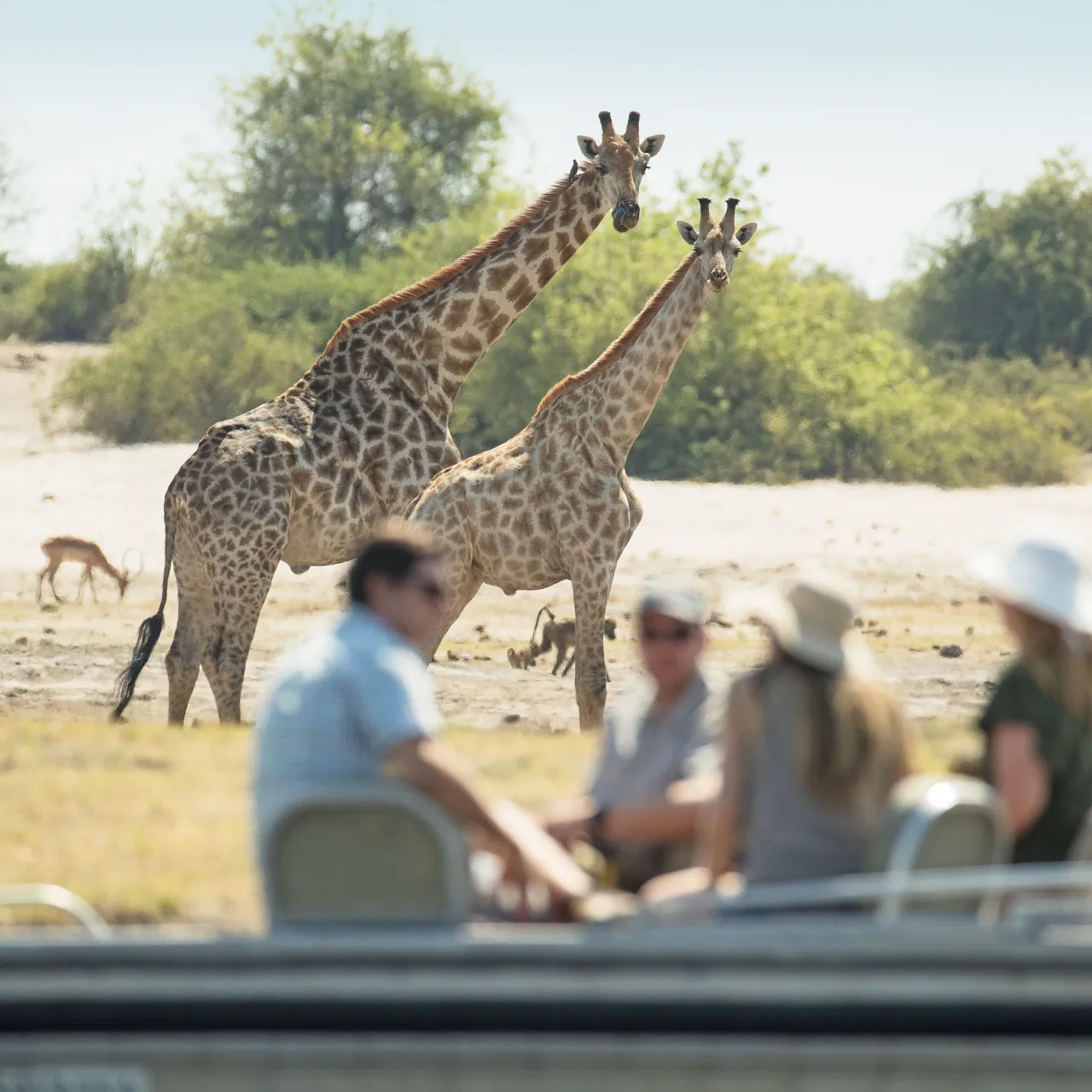
Image courtesy of Desert & Delta.
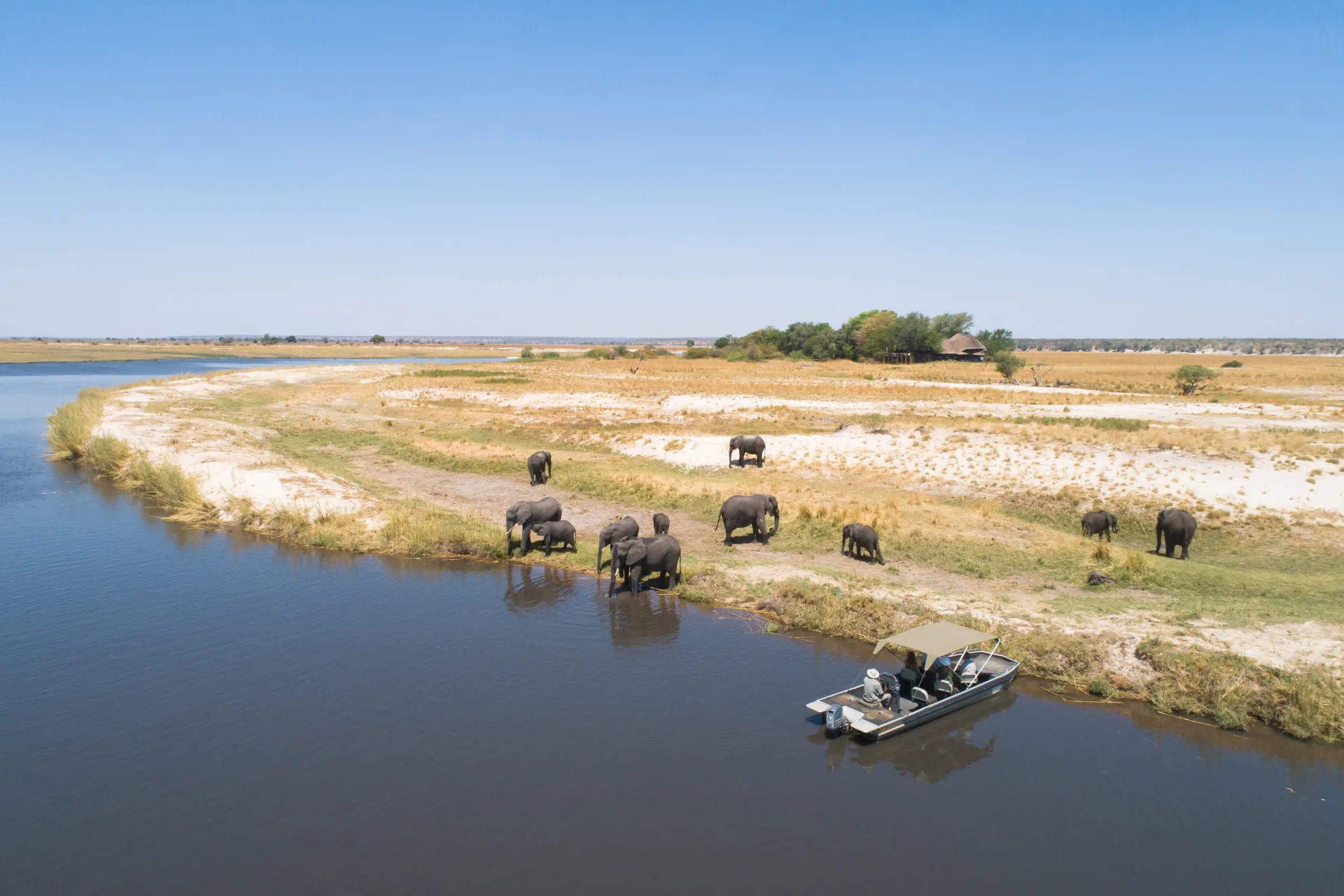
Chobe is home to the world’s largest population of elephants. At the park’s heart is the Chobe River, a deep blue artery that forms its northern border. During the dry season, this river becomes a magnet for wildlife on an almost unimaginable scale, drawing tens of thousands of elephants from the arid hinterland to its life-giving banks. To witness super-herds drinking, bathing and swimming across the channel is one of Africa’s most unforgettable spectacles.
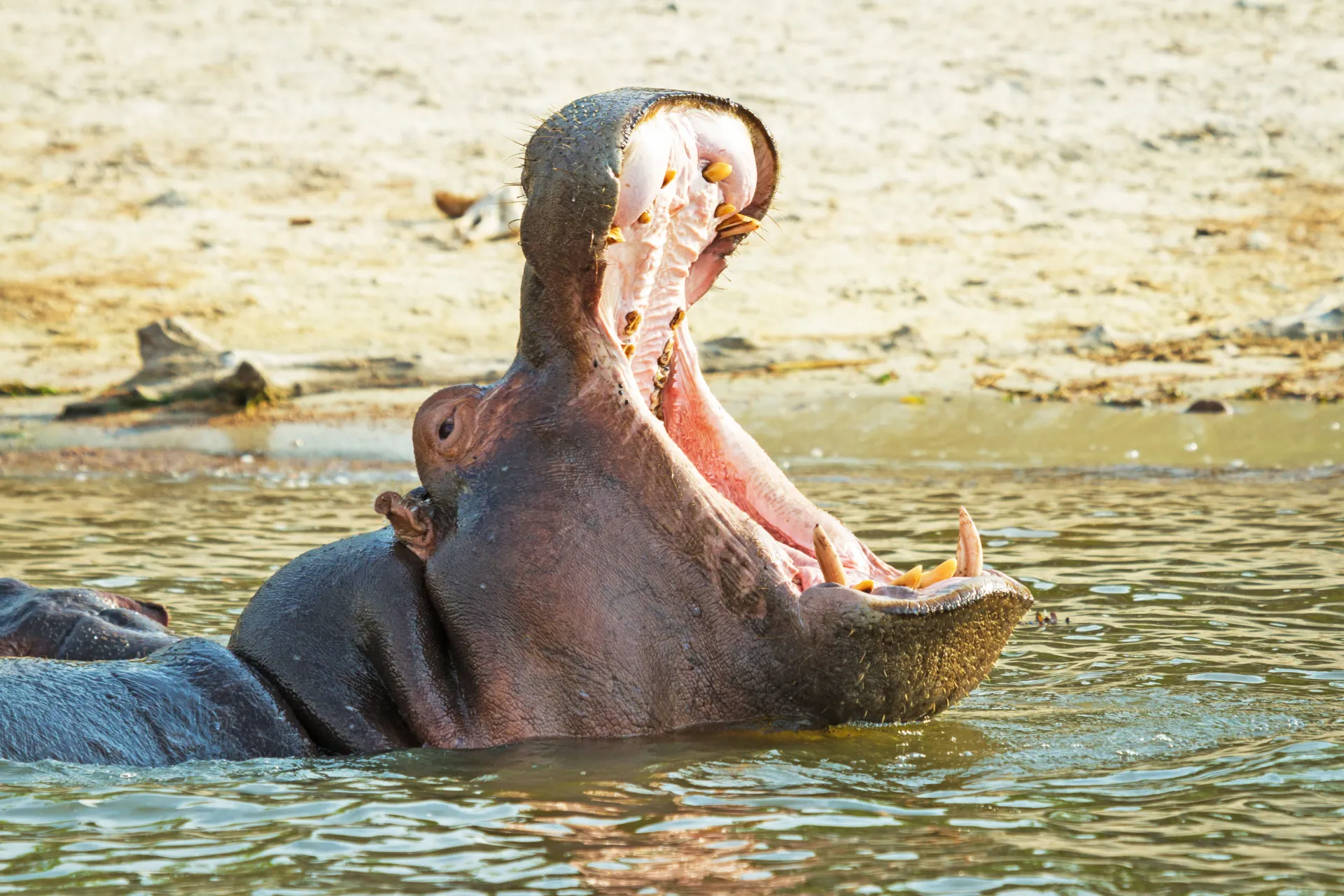
A safari here is a tale of two perspectives. From land, game drives explore the riverfront tracks, searching for prides of lions that prey on the abundant buffalo herds. But the quintessential Chobe experience happens on the water. A river safari by boat offers a completely different vantage point, allowing you to glide silently past wallowing hippos, sunbathing crocodiles and, of course, the elephants. Seeing these giants from water level as they quench their thirst just metres away is a truly magical experience.

Did you know
The Savuti Marsh is world famous for the battles between its lion prides and hyena clans
But Chobe is far more than its famous riverfront. The park is a vast wilderness composed of four distinct ecosystems. Deep in its interior lies the legendary Savuti Marsh, a wild and remote landscape famous for its intense predator rivalries and the mysterious Savuti Channel, which flows and dries up for decades at a time. This combination of the lush, elephant-rich river and the wild, predator-heavy plains makes Chobe one of the most rewarding and comprehensive safari destinations in Africa.
Get to know the Chobe National Park
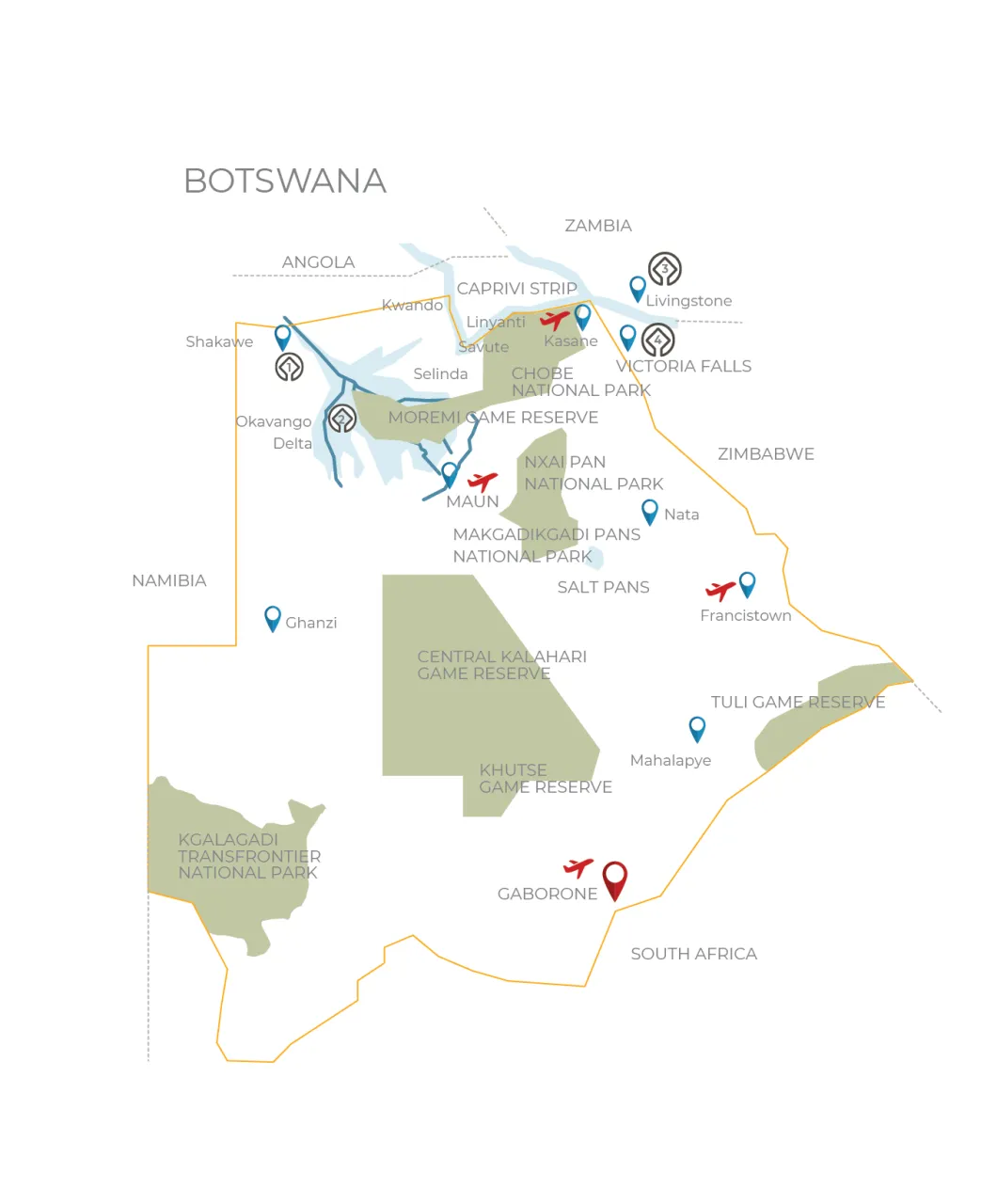
The Chobe experience varies greatly depending on which part of this vast park you visit. The most famous and accessible area is the Chobe Riverfront in the north-east. This section is easily reached from the nearby town of Kasane, which serves as the main hub for day trips, larger lodges and the starting point for all river safaris. The area offers phenomenal game viewing but can be busy during peak season.
For a wilder and more exclusive experience, visitors can fly into the park’s remote interior. The Savuti Marsh in the west is a legendary destination for safari connoisseurs, renowned for its raw predator action and dramatic landscape. To the north, the Linyanti Marsh, a private concession area bordering the park, offers a similar level of exclusivity and is particularly famous for its resident packs of African wild dogs.
History
The land has been home to Bushmen hunter-gatherers for millennia, and their rock art can still be found in parts of the park. The modern conservation history of Chobe began in the 1930s when the area was declared a non-hunting area to protect its wildlife from the timber industry. However, it was only formally proclaimed as Botswana’s first national park in 1967, a year after the country gained its independence.
In the decades that followed, Chobe became a crucial sanctuary for elephants during the poaching crisis that ravaged other parts of Africa. Its elephant population grew exponentially, creating the incredible wildlife spectacle we see today. The park now serves as the anchor for the Kavango-Zambezi Transfrontier Conservation Area, a monumental peace parks initiative that connects a network of national parks and conservation areas across five countries: Botswana, Namibia, Zimbabwe, Zambia and Angola.
Chobe National Park FAQs
The dry season, from June to October, is by far the best time. Water sources in the interior dry up, forcing tens of thousands of elephants to congregate along the Chobe River, guaranteeing spectacular sightings.
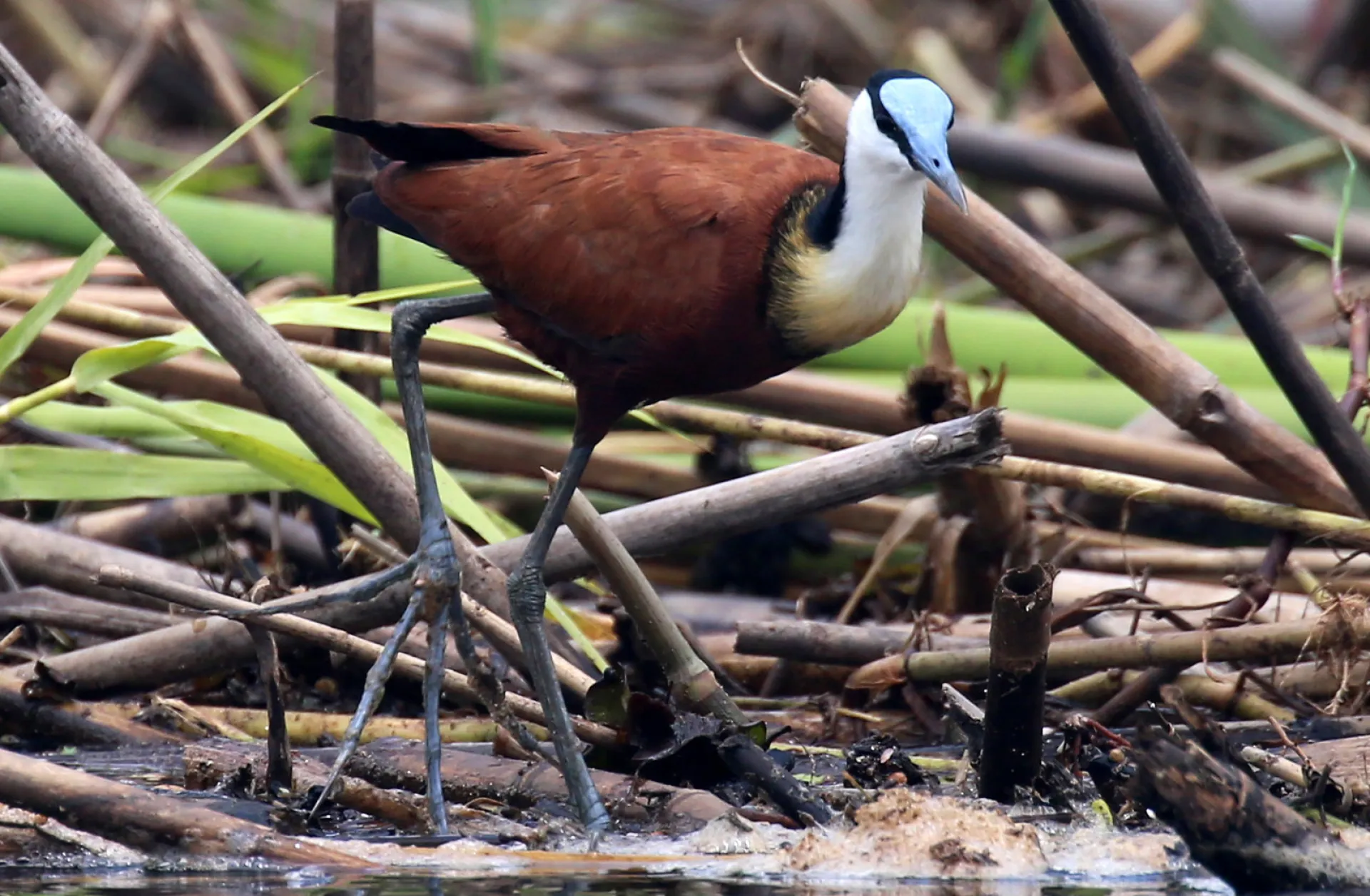
A game drive explores the road network along the riverfront, offering great sightings of lions and buffalo. A boat safari provides a unique, water-level perspective, allowing you to get incredibly close to elephants drinking, as well as hippos, crocodiles and waterbirds. Doing both is essential for the complete Chobe experience.
Chobe is a “Big Four” destination. It has excellent populations of lion, leopard, elephant and buffalo. However, rhinos are not present in the park, having been poached to local extinction decades ago.
Yes, Chobe is located in a high-risk malaria zone. It is essential to consult your doctor about appropriate anti-malarial medication before you travel.
The main gateway is Kasane International Airport, located right next to the park. It receives flights from Johannesburg and Maun. The park is also very easily accessible by a road transfer (1.5 to two hours) from Victoria Falls in Zimbabwe, or Livingstone in Zambia.
Staying in Kasane offers a wider range of accommodation and easy access to river cruises but means you will be on the water with more day-trip boats. Staying at a lodge inside the park or in an adjacent private concession offers a more exclusive wilderness experience, especially for early-morning and late-afternoon game drives.
For the Chobe Riverfront area, a stay of two to three nights is ideal. This allows you to enjoy both morning game drives and afternoon boat cruises without feeling rushed. If you plan to include the remote Savuti region, you would need to add another two to three nights.
Yes, it is one of the easiest and most popular combinations in Southern Africa. The two destinations are less than two hours apart by road, making for a very simple and rewarding multi-country itinerary. Speak to your Travel Architect about travel arrangements.
Savuti is famous for its raw, dramatic predator interactions. It is a wilder, more remote landscape than the riverfront, legendary for its powerful lion prides that have been known to hunt elephants, and the intense, long-standing rivalry between lions and hyenas.
While both are in Botswana, they offer different experiences. Chobe is defined by its massive elephant herds and classic river-based viewing. The Okavango Delta is a unique inland wetland ecosystem, defined by its intricate waterways and iconic mokoro (dugout canoe) safaris.
More unforgettable activities
Turtle egg laying and hatching
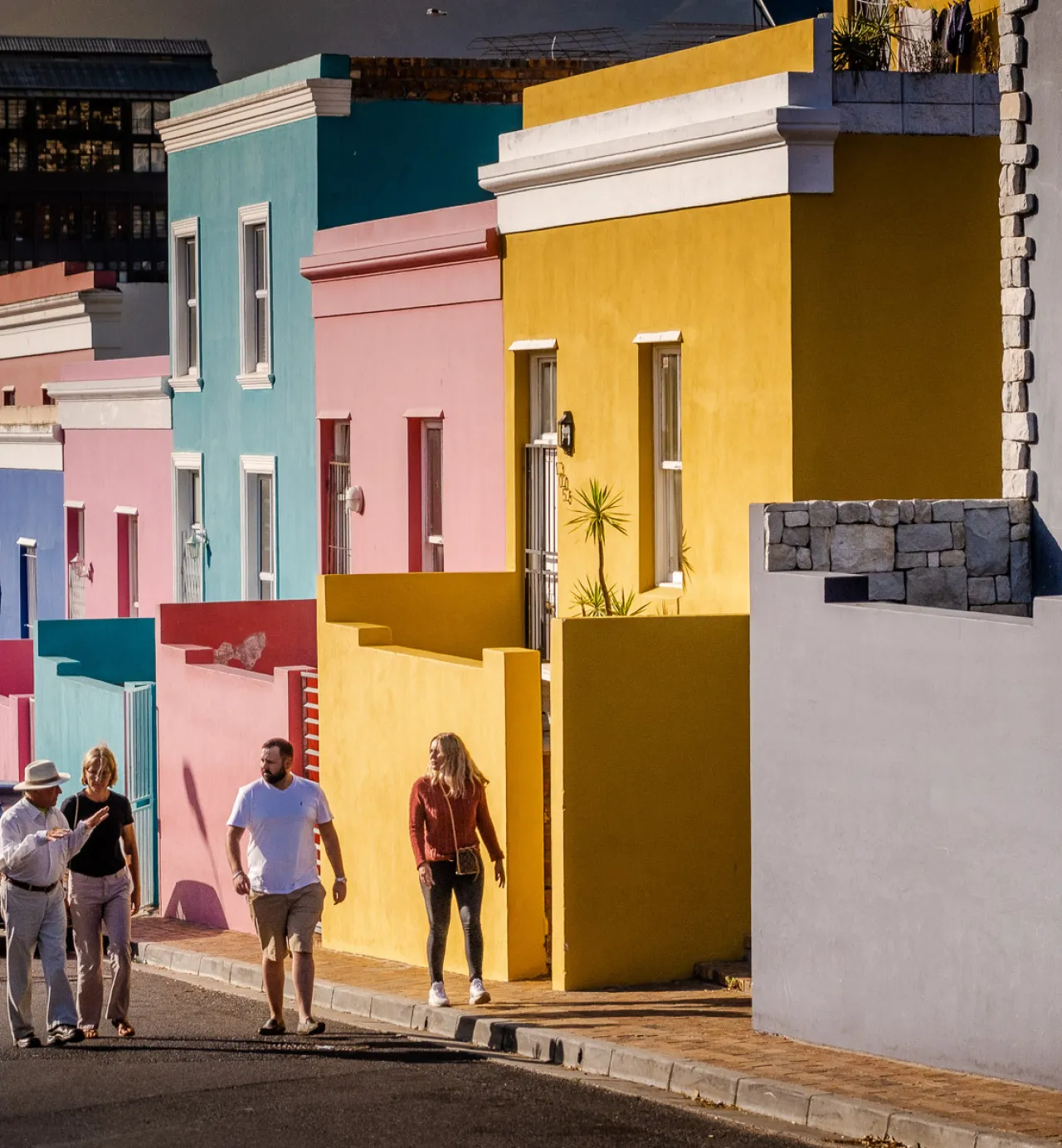
Traditional Bo-Kaap cooking experience
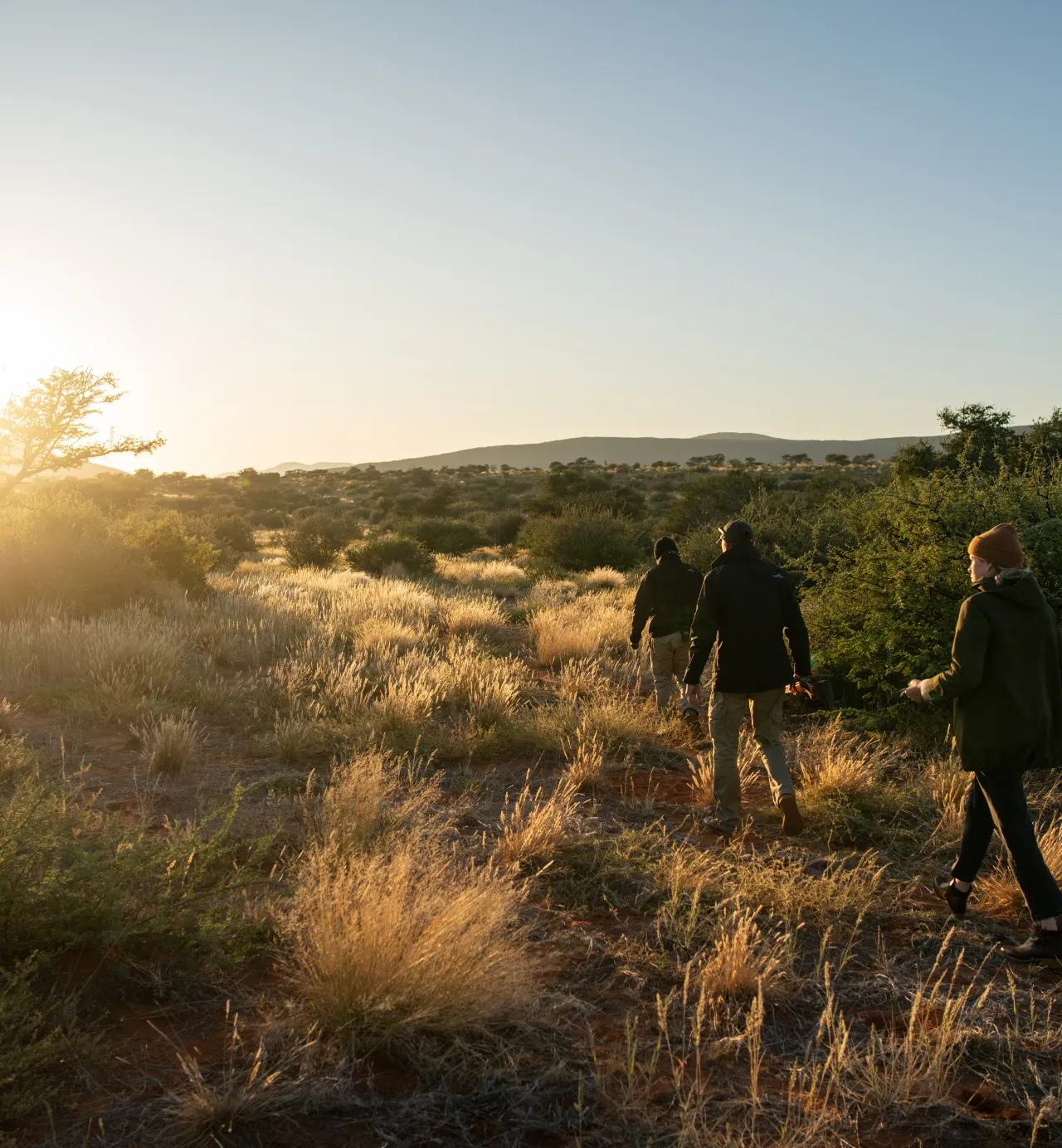
Tracking Africa’s most elusive species on foot
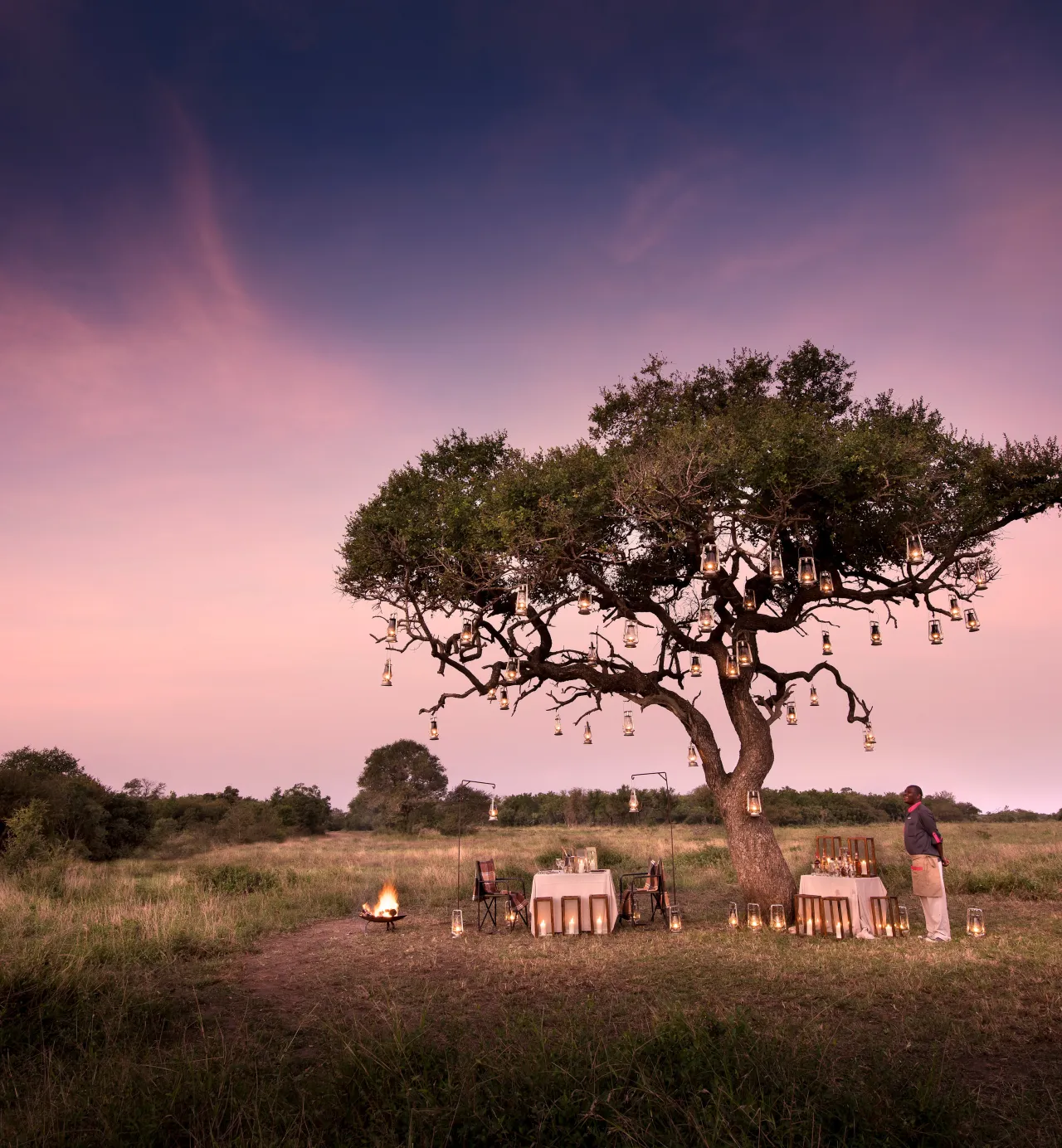
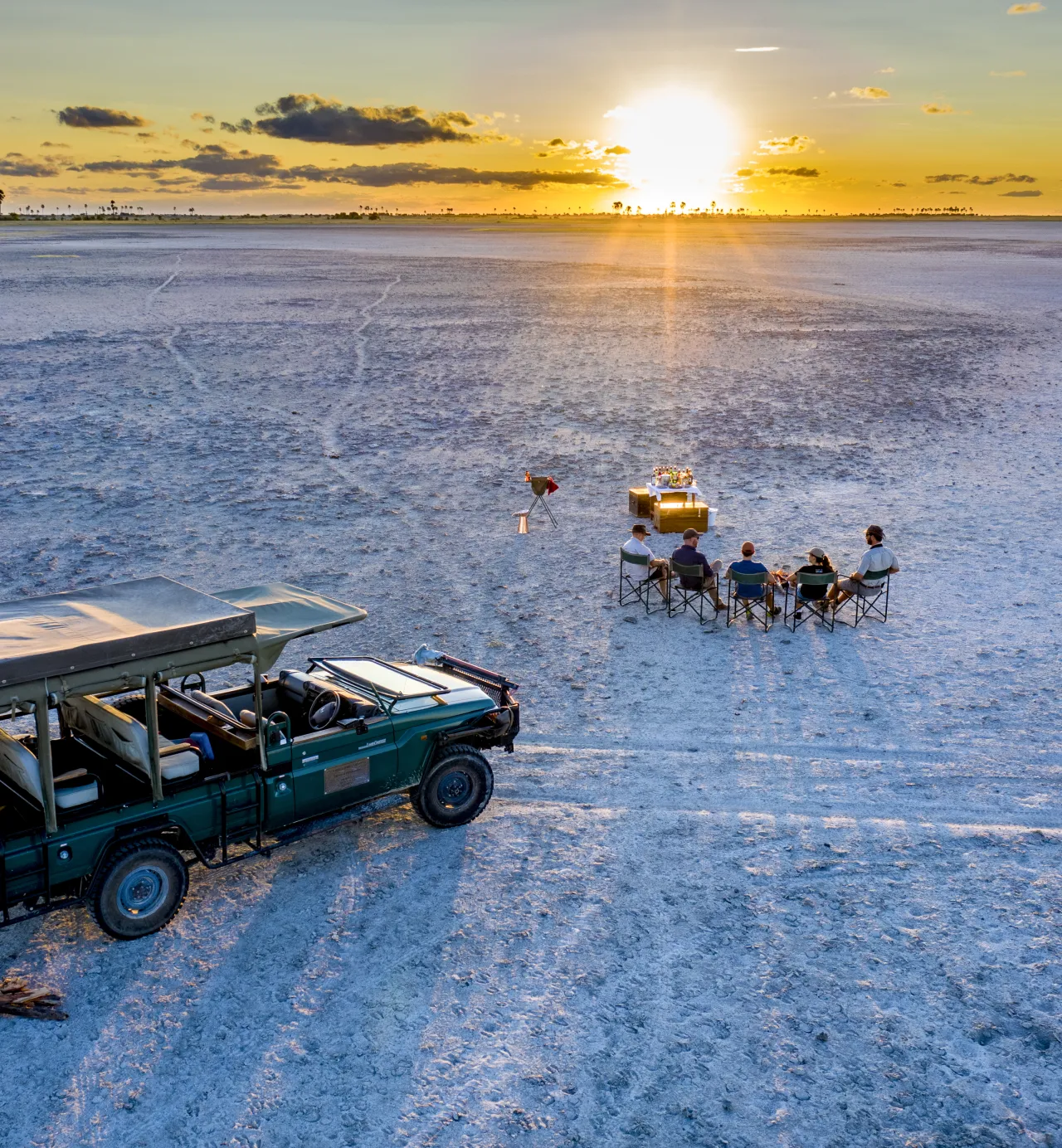
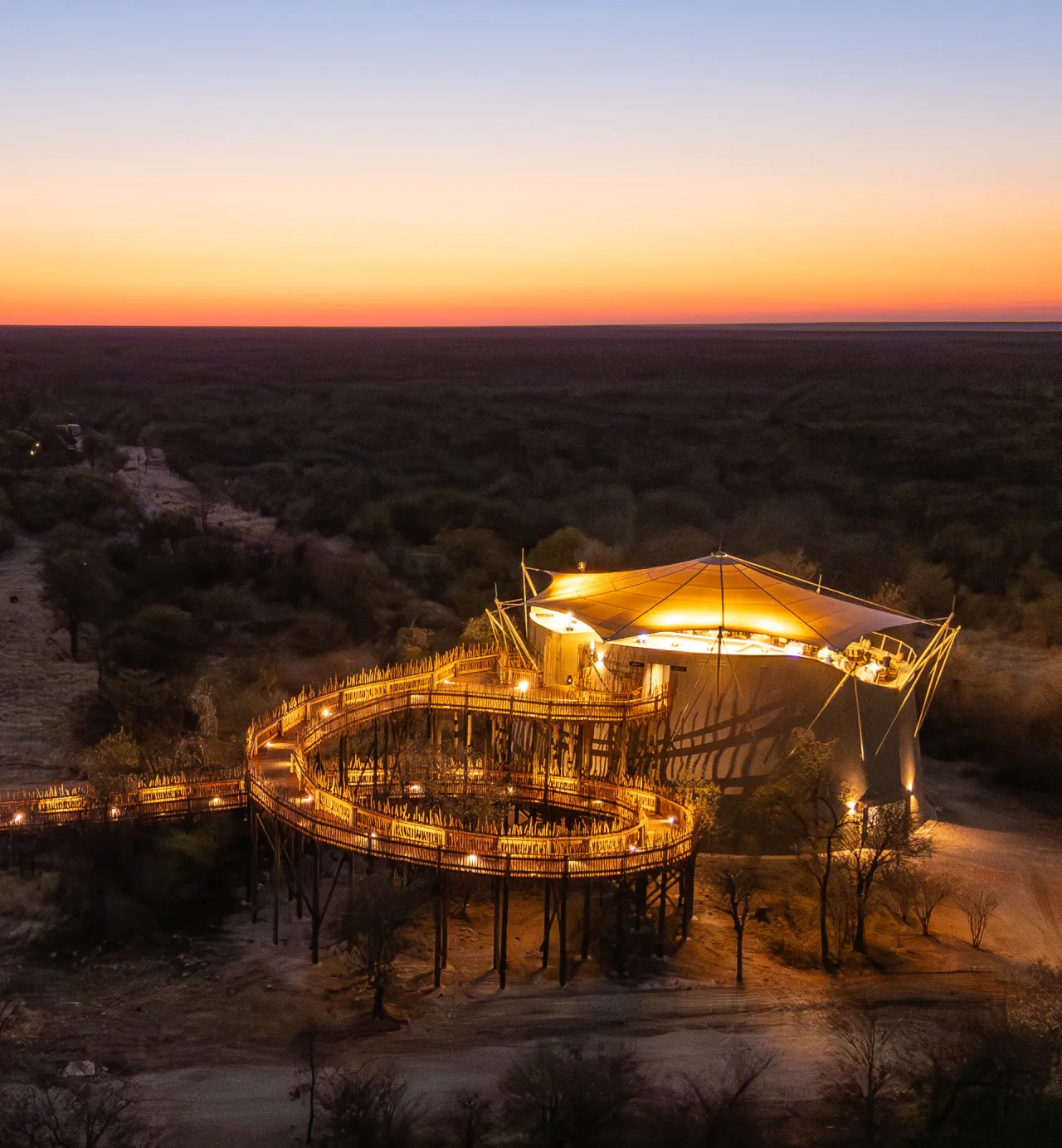
SkyBoma, Etosha
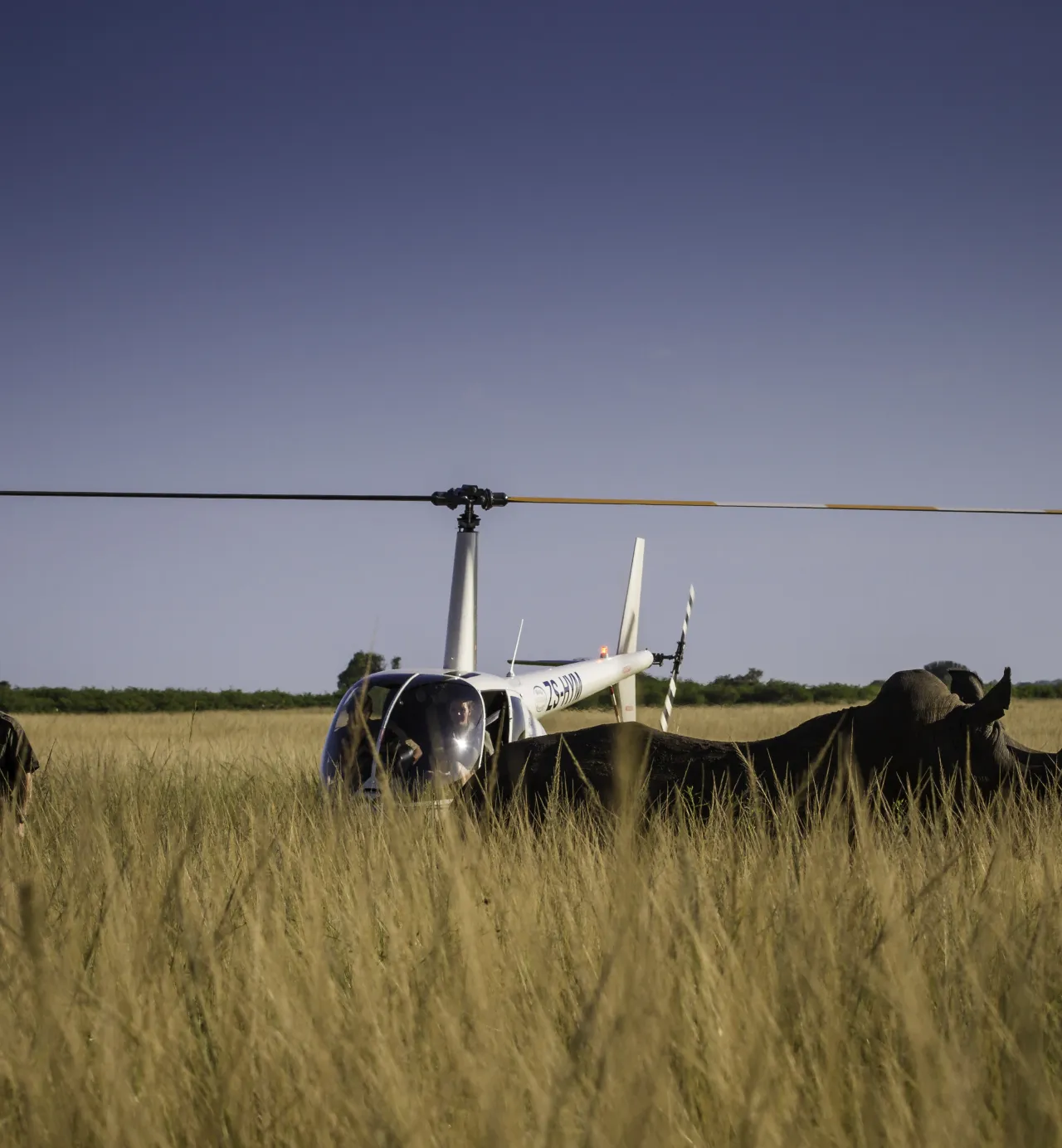
Rhino darting and chipping experience
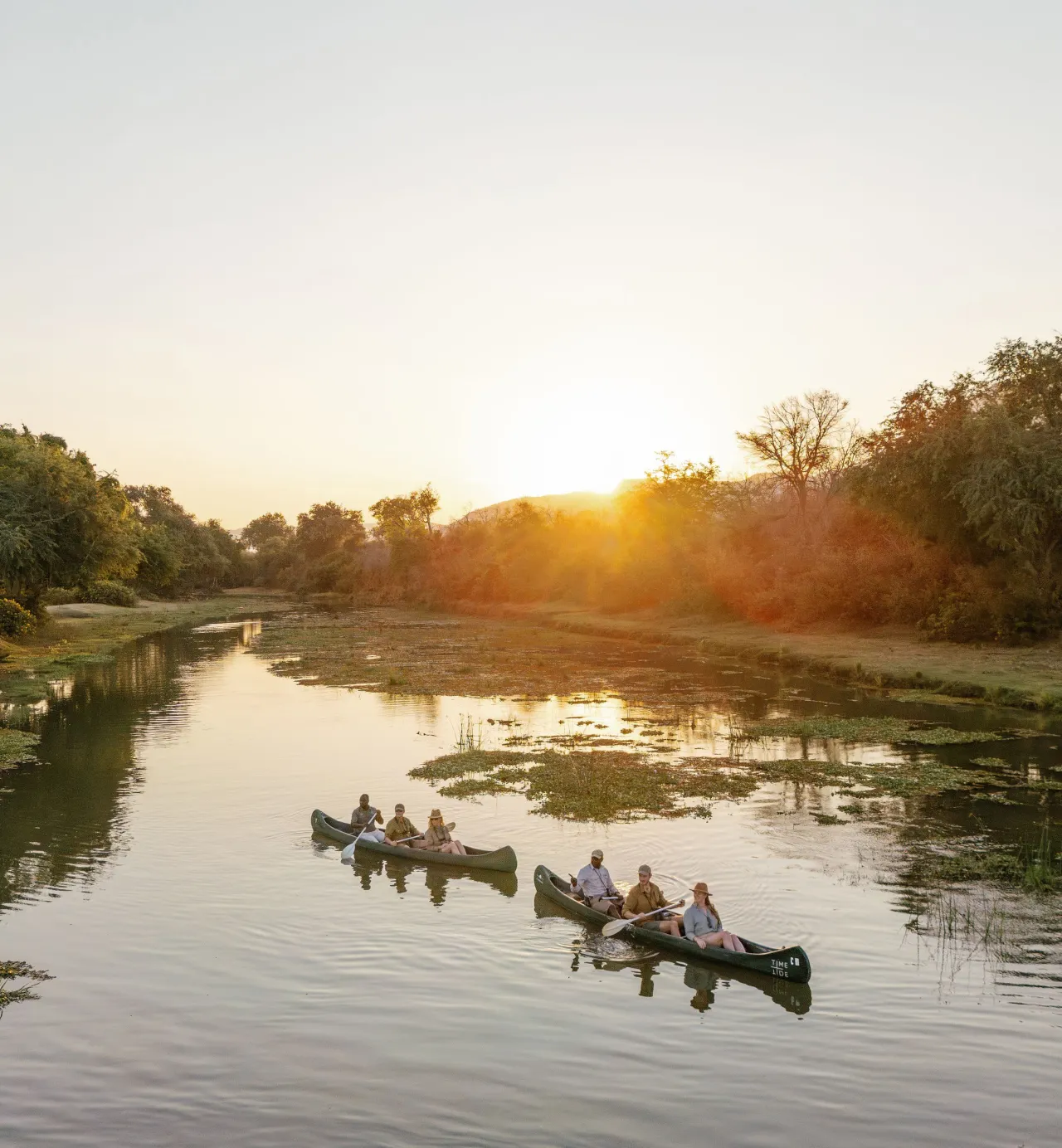
Picnicking on islands in the Zambezi
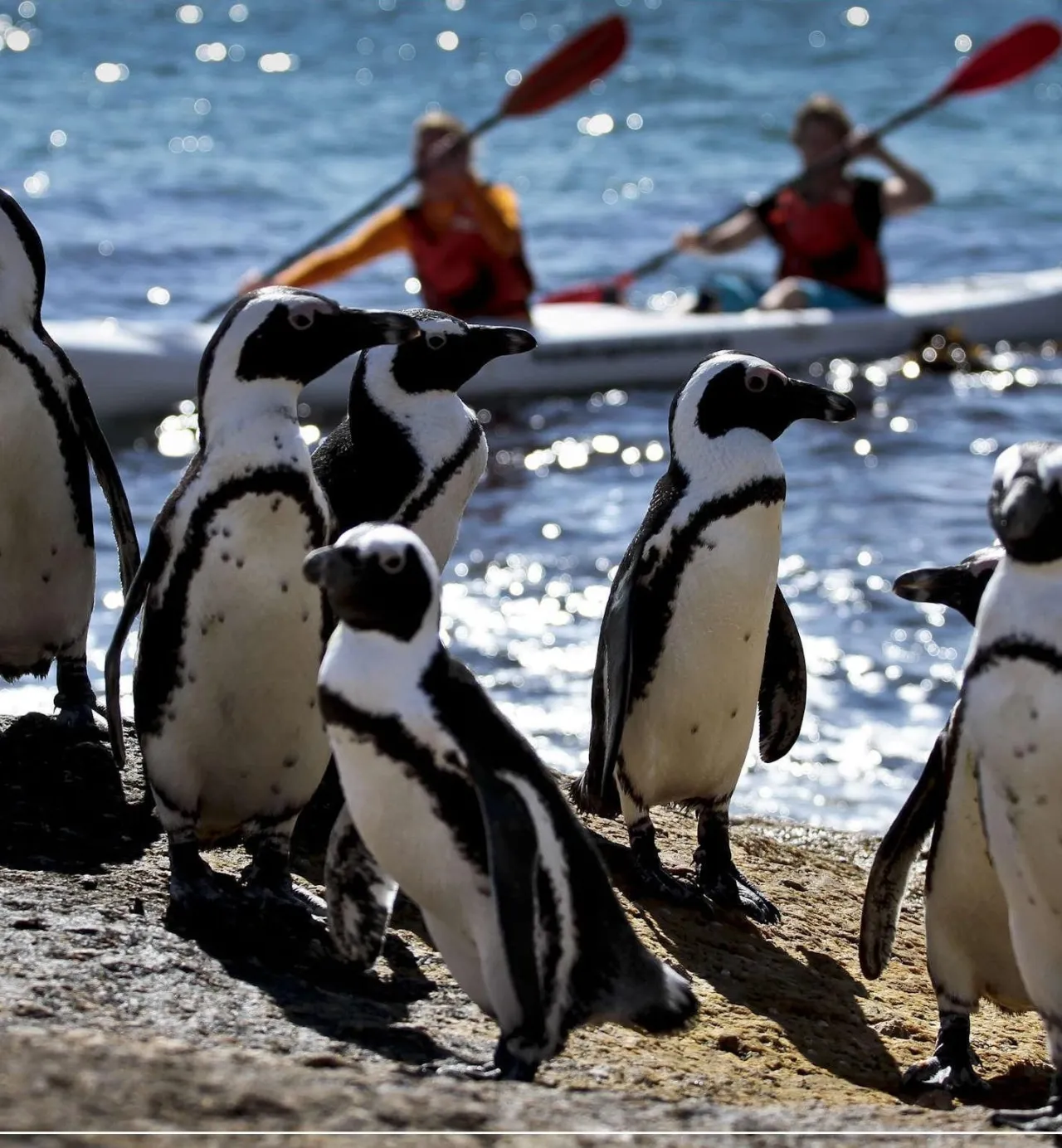
Paddle with penguins
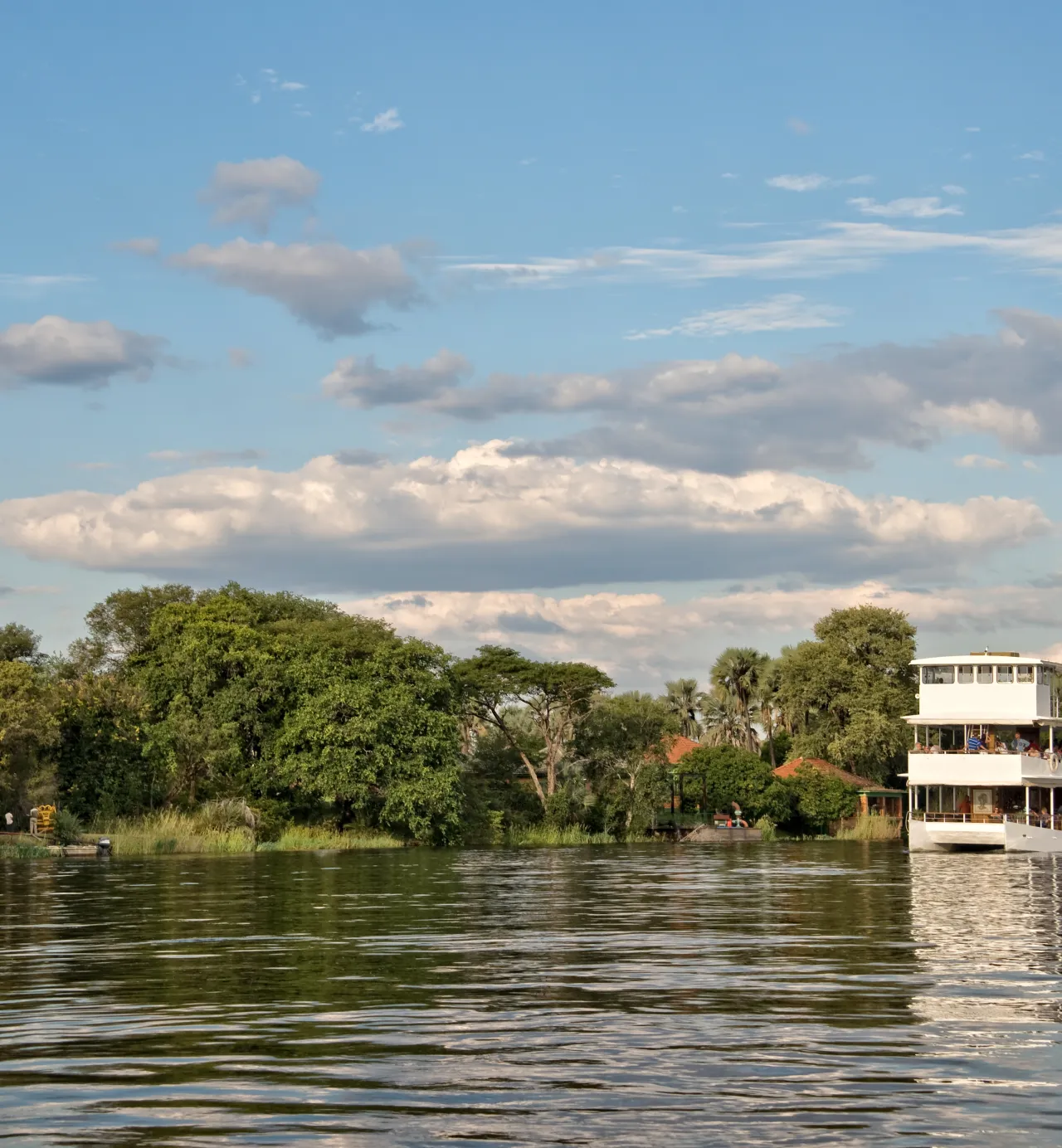
Live-aboard luxury Zambezi safari
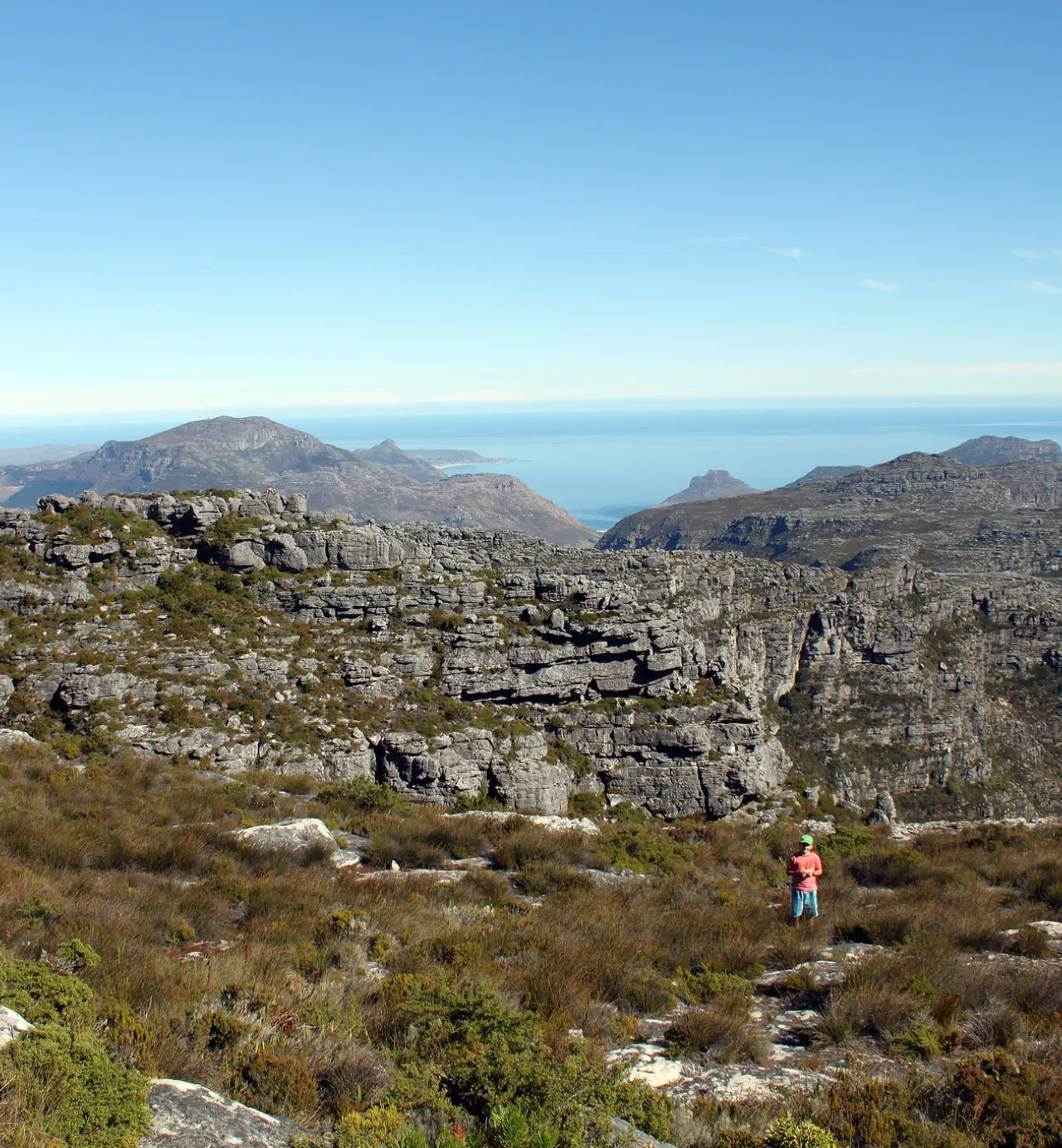
Hiking Table Mountain with a botanist or forager