

Damaraland
Damaraland
A place of harsh beauty – and remarkable experiences
Peak time
July to October
Best time to visit
May to October (the cool, dry season)
Known for
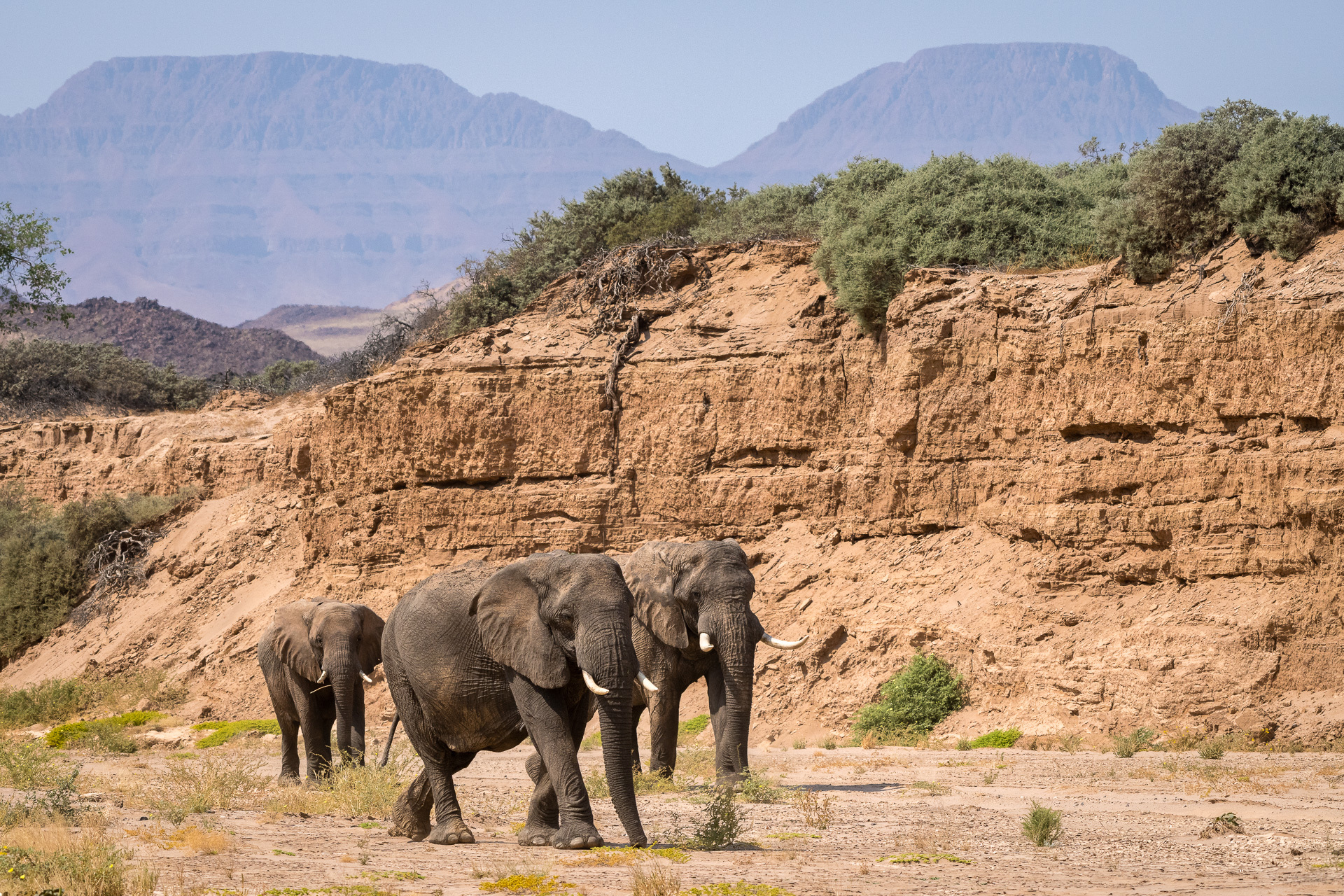
Its desert-adapted elephants and black rhinos
Also known for
The ancient rock engravings at Twyfelfontein; its dramatic, rugged landscapes
About Damaraland
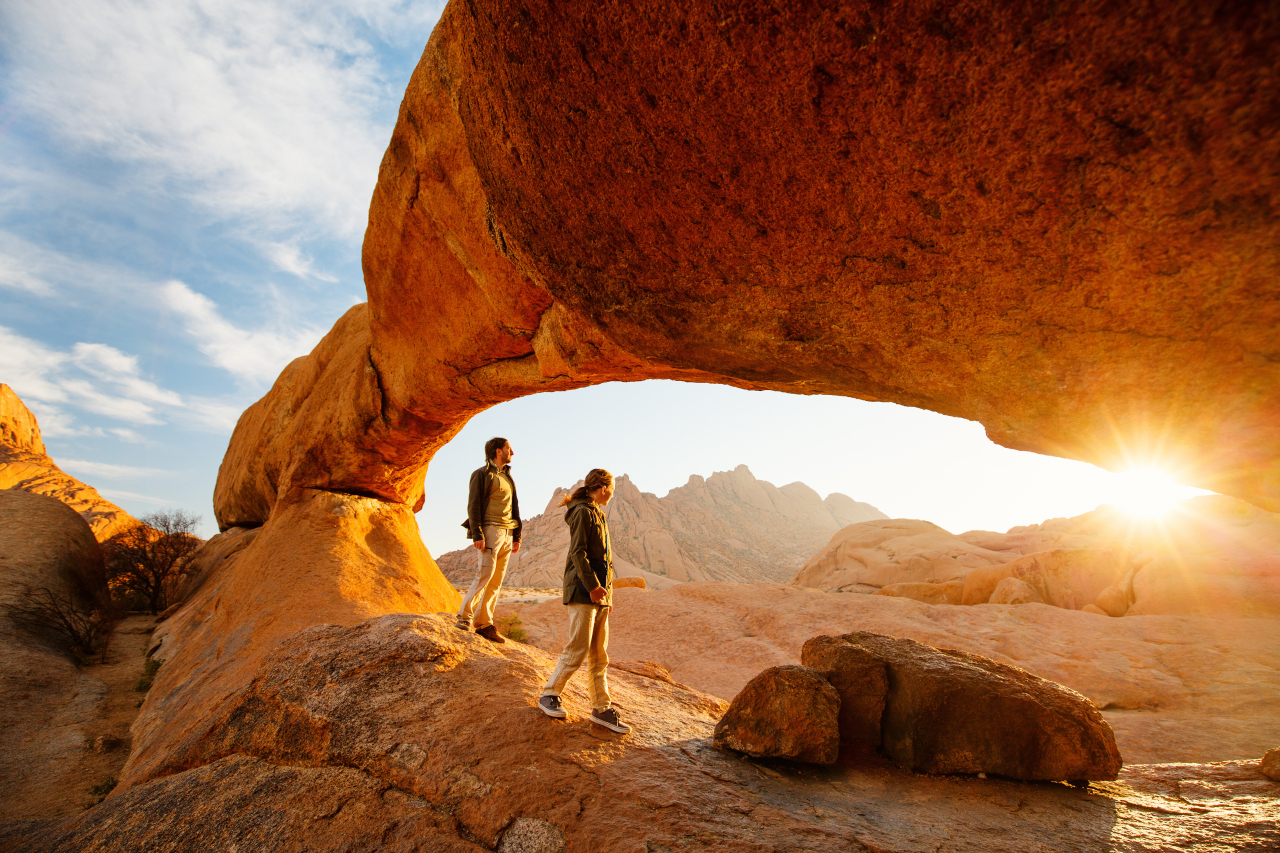
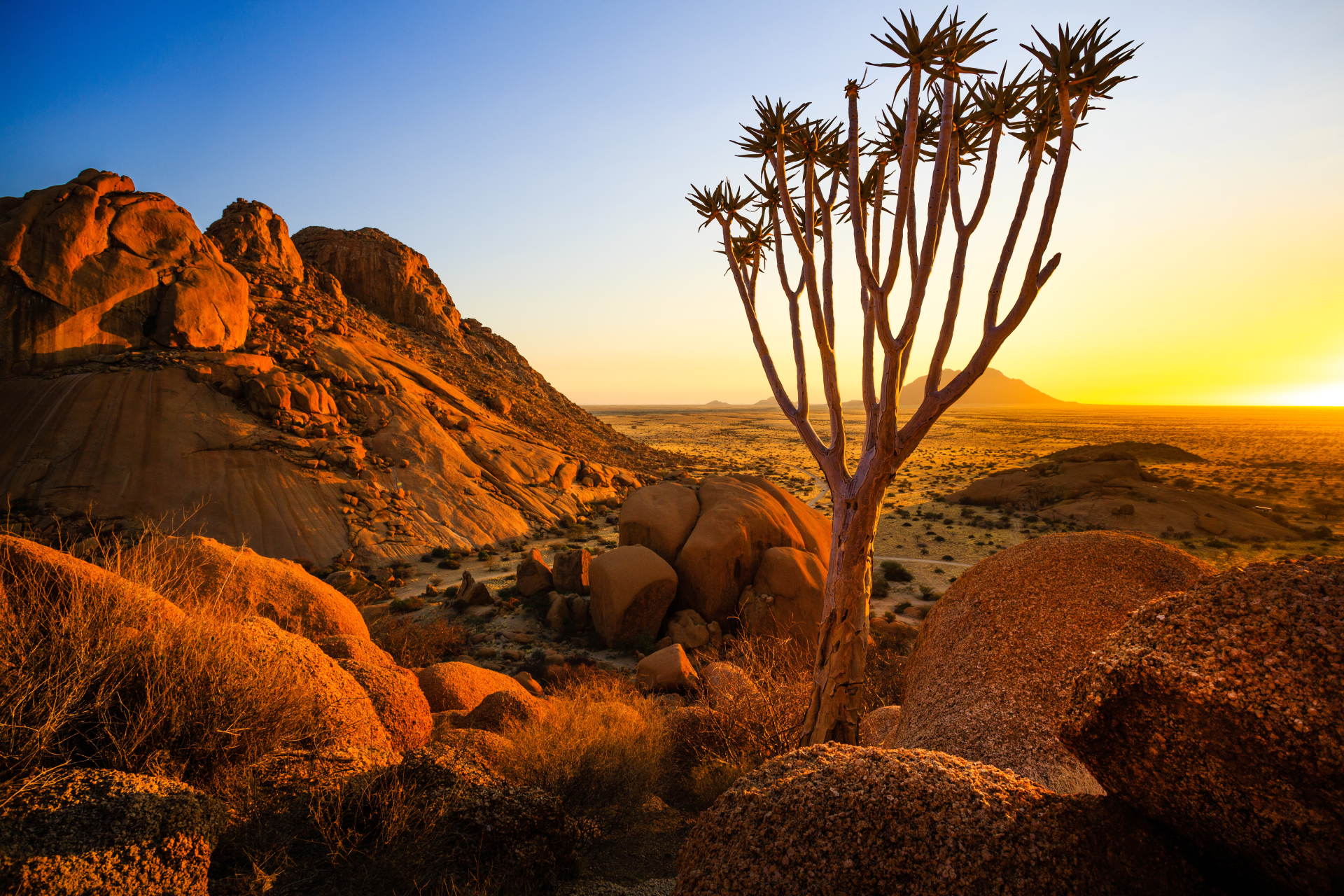
Damaraland is one of the most beautiful and rugged wilderness areas in Africa. This is a land of immense scale, a landscape of sun-scorched plains, ancient riverbeds and dramatic granite kopjes (small hills) that rise, sculpture-like, from the land. It is a land of stark beauty, where the Earth’s bones seem to lie exposed under a vast, endless sky.
The experience here is one of patient tracking and discovery. Damaraland is not a place of high-density game viewing, but it is home to most remarkable creatures: the legendary desert-adapted elephants and the critically endangered desert black rhino. These animals have made incredible adaptations to survive in this arid environment, and tracking them across the empty landscapes is one of the most rewarding safari experiences imaginable.

Did you know
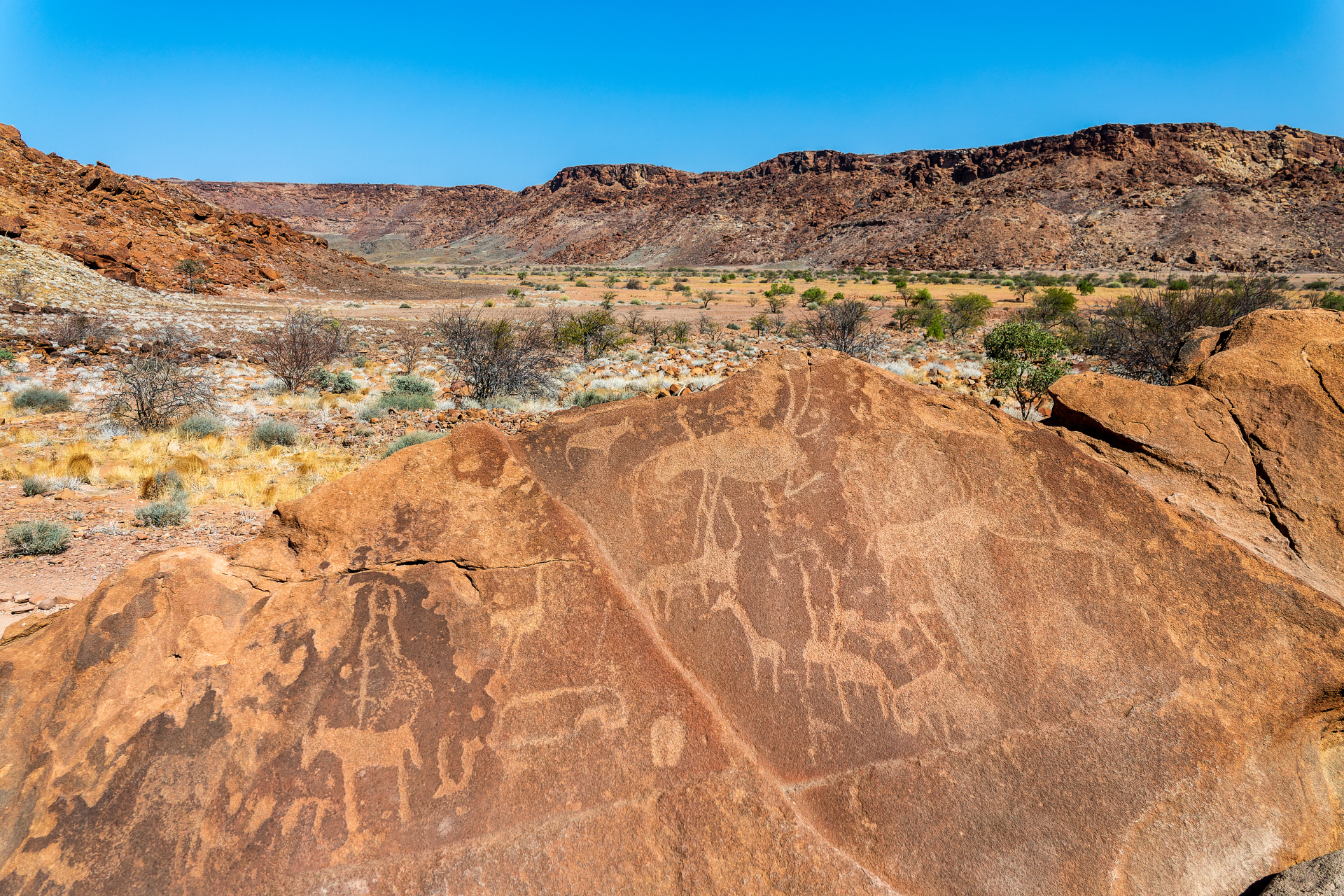
The Twyfelfontein rock art site contains over 5000 individual depictions, some dating back 6000 years
But Damaraland’s story is not just about wildlife; it is a journey into deep time. It is home to the Twyfelfontein UNESCO World Heritage Site (Namibia’s first such designation), an ancient outdoor art gallery with one of the largest concentrations of rock engravings and paintings in Africa. It is a place to find the surreal Organ Pipes and the fossilised trees of the Petrified Forest. Damaraland is as rich in geological and human history as it is in rare wildlife.
Get to know Damaraland
The safari experience in Damaraland is defined by its exclusivity and its focus on tracking. The region is home to several luxurious, intimate lodges, each located within a vast private or community-run conservancy. This ensures a completely crowd-free experience where you will almost never see another vehicle.
The main activity is game drives in open 4x4 vehicles, led by expert local guides who are masters at tracking animals across immense distances. These are often full-day excursions in search of desert elephants or rhinos. Guided nature walks are also a key part of the experience, offering a chance to discover the smaller details of the desert ecosystem and to explore geological wonders and rock art sites on foot.
History
Damaraland’s story is one of survival. For thousands of years, it has been home to the Bushman and Damara peoples, who have left an incredible legacy of art and culture etched into the rocks. The rock engravings and paintings at Twyfelfontein are a sacred archive, documenting the spiritual beliefs and hunting rituals of the hunter-gatherer societies that once thrived here.
The modern history of the region is about pioneering community-based conservation. In the past, the area suffered from uncontrolled hunting and human-wildlife conflict. The turning point was the establishment of community conservancies, empowering local communities to manage and benefit from the wildlife on their land through partnerships with tourism operators. This model has led to a dramatic recovery in wildlife populations, particularly the black rhino, and turned Damaraland into a world-renowned conservation success story.

More unforgettable activities

Turtle egg laying and hatching

Traditional Bo-Kaap cooking experience
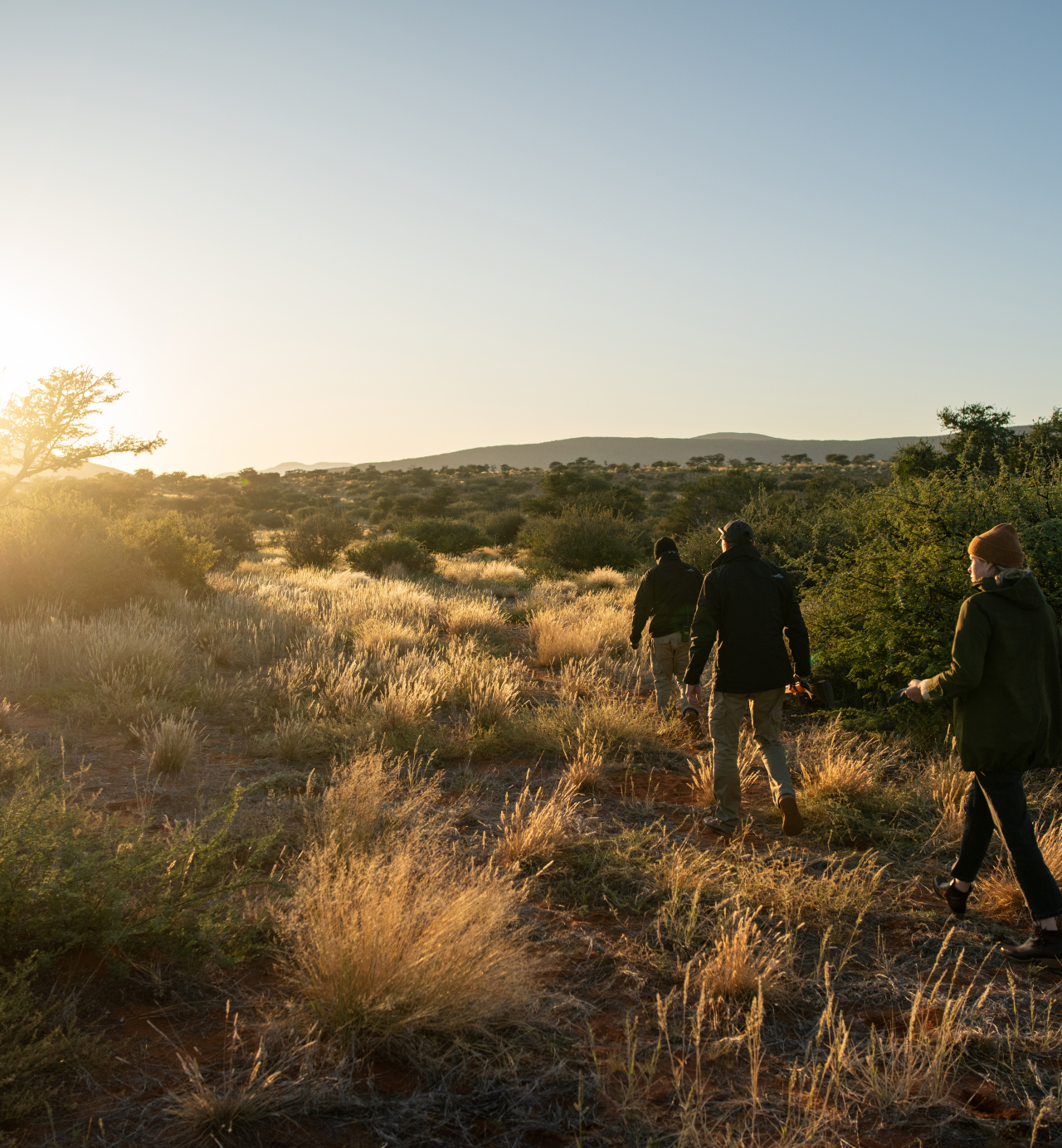
Tracking Africa’s most elusive species on foot
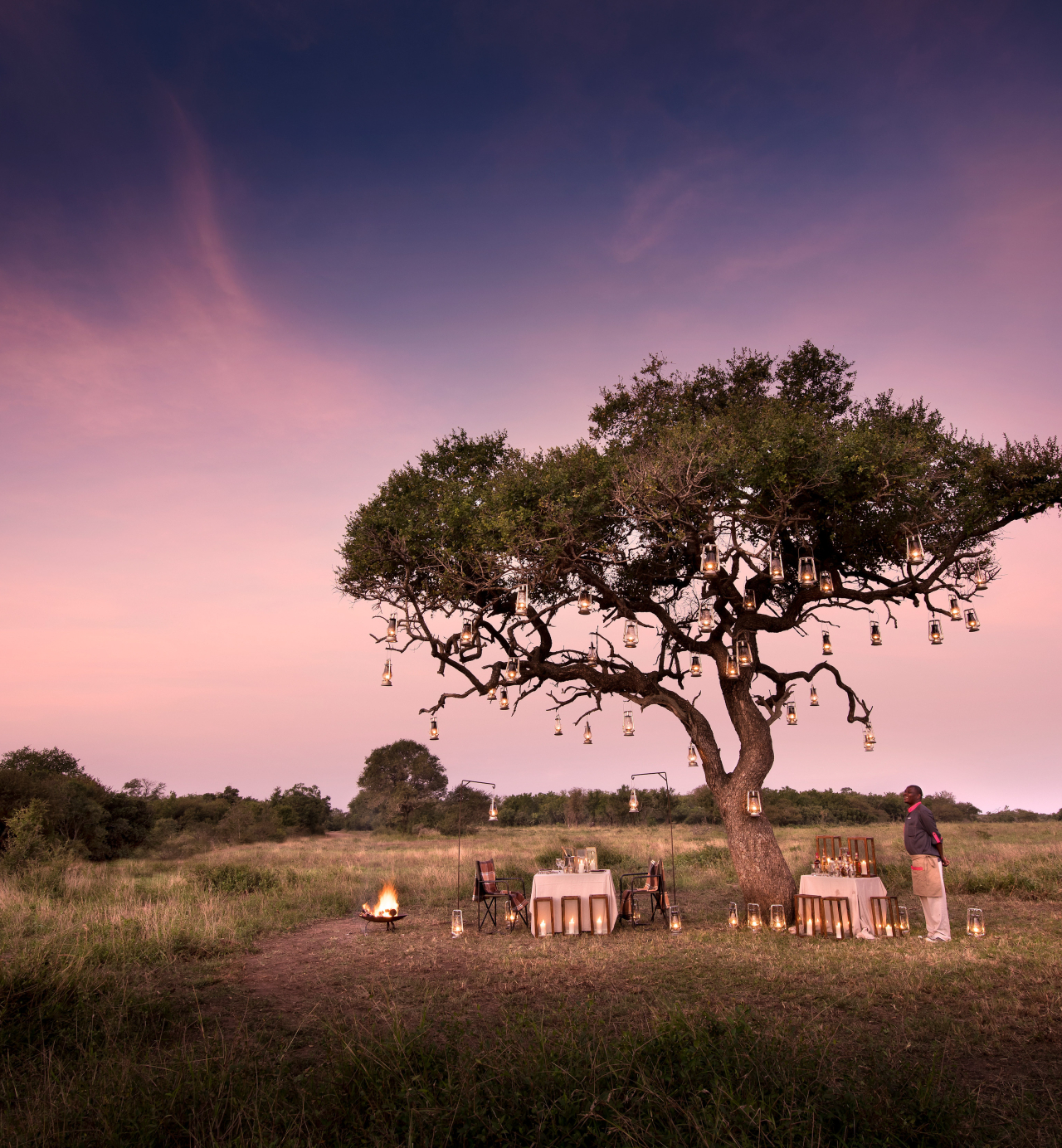
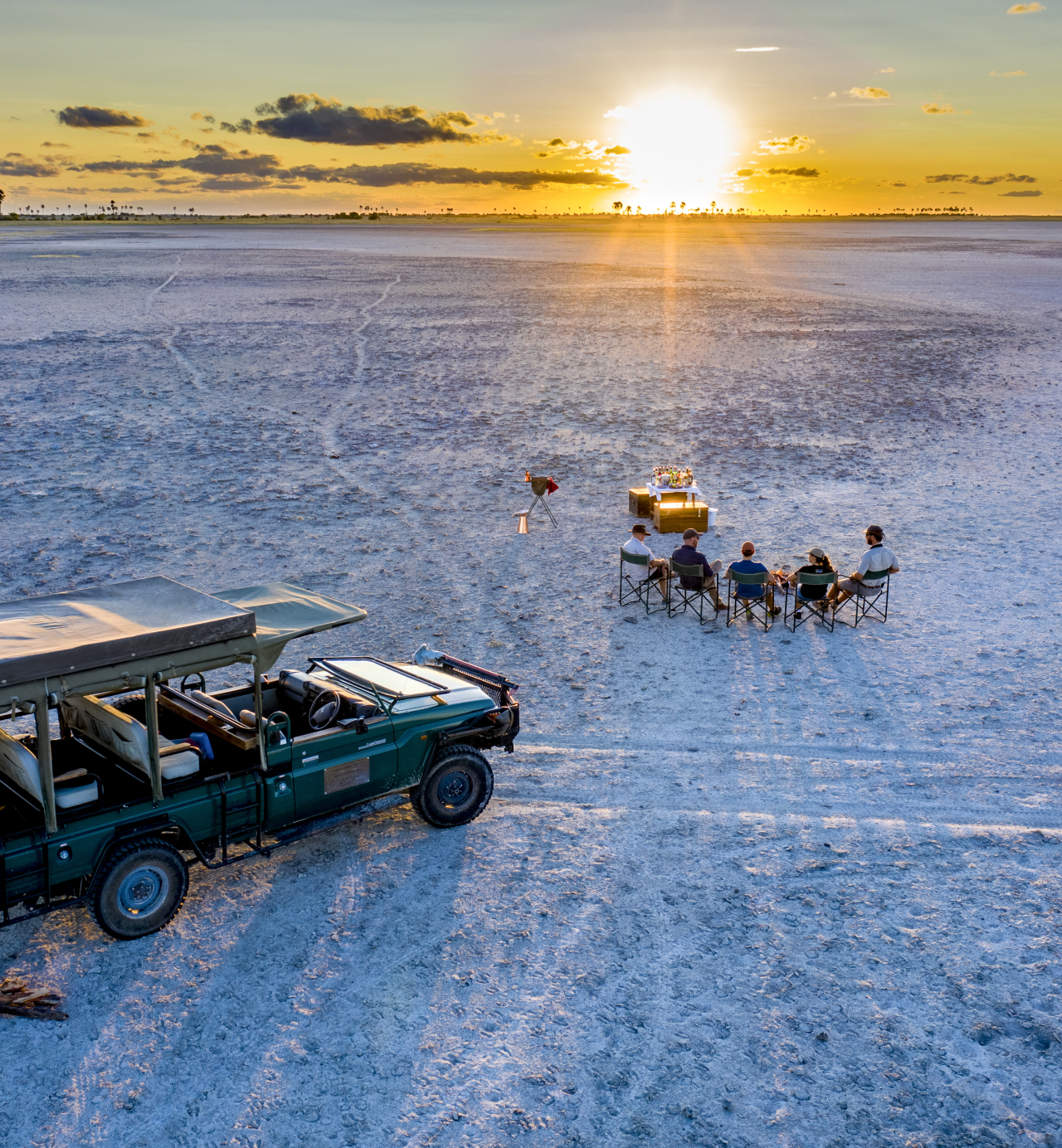
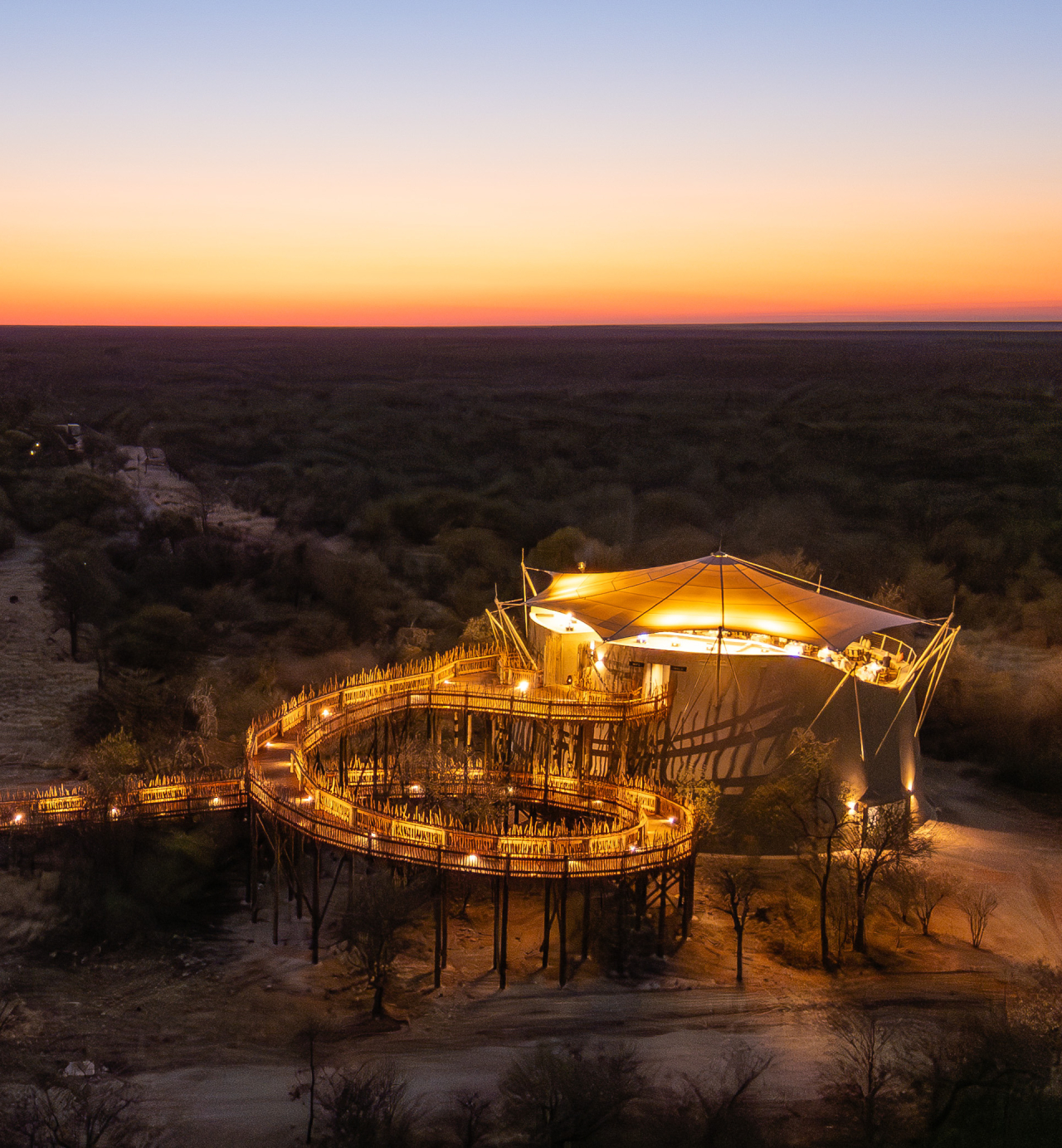
SkyBoma, Etosha
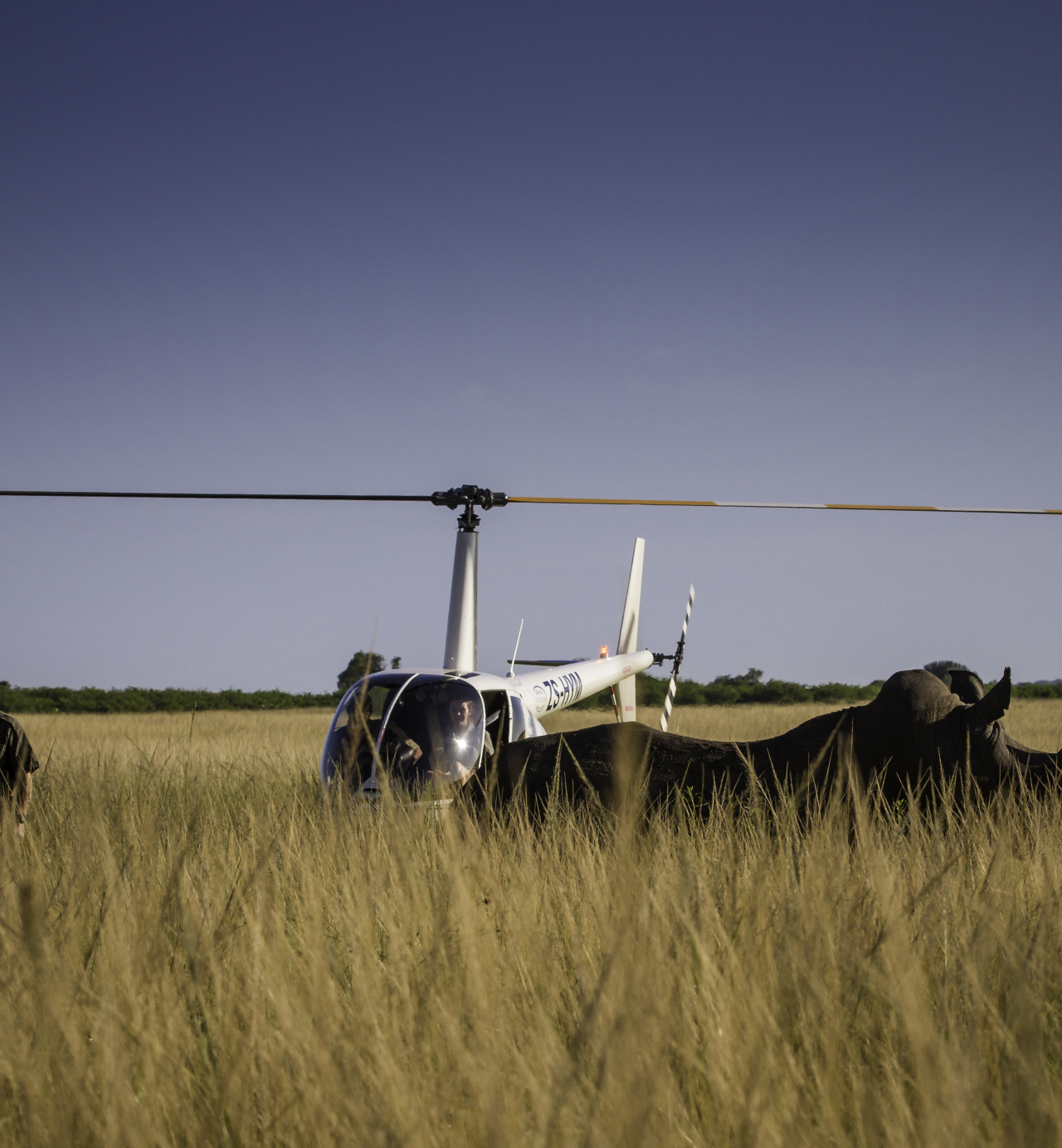
Rhino darting and chipping experience
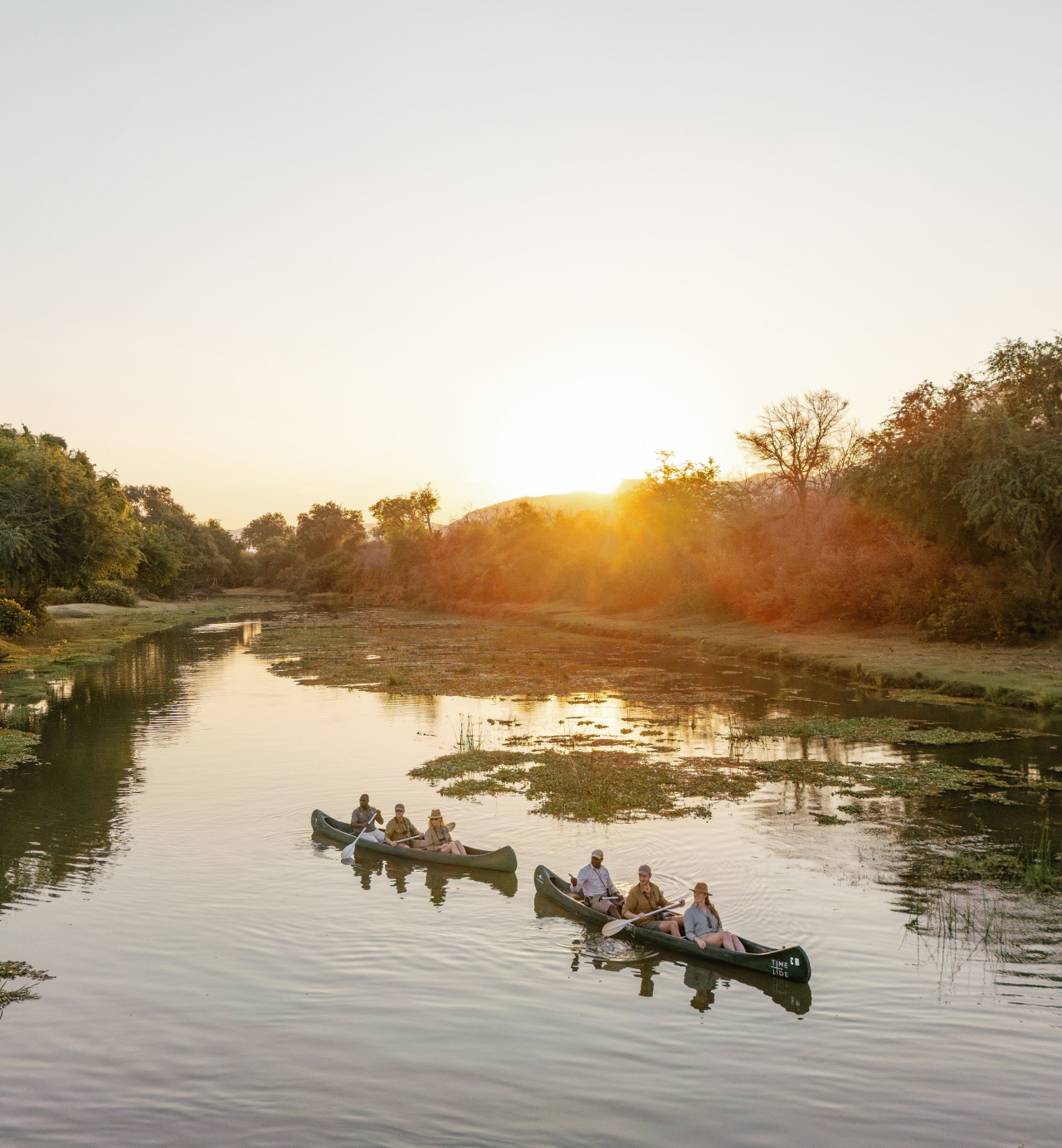
Picnicking on islands in the Zambezi
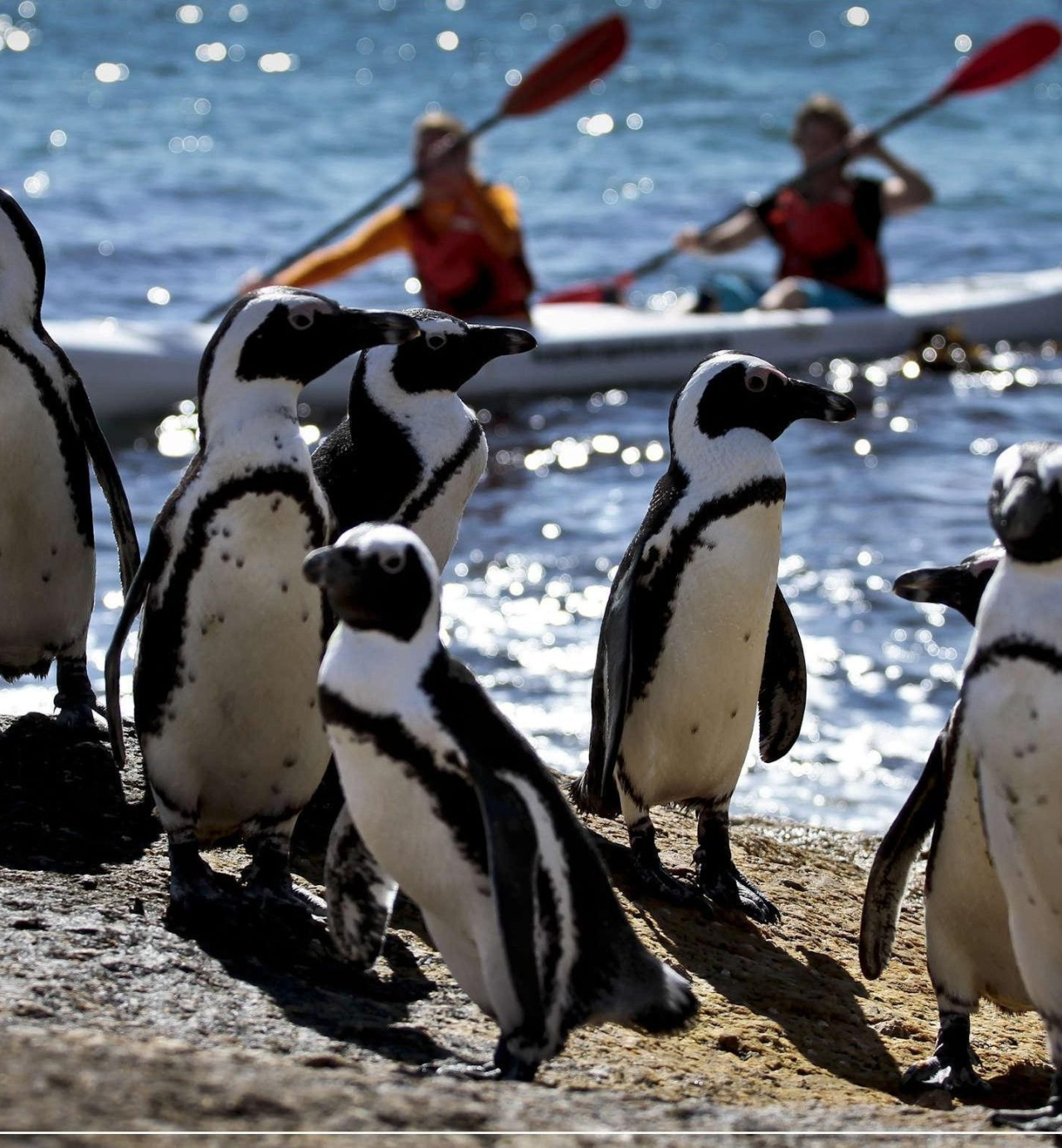
Paddle with penguins
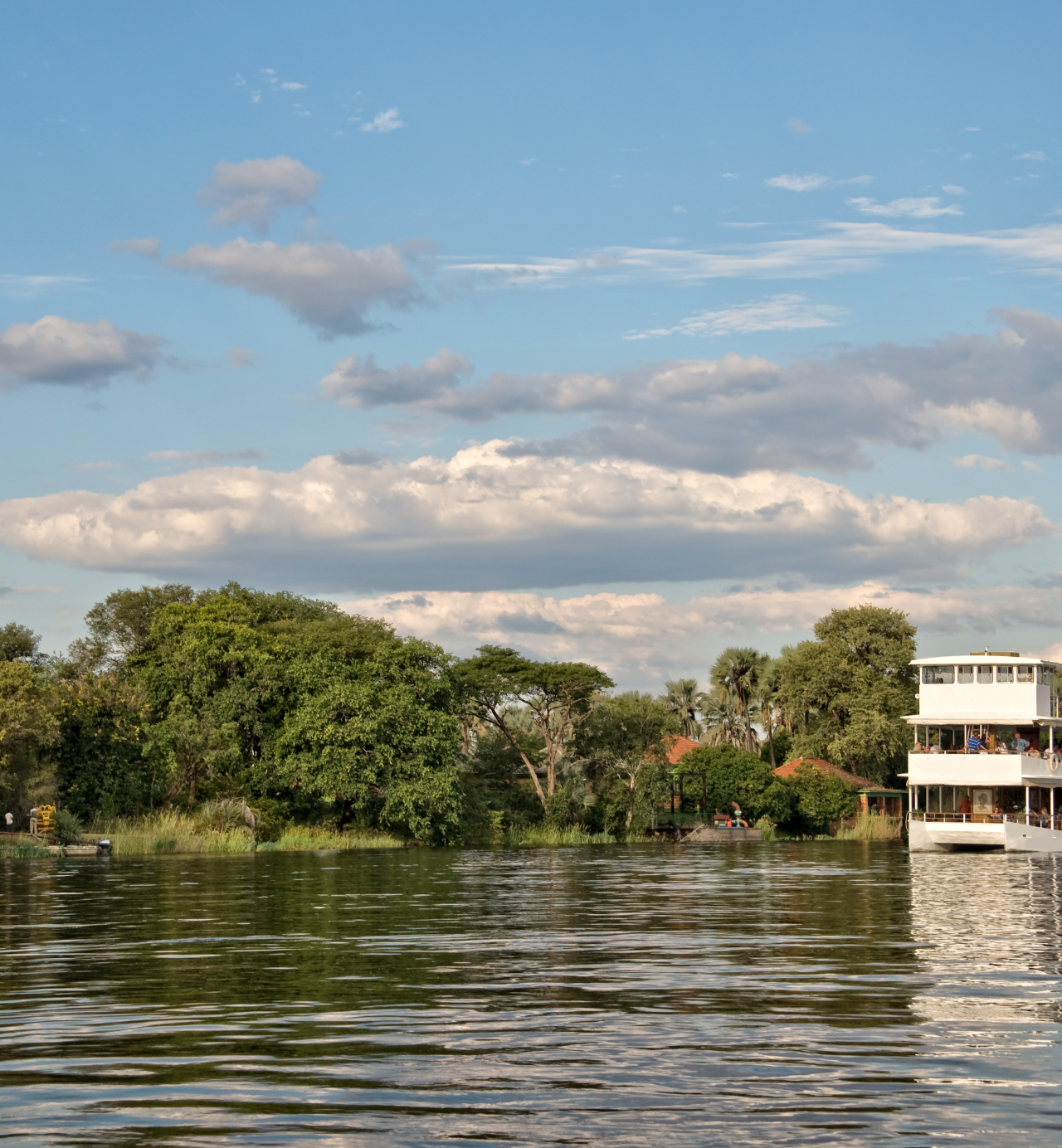
Live-aboard luxury Zambezi safari
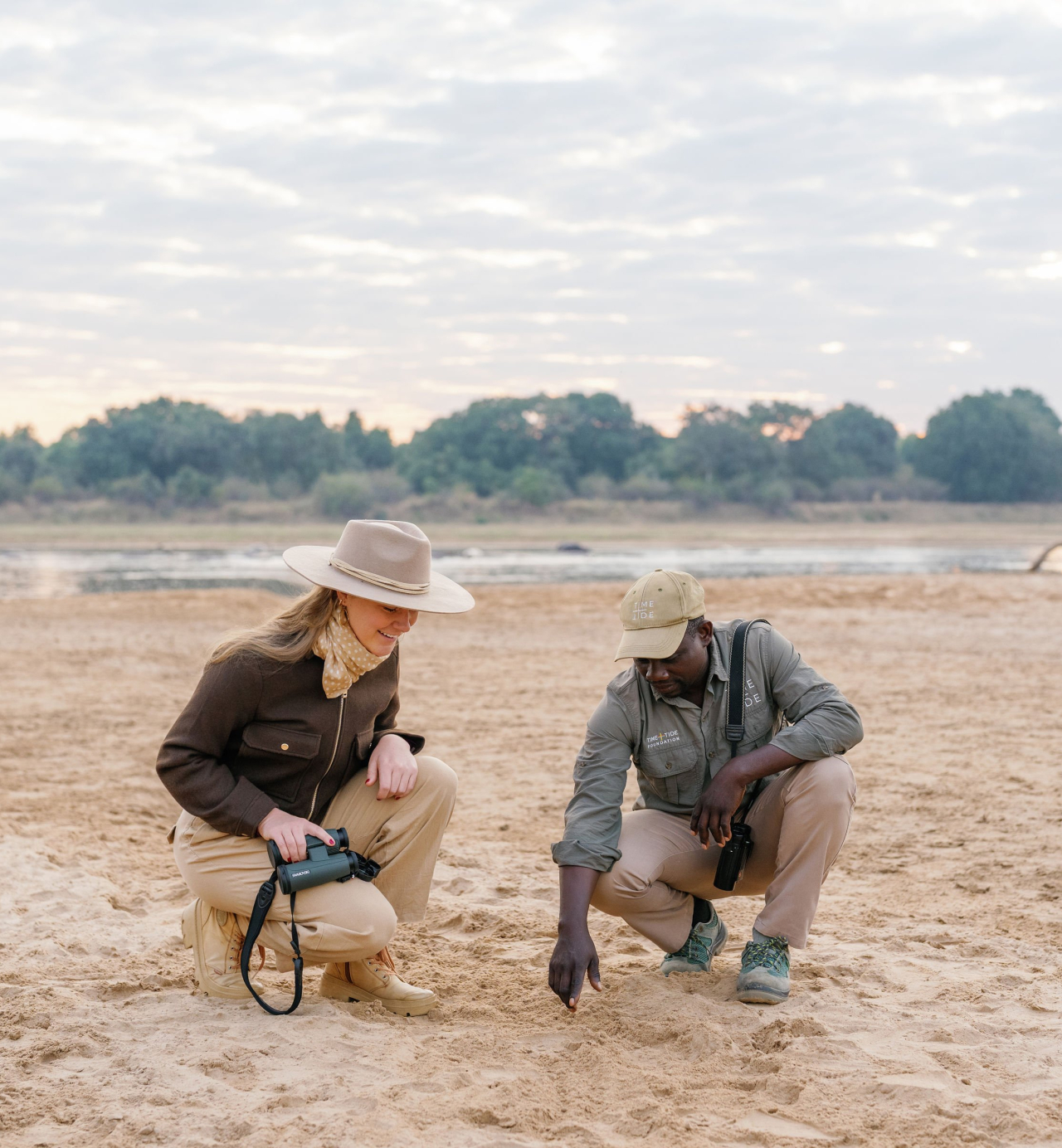
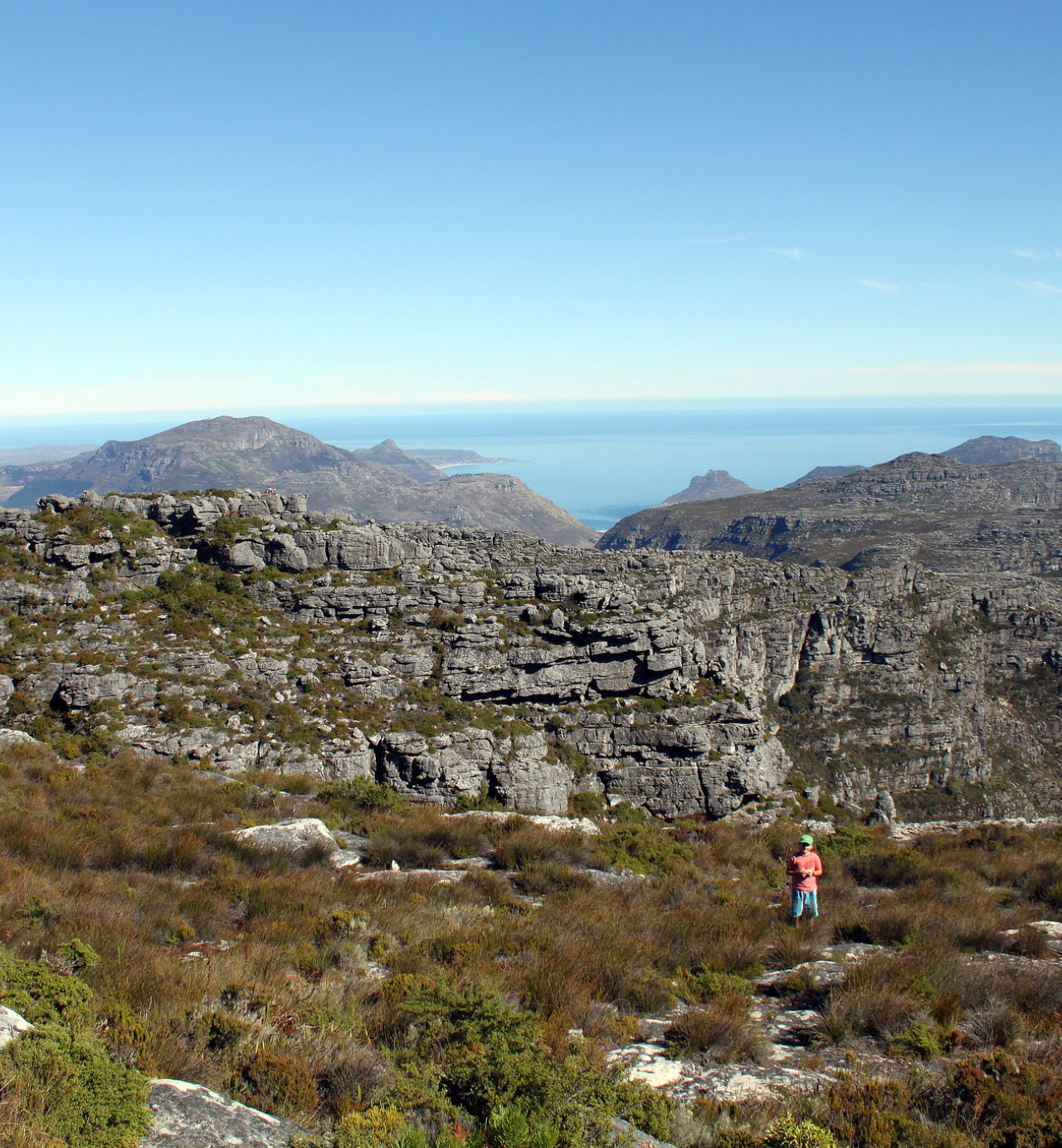
Hiking Table Mountain with a botanist or forager

Voices of our guests
Damaraland FAQs
It is better suited to second-time visitors to Africa or those with a keen interest in landscapes, geology and conservation. For classic, high-density game viewing, Etosha National Park is a better starting point. The reward in Damaraland is the tracking and its desert-adapted species.
While not guaranteed, your chances are extremely high when staying for two to three nights with a lodge that employs expert local trackers. These animals roam over huge areas, so tracking them is a key part of the adventure.
A 4x4 is highly recommended. While some main gravel roads are accessible to 2WD vehicles, a 4x4 provides much better comfort, safety and the ability to explore the more rewarding, remote tracks.
There is a low risk of malaria during the rainy season (November to April). Your best protection is to prevent mosquito bites by wearing lightweight protective clothing and using repellent. You should also consult your doctor about appropriate anti-malarial medication before you travel.
A stay of two to three nights is ideal. This gives you enough time for a full-day elephant tracking excursion and an opportunity to visit the rock engravings at Twyfelfontein.
It is a groundbreaking conservation model where local communities manage and benefit from the wildlife on their land. Tourism lodges partner with the conservancy, and revenues fund conservation and social development projects.
No. While Damaraland has elephants, rhinos and leopards, and there is a small, hard-to-find population of lions, it does not have buffalo. The focus here is on the desert-adapted species and the rhino tracking experience.
It is one of Africa’s most thrilling and meaningful conservation experiences. You will drive to the general area where the rhinos are, and then track them on foot with highly trained and armed guides. You will approach them quietly and observe them from a safe distance, a truly humbling encounter.
Pack lightweight clothing in neutral colours. A warm jacket is essential as desert mornings and nights can be cold. Sturdy and comfortable walking shoes are vital for exploring the rocky terrain and rock art sites. A wide-brimmed hat and high-SPF sunscreen are also essential.
Sossusvlei is defined by its monumental red sand dunes. Damaraland is a completely different desert landscape, defined by its rugged, rocky mountains, granite kopjes and ancient riverbeds.
