

Etosha National Park
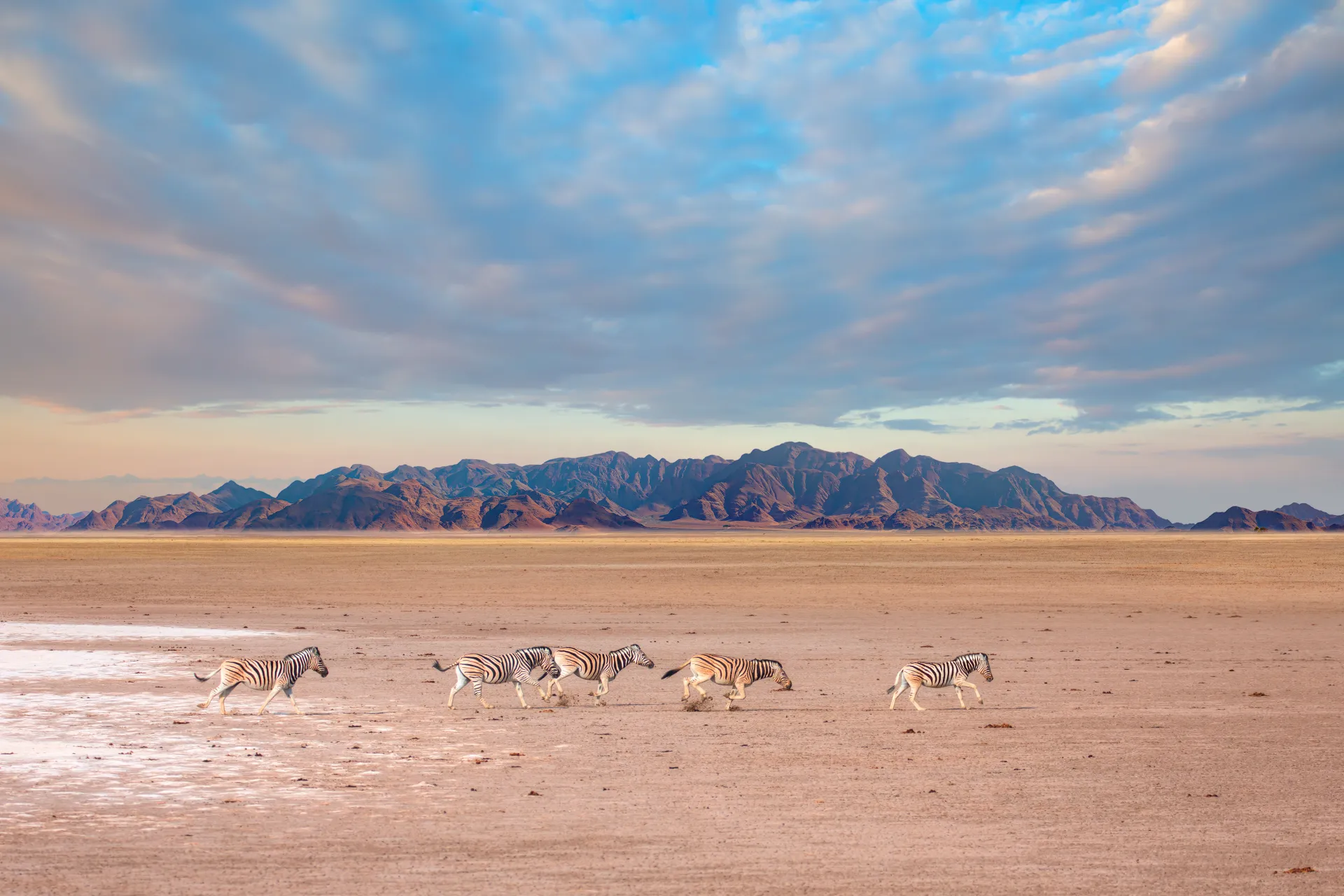
Etosha National Park
Feel the rhythms of life – and survival
Peak time
July to September
Best time to visit
May to October (the dry season)
Known for
The massive, shimmering salt pan; incredible waterhole game viewing
Also known for
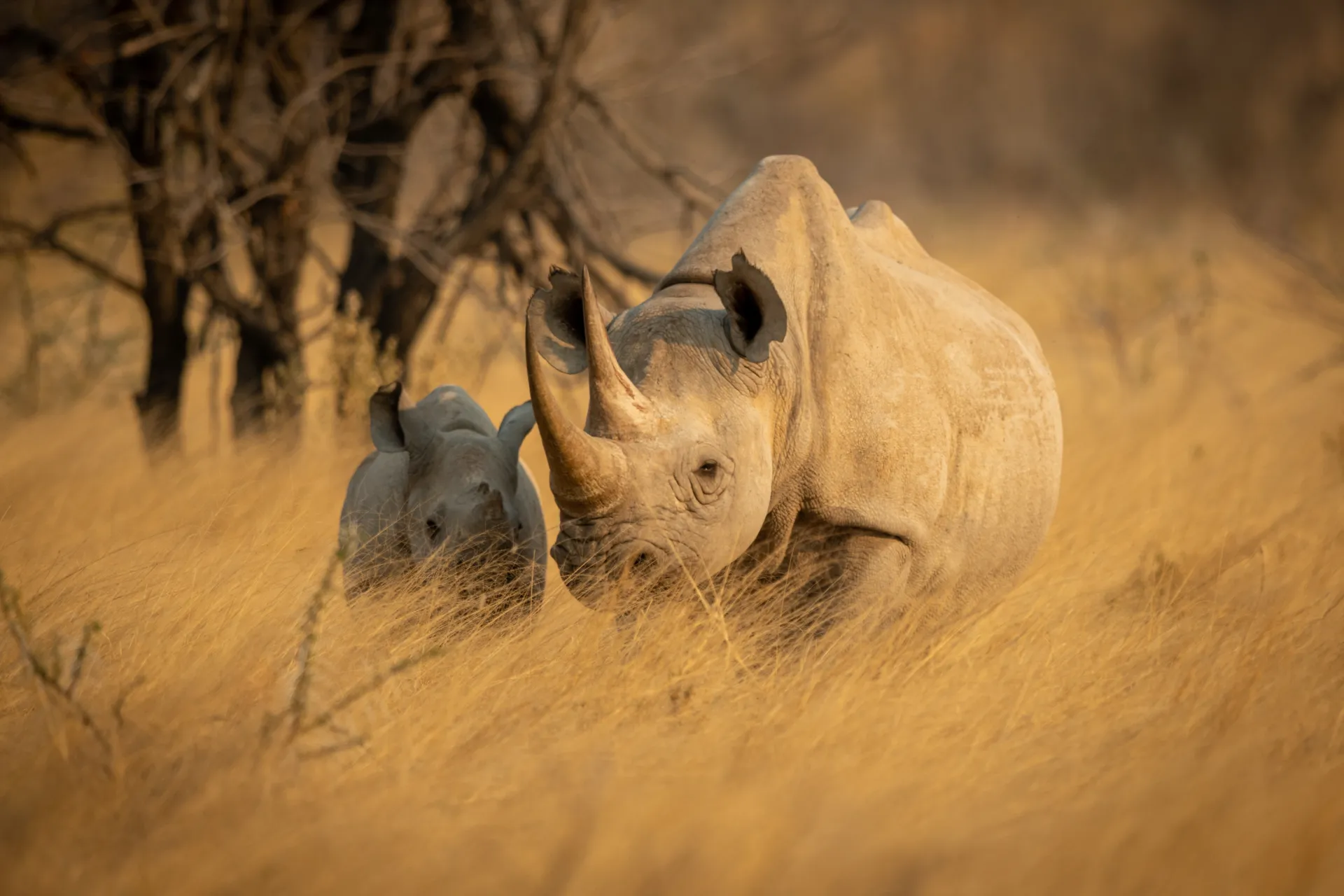
Floodlit waterholes at night; being a major black rhino stronghold
About Etosha National Park
A lunar landscape, ancient and otherworldly, the Etosha Pan is such a colossal natural feature that it’s visible from space.
This shimmering, silvery-white salt flat’s name, from the Oshindonga language, means “Great White Place” and is a perfect description for the seemingly endless expanse that covers nearly a quarter of the Etosha National Park.

Did you know
The Etosha Pan is the largest salt pan in Africa, covering an area of 4 760km2 (1 838sq mi).
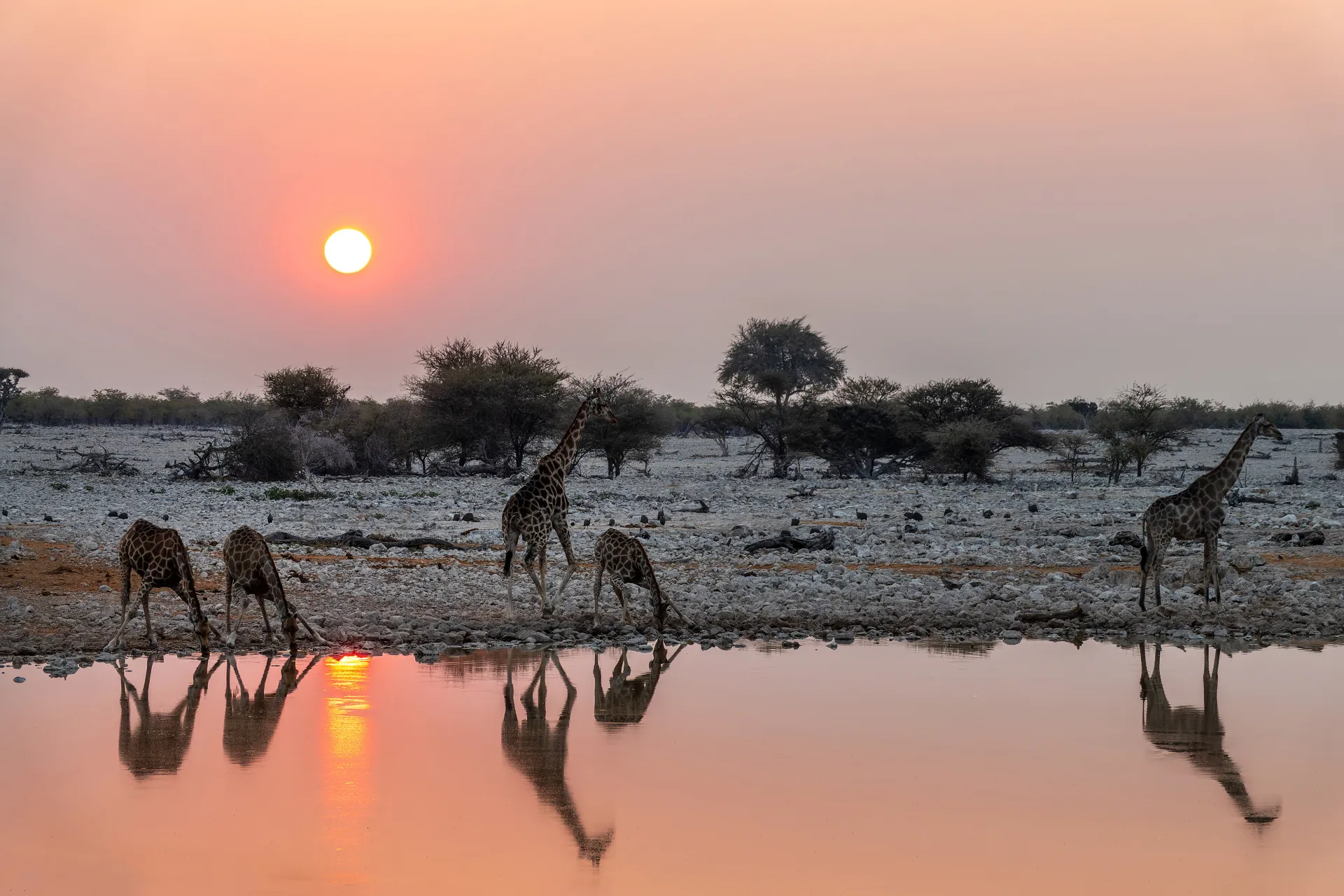
The genius of a safari in the Etosha National Park is its beautiful simplicity: in this arid world, life revolves around water. The park is dotted with a network of natural springs and man-made waterholes that, during the long dry season, become magnets for a staggering concentration of wildlife. The experience here is not about searching for animals in dense bush; it’s about finding a waterhole, turning off the engine and waiting to see the drama of the bush unfold before you.
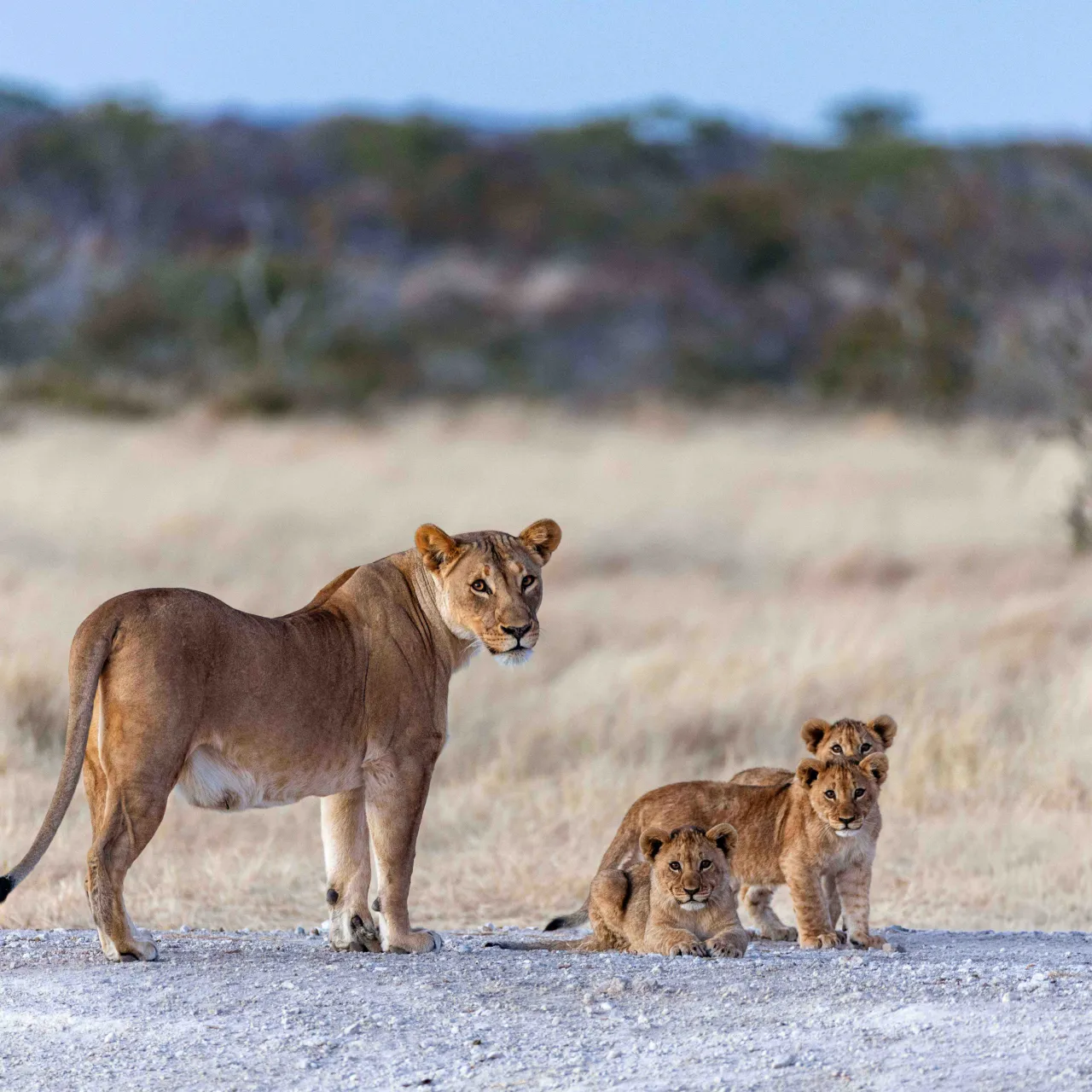
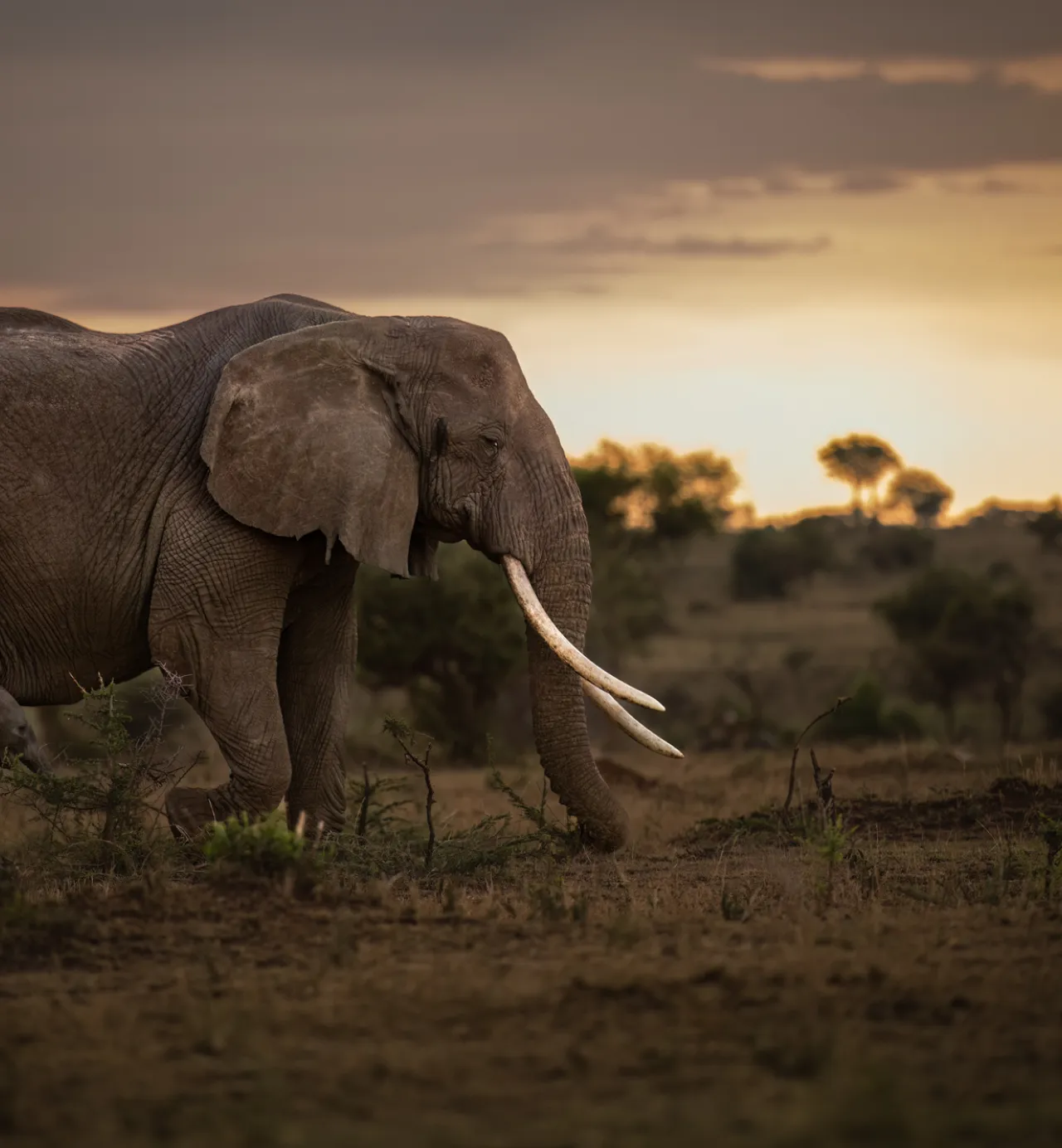
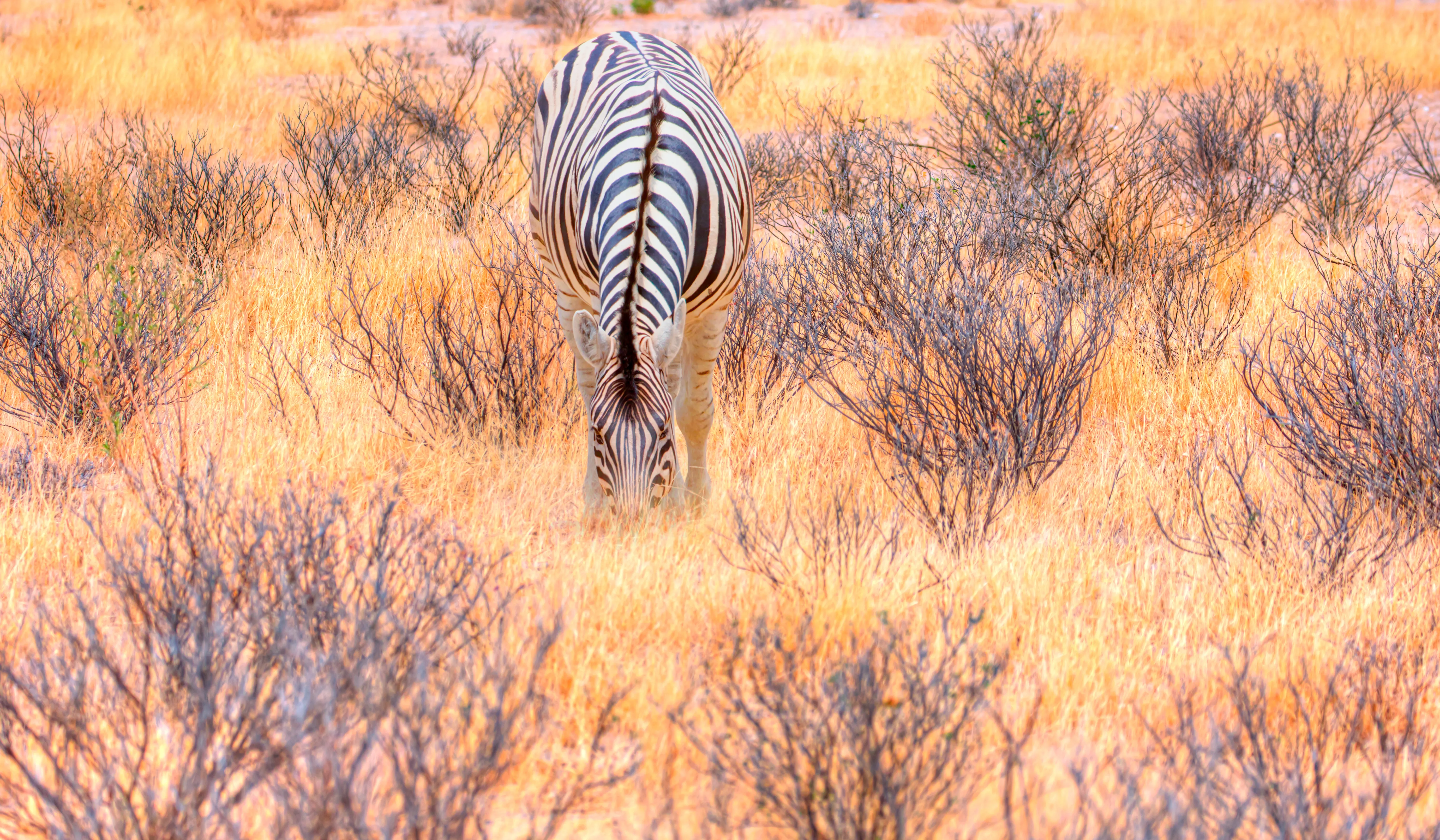
This unique set-up provides some of the most rewarding and accessible game viewing in Africa. Processions of springbok, zebra, oryx and giraffe arrive to drink, their movements dictated by a clear pecking order. Great herds of elephants, famously white from the mineral-rich clay, loom out of the haze. And where there is prey, predators are never far behind … An Etosha safari is a lesson in the rhythms of survival, in one of the continent’s most dramatic landscapes.
Get to know Etosha
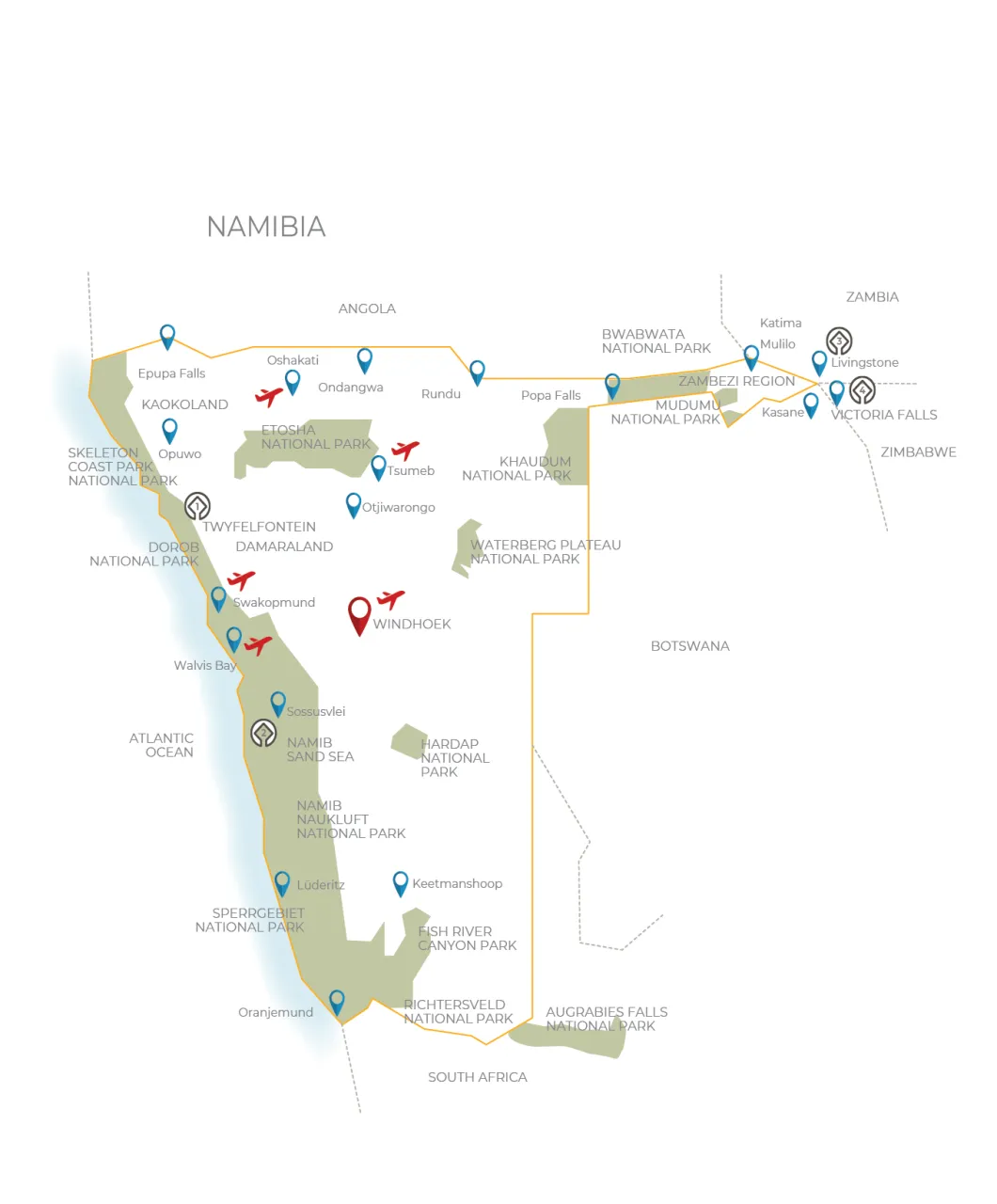
Etosha is one of Africa’s most accessible national parks. A well-maintained network of gravel roads connects the main rest camps and dozens of waterholes, making it an ideal safari destination. The park can be broadly divided into the popular central and eastern sections and the wilder, more restricted western section.
The daily rhythm of an Etosha safari is dictated by the heat and the animals’ need to drink. The best viewing times are in the early morning and late afternoon. During the midday heat, many visitors retreat to the main rest camps, where the experience continues. The camps are built near magnificent waterholes, allowing you to relax and watch a constant parade of wildlife come to drink just metres away. This culminates in the unique magic of the floodlit waterholes after dark.
History
The Etosha Pan has a deep history, having been a gathering place for both animals and Bushman hunter-gatherers for thousands of years. European explorers first encountered the pan in the 1850s, but its modern history began in the colonial era. In 1907, the governor of German South West Africa, Friedrich von Lindequist, proclaimed a vast area as Game Reserve No. 2, creating what was then the largest protected area on Earth.
Over the following decades, the park’s boundaries were significantly reduced, most notably by the Odendaal Commission in the 1960s. However, conservation efforts intensified within the new boundaries. A crucial development was the drilling of boreholes to create artificial waterholes, which helped sustain the park’s prolific wildlife through the harsh dry seasons. This management, along with robust anti-poaching efforts, has cemented Etosha’s status as Namibia’s flagship national park and a global conservation success story.
More unforgettable activities
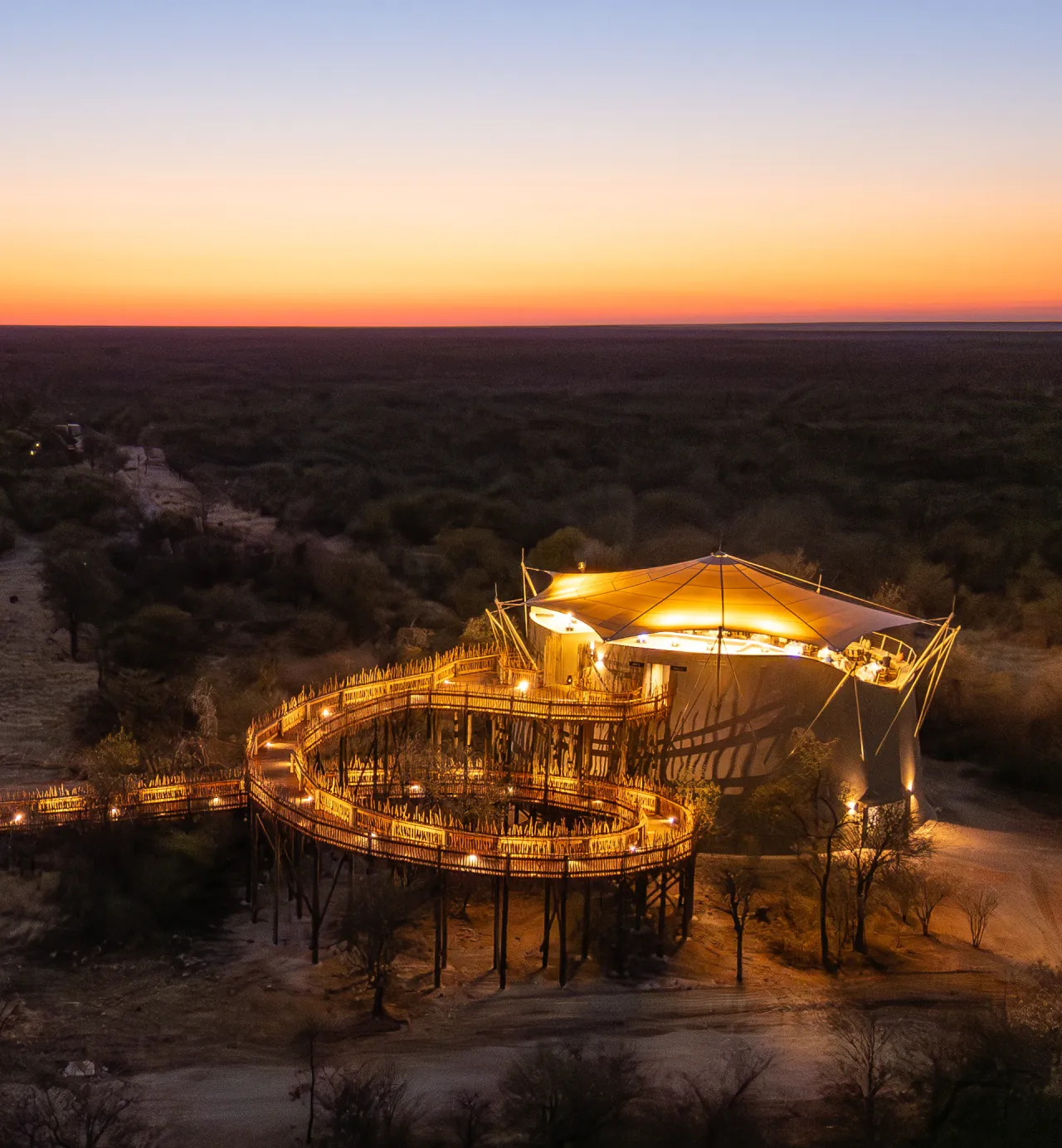
SkyBoma, Etosha
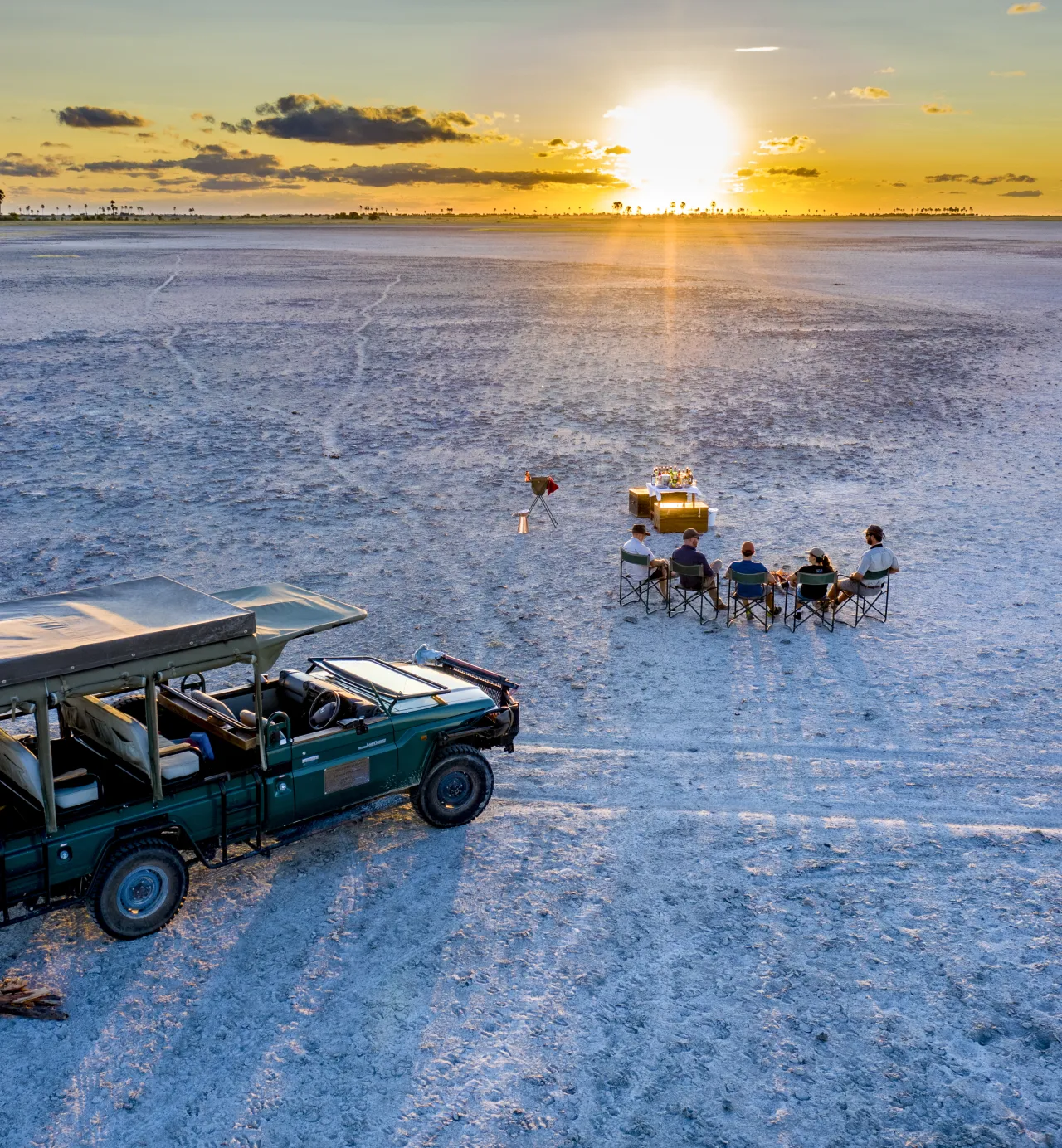
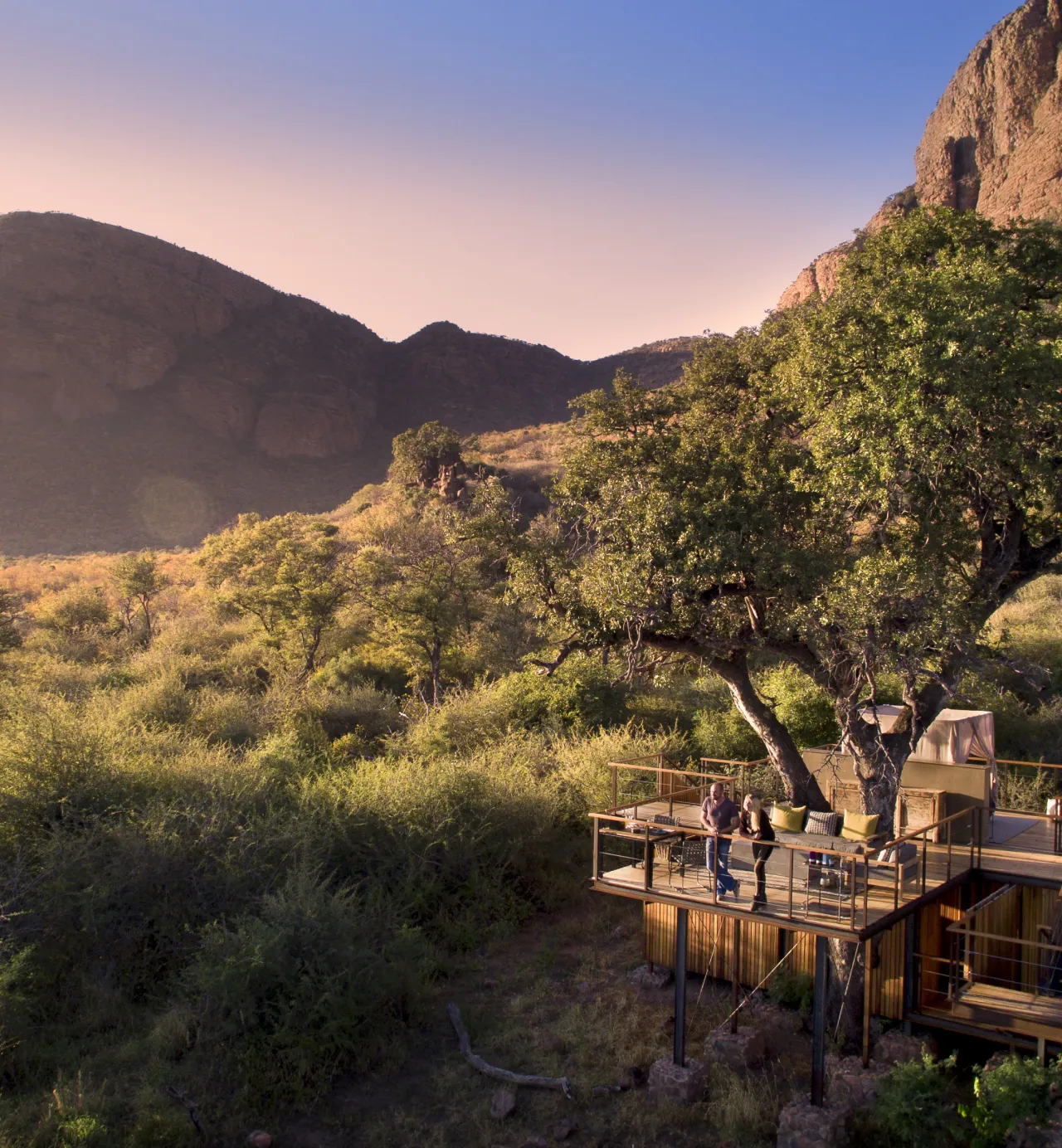
Big Five treehouse experience
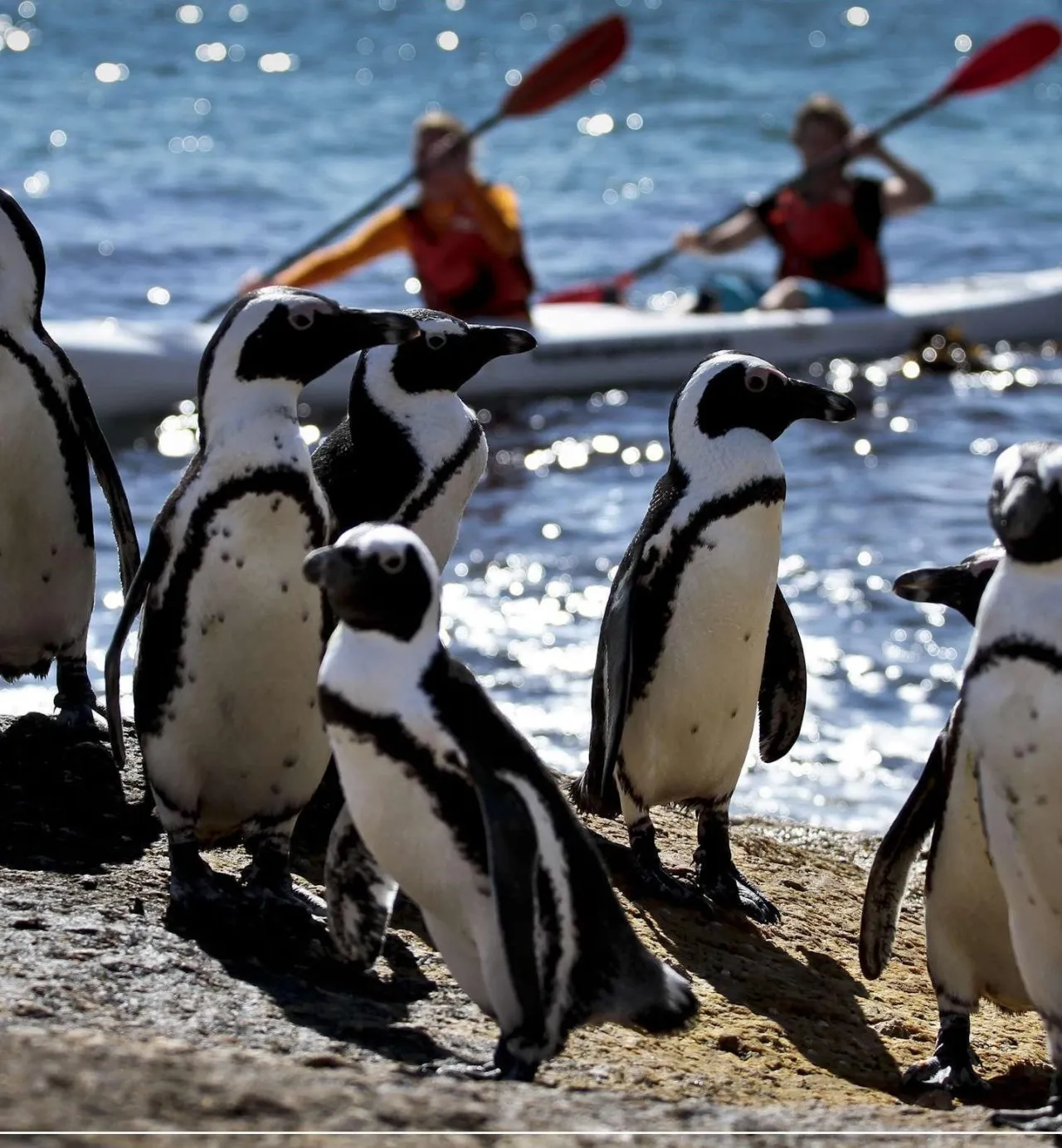
Paddle with penguins
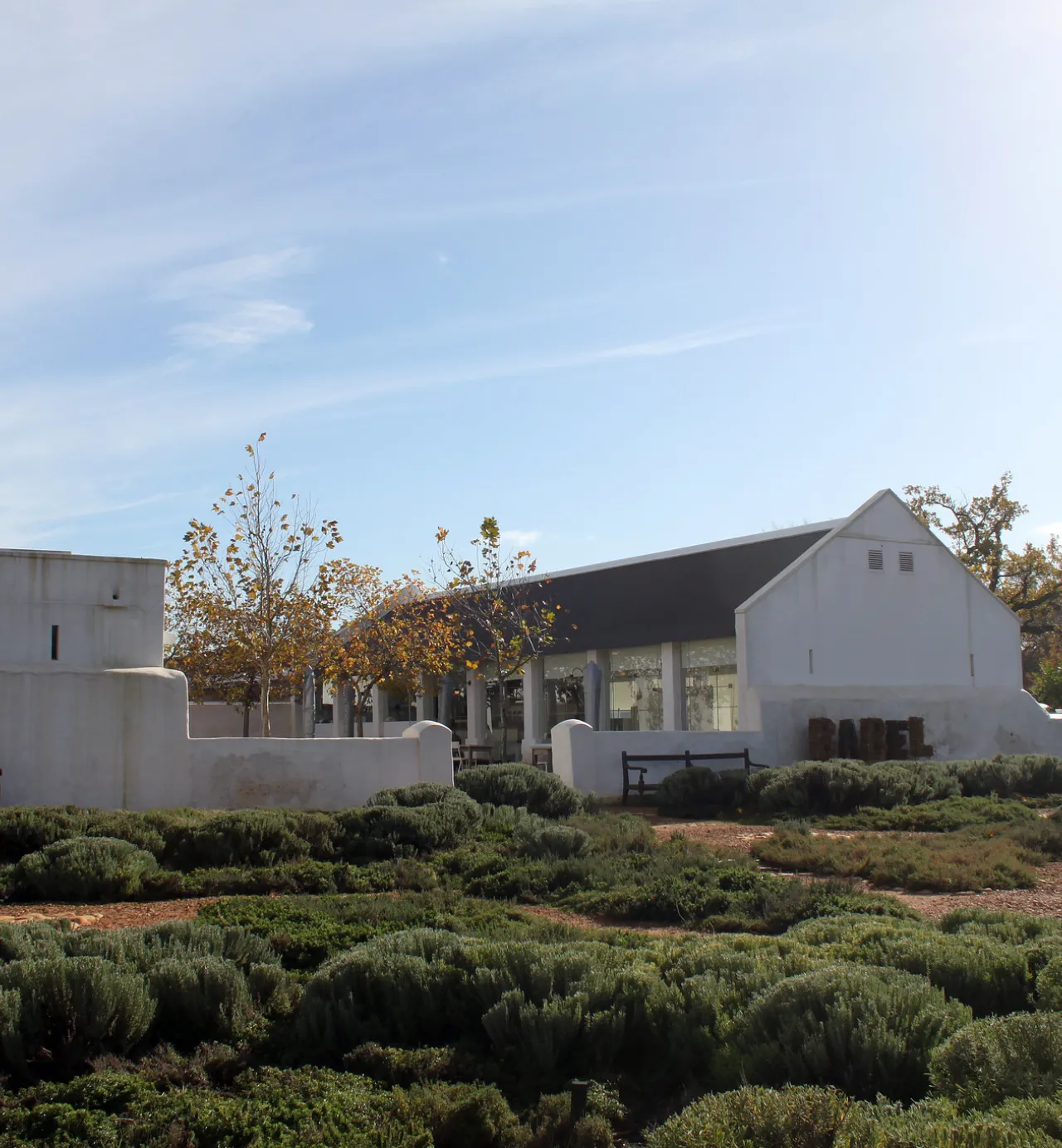
A day in the life of a working wine farm
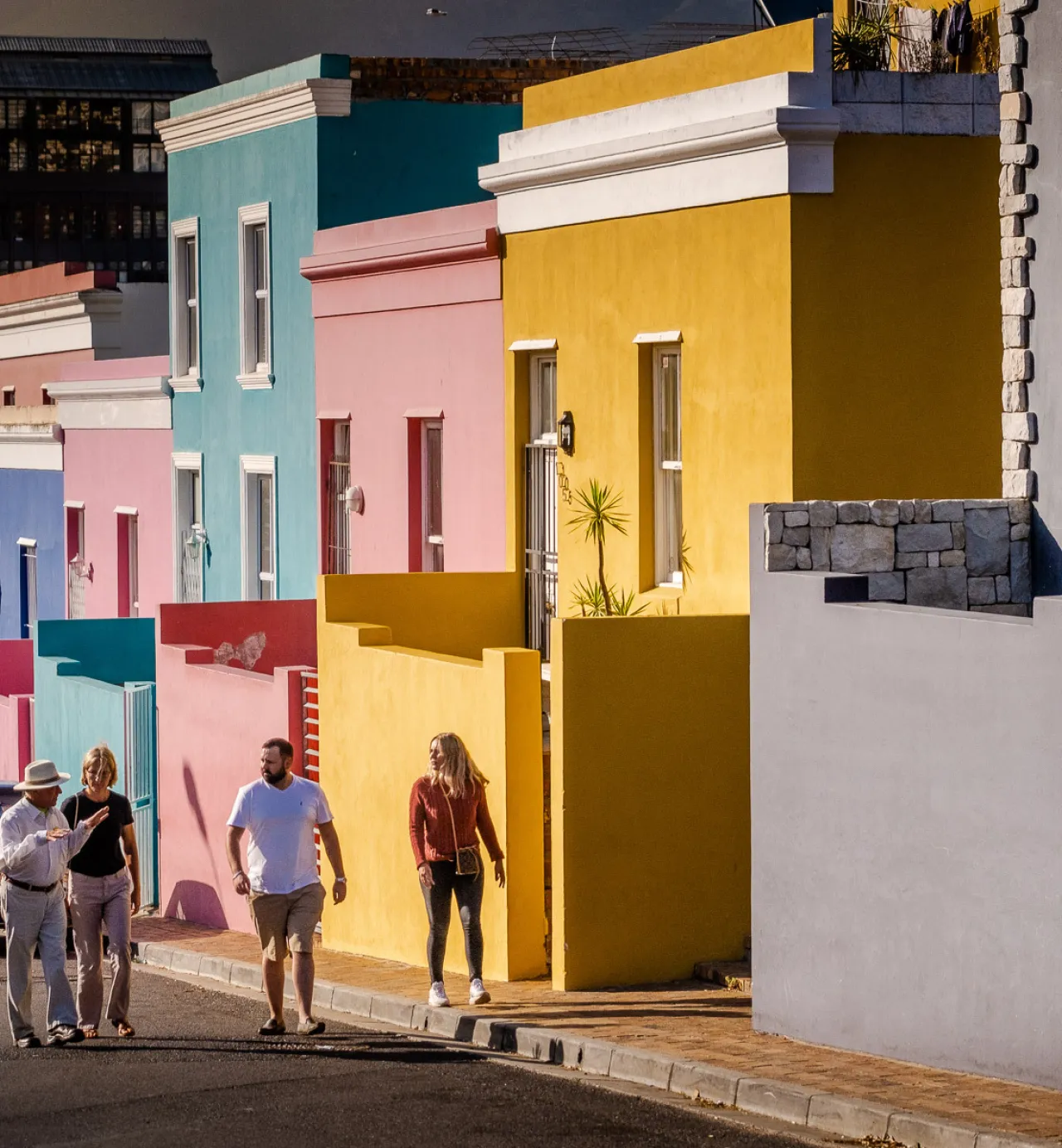
Traditional Bo-Kaap cooking experience
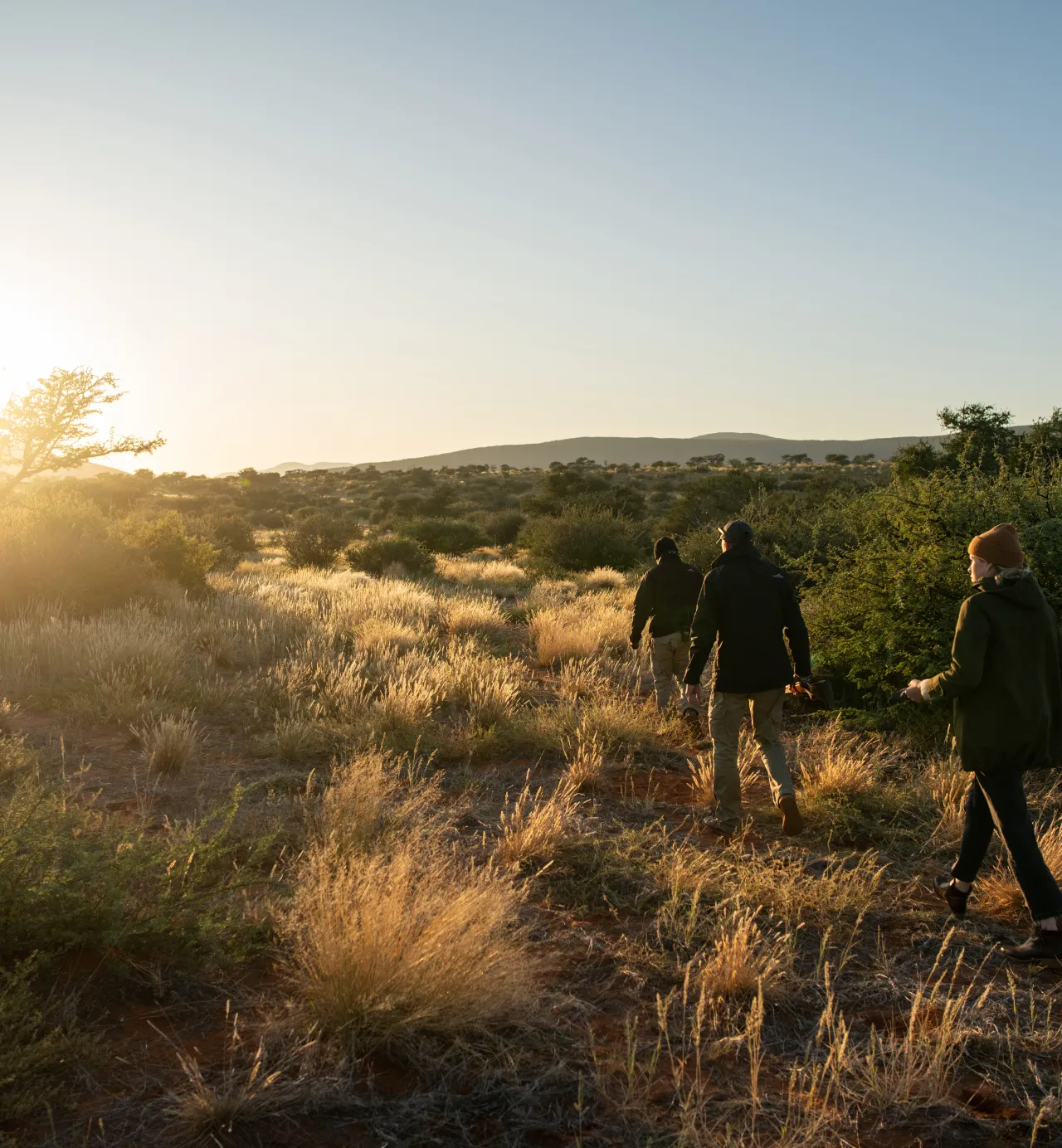
Tracking Africa’s most elusive species on foot
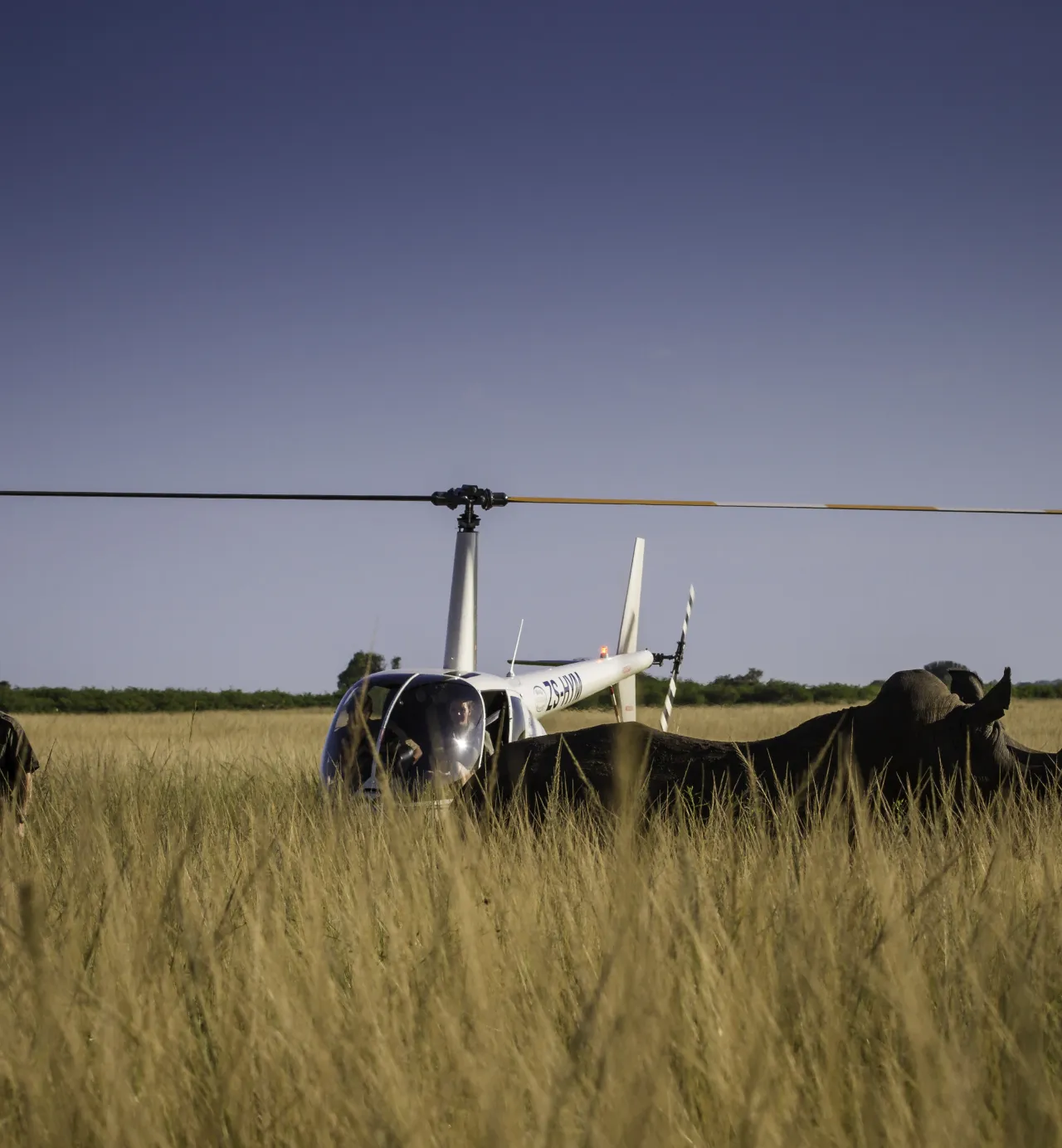
Rhino darting and chipping experience
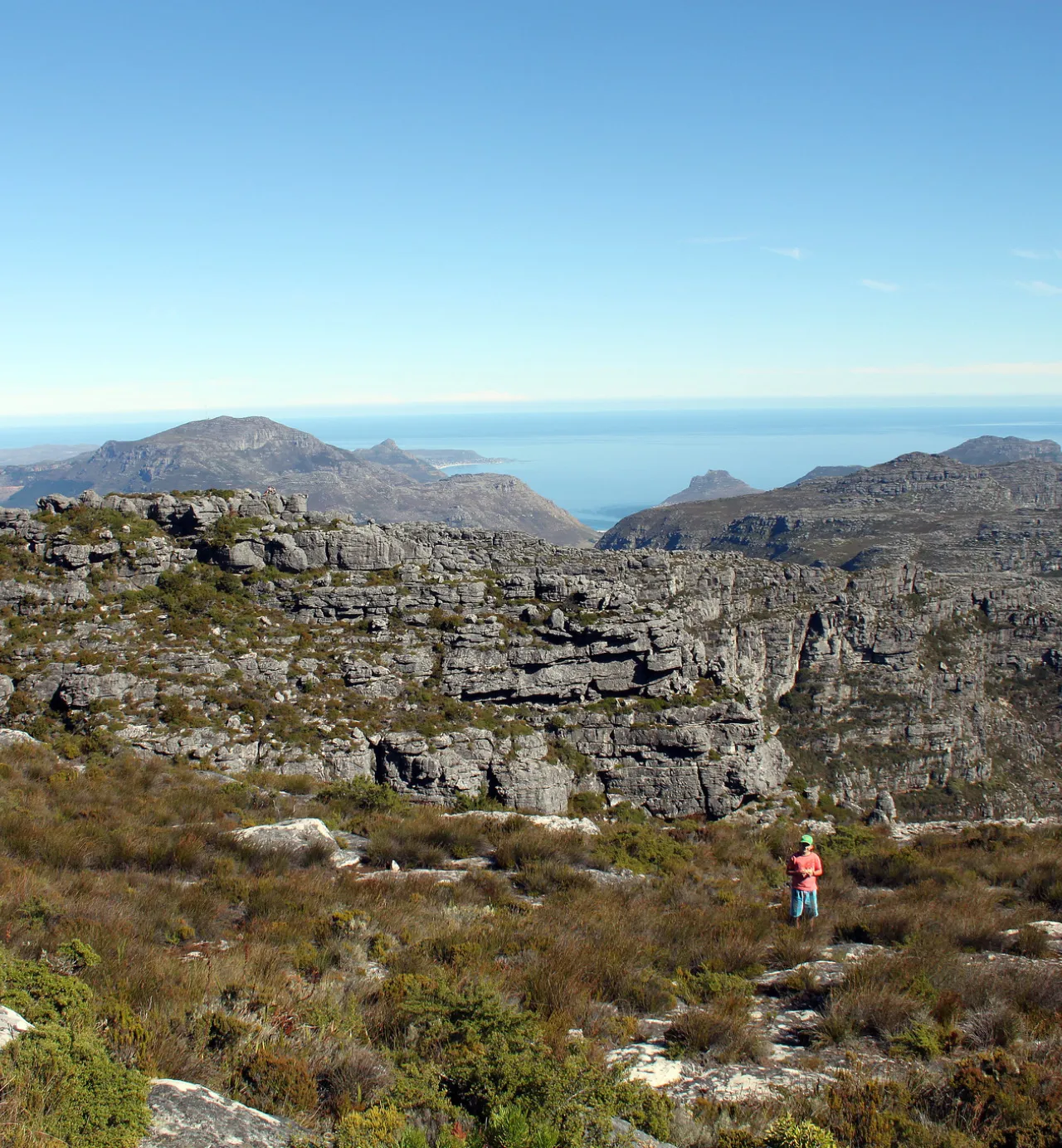
Hiking Table Mountain with a botanist or forager
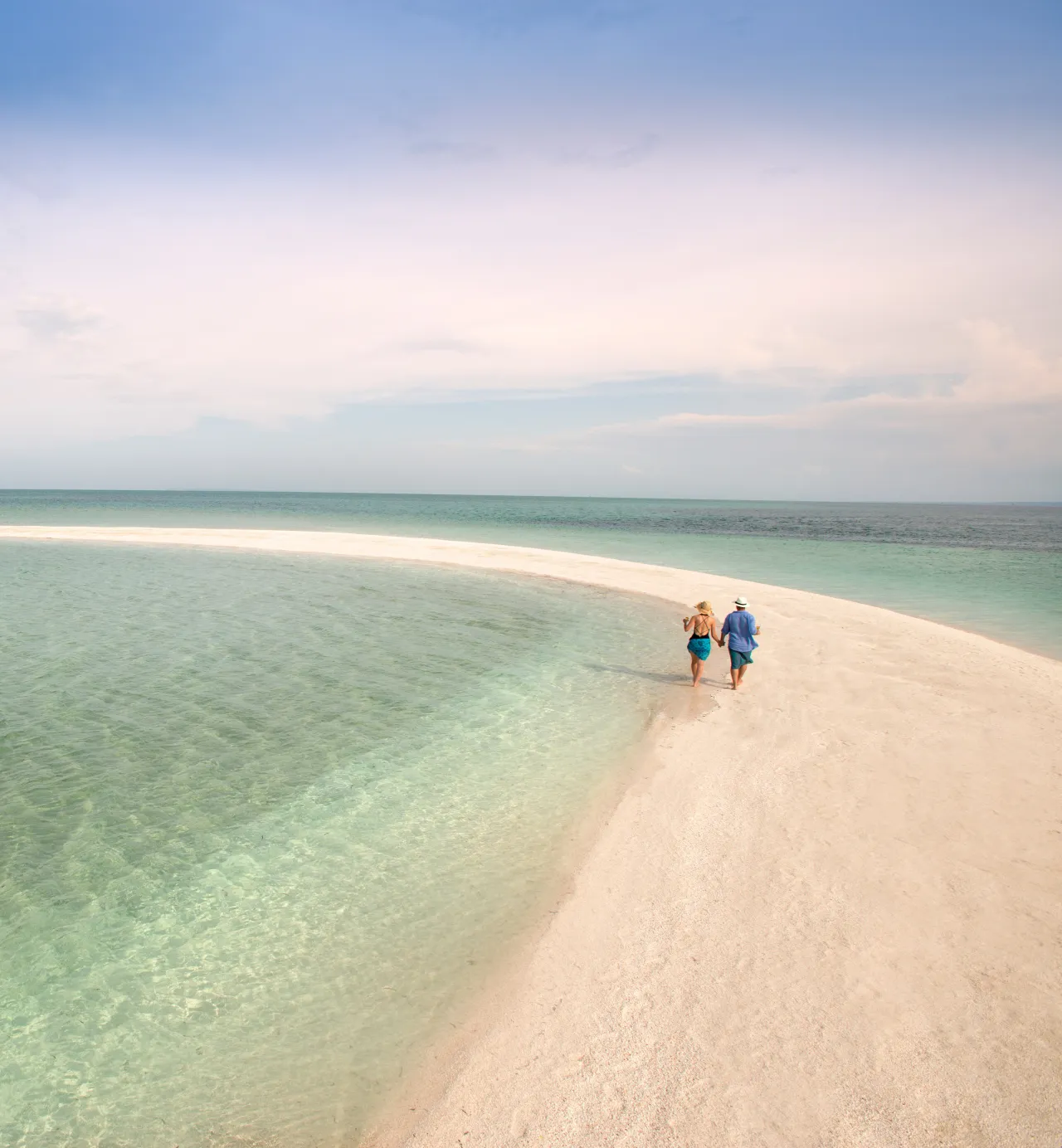
Castaway picnic on an African island

Voices of our guests
Etosha FAQs
The dry season, from May to October, is by far the best time. The vegetation is sparse, and animals are forced to congregate in large numbers at the waterholes, making for easy and spectacular viewing.
A minimum of three to four nights is recommended to explore the different regions of the park and spend quality time at various waterholes without rushing.
The main government-run rest camps inside the park (Okaukuejo, Halali and Namutoni) have waterholes that are floodlit at night. You can sit on benches behind a protective fence and watch as rhinos, elephants, lions and hyenas come to drink after dark.
You can see four of the Big Five: lion, leopard, elephant and rhino. Etosha does not have buffalo. However, it is one of the best places on the continent to see both black and white rhinos.
Staying inside gives you access to the floodlit waterholes all night. Staying in a private reserve outside offers more luxurious accommodation and exclusive activities such as walking safaris, which are not permitted inside the main park.
Yes, it is considered a low to moderate risk malaria destination, with the highest risk during the wet summer season (November to April). It is always recommended to consult your doctor about anti-malarial precautions.
The key difference is the style of game viewing. Etosha is defined by its massive, stark salt pan and the reliance on stationary waterhole viewing, whereas parks like the Kruger and the Serengeti are often about actively tracking animals through denser bush or across vast grassy plains.
Pack lightweight, neutral-coloured clothing. A warm jacket or fleece is essential, as early mornings can be cold. A hat, sunglasses, sunscreen and good binoculars are also vital. Consider a bandana or scarf to protect against dust.
A 4x4 is not strictly necessary for the main gravel roads connecting the camps and waterholes, and many people visit in regular sedans. However, a vehicle with higher clearance provides a much better viewing experience and more comfortable ride.
