

Garden Route National Park
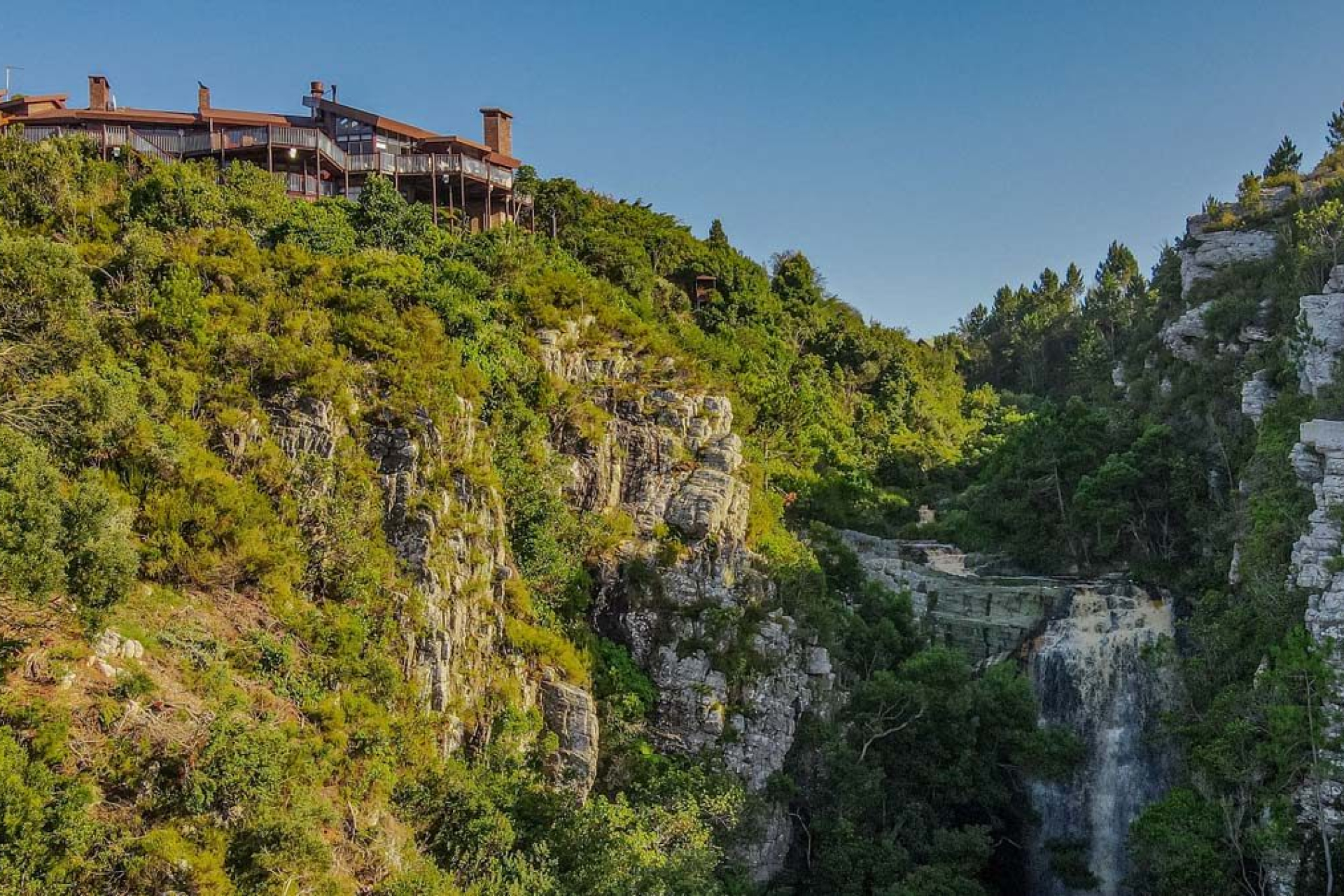
Garden Route National Park
Take a walk on the wild side
Peak time
December to January
Best time to visit
September to April (spring and summer months)
Known for
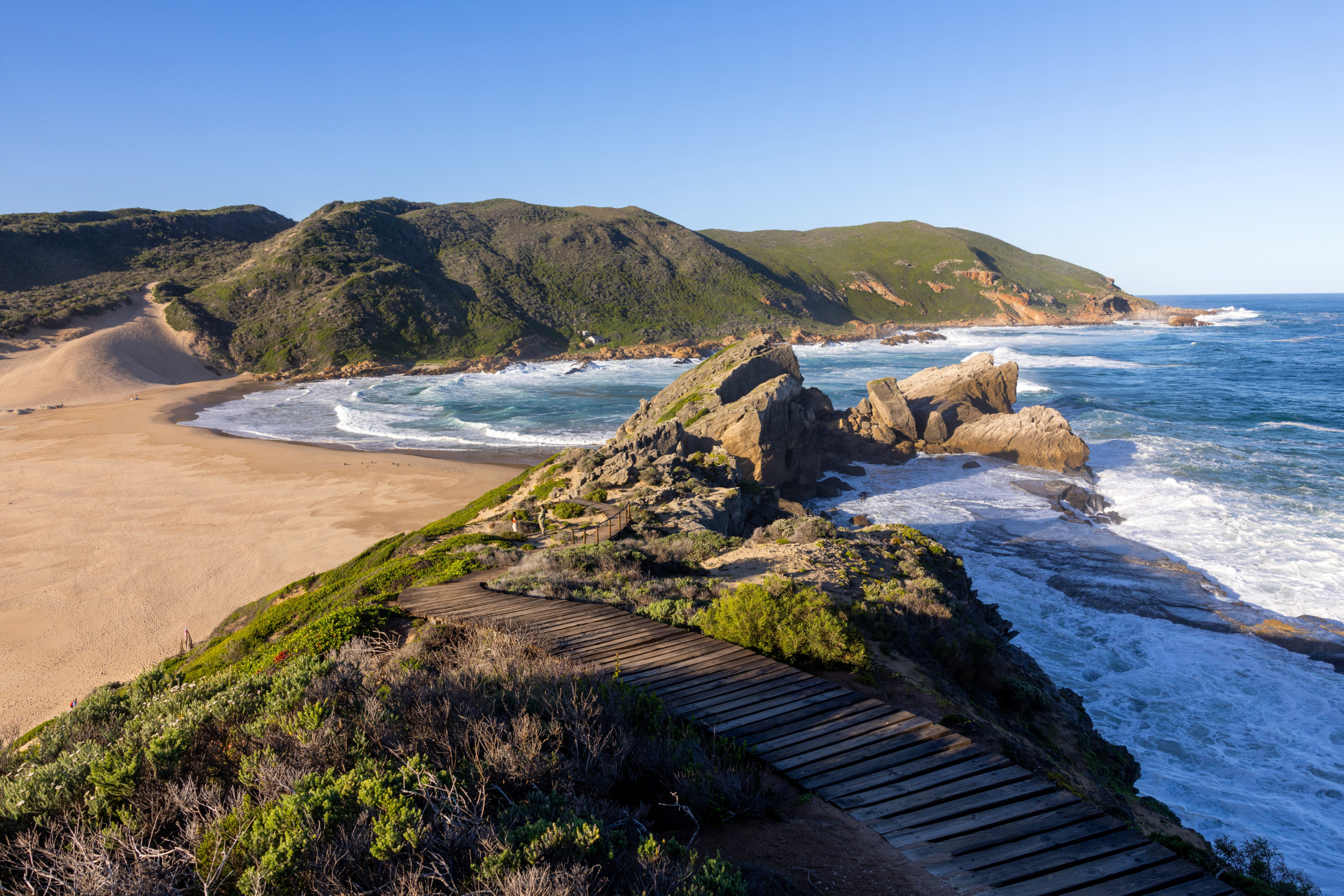
The iconic Otter Trail; its dramatic coastline of forests, lakes and lagoons
Also known for
Storms River Mouth; being a world-class ecotourism destination
About the Garden Route National Park
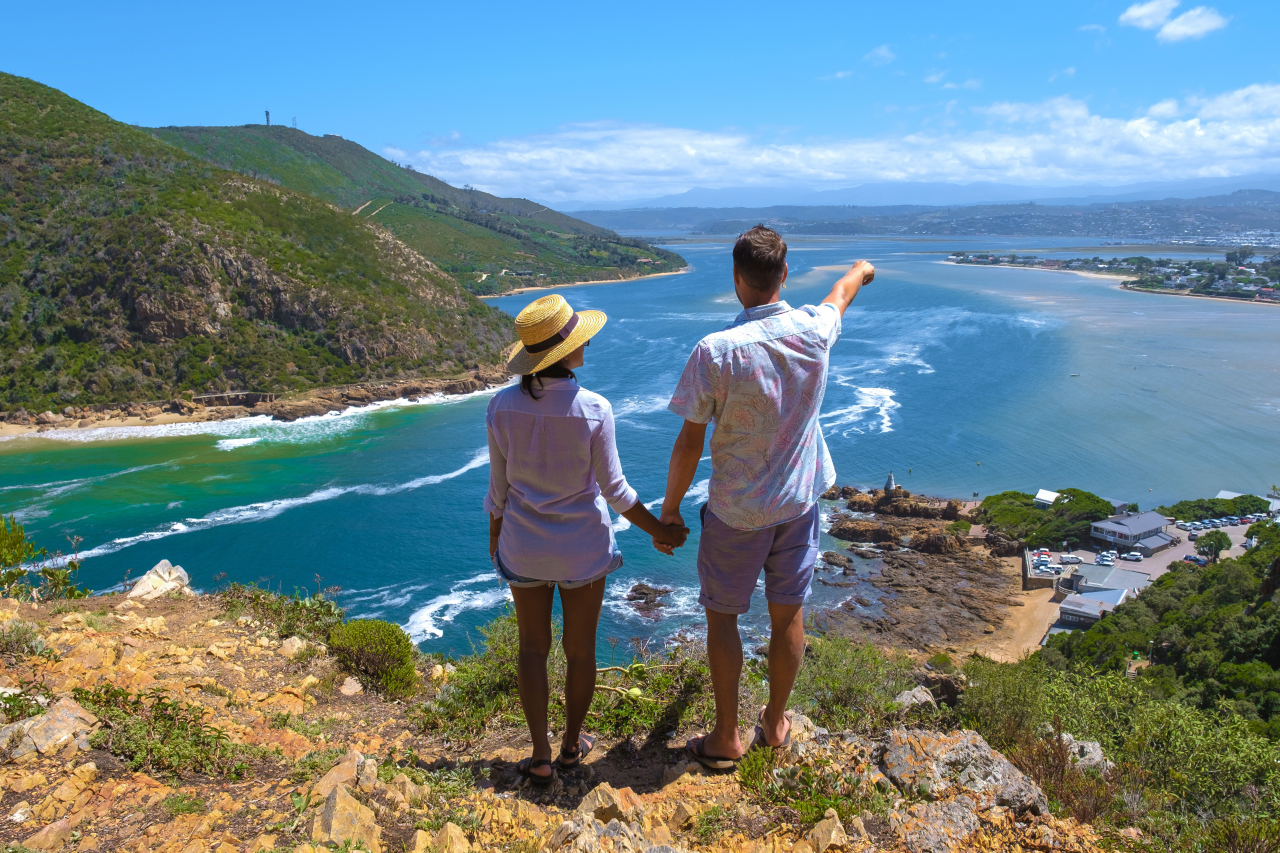
The Garden Route is a magnificent tapestry of ecosystems woven along South Africa’s southern coastline. The sprawling Garden Route National Park is a sanctuary that protects a blend of indigenous forests, tranquil lagoons, winding rivers and a rugged shoreline. This is where ancient yellowwood trees tower over shaded paths, and where the dark, tannin-stained waters of the Storms River meet the crashing blue waves of the Indian Ocean.
The experience here is one of immersion in nature. This is a destination for adventurers, hikers and nature lovers. It is the starting point of the legendary Otter Trail, one of the world’s most famous multi-day hikes. It is a place for kayaking up forest-lined gorges, ziplining through the treetop canopy, or walking along a suspended bridge that sways above a churning river mouth.

Did you know
The park is part of the Garden Route, a designated UNESCO Biosphere Reserve
Unlike a traditional safari park, the focus here is not on the Big Five, but on the beauty of the landscape itself. The park stretches from the Wilderness section in the west, with its interconnected lakes and rivers, to the deep forests of Tsitsikamma in the east. To travel the Garden Route is to journey into one of the most beautiful, ecologically diverse coastal wildernesses on the planet.
Get to know the Garden Route National Park
This is a long, linear park with two main focal points for visitors. The Wilderness Section is in the west, famous for its series of interconnected lakes and the Touw River. This area is a paradise for canoeing, kayaking and gentle forest walks. The main rest camp here serves as a perfect base for exploring tranquil waterways.
The Tsitsikamma Section, in the east, is renowned for its dramatic coastline and the Storms River Mouth. This is the park’s adventure hub. The main rest camp at Storms River is in a spectacular location, and is the starting point for the Otter Trail and numerous shorter hikes. It is here you will find the famous suspension bridge, and activities such as kayaking and lilo adventures up the river gorge.
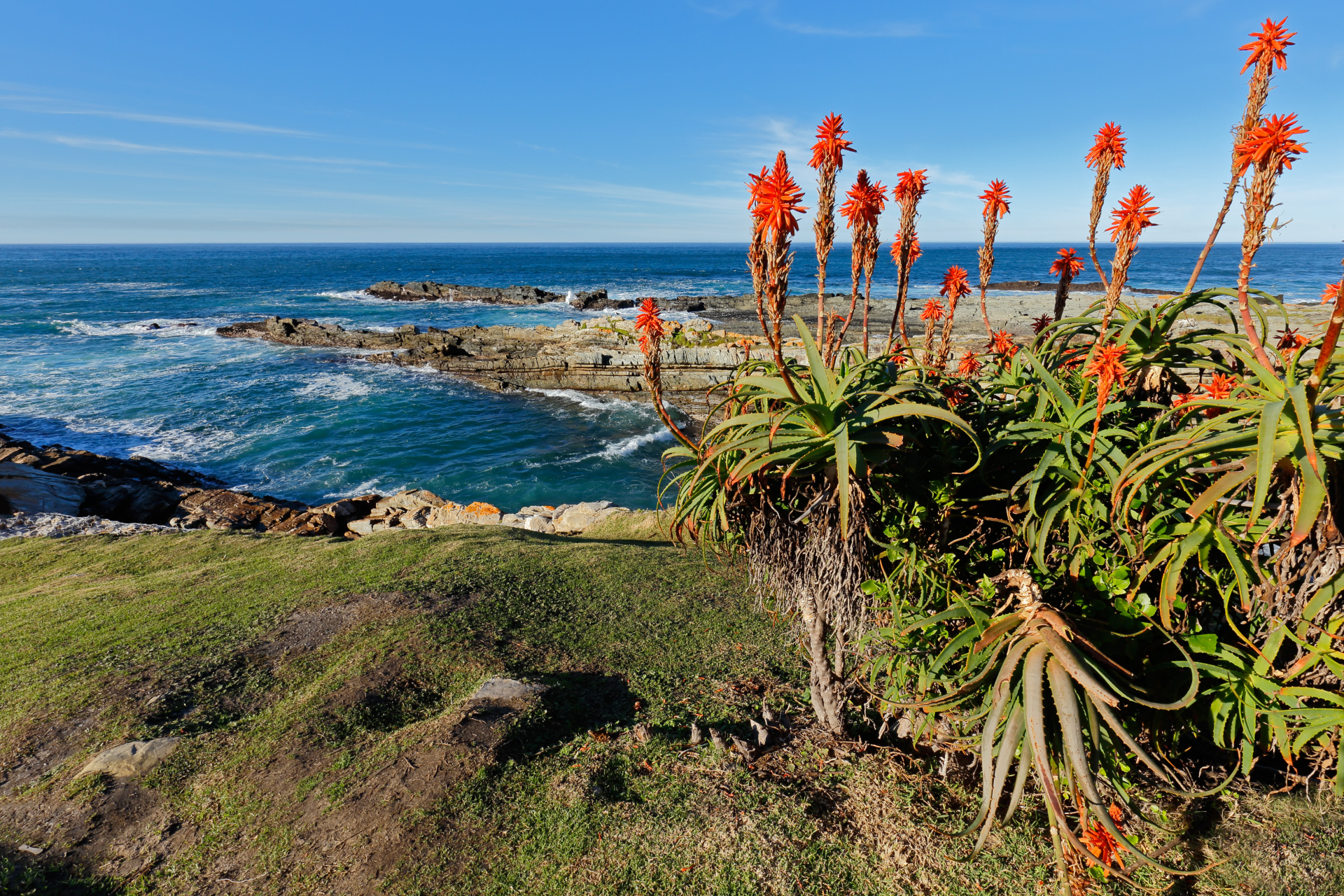
History
The history of this region is one of ancient forests and valuable resources. For centuries, the Bushmen and Khoe peoples inhabited these coastal forests. From the 18th century, European settlers were drawn to the area for its seemingly inexhaustible supply of timber. The giant yellowwood trees were felled to provide wood for construction, furniture and railway sleepers across the country.
By the 20th century, it became clear that this exploitation was unsustainable. In a pioneering move to protect the last remaining tracts of indigenous forest and the dramatic coastline, the Tsitsikamma National Park was proclaimed in 1964. It was one of South Africa’s first national parks dedicated to protecting both a forest and a marine ecosystem. In 2009, it was merged with the Wilderness National Park and other protected areas to create the larger, more cohesive Garden Route National Park.
More unforgettable activities

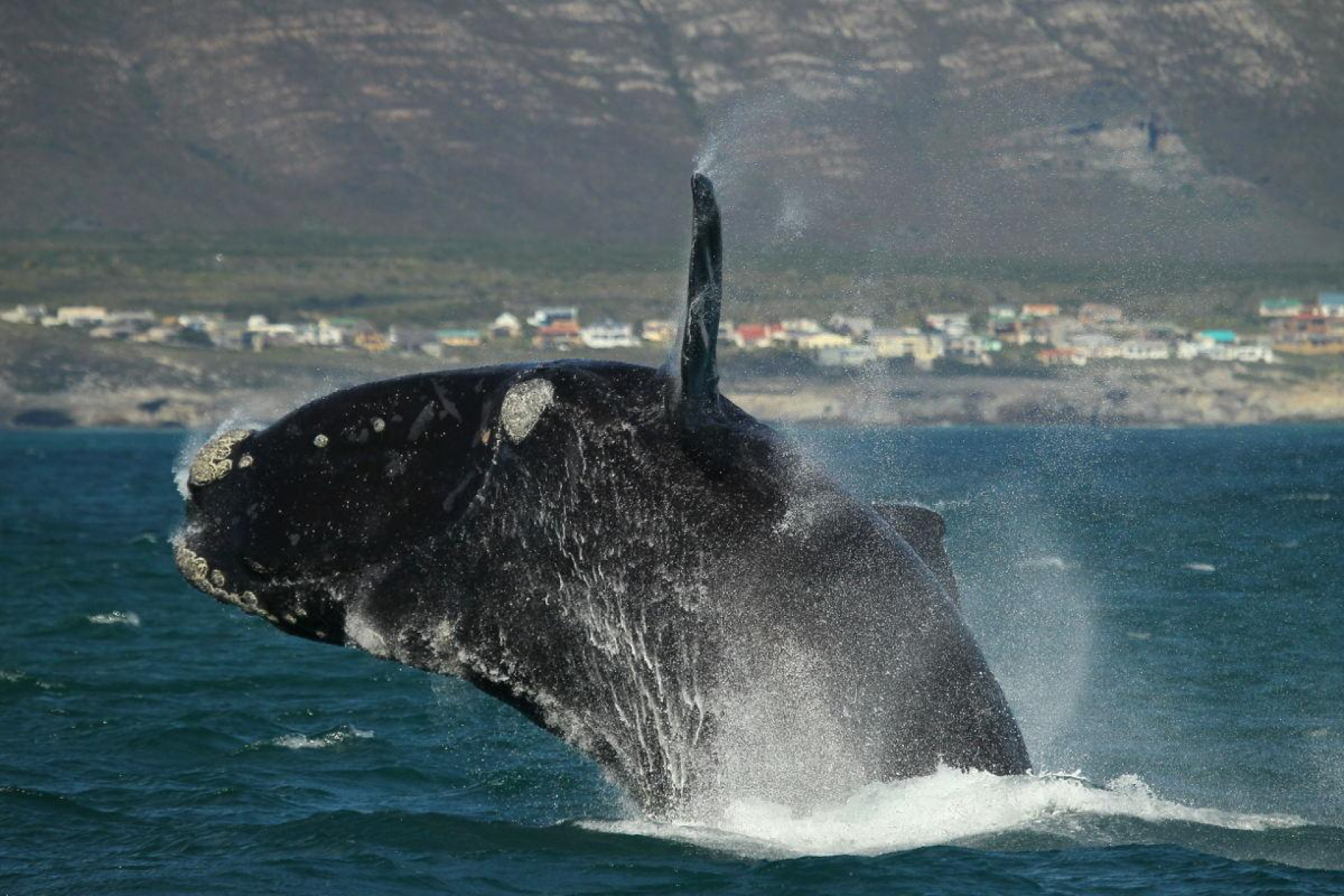
Turtle egg laying and hatching

Traditional Bo-Kaap cooking experience
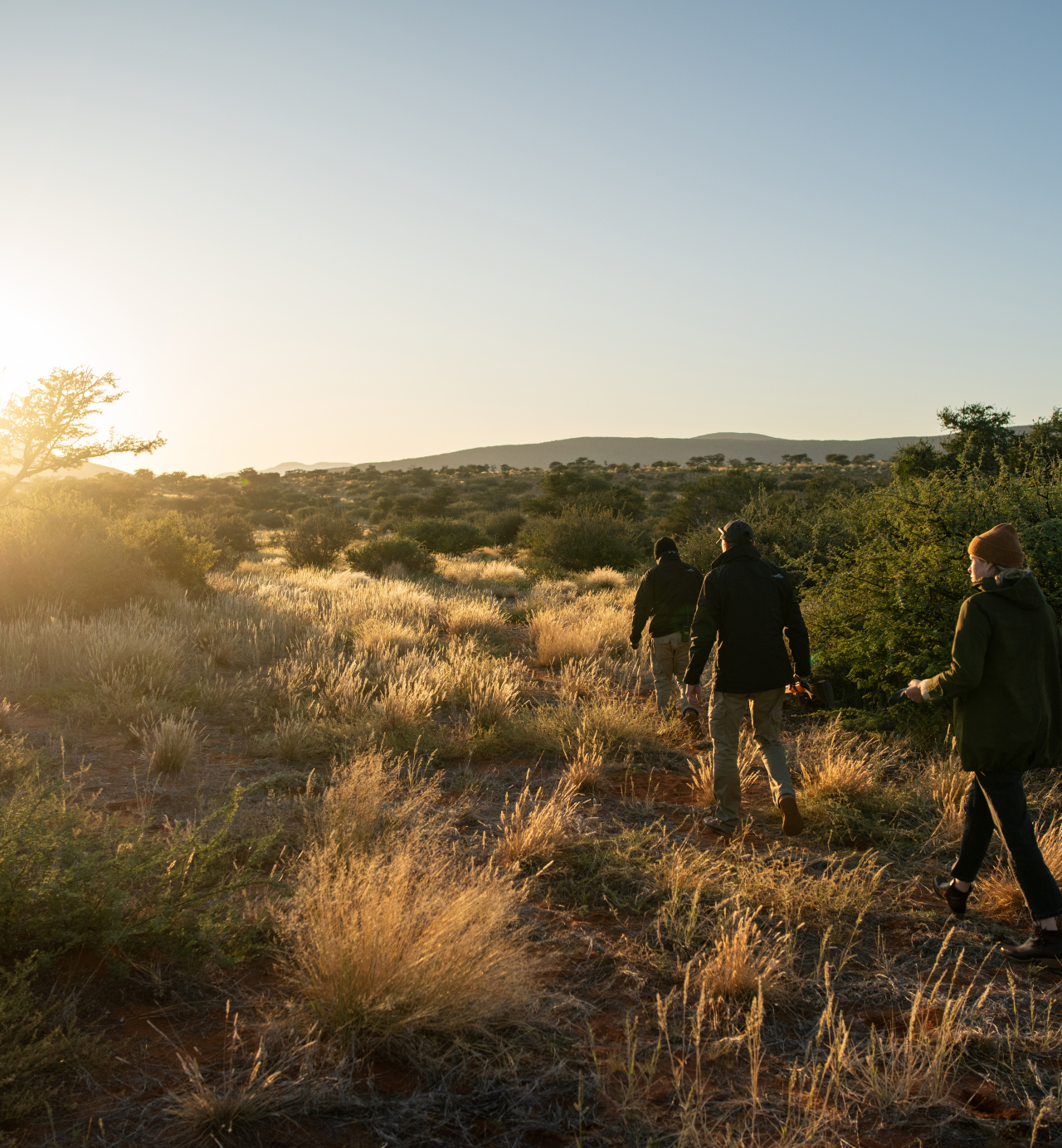
Tracking Africa’s most elusive species on foot


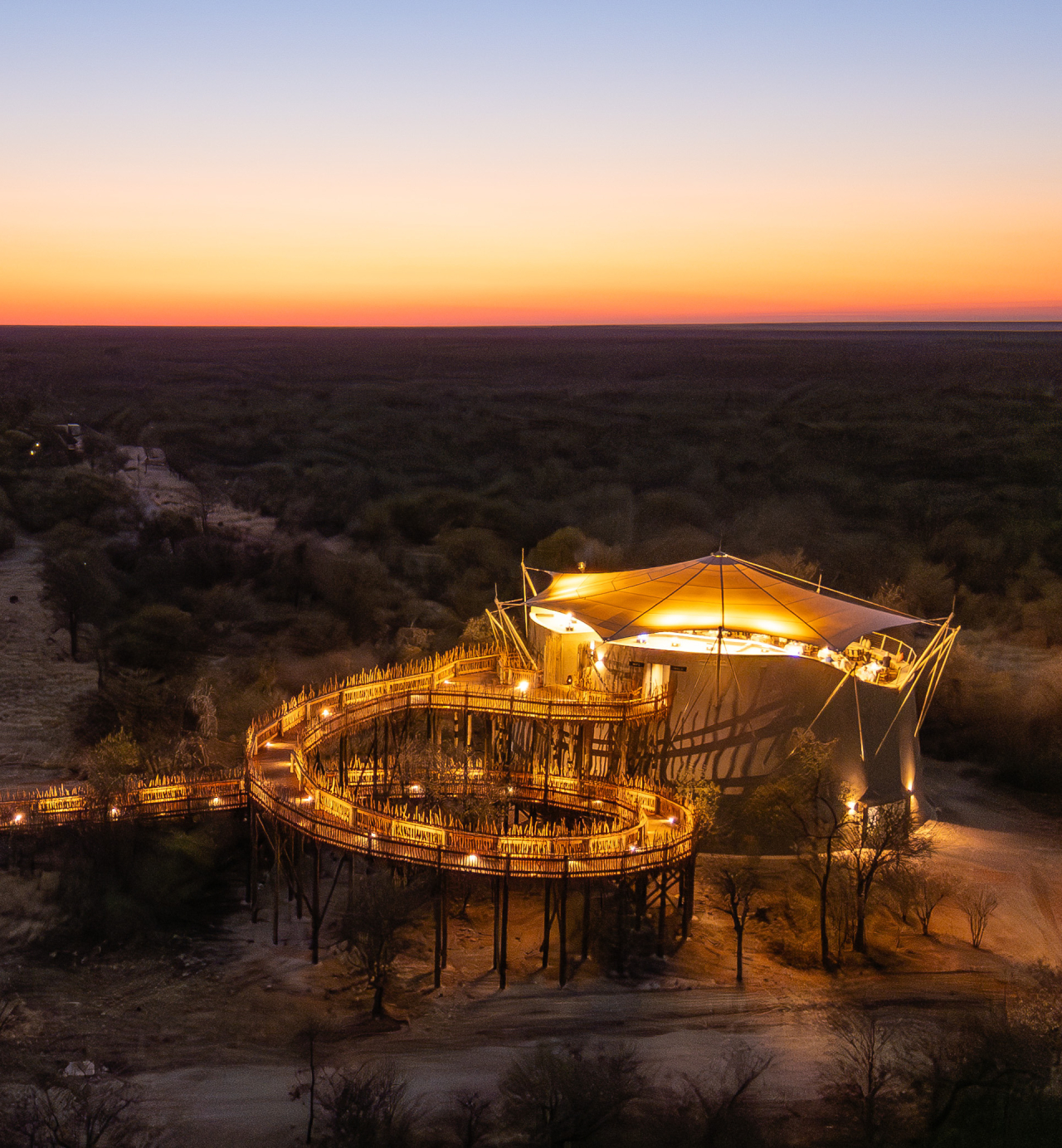
SkyBoma, Etosha
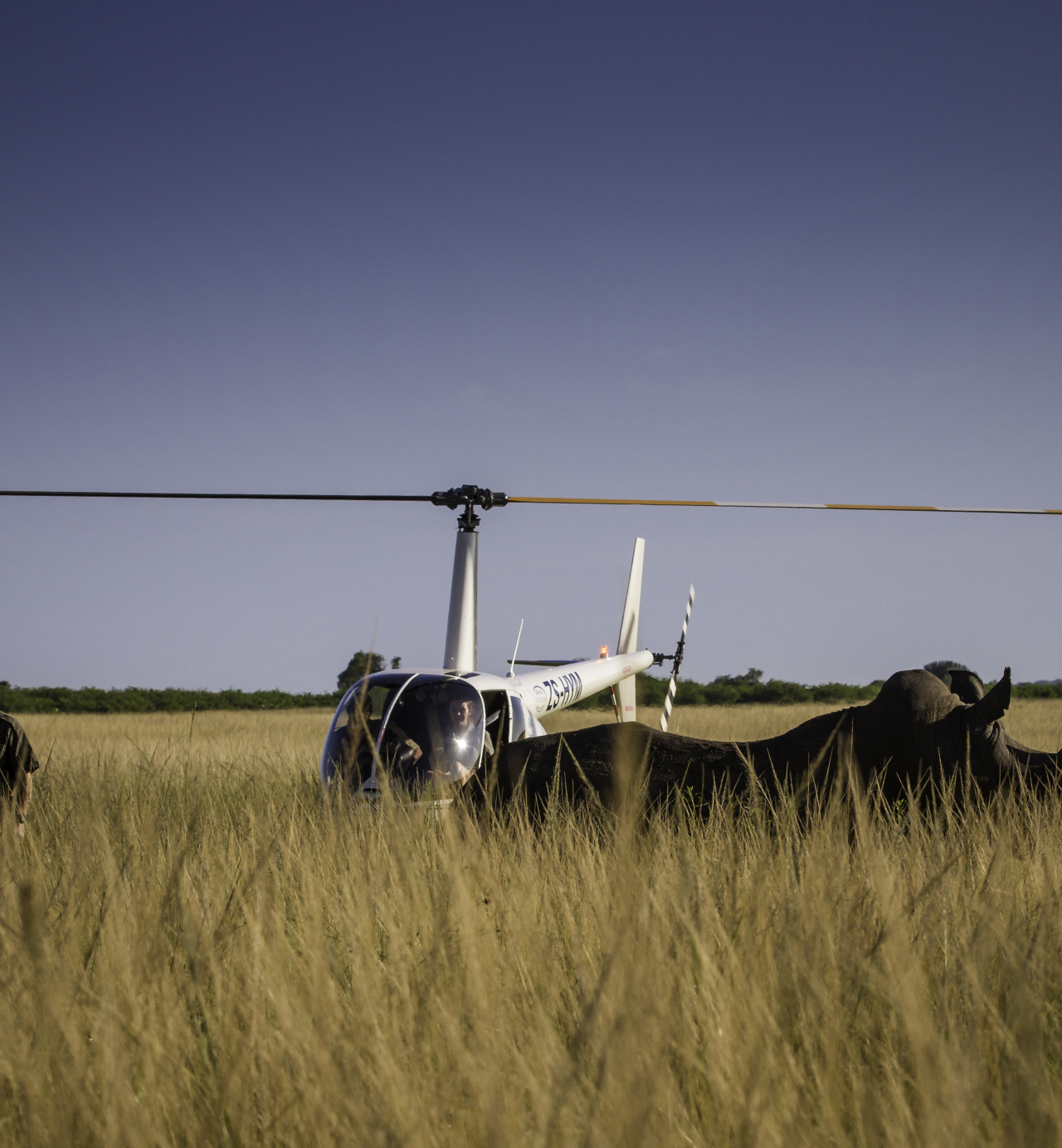
Rhino darting and chipping experience
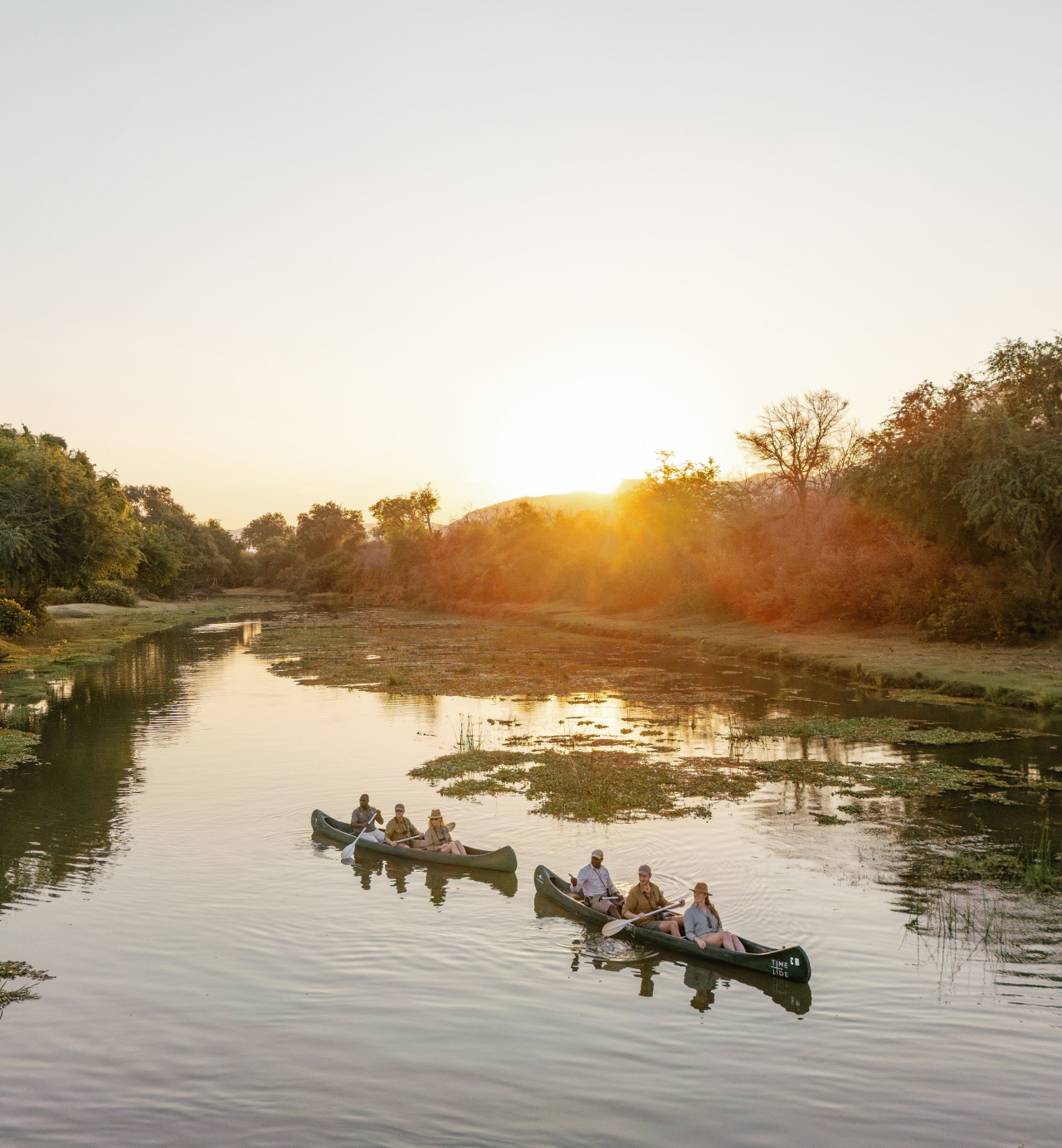
Picnicking on islands in the Zambezi
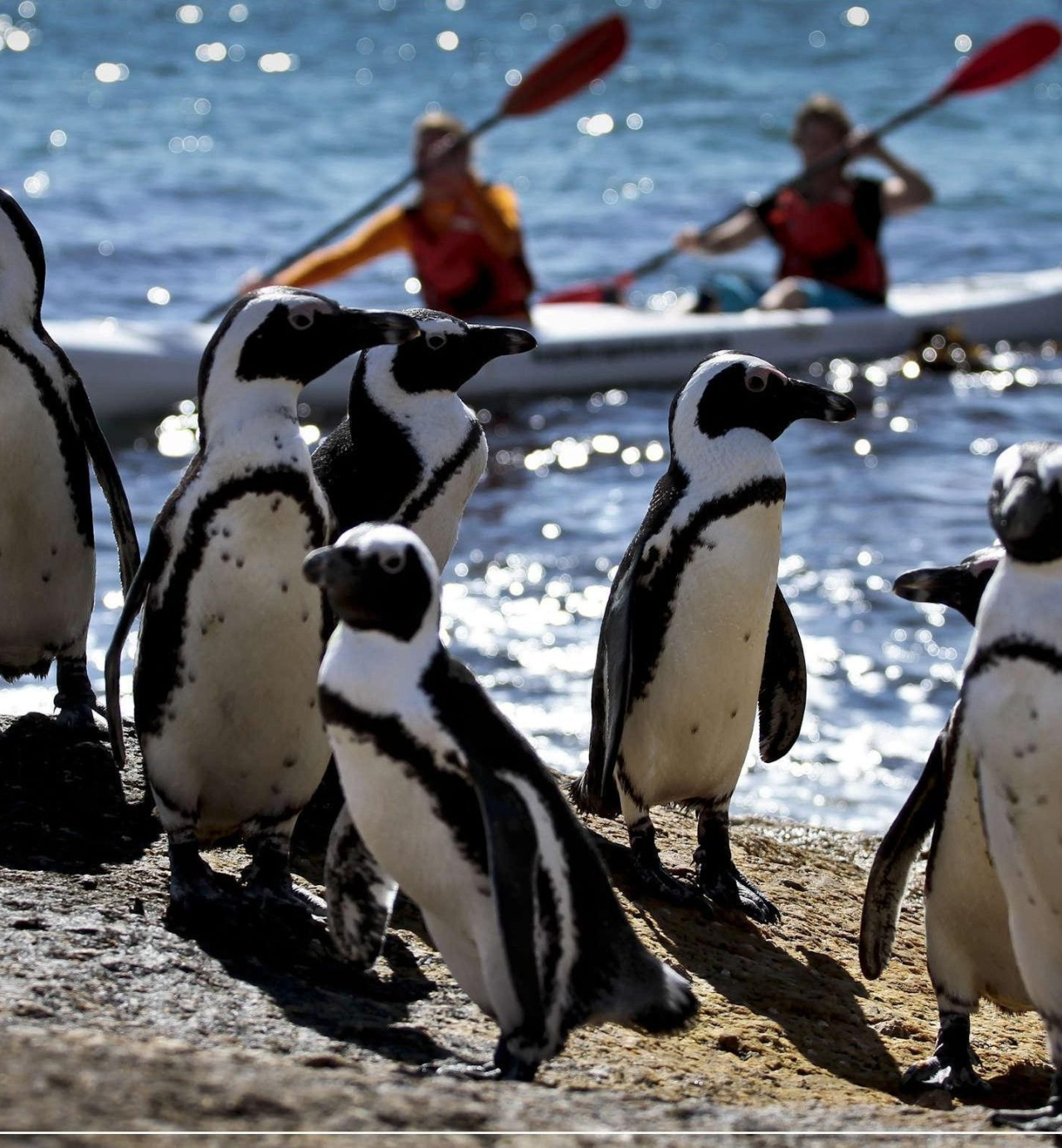
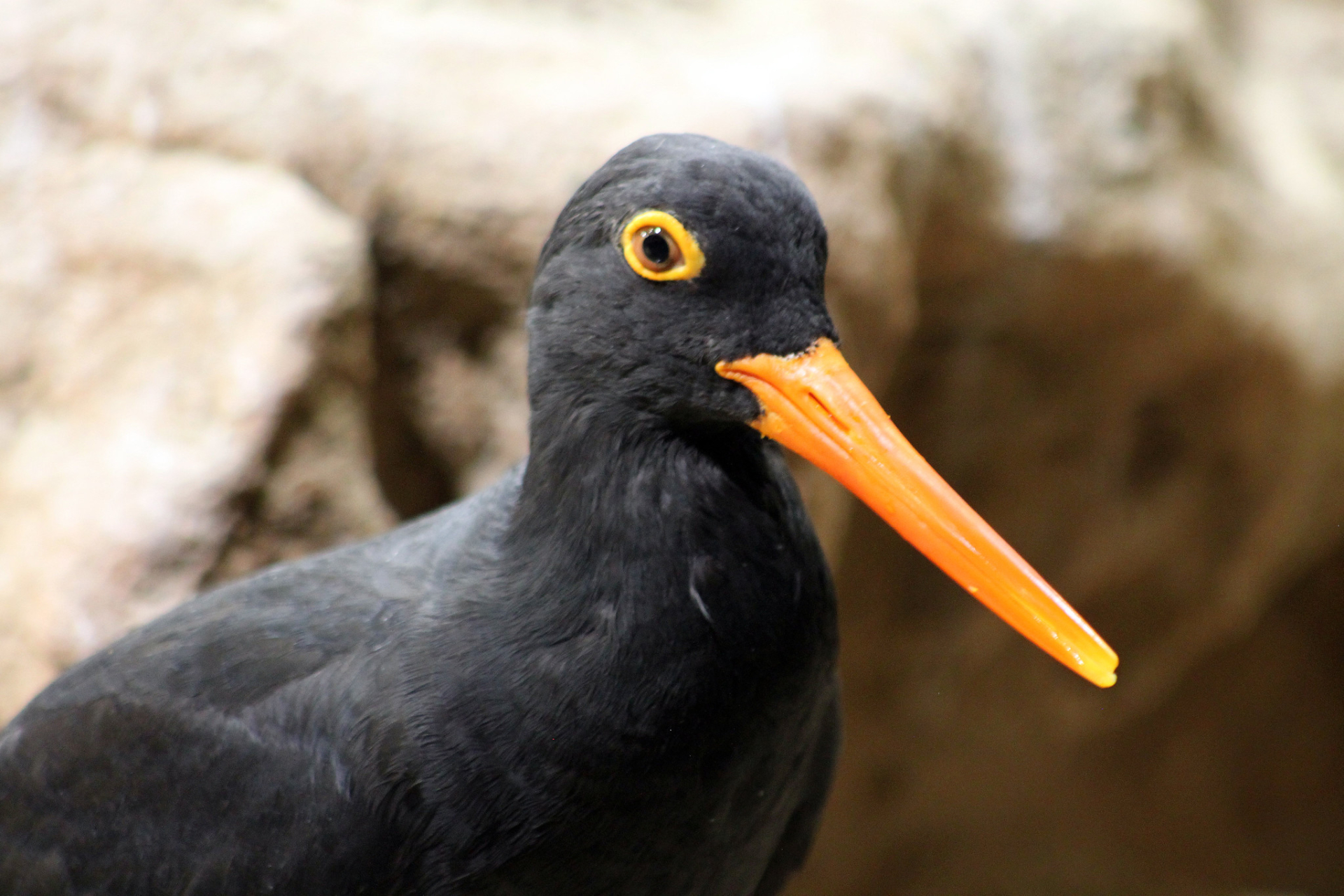
Paddle with penguins
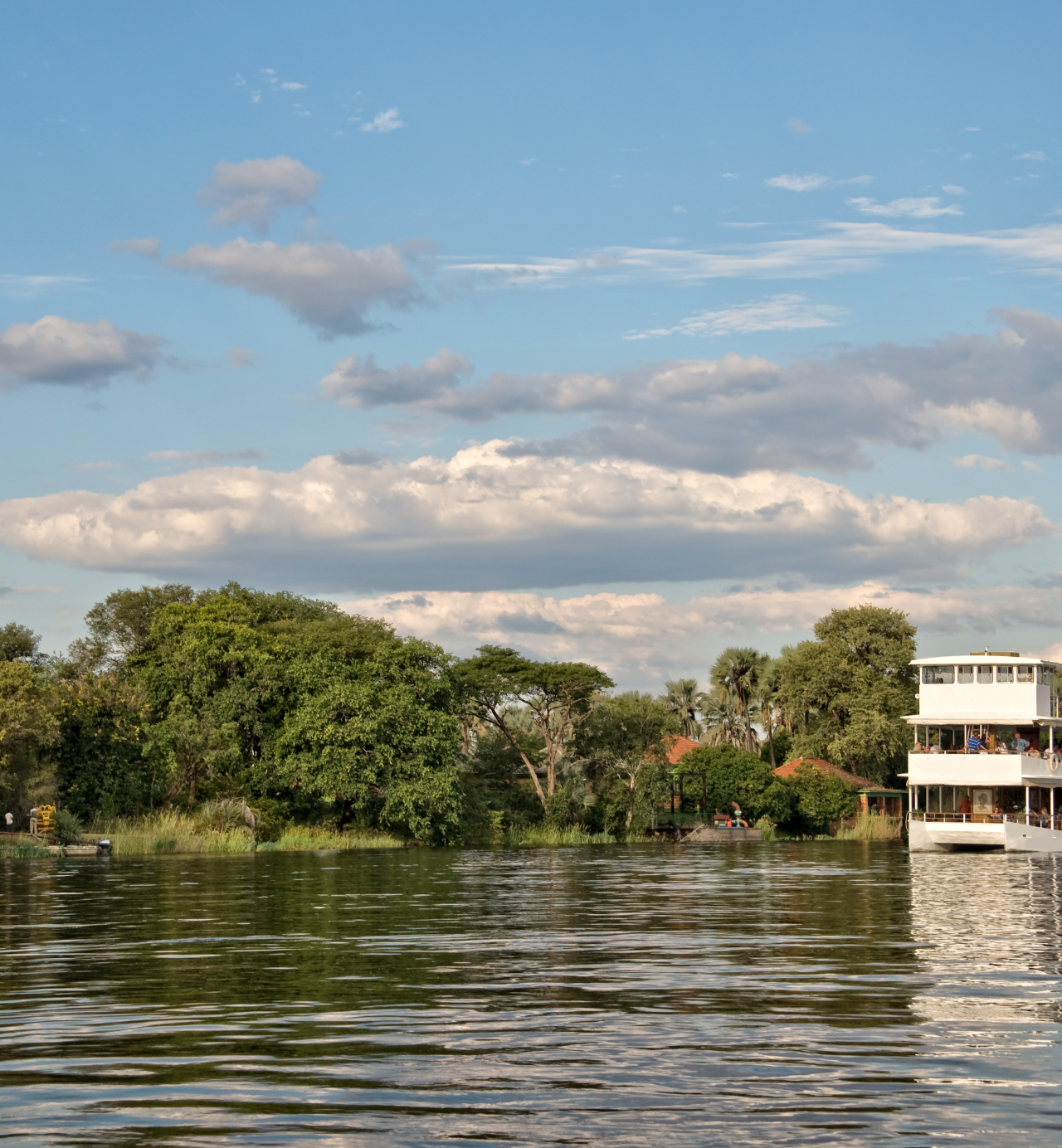
Live-aboard luxury Zambezi safari
Hiking Table Mountain with a botanist or forager

Voices of our guests
Garden Route National Park FAQs
No. It is a scenic park celebrated for its dramatic landscapes, indigenous forests and coastline, not for traditional Big Five game viewing.
The Otter Trail is a famous five-day, 45km (28mi) coastal hike that must be booked over a year in advance. You cannot hike the main trail on a day visit, but you can hike the first section of it from the Storms River Mouth Rest Camp to a beautiful waterfall.
A self-drive trip is the best way, as it gives you the flexibility to explore the different sections of the park, from Wilderness to Tsitsikamma, at your own pace.
A stay of three to four nights is ideal, typically split between the Wilderness or Knysna area and the Tsitsikamma (Storms River) area, to experience the different landscapes and activities.
The top three activities are walking across the suspension bridge at Storms River Mouth, kayaking or taking a lilo adventure up the Storms River gorge, and canoeing on the Touw River in the Wilderness section.
No. The entire Garden Route National Park and the surrounding region are completely malaria-free.
It is an outstanding family destination, offering a variety of safe, outdoor activities for all ages, from gentle lagoon cruises and forest walks to more adventurous activities, such as ziplining, for older children.
The Wilderness section is defined by its tranquil system of interconnected lakes and rivers, ideal for water-based activities like canoeing. The Tsitsikamma section is defined by its dramatic, rocky coastline and deep indigenous forests, offering more adventurous hiking and ocean views.
Yes, absolutely. The park’s rest camps, especially the forest huts at Storms River Mouth, are incredibly popular and often booked up many months, or even a year, in advance. Speak to your Travel Architect about making arrangements.
George Airport is the main airport for the Garden Route and the perfect gateway for starting a trip from the western side of the park. Alternatively, you can drive from Cape Town (a four- to five-hour drive to the park’s start). If you’re coming from the east, Storms River Mouth is your entry point.
