

Gonarezhou National Park
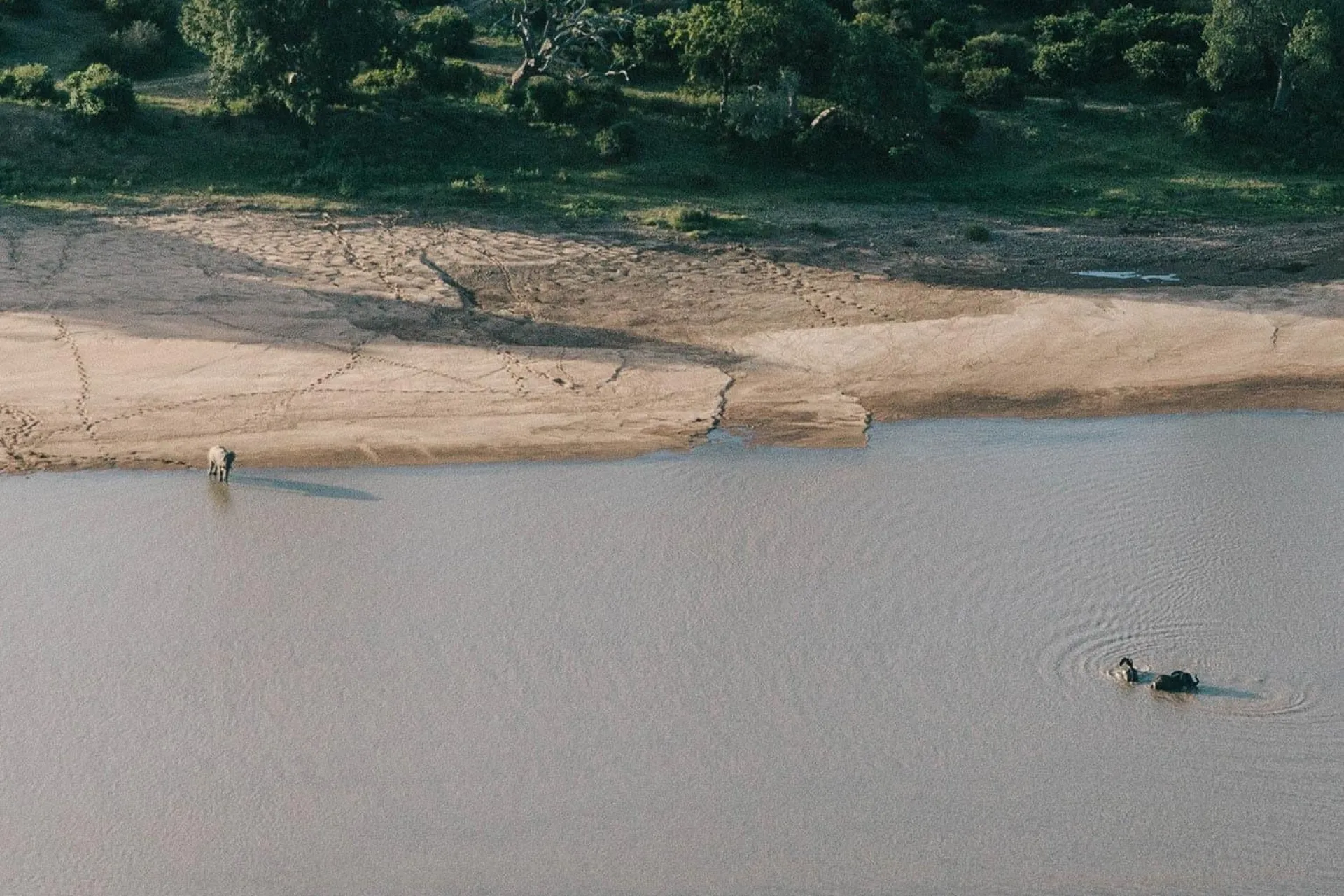
Gonarezhou National Park, Zimbabwe
Zimbabwe at its very wildest
Peak time
August to October
Best time to visit
May to October (the dry season)
Known for
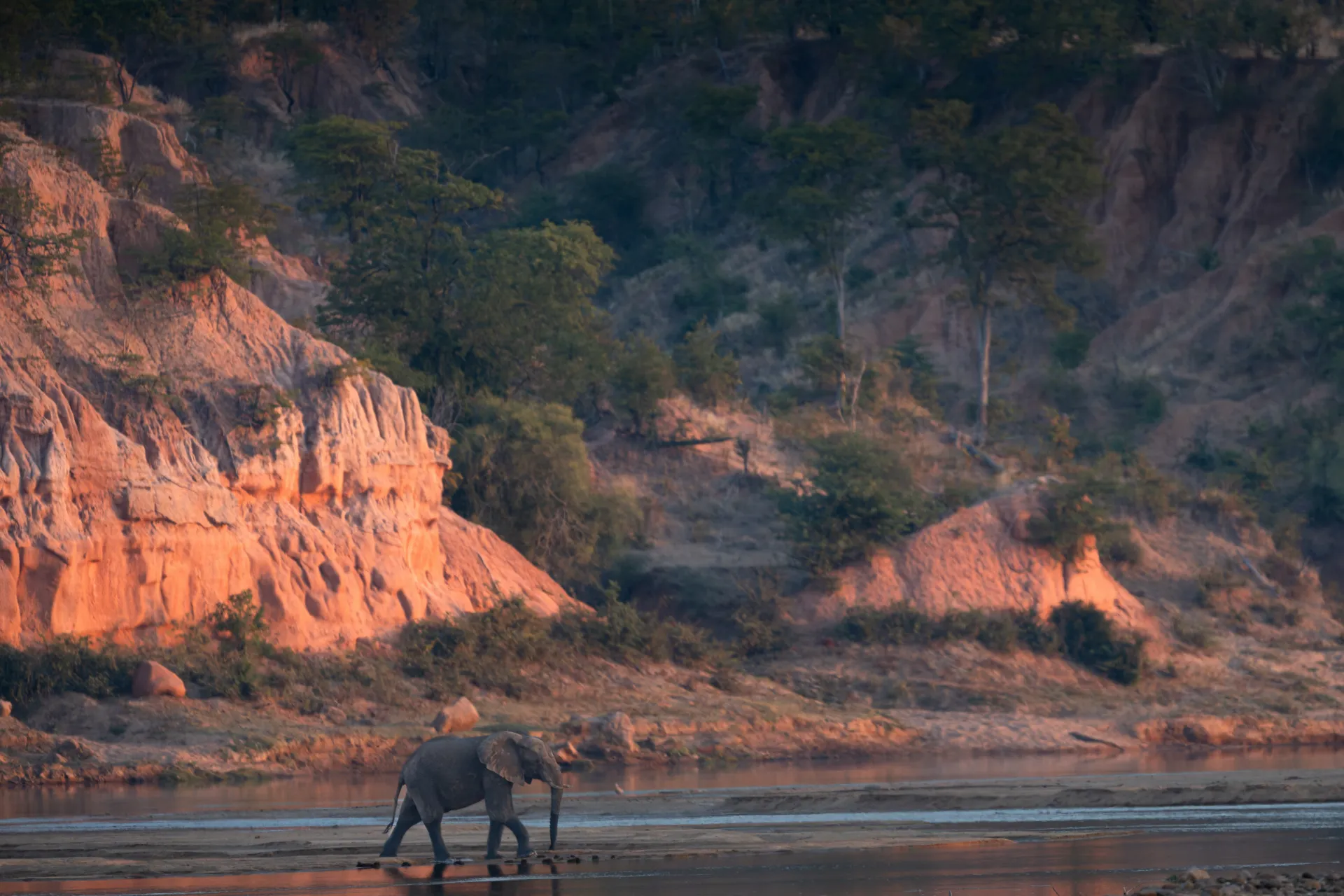
The spectacular, rust-red Chilojo Cliffs
Also known for
Its huge elephant herds; being a truly wild and remote wilderness
About Gonarezhou National Park
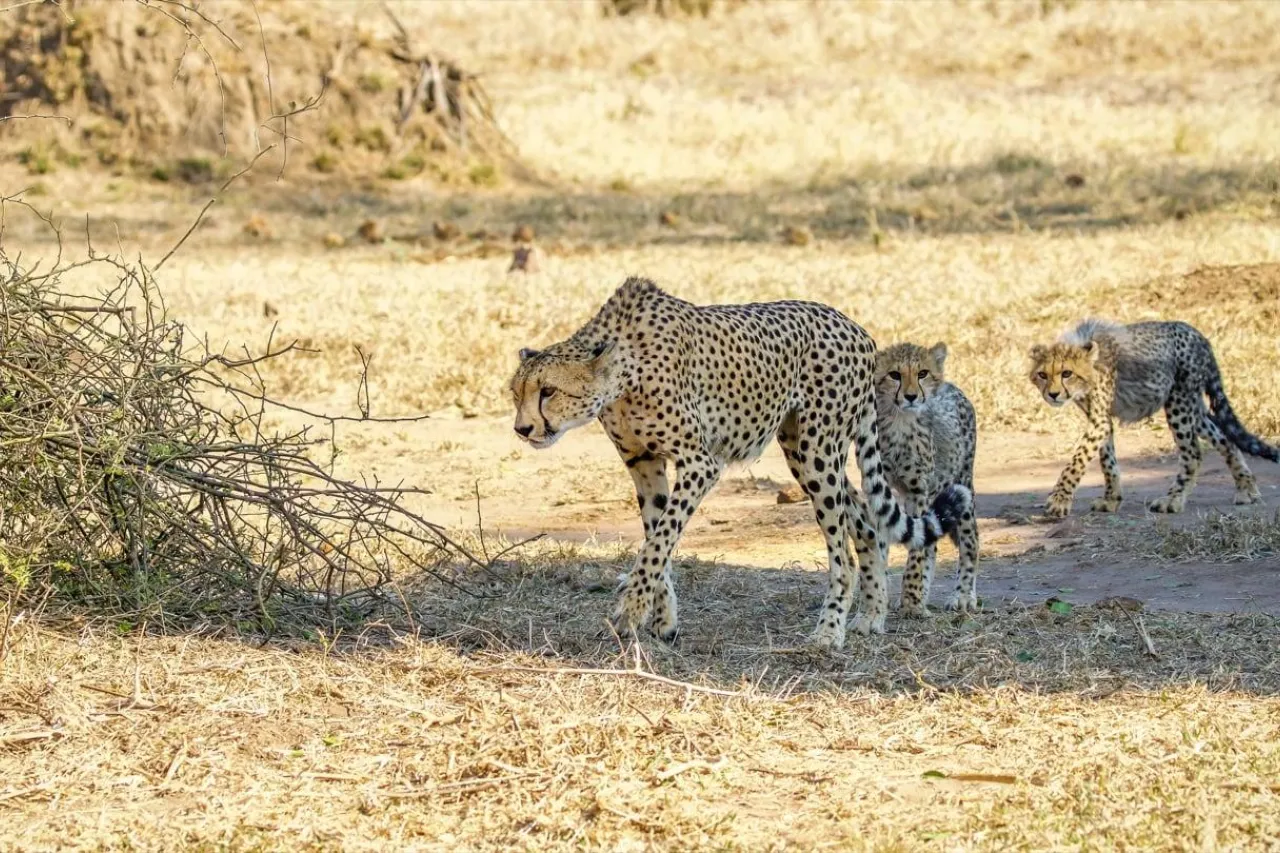
Image courtesy of Chilo Gorge Safari Lodge.
Gonarezhou is Zimbabwe at its most untouched. The name means “place of many elephants” in the Shona language, and this vast park is a sanctuary for these giants. Located in a remote corner of the country, it is a land of dramatic beauty, defined by its floodplains, woodlands and, most spectacularly, the rust-red Chilojo Cliffs that rise vertically from the Runde River.
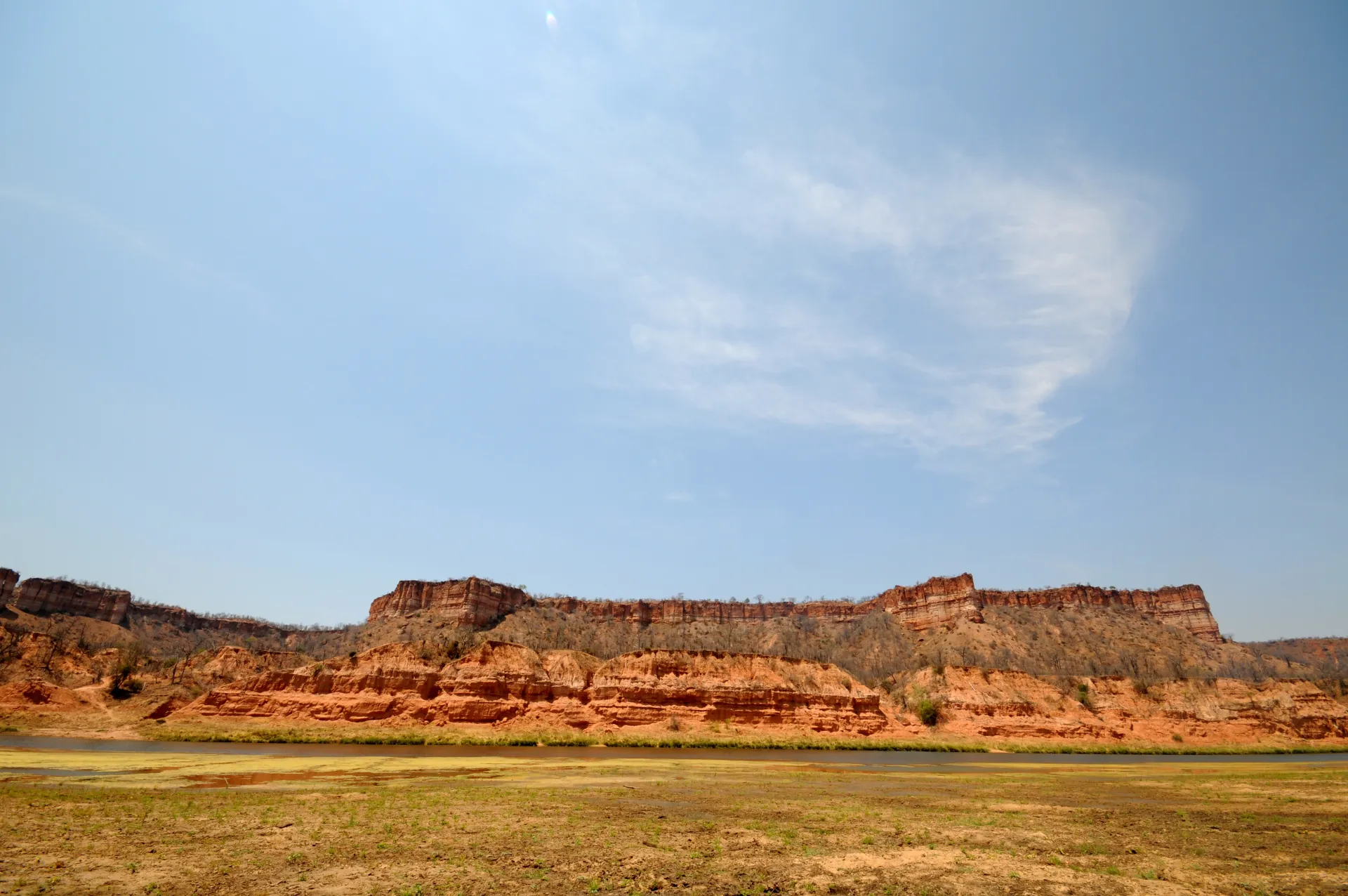
This is a destination for the safari enthusiast, a place that offers a sense of solitude and adventure far from the crowds of more famous parks. Game viewing is unpredictable and exciting, and the park is renowned for its huge breeding herds of elephants and buffalo.

Did you know
The magnificent, red Chilojo Cliffs are the park’s most iconic and photographed landmark
Gonarezhou is a part of the Great Limpopo Transfrontier Park, a massive peace park that links it with the Kruger National Park in South Africa and the Limpopo National Park in Mozambique. This allows wildlife to roam freely across international borders, creating one of the largest conservation landscapes in the world.
Get to know Gonarezhou
The park has limited tourism infrastructure, with only a handful of small, exclusive safari camps and a few self-drive campsites. This ensures that the wilderness experience remains pristine and uncrowded.
The experience is focused on exploration and discovery. The primary activity is game drives through the park’s diverse landscapes, often involving full-day excursions with a picnic lunch. A highlight for any visitor is a sundowner experience at a viewpoint overlooking the magnificent Chilojo Cliffs. Guided walking safaris are also a key part of the experience, offering an intimate way to connect with this rugged environment.
History
The area was first proclaimed as a game reserve in 1934 and became a national park in 1975. For years, it was a thriving wilderness. However, its location on the border with Mozambique meant it was heavily impacted by the Zimbabwean and Mozambican civil wars of the 1970s and 80s. The park was closed for many years, and its wildlife populations were decimated by intense poaching.
The park’s modern history is one of remarkable recovery. In 2007, the Frankfurt Zoological Society entered into a partnership with the Zimbabwe Parks and Wildlife Management Authority, forming the Gonarezhou Conservation Trust in 2017. This partnership brought renewed funding, expert management and robust anti-poaching efforts to the park. This has led to a dramatic recovery in wildlife populations and the successful reopening of the park for tourism, turning it into one of Southern Africa’s most exciting conservation success stories.
More unforgettable activities
Turtle egg laying and hatching
Traditional Bo-Kaap cooking experience
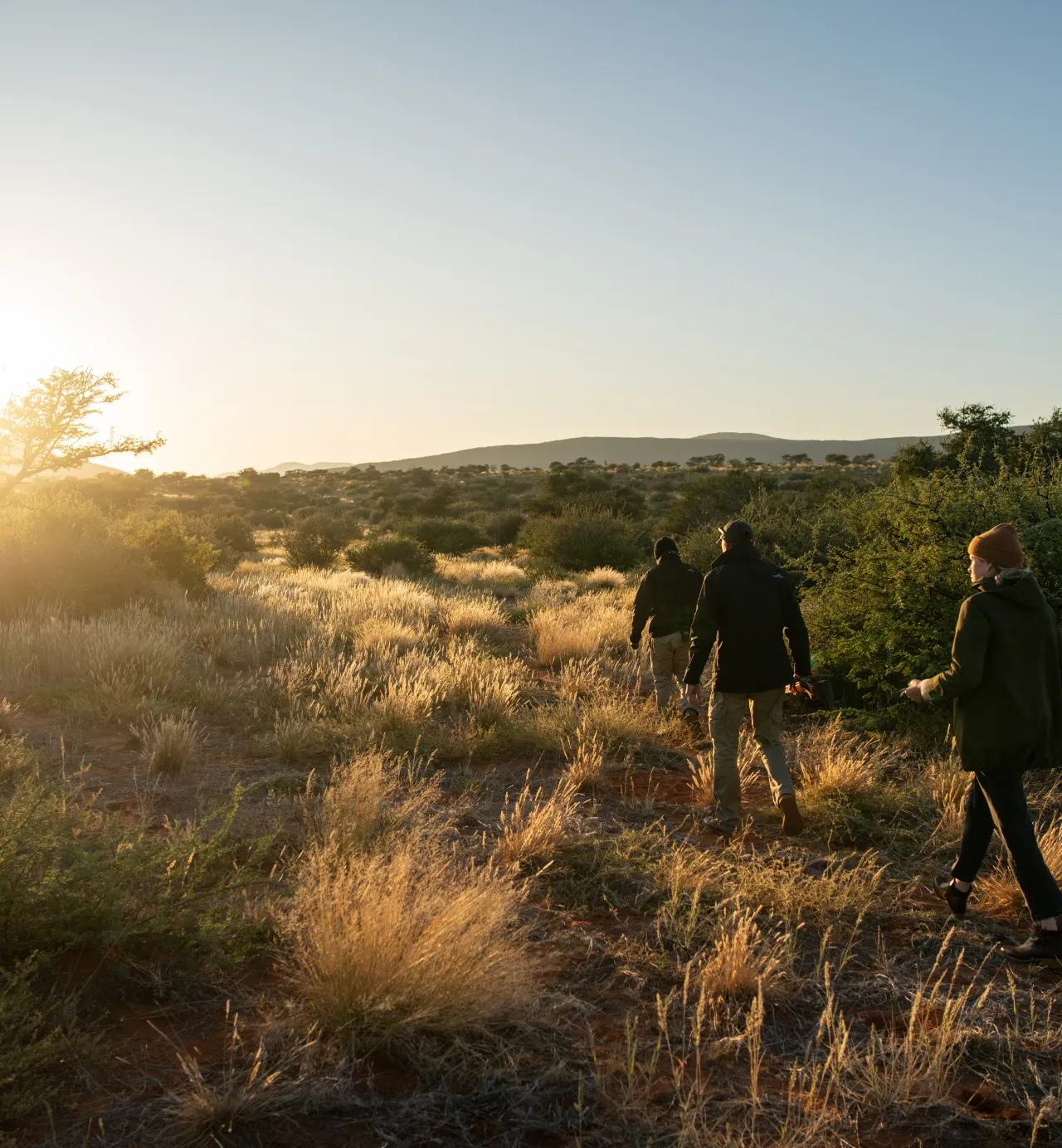
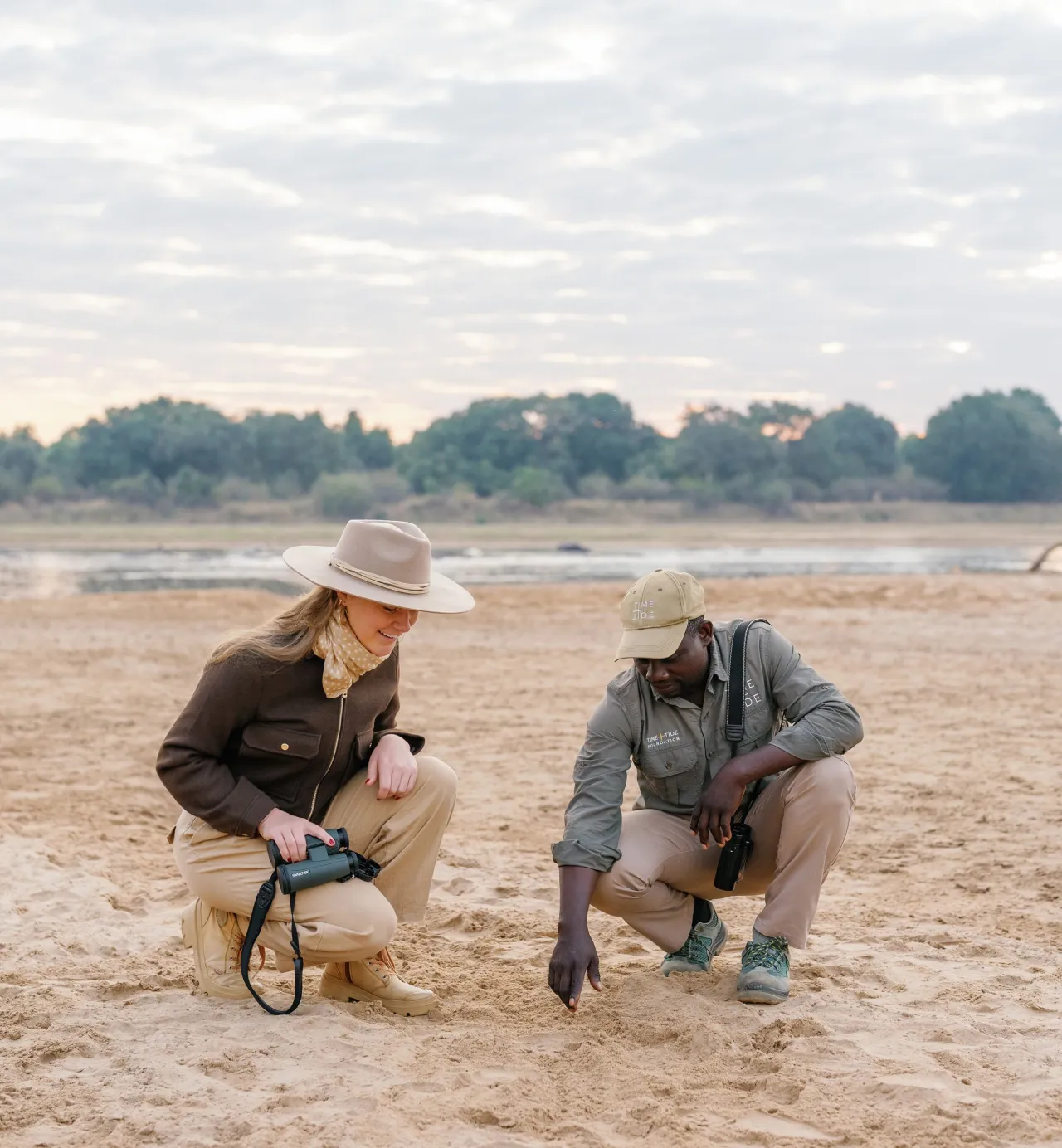
Tracking Africa’s most elusive species on foot
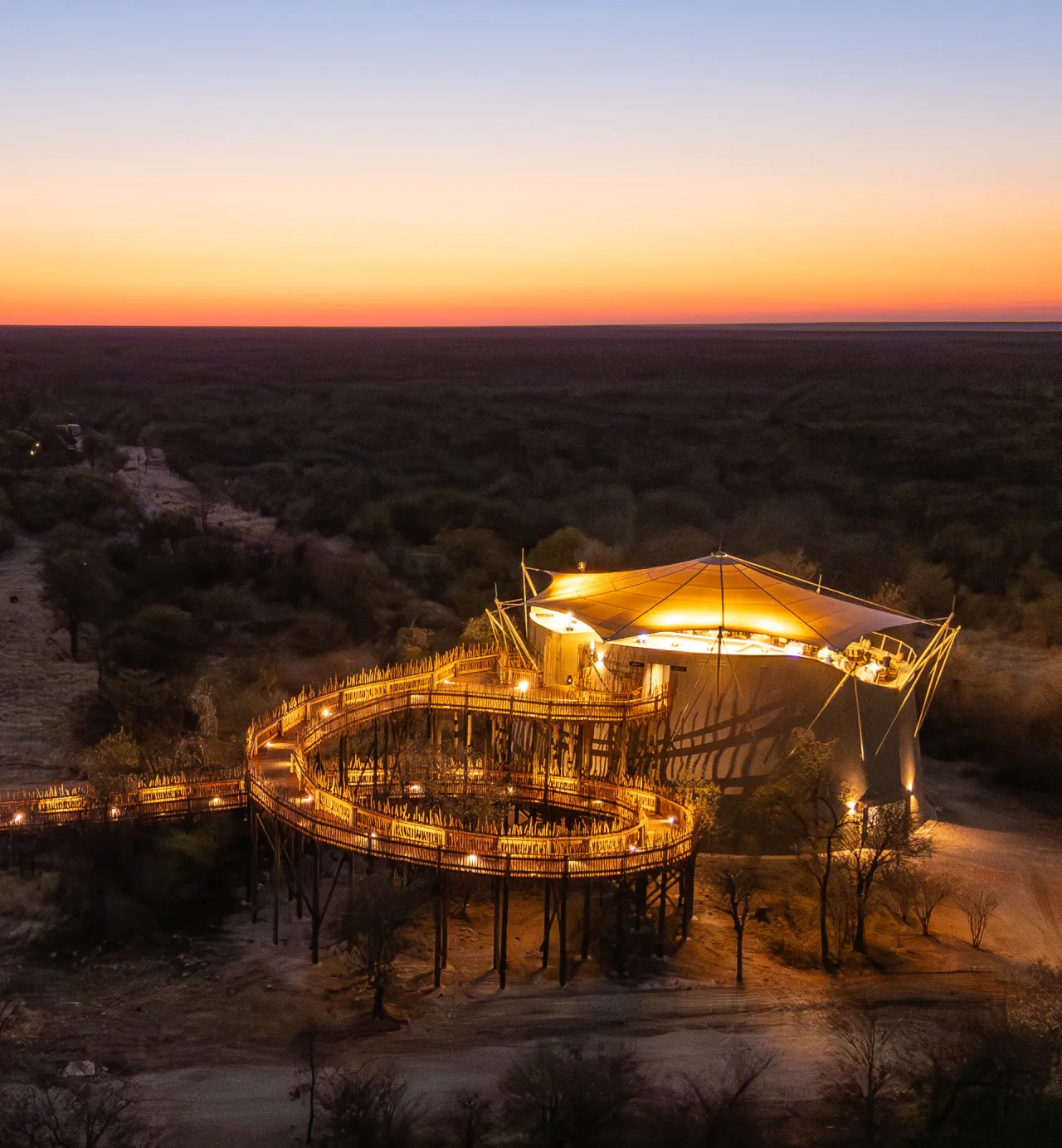
SkyBoma, Etosha
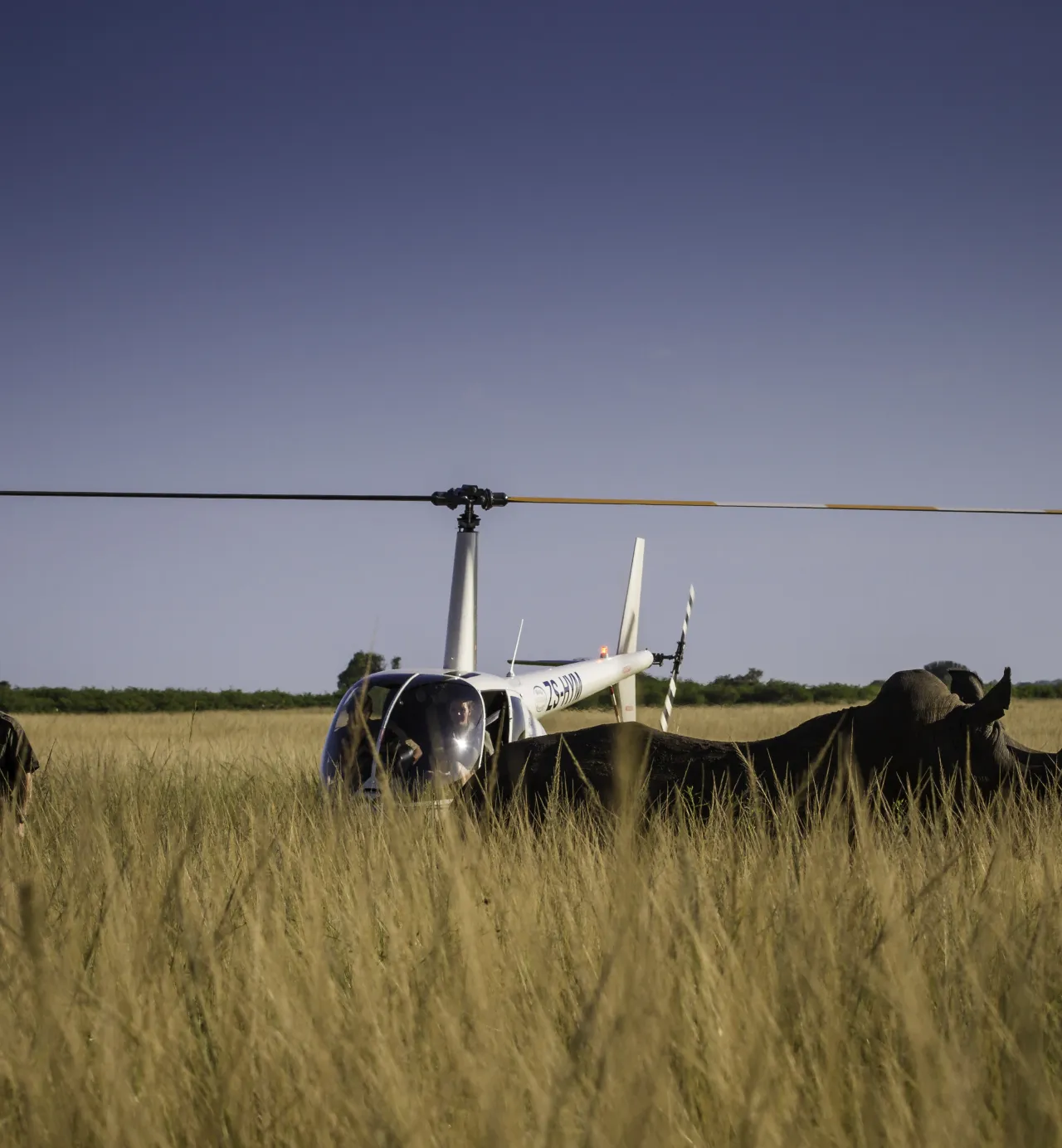
Rhino darting and chipping experience
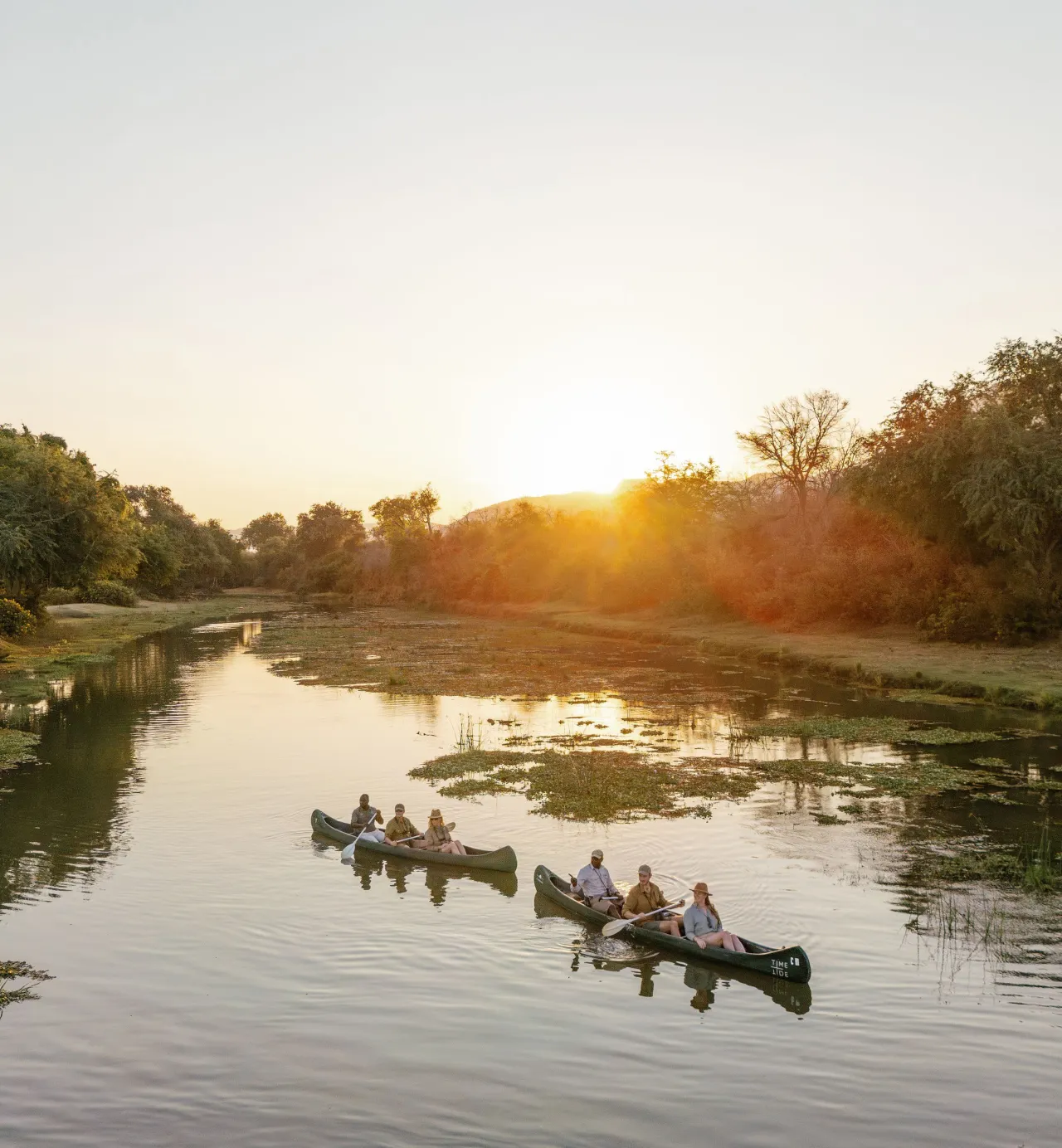
Picnicking on islands in the Zambezi
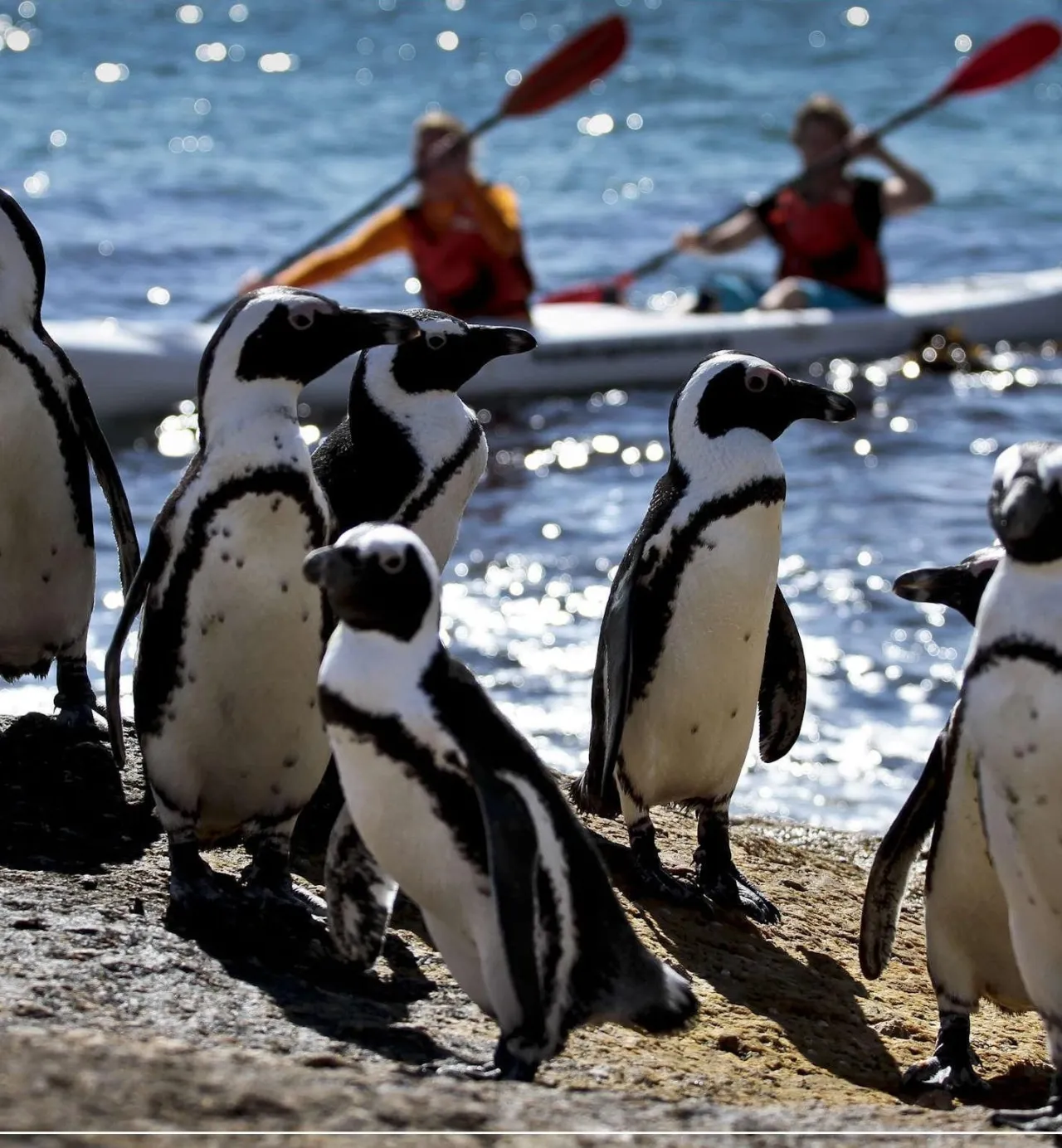
Paddle with penguins
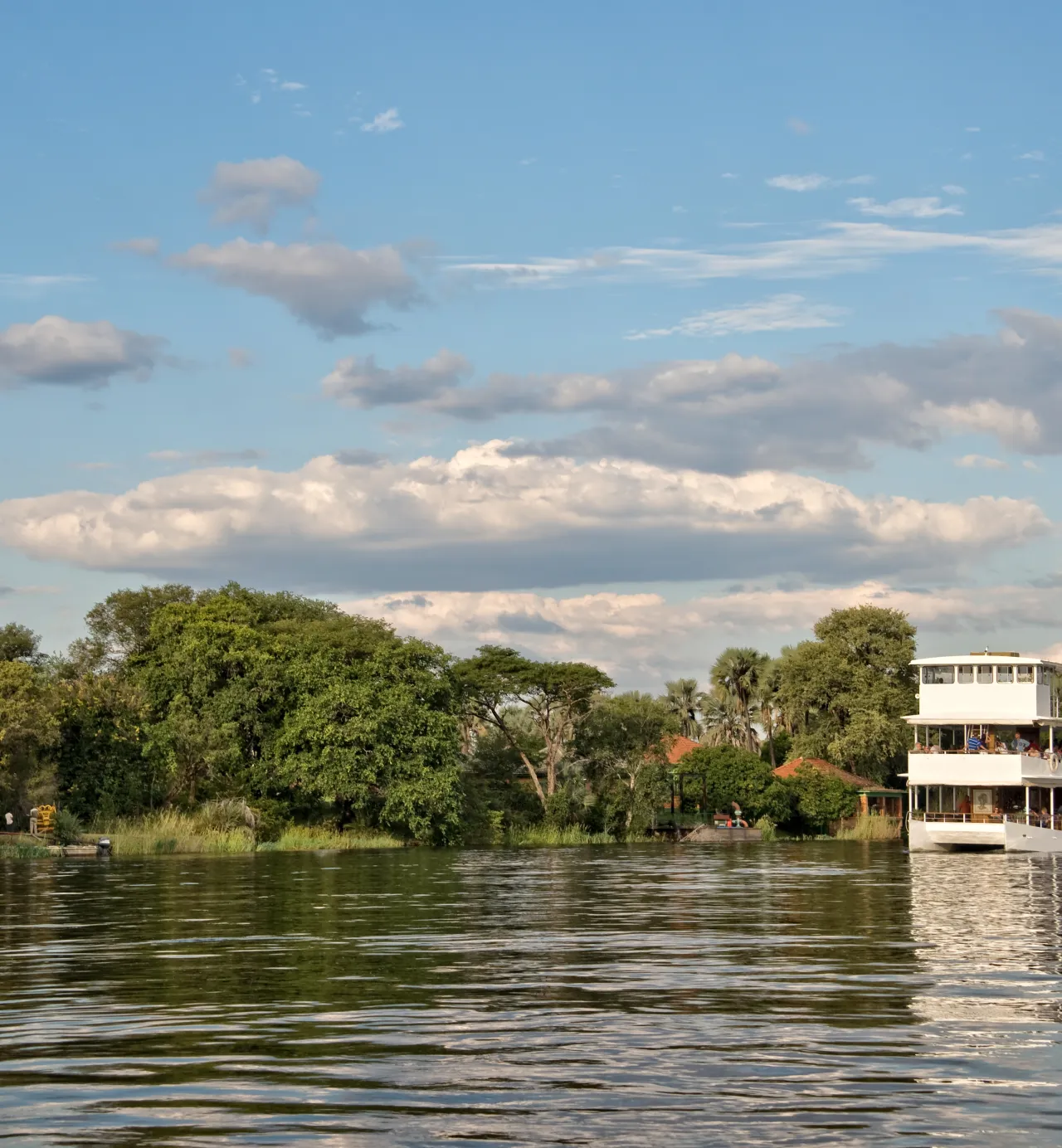
Live-aboard luxury Zambezi safari
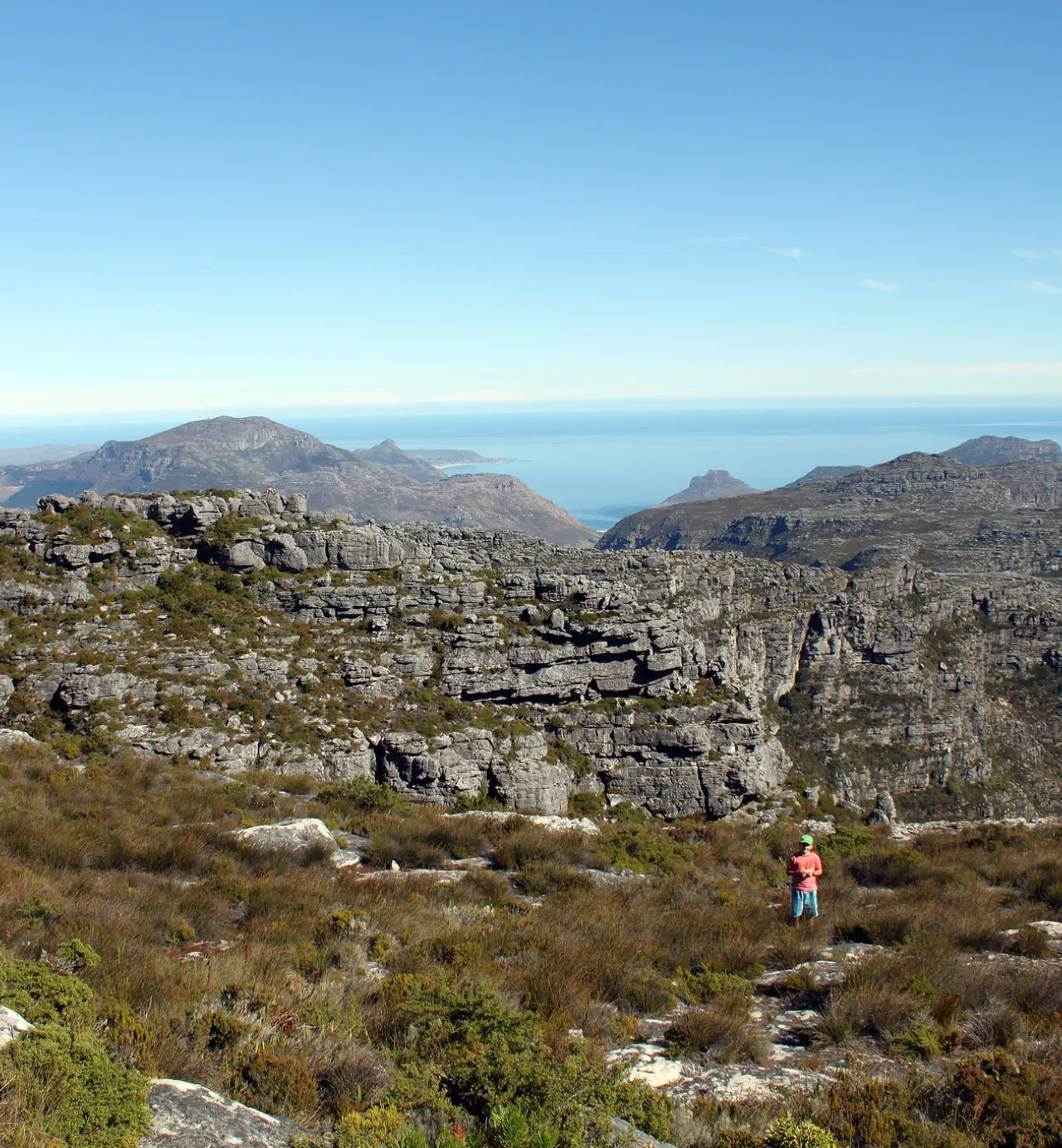
Hiking Table Mountain with a botanist or forager

Voices of our guests
Gonarezhou National Park FAQs
Yes, it is a Big Five park, but it is very wild. You will have excellent sightings of elephants and buffalo. Lions and leopards are present, but sightings are less frequent than in other parks. Rhinos have been reintroduced but are rarely seen.
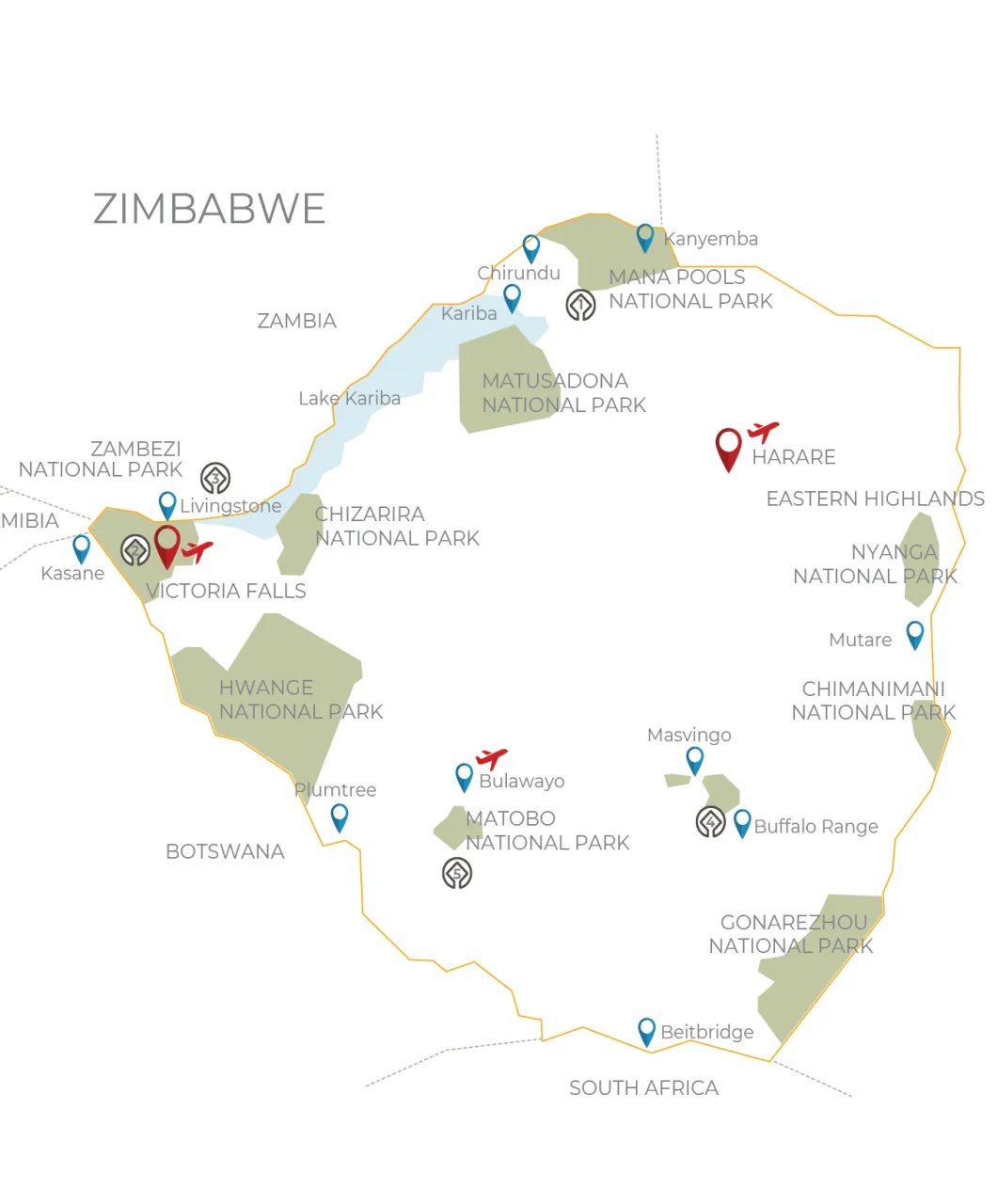
It is a remote, fly-in destination. You will fly to Buffalo Range Airport and then take a smaller charter flight or a lengthy road transfer into the park.
Yes, it is located in a high-risk malaria zone. It is essential to consult your doctor about appropriate anti-malarial medication before your trip.
Its combination of truly wild, untouched wilderness, solitude and the beauty of the Chilojo Cliffs makes it an unforgettable destination.
A stay of three to four nights is recommended to explore this vast and rugged park and have a good chance of rewarding wildlife sightings.
It is better suited for seasoned safari travellers who appreciate remote wilderness and are not focused on ticking off a checklist of animals. The game viewing is rewarding but requires more patience than in other parks.
They are a series of magnificent, multicoloured (mainly red) sandstone cliffs carved by the Runde River over millions of years. They are the park’s most famous landmark.
It is a massive peace park initiative that links Gonarezhou with the Kruger National Park in South Africa and the Limpopo National Park in Mozambique, creating one of the world’s largest conservation areas.
Pack lightweight, neutral-coloured clothing. A warm jacket is essential for cool mornings. Sturdy walking shoes are important for any walking activity. A good pair of binoculars is non-negotiable for spotting wildlife in the vast landscapes.
Accommodation is limited to a handful of small, exclusive and often rustic safari camps that offer an authentic and intimate bush experience in a truly remote setting.
