

Gorongosa National Park
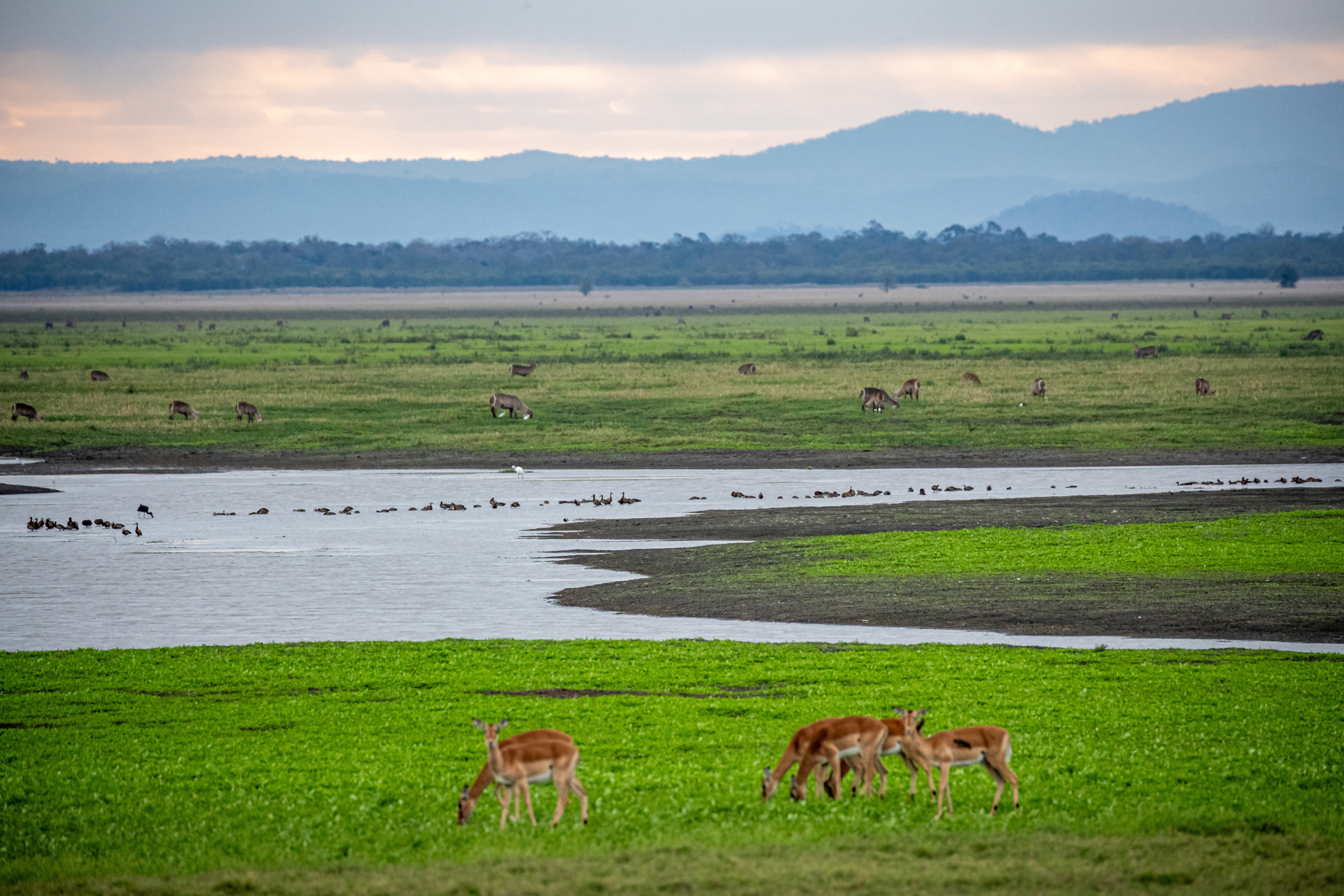
Gorongosa National Park, Mozambique
Africa’s lost Eden, restored
Peak time
August to October
Best time to visit
June to October (the dry season)
Known for
being Africa’s greatest wildlife restoration story
Also known for
its rich biodiversity, and blend of savannah and wetland ecosystems
About Gorongosa National Park
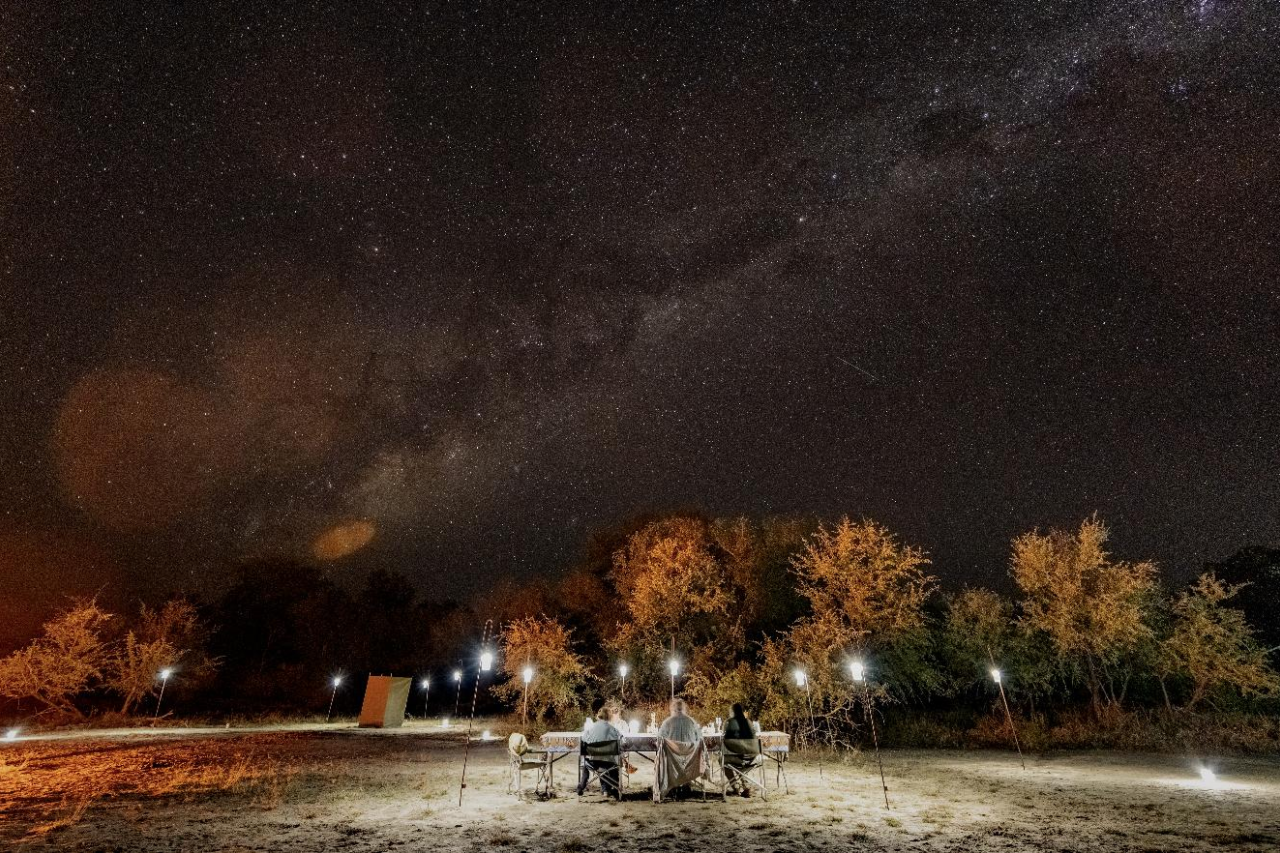
Gorongosa is a story of spectacular rebirth, a park that has risen from the ashes of war to reclaim its tongue-in-cheek title as “the place where Noah left his Ark”. Located at the southern end of the Great Rift Valley, this vast wilderness was once one of Africa’s most celebrated national parks before being decimated by decades of conflict. Today, thanks to a visionary partnership between the Mozambican government and the philanthropic Carr Foundation, it is a global symbol of hope and successful rewilding.
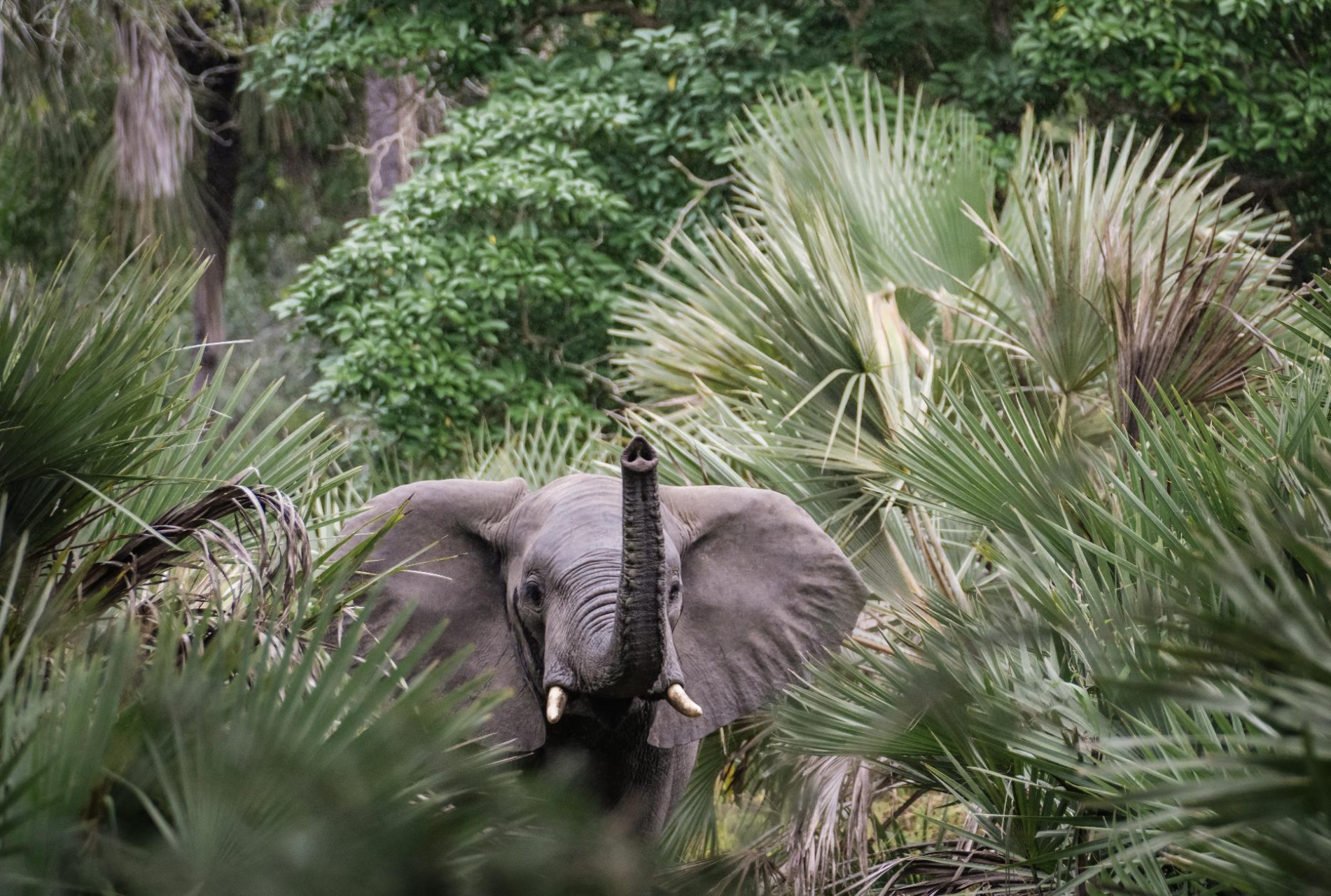
The park is a stunning mosaic of habitats. The shimmering Lake Urema lies at its heart, its floodplains giving way to vast grasslands, fever tree forests and lush riverine woodlands, all set against the backdrop of Mount Gorongosa. This diversity of landscapes supports a rapidly recovering and thriving wildlife population.

Did you know
Mount Gorongosa is considered sacred by local communities and is vital for the park’s water supply
A safari in Gorongosa is a chance to be part of a living conservation story. It is a journey into a park actively being restored, where every game drive reveals the success of the reintroduction efforts. For the curious and conservation-minded traveller, Gorongosa offers the opportunity to participate in one of the most inspiring comeback stories on the continent.
Get to know Gorongosa
The Gorongosa experience is centred around understanding its restoration story. The park is home to a handful of exclusive safari lodges and camps, all deeply involved in the conservation project. A stay here thus offers a safari experience that is both purposeful and personal.
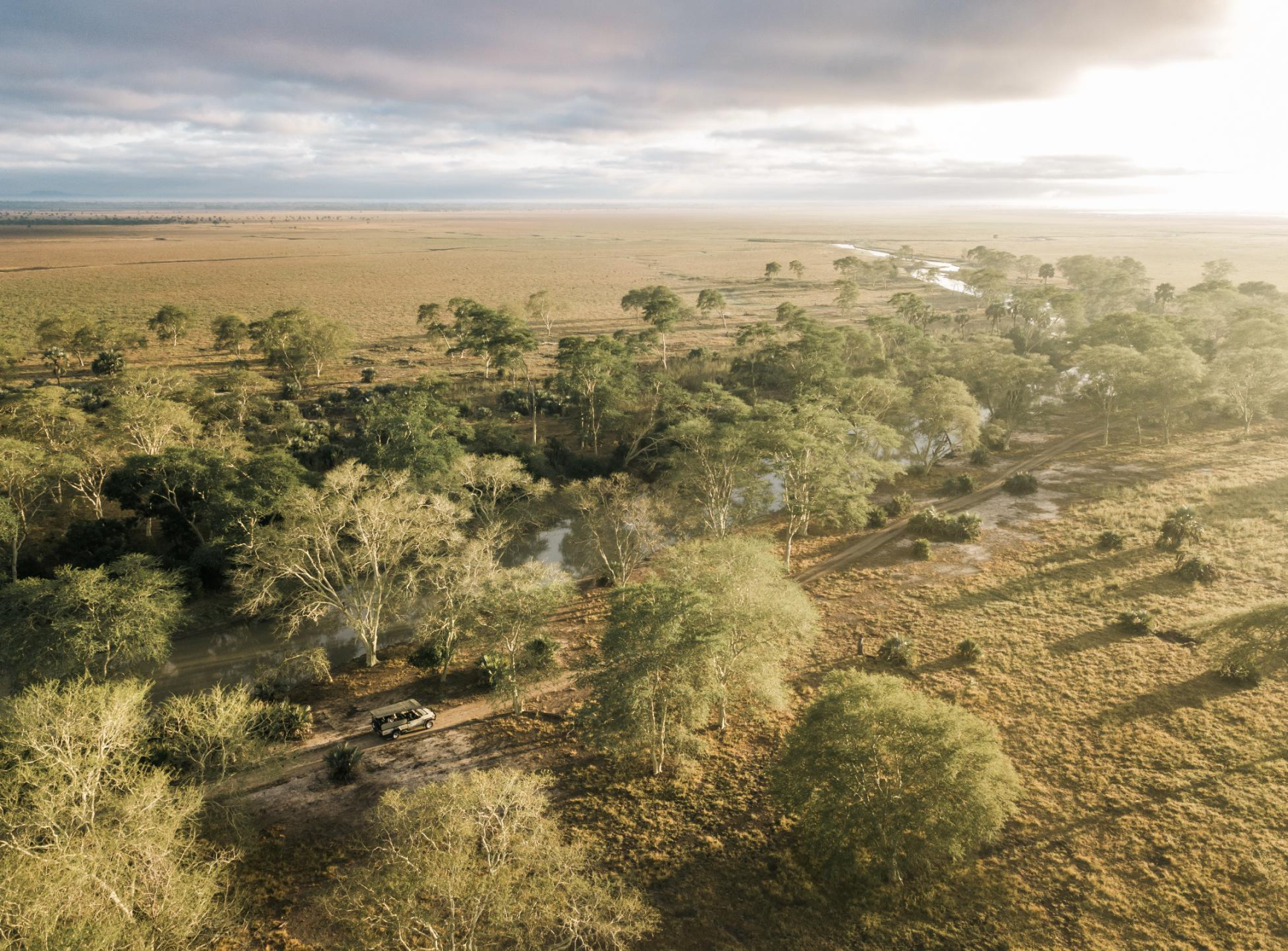
Daily activities include classic game drives across the floodplains and through the woodlands, searching for the park’s recovering wildlife populations. Walking safaris and boat trips on Lake Urema offer different perspectives of the landscape. A key part of any visit is the opportunity to visit the EO Wilson Biodiversity Laboratory, to meet the scientists and learn about the research that guides the park’s restoration.
History
Gorongosa’s story is a dramatic tale of two acts. The first act began in 1960, when the area was proclaimed a national park. It quickly became one of Africa’s most famous and beloved wildlife destinations, celebrated for its immense herds of buffalo and elephants, and its huge lion prides. This golden era came to a tragic end with the outbreak of the Mozambican Civil War in 1977. The park became a battleground, and its wildlife was decimated for food and ivory.
The second act, the story of its rebirth, began in 2004 when American philanthropist Greg Carr visited the park and pledged to help restore it. He formed a long-term partnership with the Mozambican government, establishing the Gorongosa Restoration Project. This visionary project has invested millions of dollars in scientific research, anti-poaching initiatives, community development and wildlife reintroductions, transforming the park from a war-torn landscape back into the thriving, biodiverse wilderness it is today.
More unforgettable activities
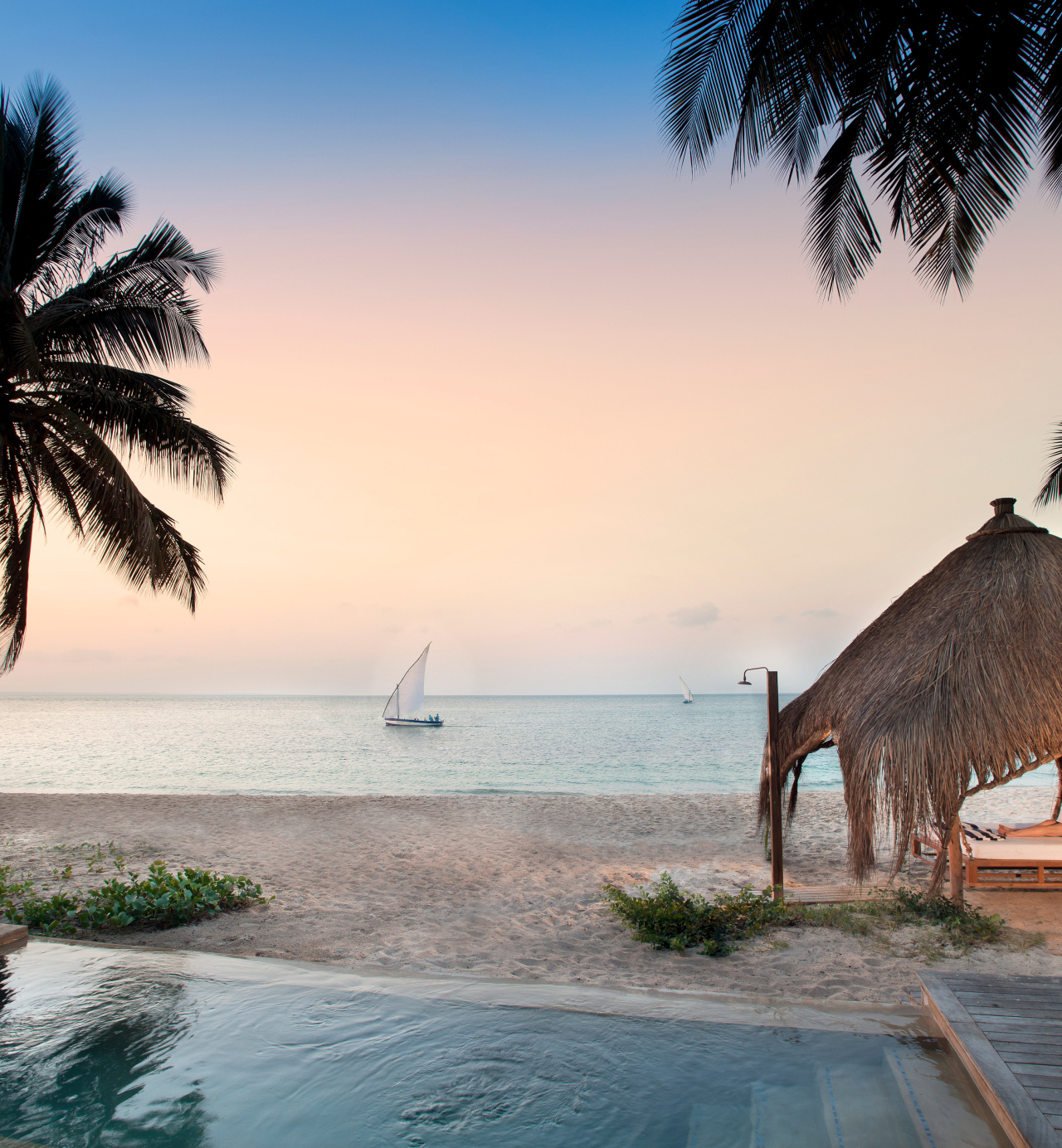
Turtle egg laying and hatching

Traditional Bo-Kaap cooking experience
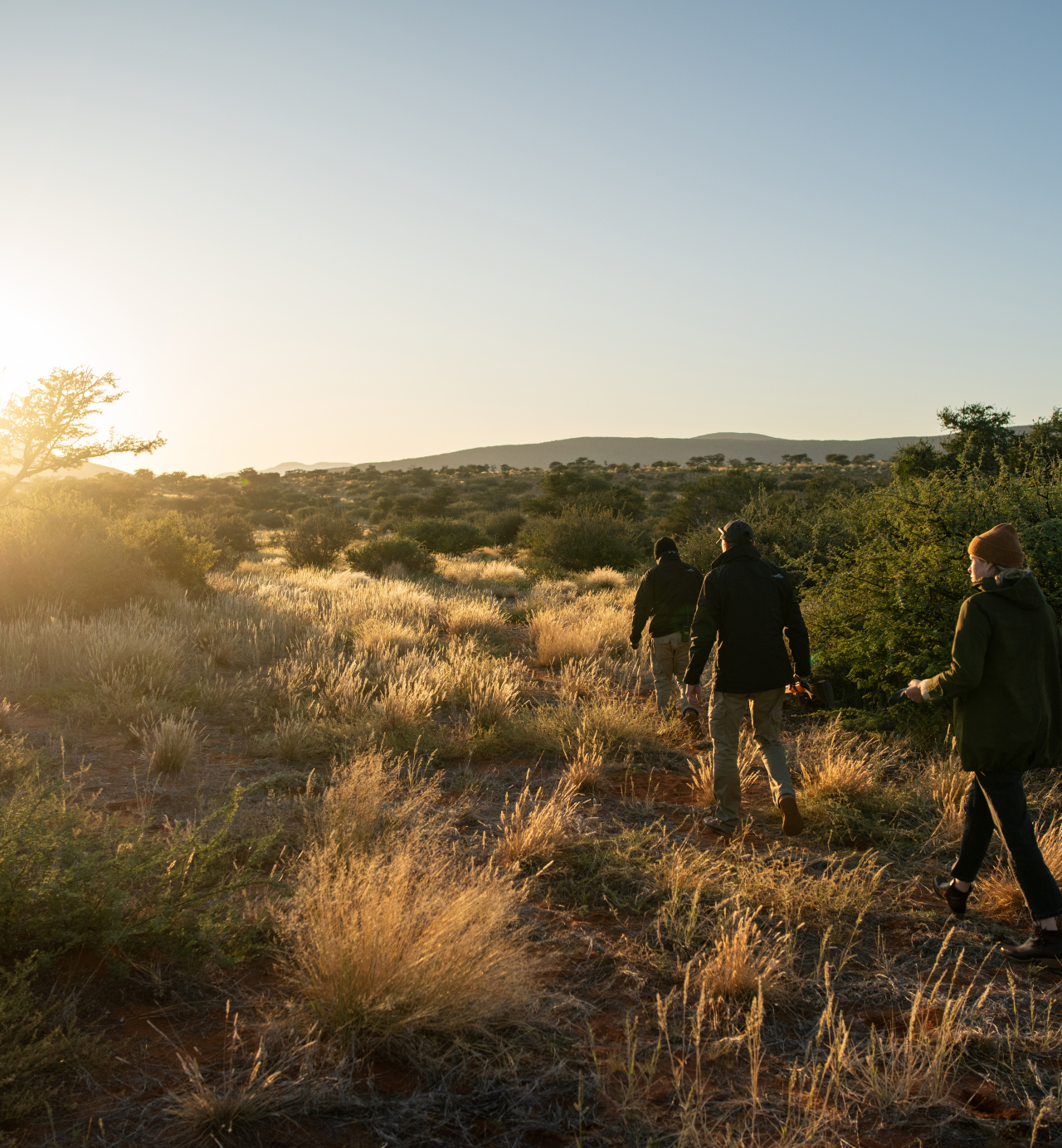
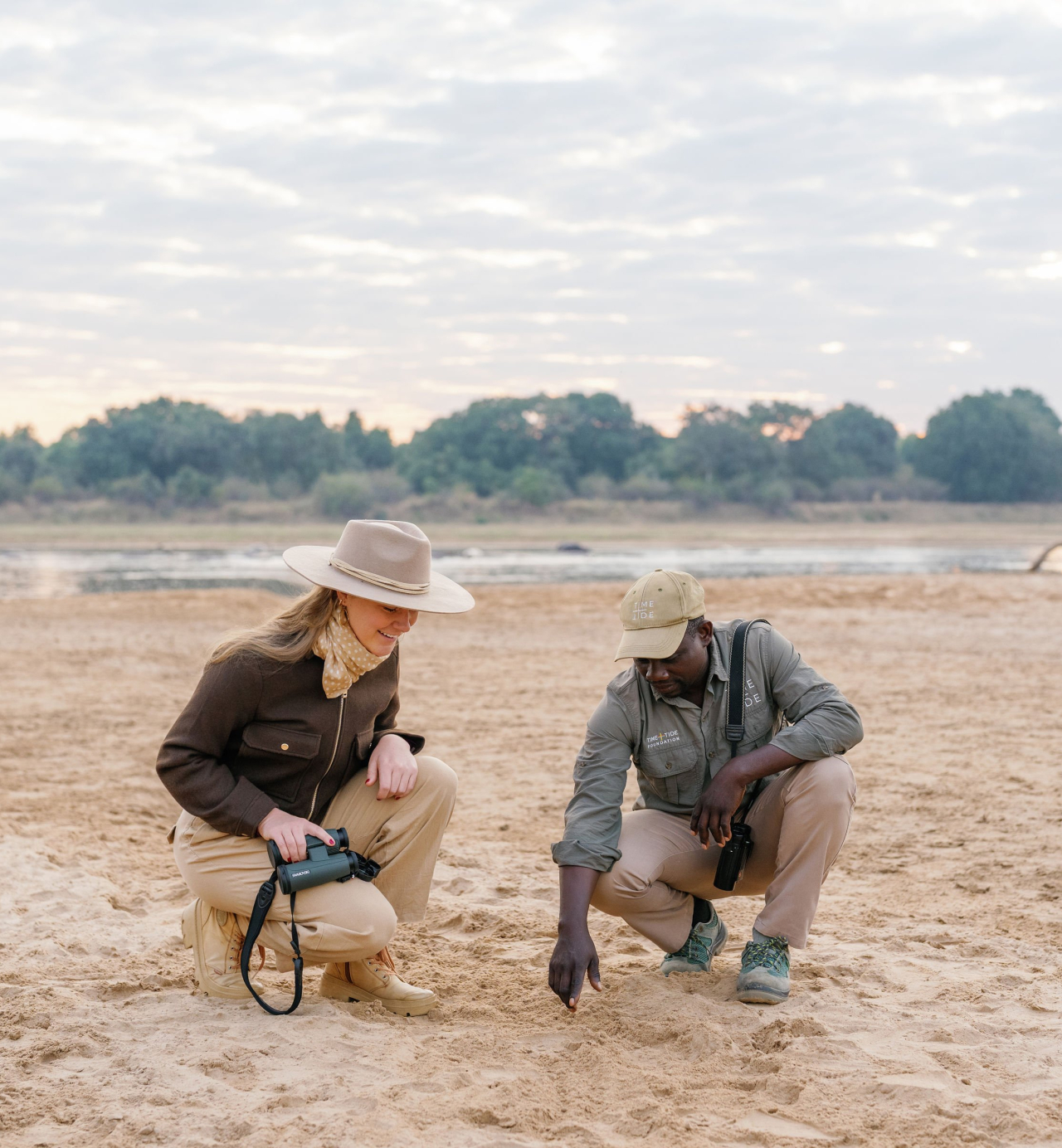
Tracking Africa’s most elusive species on foot


SkyBoma, Etosha
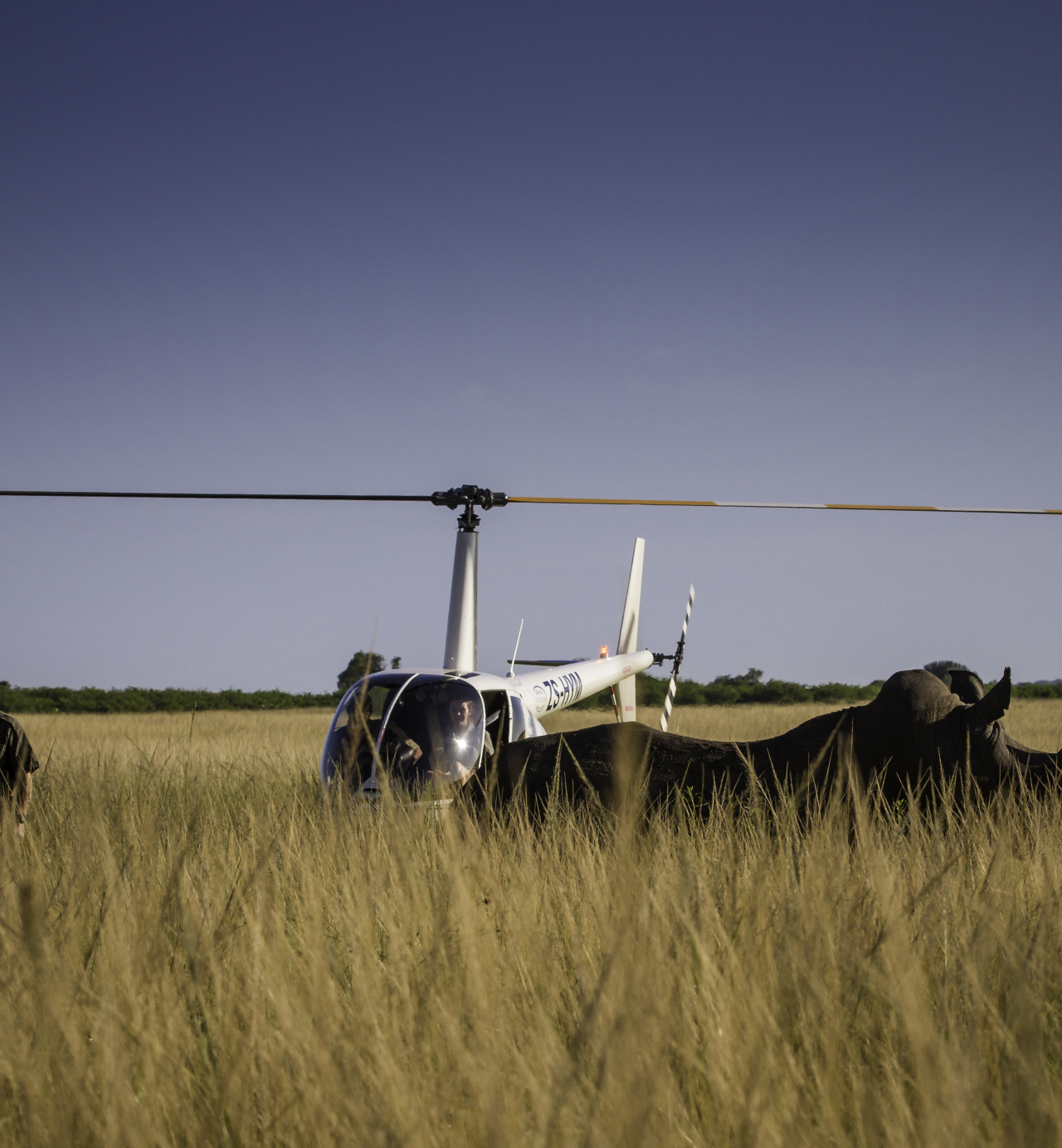
Rhino darting and chipping experience
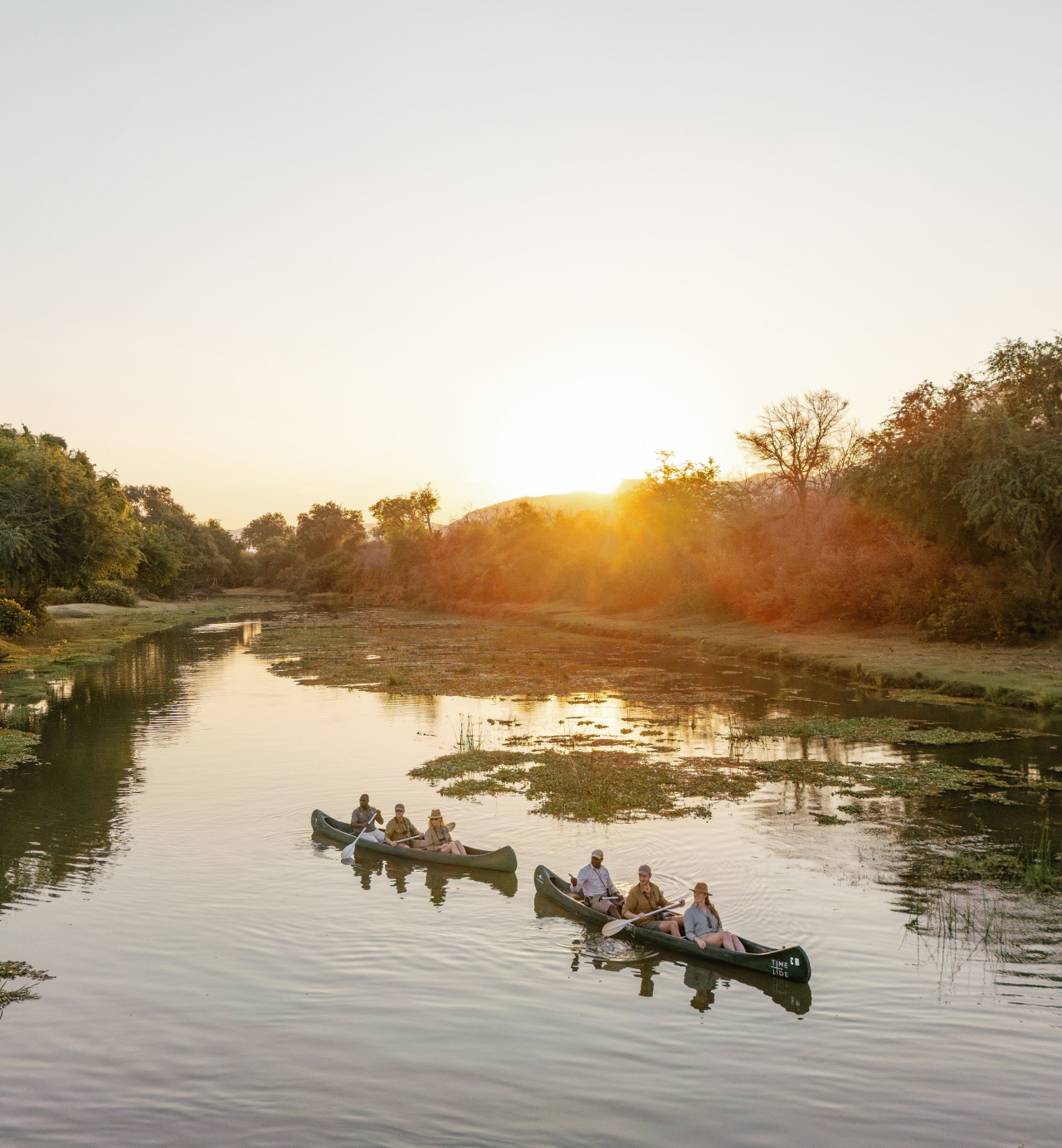
Picnicking on islands in the Zambezi
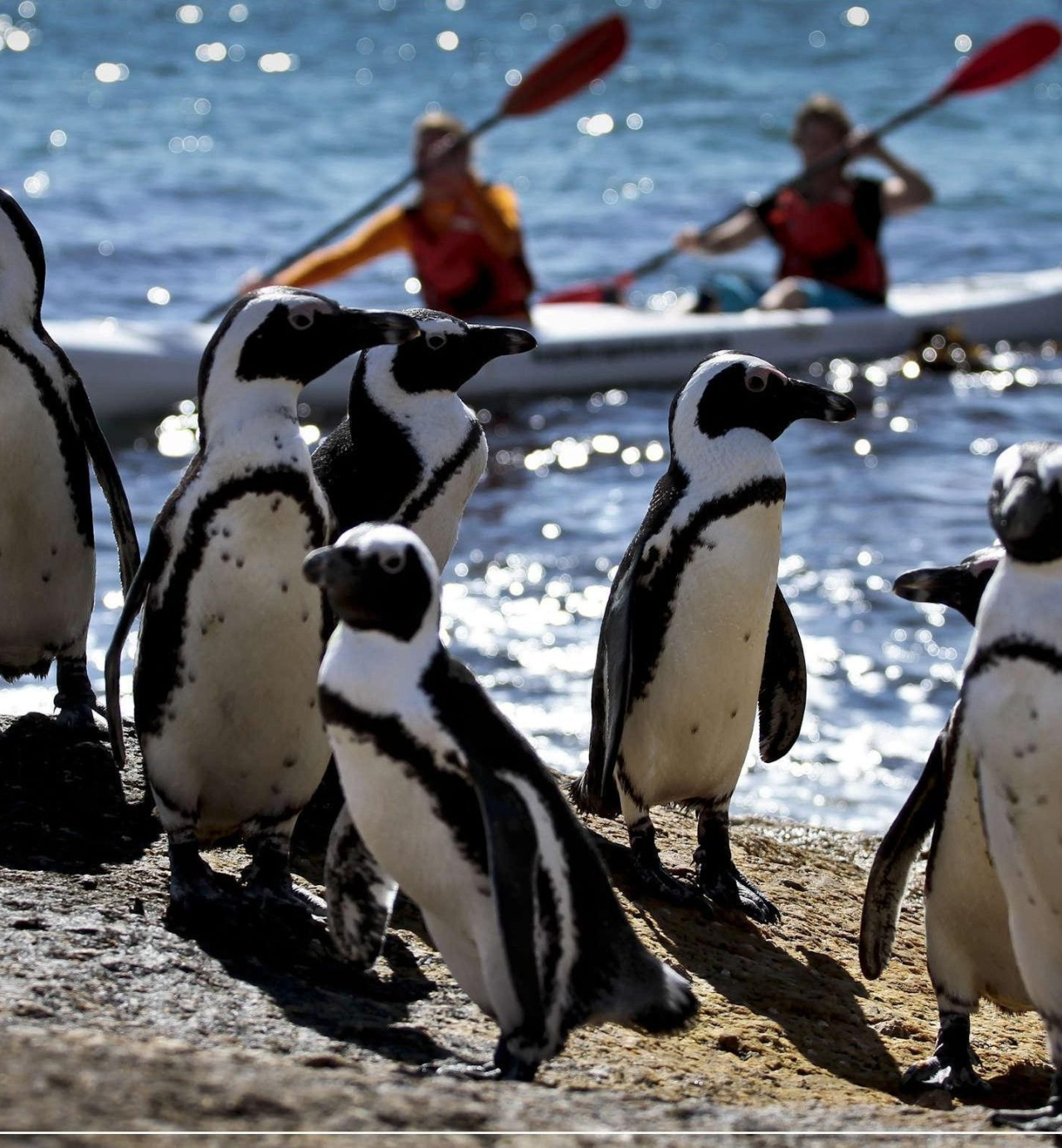
Paddle with penguins
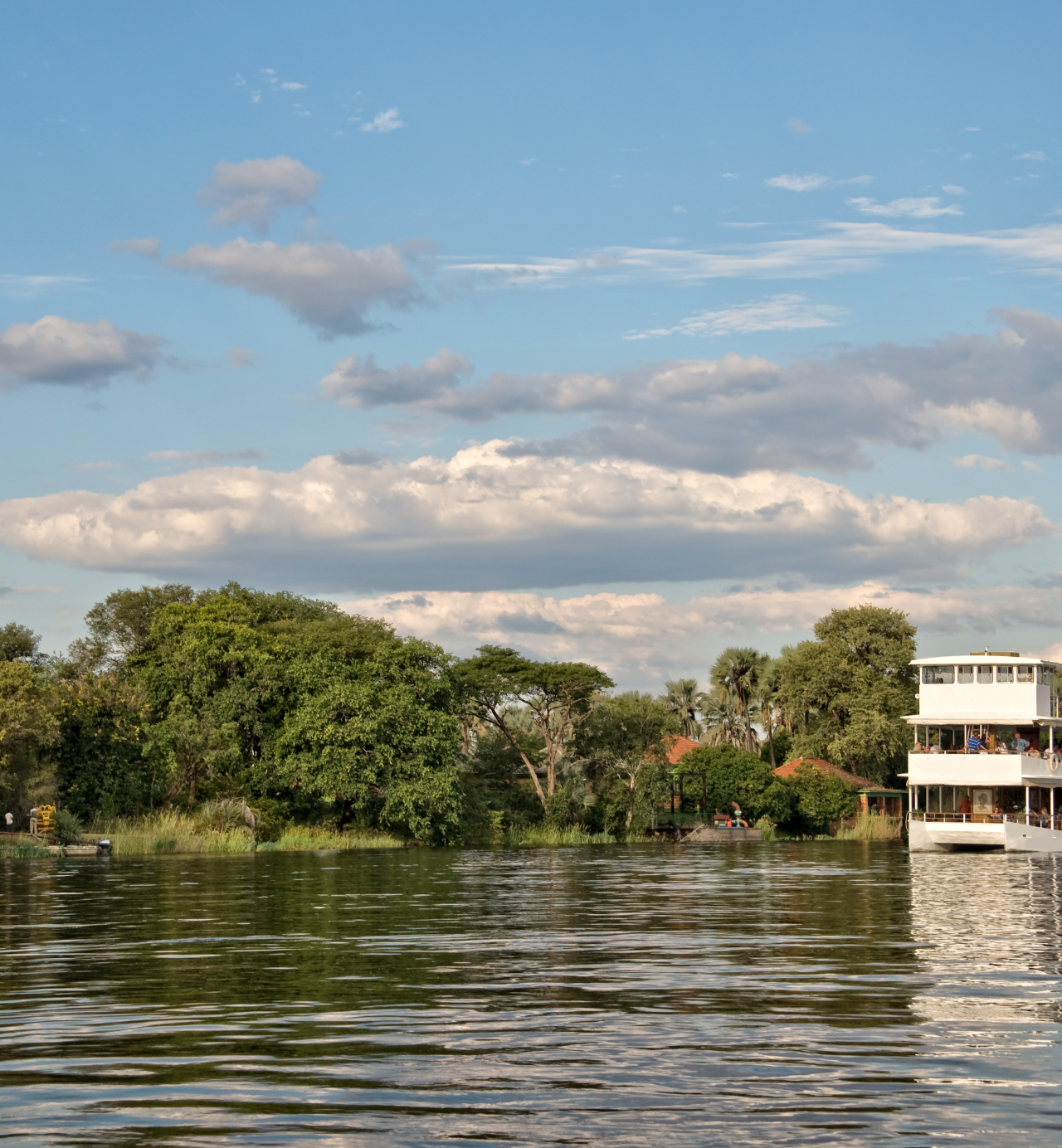
Live-aboard luxury Zambezi safari
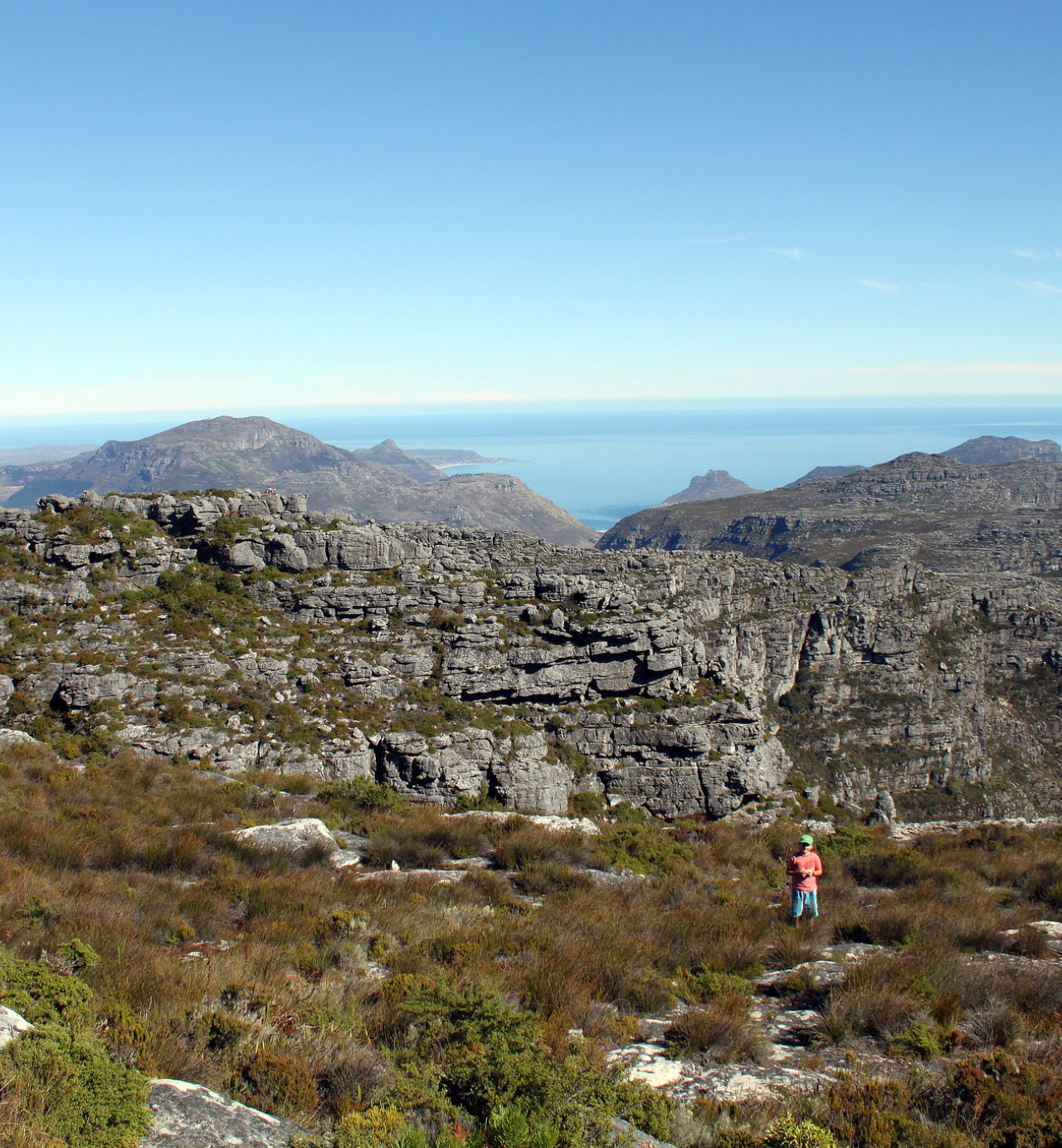
Hiking Table Mountain with a botanist or forager


Voices of our guests
Gorongosa National Park FAQs
It is a “Big Four” destination. It has excellent and growing populations of lion, leopard, elephant and buffalo. However, rhinos have not yet been reintroduced to the park.
It is a fly-in destination. You will fly into Beira International Airport and then take a short light aircraft flight directly into the park.
Yes, it is located in a high-risk malaria zone. It is essential to consult your doctor or a travel clinic for advice on appropriate anti-malarial medication before your trip.
The key differentiator is its powerful conservation story. A safari here is about witnessing the active restoration of an entire ecosystem, and learning about the science and community work that makes it possible.
A stay of three to four nights is ideal. This provides enough time for multiple game drives, a boat trip on the lake, and the opportunity to visit the EO Wilson Biodiversity Laboratory.
Yes, a visit to the EO Wilson Biodiversity Laboratory is a highlight of a trip to Gorongosa. You can meet the resident scientists and learn about the fascinating research that is guiding the park’s restoration.
The cool, dry season from June to October is the best time for game viewing, as animals congregate around Lake Urema and other permanent water sources.
Yes, but it is particularly rewarding for travellers with a keen interest in conservation. While wildlife is abundant, the experience is as much about the powerful story of rebirth as it is about ticking off a checklist of animals.
The main activities are game drives, guided walking safaris and boating safaris on Lake Urema. Special to Gorongosa is the chance to interact with the conservation and science teams.
Tourism is a cornerstone of the Gorongosa Restoration Project’s long-term sustainability plan. The revenue generated from your stay contributes directly to the project’s budget for conservation, scientific research and community development programmes.
