

Hwange National Park
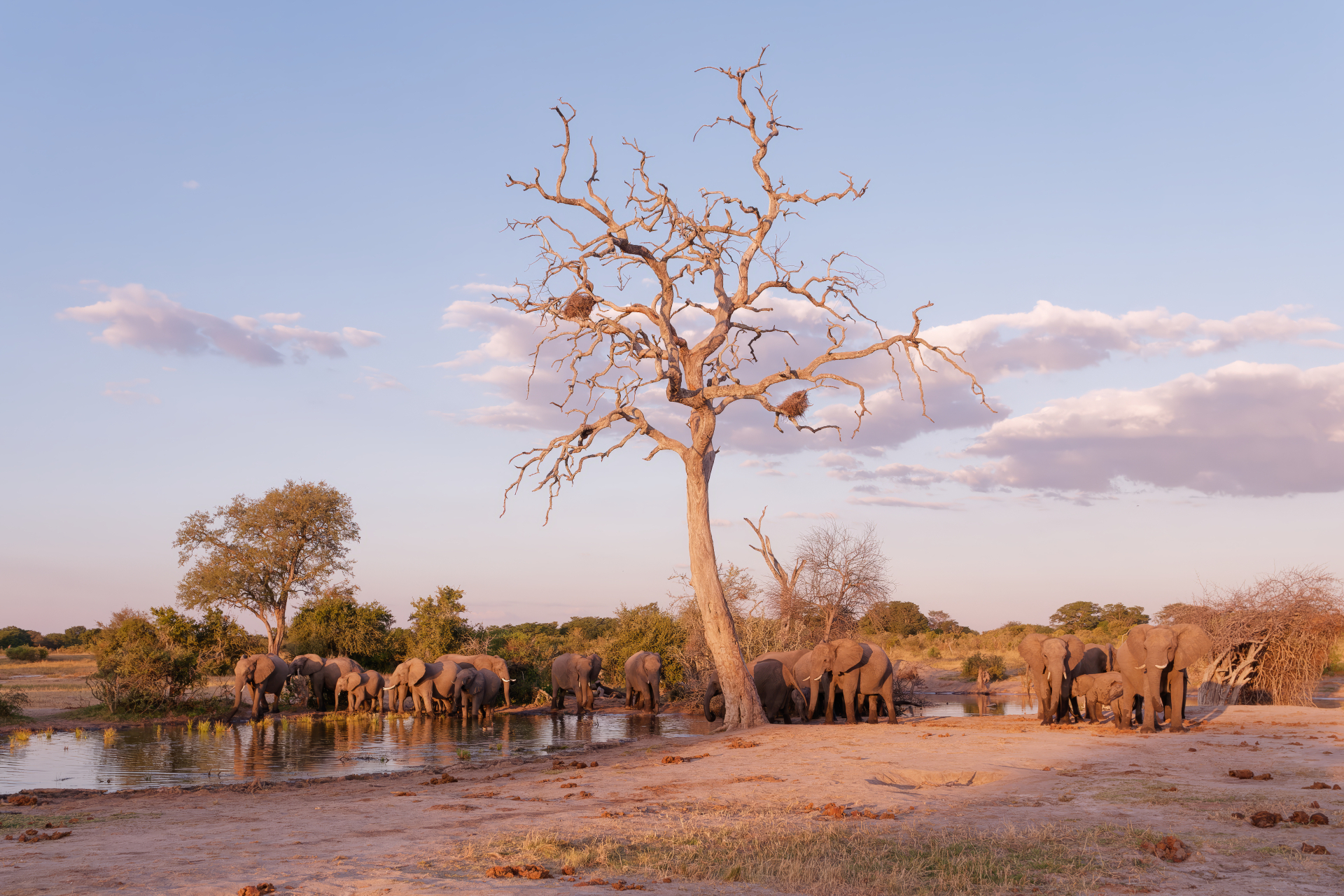
Hwange National Park, Zimbabwe
A classic, action-packed African safari
Peak time
August to October
Best time to visit
July to October (late dry season)
Known for
Its monumental elephant herds
Also known for
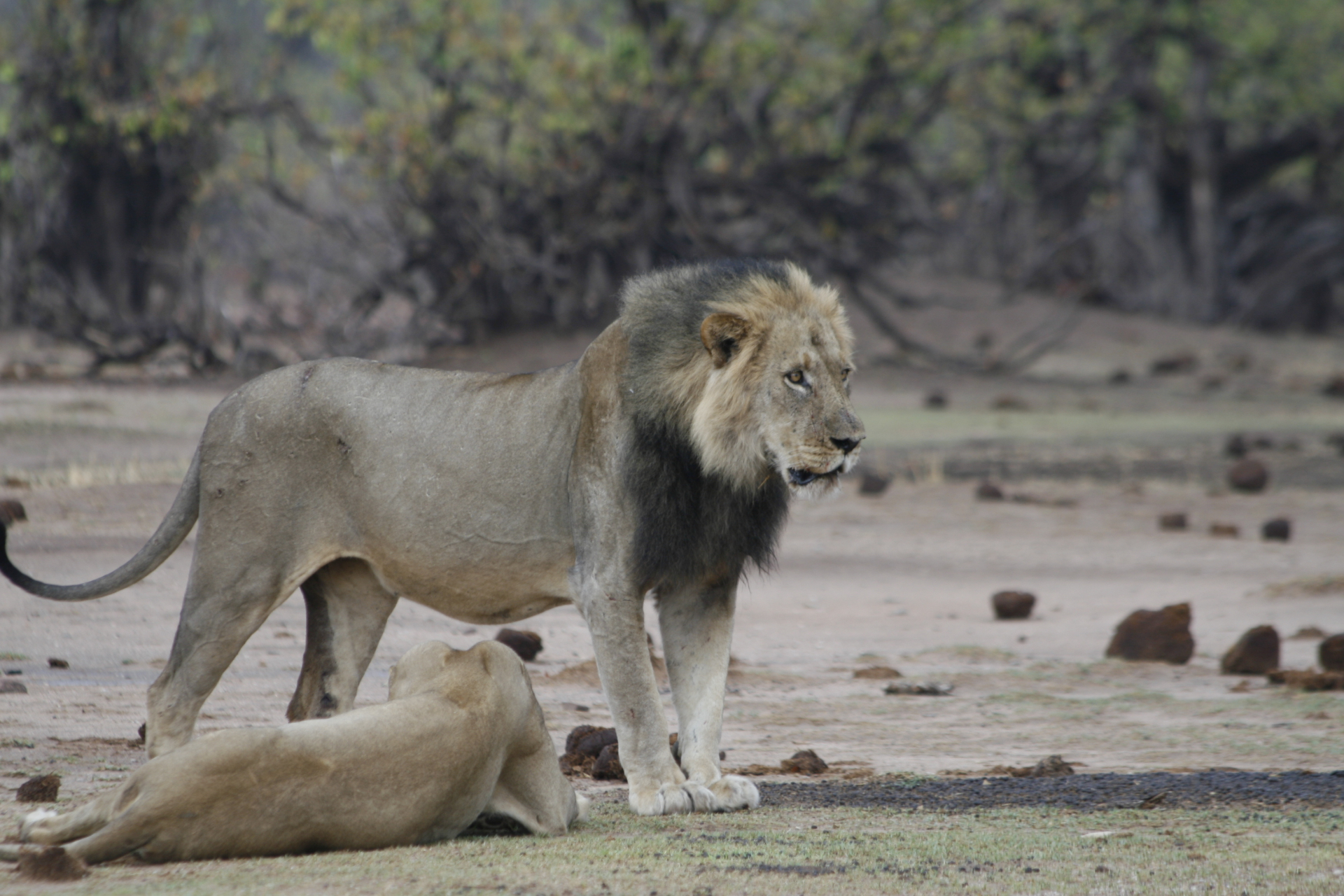
Excellent predator sightings; being Zimbabwe's largest national park
About Hwange National Park
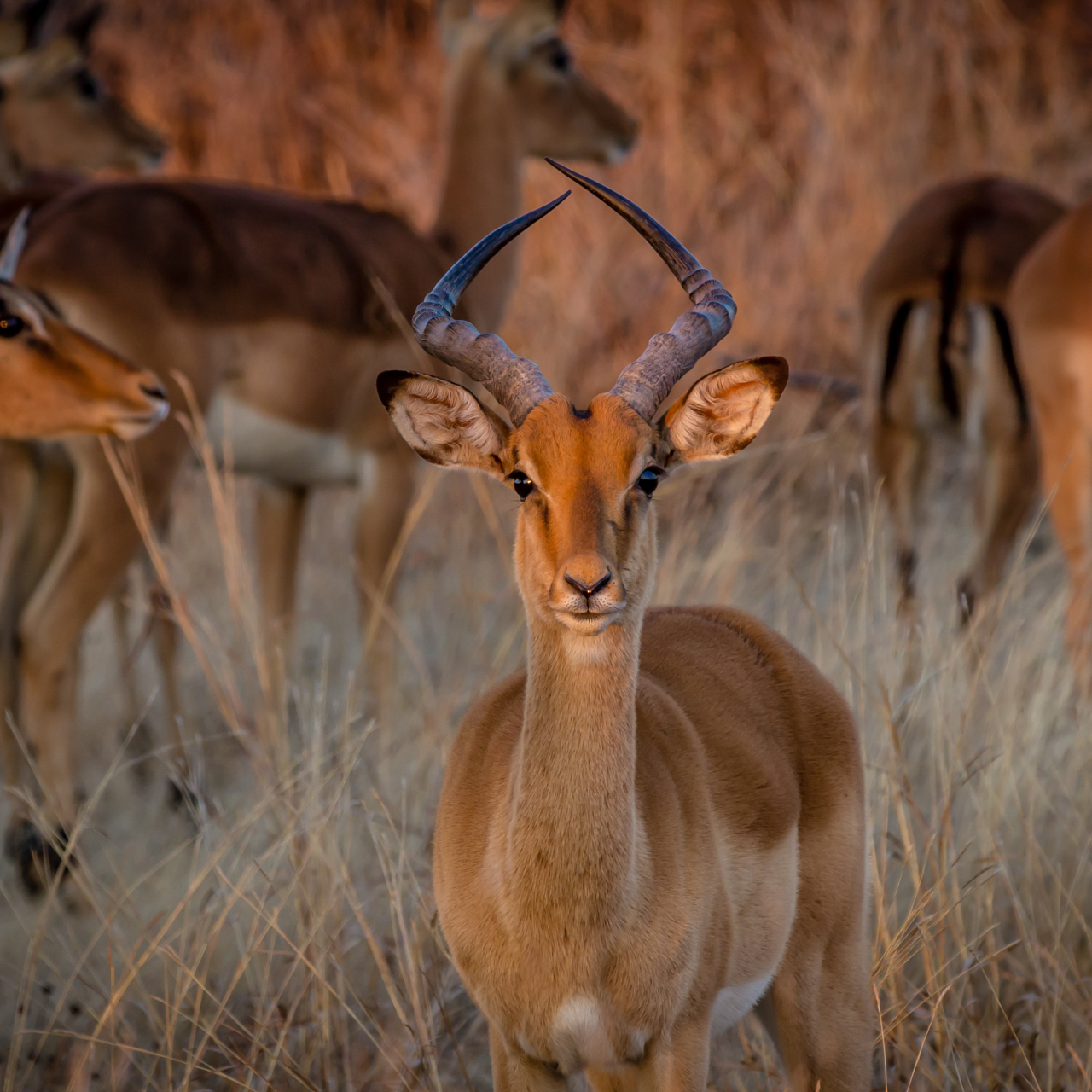
Hwange National Park is a vast and wild theatre for one of Africa’s greatest elephant spectacles. As Zimbabwe’s largest national park, it is a sprawling wilderness that stretches across an area the size of Northern Ireland, forming a key part of the great Kalahari sandveld. With no major, permanent rivers, the park’s entire ecosystem is sustained by a network of man-made waterholes, a legacy of early conservation efforts.
During the long, harsh dry season, these pans become magnets for wildlife on a truly colossal scale. It is world-famous for its monumental herds of elephants and watching these gentle giants emerge from the woodlands to drink, bathe and socialise at the waterholes is the quintessential Hwange experience. It is not uncommon to see several hundred elephants gathered around a single waterhole, a thrilling and humbling sight.

Did you know
Hwange is part of the Kavango-Zambezi Transfrontier Conservation Area, the world’s largest trans-border conservation zone
But Hwange is far more than just an elephant sanctuary. The incredible concentration of prey at the waterholes guarantees some of the most exciting and reliable predator action in Southern Africa. Large prides of lions are specialists at hunting buffalo, packs of the endangered African wild dog are a common highlight, and the open plains are prime territory for cheetahs.
Get to know Hwange National Park
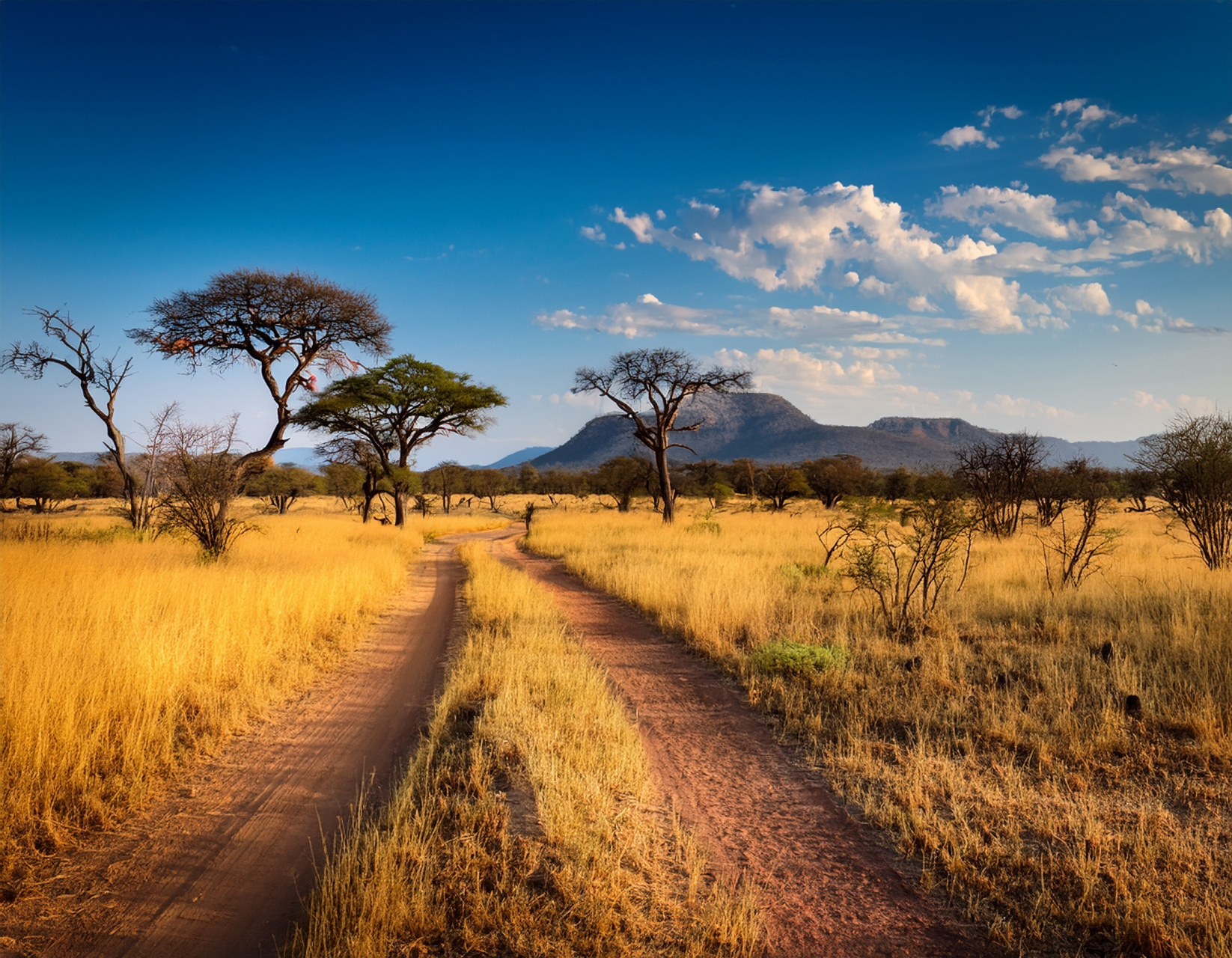
Hwange boasts a variety of landscapes and experiences. The park can be broadly divided into the main public area, which is accessible to self-drive visitors and contains several large rest camps, and the exclusive private concessions that border it. These private concessions are home to small, luxurious safari lodges and offer a more intimate and flexible safari experience.
The key to a Hwange safari is the waterhole. Much of the game viewing, especially in the dry season, involves finding a productive pan and waiting patiently for the procession of wildlife to arrive. For those staying in the private concessions, the safari experience is enhanced by the ability to go on night drives in search of nocturnal animals and to participate in guided walking safaris, activities that are highly restricted in the main park.
History
The history of Hwange is one of transformation from a royal hunting ground to a flagship national park. In the 19th century, the area was the private hunting preserve of the Ndebele king, Mzilikazi. However, the arrival of European hunters led to a catastrophic decline in wildlife. In 1928, the area was proclaimed as Wankie Game Reserve to protect the remaining animals.
The reserve’s first warden, a 22-year-old named Ted Davison, arrived in 1929 and dedicated the next 33 years of his life to developing the park. His most critical and enduring legacy was the establishment of the network of pumped waterholes. By sinking boreholes and creating artificial pans, he transformed the arid Kalahari landscape into a year-round sanctuary capable of supporting the huge wildlife populations that make the park famous today.

More unforgettable activities
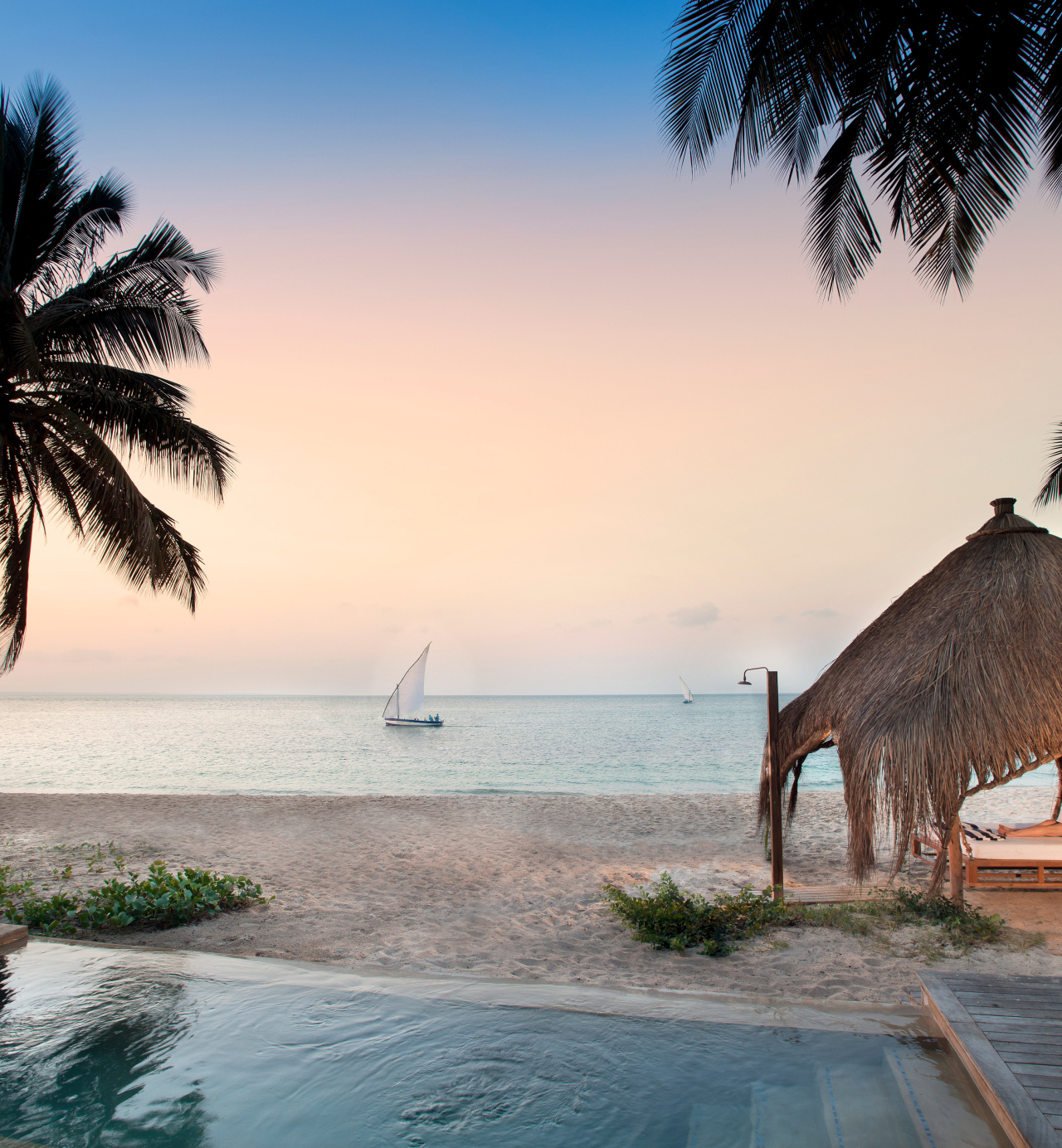
Turtle egg laying and hatching

Traditional Bo-Kaap cooking experience
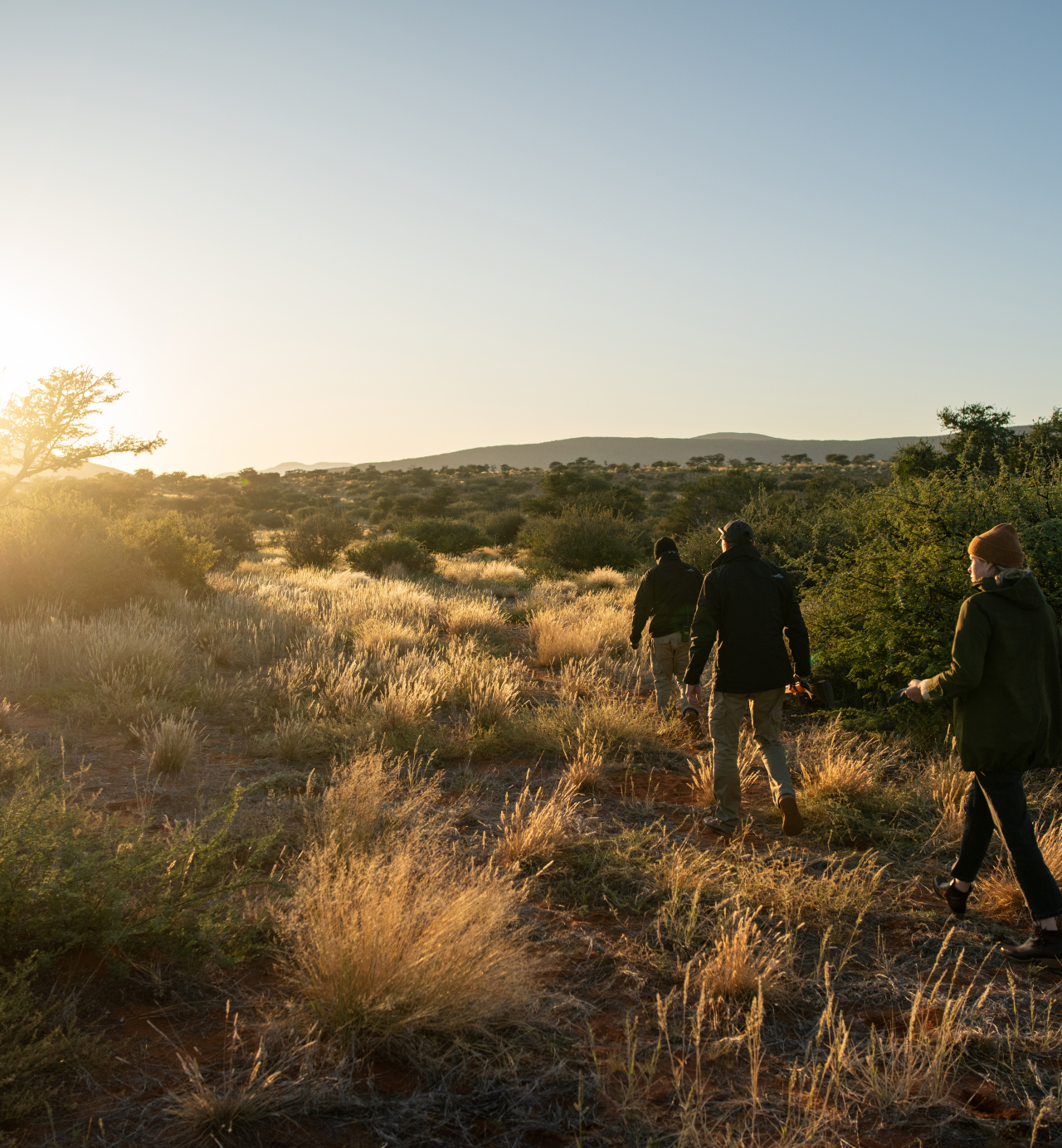
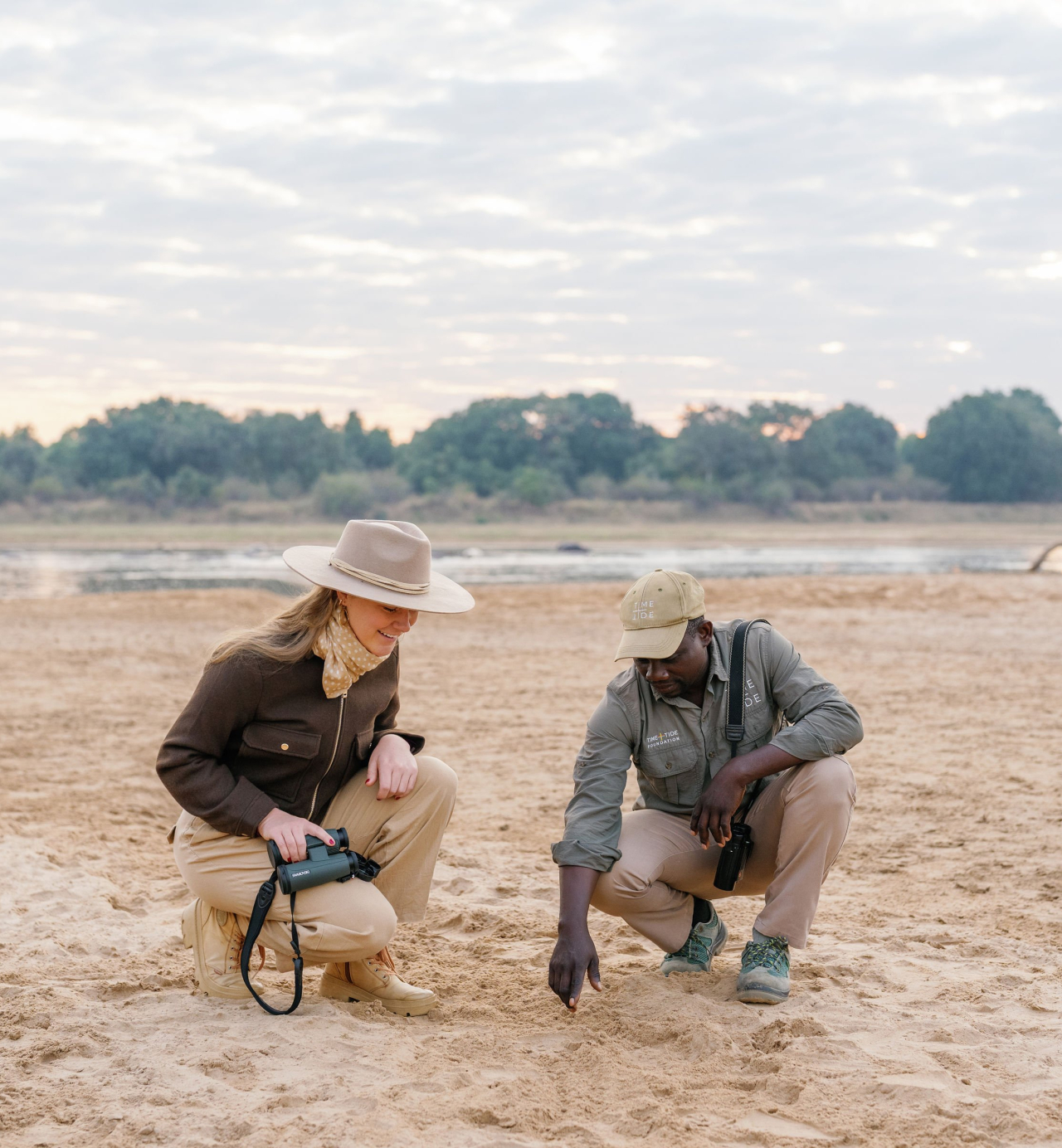
Tracking Africa’s most elusive species on foot


SkyBoma, Etosha
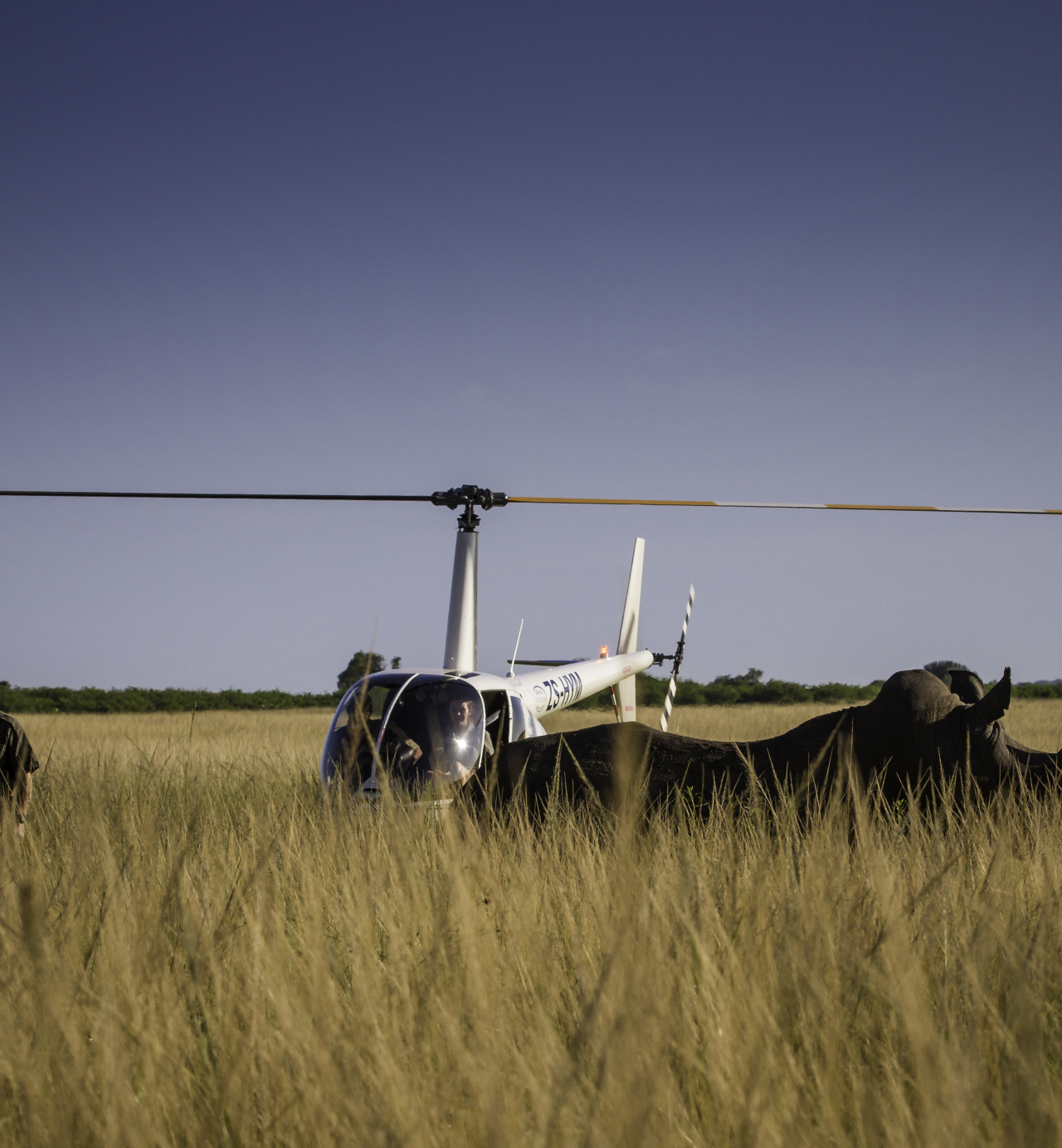
Rhino darting and chipping experience
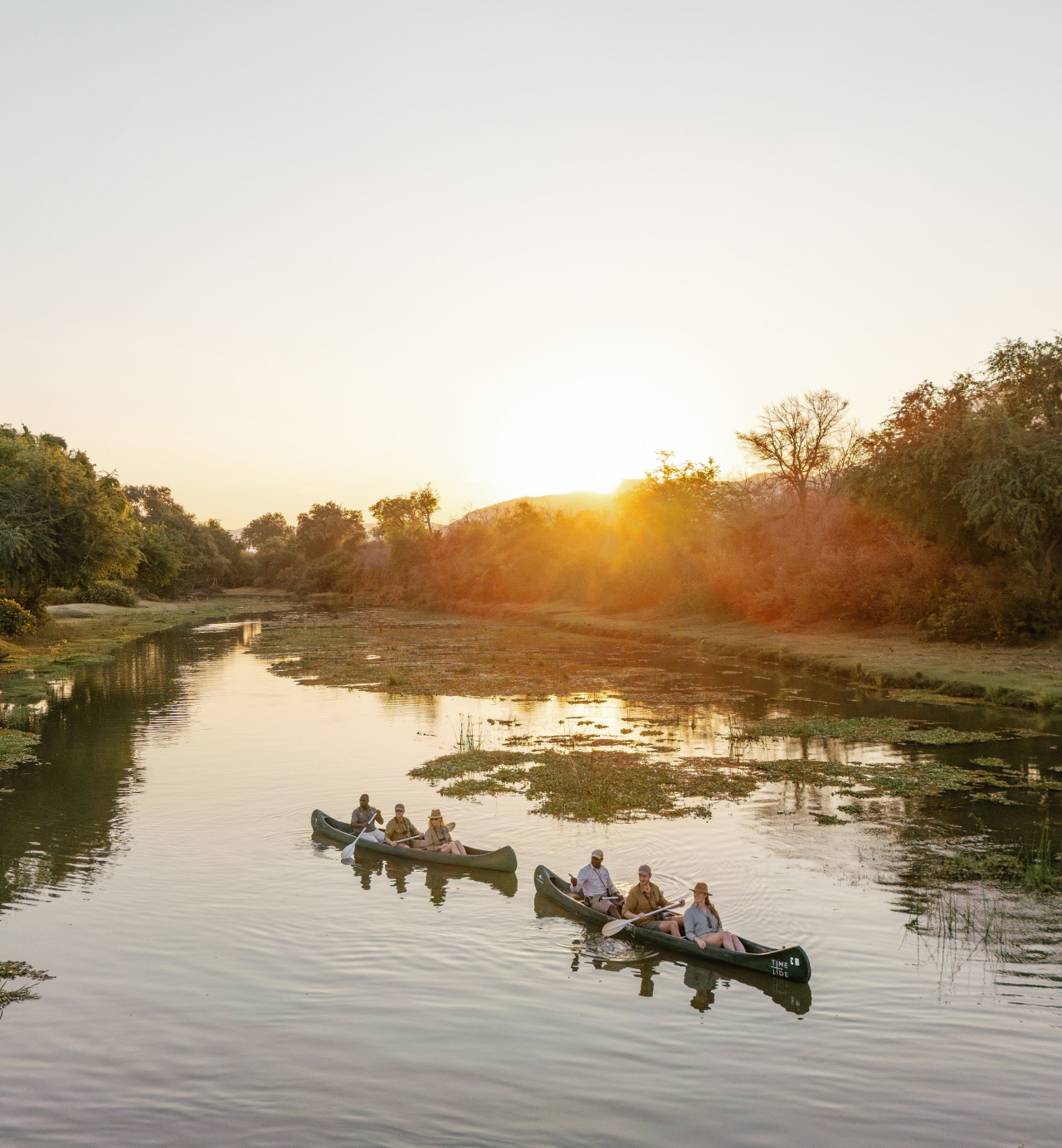
Picnicking on islands in the Zambezi
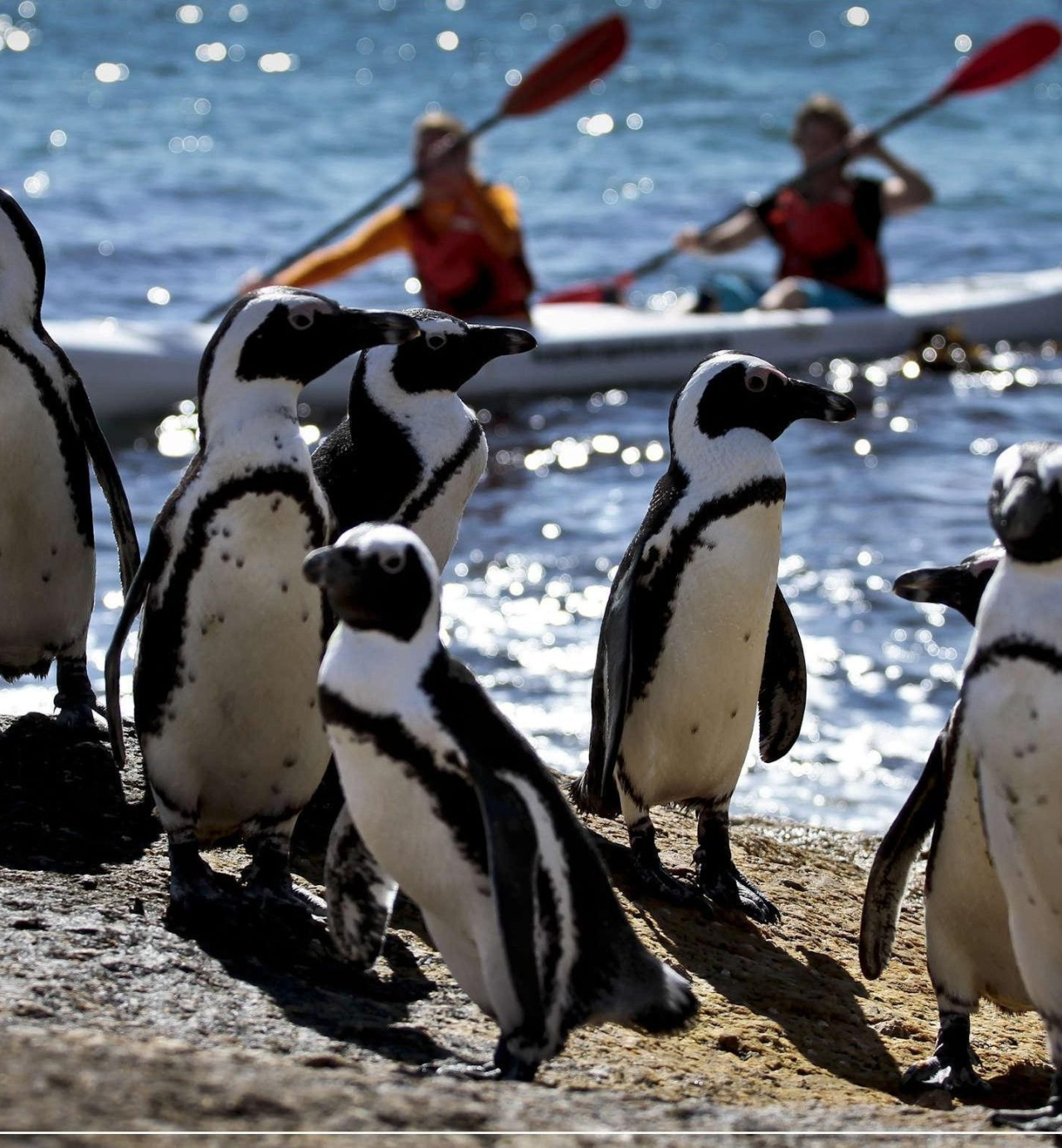
Paddle with penguins
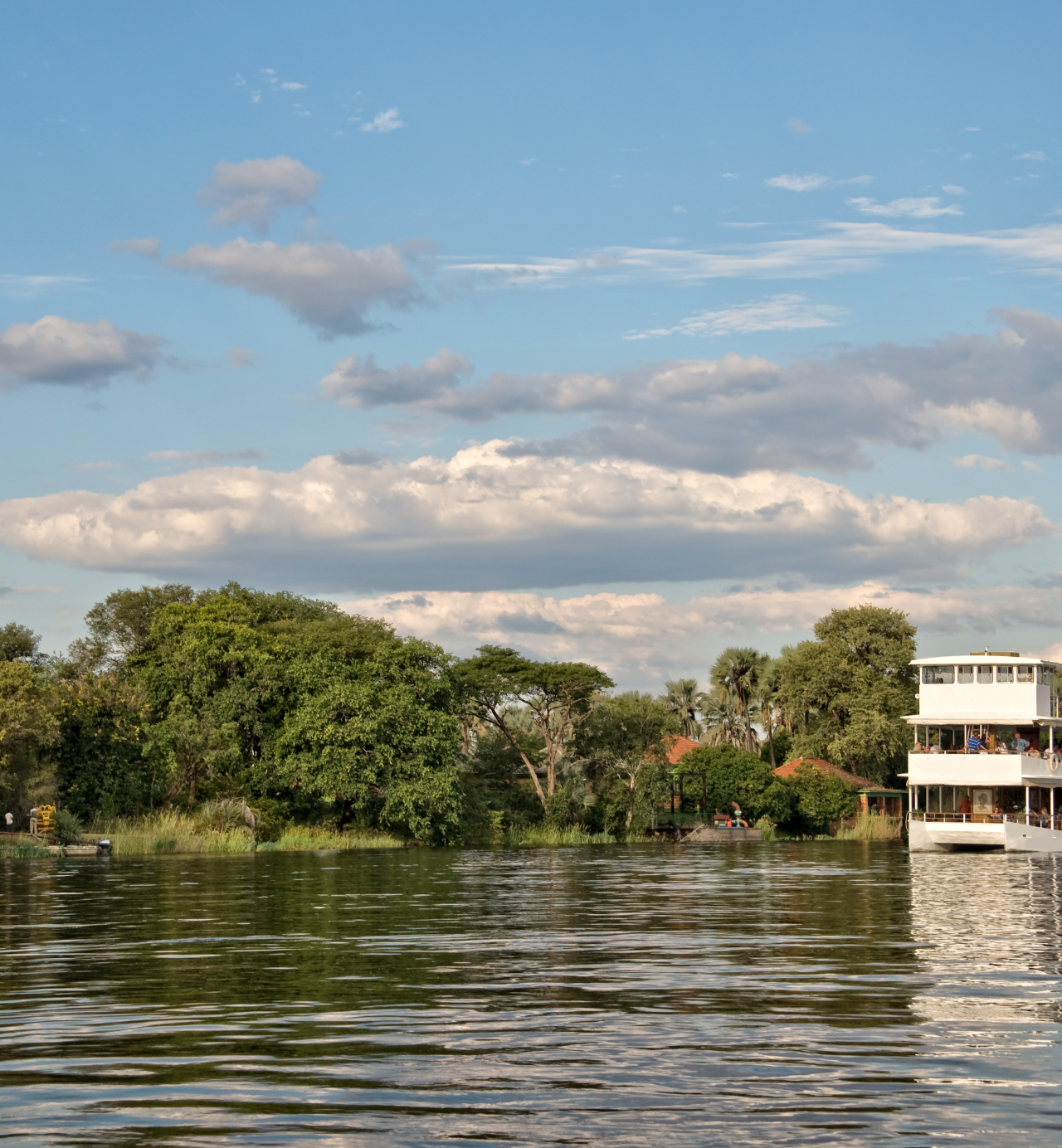
Live-aboard luxury Zambezi safari
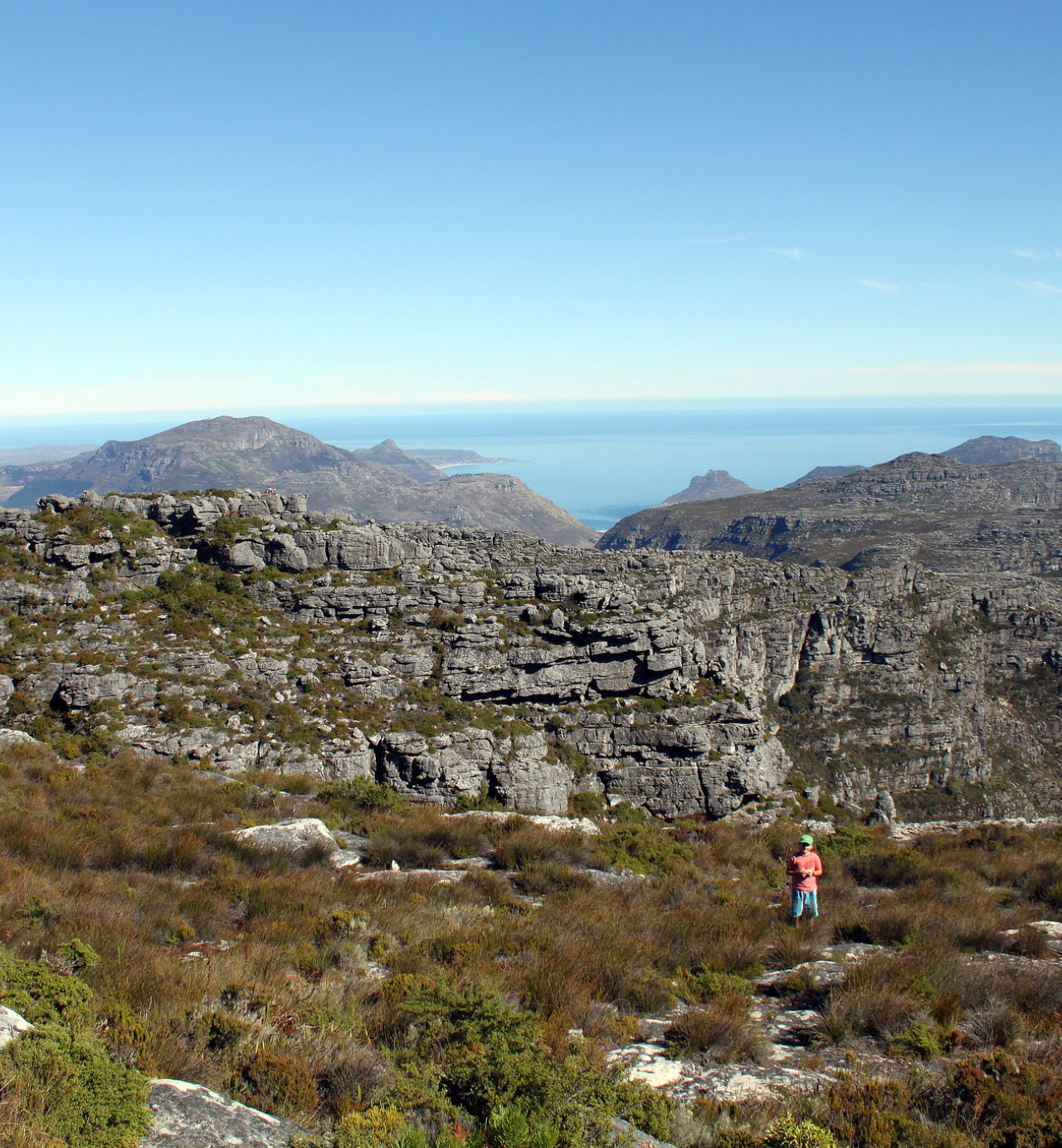
Hiking Table Mountain with a botanist or forager


Voices of our guests
Hwange National Park FAQs
The late dry season, from August to October, is the absolute peak time. Water is extremely scarce, so tens of thousands of animals, especially elephants, congregate in massive numbers at the pumped waterholes, guaranteeing spectacular sightings.
You can see four of the Big Five. Hwange has excellent populations of lion, leopard, elephant and buffalo. However, rhinos are now functionally extinct within the park due to historical poaching, although conservation efforts are under way to reintroduce them.
The two most common ways are a scenic two-hour road transfer from Victoria Falls to the main park gate, or a short light aircraft flight from Victoria Falls or other safari camps directly to an airstrip near your lodge.
Yes, Hwange is located in a malaria-risk zone. It is essential to consult your doctor or a travel clinic for advice on appropriate anti-malarial medication before your trip.
The key differentiator is the waterhole-based game viewing. The entire ecosystem’s reliance on the man-made pans creates a concentrated and dramatic wildlife spectacle during the dry season that is unlike anywhere else.
Staying in a private concession offers a more exclusive experience with fewer vehicles and allows for activities not permitted in the main park, such as night drives and walking safaris. The main park’s camps are more basic but offer prime locations at public waterholes.
A stay of three to four nights is ideal. This gives you enough time to explore the vast area, spend quality time at different waterholes, and have an excellent chance of seeing the park's famous predators and elephant herds.
Yes. Zimbabwe has one of the most rigorous and respected professional guide training programmes in Africa. The result is guides who possess an incredible depth of knowledge, a passion for the bush and exceptional tracking skills, which significantly enhances the quality of your safari.
Absolutely. It is one of the most seamless safari combinations in Southern Africa. The proximity (only a two-hour drive) makes it incredibly easy to experience a world-class Big Four safari and one of the Seven Natural Wonders of the World in a single trip.
It is a world-renowned conservation and rehabilitation centre located near the main gate of Hwange, dedicated to the protection of the endangered African wild dog. A visit provides a fascinating insight into the conservation work being done to protect these animals.
