

Johannesburg
Johannesburg
The thumping heartbeat of South Africa
Peak time
October to April
Best time to visit
September to April (spring and summer months)
Known for
Being the vibrant economic hub of Africa; its profound apartheid history
Also known for
Its leafy suburbs and urban forest; Soweto
About Johannesburg
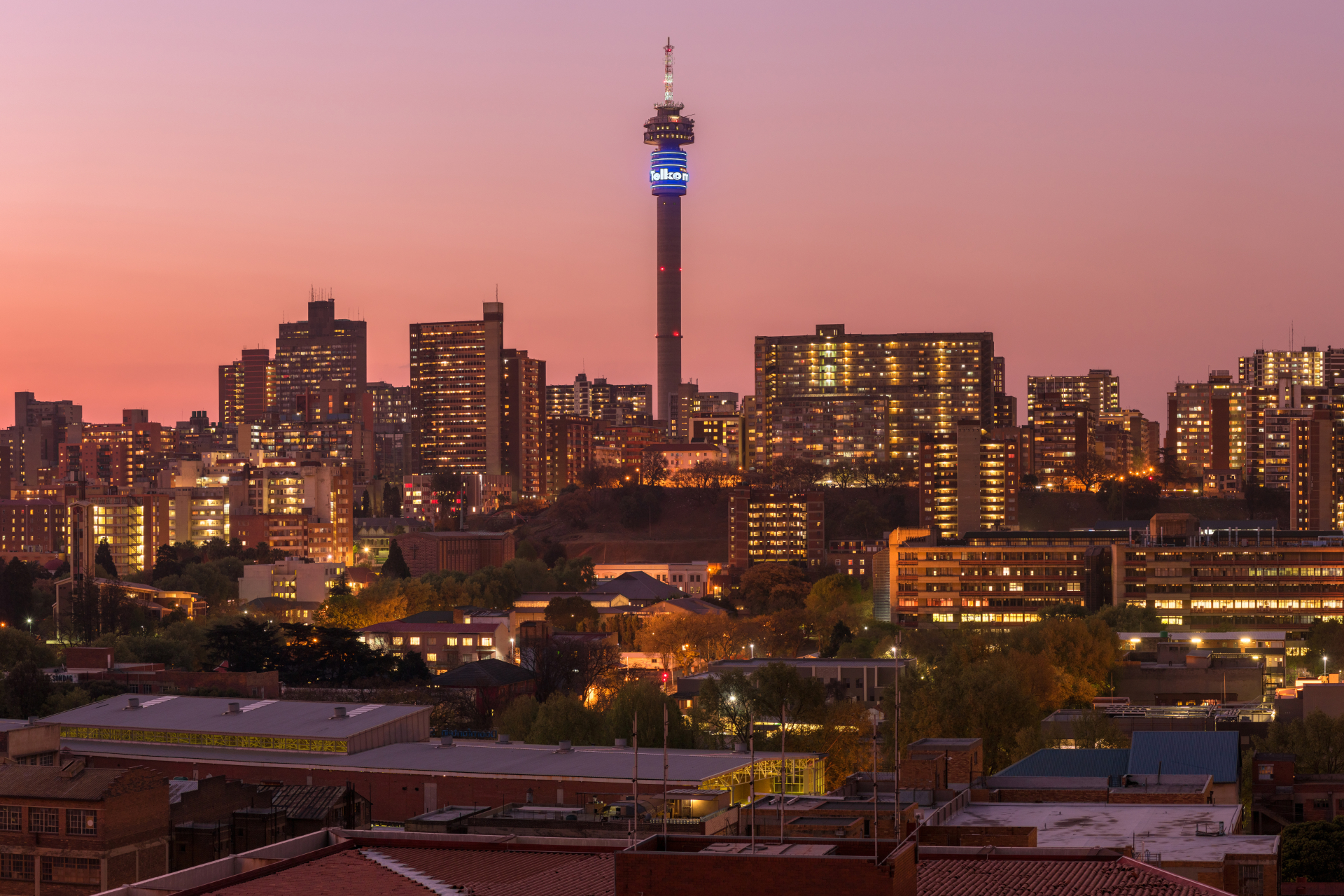
Johannesburg is not a city of gentle beauty like Cape Town; it is a city of raw power, ambition and constant reinvention. Known as “Jozi”, “Joburg” or “Egoli” (the City of Gold), it was born from a frenetic gold rush in the late 19th century and has since grown into the economic powerhouse of the entire African continent. It is a city that buzzes with an undeniable energy, a place of hustle, creativity and opportunity.
The experience here is a deep and powerful immersion into the story of modern South Africa. This is where the country’s painful history of apartheid is at its most tangible and its journey to democracy is most celebrated.
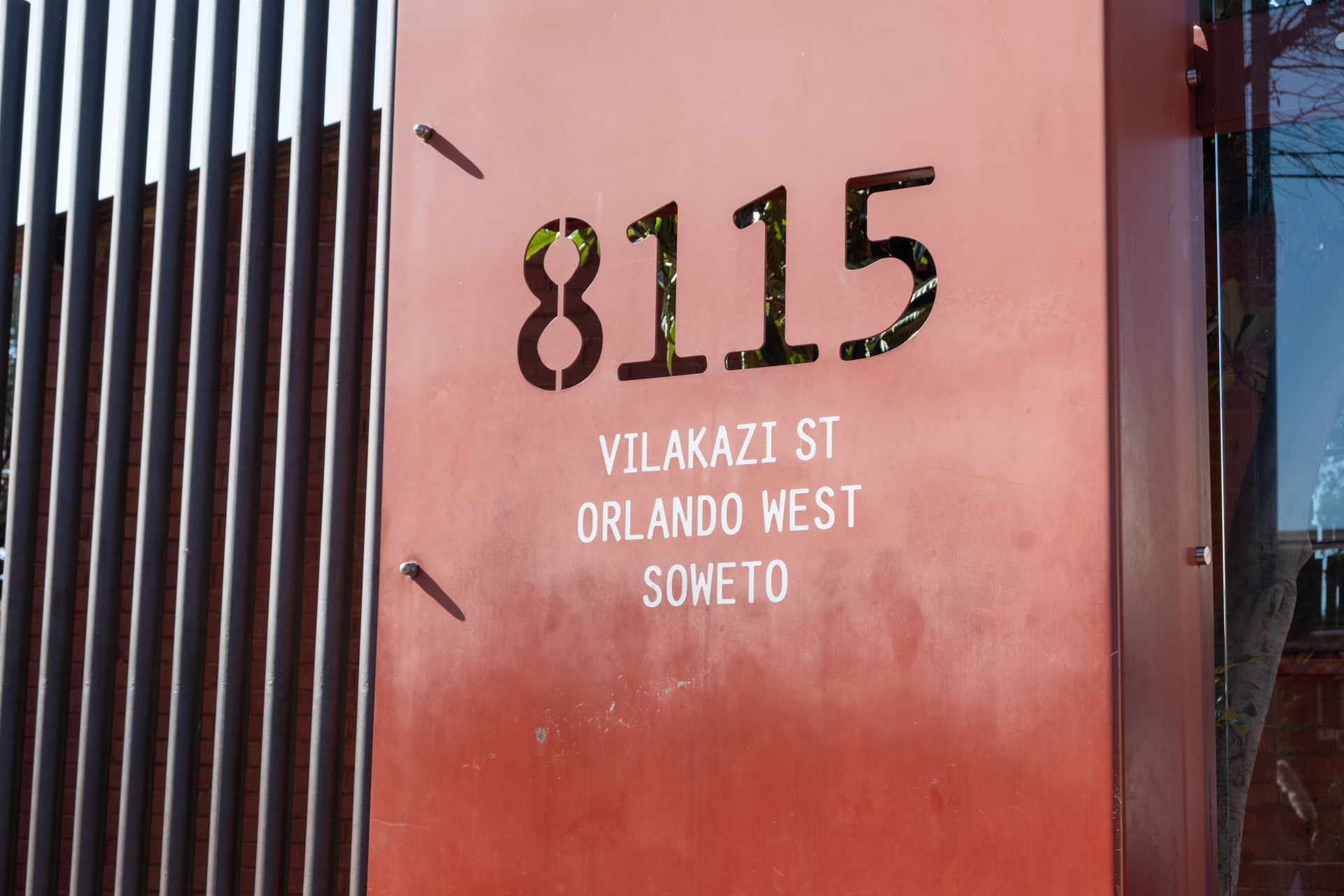
A visit to the Apartheid Museum is an essential experience, while a tour of Soweto, the vast township that was at the epicentre of the anti-apartheid struggle, is a journey into the soul of the nation. To stand on Vilakazi Street, once home to two Nobel Peace Prize winners, is to feel the weight and triumph of history.

Did you know
The Apartheid Museum is internationally acclaimed as the pre-eminent museum in the world dealing with 20th-century South Africa
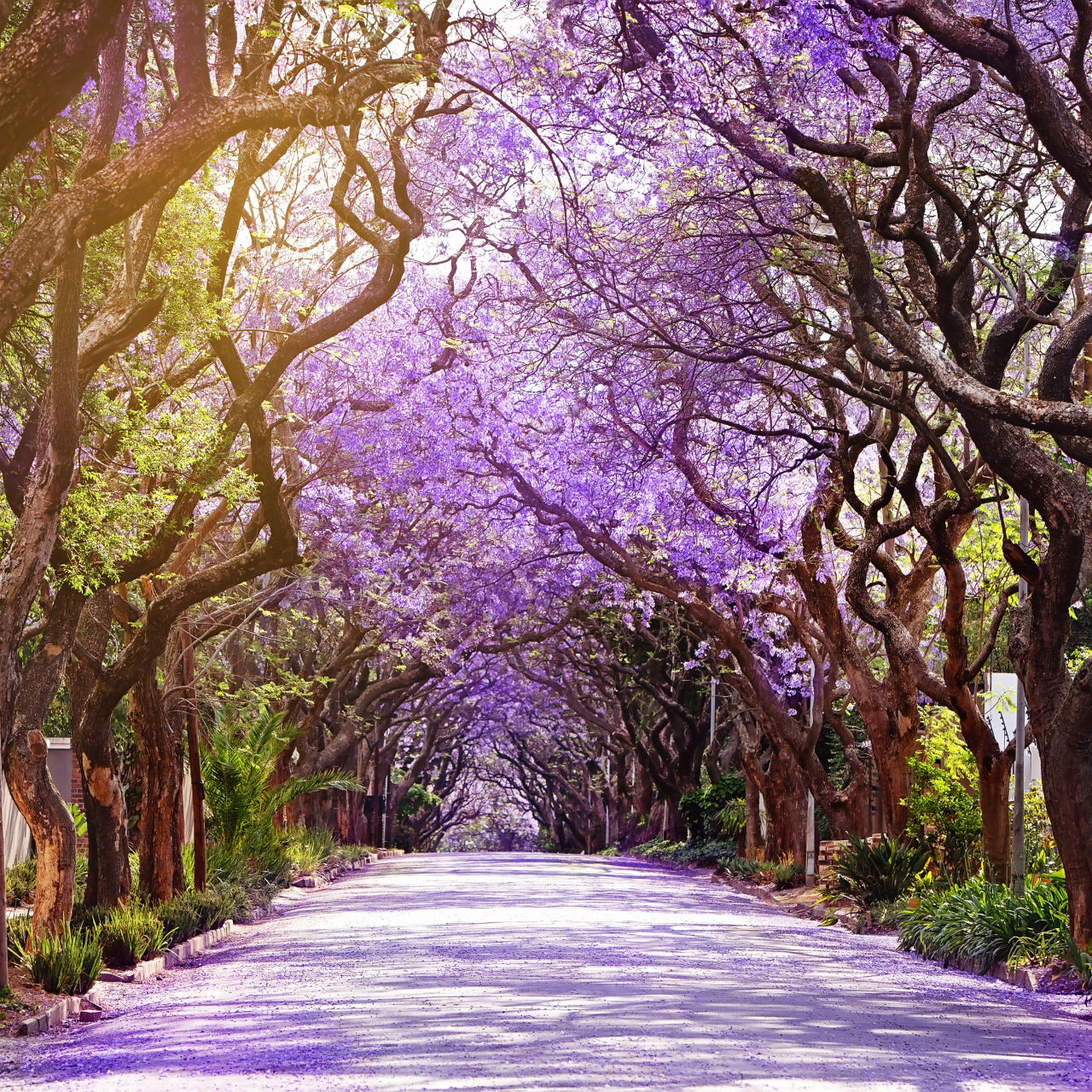
But Johannesburg is also a city that is constantly looking forward. It has a vibrant and dynamic cultural scene, with world-class contemporary art galleries, a thriving live music scene and a burgeoning foodie culture. From the trendy urban renewal precincts of Maboneng and Braamfontein to the leafy, established suburbs of the north, Johannesburg is a city of fascinating contrasts, a place that rewards the curious traveller with a complex and compelling urban experience.
Get to know Johannesburg
Johannesburg is a sprawling metropolis, not easily explored on foot. It is a collection of distinct neighbourhoods and suburbs, each with its own character, connected by a network of major highways. The best way to experience the city is with a guided tour or by using ride-sharing services such as Uber, which are widely available and affordable.
The city’s geography is broadly divided between the historic city centre with its trendy urban renewal areas such as Maboneng and Braamfontein, the sprawling West and East Rand conurbations, the vast township of Soweto to the south, and affluent, leafy northern suburbs such as Sandton and Rosebank. Sandton is the city’s modern commercial and financial hub, home to luxury hotels, high-end shopping malls and the Johannesburg Stock Exchange. A guided tour is the best way to safely and efficiently navigate between these different areas and to gain a deeper understanding of the city’s complex social fabric.
History
Johannesburg’s story is one of speed, conflict and transformation. Before 1886, the area was just empty grassland. The discovery of the world’s largest gold deposit triggered a massive gold rush, and by 1928 a dusty mining camp had grown into the largest city in South Africa. This rapid growth was built on a system of migrant labour and racial segregation that laid the foundations for apartheid.
For much of the 20th century, Johannesburg was the epicentre of the struggle against apartheid; the township of Soweto became a global symbol of resistance. The end of apartheid in 1994 marked a profound turning point for the city. In the decades since, Johannesburg has been undergoing a constant process of renewal and reinvention, transforming itself from a city defined by division into a dynamic, integrated and forward-looking African metropolis.
More unforgettable activities
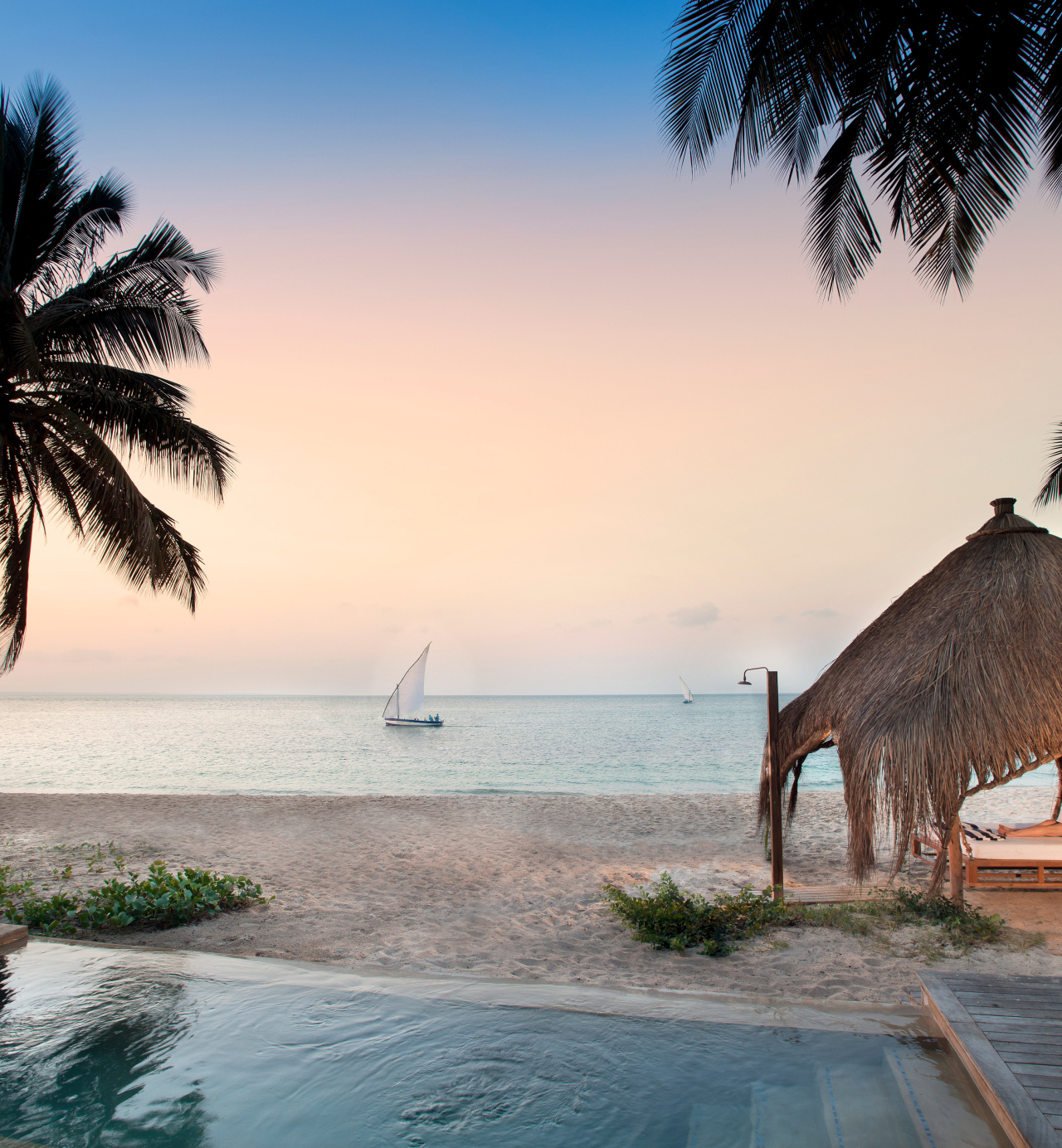
Turtle egg laying and hatching

Traditional Bo-Kaap cooking experience
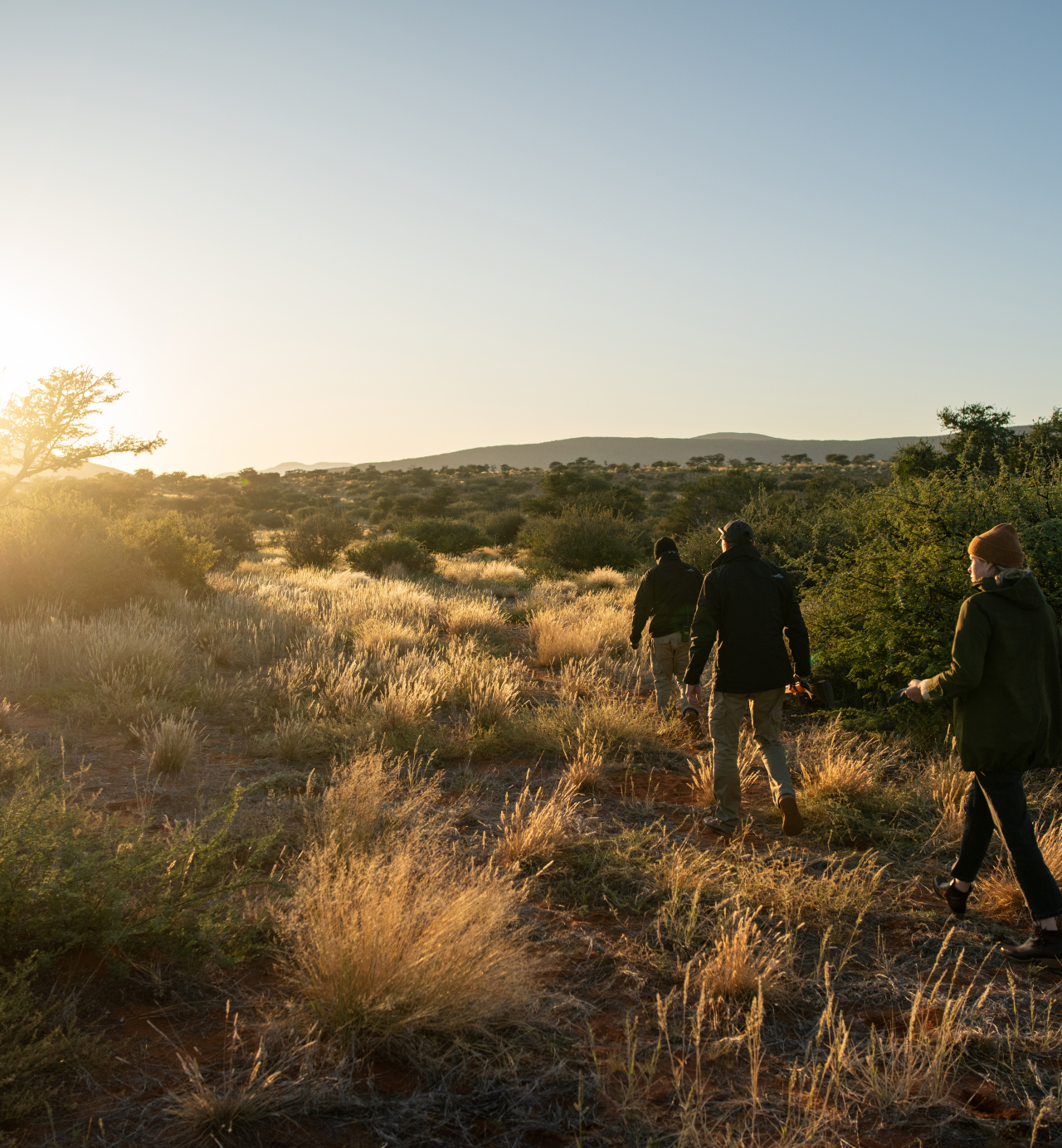
Tracking Africa’s most elusive species on foot
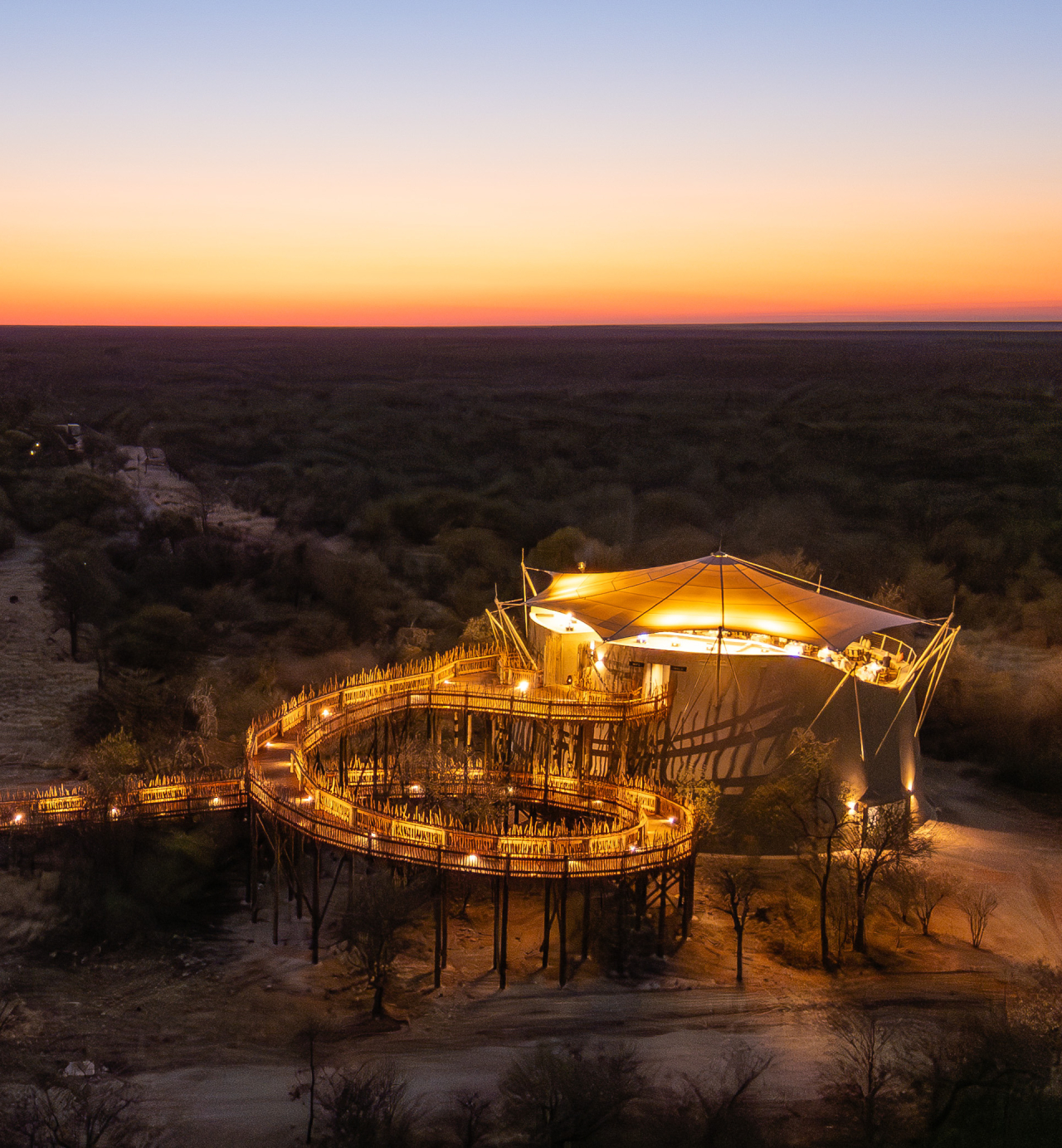
SkyBoma, Etosha
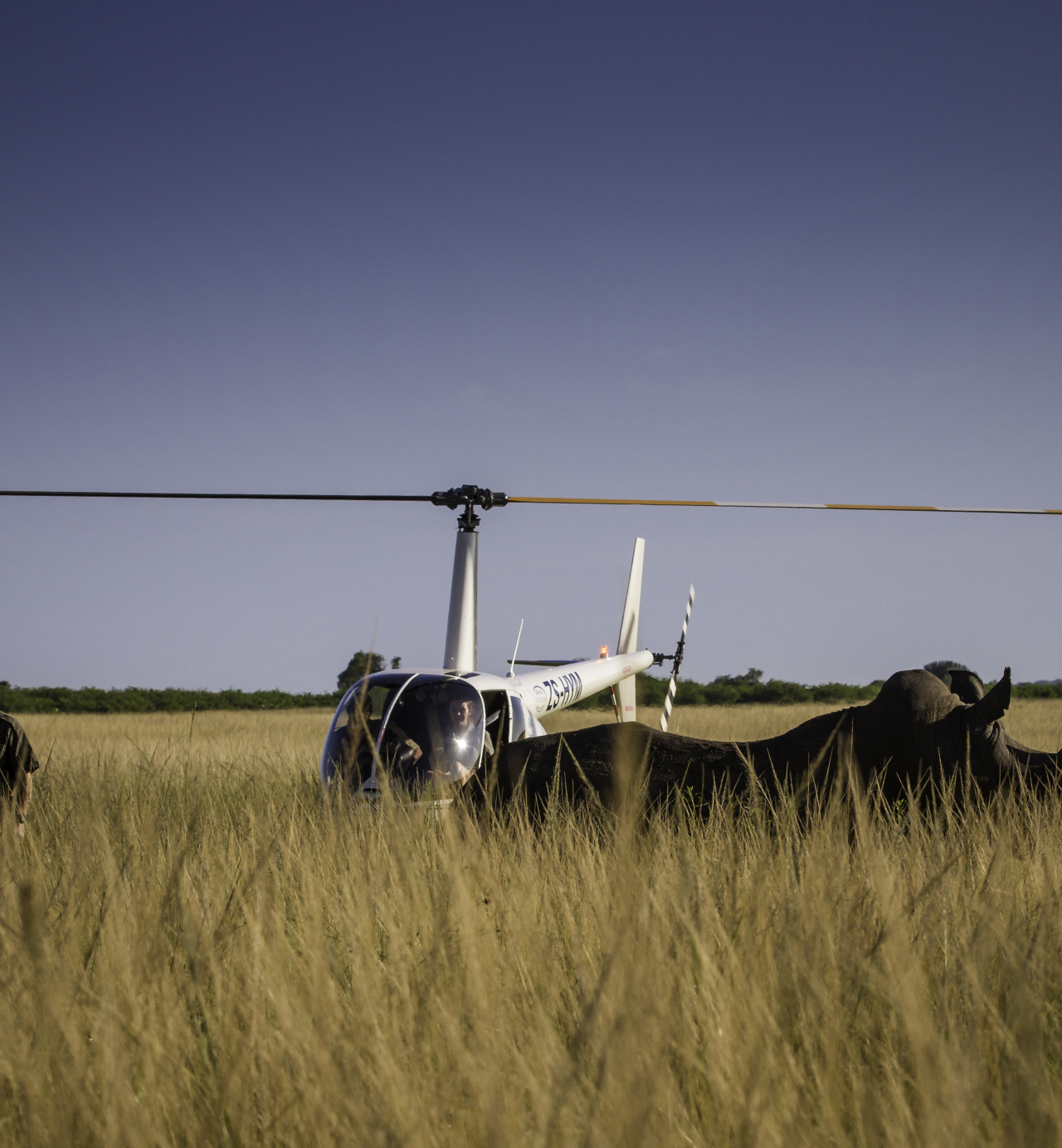
Rhino darting and chipping experience
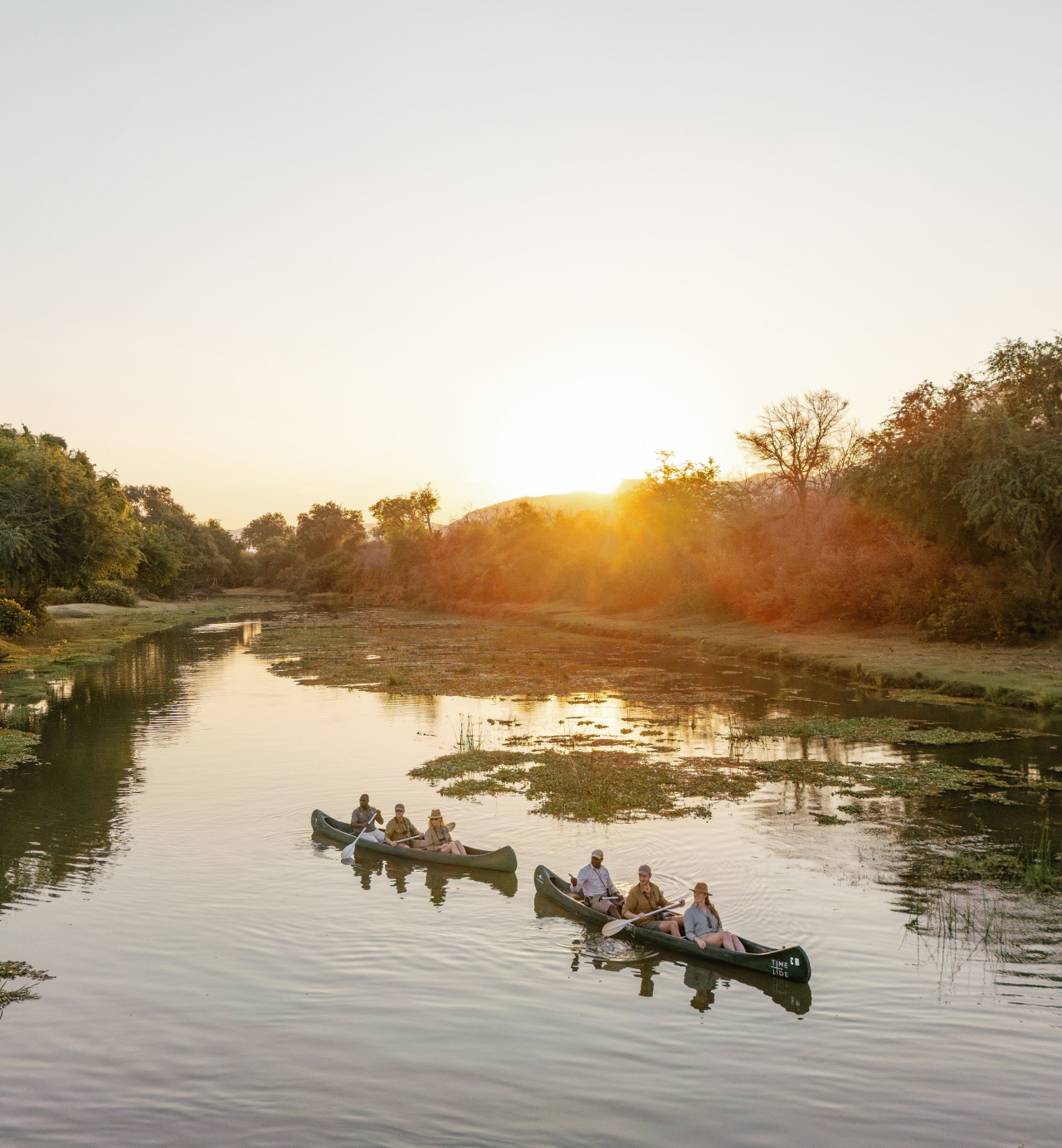
Picnicking on islands in the Zambezi
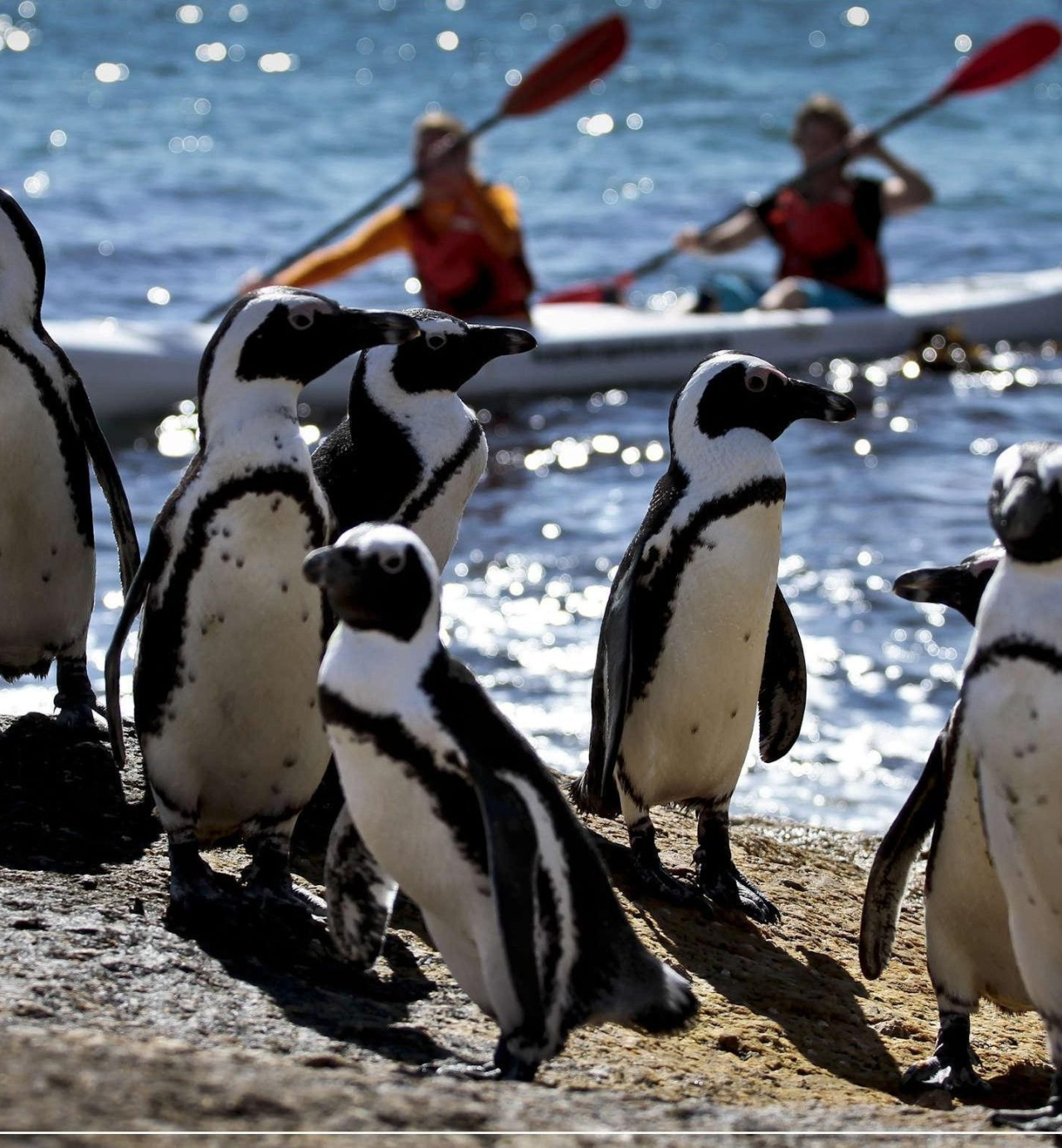
Paddle with penguins
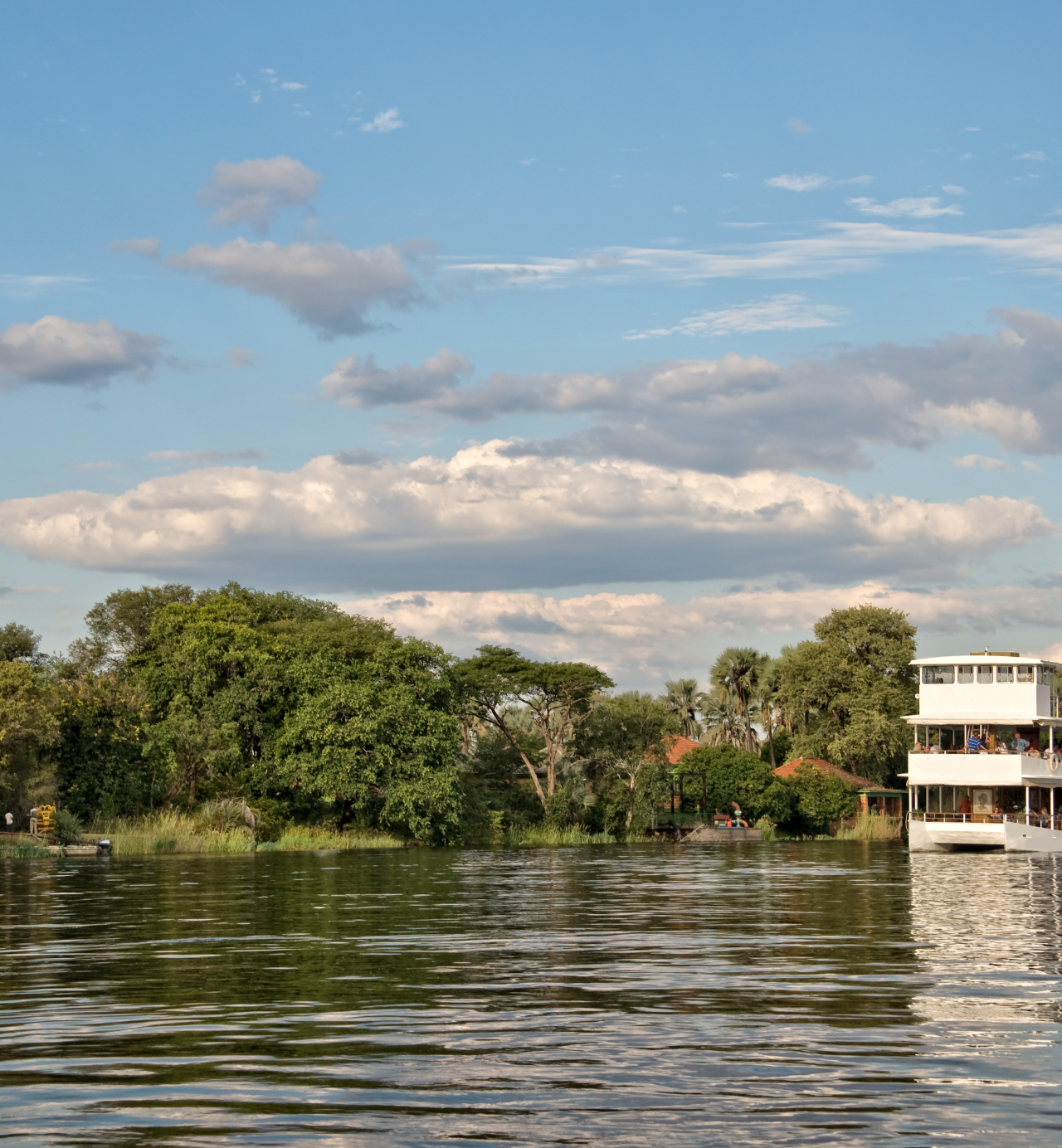
Live-aboard luxury Zambezi safari
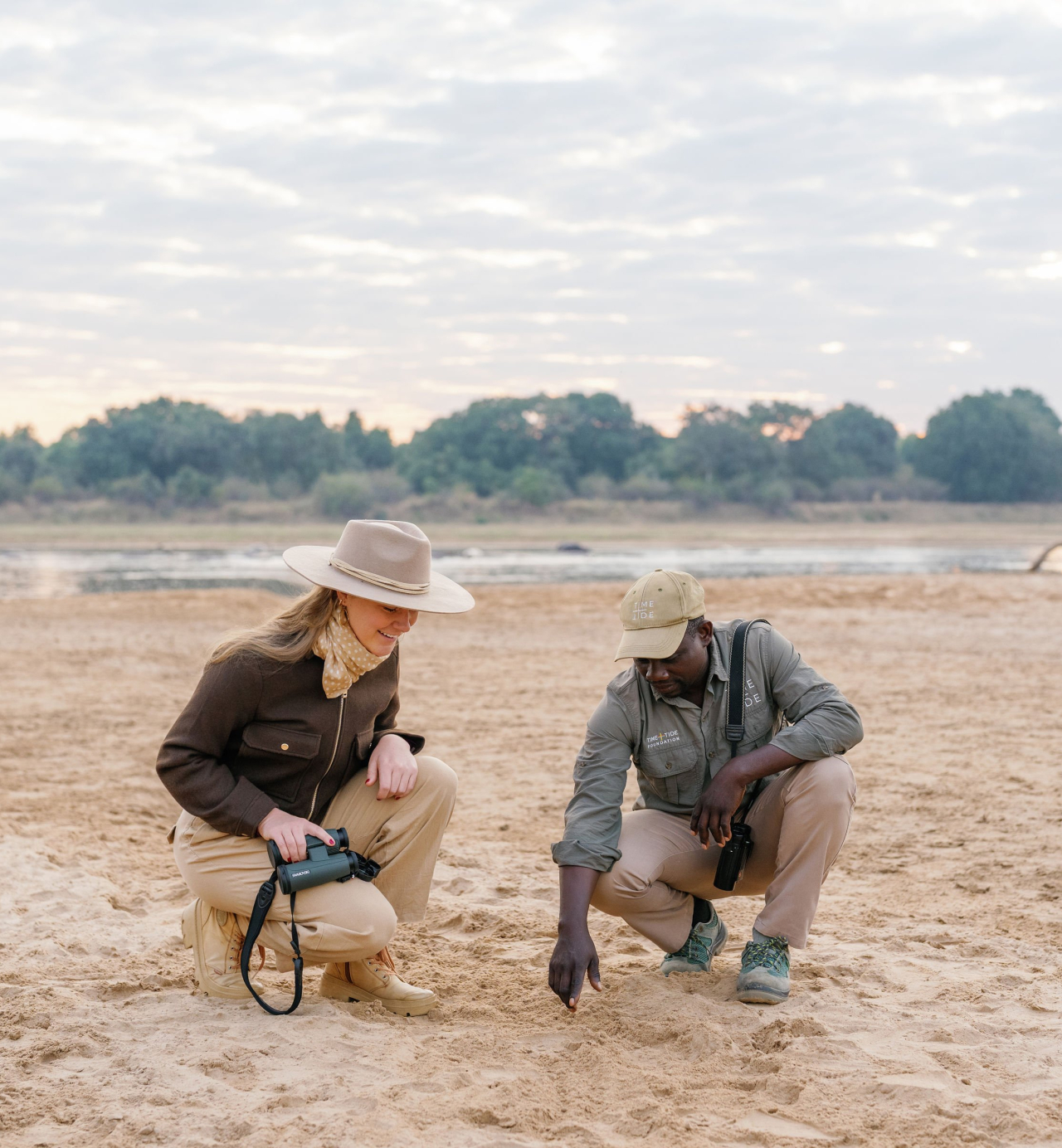
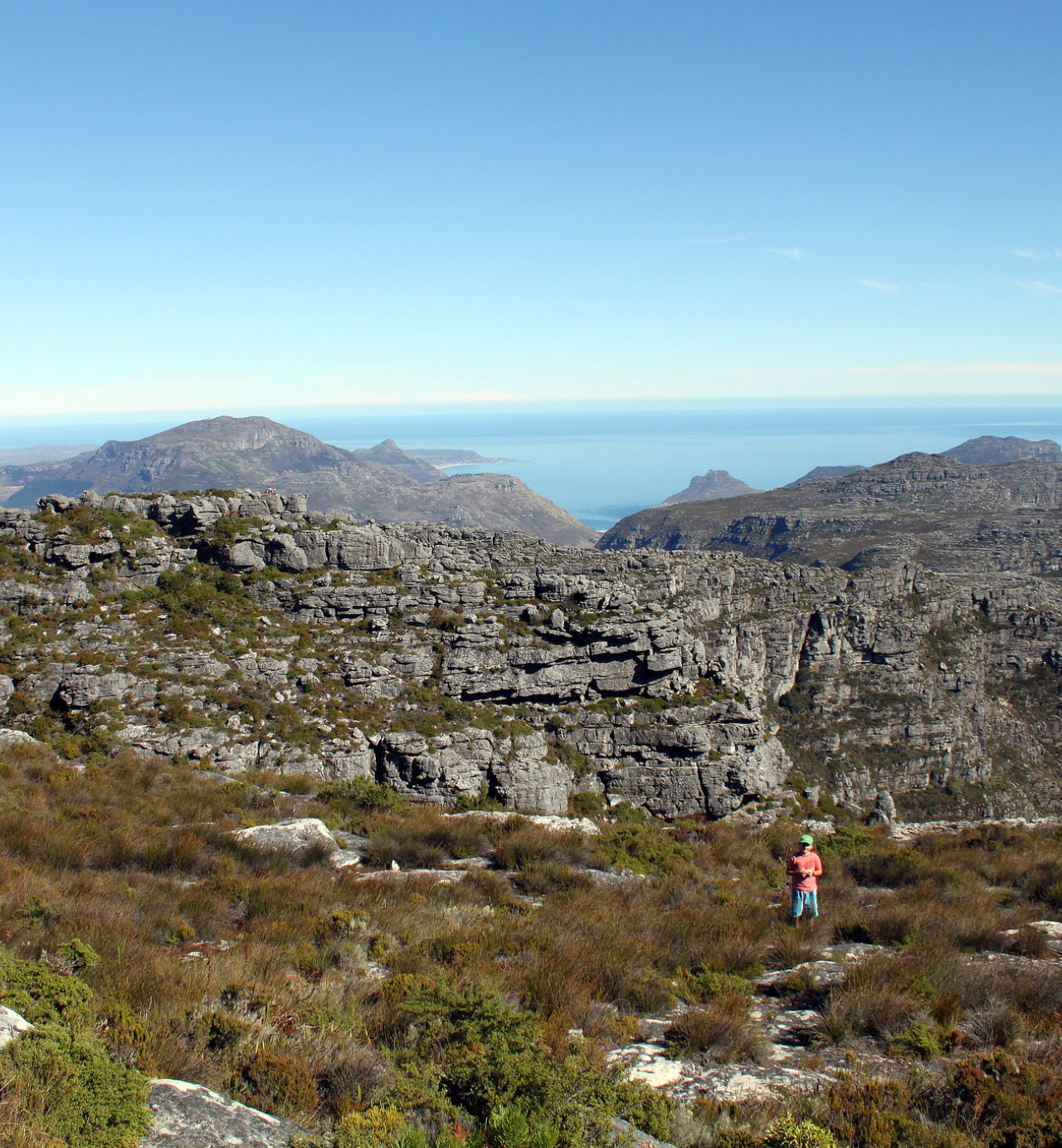
Hiking Table Mountain with a botanist or forager

Voices of our guests
Destination FAQs
Like any major metropolis, Johannesburg has areas of high crime. However, tourists who take sensible precautions and stick to the main tourist areas will have a safe visit. Using reputable guided tours, especially for visits to Soweto and the city centre, is the safest and most rewarding way to explore.
A stay of two to three nights is ideal. This provides one full day to explore the essential historical sites such as the Apartheid Museum and Soweto, and another day to experience the city’s contemporary culture or visit the Cradle of Humankind.
No. Johannesburg and the surrounding Gauteng province are completely malaria-free.
Using a ride-sharing service like Uber is a common, safe and convenient way to get around. But for ultimate convenience and safety, your Travel Architect can arrange a private vehicle with a local, knowledgeable driver for your personal use while exploring the city. Otherwise, joining a reputable guided tour is highly recommended.
The two absolute must-do experiences are a visit to the Apartheid Museum and a guided tour of Soweto, including Vilakazi Street and the Hector Pieterson Memorial.
Soweto stands for South Western Townships. It is a vast urban area that was created before and during apartheid to house black labourers. It became the epicentre of the political struggle against apartheid, and is now a vibrant and historically rich part of the city.
Yes, absolutely. It is a UNESCO World Heritage Site located less than an hour’s drive from the city. A visit to the Maropeng Visitor Centre and the Sterkfontein Caves is a fascinating journey into the origins of humanity.
Johannesburg has a pleasant climate. Pack smart-casual city wear. In summer (October-April), be prepared for dramatic afternoon thunderstorms. In winter (May-August), days are sunny and mild but nights can be cold, so a warm jacket is essential.
Yes, the tap water in Johannesburg is of a high quality and is perfectly safe to drink.
They are completely different. Cape Town is defined by its spectacular natural beauty, its coastline and its more relaxed atmosphere. Johannesburg is the country’s fast-paced economic engine, defined by its energy, powerful history and vibrant urban culture.
