

Kafue National Park
Kafue National Park
The untamed heart of Zambia
Peak time
August to October
Best time to visit
June to October (the dry season)
Known for
Its remote and unspoilt wilderness
Also known for
Its exceptional wildlife diversity, including cheetahs and wild dogs
About the Kafue National Park
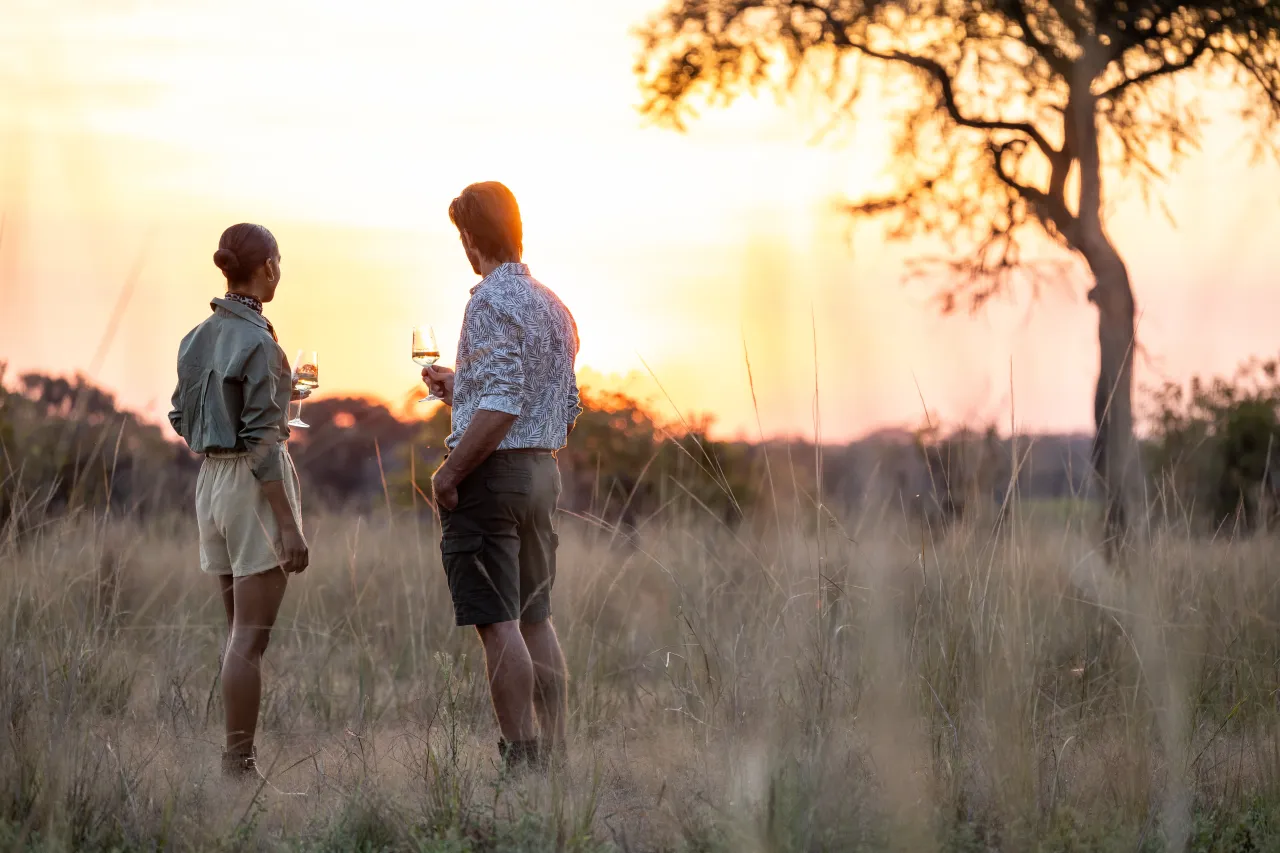
Image courtesy of Anantara Kafue River Tented Camp.
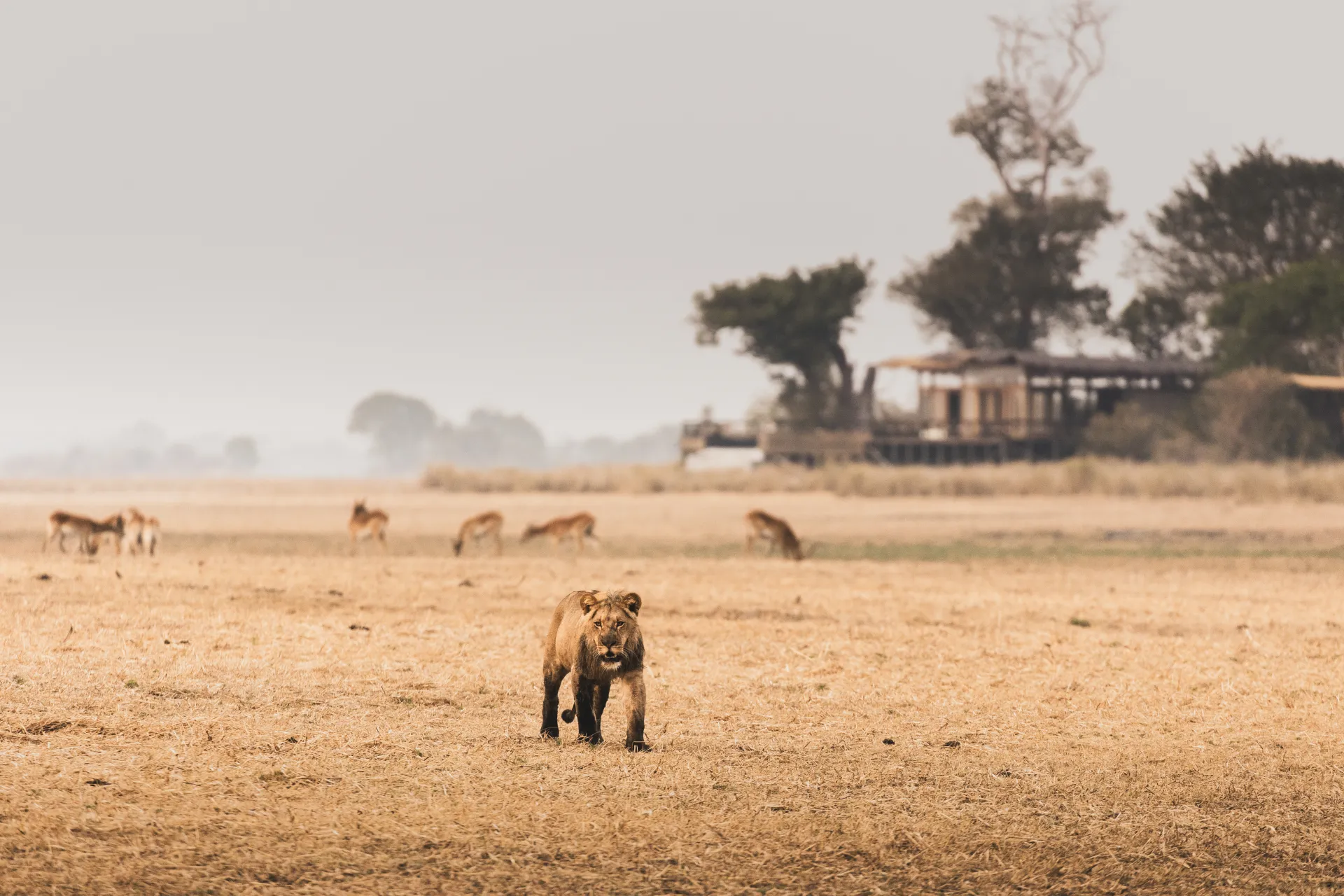
Kafue is one of the largest and oldest national parks in Africa. It is a vast, largely untouched wilderness of incredible diversity, from the sprawling, watery grasslands of the Busanga Plains in the north to the miombo woodlands and riverine forests of the south. This is a destination for the safari connoisseur, far from the crowds.
The park is defined by its great rivers, primarily the majestic Kafue River and its tributaries, the Lunga and Lufupa. These waterways create a mosaic of habitats that supports an astonishing variety of wildlife. The Busanga Plains, a vast seasonal floodplain in the north, are the park’s crown jewel, offering a spectacle reminiscent of the Serengeti as huge herds of lechwe and puku gather there.

Did you know
Kafue is the largest national park in Zambia, covering an area larger than Wales
Kafue is renowned for having one of the highest diversities of mammal species on the continent. It is a stronghold for large predators, offering some of the best cheetah viewing in Zambia and regular sightings of lions, leopards and endangered African wild dogs. To explore Kafue is to experience a classic African safari in its purest, most authentic form.
Get to know Kafue National Park
Kafue is a vast and varied park, and the experience differs greatly depending on which area you visit. The park is broadly divided into three sections. The north, dominated by the spectacular Busanga Plains, is a seasonal wetland that offers open-plains game viewing in the dry season. The central section is a mix of miombo woodlands and riverine forests along the Kafue River, offering classic safari activities. The south is a wilder, more remote area centred around Lake Itezhi-Tezhi.
Due to its immense size, a safari here often involves staying in two different camps to experience the different landscapes. The park is home to a number of small, intimate and often owner-run safari camps that offer a highly personal and expert-led experience. Activities include classic day and night game drives, walking safaris and boat-based activities on the rivers and lakes.
History
The history of Kafue is one of pioneering conservation. The area was first given protection in the 1920s and was officially gazetted as a national park in the 1950s, largely through the efforts of Norman Carr, the visionary conservationist who also pioneered walking safaris in the South Luangwa National Park. For decades, the park’s vast size and remoteness made it difficult to manage and protect.
In recent years, a renewed focus on conservation, driven by partnerships between the Zambian Department of National Parks and Wildlife and private operators and conservation organisations such as African Parks, has transformed Kafue’s fortunes. These partnerships have brought increased resources for anti-poaching, research and community engagement, leading to a recovery in wildlife populations and cementing Kafue’s status as one of Africa’s great emerging wilderness destinations.

More unforgettable activities
Turtle egg laying and hatching
Traditional Bo-Kaap cooking experience
Tracking Africa’s most elusive species on foot
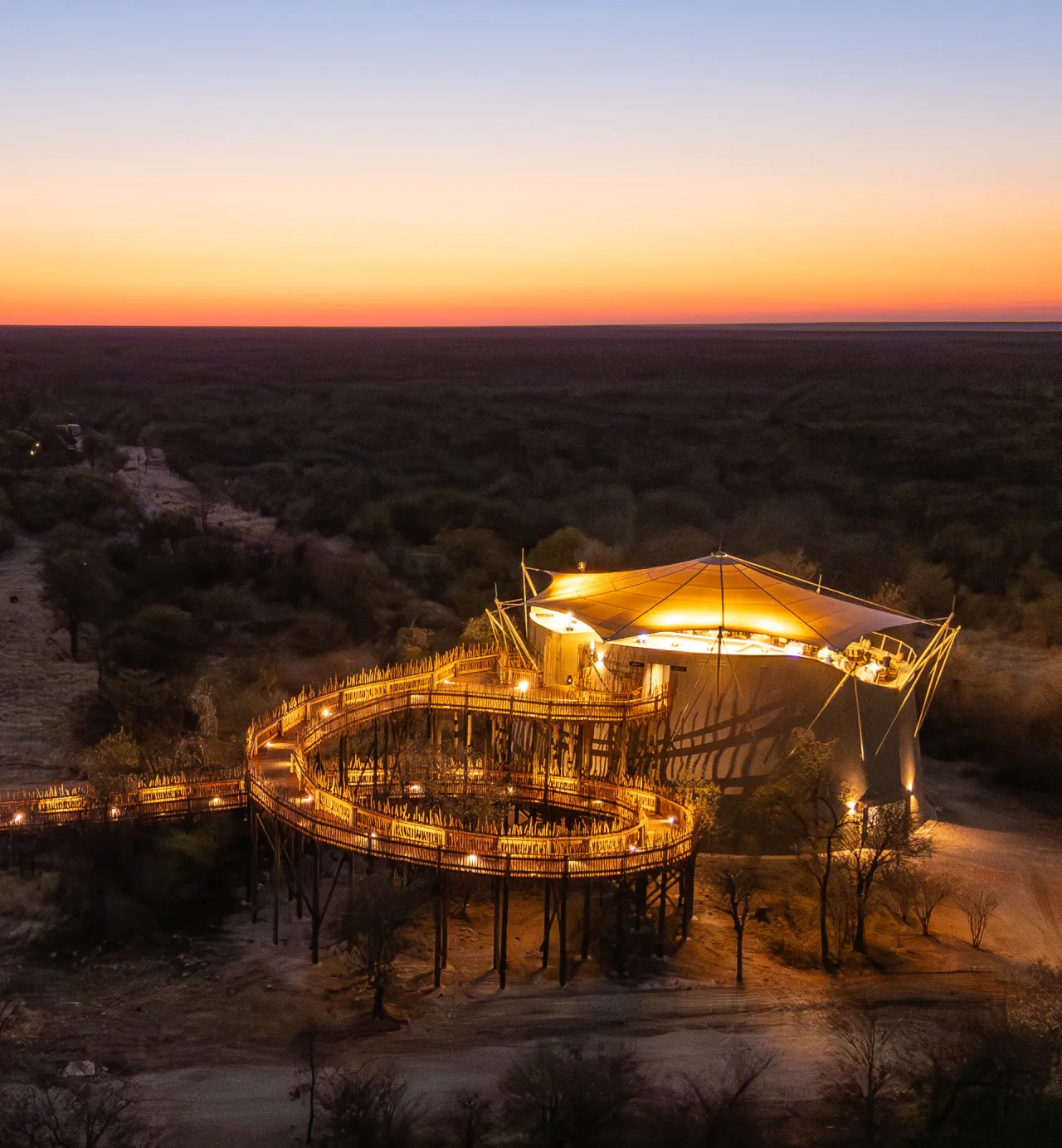
SkyBoma, Etosha
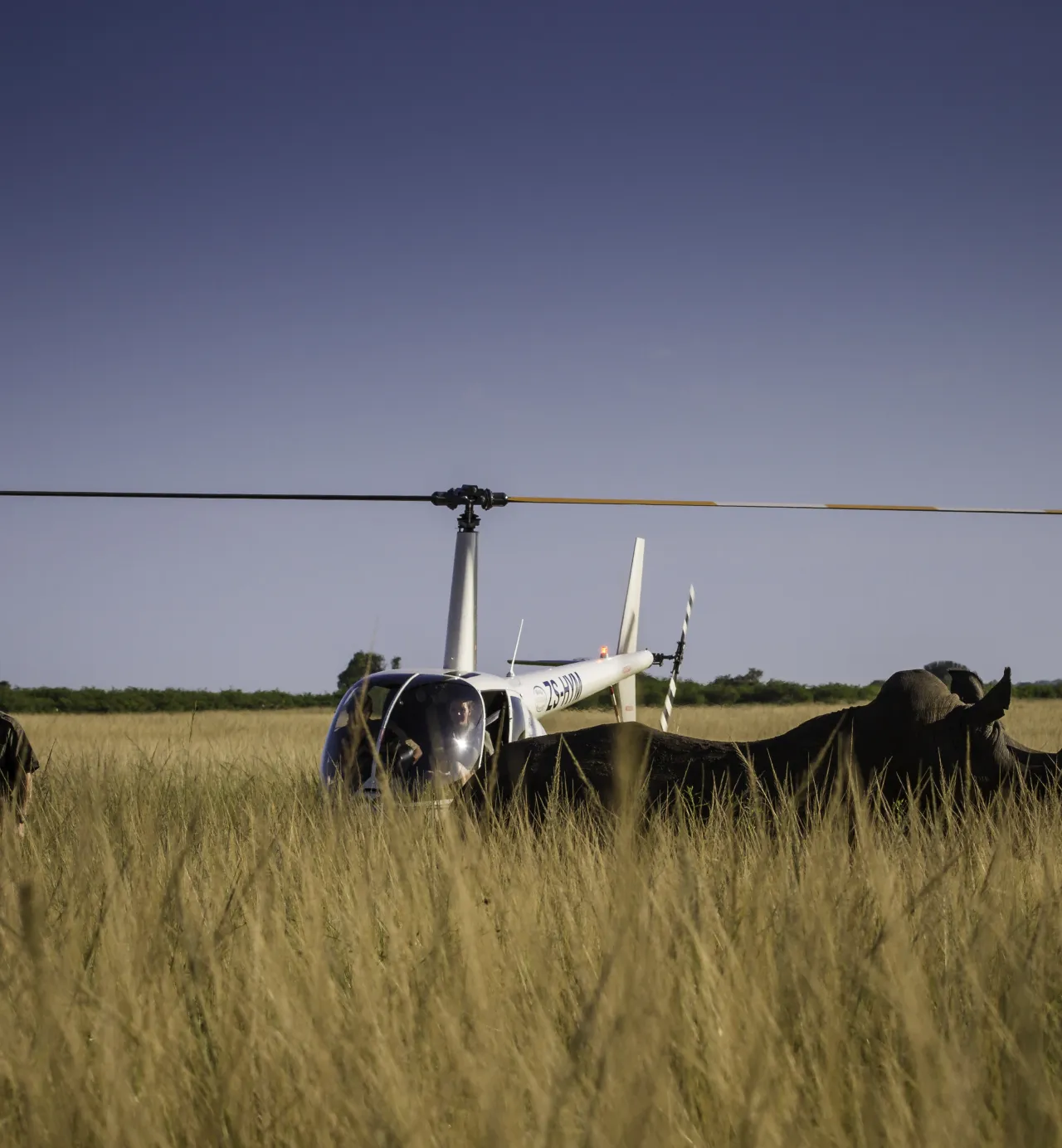
Rhino darting and chipping experience
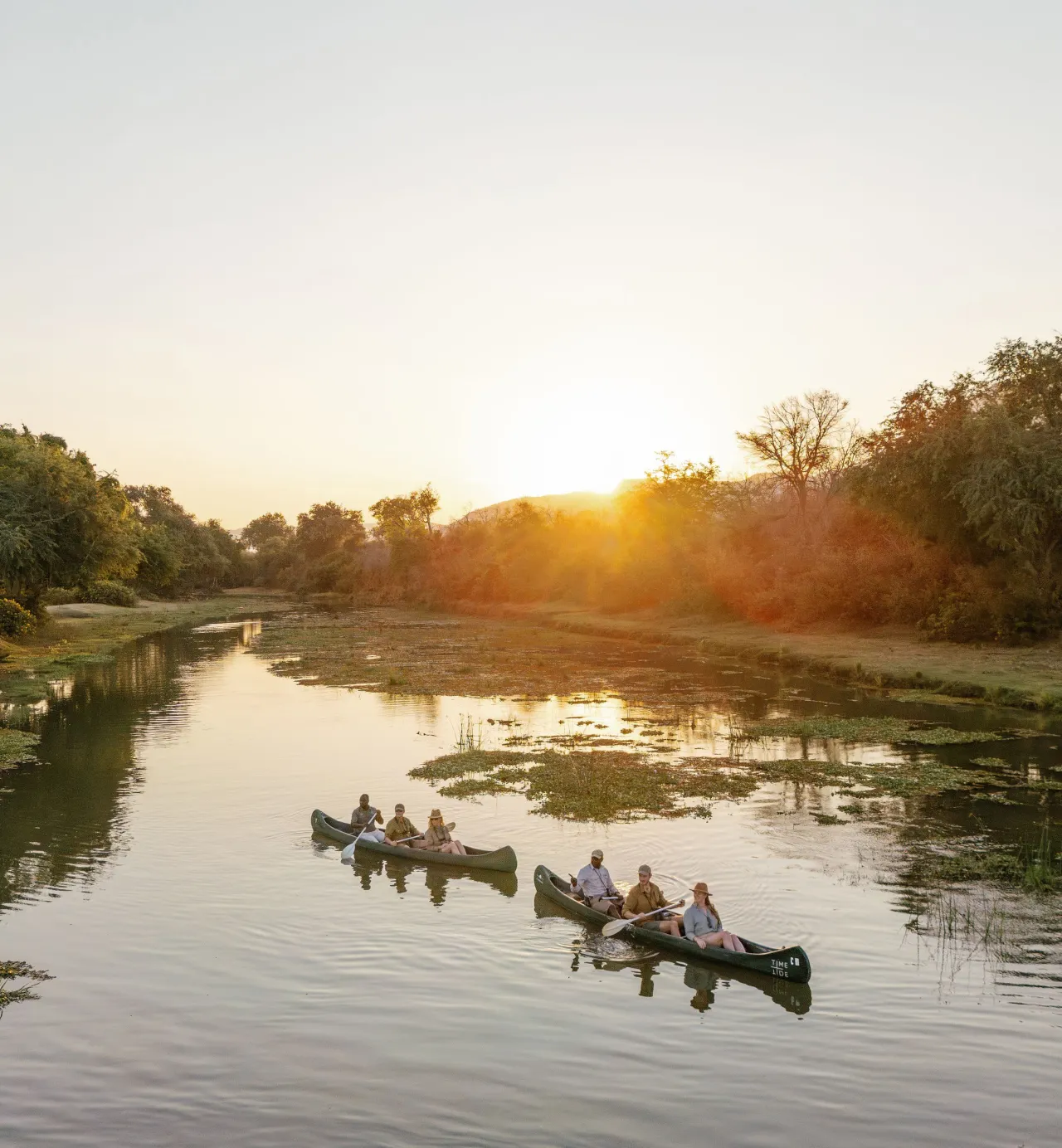
Picnicking on islands in the Zambezi
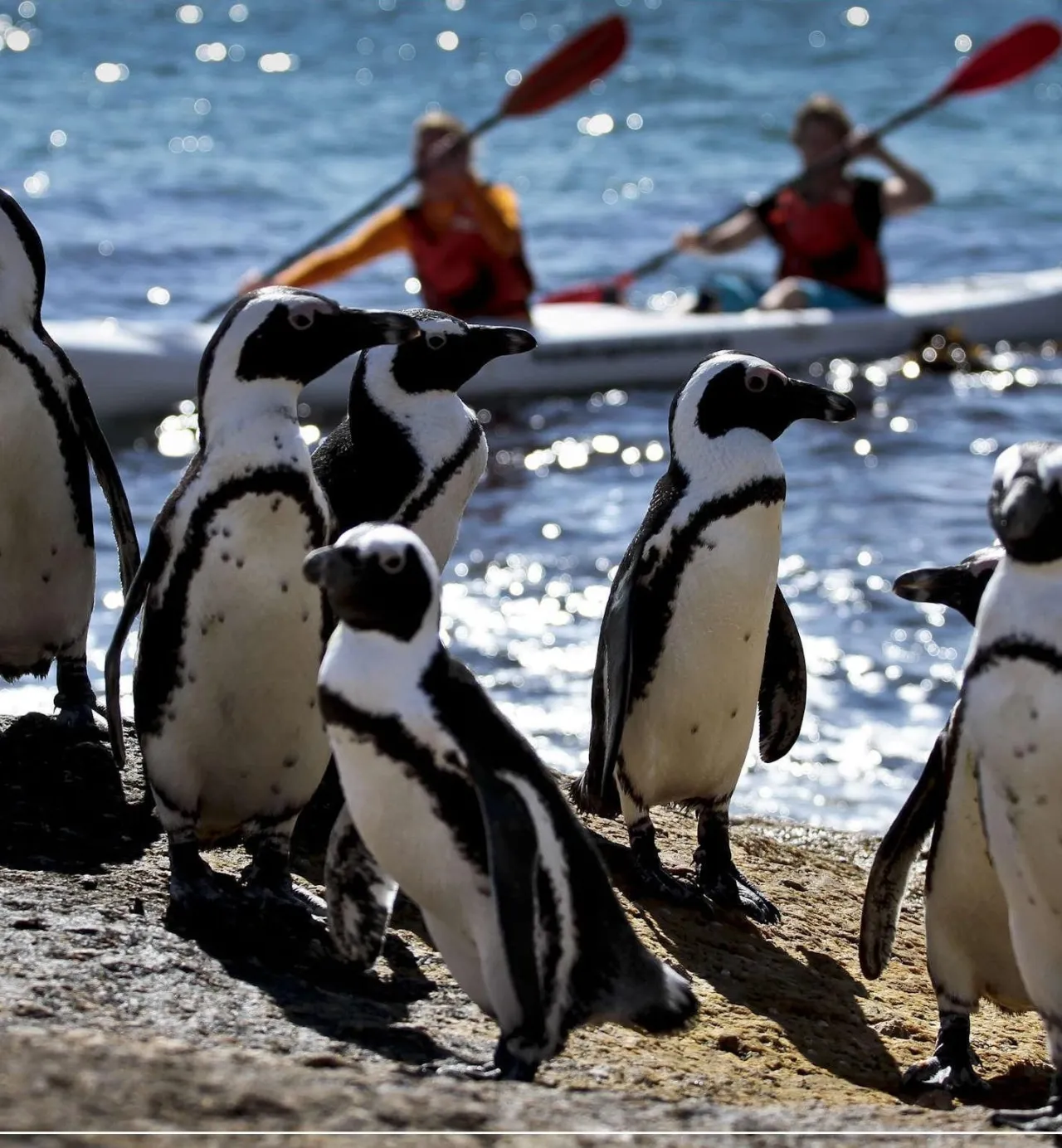
Paddle with penguins
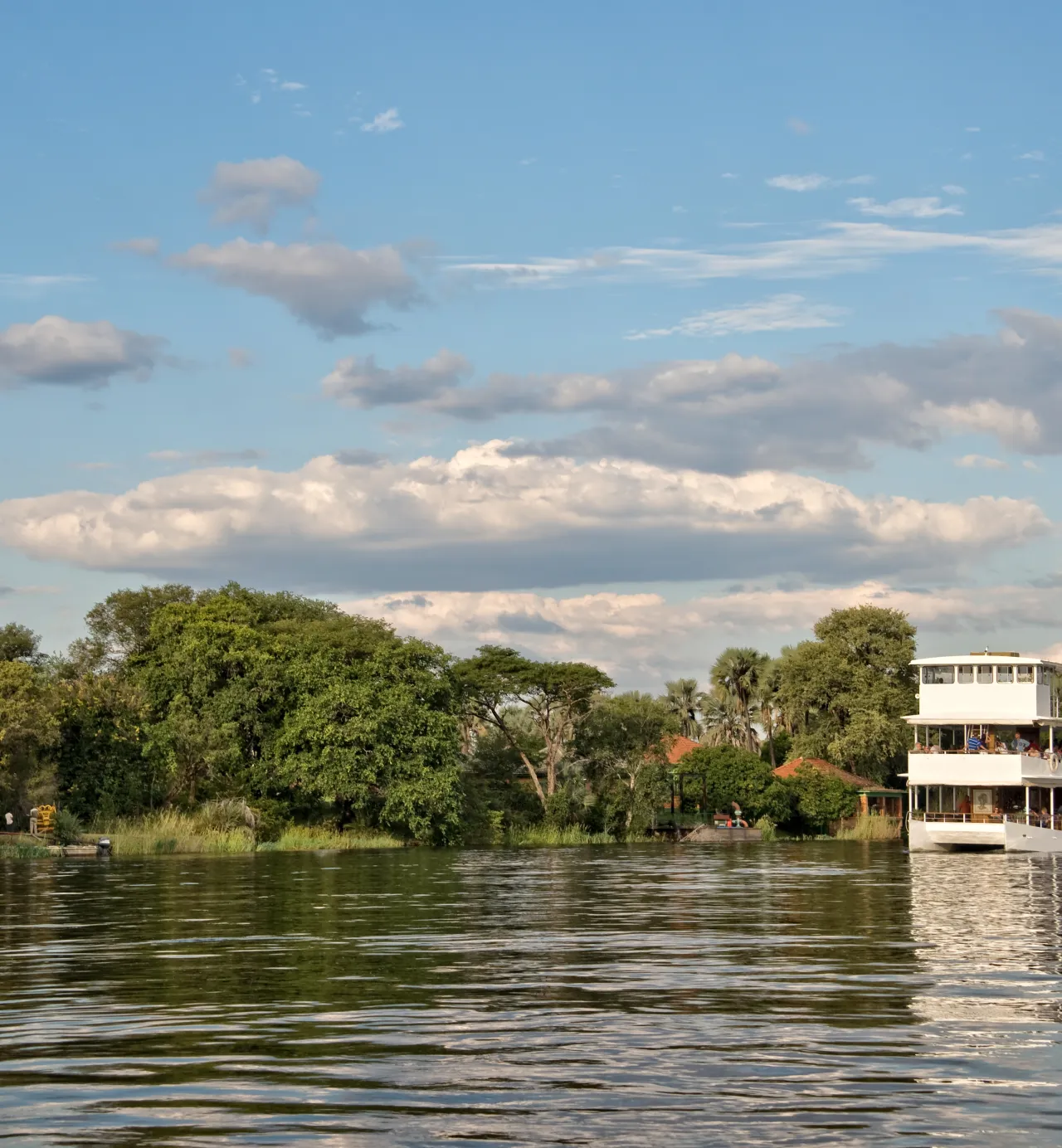
Live-aboard luxury Zambezi safari
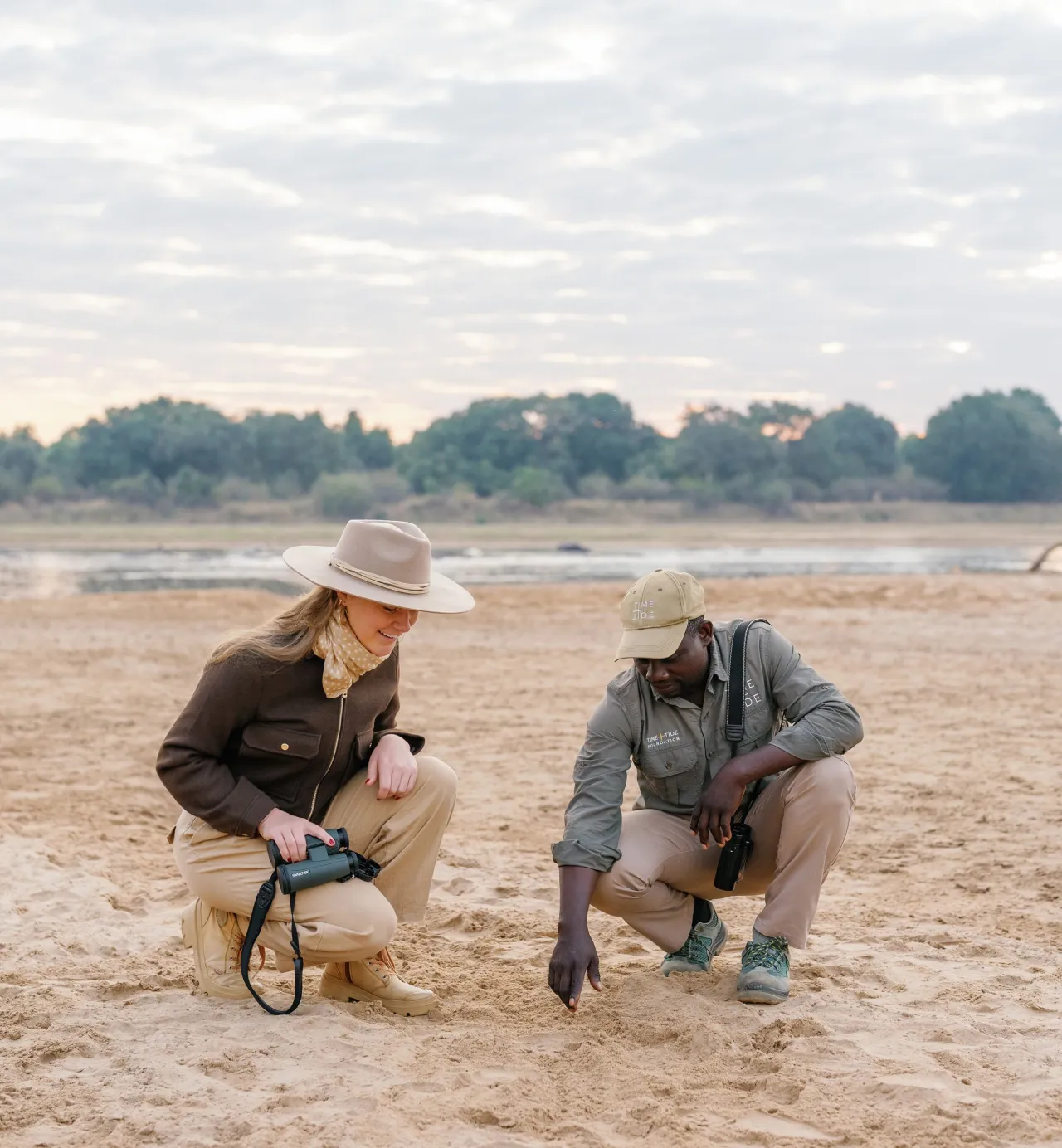
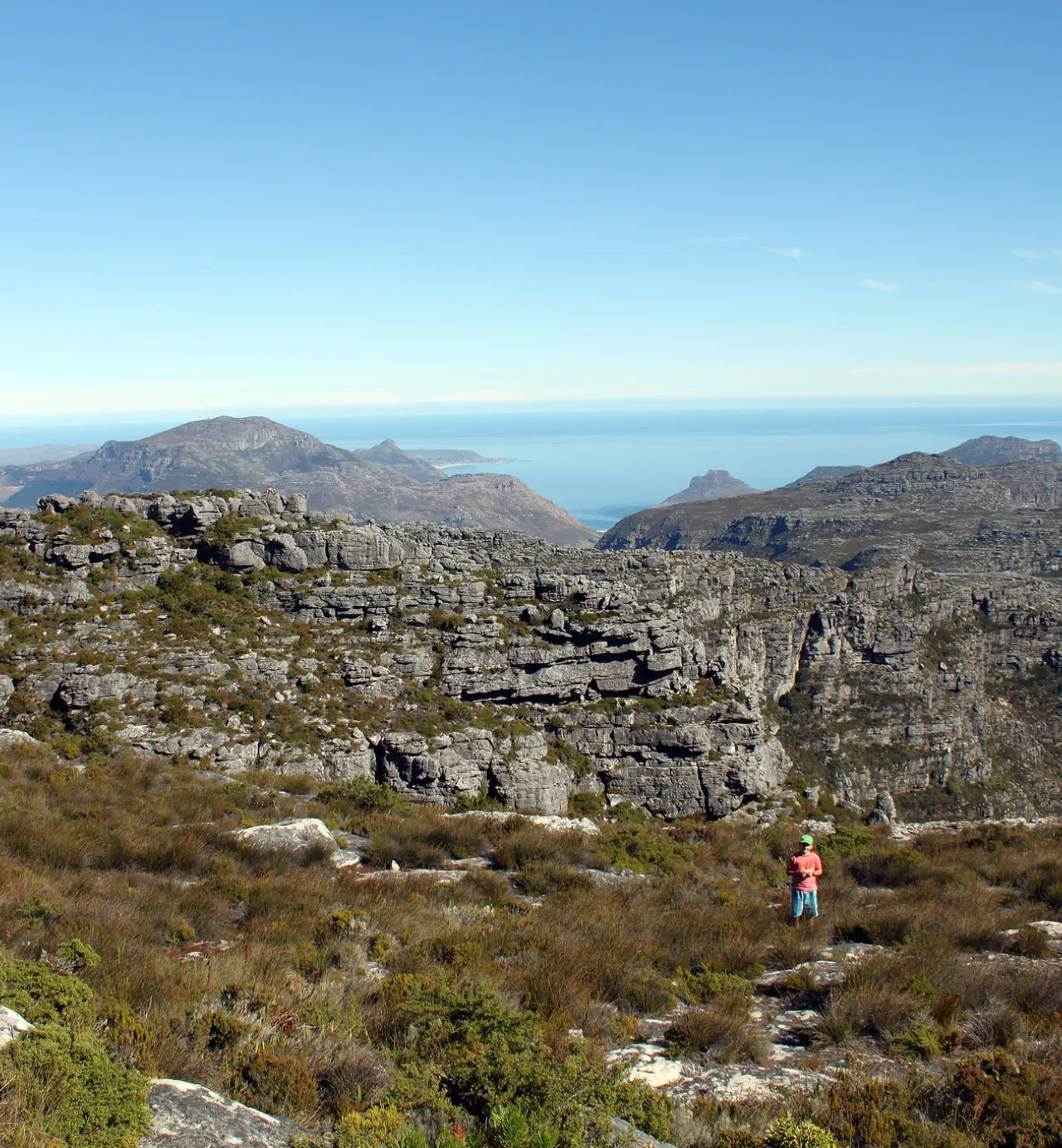
Hiking Table Mountain with a botanist or forager

Voices of our guests
Kafue National Park FAQs
It is most famous for its vast, untouched wilderness and its incredible diversity of mammal and bird species, including being the best place in Zambia to see cheetahs.
No. Kafue has excellent populations of lions, leopards, elephants and buffalo. However, rhinos are absent from the park.
Yes, it is located in a high-risk malaria zone year-round. It is essential to consult your doctor about appropriate anti-malarial medication before you travel.
It is a fly-in destination. You will take a light aircraft flight from Lusaka to an airstrip inside the park.
A stay of four to five nights is recommended, ideally split between two camps in different regions (e.g. the Busanga Plains and the central Kafue River area) to appreciate the park’s diversity.
It is an excellent choice for a first-time safari, especially for those seeking a more remote and authentic experience with fewer crowds. The wildlife viewing is superb and varied.
They make up a vast seasonal floodplain in the north of the park, often compared to the Serengeti. In the dry season, they offer spectacular open-plains game viewing with huge herds of lechwe and puku and excellent predator sightings.
While both are premier Zambian parks, Kafue is much larger and offers a greater diversity of habitats, including the Busanga Plains. South Luangwa is more compact, and is specifically renowned for its walking safaris and leopard sightings.
The main activities are classic day and night game drives, walking safaris, and boating or canoeing safaris on the Kafue River and its tributaries.
Pack lightweight, neutral-coloured clothing. A warm jacket is essential for cool mornings. Comfortable walking shoes are important for walking safaris, and a good pair of binoculars is non-negotiable.
