

Kigali
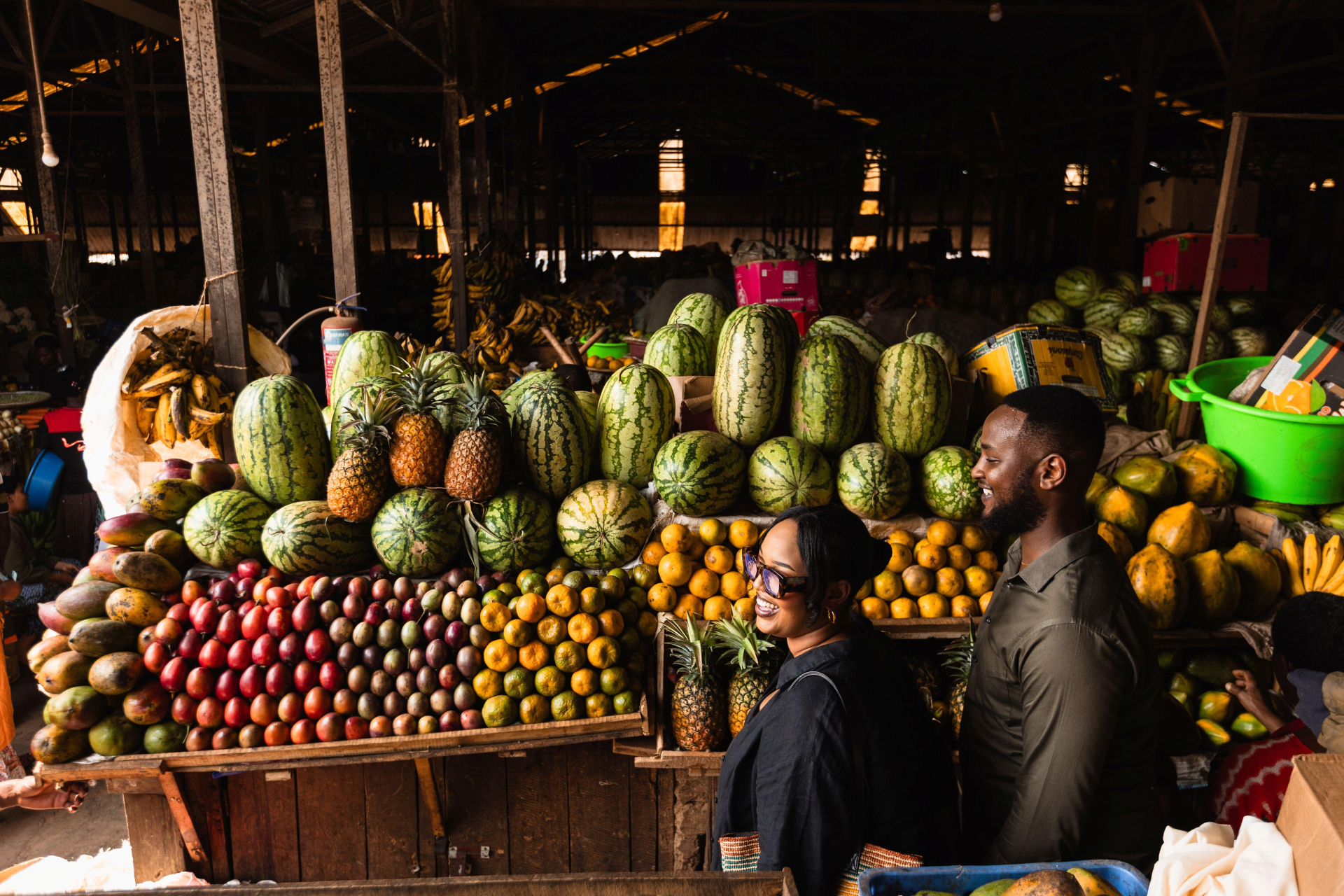
Kigali
The City of a Thousand Hills
Peak time
June to September
Best time to visit
June to August (dry season and best for primate trekking)
Known for
Its safety; its status as the gateway to mountain gorillas
Also known for
Being the “City of a Thousand Hills”; being the cleanest city in Africa
About Kigali
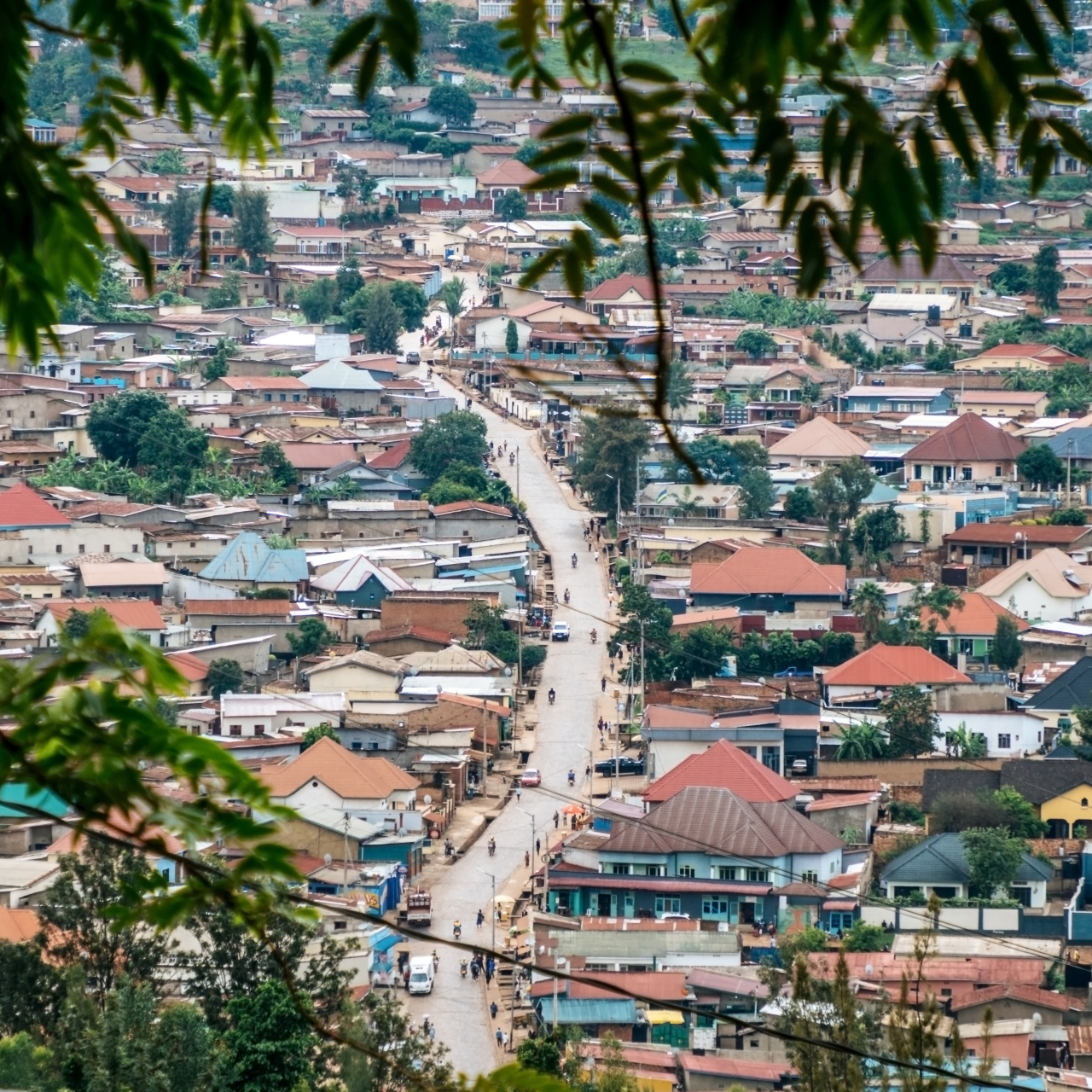
Kigali is a city of remarkable resilience and quiet beauty: a place where the green hills of Rwanda provide a stunning backdrop to one of Africa’s most modern and orderly capitals. Since the tragic genocide of 1994, the city has undergone an extraordinary transformation, emerging as a symbol of hope and progress for the entire continent. It is a city that prides itself on its cleanliness, where plastic bags are banned and the streets are impeccably maintained.
The city’s heartbeat is found on its many hills, where neighbourhoods are connected by winding roads that offer stunning views at every turn. Kigali is a place for the senses, where the air is fresh, the coffee is world-class and the atmosphere is one of peaceful focus. It is a city that invites you to explore its vibrant art galleries, sophisticated restaurants and bustling markets, all while feeling remarkably safe and welcome.

Did you know
Rwanda was one of the first countries in the world to ban non-biodegradable plastic bags
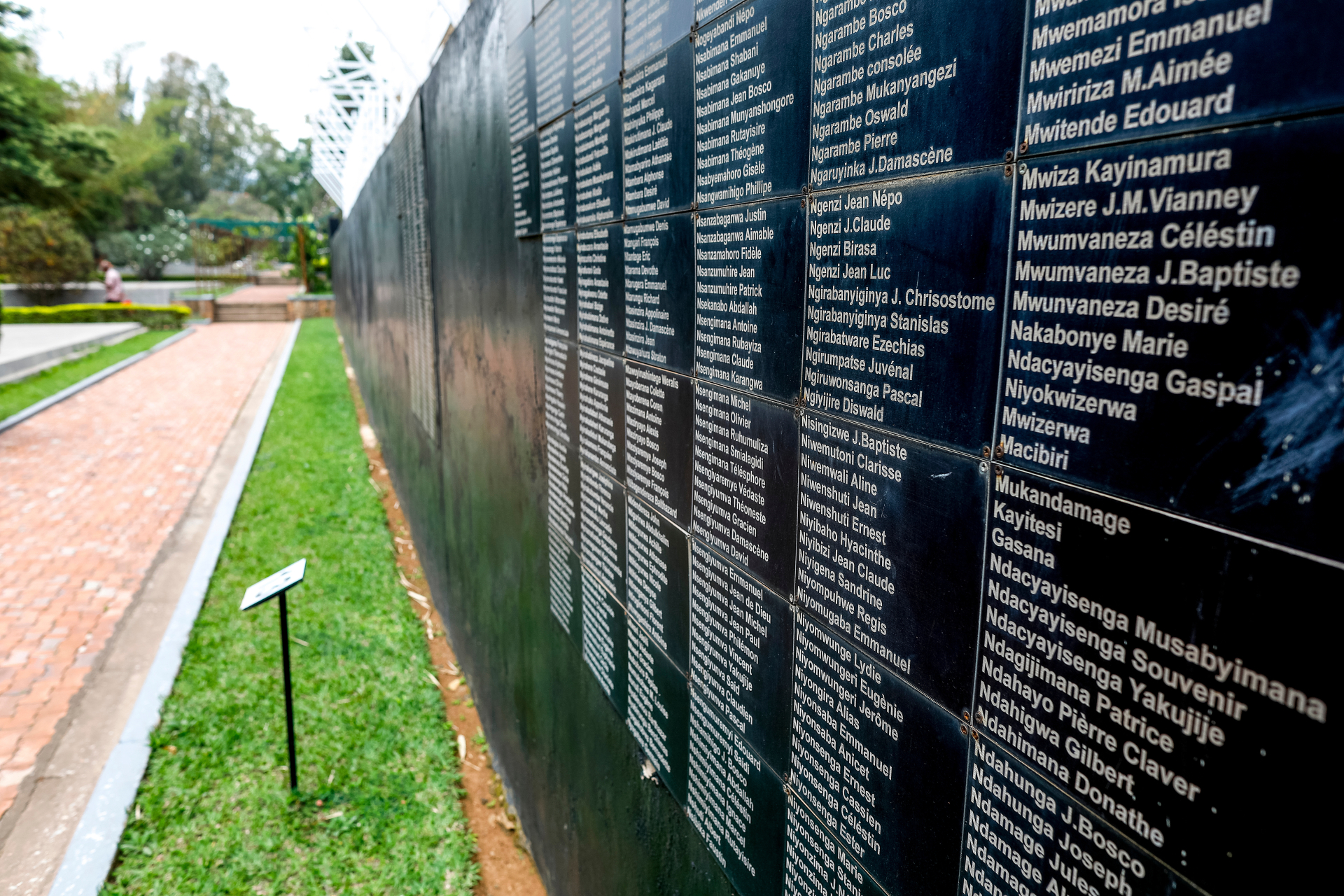
Beyond its urban appeal, Kigali is a place of profound remembrance. The Kigali Genocide Memorial stands as a powerful and moving testament to the past, a place of education and reflection that is an essential stop for any visitor. Whether you are preparing for a journey to Volcanoes National Park or simply enjoying the cosmopolitan vibe, Kigali is a destination that captures the dignified and forward-looking spirit of modern Rwanda.
Get to know Kigali
Kigali is a sprawling city built across several hills – each with its own distinct character. Kiyovu is the oldest and most upscale district, home to many embassies and top hotels, while Kimihurura is the hub for the city’s best restaurants and nightlife. The atmosphere is generally quiet and very orderly, with a noticeable lack of the frantic energy found in other African capitals.
The primary way to get around is by moto (motorcycle taxi) or taxi. The motos are well regulated, and are a quick and exciting way to navigate the hills. Walking is common and safe – even at night – though the steep terrain can be a challenge. The city feels very much like a modern, well-managed metropolis that is both welcoming and efficient.
History
Kigali’s history began in the early 20th century under German colonial rule, followed by the Belgian era after World War I. It replaced Butare as the capital of Rwanda upon independence in 1962. The city was a quiet administrative hub until the mid-1990s, when it became the centre of the country’s devastating genocide.
The post-1994 era has seen an unprecedented period of reconstruction and national reconciliation. Kigali has led the way in this transformation, growing from a small town into a sophisticated and booming international city. Today it is a proud symbol of Rwandan unity, and a leading centre for innovation and green living in East Africa.
More unforgettable activities
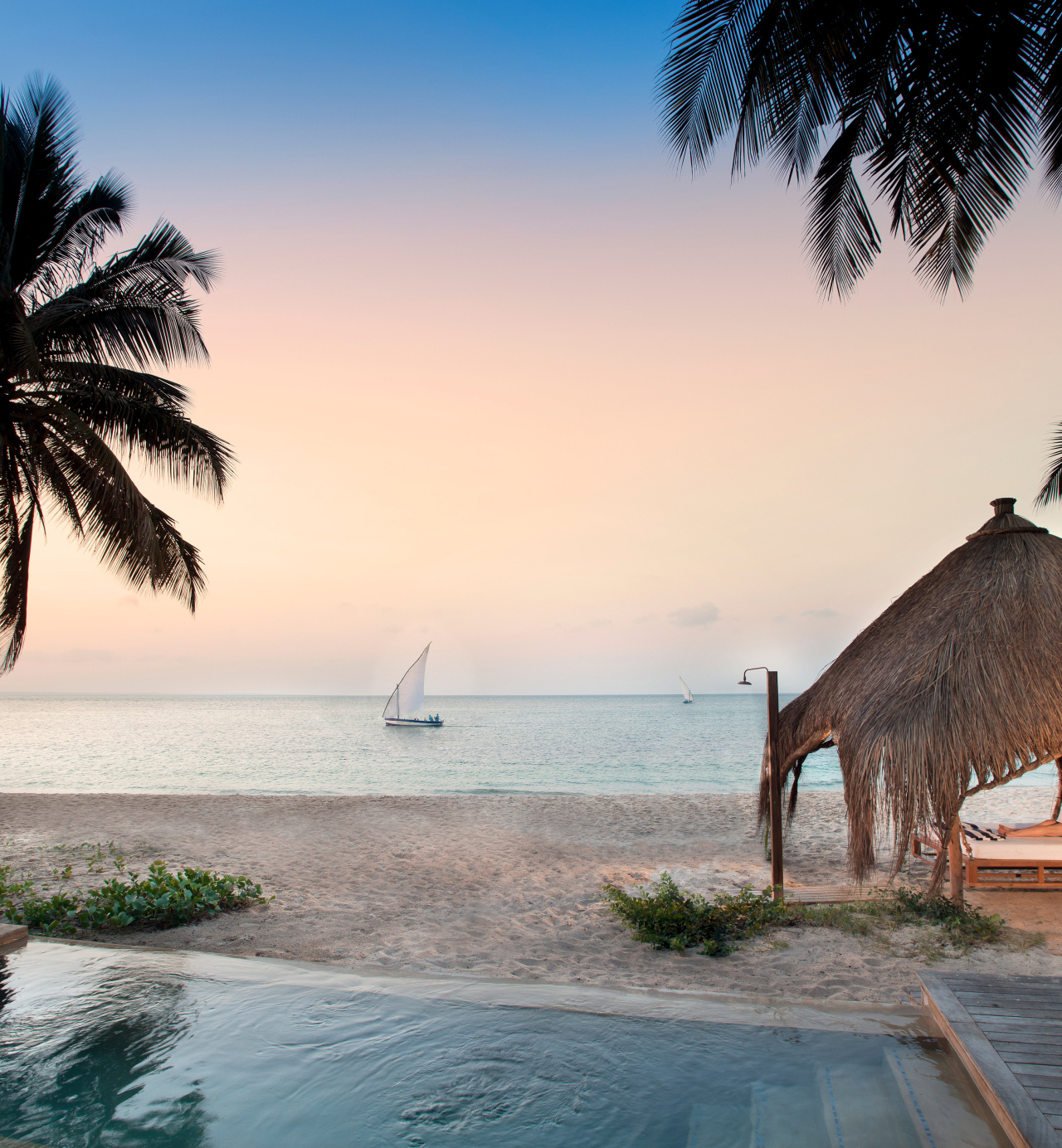
Turtle egg laying and hatching

Traditional Bo-Kaap cooking experience
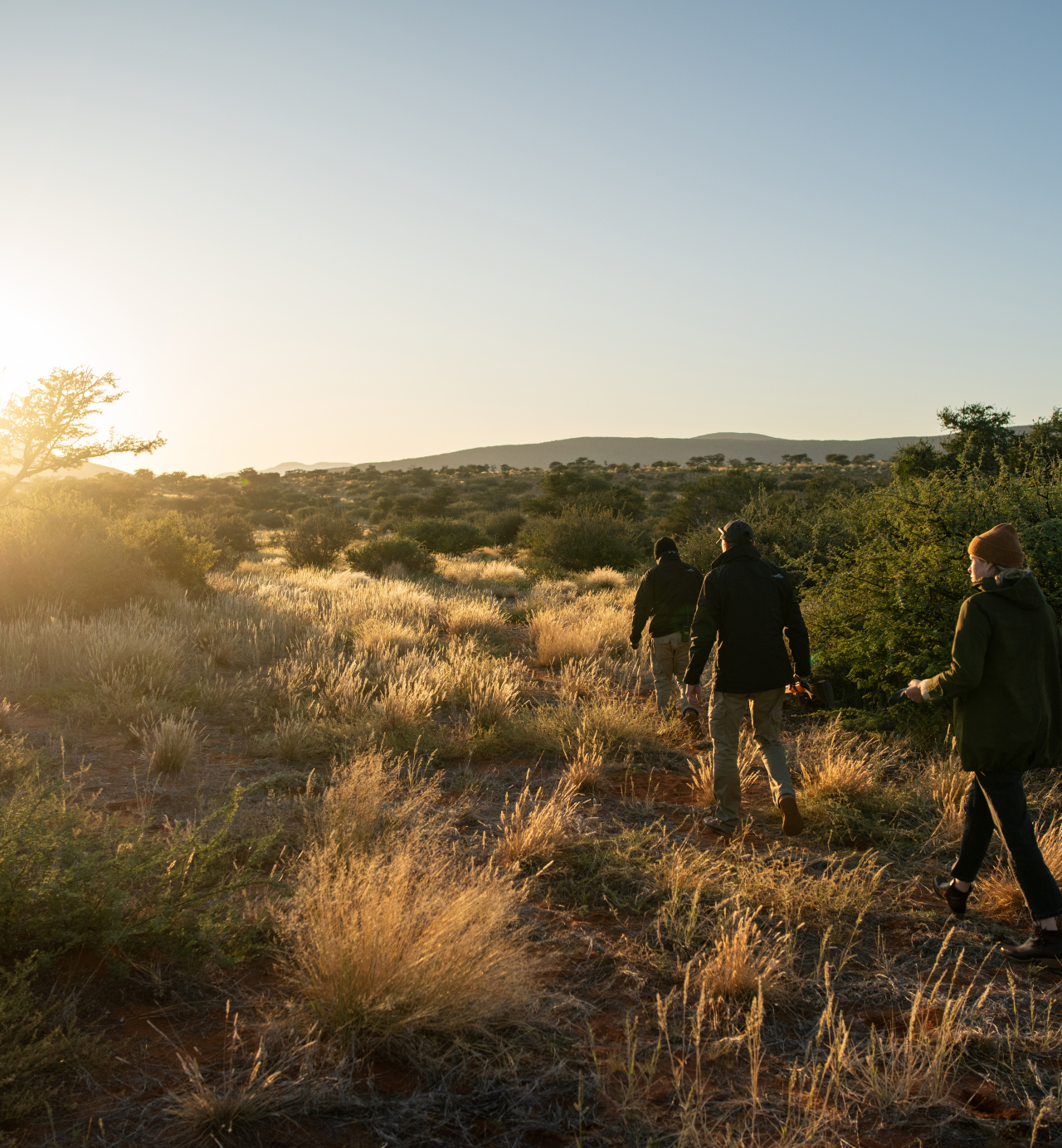
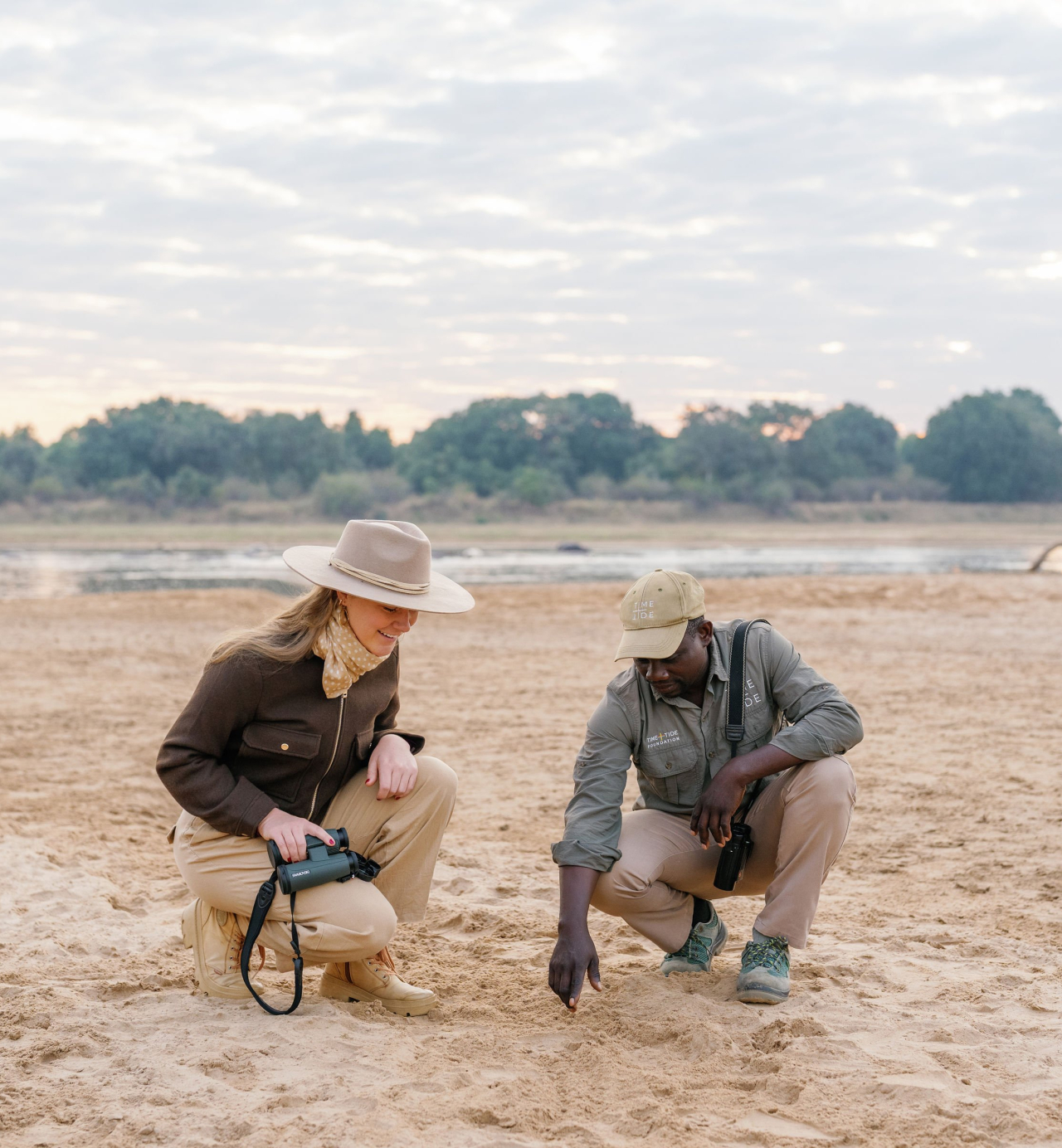
Tracking Africa’s most elusive species on foot
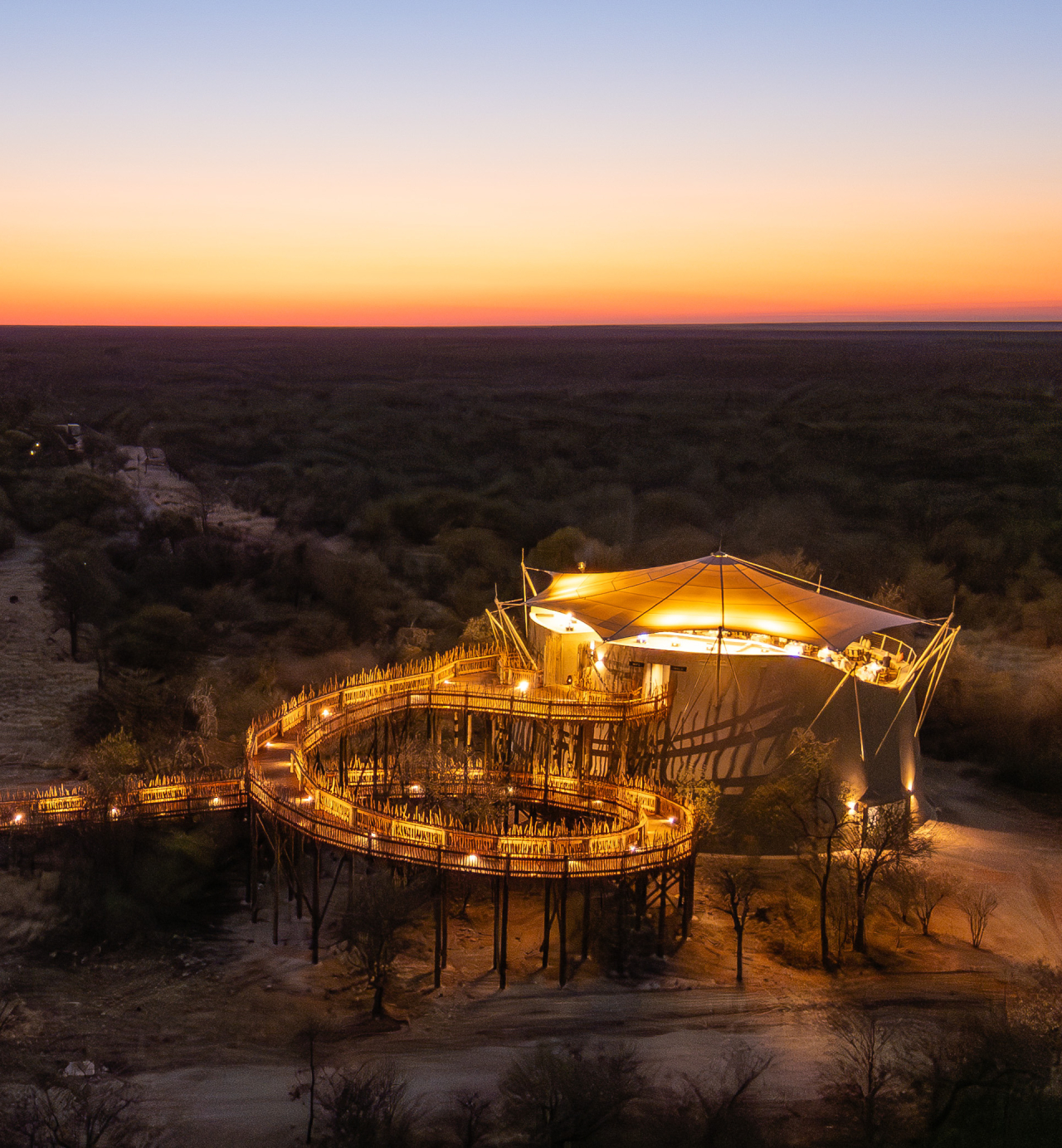
SkyBoma, Etosha
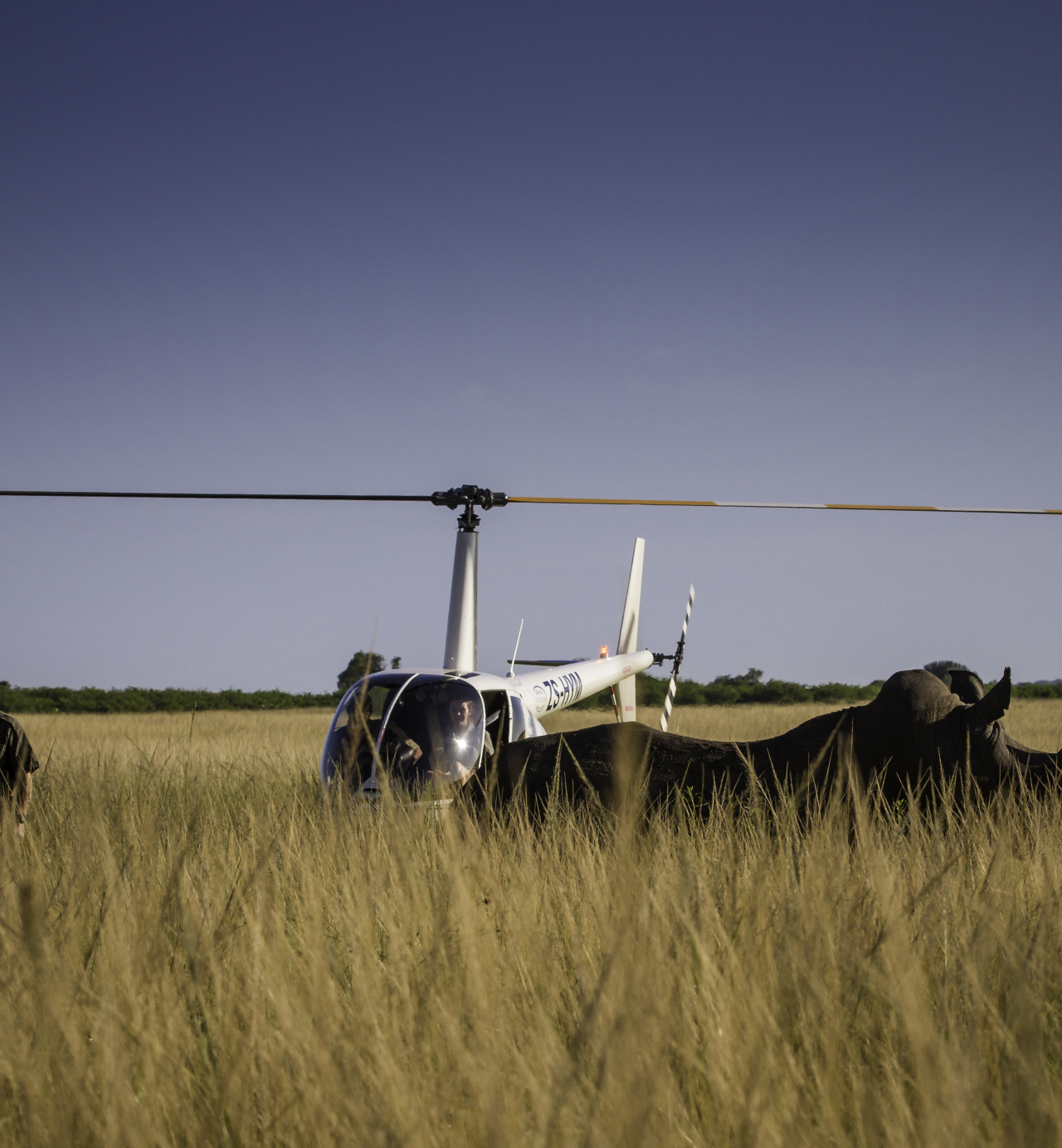
Rhino darting and chipping experience
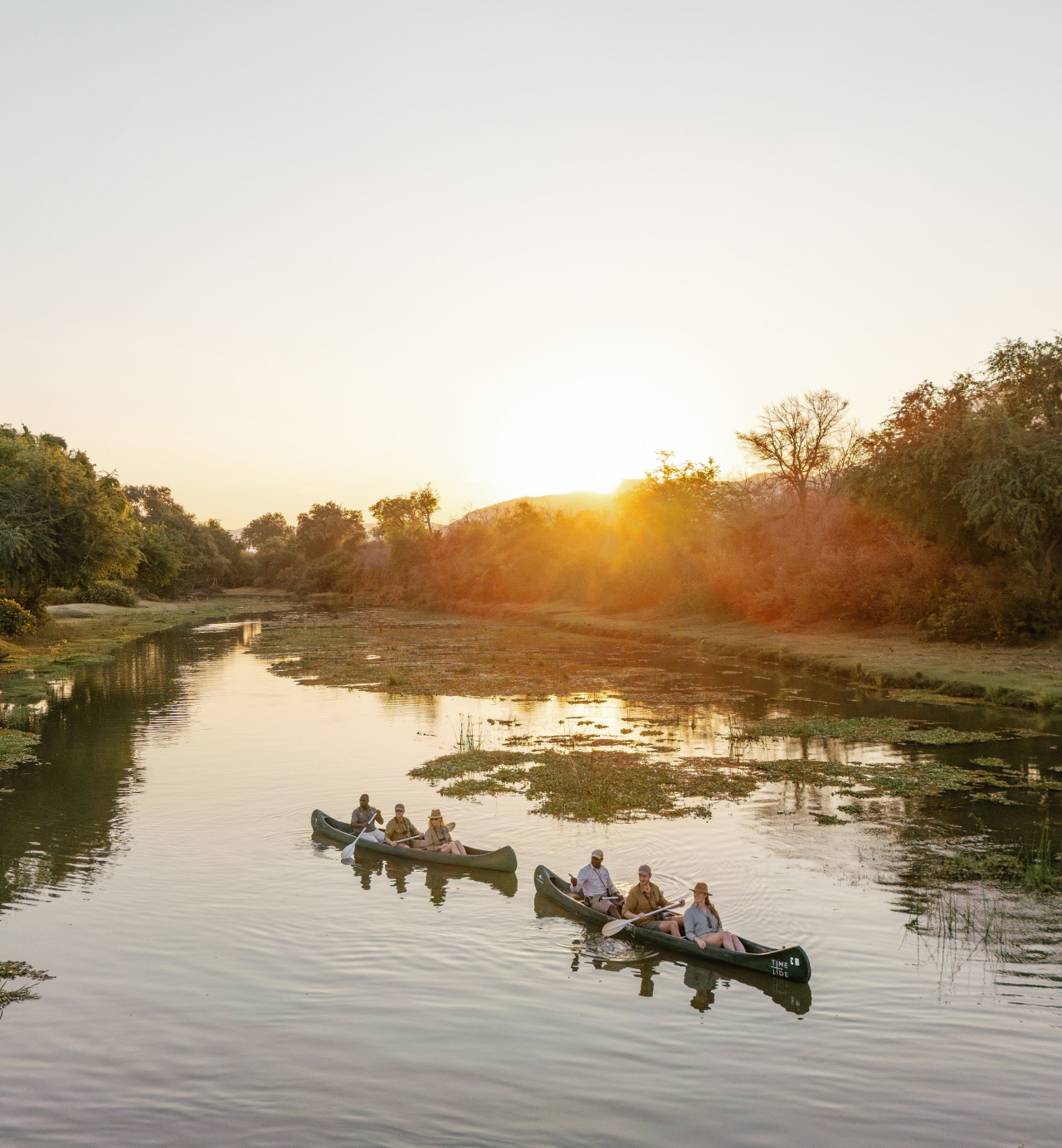
Picnicking on islands in the Zambezi
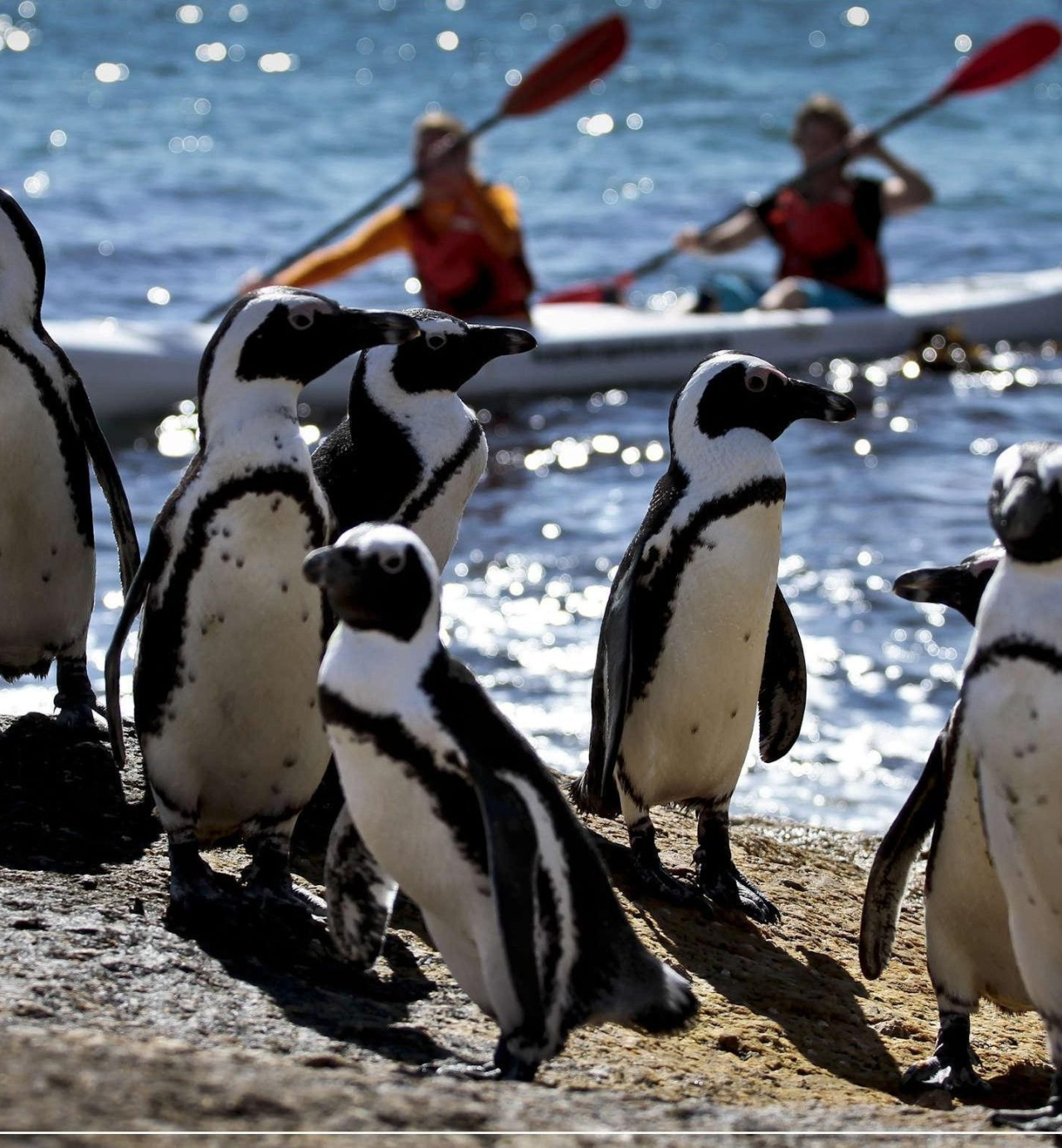
Paddle with penguins
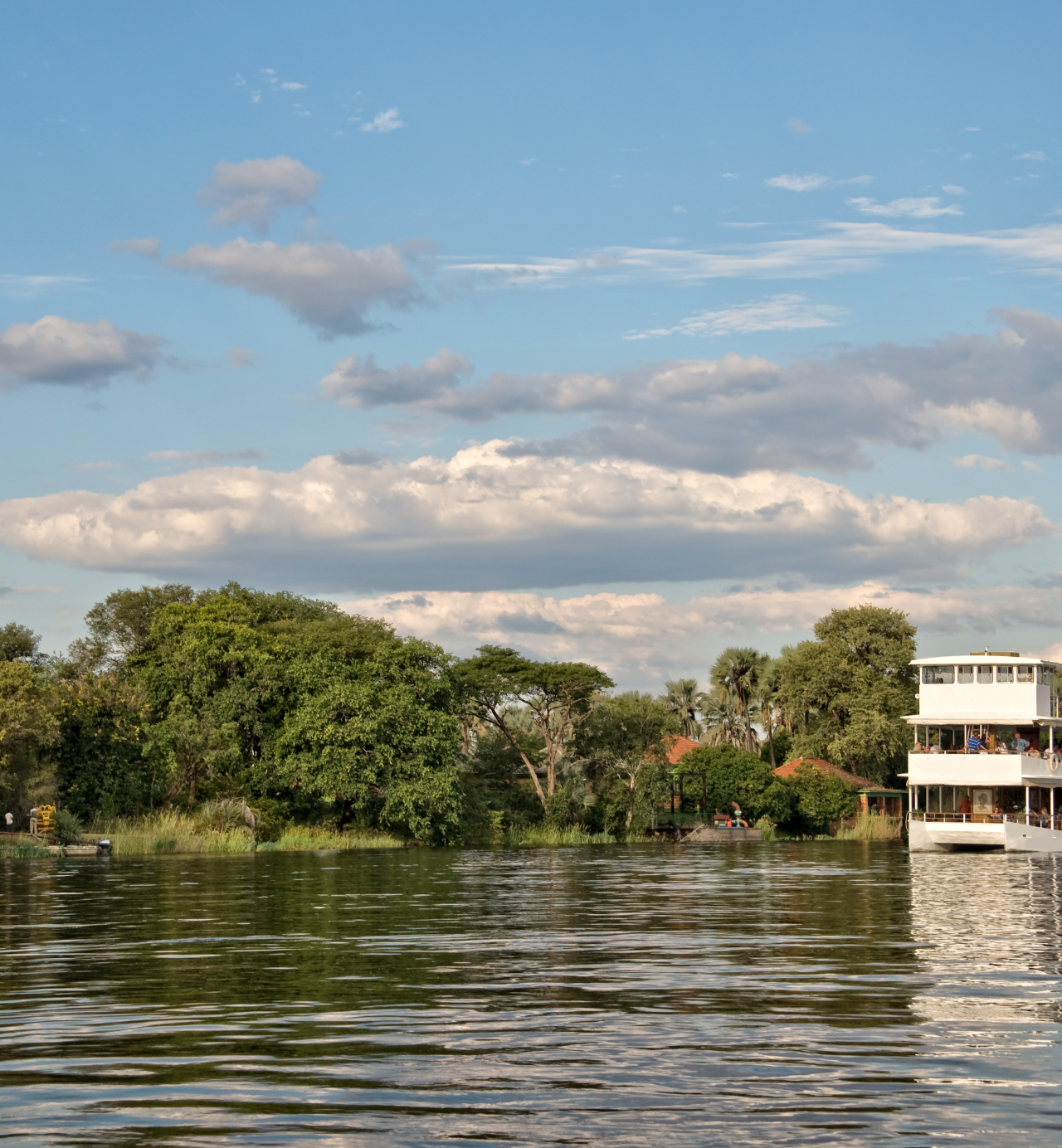
Live-aboard luxury Zambezi safari
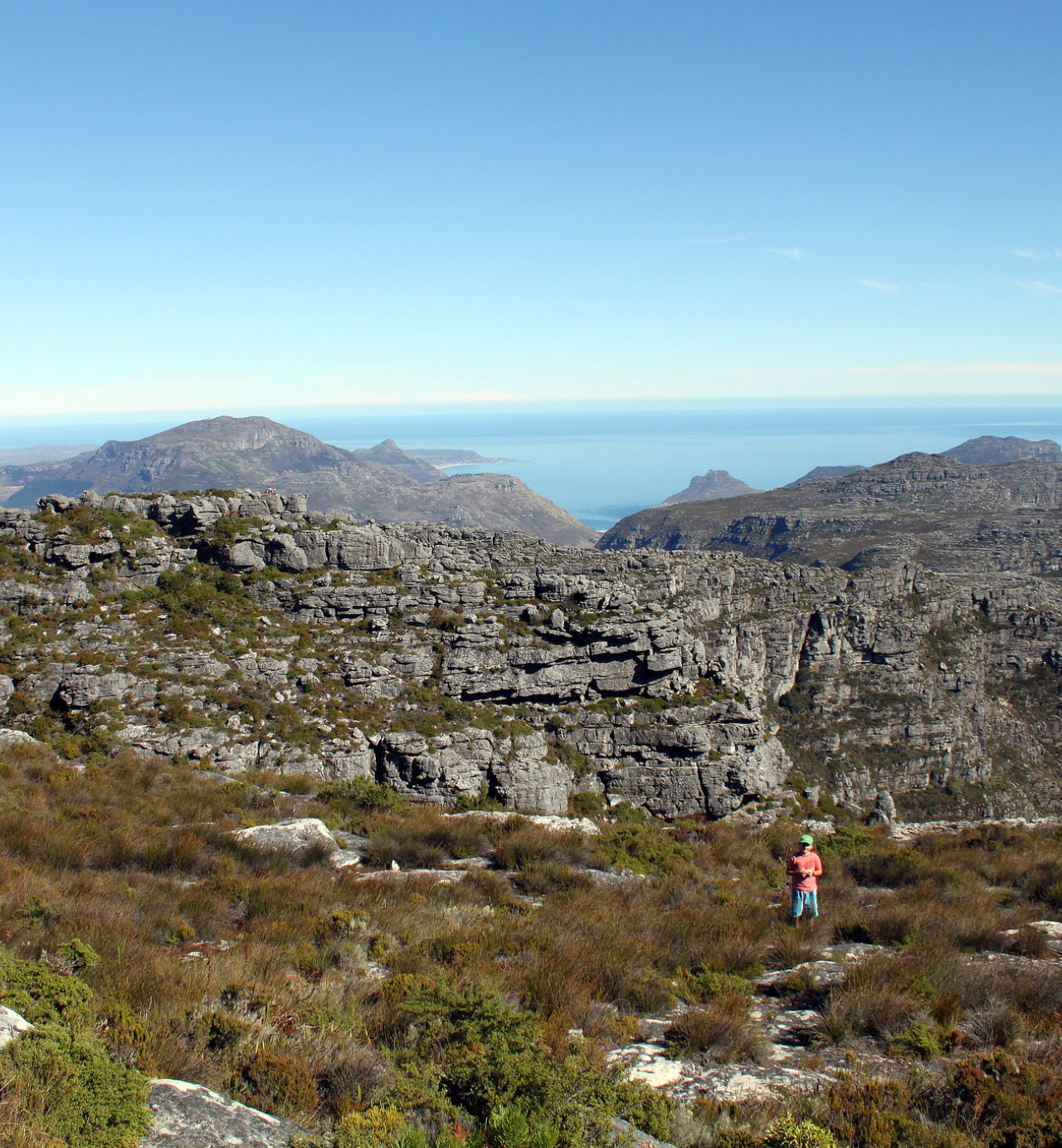
Hiking Table Mountain with a botanist or forager

Voices of our guests
Destination FAQs
Yes, Kigali is widely considered to be the safest capital city in Africa. You can walk comfortably during the day and night in most areas.
Many nationalities – including those from the Commonwealth and the African Union – can get a visa on arrival or are visa-exempt. Check with your Travel Architect for the latest details.
Yes, though the risk is lower than in the lowland areas, Kigali is still in a malaria zone. Prophylactics are recommended.
This is a national day of community work held on the last Saturday of every month from 8am to 11am. Most businesses are closed and traffic is restricted during this time.
No, it is recommended to drink bottled or filtered water.
The Rwandan franc. US dollars are widely used for tourism-related payments.
Light clothing for the day but remember that evenings can be cool due to the altitude, so bring a sweater or light jacket. Modest dress is appreciated.
Kinyarwanda is the national language, but English and French are official languages and are widely spoken.
A guided tour of the Kigali Genocide Memorial is essential. For a view, head to the top of Mount Kigali or enjoy a drink at the historical Hotel des Mille Collines.
Yes. Do not bring any non-biodegradable plastic bags into Rwanda, as they will be confiscated at the airport.
