

Kruger National Park
Kruger National Park
One of Africa’s great wildlife strongholds, experienced your way.
Peak time
July-December
Best time to visit
Year-round
Known for
Big Five sightings
Also known for
Extraordinary birdlife and biodiversity
About the Kruger National Park
The Kruger is iconic for a reason. Vast, varied and alive with movement, it offers some of the most rewarding wildlife experiences on the continent.
But the real magic lies in how you experience it: from private concessions and expert guides to lodges that place you quietly inside the landscape, not above it. With the right planning, the Kruger reveals itself slowly and unforgettably.

Did you know
Spanning nearly two million hectares (about 4.94-million acres), the Kruger National Park is larger than some entire countries.
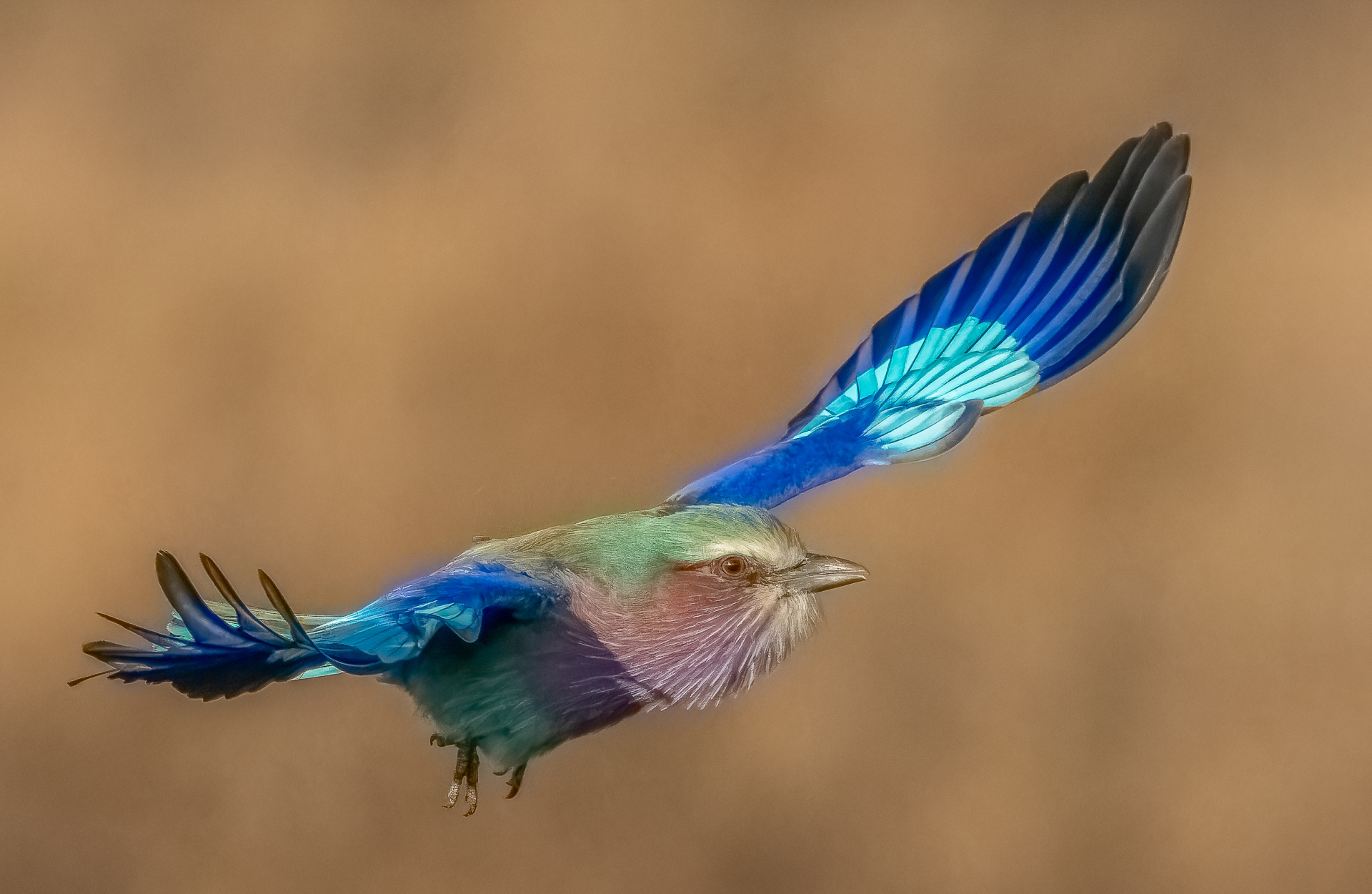
It’s home to more large mammal species than any other African reserve. Some of the baobab trees here are over 1 000 years old, standing silent witnesses to centuries of migration, wildlife and change. It protects six distinct ecosystems, which means landscapes can shift dramatically within a single journey. There are more than 500 recorded bird species here, from Martial eagles to Lilac-breasted rollers. Leopards are seen here more frequently than in most other African reserves, if you know where (and when) to look.
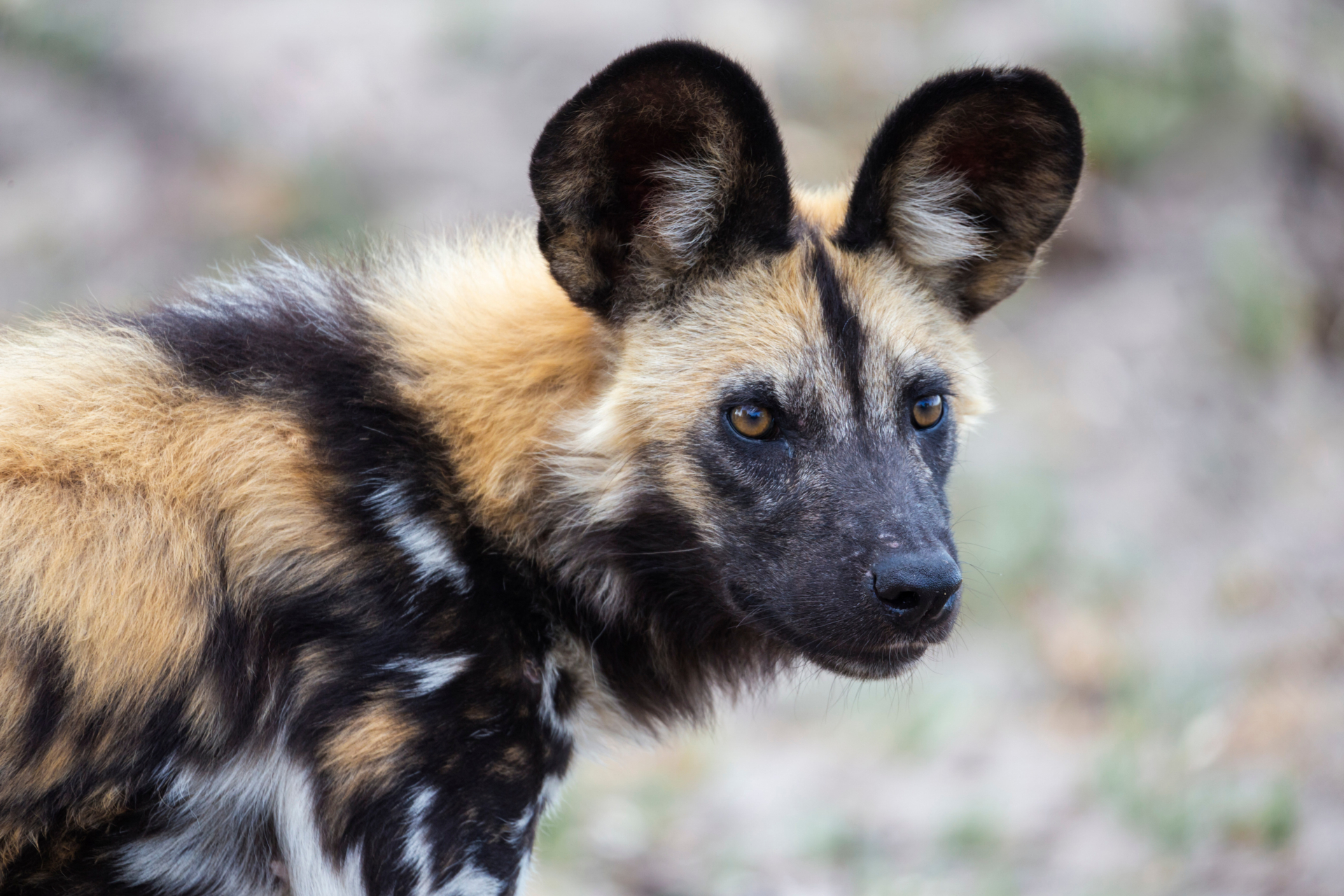
African wild dogs still roam here: highly intelligent, endangered and extraordinary to witness. Ancient San rock art sites lie hidden within the park, serving as reminders that humans have walked this landscape for thousands of years. Elephants in the Kruger are known for their unusually relaxed behaviour. This is the result of long-term conservation stability. Certain private concessions within the Greater Kruger allow off-road tracking, offering closer, more intimate wildlife encounters.
The Sabie River is one of the most biologically rich waterways in Southern Africa. The park’s night skies are virtually untouched by light pollution, making stargazing part of the experience. Kruger is part of the Great Limpopo Transfrontier Park, which connects South Africa, Zimbabwe and Mozambique through a shared conservation vision.
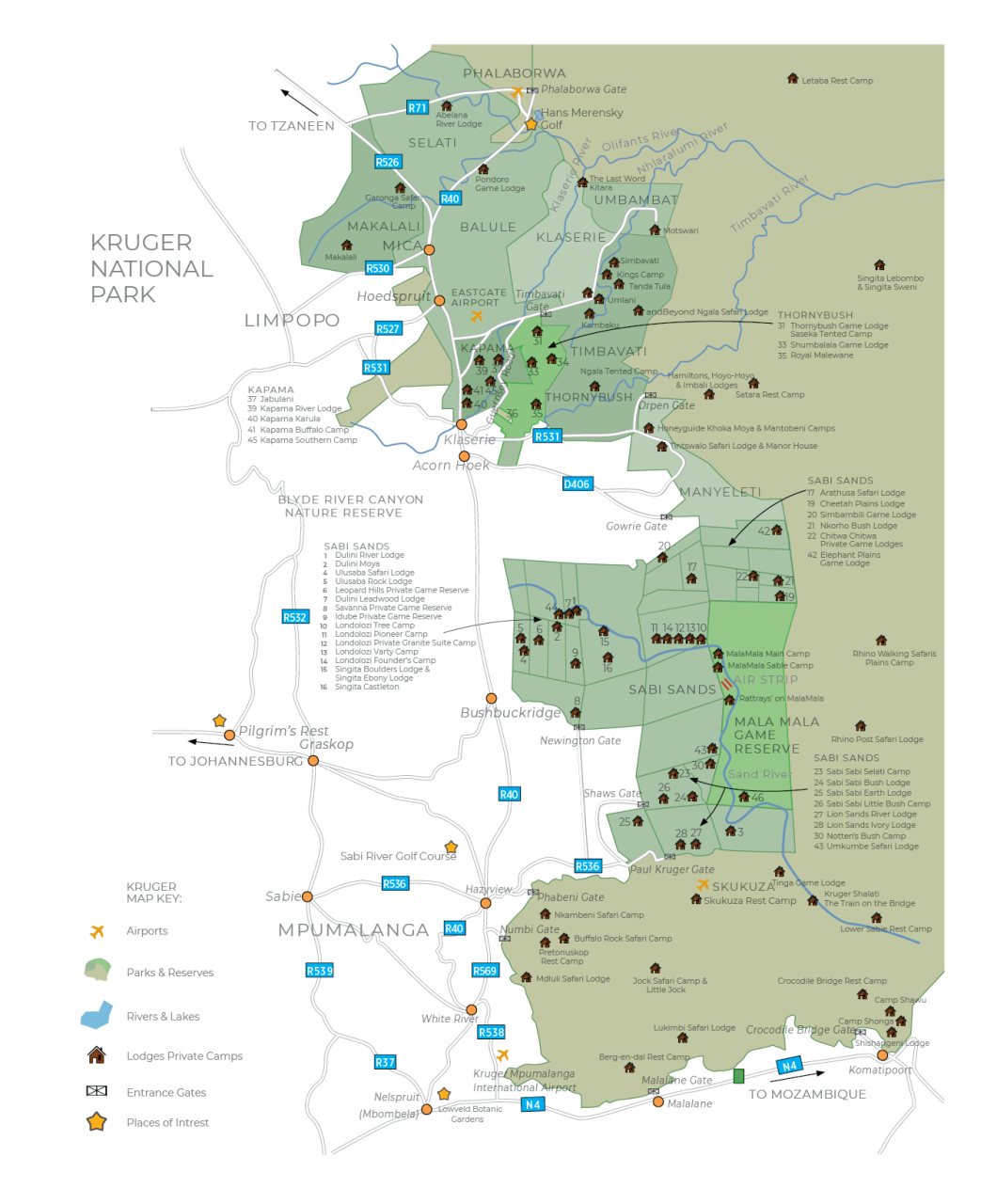
Get to know the Greater Kruger National Park
The jewel in the crown of South Africa's national parks, the Kruger offers biodiversity and activities like no other. Here you can seek out the Big Five, endangered species such as the African wild dog, and hundreds of mammal, bird, reptile and invertebrate species.
Hot year-round, with a summer rainy season, this national park is always an exciting and fascinating destination. From rhino walking tours to luxurious accommodation options, it offers everything that the discerning adventurer would ever want.
History
While the Kruger’s human history is ancient, with evidence of Stone Age and Iron Age settlements, uncontrolled hunting by European settlers in the 19th century decimated the region’s once-prolific wildlife. Alarmed, Paul Kruger, the then-president of the South African Republic, took the visionary step in 1898 of proclaiming the Sabie Game Reserve between the Sabie and Crocodile rivers; this was the genesis of today’s park.
This foundation was built upon by the park’s first warden, James Stevenson-Hamilton, a man whose strict enforcement and passion for conservation shaped the park’s modern identity. In 1926, through the National Parks Act, the Sabie and Shingwedzi game reserves were formally merged and officially named the Kruger National Park. A year later it opened to the public, setting it on a path to become not only one of the world’s most famous safari destinations but also a global leader in wildlife conservation, research and management.
More unforgettable activities
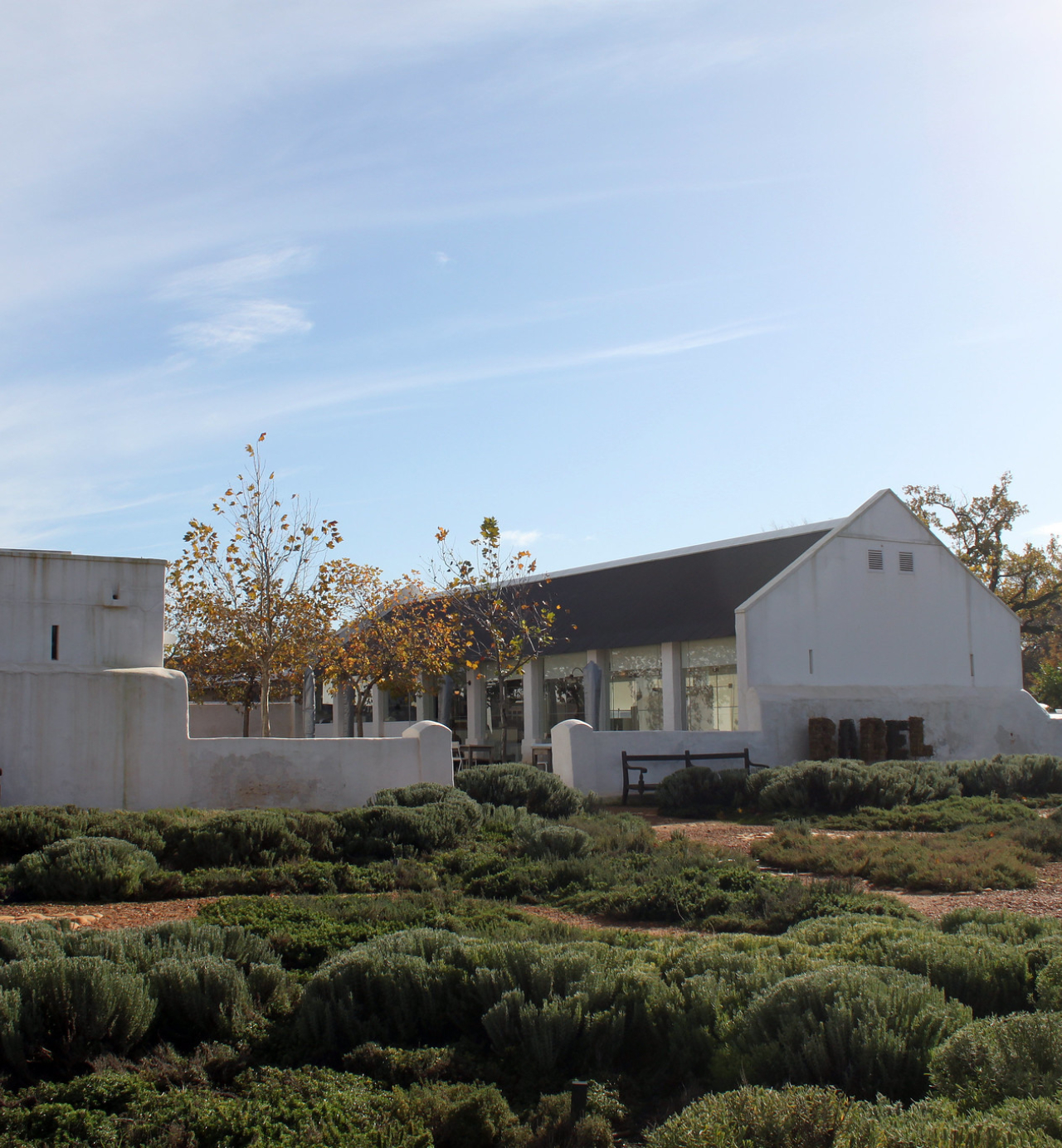
A day in the life of a working wine farm
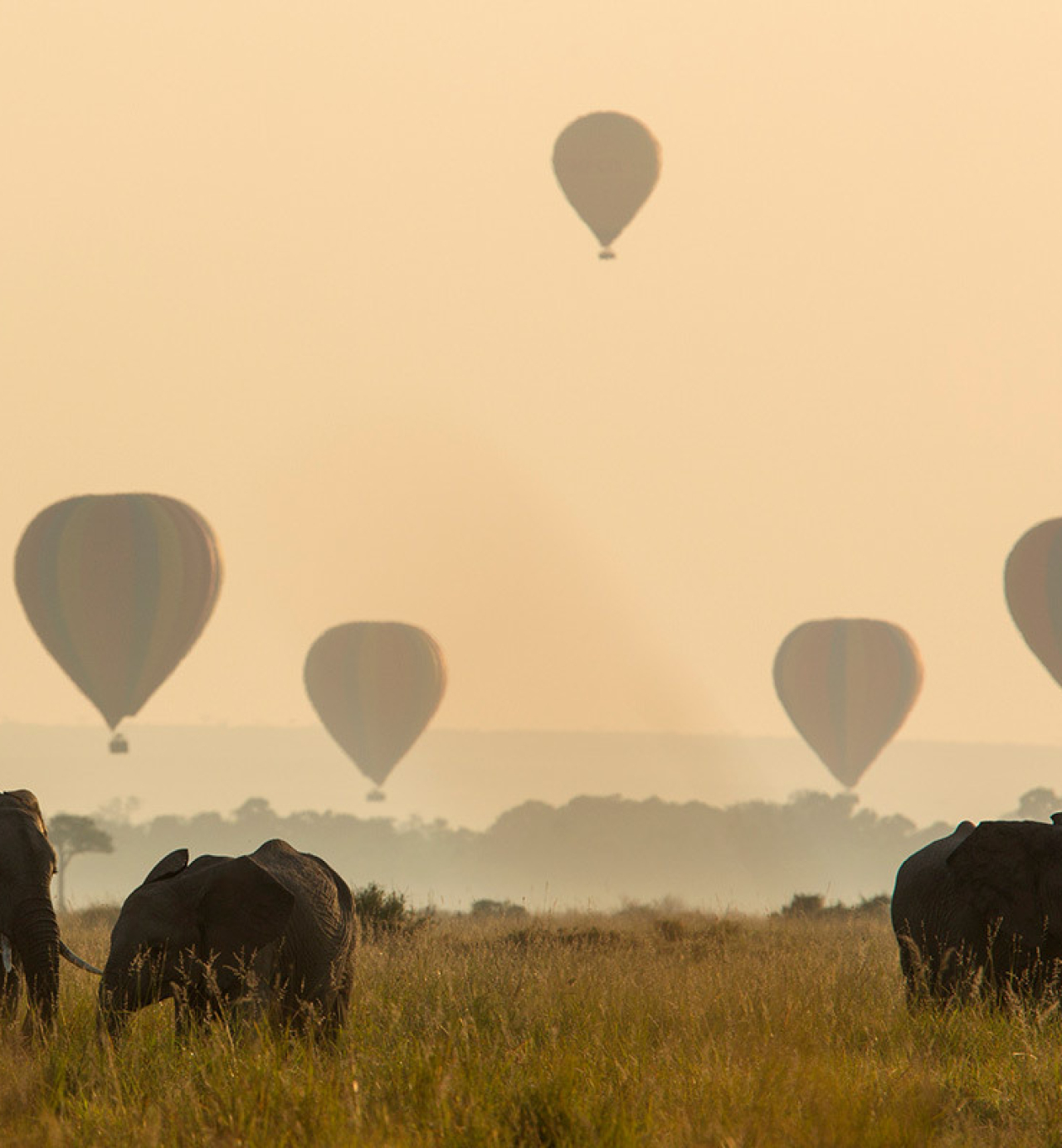
Ballooning over the Serengeti or Mara
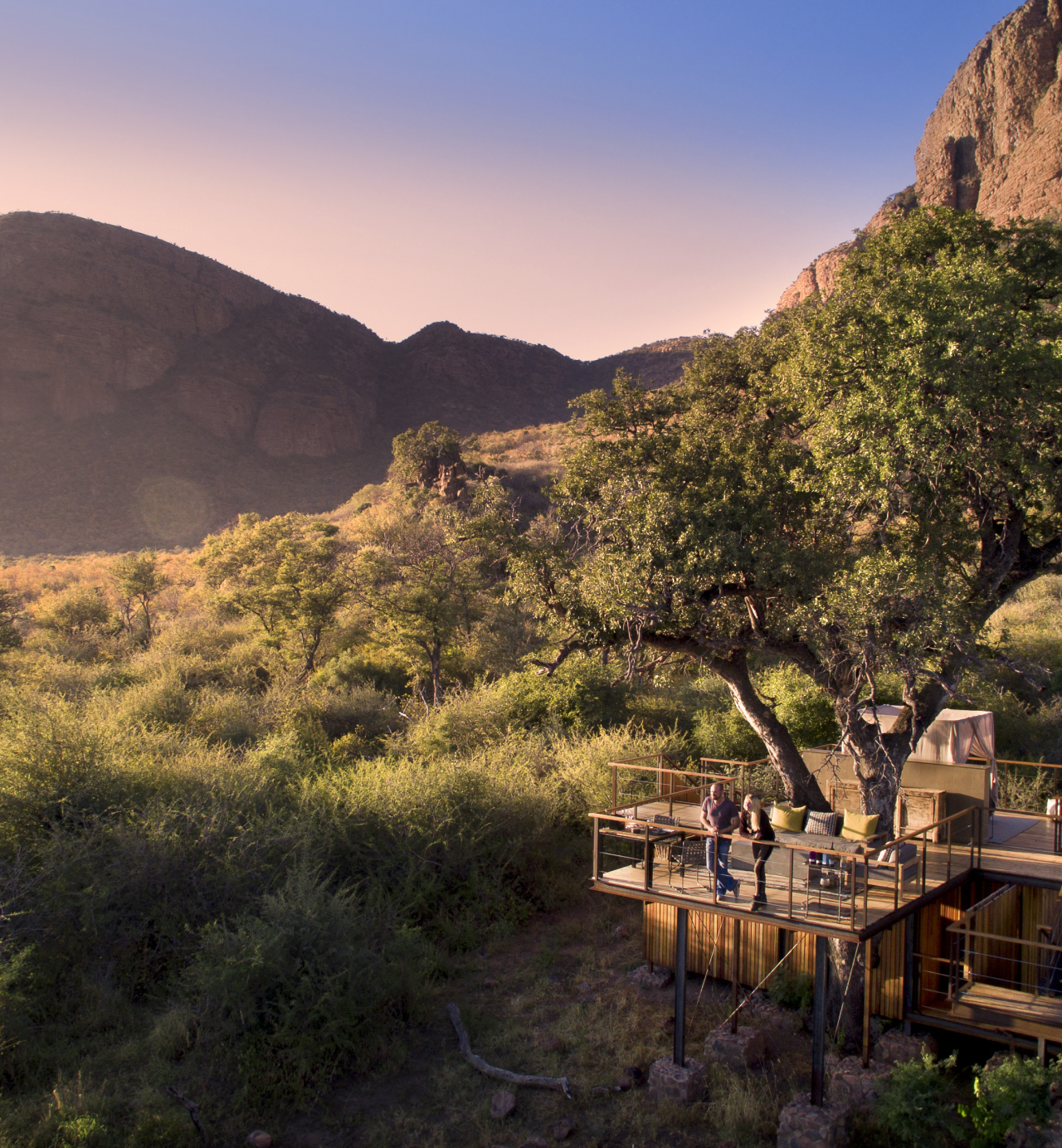
Big Five treehouse experience
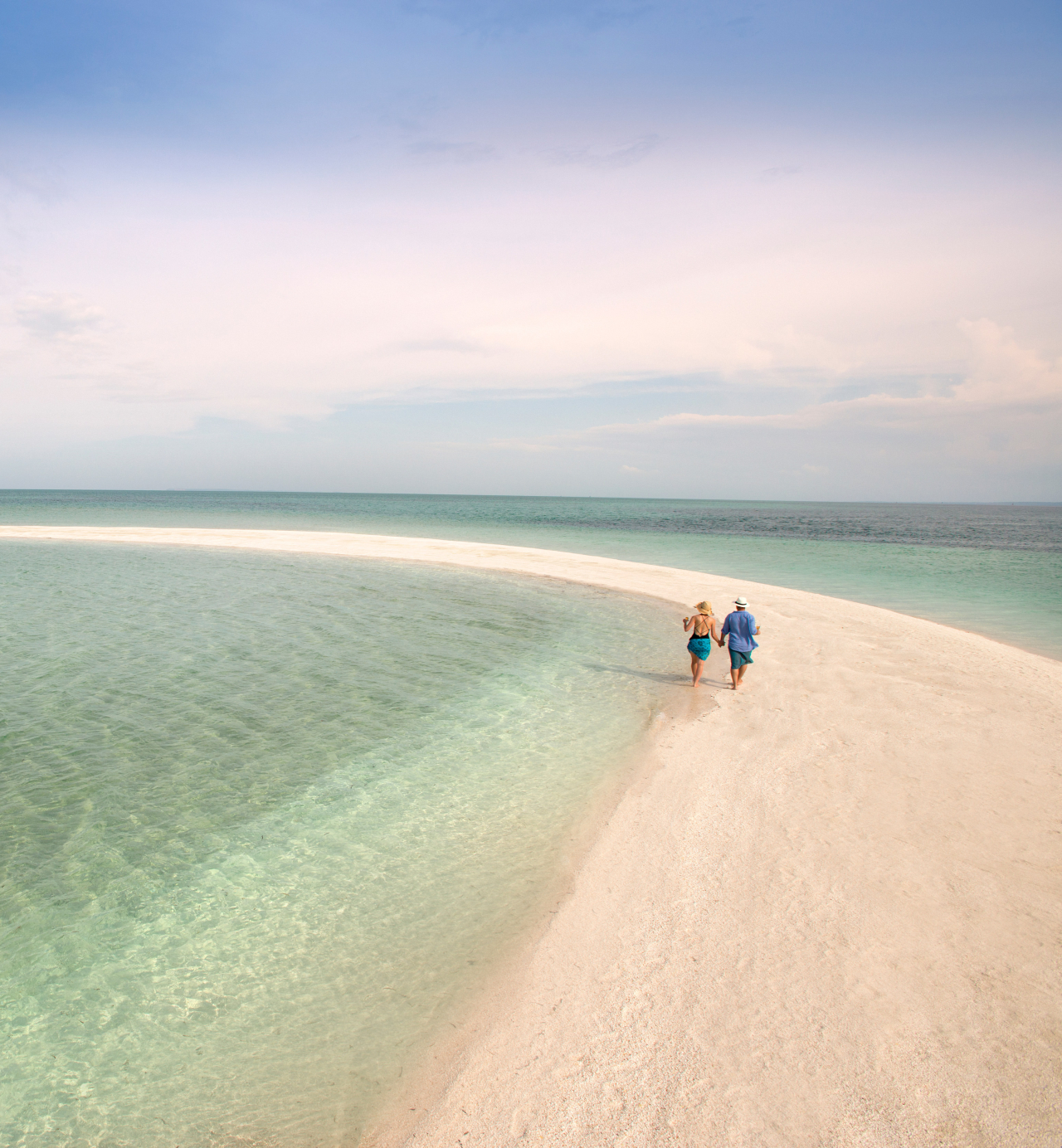
Castaway picnic on an African island
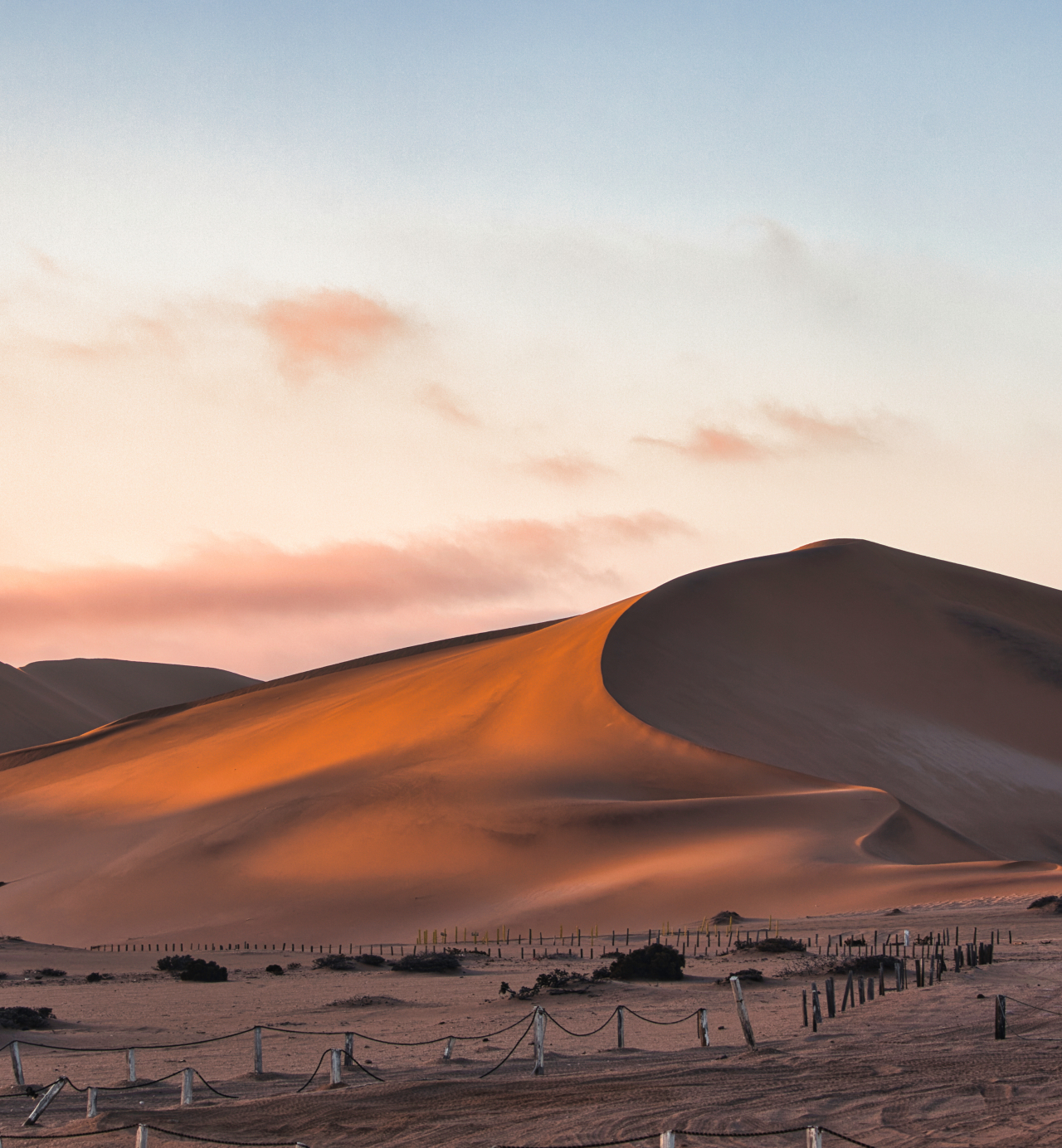
Champagne and oysters on Dune 7
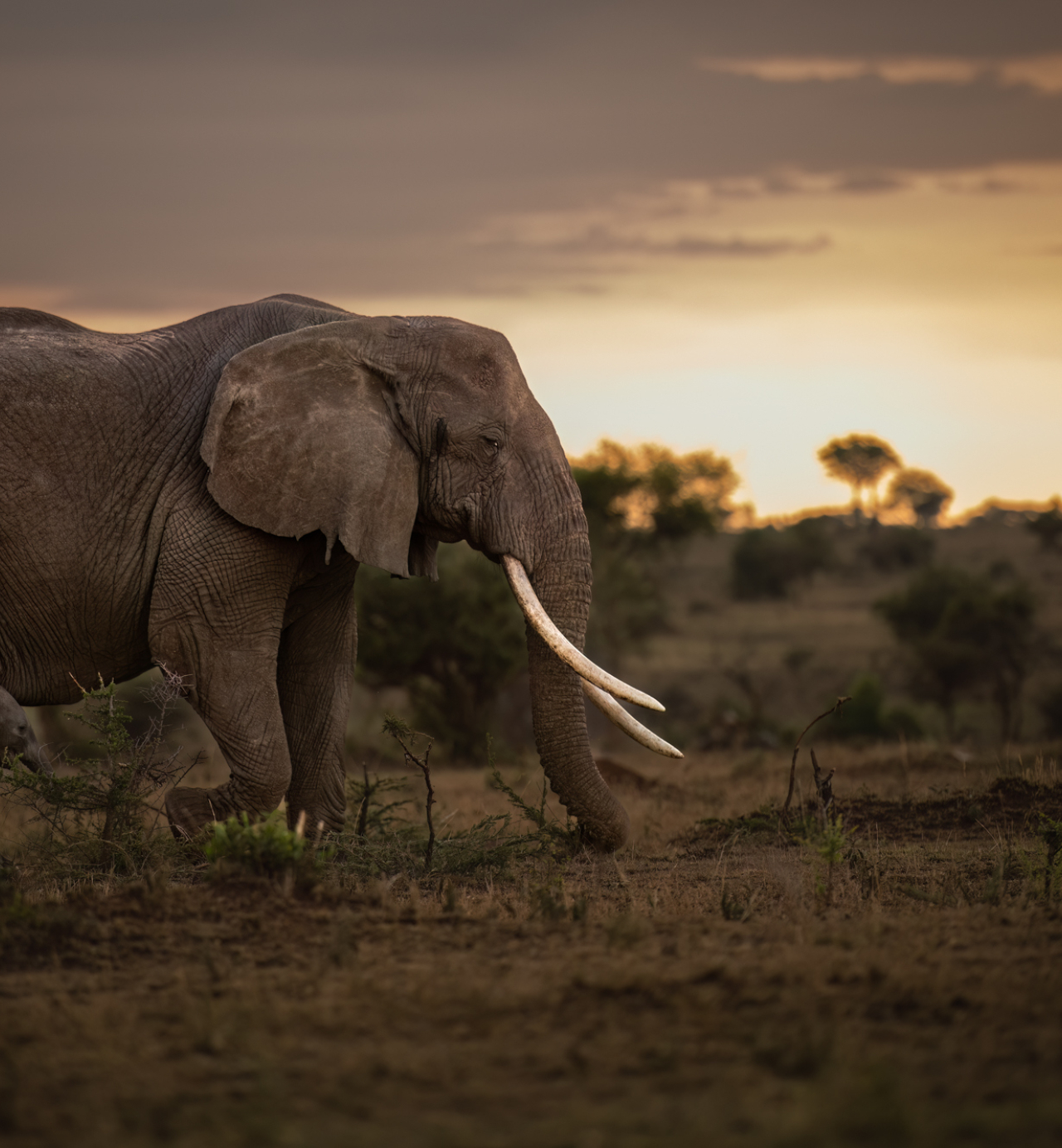
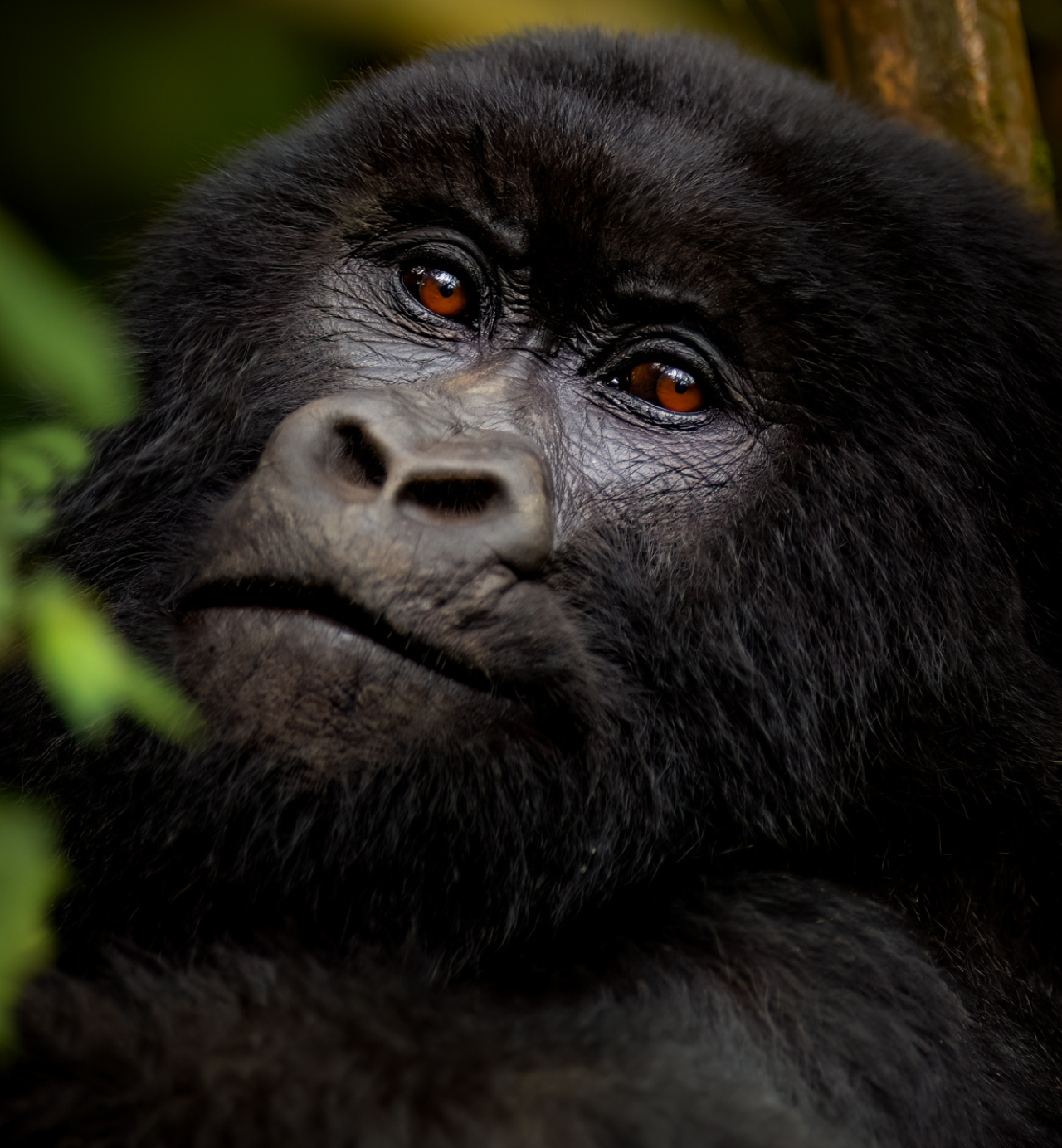
Gorilla trekking
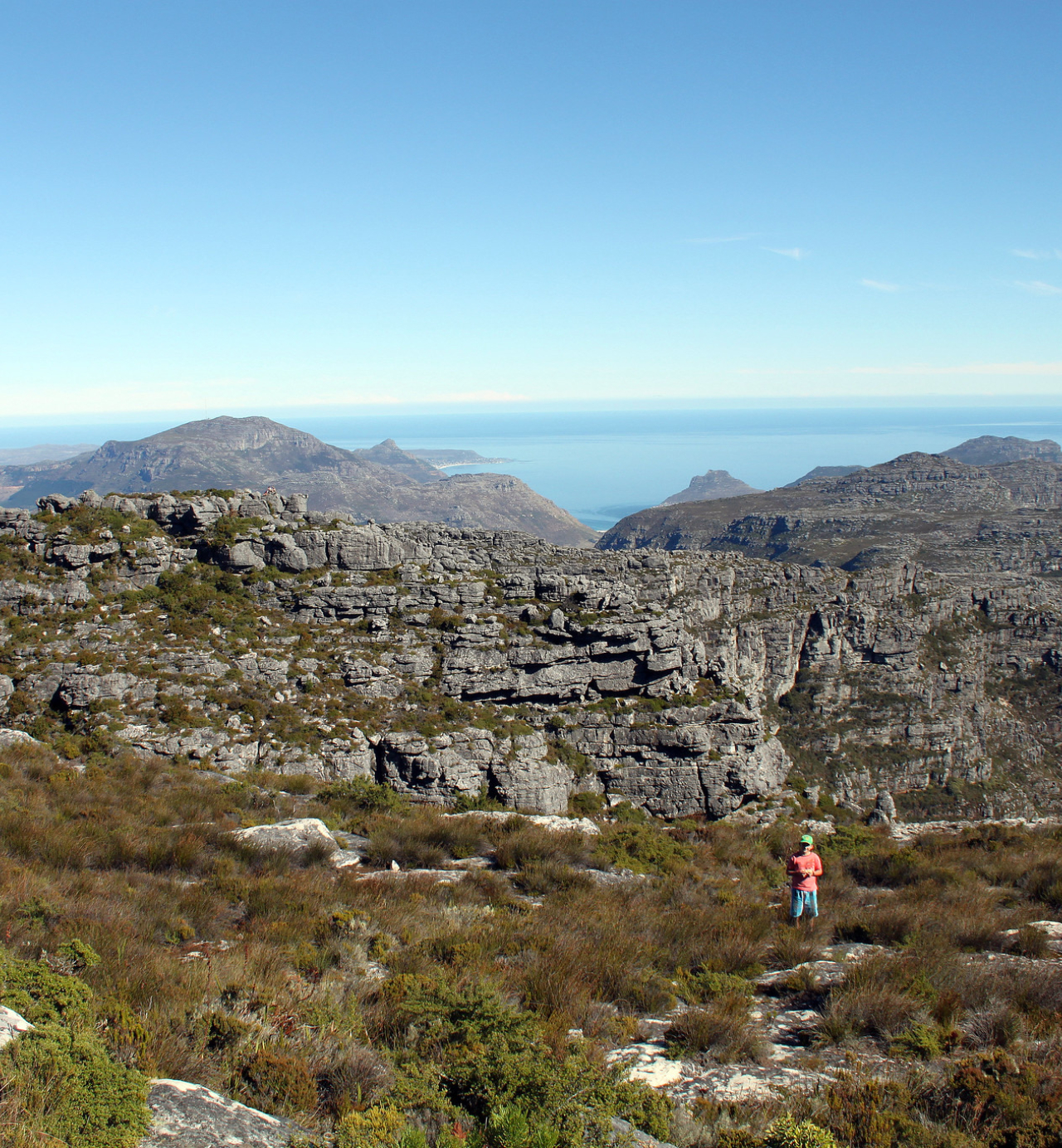
Hiking Table Mountain with a botanist or forager
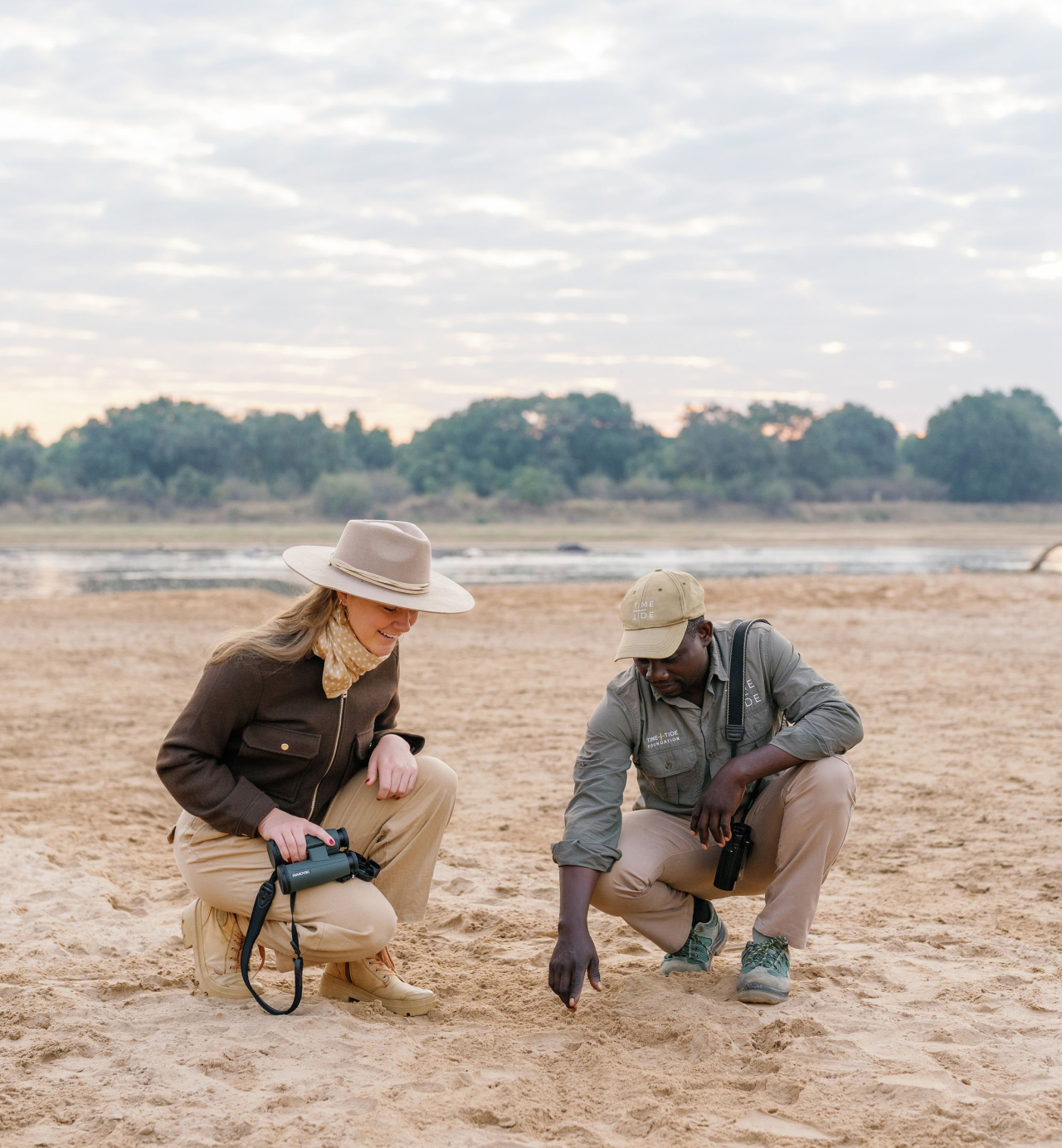
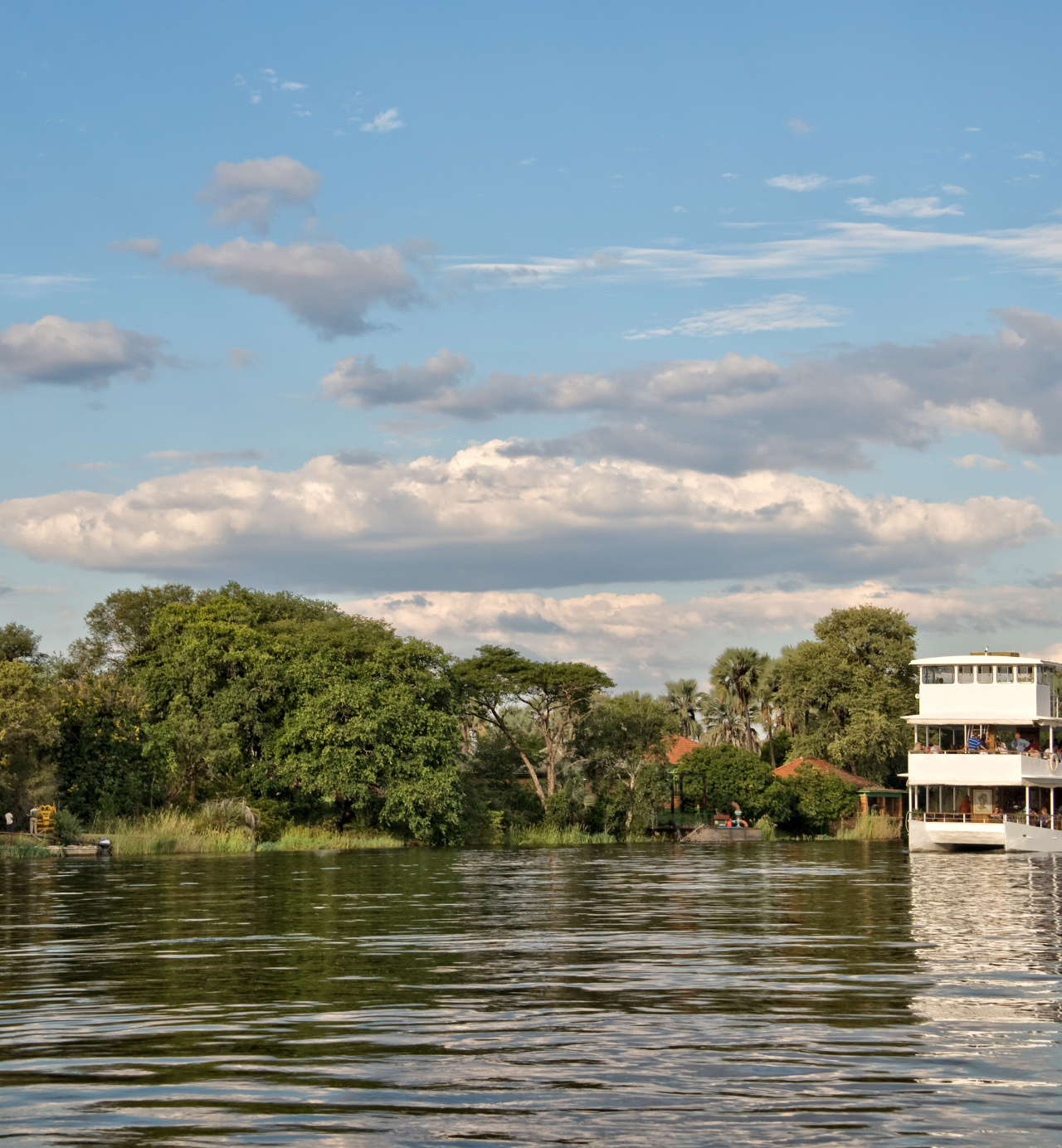
Live-aboard luxury Zambezi safari
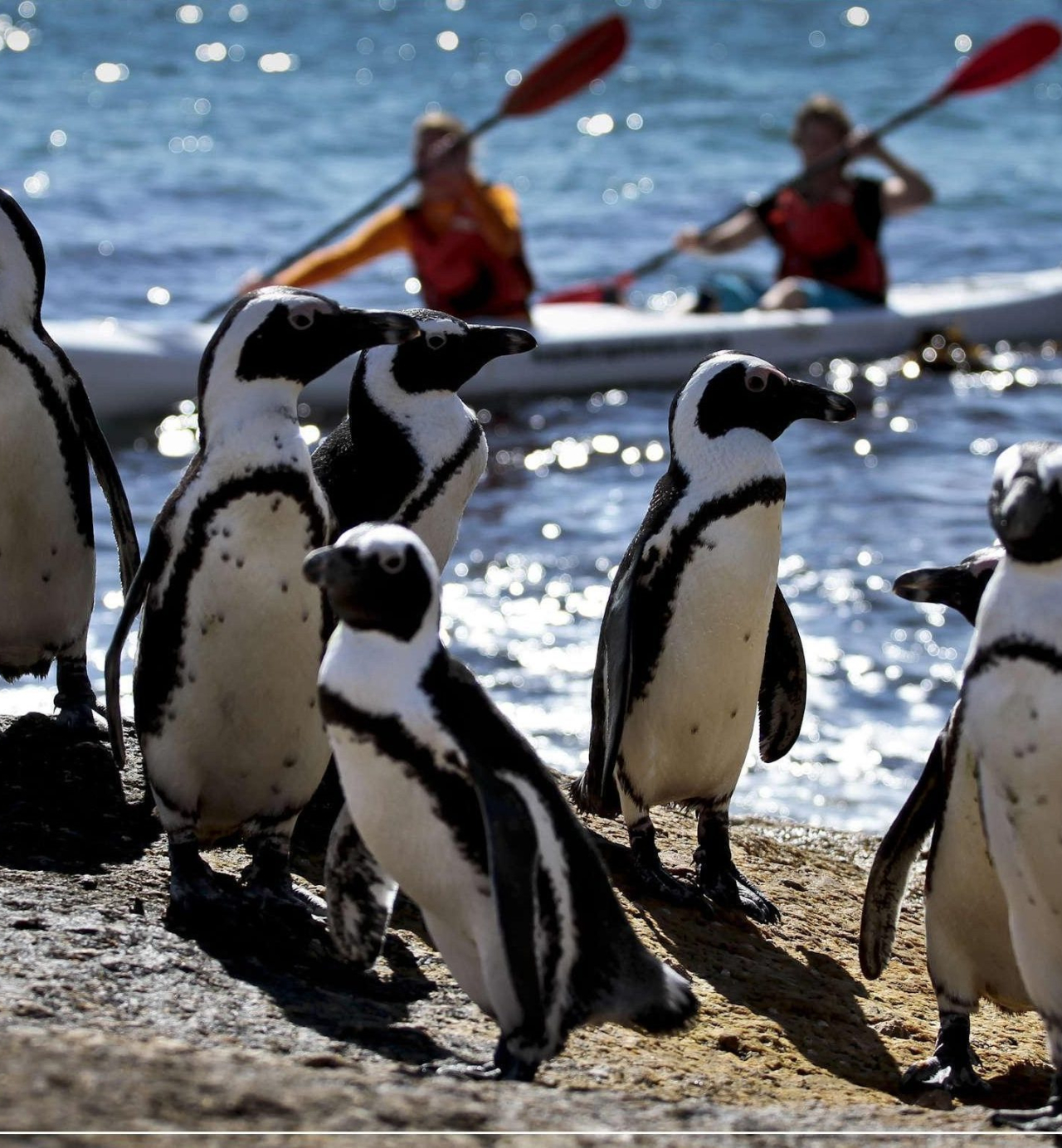
Paddle with penguins

Voices of our guests
Kruger National Park FAQs
It is highly recommended that you take malaria medication, particularly during the October-May rainy season.
The park has diverse regions, with different fauna and landscapes, so be sure to plan accordingly. It’s important to remember that the Kruger is a massive, wild place with free-roaming animals, so there is no guarantee that you’ll see what you’re looking for. Nevertheless, the sheer abundance of wildlife makes game viewing a must-do activity.
The park offers a wide variety of luxury accommodation. It's worth investigating all your options, and your Travel Architect will find the ideal lodge to suit your personality and expectations.
Some accommodation and game-viewing options are not suited to small children. However, several lodges offer junior ranger activities for children. Be sure to investigate all your options with your Travel Architect.
The park’s climate is subtropical and it experiences hot weather year-round, but the May-August period tends to be cooler, especially when on open safari vehicles in the early morning and late afternoon, so it’s highly recommended to pack a jumper.
A good rule of thumb is four to five days, giving you plenty of time to explore the landscapes and spot the Big Five, along with lots of other wildlife. During the October-May rainy season you may want to add a couple of days, as the bush is much thicker and game can be harder to spot. For longer visits you may also want to stay in more than one lodge.
You can choose. Higher-end lodges offer a variety of game-viewing experiences, including guided morning and afternoon safari drives, and game walks. The guides will know the best places to look for wildlife, and you will benefit handsomely from their extensive knowledge of the park, its fauna and its flora.
That said, self-drive game viewing is not only allowed, it’s a popular and flexible way to explore the Kruger; locals, especially, love this option. An extensive network of tarred and gravel roads allows you to set your own pace, stop at picnic sites and watch wildlife at waterholes. A downside to self-driving, of course, is that you won’t have a guide to point things out to you.
If you do self-drive, you must stick to designated roads, obey speed limits – usually 50km/h (31mph) on tar, 40km/h (25mph) on gravel – and never exit your vehicle except in permitted areas. It is also highly recommended to buy a map of the park.
It is advisable to primarily pack for hot weather all year round: light tops and trousers, shorts and swimming gear, for example. But evenings and early mornings can be chilly, especially from June to August, so do take along jumpers or fleeces. And don’t forget a wide-brimmed hat, sunscreen and strong walking shoes or hiking boots. Wellington boots are also a good idea in the October-May rainy season.
