

Kunene (Kaokoveld)
Kunene (Kaokoveld)
A journey to the edge of the map
Peak time
June to September
Best time to visit
May to October (the dry, cooler season)
Known for
Being one of Africa’s last true wildernesses; the homeland of the Himba people
Also known for
The remote and beautiful Epupa Falls
About Kunene (Kaokoveld)
Image courtesy of Wilderness Namibia Serra Cafema.
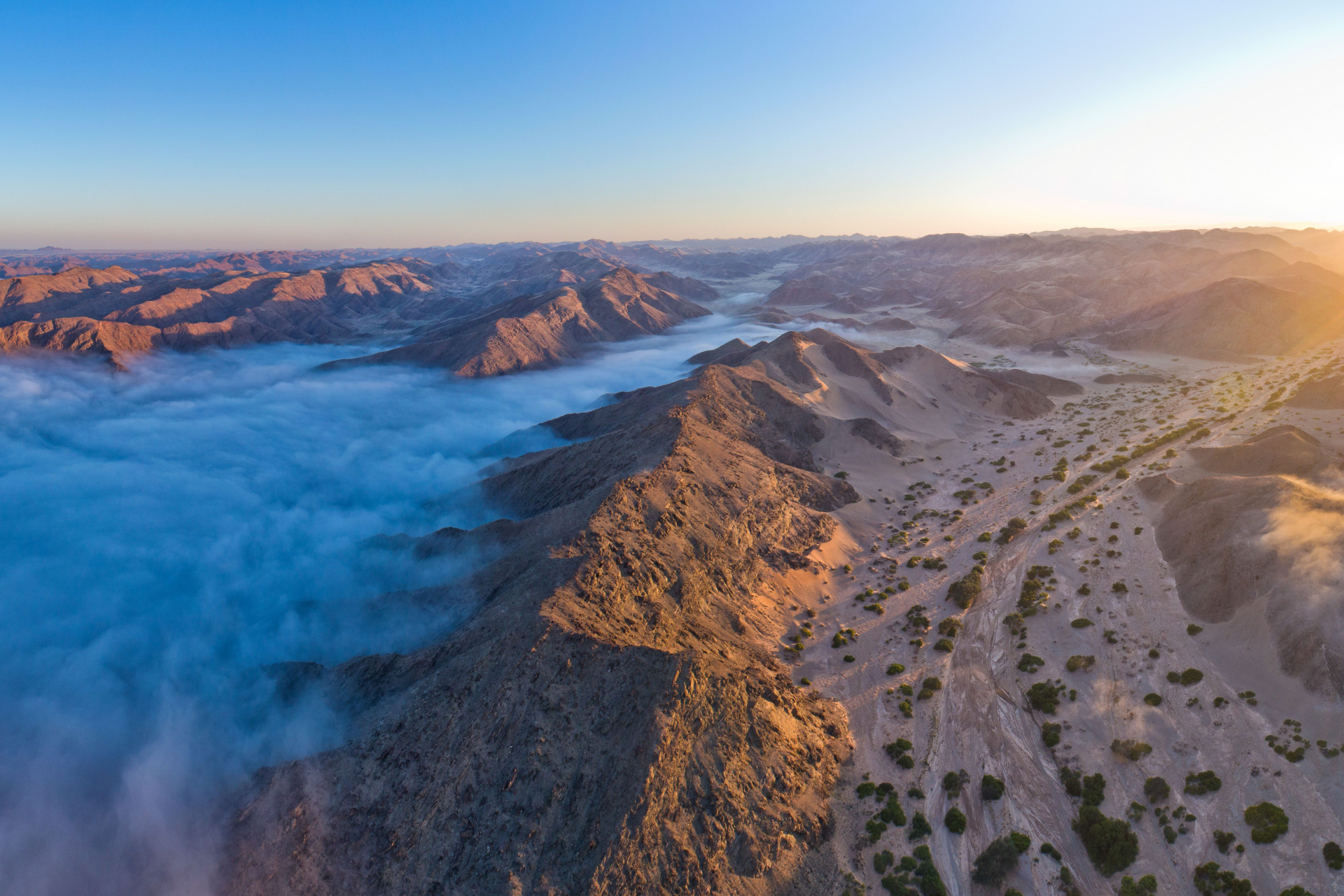
The Kunene Region, historically called the Kaokoveld, is in the far north-western corner of Namibia, one of the most remote, sparsely populated and inaccessible wilderness areas in Southern Africa. This is not a classic safari destination; it is a land of stark, dramatic beauty, a place of rugged mountains, vast empty plains and ancient desert riverbeds that wind their way to the Skeleton Coast.
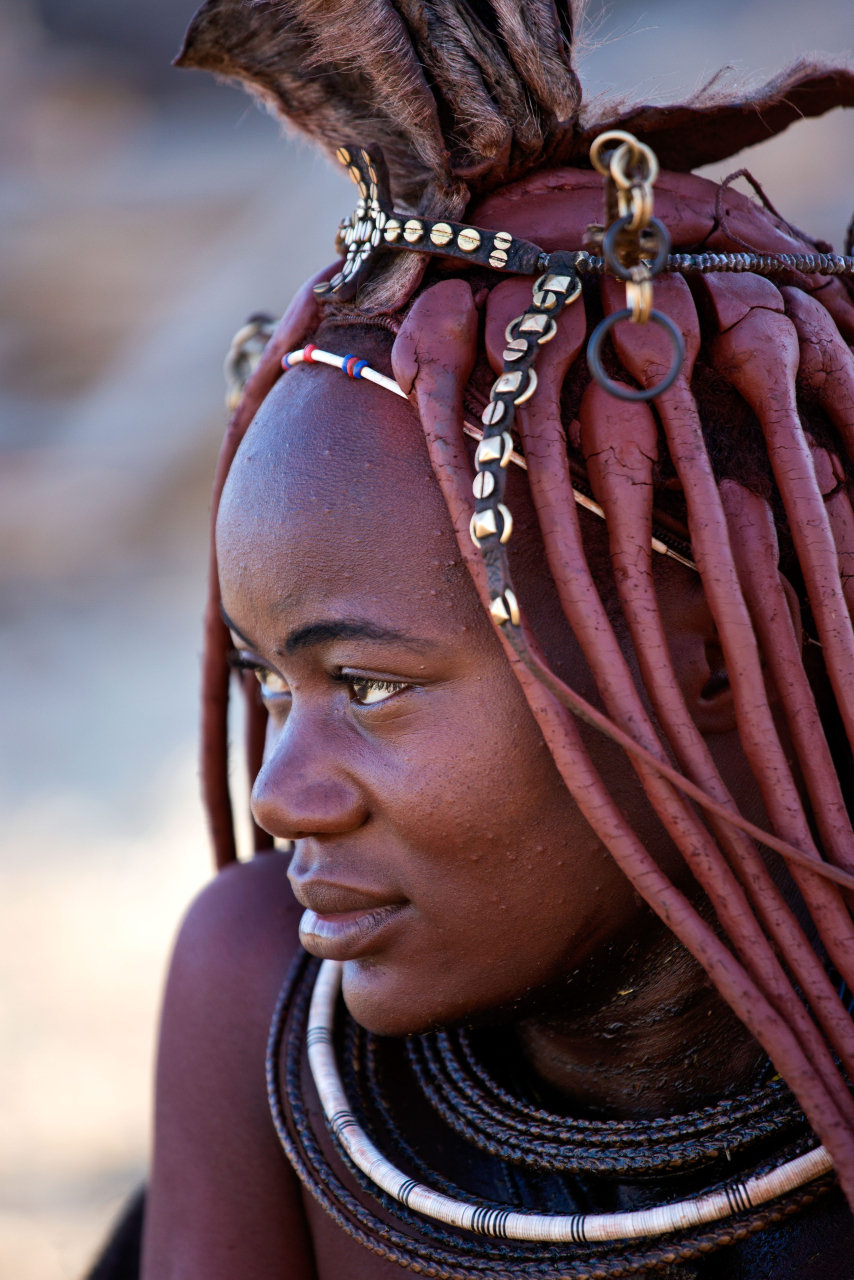
The experience here evokes a sense of true exploration and cultural connection. This is the ancestral homeland of the semi-nomadic Himba people, one of Africa’s last pastoralist tribes who continue to live a traditional life. To respectfully interact with a Himba community and learn about their ancient customs and relationship with the land, is one of the most authentic and memorable cultural encounters on the continent.

Did you know
The Epupa Falls are a series of waterfalls cascading over a distance of 1.5km (1mi), with the biggest drop being 37m (121ft)
The region’s lifeline is the Kunene River, which forms the border with Angola to the north. This permanent river creates a startling ribbon of green in the arid landscape, culminating in the spectacular Epupa Falls, a series of cascades in a rocky gorge. To travel through the Kaokoveld is to experience a powerful sense of solitude, a connection to ancient human cultures and a landscape that feels truly untouched by the modern world.
Get to know the Kunene Region
Kunene offers an utterly remote adventure. Tourism infrastructure is very limited, consisting of a handful of exclusive, fly-in luxury lodges and a few basic campsites. Due to the extreme remoteness and harsh terrain, this is not a region for the casual tourist. It attracts those seeking a deep wilderness experience and authentic cultural encounters.
Activities are focused on exploration and discovery. The primary activities are guided nature drives in 4x4 vehicles through the spectacular mountain and desert landscapes. A key part of any visit is a carefully managed and respectful visit to a local Himba village. Near the Kunene River, activities revolve around the water, including boat trips to see the Epupa Falls, birdwatching and searching for crocodiles.
History
The history of the Kaokoveld is also the story of the Himba people. For centuries, these semi-nomadic pastoralists have moved through this harsh landscape with their cattle and goats, following ancient seasonal routes between water sources and grazing lands. Their culture and traditions have remained remarkably intact due to the region’s isolation, which largely shielded them from the colonialism and modernisation that transformed other parts of Namibia.
In the 20th century, the Kaokoveld region was designated as the Kaokoland homeland by the South African administration; following Namibian independence in 1990, it became the Kunene Region. Its modern story is one of careful and sensitive tourism development. A handful of pioneering safari operators have established partnerships with local Himba communities, creating a model of low-impact tourism that ensures the community benefits directly from the preservation of their culture and their land, and that all cultural visits are conducted with the utmost respect.
More unforgettable activities

Turtle egg laying and hatching

Traditional Bo-Kaap cooking experience
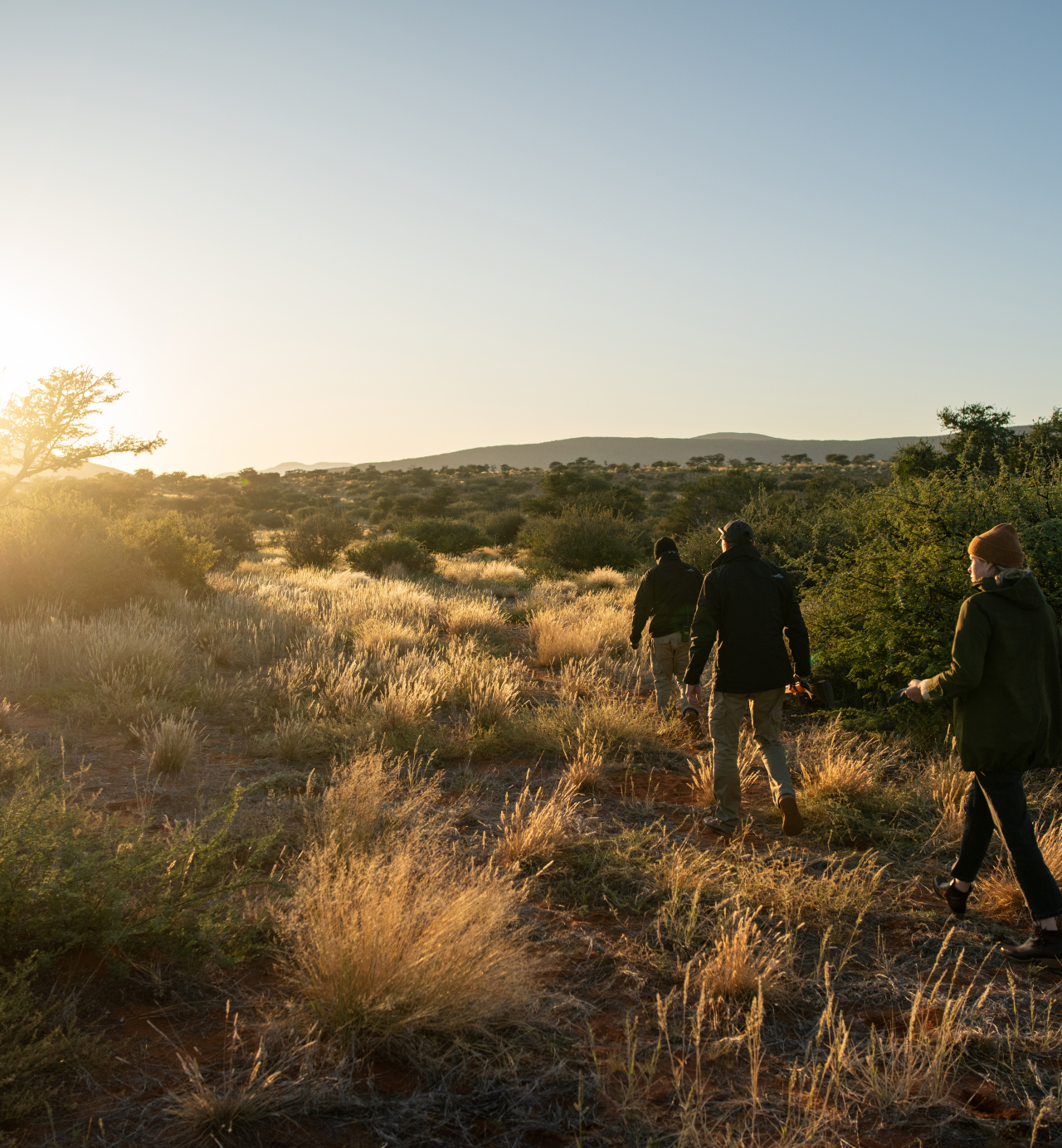
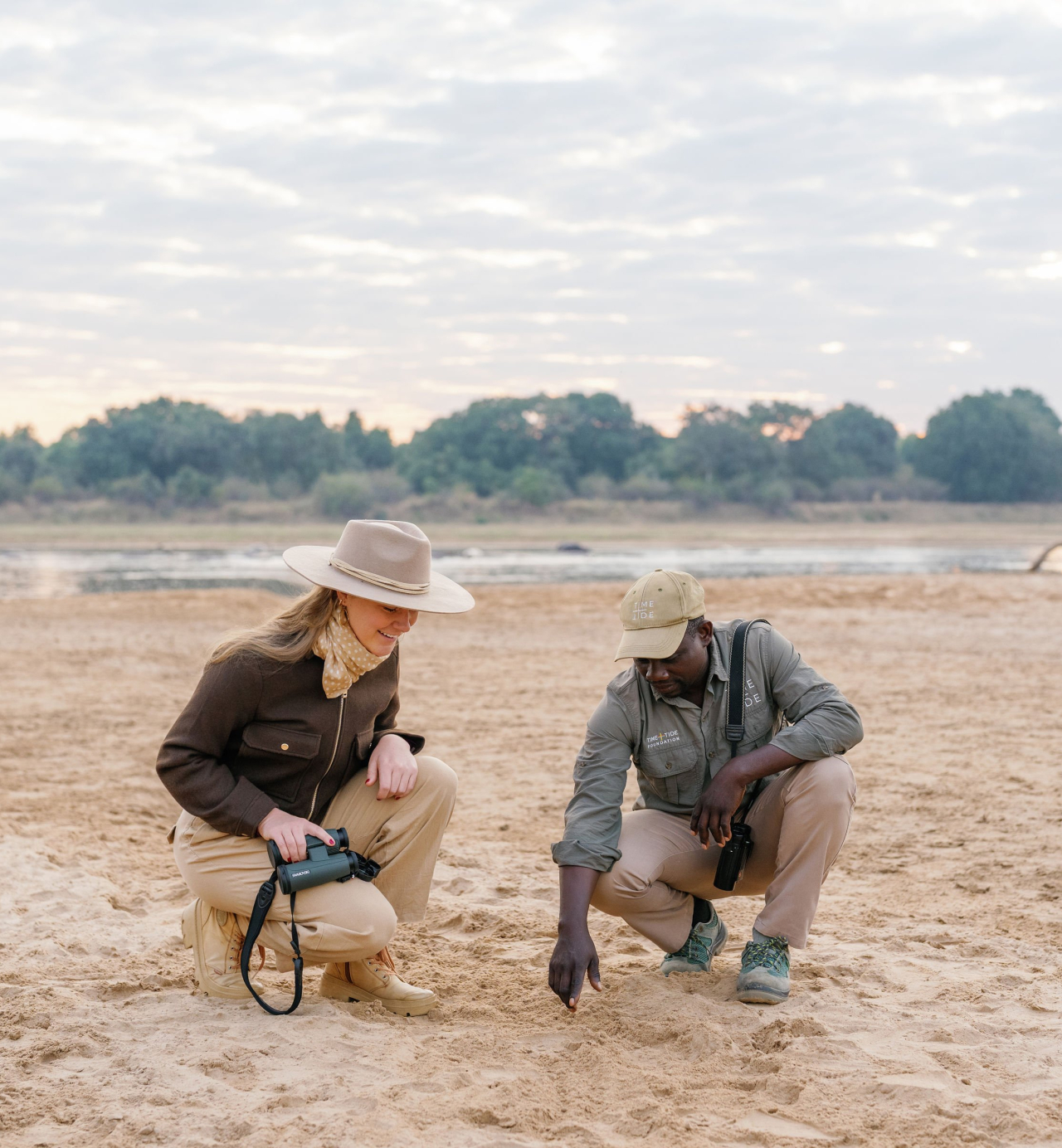
Tracking Africa’s most elusive species on foot
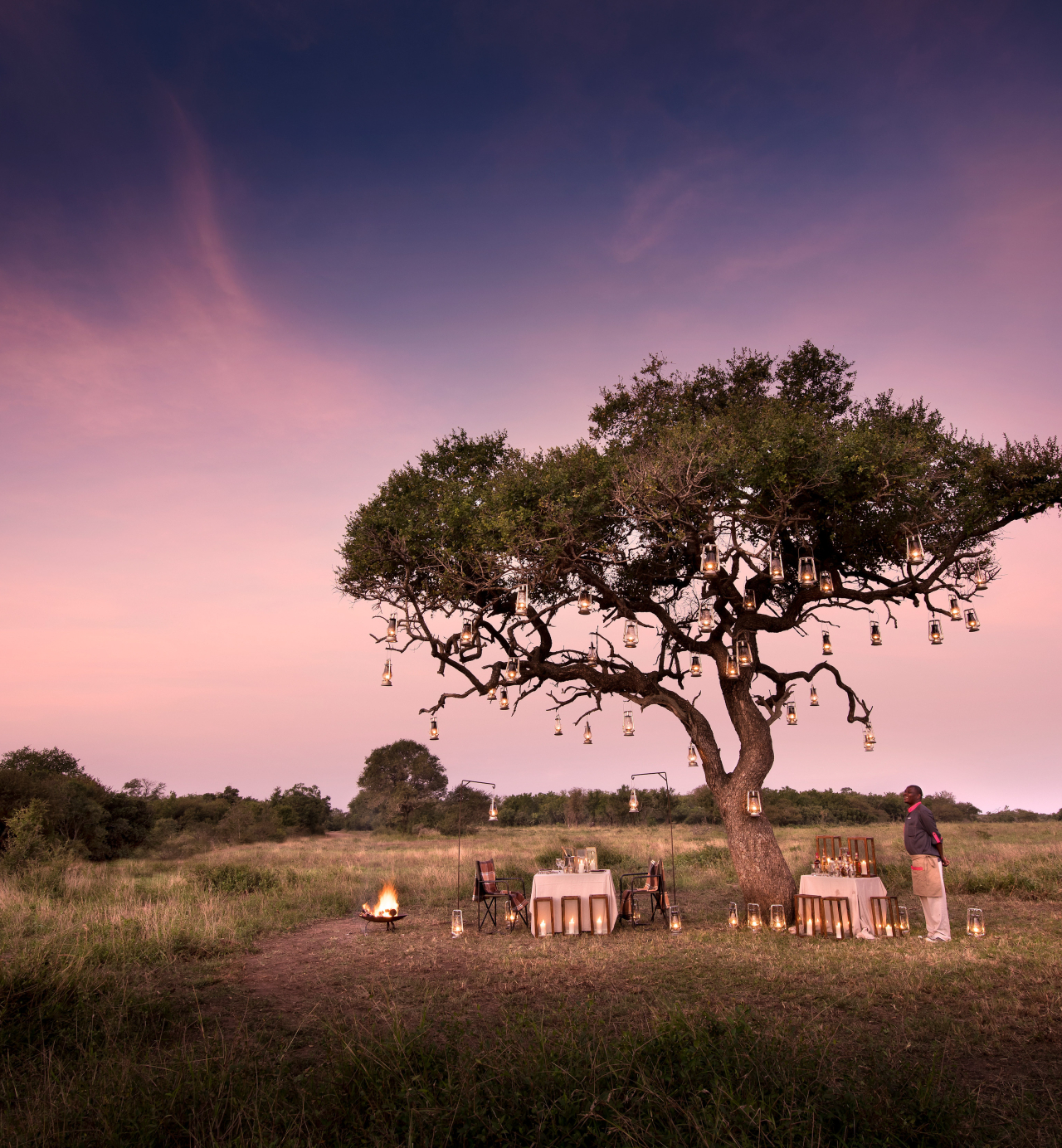
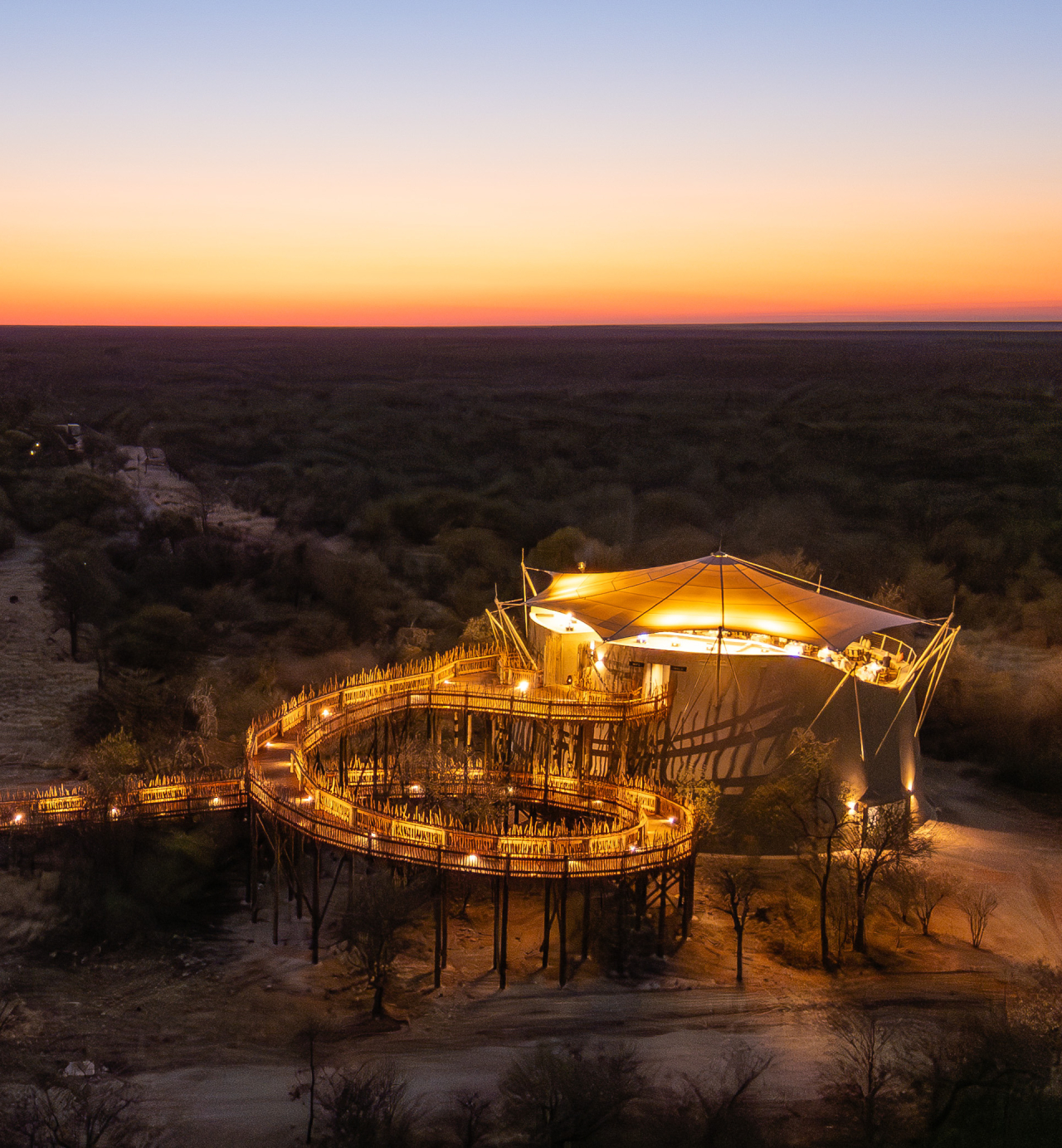
SkyBoma, Etosha
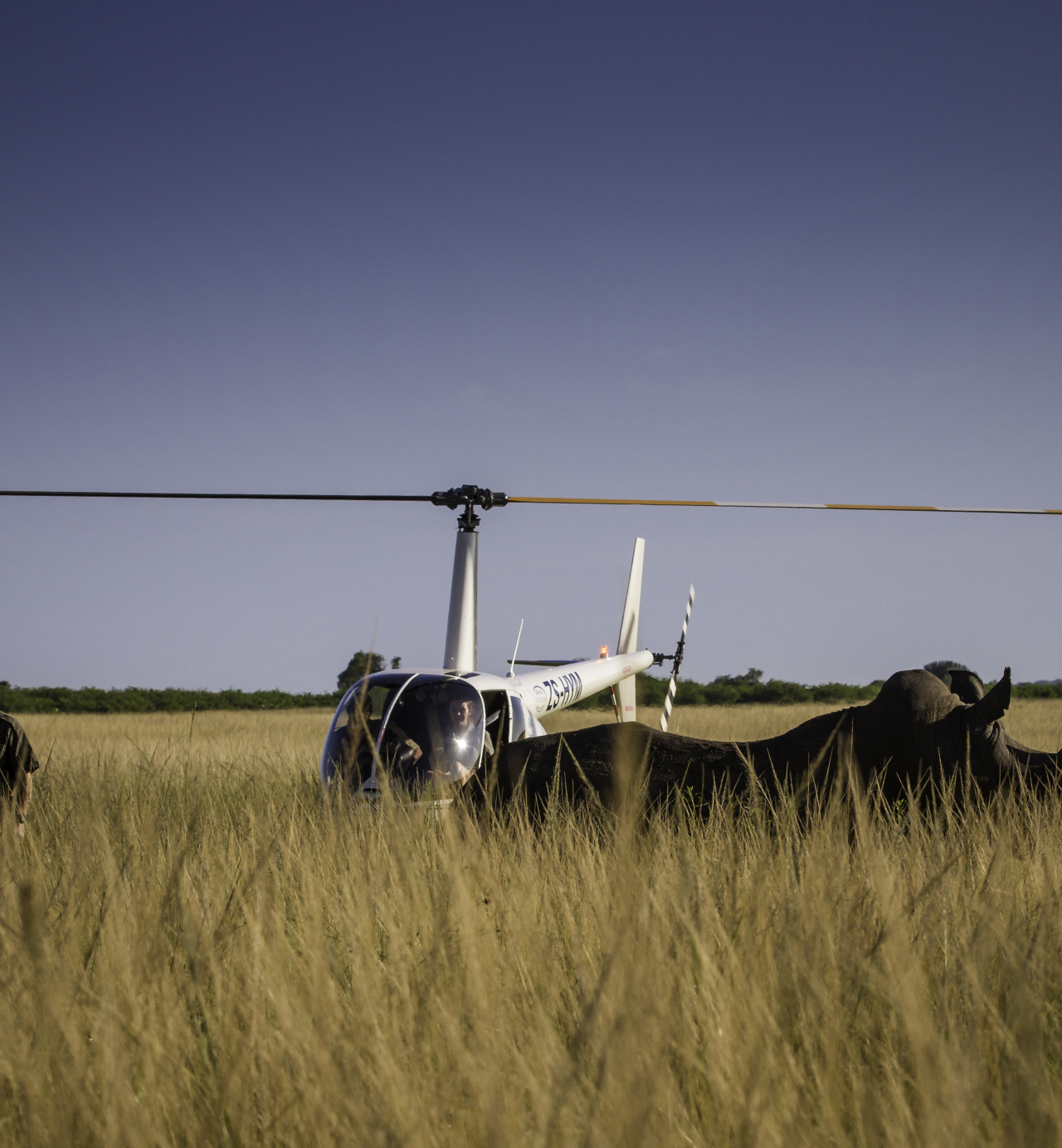
Rhino darting and chipping experience
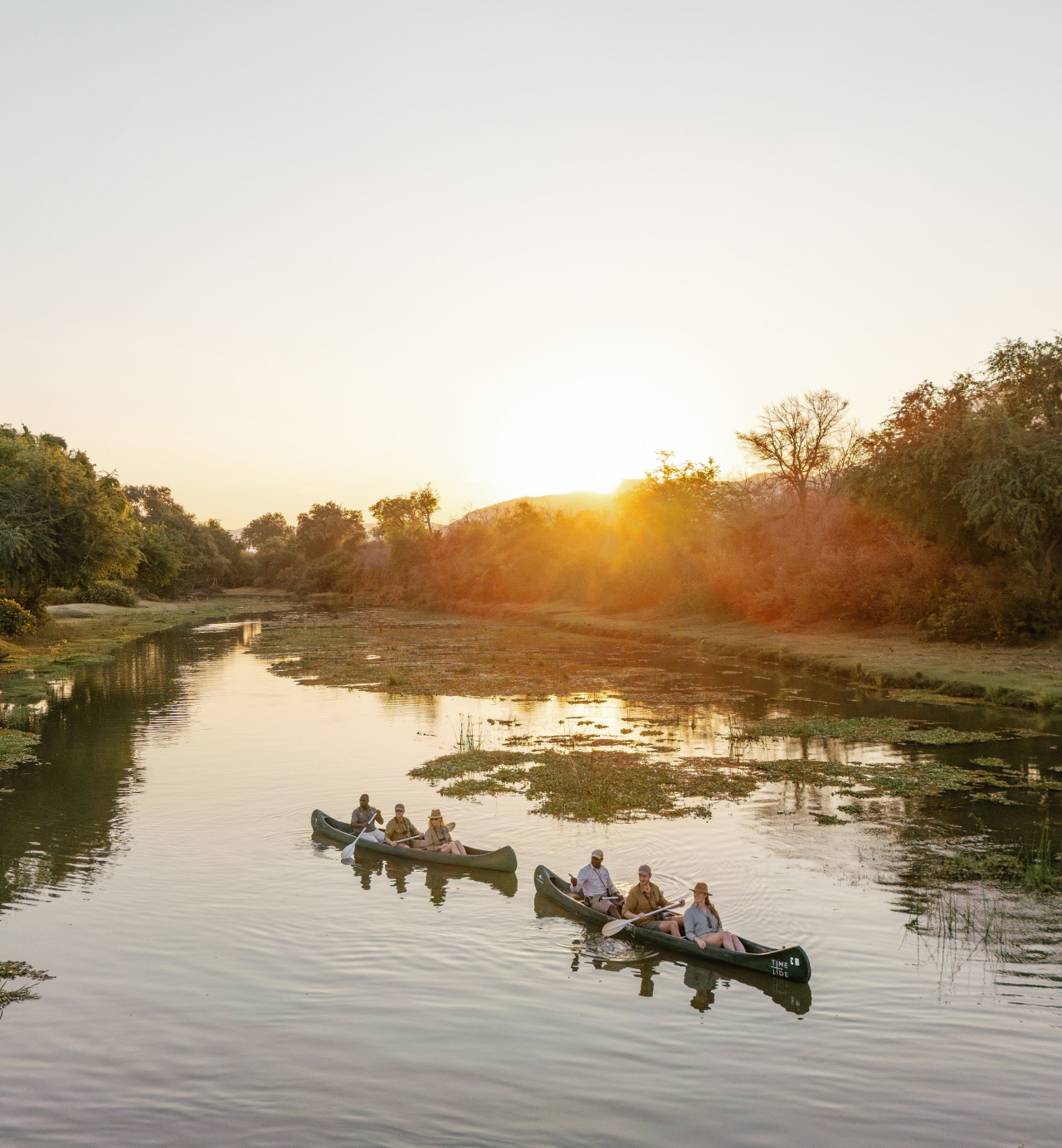
Picnicking on islands in the Zambezi
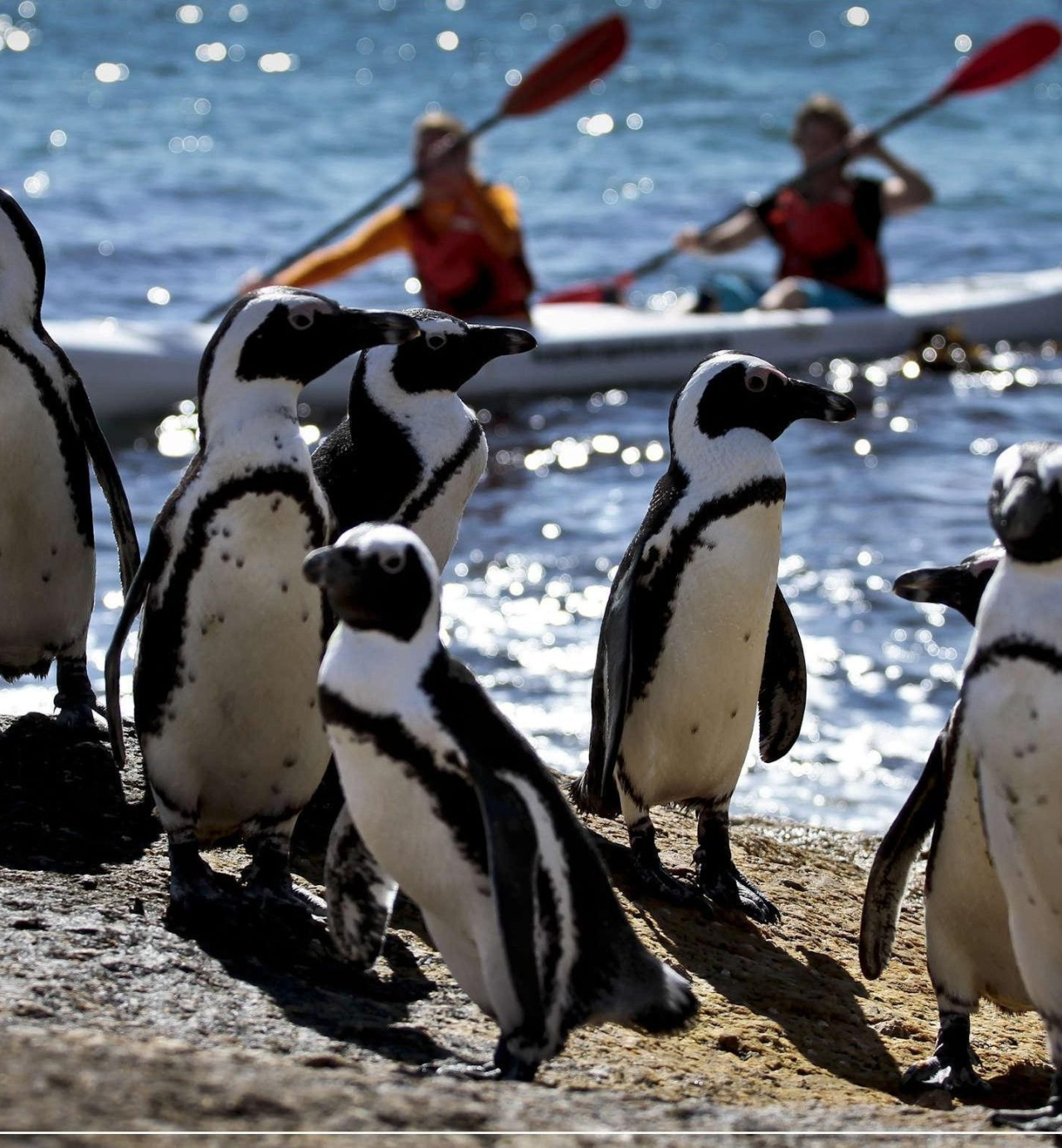
Paddle with penguins
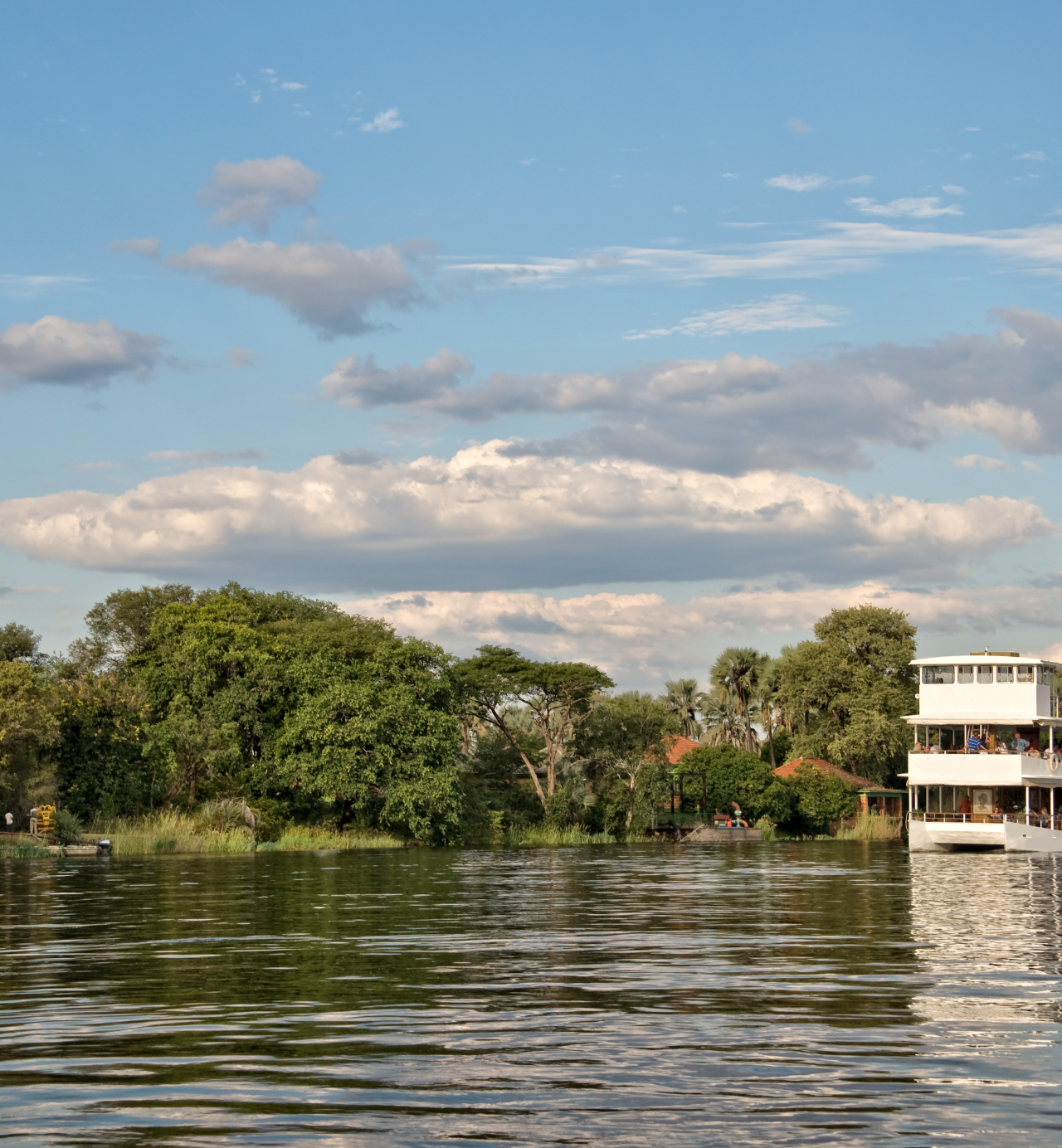
Live-aboard luxury Zambezi safari
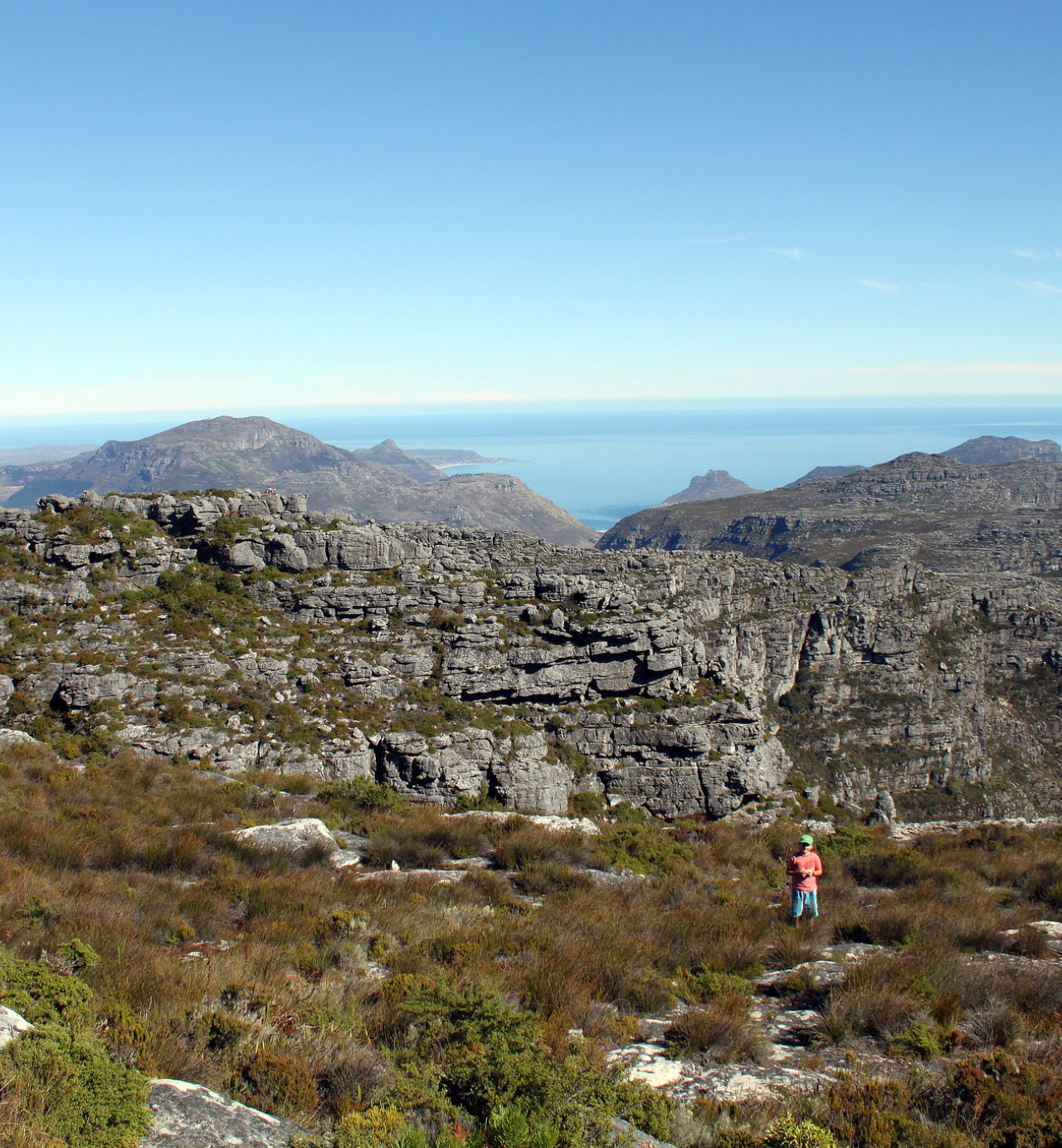
Hiking Table Mountain with a botanist or forager

Voices of our guests
Kunene (Kaokoveld) FAQs
No, it is best suited for seasoned Africa travellers who are seeking a unique cultural experience and a profound sense of remote wilderness, rather than high-density game viewing.
The two main attractions are the opportunity for an authentic and respectful cultural interaction with the Himba people, and the remote and dramatic beauty of the landscapes, including the Epupa Falls.
Yes, the Kunene River area is considered a malaria-risk zone, particularly during the wet season. It is essential to consult your doctor about appropriate anti-malarial medication.
The vast majority of tourists visit on a fly-in safari, taking a light aircraft to a remote lodge airstrip. Self-driving is only for highly experienced and fully self-sufficient 4x4 adventurers.
It is a respectful and carefully managed experience, arranged by your Travel Architect with your lodge and in partnership with the local community. You will visit a traditional homestead with your guide, who will act as a translator, allowing you to learn about the Himba’s customs, beliefs and way of life.
You should not expect high-density game viewing. The wildlife is sparse and elusive. The experience is about the tracking and the unique desert adaptations of the animals, not about seeing large herds.
A stay of three nights is ideal. This gives you enough time for a scenic drive or walk, a boat trip on the river to see the falls, and a dedicated cultural visit to a Himba community.
Pack lightweight clothing in neutral colours, as well as a hat and high-SPF sunscreen. A warm jacket is essential as nights can be cold. Sturdy walking shoes are vital. Crucially, if you plan to visit a Himba community, bring some small gifts such as maize meal, sugar or tobacco to offer to the chief as a sign of respect (your lodge will advise on this).
No. The Kunene River is home to a large population of Nile crocodiles, and swimming is extremely dangerous.
While both are rugged and remote, the Kaokoveld is even more so. It is wilder, less accessible and offers a deeper cultural immersion with the Himba people. Damaraland has more dramatic geological features and offers a more focused wildlife experience, with its renowned desert elephant and rhino tracking.
