

Lake Kariba
Lake Kariba, Zambia and Zimbabwe
Water-based safari at its most luxurious
Peak time
August to October
Best time to visit
June to October (the cool, dry season)
Known for
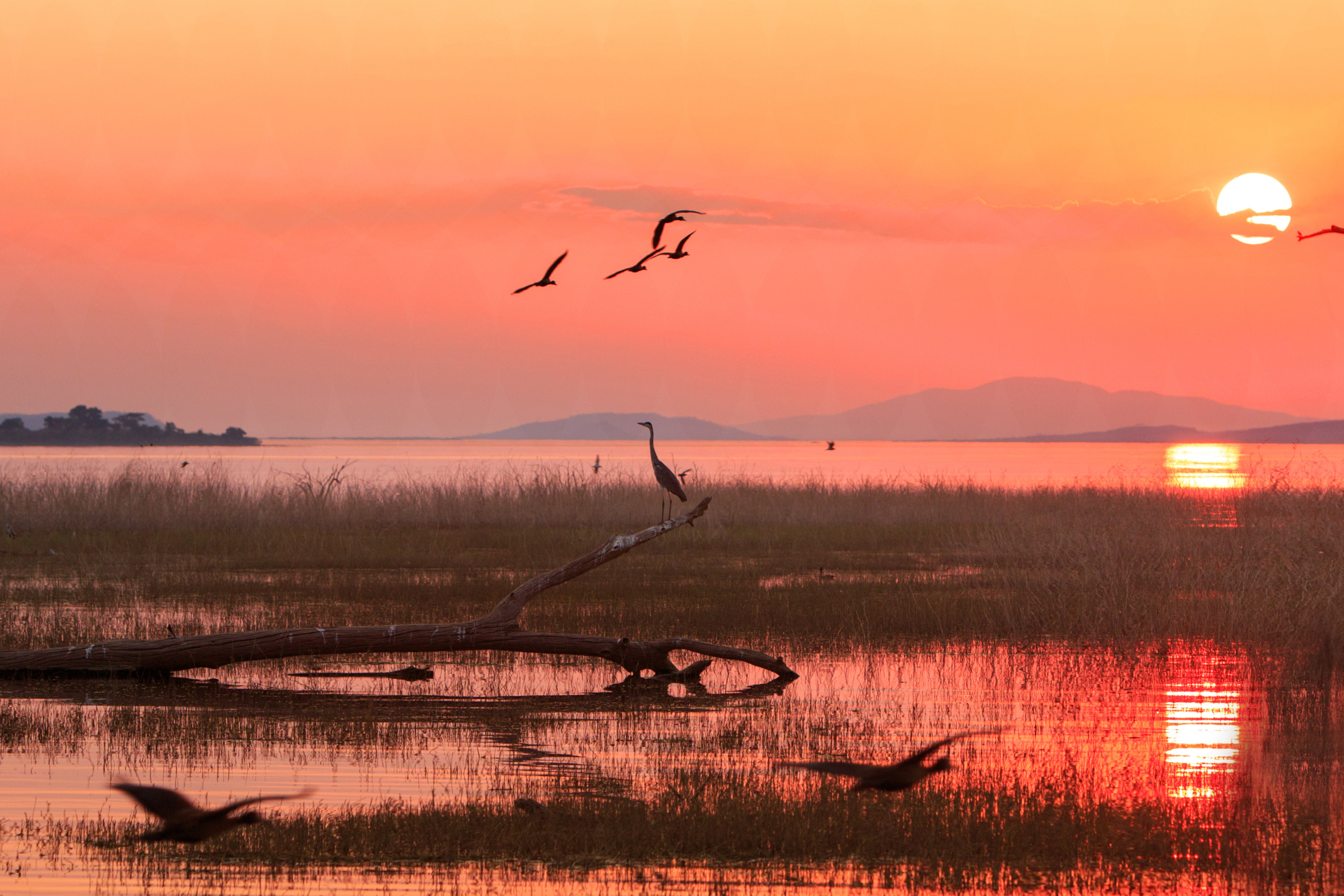
Being the world’s largest artificial lake; its spectacular sunsets
Also known for
Its iconic “drowned forests”; excellent tigerfishing
About Lake Kariba
Lake Kariba is a vast inland sea, a colossal body of water that stretches for over 280km (174mi) along the border between Zimbabwe and Zambia. It is the world’s largest artificial lake by volume, where the mighty Zambezi River was tamed by the construction of the Kariba Dam in the 1950s. The result is a safari destination of enormous scale and haunting beauty.
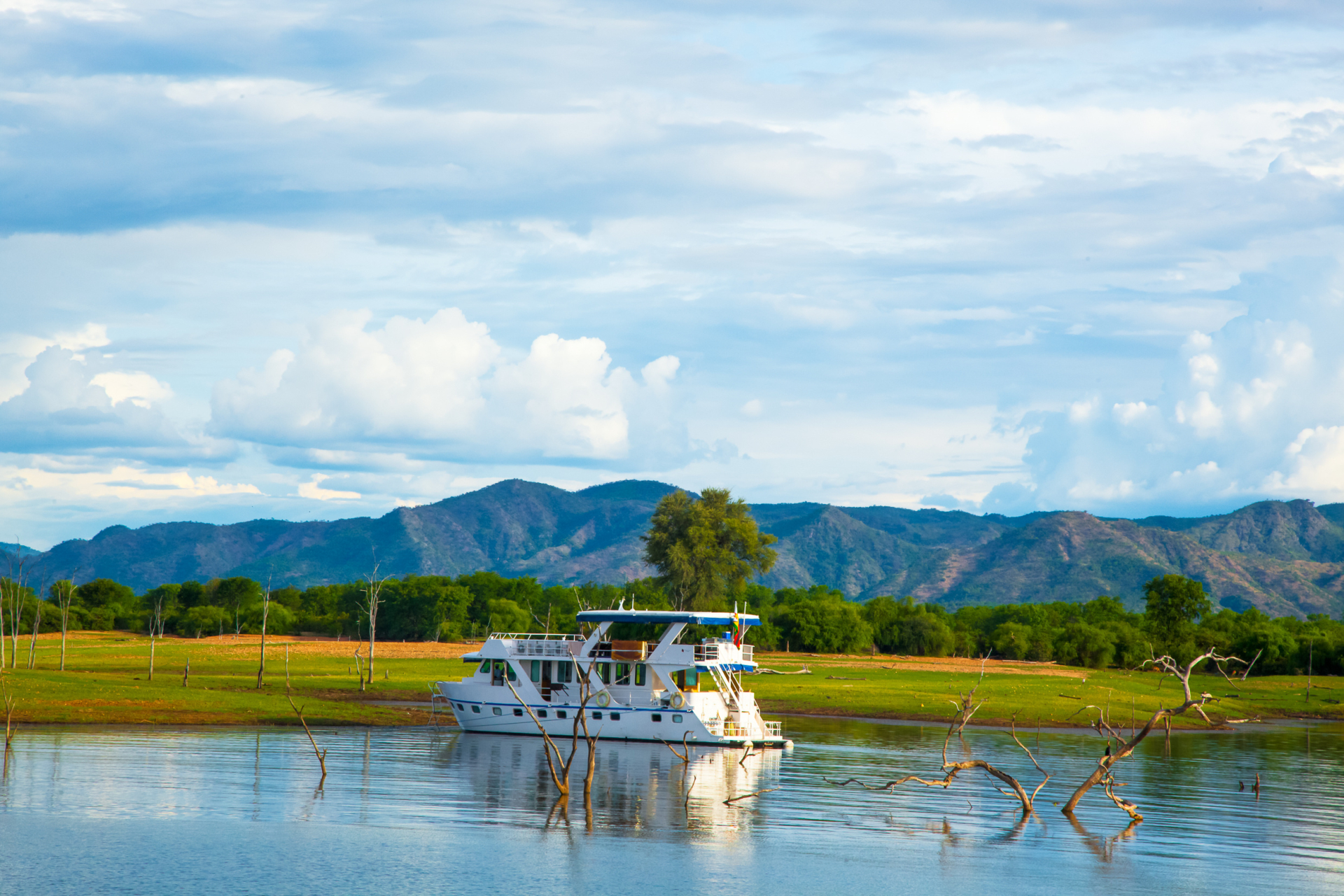
The experience here is defined by water and wilderness. The lake is famous for its iconic “drowned forests” – vast, petrified forests of leadwood and mopane trees that were submerged when the valley was flooded. These skeletal trees, standing starkly against the brilliant blue water and fiery African sunsets, create one of the most photogenic landscapes in all of Africa.

Did you know
The famous petrified trees are the remains of ancient forests that were flooded when the lake was filled
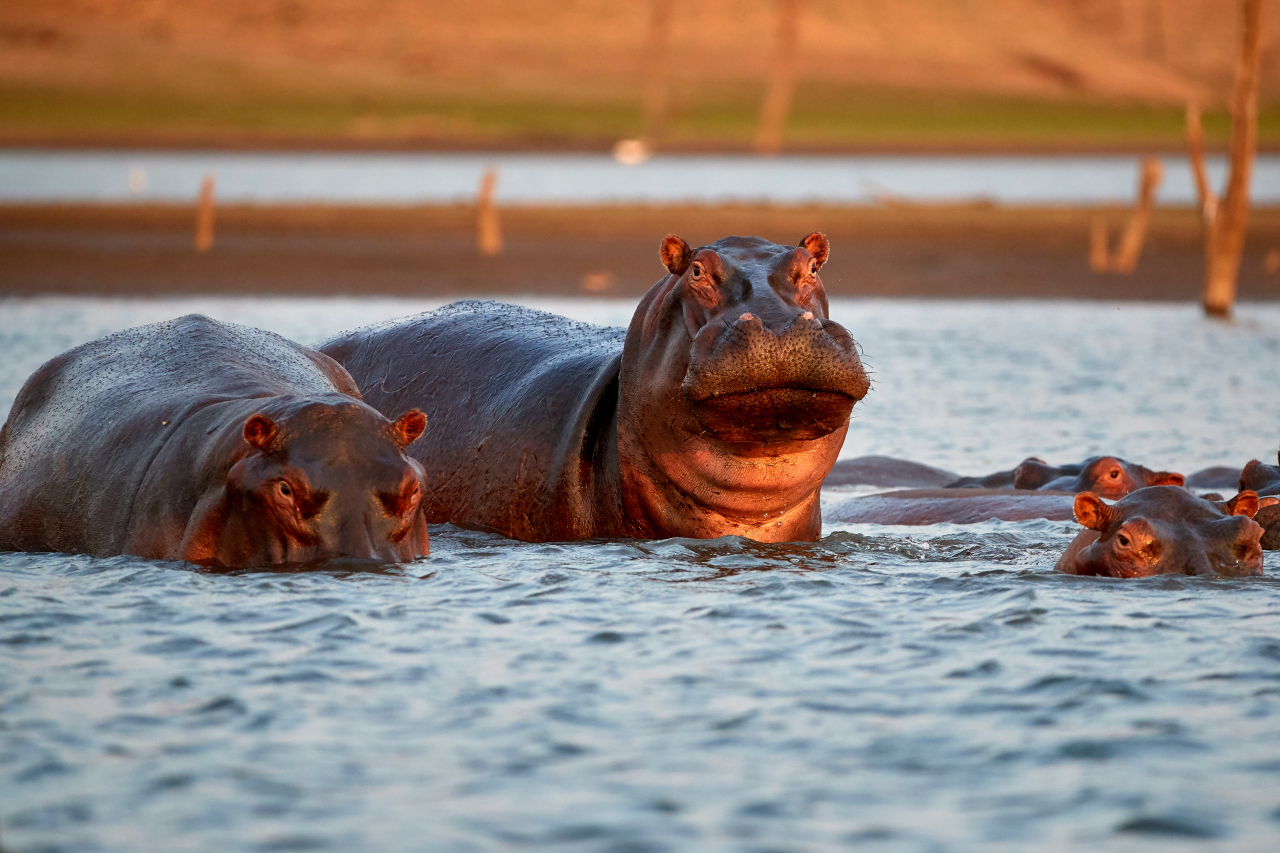
A safari on Lake Kariba is a tranquil experience. The primary way to explore is by boat, from small boats for game viewing to larger, multi-day houseboat cruises. This water-based perspective offers a chance to glide past herds of elephants drinking at the water’s edge, watch hippos laze in the shallows and hear the cry of the African fish eagle echo across the water.
Get to know Lake Kariba
The two primary ways to experience the lake are by staying at a land-based safari lodge on its shores, or by embarking on a multi-day journey on a private houseboat. The lodges, many of which are located within the Matusadona National Park on the lake’s southern shore, offer a blend of land and water activities.
Houseboating is the classic Kariba experience. These comfortable, crewed vessels allow you to explore the vastness of the lake, mooring in secluded bays each evening. Days are spent on smaller tender boats for game viewing, fishing and birdwatching. Whether on a houseboat or at a lodge, the rhythm of life is slow, dictated by the sunrise, the sunset and the movement of animals along the shoreline.
History
The history of Lake Kariba is a modern story of massive engineering and profound ecological change. In the 1950s, the decision was made to dam the Zambezi River at the Kariba Gorge to provide hydroelectric power for the growing economies of Northern and Southern Rhodesia (now Zambia and Zimbabwe). The construction of the Kariba Dam was a monumental feat of engineering for its time.
The filling of the lake between 1958 and 1963 had a huge impact. It displaced thousands of local Tonga people and trapped countless animals on newly formed islands. This led to Operation Noah, a world-famous wildlife rescue effort that captured global attention. Over five years, game rangers rescued thousands of animals, from snakes and monkeys to rhinos and elephants, relocating them to the mainland. This dramatic story of rescue is a key part of Kariba’s heritage.

More unforgettable activities
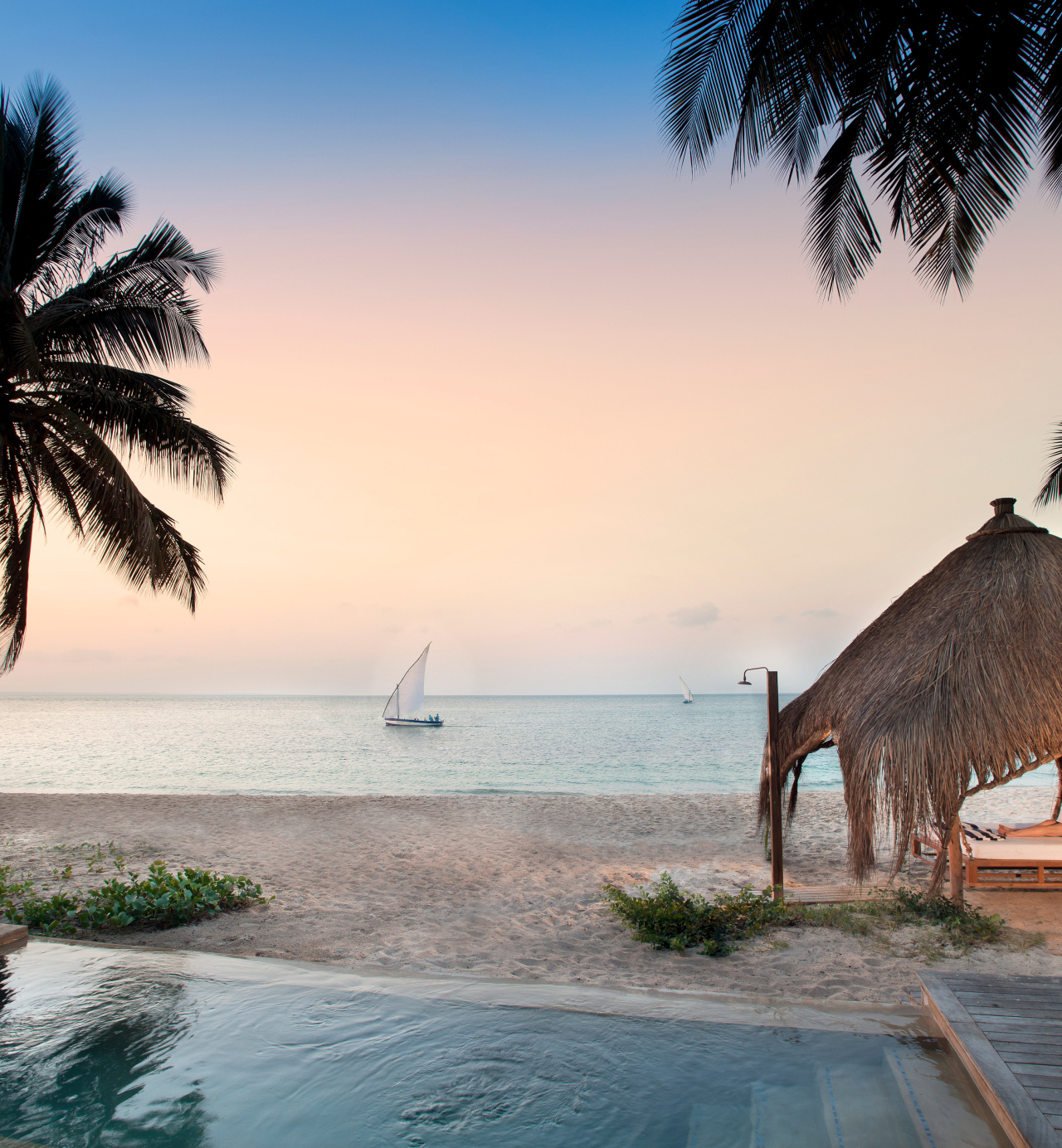
Turtle egg laying and hatching

Traditional Bo-Kaap cooking experience
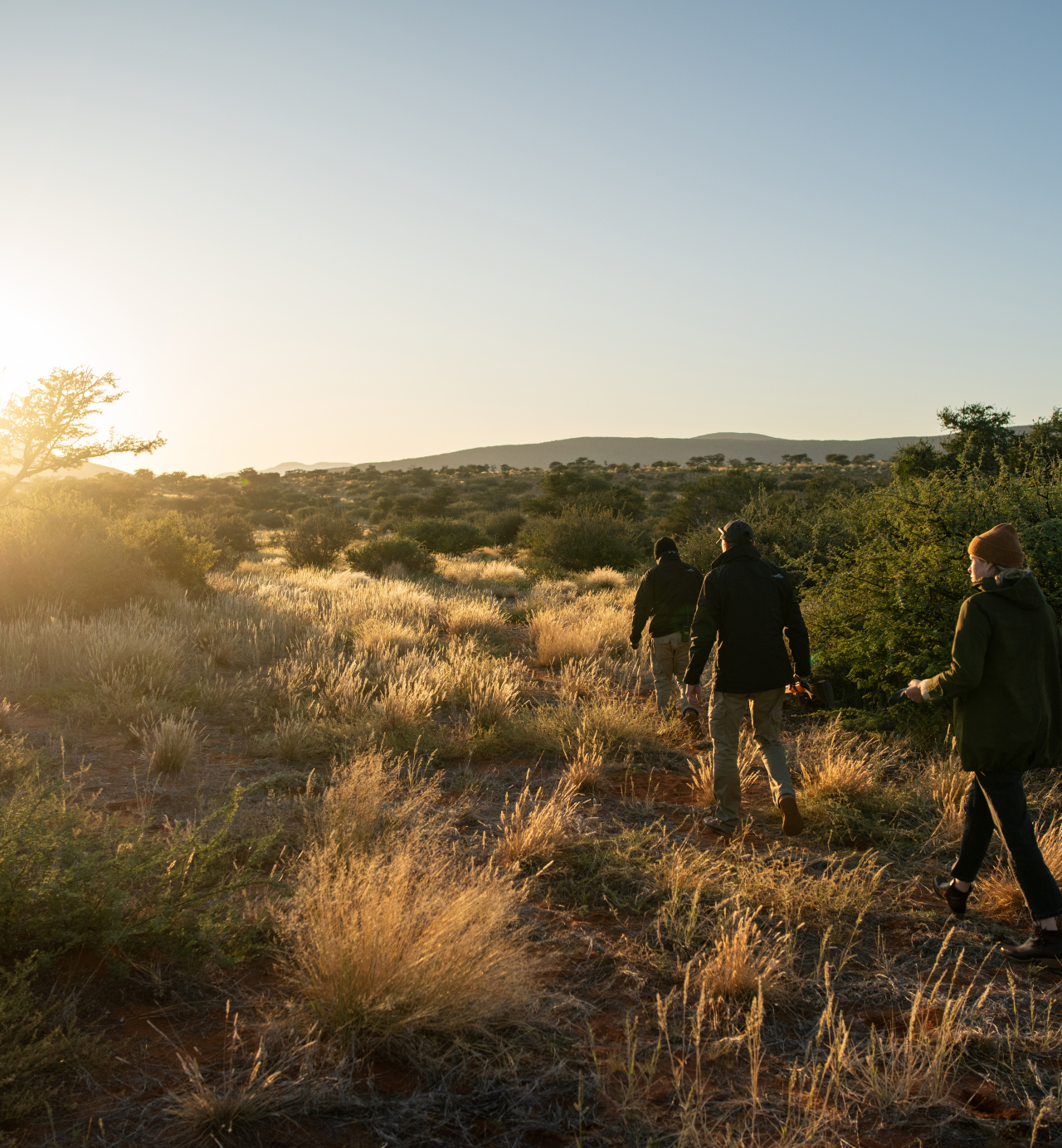
Tracking Africa’s most elusive species on foot


SkyBoma, Etosha
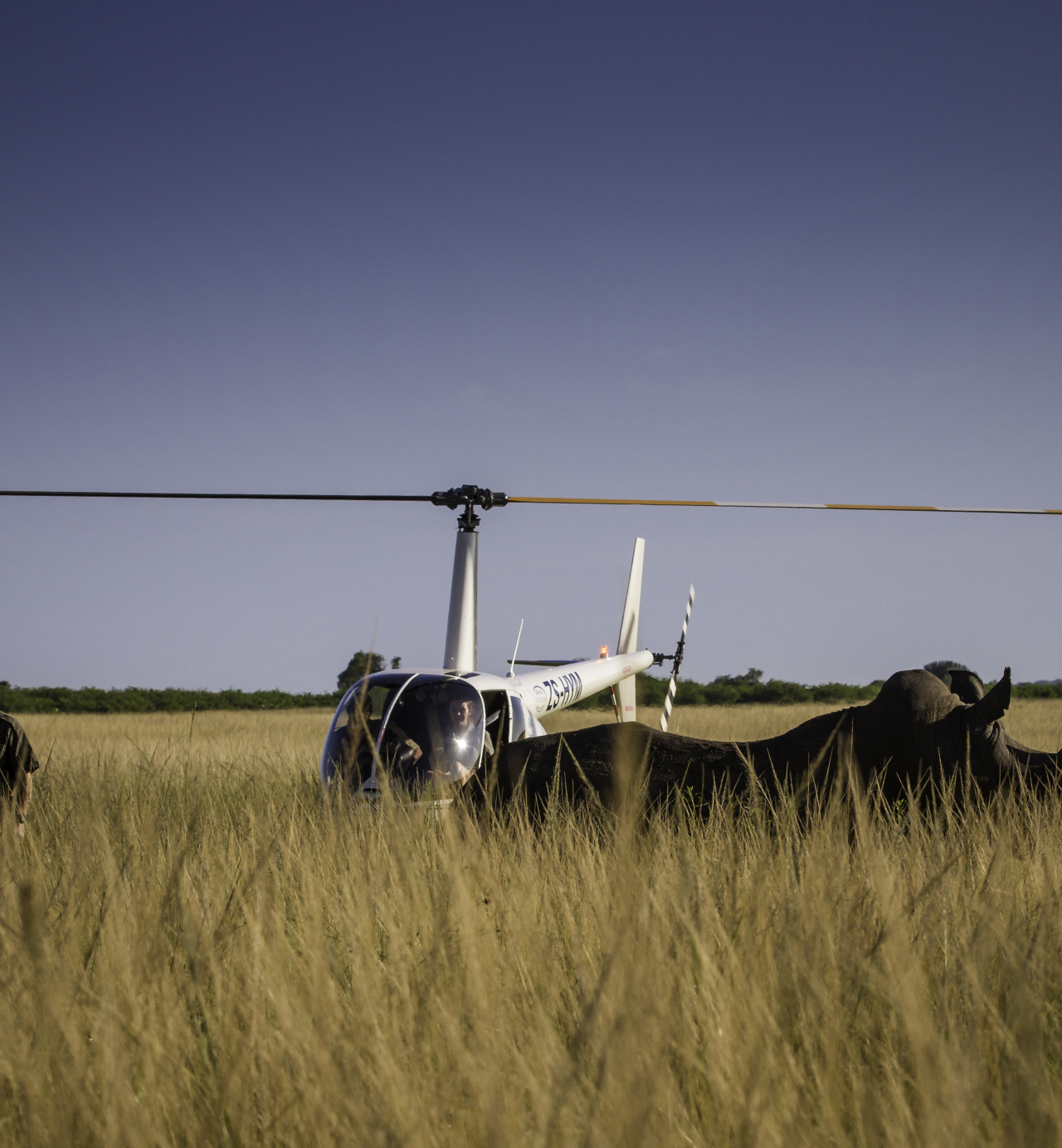
Rhino darting and chipping experience
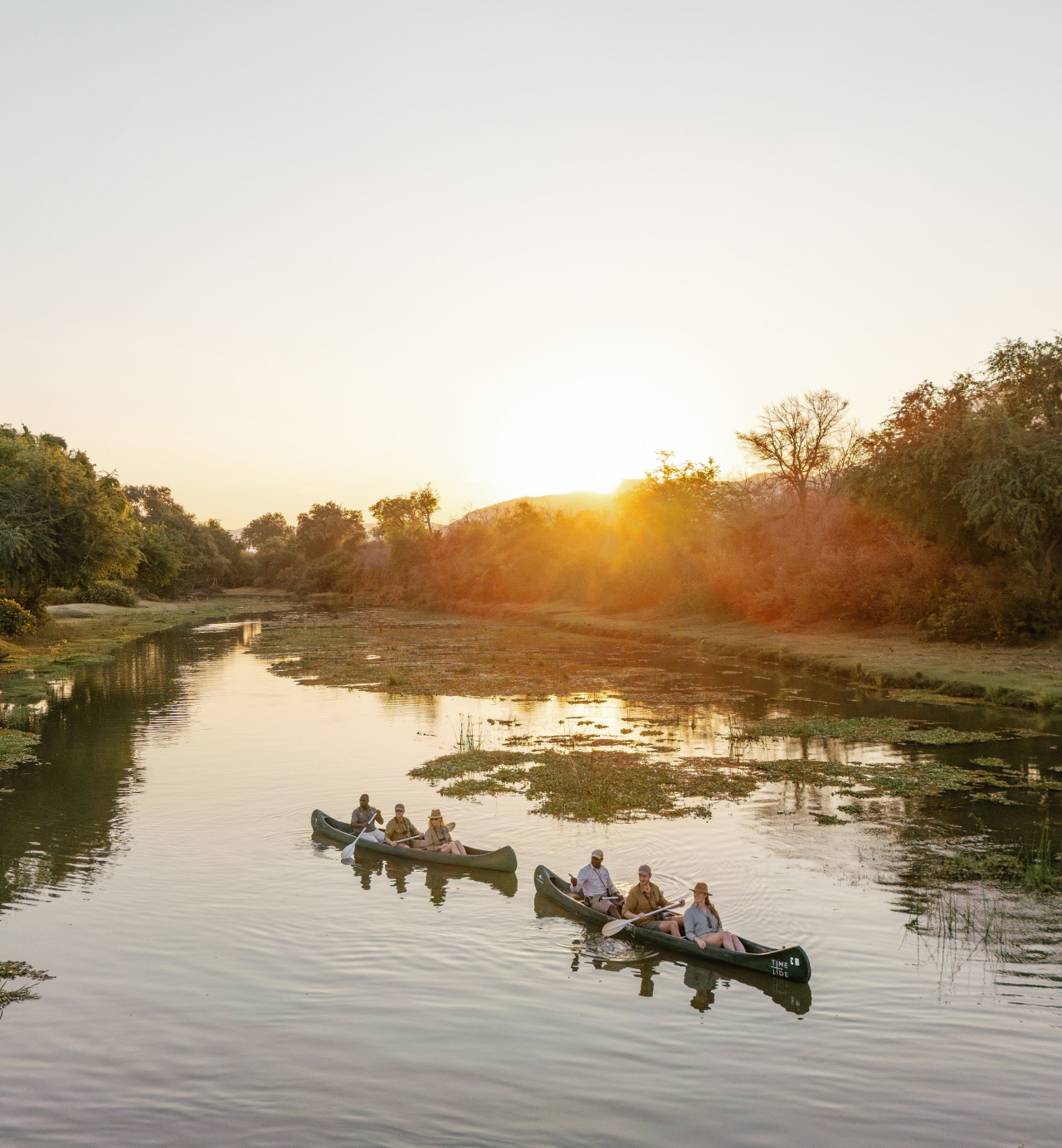
Picnicking on islands in the Zambezi
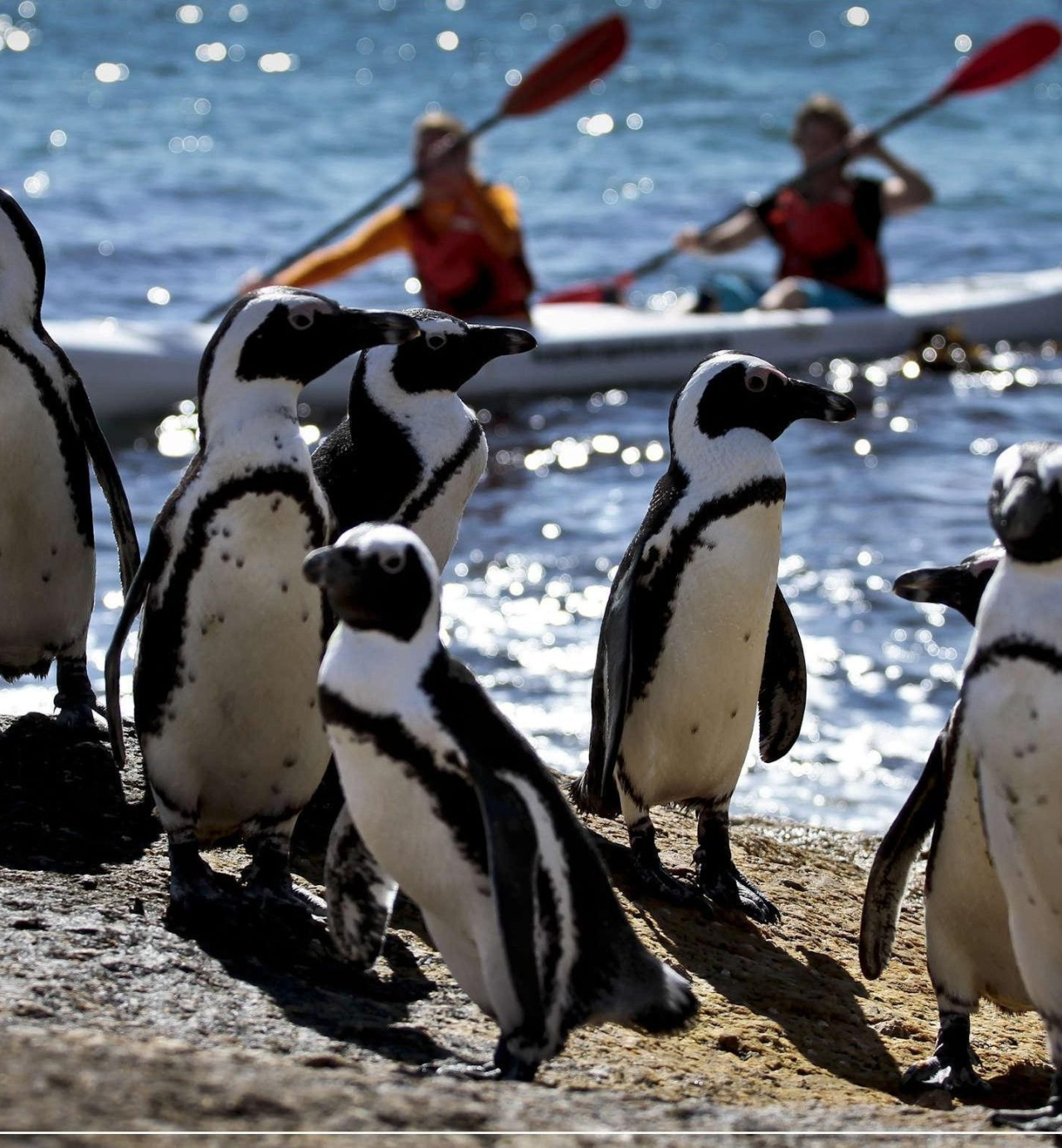
Paddle with penguins
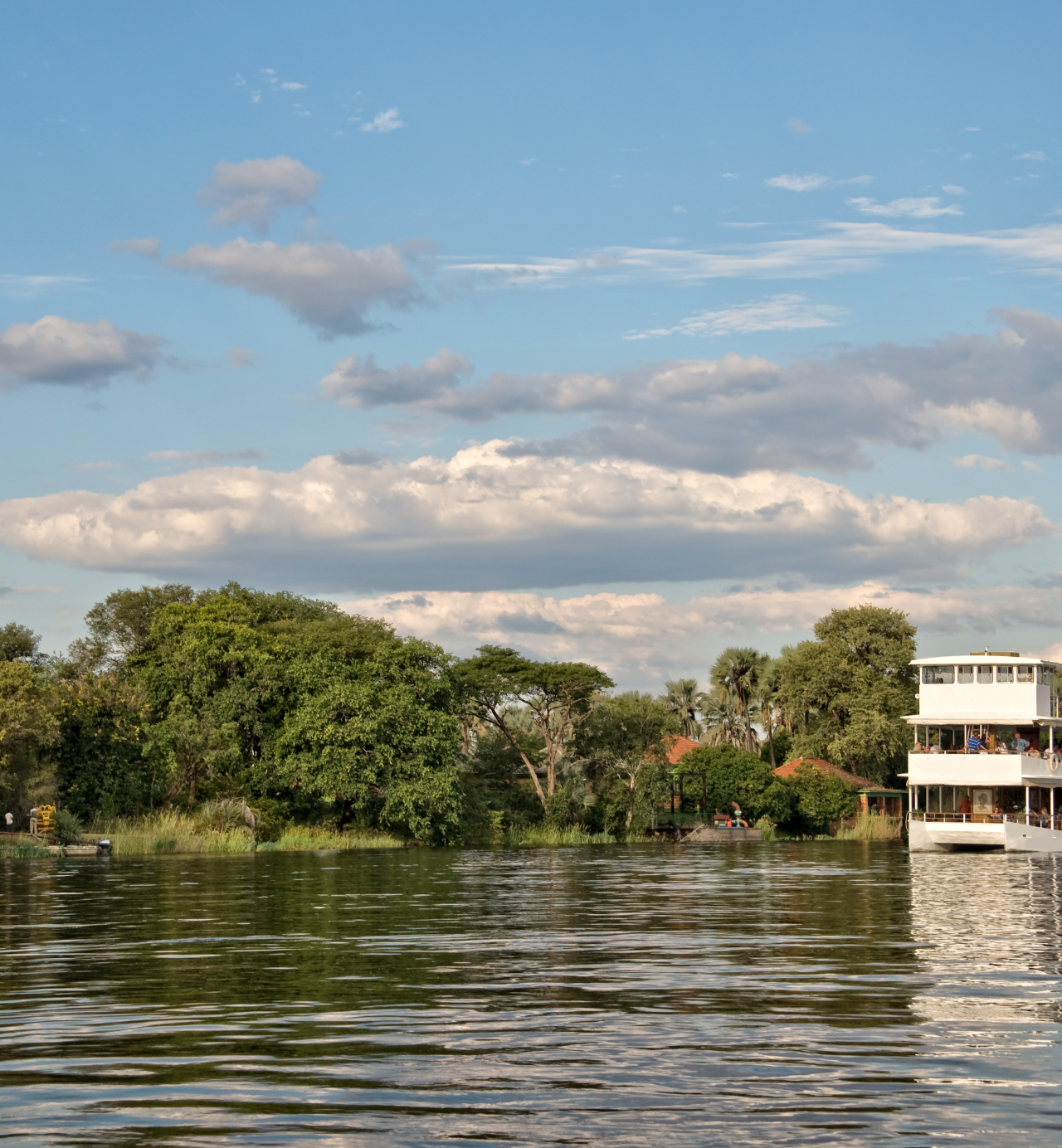
Live-aboard luxury Zambezi safari
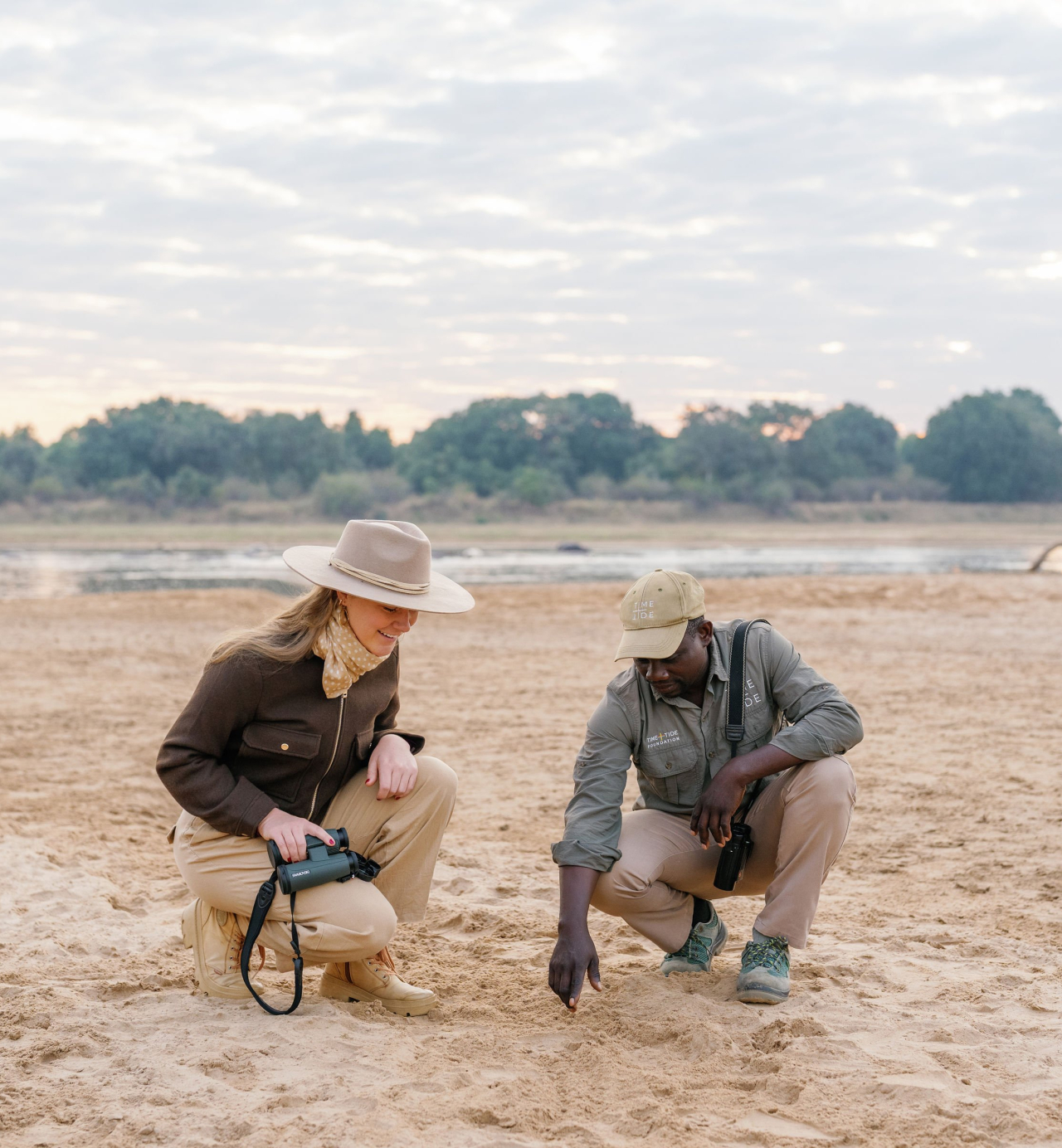
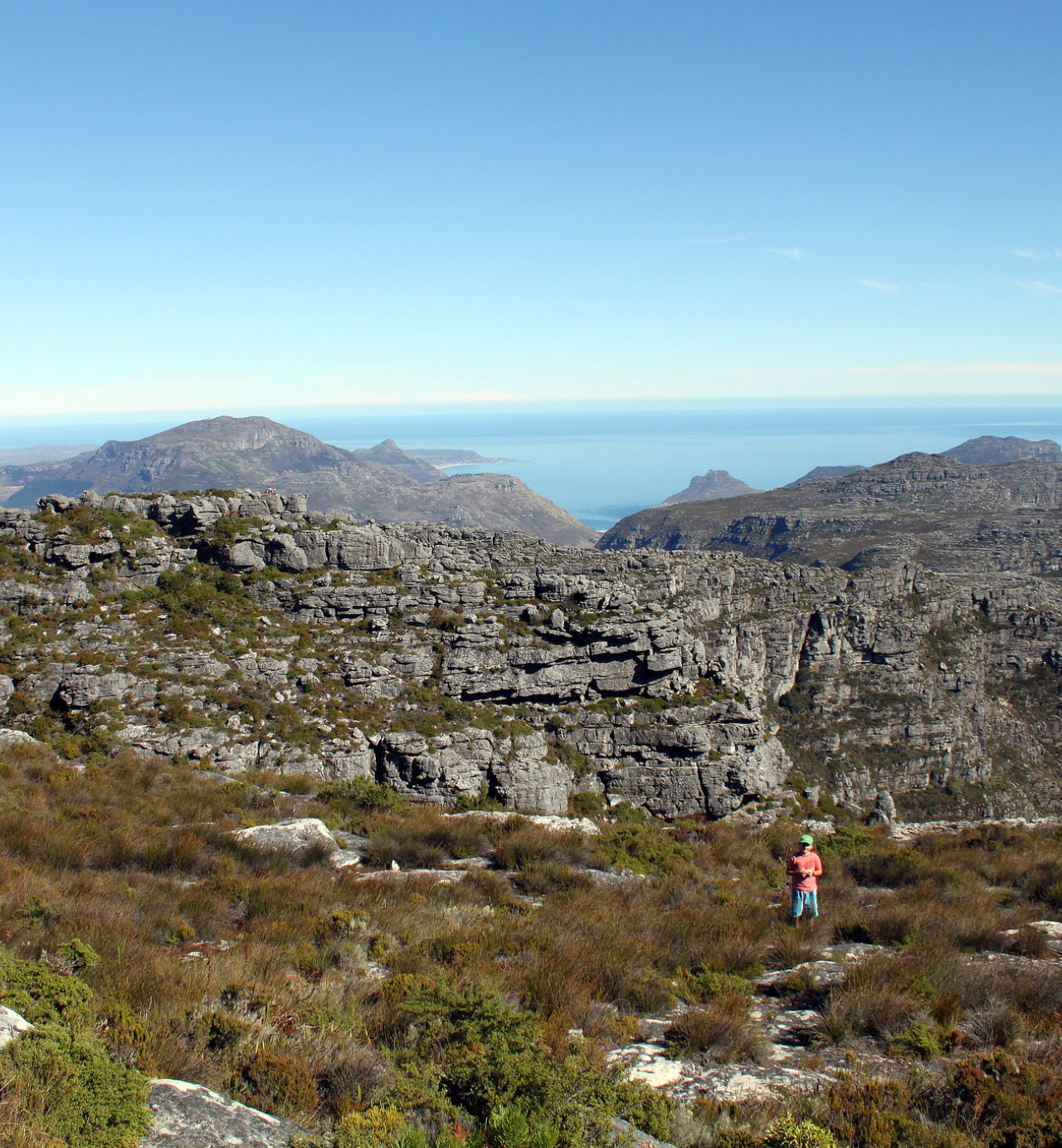
Hiking Table Mountain with a botanist or forager


Voices of our guests
Lake Kariba FAQs
The two best ways are staying at a safari lodge on the shores of Matusadona National Park, or chartering a private houseboat for a multi-day cruise. Both offer fantastic water-based game viewing.
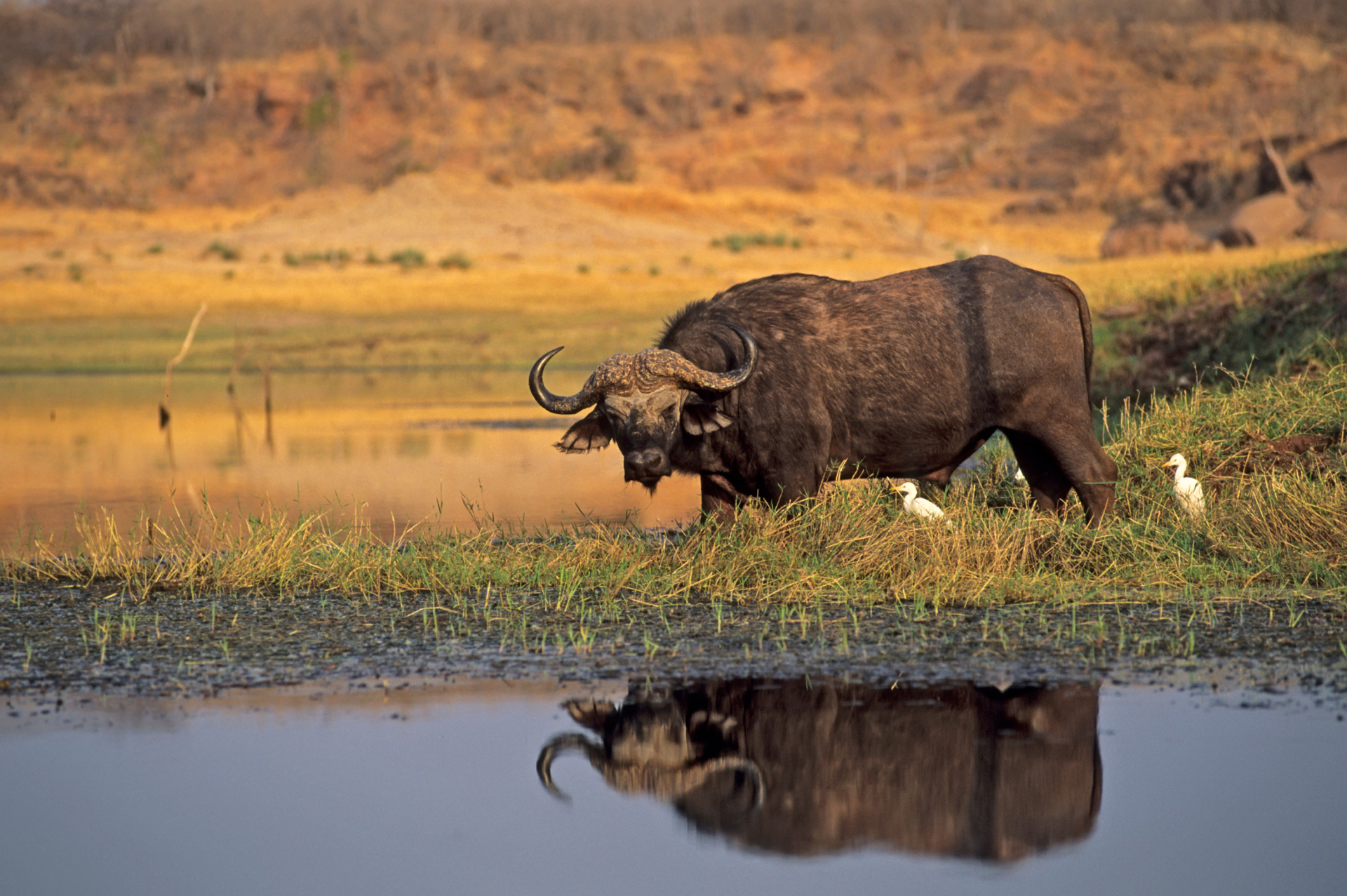
Yes, the Matusadona National Park on the shores of the lake is a Big Five destination, with populations of lions, leopards, elephants, buffalo and black rhinos.
Yes, it is located in a high-risk malaria zone year-round. It is essential to consult your doctor about appropriate anti-malarial medication before you travel.
The main gateway is the town of Kariba, which has its own airport. You will fly to Kariba and then transfer by boat or light aircraft to your final destination at the lake.
It is an exciting form of catch-and-release sport fishing. The tigerfish is a formidable freshwater predator with sharp teeth, famous for its aggressive fight. Lake Kariba is one of the best places in the world to catch them.
These are the skeletal remains of huge mopane and leadwood trees that were flooded when the lake was created in the 1950s. They are now an iconic feature of the landscape.
A stay of three nights is ideal. This provides enough time to enjoy several boat safaris, try some fishing, and relax while soaking up the spectacular scenery and sunsets.
Pack lightweight clothing, a swimsuit and plenty of sun protection (hat, sunglasses, sunscreen). A warm jacket is essential for cool mornings and evenings on the water.
No, absolutely not. The lake has some of Africa’s largest populations of crocodiles and hippos, and swimming is extremely dangerous.
A Kariba safari is almost entirely water-based. Hwange is a classic land-based safari focused on waterholes. Mana Pools is also river-based but is famous for its walking and canoeing safaris along a flowing river, not a vast lake.
