

Liuwa Plain National Park
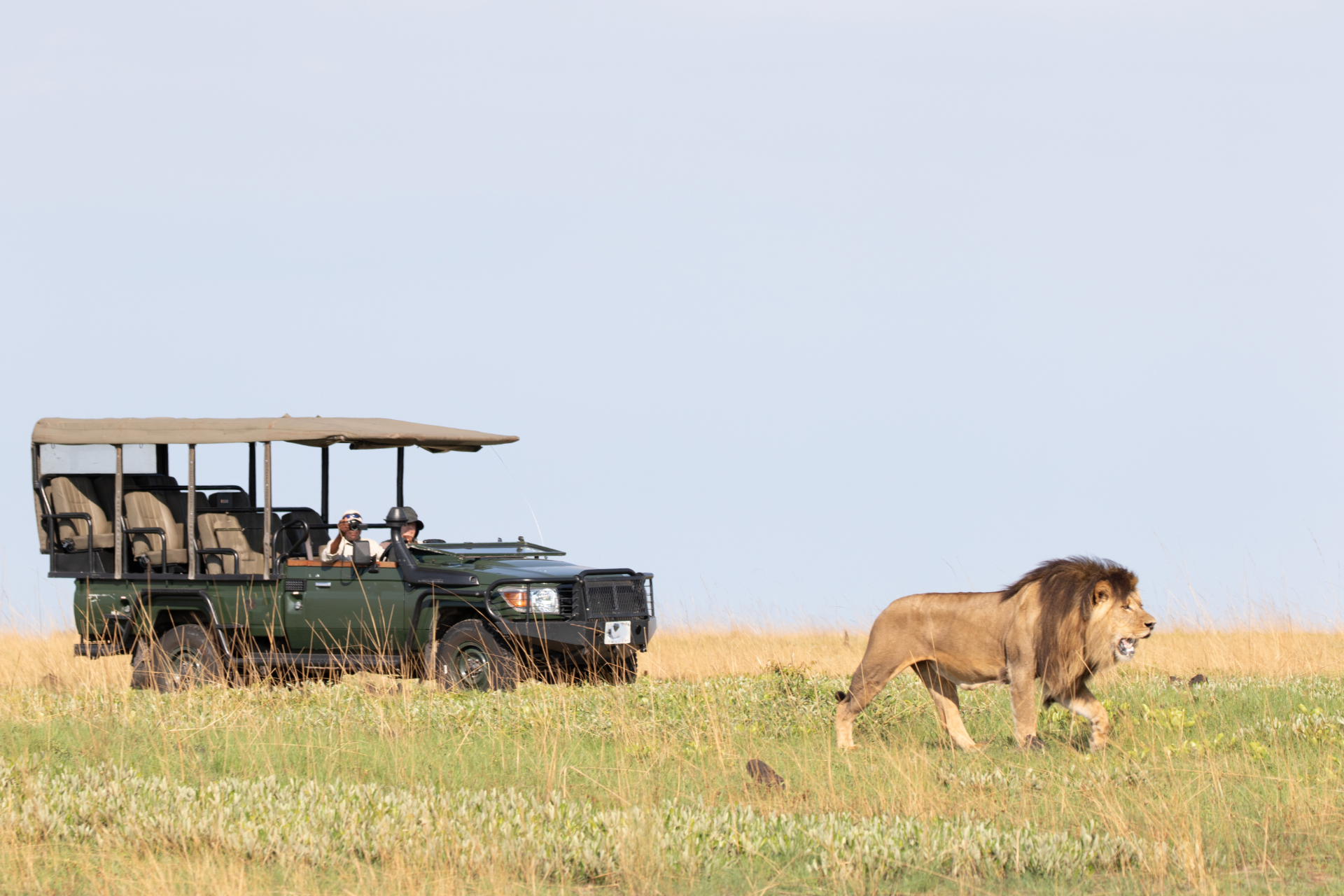
Liuwa Plain National Park
Zambia's place of powerful stories
Peak time
May to June and October to November
Best time to visit
May to July (post-floods) and October to December (pre-floods)
Known for
Africa’s second-biggest wildebeest migration
Also known for
Its vast, remote floodplains; the story of Lady Liuwa, the last lioness
About the Liuwa Plain National Park
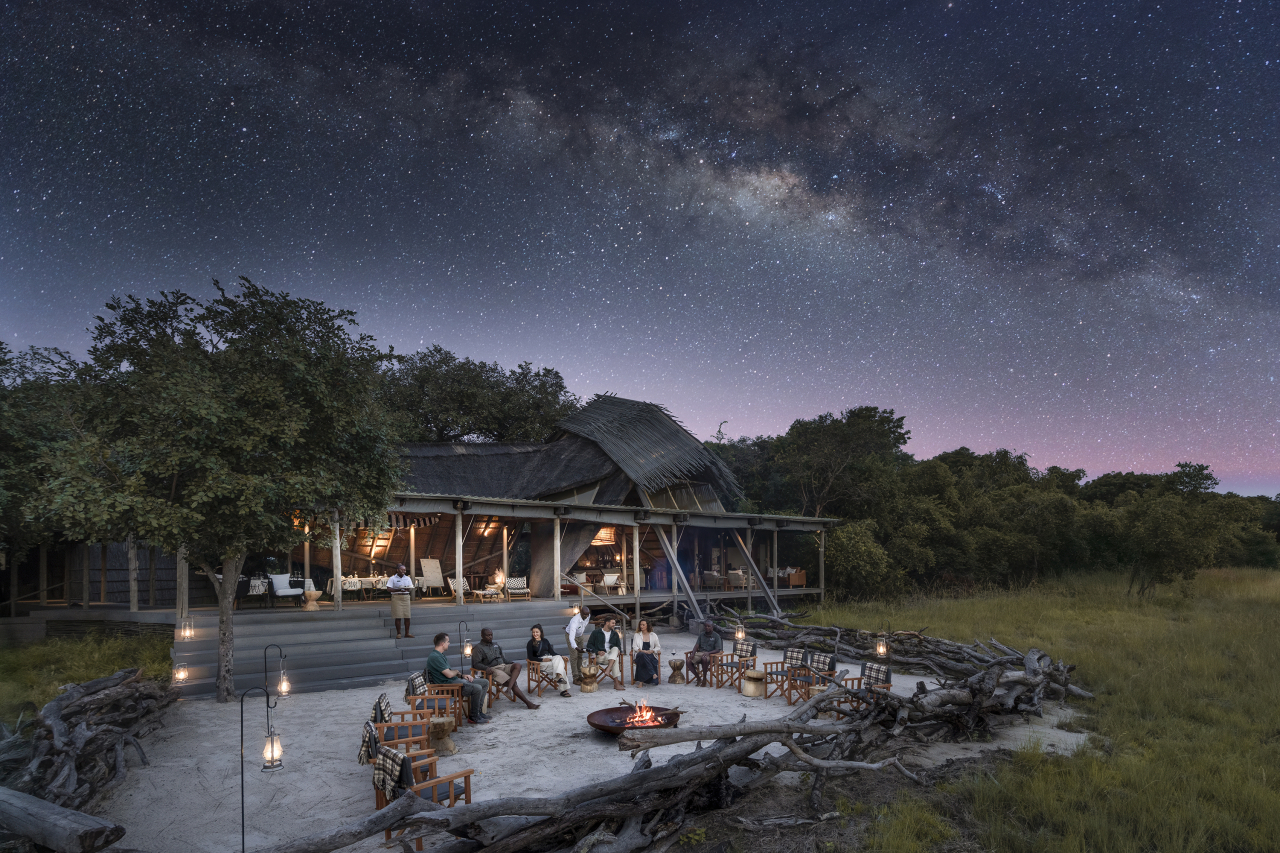
Image courtesy of King Lewanika Lodge.
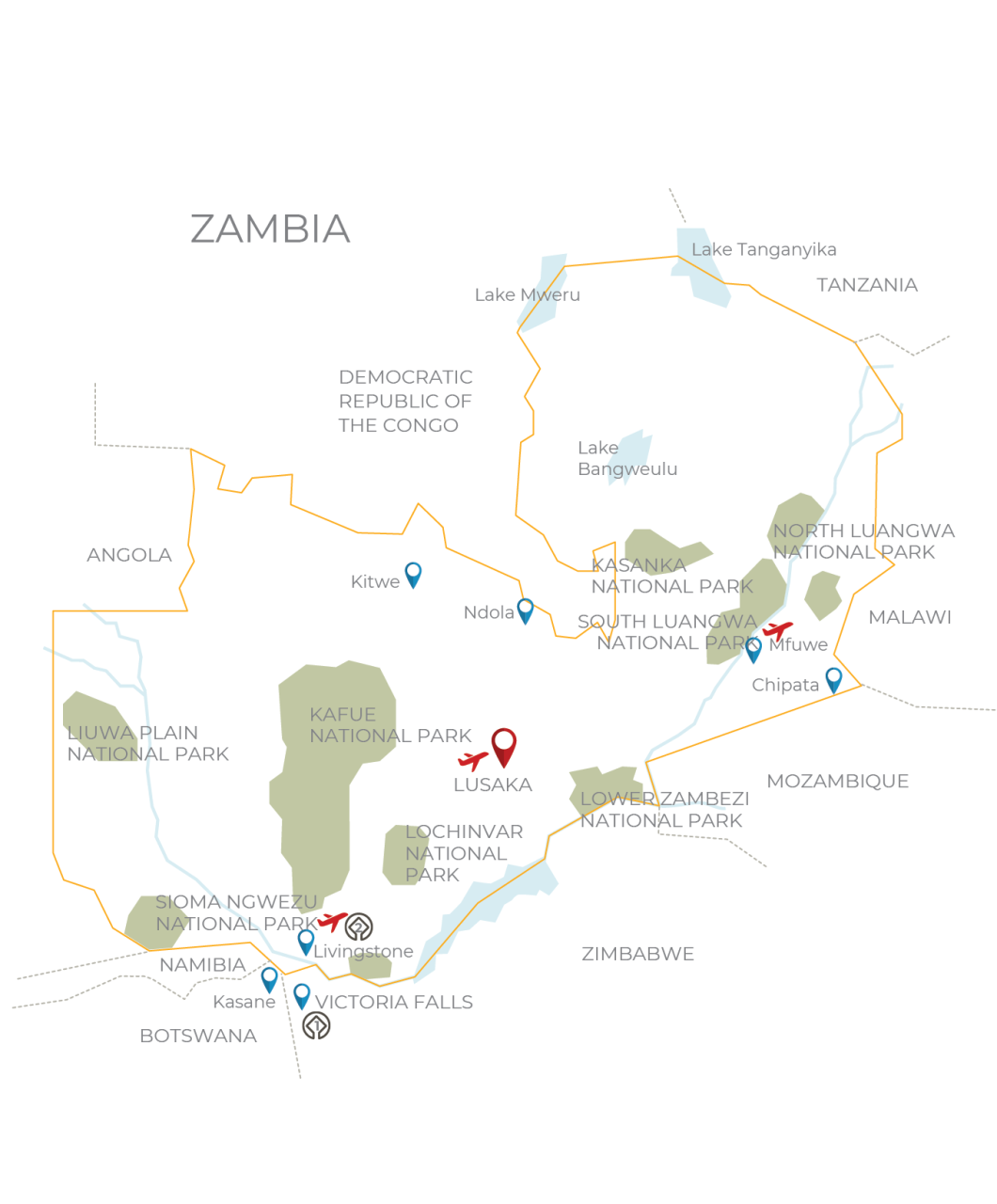
Liuwa Plain is a safari destination of almost mythical status, a vast wilderness that is home to one of Africa’s greatest and least-known wildlife spectacles. Located in the far west of Zambia, this is a huge, flat floodplain that for much of the year is a stunning, watery grassland that stretches to the horizon.
The park is famous for hosting the second-largest wildebeest migration in Africa. Every year, tens of thousands of wildebeest journey across these vast plains, a spectacle of movement and life. This is not the crowded arena of the Serengeti; this is a wild and private performance, a chance to witness a great migration in solitude and exclusivity.

Did you know
The park became world-famous through the film The Last Lioness, the story of Lady Liuwa
Liuwa is the ancestral homeland of the Lozi people, who have been the custodians of this land for centuries. And it is the home of Lady Liuwa, a solitary lioness who became a global symbol of loneliness and survival, and whose story sparked the successful reintroduction of lions to the park. A visit to Liuwa is a journey into a place of deep cultural heritage, epic natural drama and one of the most moving conservation stories on the continent.
Get to know Liuwa Plain National Park
Liuwa Plain is an off-the-beaten-path experience. The park is home to only one permanent luxury safari lodge, ensuring a level of solitude and intimacy that is almost impossible to find anywhere else. The experience is defined by the vast, open landscapes and the movements of the great herds.
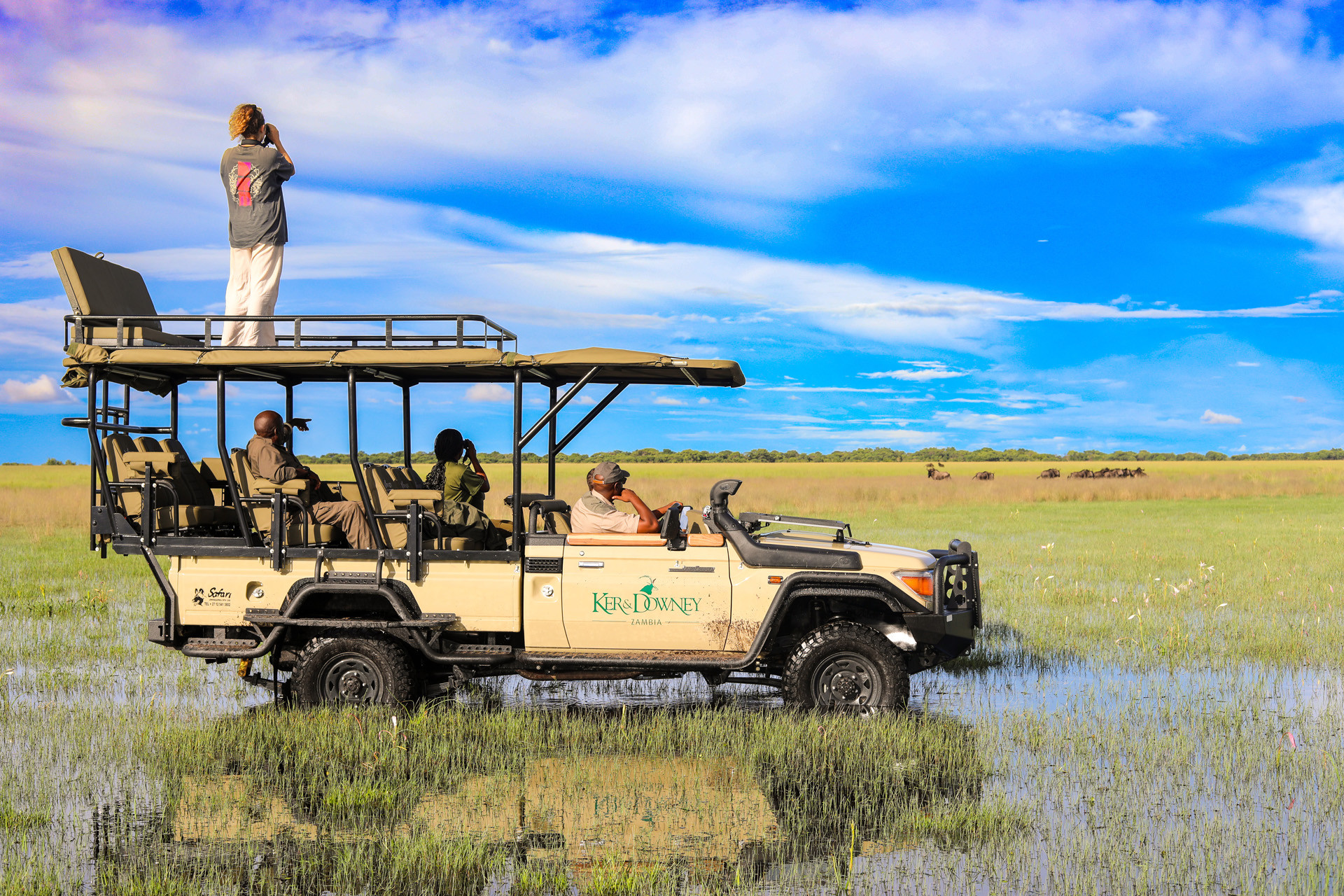
Activities are focused on exploring the floodplains. The primary activity is game drives in open 4x4 vehicles, which are specially adapted with rooftop seats to provide a better vantage point over the flat plains. Guided walking safaris offer a chance to experience the wilderness on foot. During the flood season, canoeing and boating excursions provide a different perspective of this watery world.
History
The history of Liuwa Plain is a rare story of traditional, royal conservation. In the late 1880s, King Lubosi Lewanika of the Lozi declared the area a protected park for his people, decreeing that they should act as its guardians. This royal decree established one of the oldest conservation traditions in Africa. For over a century, the Lozi people protected the land and its wildlife.
In the late 20th century, a lack of resources led to a decline in wildlife numbers. The turning point came in the early 2000s when the story of Lady Liuwa, the park’s last remaining lion, brought international attention. This led to a landmark partnership in 2003 between the Zambian government, the Barotse Royal Establishment (representing the Lozi people) and the conservation organisation African Parks. This partnership has brought renewed funding and expert management, leading to the successful reintroduction of predators and the restoration of this magnificent park.

More unforgettable activities
Turtle egg laying and hatching

Traditional Bo-Kaap cooking experience
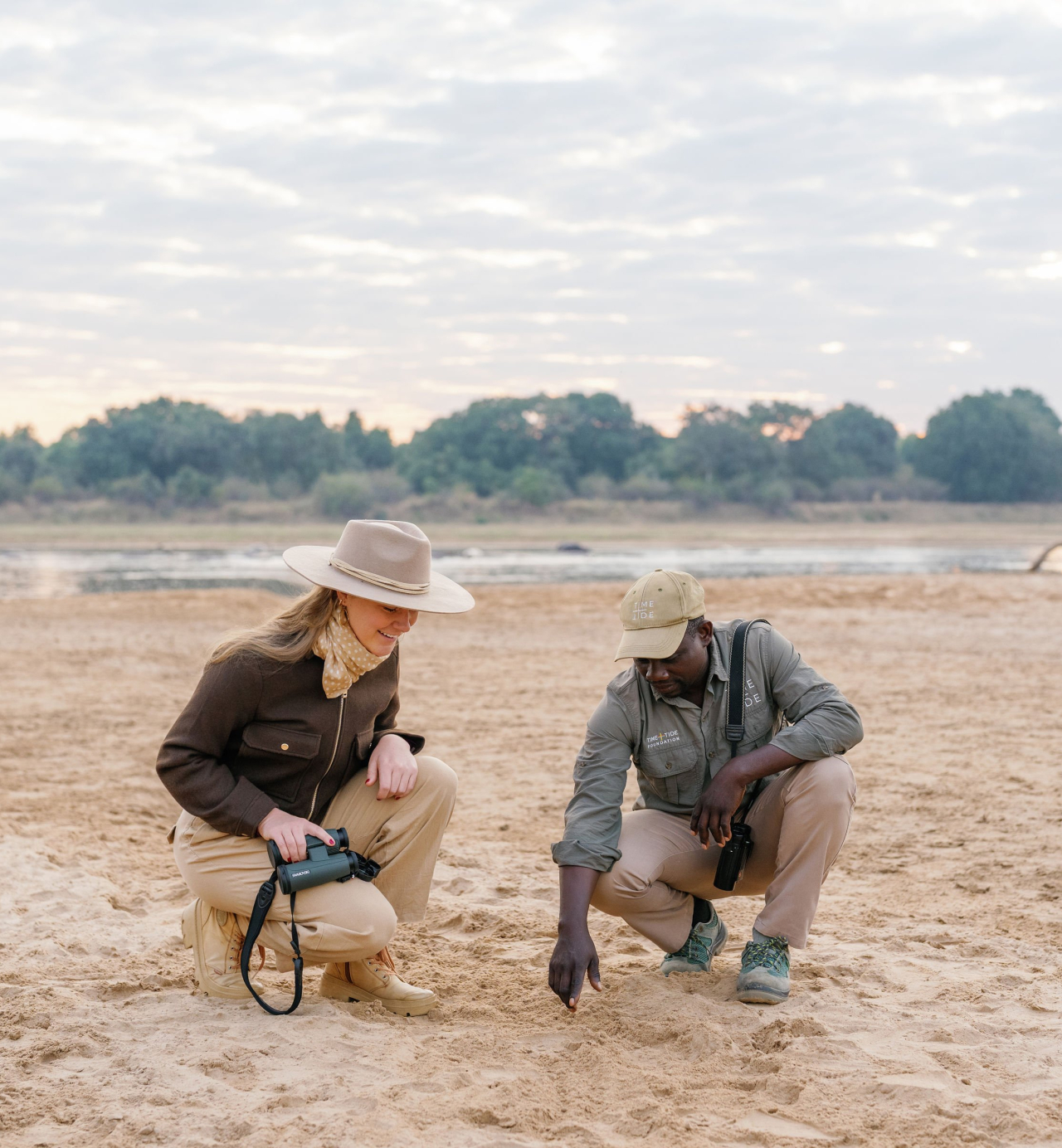
Tracking Africa’s most elusive species on foot
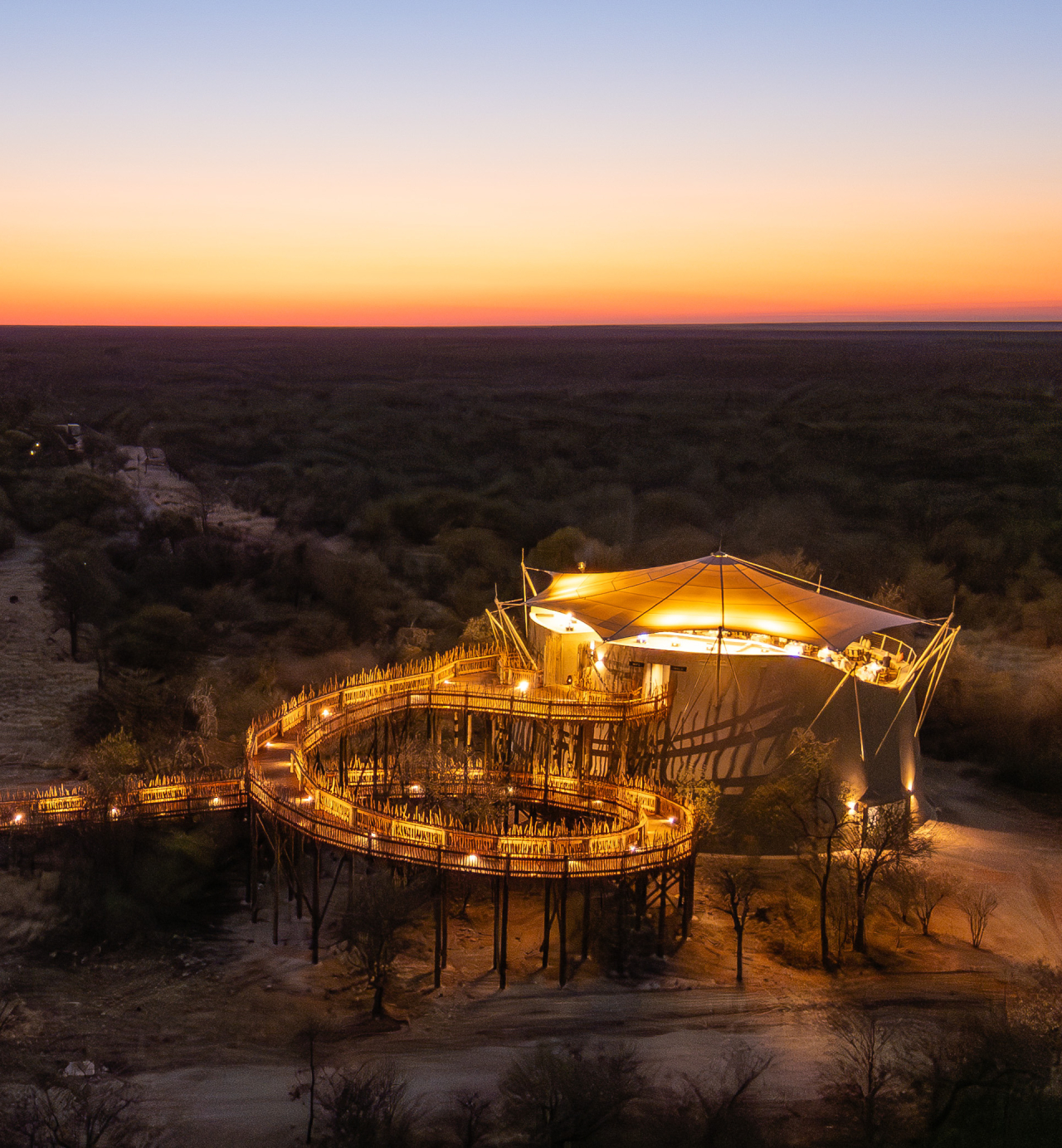
SkyBoma, Etosha
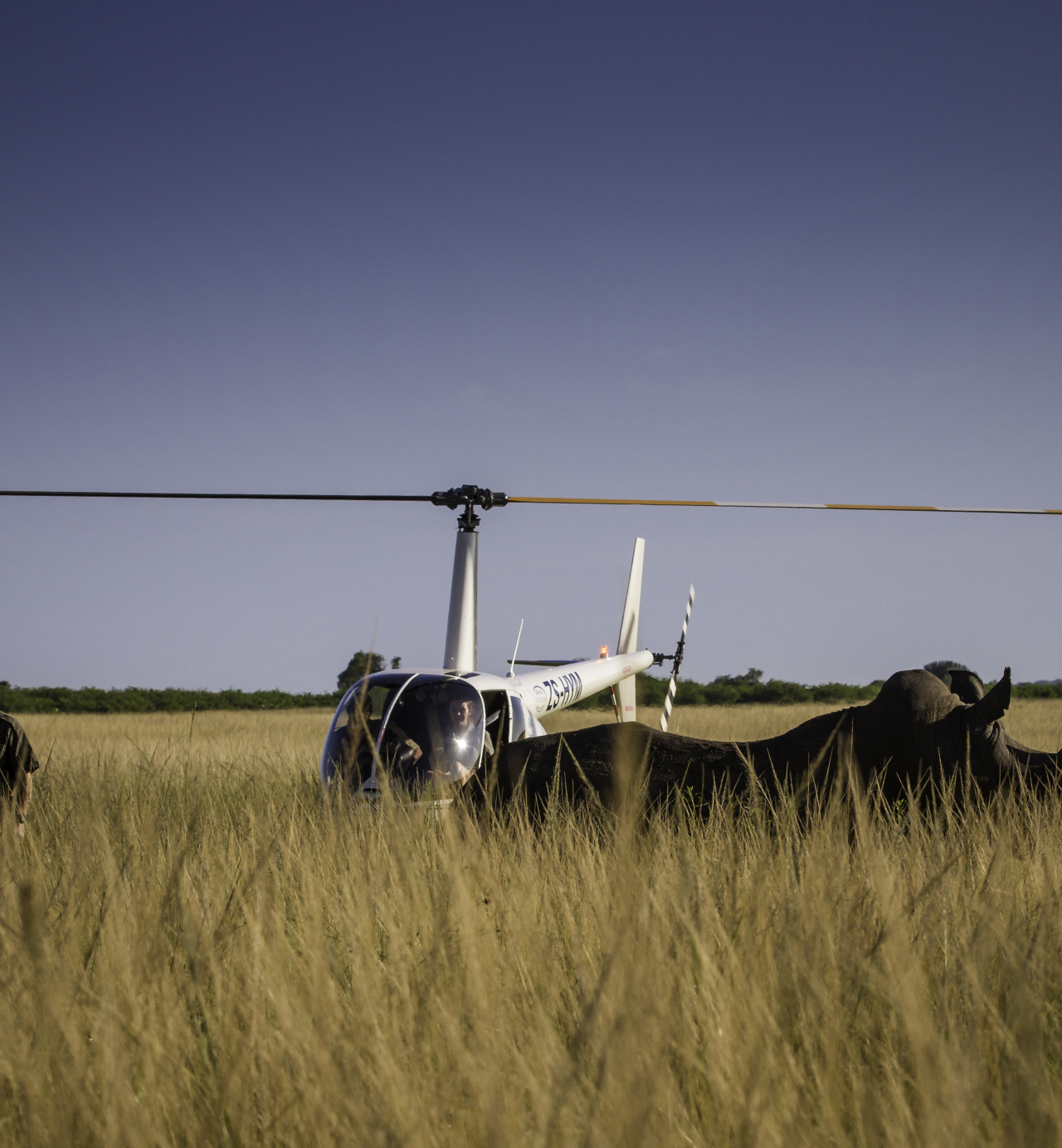
Rhino darting and chipping experience
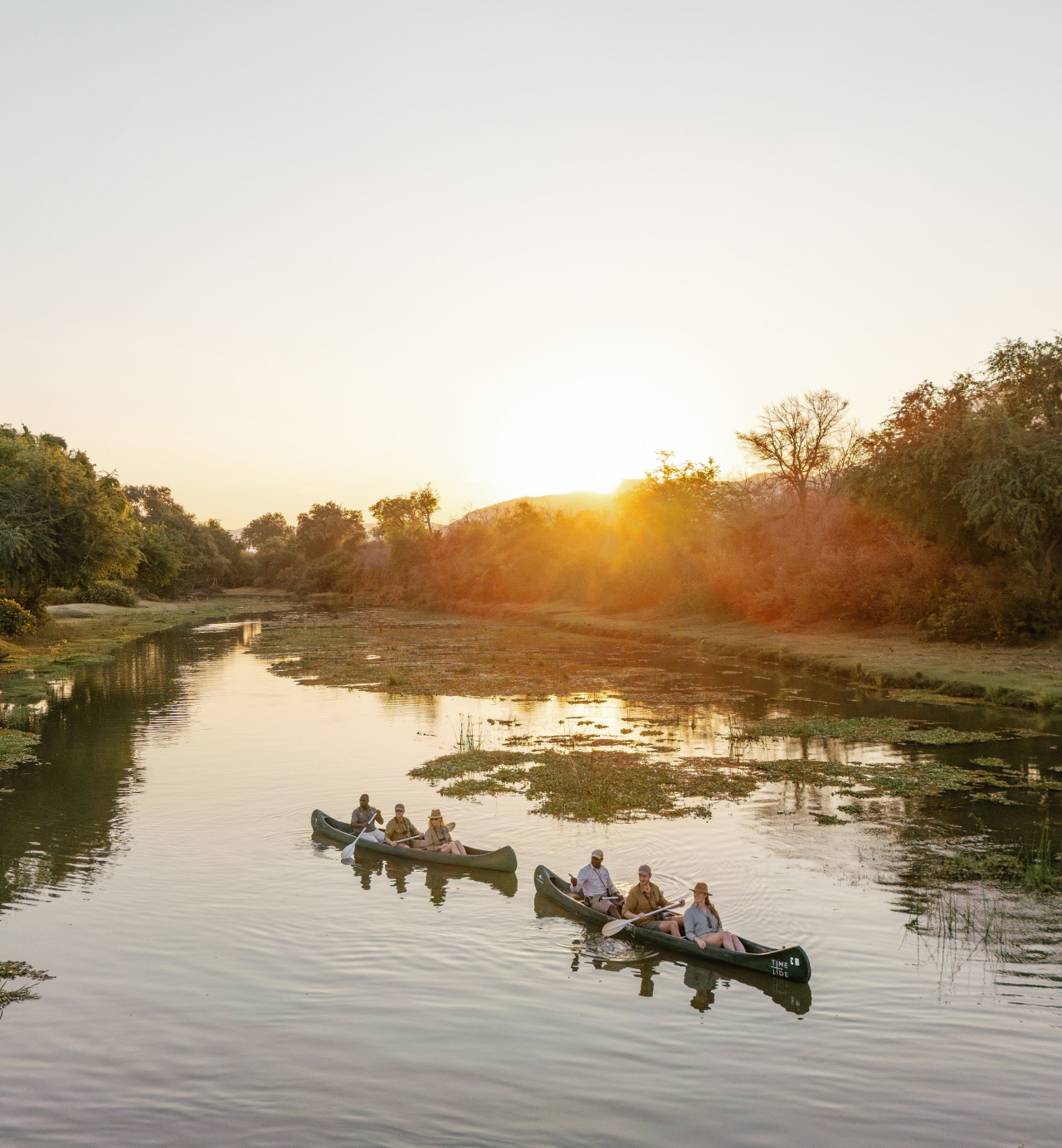
Picnicking on islands in the Zambezi
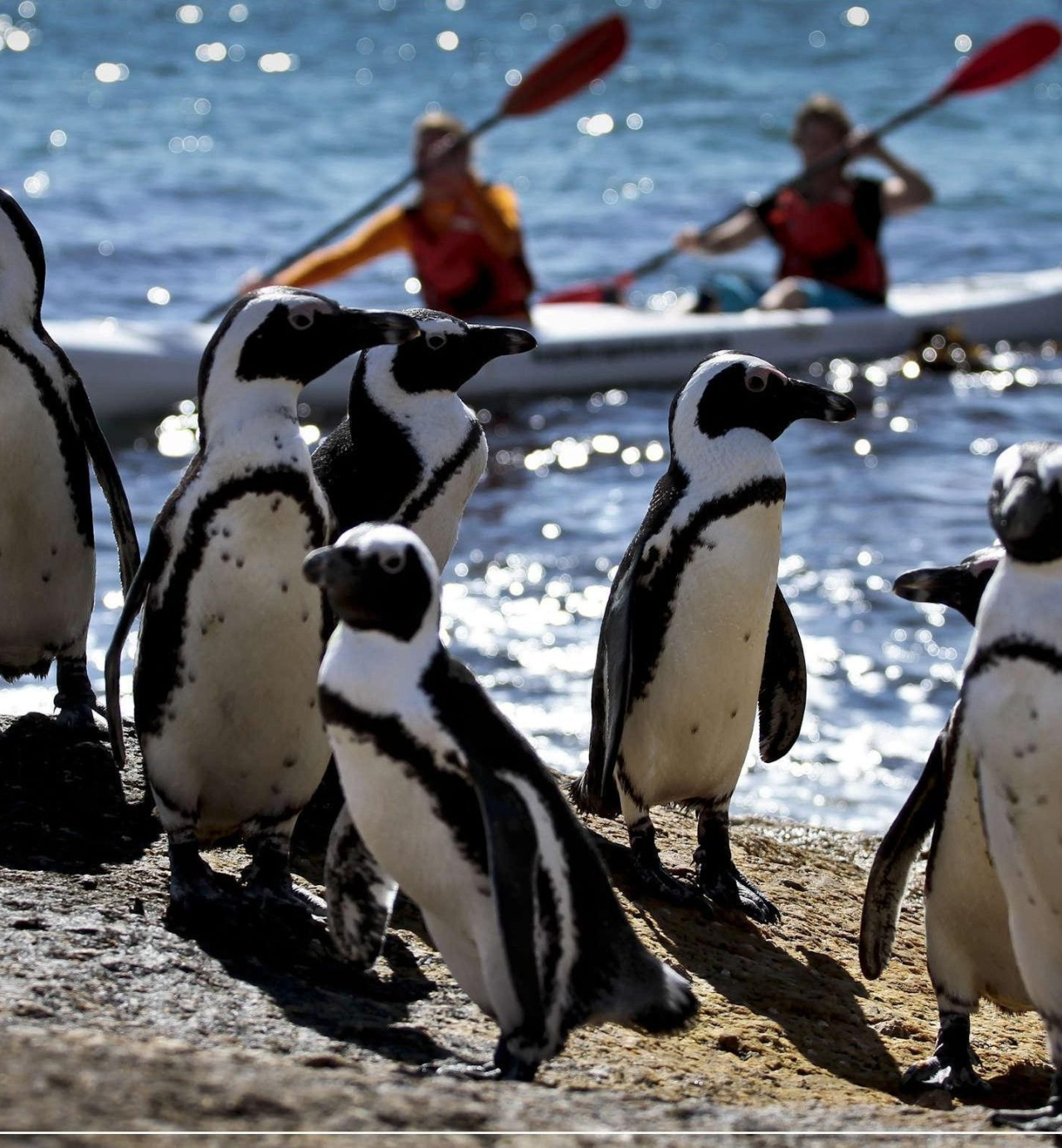
Paddle with penguins
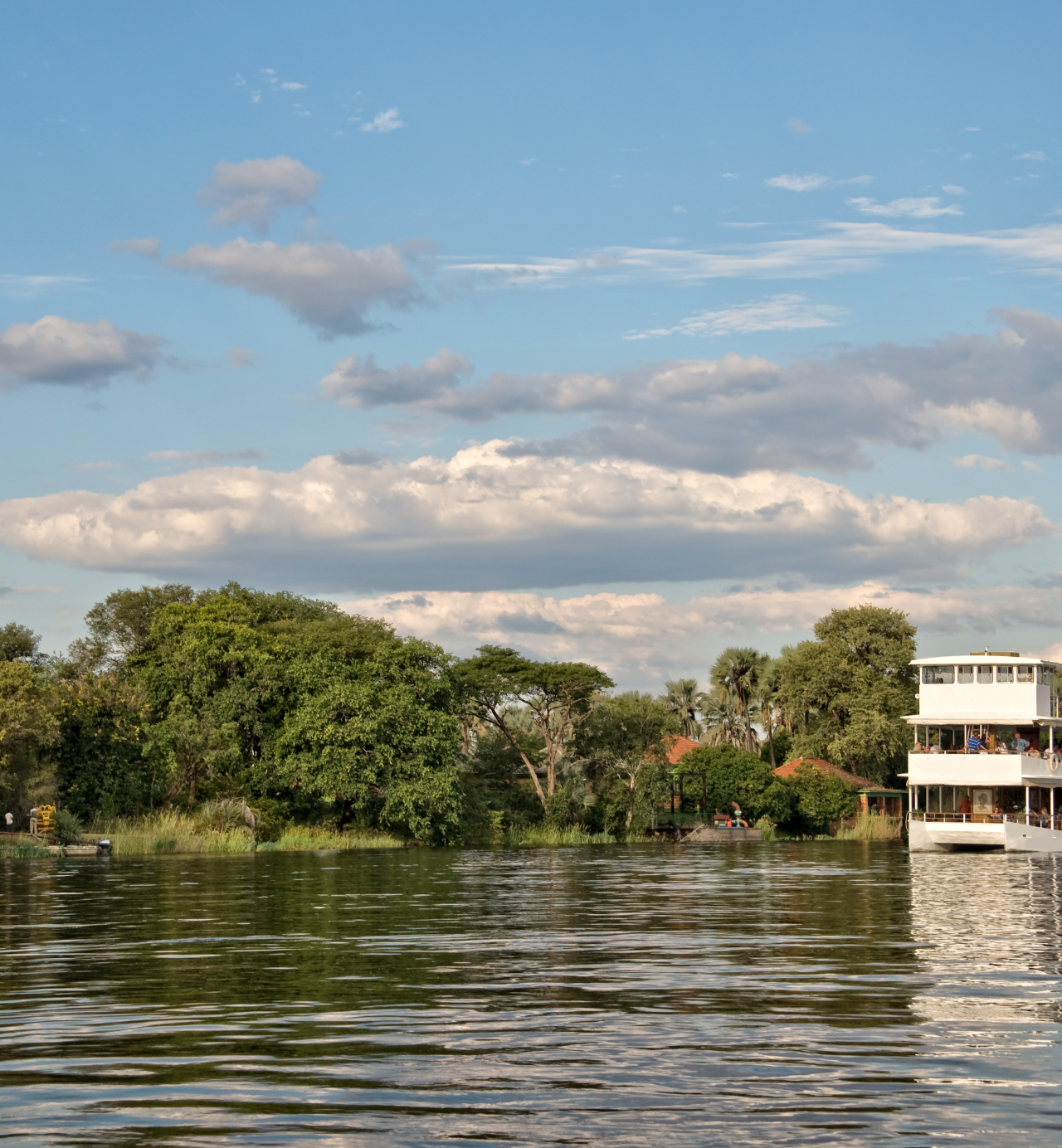
Live-aboard luxury Zambezi safari
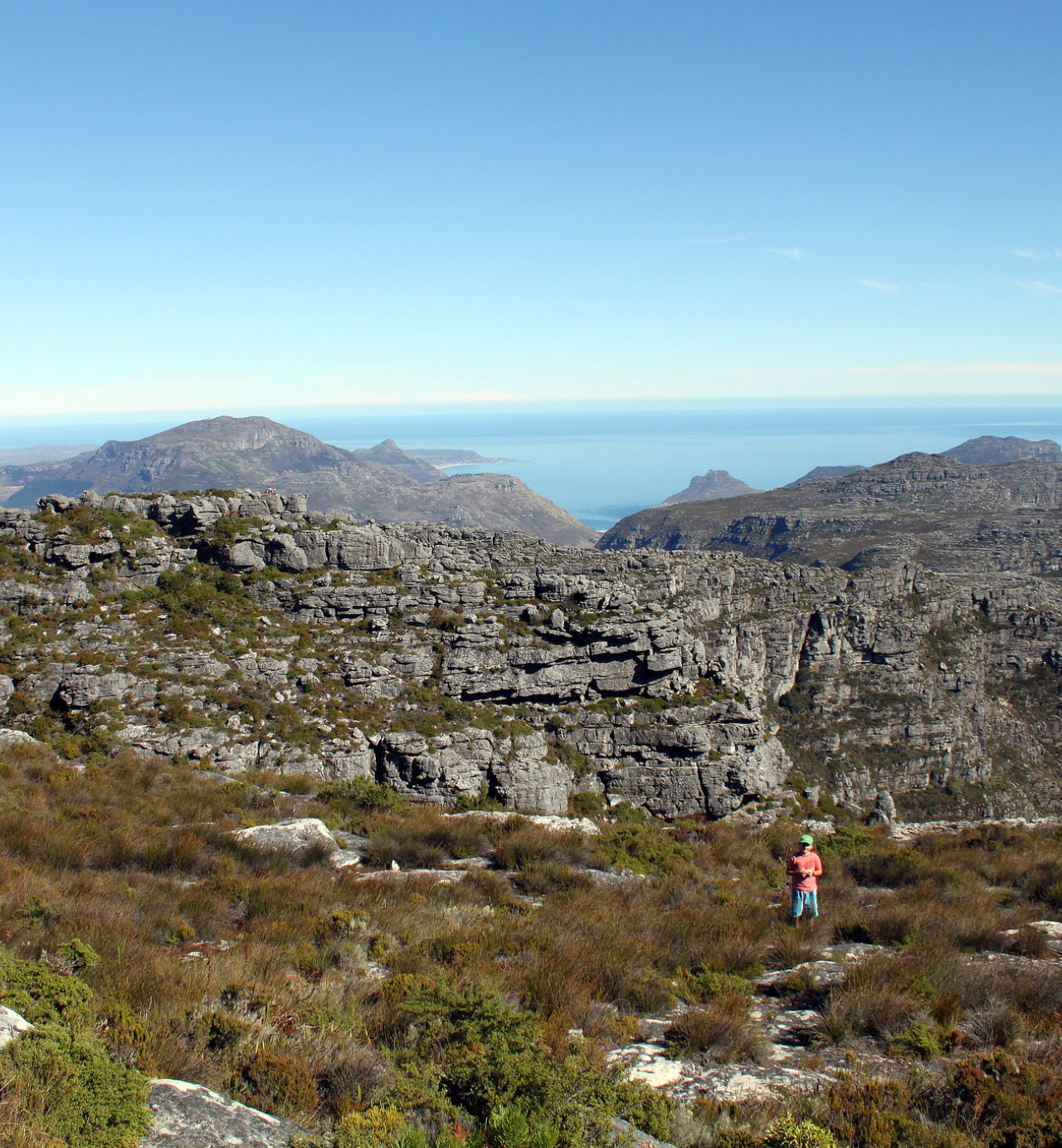
Hiking Table Mountain with a botanist or forager

Voices of our guests
Liuwa Plain National Park FAQs
It is most famous for hosting Africa’s second-largest wildebeest migration in a vast, remote and exclusive setting.
No. Liuwa Plain has a healthy and growing population of lions, but it does not have elephants, rhinos or leopards. The focus here is on the migration and the predator dynamics of the floodplain.
Yes, it is located in a high-risk malaria zone. It is essential to consult your doctor about appropriate anti-malarial medication before you travel.
It is a fly-in destination. You will take a light aircraft flight from Lusaka to an airstrip inside the park.
A stay of three to four nights is ideal. This provides enough time to explore the vast plains, witness the migration and have a good chance of seeing the park’s famous predators.
It is better suited to seasoned safari travellers seeking a remote experience and not focused on a Big Five checklist. The solitude and the scale of the migration are the main rewards.
Accommodation is limited to a single, luxurious and exclusive permanent lodge (King Lewanika), ensuring a completely private and intimate experience.
The migration is a seasonal event. The herds are typically on the plains from October through to June. The landscape is most beautiful and the viewing is spectacular just after the floods (May-June) and just before the rains (October-November).
She was the last surviving lioness in the park for many years. Her lonely existence was documented in The Last Lioness, bringing global attention to the park. A successful reintroduction programme brought in new lions to form a new pride with her.
It is a famous annual festival of the Lozi people, who are the traditional custodians of the park. It marks the king’s journey by royal barge from his flooded palace to higher ground. It is a spectacular cultural event, but its timing is unpredictable and rarely coincides with tourist itineraries.
