

Lower Zambezi National Park
Lower Zambezi National Park, Zambia
Southern Africa’s riverine safari paradise
Peak time
August to October
Best time to visit
June to October (dry season)
Known for
Superb canoeing and river-based safaris
Also known for
Its dramatic escarpment backdrop; huge elephant herds on the riverbanks
About Lower Zambezi National Park
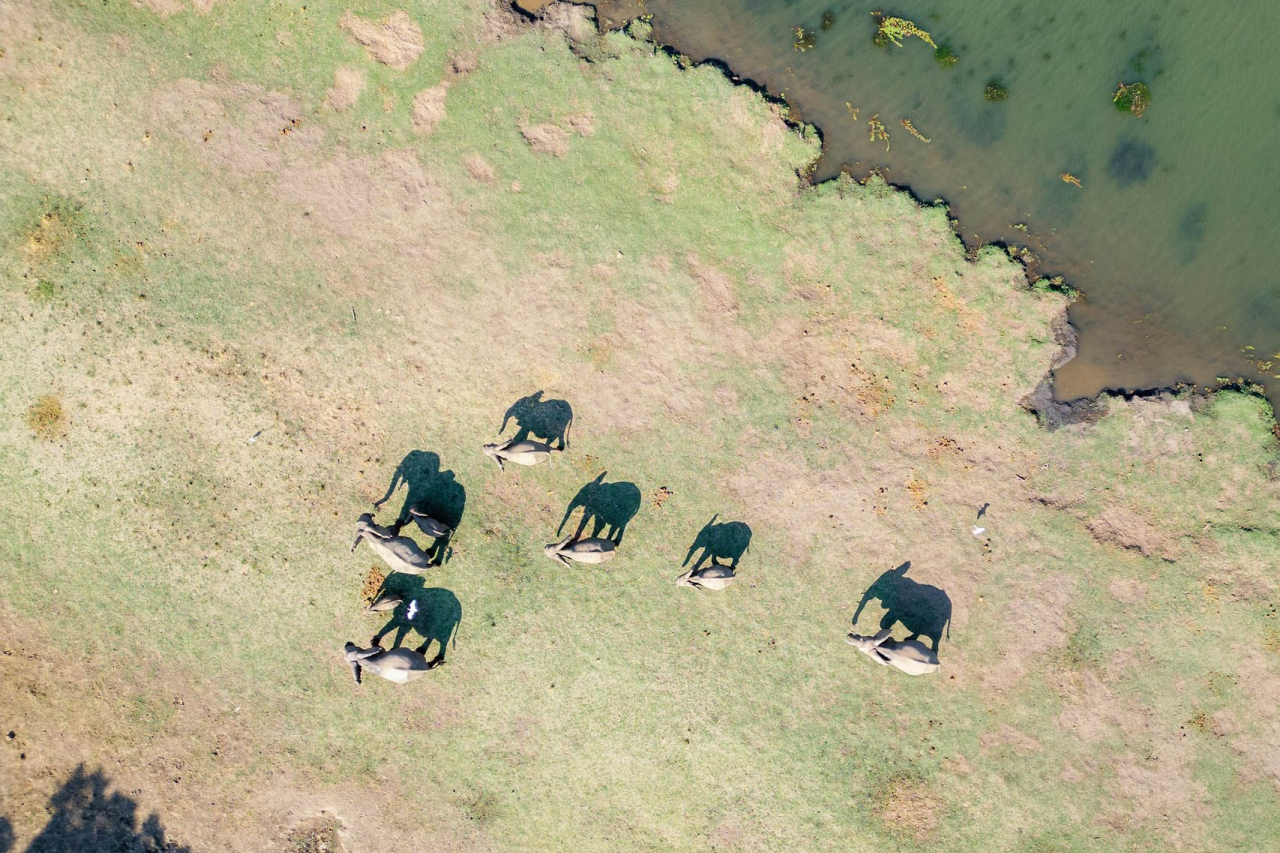
Image courtesy of Time + Tide
The Lower Zambezi is a pristine wilderness where the Zambezi River is the stage for everything. The park lies on the northern bank of the river, a beautiful floodplain of winter thorn forests and acacia woodlands that stretches out to the foot of a rugged escarpment. This dramatic mountain wall, which forms the edge of the Great Rift Valley, provides the backdrop to one of Africa’s most scenic safari destinations.
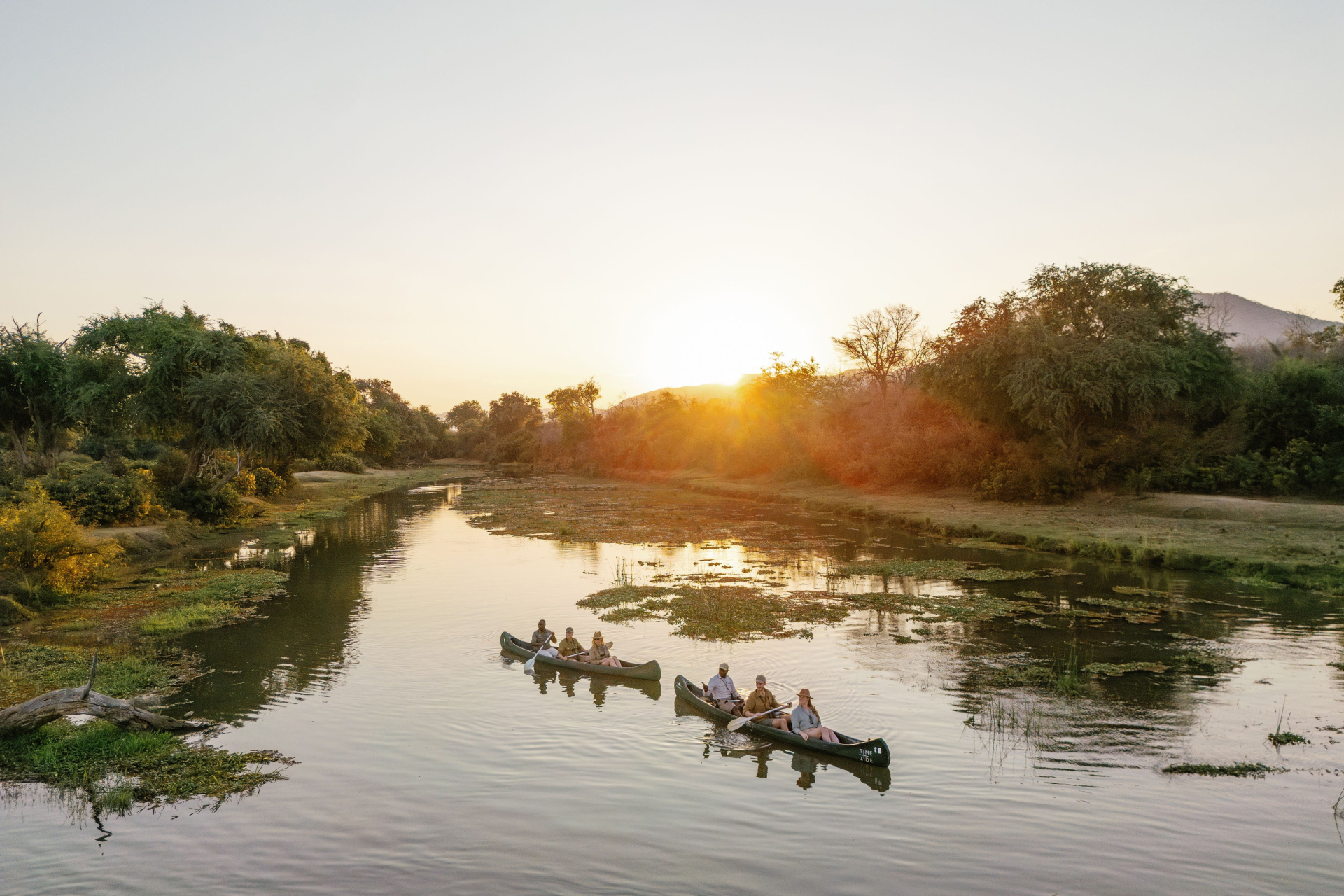
Your experience is defined by the river. A canoe safari on the Lower Zambezi is one of Africa’s most legendary adventures. Paddling silently along the channels, you experience the wildlife from their perspective: eye-to-eye with elephants drinking on the bank, wallowing hippos and sunbathing crocodiles. It is a thrilling and humbling way to connect with nature.

Did you know
It is considered one of the best places in the world for catch-and-release fishing for the formidable tigerfish
It is the combination of land and water that will touch your very soul. Watching the sunset paint the escarpment in shades of purple and orange from a boat in the middle of the Zambezi, surrounded by the sounds of the African bush, is a never-to-be-forgotten wilderness experience.
Get to know the Lower Zambezi National Park
A safari in the Lower Zambezi is an exclusive and intimate affair. The park is home to a small number of high-end, owner-run safari camps, all in prime locations along the river. This low density ensures a crowd-free experience, where it is easy to feel like you have this wilderness all to yourself. Most of the camps are unfenced, and wildlife often wander quietly through the grounds.
A typical day might involve a game drive or walking safari in the cool of the morning, followed by a siesta during the midday heat. The afternoon is often spent on the water, with options for a serene canoe trip, a motorised boat safari to explore the channels, or a spot of fishing. This variety allows you to experience the park’s biodiversity from multiple perspectives.
History
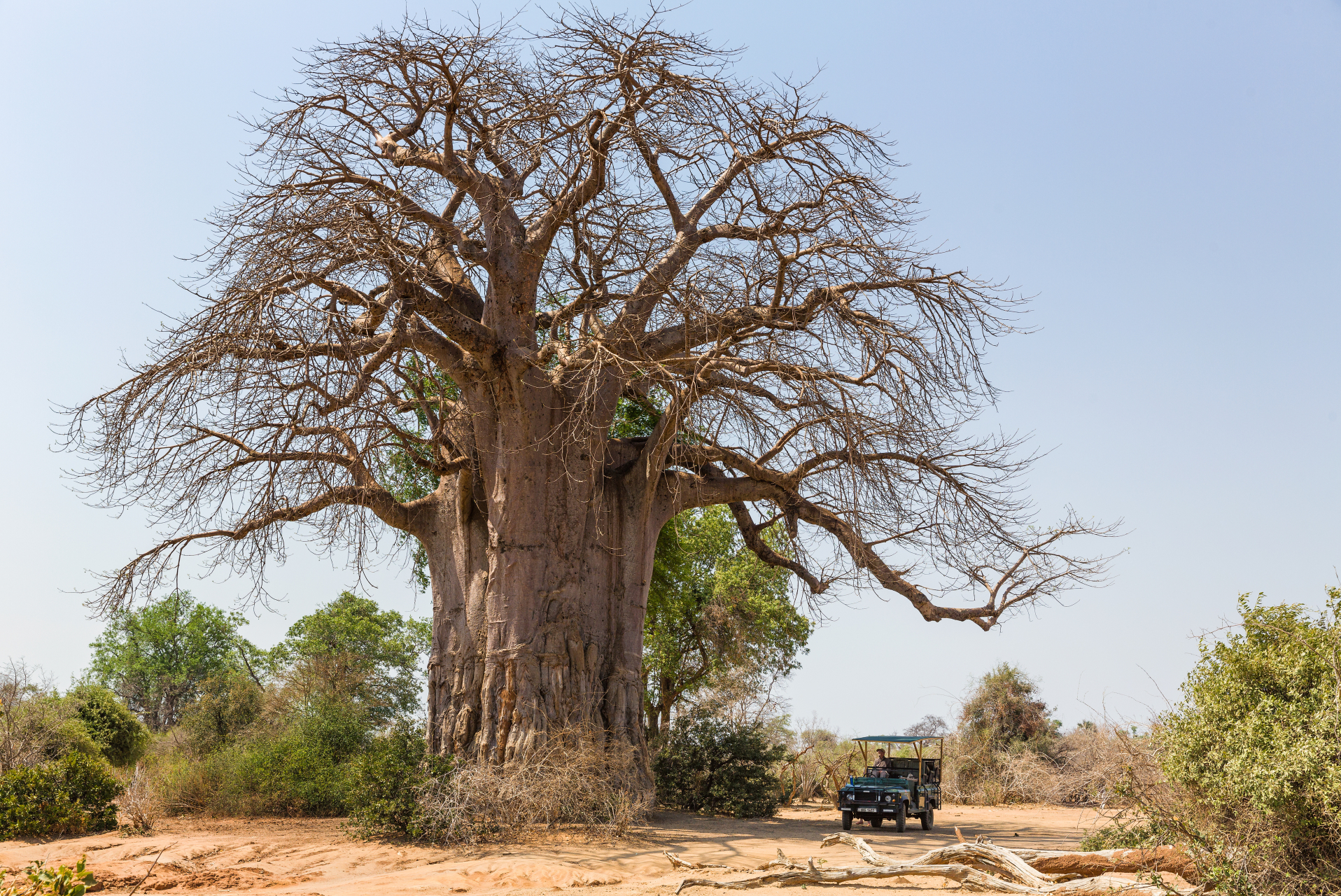
The Lower Zambezi’s history is unusual among Africa’s great parks. While other areas were developed for tourism or impacted by settlement, this land remained protected as the private wilderness of Zambia’s president. No development of any kind was permitted, which preserved the area in an almost perfect, untouched state.
In 1983 the area was declared a national park, opening it up to photographic tourism for the first time. Its development has been carefully managed, with a focus on low-impact, high-value ecotourism. Conservation has always been at its heart, with local safari operators playing a leading role in anti-poaching, research and community engagement efforts.
More unforgettable activities
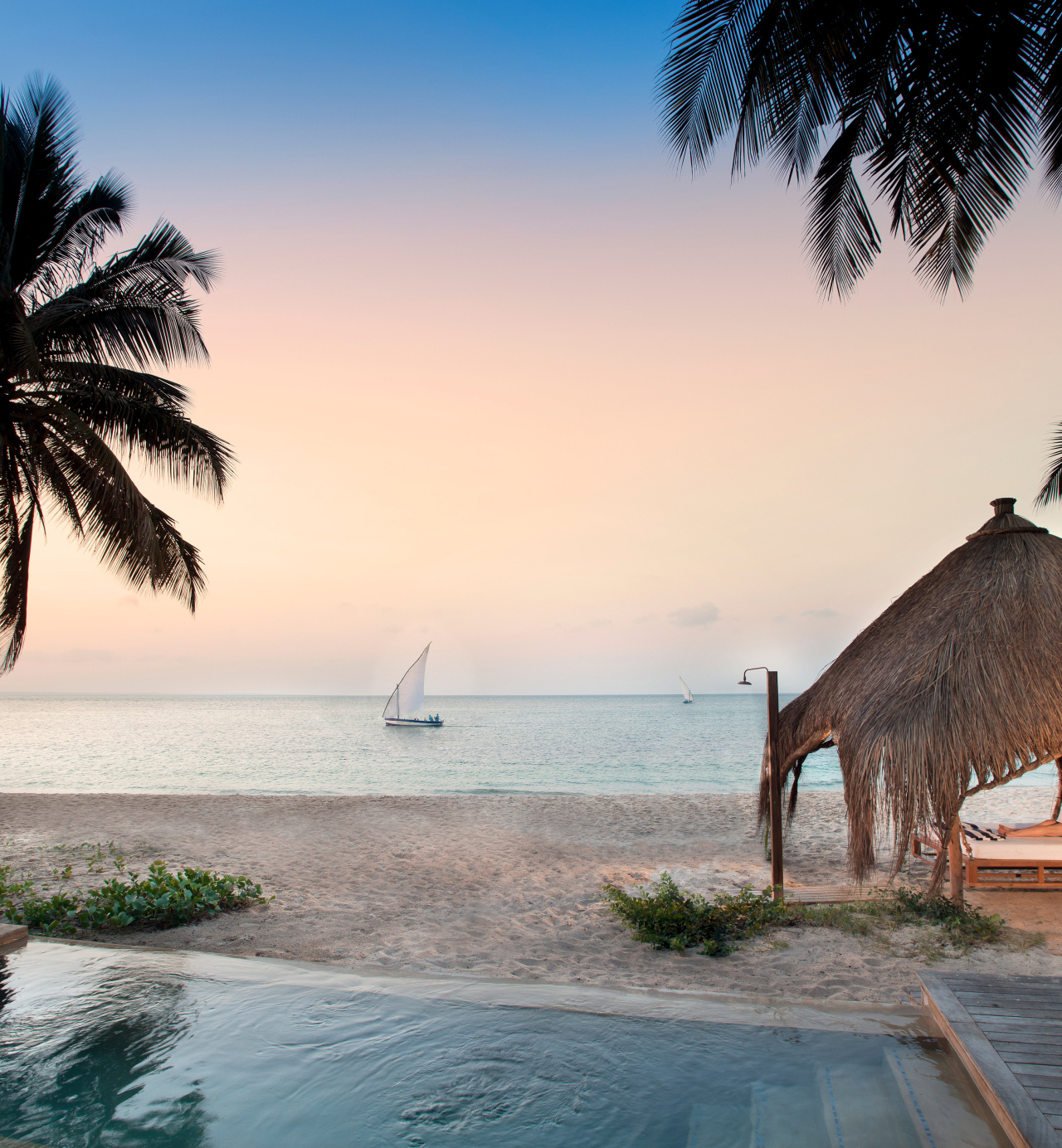
Turtle egg laying and hatching

Traditional Bo-Kaap cooking experience
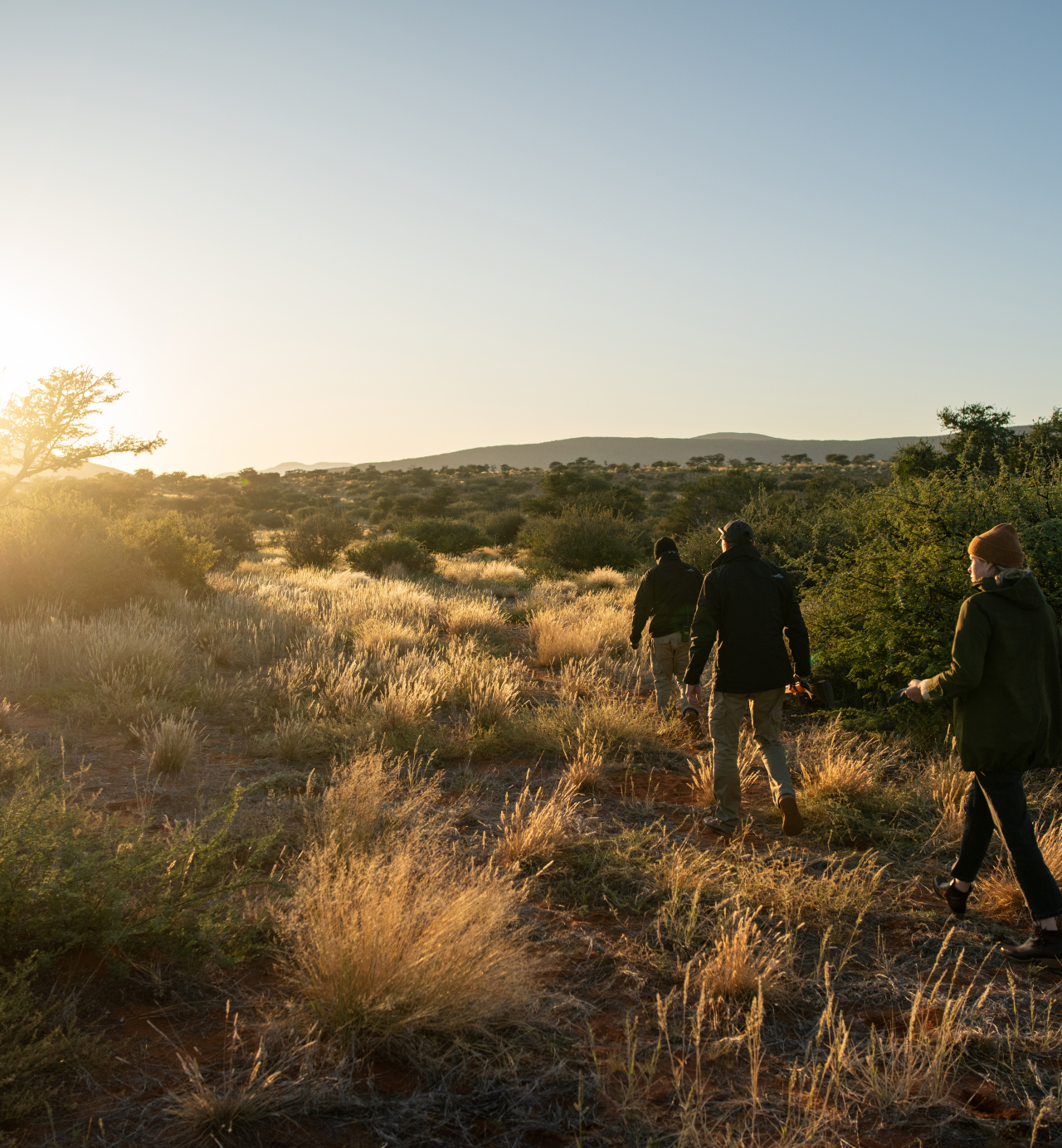
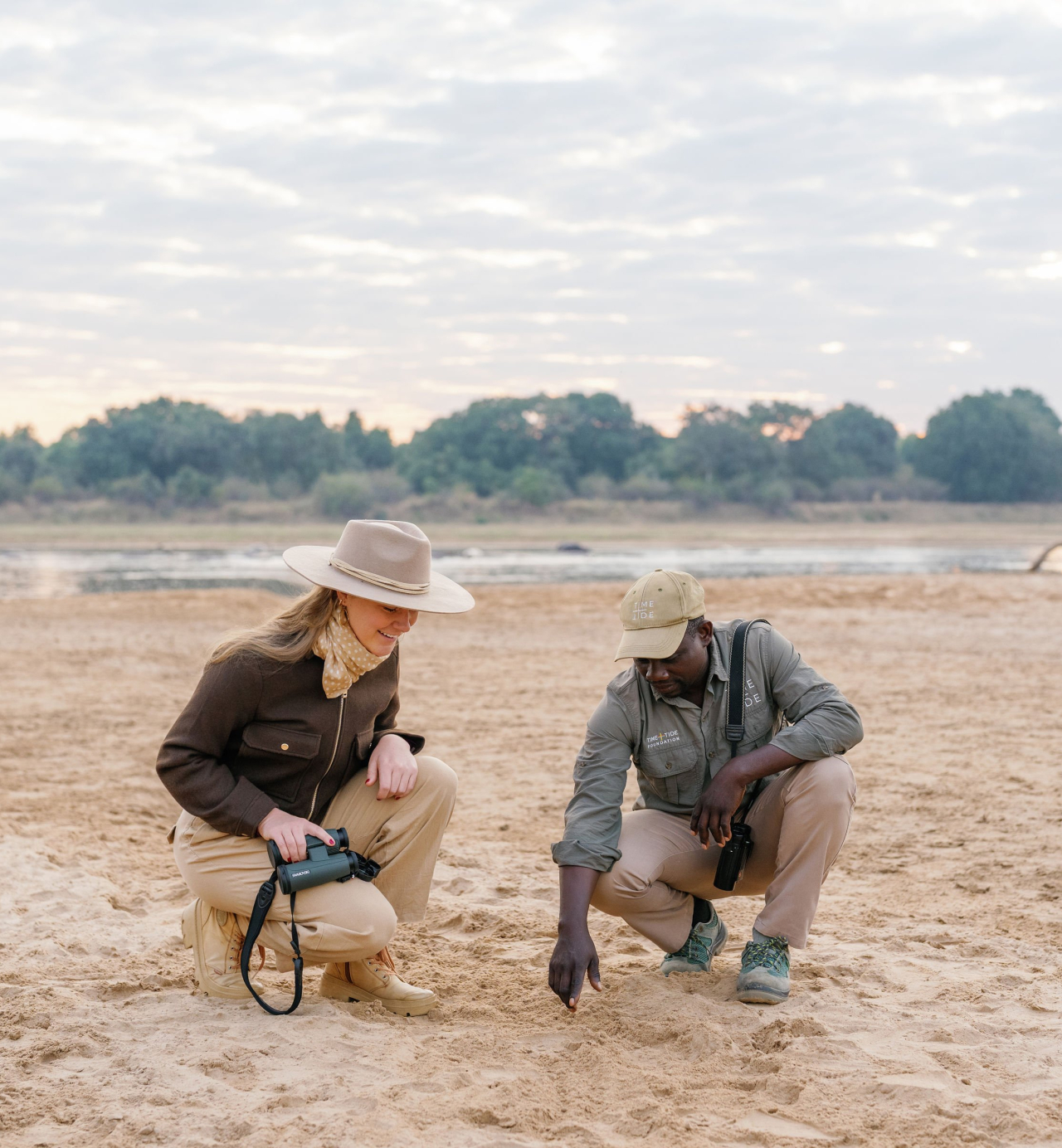
Tracking Africa’s most elusive species on foot


SkyBoma, Etosha
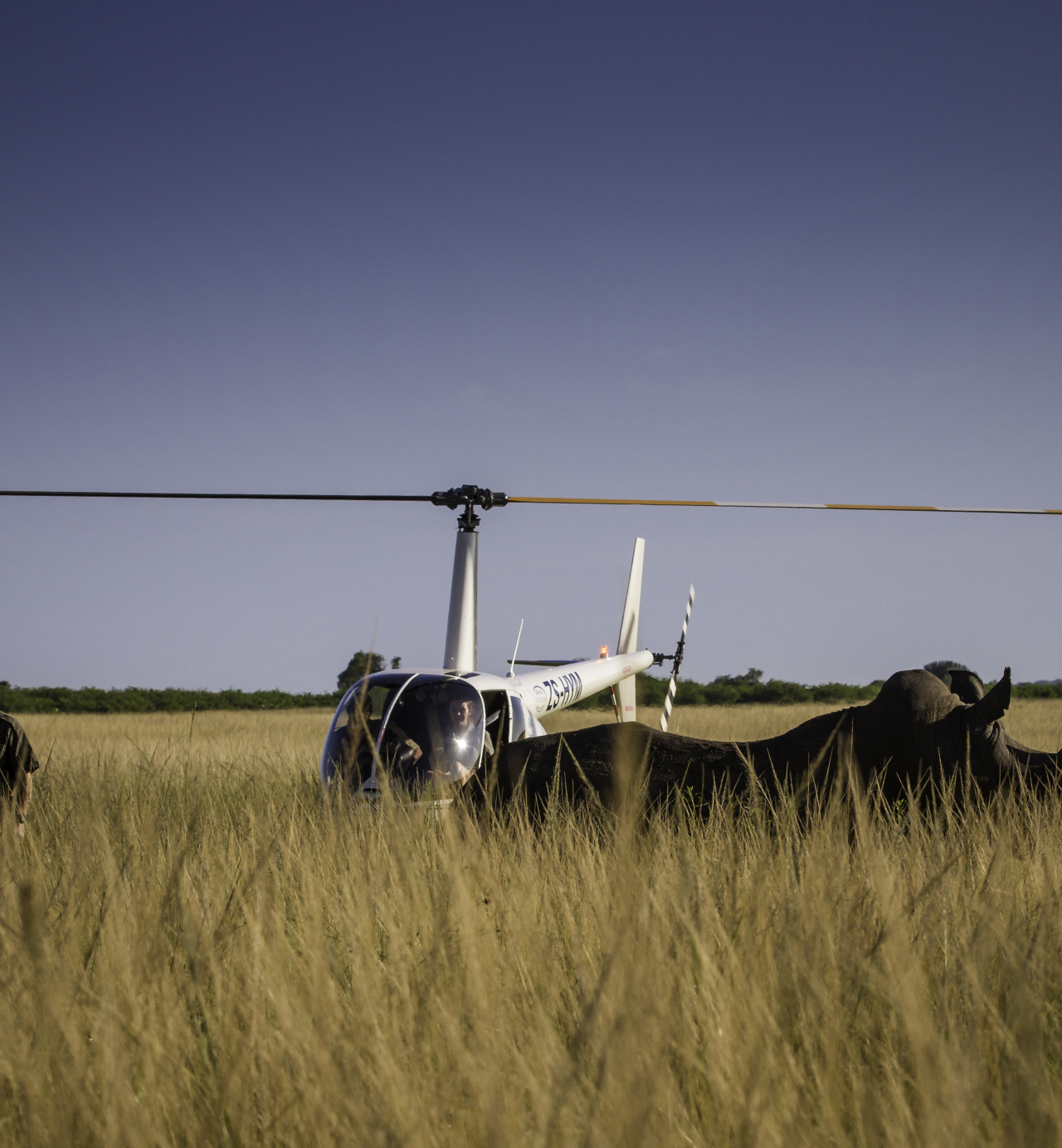
Rhino darting and chipping experience
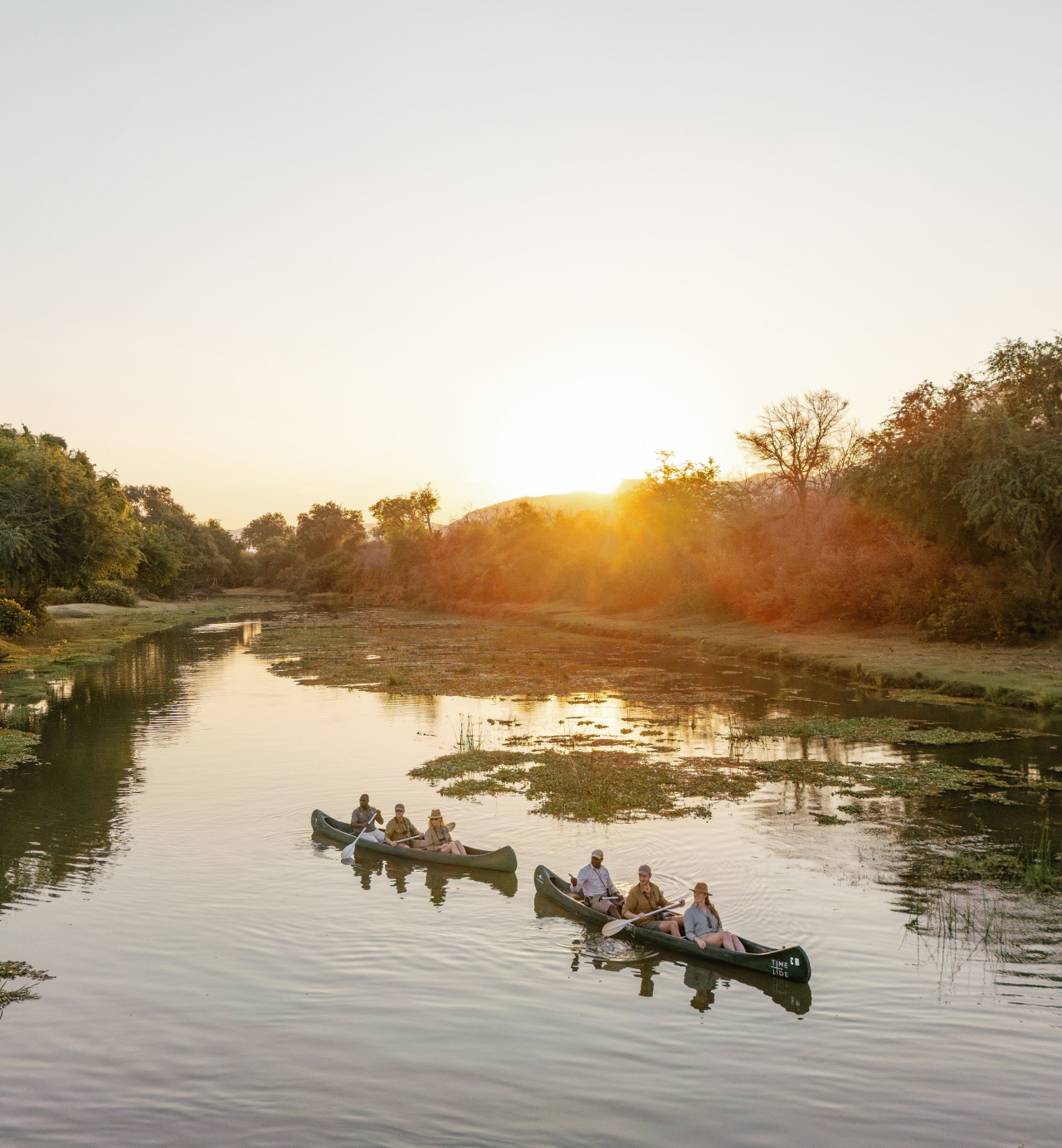
Picnicking on islands in the Zambezi
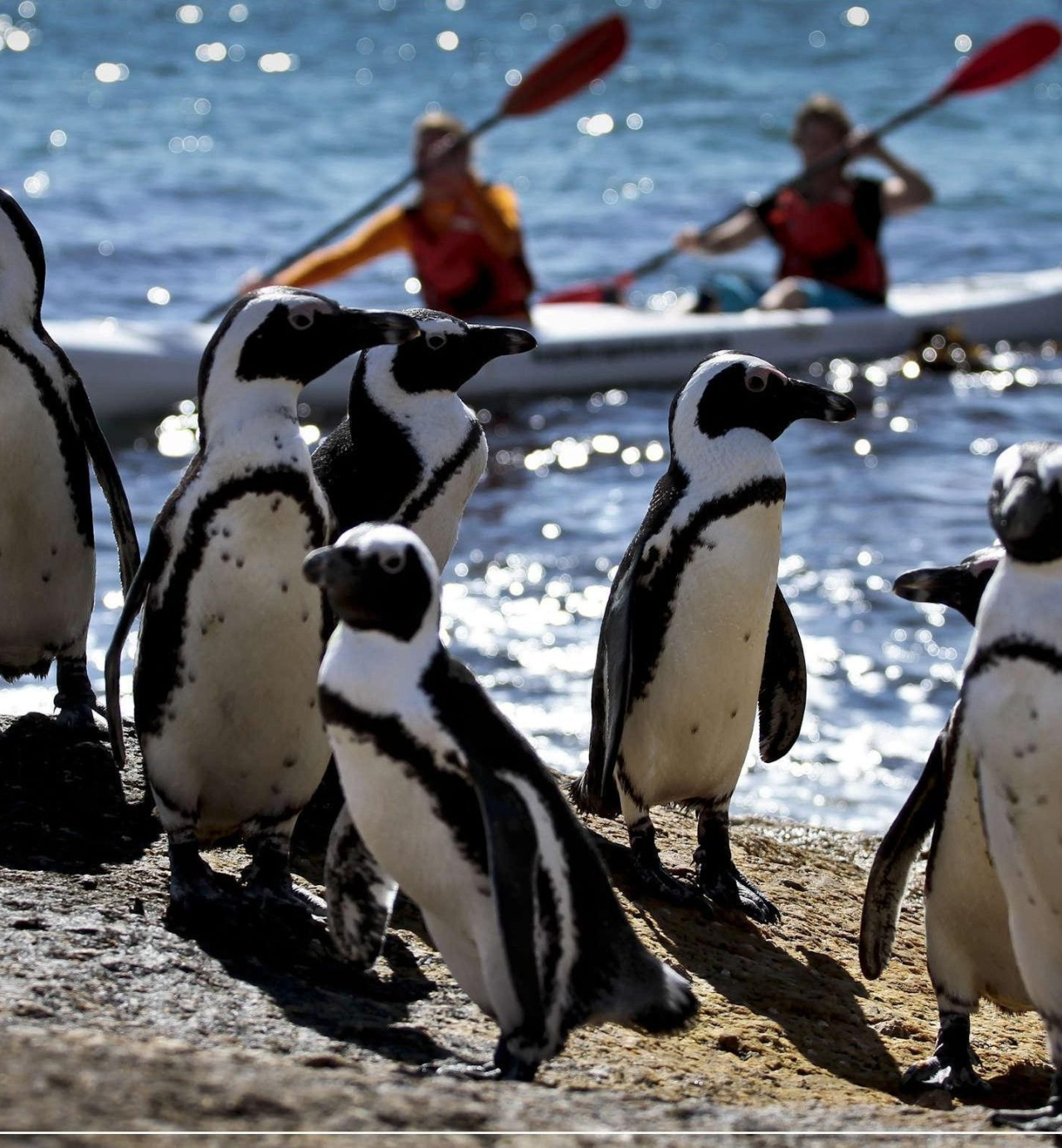
Paddle with penguins
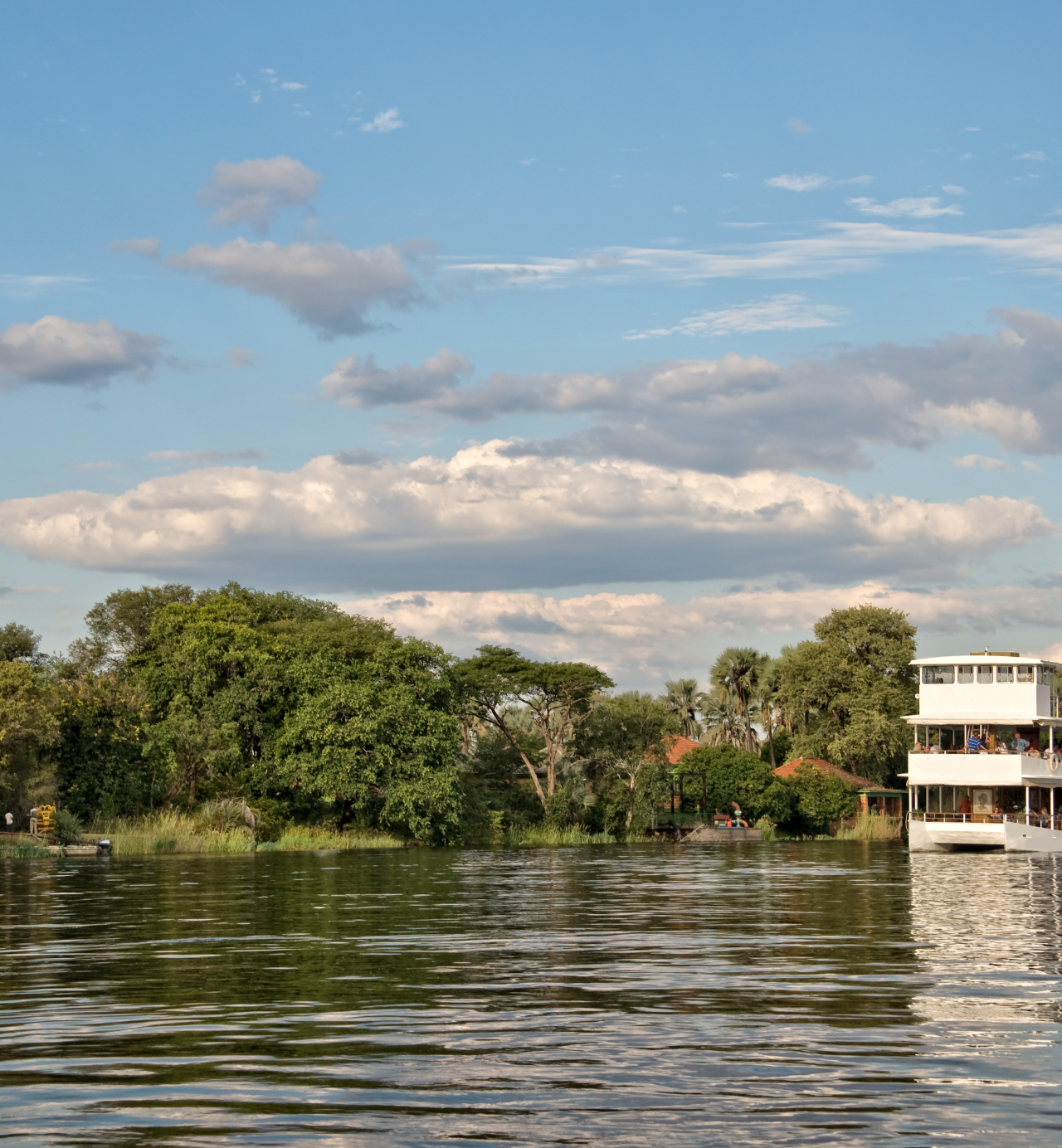
Live-aboard luxury Zambezi safari
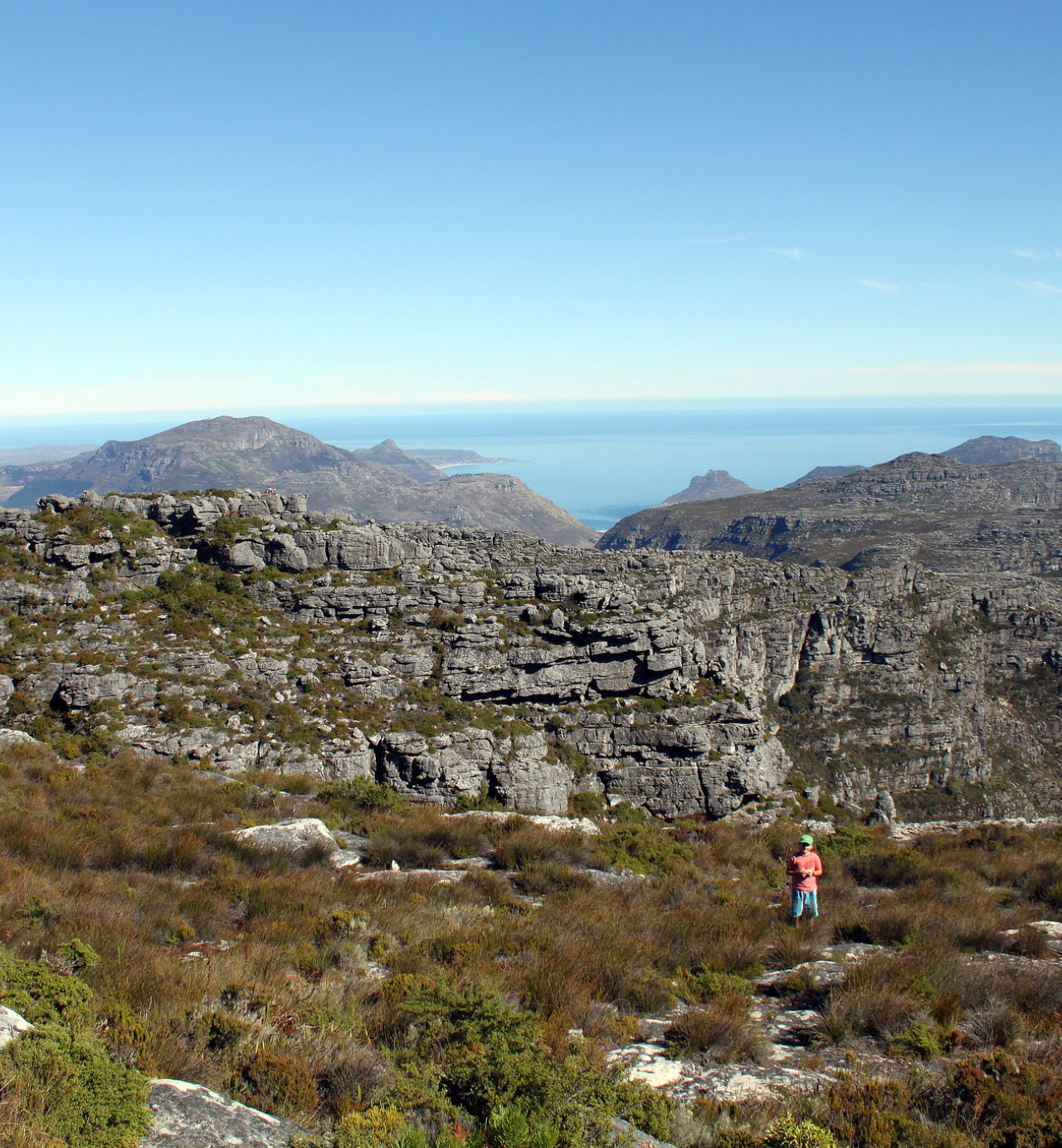
Hiking Table Mountain with a botanist or forager


Voices of our guests
Lower Zambezi National Park FAQs
The dry season, from June to October, is the only time to visit. All camps are closed during the wet season (November-April). Game viewing improves steadily as the dry season progresses, with September and October being the absolute peak months.
Yes, they are very safe. You will be led by one of Zambia’s highly qualified, armed professional guides, who are experts in animal behaviour and ensuring guest safety. These activities are thrilling but are always conducted with the utmost respect for the wildlife.
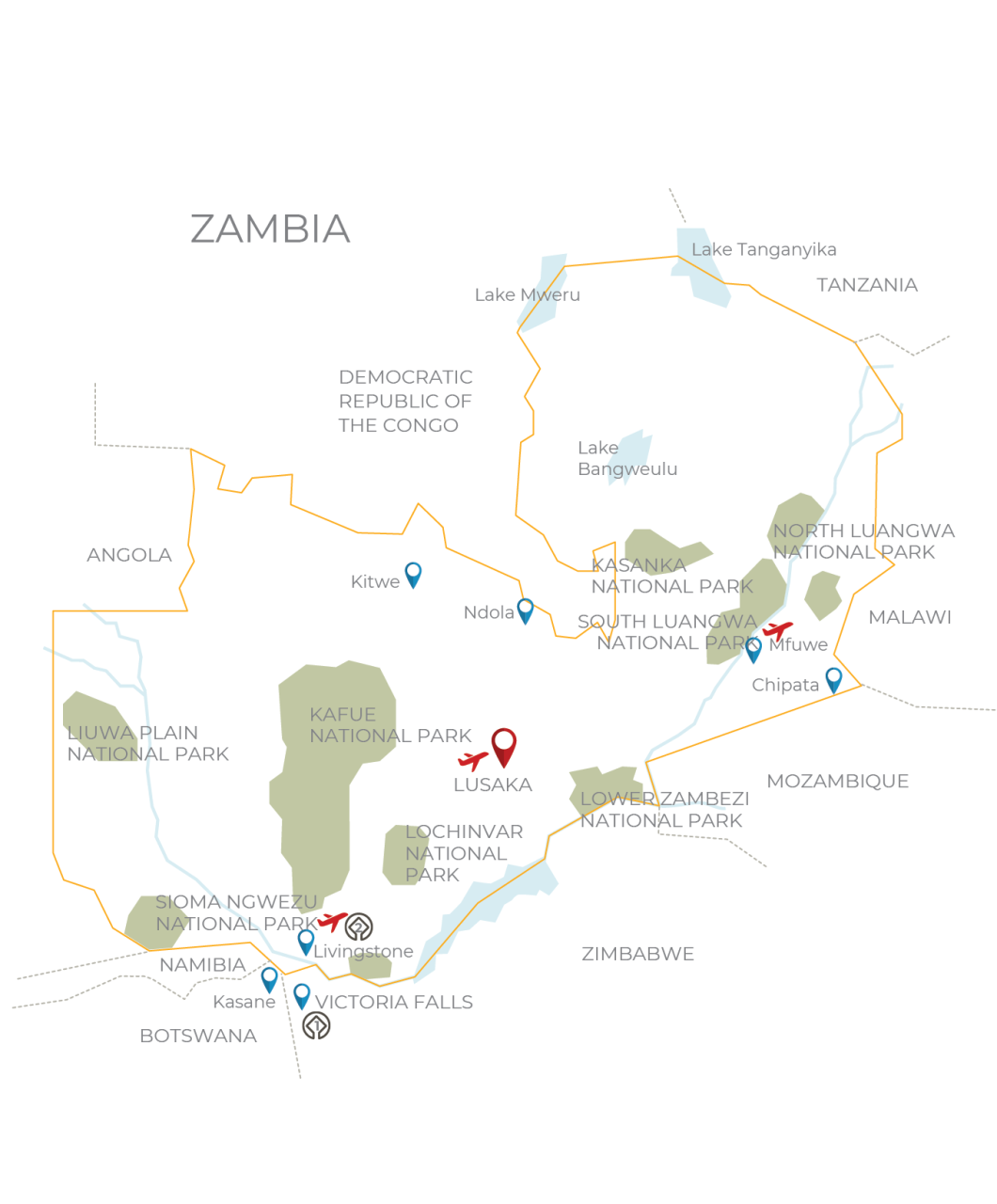
The park is a remote, fly-in destination. You will take a light aircraft flight from Lusaka or Mfuwe to one of the park’s airstrips, where your lodge will meet you for a final transfer by boat or game drive vehicle.
No. The Lower Zambezi has exceptional populations of lion, leopard, elephant and buffalo. However, there are no rhinos in the park, and giraffes are absent as well.
Yes, Phinda is located in a malaria-risk zone. It is essential that you consult your doctor or a travel clinic for advice on appropriate anti-malarial medication before your trip.
A stay of three to four nights is ideal. This allows you to experience a full range of the park's signature activities, including canoeing, boating, walking and game drives, without feeling rushed.
While both are premier Zambian parks, their focus is different. South Luangwa is the home of the classic walking safari with its iconic oxbow lagoons. The Lower Zambezi is defined by the mighty river itself, with canoeing and boating safaris being the signature activities, all set against the dramatic escarpment backdrop.
It is a famous and exciting form of catch-and-release sport fishing. The tigerfish is a formidable freshwater predator with razor-sharp teeth, renowned for its aggressive strike and acrobatic fight.
Absolutely. While it is a favourite for safari connoisseurs, its incredible wildlife density, expert guiding and beautiful scenery make it a highly memorable destination for first-timers, especially those with an adventurous spirit.
Pack lightweight, neutral-coloured clothing. Comfortable walking shoes are essential. Also bring a hat, polarised sunglasses (great for reducing glare on the water), sun protection and a warm fleece or jacket for cold early mornings.
