

Madikwe Game Reserve
Madikwe Game Reserve
An African conservation success story
Peak time
July to October
Best time to visit
May to October (dry season for peak game viewing)
Known for
Being a premier malaria-free Big Five destination
Also known for
Its pioneering, community-based conservation model; African wild dog sightings
About Madikwe Game Reserve
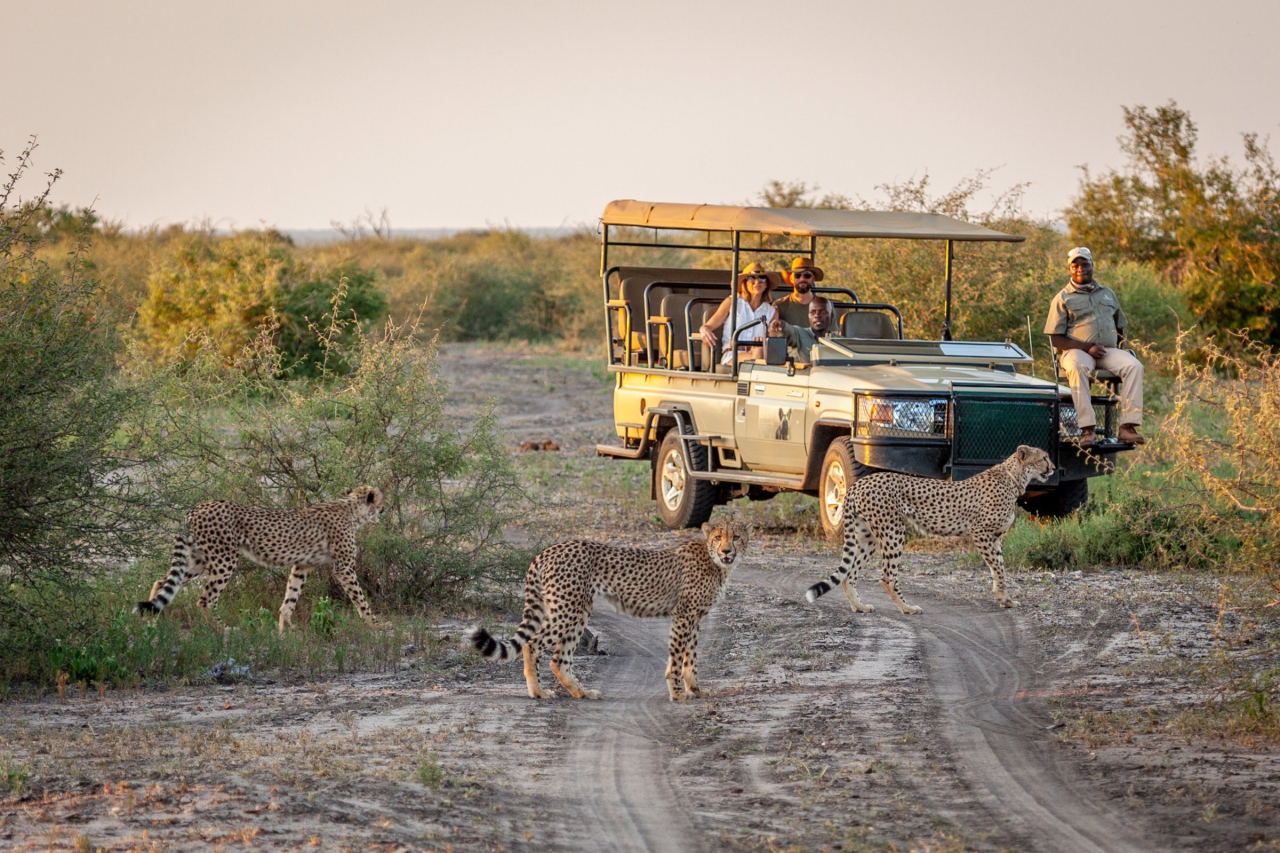
Photo courtesy Madikwe Hills Private Game Lodge
Madikwe is one of Africa’s most inspiring conservation success stories. Where there was once degraded cattle farmland, there is now a vast, thriving wilderness teeming with the Big Five. This is the result of Operation Phoenix, the largest wildlife translocation project in the world, which reintroduced more than 8 000 animals to the region in the 1990s. The reserve was born of a visionary partnership between the state, the private sector and local communities.
This led to one of the best and most accessible safari destinations in South Africa. Located on the border of Botswana, the reserve’s landscape is a fascinating transition zone between classic bushveld and the semi-arid Kalahari. This blend of habitats – from rolling grasslands and rocky outcrops to the acacia woodlands of the Dwarsberg mountains – supports incredible biodiversity, including both classic safari animals and unique desert-adapted species.

Did you know
The reserve is a three-way partnership: the North West Parks and Tourism Board, the private sector and local communities
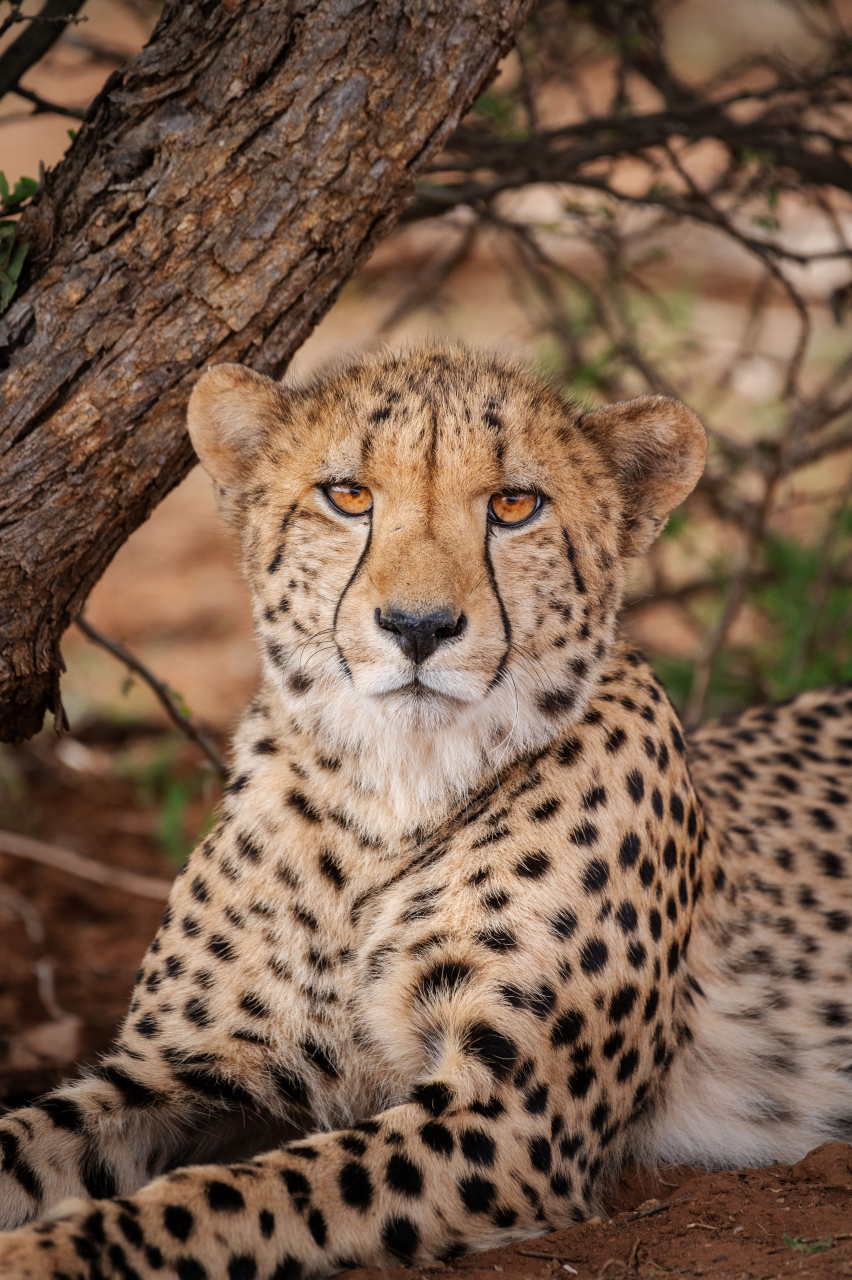
A safari in Madikwe is a guarantee of a completely malaria-free Big Five experience. It is particularly renowned for its thriving populations of the highly endangered African wild dog, offering some of the best opportunities to see these fascinating predators. For families and travellers seeking a world-class safari without the health concerns, Madikwe is an unparalleled choice.
Get to know Madikwe
Madikwe is a private game reserve, exclusively for guests staying at one of the lodges within its boundaries. This ensures a completely crowd-free safari experience, with strict controls on the number of vehicles at any wildlife sighting. The reserve is operated as a joint venture, and all gate fees and tourism levies contribute directly to the park’s conservation efforts and community development projects.
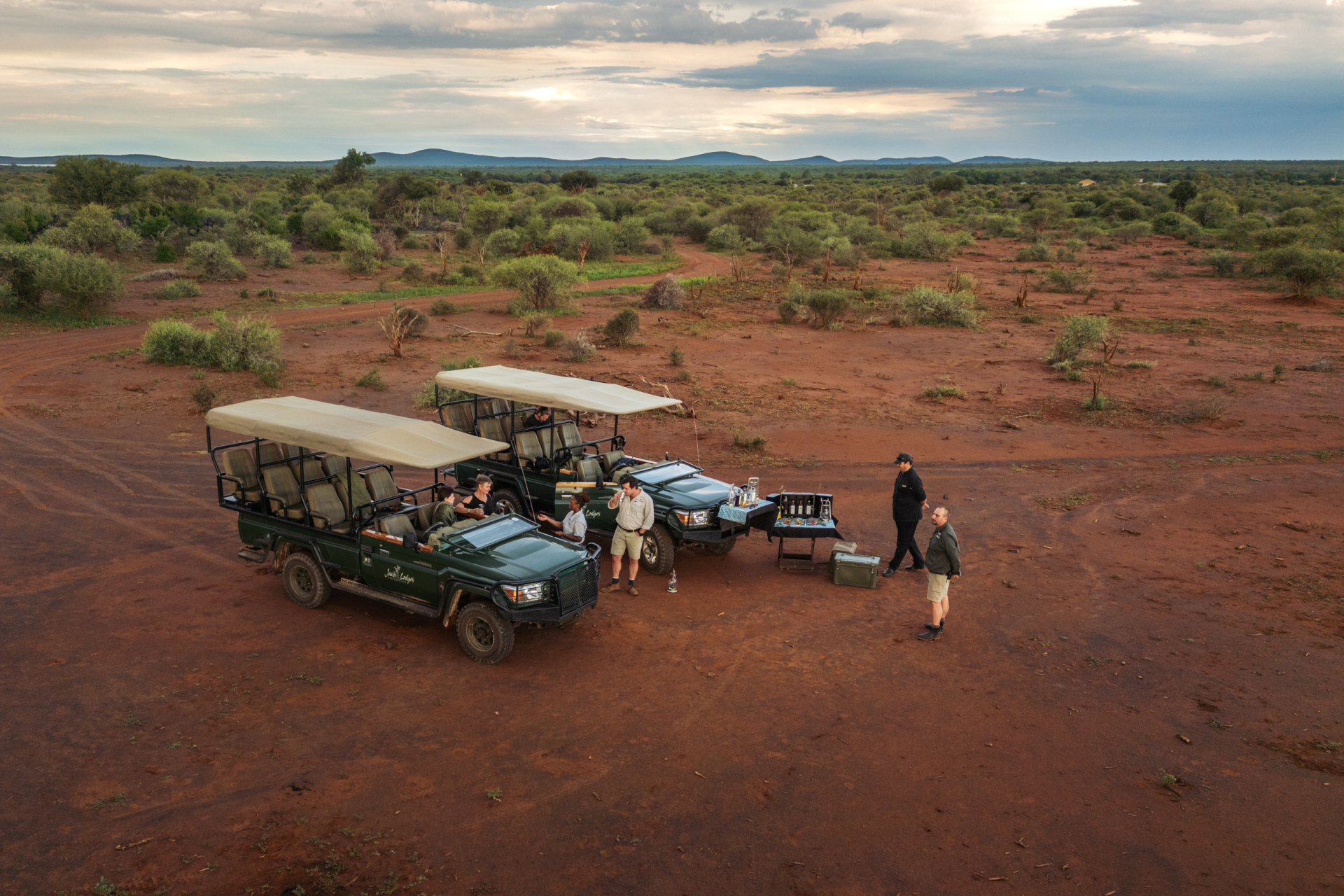
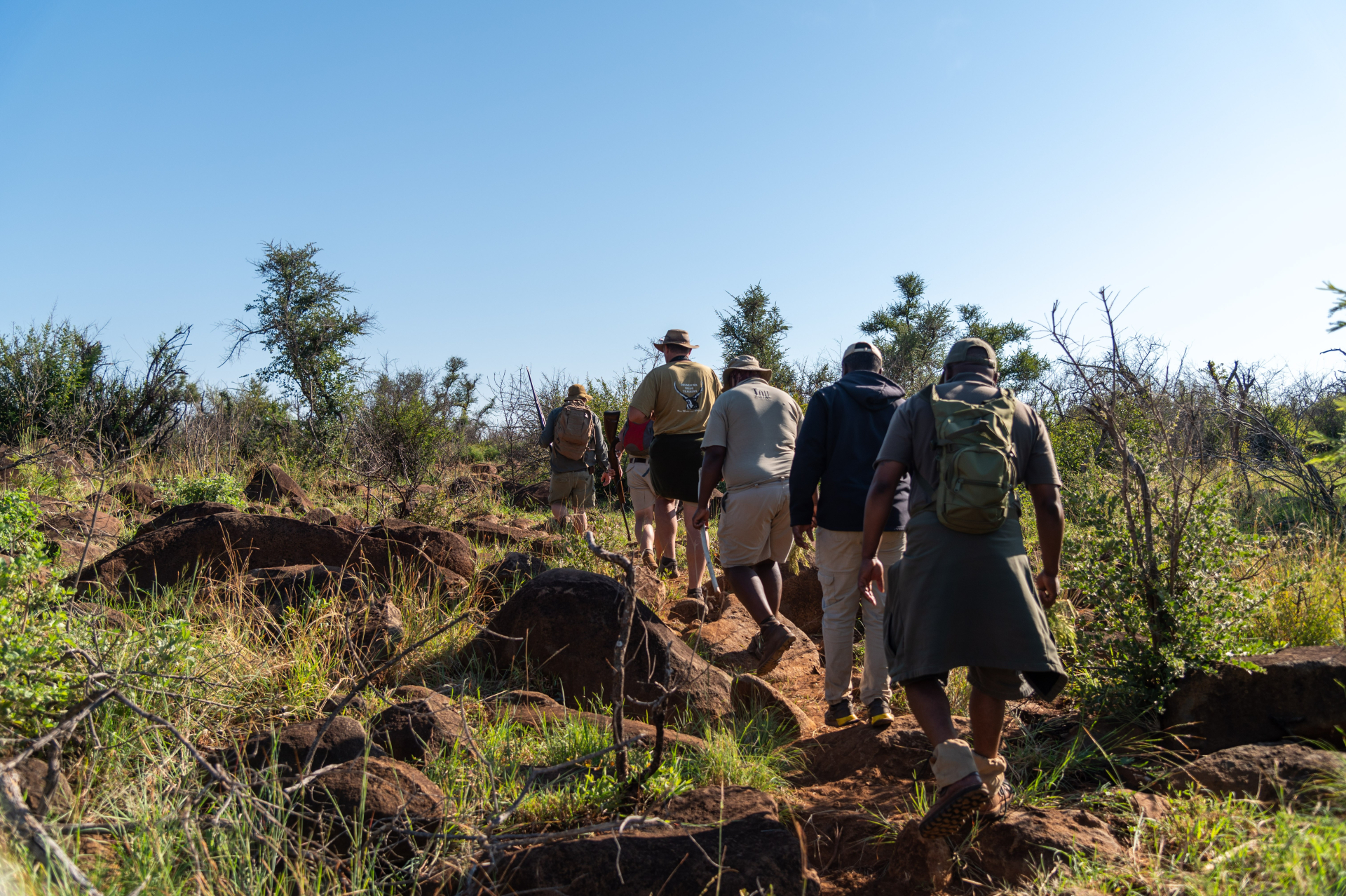
The safari experience is dynamic and flexible, typical of a private reserve. Expert guide-and-tracker teams are permitted to drive off-road to get closer to significant sightings. Thrilling night drives with spotlights are a standard part of the daily schedule, offering a chance to see the reserve’s rich nocturnal life, including genets, civets and aardwolves. Guided bush walks are also offered by most lodges, providing an intimate, on-the-ground perspective of the ecosystem.
History
The history of Madikwe is a story of visionary social and ecological engineering. By the late 1980s, the land comprised struggling cattle farms that were economically and ecologically unsustainable. In a groundbreaking move, the government decided against agricultural development and instead opted to create a premier game reserve that could generate sustainable revenue and employment for impoverished local communities.
This led to the launch of Operation Phoenix in 1991. Over a period of seven years, in the world’s largest-ever wildlife translocation project, more than 8 000 animals of 28 different species were reintroduced to the land. Entire breeding herds of elephants were moved, along with buffalo, rhinos and predators. The project was a phenomenal success, creating a thriving Big Five wilderness and establishing Madikwe as a global benchmark for large-scale conservation and community-based tourism.
More unforgettable activities
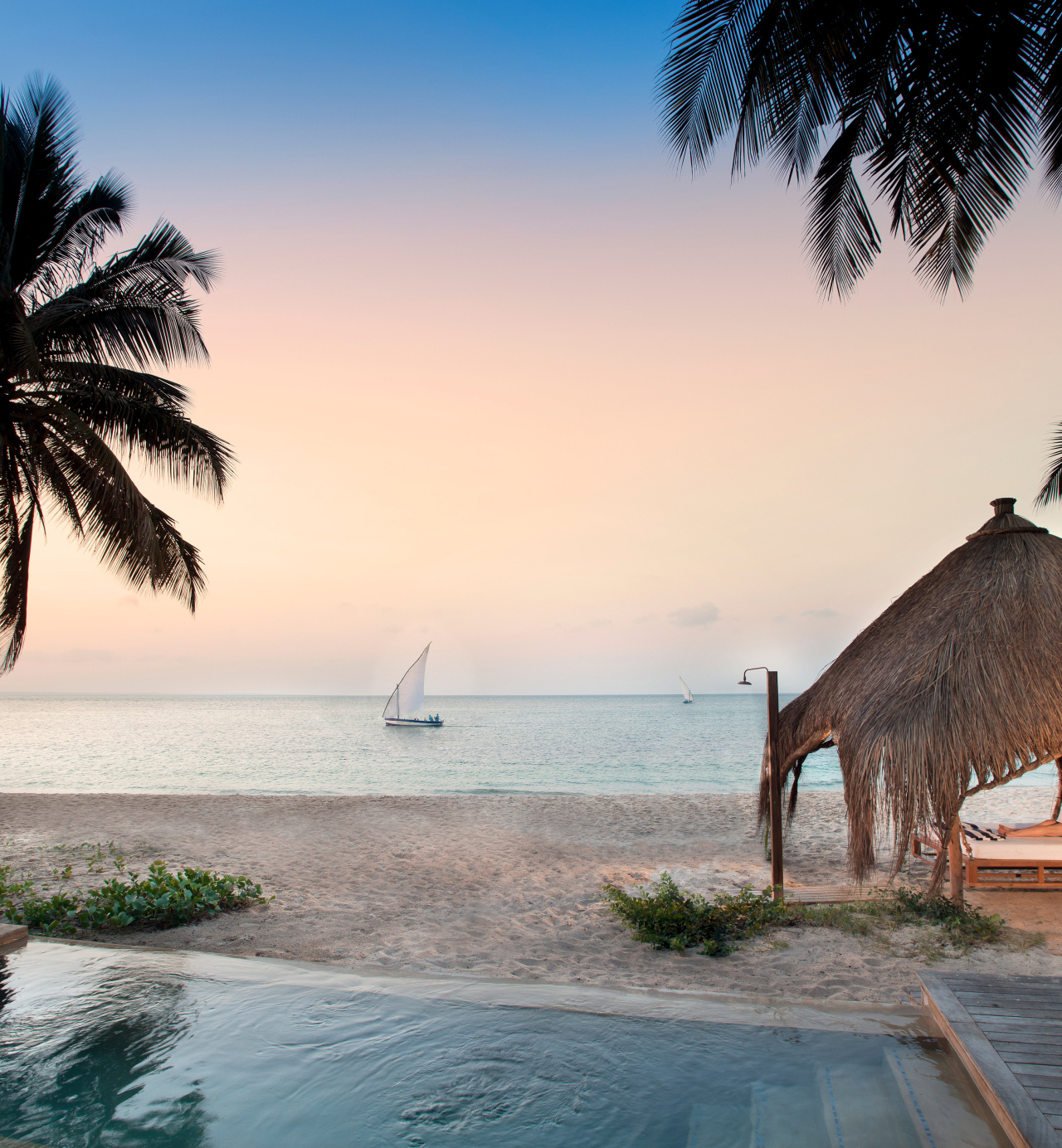
Turtle egg laying and hatching

Traditional Bo-Kaap cooking experience
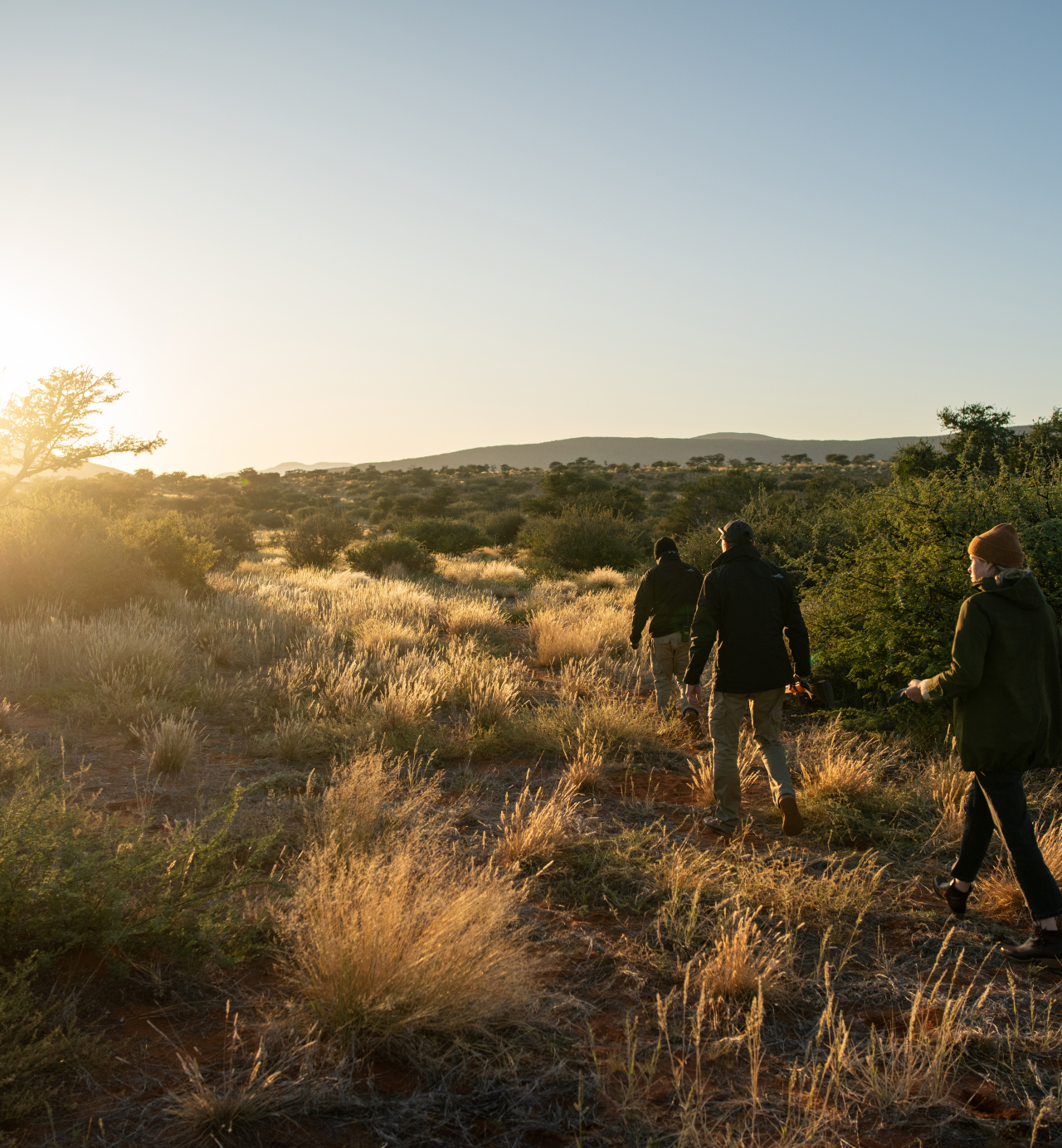
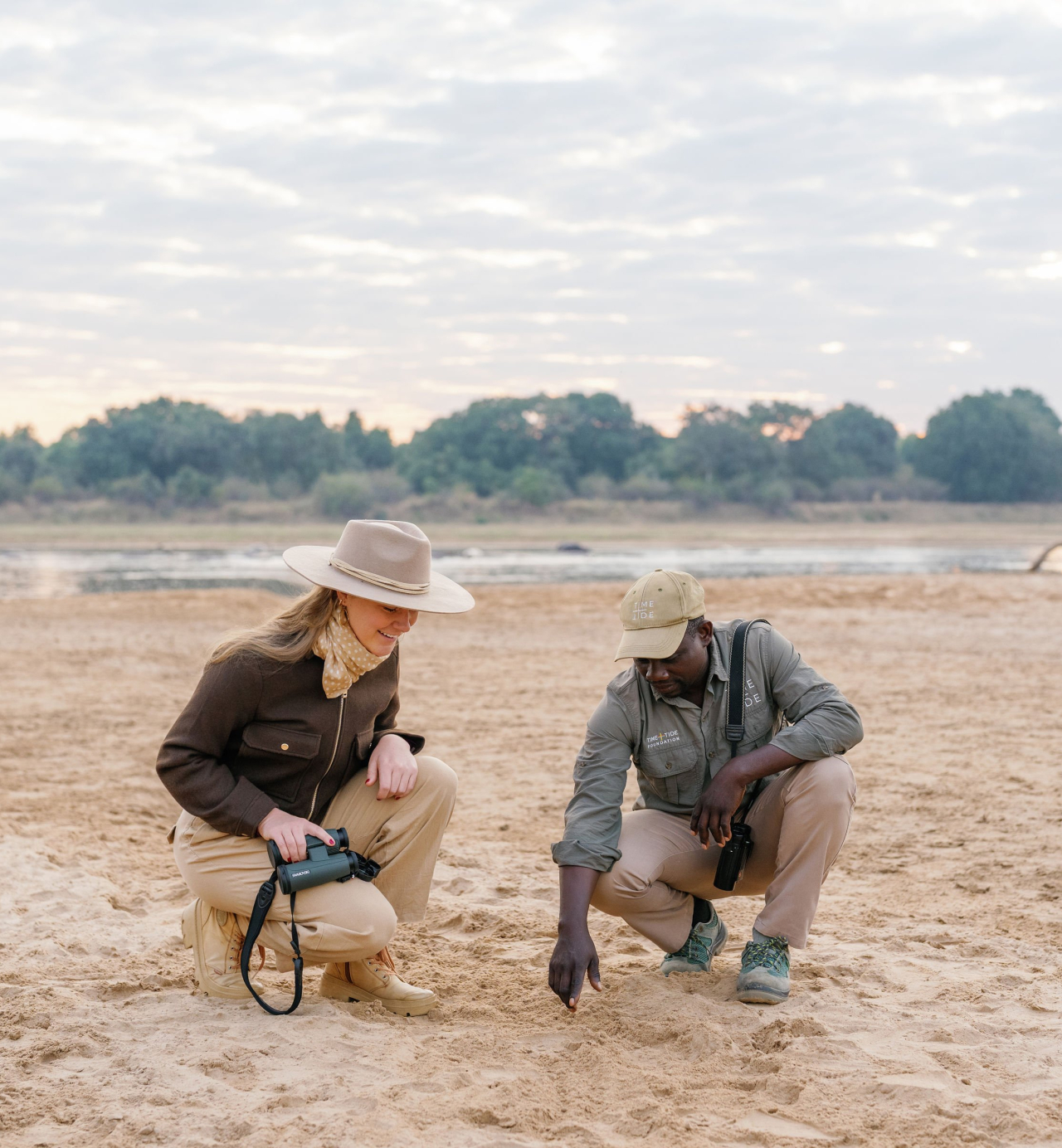
Tracking Africa’s most elusive species on foot
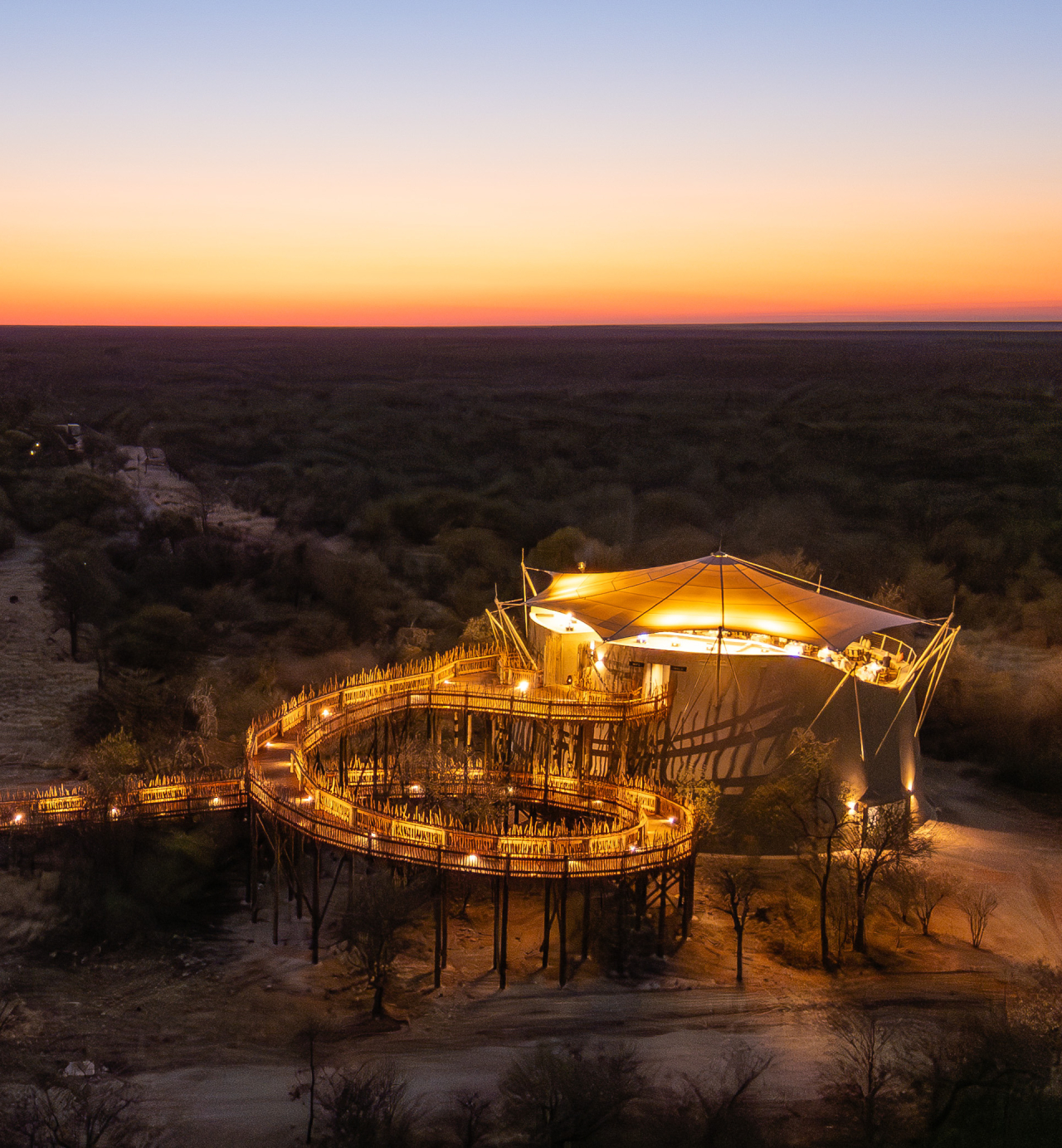
SkyBoma, Etosha
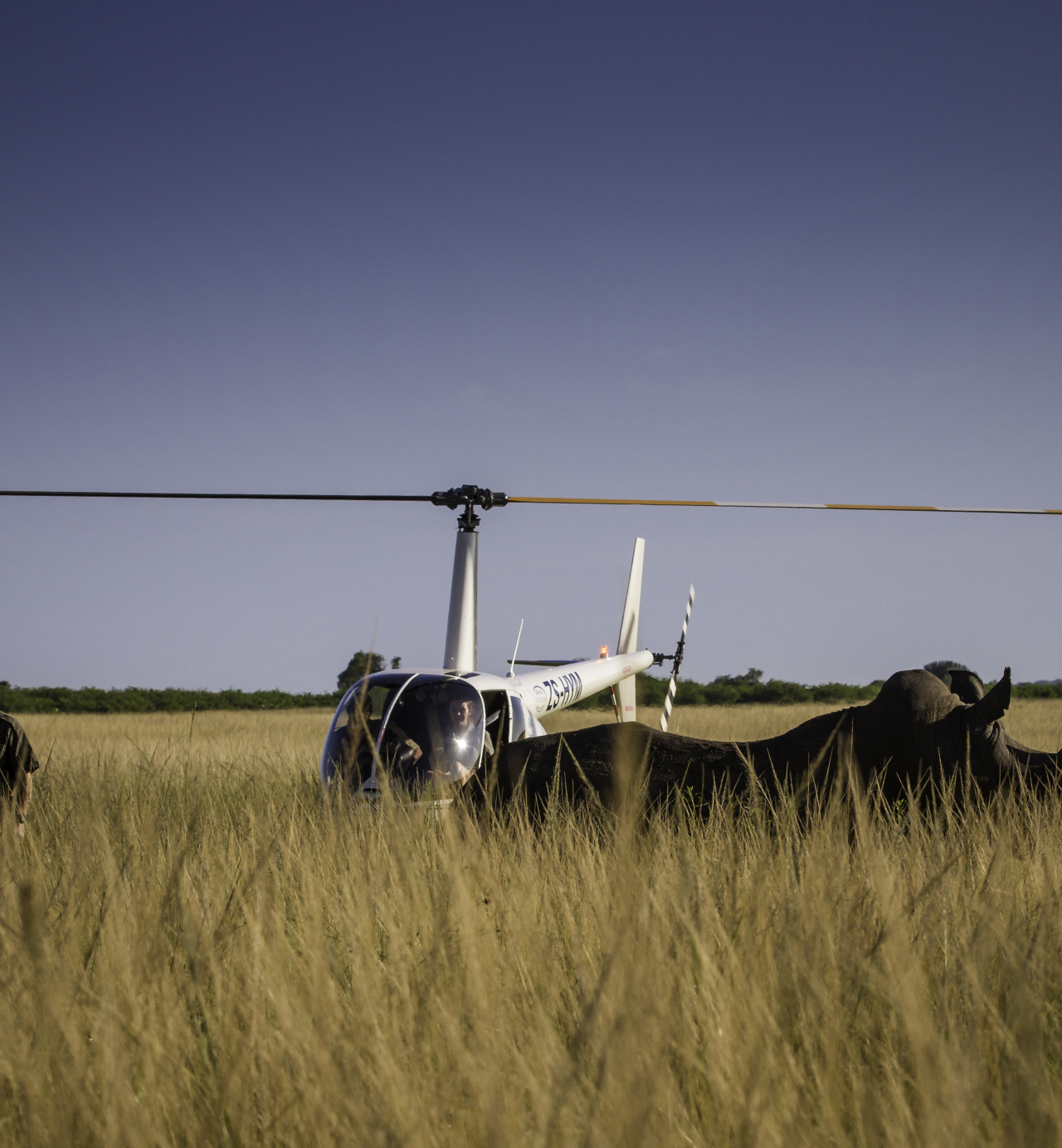
Rhino darting and chipping experience
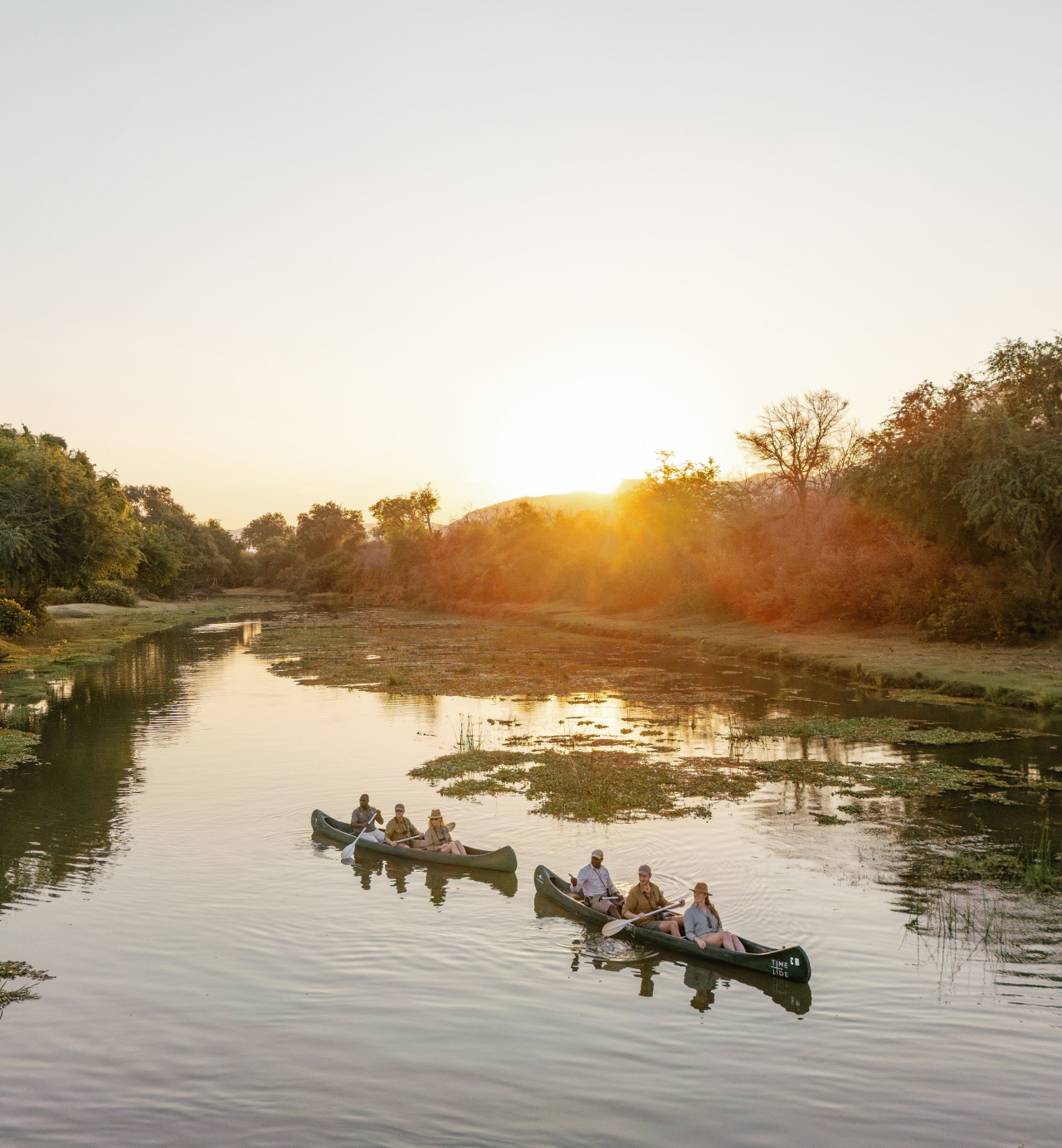
Picnicking on islands in the Zambezi
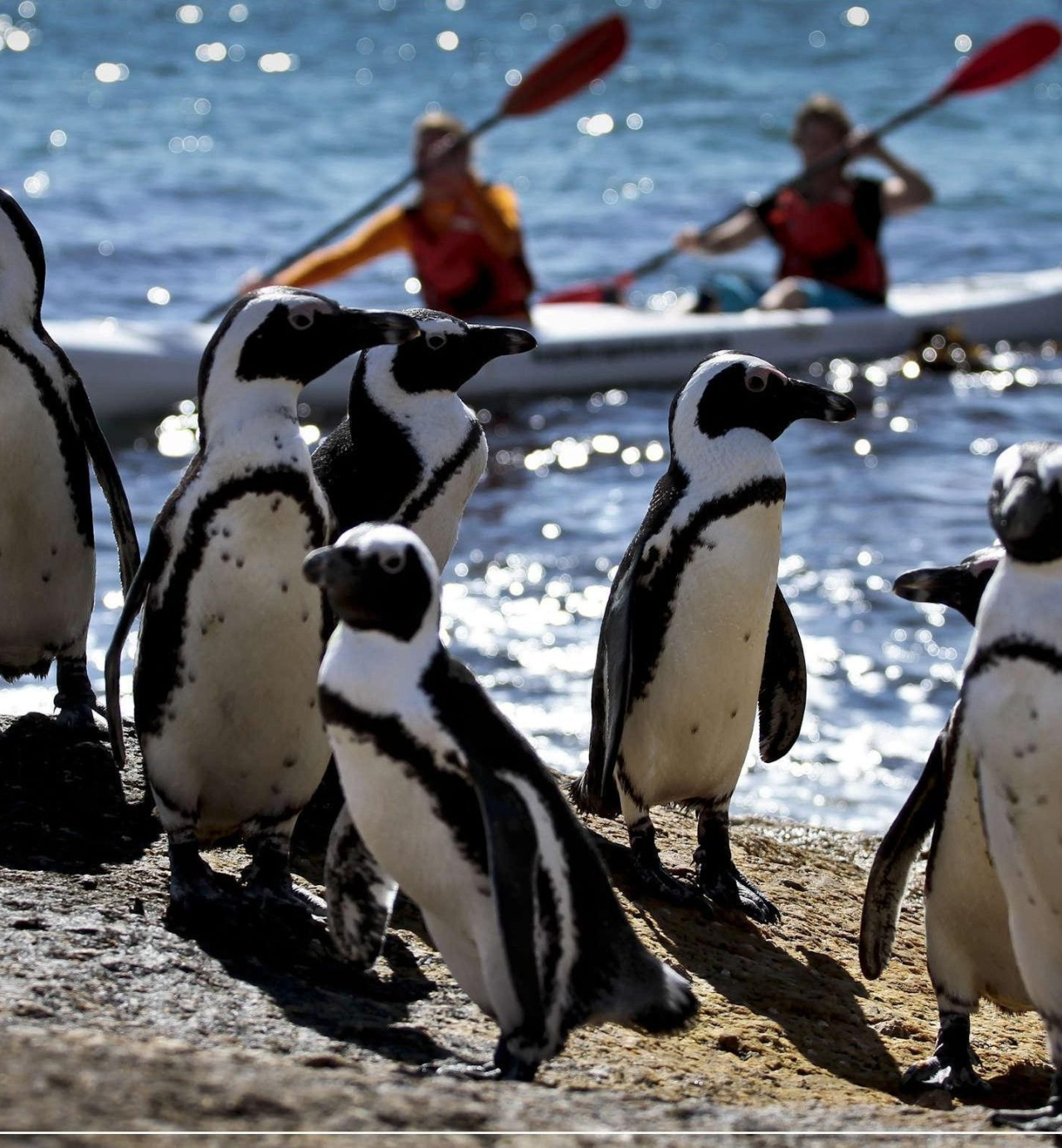
Paddle with penguins
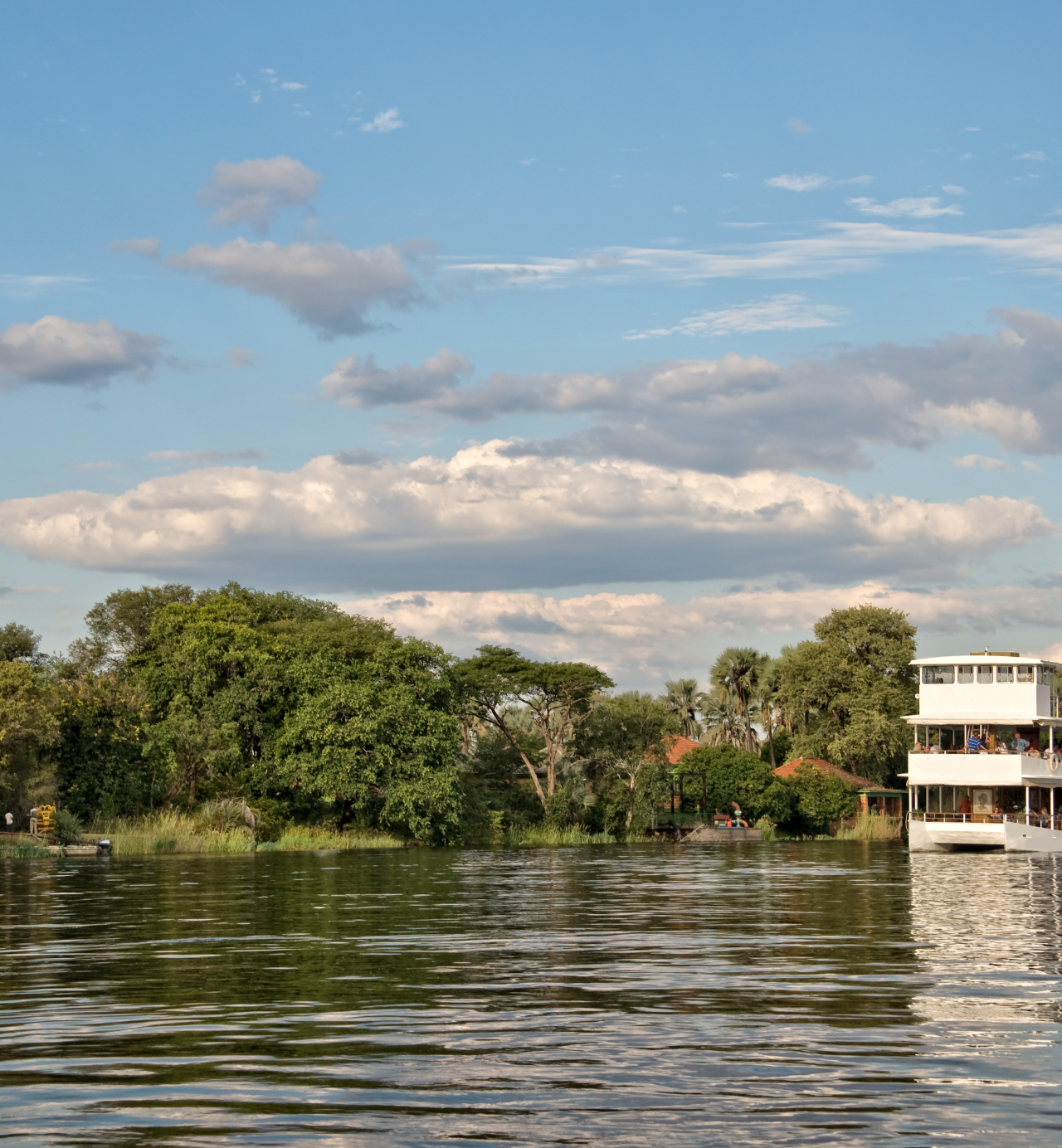
Live-aboard luxury Zambezi safari
Hiking Table Mountain with a botanist or forager

Voices of our guests
Madikwe Game Reserve FAQs
The single biggest advantage is that it offers a world-class, exclusive, Big Five safari experience in a completely malaria-free environment. This provides immense peace of mind, especially for families with young children or travellers who prefer not to take anti-malarial medication.
Your chances are very high. Madikwe is one of the most reliable reserves in South Africa for wild dog sightings. The reserve supports several packs, and the guides and trackers are experts at locating them.
Madikwe is fully fenced and is a self-contained ecosystem. It does not share an open border with the Kruger National Park; it is located in a completely different part of South Africa, on the border with Botswana.
The two most common ways are a 3.5- to four-hour drive from Johannesburg, or a quick-and-convenient one-hour scheduled light aircraft flight directly into the reserve from Johannesburg’s OR Tambo International Airport.
A stay of three to four nights is ideal. This allows for a relaxed pace, multiple game drives and an excellent opportunity to see not only the Big Five but also the reserve’s special species, such as wild dogs and cheetahs.
No. Madikwe is a private reserve, and access and game viewing are restricted to guests of its lodges. All safari activities are conducted in the lodges’ open safari vehicles, with their professional guides.
Madikwe boasts 12 luxury and six ultra-luxury lodges, as well as a bush camp & eco lodge. Many are family-friendly, too. Speak to your Travel Architect about which Madikwe lodge best suits your requirements.
Madikwe is special because it was created from scratch on failed farmland with the dual purpose of conserving wildlife and, crucially, creating sustainable economic benefits for local communities. It is a model of social and ecological success.
It is arguably one of the best safari destinations in South Africa for families. The malaria-free status is the primary draw, and many lodges offer dedicated family suites, private vehicles and engaging children’s safari programmes.
Expect a beautiful and varied landscape. It is not flat. You will see large open plains, classic acacia thornveld, woodlands, and dramatic rocky hills and outcrops of the Dwarsberg mountains. The signature red Kalahari sands are also visible in many parts of the reserve.
