

Makgadikgadi Pans National Park
Makgadikgadi Pans National Park
A place of pristine isolation – and incredible abundance
Peak time
June to September
Best time to visit
April to October (dry season) for desert activities; November to March (wet season) for the zebra migration and birdlife
Known for
Its vast, otherworldly salt pans
Also known for
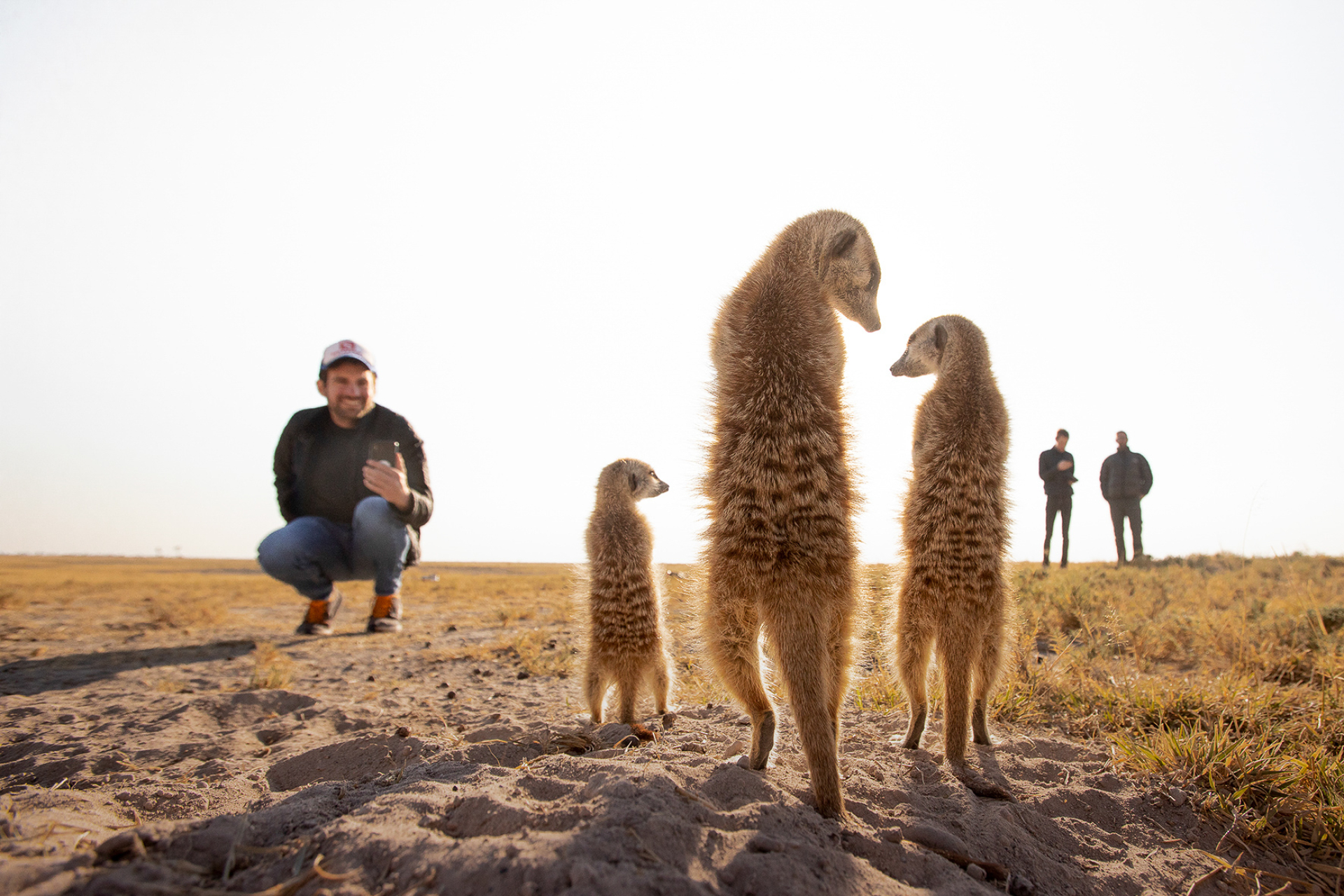
The great zebra migration; habituated meerkat encounters
About the Makgadikgadi Pans National Park
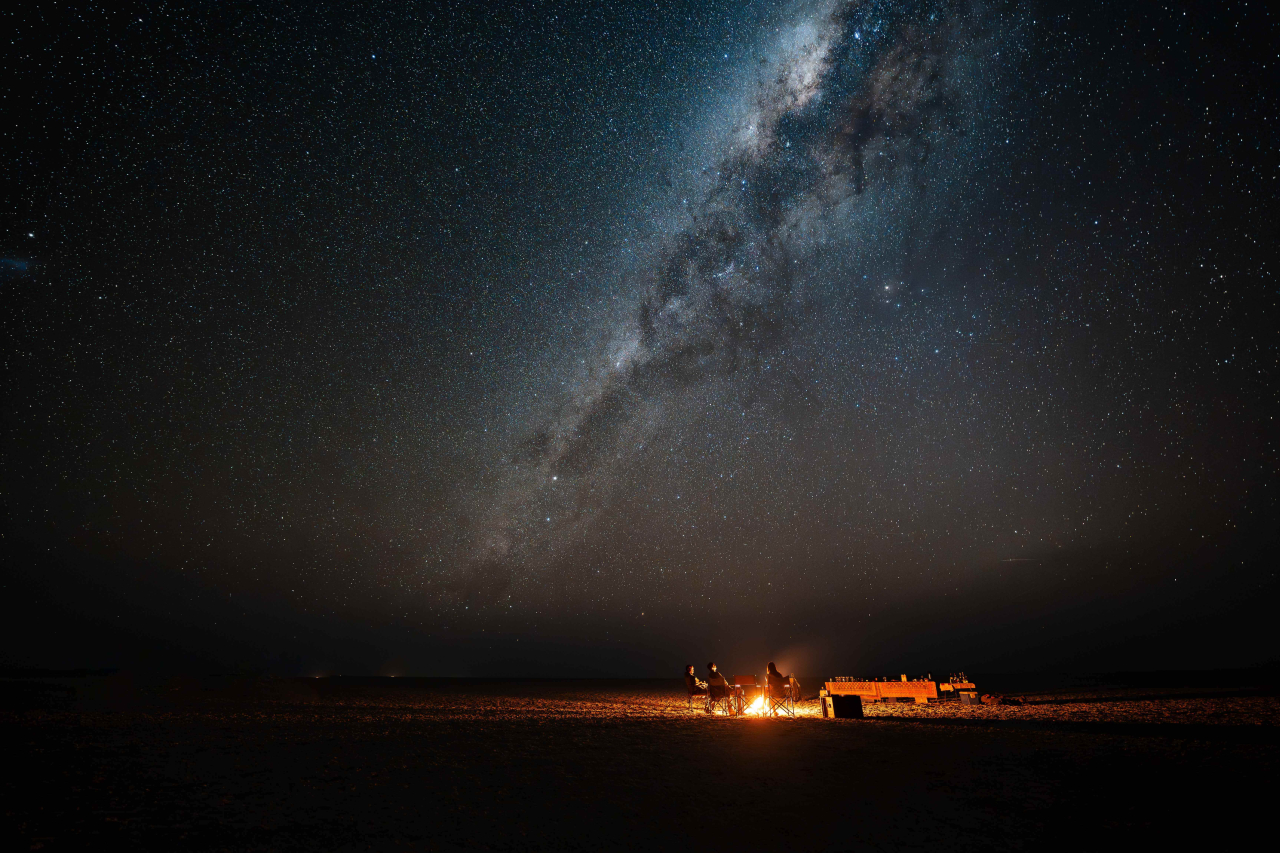
Image courtesy of Natural Selections.
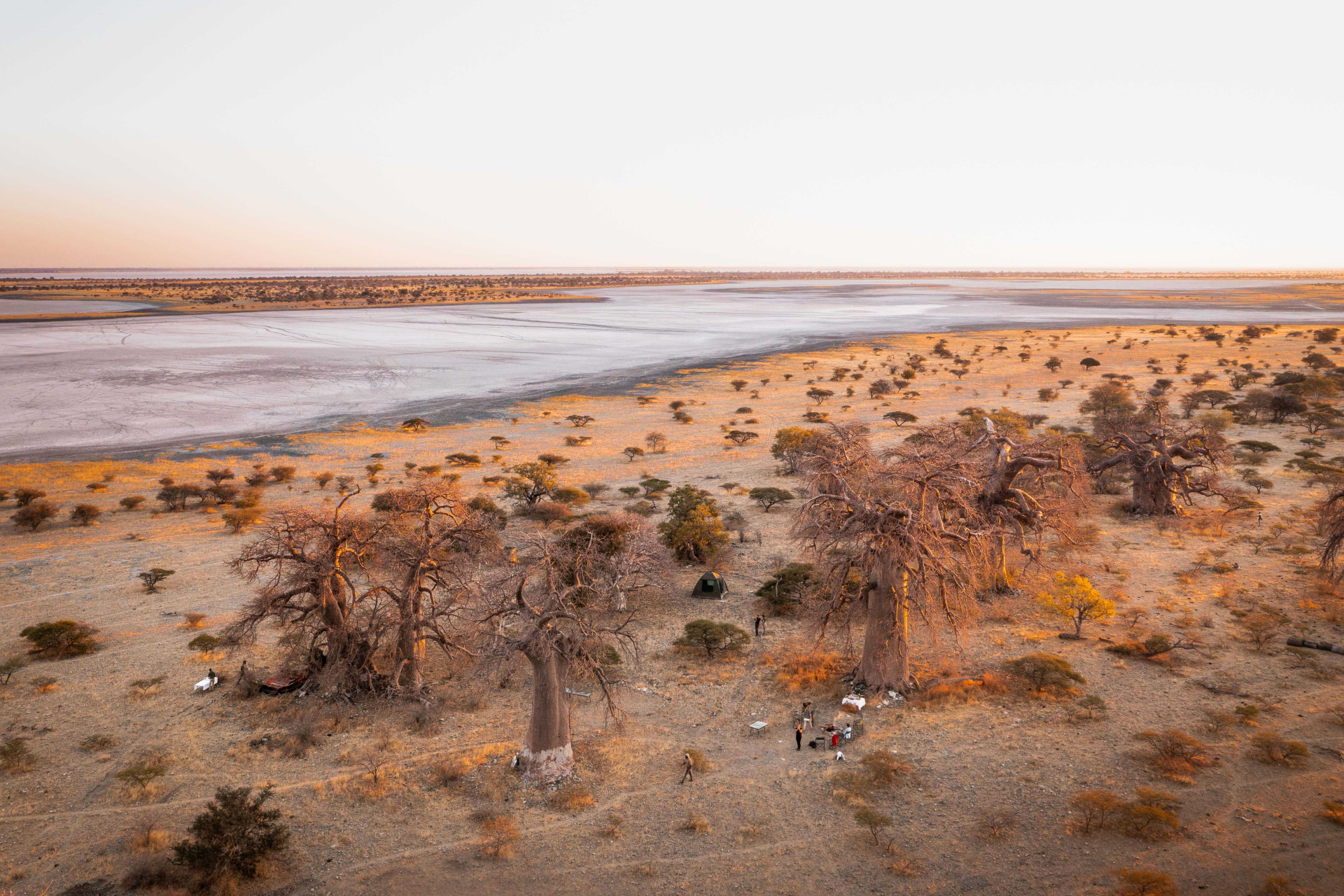
The Makgadikgadi is a landscape of silence and infinite horizons, the remnant of a super-lake that once covered most of northern Botswana. Today, it is one of the largest salt flat complexes in the world, a vast, featureless expanse of cracked white earth. This is a place where the sheer nothingness is a powerful attraction in itself, offering solitude that is almost impossible to find anywhere else on Earth.
The dual experience here is dramatic. During the long dry season, the pans are a sun-baked, lunar-like desert. This is the time for thrilling quad bike expeditions across the flats, sleeping out under a blanket of stars so brilliant it almost defies comprehension and intimate encounters with desert-adapted wildlife.

Did you know
The Makgadikgadi Pans are the remains of one of the world’s largest prehistoric super-lakes, larger than Switzerland
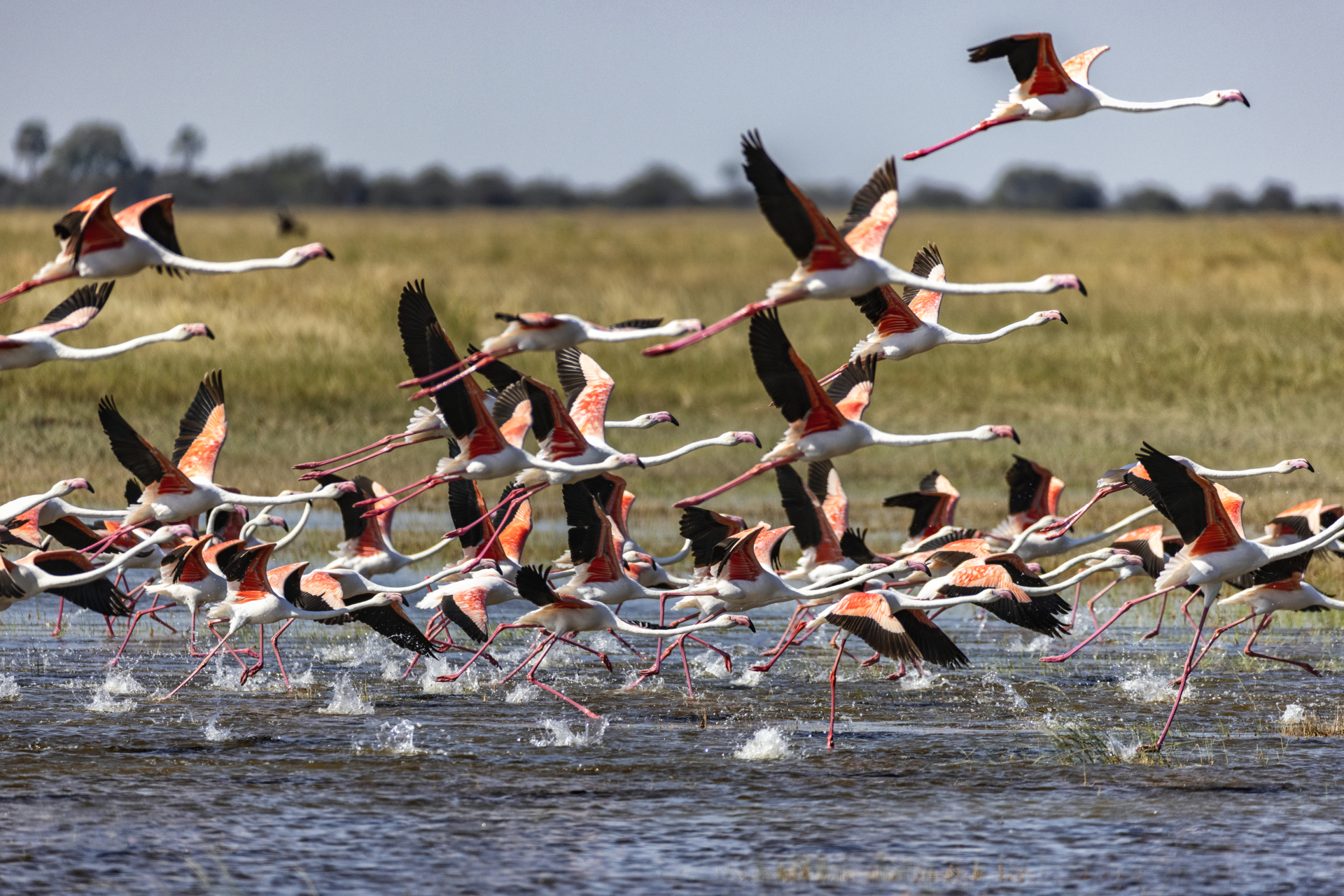
But when the summer rains arrive, the Makgadikgadi Pans transform into vast, shallow lakes, triggering an explosion of life. A carpet of sweet grass causes the great zebra and wildebeest migration, Africa’s second largest, as tens of thousands of animals arrive to graze and calve. The water draws millions of birds, including enormous pink flocks of flamingos. This sudden abundance in a place so desolate is one of nature’s greatest miracles.
Get to know the Makgadikgadi
Understanding the Makgadikgadi means embracing its two distinct seasons, as they offer completely different experiences. The dry season (roughly April to October) is about the classic “pan” experience: exploring the vast salt flats on quad bikes and sleeping out under the stars. The wet or “green” season (roughly November to March) is about life and abundance, focusing on game drives to witness the zebra migration and the incredible birdlife on the newly created wetlands.
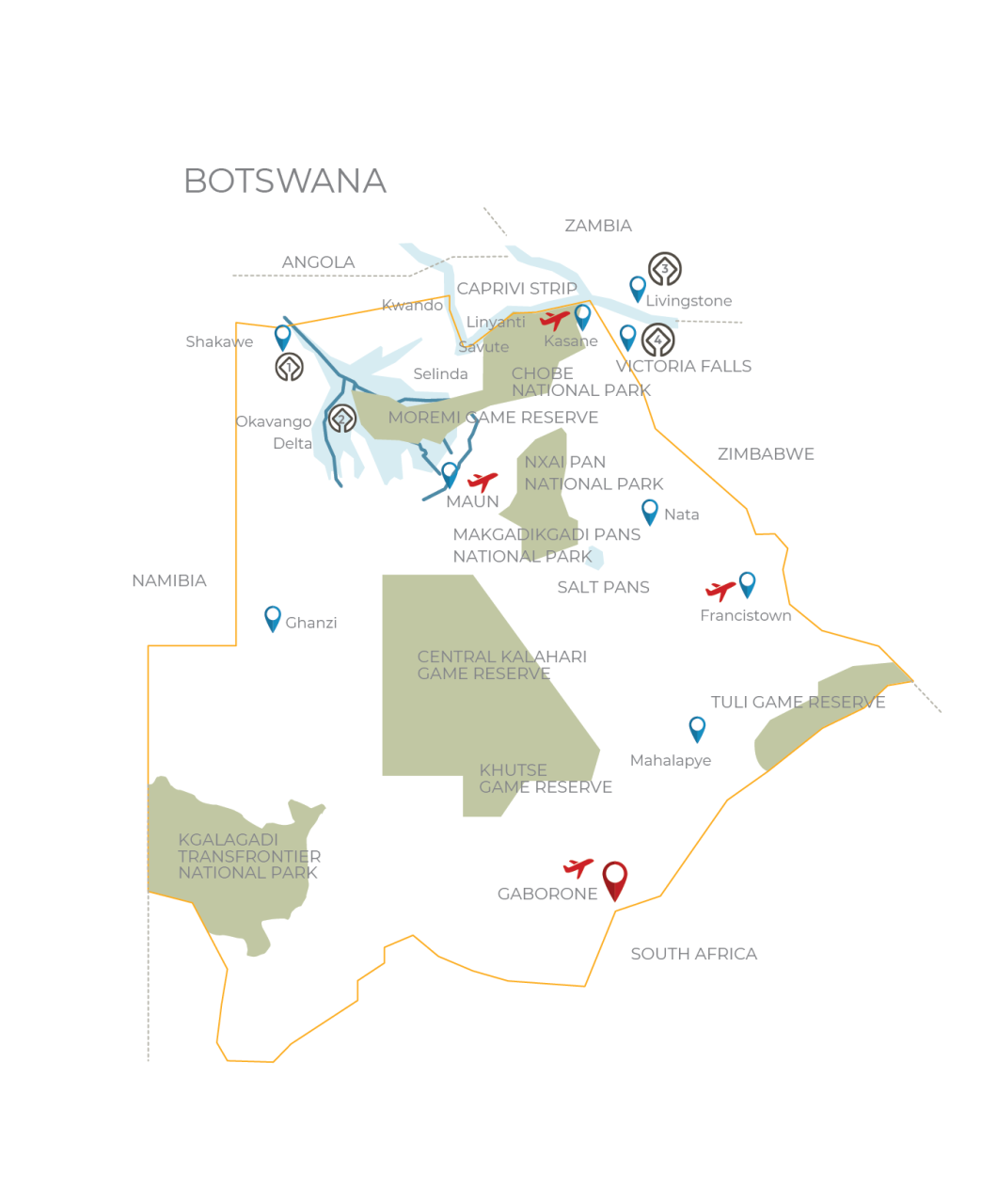
Tourism here centres on a handful of exclusive camps on the fringes of the great pans, ensuring a completely crowd-free experience. The gateway town is Maun, from where visitors take a short light aircraft flight to their camp’s private airstrip. In this dramatic landscape, an expert guide shows you the secrets of the desert, from tracking a Kalahari lion to understanding the survival strategies of the Bushmen.
History
The geological history of the Makgadikgadi stretches back millions of years, to a time when a colossal super-lake, fed by major rivers such as the Zambezi and Okavango, covered the Kalahari. Over millennia, as tectonic shifts altered the course of these rivers, the lake slowly dried up, leaving behind the salt-encrusted pans we see today. For thousands of years the shores of this receding lake were a vital resource for Stone Age people, a fact evidenced by the numerous ancient tools found in the area.
Its modern history is one of exploration and conservation. The pans were an obstacle for early European explorers such as David Livingstone. The area’s tourism identity was forged by legendary safari pioneers like Jack Bousfield, who was captivated by the stark beauty and unique character of the pans. He established Jack’s Camp in the 1960s, introducing the world to this extraordinary place and creating a model for low-impact, high-value tourism.
More unforgettable activities
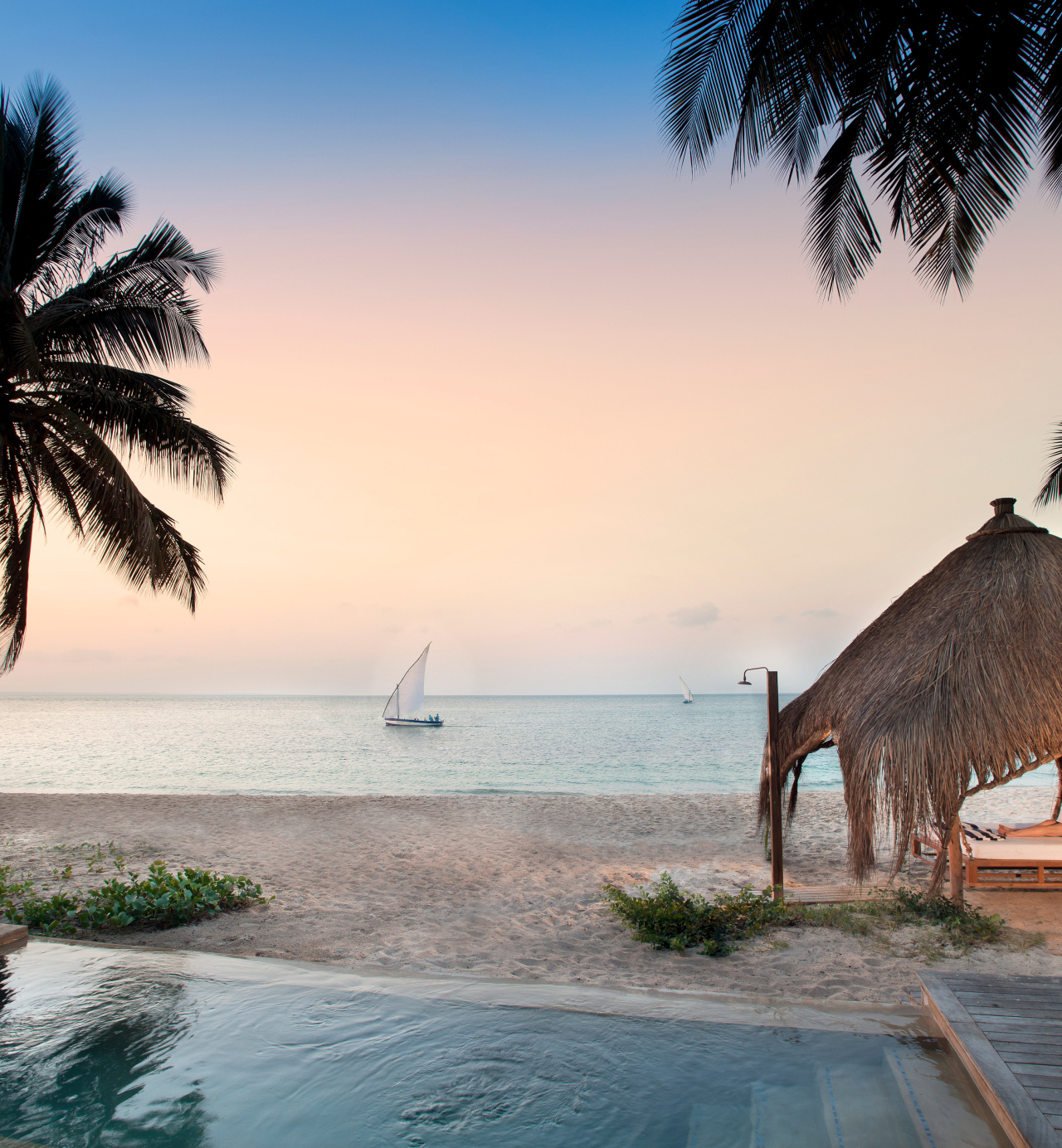
Turtle egg laying and hatching

Traditional Bo-Kaap cooking experience
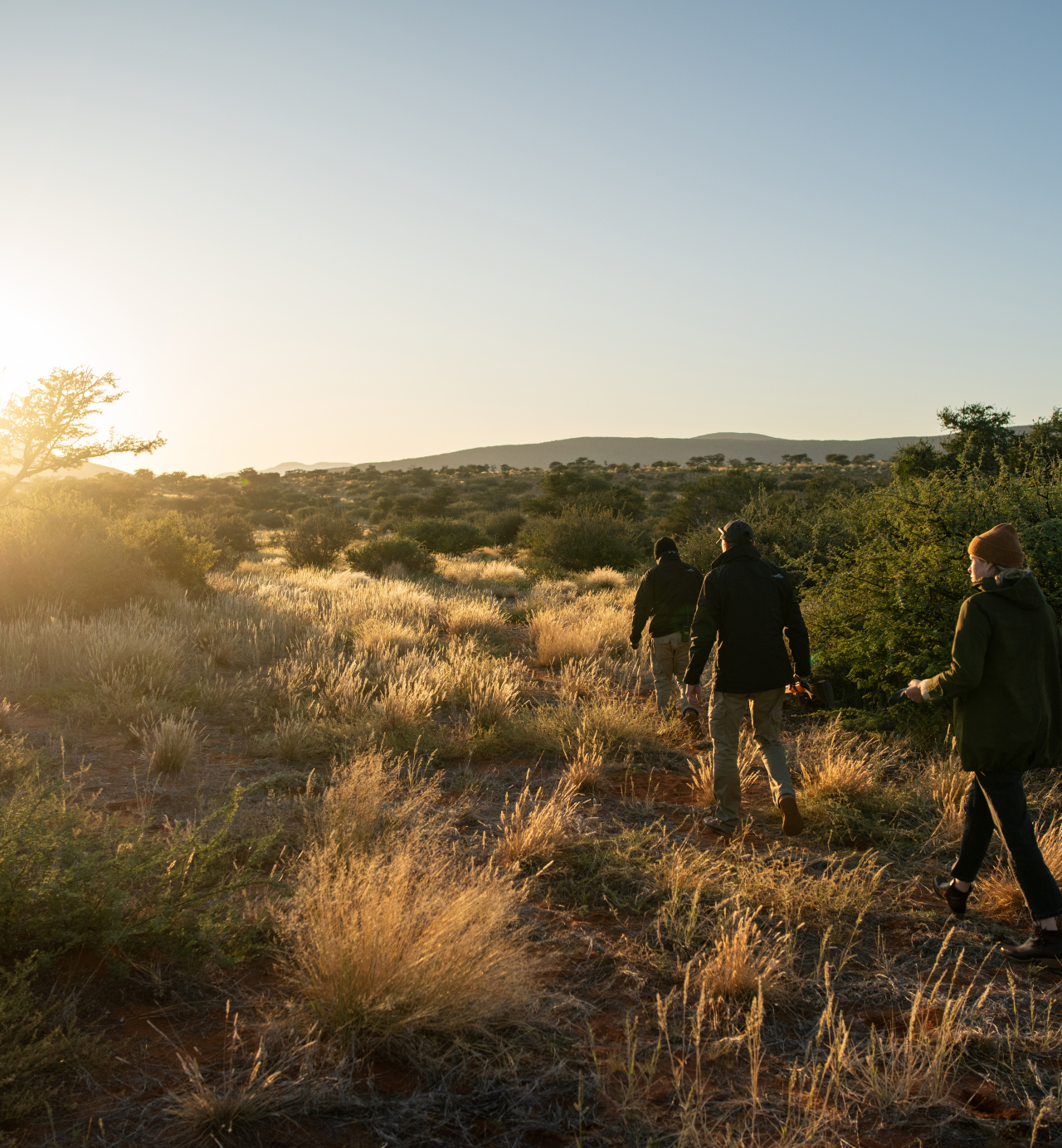
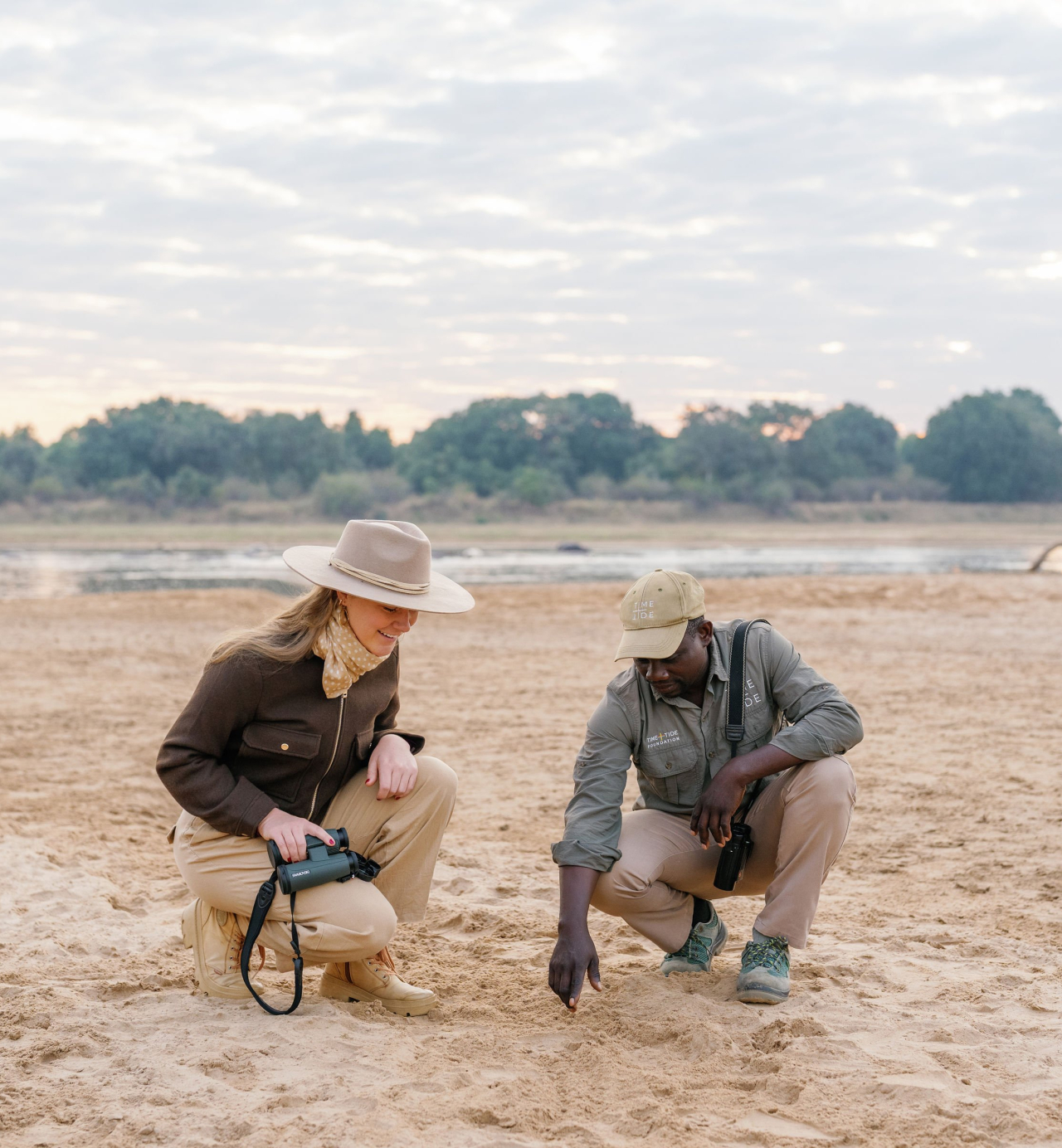
Tracking Africa’s most elusive species on foot
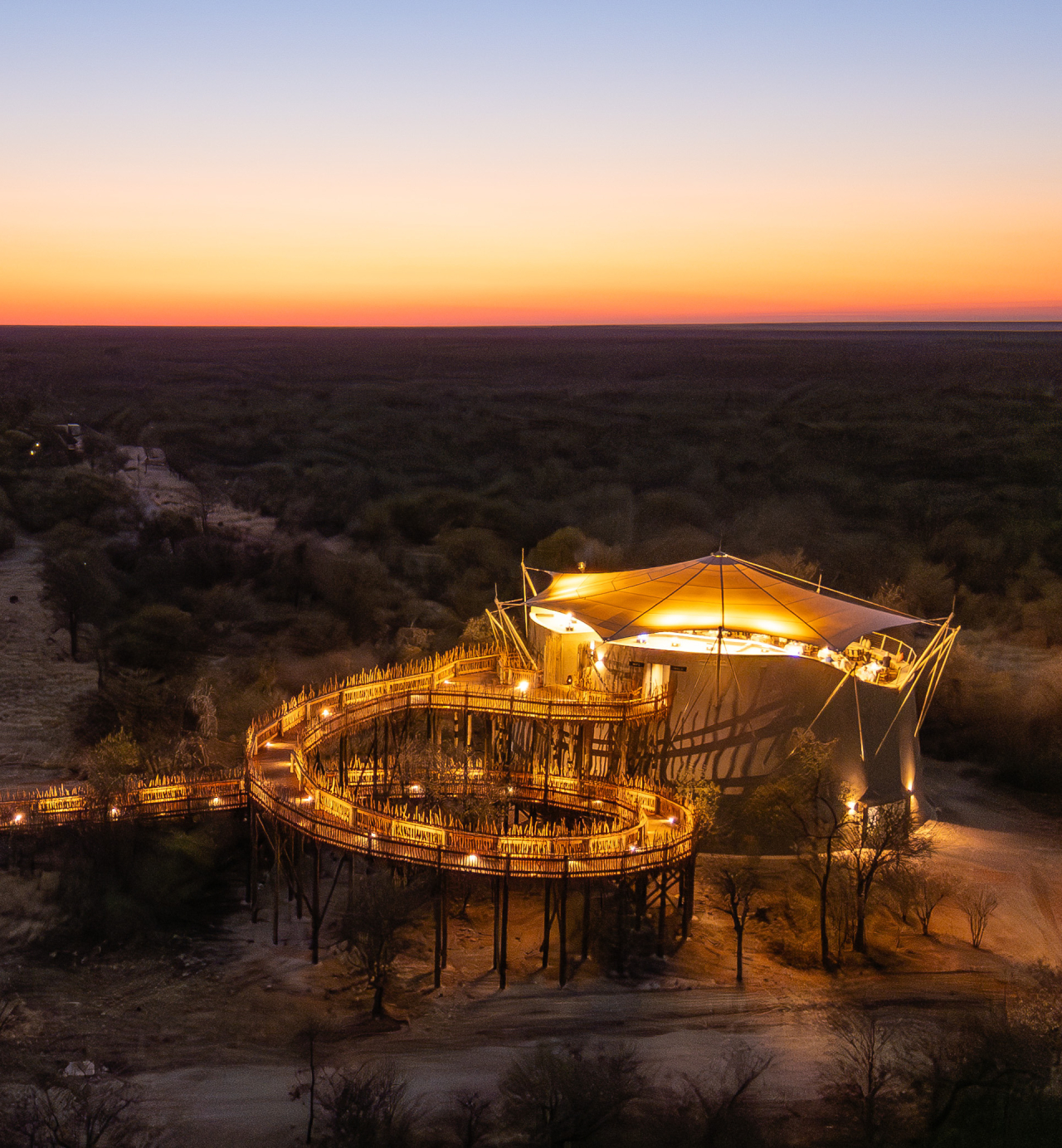
SkyBoma, Etosha
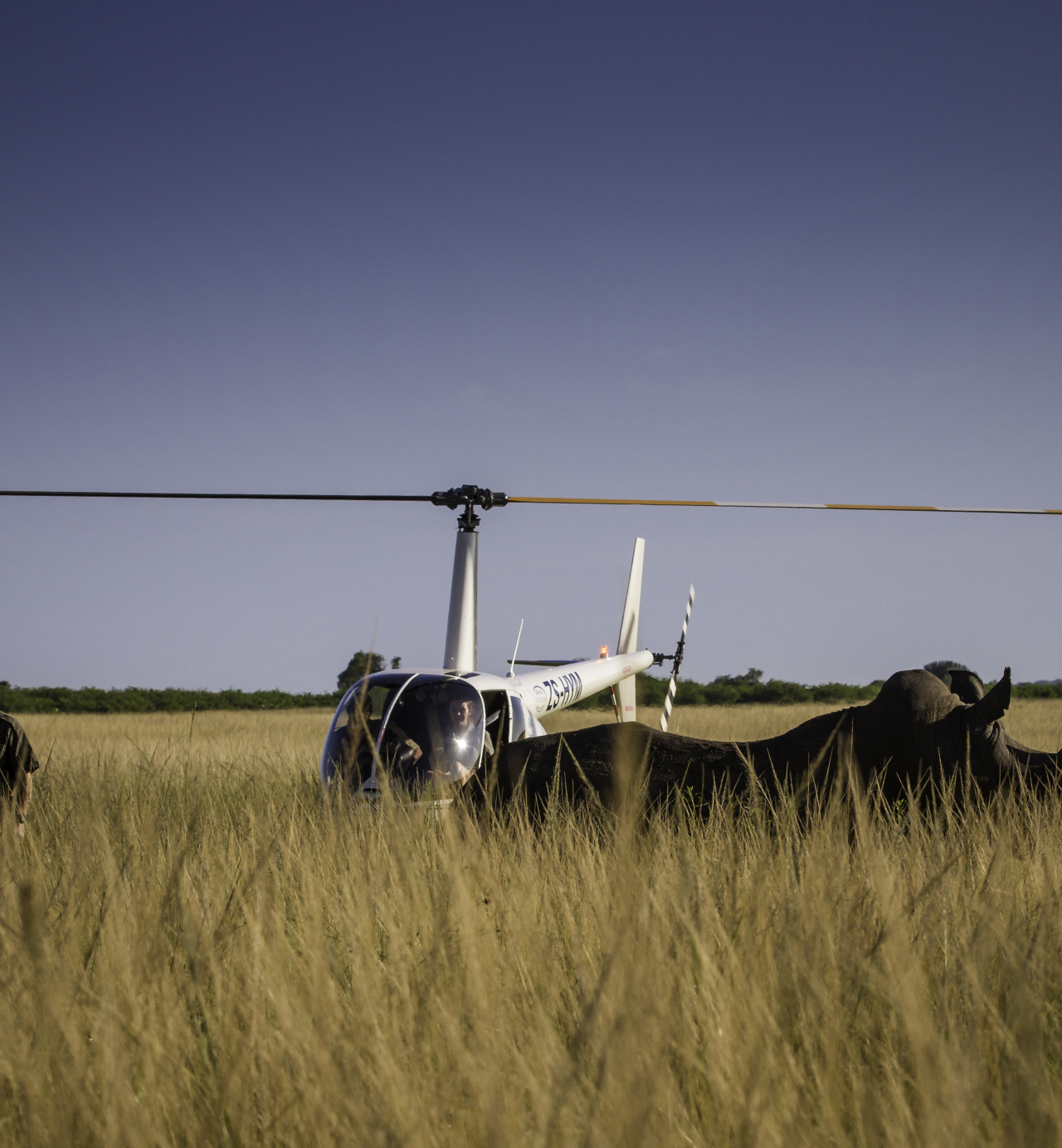
Rhino darting and chipping experience
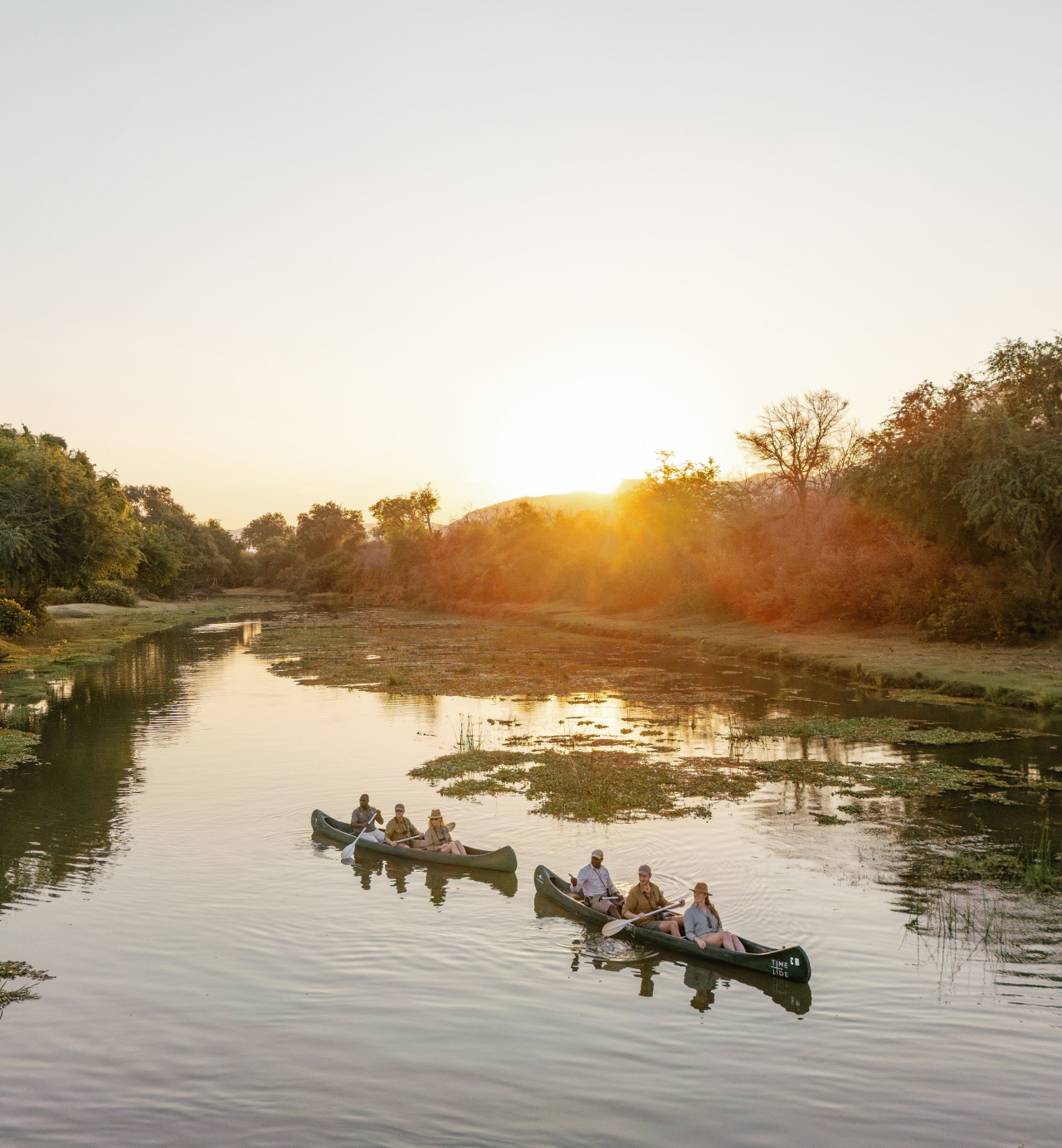
Picnicking on islands in the Zambezi
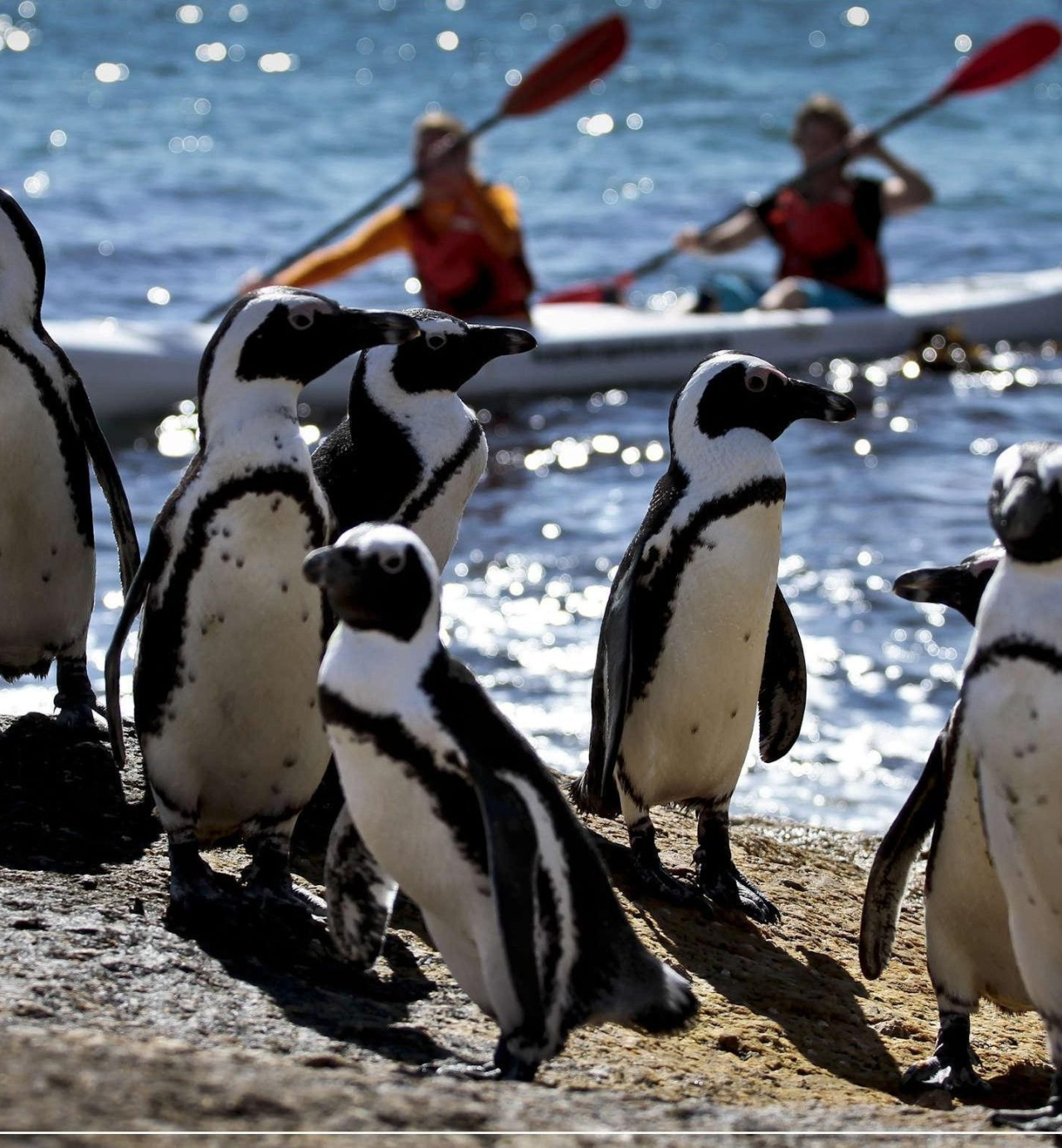
Paddle with penguins
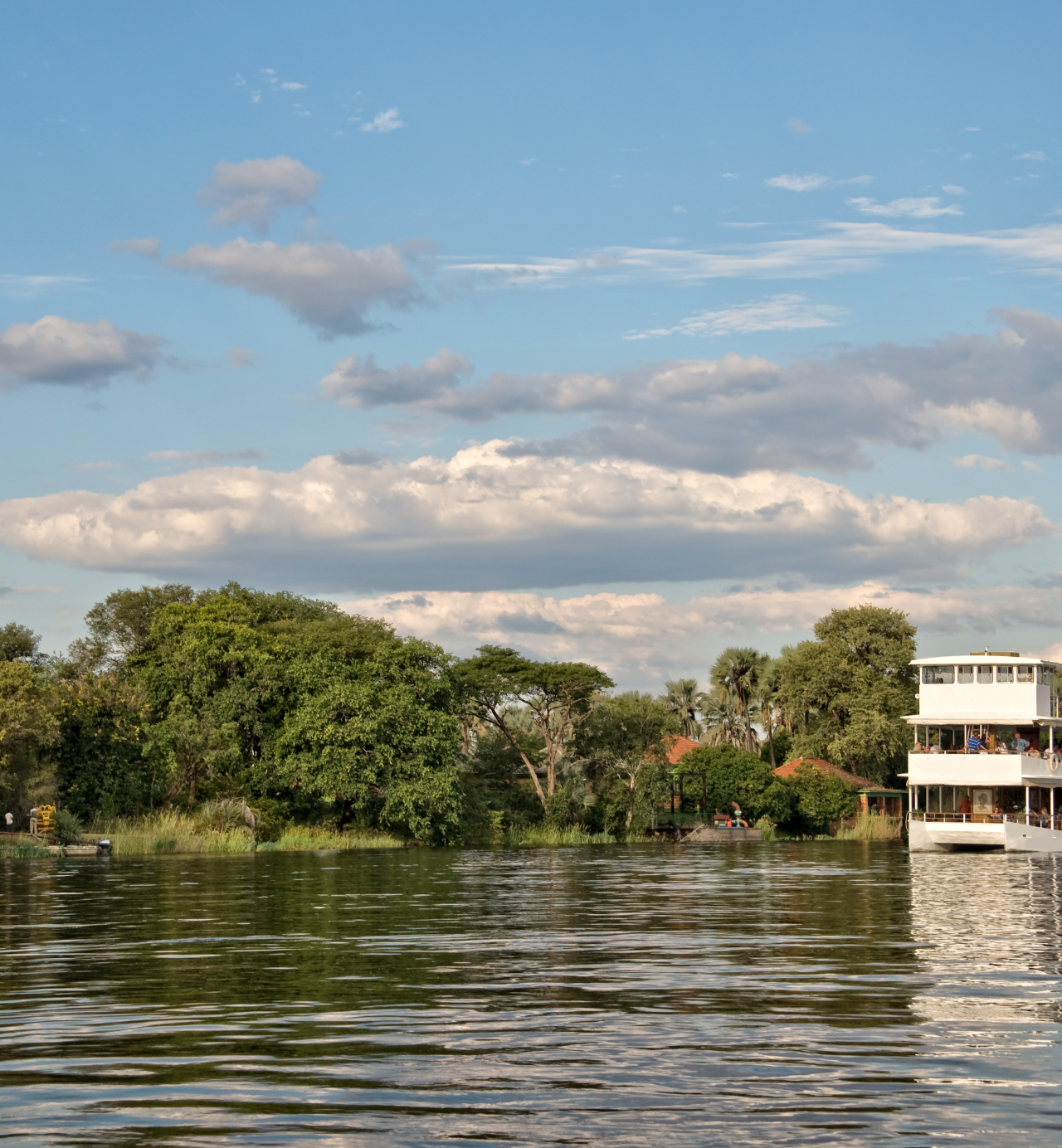
Live-aboard luxury Zambezi safari
Hiking Table Mountain with a botanist or forager

Voices of our guests
Makgadikgadi Pans FAQs
It depends entirely on what you want to experience. Go between April and October for the dry, stark desert landscape and activities like quad biking. Go between November and March for the wet “green” season, to see the spectacular zebra migration and flamingo flocks.
The standard way is to fly into Maun, the main safari hub of Botswana. From there, you will take a short light aircraft flight (30-45 minutes) directly to the airstrip serving your camp on the edge of the pans.
This is very difficult as they happen in two different seasons. Quad biking is only possible when the pans are completely dry (dry season). The migration only arrives when the pans are wet and there is grass (wet season). You should therefore choose which phenomenon you would rather experience.
No. The Makgadikgadi is not a Big Five destination. While it has a healthy population of lions, it does not have rhinos, leopards, elephants or buffalo as resident species (although elephants do sometimes pass through). The appeal here is the unique desert-adapted wildlife and the migration.
It is a magical encounter. You are taken to a habituated colony where you can get out of the vehicle and sit or lie quietly just metres away from them. The meerkats are completely wild but have become accustomed to human presence, allowing you to observe their fascinating social behaviour up close.
Yes, it is located in a malaria-risk zone. It is essential to consult your doctor about appropriate anti-malarial medication before you travel.
Packing for temperature extremes is key. You will need lightweight clothing and a hat for hot days, but it is crucial to pack a very warm jacket, beanie and scarf, as desert nights and early mornings can be cold, even in summer. Also, bring a bandana or scarf for dust protection on quad bikes.
A stay of three nights is ideal. This gives you two full days to experience the key activities of the season you are visiting in, whether that is quad biking and sleeping out, or going on game drives to see the migration.
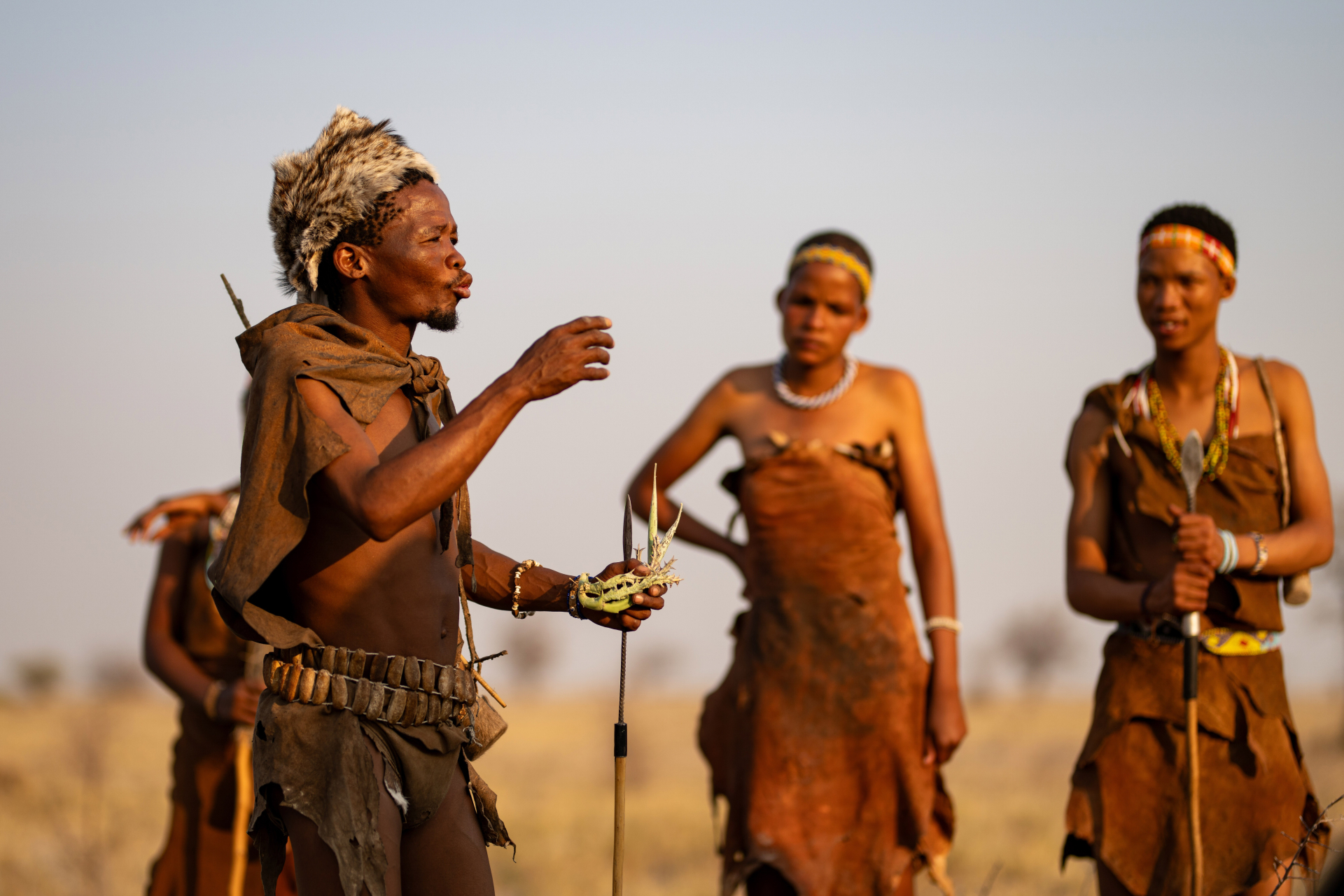
This is an authentic and respectful experience where you walk through the bush with guides from the local Bushman community. They will demonstrate their ancient knowledge of the land, showing you how they find water, track animals and use plants for medicinal purposes. It is a profound and fascinating cultural insight.
They are polar opposites, which is why they are often combined. The Okavango is a lush, green wetland, a world of water, channels and dense wildlife. The Makgadikgadi is a vast, arid desert, a world of salt, space and specialised, adapted wildlife. Together, they create the perfect “wet and dry” Botswana safari.
