

Maputo, Mozambique

Maputo, Mozambique
The city of acacias and jazz
Peak time
June to August
Best time to visit
May to September (dry season)
Known for
Its stunning Mediterranean-style architecture; its vibrant seafood and nightlife scene
Also known for
Being the “City of Acacias”; its historic Baixa district
About Maputo
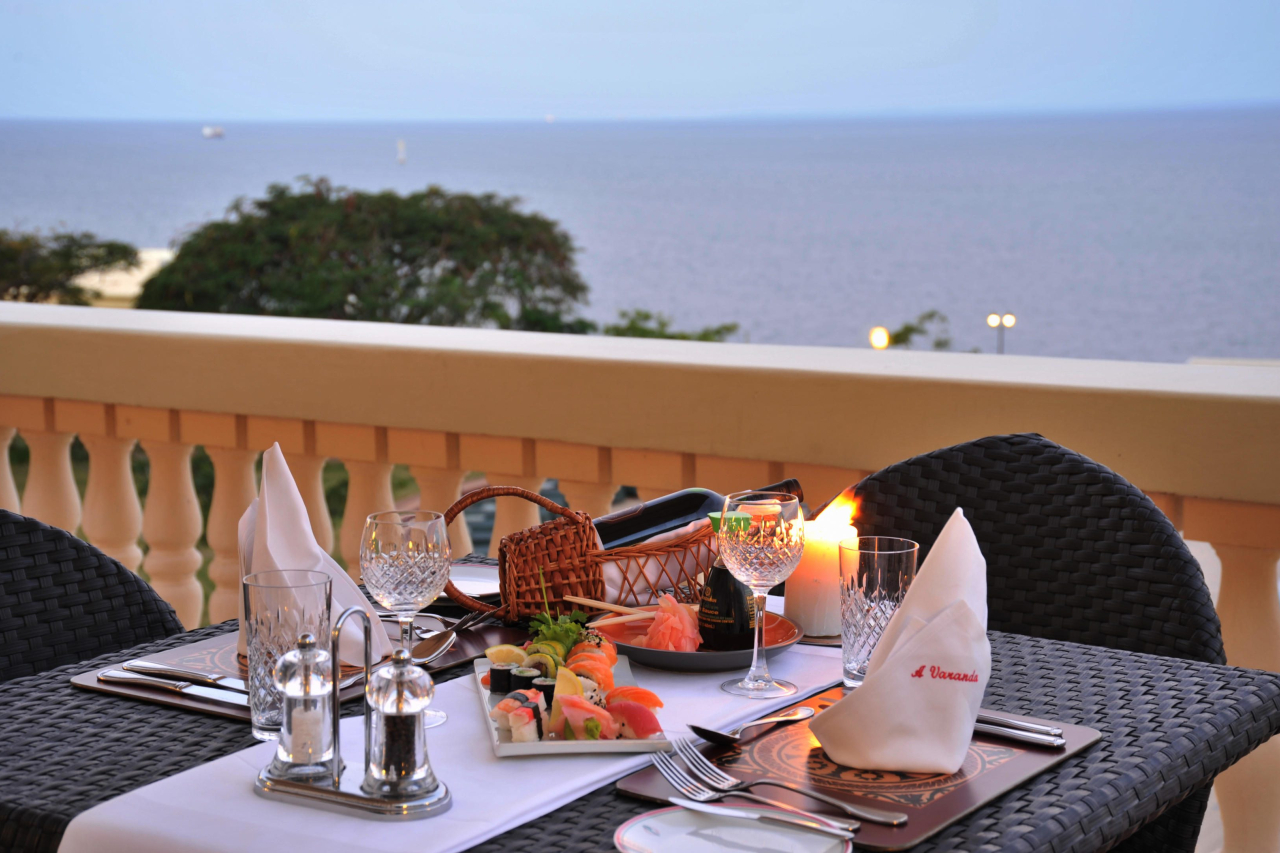
Maputo is a city of surprising elegance and infectious energy, a coastal capital that feels like a blend of Africa, Portugal and Brazil. Wide avenues lined with flowering acacia trees and jacarandas give the city a leafy, Mediterranean feel – while the bustling markets and street-side cafes keep it firmly rooted in the continent. It is a city that has retained its colonial-era charm while embracing a modern, cosmopolitan future.
The city’s heartbeat is found in the Baixa, the old downtown district where historic landmarks such as the Central Train Station and the Iron House stand as testaments to a complex past. Visitors can spend their mornings exploring the art-filled streets and their afternoons enjoying peri-peri prawns and a cold 2M beer at a bustling waterfront restaurant. Maputo is a place for the senses – where the scent of roasting cashews and the sound of Marrabenta music are never far away.

Did you know
Maputo was one of the first cities in Southern Africa to have an electric street-lighting system
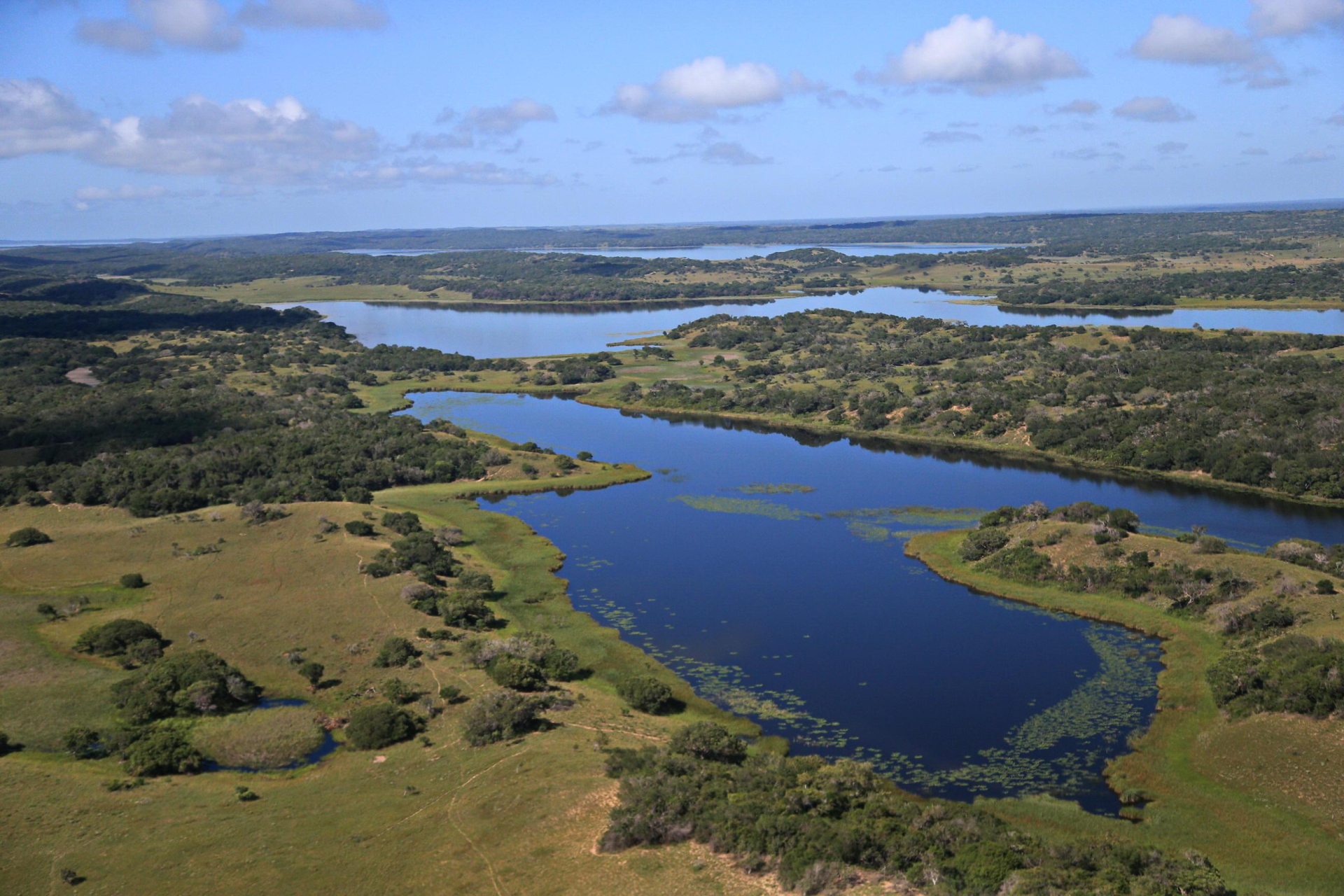
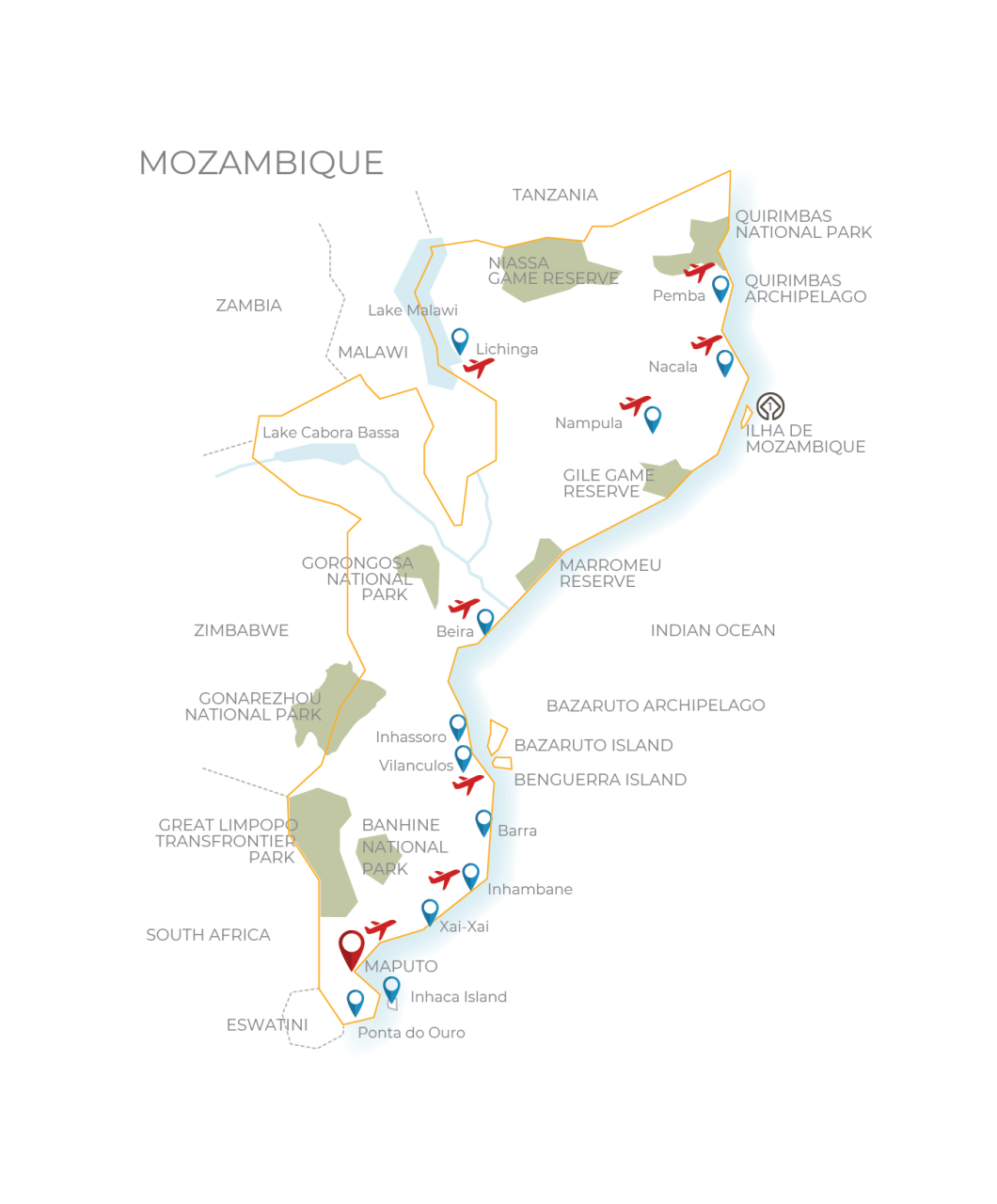
Beyond its urban appeal, Maputo serves as a gateway to some of the region’s most pristine natural wonders. Whether you are taking a ferry to the quiet beaches of Catembe or heading south to the Maputo Special Reserve, the city offers a balance of metropolitan life and wilderness. It is a destination that rewards the curious traveller with its rich history, sophisticated arts scene and warm Mozambican hospitality.
Get to know Maputo
The city is divided into several distinct districts, with the Baixa (downtown) serving as the historical and commercial core. This area is easily explored on foot during the day – featuring grand colonial buildings and the colourful Municipal Market. Further uphill is the Polana district, an upscale neighbourhood home to the iconic Polana Serena Hotel and many of the city’s best restaurants and embassies.
Transport in the city is varied, with the bright yellow-and-green “chapas” (minibus taxis) being the most common way for locals to move. For visitors, registered taxis or ride-hailing apps are a safer and more convenient option. The Avenida Marginal, a scenic road that hugs the coastline, is the place to go for evening strolls and seaside dining.
History
Maputo’s history began as a small Portuguese trading post on Delagoa Bay in the late 18th century. It grew rapidly in the late 19th century after the completion of the railway to Pretoria – eventually replacing the Island of Mozambique as the colonial capital in 1907. The city became a sophisticated hub of Portuguese culture, known for its architecture and vibrant social life.
The struggle for independence, led by FRELIMO, brought major changes in 1975 – followed by a long civil war that ended in 1992. Since then, Maputo has undergone a remarkable period of reconstruction and growth. Today, it is a peaceful and booming metropolis that reflects the strength and optimism of the Mozambican people.
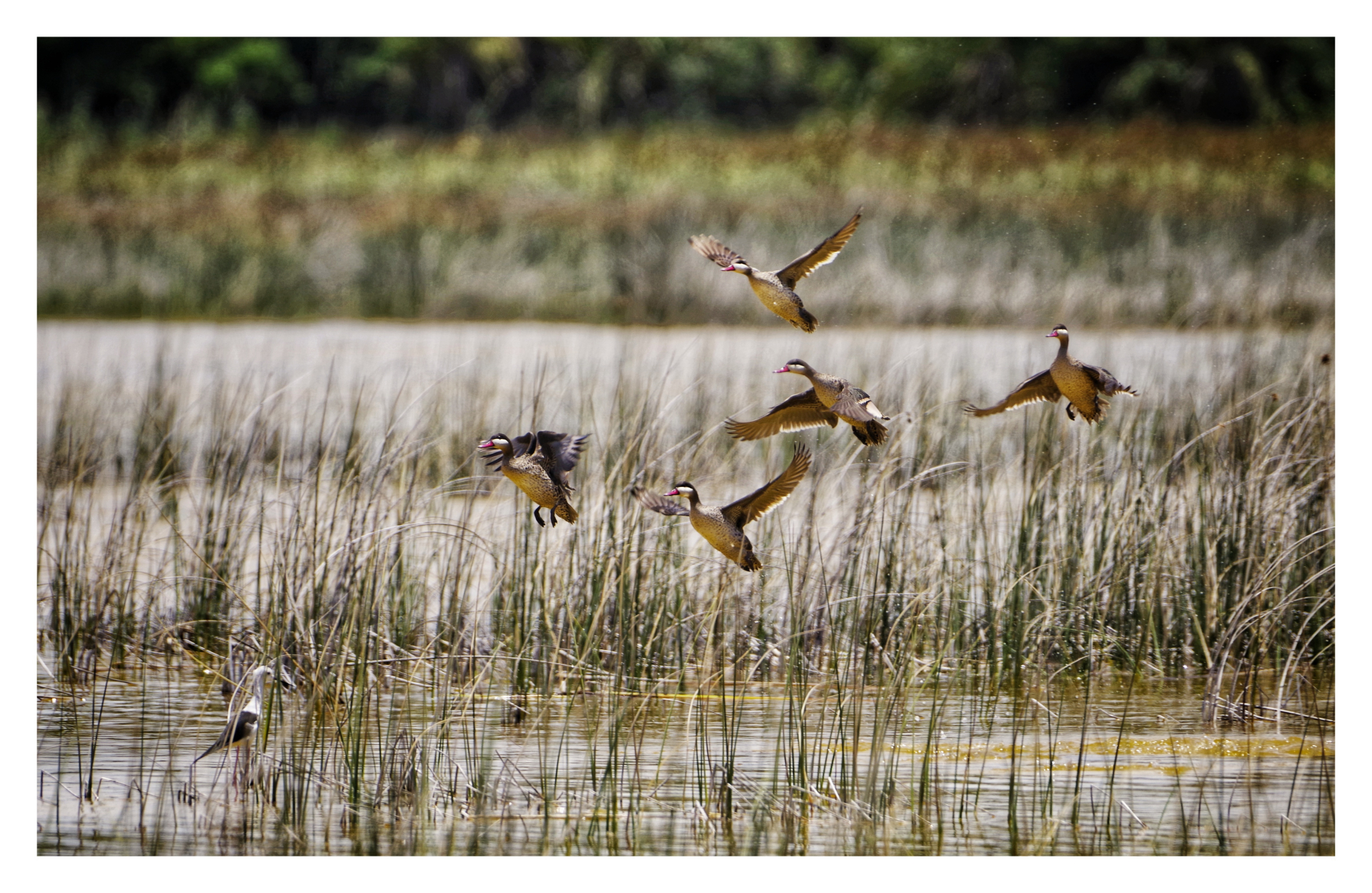
More unforgettable activities
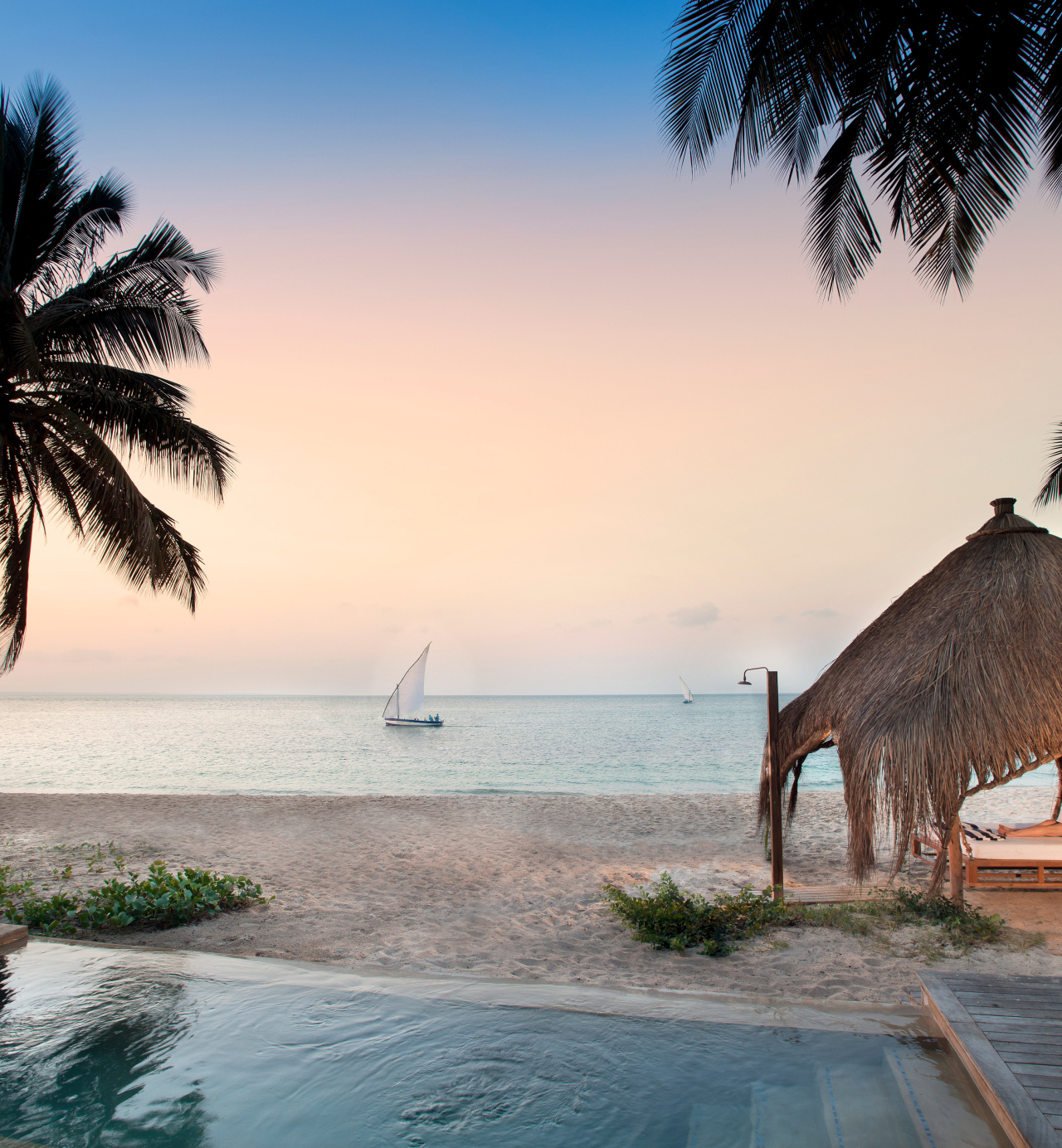
Turtle egg laying and hatching

Traditional Bo-Kaap cooking experience

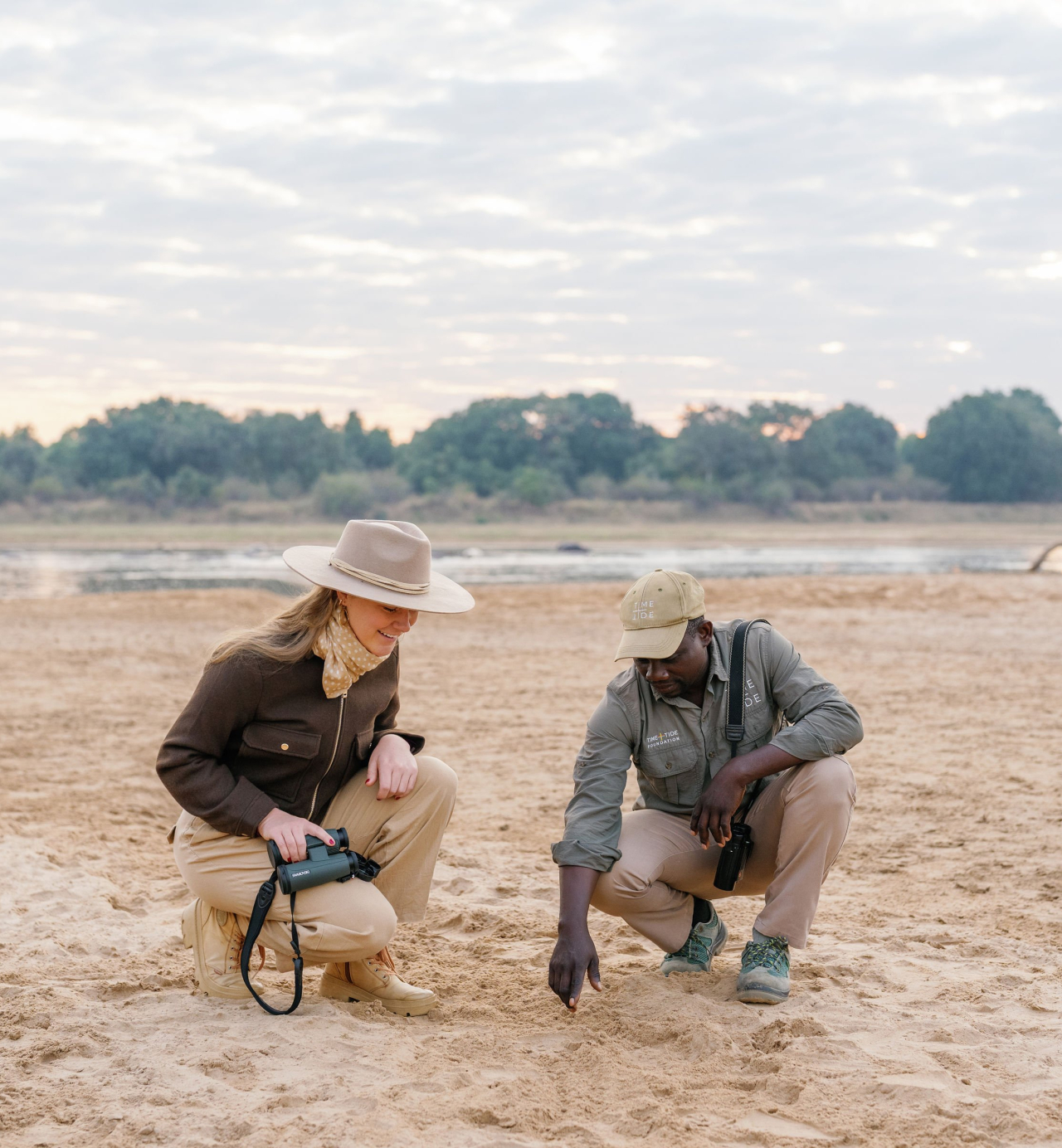
Tracking Africa’s most elusive species on foot


SkyBoma, Etosha
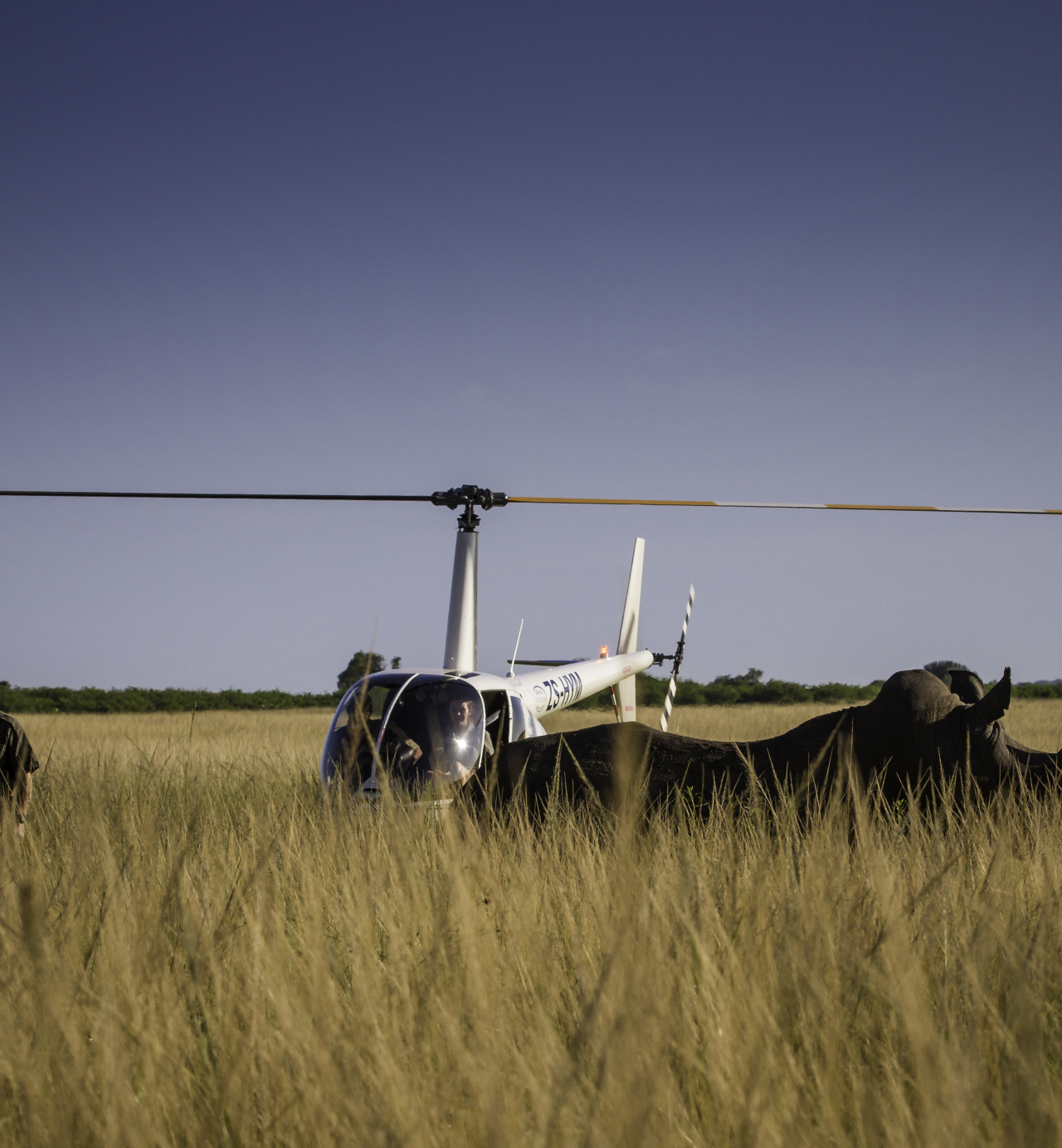
Rhino darting and chipping experience
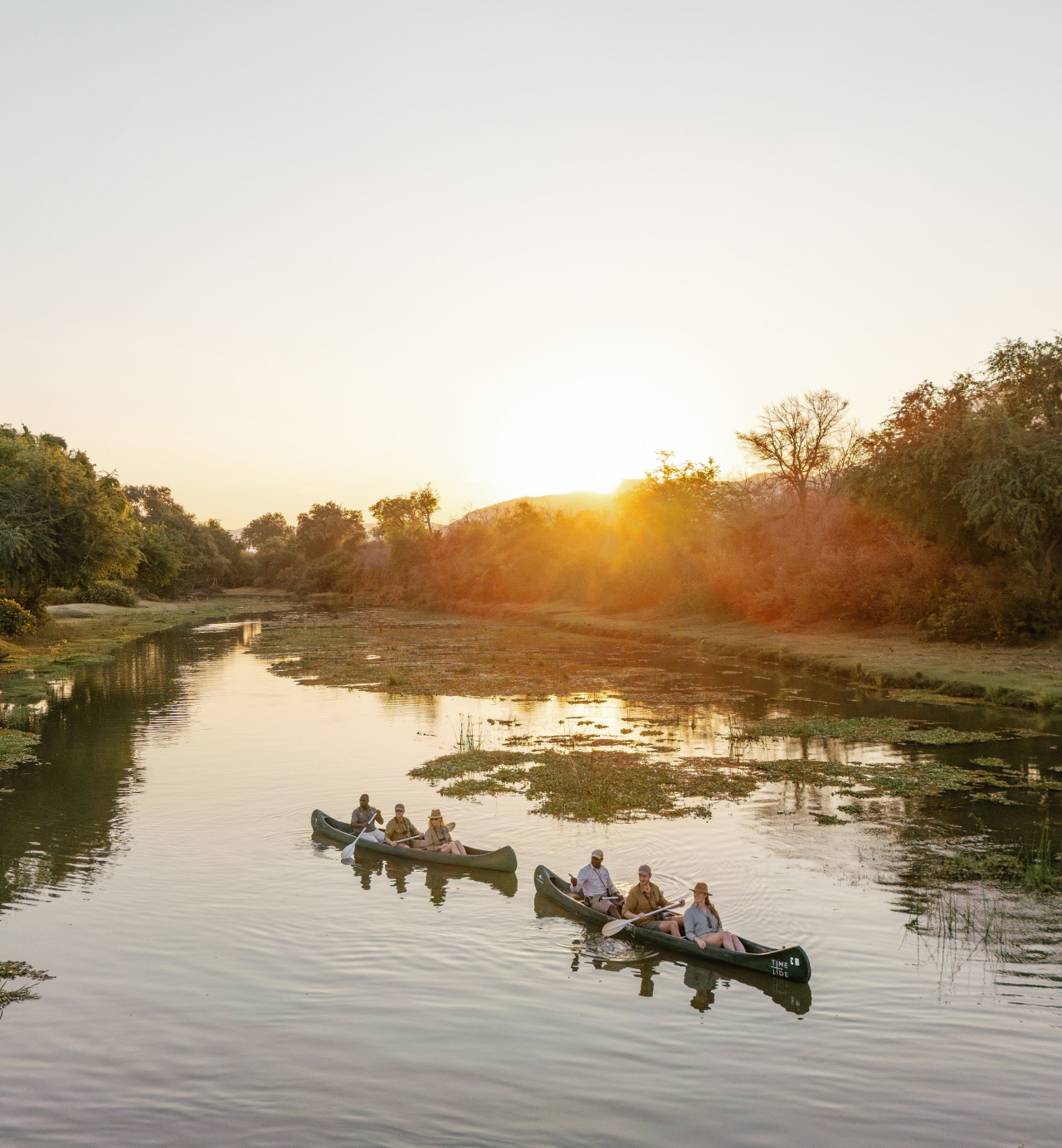
Picnicking on islands in the Zambezi

Paddle with penguins
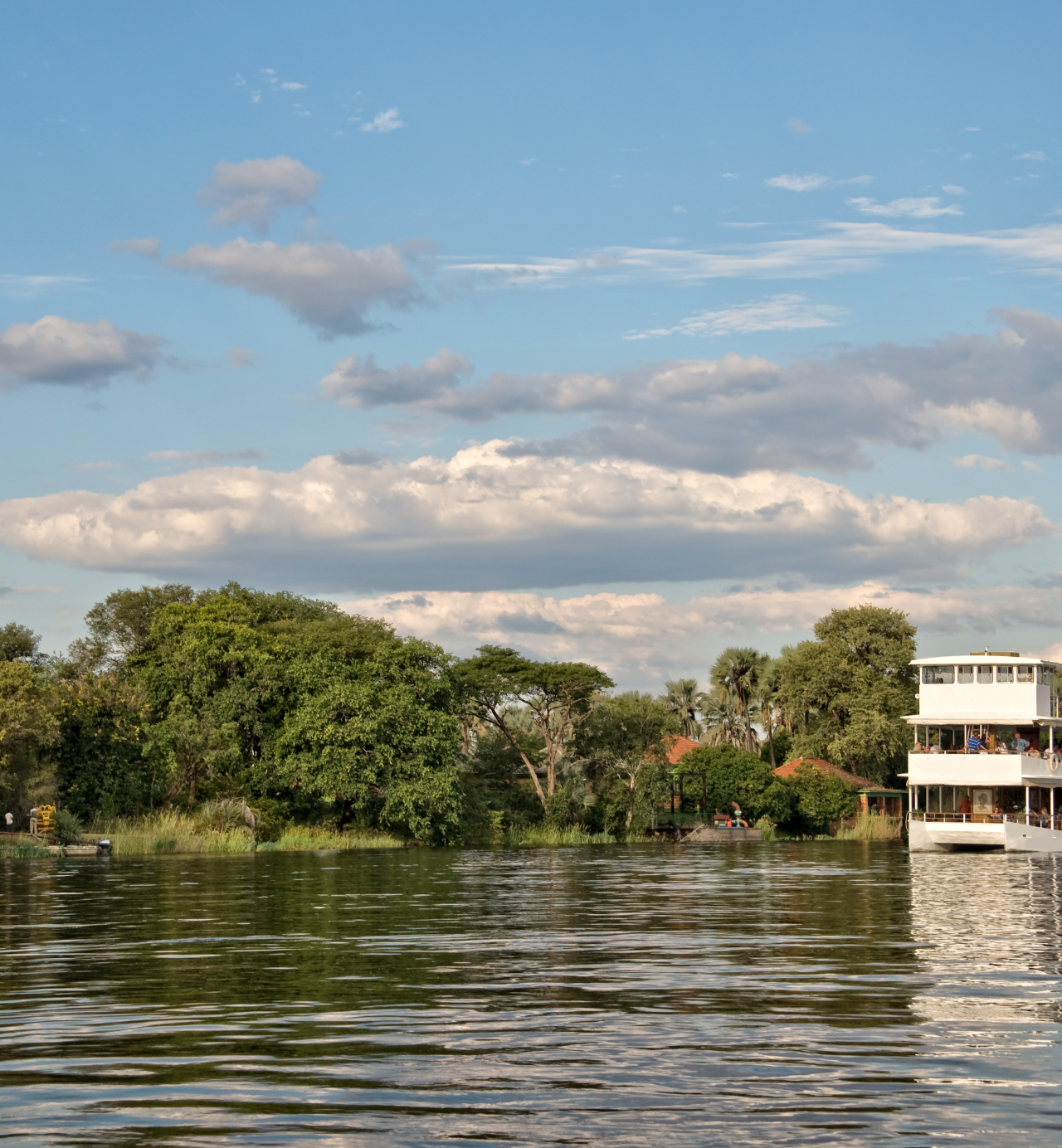
Live-aboard luxury Zambezi safari
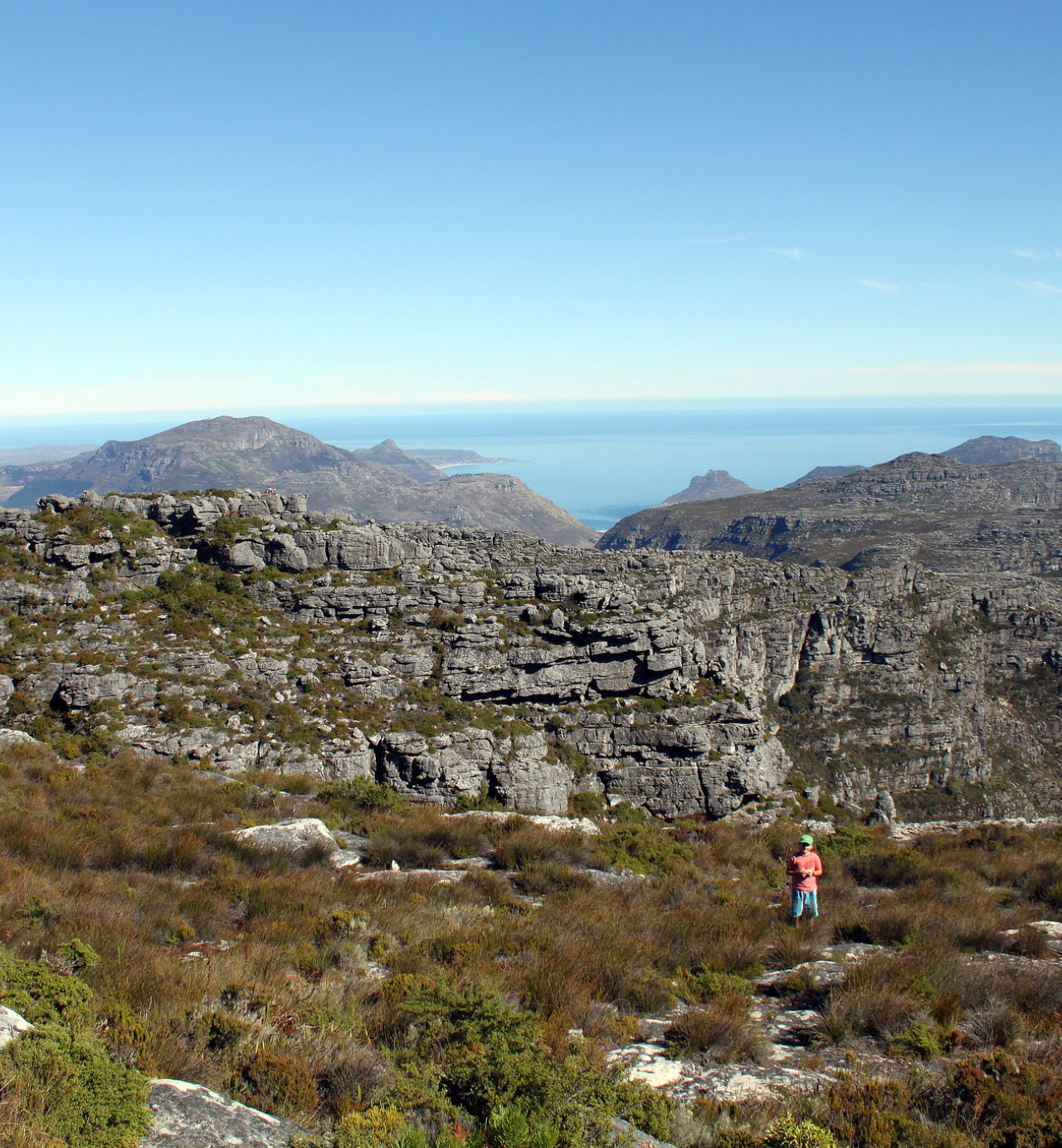
Hiking Table Mountain with a botanist or forager


Voices of our guests
Destination FAQs
Generally yes, especially in the main tourist and embassy areas during the day. Like any major city, be cautious at night, avoid carrying large amounts of cash and stick to well-lit areas.
Yes, Maputo is in a malaria zone. Prophylactics are recommended, and you should take precautions against mosquito bites.
Portuguese is the official language. While English is spoken in hotels and high-end restaurants, a few basic Portuguese phrases go a long way.
It is better to stick to bottled water for drinking and brushing your teeth.
Taxis are plentiful, but make sure to agree on a price before starting the journey. Ride-hailing apps are also becoming increasingly popular.
The Mozambican metical. South African rands and US dollars are also frequently accepted, but you will usually get a better rate using meticais.
Seafood is the highlight, particularly the famous peri-peri prawns. You will also find excellent Portuguese-influenced dishes and traditional Mozambican stews such as matapa, a cassava leaf-and-seafood delight.
The city beaches are okay for a stroll, but for proper swimming beaches, it is best to take a ferry to Catembe or a boat to Inhaca Island.
Maputo comes alive on weekends. The city is famous for its live music venues and jazz clubs, many of which are located in the Baixa and Polana districts.
Most nationalities require a visa, which can now be obtained through a convenient e-visa system or upon arrival at the airport. Check with your Travel Architect for the latest requirements.
