

Masai Mara National Reserve
Masai Mara National Reserve
The Africa you’ve always imagined
Peak time
July to September
Best time to visit
July to October for the Great Migration; December to February for the dry season, when calving happens
Known for
The Great Migration river crossings; exceptional big cat sightings
Also known for
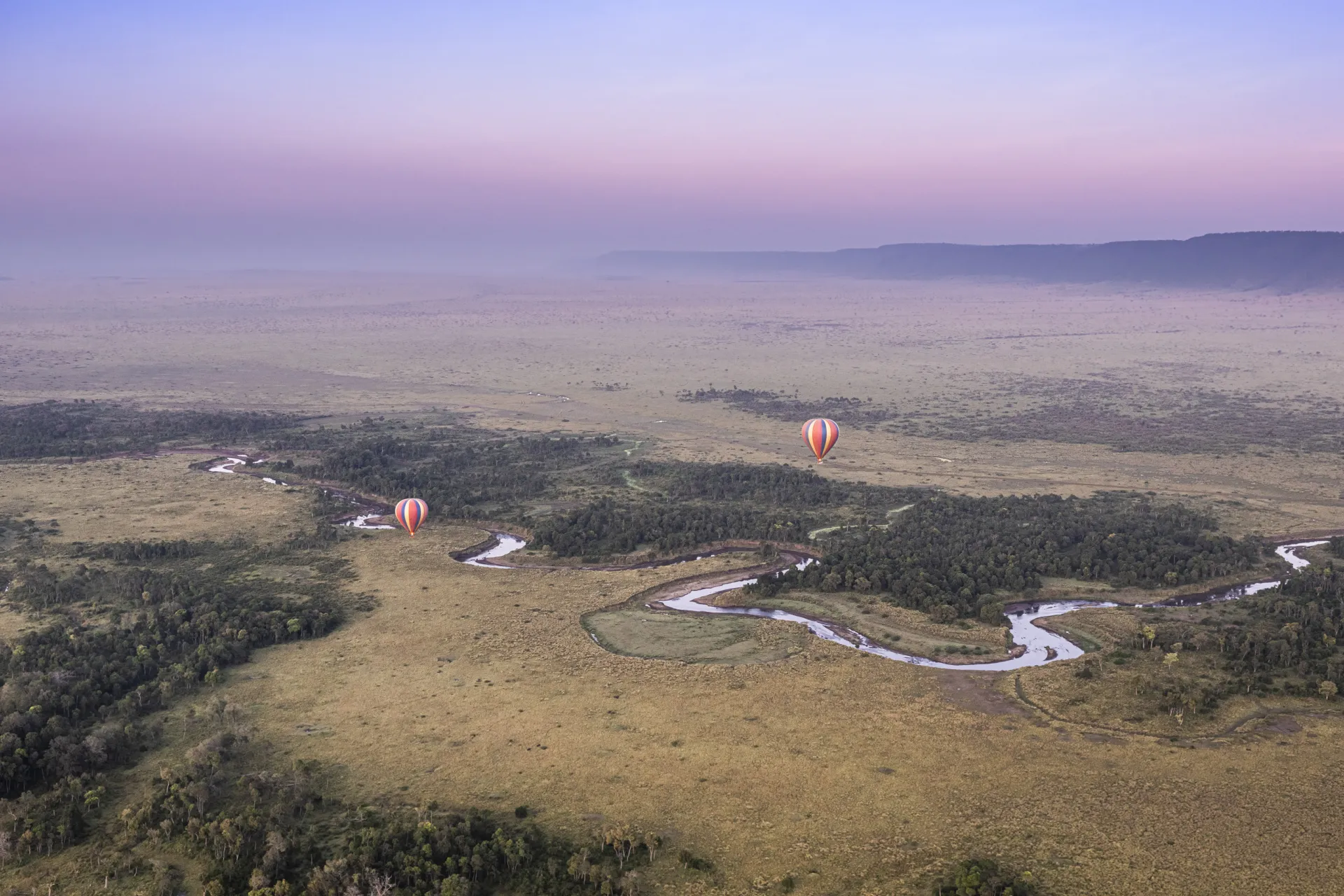
Hot air balloon safaris; the iconic Maasai culture
About the Masai Mara
The Masai Mara is the Africa you’ve always seen so vividly with your mind’s eye, brought to life.
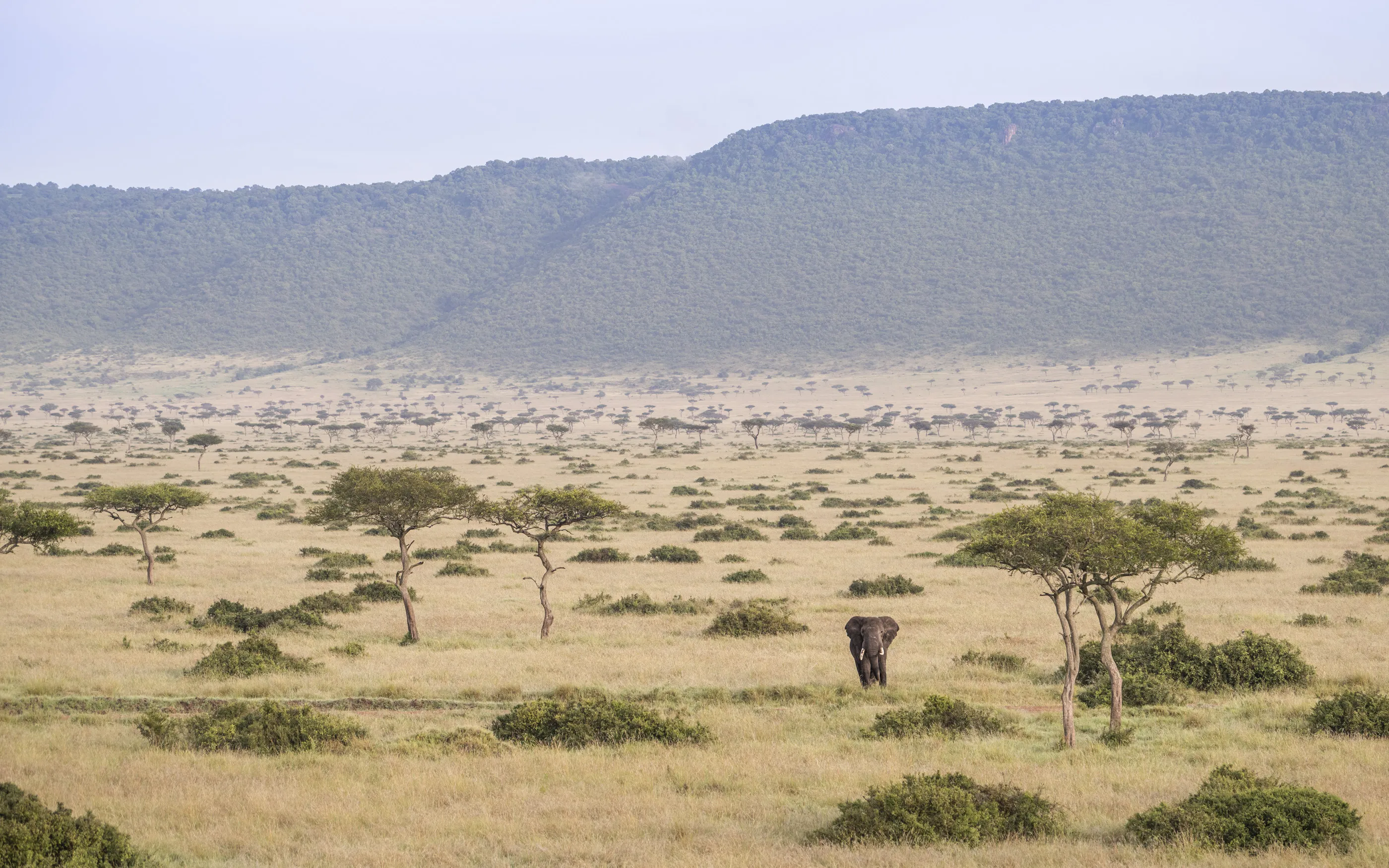
It is a land of endless, grass-swept plains, flat-topped acacia trees silhouetted against the sky, and a density of wildlife that is almost unparalleled on Earth. The name itself, given by the Maasai people who call this land home, means “spotted land”, a reference to the way the landscape is dotted with trees, shadows and vast herds of animals.

Did you know
The Masai Mara is not a national park, but a national reserve owned by the Kenyan government and managed by the local county council.
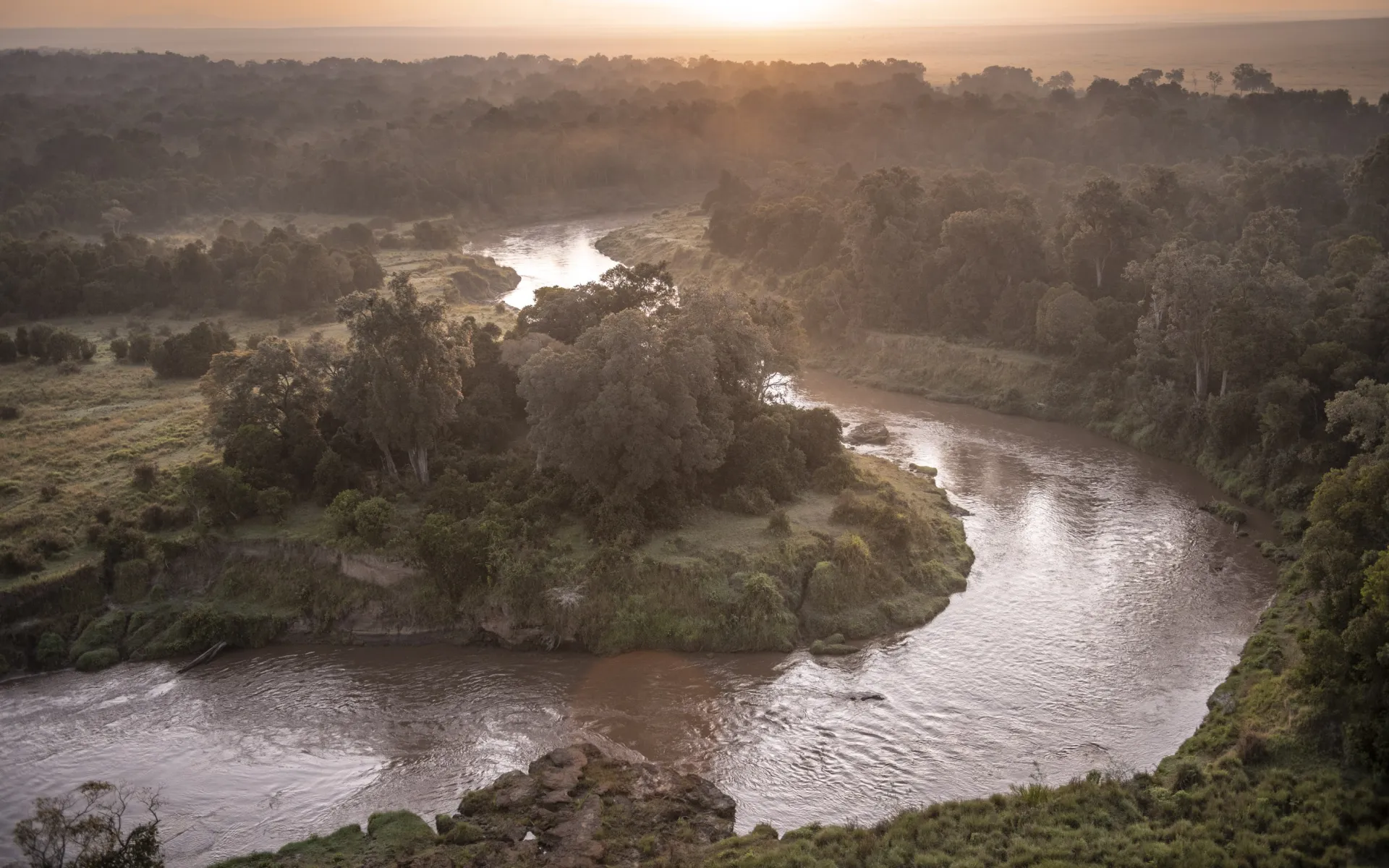
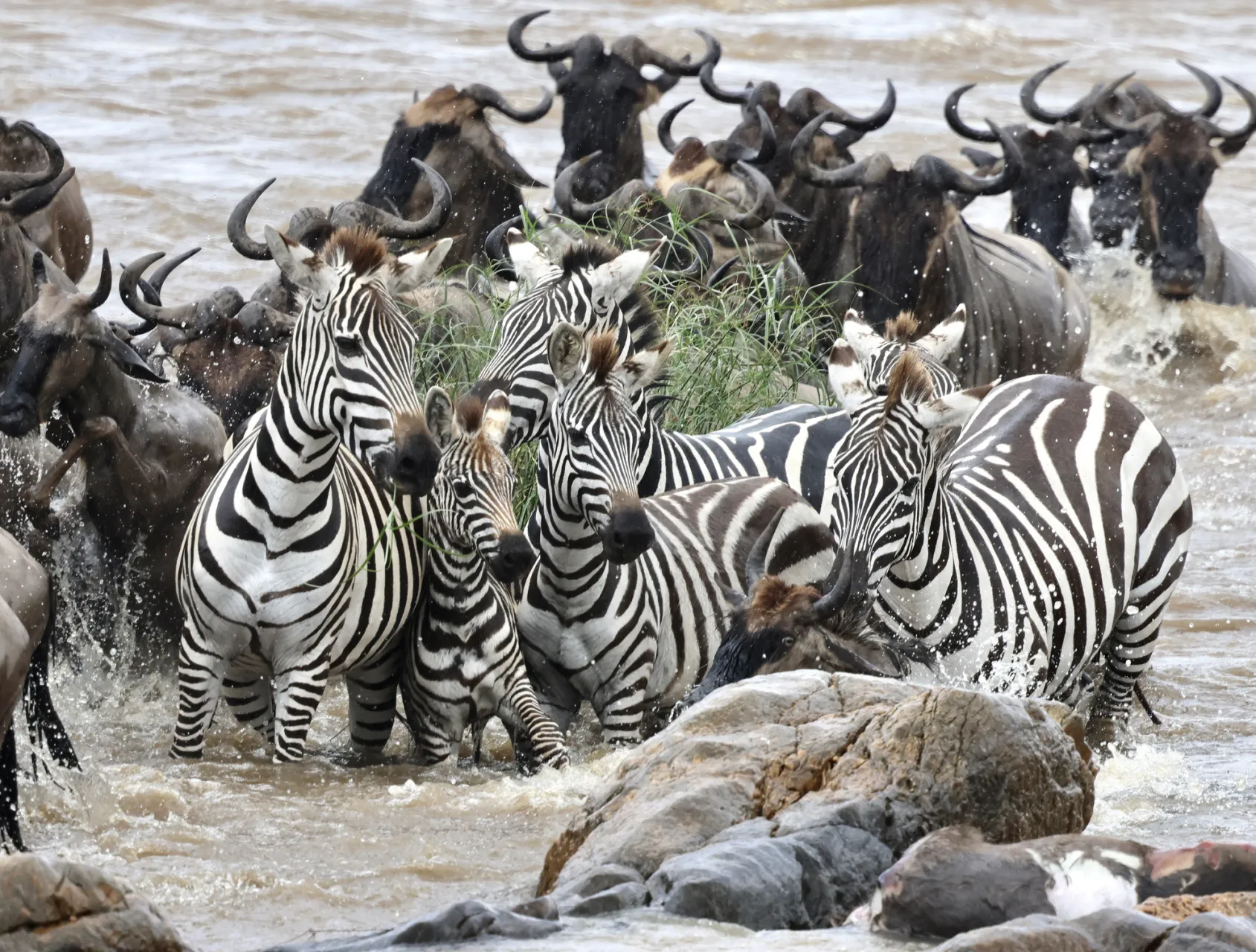
The Mara is world-famous as the stage for one of the planet’s most dramatic natural events: the annual Great Migration. From roughly July to October, this vast ecosystem throbs with the movement of up to two million wildebeest, zebra and gazelle as they pour into the reserve from the neighbouring Serengeti in search of fresh grass. The primal drama of the herds crossing the crocodile-infested Mara River is a spectacle of survival that is the pinnacle of any safari experience.
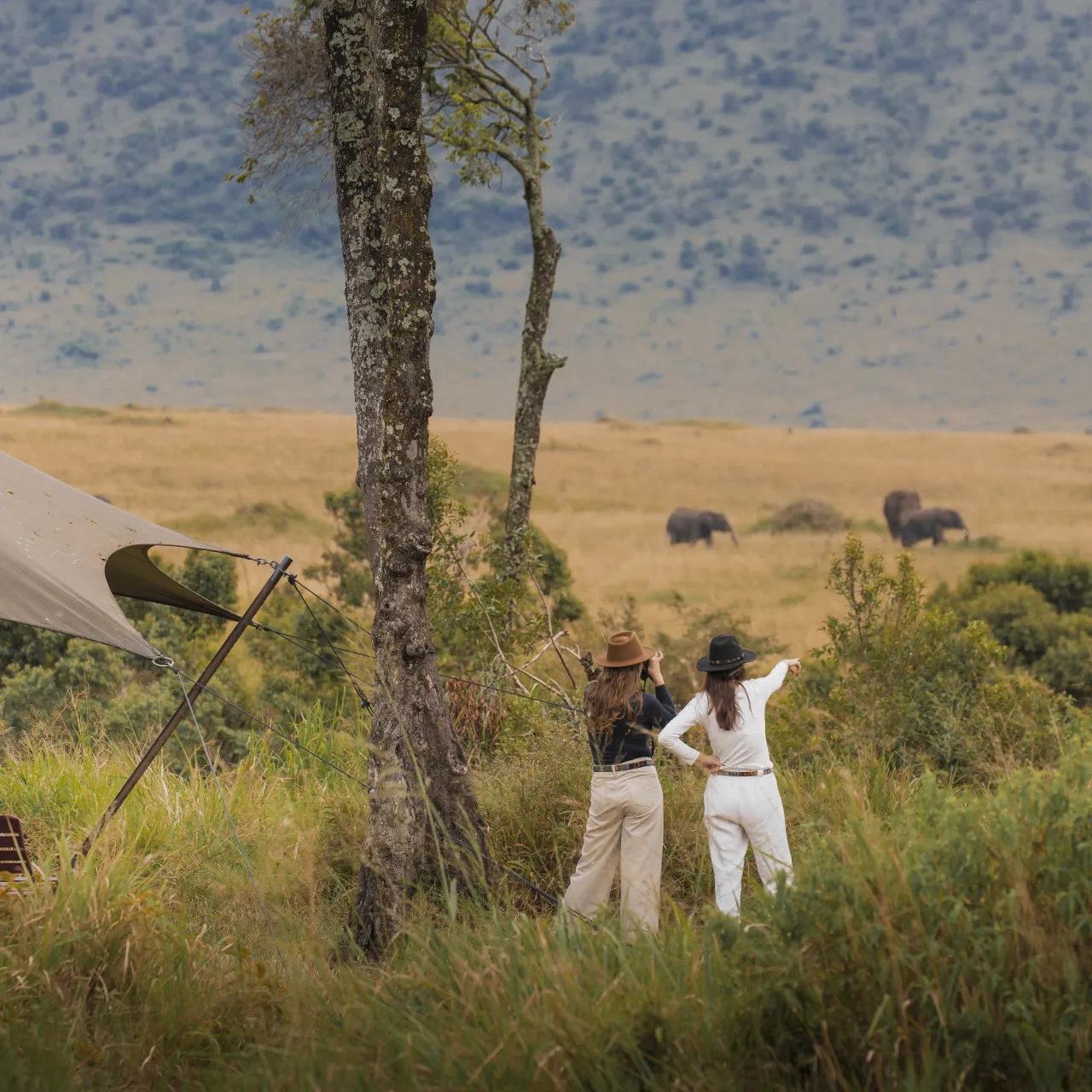
But even outside the migration months, the Masai Mara is a year-round wildlife wonderland. It is home to an incredible resident population of animals and is particularly renowned for its thriving big cat populations. Thanks to its rich grazing, the reserve supports huge prides of lions, solitary leopards and the fastest land animal on Earth, the cheetah, all of which can be seen patrolling their territories across the open plains. It is, without question, the quintessential African safari destination.
Get to know the Masai Mara
The Masai Mara ecosystem comprises two distinct parts: the main national reserve and a mosaic of surrounding private wildlife conservancies. The national reserve is open to the general public and contains the famous river crossing points. The private conservancies, which are owned by local Maasai communities and leased to safari operators, offer a more exclusive and intimate experience.
Staying in a conservancy provides several advantages. Vehicle numbers are strictly limited, meaning you will encounter far fewer tourists at sightings. In addition to regular game drives, activities not permitted in the main reserve such as night drives in search of nocturnal animals, guided bush walks and off-road driving to get closer to the action, are often possible. Many itineraries combine a stay in both the main reserve and a private conservancy to get the best of both worlds.
History
The history of the Masai Mara is the history of the Maasai people. This semi-nomadic pastoralist tribe arrived in the region in the 17th century and have lived in a close, often symbiotic relationship with the wildlife ever since. Their culture is built around their cattle, which are their primary source of wealth and sustenance. Uniquely, the Maasai did not traditionally hunt wild animals for food, a key reason why the region’s wildlife populations remained so abundant.
Modern conservation history began in 1961, when the area was established as a wildlife sanctuary. It was later converted to a national reserve, and its boundaries have changed several times over the decades. The most recent and successful chapter in the Mara’s history is the development of the wildlife conservancy model. This partnership between tourism operators and thousands of Maasai landowners ensures that the local communities benefit directly from conservation, a crucial step in protecting the future of this priceless ecosystem.
More unforgettable activities
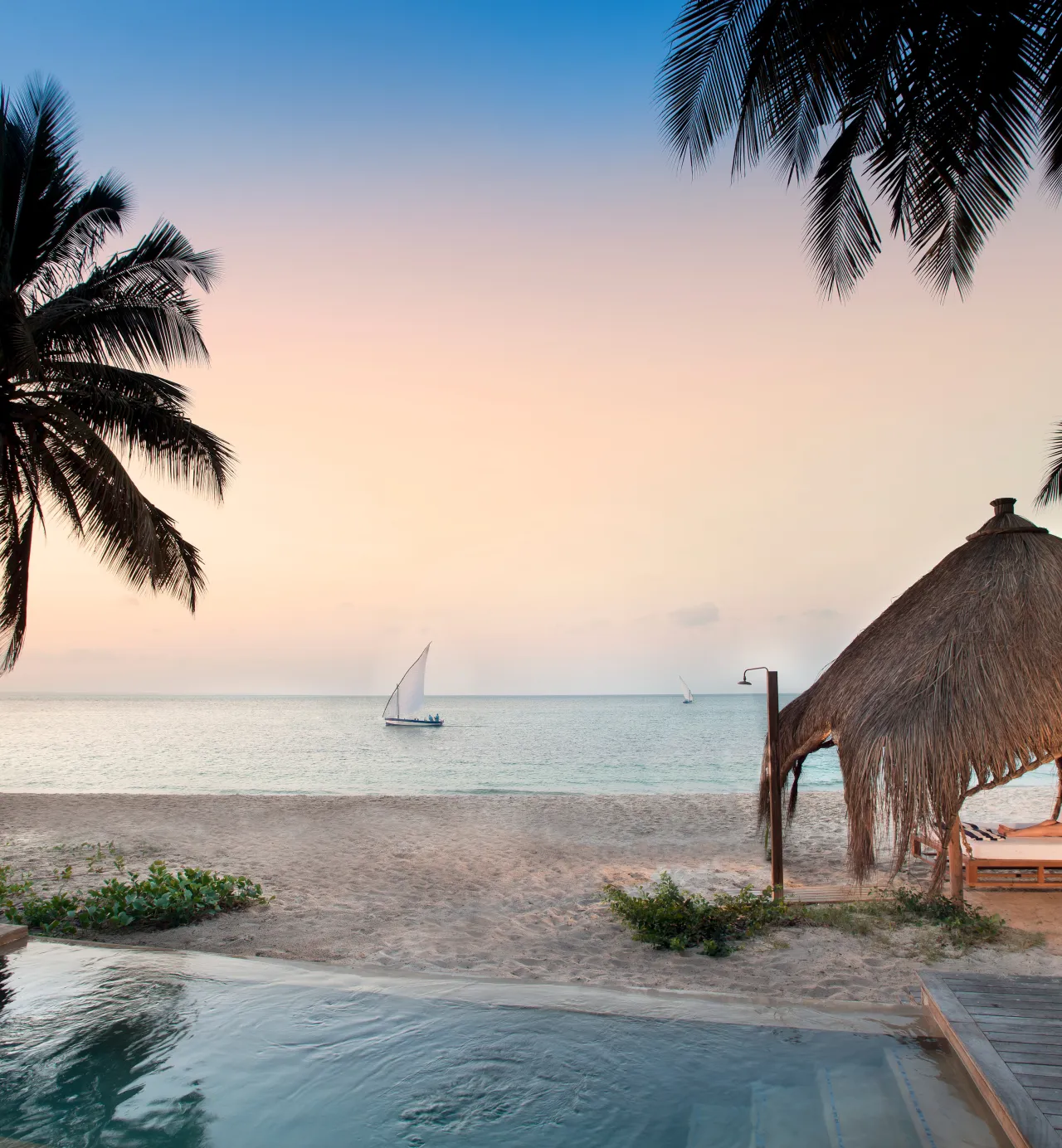
Turtle egg laying and hatching
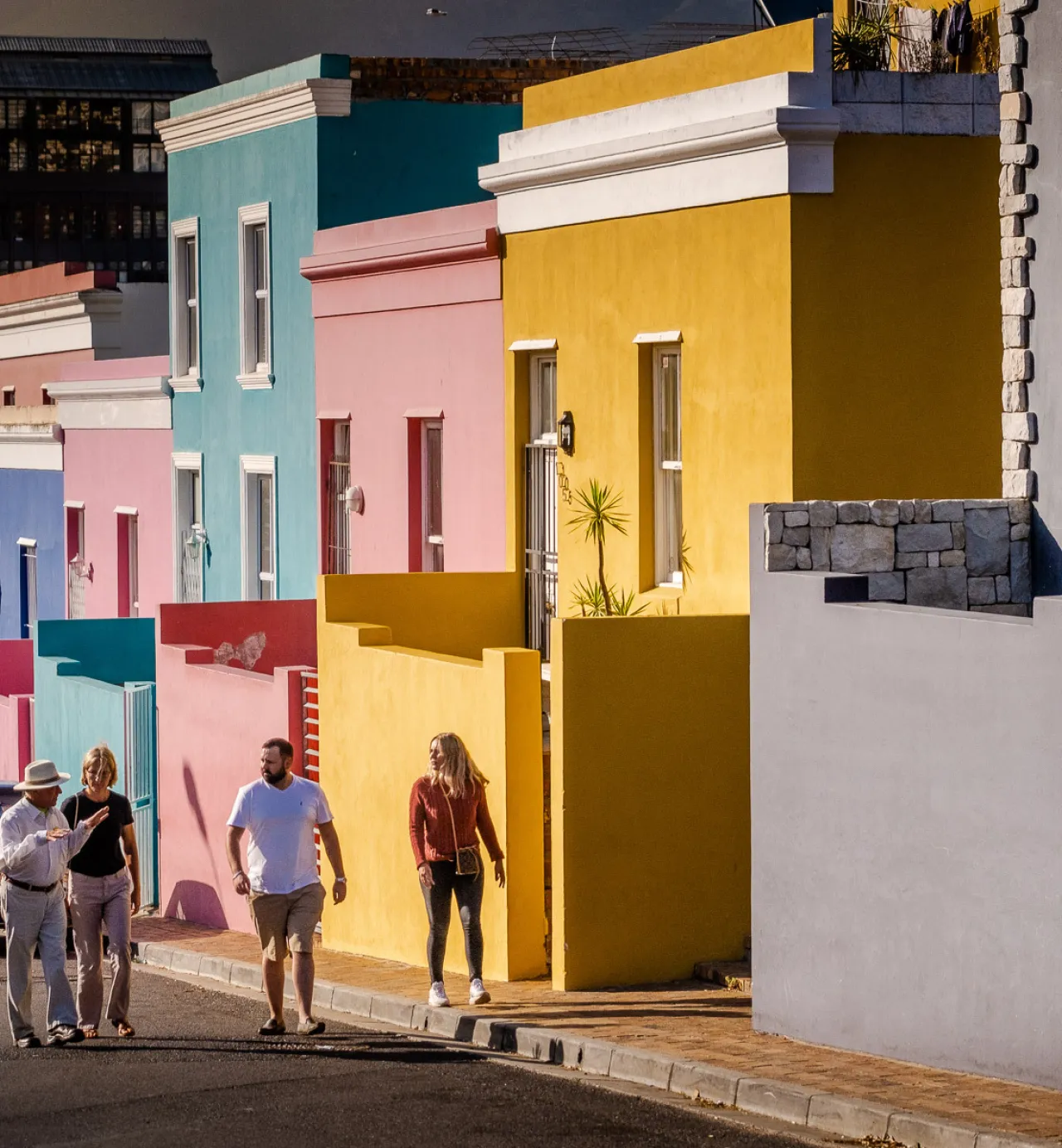
Traditional Bo-Kaap cooking experience
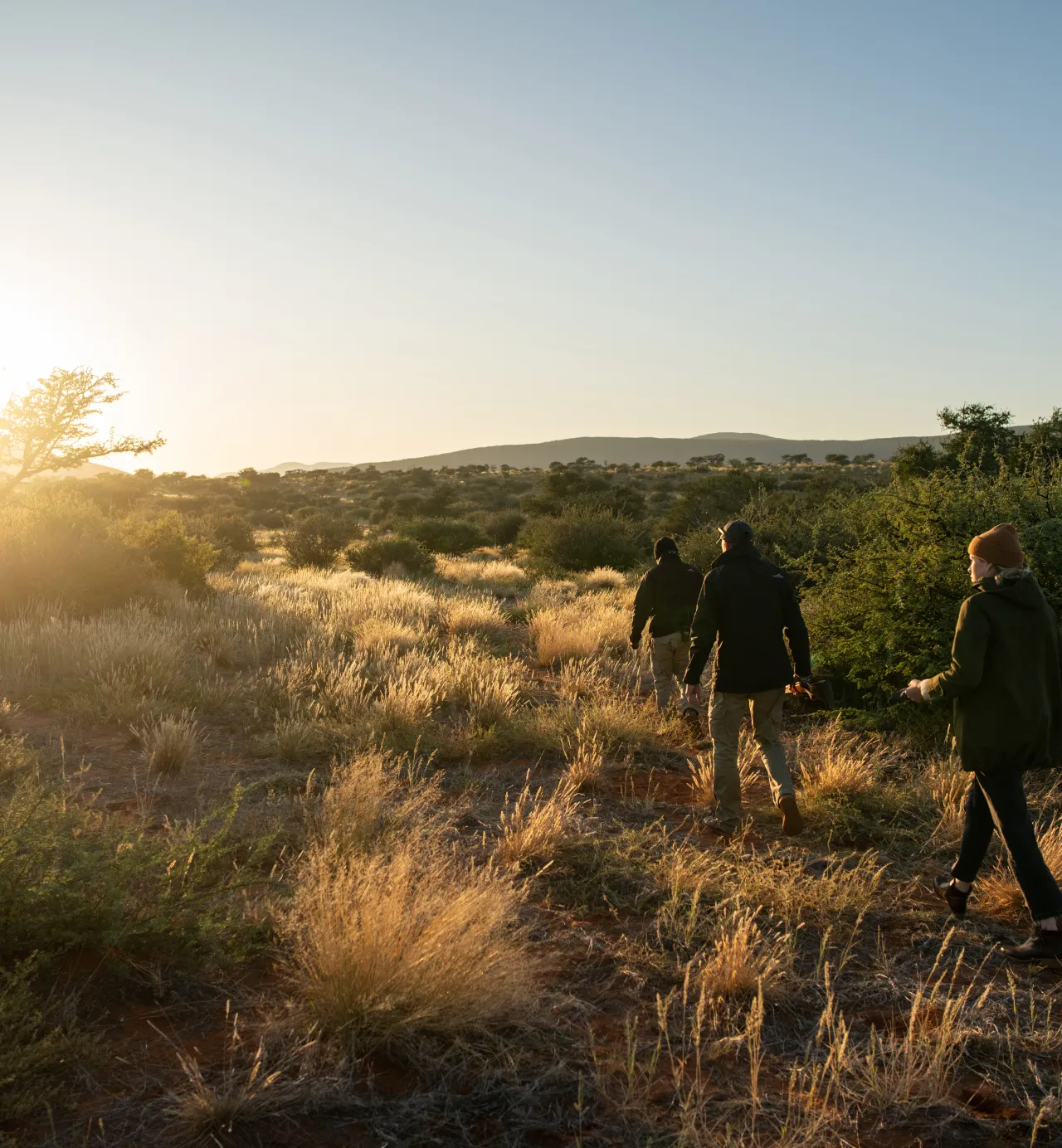
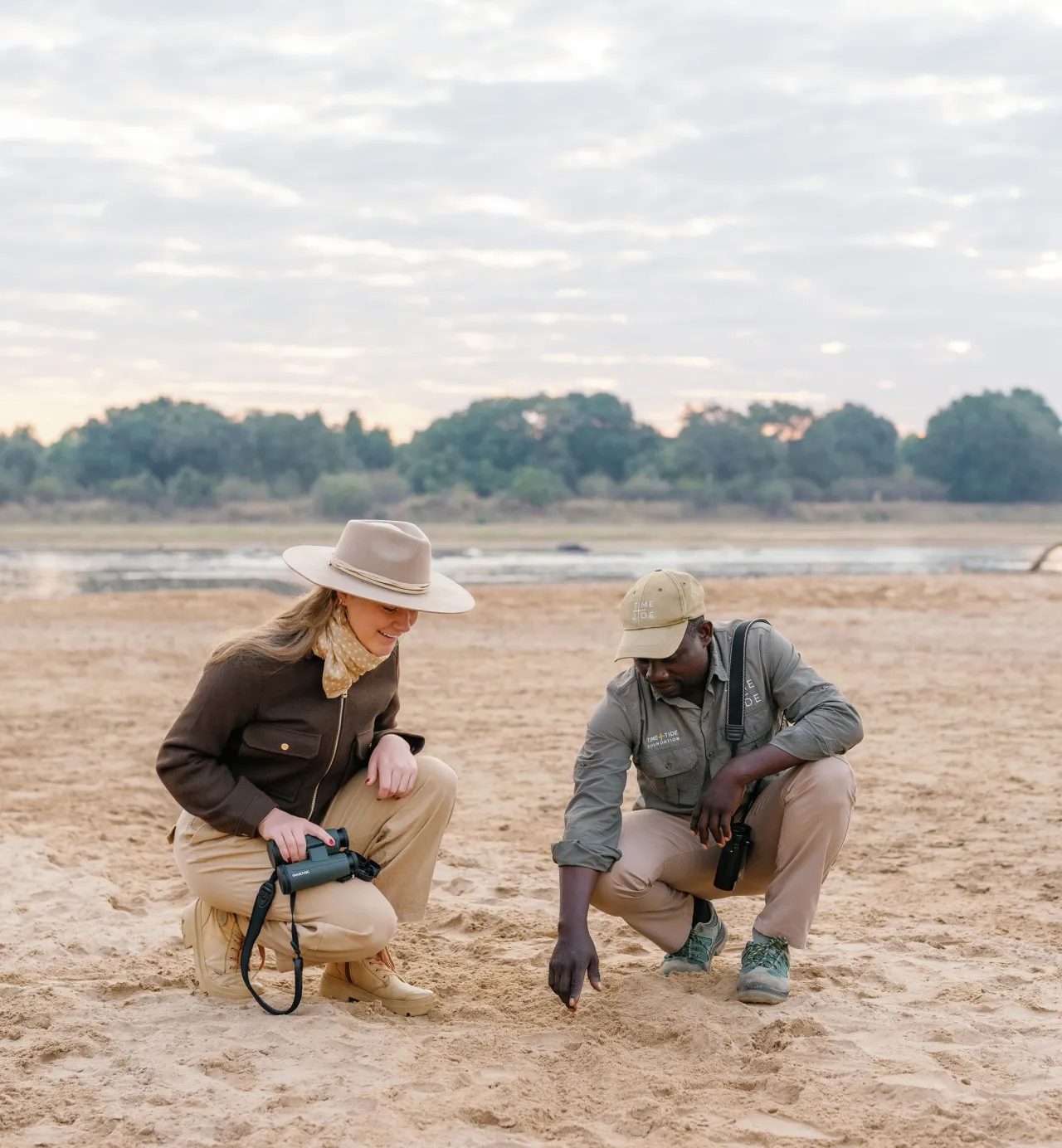
Tracking Africa’s most elusive species on foot
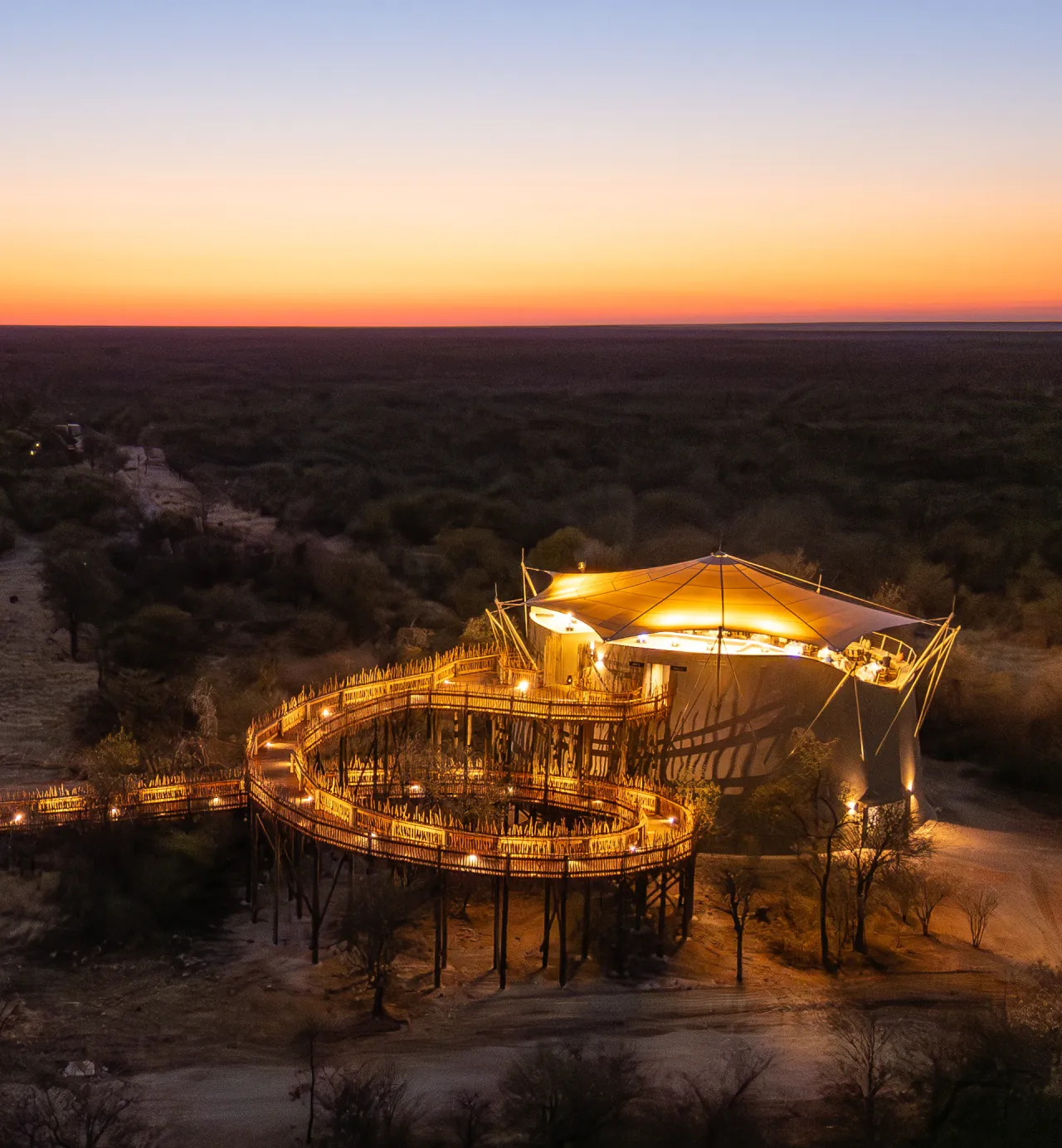
SkyBoma, Etosha
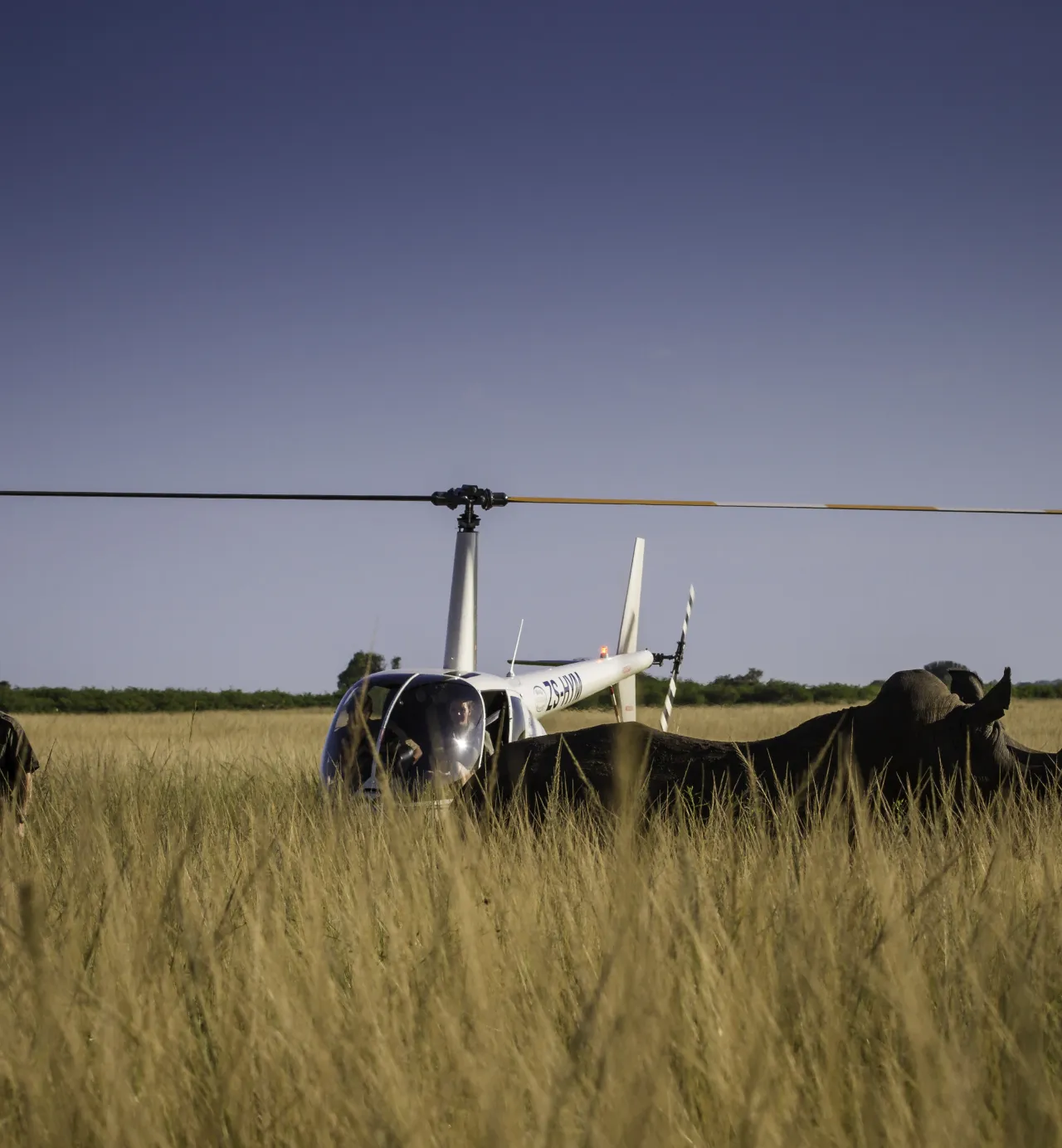
Rhino darting and chipping experience
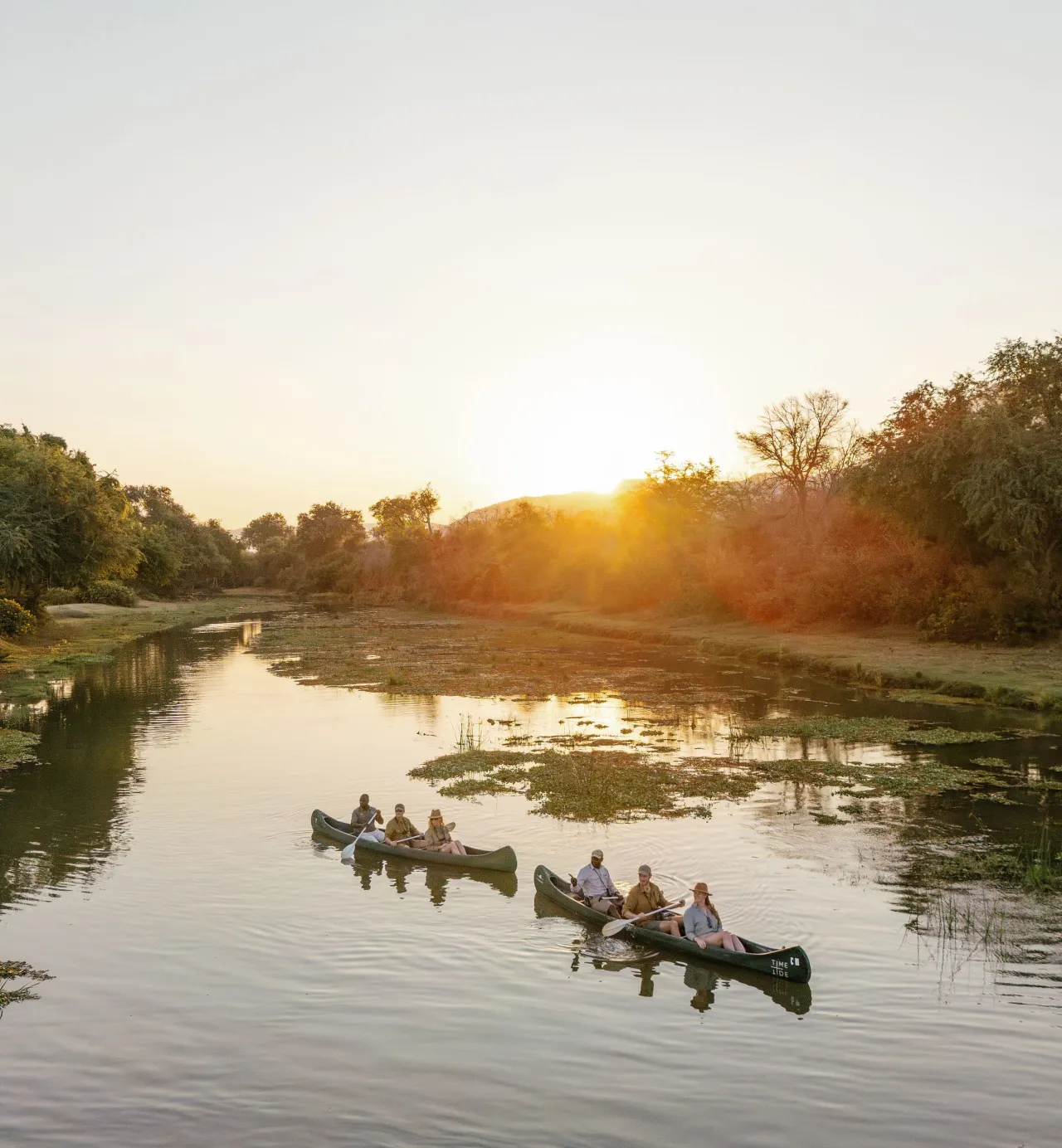
Picnicking on islands in the Zambezi
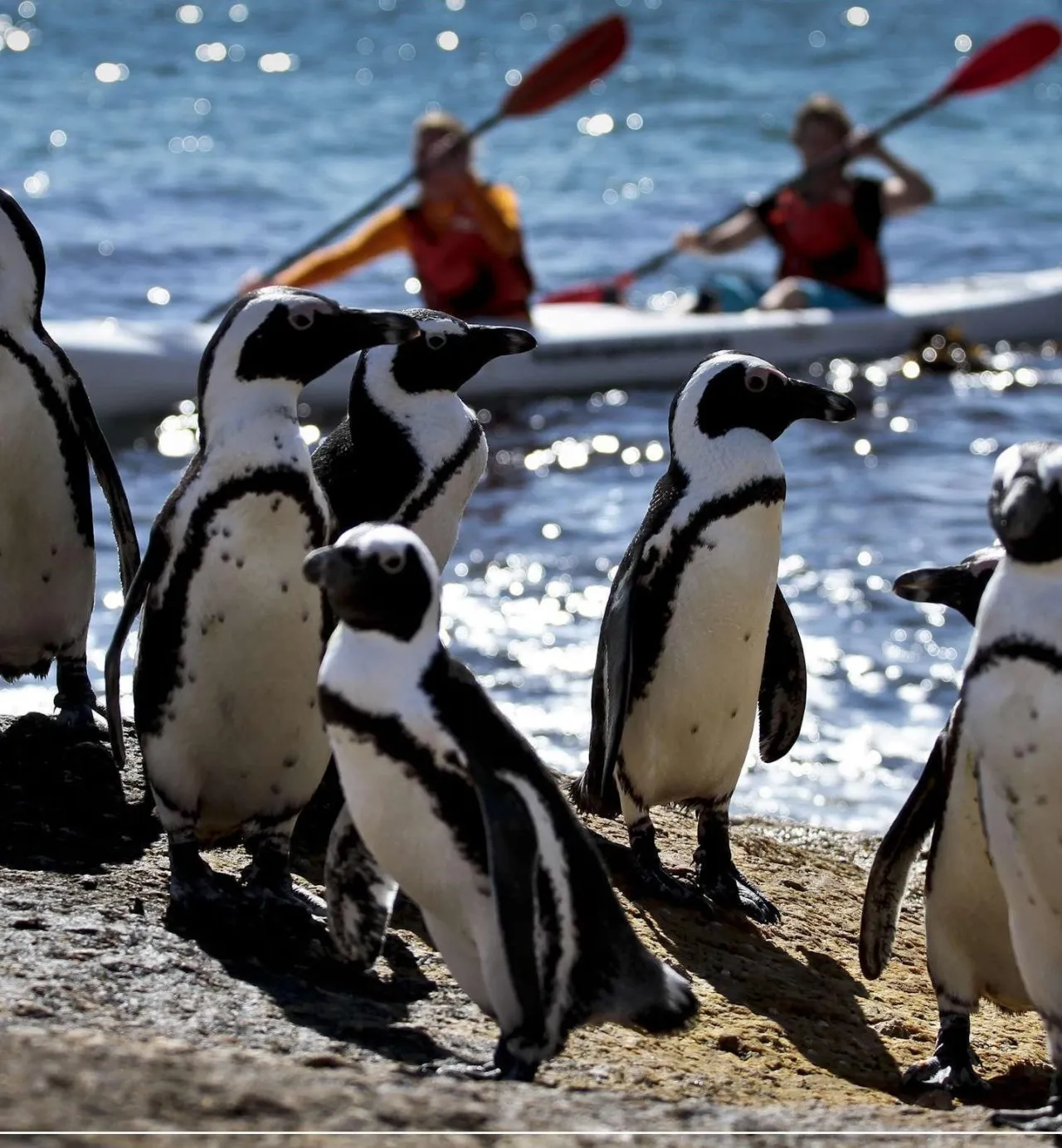
Paddle with penguins
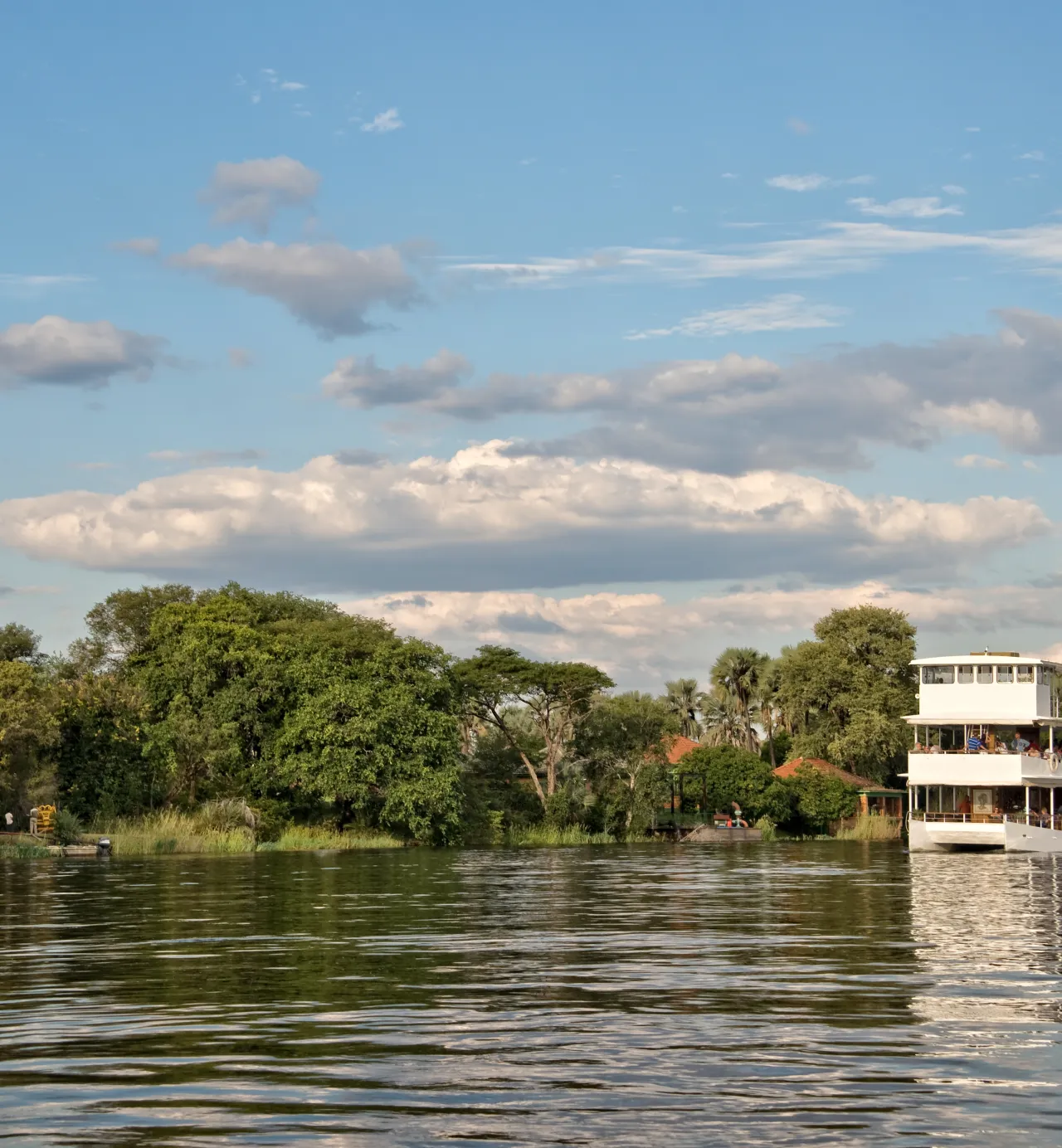
Live-aboard luxury Zambezi safari
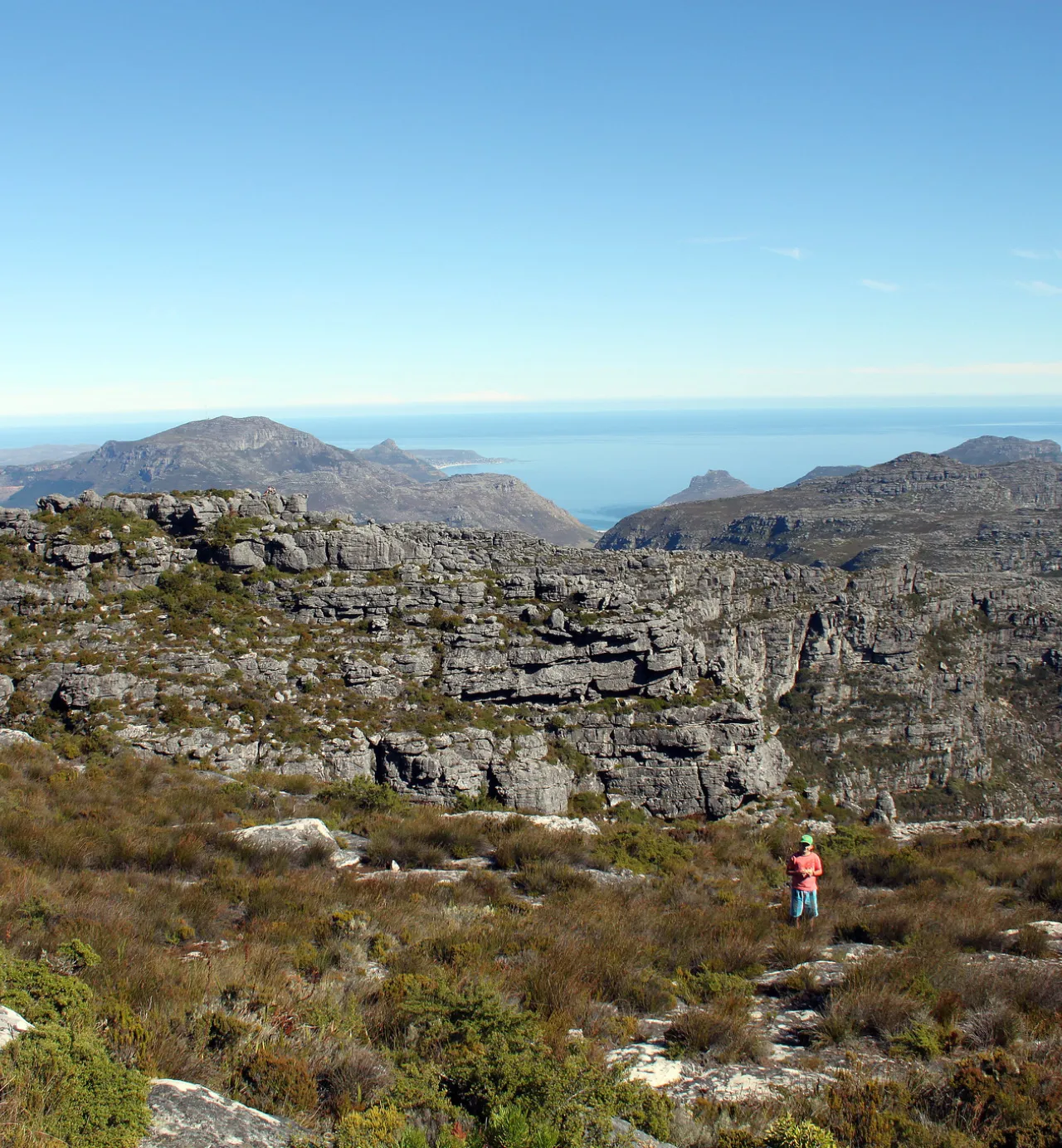
Hiking Table Mountain with a botanist or forager

Voices of our guests
Masai Mara FAQs
The herds typically arrive from the Serengeti from late July through to October. This is the best window to witness the dramatic Mara River crossings.
Absolutely. The Masai Mara has an incredible concentration of resident wildlife that does not migrate. The period from December to March is the dry season, offering excellent game viewing for big cats and the birth of many young animals, with fewer crowds.
The national reserve is public and can be crowded at peak times, but contains the famous river crossing points. The private conservancies are exclusive-use areas for guests of the camps located within them, offering fewer vehicles, night drives and walking safaris.
A minimum of three to four nights is recommended. This provides enough time for several game drives to explore the vast area and increase your chances of witnessing significant wildlife action.
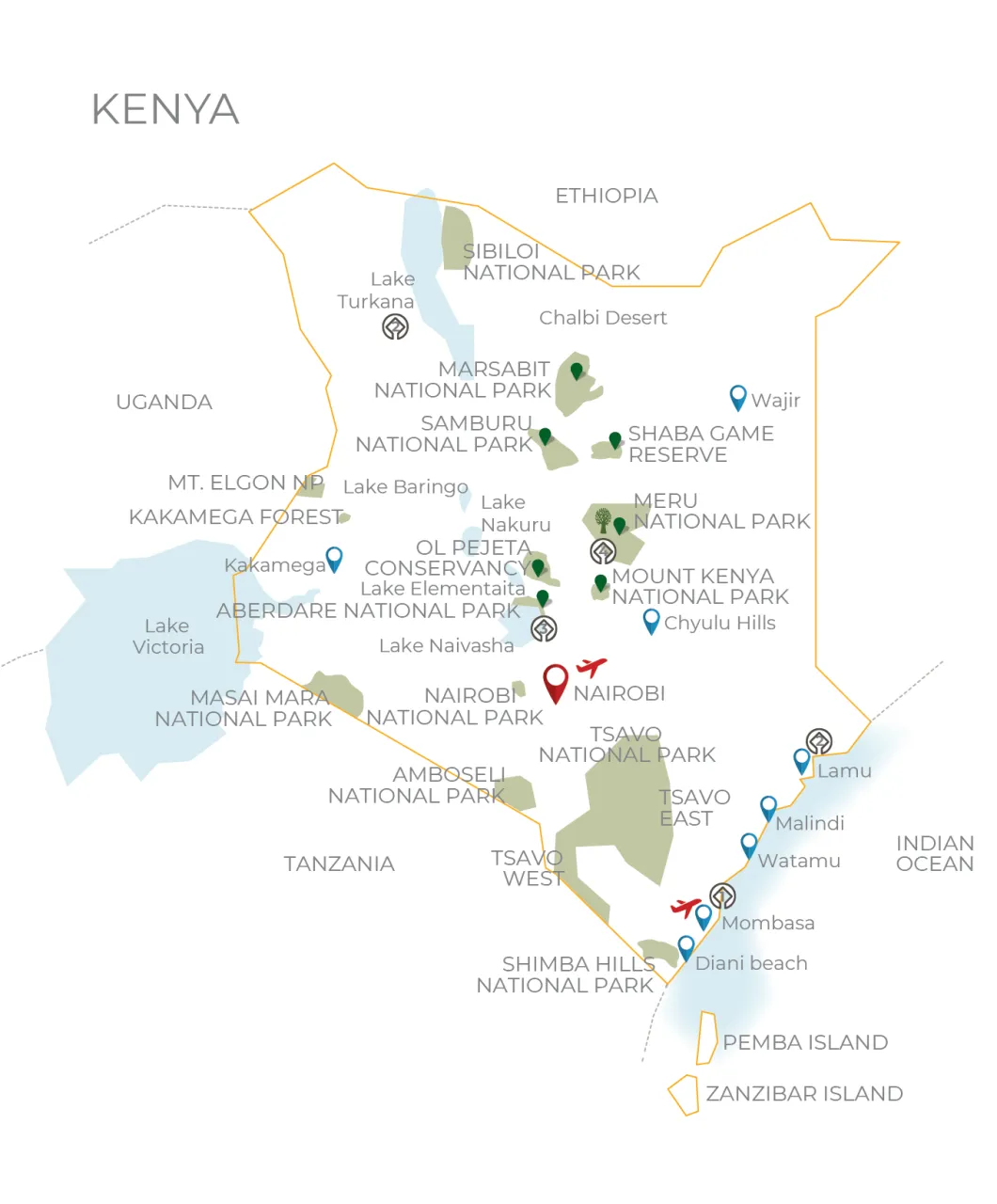
The best and most common way is by taking a short, scenic light aircraft flight (approximately 45 to 60 minutes) from Wilson Airport in Nairobi directly to an airstrip near your camp.
Yes, the Masai Mara is located in a malaria risk zone. It is essential to consult your doctor about appropriate anti-malarial medication before you travel.
Your chances are extremely high for four of them. Lion, leopard, elephant and buffalo are very common. The black rhino is critically endangered and sightings are rare, though possible.
It is a magical experience. You lift off at sunrise and float silently over the plains, watching the wildlife below as the world wakes up. The experience typically lasts for about an hour and is followed by a celebratory champagne breakfast in the bush.
Many safari camps have respectful and long-standing relationships with nearby communities, offering authentic cultural visits that directly benefit the village. These provide a genuine insight into the Maasai way of life. It’s always best to arrange your village visit in advance; connect with your Travel Architect for assistance in this regard.
Pack lightweight, layered clothing in neutral colours (khaki, beige, green). A warm fleece or jacket is essential for cold early-morning game drives. A hat, sunglasses, sunscreen, insect repellent and a good pair of binoculars are non-negotiable.
