

Matobo National Park
Matobo National Park, Zimbabwe
A place of ancient, spiritual power
Peak time
June to September
Best time to visit
May to October (the cool, dry season)
Known for
Its dramatic granite boulder landscapes; rhino tracking on foot
Also known for
Its rich concentration of ancient rock art; being a UNESCO World Heritage Site
About the Matobo National Park
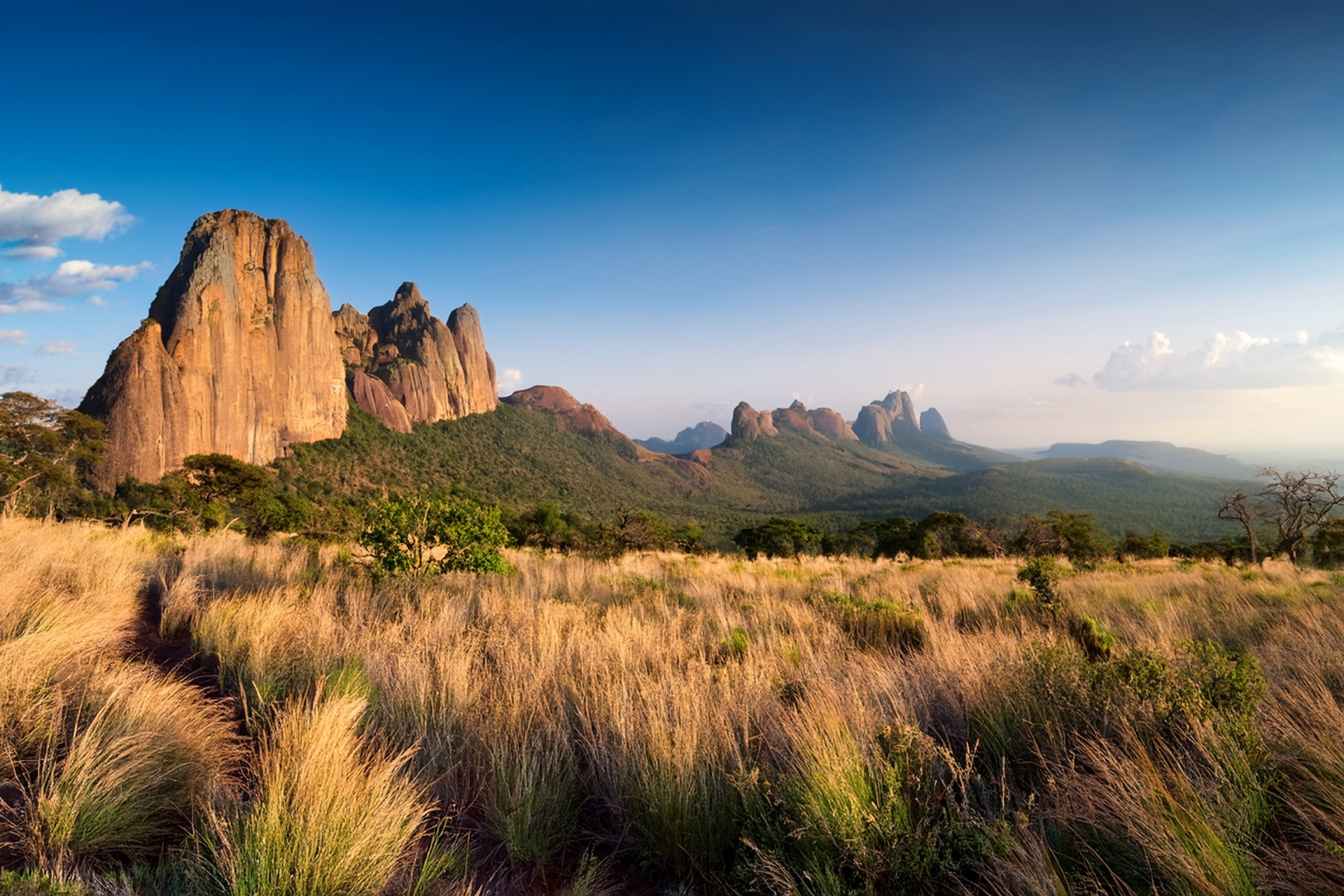
Matobo is not a classic safari park. It’s a place where giant granite boulders balance precariously on each other, creating an otherworldly atmosphere. This UNESCO World Heritage Site is one of the most dramatic geological landscapes in Africa, where it almost seems like the Earth’s bones lay scattered.
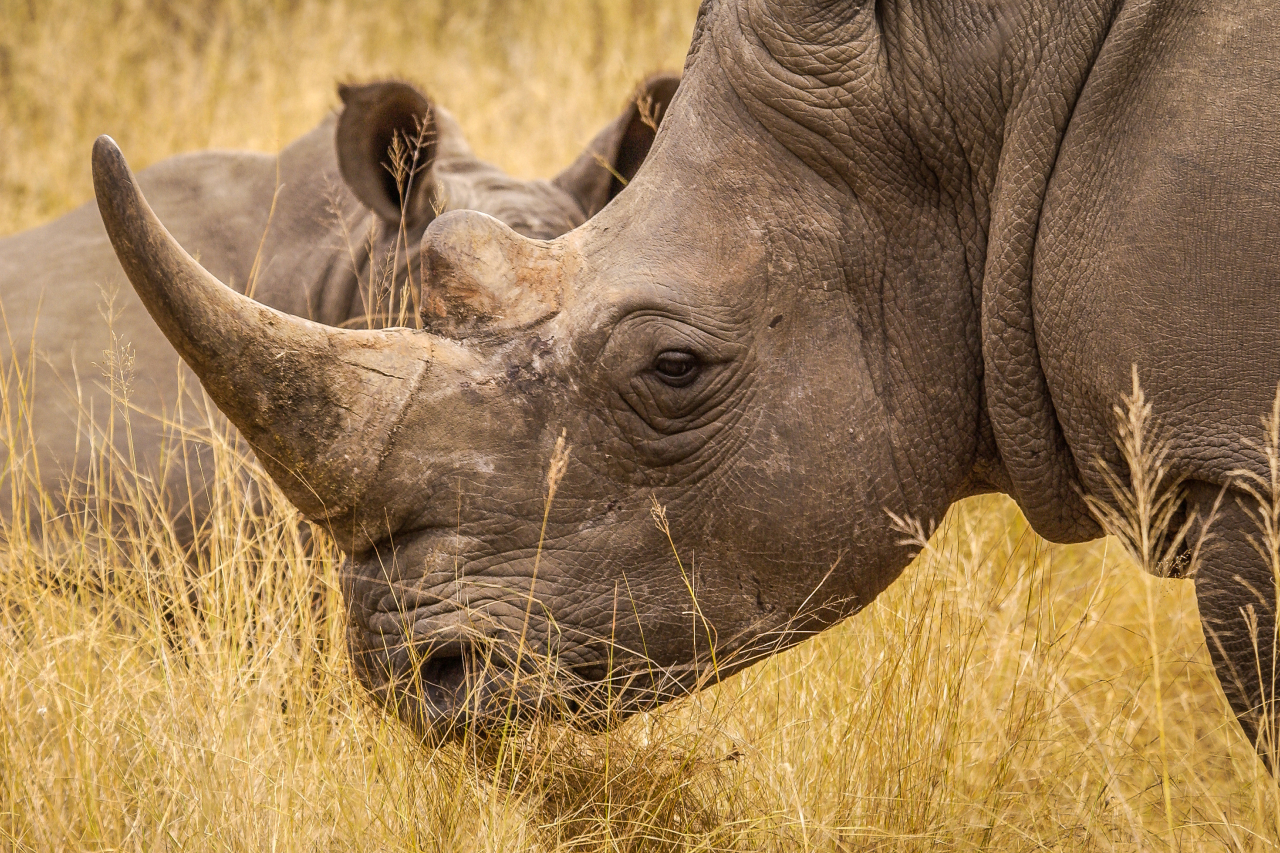
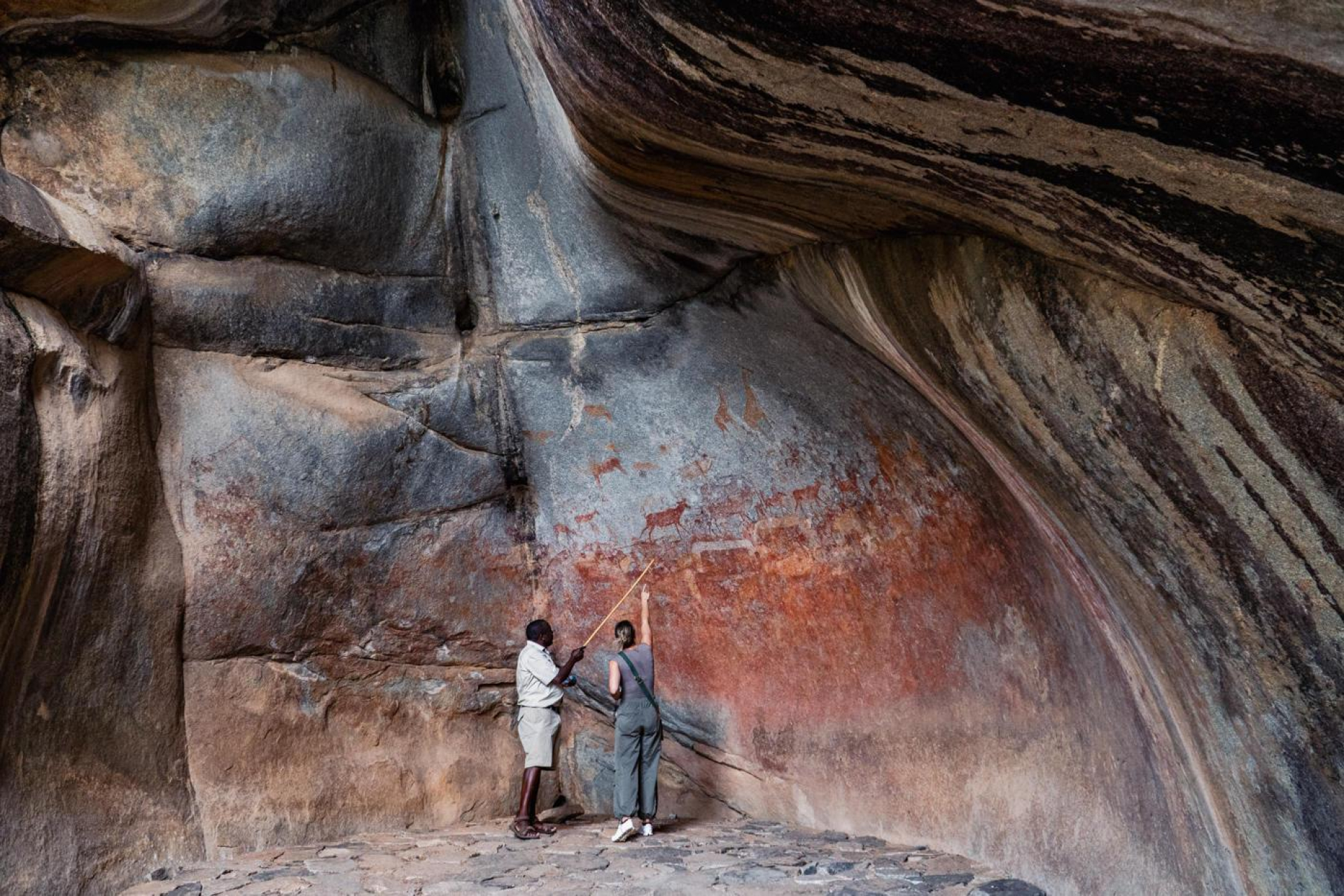
The experience here is one of deep history and on-the-ground adventure. Caves and rock shelters dotted among these hills contain one of the richest concentrations of ancient Bushman rock art in Southern Africa. Matobo is also a sanctuary for rhinos, and it offers one of the most exciting experiences on the continent: tracking these magnificent creatures on foot.

Did you know
It has one of the highest concentrations of leopards in Southern Africa
A visit to Matobo is a journey into a sacred landscape. For the local Shona and Ndebele peoples, these hills are a place of ancestral spirits. Matobo is also the final resting place of colonialist and mining magnate Cecil John Rhodes, whose grave is located at a spectacular viewpoint known as World’s View. To walk among these ancient boulders is to feel a powerful connection to both the geological past and the cultural soul of Zimbabwe.
Get to know Matobo
The Matobo experience is divided between its wildlife encounters and its cultural history. The park is split into two sections: a small, fenced game park where the rhinos are protected, and a much larger recreational park that includes the famous rock formations and historical sites.
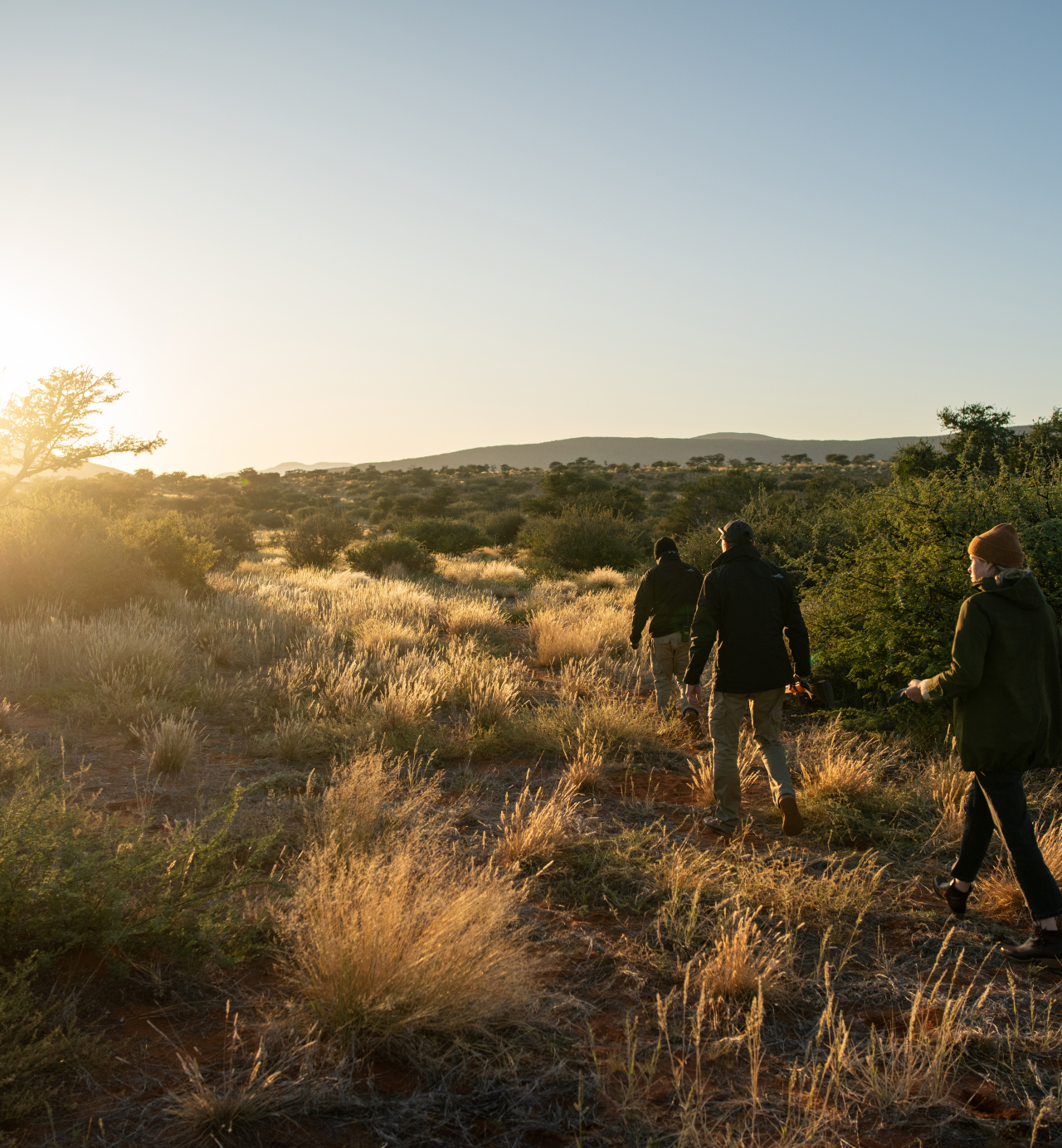
The signature activity is rhino tracking. This involves driving into the game park with a highly trained guide and then tracking the rhinos on foot, allowing for an intimate and humbling encounter. Other activities are focused on exploring the wider landscape, including game drives in search of leopards and other specialised wildlife, and guided walks or drives to visit the most impressive rock art sites and the historical World’s View.
History
The history of Matobo is one of the deepest in all of Southern Africa. The caves and shelters in these hills provided a home for humans for tens of thousands of years. The Bushman people left an incredible legacy here: a vast collection of rock art depicting animals, human figures and spiritual rituals, providing a priceless window into their ancient world. In more recent centuries, the hills became a sacred spiritual centre for the Ndebele people.
The area became famous in the colonial era as the chosen burial place of Cecil John Rhodes. He was captivated by the area’s spiritual atmosphere and named the viewpoint Malindidzimu (“place of benevolent spirits”) as his “World’s View”. In 1926, the area was protected as a national park, a recognition of both its natural beauty and its cultural and historical significance.

More unforgettable activities

Turtle egg laying and hatching

Traditional Bo-Kaap cooking experience
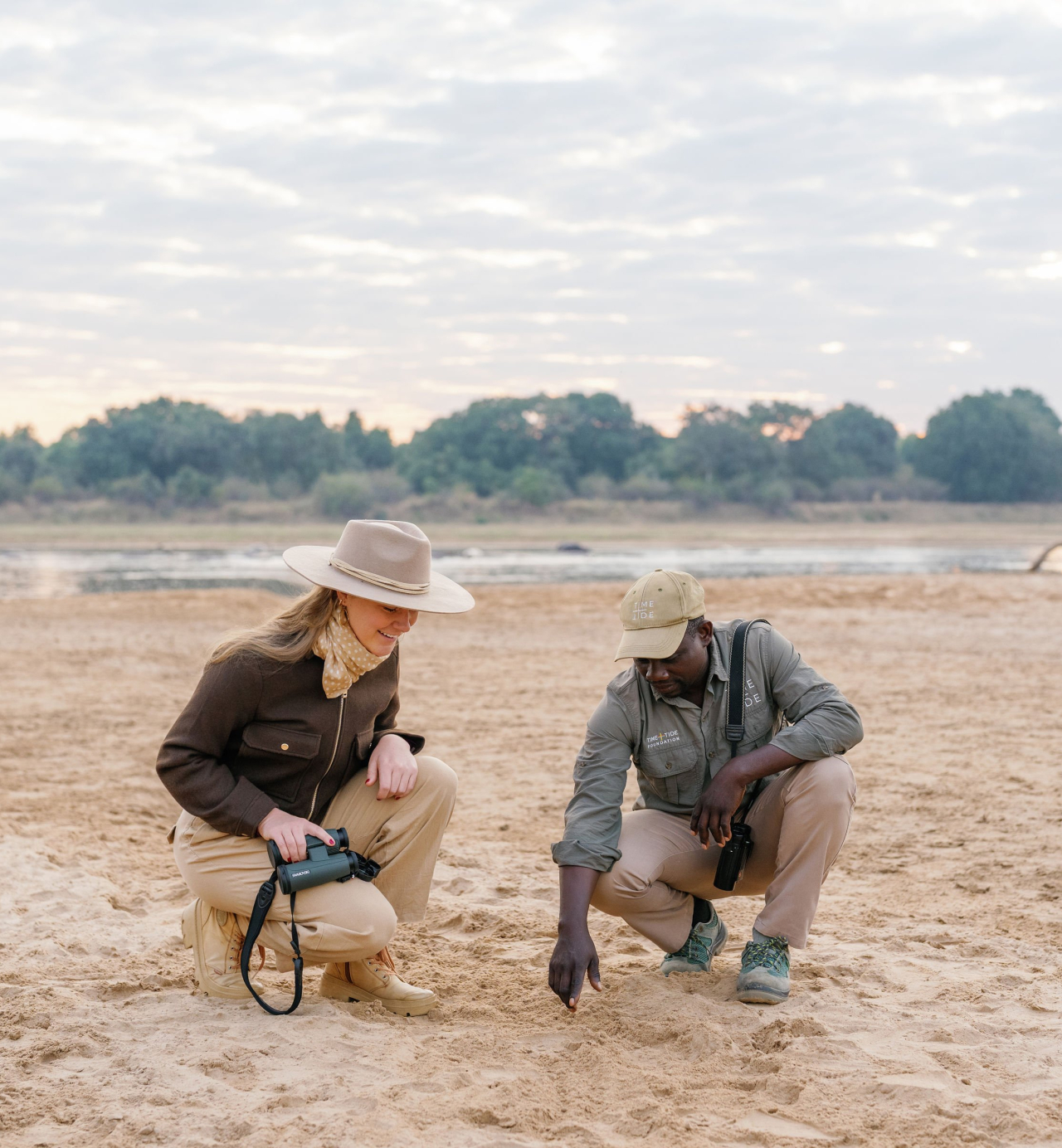
Tracking Africa’s most elusive species on foot


SkyBoma, Etosha
Rhino darting and chipping experience
Picnicking on islands in the Zambezi

Paddle with penguins
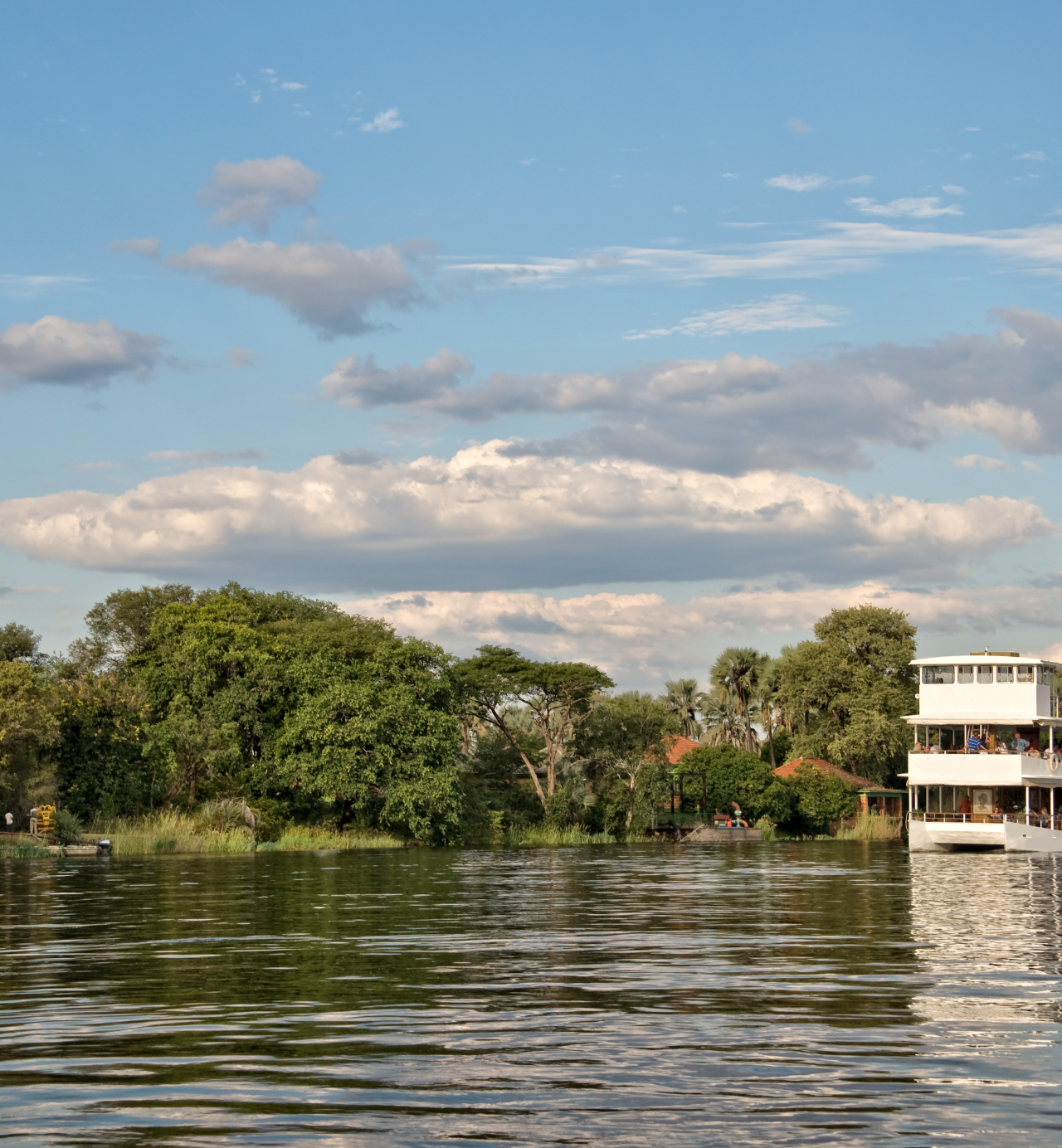
Live-aboard luxury Zambezi safari
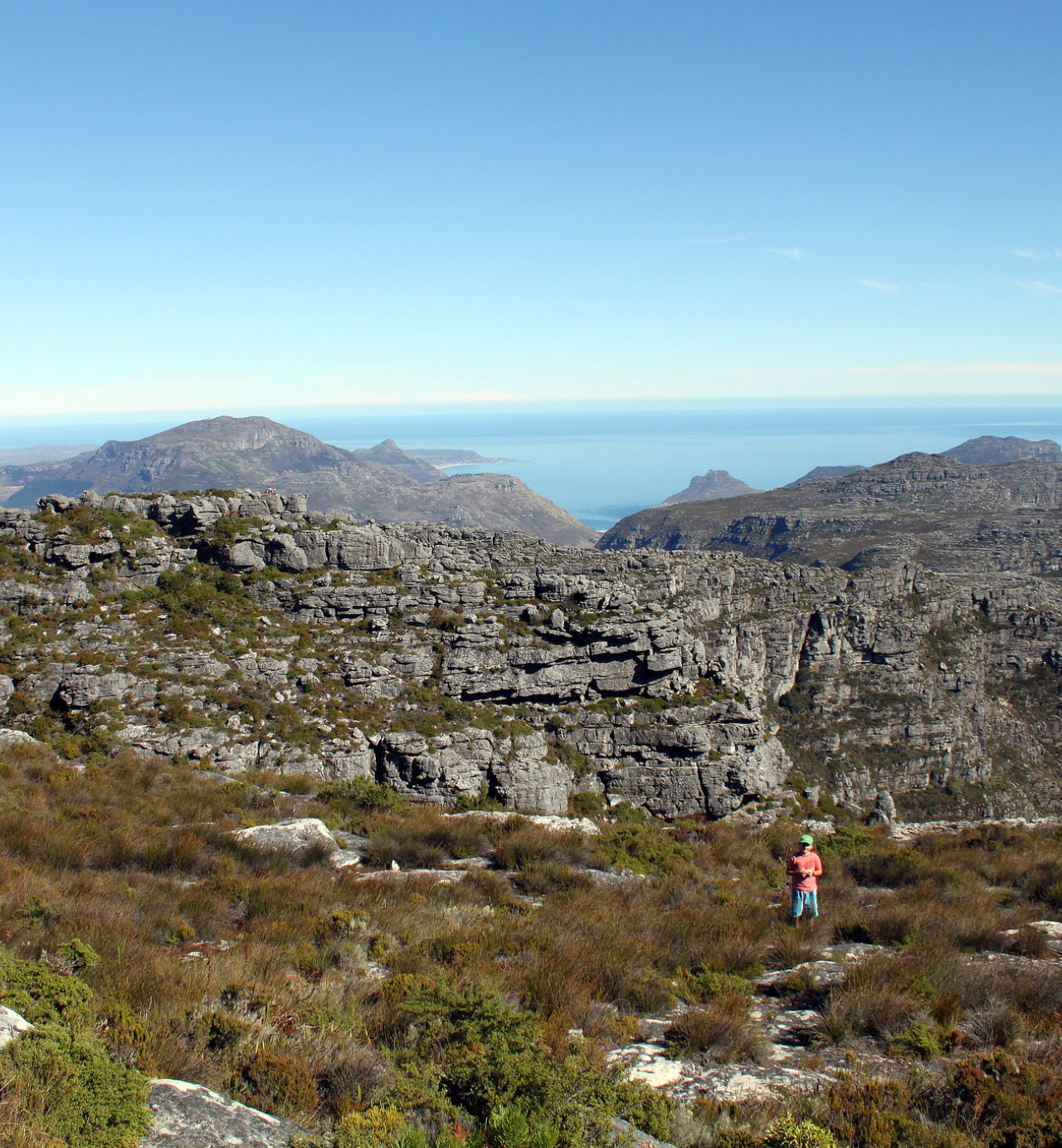
Hiking Table Mountain with a botanist or forager


Voices of our guests
Matobo National Park FAQs
It is most famous for two things: the thrilling experience of tracking rhinos on foot, and its spectacular landscape of balancing granite boulders and ancient rock art.
No. While it is one of the best places in Africa to see rhinos and leopards, it has no elephants or lions. Buffalo are present but rarely seen.
Yes, it is extremely safe. You are accompanied by highly experienced and armed professional guides and park rangers, who are experts in animal behaviour and ensuring guest safety.
The main gateway is the city of Bulawayo. You will fly into Bulawayo’s airport and then take a short road transfer (approximately one hour) to your lodge.
Yes, it is located in a malaria-risk zone. It is essential to consult your doctor about appropriate anti-malarial medication before you travel.
A stay of two to three nights is ideal. This provides enough time for a rhino-tracking experience, a visit to the rock art sites and a trip to the historical World’s View.
Matobo is completely different. Its primary focus is on rhino tracking on foot and its cultural and geological heritage. Hwange and Malilangwe are classic Big Five reserves focused on vehicle-based game drives in savannah landscapes.
It is a spectacular panoramic viewpoint from the top of one of the highest granite domes in the park. It is the chosen burial site of the controversial colonialist Cecil John Rhodes.
The lodges in Matobo are famous for their design. They are often built directly into and around the giant granite boulders, creating a magical and organic architectural style that makes you feel part of the ancient landscape.
Sturdy, comfortable walking shoes are the most important item for rhino tracking and exploring the rocky hills. Also pack neutral-coloured clothing, a hat, sun protection, and a warm jacket for cool mornings and evenings.
