

Nairobi

Nairobi
The green city in the sun
Peak time
July to September (Great Migration)
Best time to visit
January to March (dry and clear)
Known for
Being the only city in the world with a national park within its borders; its status as the safari capital of Africa
Also known for
Its vibrant tech and arts scenes
About Nairobi
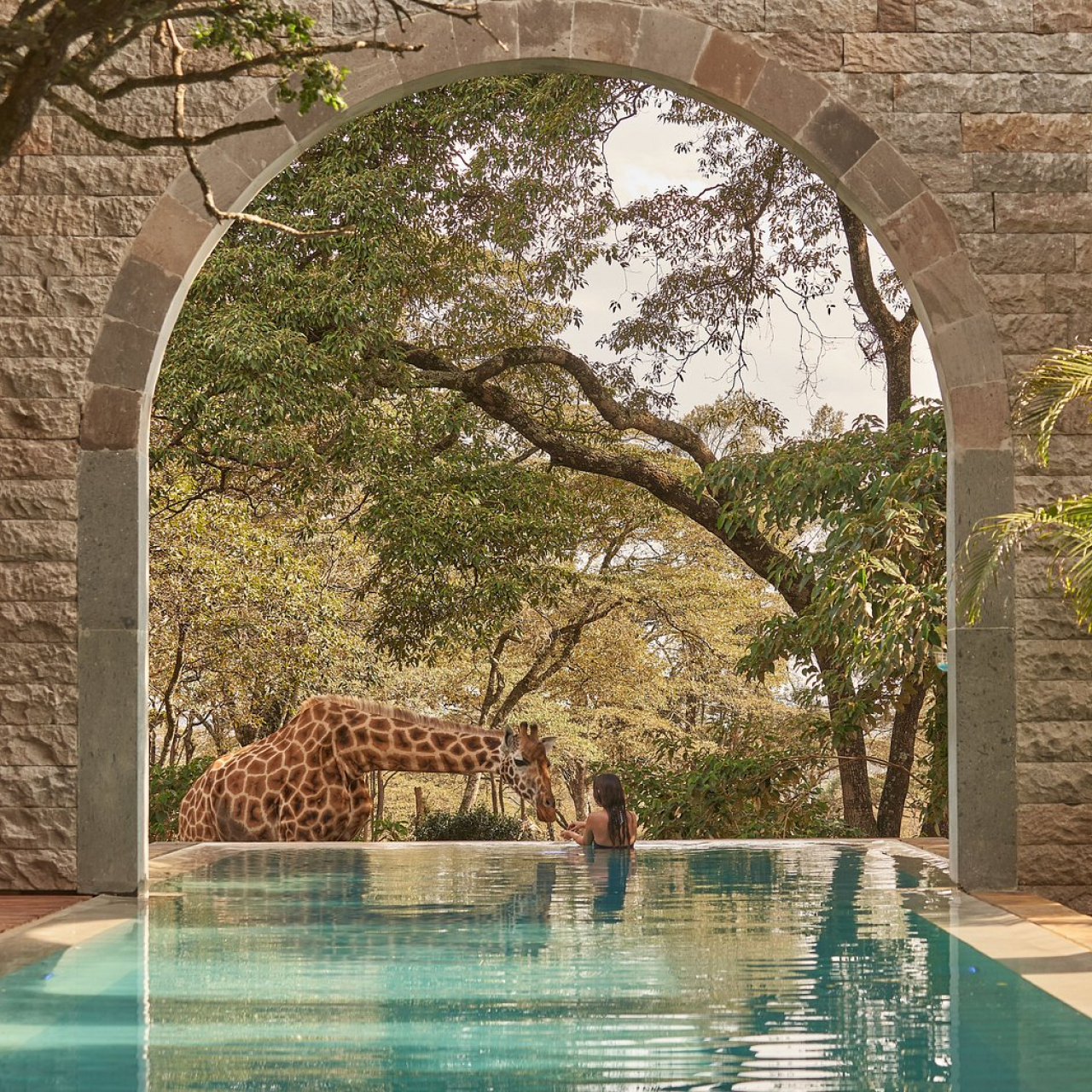
Nairobi is a city of high-octane energy and surprising greenery, a bustling metropolis that serves as the beating heart of East Africa. Founded as a simple railway depot in 1899, it has grown into a sophisticated hub where gleaming skyscrapers overlook a landscape of forest and savannah. It is a city that defies easy categorisation, where the roar of traffic competes with the roar of lions in the nearby national park.
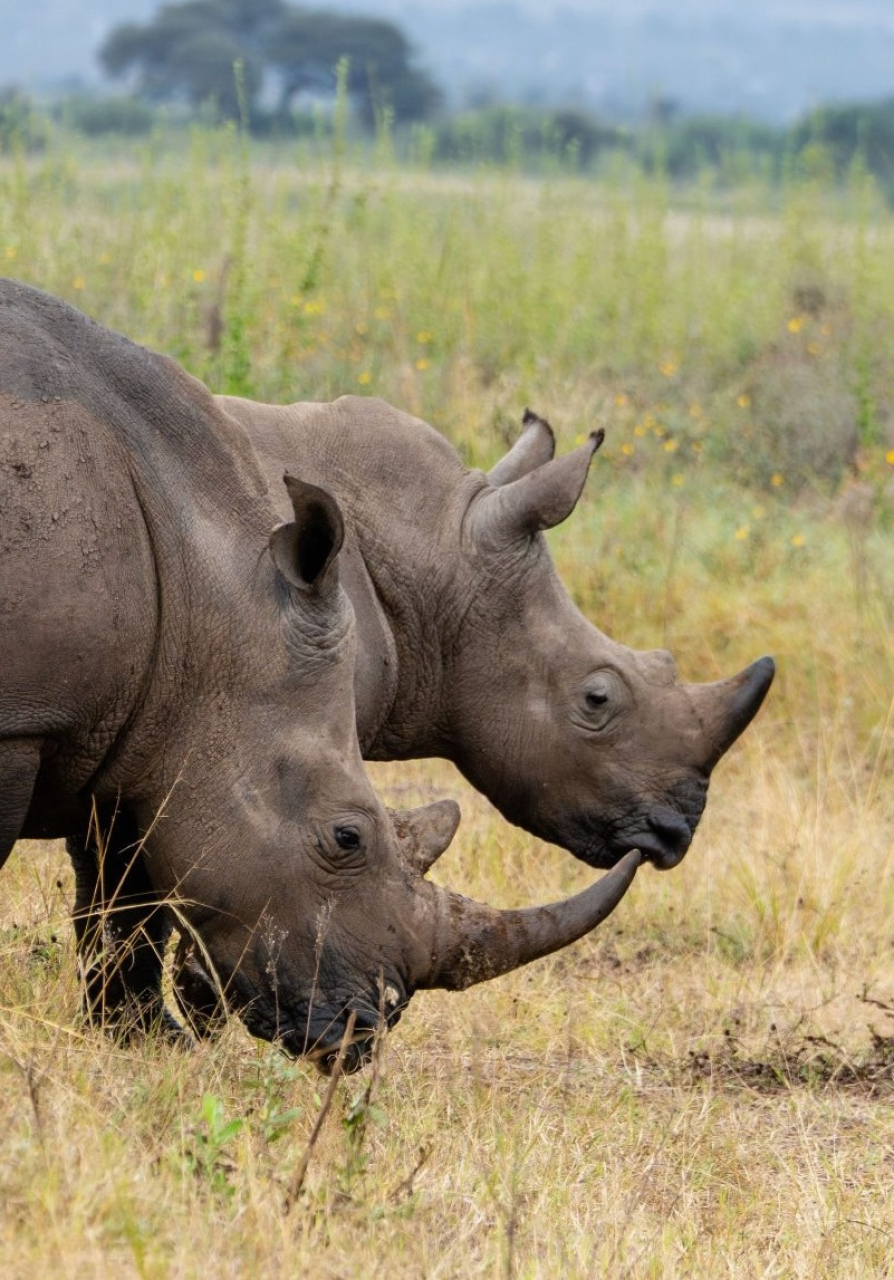
The city’s defining feature is the Nairobi National Park – a 117km2 (45sq mi) wilderness where giraffes, rhino and lions roam against a backdrop of city office blocks. It is a unique juxtaposition that highlights Kenya’s deep connection to nature. Within the city itself, leafy suburbs such as Karen and Langata offer a more tranquil pace, home to historic estates and world-famous conservation centres like the Giraffe Centre and the Sheldrick Wildlife Trust.

Did you know
Nairobi is the hub of the “Silicon Savannah”, one of Africa’s most vibrant tech ecosystems
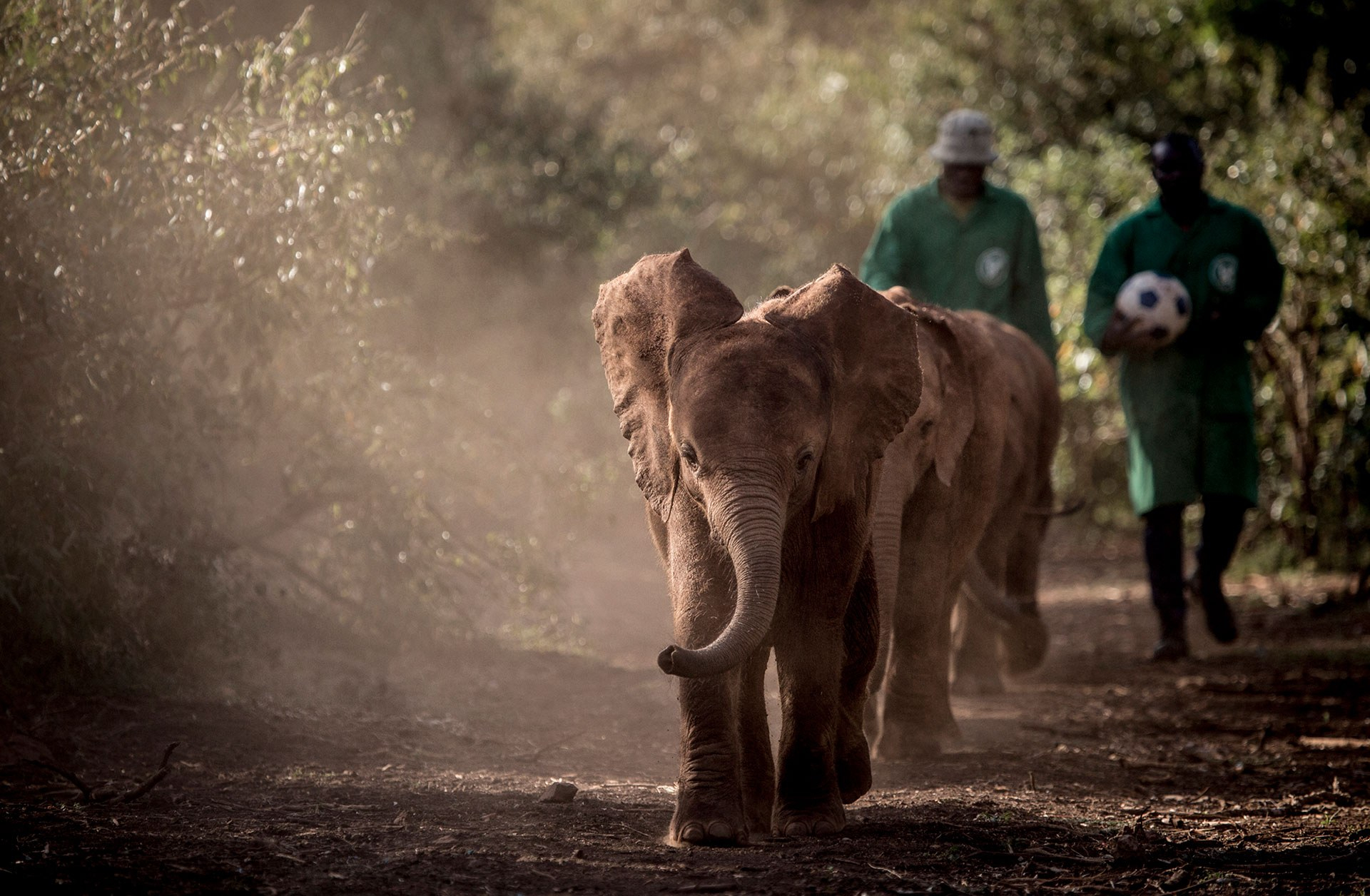
Nairobi is also a cultural powerhouse. From the vibrant markets of the city centre to the sophisticated galleries and restaurants of Westlands, the city is a melting pot of cultures. It is a place where you can spend your morning bottle-feeding an orphaned elephant and your evening enjoying world-class fusion cuisine. Nairobi is not just a transit stop; it is a compelling destination that offers a glimpse into the dynamic future of the continent.
Get to know Nairobi
Nairobi is a sprawling city divided into several distinct districts. The central business district is a dense area of commerce and government, while Westlands is the hub for nightlife and modern shopping malls. The suburbs of Karen and Langata to the south are more spacious and green, housing many of the city’s top boutique hotels and tourist attractions.
Traffic in Nairobi is legendary, so planning your movements is essential. Ride-hailing apps such as Uber are the most convenient and safe way to get around, although the colourful matatus (privately owned minibuses) are a quintessential part of the city’s identity. The new expressway has significantly cut travel times between the airport and the main city hubs.
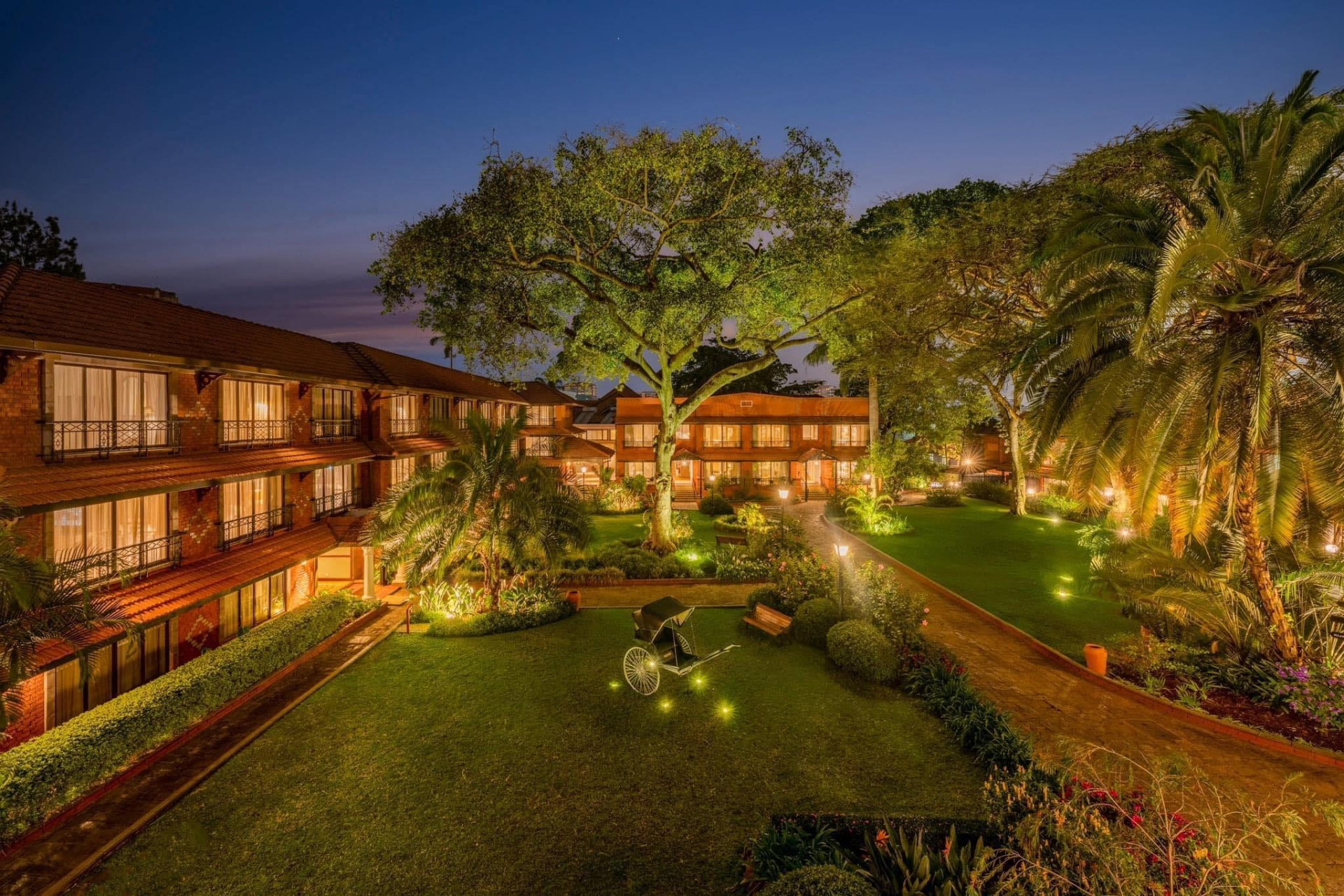
History
Nairobi’s history is inextricably linked to the “Lunatic Line” – the railway built from Mombasa to Lake Victoria. What began as a humble tented camp for railway workers in 1899 quickly grew into a bustling town, replacing Mombasa as the capital of the British East Africa Protectorate in 1907. It became a magnet for settlers, adventurers and royalty, earning a reputation as a glamorous and somewhat wild frontier town.
The push for independence led by Jomo Kenyatta culminated in 1963, marking the beginning of Nairobi’s role as a major African capital. The city has faced challenges but has emerged as a resilient and booming economic power. Today it is a vibrant multicultural centre that continues to lead the region in innovation, art and conservation.
More unforgettable activities
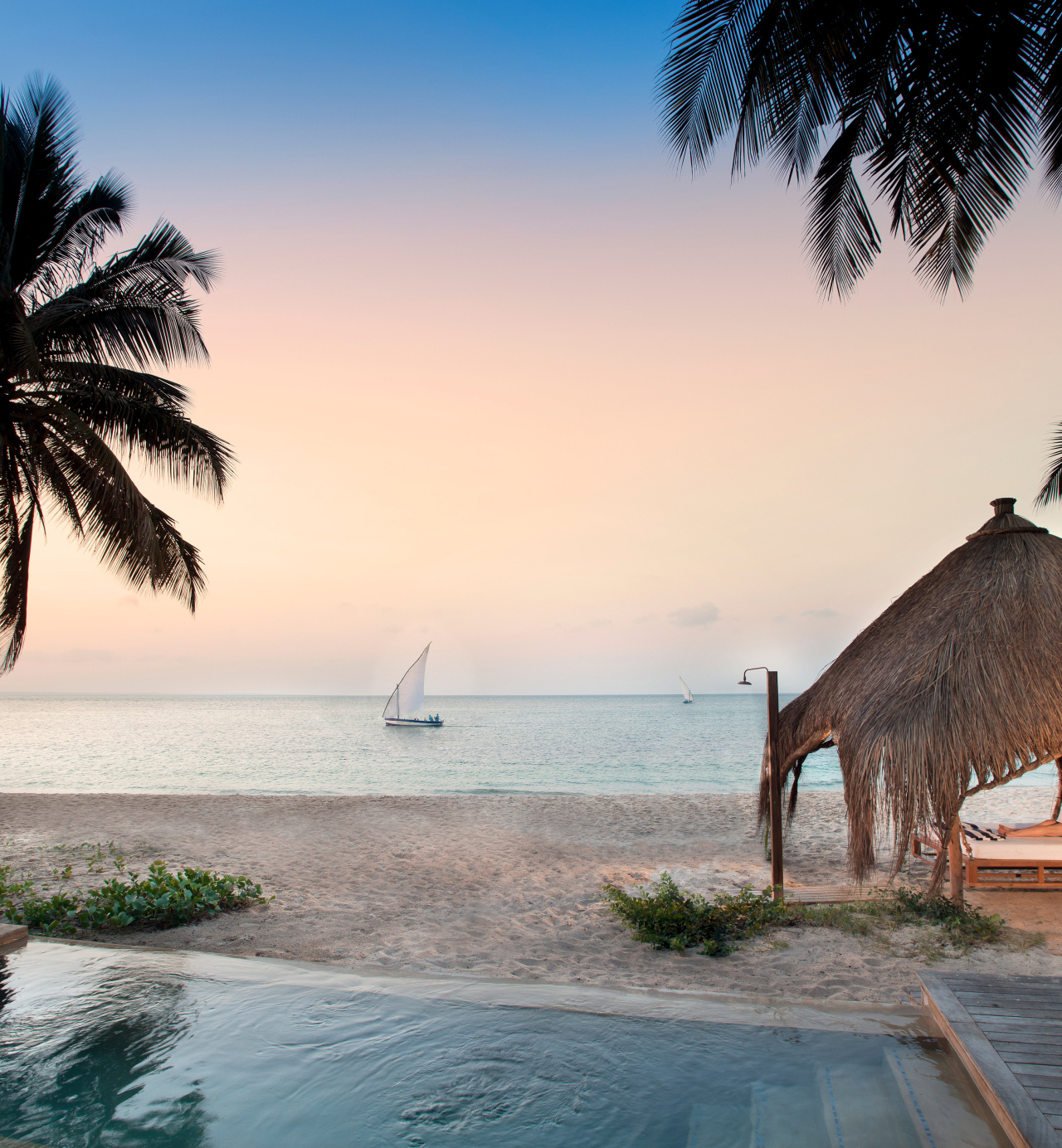
Turtle egg laying and hatching

Traditional Bo-Kaap cooking experience
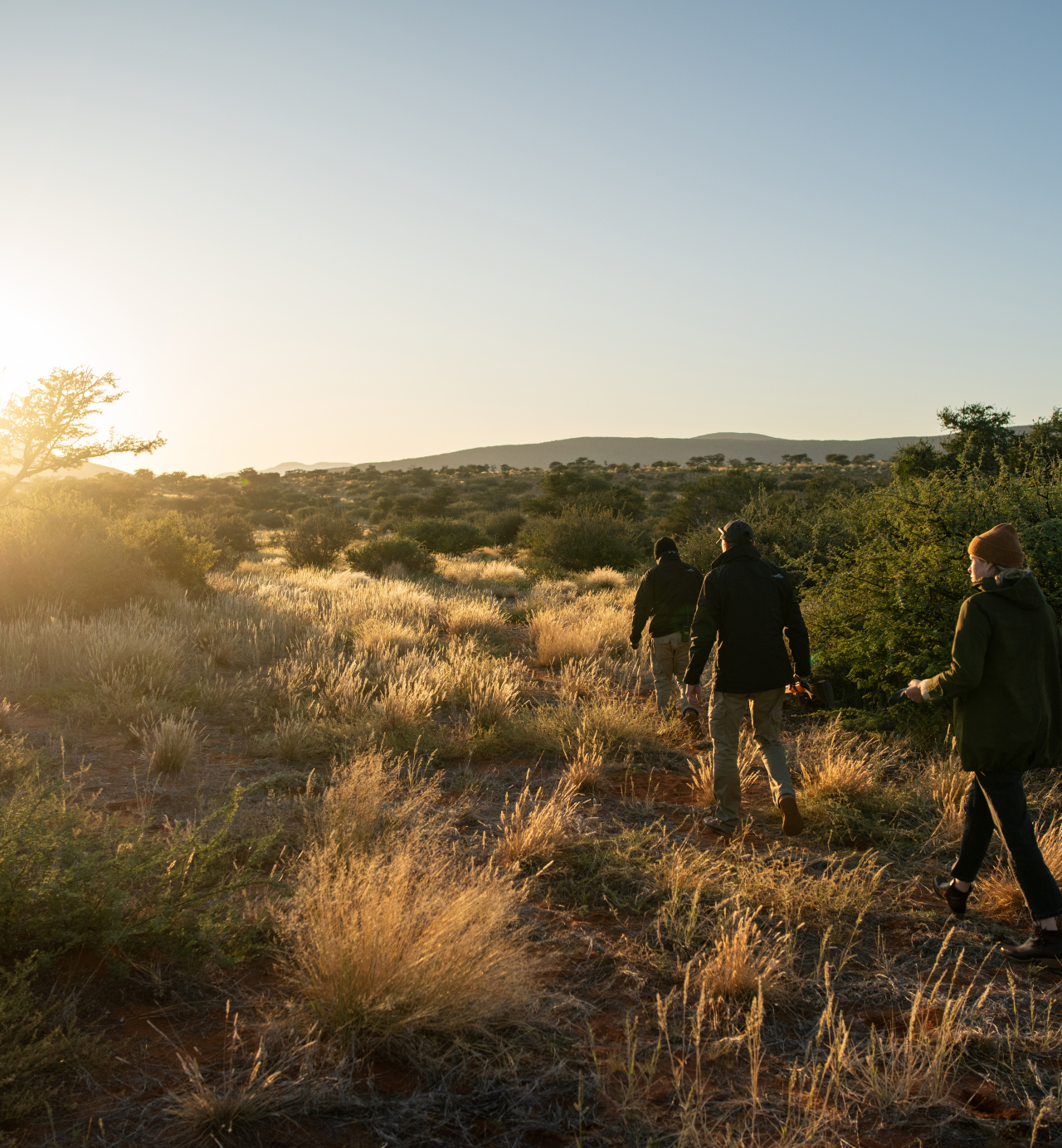
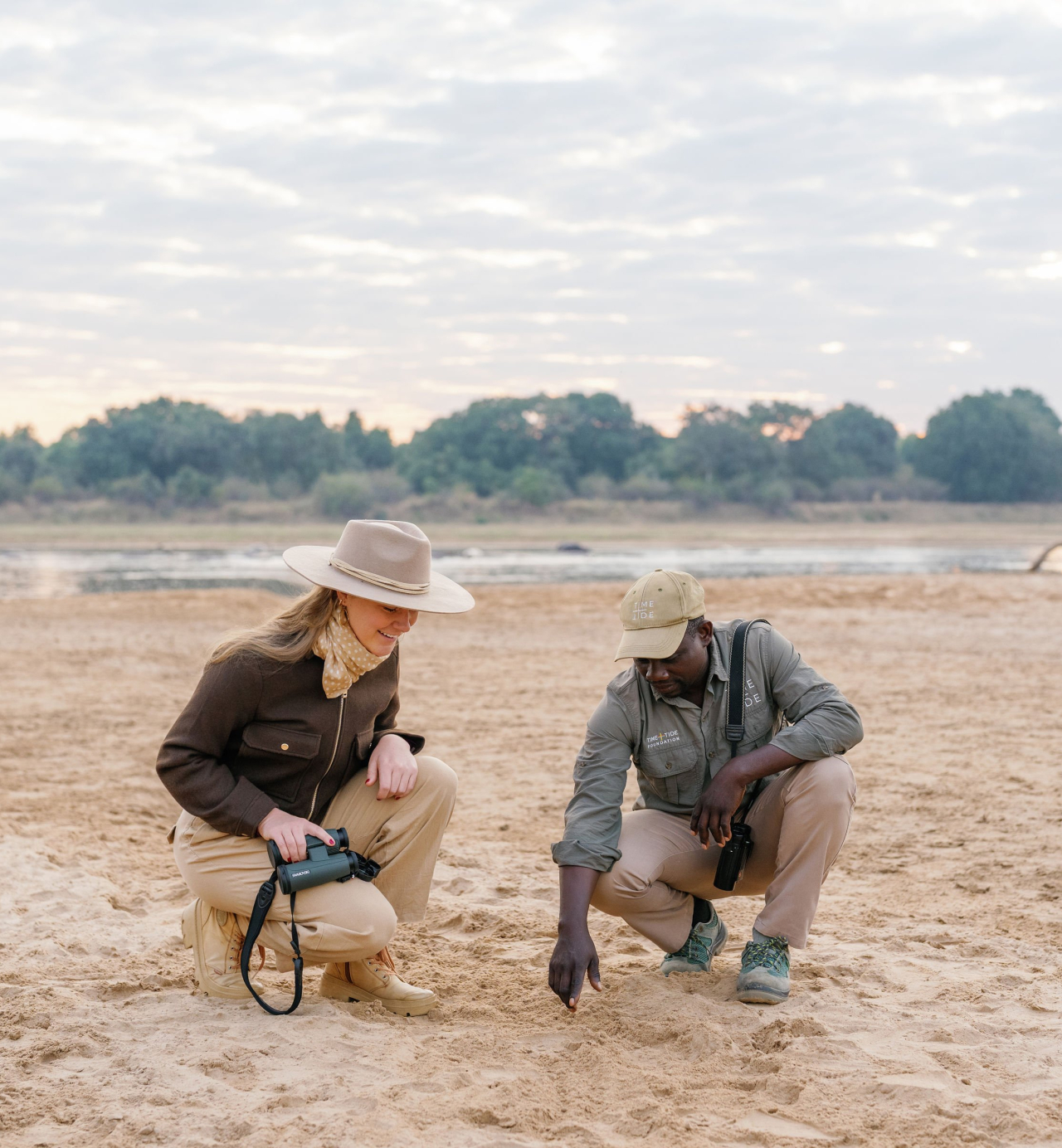
Tracking Africa’s most elusive species on foot

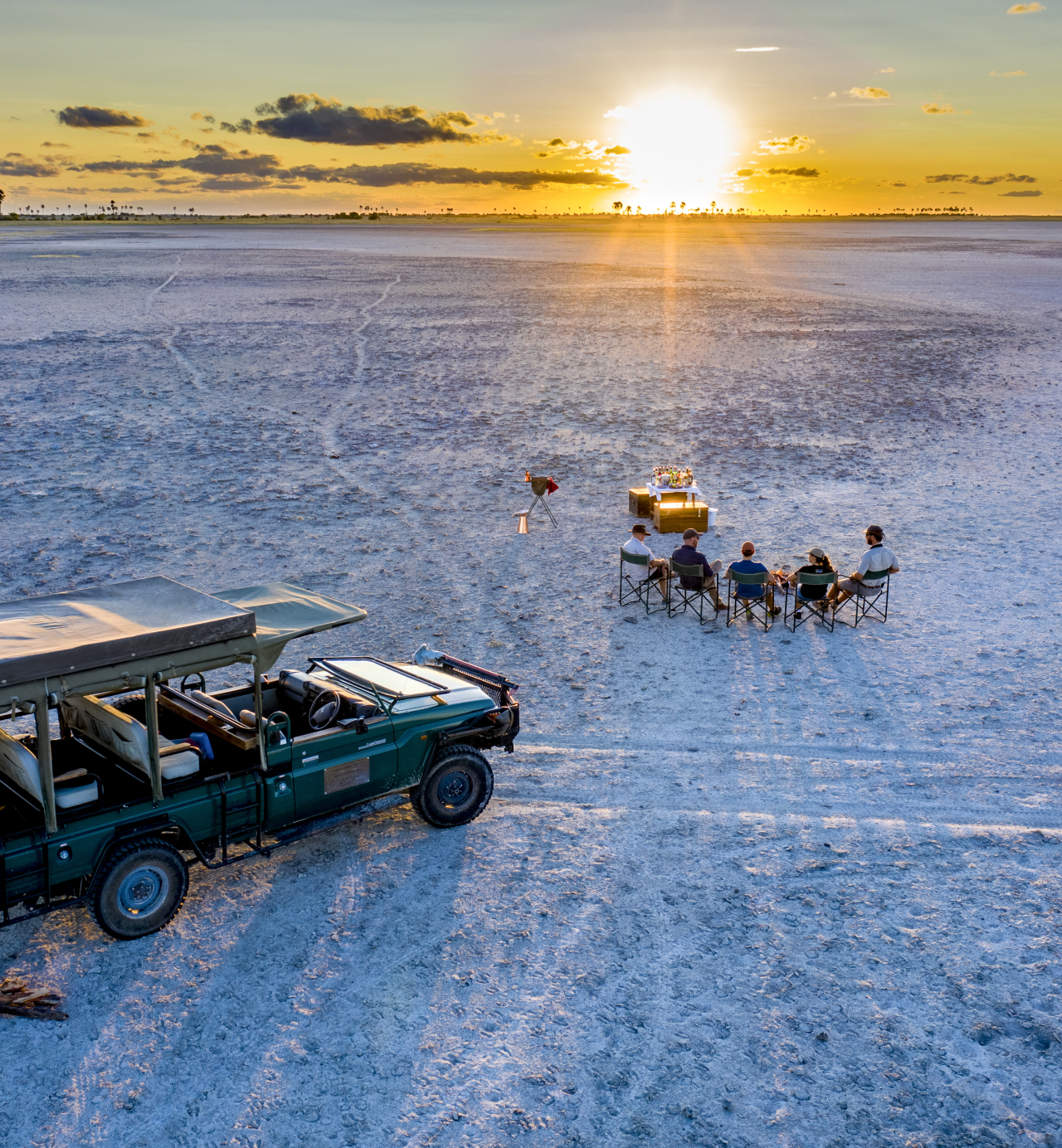
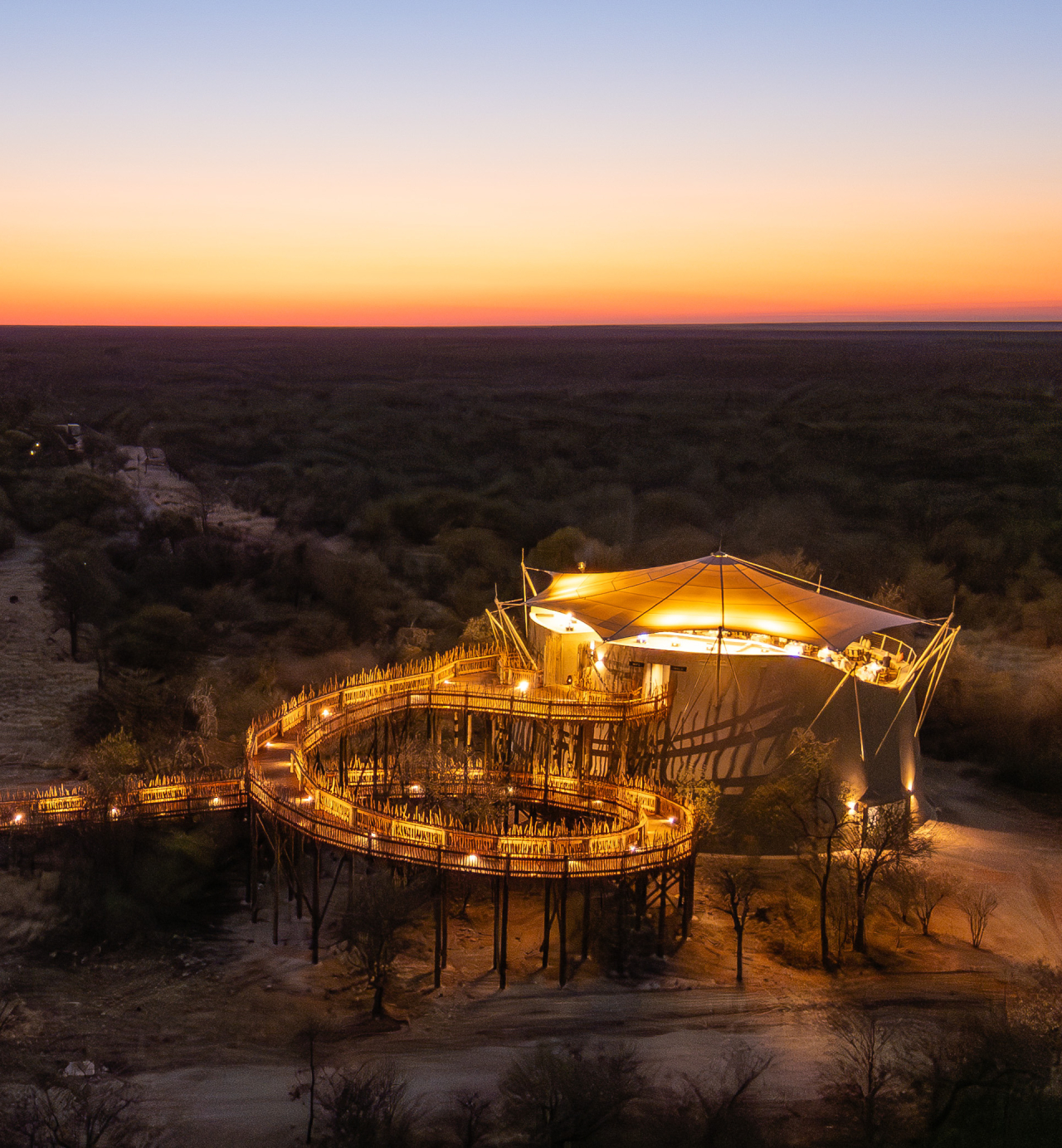
SkyBoma, Etosha
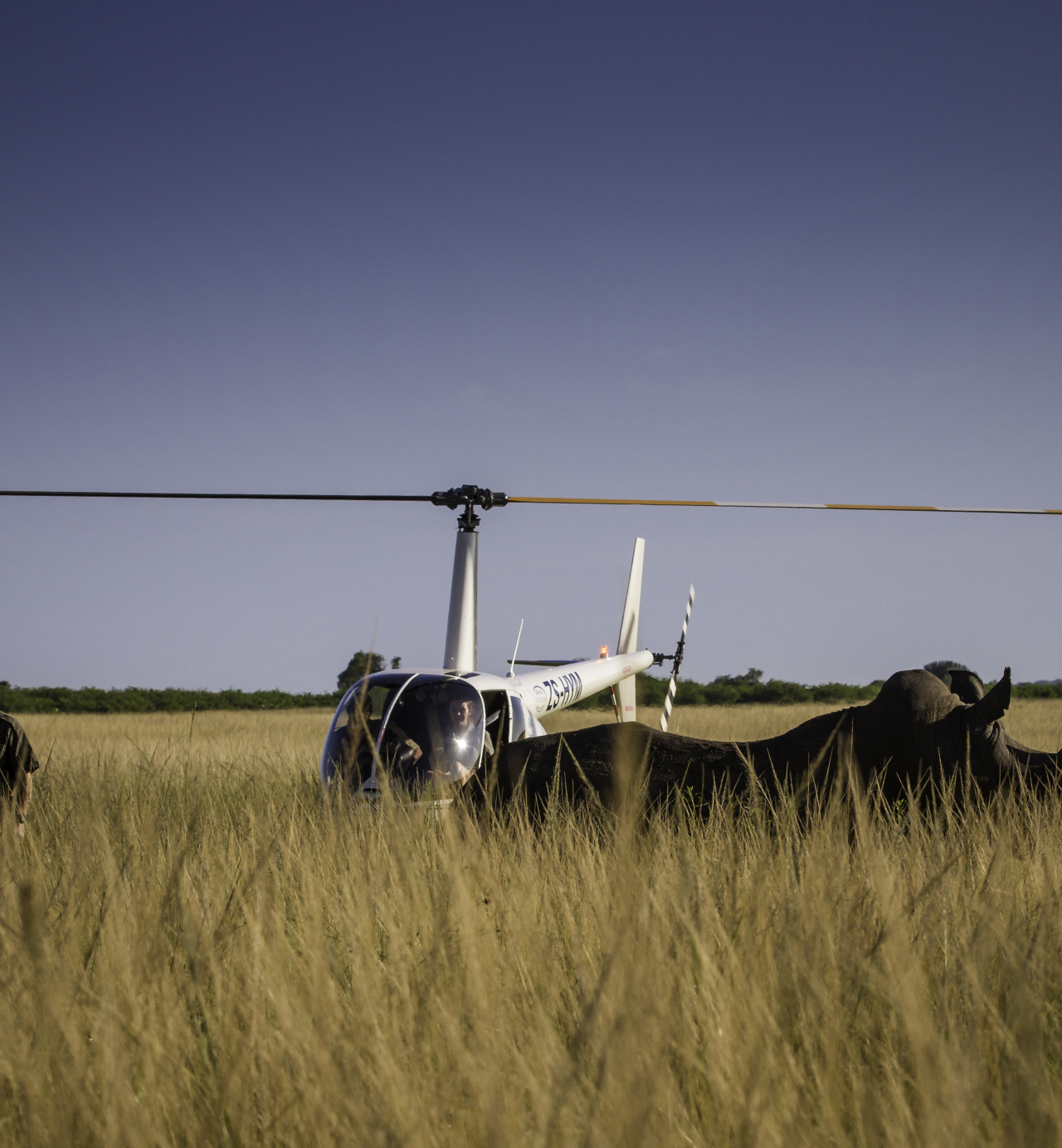
Rhino darting and chipping experience
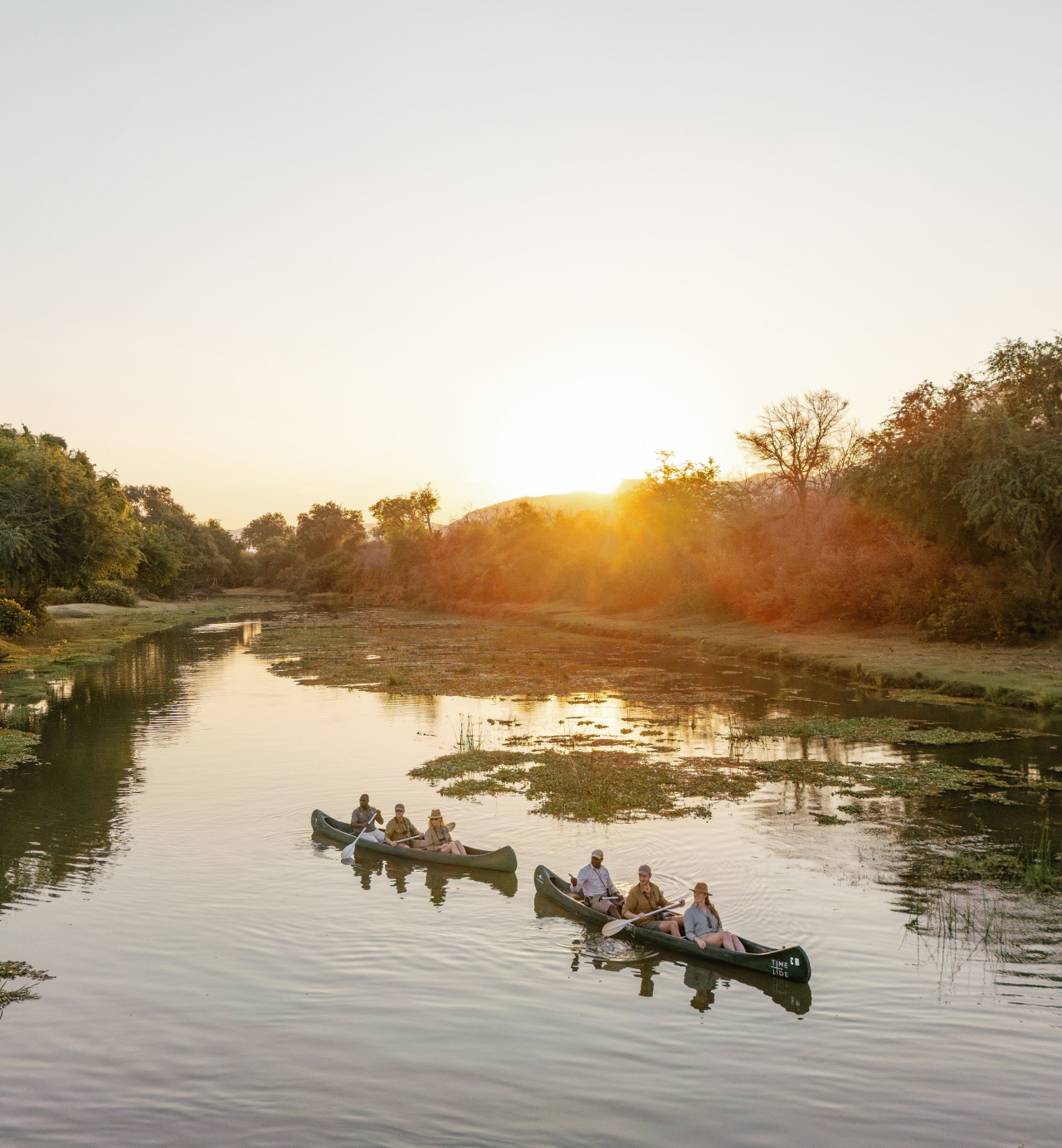
Picnicking on islands in the Zambezi
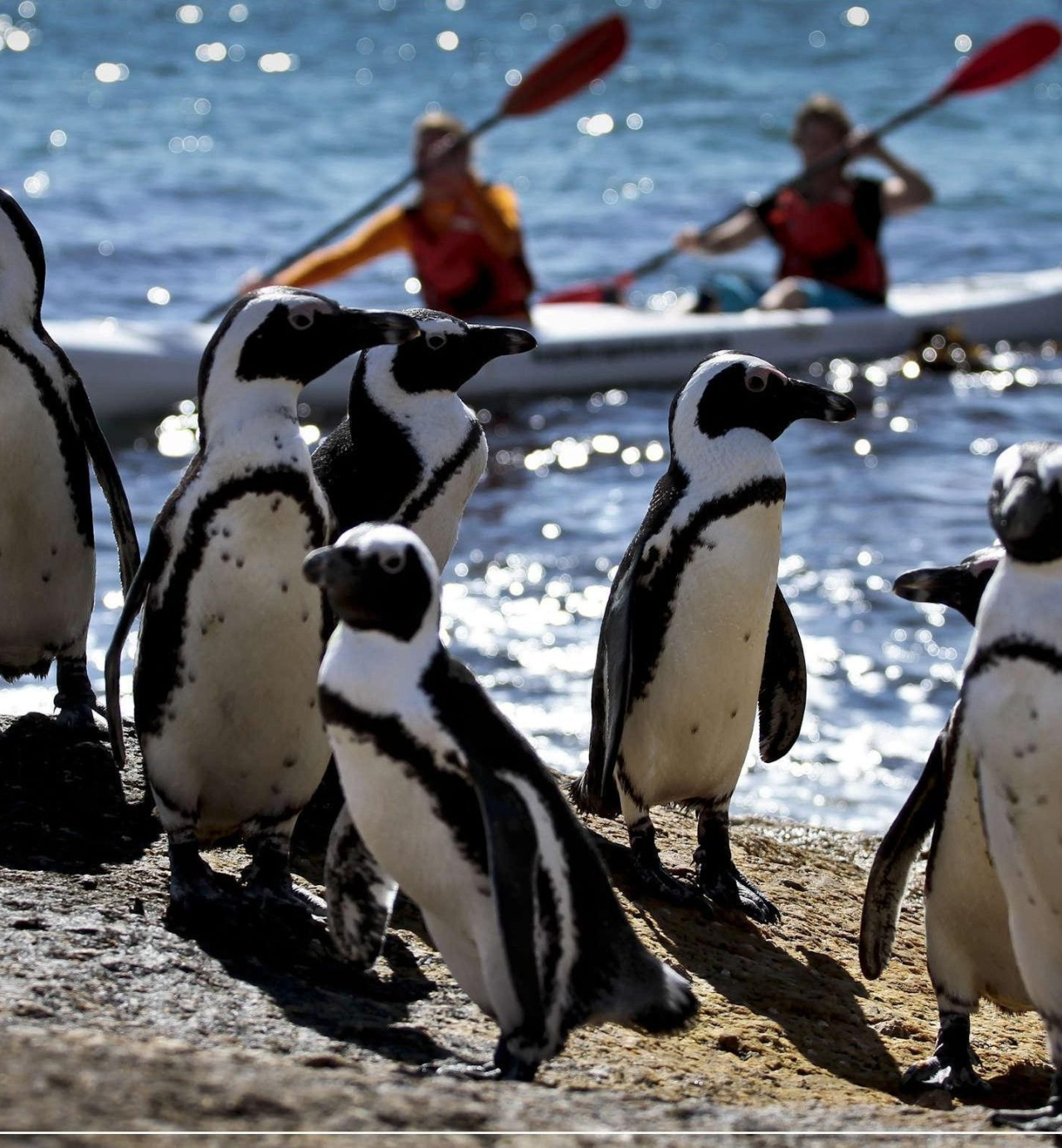
Paddle with penguins
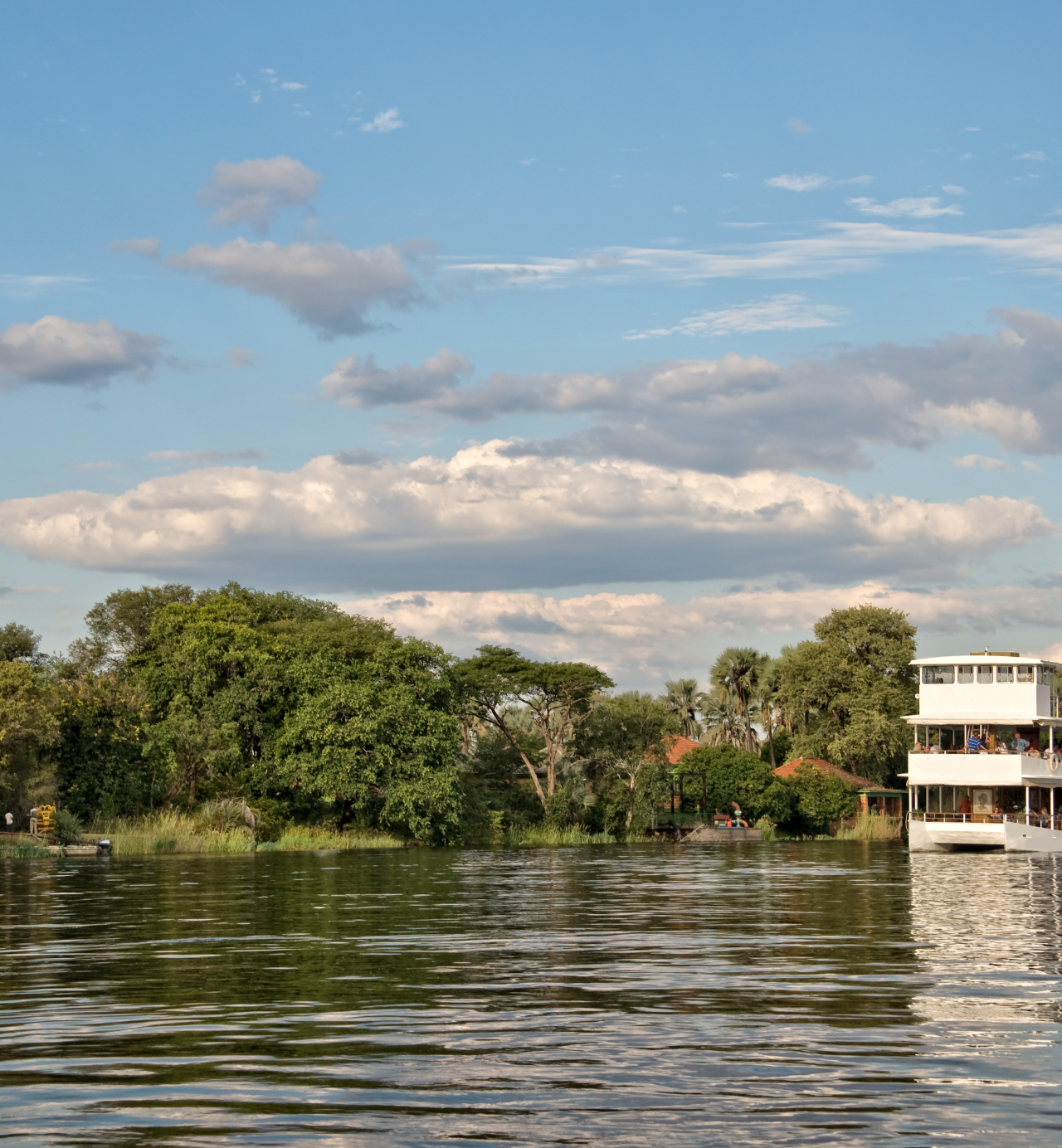
Live-aboard luxury Zambezi safari
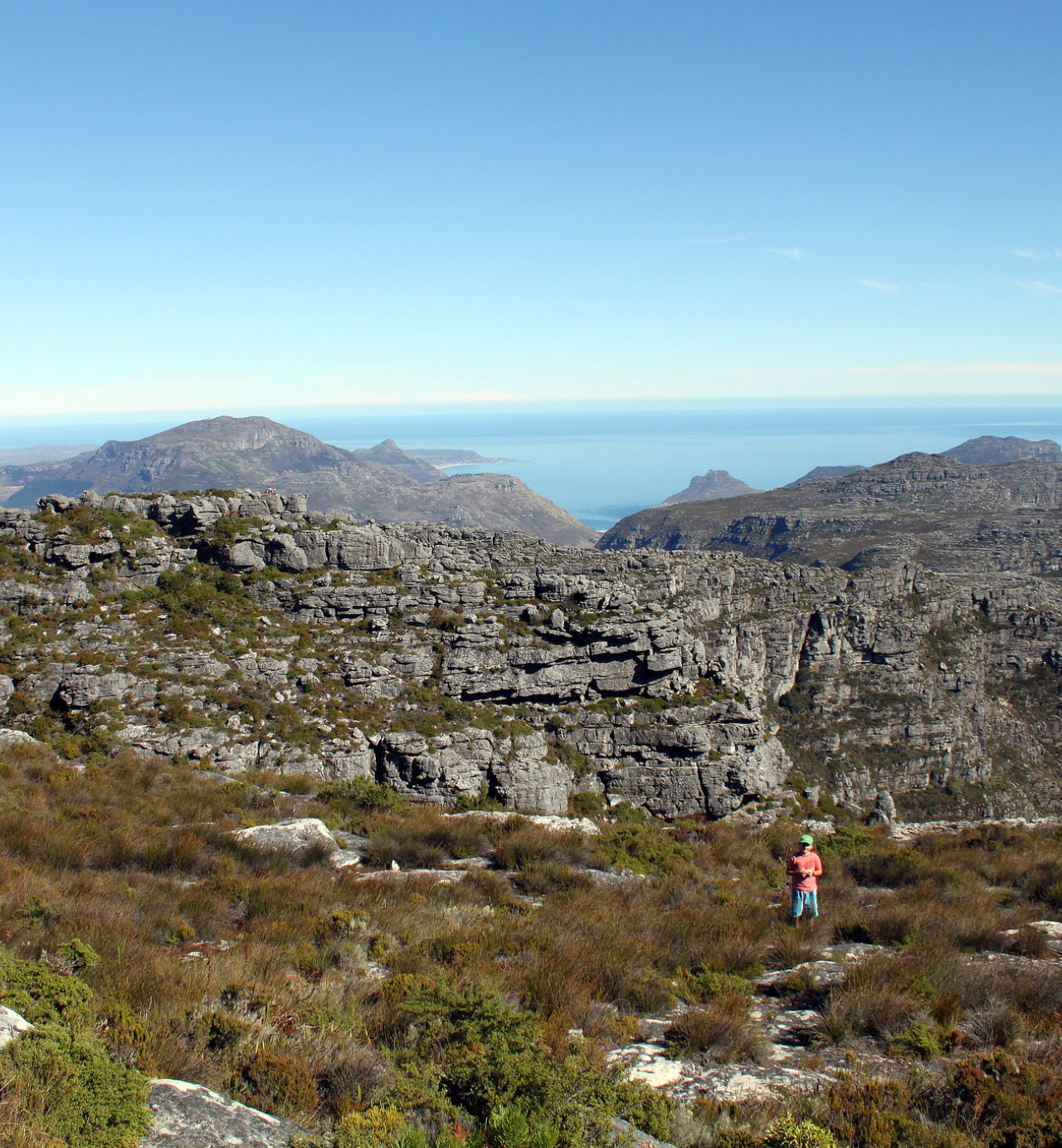
Hiking Table Mountain with a botanist or forager

Voices of our guests
Destination FAQs
Yes, provided you take standard precautions. Avoid walking in the CBD at night, keep your valuables out of sight and use reputable transport options such as Uber or hotel taxis.
Kenya has recently moved to a “visa-free” system, but all travellers must apply for an Electronic Travel Authorisation (eTA) online before arrival.
Nairobi itself is at a high altitude, making the risk of malaria lower than on the coast, but it is still present. Prophylactics are recommended if you are also visiting other parts of Kenya.
Two to three nights is ideal to experience the Sheldrick Wildlife Trust, the Giraffe Centre and a morning game drive in Nairobi National Park.
It is best to drink bottled or filtered water during your stay.
The Kenyan shilling. Credit cards are widely accepted in hotels, malls and restaurants.
You can drive (about 5-6 hours) or take a short flight (about 45 minutes) from Wilson Airport, which is Nairobi’s domestic hub.
Pleasant. Because of the altitude, it rarely gets too hot. Evenings can be surprisingly cool, so pack a sweater or light jacket.
The dry months (January to March and July to October) are best for game viewing, as animals congregate around the permanent water sources.
This is Kenya’s famous mobile money system. While visitors usually use cash or cards, you will see M-Pesa signs everywhere as it is the primary way Kenyans pay for goods and services.
