

Okavango Delta
Okavango Delta
Peak time
June to September
Best time to visit
May to October (dry season) for peak game viewing; November to April (green season) for birding and birthing
Known for
Incredible wildlife density
Also known for
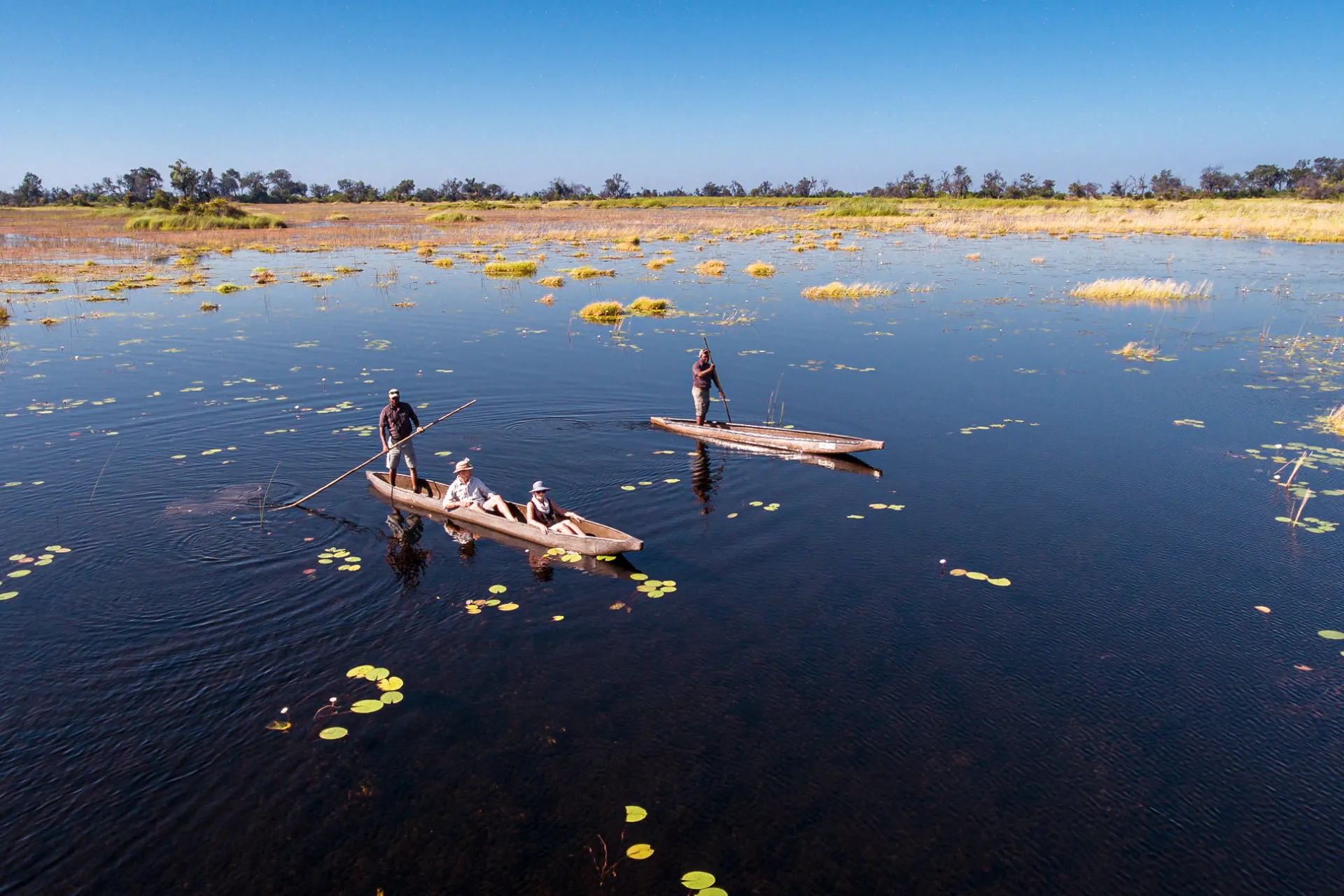
Mokoro canoe safaris
About the Okavango Delta
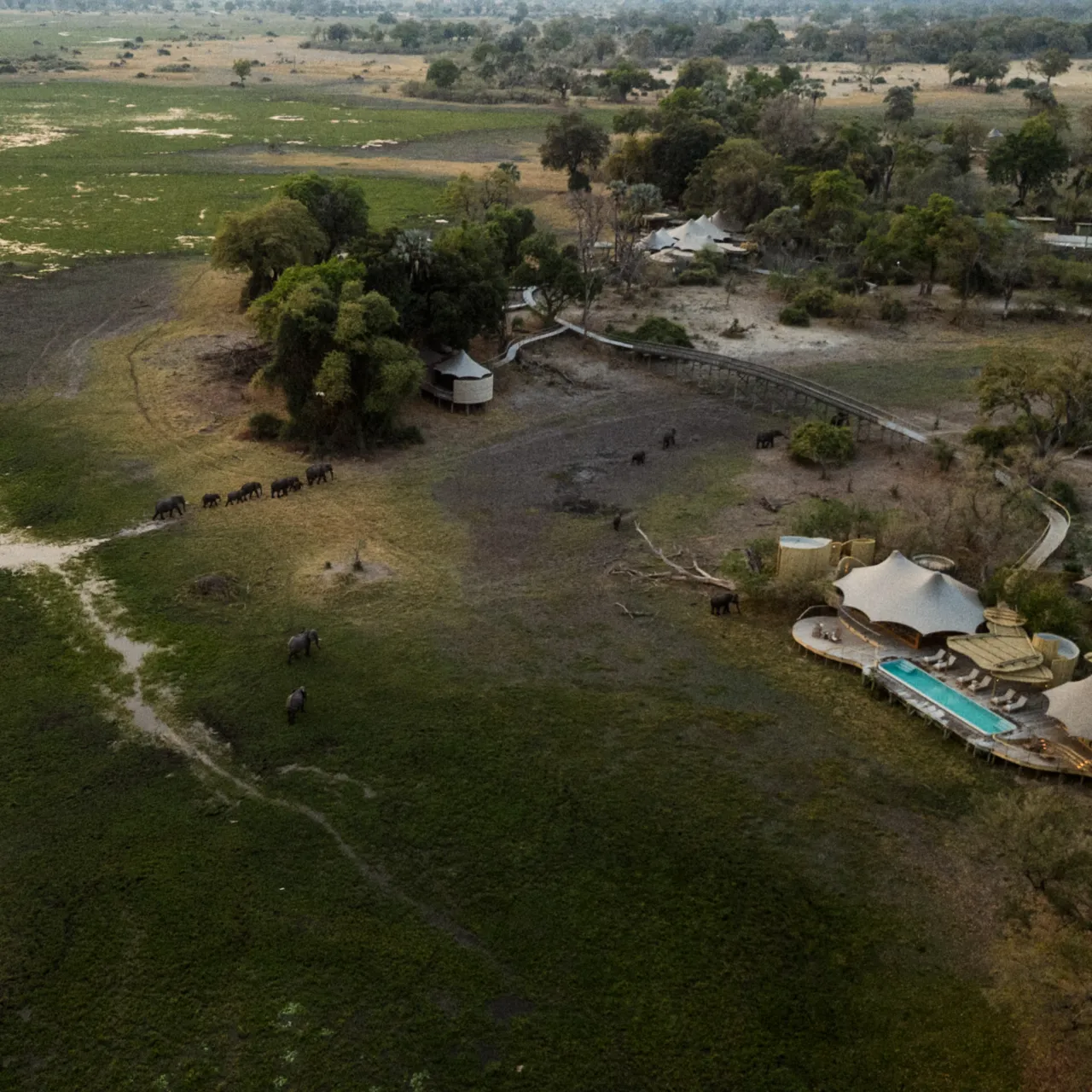
Image courtesy of Wilderness Destinations.
The Okavango Delta is a miracle of nature: a vast and intricate inland river delta that fans out across the sands of the Kalahari Desert, creating a pristine wilderness where some of the world’s greatest wildlife spectacles unfold.
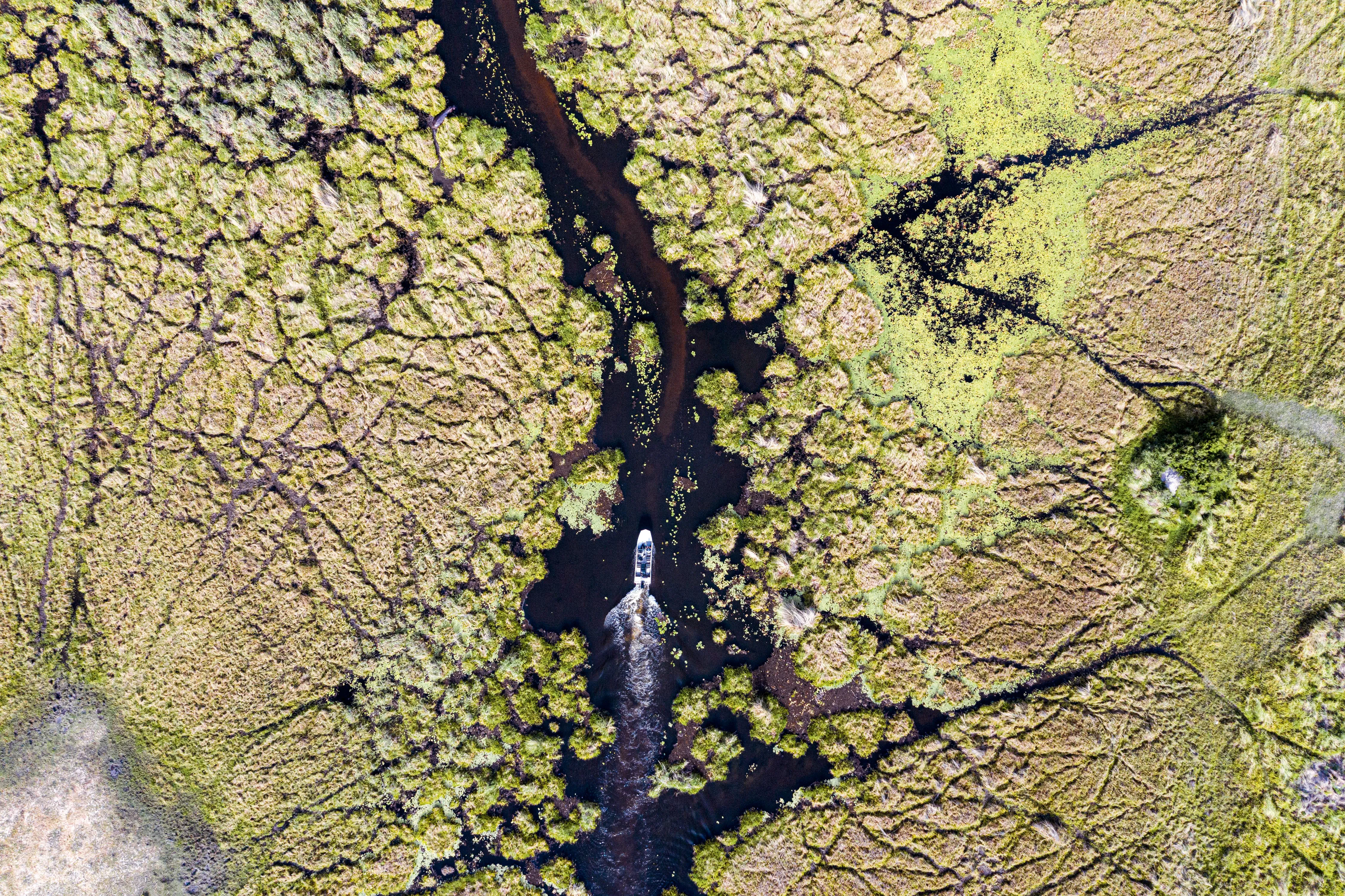
This is the river that never finds the sea, instead creating an enormous mosaic of winding channels, papyrus-fringed islands and seasonal floodplains.

Did you know
The Okavango Delta is the world’s largest inland delta, a wetland that covers an area roughly the size of Slovenia.
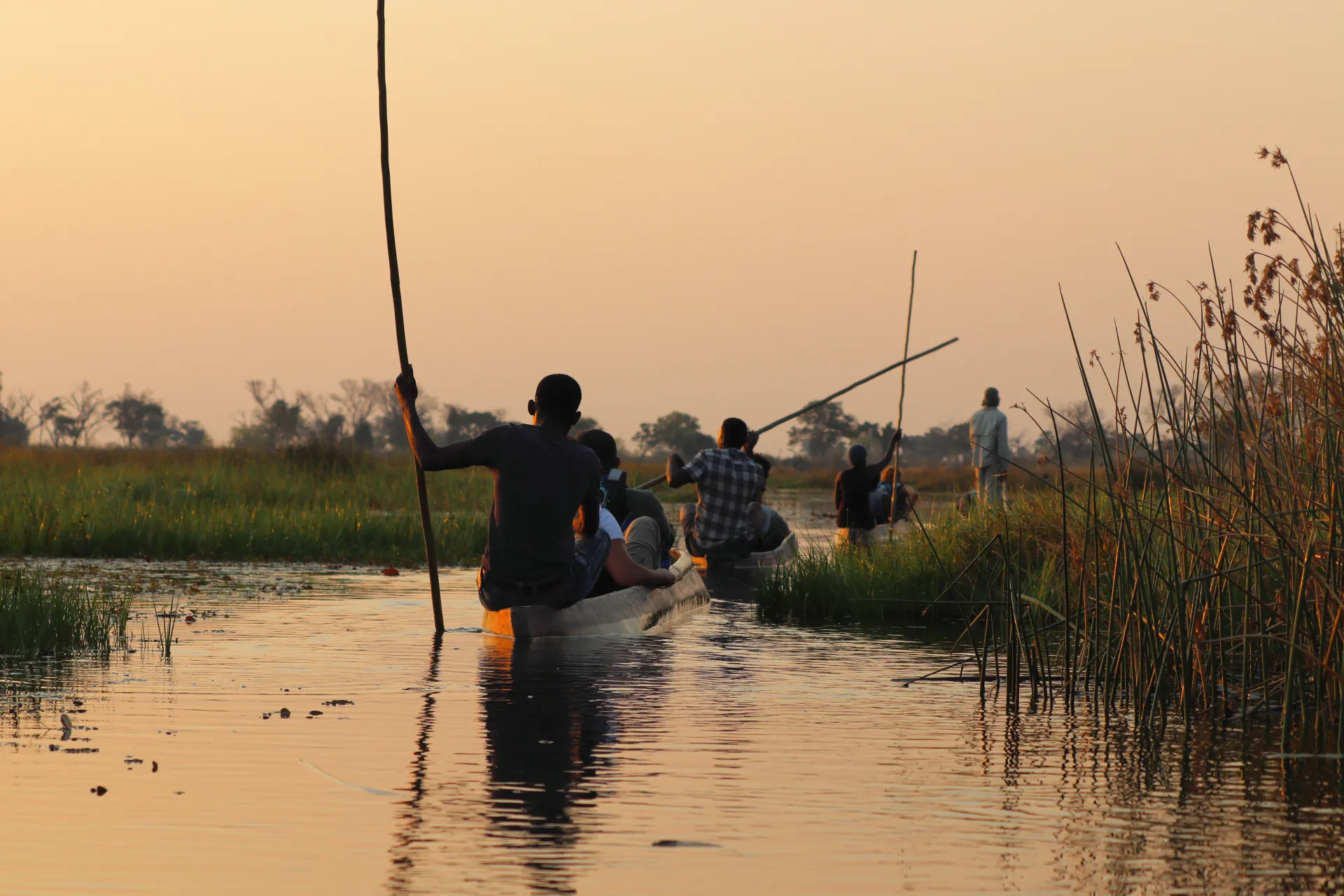
The experience here is defined by this unique interplay of water and land. One day you may be gliding silently through a crystal-clear channel in a traditional mokoro (dugout canoe), eye-to-eye with tiny painted reed frogs. Next, you might be on a thrilling 4x4 game drive across a floodplain, tracking a pride of lions.
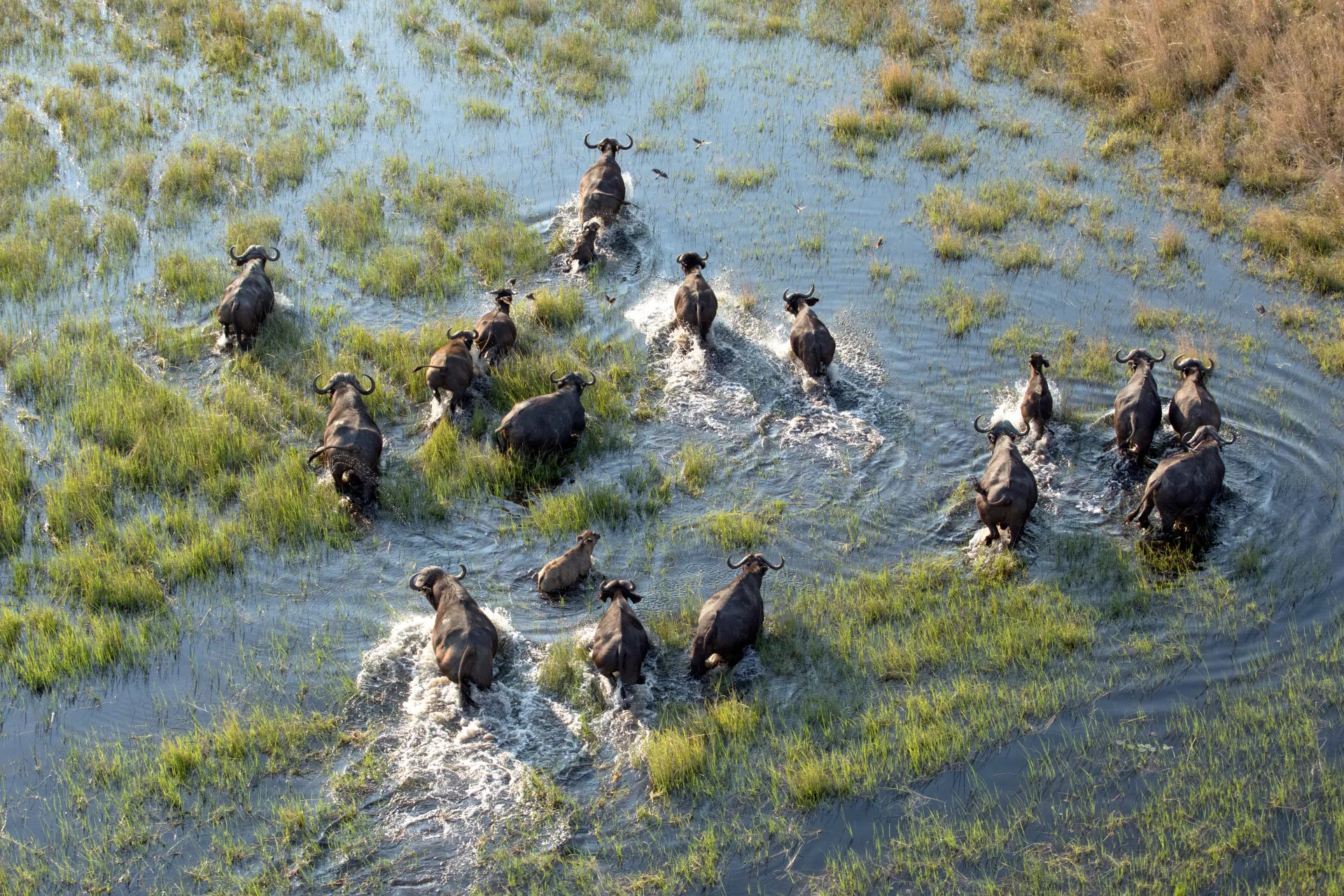
The annual flood dictates the delta’s rhythm of life. Huge herds of elephants and buffalo migrate with the rising waters, and predators such as lions, leopards and endangered African wild dogs thrive here. It is a feast for the senses, in which you are not just a spectator, but a privileged guest.
Get to know the Okavango Delta
The Okavango Delta is a dynamic, ever-changing ecosystem. It is divided into permanent swamps, which are flooded year-round, and seasonal floodplains, which transform from dry savannah into watery wonderland with the arrival of the annual flood. This rhythm dictates the movement of wildlife and the types of activities available, making every visit unique.
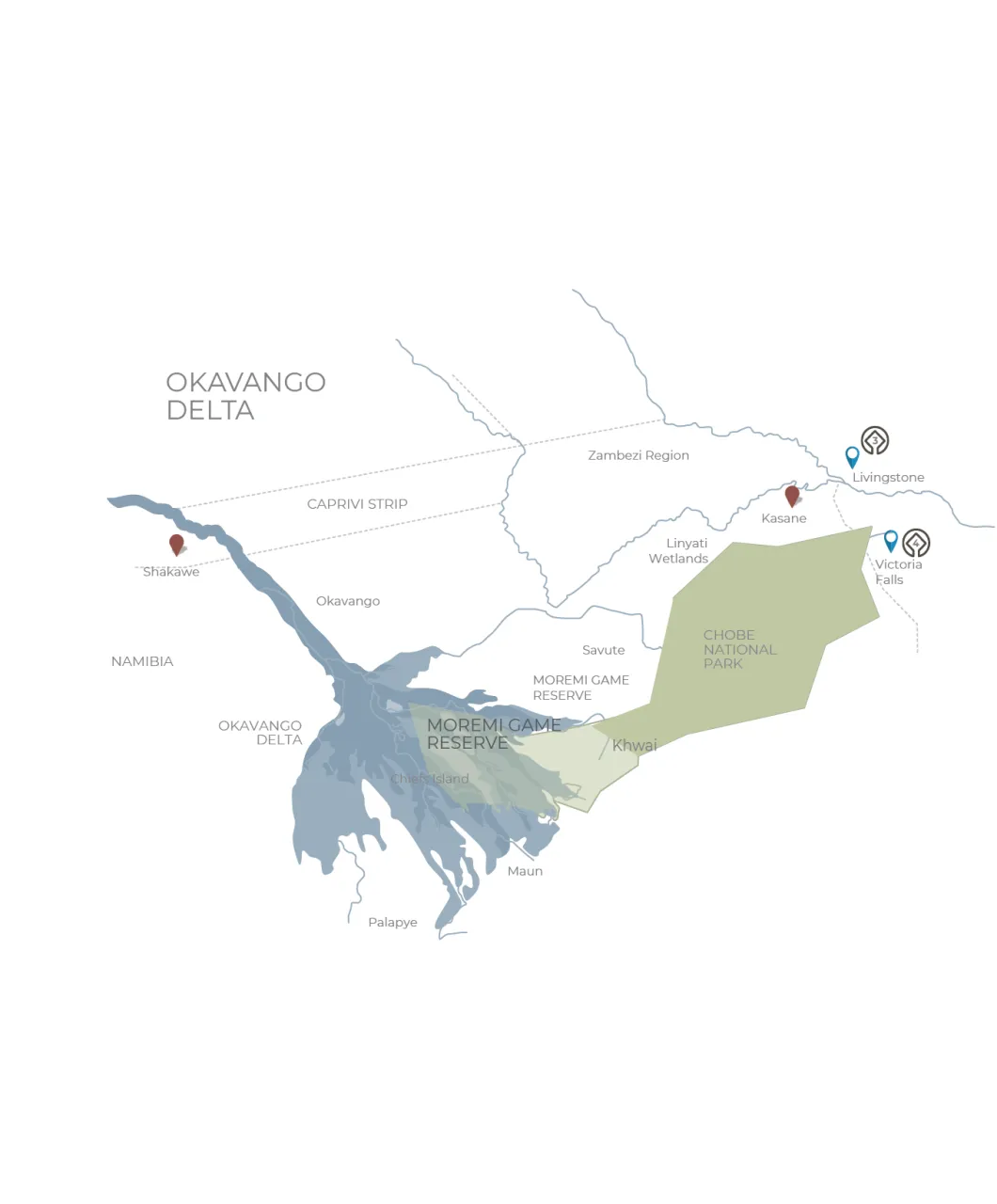
The region is structured to maximise the wilderness experience. Maun, on the delta’s southern fringe, serves as the main gateway town. From here, visitors fly into the heart of the delta, which is divided into the state-protected Moremi Game Reserve and a series of surrounding private concessions. These vast, exclusive-use concessions ensure a crowd-free safari, often with only a handful of small, luxurious camps operating in an enormous area.
History
The Okavango has been a lifeline for millennia. Bushmen have inhabited the region for at least 30 000 years, living a nomadic, hunter-gatherer lifestyle in perfect harmony with their environment. Their ancient rock art can still be found in the nearby Tsodilo Hills. Later, Bantu-speaking peoples such as the Batawana arrived, establishing their capital at the edges of the delta and using its rich resources.
Its modern conservation history began in the 1960s. Fearing the impact of cattle ranching and uncontrolled hunting, Elizabeth Moremi, the widow of Batawana chief Moremi III, spearheaded the establishment of the Moremi Game Reserve in 1963. This act of local foresight laid the foundation for Botswana’s globally renowned conservation ethos and its pioneering model of low-impact, high-value ecotourism, which protects the delta’s pristine nature to this day.
More unforgettable activities
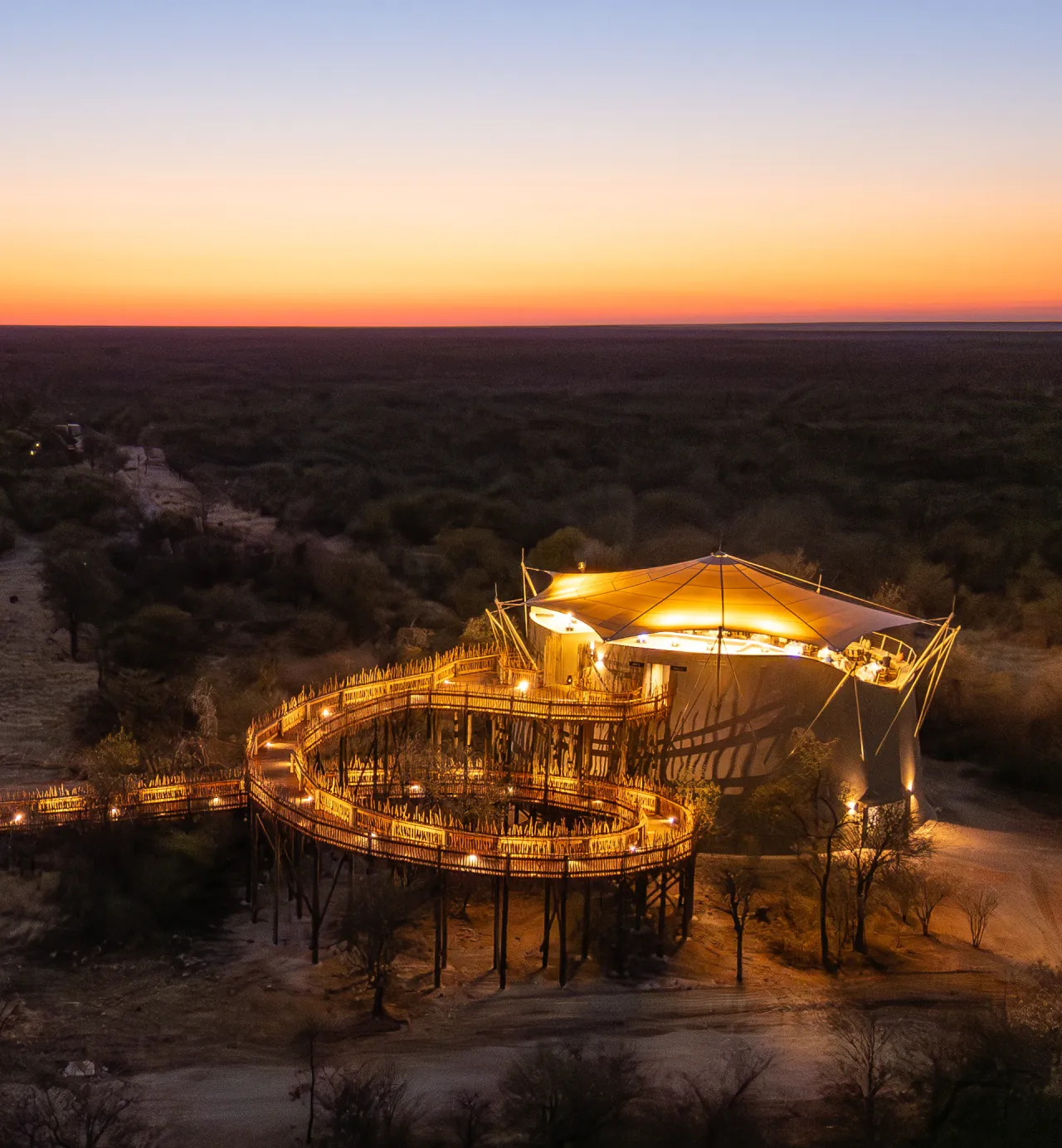
SkyBoma, Etosha
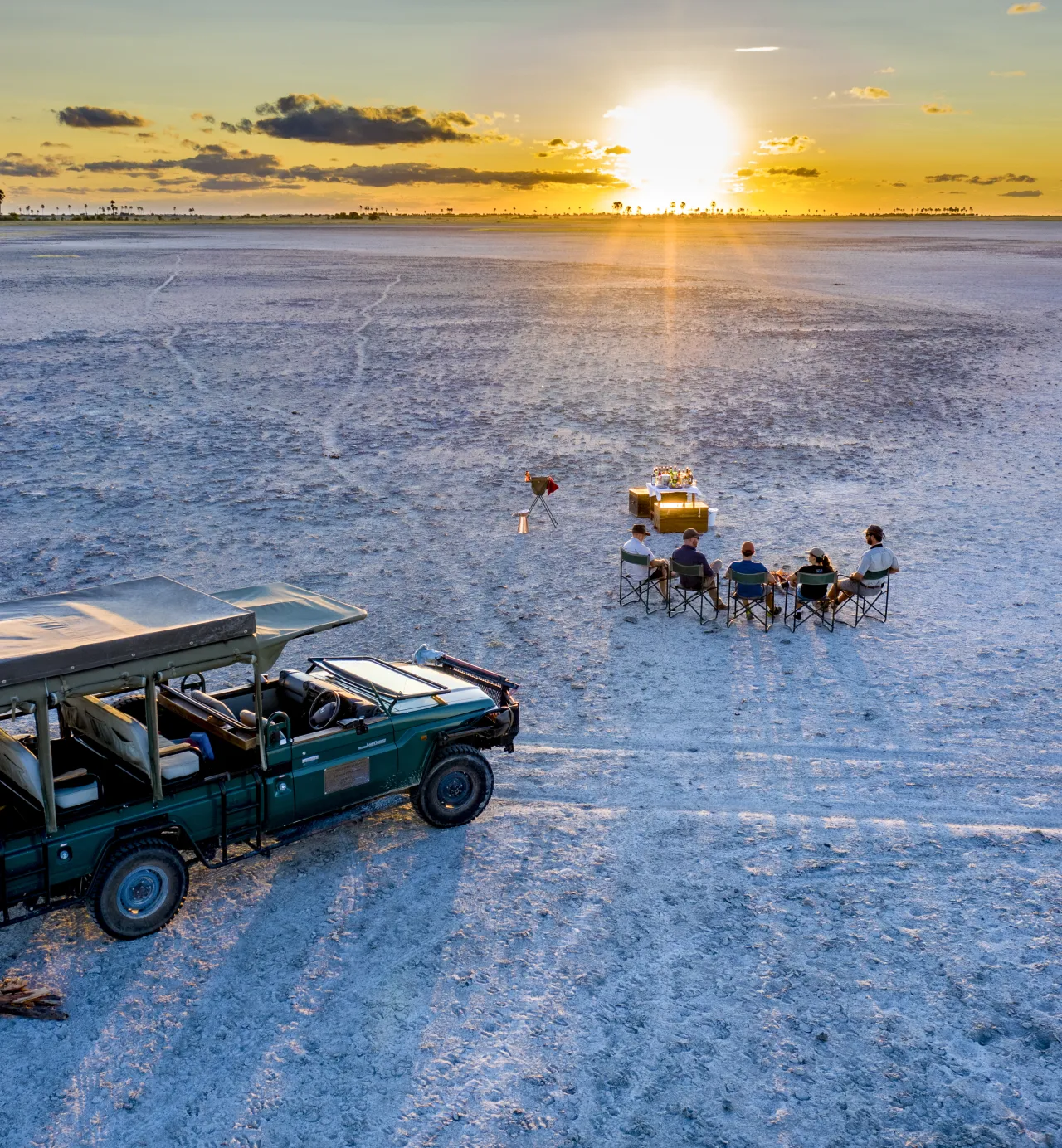
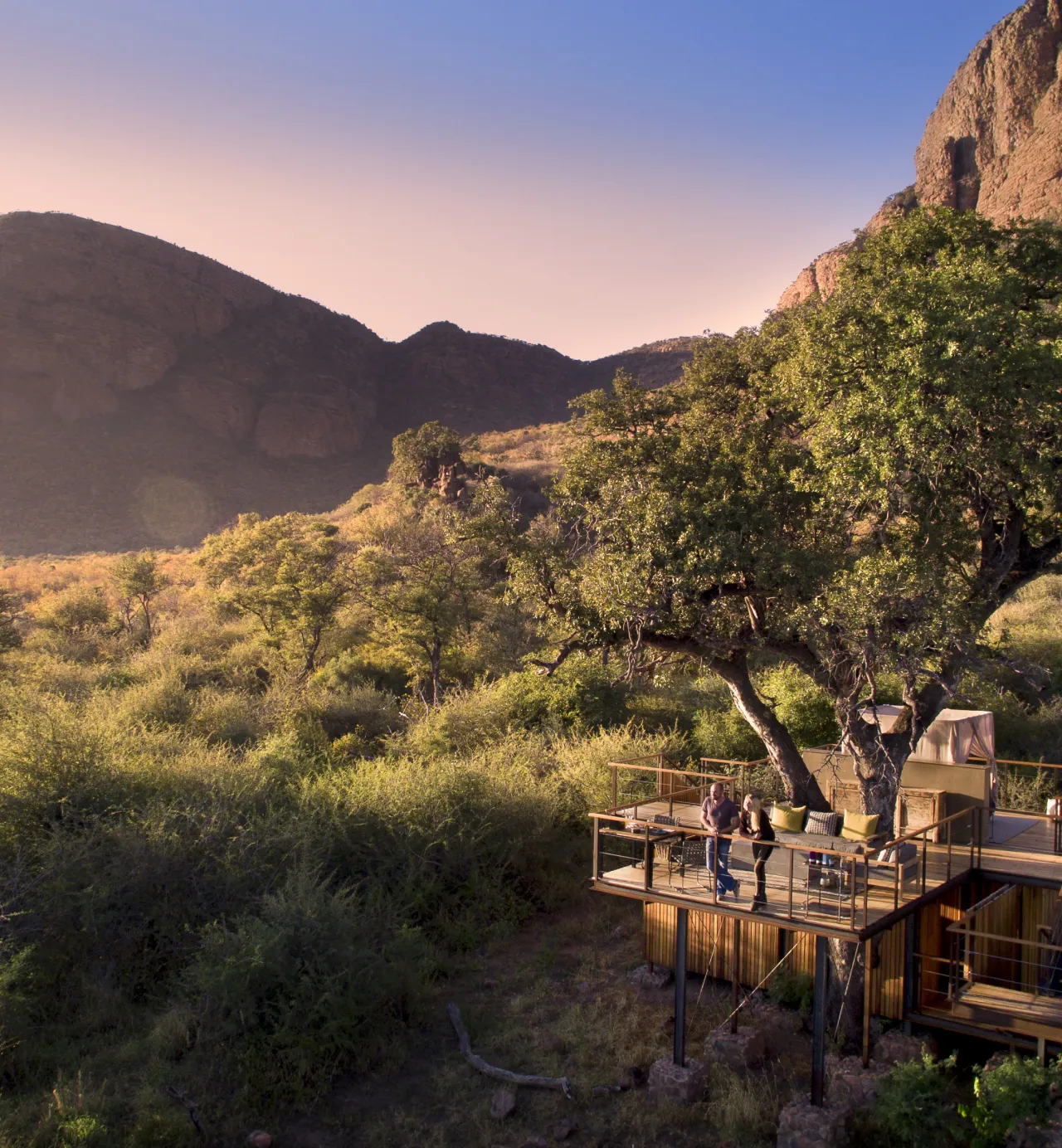
Big Five treehouse experience
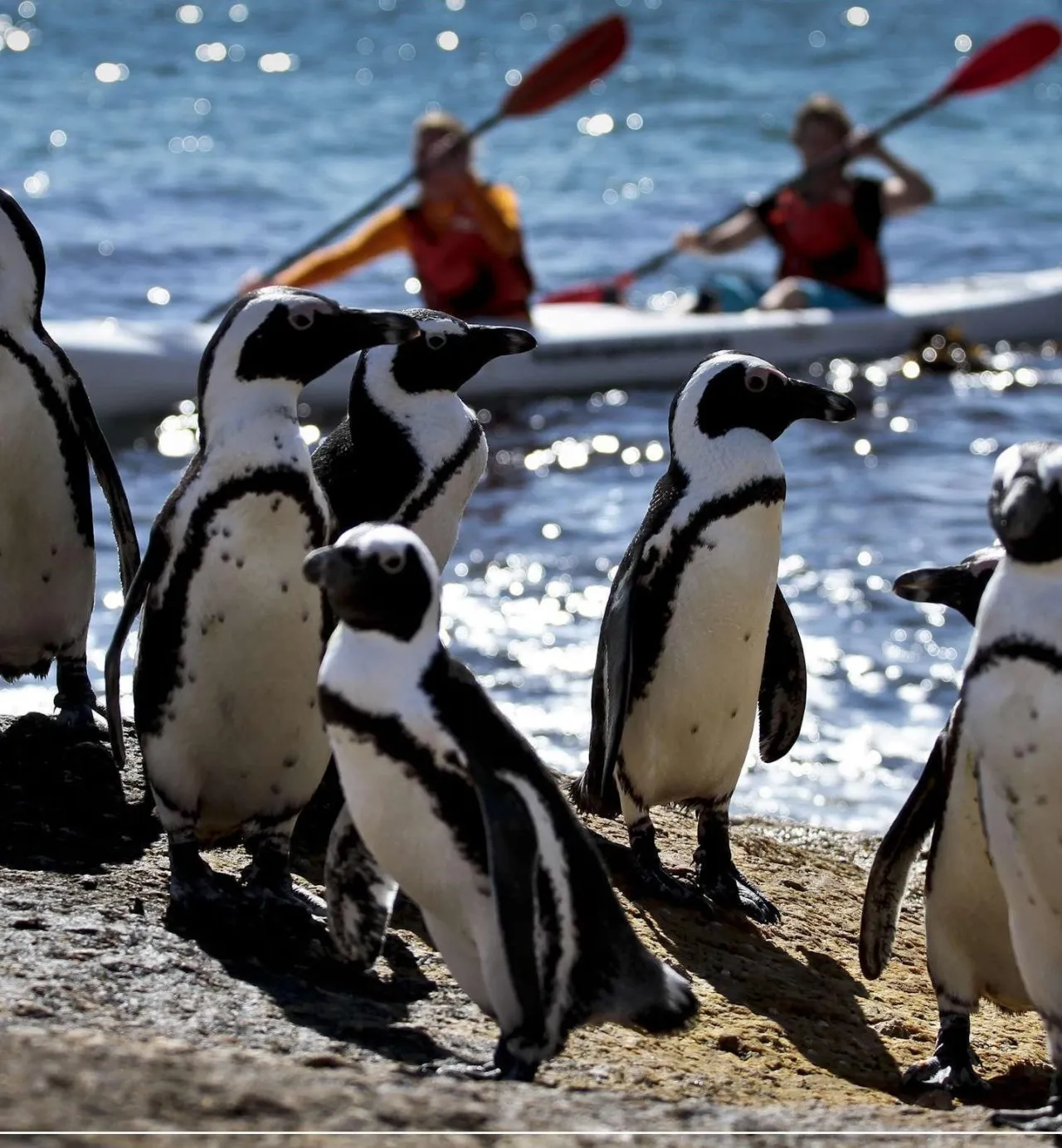
Paddle with penguins
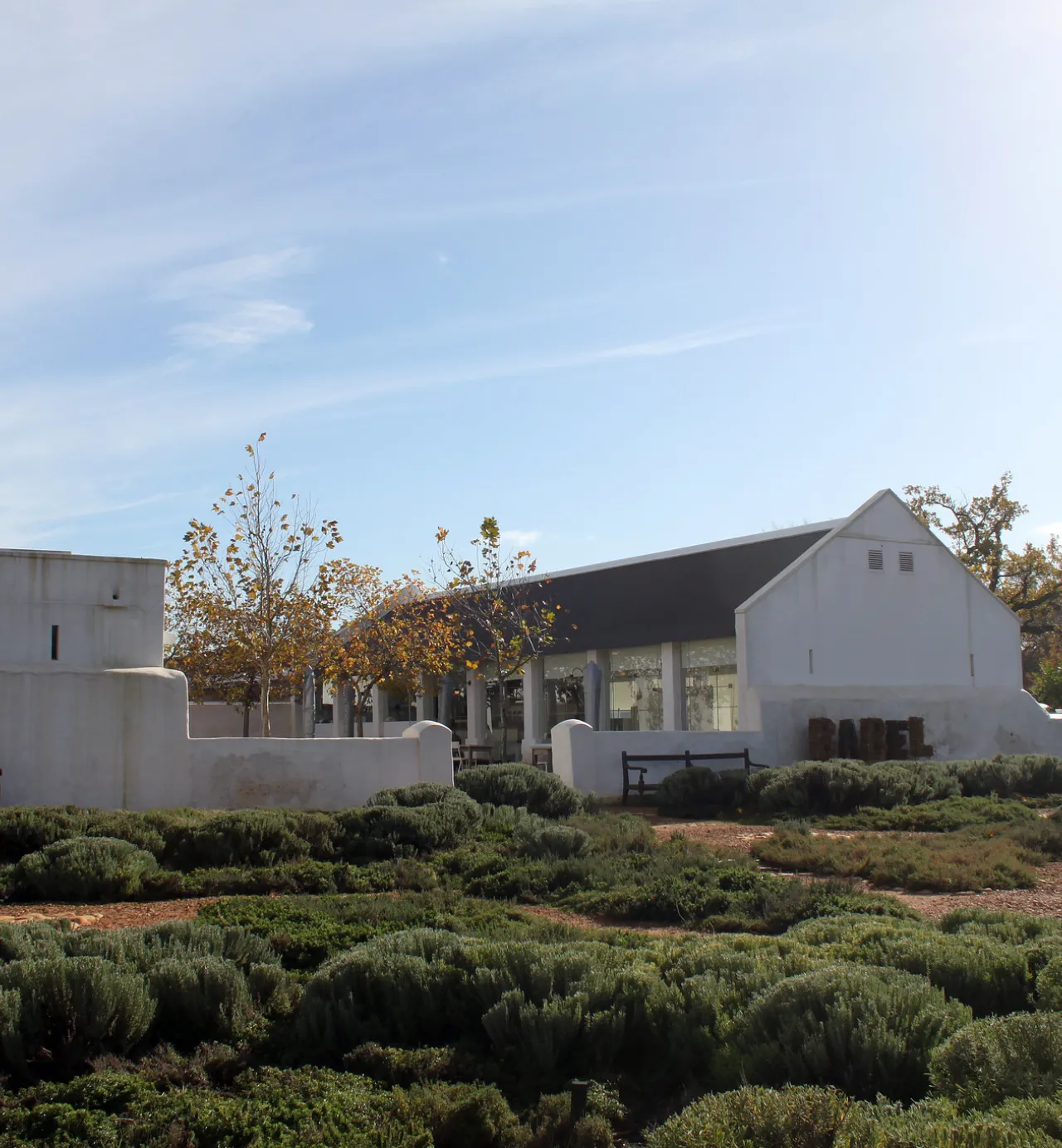
A day in the life of a working wine farm
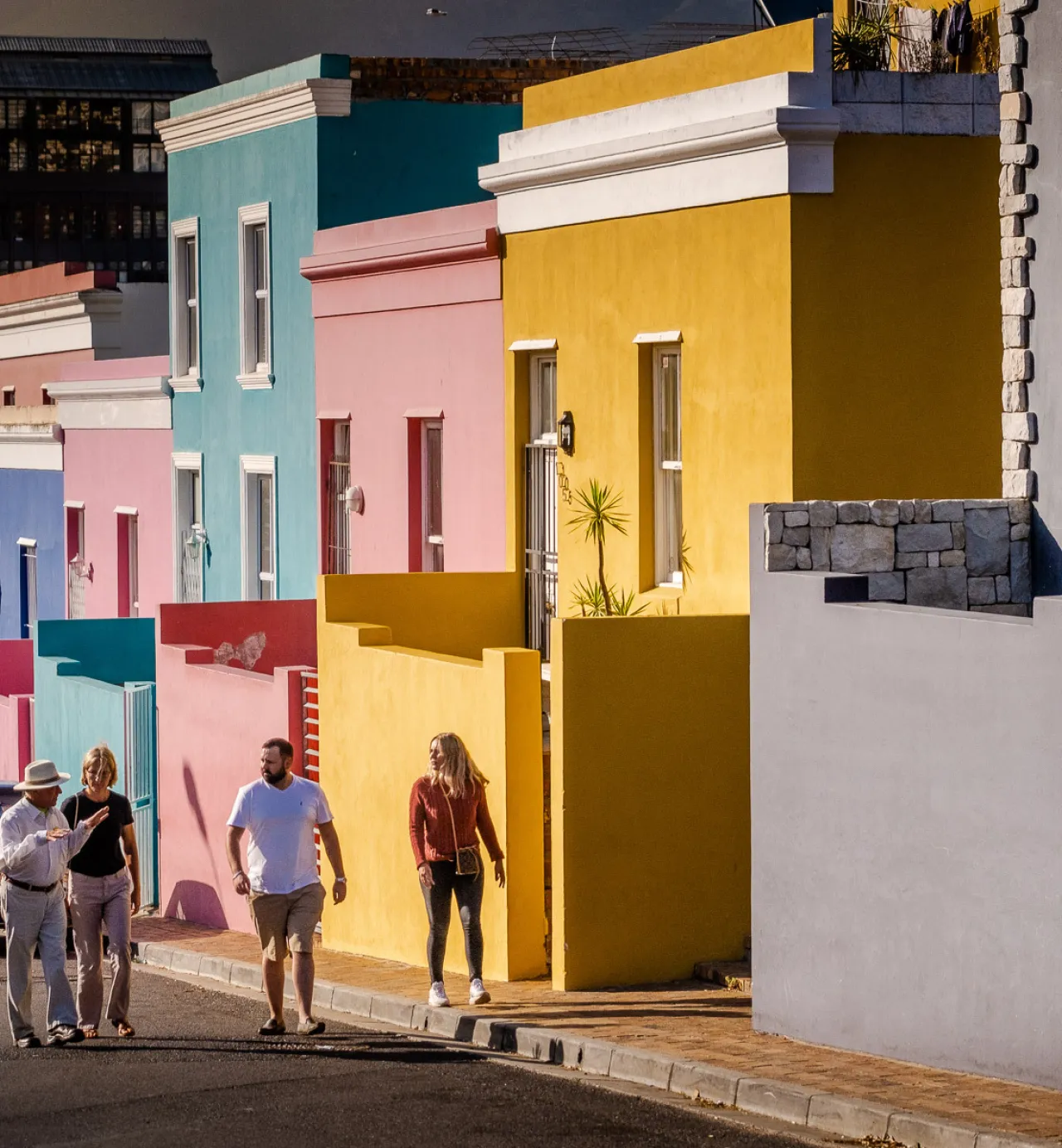
Traditional Bo-Kaap cooking experience
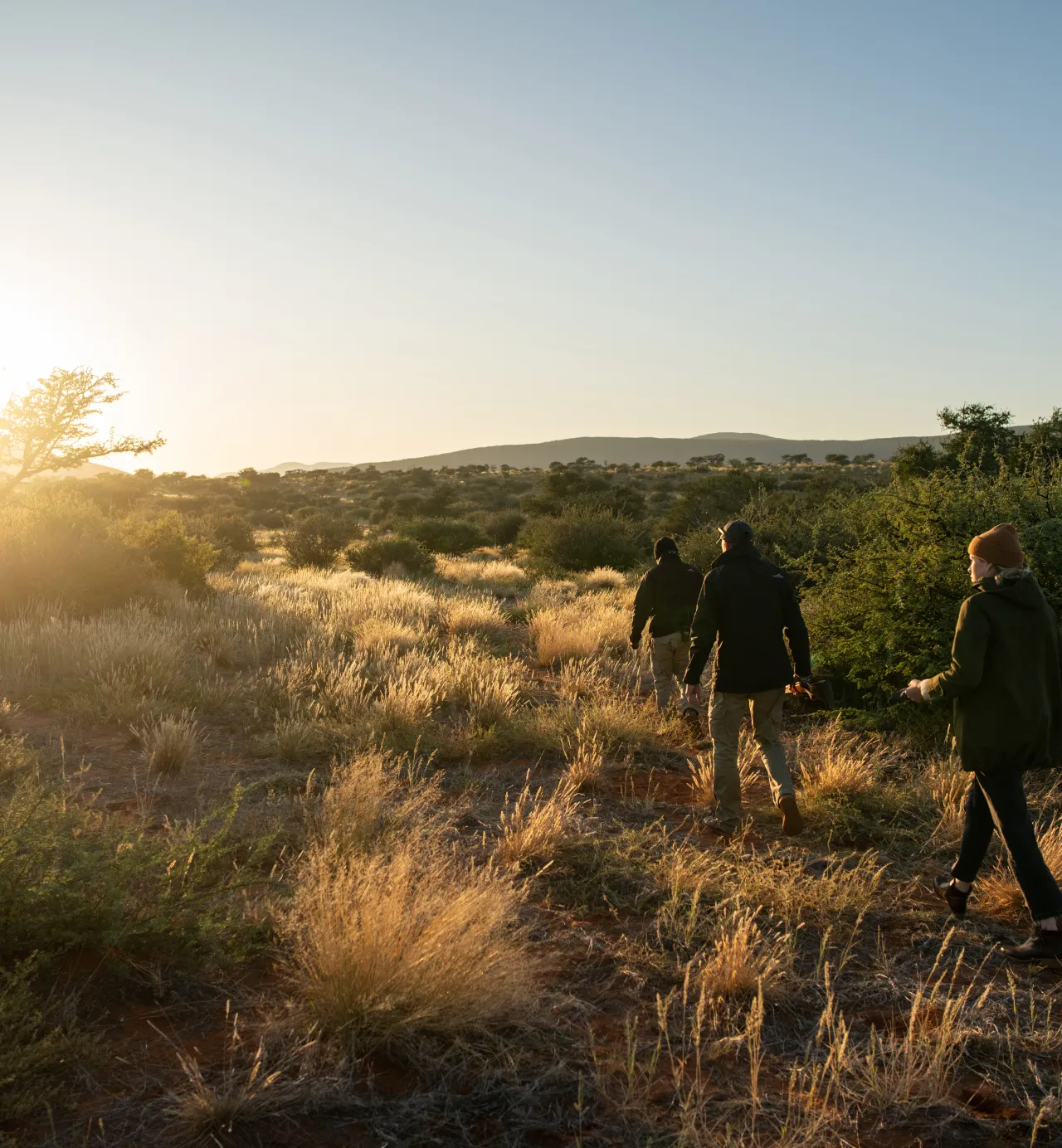
Tracking Africa’s most elusive species on foot
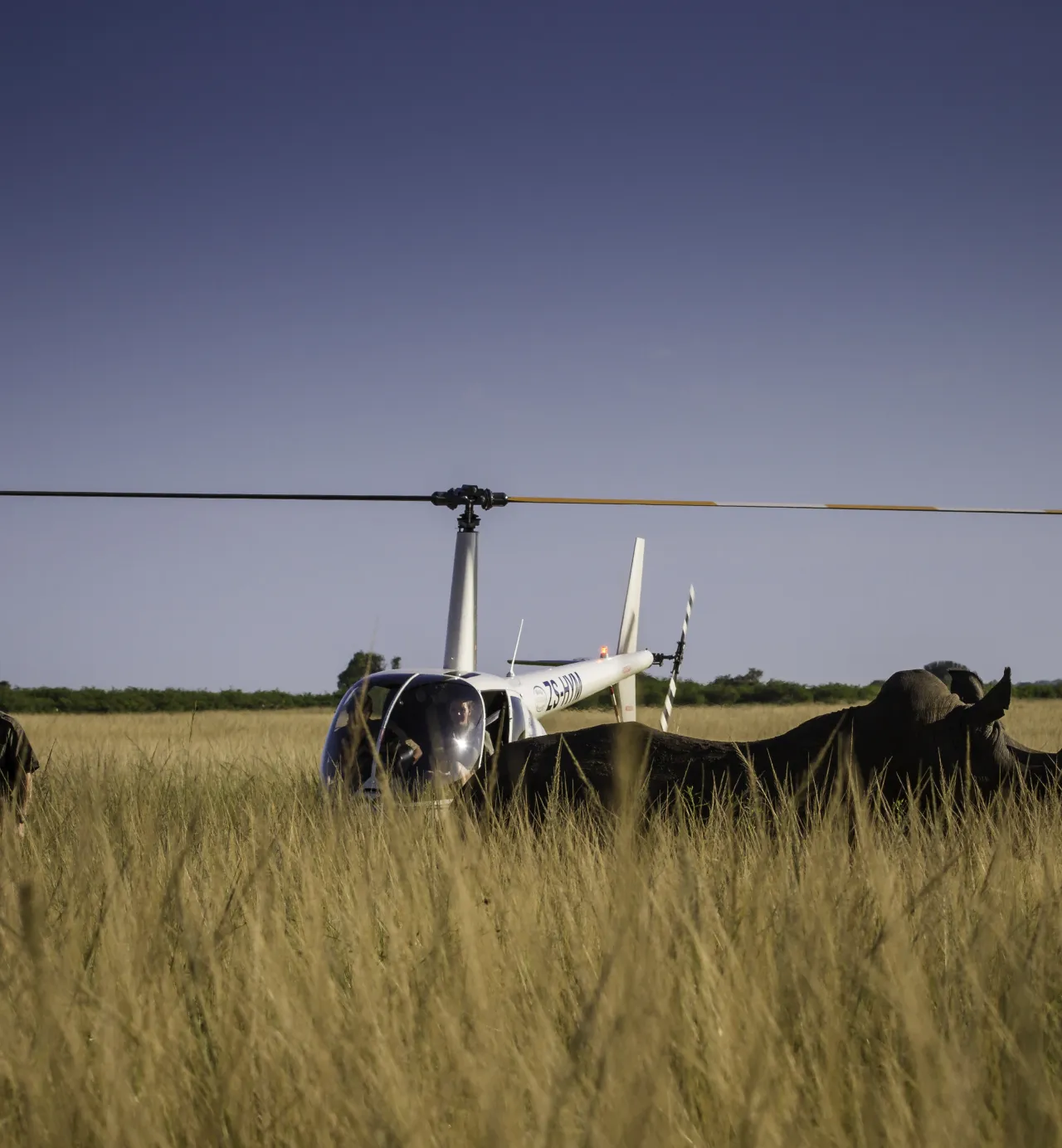
Rhino darting and chipping experience
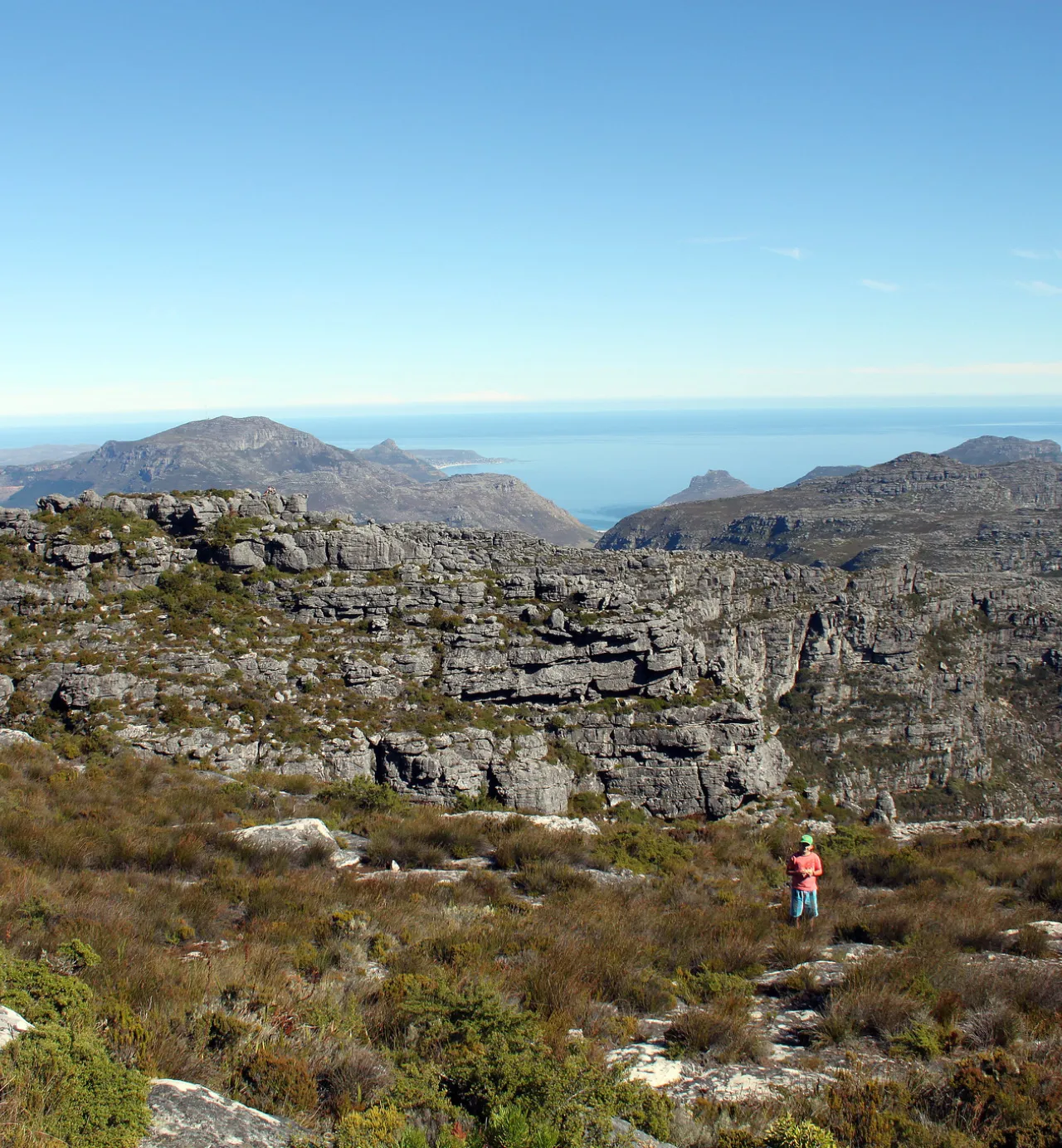
Hiking Table Mountain with a botanist or forager
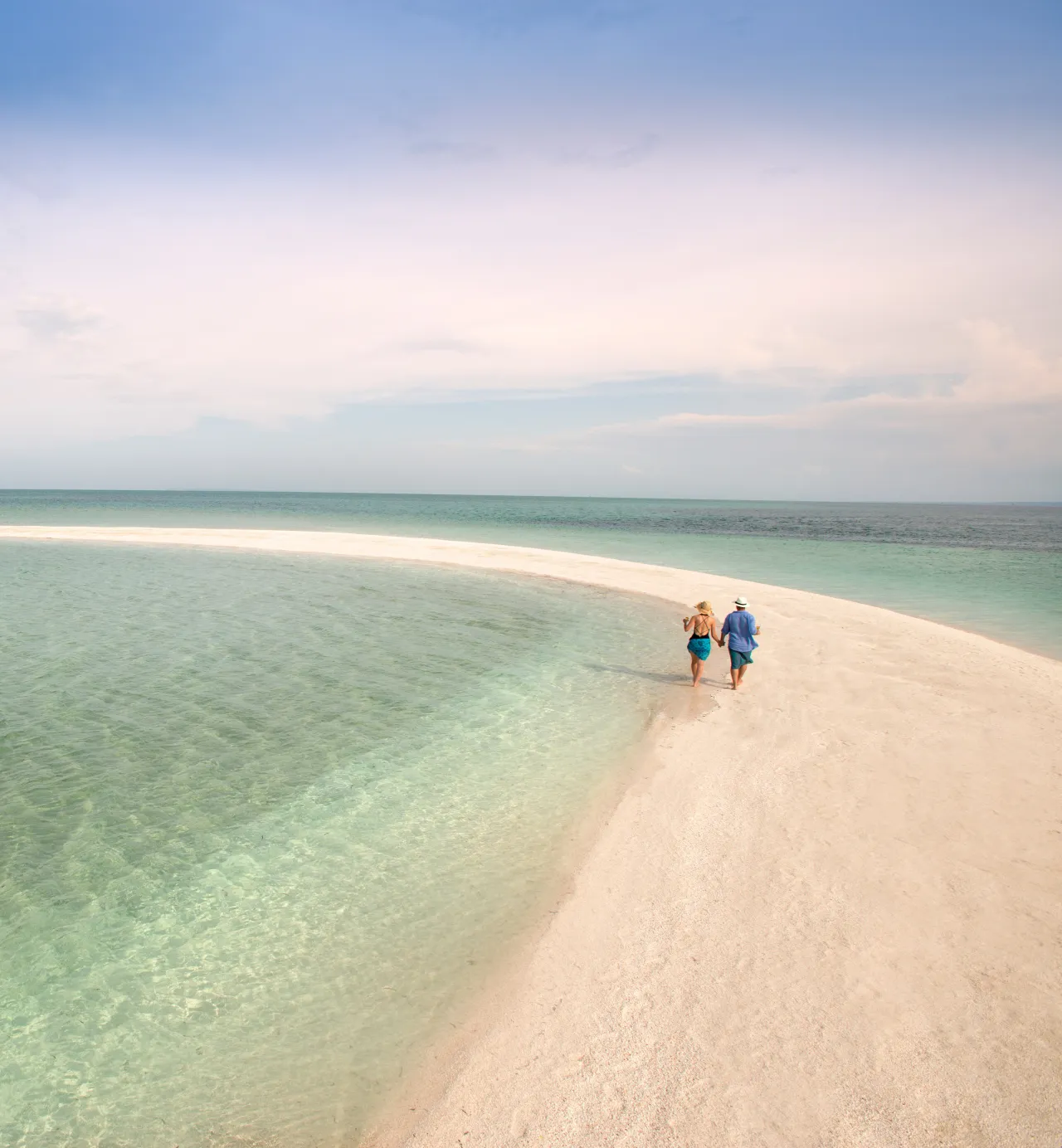
Castaway picnic on an African island

Voices of our guests
The Okavango Delta FAQs
Virtually all luxury travel within the delta is by small safari aircraft. You will fly from the hub town of Maun directly to your camp’s private airstrip. There are strict luggage limits, so be prepared with a soft-sided duffel bag.
Luggage is strictly limited to 15kg-20kg (33lb-44lb) per person, packed in a soft-sided duffel bag. Pack lightweight, neutral-coloured clothing, a warm fleece for cold mornings, a hat, sun protection and binoculars.
The dry season (May to October) is peak season for game viewing. Water levels in the delta are at their highest, and animals congregate around the floodplains, making them easier to spot. The green season (November to April) is a paradise for birdwatchers and sees the birth of many young animals, and the landscape is lush and beautiful.
This depends on your camp’s location. Main activities include game drives in open 4x4s, mokoro (traditional canoe) trips in the shallow channels, guided walking safaris and motorised boat excursions in the deeper waterways.
You have an excellent chance of seeing four of the Big Five: elephants, buffalo, leopards and lions are abundant. Rhinos are extremely rare and have only been reintroduced to a few specific, heavily protected areas, so a sighting is not guaranteed.
Yes, it is very safe. Camps are run to the highest safety standards with expert, professional guides. The entire Okavango Delta is a malaria area, so it is essential to consult your doctor about appropriate anti-malarial medication before you travel.
The rain that feeds the delta falls in Angola months before it arrives in Botswana. This means the highest water levels in the delta occur during Botswana’s driest winter months (June to August), creating the famous oasis effect.
You should plan for a digital detox. Most camps have no mobile phone service. Some may offer limited Wi-Fi in a central area, but it is often slow. Embrace the opportunity to disconnect and immerse yourself in nature.
A minimum of four to six nights is recommended, ideally split between two camps in different locations (for example, one water-based and one land-based camp). This allows you to experience a wider range of activities and ecosystems.
The US dollar is the most widely accepted currency for tourism. It is recommended to bring cash in small denominations ($5, $10, $20) for tipping your guide and camp staff, as credit card facilities are limited.
