

Sossusvlei
Sossusvlei
A journey into an otherworldly place
Peak time
July to October
Best time to visit
March to May and September to October (for pleasant temperatures and clear skies)
Known for
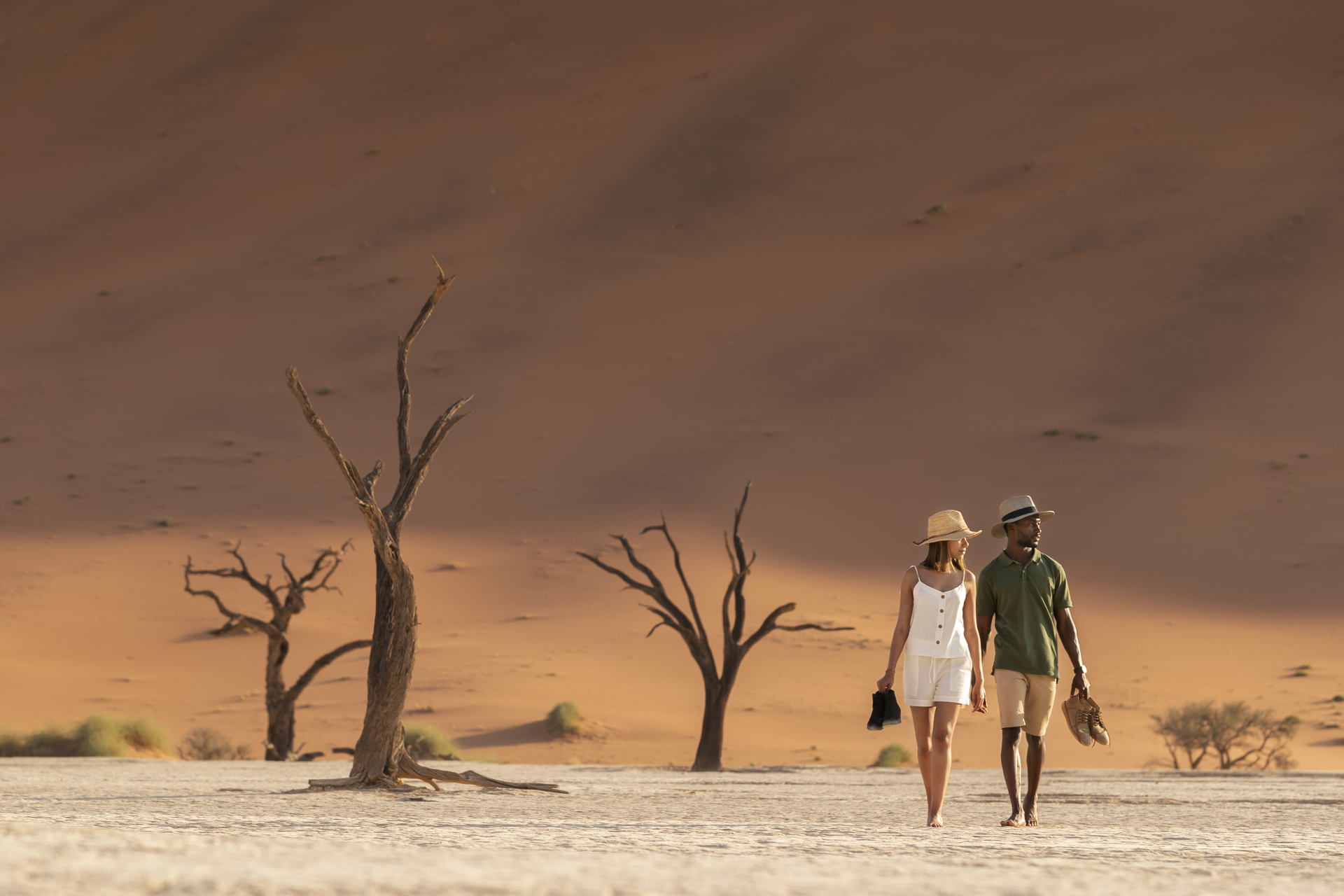
The world’s highest red sand dunes; the iconic skeletal trees of Deadvlei
Also known for
Being a photographer’s paradise; its otherworldly, surreal landscapes
About Sossusvlei
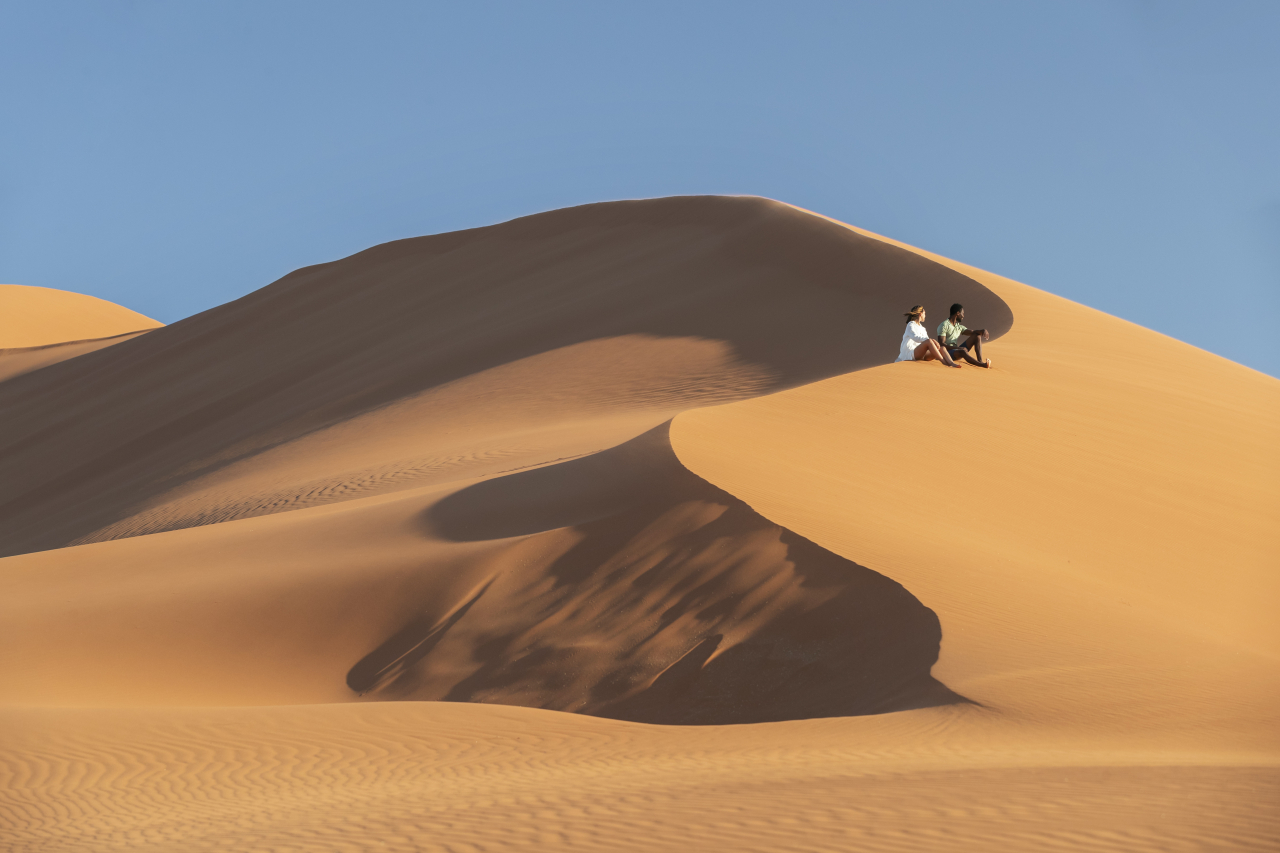
Sossusvlei is deep in the Namib Sand Sea, a place where nature has crafted a landscape so surreal it feels like you’re stepping onto another planet. This is home to some of the world’s highest dunes, star-shaped mountains of sand sculpted by the wind over millions of years. Their ochre and apricot hues shift constantly with the light, mesmerising against the desert sky.
The quintessential Sossusvlei journey involves rising before dawn to enter the Namib-Naukluft National Park, to see the first rays turn the dunes a fiery red. Then there’s the challenge of climbing the spine of a towering dune like “Big Daddy” to witness what seems like an infinite horizon. And the walk across a cracked clay pan into Deadvlei, where 900-year-old skeletal camel thorn trees stand frozen in time, too dry to decompose.

Did you know
The name “Sossusvlei” roughly translates from the Nama language to mean “dead-end marsh”, as it is the point where the Tsauchab River’s flow ends
A visit to Sossusvlei reminds you of our planet’s raw power and enduring beauty. To stand among its sand giants is to experience one of the most awesome, photogenic landscapes on Earth.
Get to know Sossusvlei
The gateway to the dunes is the small settlement of Sesriem, where the national park entrance is located. From the gate, a 60km (37mi) paved road allows easy access deep into the dune corridor. It is this road that leads to famous dunes such as Dune 45.
The final five kilometres (3.1mi) of the journey to Sossusvlei and Deadvlei are through very deep sand. This section is strictly for 4x4 vehicles only. Visitors in 2WD vehicles must park and use the national park’s 4x4 shuttle service. The key is timing: entering the park at sunrise allows you to see the dunes in the magical morning light and to climb them before the intense midday heat sets in.
History
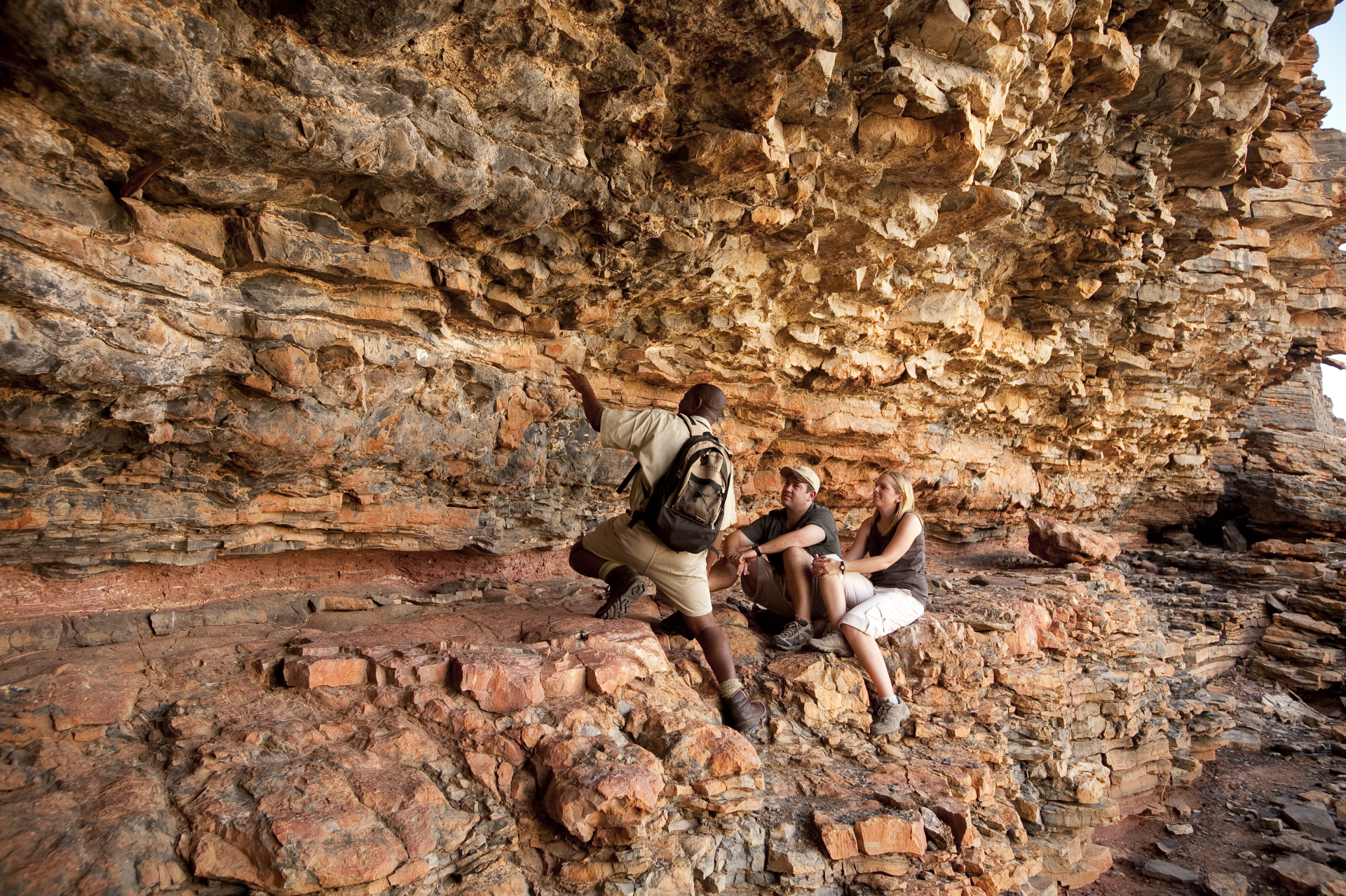
The history of Sossusvlei is primarily a story of geology and climate. The sand itself began its journey millions of years ago, carried by the Orange River from the faraway Drakensberg mountains into the Atlantic Ocean. From there, the powerful Benguela current pushed it northwards along the coast, where prevailing winds have been blowing it inland for millennia to form the colossal dune sea we see today.
While the region shows evidence of Stone Age human presence, the hyper-arid heart of the dune sea has never supported permanent human settlement. Its modern history is one of exploration and conservation. After being documented by early European explorers, its fame grew in the 20th century as a photographic icon. Its inclusion within the Namib-Naukluft National Park ensured the protection of its fragile and unique environment, preserving it as one of the world’s last great wildernesses.
More unforgettable activities
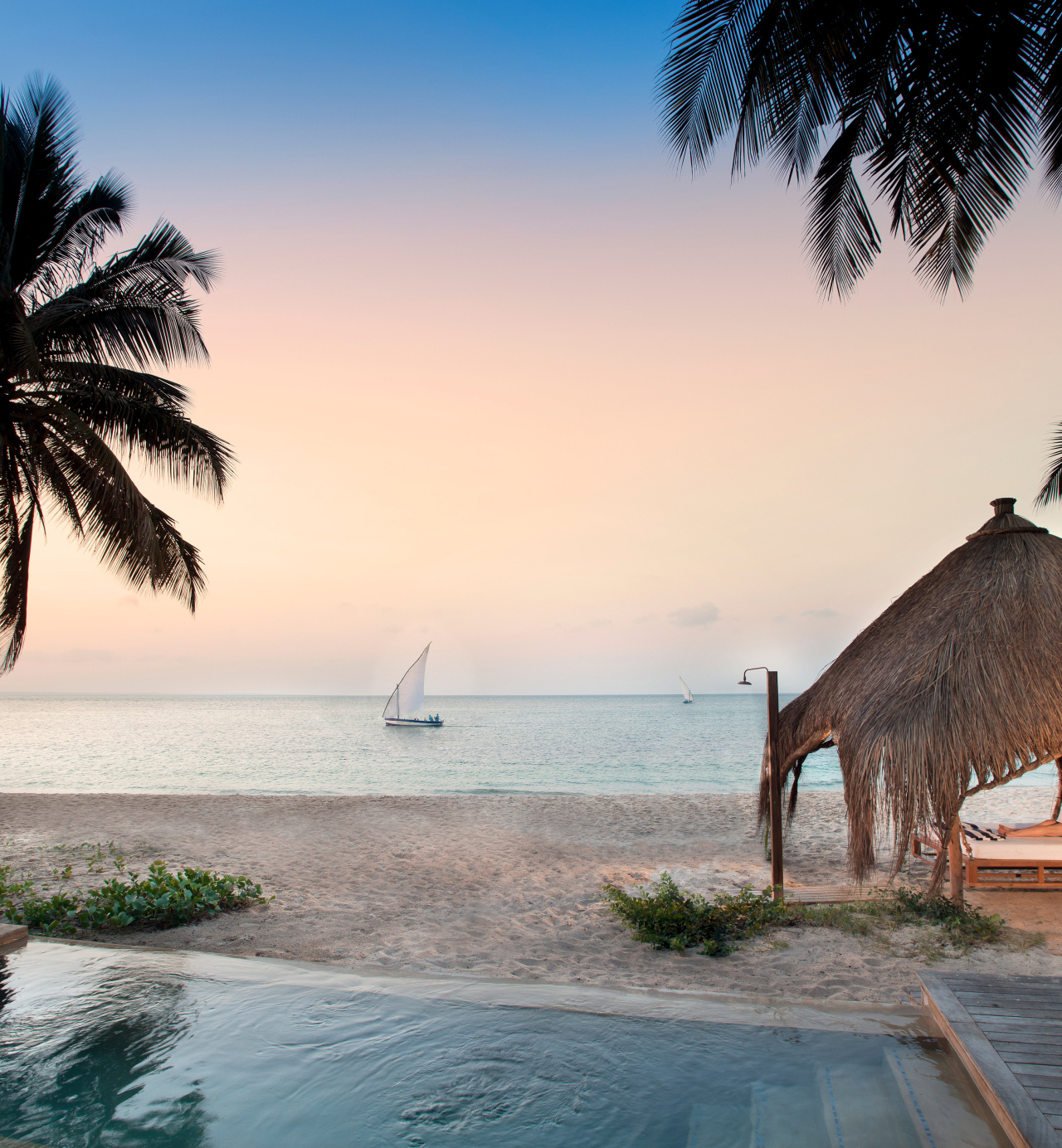
Turtle egg laying and hatching

Traditional Bo-Kaap cooking experience
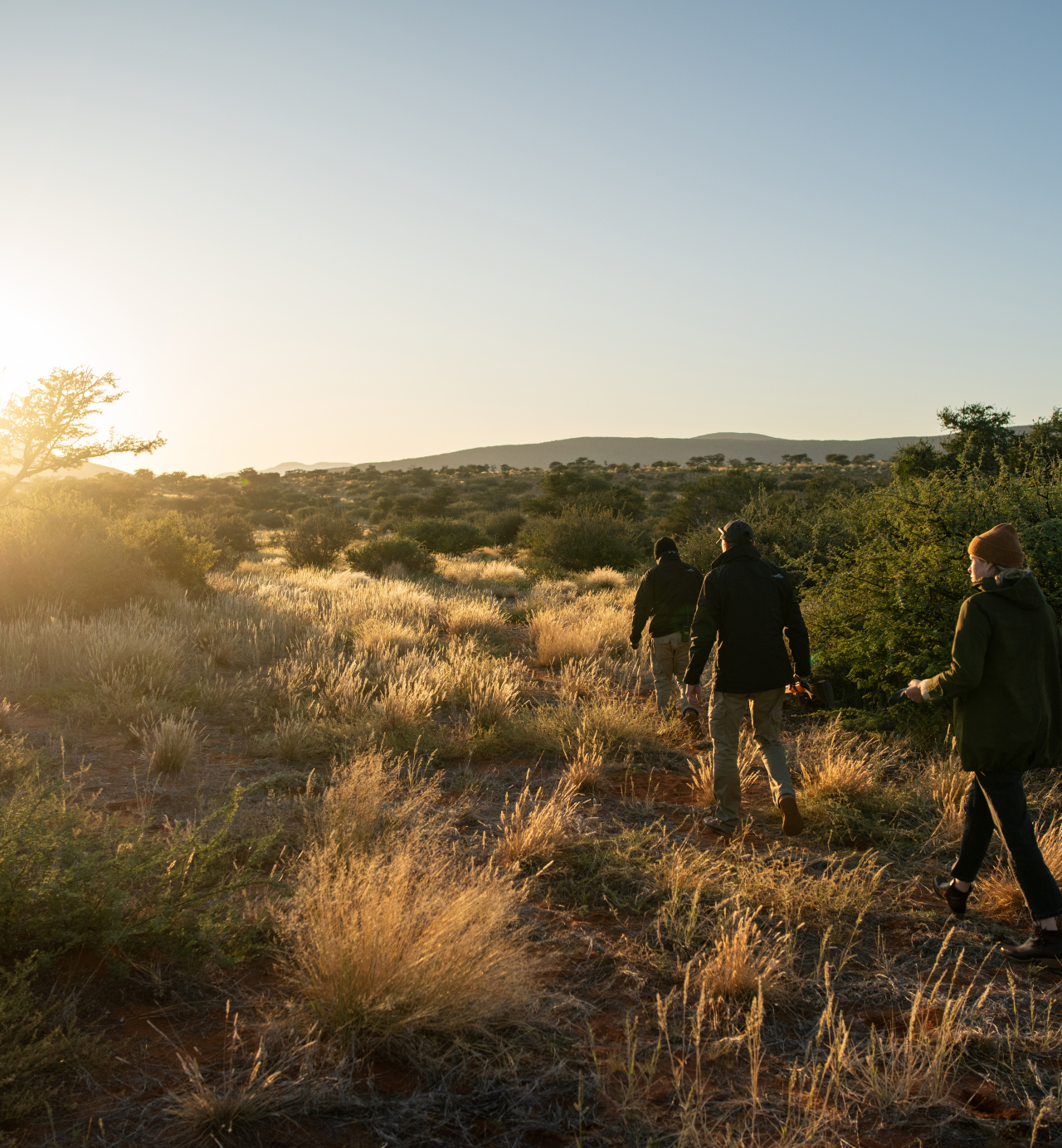
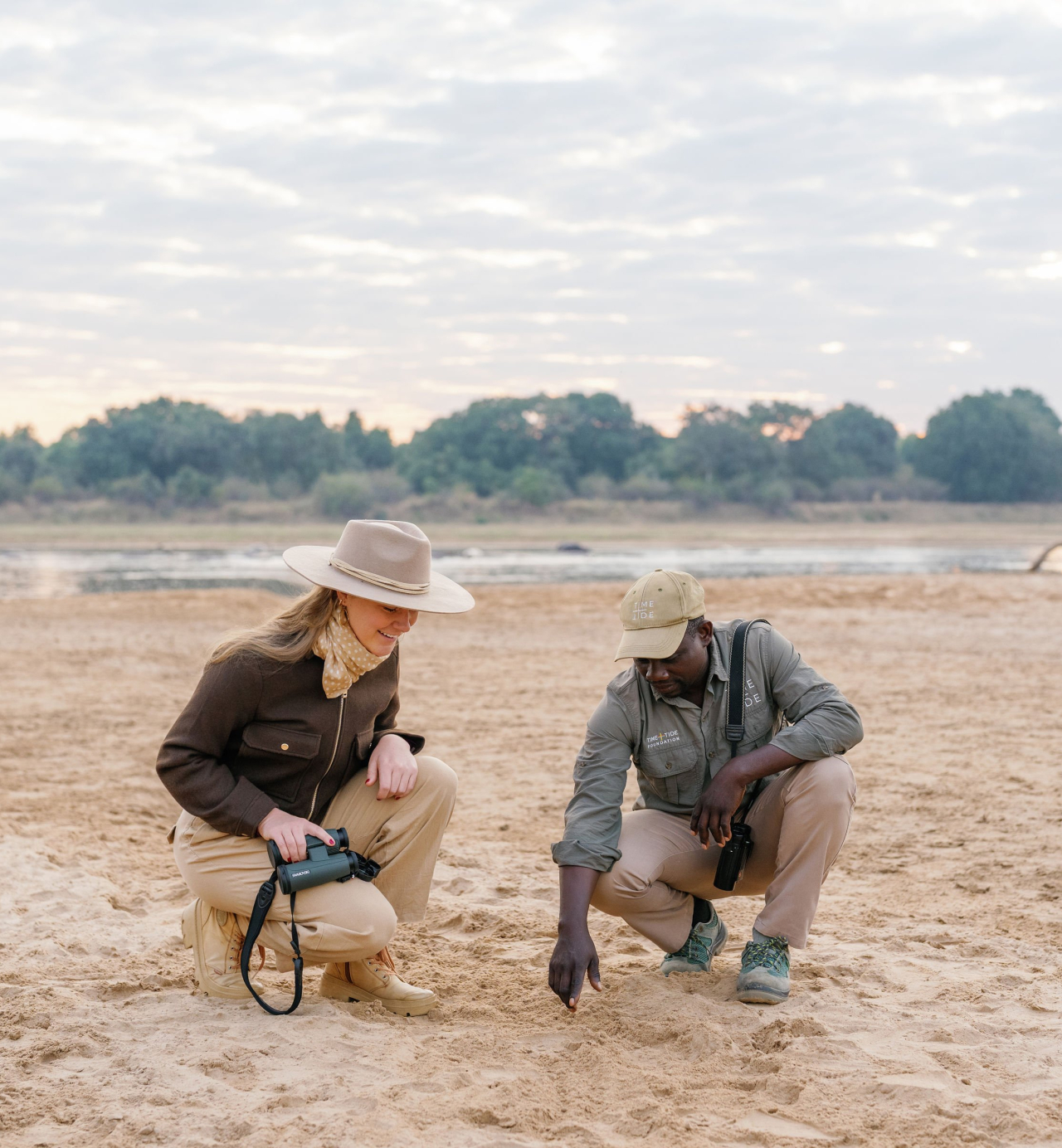
Tracking Africa’s most elusive species on foot
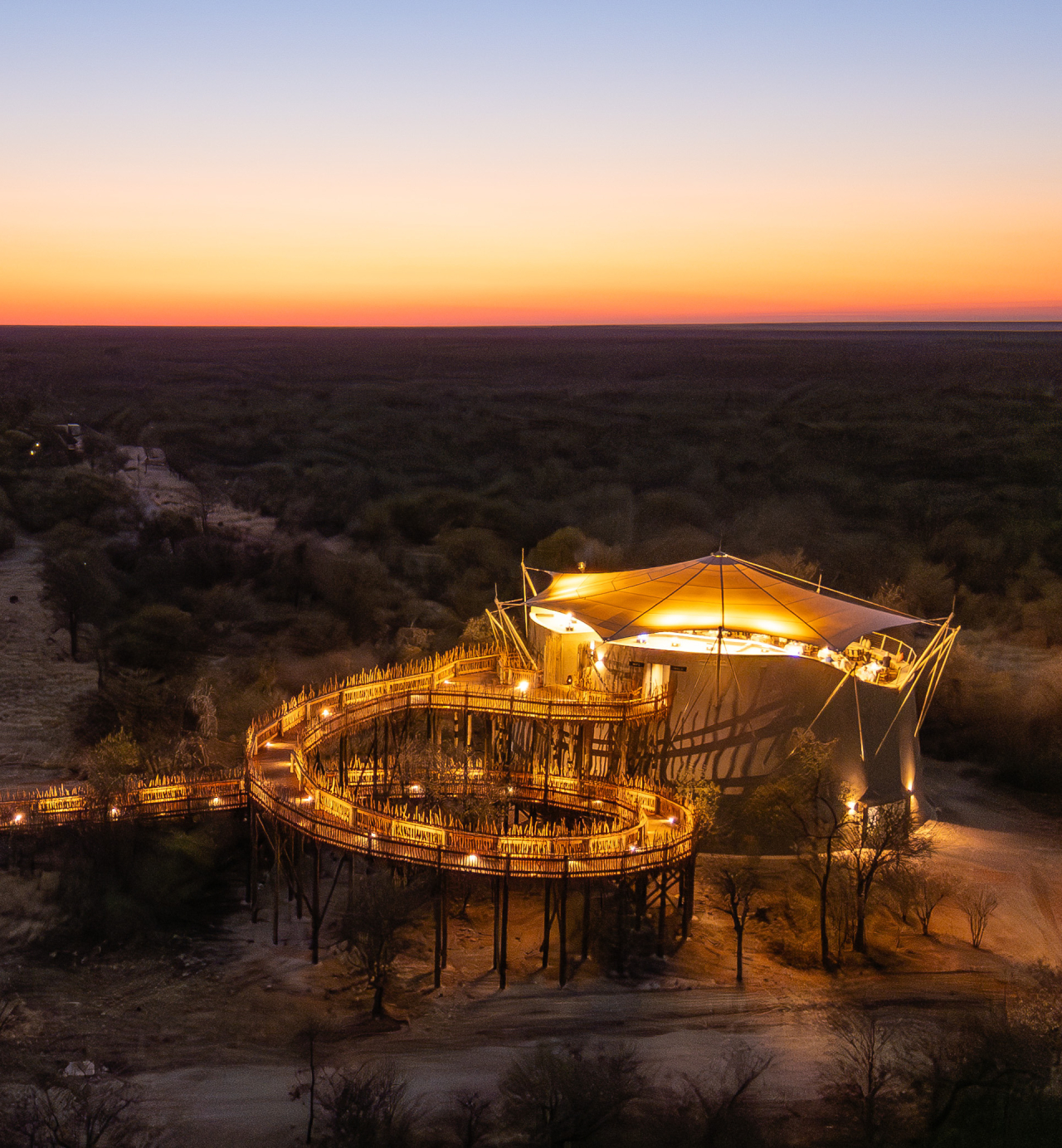
SkyBoma, Etosha
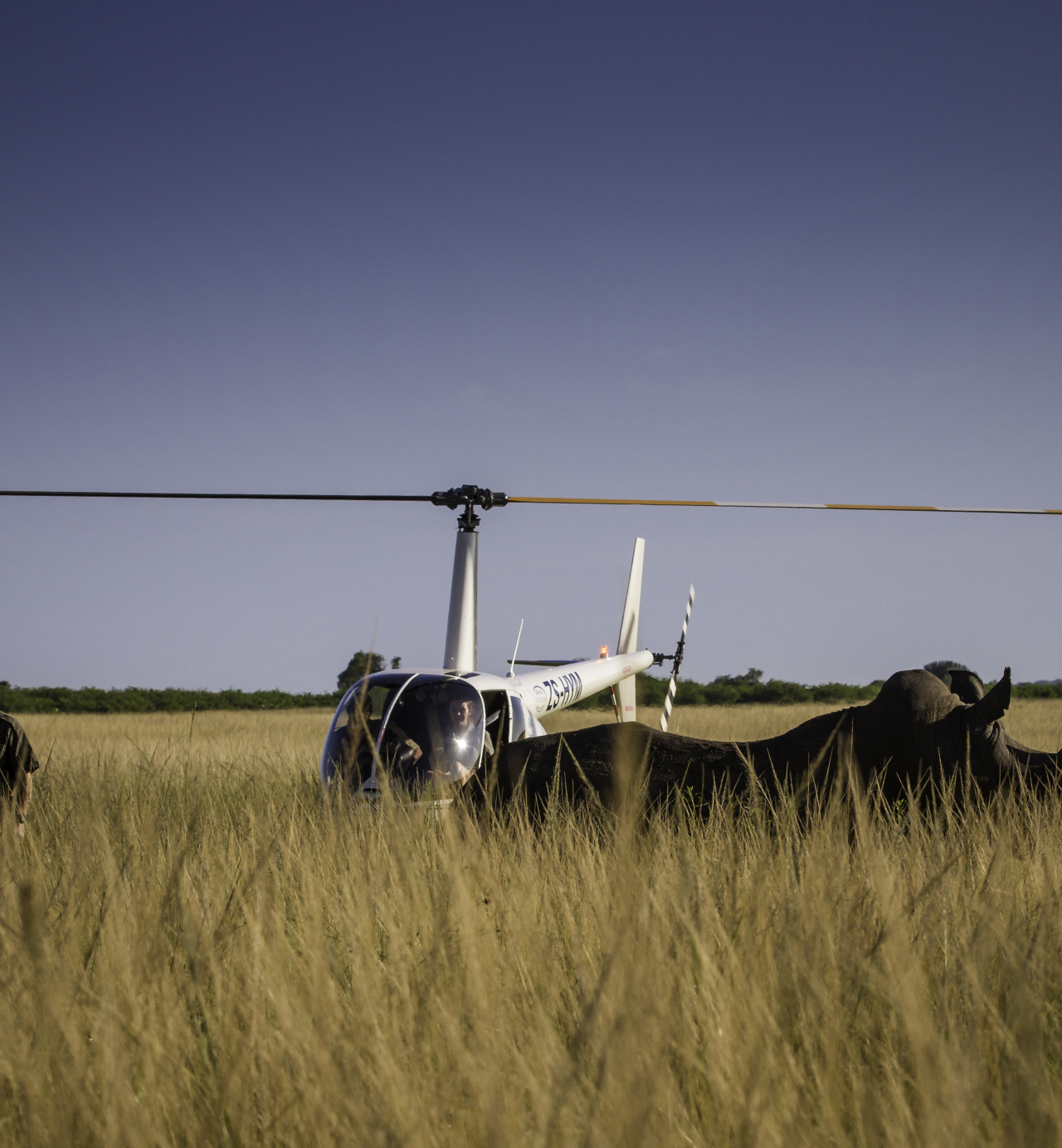
Rhino darting and chipping experience
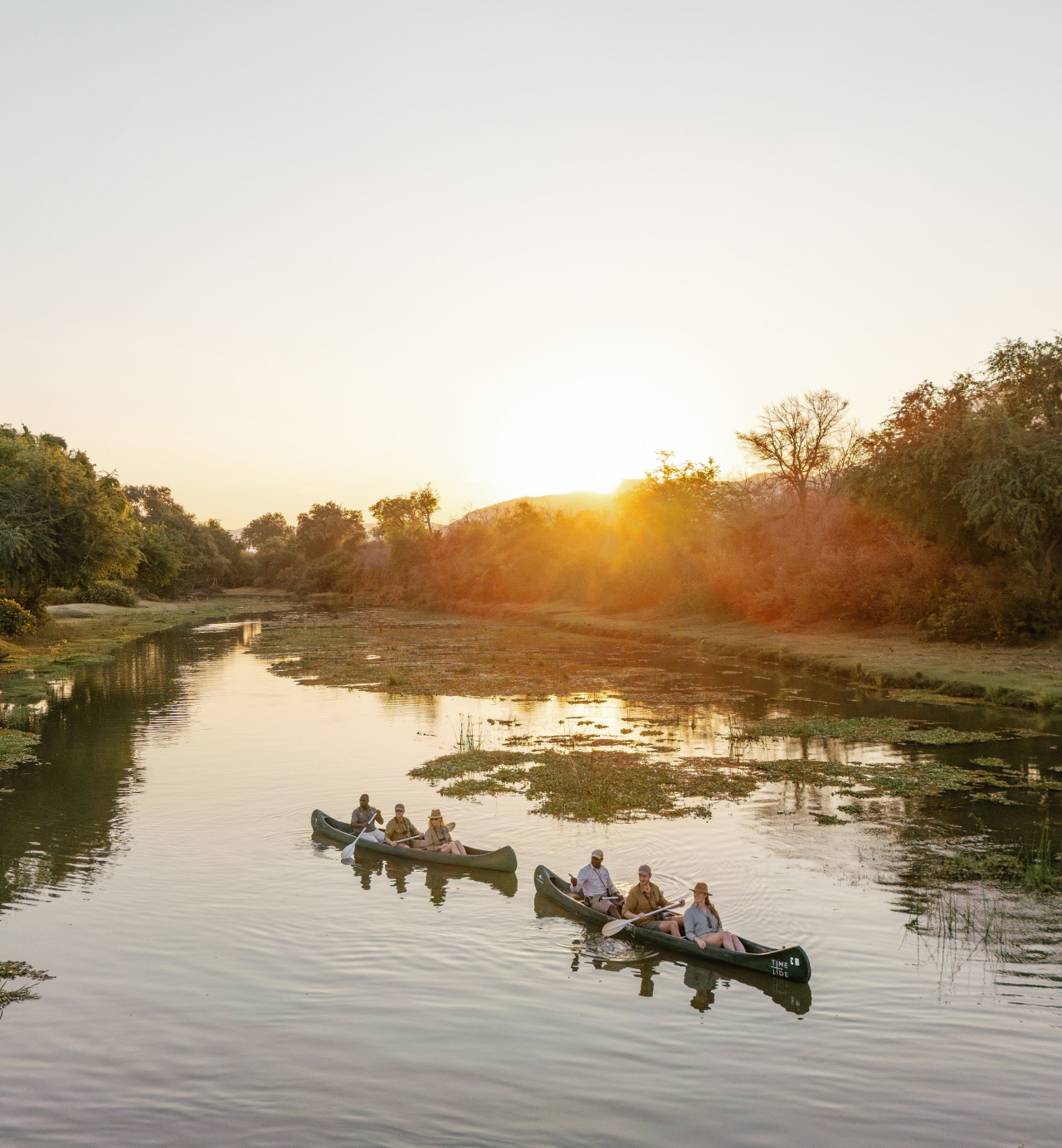
Picnicking on islands in the Zambezi
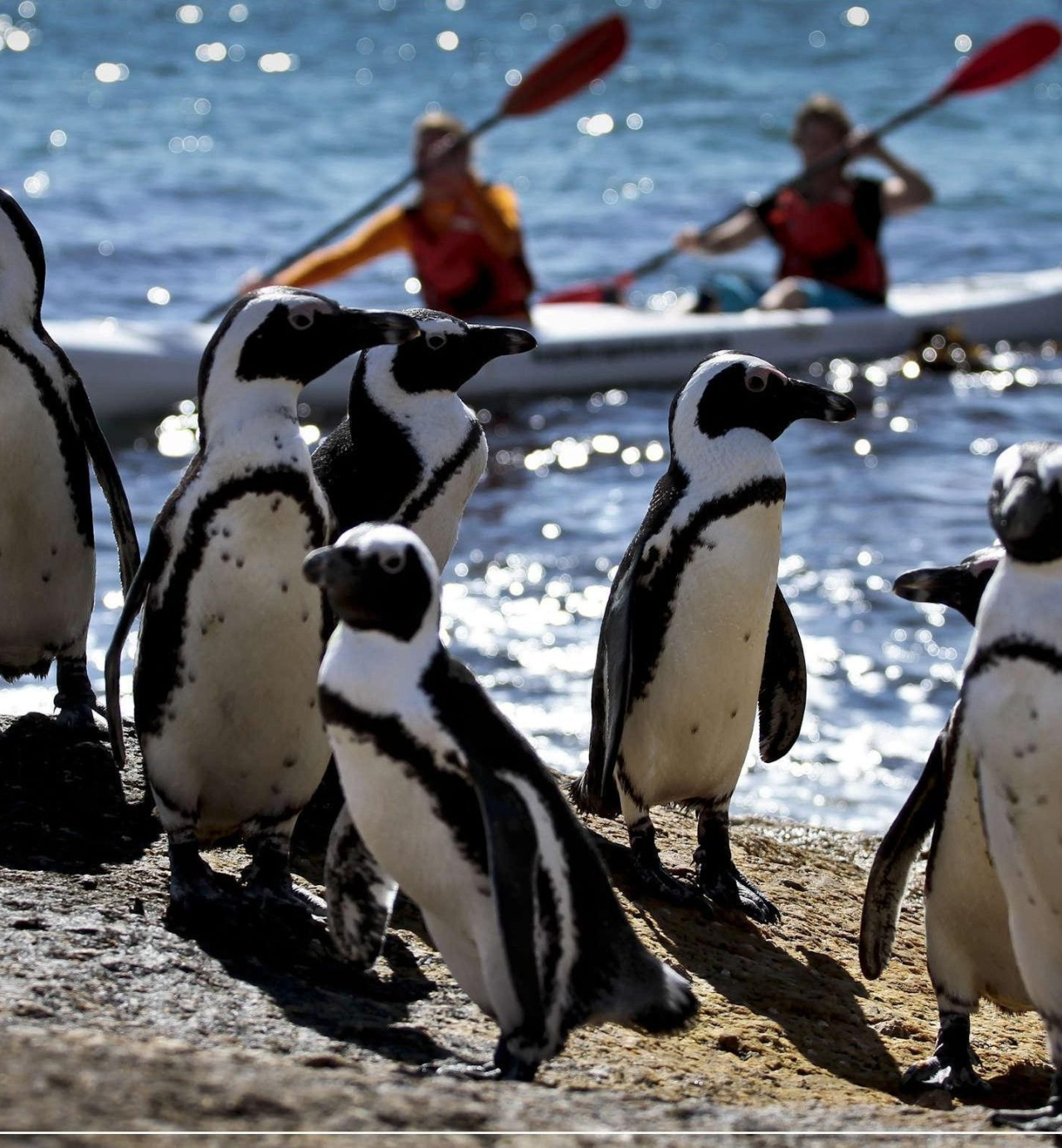
Paddle with penguins
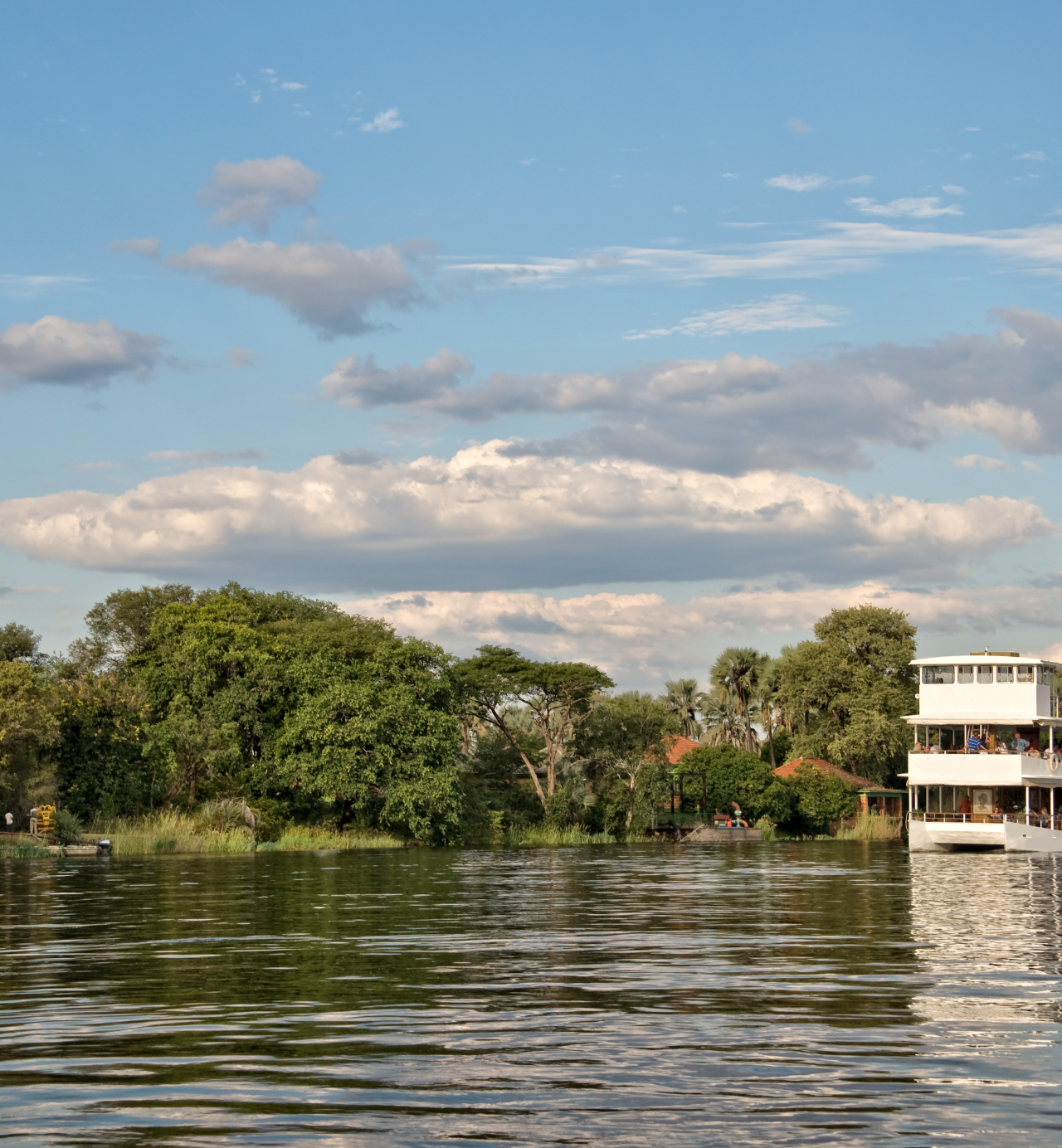
Live-aboard luxury Zambezi safari
Hiking Table Mountain with a botanist or forager

Voices of our guests
Sossusvlei FAQs
Sunrise and sunset. The low-angled light creates dramatic shadows and turns the dunes a vibrant red. It is also the coolest part of the day for activities such as dune climbing.
For the last five kilometres (3.1mi) to Sossusvlei and Deadvlei, yes. The road turns into very deep sand. If you do not have a 4x4, you must use the park’s shuttle service from the 2WD parking area.
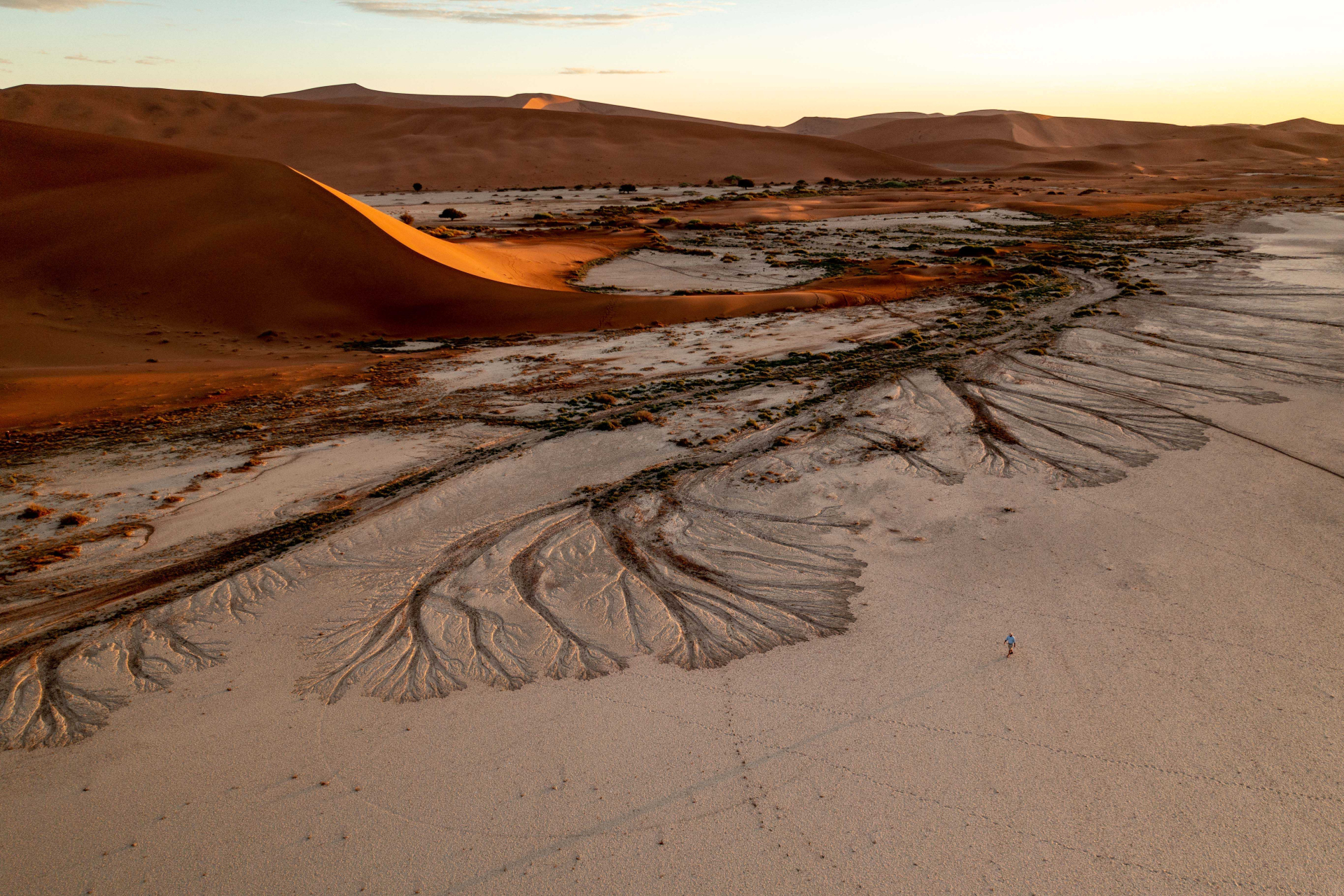
Sossusvlei is the endpoint of the Tsauchab River, a large clay pan that occasionally holds water after rare, heavy rains. Deadvlei is a smaller pan nearby, famous for its ancient, skeletal camel thorn trees standing on a white clay floor.
A two-night stay is ideal. This gives you one full day to enter the park at sunrise, explore the main sights such as Dune 45, Deadvlei and Big Daddy, and visit Sesriem Canyon without rushing.
There is a variety of luxury accommodation options situated outside, near the park gate, affording you both ultimate comfort and ease of access. Options range from stone buildings to tented camps that offer a variety of fine dining, stargazing and other activities.
No. The entire Sossusvlei and Namib Desert region is completely malaria-free.
Dune 45 is the most famous and accessible, offering a great climb and fantastic views. For the ultimate view, climb Big Daddy, which overlooks Deadvlei. It is a much longer and more strenuous climb, but the reward is fantastic.
Essentials include a wide-brimmed hat, high-SPF sunscreen, sunglasses, sturdy and comfortable walking shoes, and at least 1.5 litres of water per person. Also pack a warm jacket, as desert mornings can be cold.
It is a narrow, natural gorge carved by the Tsauchab River, located just inside the park gate. It is a great place to explore during the midday heat, as its depths offer cool shade.
During the summer months (November to February), midday temperatures can be extreme, often soaring above 40°C (104°F). It is crucial to do strenuous activities, such as dune climbing, very early in the morning.
