

South Luangwa National Park
South Luangwa National Park
Home of the walking safari
Peak time
July to September
Best time to visit
May to October (the dry season) for wildlife concentrations
Known for
Being the birthplace of the walking safari
Also known for
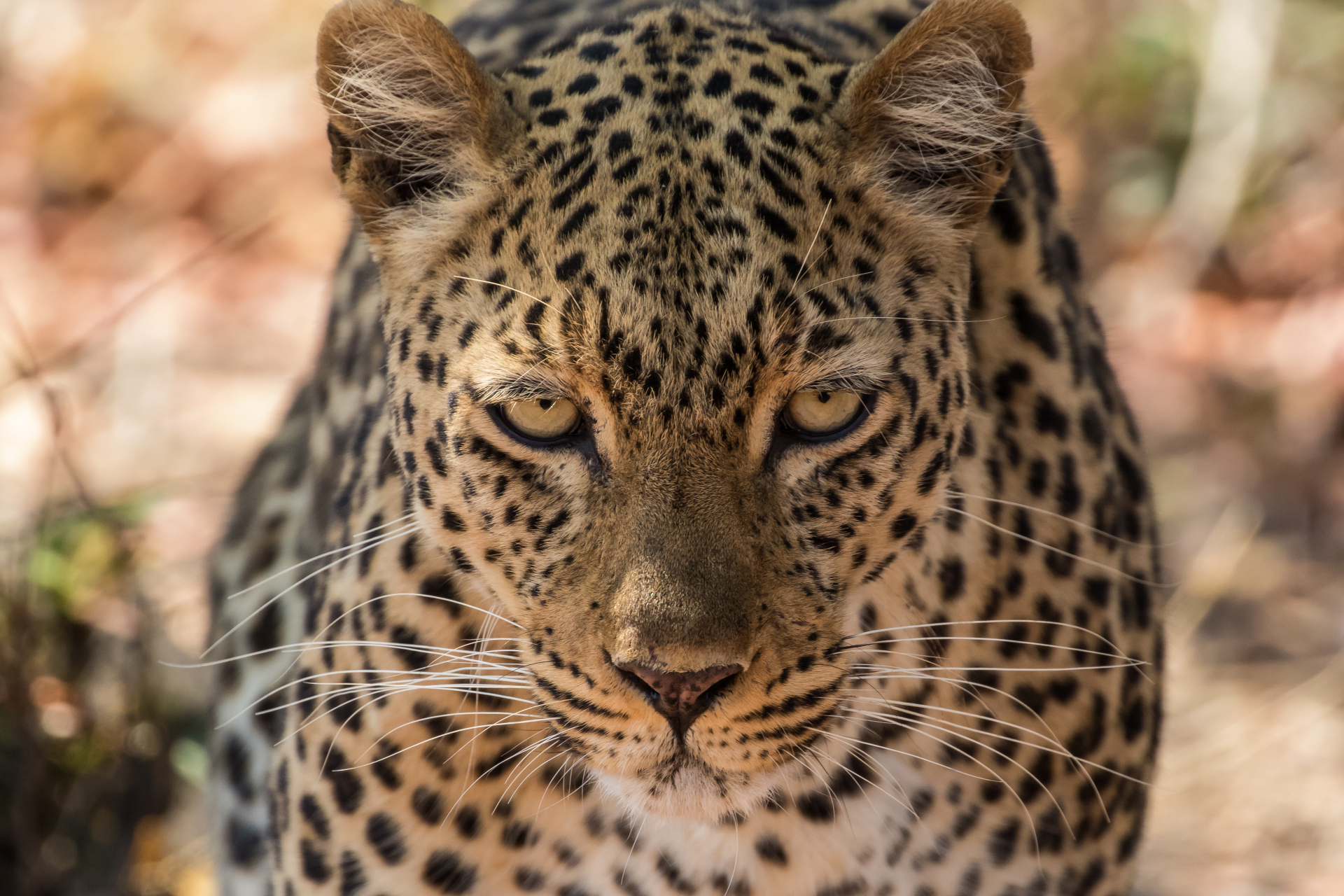
Exceptional leopard sightings
About South Luangwa National Park
South Luangwa is not a national park for ticking off a checklist from a safari vehicle; it is a place for deep immersion, a destination defined by the legendary Luangwa River and its life-giving oxbow lagoons.
The ecosystem throbs with the rhythm of this mighty river, and life here is lived on foot – for this is the undisputed home of the walking safari.
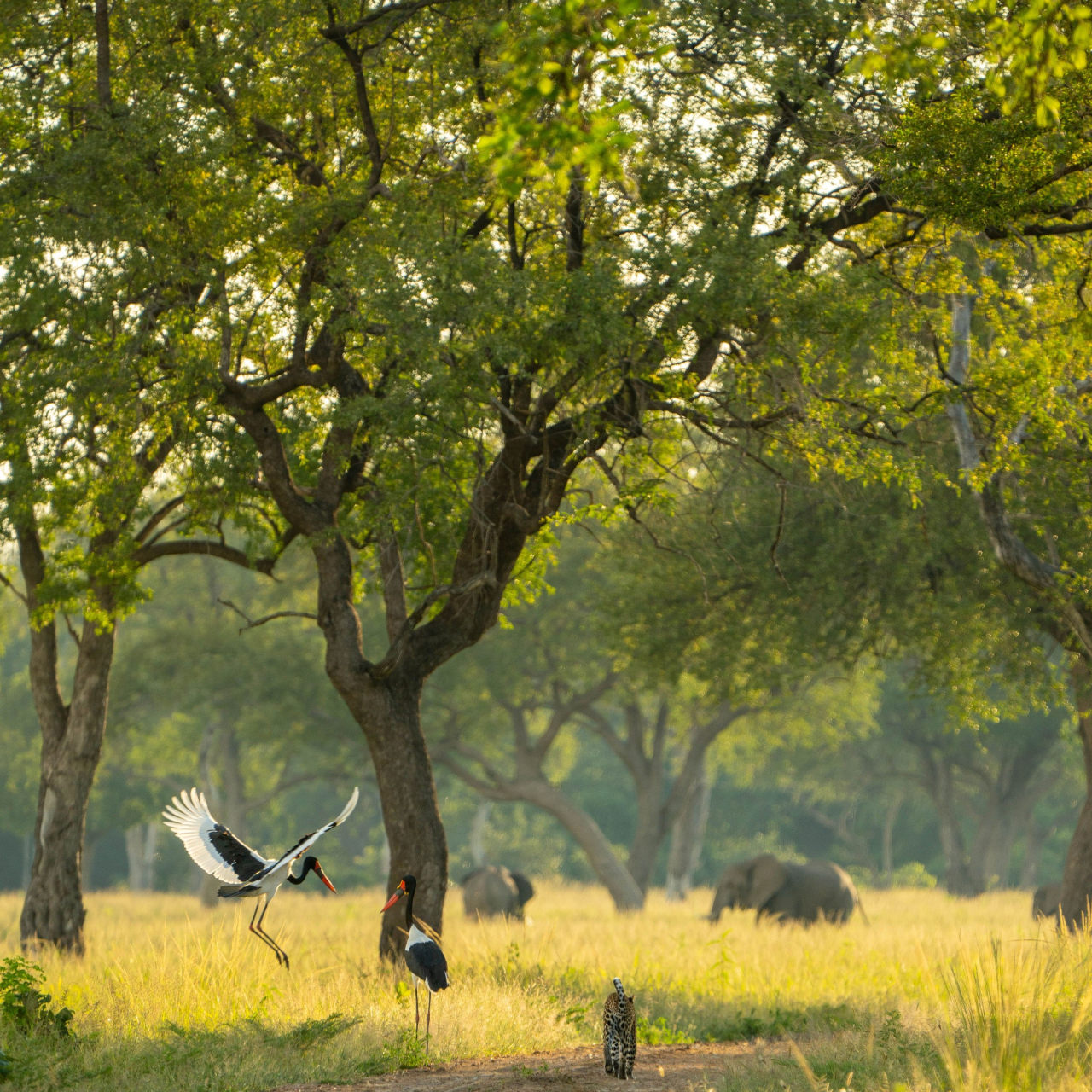
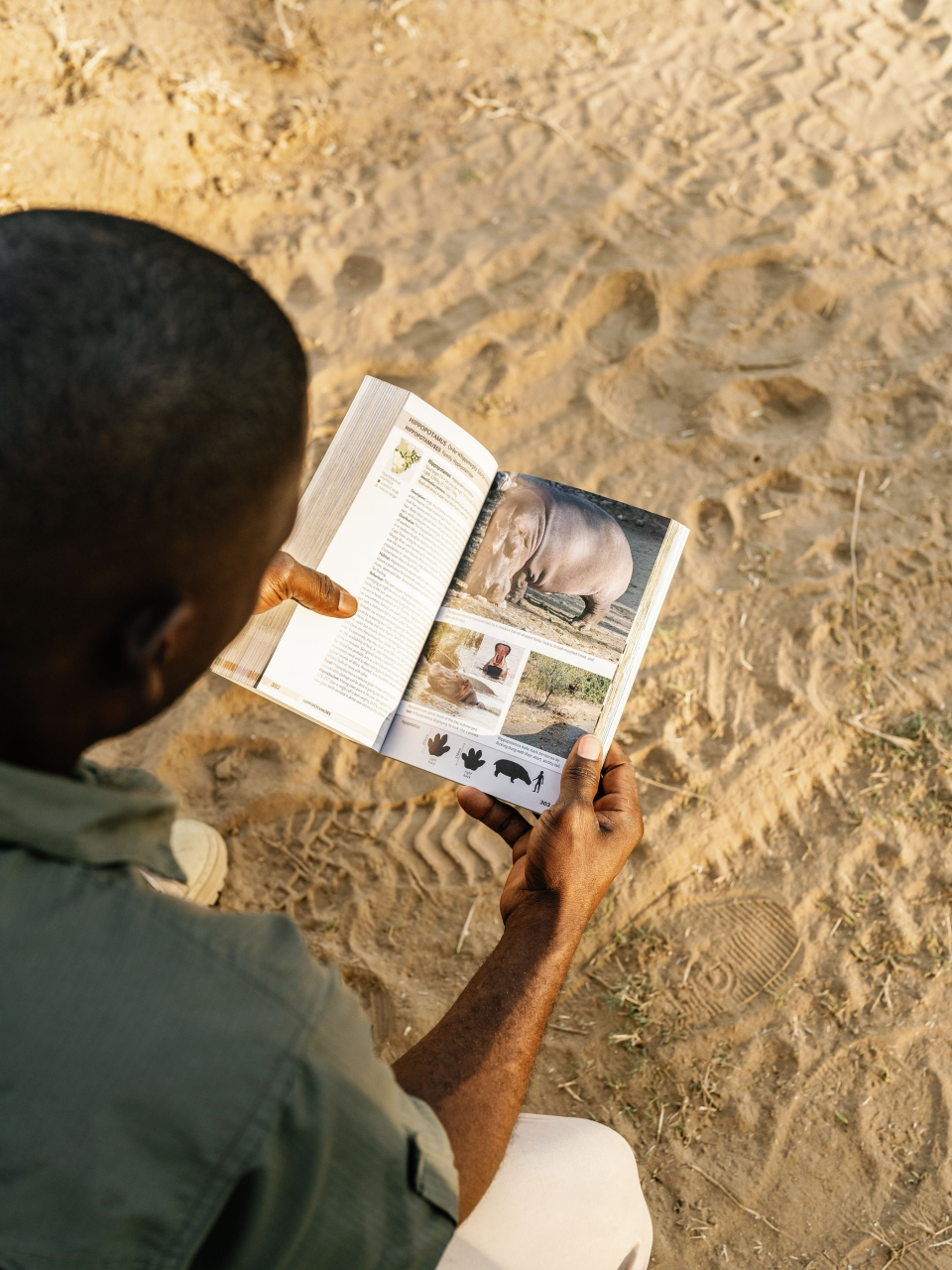
To explore South Luangwa is to experience the bush as it was meant to be seen: smelling the wild sage underfoot, learning to read the stories left in the tracks and experiencing the thrill of approaching big game in the company of some of the most skilled guides on the continent. The park is world famous for its incredible density of wildlife, particularly its predators. It has earned the nickname “Valley of the Leopard” for the unparalleled opportunities to view these elusive and beautiful cats.

Did you know
The legendary conservationist Norman Carr pioneered the walking safari in South Luangwa in the 1950s.
Beyond the adrenalin of walking, the park offers a classic safari experience with a wild edge. Game drives reveal huge herds of elephants and buffalo, while night drives unveil a secret world of nocturnal creatures. With its remote bush camps, legendary guiding and a profound sense of wilderness, South Luangwa offers one of the most authentic safari experiences in all of Africa.
Get to know South Luangwa
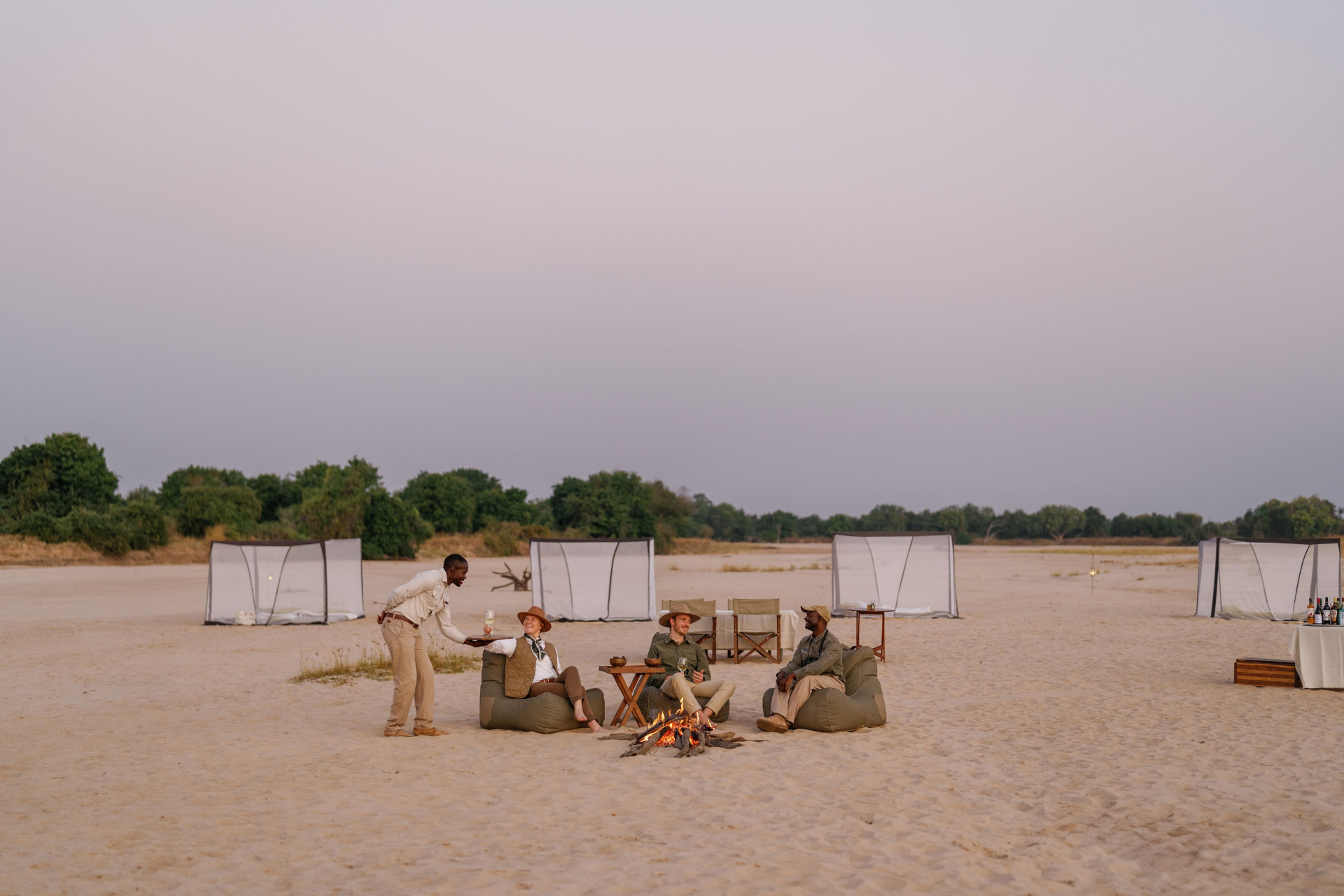
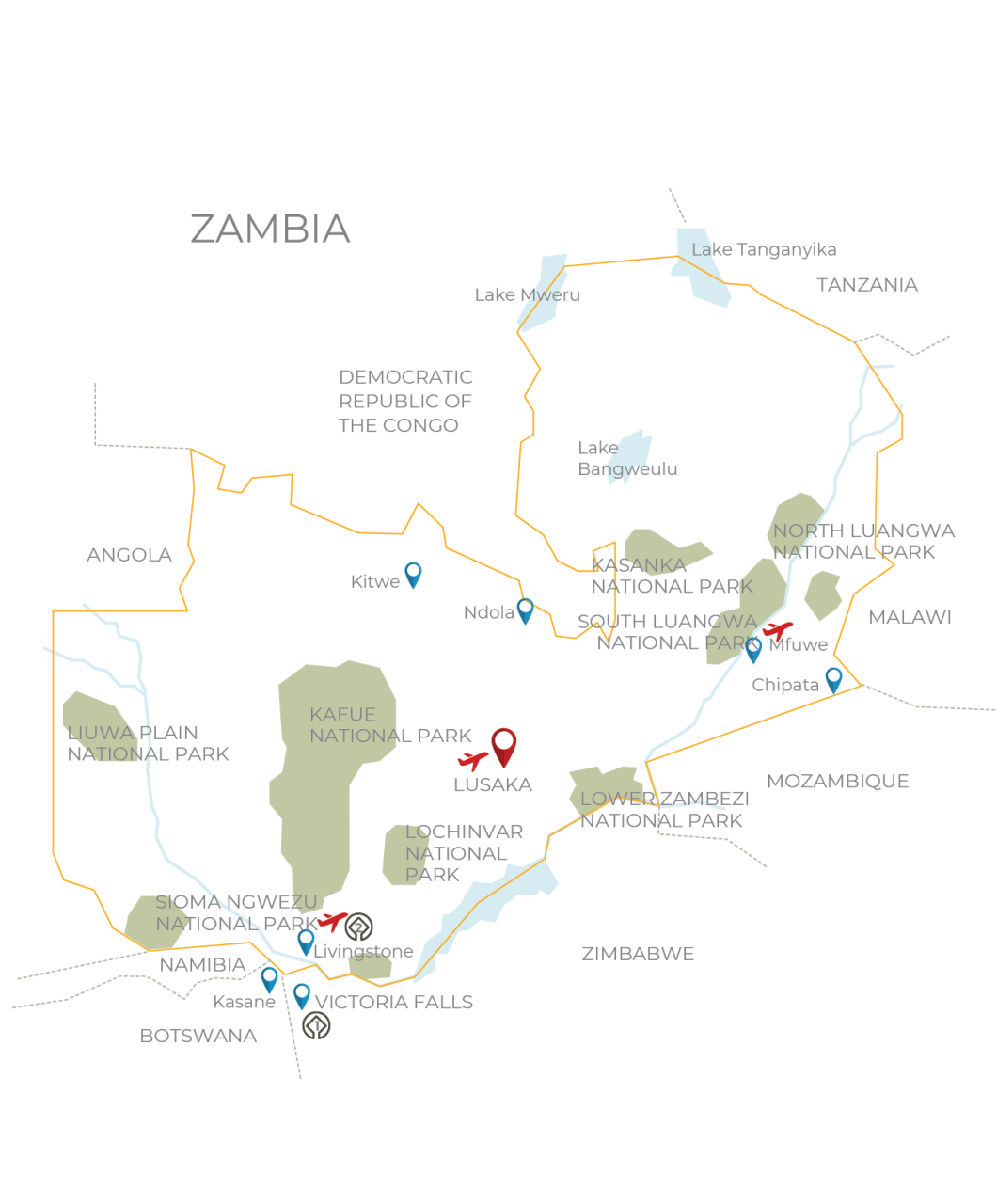
South Luangwa offers a distinctly authentic safari experience. The park is divided into the central Mfuwe sector, which is the main hub and busiest area, and the more remote northern and southern sectors. These outlying areas are home to small, exclusive bush camps that offer solitude and a focus on walking safaris away from the crowds.
A typical day involves a walk or game drive in the cool early morning, returning to camp for lunch and a siesta during the midday heat. The afternoon activity often begins as a game drive, stopping for sundowners in a scenic spot before continuing as a night drive with spotlights on the way back to camp. This rhythm allows you to experience the bush at its most active and beautiful times of day.
History
The Luangwa Valley has a long history of human habitation, but its modern story as a conservation area began in 1938, when it was established as a game reserve. For years, it was a remote and largely undeveloped wilderness. The park’s identity was forged in the 1950s by one of Africa’s great conservation pioneers, Norman Carr. He championed a revolutionary idea: that the future of wildlife depended on local people benefiting directly from its preservation.
Carr was the first to establish photographic safari camps that employed local people and shared revenue with the community. Most famously, he pioneered the walking safari, believing that to truly understand the bush, one had to leave the vehicle behind and experience it on its own terms. His visionary, low-impact model of conservation tourism set the standard for the entire Zambian safari industry and remains the guiding philosophy of South Luangwa today.
More unforgettable activities
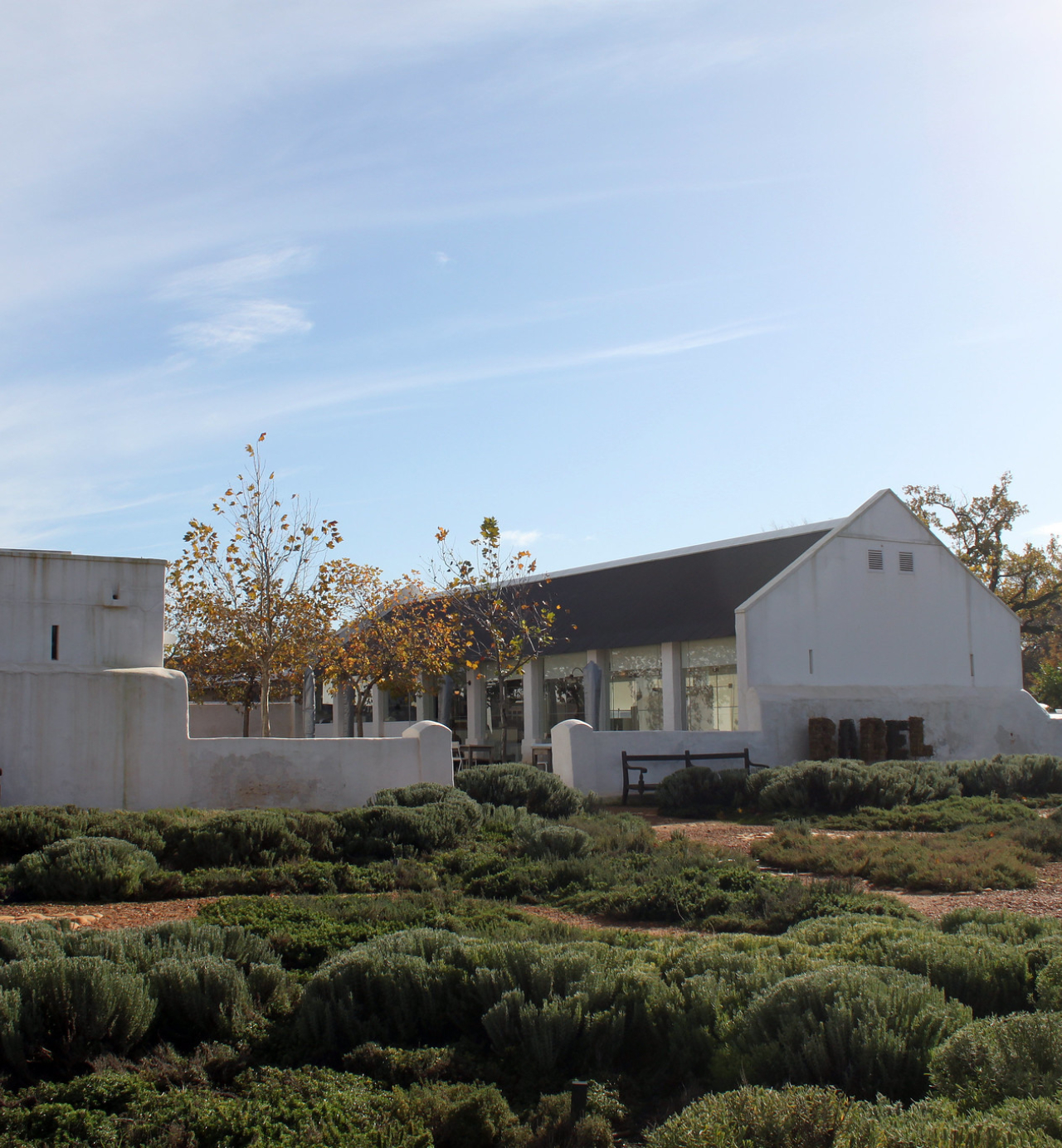
A day in the life of a working wine farm
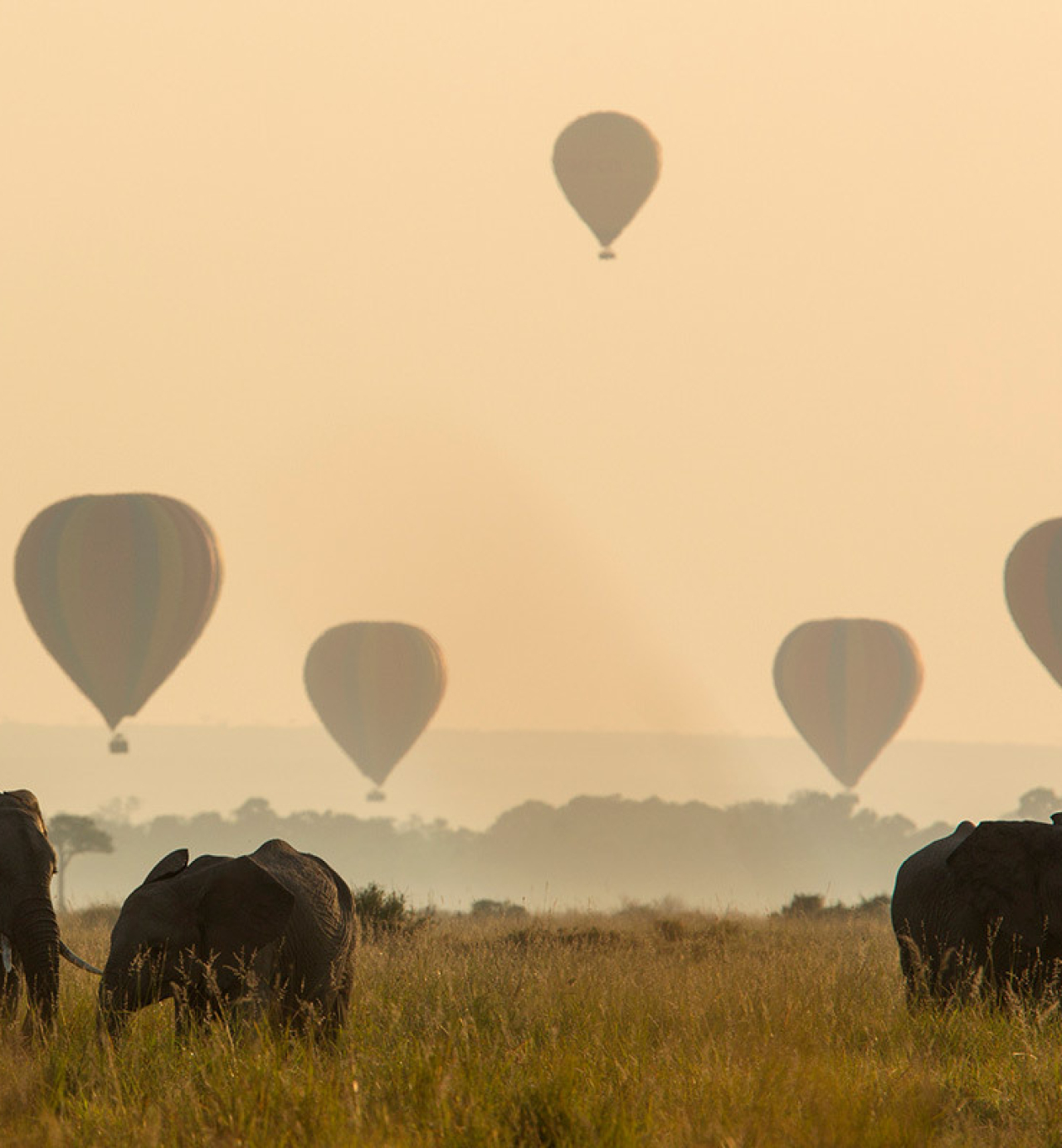
Ballooning over the Serengeti or Mara
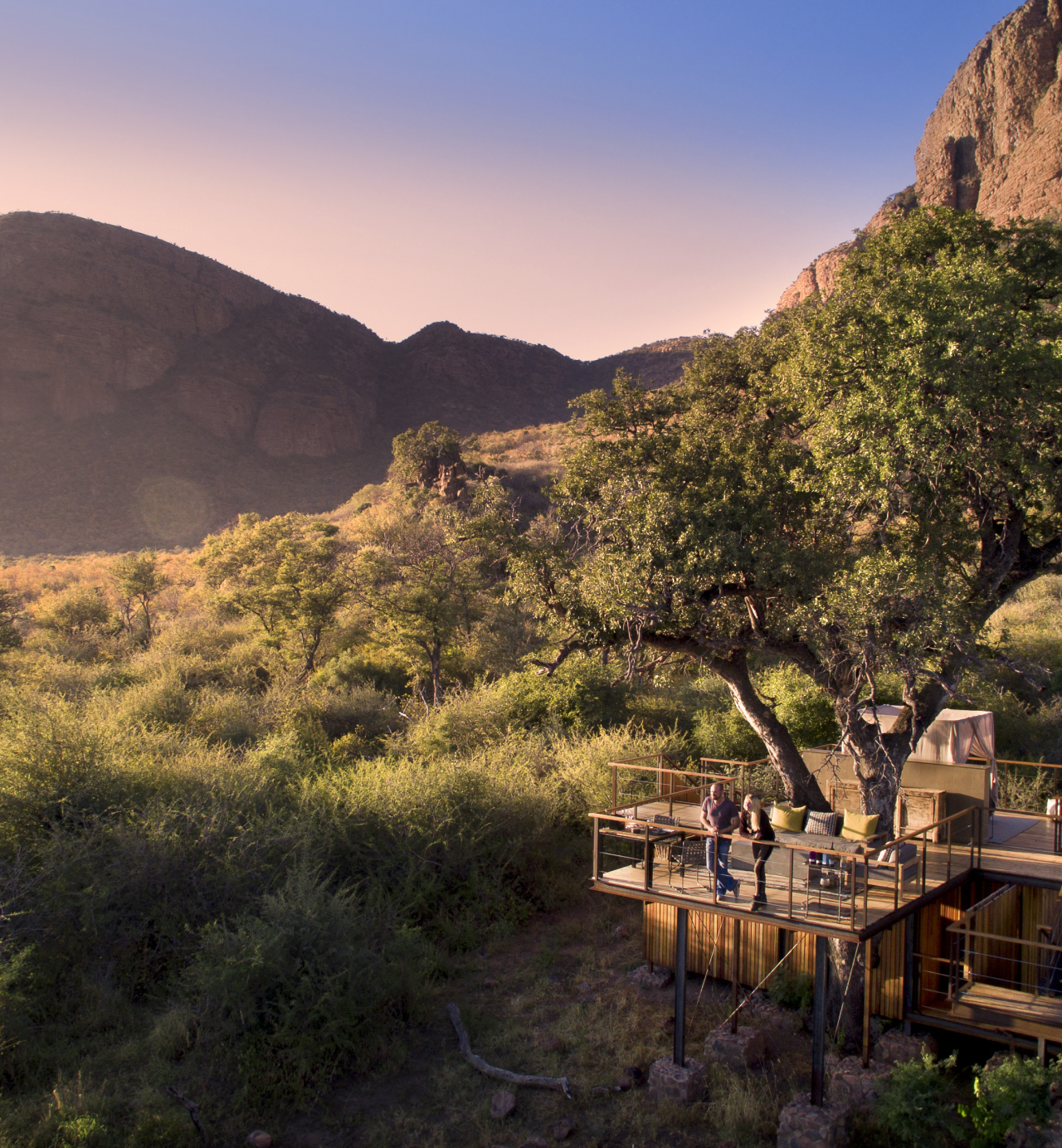
Big Five treehouse experience
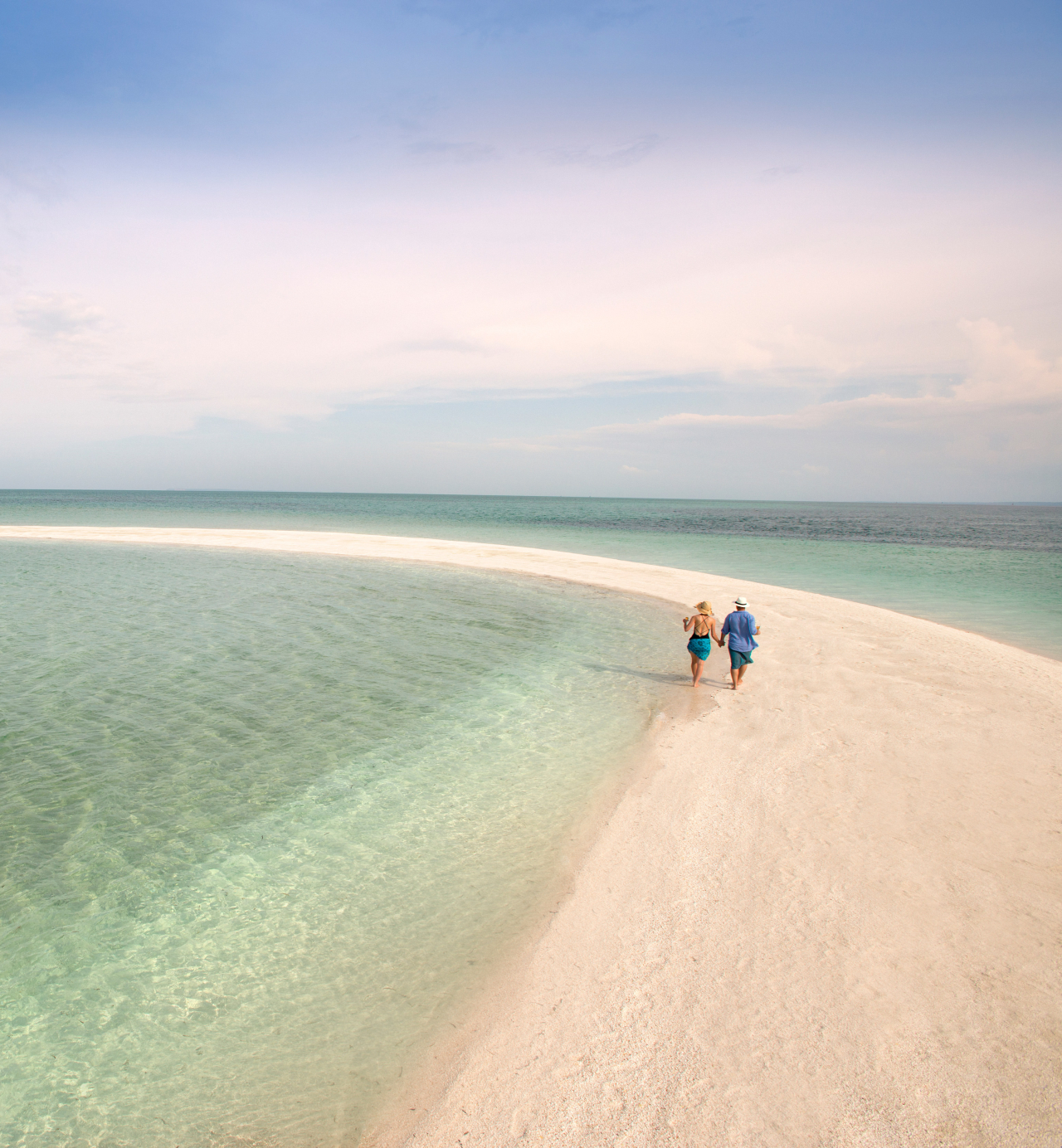
Castaway picnic on an African island
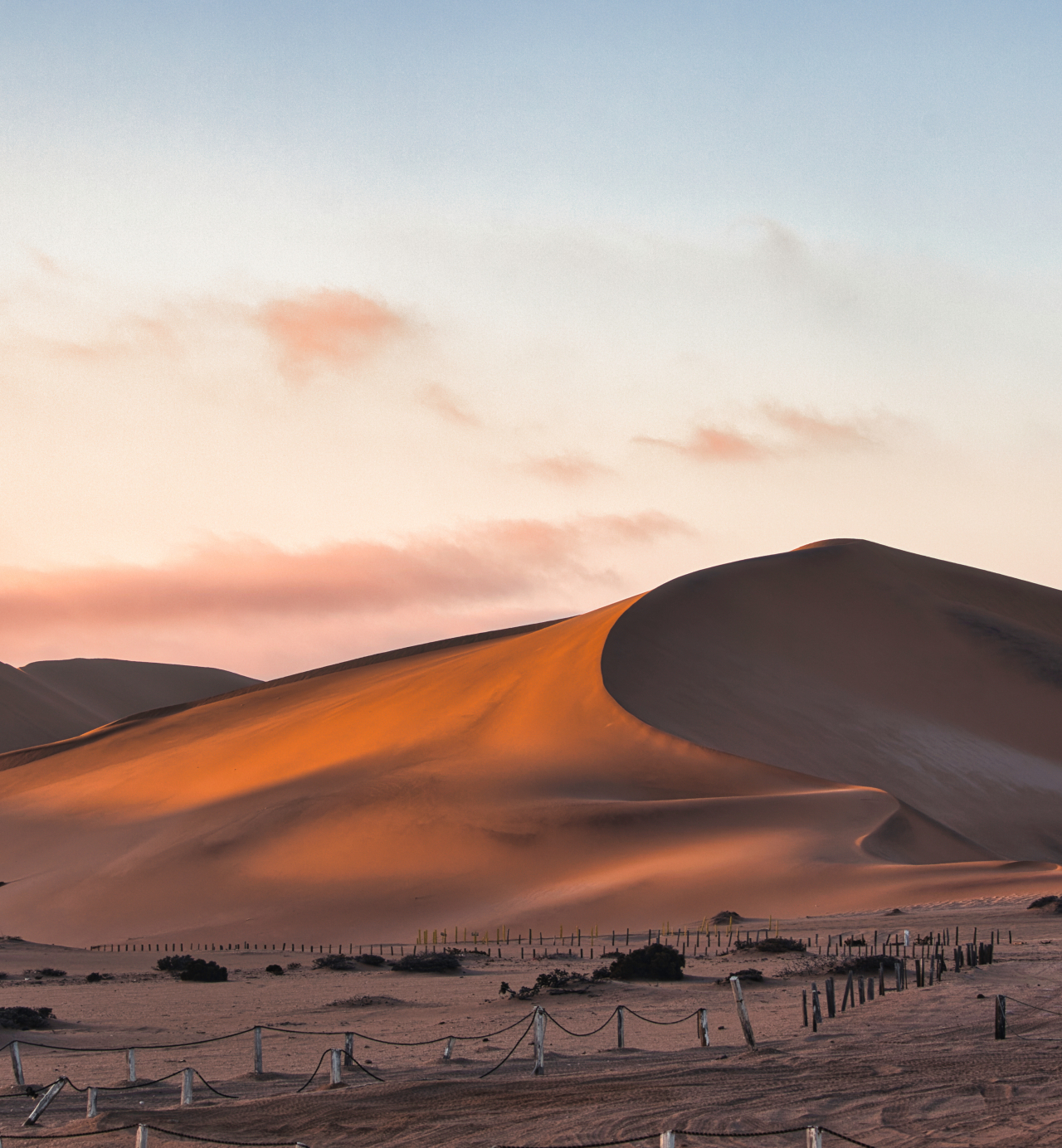
Champagne and oysters on Dune 7
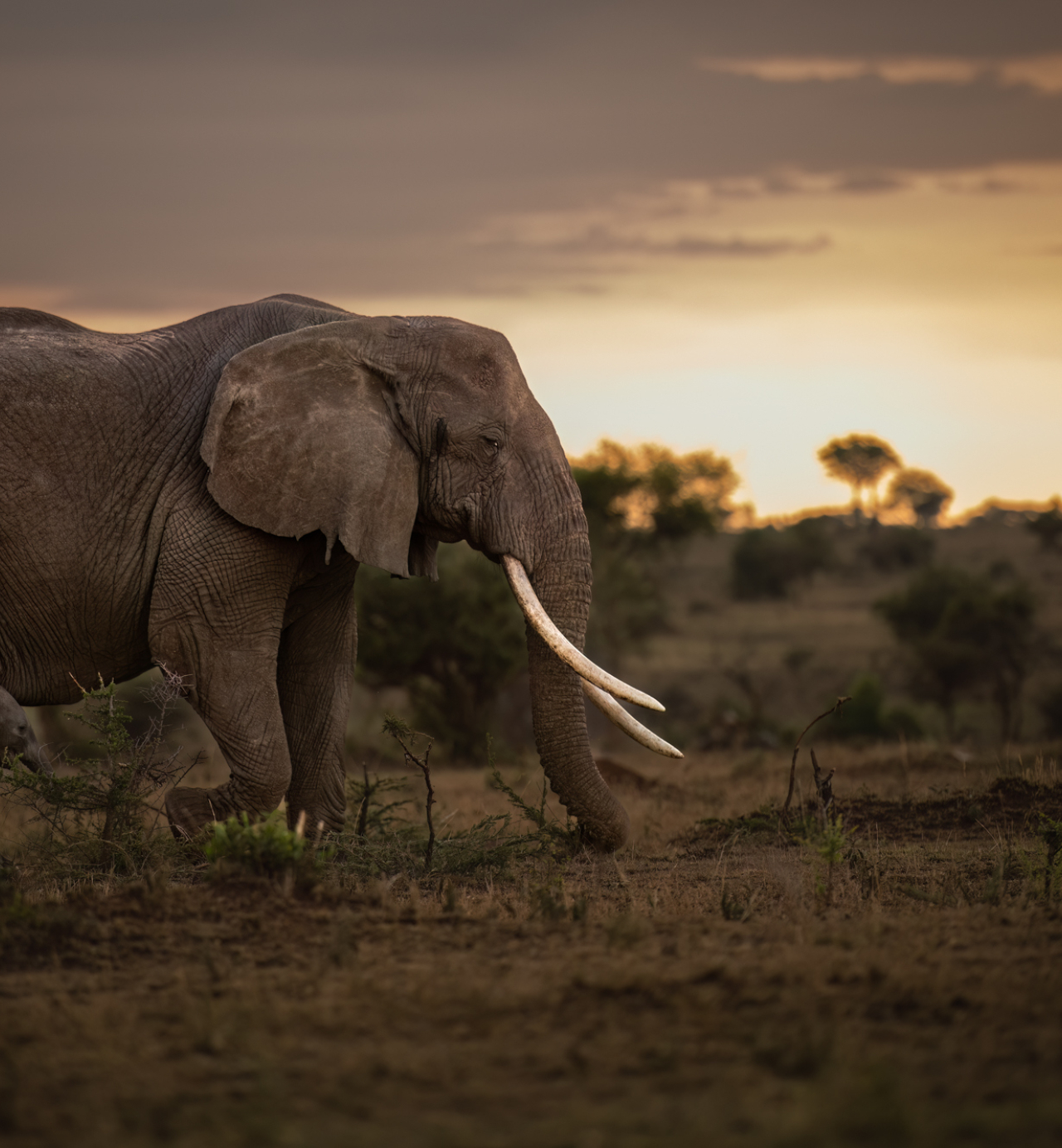
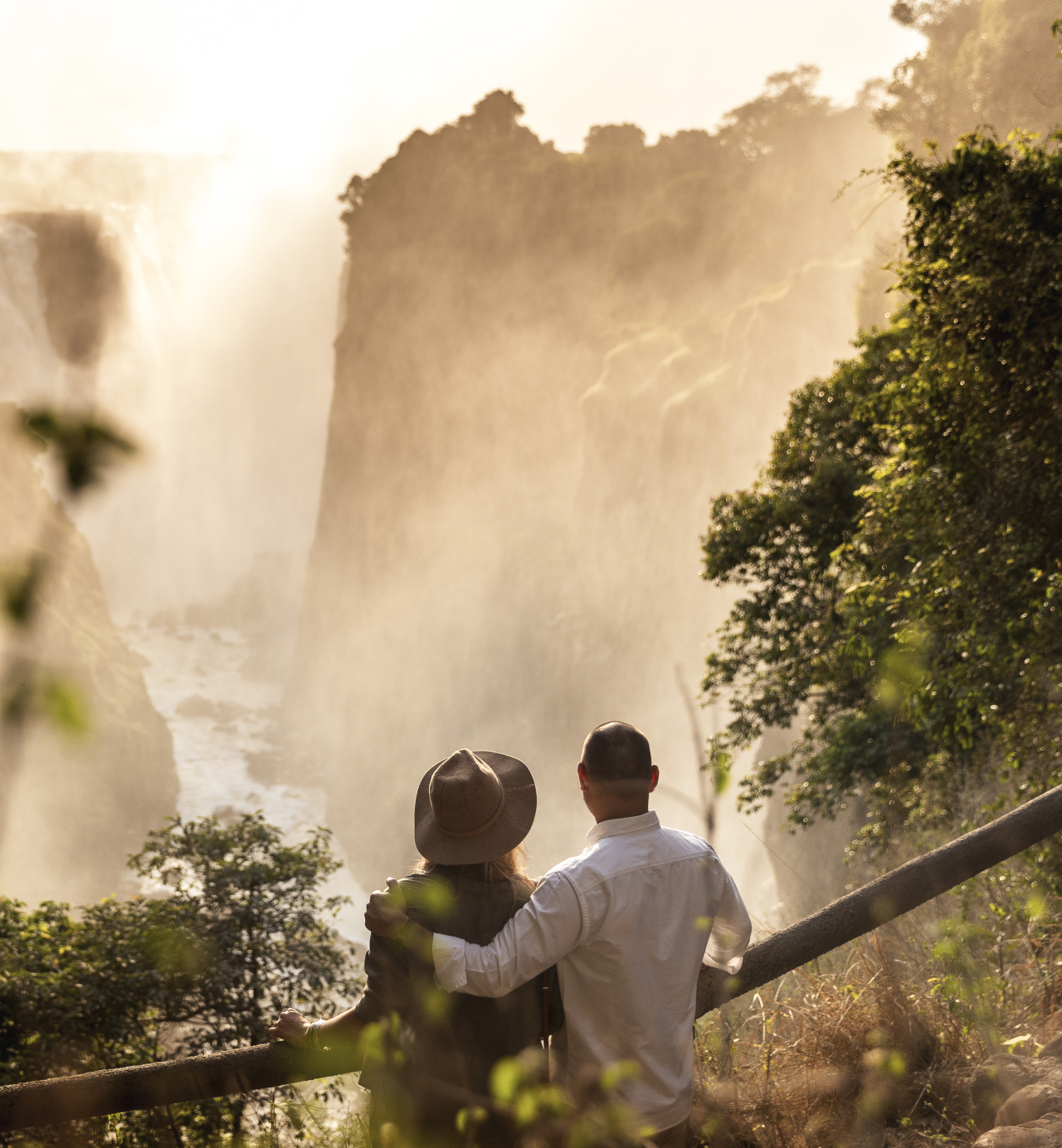
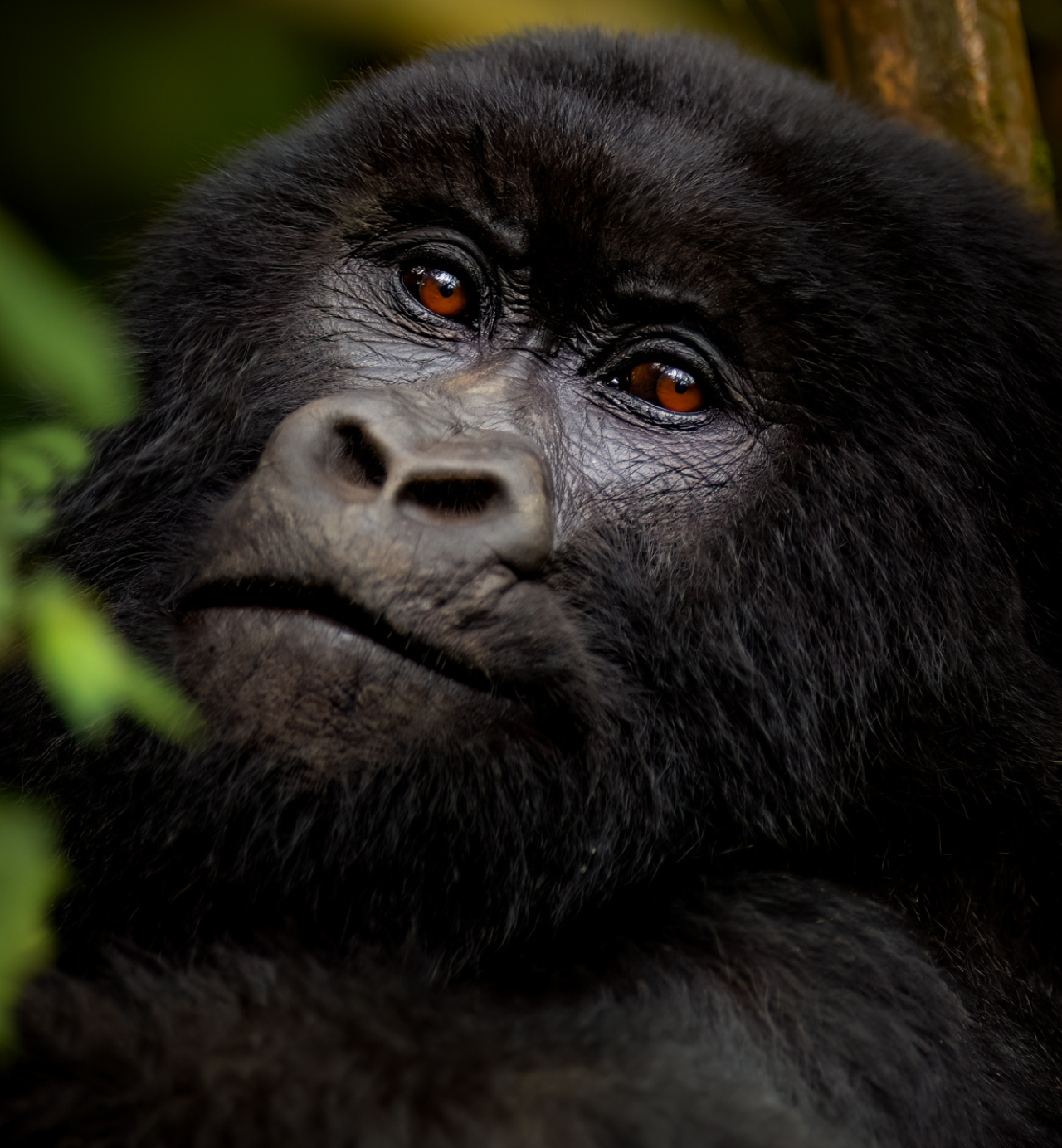
Gorilla trekking
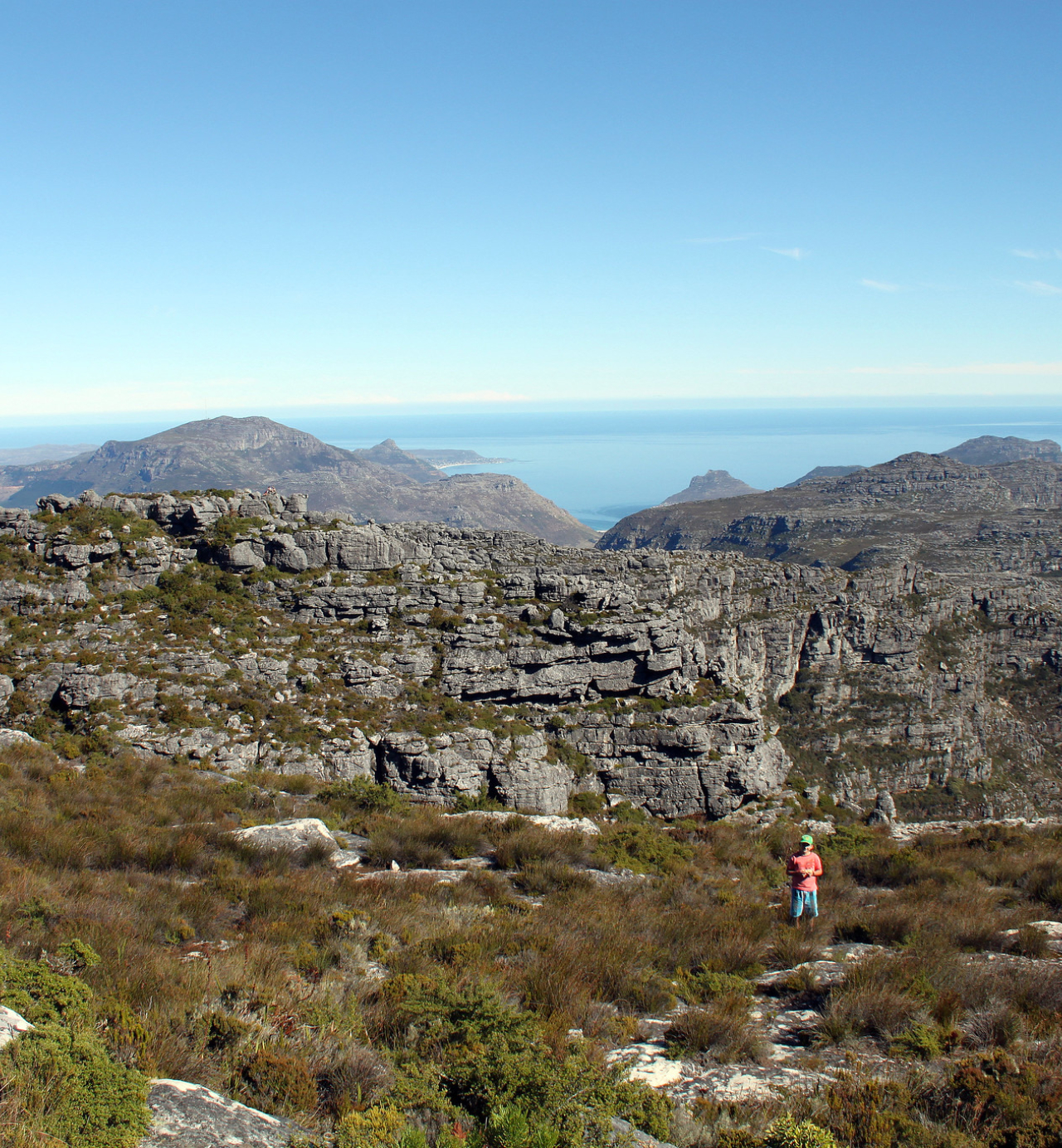
Hiking Table Mountain with a botanist or forager
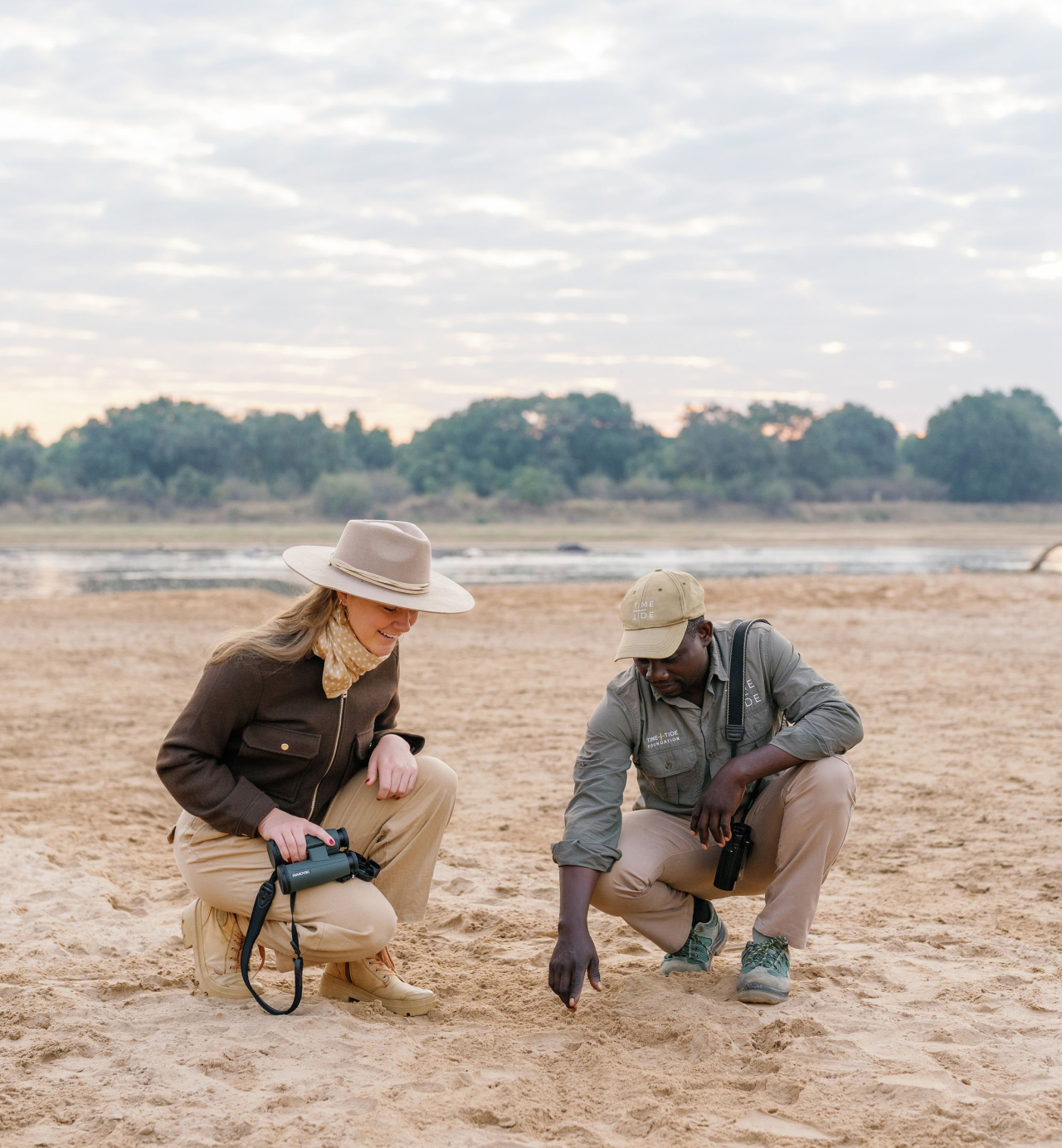
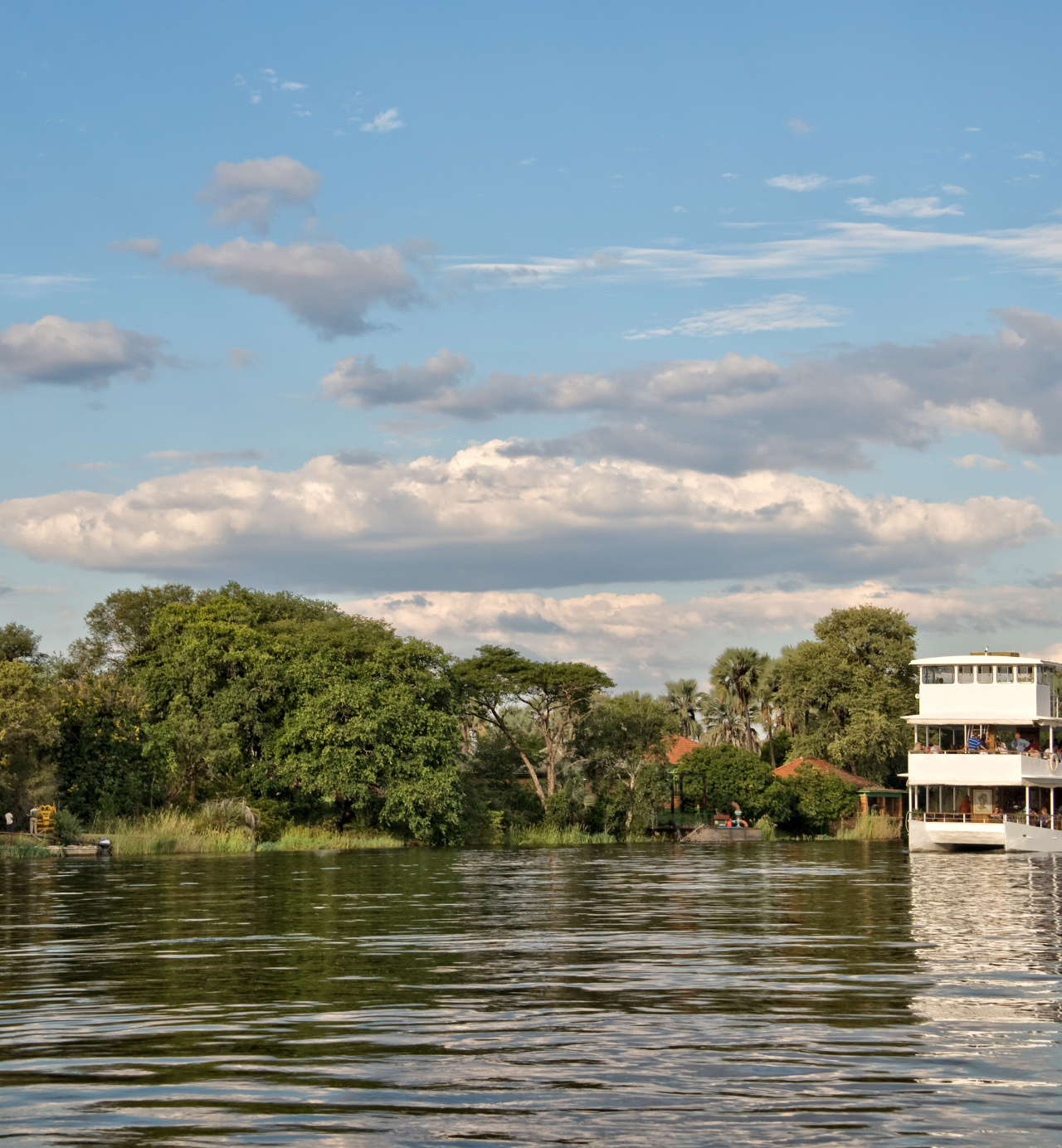
Live-aboard luxury Zambezi safari
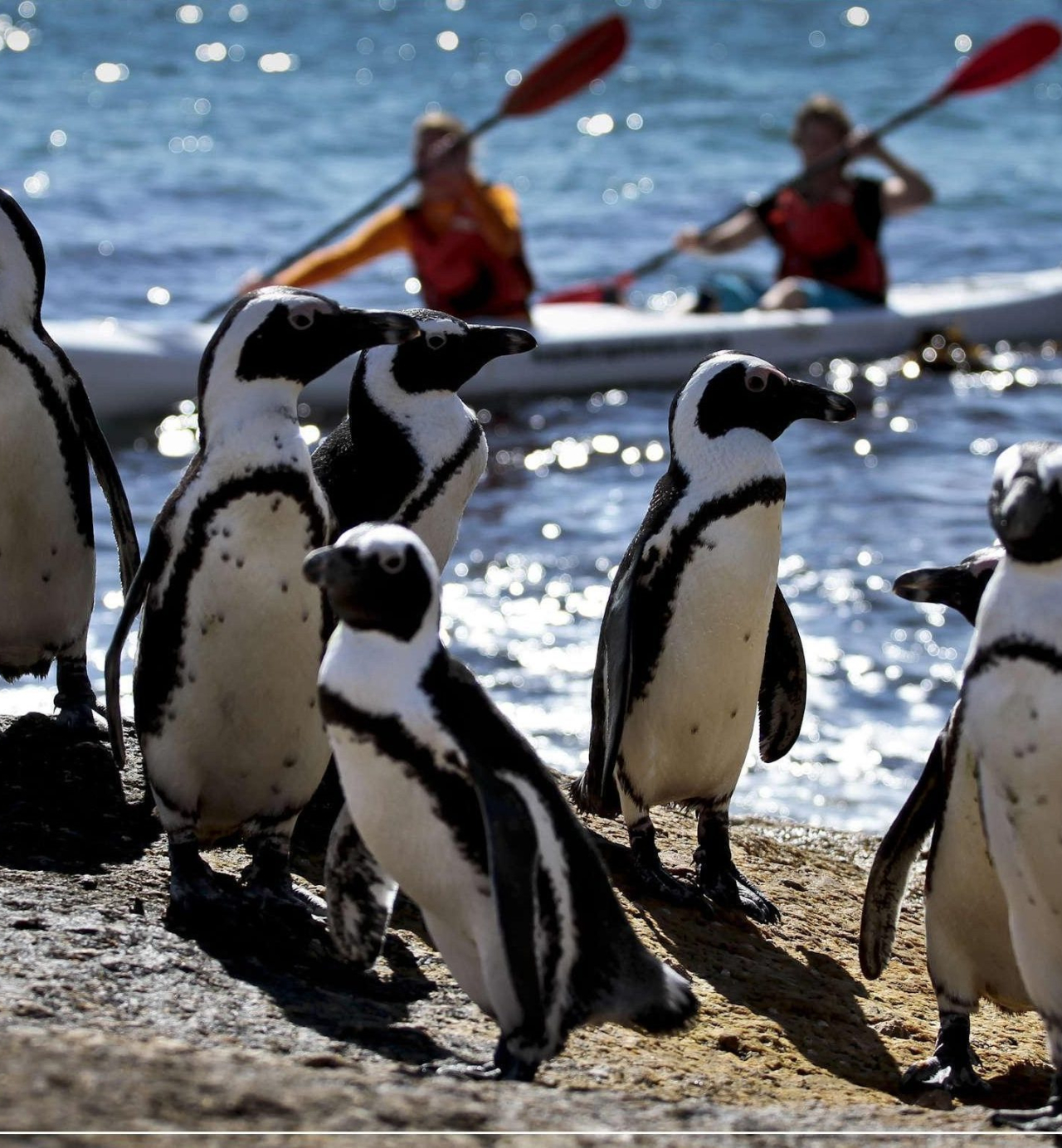
Paddle with penguins

Voices of our guests
South Luangwa National Park FAQs
The dry season, from May to October, is the prime time for game viewing. Water is scarce, so animals congregate in huge numbers along the Luangwa River and at the oxbow lagoons.
It is an immersive and thrilling experience. You walk in single file with a highly trained armed guide and an armed scout. The focus is on the smaller details of the bush – tracks, plants, and insects – but encounters with big game are common. It is safe if you follow your guide’s expert instructions.
You will typically fly from Zambia’s capital, Lusaka, to Mfuwe Airport. From there, your chosen safari lodge will collect you for a game drive transfer into the park.
You can see four of the Big Five. Leopard, lion, elephant and buffalo are all abundant. However, there are no rhinos in South Luangwa.
A minimum of four to five nights is recommended, ideally split between two camps to experience different areas of the park and a mix of activities such as walking and driving.
Yes, it is a malaria destination year-round. It is essential to consult your doctor about appropriate anti-malarial medication before you travel.
The key differentiators are the unparalleled quality of its walking safaris, the exceptional leopard sightings and the intimate, authentic feel of its remote, often seasonal, bush camps.
Comfortable, well-worn walking shoes or boots are essential. Pack neutral-coloured clothing (avoid white and bright colours). You’ll also need a hat, sun protection and a lightweight fleece for cool mornings.
Yes, night drives are a highlight of the South Luangwa experience and are offered by nearly all camps. They provide fantastic opportunities to see nocturnal animals such as leopards, civets, genets and owls.
Absolutely. While it is a favourite for safari connoisseurs, its incredible wildlife density and expert guiding make it a phenomenal destination for first-timers who want an authentic and deeply immersive introduction to the African bush.
