

Table Mountain National Park
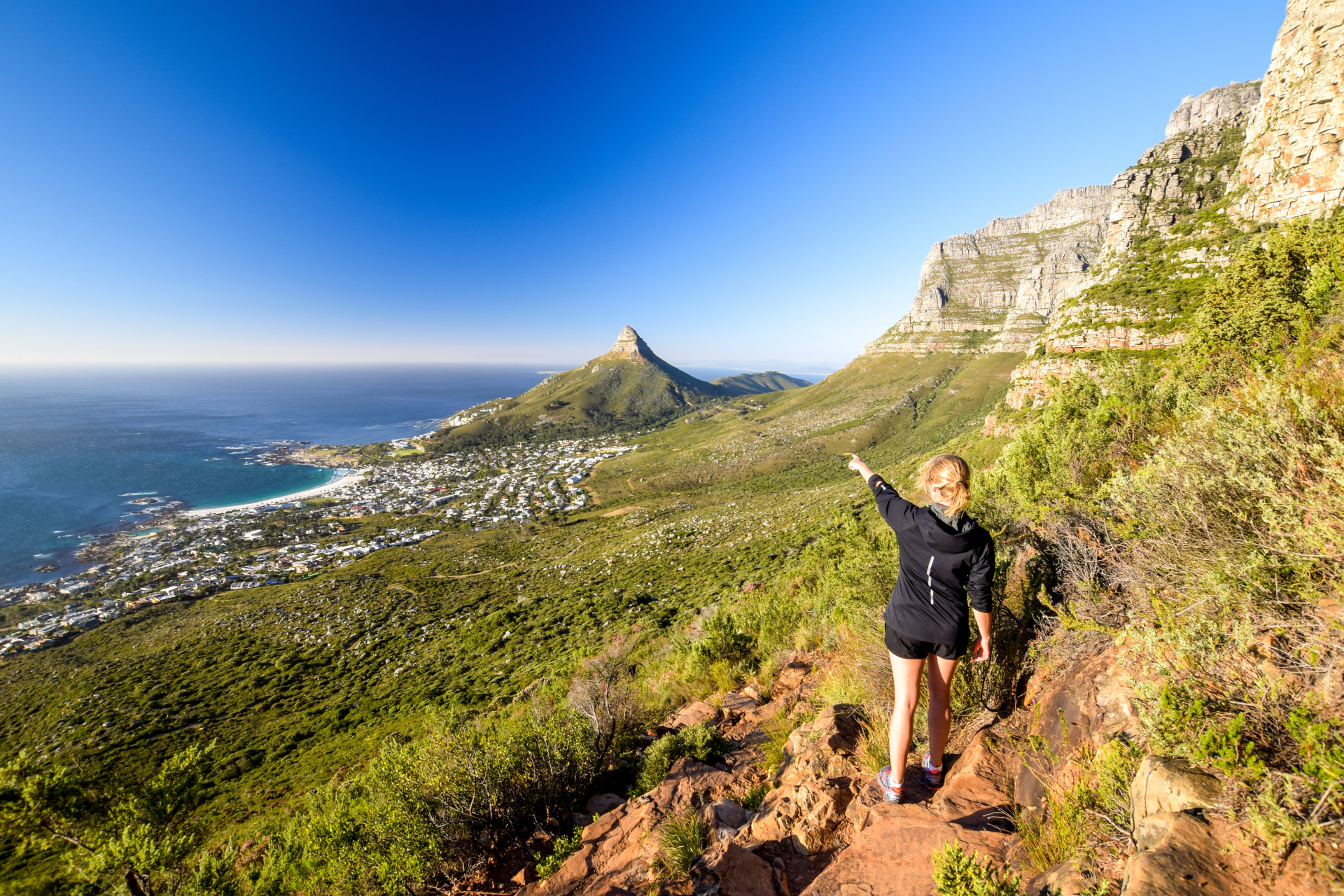
Table Mountain National Park
An unforgettable urban wilderness
Peak time
December to February
Best time to visit
September to November (for spring flowers) and March to May (for clear, calm weather)
Known for
The iconic flat-topped Table Mountain and the aerial cableway
Also known for
The Cape Floristic Region
About Table Mountain National Park
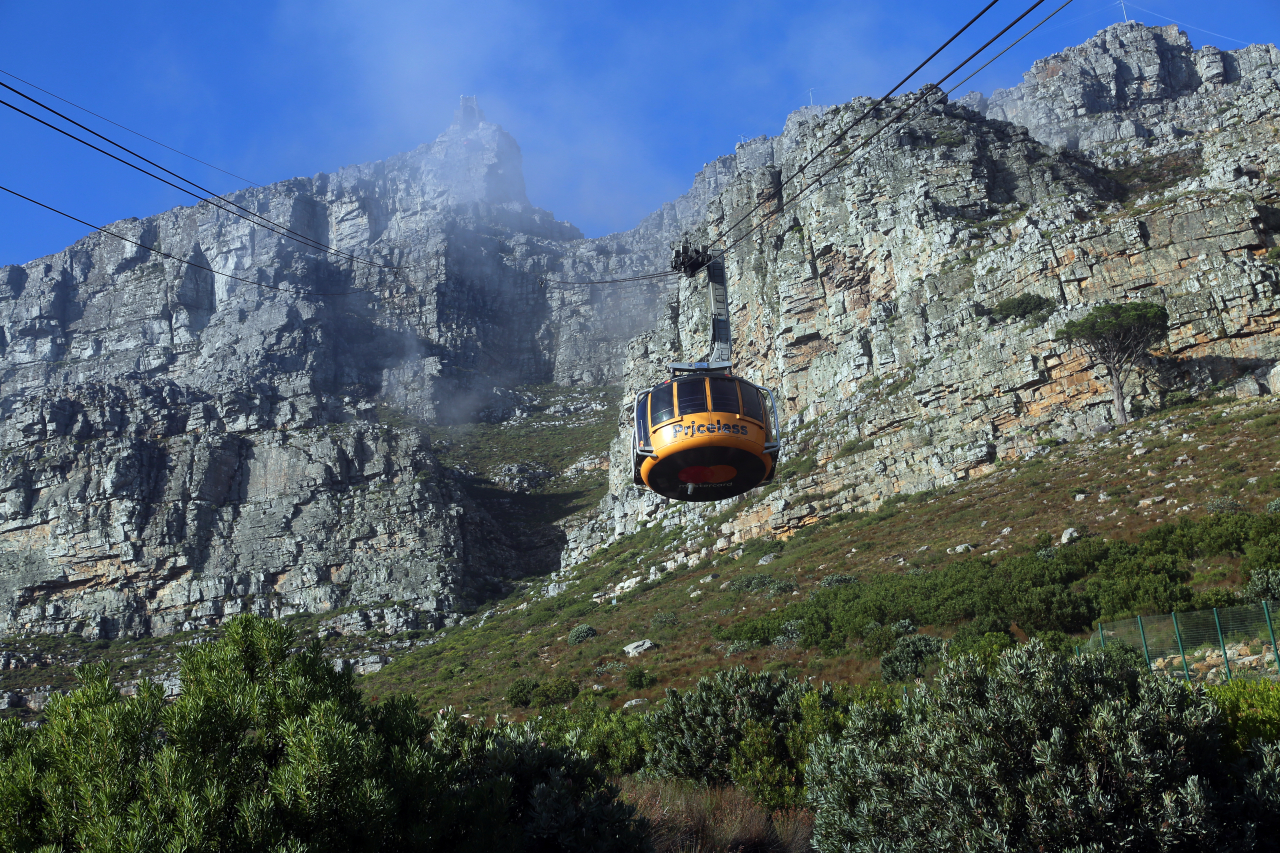
Image courtesy of Tara Turkington/Flow Communications.
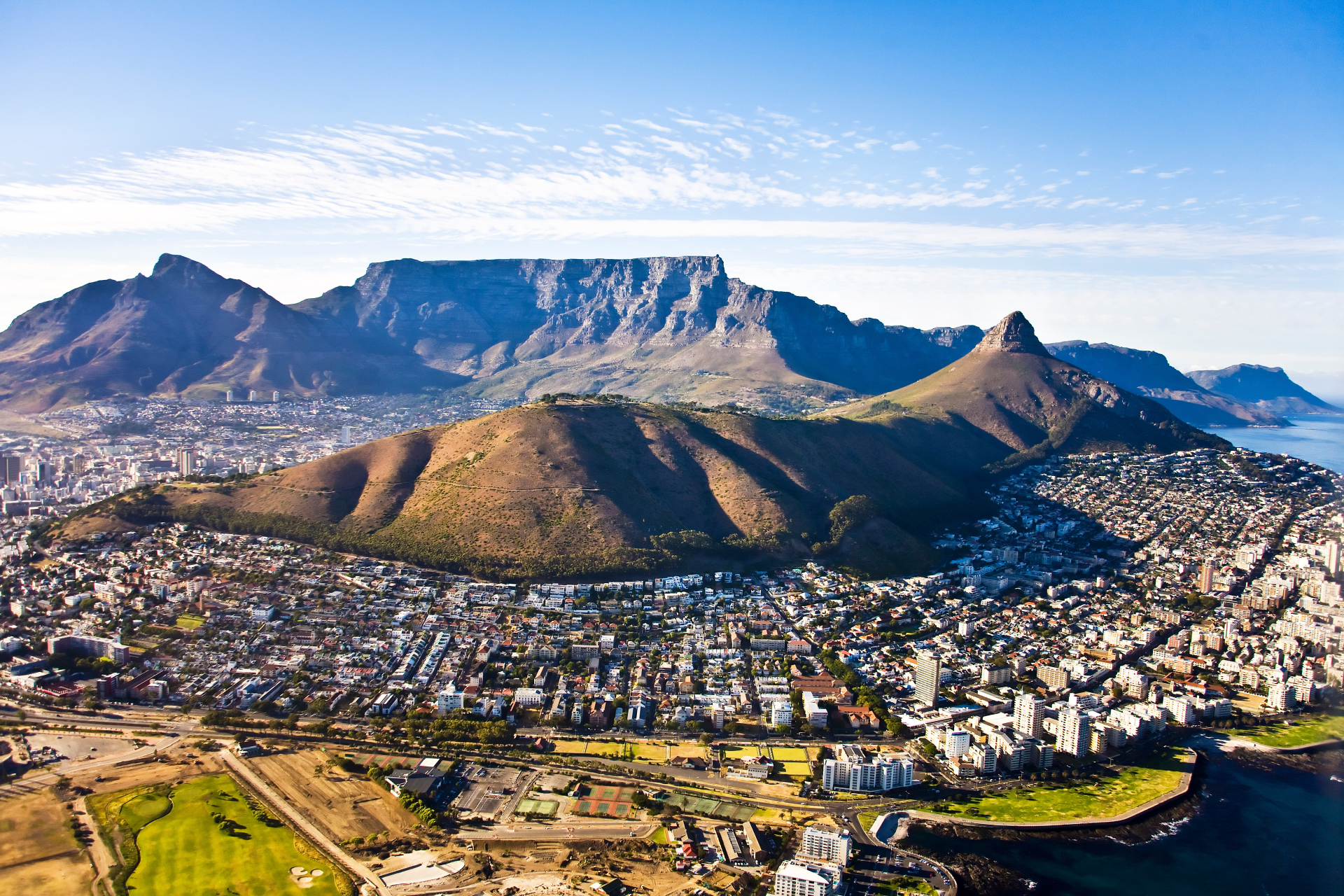
Table Mountain is more than a mountain; it is the very heart of Cape Town, a colossal sentinel that watches over the city.
Recognised as one of the New7Wonders of Nature, its iconic flat top is a globally renowned landmark, forming the dramatic centrepiece of a most unusual national park: this is not a remote wilderness you travel days to see; it is a park that lives and breathes within a bustling, cosmopolitan city.
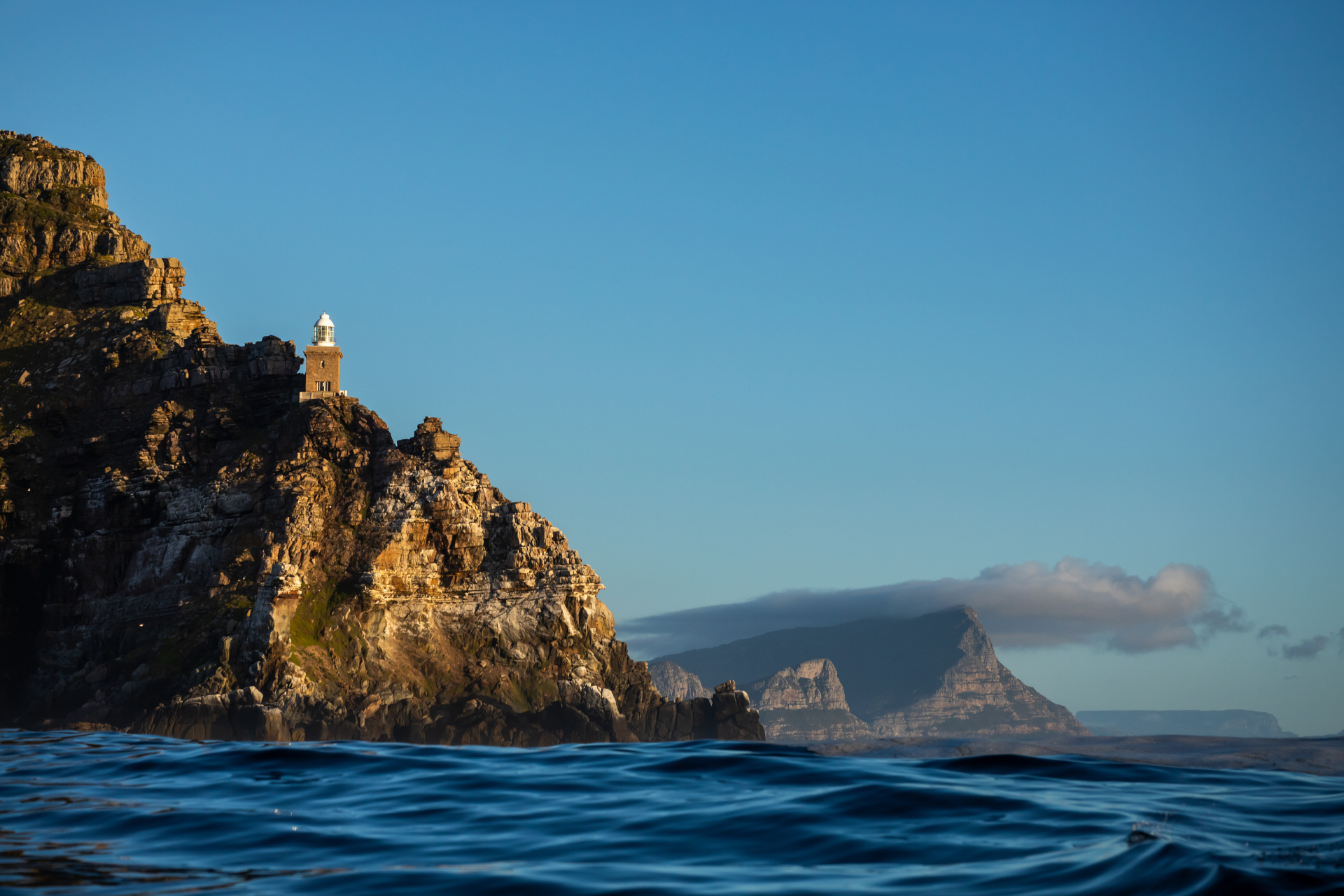
The park’s boundaries extend far beyond the famous mountain itself, encompassing a rugged chain of peaks that form the spine of the entire Cape Peninsula. It stretches from Signal Hill in the north all the way down to the windswept cliffs of the Cape of Good Hope at the continent’s south-western tip. Within this chain lies a trove of natural wonders, from the Kirstenbosch National Botanical Garden to the famous penguin colony at Boulders Beach.

Did you know
The mountain’s famous “tablecloth” is a cloud formation that occurs when the south-easterly wind pushes moist air up the slopes, causing it to condense
At its core, Table Mountain National Park is a biological marvel. It is the heart of the Cape Floristic Region, the smallest yet richest of the world’s six floral kingdoms and a UNESCO World Heritage Site. This incredible biodiversity means the park is home to more plant species, chiefly endemic fynbos, than the entire United Kingdom.
Get to know Table Mountain National Park
Understanding Table Mountain National Park means recognising its unique, fragmented nature. It is not a traditional park with a single entry point, but a collection of protected natural areas woven into the fabric of the city. For visitors, this means the park is incredibly accessible. You can hike Lion’s Head from a suburban road, access the Silvermine section from a highway pass or visit Boulders beach from the coastal town of Simon’s Town.
The park is broadly divided into three main sections. The northern section includes Table Mountain itself, the cableway, Signal Hill and Lion’s Head. The central section covers areas such as Kirstenbosch, Cecilia Forest and the popular Silvermine Nature Reserve. The southern section is the most dramatic, containing the wild, windswept landscapes of the Cape of Good Hope and the famous penguin colony. Each section offers a different character and a unique set of experiences.
History
The mountain has a deep spiritual and cultural history, serving as a landmark for indigenous Khoi and San people for millennia. For early European seafarers from the 15th century onwards, it was a vital beacon, a sign of a safe haven and fresh water after months at sea. Bartolomeu Dias named the Cape Peninsula the “Cape of Storms” in 1488; it was later renamed the “Cape of Good Hope” for the promise it offered on the route to the East.
The park’s modern conservation history is one of unification. For decades, the mountains of the peninsula were a patchwork of different protected areas and private land, all under threat from urban sprawl and invasive alien plants. In a visionary move championed by Nelson Mandela, the Table Mountain National Park was officially proclaimed in 1998. This act brought the disparate reserves under the single, unified management of SANParks, creating a consolidated national park to protect its unique biodiversity for generations to come.
More unforgettable activities

Turtle egg laying and hatching

Traditional Bo-Kaap cooking experience
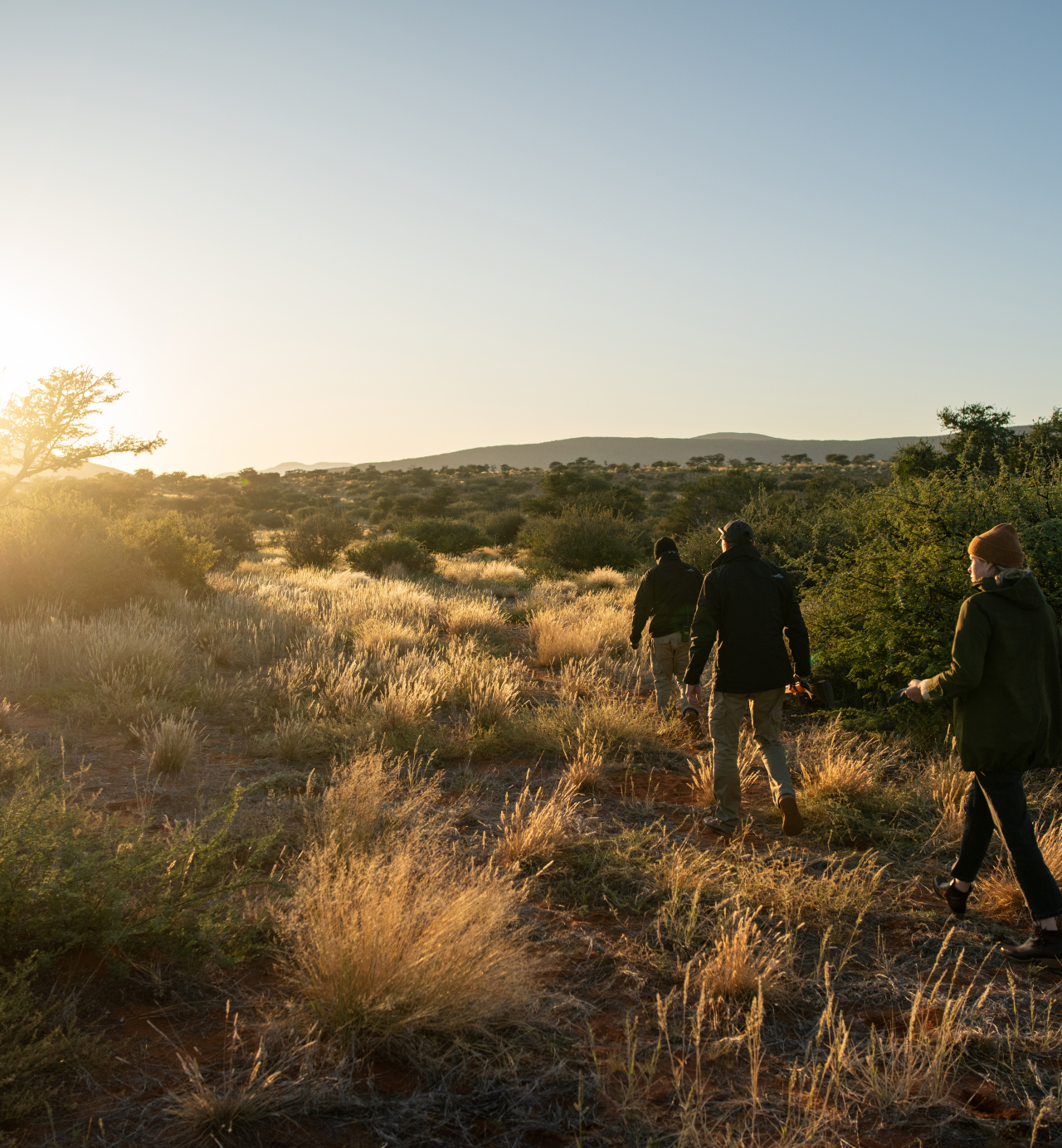
Tracking Africa’s most elusive species on foot
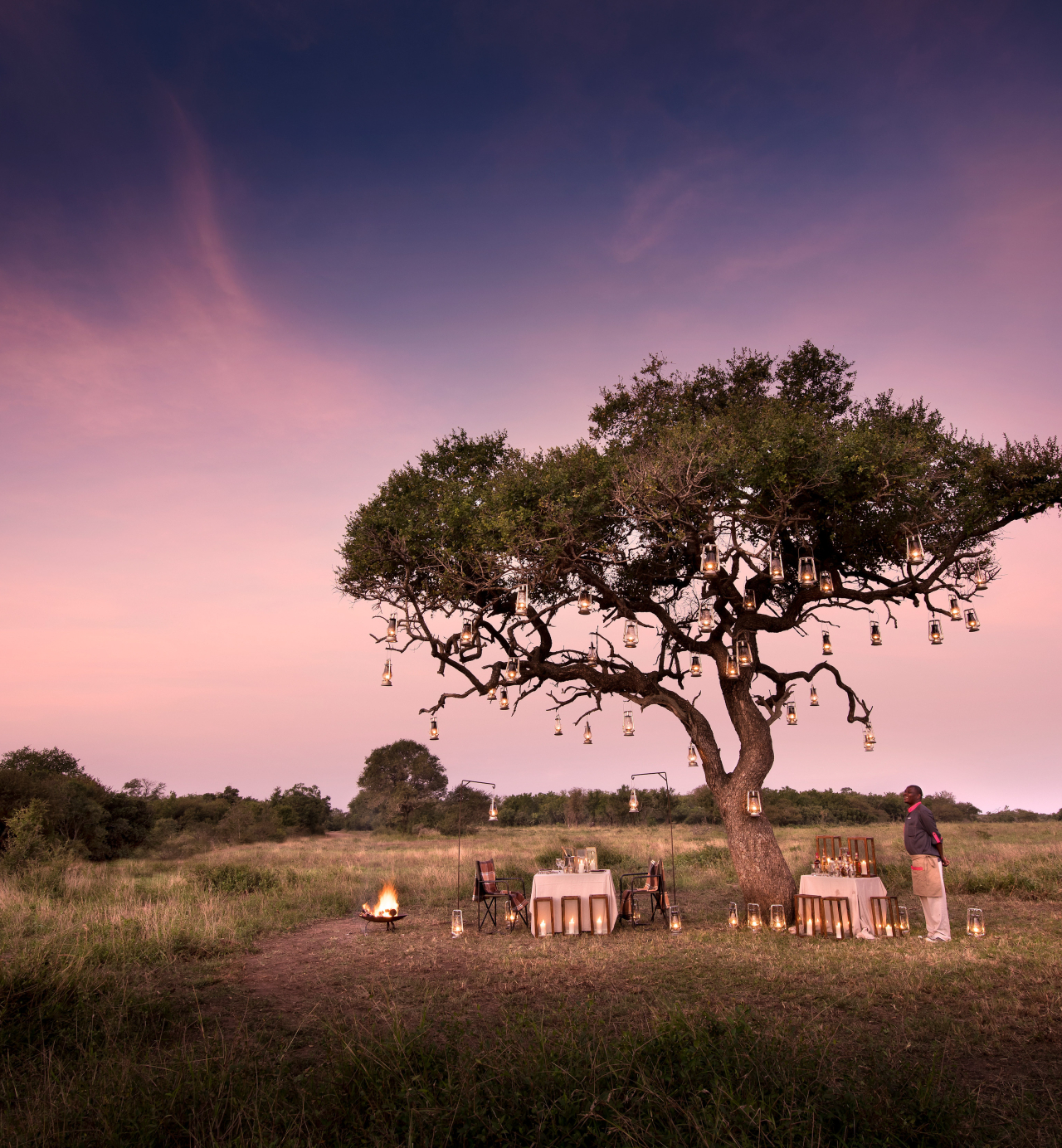
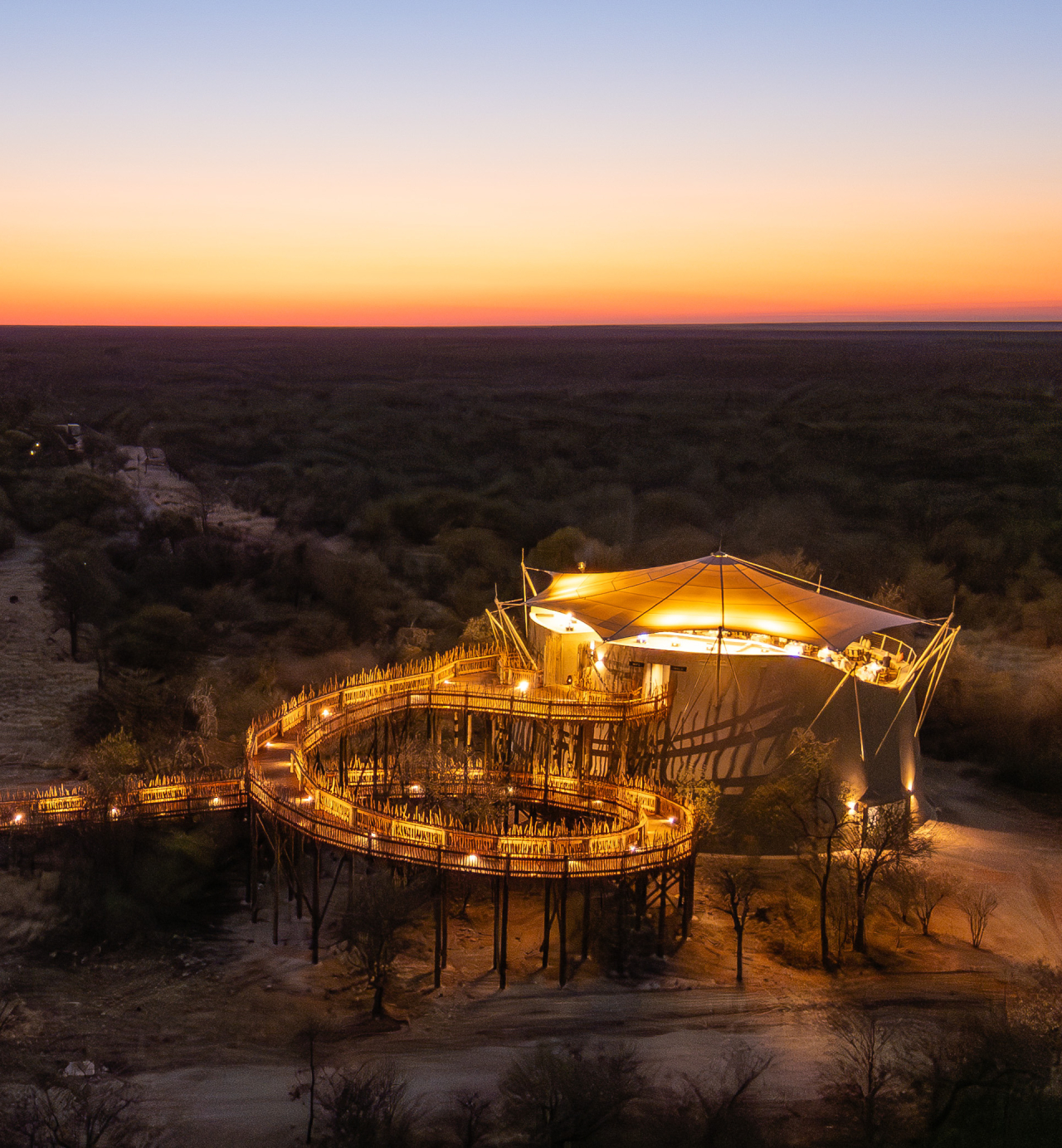
SkyBoma, Etosha
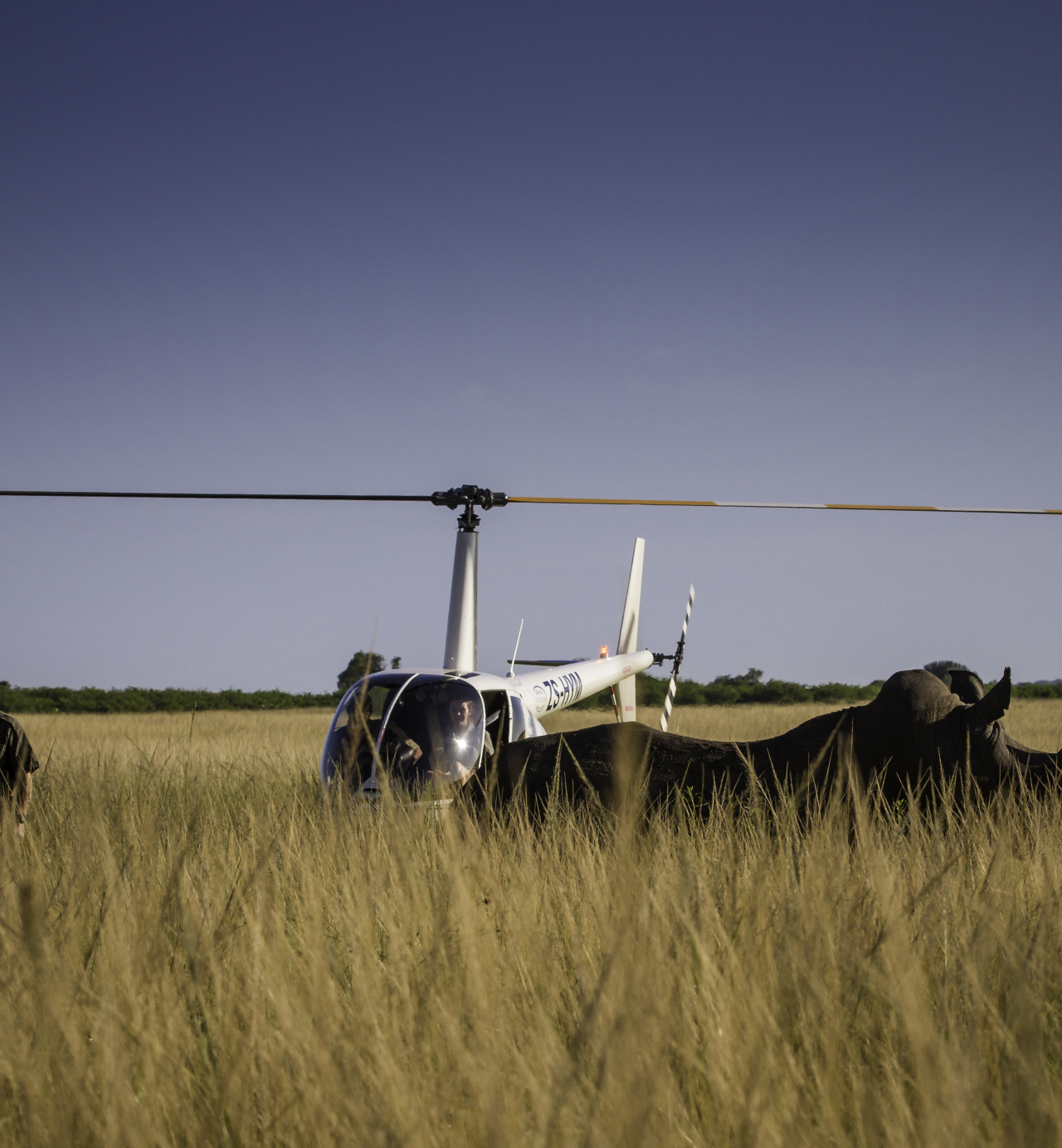
Rhino darting and chipping experience
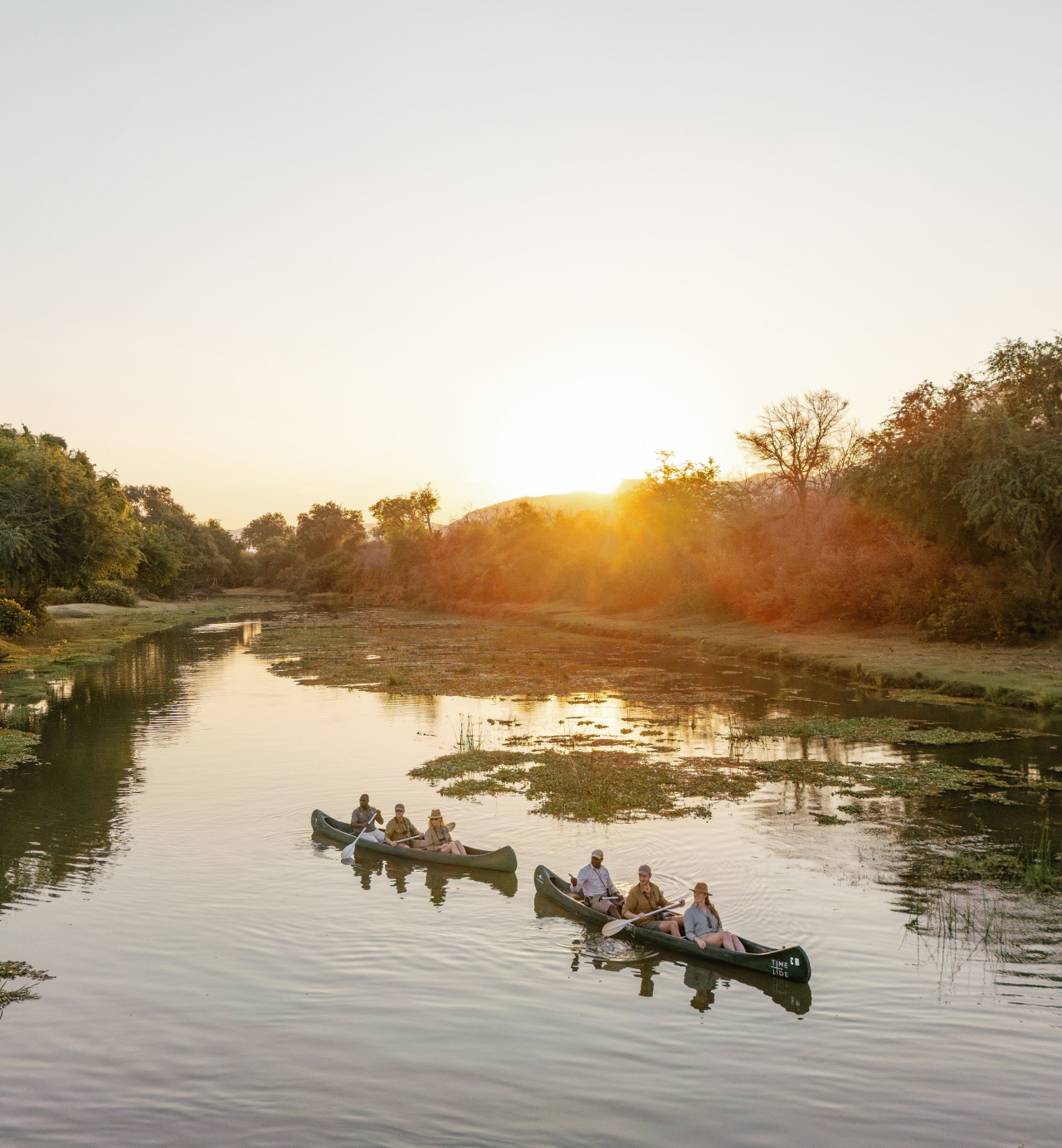
Picnicking on islands in the Zambezi

Paddle with penguins
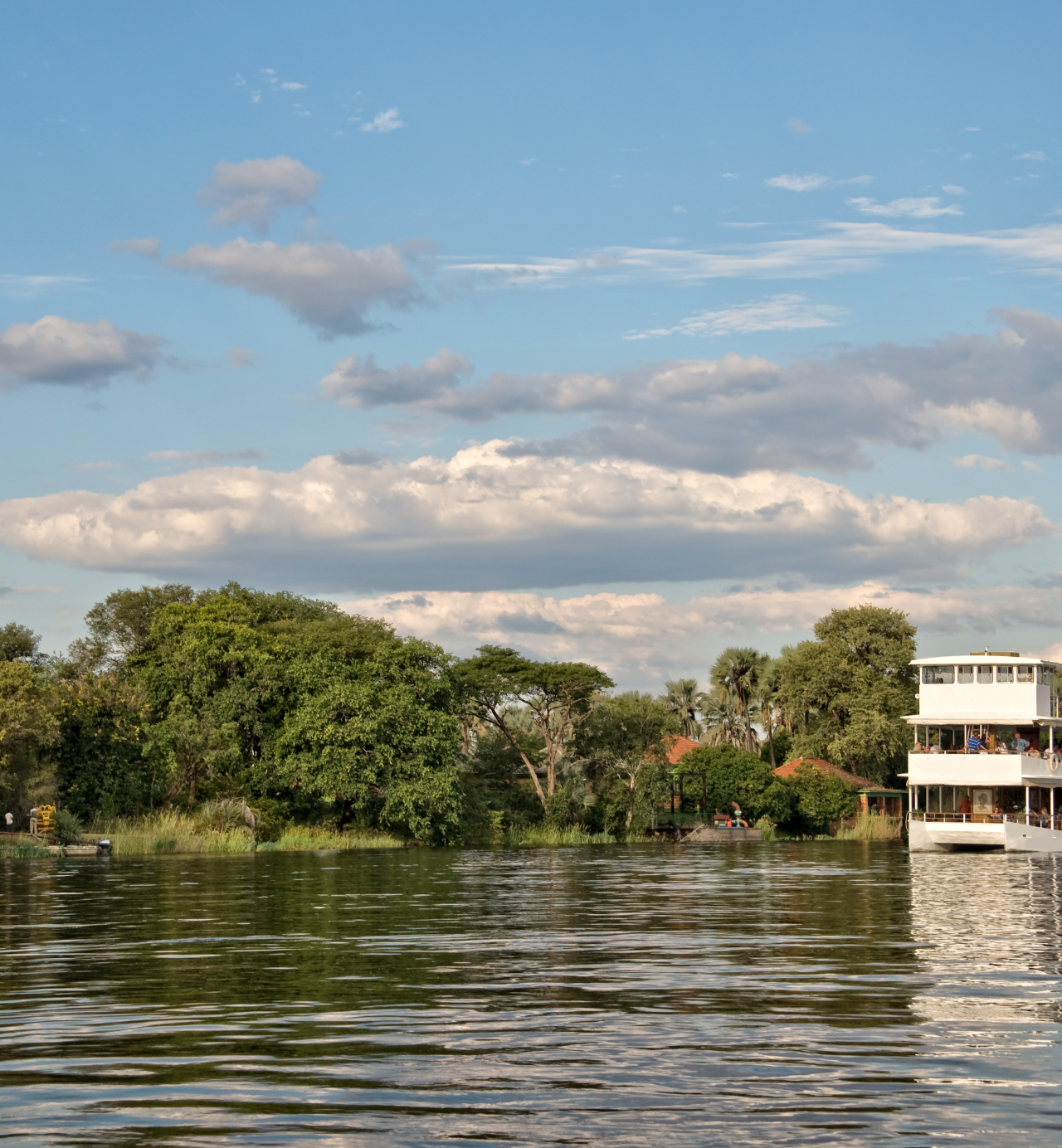
Live-aboard luxury Zambezi safari
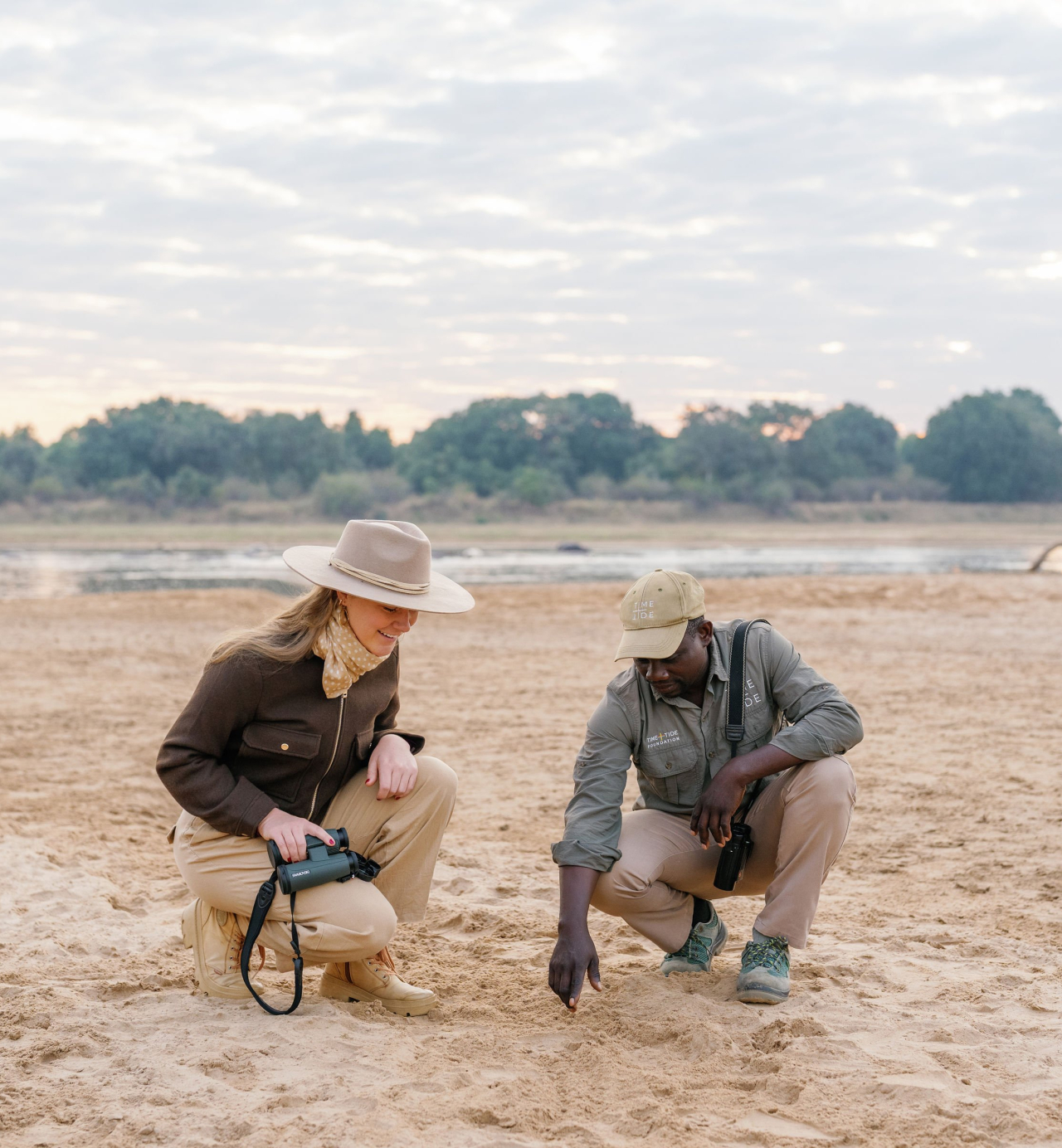
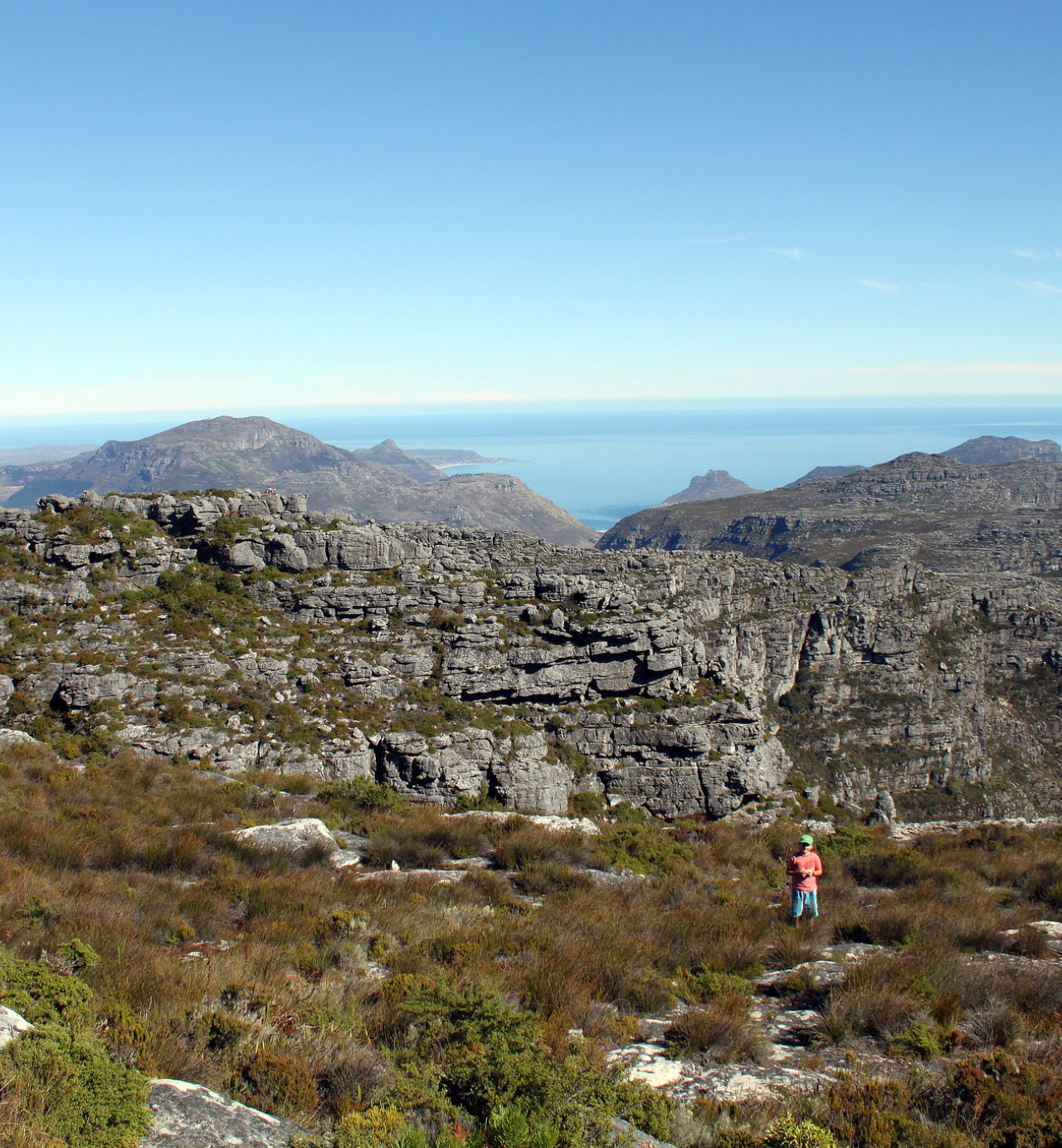
Hiking Table Mountain with a botanist or forager

Voices of our guests
Table Mountain National Park FAQs
The easiest and most popular way is the Table Mountain Aerial Cableway, which offers 360-degree rotating views on the five-minute journey. For the active visitor, there are numerous hiking trails, with Platteklip Gorge being the most direct but strenuous route.
Allow at least two to three hours. This includes potential queueing time for the cable car (which can be long in peak season) and at least an hour at the top to walk the different paths and enjoy the spectacular views.
Yes, it is highly recommended. Booking your ticket online lets you skip the ticket queue, saving you a significant amount of time. Note that all tickets are weather-dependent.
Layers. The weather on top of the mountain can be completely different from the city below. It is often windy and much colder. Always take a warm jacket or fleece, even on a hot, sunny day.
Yes, provided you take sensible precautions. Always hike with other people, stick to marked paths, inform someone of your route and estimated return time, and carry water, snacks and warm clothing as the weather can change in an instant.
No, it is a vast park that covers the entire peninsula. Key attractions such as the Cape of Good Hope, Cape Point and the Boulders Beach penguin colony are all part of the Table Mountain National Park.
The best way is by car, either on a self-drive trip or with a guided tour. There is no direct public transport. The Chapman’s Peak Drive route is one of the most scenic coastal roads in the world.
No. The entire park and the city of Cape Town are completely malaria-free, making it a very safe destination from a health perspective.
No. The park is a biodiversity hotspot celebrated for its unique flora and smaller, specialised fauna. None of the Big Five – lions, leopards, elephants, rhinos or buffaloes – are found there.
While mornings offer the best chances of clear, calm weather, the cableway is at its busiest and queues can be long. Afternoons are cooler and less busy, but strong afternoon winds and the “tablecloth” cloud cover are much more likely.
