

Victoria Falls National Park
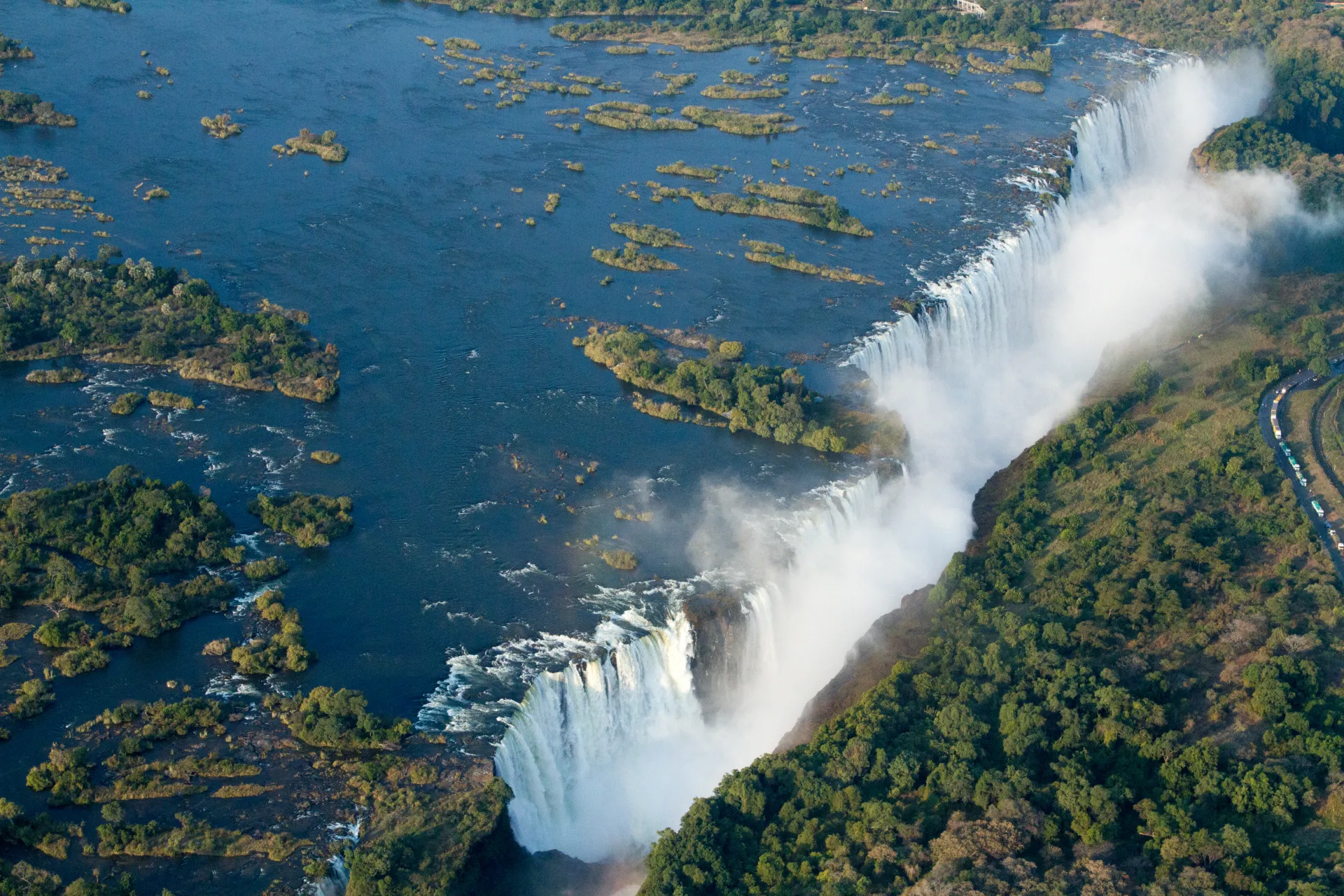
Victoria Falls National Park
The ‘Smoke that Thunders’
Peak time
June to August (dry season with pleasant weather and good water flow)
Best time to visit
February to May for the most powerful water flow; June to October for the best balance of good flow, clear views and varied activities
Known for
The world’s largest sheet of falling water; a UNESCO World Heritage Site
Also known for
Being the adrenaline capital of Africa
About Victoria Falls
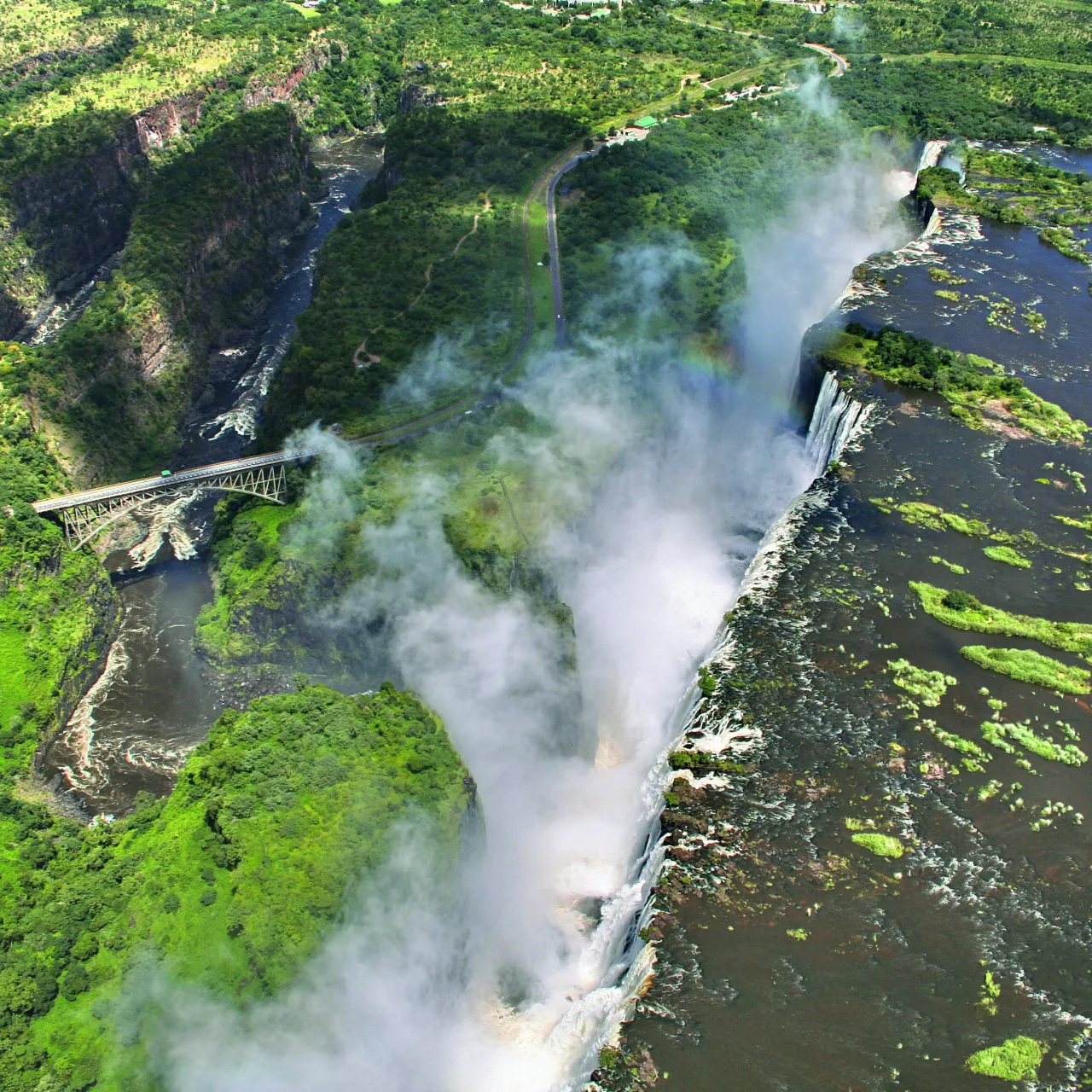
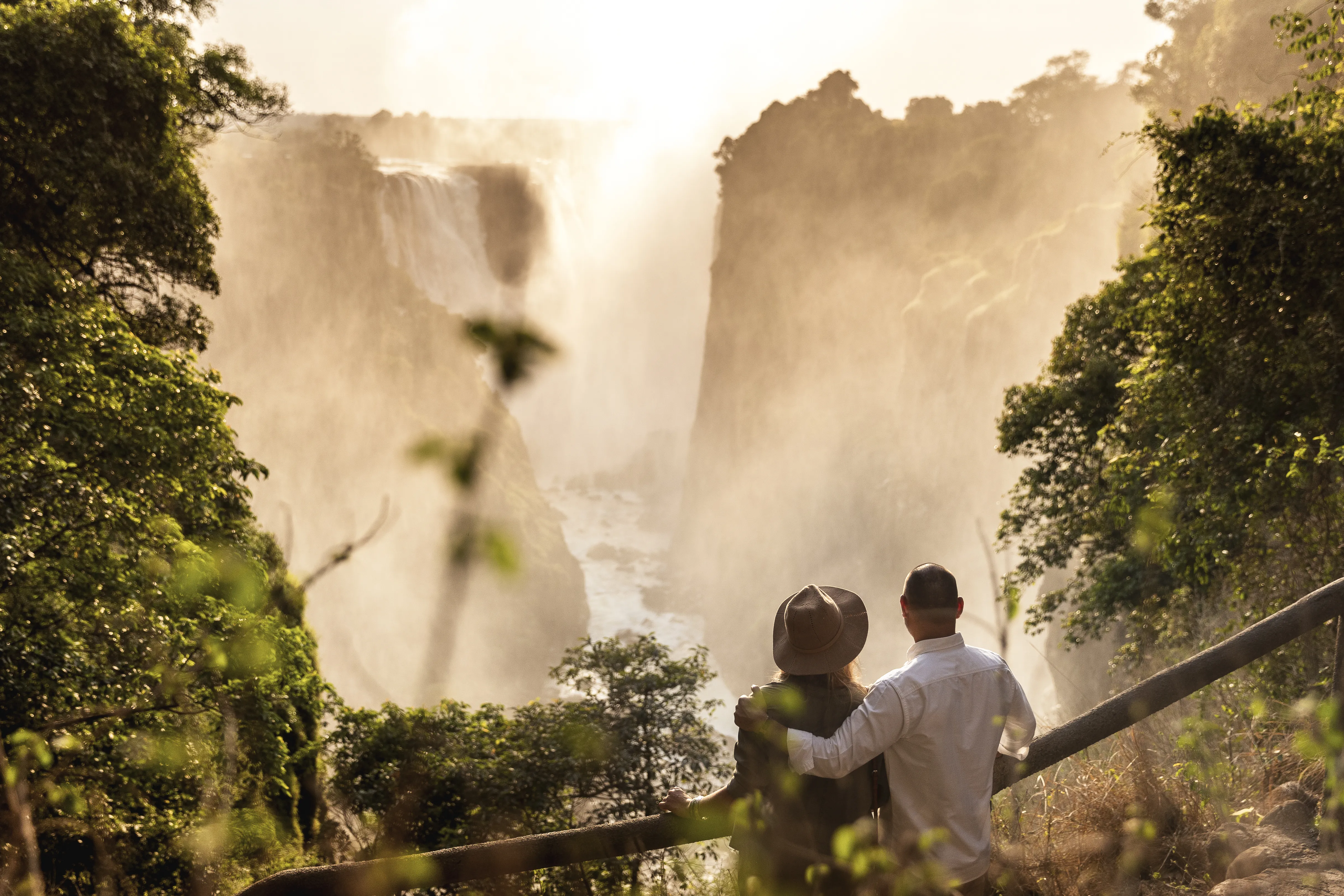
Victoria Falls is nature’s grandest spectacle, a place of such awesome power and beauty that it defies adequate description.
Known locally as Mosi-oa-Tunya (“The Smoke that Thunders”), it is where the entire Zambezi River, over 1.7km (1mi) wide, plunges into a 108m (354ft) deep chasm, creating the largest single sheet of falling water on the planet.
Its sound is a deafening roar that can be heard from miles away, and the resulting plume of spray can rise hundreds of metres into the sky, sustaining a lush rainforest on the cliffs opposite.

Did you know
Victoria Falls is not the highest or widest waterfall, but it is classified as the world’s largest based on its combined width and height.
This colossal waterfall sits on the border between Zimbabwe and Zambia, and experiencing it from both sides reveals its full character. The Zimbabwean side offers panoramic vistas of about 75% of the falls, with a network of viewpoints connected by paths through the misty rainforest. The Zambian side provides a thrillingly close and visceral perspective, especially during the dry season, when you can walk near the cliff edge and witness the sheer force of the water crashing into the gorge below.
But Victoria Falls is far more than just a magnificent waterfall; it is the undisputed adventure capital of Southern Africa. The calm, wide Zambezi River above the falls is perfect for sunset cruises with hippos and elephants. The turbulent gorge below offers some of the world’s most challenging white-water rafting. And the historic bridge that spans the chasm is a launchpad for adrenaline-fuelled activities such as bungee jumping.
It’s a destination that satisfies both the desire for awe-inspiring natural beauty and the thirst for high-octane adventure.
Get to know the Victoria Falls
The Victoria Falls are served by two charming and convenient gateway towns: Victoria Falls on the Zimbabwean side and Livingstone on the Zambian side. Both towns are geared towards tourism and serve as the central hubs from which all activities and excursions are launched. A historic bridge connects the two, allowing visitors to easily cross the border (visa permitting) to experience the falls from both perspectives.
Understanding the seasonal flow of the Zambezi River is key to planning your visit. The high-water season (February to May) offers the most powerful and thunderous spectacle, but the immense spray can obscure the view of the full cataract. The low-water season (August to January) reveals the sheer rock face of the gorge, provides clearer photo opportunities, and opens up activities like white-water rafting and visits to the Devil’s Pool.
History
The area around the falls has a rich human history dating back millions of years, with archaeological finds revealing early Stone Age hominid settlements. For centuries, the falls have been a sacred site for local peoples, including the Tonga, who believed the river god Nyami Nyami resided in the turbulent gorge. These communities lived in awe of the great waterfall, navigating the river above and below but rarely venturing close to the cataract itself.
This changed in 1855 when David Livingstone was brought to the falls by the local Makololo people. His widely publicised “discovery” and the compelling stories he told sparked immense European interest. The arrival of the railway and the construction of the Victoria Falls Bridge in the early 1900s cemented the site’s destiny, transforming it from a remote natural wonder into one of Africa’s most iconic and accessible tourist destinations.
More unforgettable activities
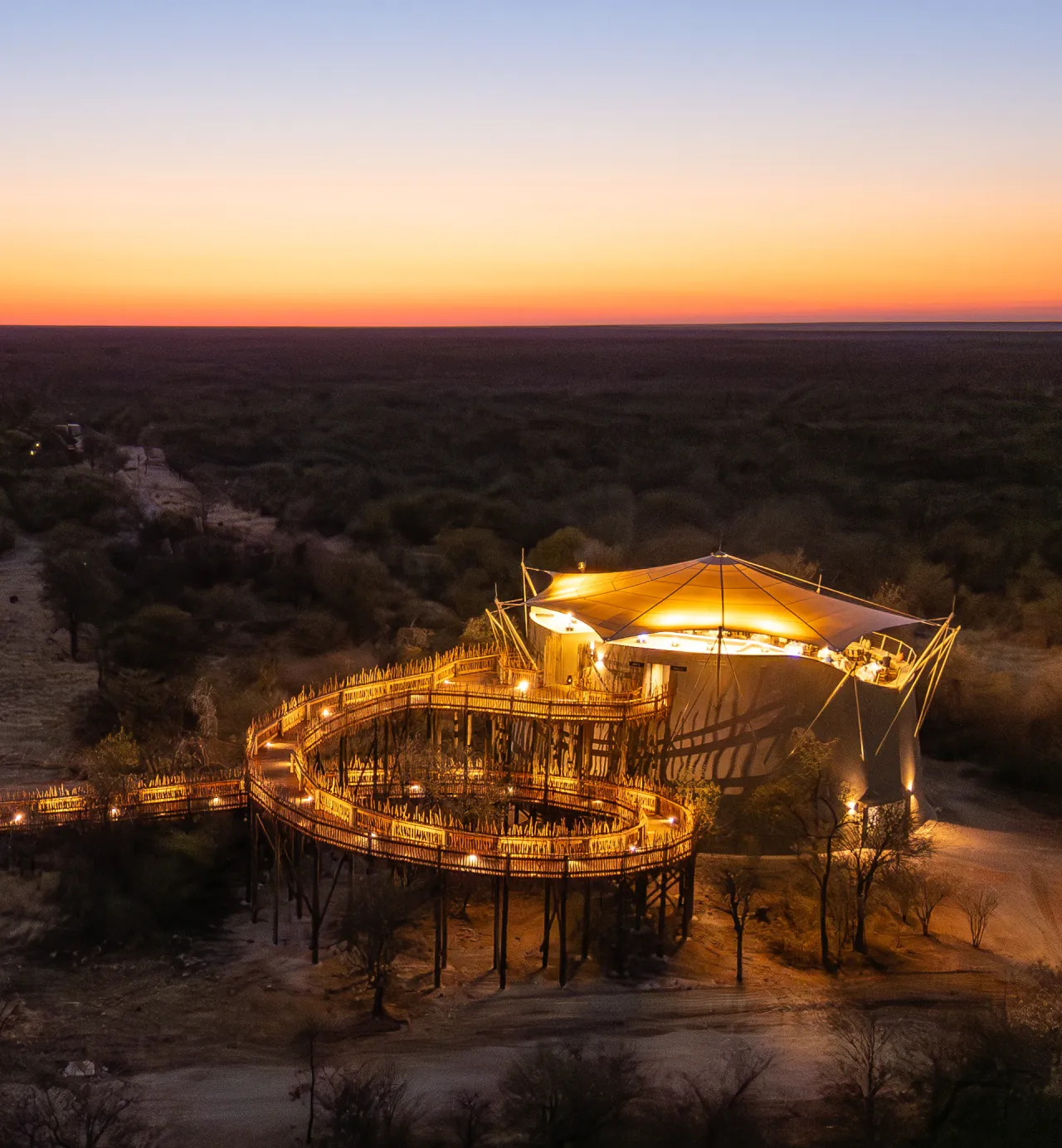
SkyBoma, Etosha
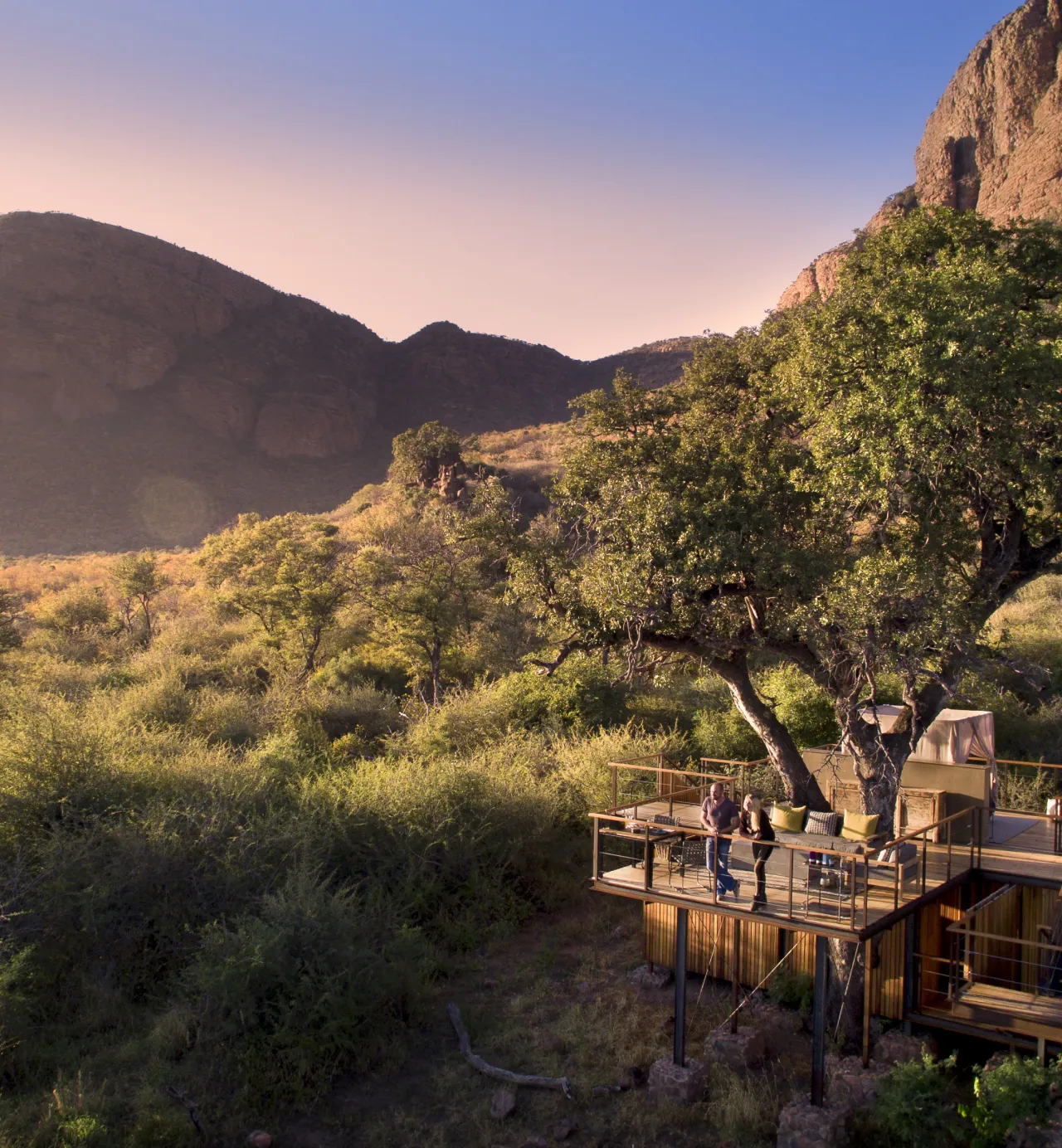
Big Five treehouse experience
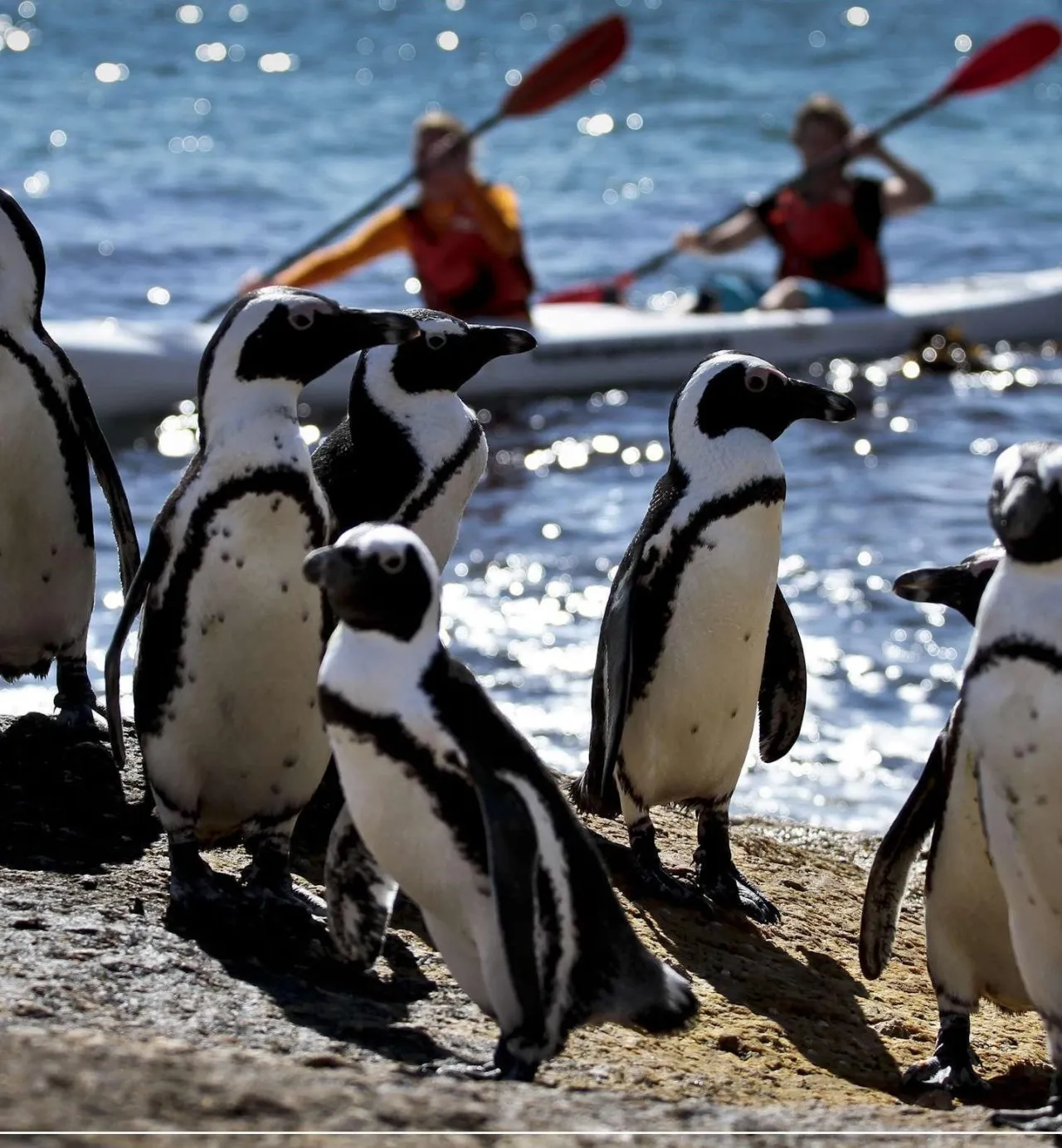
Paddle with penguins
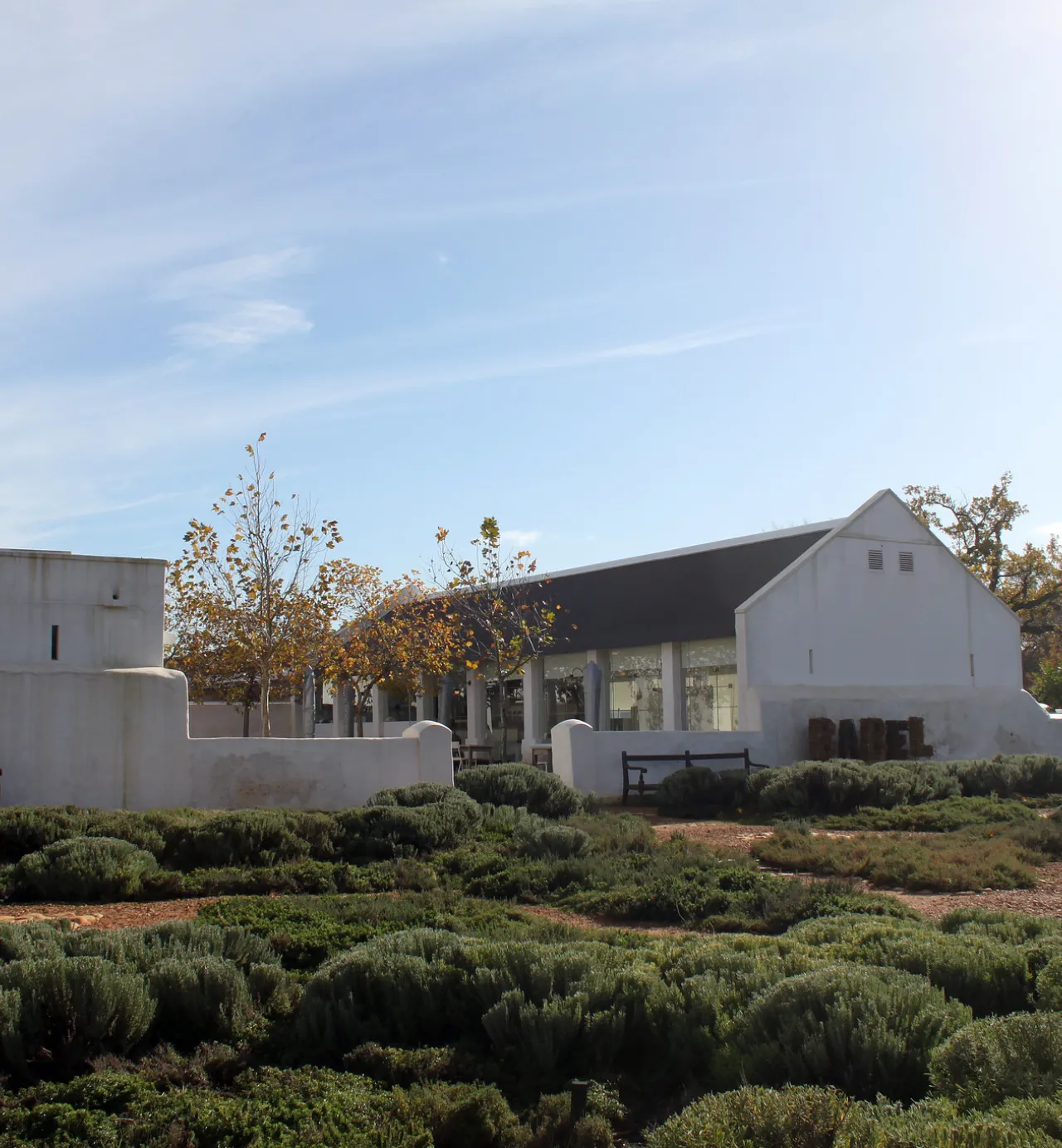
A day in the life of a working wine farm
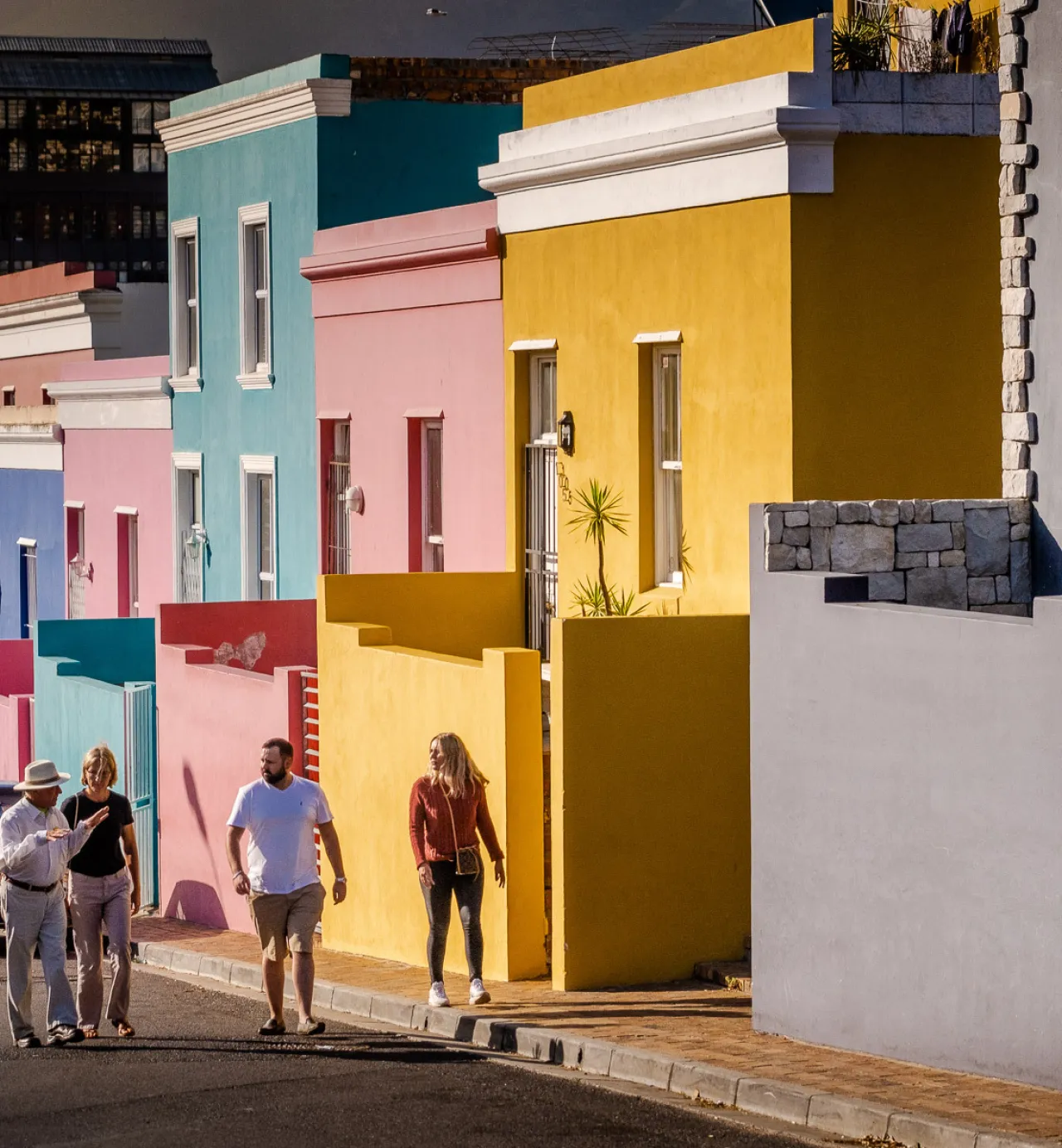
Traditional Bo-Kaap cooking experience
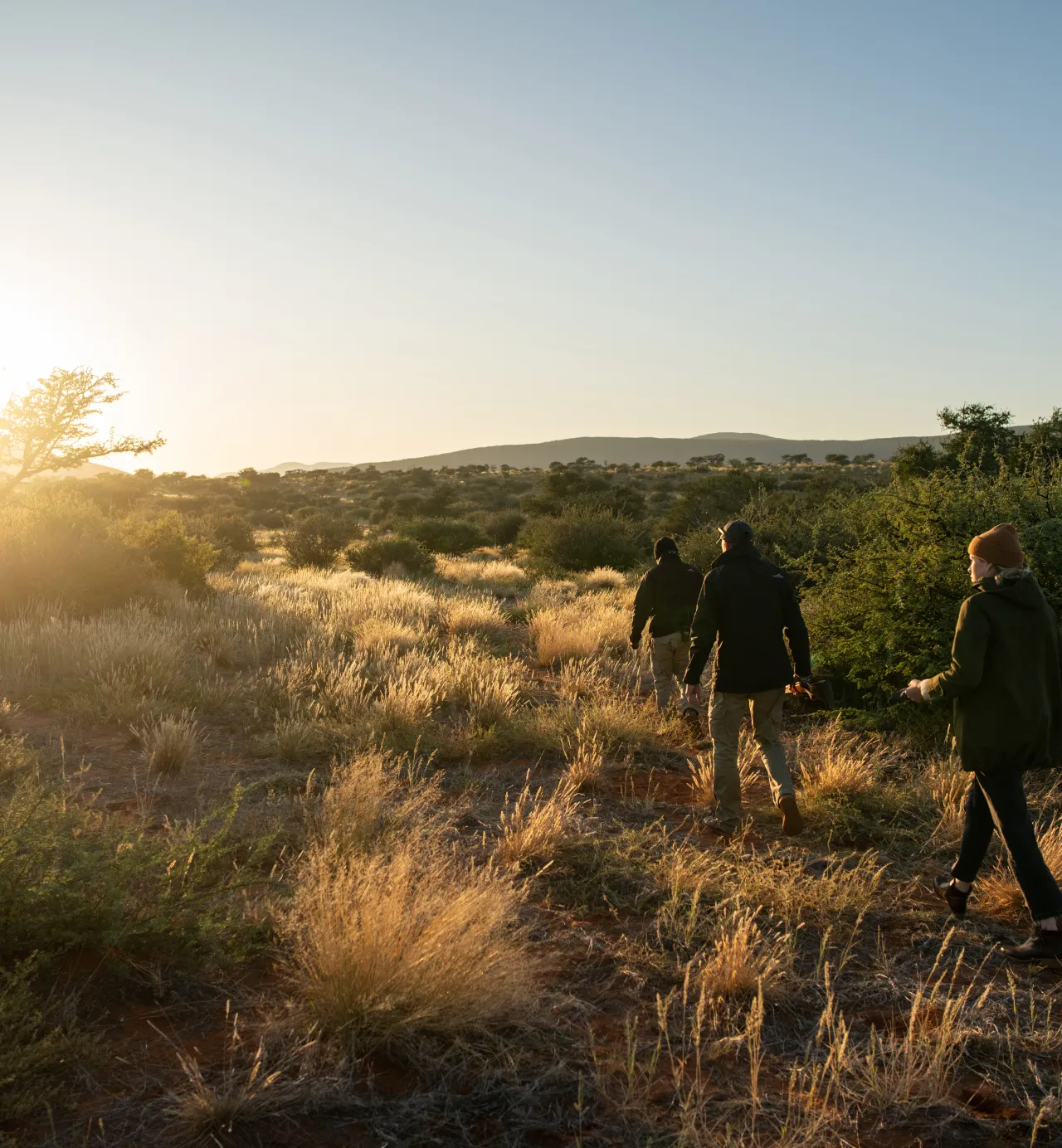
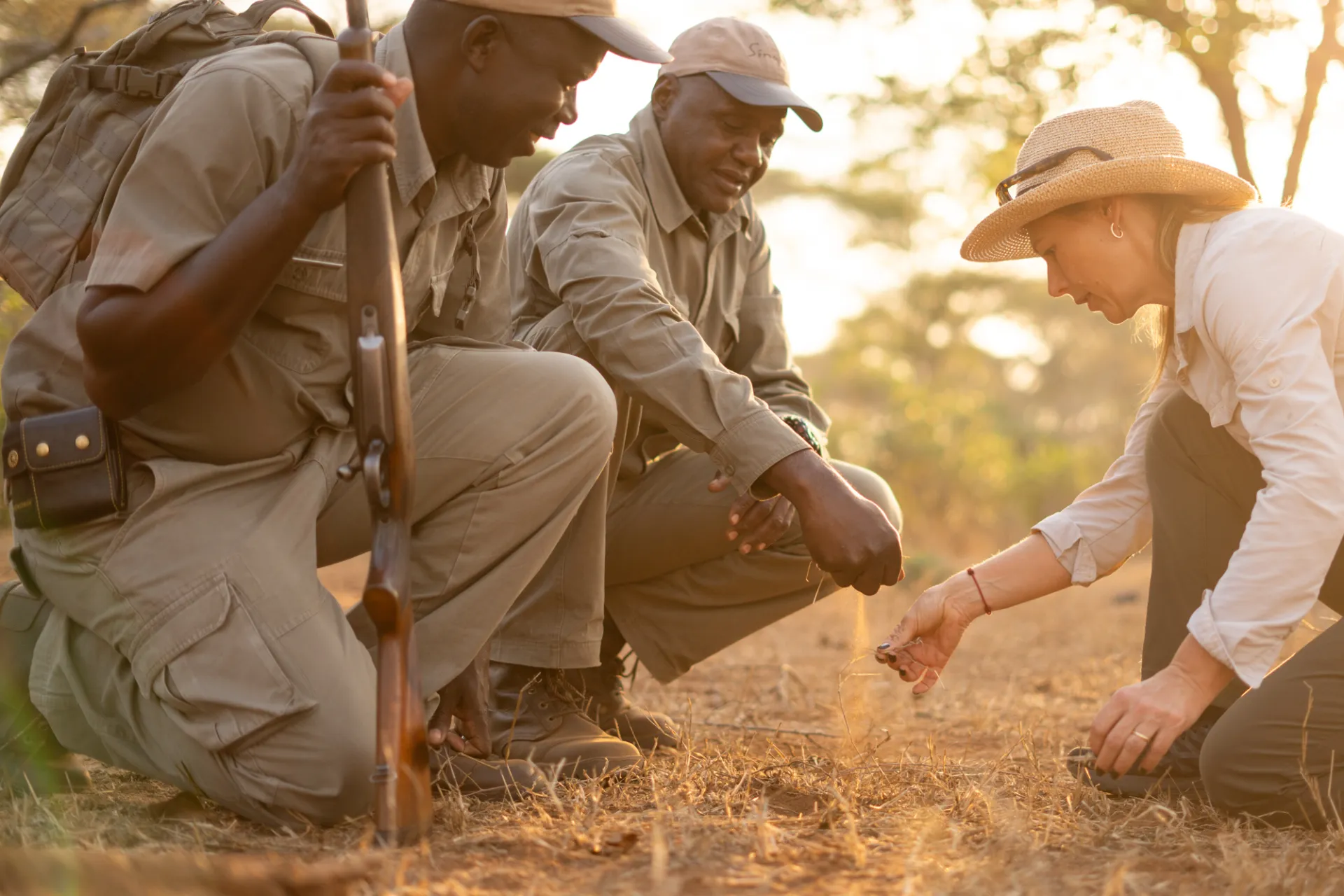
Tracking Africa’s most elusive species on foot
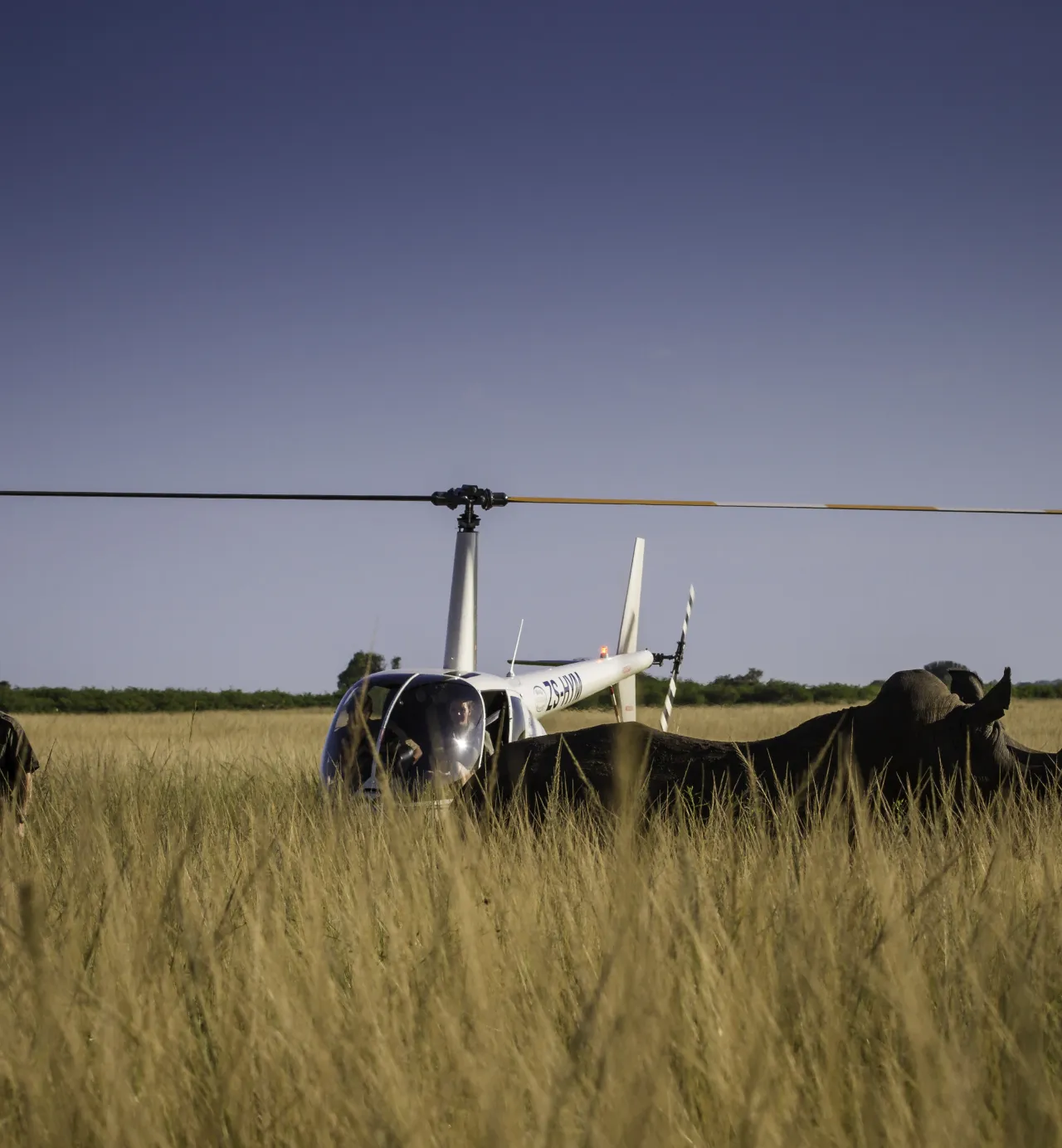
Rhino darting and chipping experience
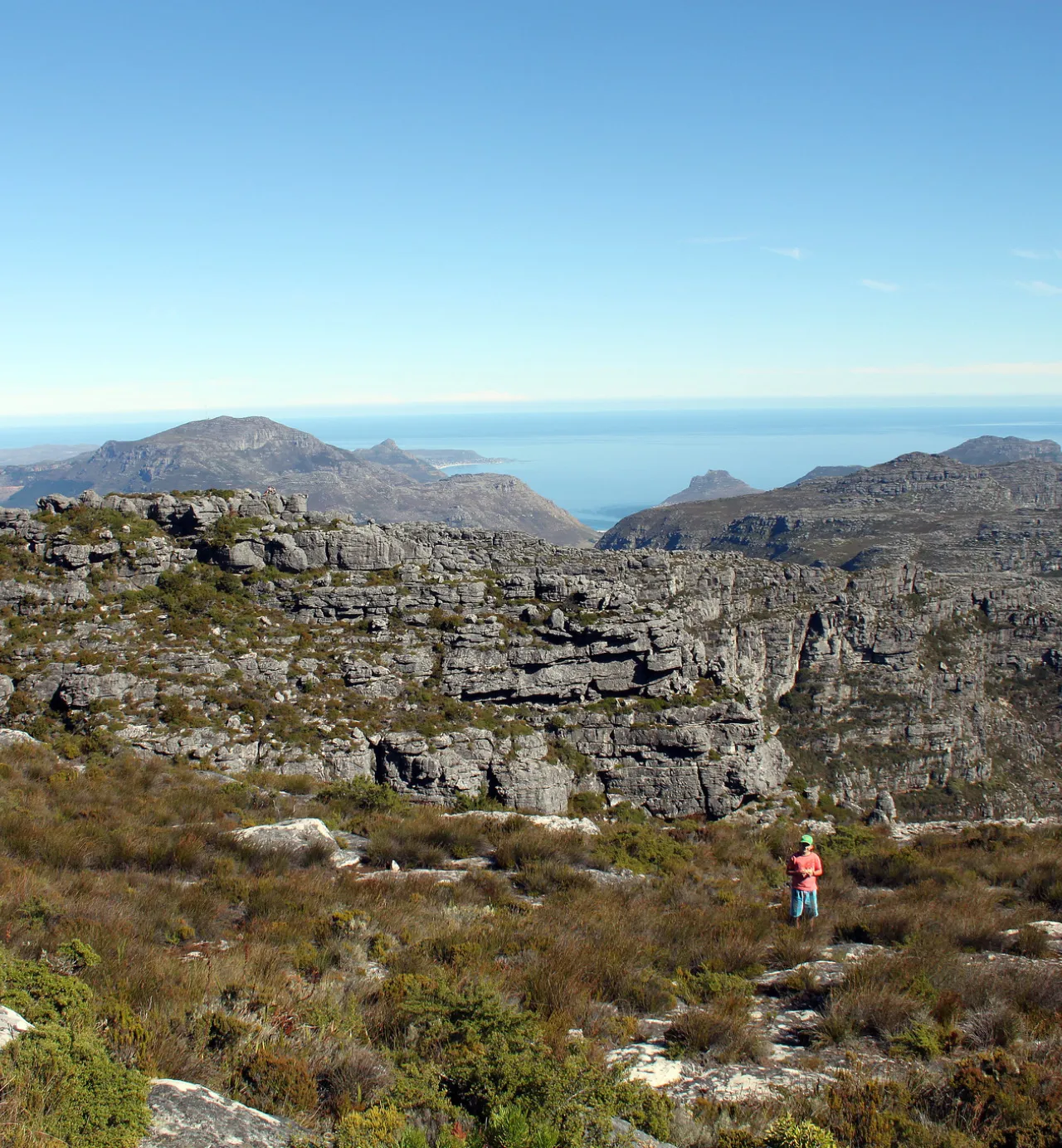
Hiking Table Mountain with a botanist or forager
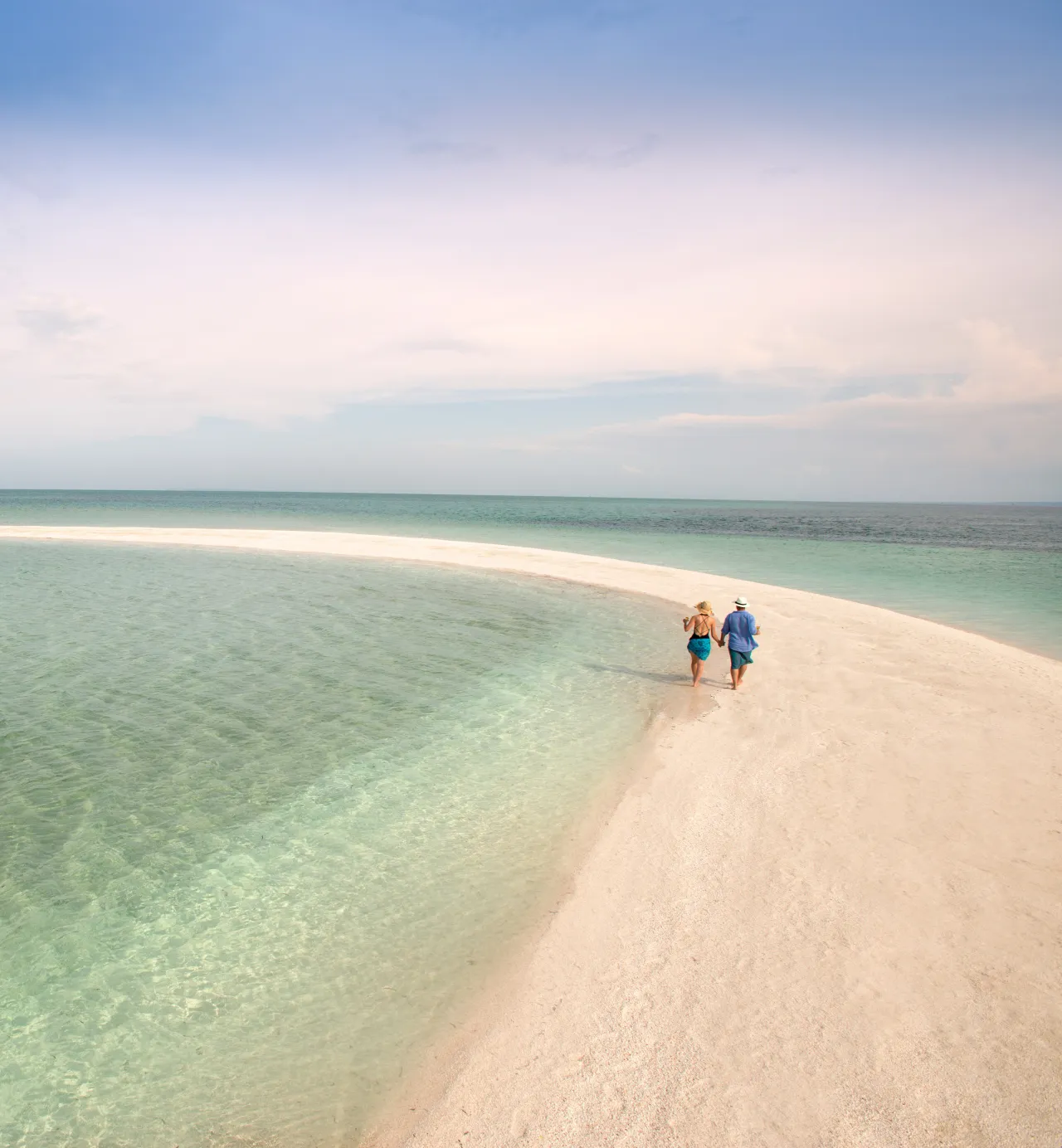
Castaway picnic on an African island

Voices of our guests
Victoria Falls FAQs
Both are fantastic and offer different perspectives. Zimbabwe has viewpoints for about 75% of the falls and offers the classic, panoramic postcard view. Zambia offers a closer, more visceral experience and is home to the Devil’s Pool (in low-water season). If time and visas permit, it’s best to see both.
It depends on your priorities. For the most powerful, thunderous flow, visit between February and May. For better visibility, great photos and access to activities such as white-water rafting and swimming in the Devil’s Pool, the dry season from June to October is ideal.
Yes, the entire Victoria Falls region on both the Zambian and Zimbabwean sides is a malaria-risk destination. It is essential to consult your doctor about appropriate anti-malarial medication before you travel.
The US dollar is the unofficial currency of tourism in both Victoria Falls, Zimbabwe, and Livingstone, Zambia. It is best to bring sufficient cash, especially in smaller denominations, for visas, park fees, activities and tips.
This depends on your nationality. The KAZA UniVisa is an excellent option for many tourists, allowing entry into both Zambia and Zimbabwe for 30 days. Your Travel Architect can advise you on the latest eligibility requirements.
Yes, absolutely! During the high-water season, the spray is so intense it’s like walking through a heavy downpour. You will be completely soaked without one. Raincoats and umbrellas are available for hire at the entrance to the falls.
A stay of two to three nights is ideal. This gives you one full day to explore the falls from both sides and another day to enjoy some of the many activities on offer, such as a sunset cruise or a helicopter flight.
Aside from viewing the falls themselves, the top three activities are a sunset cruise on the upper Zambezi, a helicopter flight (the “Flight of Angels”) for breathtaking aerial views, and for adrenaline junkies, white-water rafting in the Batoka Gorge.
Yes. It is common to see wildlife such as elephants, warthogs and baboons wandering along the roads and through the unfenced hotel grounds in the town of Victoria Falls, Zimbabwe. A sunset cruise will guarantee sightings of hippos and crocodiles.
No, it is not safe to swim in the Zambezi River due to the presence of crocodiles and hippos, as well as strong currents. The only exception is the famous Devil’s Pool on the Zambian side, which is one of three natural rock pools right on the edge of the falls, accessible only with registered guides during the low-water season.
