

Waterberg Biosphere Reserve
Waterberg Biosphere Reserve
Nature’s artistry on full display
Peak time
June to September
Best time to visit
May to October (cool, dry winter months)
Known for
Its dramatic sandstone cliffs
Also known for
Being a conservation success story and a UNESCO Biosphere Reserve
About the Waterberg Biosphere Reserve
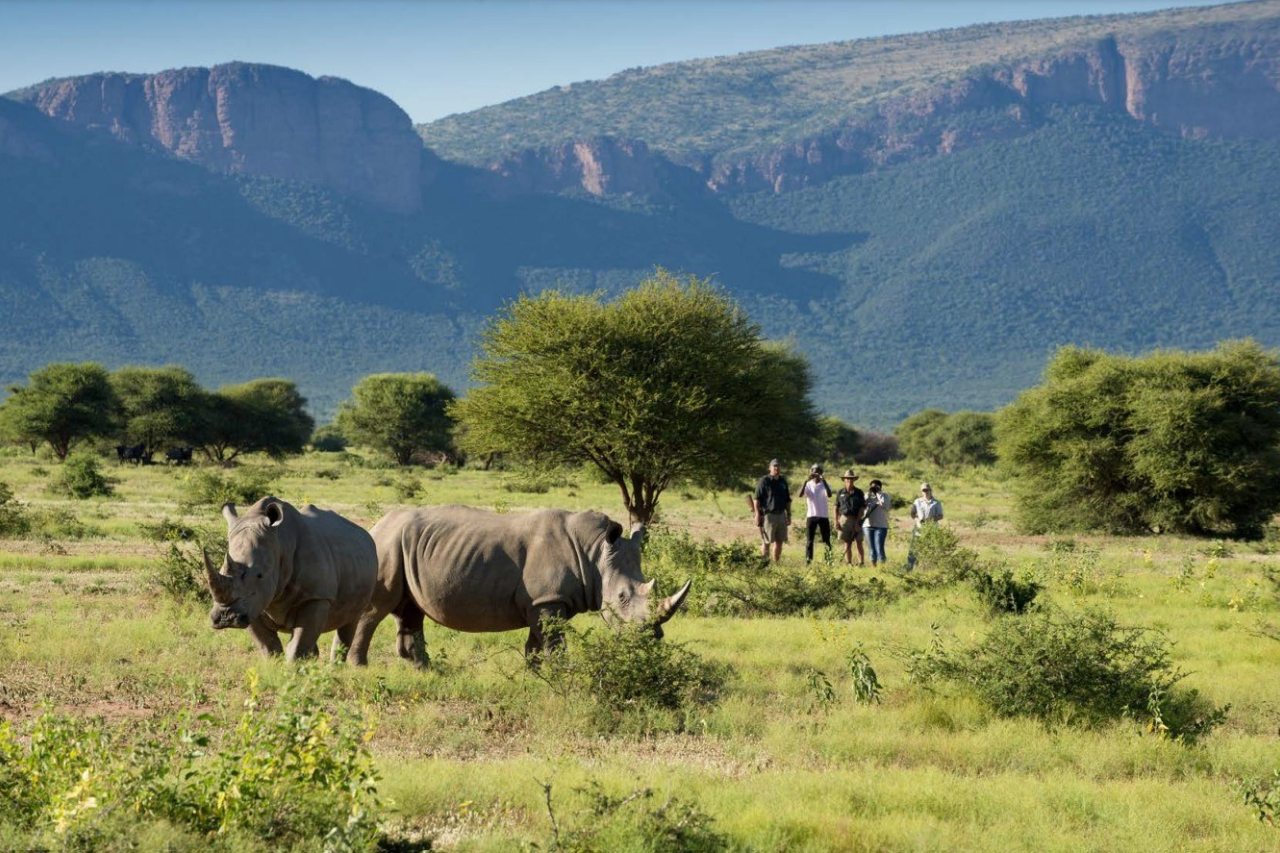
Photo courtesy MORE Collection
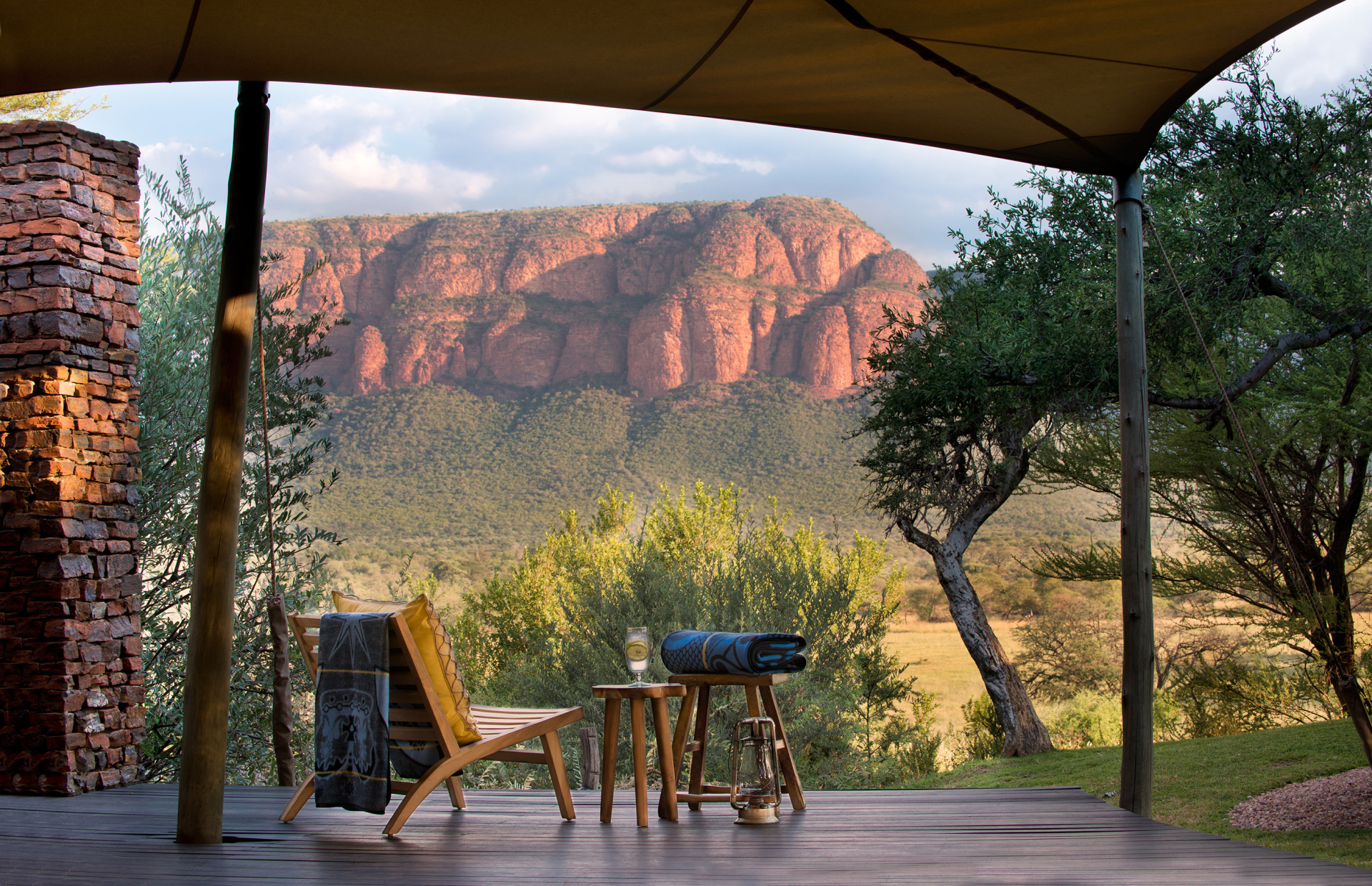
The Waterberg Biosphere Reserve is a landscape of extraordinary beauty and geological wonder. This vast UNESCO Biosphere Reserve is defined by the multicoloured sandstone cliffs that rise dramatically from the surrounding bushveld. These ancient formations, carved by wind and water over millions of years, create a truly awe-inspiring backdrop for a safari.
The 654 000ha (1.6-million acre) reserve is a collaboration that includes the Marakele National Park and surrounding private conservancies and communities, such as Welgevonden Game Reserve, creating a crucial wildlife corridor. This integrated approach has led to the successful reintroduction of species that had been lost to the area, including the Big Five, and made the Waterberg one of South Africa’s most important conservation areas.

Did you know
It is one of the few places in the region where you can see both black and white rhinos
A safari in the Waterberg is a journey into a landscape that feels both ancient and alive. It is a place of incredible geological diversity, from towering cliffs to deep ravines that hide 2 000-year-old Bushmen rock art sites.
Get to know the Waterberg
The Waterberg experience is defined by its dramatic landscapes, and its focus on wildlife and conservation. The region boasts a variety of luxury lodges in the private Welgevonden and Lapalala Wilderness reserves, as well as in the Marakele National Park and its exclusive concession, Marataba. A safari here is a mix of classic game drives and more intimate activities.
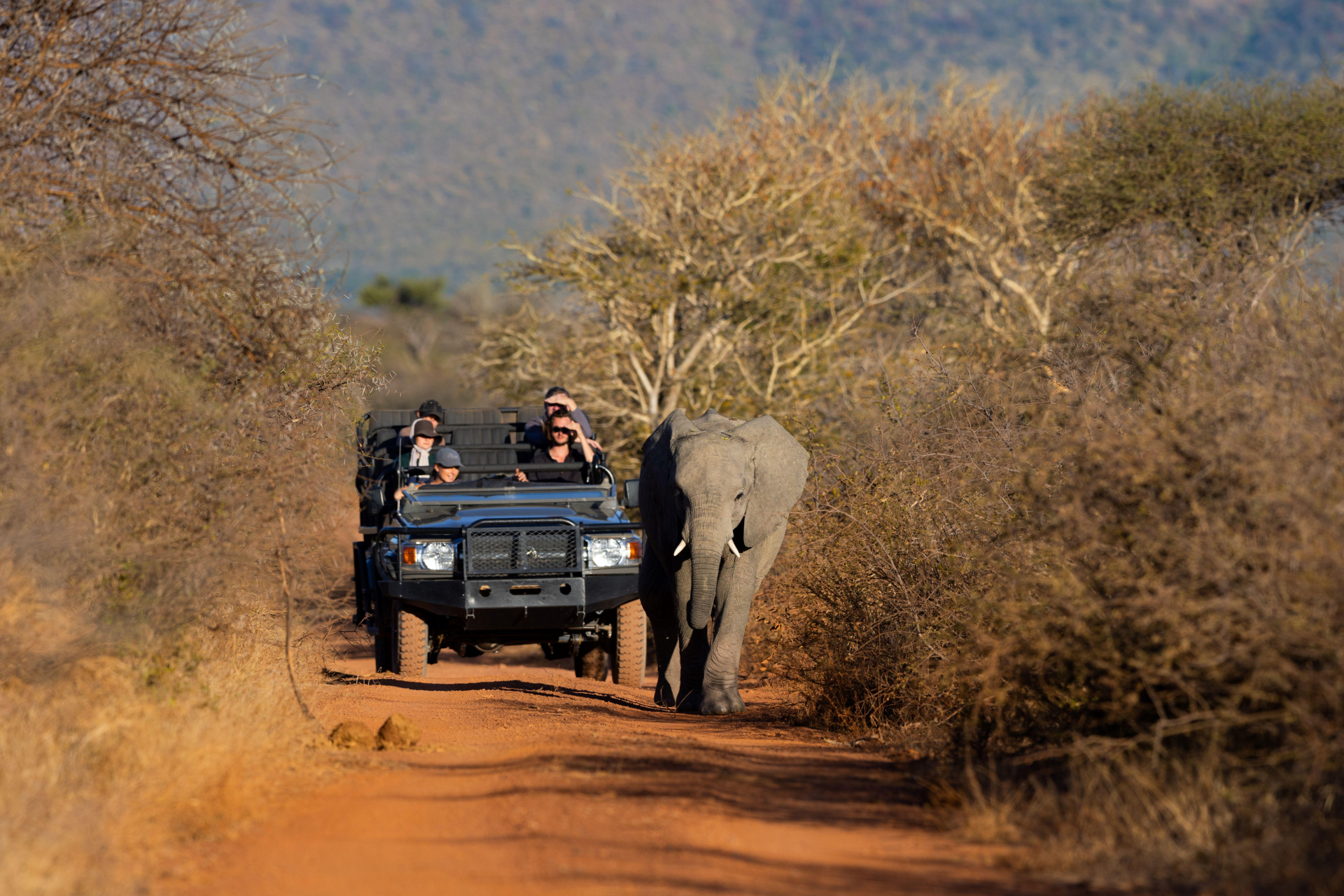
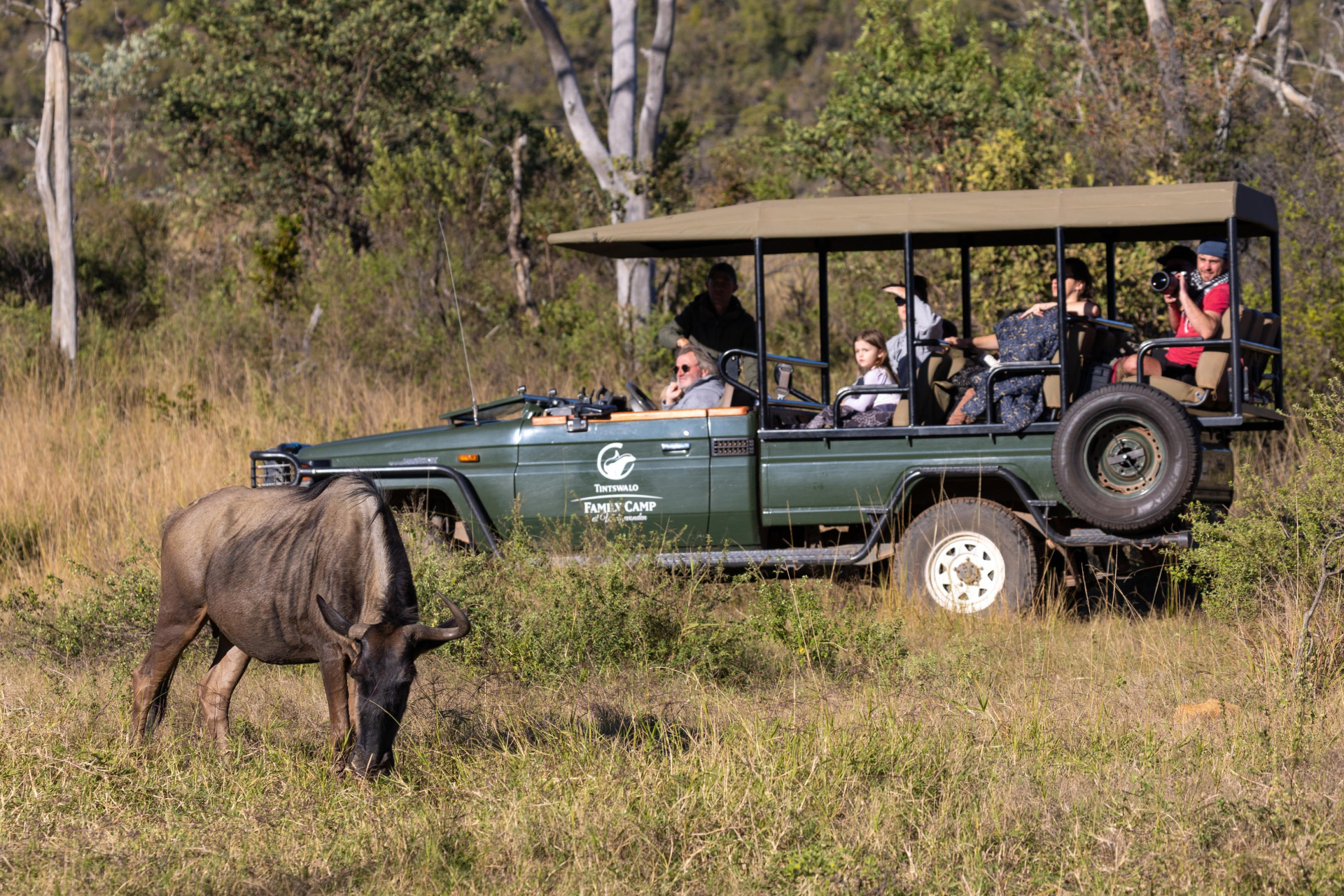
Primary safari activities are morning and afternoon game drives in open 4x4 vehicles, led by expert guides who are knowledgeable about the area’s geology, flora and fauna. The Waterberg’s status as a biosphere reserve means that conservation is prioritised, and many lodges offer opportunities to learn about the protection of rhinos and other endangered species.
History
The history of the Waterberg region stretches back to the Stone Age, evidenced by the presence of ancient Bushman rock art sites that have been preserved within the reserve. These paintings offer a fascinating glimpse into the lives of the people who lived here thousands of years ago. For centuries, the area has been a place of spiritual significance for local communities, who believe the mountains are home to sacred spirits.
More recently the land was used for cattle farming. However, landowners have long recognised the area’s immense ecological value and its potential for conservation. In 1994, the Marakele National Park was proclaimed, incorporating a significant portion of the Waterberg Massif. The establishment of private concessions like Marataba, managed in partnership with SANParks, has been crucial in funding conservation efforts and ensuring the long-term protection of this landscape and its wildlife.
More unforgettable activities
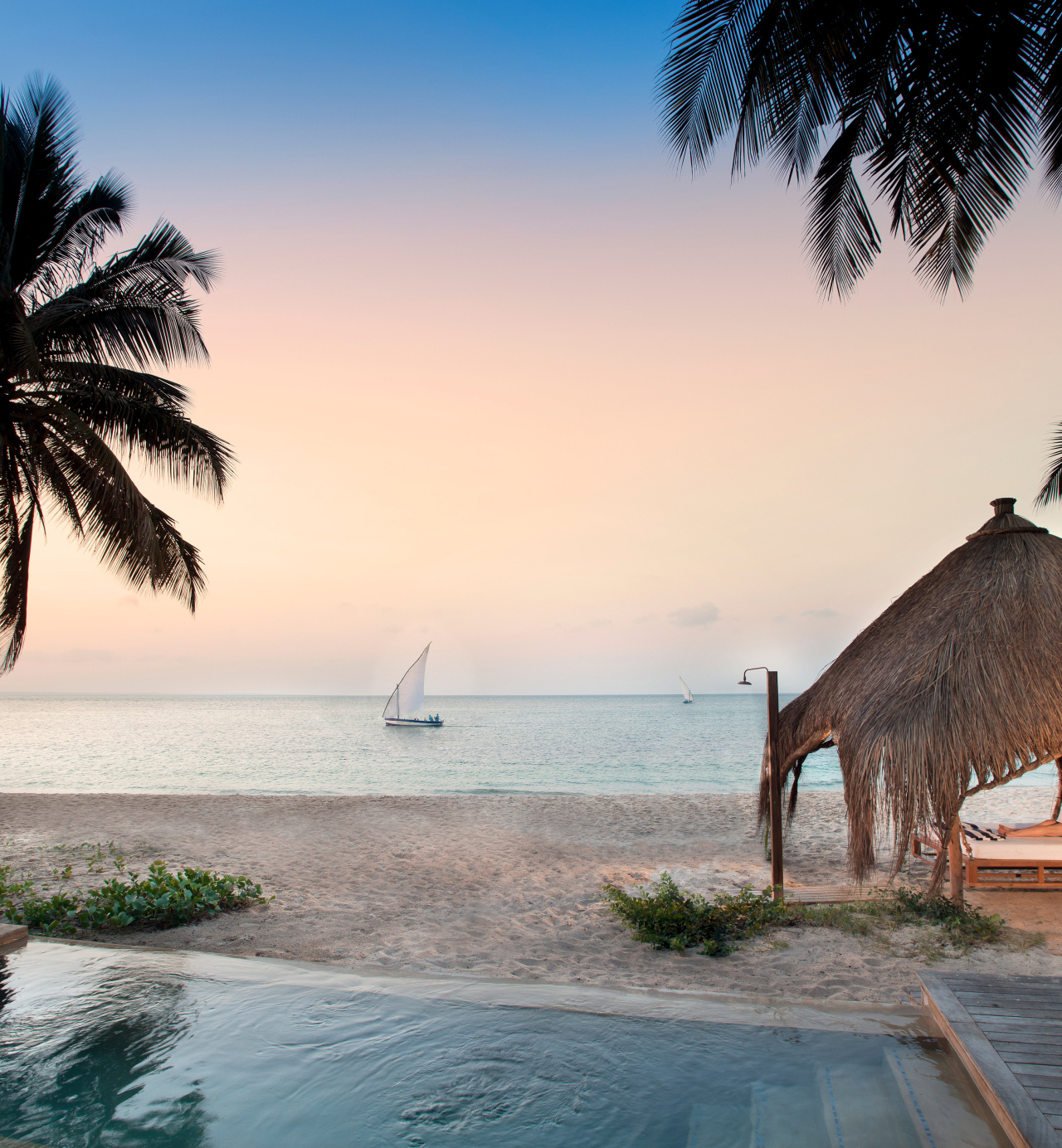
Turtle egg laying and hatching

Traditional Bo-Kaap cooking experience
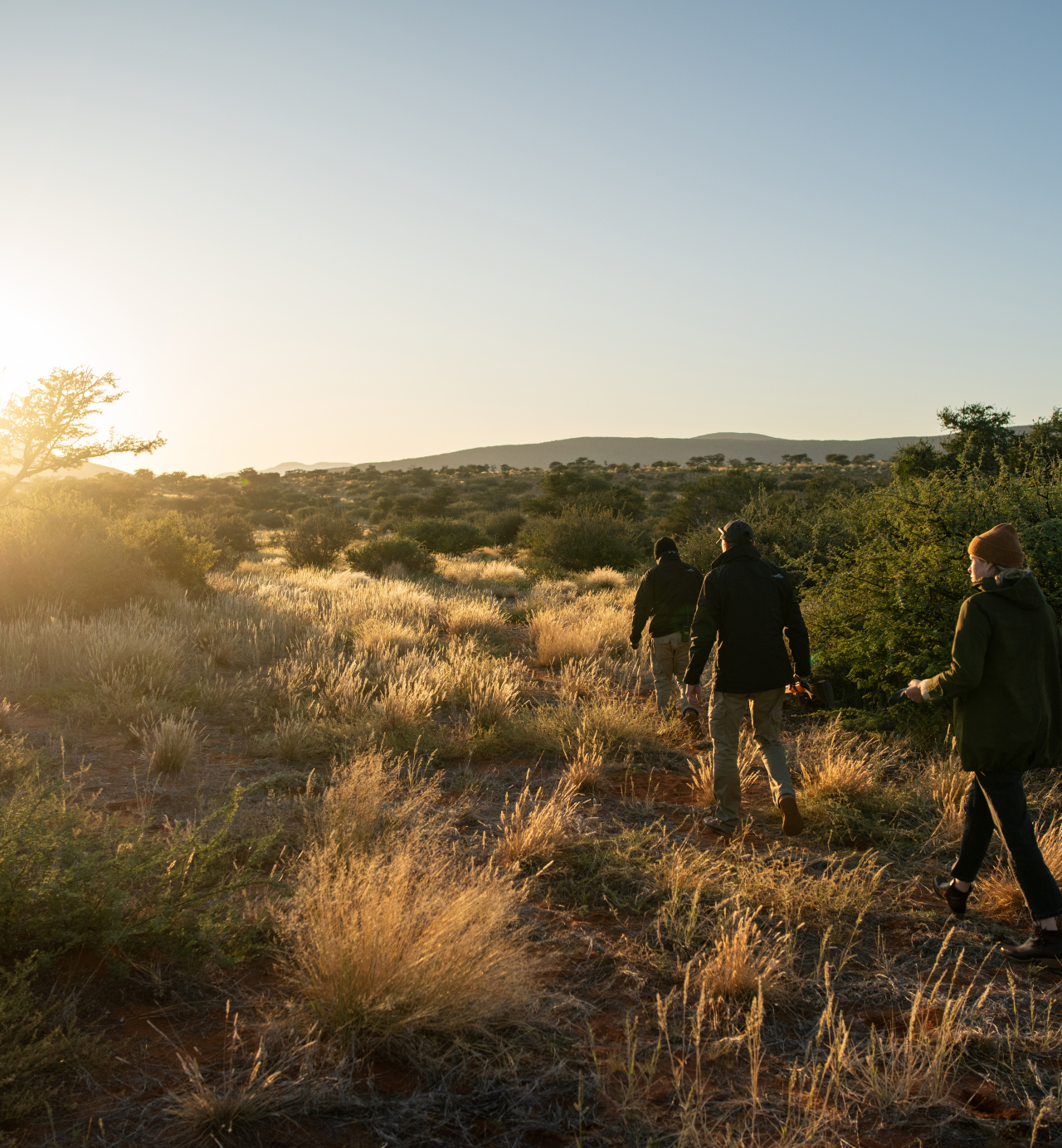
Tracking Africa’s most elusive species on foot
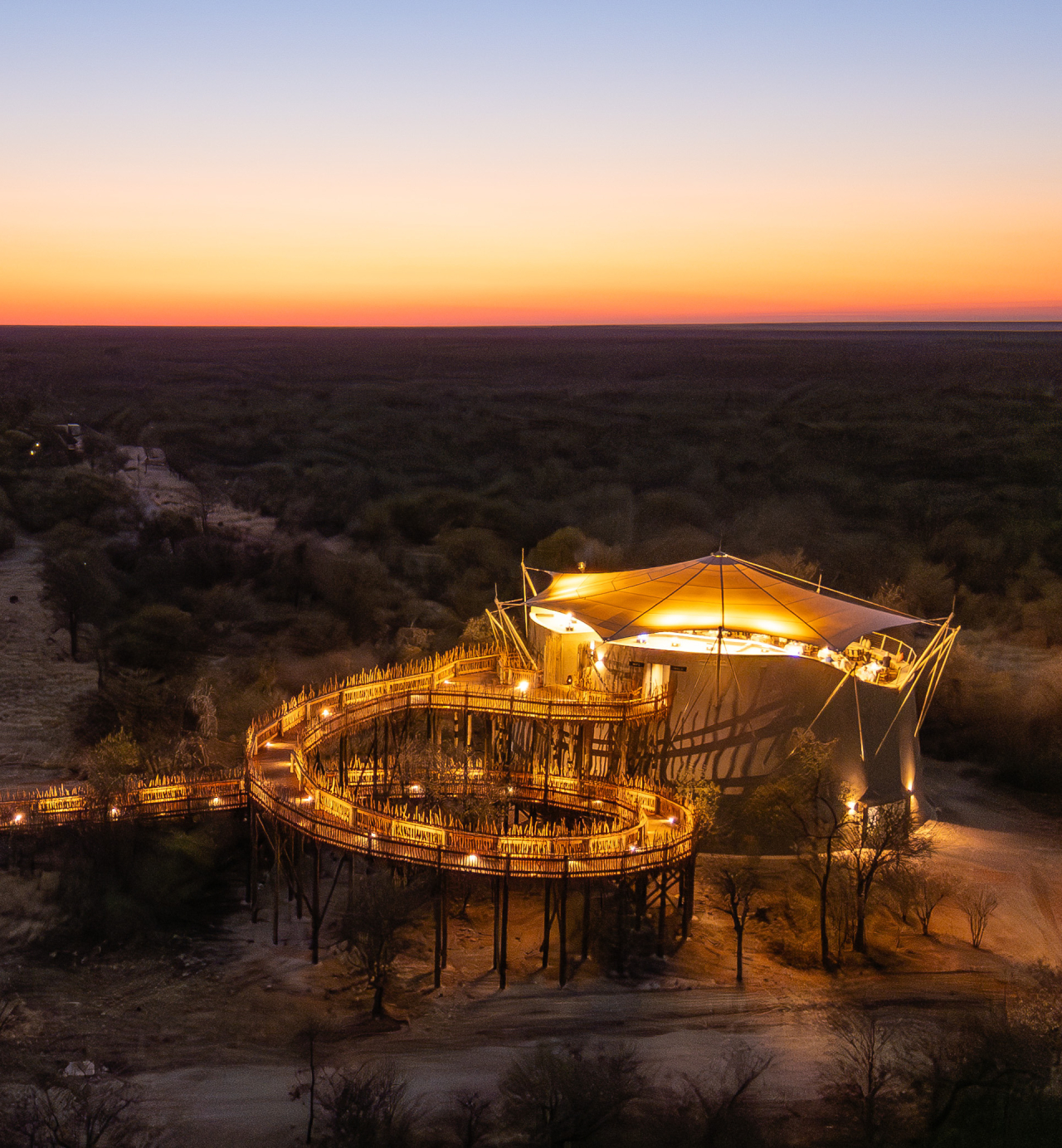
SkyBoma, Etosha
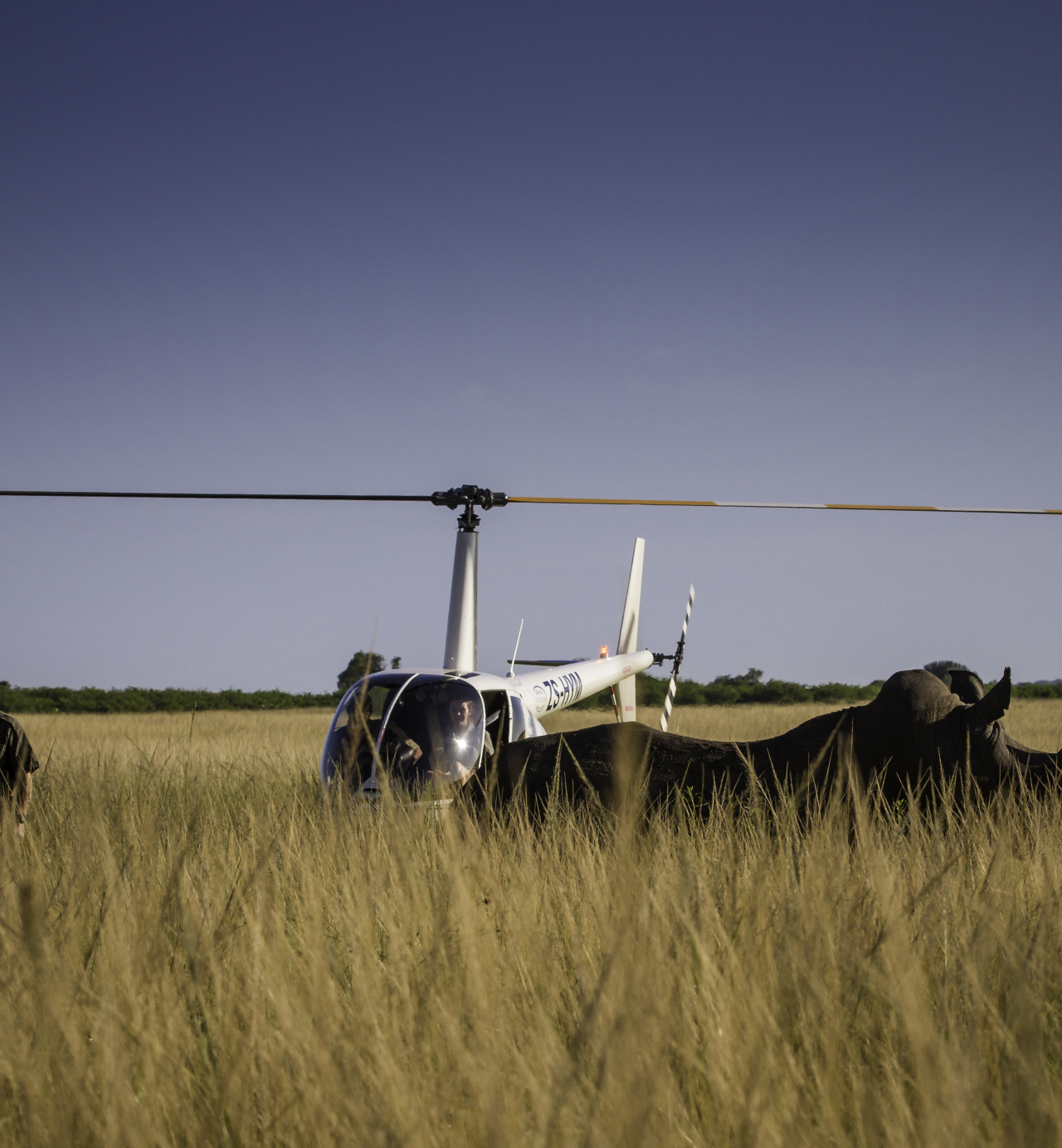
Rhino darting and chipping experience
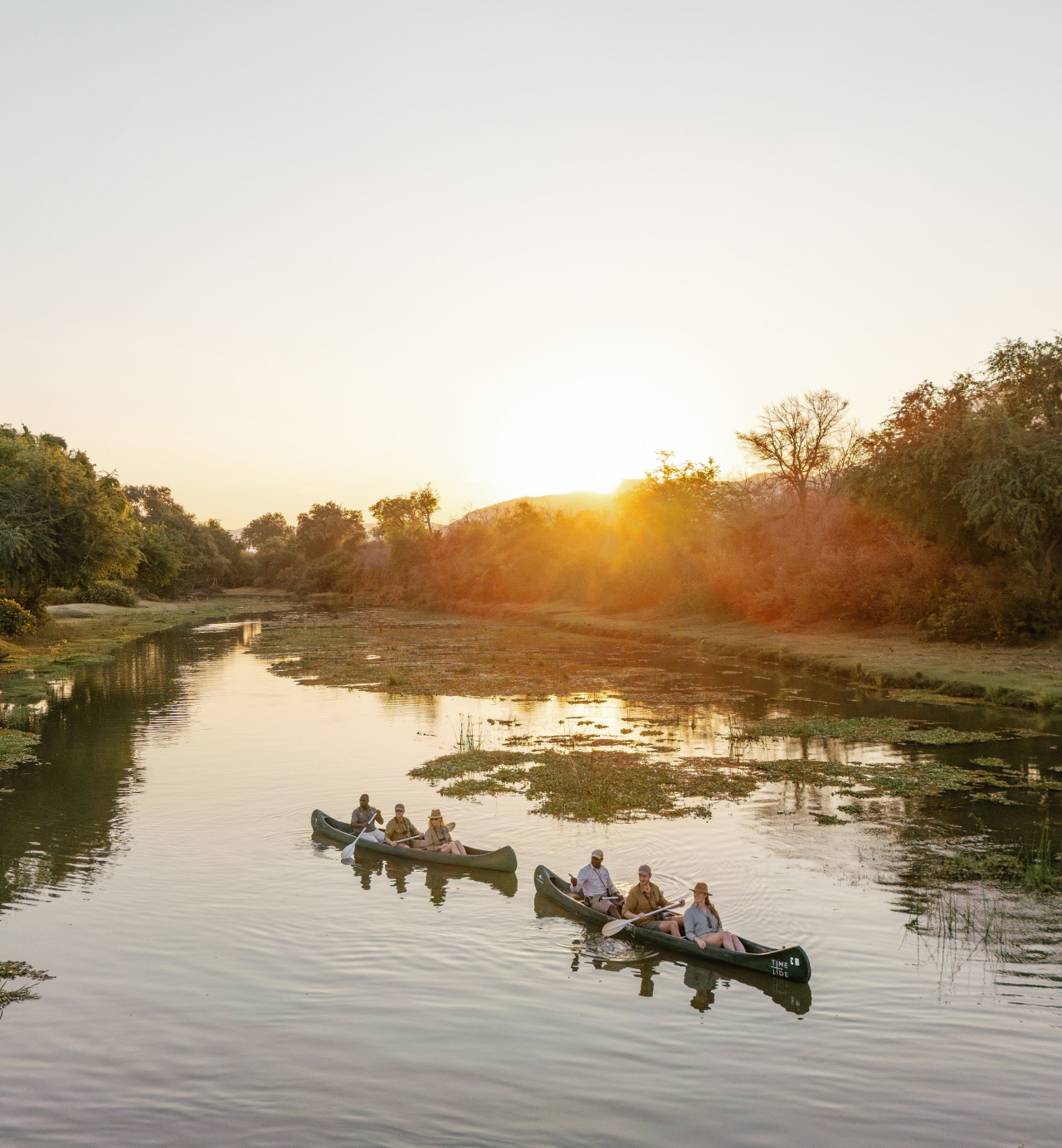
Picnicking on islands in the Zambezi
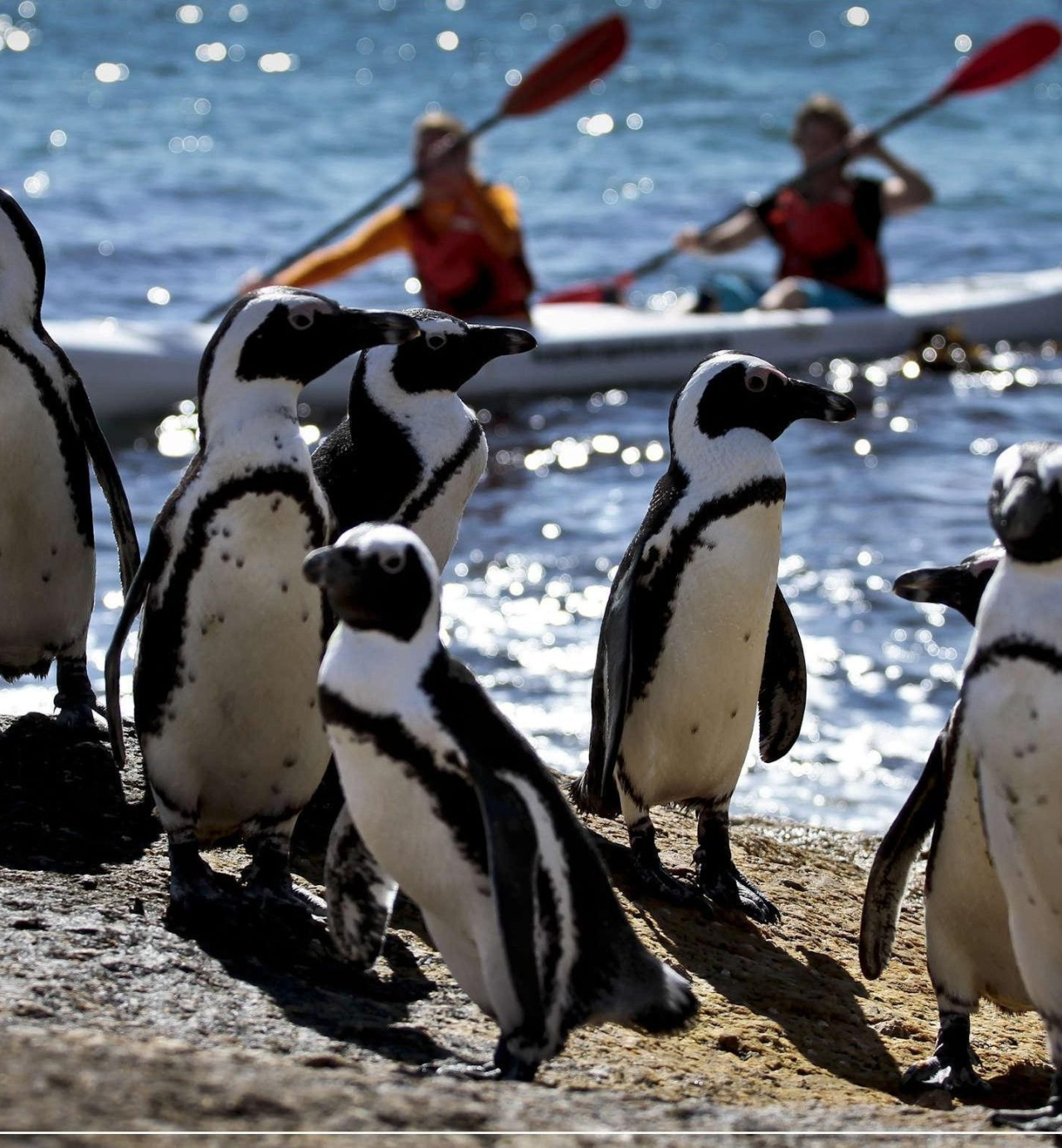
Paddle with penguins
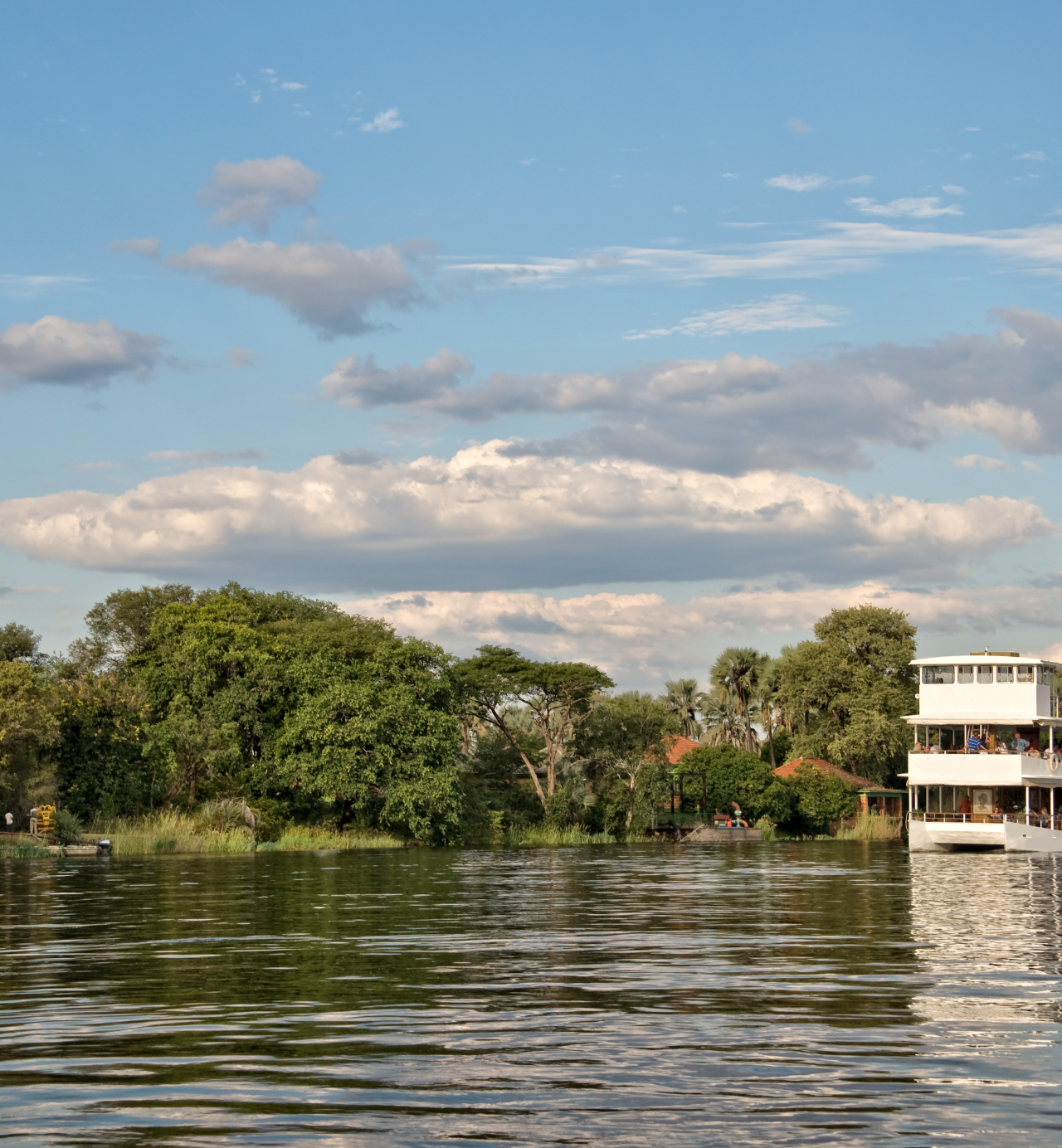
Live-aboard luxury Zambezi safari
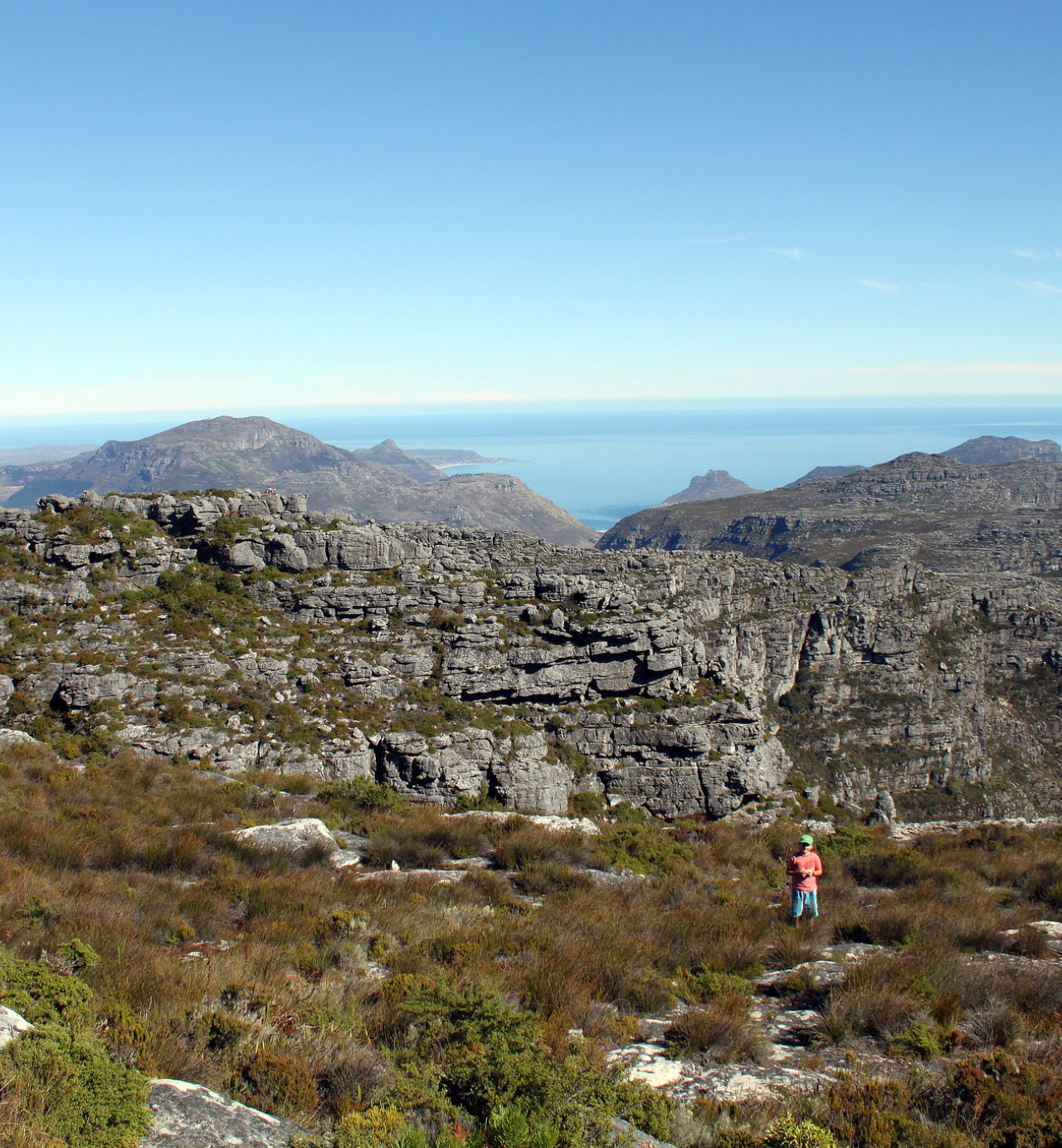
Hiking Table Mountain with a botanist or forager

Voices of our guests
Waterberg Biosphere Reserve FAQs
Its combination of dramatic mountain scenery, excellent Big Five sightings and status as a malaria-free destination makes it a truly special place, especially for families.
Yes, it is a Big Five destination, with reliable sightings of lions, leopards, elephants, buffalo, and both black and white rhinos.
The most convenient way is a three-hour drive from Johannesburg. For those who prefer to fly, there are various facilities for light aircraft and helicopters.
No, the entire mountain chain is malaria-free.
A stay of two to three nights is ideal. This gives you enough time for several game drives, to appreciate the scenery, and potentially to enjoy activities such as walking safaris or visiting the vulture colony.
Accommodation is in luxury safari lodges within the private reserves and concessions, offering exclusive experiences. These are designed to blend seamlessly with the environment.
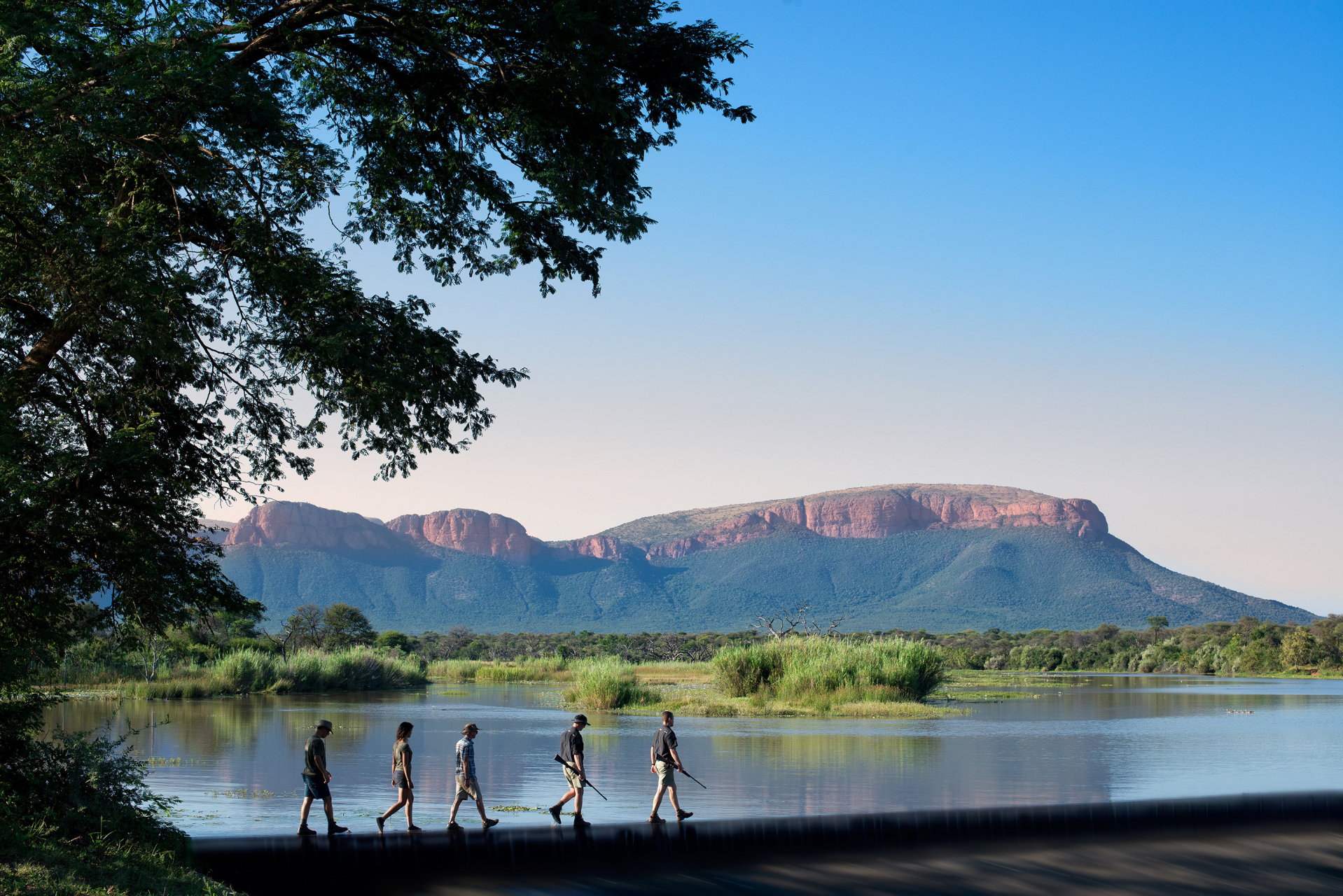
The reserve is renowned for its excellent guided walking safaris, which offer a different perspective on the bush, and for visits to the spectacular Cape vulture colony.
Yes, it is an excellent destination for families. The malaria-free status is a major plus, and lodges often have family suites and offer engaging activities for children.
This status recognises the area’s outstanding universal value for both its biodiversity and its cultural heritage, and highlights the successful integration of conservation efforts with the needs of local communities.
